The landscape of movie theaters is undergoing a profound metamorphosis, far beyond the familiar glow of the silver screen. In an era where streaming platforms compete fiercely for consumer attention, cinematic venues are reimagining themselves not merely as places to watch films, but as immersive entertainment hubs. This transformation is driven by a confluence of evolving consumer desires, technological advancements, and strategic industry innovations, fundamentally altering everything from the lobby experience to the very snacks we consume.
Gone are the days when a simple ticket and a basic buttered popcorn sufficed to attract audiences. Today, movie theaters are at the forefront of a dynamic shift, embracing sophisticated retail collaborations, leveraging social media influence, and upgrading every aspect of the patron experience. This article delves deep into these monumental changes, exploring how the industry is innovating to not only survive but thrive in the 21st century, making every visit a memorable event.
From the unexpected viral sensation of commemorative popcorn buckets to the rise of gourmet culinary offerings, the journey through modern cinema reveals an industry in flux. We are witnessing a strategic re-evaluation of how brands connect with audiences, how technology enhances engagement, and how the beloved movie snack is being redefined. This initial exploration will shine a light on the intricate web of partnerships, the surprising power of social media, and the delicious evolution of concessions, all pointing towards a dramatically different future for moviegoing.
1. **The Evolution of Retail-Film Partnerships**Remember when product placement in movies or paid advertisements were painfully obvious? Those days are largely behind us, as strategic partnerships between the retail and entertainment industries have grown significantly smarter and more powerful. This new approach is unlocking unprecedented levels of audience engagement and brand loyalty, creating a synergy that benefits both sectors.
Consumers today crave more than just a product; they desire a story, a feeling, a moment they can share. Retail-film collaborations are uniquely positioned to offer precisely that. When executed correctly, these partnerships skillfully tap into nostalgia, culture, and emotion, enabling brands to effectively rise above the considerable noise in an increasingly saturated market. We’ve seen this manifest from “Barbie-branded popcorn at AMC theaters to immersive in-store movie tie-ins.”
This marks the dawn of a new era of immersive retail experiences. Modern retail-film partnerships are no longer content with mere product placement. Brands are now investing heavily in experiential marketing that deliberately blurs the line between watching a story and living it. Retailers are becoming true extensions of the entertainment experience, hosting live events, designing elaborate themed product displays, and collaborating on exclusive merchandise that resonates powerfully far beyond the screen.
Movie theaters themselves are keenly catching on to this trend. They are actively selling themed snacks and specialized cups to precisely set the tone for movie-goers, transforming the concession stand into a key part of the cinematic narrative. These meticulously crafted experiences do more than just entertain; they effectively drive traffic, boost brand awareness, and build deeper, more meaningful emotional connections with consumers. In essence, both theaters and stores are being reimagined as vibrant stages for captivating brand storytelling.

2. **Influencers and Social Media as Brand Bridges**A substantial crossover is rapidly developing between social media, retail, and film, creating powerful new avenues for connection. In this evolving landscape, influencers are no longer just content creators; they are emerging as crucial brand-builders. Simultaneously, entertainers are transforming beyond their traditional roles into savvy entrepreneurs, capitalizing on their massive platforms.
With millions of followers quite literally at their fingertips, these influential creators are now launching their own successful product lines. They are also forging high-impact partnerships with established retail brands, leveraging their credibility and reach to introduce products directly to highly engaged audiences. This direct line to consumers bypasses many traditional marketing hurdles.
This shift underscores how traditional marketing channels are being augmented, if not entirely superseded, by personal branding and digital reach. The perceived authenticity inherent in influencer marketing provides a unique and potent bridge between film content and retail products. This fosters a level of trust and engagement that older, more conventional advertising models often struggled to achieve, proving invaluable in today’s crowded market.
Read more about: Emily Ratajkowski’s Biker Boots and Boxer Shorts: A Bold Style Statement for the Season
3. **Technology as a Catalyst for Engagement**Advances in technology are equipping brands with unprecedented tools to create rich and profoundly engaging promotions. These innovations are enabling campaigns like never before, pushing the boundaries of what is possible in audience interaction. Companies are embracing cutting-edge solutions, including artificial intelligence (AI), augmented reality (AR), and even lifelike avatars, to construct dynamic retail experiences that meet people precisely wherever they are in their daily lives.
While cultural influence has always driven sales, a phenomenon exemplified by the enduring appeal of “Ray-Bans in Top Gun,” today’s technologies elevate this connection significantly. They “allow us to scale and personalize those moments with precision,” transforming broad trends into highly individual experiences. This capacity for personalized engagement represents a critical evolution in how brands connect with their target demographics.
The future of retail-entertainment collaboration is envisioned as comprising “more integrated, tech-enhanced campaigns.” Established and “tried-and-true strategies like co-branded merchandise will remain,” but their effectiveness will be dramatically enhanced. They will be “bolstered by data-driven insights, interactive tools and omnichannel storytelling,” ensuring a comprehensive and cohesive brand narrative. This trajectory points towards a future that is “hybrid, immersive and deeply connected,” offering a seamless fusion of physical and digital engagement.
Read more about: An Exclusive Deep Dive into the Phenomenal World of Shaun the Sheep and Its Enduring Global Appeal
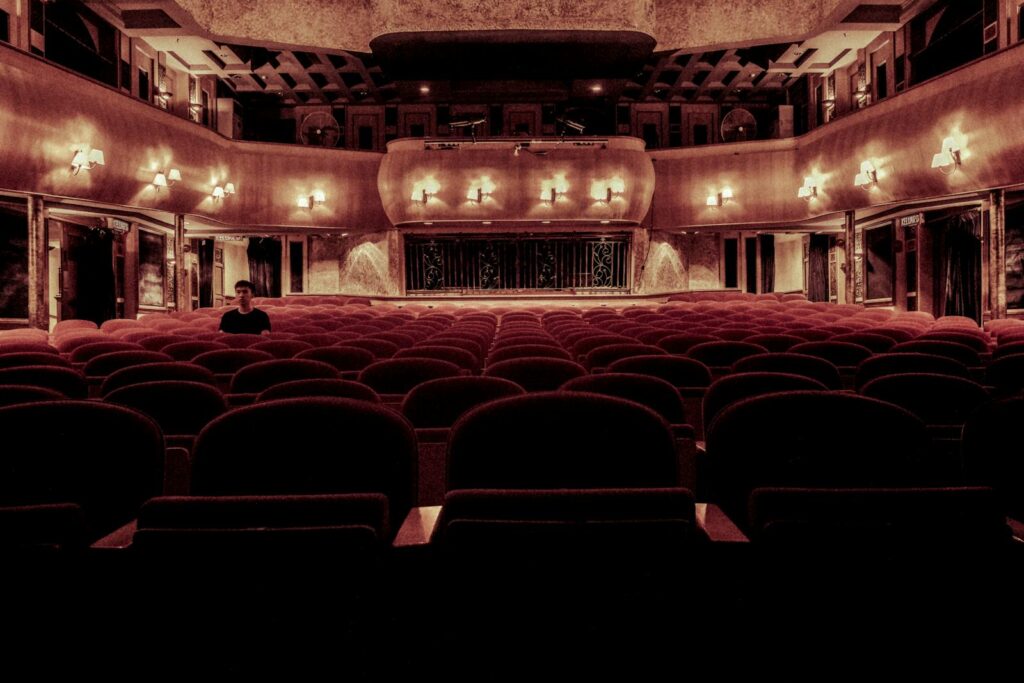
4. **The Strategic Rise of Commemorative Popcorn Buckets**For decades, popcorn has stood as an undisputed staple of the movie theater experience and a foundational element of exhibitors’ bottom lines. Intriguingly, in the current climate, “the receptacle it comes in is becoming just as important.” This subtle yet powerful shift highlights a new dimension in concession strategy, transforming a disposable container into a collectible item.
The impact of this trend is significant. As recently as three years ago, AMC Entertainment didn’t sell any merchandise, yet last year it “hawked novelty popcorn buckets, drink sippers and T-shirts to the tune of about $65 million in revenue.” This remarkable turnaround began in a substantial way “with our own movie, ‘Taylor Swift: The Eras Tour,’ that we released in October of 2023,” according to AMC CEO Adam Aron. He noted, “we sold just an incredible number of popcorn buckets,” which then “sparked us to do it almost all the time … just literally every month.”
Other major theater chains, including Cinemark, Marcus, Regal, and B&B Theatres, have also enthusiastically embraced these specialty popcorn buckets. They utilize these unique items not only to drive concession purchases but also to generate a crucial “sense of urgency to see big movies on opening weekend” and to “add value to the theatrical experience.” Paul Farnsworth, executive director of communication and content at B&B Theatres, articulated the underlying strategy: “Post-Covid, we realized that the eventizing of cinema has never really been as important as it is now.”
Farnsworth further emphasized the broader benefits, explaining that unique popcorn buckets “can add value to a customer’s trip to the movies and creates a memory of the trip that can be taken home, propped up on a display shelf or repurposed for movie nights in.” He affirmed, “It is very good for the bottom line.” The intangible value is also immense, with people “taking pictures with them in the theater,” generating organic social media buzz that amplifies the moviegoing event.
The proof of concept for this phenomenon was dramatically showcased with the release of “Scream VI” in 2023, as Sean Gamble, CEO of Cinemark, recounted, “We made a ‘Scream’ popcorn bucket and it completely caught us by surprise. This thing just had this huge uptake. We sold out of the thing immediately and we were basically selling them to people online afterwards.” However, the “true watershed moment for the niche market came nearly five years later with a now-infamous popcorn bucket in honor of ‘Dune: Part Two,’” which, though “just wasn’t intended to be viral,” nevertheless “inspired crude comparisons to an adult product” and became a sensation, selling for between “$50 and $210 apiece on the reseller site.”

5. **Gourmet Popcorn: A Flavor Explosion**Movie snacks have undeniably evolved far beyond the classic, straightforward offerings of simple popcorn and soda. Looking ahead to 2025, cinema snacks will no longer be confined to a few basic options. Instead, they have undergone a significant transformation, now presenting a wide array of innovative flavors, upscale gourmet selections, and health-conscious alternatives. This diversification is a direct response to increasing competition from streaming platforms, serving as a key differentiator for the in-theater experience.
In the United States, popcorn steadfastly retains its title as the undisputed king of cinema snacks. However, in 2024, its reign is receiving a serious upgrade. Movie theaters are moving beyond basic butter, now offering sophisticated “gourmet popcorn options like truffle-flavored, caramel-dusted, and even matcha-infused varieties.” Upscale chains, such as iPic and Alamo Drafthouse, have further elevated this trend, providing artisanal popcorn that can be expertly paired with cocktails, beer, or fine wine, creating a more refined culinary experience.
This gourmet transformation extends to specific flavor profiles that are captivating moviegoers. “Caramel Drizzle” is receiving an upgrade with richer caramel sauces and creative toppings like sea salt or chocolate shavings. A “Cheddar Cheese Infusion” offers sharp, appealing cheesy flavors, with some theaters providing blends like white cheddar or aged cheddar. For the sophisticated palate, “Truffle Oil Temptation” introduces an earthy, luxurious taste that is both unexpected and increasingly popular. And for those who prefer a kick, “Spicy Sensation” varieties with jalapeño or sriracha seasonings are gaining traction. This broad expansion of flavor profiles is profoundly changing how people perceive and enjoy movie theater snacks, repositioning them from mere side items to a central part of the overall cinematic event.

6. **The Economics of Entertainment: Navigating Rising Popcorn Prices**While the allure of gourmet popcorn options is undeniably tempting, it comes with an inherent cost. Movie theater popcorn prices have been on a steady upward trajectory, a trend influenced by several converging economic factors. Understanding these underlying forces is crucial for moviegoers to make informed decisions about their snack purchases and to anticipate what to expect in the future of concession pricing.
Several distinct economic factors are directly contributing to the trend of increasing popcorn prices at movie theaters. “Ingredient Costs” have seen a significant rise, driven by broader inflation and ongoing supply chain disruptions affecting corn, oil, seasonings, and packaging materials. Concurrently, “Labor Expenses” have increased due to rising minimum wages and general labor costs, which directly impact the overall operational cost of running a movie theater.
Furthermore, theaters situated in prime locations face substantial “Rent and Overhead” costs, which are frequently passed on to consumers through higher prices at the concession stand. It is also important to note that “Movie theaters are also investing in equipment to produce higher-quality popcorn,” an endeavor that can be quite costly. While this investment aims to deliver a superior product, it inherently contributes to the overall price increase of the beloved cinema snack.
7. **Theater Strategies for Balancing Quality and Affordability**Faced with the dual challenge of rising operational costs and rapidly evolving consumer expectations, movie theaters are actively employing a diverse range of strategies. Their goal is to strike a delicate balance between enhancing quality and maintaining affordability for their patrons. These comprehensive strategies are designed to deliver a premium moviegoing experience while simultaneously appealing to a broad and diverse audience, ranging from budget-conscious families to those seeking luxury.
To achieve this critical balancing act, movie theaters are adopting several key approaches. “Loyalty Programs” are a prominent tactic, with many theaters introducing schemes that offer valuable discounts on popcorn and other concessions to frequent customers. This not only rewards loyal patrons but also encourages repeat visits, fostering a sense of community around the cinema experience.
Another effective strategy involves “Value Bundles.” By combining popcorn with drinks or other popular snacks in a bundled package, theaters can offer a perceived value that often encourages customers to spend more on concessions than they might if purchasing items individually. This clever pricing model makes the overall purchase feel more economical. Finally, “Premium Pricing” is applied to gourmet popcorn and other upscale offerings. These items are often priced higher than traditional options, allowing theaters to generate increased revenue from those customers who are willing to pay for an elevated culinary experience. These strategic approaches enable theaters to effectively “cater to different customer segments, offering both affordable and premium options,” a flexibility that is “critical for maintaining profitability and customer satisfaction” in a highly competitive market.
The transformation of the cinematic experience extends far beyond the innovative concession stands and digital marketing strategies explored in the first section. A more fundamental reimagining of the movie theater itself is underway, encompassing significant architectural, technological, and operational overhauls. This comprehensive analysis will now delve into the reshaping of cinema spaces, the critical investments in cutting-edge projection and sound, the expansive diversification of food and beverage options, the burgeoning landscape of event cinema, and the evolving collaborations between studios and exhibitors to enhance the overall value proposition for today’s discerning moviegoer.
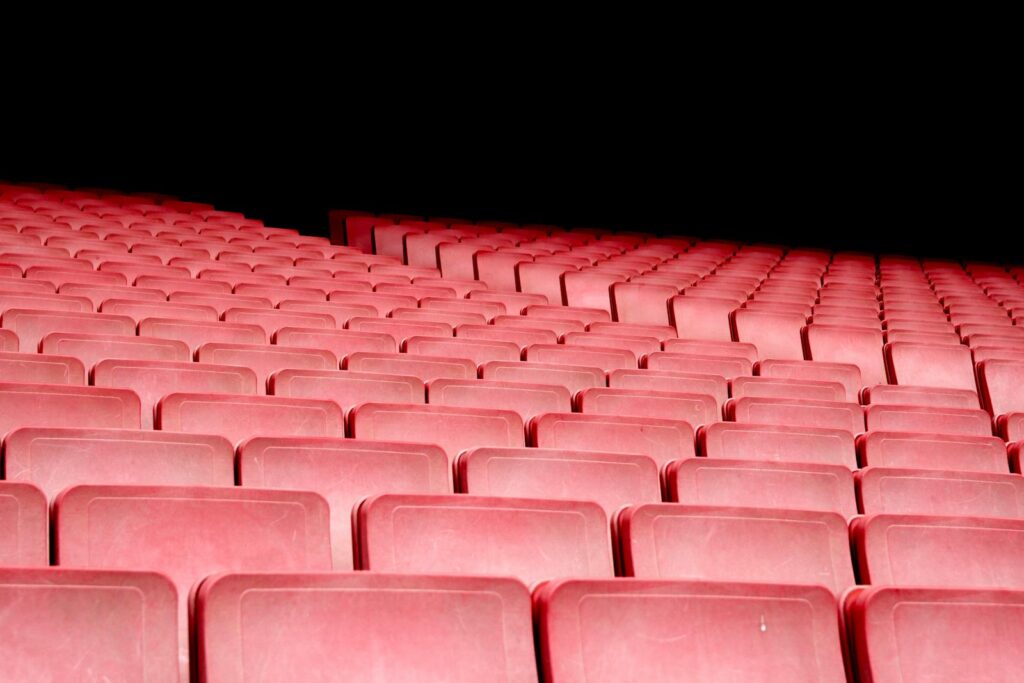
8. **The Era of Cinema Consolidation and Repositioning**The physical footprint of the American multiplex is demonstrably shrinking, signaling a profound consolidation within the cinema industry following the disruptions of the Covid pandemic. Since 2019, the United States has seen its total number of screens decrease by approximately 3,000, settling at just under 40,000. This contraction is not merely a statistical anomaly but a direct consequence of a period that forced many theaters to close temporarily and prompted a significant surge in streaming service subscriptions, compelling a reevaluation of financial viability across the sector.
Regional chains, in particular, faced difficult choices, with some shuttering permanently while others strategically sold off leases or closed underperforming locations. Rolando Rodriguez, chairman of the National Association of Theatre Owners, articulated this shift, stating that consumers have become “a lot more selective.” He further predicted that the era of massive “30-plexes” is largely over, underscoring a move towards more streamlined, efficient operations.
The industry’s response to this economic recalibration involves a strategic repositioning. Newly constructed cinema locations are now typically designed with a more modest scale, generally ranging between 12 and 16 screens. Furthermore, theaters with larger, preexisting facilities are actively exploring ways to repurpose available space for supplementary activities, such as incorporating arcades, bowling alleys, or full-service bars, transforming these venues into broader entertainment destinations rather than singular film-watching locations. This adaptive strategy aims to optimize existing assets and attract diverse patronage beyond the immediate draw of a film.
9. **Revolutionizing the Visual Experience: Laser Projection**At the heart of the modernized cinematic experience lies a substantial investment in core projection technology. Over the past few years, a quiet revolution has been unfolding in auditoriums nationwide, as operators systematically replace traditional digital projectors with advanced laser units. This transition is not merely an incremental upgrade but a strategic move driven by both long-term cost savings and a commitment to delivering a superior visual product to moviegoers.
The benefits of laser projection are multifaceted and significant. According to Larry Etter, senior vice president at Malco Theatres, a key advantage is the dramatically improved picture quality, explaining that “the more light you have the clearer everything is and the easier it is to see.” Beyond visual clarity, laser systems also offer considerable operational efficiencies, consuming approximately “60% of the utilities that you did before,” making them a more environmentally and economically sustainable choice for theater owners.
The longevity and reduced maintenance requirements of laser components further solidify their appeal. Traditional digital bulbs typically necessitate replacement after around 2,000 hours of operation, and their significant heat generation demands higher air-conditioning costs for projector rooms. In stark contrast, laser components boast a lifespan of 20,000 hours, allowing them to function for years without needing replacement, thereby significantly reducing ongoing operational expenses and minimizing disruptions. This technological leap represents a foundational improvement designed to elevate the baseline viewing experience for every patron.
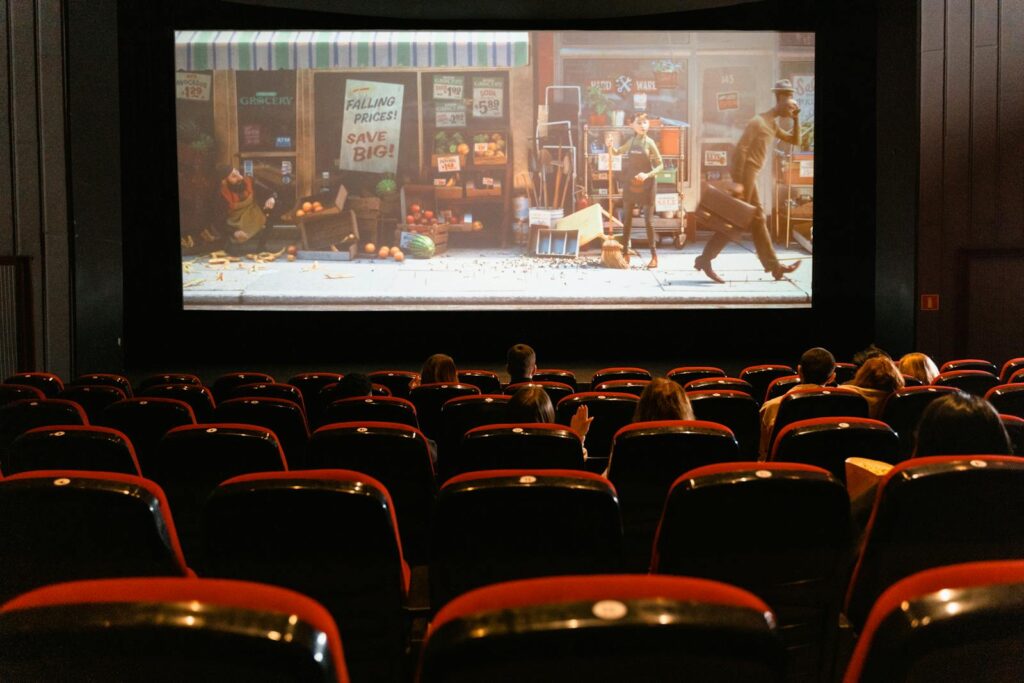
10. **Immersive Soundscapes and Enhanced Comfort: Dolby Atmos and Recliners**Complementing the visual enhancements of laser projection, the cinema industry is making equally significant strides in auditory and seating comfort, recognizing that a truly premium experience requires a holistic approach. Many theater operators are actively upgrading their sound systems, forging partnerships with industry leaders such as Dolby to integrate cutting-edge audio technologies into their auditoriums. This commitment is exemplified by investments in systems like Dolby Atmos, which deliver a multi-dimensional sound experience, enveloping audiences in the film’s audio landscape.
Rich Daughtridge, president and CEO of Warehouse Cinemas, underscored the importance of these foundational upgrades, stating, “To me, that’s baseline. I feel like you have to create the best sound and picture experience you can create to get people motivated to spend money to come out to the cinema.” This perspective highlights the industry-wide understanding that superior technical performance is no longer a luxury but a fundamental expectation for attracting and retaining audiences in a competitive entertainment market.
Simultaneously, theaters across the spectrum, from major chains to independent operators, are systematically replacing outdated stadium seating with modern recliners. This initiative is a direct response to consumer demand for greater comfort and an elevated overall cinema experience. Shelli Taylor, CEO of Alamo Drafthouse, emphasized this commitment, noting, “[We are] really looking at our theaters and making sure all of them are amazing… if they don’t have recliners, we’re going in and we’re upgrading. We’re giving face-lifts where needed and just really refreshing and making sure that we continue to deliver that premium experience which people grow to love and expect from Alamo.” These substantial investments in comfort and technology collectively aim to transform a standard movie outing into a luxurious and deeply engaging event.
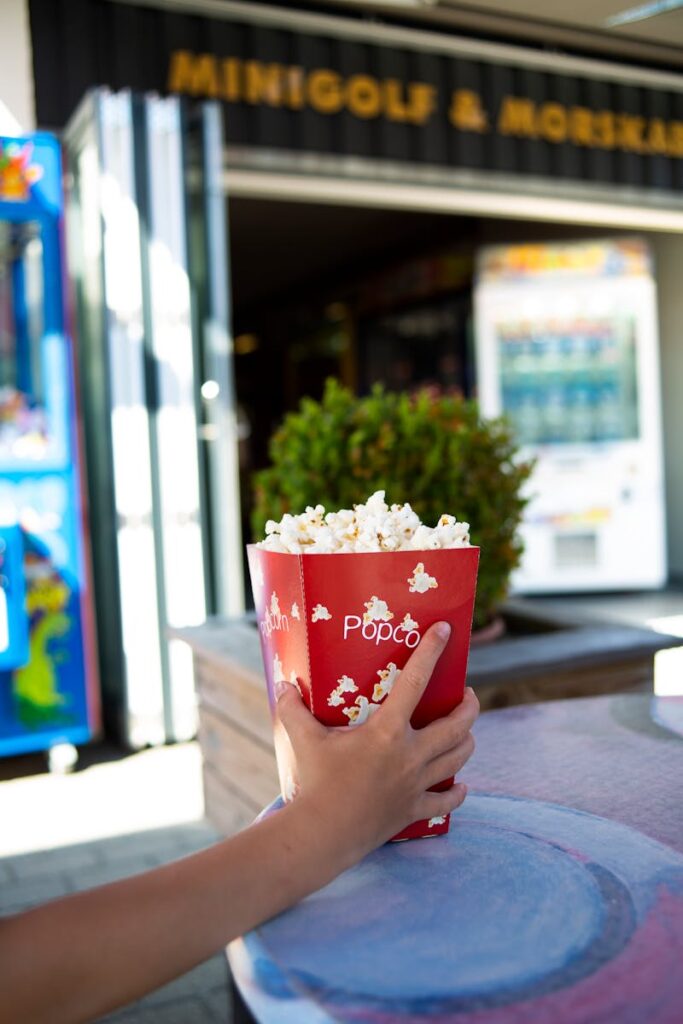
11. **Beyond Popcorn: The Rise of Diverse Culinary Offerings**While popcorn continues its reign, the broader food and beverage landscape within movie theaters has undergone a dramatic expansion, moving far beyond the traditional, limited concession menu. This diversification is a strategic response to evolving consumer tastes and a key differentiator against at-home streaming, repositioning the cinema as a legitimate dining destination. The offerings now extend to a wide array of options, appealing to a spectrum of preferences.
High-end theaters, for instance, are revolutionizing the snack bar concept, serving “everything from charcuterie boards to gourmet flatbreads.” This shift reflects a desire to cater to patrons seeking a more sophisticated culinary experience during their movie outing. AMC Theatres, recognizing this trend, now offers “full meal menus in select locations,” featuring upscale items like “wagyu beef sliders and truffle fries,” effectively transforming a movie visit into a full-service dining event.
The demand for healthier and specialized dietary options is also being met with growing enthusiasm. An increasing trend in the United States is the inclusion of “plant-based options like cauliflower bites and vegan nachos,” demonstrating the industry’s responsiveness to health-conscious and environmentally aware audiences. This comprehensive menu expansion is part of a larger movement to elevate moviegoing into a luxurious, full-service experience, making it far more memorable than a simple popcorn and soda affair.
Read more about: Beyond the Stars and Stripes: Unmasking the Surprising International Roots of 15 ‘All-American’ Foods
12. **The Full Dining Experience: Luxury and Global Flavors**The culinary transformation within cinemas is not confined to the American market; it is a global phenomenon, with British theaters, for example, showcasing a distinct flair. Across the pond, while popcorn remains popular, theatergoers are increasingly gravitating towards snacks that echo their traditional tastes, such as “savory pies and scones.” Chains like Everyman Cinemas and Odeon Luxe have integrated classic British favorites like “pork pies and sausage rolls” into their menus, offering a localized culinary experience.
A significant trend gaining traction in the UK is the integration of alcoholic beverages. Many British theaters now feature “full bars, offering everything from Prosecco and craft cocktails to locally brewed beers.” The Odeon Luxe brand has further elevated its “VIP service,” which includes the convenience of “cocktails delivered straight to your seat” alongside refined snacks like “cheese boards and gourmet chocolates,” catering to an adult clientele seeking a more indulgent evening.
Beyond national specialties and alcohol, global flavors are making a notable appearance in UK cinemas, reflecting the country’s diverse culinary landscape. New and popular offerings include “spicy samosas and falafel wraps,” providing audiences with more substantial and unique alternatives to conventional cinema fare. Similarly, Cinepolis, a luxury dine-in theater chain operating in the U.S., exemplifies this global expansion, offering a vast array of food and beverages from “chicken wings to lobster tacos,” underscoring how diverse menus are becoming “crucial for local experience” in the face of sophisticated at-home entertainment options.
Read more about: Unveiling Culinary Brilliance: 15 Michelin-Inspired Kitchen Hacks That Will Transform Your Home Cooking
13. **Event Cinema and Niche Programming: Redefining Engagement**The strategy for driving ticket sales in modern cinemas has evolved significantly beyond relying solely on blockbuster features and studio advertising. Operators are now actively enriching their programming mix with loyalty programs, direct marketing, and, crucially, a diverse array of special events and alternative content. This proactive approach aims to cultivate new habits and cater to broader audience interests, ensuring theaters remain vibrant cultural hubs.
Smaller chains, often operating with tighter marketing budgets, have become particularly creative in this space. Warehouse Cinemas, for instance, has demonstrated ingenuity through promotions such as a “car smash event” for “Unhinged” and “pajamas and popcorn” showings of classics like “Indiana Jones” and “The Land Before Time,” the latter of which remarkably sold “1,400 tickets.” These events transform a simple movie screening into an interactive and memorable experience, generating buzz and community engagement.
Larger chains, including AMC, Regal, and Cinemark, have embraced “alternative programming” in the form of live events. Cinemas are now setting up streams for “concerts, sports and even Dungeons & Dragons campaigns,” leveraging their auditoriums as versatile venues for collective viewing experiences. Alamo Drafthouse takes a whimsical approach, exemplified by passing out hot dogs during screenings of “Everything Everywhere All at Once” to acknowledge a famous scene, and even partnering with the Lincoln Zoo for an outdoor screening of “The Lion King” in the lions’ den. Such innovative programming not only draws audiences but also creates unique, shareable cultural moments that cannot be replicated at home.

14. **The Future of Film-Merchandise Synergy: Expanding Collectibles**The remarkable success of commemorative popcorn buckets, as seen with “Dune: Part Two” and “Deadpool & Wolverine,” has ushered in a new era of intensified collaboration between studios and theaters, centered on creating unique and highly desirable merchandise. This synergy is evolving rapidly, moving beyond opportunistic viral moments to become a strategic cornerstone of film promotion and revenue generation. Studios and theaters are now proactively engaging with companies like Zinc to design and manufacture these specialty items well in advance of film releases.
The industry is anticipating a significant “influx of blockbuster titles” now that past production delays have resolved, promising a rich pipeline for future merchandise tie-ins. The 2025 calendar alone is packed with potential, featuring films like “Captain America: Brave New World,” “Superman,” and “Avatar: Fire and Ash,” while 2026 holds equally promising opportunities with sequels such as “Super Mario Bros.” and “Avengers: Doomsday.” This consistent stream of high-profile content ensures a continuous demand for unique collectibles.
The industry is anticipating a significant “influx of blockbuster titles” now that past production delays have resolved, promising a rich pipeline for future merchandise tie-ins. The 2025 calendar alone is packed with potential, featuring films like “Captain America: Brave New World,” “Superman,” and “Avatar: Fire and Ash,” while 2026 holds equally promising opportunities with sequels such as “Super Mario Bros.” and “Avengers: Doomsday.” This consistent stream of high-profile content ensures a continuous demand for unique collectibles.
Theater chains, keenly aware of the profitability and marketing power of these items, are investing more heavily in their merchandise programs. AMC CEO Adam Aron noted that the company is “significantly increasing the quantities,” with orders for “100,000 units or more.” This strategic pivot aims to prevent rapid sell-outs on opening day, ensuring that enough merchandise is available to meet consumer demand for weeks, thereby maximizing both revenue and the celebratory experience for moviegoers. This expanded commitment underscores a future where exclusive, film-branded collectibles are an integral and sustained part of the theatrical ecosystem.
The evolving movie theater landscape stands as a testament to the industry’s resilience and ingenuity. Far from succumbing to the pressures of at-home entertainment, cinemas are actively redefining their value proposition. Through strategic consolidation, cutting-edge technological enhancements, expansive culinary offerings, innovative event programming, and dynamic merchandise collaborations, they are transforming into multifaceted entertainment destinations. The future of moviegoing is not just about watching a film; it is about immersing oneself in an experience that blends comfort, technology, gourmet indulgence, and unique communal moments, ensuring that the magic of the big screen endures and flourishes in new and exciting ways.