
The modern television landscape is a dynamic tapestry of narratives, characters, and intricate plotlines, all unfolding in an era of unprecedented digital interconnectedness. From sprawling serialized dramas to meticulously crafted reality series, the journey of storytelling from concept to screen is a complex dance between creativity, production, and public anticipation. In this environment, the role of a showrunner, the creative architect overseeing a series, has never been more pivotal, yet also more fraught with potential pitfalls. Their vision shapes the show, but their public persona, particularly in the age of social media, carries immense responsibility.
The digital age has fundamentally altered the relationship between creators and their audiences. Social media platforms, initially heralded as tools for direct engagement and community building, have also emerged as double-edged swords, capable of amplifying both praise and critique instantaneously. For a showrunner, these platforms offer a direct line to fans, a valuable resource for gauging reactions and fostering loyalty. However, they also represent a constant, subtle pressure point, a domain where a single misstep, a fleeting comment, or an ill-advised tweet can unravel meticulously guarded secrets and jeopardize years of creative work. The velocity at which information travels online means that once a “secret plot detail” is out, there’s no pulling it back.
This article, drawing insight from the rich diversity of programming visible across today’s television schedules, delves into the profound implications and ripple effects that such an incident—a showrunner inadvertently revealing a crucial plot detail via social media—can have. While the specific incident of a “TV Showrunner Who Got Fired for Tweeting a Secret Plot Detail” is a conceptual cornerstone for our analysis, we will explore the *potential scenarios and industry ramifications* across various genres and network types, as represented by the factual listings in current broadcast guides. We aim to illuminate why the safeguarding of narrative surprises is paramount in an industry built on captivating its audience, and how the digital footprint of a creative leader can become a critical, sometimes career-defining, vulnerability.

1. **Major Network Drama/Reality Blocks: The High Stakes of Spoilers in Flagship Productions**
Major broadcast and cable networks, such as those featuring prominent shows like KSNV HDTV’s “The Voice” or “Brilliant Minds,” operate on a scale that amplifies the impact of any plot revelation. These are often flagship productions, attracting millions of viewers and commanding substantial advertising revenue. The carefully orchestrated release of teasers, trailers, and official synopses is a cornerstone of their marketing strategy, designed to build anticipation incrementally and maintain audience engagement over the course of a season. A leak, particularly from someone at the helm, can instantly undermine this elaborate machinery, turning excitement into frustration and spoiling the communal viewing experience for a vast audience.
The creative teams behind these high-stakes shows pour immense resources into crafting narratives that resonate deeply with viewers. Whether it’s the dramatic twists in a scripted drama like “Brilliant Minds,” or the emotional journey of contestants on a reality competition like “The Voice,” the element of surprise is a critical component of their appeal. A showrunner’s tweet, even if unintentional or quickly deleted, can breach this fundamental contract with the audience. The immediate consequence is a betrayal of trust, not just for the viewers, but also for the cast and crew who have dedicated themselves to bringing the story to life. The long-term damage can extend to viewership numbers and advertiser confidence.
Furthermore, the public nature of such a revelation can lead to an immediate and intense backlash from dedicated fan communities. These are not casual viewers; they are invested, often emotionally, in the unfolding story. Their engagement is a significant asset to the network, driving social media trends, generating buzz, and encouraging loyal viewing habits. When a showrunner, perceived as the guardian of the narrative, is seen to carelessly or impulsively reveal a secret plot detail, the sense of disappointment can be profound, leading to vocal protests online and potentially a withdrawal of active support. For networks vying for every available eyeball, alienating a core fanbase is a risk few are willing to take, making the protection of plot integrity a top-tier priority.

2. **Classic Sci-Fi/Fantasy Channels: The Passionate, Detail-Oriented Fandom That Scrutinizes Every Hint**
Channels dedicated to genre programming, exemplified by KSNV Comet’s lineup of “Grimm” and “The X-Files,” cultivate some of the most dedicated and detail-oriented fanbases in television. Viewers of sci-fi and fantasy shows often engage in deep analysis, theorizing about lore, character arcs, and overarching mysteries. Every frame, every line of dialogue, and every piece of promotional material is dissected, interpreted, and debated across online forums and social media. For these communities, the integrity of the narrative—and the thrilling journey of discovering its secrets—is paramount.
In this environment, a “secret plot detail” leaked by a showrunner is not just a spoiler; it’s a disruption of an ongoing intellectual and emotional investment. Fans of shows like “Grimm,” which weaves complex mythological narratives, or “The X-Files,” which built its legacy on intricate conspiracies, approach their viewing with an almost academic rigor. They expect to be challenged, surprised, and rewarded with carefully revealed information. A premature disclosure from a showrunner, even a seemingly minor one, can instantly deflate years of anticipation and passionate speculation, robbing them of the satisfaction of experiencing the story as intended by its creators.
The impact on a showrunner in such a scenario would be particularly severe due to the intense scrutiny characteristic of these fandoms. These communities often feel a strong sense of ownership and connection to the stories they love, and a perceived breach of trust by a key creative figure can ignite a firestorm. The showrunner’s credibility as the steward of the series’ mythology could be irreparably damaged, leading to questions about their judgment and respect for the very audience they are meant to serve. The financial implications for networks broadcasting these types of shows are also significant, as these dedicated fanbases are often critical for DVD sales, merchandise, and maintaining an engaged audience for future seasons or spin-offs.

3. **Procedural Crime Dramas: Maintaining Intricate, Long-Form Mysteries Under Social Media Pressure**
The procedural crime drama genre, represented by offerings such as KSNV Charge TV’s “CSI: Miami” and KVVU ION Mystery’s “NCIS: New Orleans,” thrives on suspense, meticulous detail, and the gradual unraveling of complex mysteries. These shows often balance episodic cases with overarching seasonal arcs, frequently involving serialized elements, character development, and long-term narrative payoffs. The success of these series hinges on their ability to keep audiences guessing, to deliver surprising revelations, and to maintain the tension inherent in solving crimes or navigating the dangerous world of law enforcement.
For a showrunner leading a program like “CSI: Miami” or “NCIS: New Orleans,” the protection of plot details is a continuous, high-stakes endeavor. These shows frequently employ a myriad of plot devices—red herrings, unexpected witness testimonies, and unforeseen betrayals—all designed to keep viewers on the edge of their seats. A premature disclosure of a key plot point, whether it reveals the killer’s identity, a critical piece of evidence, or a major character twist, fundamentally undermines the very foundation of the genre. The shock and satisfaction of discovery are replaced by a sense of anti-climax, diminishing the overall viewing pleasure and the show’s narrative power.
The unique challenge for showrunners in this genre is the sheer volume of “secret plot details” that exist within any given season. Every case has its secrets, every character has a backstory that might become relevant, and every season finale is typically designed to deliver a major cliffhanger. Operating in the social media spotlight means that a showrunner, even while trying to engage with fans, must exercise extreme caution. An accidental tweet revealing a suspect, a motive, or the fate of a beloved character could not only spoil an episode but potentially impact the trajectory of an entire season, leading to significant creative and executive ramifications, including the possibility of their removal from the project.

4. **Sitcom Powerhouses: How Leaks Could Disrupt Audience Connection with Beloved Characters**
Sitcoms, as seen on channels like KVVU DABL with “Girlfriends” or KLAS Rewind TV featuring “Mad About You,” often build their enduring appeal on character relationships, comedic timing, and relatable situations. While they may not rely on explosive plot twists in the same way dramas do, key narrative developments—such as a major character coupling, a pregnancy, a career change, or a departure—are crucial milestones that fans eagerly anticipate and cherish. These moments often serve as emotional anchors and significant drivers of audience investment, shaping the long-term legacy of the series.
A showrunner’s casual tweet about a future character development, even if seemingly minor, could inadvertently rob fans of the organic, heartfelt experience of witnessing these events unfold. Imagine a spoiler revealing that a long-awaited couple finally gets together, or that a beloved character is moving away before it airs. For dedicated viewers who have invested years in these characters, such a revelation can feel like a personal intrusion, diminishing the joy and emotional impact of the on-screen moment. The communal experience of discussing these developments with friends and fellow fans in real-time is also severely curtailed, taking away a significant part of the show’s cultural footprint.
The role of a showrunner in a sitcom is often deeply intertwined with the beloved nature of its characters and humor. They are seen as the keepers of the characters’ voices and destinies. A misstep that leaks a significant character arc could lead to a breach of audience trust, questioning the showrunner’s understanding or respect for the show’s established emotional landscape. While the financial consequences might not be as immediately dramatic as for a high-octane drama, the erosion of goodwill and the passionate engagement of a sitcom’s fanbase can have a lasting detrimental effect on its syndication value and cultural relevance, ultimately impacting the showrunner’s reputation and future prospects within the industry.

5. **Reality and Docu-Series Networks: The Fine Line Between “Real” Narrative and Structured Storytelling in the Age of Spoilers**
Channels like KVVU Defy, home to “Swamp People,” or KINC Quest, featuring “Fast N’ Loud” and “Bering Sea Gold,” present a unique challenge when it comes to “secret plot details.” While often marketed as “unscripted” or “real-life,” these docu-series and reality programs still feature meticulously crafted narratives, with producers and “showrunners” making critical decisions about what footage to use, how to sequence events, and what storylines to emphasize. The suspense often comes from unknown outcomes, character conflicts, or the success or failure of ambitious undertakings, such as a major discovery in “Bering Sea Gold” or a complex build on “Fast N’ Loud.”
The “secret plot detail” in this context isn’t a fictional twist but rather the outcome of a real-world event or a specific character’s journey that has been filmed and edited for dramatic effect. Revealing such an outcome prematurely—for instance, tweeting about who wins a competition, whether a difficult project succeeded, or the fate of a particular character or crew member—completely shatters the illusion of live discovery that these shows strive to create. The audience is meant to experience the tension and resolution as if it were happening in the present, even if it was filmed months ago. A leak destroys this carefully constructed reality.
For showrunners or executive producers in this genre, the pressure to maintain secrecy is intense, as the integrity of the “real” narrative is crucial to the show’s appeal. Their role involves shaping authentic experiences into compelling television, and a leak undermines both the authenticity and the entertainment value. The consequences of a showrunner tweeting a crucial detail could lead to a swift termination, not only due to the breach of contract and audience trust but also because it exposes the delicate artifice of reality television, which thrives on maintaining the suspense of its “unscripted” outcomes. Such an incident can damage the entire network’s brand reputation for delivering genuine, unpredictable reality content.

6. **Niche Lifestyle/Animal Content: Even Specialized Programming Isn’t Immune to the Complexities of Digital Communication**
Even seemingly innocuous or specialized content streams, like KDNU Bark TV’s “Tucker Vlogs” or KDNU Outdoor America’s “Hardcore Carnivore,” have underlying narratives and dedicated audiences for whom “secret details” matter. While these programs might not involve high-stakes drama or intricate fictional plots, they often build engagement around specific personalities, animal journeys, skill demonstrations, or unique achievements. For instance, followers of “Tucker Vlogs” might be deeply invested in a particular animal’s health journey or the outcome of a training challenge. Similarly, “Hardcore Carnivore” might feature a unique cooking technique or the success of a hunting expedition that viewers are eager to learn about.
The “showrunners” or lead content creators in these niche areas, while perhaps not carrying the traditional title, nonetheless guide the narrative and presentation of their material. They curate the experiences, build a rapport with their audience, and often generate significant anticipation around future episodes or specific segments. A premature revelation from such a creator—perhaps a photo accidentally shared that shows the end result of a lengthy cooking process, or a casual remark about an animal’s recovery before it’s officially announced—can diminish the viewer’s experience. It might seem minor, but for a dedicated niche audience, these details are what drive their consistent viewership and emotional investment.
The repercussions for a creative leader in this sphere, if they were to leak a “secret plot detail,” could be significant within their specific community. While perhaps not a network-wide firing in the traditional sense, it could lead to a loss of trust from their dedicated fanbase, which is often the lifeblood of niche content. Advertisers and sponsors, who target these specific, engaged audiences, might also reconsider their partnerships if the content’s integrity is compromised by a perception of carelessness or a disregard for audience experience. This highlights that regardless of the scale or genre, the responsible stewardship of narrative information is a universal imperative in the interconnected media landscape.

7. **International Language Channels: Navigating Cultural Sensitivities and Global Spoiler Dissemination**
The globalized television market introduces an intricate layer of complexity when it comes to safeguarding narrative details. International language channels, such as KINC HDTV Univision 15, which broadcasts popular programs like “La Rosa de Guadalupe,” or KGNG MBC Korean, featuring series such as “The Woman Who Swallo…”, cater to highly specific cultural demographics, often with deeply ingrained viewing habits and expectations. For these audiences, television shows are not merely entertainment; they frequently serve as vital cultural touchstones and a connection to their heritage, making the integrity of the storytelling especially sacred.
A showrunner’s premature revelation of a plot detail on such a channel can have magnified consequences. Consider the immense emotional investment in a telenovela like “La Rosa de Guadalupe,” where family dramas, moral dilemmas, and romantic entanglements unfold over many episodes, culminating in highly anticipated resolutions. Leaking a key plot twist, such as a character’s true parentage or the outcome of a long-standing conflict, can profoundly disrespect the cultural nuances and storytelling traditions that form the bedrock of viewer engagement. The disappointment can resonate far beyond casual annoyance, touching on feelings of cultural integrity and community experience.
Furthermore, these leaks can complicate international distribution and co-production efforts. Many international programs are aired in multiple territories, sometimes simultaneously or with staggered releases, each with its own localized marketing and spoiler management strategies. A single misstep by a showrunner could compromise the rollout across numerous markets, leading to significant financial losses and reputational damage. The showrunner for an international language channel must therefore be acutely aware of a global audience, cultural sensitivities, and the delicate balance required to maintain narrative control across diverse viewing landscapes. Their misjudgment on social media can echo across continents, impacting not just a single viewership, but an entire global community connected by shared linguistic and cultural appreciation.

8. **Classic TV Reruns & Syndication: The Curious Case of Plot Details in Already-Aired, Timeless Content**
While one might assume that content that has been aired, sometimes decades ago, would be immune to “spoilers,” the world of classic TV reruns and syndication presents a unique, if subtle, challenge. Channels like KHSV MeTV HDTV, which regularly features beloved classics such as “M*A*S*H,” and KLAS Antenna TV, known for its lineup including “Barney Miller,” curate programming that, for many, remains a source of comfort, nostalgia, and continuous discovery. A new generation of viewers is constantly finding these timeless shows, and for them, every plot point is fresh and new.
For these networks, the value of classic shows lies not just in their established quality, but in their continued ability to engage and surprise, even years after their original broadcast. The intricate character development and often poignant storylines of “M*A*S*H,” or the sharp wit and social commentary of “Barney Miller,” are experiences that deserve to unfold as intended. A showrunner, even one no longer actively involved with a show but still carrying historical authority, tweeting a specific, previously unknown behind-the-scenes detail about a character’s fate or an alternate ending that never aired could inadvertently diminish the pristine legacy of these programs for both new and long-time fans who enjoy re-experiencing them.
The showrunner’s role in this context shifts from actively shaping a live narrative to becoming a guardian of its historical integrity and its continued resonance. While a direct “firing” for a spoiler related to a show that ended decades ago is unlikely, any public disclosure that alters the audience’s perception of a classic, particularly one that reveals information not meant for public consumption, could lead to significant backlash. It could damage their personal brand within the industry and amongst purist fans, affecting their ability to consult on reboots, documentaries, or even future projects. The enduring power of these narratives means their secrets, however old, still hold weight.
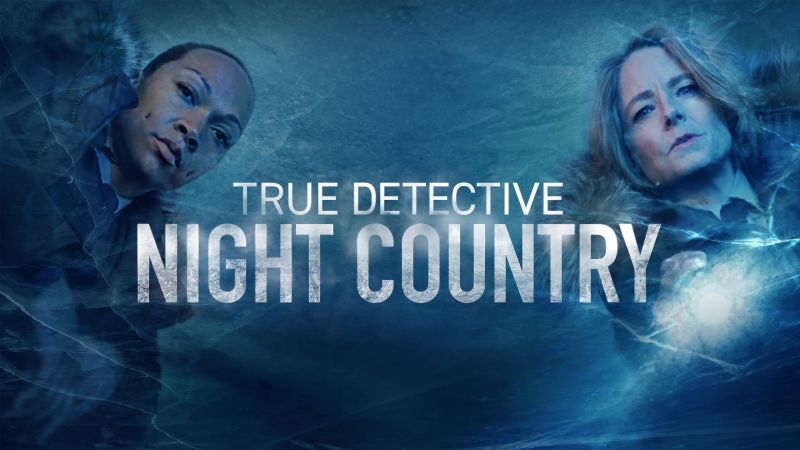
9. **True Crime & Investigative Networks: The Ethical Tightrope of Premature Revelations in Real-World Narratives**
For true crime and investigative networks, the stakes associated with “secret plot details” transcend mere entertainment; they delve into profound ethical considerations and real-world impacts. Channels such as KINC True Crime Network, featuring shows like “Homicide Hunter,” and KMCC Court TV HDTV, with its staple “48 Hours,” are built on the compelling, often disturbing, narratives of actual crimes and their investigation. The tension and intrigue stem from the audience’s journey alongside investigators and journalists to uncover truth and seek justice.
A showrunner’s revelation of a crucial, yet unaired, detail concerning a true crime story can have devastating consequences. Imagine a tweet that prematurely discloses the identity of a perpetrator who was caught years after the events portrayed, or reveals a critical piece of evidence before its on-screen presentation. Such a leak not only spoils the narrative tension for viewers but, more importantly, could re-victimize families involved, potentially compromise ongoing investigations (even cold cases), or undermine the credibility of the entire network’s commitment to responsible journalism. The ethical tightrope is incredibly thin, as these stories impact real lives.
The responsibilities of a showrunner in this genre extend far beyond typical creative concerns, encompassing a moral obligation to handle sensitive material with the utmost care. Their misstep could be perceived as a profound disrespect to victims and their families, and a breach of trust with the public. Such an incident could lead to immediate termination, not just for contractual breaches but for a fundamental failure of ethical judgment. The integrity of the network and the showrunner’s career would be irrevocably stained by the perception of exploiting real-world tragedies for fleeting social media engagement, making this one of the most sensitive areas for narrative control.
The unique pressure on creators in this genre forces a delicate balance between crafting a compelling narrative and maintaining a profound respect for the real-world events and individuals involved. The entertainment derived from true crime must always be secondary to the ethical treatment of its subjects. A showrunner’s responsibility includes ensuring that any information, whether intentionally or inadvertently shared, does not cause further harm or distort the factual record, making their social media presence a continuous, high-stakes ethical minefield.

10. **Children’s Educational Programming: Protecting Innocent Viewers from Inappropriate or Premature Information**
Even in the seemingly innocent realm of children’s educational programming, the concept of “secret plot details” and their premature revelation carries significant weight. Channels like KLVX PBS Kids, home to beloved series such as “Wild Kratts” and “Arthur,” are meticulously designed not only to entertain but also to educate and foster positive social-emotional development in young viewers. The narratives are crafted with purpose, ensuring that lessons about science, literacy, or empathy unfold in an age-appropriate and impactful manner.
For children, who often form deep emotional attachments to characters and their stories, a “spoiler” isn’t just a minor annoyance; it can disrupt their learning process and emotional connection. Imagine a showrunner accidentally tweeting about a future episode of “Wild Kratts” where a beloved animal character faces a perilous challenge but ultimately survives, or revealing that Arthur learns a difficult lesson about friendship before the episode airs. Such information could inadvertently diminish the intended educational impact, as the element of discovery and problem-solving, crucial for cognitive development, is pre-empted.
The showrunner of children’s programming bears a unique and profound responsibility: safeguarding the formative experiences of a vulnerable audience. Their role involves maintaining the trust of both children and their parents, who rely on these programs for safe, enriching content. A careless disclosure could be seen as a breach of this trust, questioning the showrunner’s judgment regarding the welfare of their young audience. While the commercial implications might differ from prime-time dramas, the ethical and reputational damage for a showrunner involved in children’s media would be severe, potentially impacting their ability to work in this specialized and critical sector.

11. **Local Independent Channels with Original Content: The Unique Vulnerabilities of Smaller Teams and Tighter Community Connections**
Local independent channels, often operating with leaner budgets and closer ties to their immediate communities, face distinct vulnerabilities when it comes to managing “secret plot details.” Consider channels like KPVT LATV, which airs original programming such as “Hunters,” or KPVM Prime TV, known for its local offering “Las Vegas TV Network.” These productions thrive on community engagement, local buzz, and the personal investment of a dedicated, often regional, audience. The intimacy of their operation means that any disruption, particularly from a key creative figure, can have an outsized impact.
For these smaller productions, a “secret plot detail” could be anything from a major plot development in a serialized drama like “Hunters” to an unexpected reveal about a local personality or event featured on “Las Vegas TV Network.” These details are the lifeblood of their audience connection, generating watercooler talk and fostering a sense of shared local experience. A showrunner’s casual tweet, even if intended as an innocent teaser, could instantly deflate this localized anticipation, feeling like a direct betrayal to an audience that often feels a more personal connection to local talent and programming.
The unique challenge for showrunners at independent and local channels is the double-edged sword of direct community connection. While it fosters loyalty, it also means that a misstep can spread rapidly and personally within that community. Unlike a major network drama with a vast marketing machine, a local production often lacks the resources for extensive damage control or sophisticated PR strategies. The showrunner’s credibility and the show’s viability could be significantly compromised by a single, ill-advised digital disclosure, potentially jeopardizing future funding, local partnerships, and the very existence of original content in a smaller market. The personal reputation of the showrunner, often well-known within their community, is thus directly linked to their stewardship of narrative secrets.

12. **Game Show & Variety Networks: Where the “Secret Plot” Might Be the Mechanics of the Game Itself, and Live Formats Add to the Challenge**
The world of game shows and variety networks, exemplified by KSNV ROAR’s “Saturday Night Live” or KGNG Buzzr’s “Press Your Luck,” presents a fascinating twist on the concept of “secret plot details.” Here, the “plot” isn’t a pre-written drama, but often the very mechanics of the game, the identity of a winner, or the spontaneity of live performance. The entire entertainment value hinges on unpredictability and the immediate reactions of contestants and performers, making any premature revelation fatal to the viewing experience.
For a game show like “Press Your Luck,” the suspense is built entirely on the unknown: which contestant will win, what prizes will be claimed, and when will the dreaded “Whammy” strike? A showrunner inadvertently tweeting about a specific contestant’s victory or revealing a hidden strategy within the game could instantly destroy the show’s appeal. The audience’s engagement comes from sharing in the tension and surprise of the moment, and that is entirely contingent upon not knowing the outcome beforehand. It is the very essence of the “game” that constitutes its “secret plot.”
Similarly, for a legendary variety show like “Saturday Night Live,” which operates in a live format, much of its magic comes from unexpected guest appearances, unannounced sketches, or spontaneous comedic moments. The anticipation built around a particular celebrity host or musical guest is carefully managed, and any leak from a showrunner about a surprise cameo or a contentious political sketch could rob the live broadcast of its intended impact and cultural resonance. The immediacy of live television means there is no opportunity to edit out a spoiled moment; the damage is instantaneous and irreparable in the collective consciousness.
The showrunner in these dynamic environments carries the burden of safeguarding not just scripts, but the very integrity of a real-time, unfolding spectacle. Their role demands an acute understanding that the element of surprise is a core product, and any digital misstep can instantaneously erode the unique entertainment value. The consequences of such a leak would be swift and severe, potentially leading to immediate dismissal, as the fundamental appeal of the programming—its unpredictability—would be directly undermined.
**Conclusion: Re-evaluating Communication Strategies in an Ever-Connected Industry, and the Enduring Importance of Narrative Control**
The conceptual incident of a showrunner being fired for tweeting a secret plot detail serves as a potent reminder of the profound shifts reshaping the entertainment industry. In an era where every creative leader is also a potential public figure, and social media offers an instantaneous, unfiltered conduit to millions, the stewardship of narrative integrity has evolved into a high-stakes, multi-faceted challenge. From the global reach of international dramas to the intimate connections of local independent productions, and from the sacred narratives of true crime to the spontaneous joy of live variety shows, the delicate balance between audience engagement and plot protection is paramount. As the industry continues to navigate this ever-connected landscape, a rigorous re-evaluation of communication strategies, coupled with an unwavering commitment to narrative control, remains not just advisable, but absolutely essential for the continued success and integrity of television storytelling.