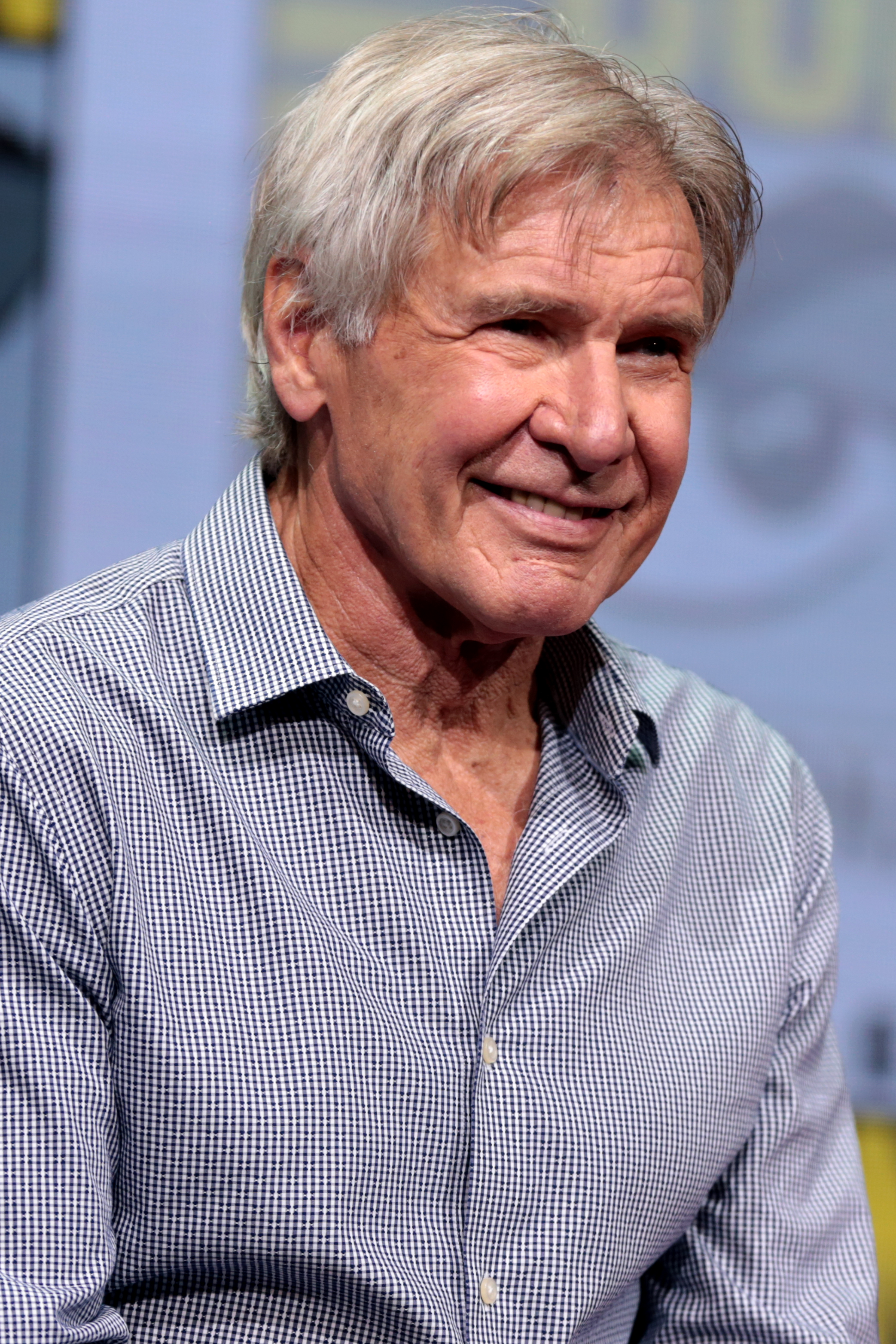
Harrison Ford stands as an undeniable titan of the cinematic landscape, a figure whose presence has graced the silver screen for over seven decades, imprinting an indelible mark on global popular culture. From the roguish charm of Han Solo to the intrepid spirit of Indiana Jones, Ford has consistently delivered performances that transcend mere acting, becoming interwoven with the fabric of collective storytelling. His roles have garnered him immense critical acclaim, numerous awards, and the distinction of being one of the highest-grossing actors worldwide, making any pronouncement regarding his future engagements a topic of considerable industry and fan interest.
While Ford has already reprised some of his most beloved characters, the question of a full-fledged return to the *Star Wars* universe, particularly given the definitive ending of his character in *The Force Awakens*, remains a subject of intense speculation. However, understanding the multifaceted considerations that guide an actor of his stature requires a deep dive into his career trajectory, his artistic philosophies, and his unique relationship with the very franchises that cemented his legendary status. It’s rarely a singular factor, but rather a confluence of professional, personal, and creative elements that shape such monumental decisions.
Indeed, Ford’s career is a masterclass in discerning roles, balancing blockbuster appeal with dramatic gravitas, and navigating the evolving demands of the entertainment industry. His journey offers rich insights into the motivations behind an actor returning to a universe he has both embraced and, at times, expressed a desire to move beyond. To truly comprehend the conditions that might entice this cinematic cultural icon back to the cockpit of the Millennium Falcon, even in some ethereal form, we must examine the various threads that weave together his professional ethos.
1. Harrison Ford’s Historical Hesitation with Han Solo’s Longevity
One of the most persistent and intriguing aspects of Harrison Ford’s relationship with the *Star Wars* franchise, and specifically with his iconic character Han Solo, has been his long-standing desire for the character’s definitive conclusion. For years, Ford openly expressed his belief that Han Solo’s arc should culminate in a sacrificial death, a sentiment famously articulated after the original trilogy.
He wanted Lucas to kill off Han Solo at the end of *Return of the Jedi*, succinctly stating, “That would have given the whole film a bottom.” This desire for a meaningful, impactful end for the character speaks volumes about Ford’s artistic integrity and his commitment to strong narrative arcs, even if it meant saying goodbye to one of his most beloved roles. It was a professional stance rooted in a desire for gravitas and finality, rather than simply perpetuating a popular character indefinitely.
George Lucas, however, refused this request at the time, preferring to keep the door open for future possibilities, as franchise architects often do. This early tension between actor and creator regarding Han Solo’s fate highlights that any future return for Ford would likely need to address his deep-seated appreciation for narrative purpose and character significance, ensuring that any reappearance serves a compelling story rather than mere fan service. His involvement, even in a cameo, tends to be weighed against the dramatic value it brings.
2. The Irresistible Pull of Iconic Franchise Returns
Despite his historical reservations, Harrison Ford has demonstrated a clear willingness to revisit his most iconic roles, suggesting that the conditions for a return to a beloved franchise can indeed be met. His reprisal of Han Solo in *Star Wars: The Force Awakens* (2015), nearly three decades after his last appearance in the role, is a powerful testament to this.
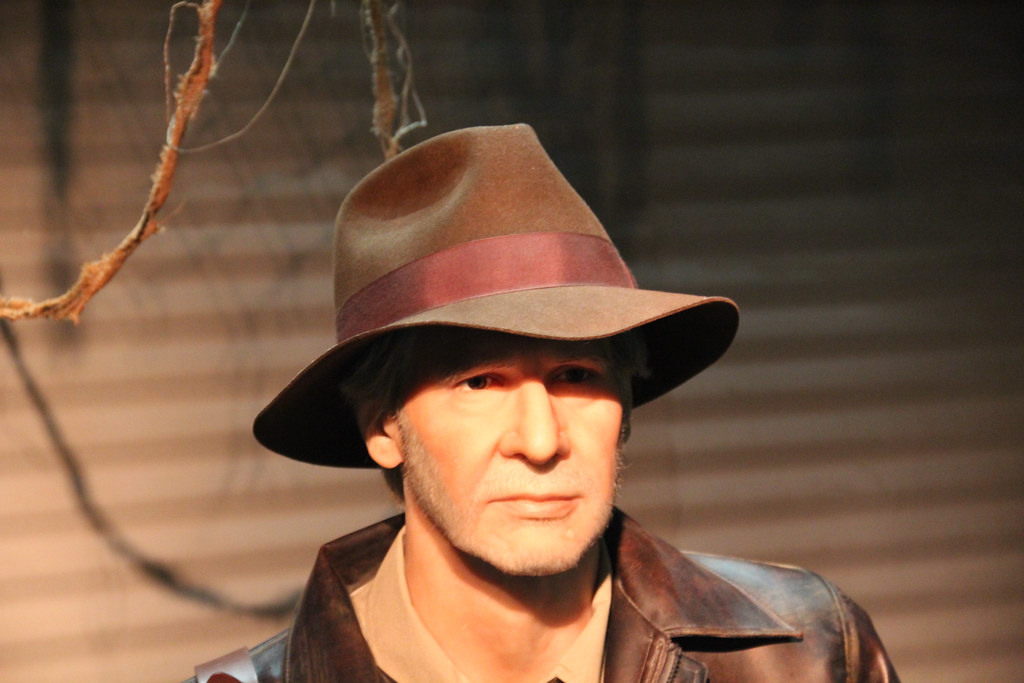
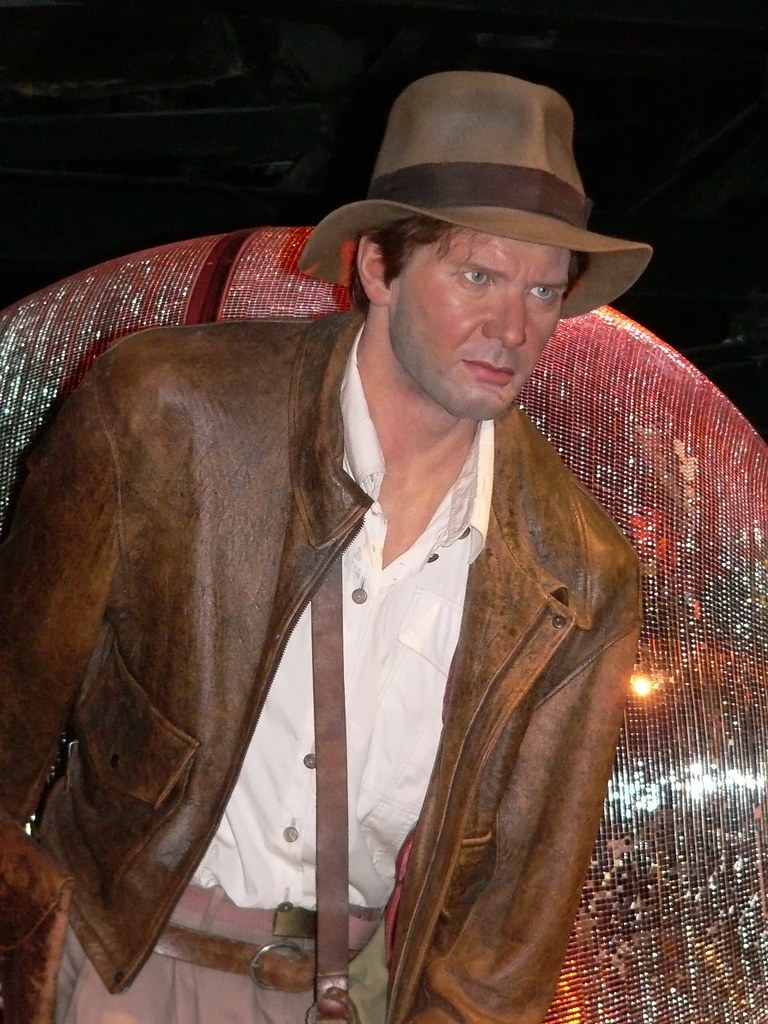
Beyond Han Solo, Ford also returned as Rick Deckard in *Blade Runner 2049* (2017) and, perhaps most notably, donned the fedora and whipped the bullwhip once more as Indiana Jones in *Indiana Jones and the Dial of Destiny* (2023). These instances illustrate that the allure of re-engaging with characters that have become cultural touchstones, under the right circumstances, can be a potent draw for the veteran actor. It’s not a blanket rejection, but a selective engagement.
The context for these returns often involves significant time elapsed, new creative teams, or a fresh narrative direction that offers a compelling reason for the character’s reappearance. For *The Force Awakens*, it was the opportunity to launch a new trilogy and provide a poignant send-off for Han Solo that aligned, in spirit if not timing, with Ford’s long-held artistic desires. These decisions are carefully considered, weighing the potential for a meaningful contribution against the challenge of revisiting a well-defined legacy.
Read more about: The Billion-Dollar Dilemma: Is Dwayne ‘The Rock’ Johnson’s Controversial Part-Time Wrestling Hobby a Hidden Cost to His Hollywood Fortune?
3. A Penchant for Pivotal Partnerships: The Lucas and Spielberg Connection
Harrison Ford’s career is intrinsically linked to his collaborations with cinematic visionaries George Lucas and Steven Spielberg, a relationship that has profoundly shaped his journey through Hollywood. These partnerships extend far beyond mere professional connections; they represent a foundation of trust and shared artistic endeavor that has yielded some of the most successful films in history.
Ford’s breakthrough role as Bob Falfa in *American Graffiti* (1973) was secured after casting director Fred Roos championed him and got him an audition with George Lucas. This early connection led directly to Lucas casting him as Han Solo in *Star Wars* (1977), a decision that launched Ford into global stardom. The collaboration continued with the subsequent *Star Wars* sequels and, crucially, with the *Indiana Jones* franchise, which was a collaboration between Lucas and Spielberg.
When Ford returned for *The Force Awakens*, Lucas was still involved, albeit in a different capacity, and Spielberg remained a close associate. The presence of such long-standing collaborators, or a creative team that embodies a similar level of vision and respect for the material, could be a significant condition for any future *Star Wars* involvement. It speaks to a comfort level and an assurance of quality that few other projects could offer, demonstrating that strong, trusted relationships are a cornerstone of his professional choices.
4. Navigating the Physicality of Action-Oriented Roles
Throughout his career, Harrison Ford has been synonymous with physically demanding, action-oriented roles, a characteristic that has, at times, led to injuries on set. These incidents underscore the very real physical toll that such performances take, especially for an actor who consistently performs his own stunts and embraces the practical aspects of filmmaking.
During the filming of *Indiana Jones and the Temple of Doom* in London in June 1983, Ford, then 40 years old, herniated a disc in his back. This significant injury required him to fly back to Los Angeles for surgery and return to filming six weeks later. It was a stark reminder of the rigorous nature of his work, and the resilience required to complete these demanding roles.
A more recent and well-publicized incident occurred during the production of *Star Wars: The Force Awakens* on June 11, 2014, when Ford suffered a fractured ankle after a hydraulic door fell on him. He was airlifted for treatment and required a two-month layoff, with filming adjusted to accommodate his recovery. While Ford has always risen to the challenge, the increasing physical demands with age and the potential for serious injury undoubtedly factor into his decision-making process for future action-heavy roles, including any potential return to the strenuous universe of *Star Wars*.
Read more about: From Joan to Justice: Tracing Christina Hendricks’s Evolution in Film and Television Post-‘Mad Men’
5. The Enigmatic “Anything is Possible in Space” Outlook
Following the dramatic death of Han Solo in *Star Wars: The Force Awakens*, the door to his character’s future seemed irrevocably closed. However, Harrison Ford himself offered a tantalizing hint of possibility when queried about a potential return. This enigmatic statement, born from the very fabric of the science fiction genre, suggests a nuanced perspective on the finality of characters in an expansive fictional universe.
When Ford was asked whether Solo could make a comeback in “some form,” he responded with a classic, non-committal yet hopeful, “Anything is possible in space.” This brief utterance, while perhaps delivered with a touch of his characteristic dry wit, nevertheless opens up a multitude of avenues for a character’s reappearance beyond traditional resurrection. It implies that a physical, living return might not be the only pathway for an iconic figure like Han Solo to re-enter the narrative.
Indeed, Ford later made an uncredited appearance as a vision in *Star Wars: The Rise of Skywalker* (2019), demonstrating that “anything is possible in space” was not merely a flippant remark but a literal manifestation of his openness to creative, non-linear forms of storytelling. This precedent is crucial, as it suggests that a return doesn’t necessarily mean a large-scale, physically demanding role, but could instead embrace more abstract, impactful narrative devices, aligning with his artistic preferences for meaningful contributions.
6. The Allure of Compelling Narratives Beyond the Blockbuster
While Harrison Ford is synonymous with some of the biggest blockbuster franchises in cinematic history, his career is also marked by a profound appreciation for compelling, character-driven narratives that extend beyond pure action-adventure. This discernment for quality storytelling is a significant factor in his career choices and would undoubtedly influence any decision regarding future roles, including a return to *Star Wars*.
Ford notably recalled that working with director Peter Weir on films like *Witness* (1985) and *The Mosquito Coast* (1986) were among the best experiences of his career. These roles, which showcased his potential as a dramatic actor and earned him critical acclaim, including his sole Academy Award nomination for *Witness*, highlight his dedication to performances that offer depth and complex character exploration. His appreciation for these experiences suggests a preference for material that challenges and fulfills him artistically.
Moreover, Ford has demonstrated a willingness to pass on roles that didn’t resonate with him on a fundamental level, even if they were critically anticipated. He declined a chance to star in the thriller *Syriana* (2004), later commenting that “I didn’t feel strongly enough about the truth of the material and I think I made a mistake.” This decision, alongside passing on a role in *Traffic*, underscores his need for a strong connection to the material’s integrity and narrative power. Any *Star Wars* return would certainly need to offer a story that he feels is truthful and compelling, avoiding what he once described as an “abhorrence of boring situations.”
Read more about: The Strict Set: Why Top Directors Like Villeneuve and Nolan Are Permanently Banning Cell Phones
7. Harrison Ford’s Recent Pivots to the Small Screen
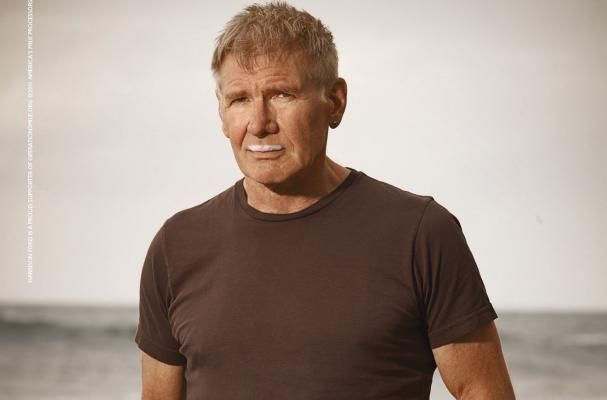
Harrison Ford, a name synonymous with monumental cinematic achievements, has, in recent years, embarked on a fascinating new chapter: a significant shift into the realm of television. This move marks a compelling evolution in his career, allowing audiences to experience his commanding presence and nuanced performances in serialized storytelling. It demonstrates a continued artistic adventurousness, even for an actor who has already secured legendary status.
One prominent example of this career pivot is his starring role as Jacob Dutton in the Paramount+ western drama series *1923*, which premiered in December 2022. Collaborating once again with Helen Mirren, 36 years after their work together on *The Mosquito Coast*, Ford delivered a performance that garnered positive reviews and contributed to the series being set for a total of two seasons. This role allowed him to explore a complex character within the rich, expansive narrative of a period western, a genre that has often resonated with his rugged, individualistic persona.
Concurrently, Ford also ventured into comedy with the Apple TV+ series *Shrinking*, which launched in January 2023. In this dramedy, he portrays Dr. Paul Rhoades, a character that offered him a refreshing opportunity to showcase his comedic timing and profound dramatic depth in equal measure. His performance in *Shrinking* was met with significant praise, earning him multiple prestigious nominations, including a Golden Globe for Best Supporting Actor, a Critics’ Choice Television Award, his first Screen Actors Guild Award, and his first Emmy Award for Outstanding Supporting Actor in a Comedy Series.
What makes these television engagements particularly notable is the revelation that Ford accepted both the *1923* and *Shrinking* roles without a complete script at the time of commitment. This speaks volumes about his trust in the creative teams, his intuitive connection to the material’s potential, and perhaps a desire to explore new acting challenges. Such a bold approach underscores his commitment to compelling storytelling, regardless of the medium, proving that an actor of his caliber continues to seek fresh artistic endeavors. His foray into television has not merely been a supplemental pursuit but a vital expansion of his storied career, further cementing his versatility and enduring appeal across different platforms.

8. The Definitive Farewell to Indiana Jones
Among Harrison Ford’s most iconic and enduring characters, the intrepid archaeologist Indiana Jones holds a special place in cinematic history. After decades of thrilling adventures, Ford reprised the role for what he explicitly stated would be his final appearance as the character in *Indiana Jones and the Dial of Destiny*, released in 2023. This monumental decision marked the culmination of a beloved franchise and a significant moment in Ford’s illustrious career, signaling a poignant farewell to a character he has embodied for over four decades.
The film’s release was met with generally positive reviews, with a particular emphasis on Ford’s performance. Critics universally highlighted his ability to infuse the aging hero with both the familiar charm and a newfound vulnerability, showcasing a depth that resonated deeply with audiences. His portrayal effectively navigated the complexities of bringing such a long-standing character to a definitive conclusion, ensuring that Indy’s final cinematic journey felt both authentic and emotionally satisfying. It was a performance that honored the legacy while still breaking new ground for the character’s emotional arc.
Ford’s decision to make this his last outing as Indiana Jones underscores a recurring theme in his professional life: a desire for narrative closure and meaningful character arcs. Similar to his long-held wish for Han Solo’s definitive end, this final portrayal of Indy provided a sense of completeness, allowing the character to exit the stage on his own terms. It’s a testament to Ford’s artistic integrity that he prioritizes the story’s conclusion over simply perpetuating a popular role, even one as globally revered as Indiana Jones.
This announced final turn is not just another movie role; it’s a closing chapter for a cultural phenomenon. It speaks to the careful consideration Ford gives to his legacy and the impact of his characters on the collective imagination. By concluding Indiana Jones’s journey, Ford has provided a powerful capstone to a career defined by unforgettable heroes, ensuring that the character’s story, like his own, is one of purposeful progression rather than endless repetition. It leaves audiences with a lasting impression of a hero who, like the actor portraying him, knows when it is time for a dignified and impactful farewell.
Read more about: The Definitive Guide to Carbon Mountain Bike Frame Durability: 11 Factors That Determine Longevity
9. Expanding the Notion of Character Reappearance: Beyond Physical Forms
Harrison Ford’s perspective on character longevity, particularly within expansive fictional universes like *Star Wars*, extends far beyond traditional, physical returns. Following Han Solo’s dramatic death in *The Force Awakens*, Ford famously mused, “Anything is possible in space,” a statement that proved remarkably prescient. This seemingly casual remark illuminated a nuanced understanding of storytelling in the age of infinite possibilities, suggesting that an iconic character’s reappearance need not be confined to a living, breathing presence.
Indeed, this philosophy manifested literally when Ford made an uncredited appearance as a vision of Han Solo in *Star Wars: The Rise of Skywalker* (2019). This pivotal scene allowed the character to offer guidance and a sense of closure, demonstrating that impact could be delivered through spectral or psychological forms, rather than a full-fledged resurrection. Such an approach not only honored Ford’s long-standing desire for narrative purpose but also broadened the creative pathways for beloved characters to influence future storylines, without undermining their definitive on-screen deaths.
Beyond these narrative-driven visions, Ford has also showcased a willingness to engage with his characters in other non-traditional mediums. In 2019, he took on his first voice role in an animated film, lending his distinctive voice to a dog named Rooster in *The Secret Life of Pets 2*. This venture into voice acting further illustrates his openness to different forms of performance and engagement with a broader audience, moving beyond the physical demands of live-action roles that characterized much of his career.
These varied instances underscore Ford’s adaptability and forward-thinking approach to his craft. They highlight that for an actor deeply invested in storytelling, the medium or form of an appearance is secondary to the quality and purpose of the narrative. This precedent is vital in an evolving entertainment landscape, where technology and creative approaches constantly redefine how audiences interact with beloved characters. Ford’s embrace of these non-traditional roles exemplifies a career guided by artistic value, rather than rigid adherence to conventional acting expectations, leaving the door open for unexpected future “appearances.”
10. The Driving Force: Harrison Ford’s “Abhorrence of Boring Situations”
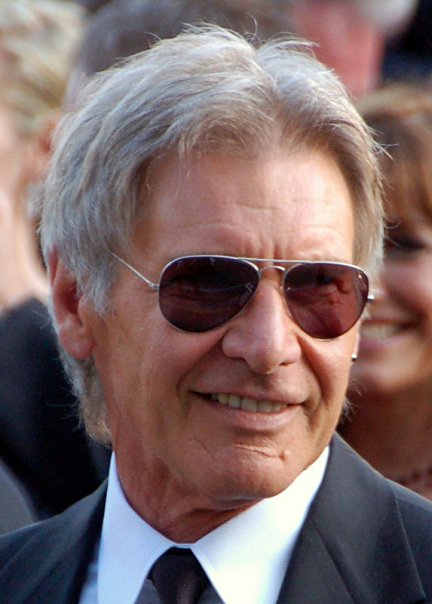
A core tenet guiding Harrison Ford’s professional choices, and indeed his entire career, is what he candidly described in a 2023 interview as an “abhorrence of boring situations.” This insightful declaration offers a profound understanding of why an actor of his stature, with a career spanning over seven decades, remains actively engaged and selective about his projects. It’s a philosophy that has steered him through pivotal decisions, from early career shifts to major blockbuster commitments and recent television forays.
This aversion to the mundane can be traced back to his early days when, dissatisfied with the roles being offered, he stepped away from acting to become a self-taught professional carpenter. This was not merely a fallback but a deliberate choice to engage in meaningful, tangible work over unfulfilling acting gigs. His subsequent return to acting was predicated on finding material that truly resonated, leading him to collaborations with esteemed directors like Peter Weir, on films such as *Witness* (1985) and *The Mosquito Coast* (1986), which he considers among the best experiences of his career for their dramatic depth.
His principled selectivity also manifested in his decision to pass on roles in acclaimed films like *Syriana* (2004) and *Traffic*. Ford later admitted a regret about *Syriana*, but his initial reason—”I didn’t feel strongly enough about the truth of the material”—speaks volumes. It highlights his unwavering demand for a strong, authentic connection to a story’s integrity and narrative power. For Ford, a role isn’t just about screen time or box office; it’s about the truth and compelling nature of the material, a standard he applies rigorously to every potential project.
Therefore, any hypothetical return to the *Star Wars* universe, or any other major franchise, would inevitably be filtered through this critical lens. It wouldn’t be enough to simply offer him a cameo for nostalgia’s sake. The narrative would need to be truthful, compelling, and avoid any hint of being a “boring situation.” This philosophy ensures that Ford’s contributions are always significant, rooted in artistic conviction rather than obligation, solidifying his reputation as an actor who consistently seeks out projects that challenge and fulfill him on a profound level.

11. A Principled Stance: Harrison Ford and the Ethics of Artificial Intelligence
In an era increasingly grappling with the implications of artificial intelligence in creative industries, Harrison Ford has emerged as a clear and principled voice, particularly concerning its use in performance. His recent comments, made in the context of an ongoing strike by video game actors, underscored his firm belief in the irreplaceable value of human talent and the ethical boundaries surrounding AI’s role in entertainment. This stance provides vital insight into his professional ethos and commitment to the artistry of acting.
Ford notably voiced his support for actor Troy Baker, who portrays Indiana Jones in the video game *Indiana Jones and the Great Circle*. By explicitly endorsing a human actor in this role, Ford implicitly, and then explicitly, spoke out against the use of artificial intelligence to replicate or replace human performances. This position aligns with a broader industry conversation about intellectual property, fair compensation, and the very definition of performance in a technologically advanced landscape. For Ford, the authenticity of a human performance, even in a digital medium, remains paramount.
His intervention brings significant weight to the debate, given his status as a “cinematic cultural icon” and his long history of embodying characters that require genuine human emotion and physicality. It suggests a deep concern for the future of the acting profession and a commitment to preserving the creative integrity that defines it. This isn’t just a casual opinion; it’s a statement from an actor who has spent decades honing his craft, recognizing the unique contributions that only human artistry can provide.
Ford’s principled stance against the indiscriminate use of AI in performance reflects his broader career values, which prioritize meaningful engagement and authentic storytelling. It’s a powerful message to the industry that while technology can enhance and expand creative possibilities, it must never overshadow or supplant the human element at the heart of performance. His advocacy serves as a timely reminder that the essence of acting lies in human expression, a domain that should be protected and championed against technological encroachment.
12. The Enduring Tapestry of Harrison Ford’s Cinematic and Cultural Legacy
Harrison Ford’s career transcends mere acting; it represents an enduring tapestry woven into the very fabric of cinematic history and global popular culture. Over seven decades, he has not just played characters but has embodied icons, shaping the collective imagination and solidifying his status as a “cinematic cultural icon” and one of the highest-grossing actors worldwide. His legacy is a complex mosaic of unparalleled professional achievements, a distinct philosophical approach to his craft, and a profound commitment to causes beyond the silver screen.
His roles as Han Solo, Indiana Jones, Rick Deckard, and Jack Ryan are more than just performances; they are touchstones of adventure and heroism that have defined generations. These characters, under Ford’s masterful portrayal, established him as the quintessential action hero and one of Hollywood’s most bankable stars from the late 1970s into the early 2000s. The enduring appeal of these franchises is inextricably linked to Ford’s unique ability to blend rugged charm with relatable human vulnerability, creating heroes who felt both larger than life and deeply authentic.
Beyond the box office and critical acclaim—including an Academy Award nomination for *Witness*, multiple Golden Globe nominations, and three Saturn Awards—Ford has received a plethora of career achievement honors. The AFI Life Achievement Award, the Cecil B. DeMille Award, an Honorary César, an Honorary Palme d’Or, and being recognized as a Disney Legend in 2024, all attest to his monumental impact and peer respect. These accolades are not just for his acting but for his overall contribution to the art form and the industry.
Read more about: Beyond the Script: 10 Jaw-Dropping Real-Life Incidents That Shaped Harrison Ford’s Legendary Persona
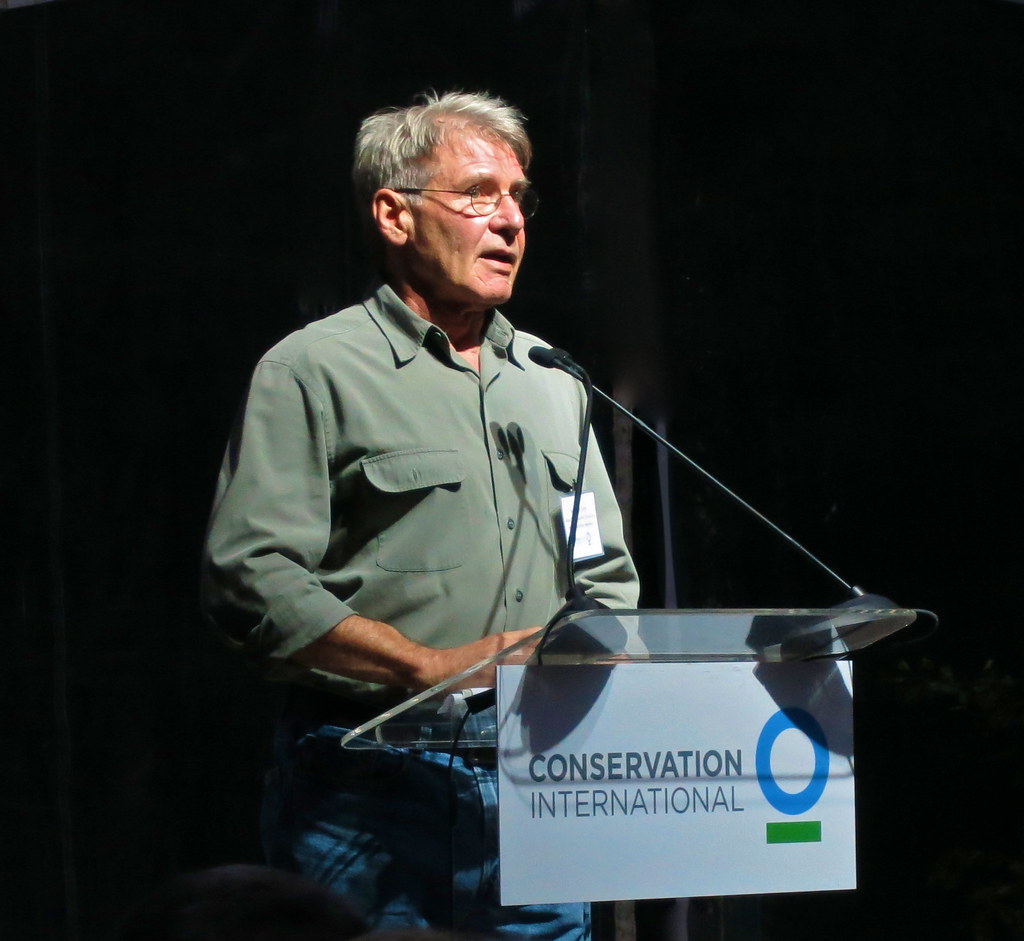
Yet, Ford’s legacy extends far beyond the professional realm. As a staunch environmental activist, serving as the inaugural vice chair of Conservation International since 1991, and a General Trustee on the Governing Board of the Archaeological Institute of America, he has leveraged his global platform for significant societal good. His advocacy for environmental protection, archaeological preservation, and even pilots’ rights, coupled with his famously private yet candid demeanor—marked by an “abhorrence of boring situations”—paints a picture of a man whose influence is as deep as it is broad. Harrison Ford’s journey is not just a series of film roles but a testament to a life lived with integrity, passion, and an unwavering commitment to both his craft and the world around him, ensuring his legend will resonate for generations to come.