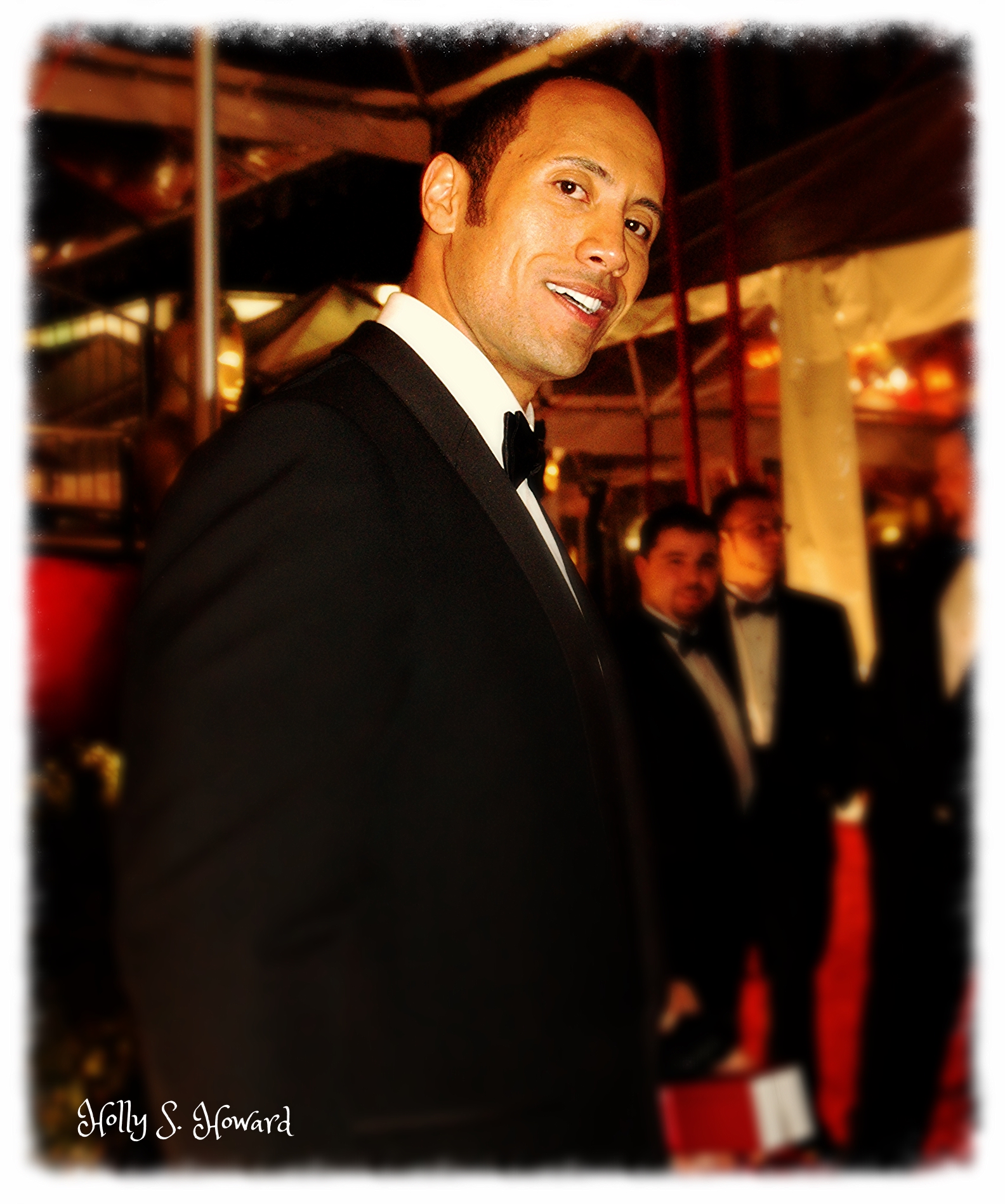
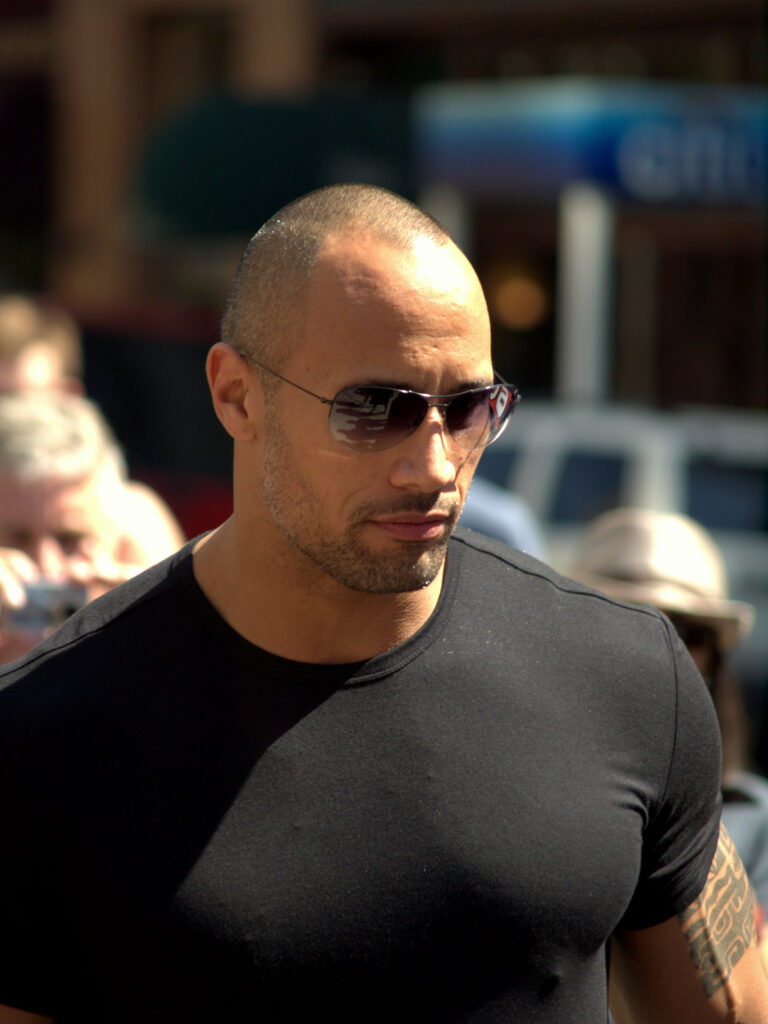
Alright, so who doesn’t love Dwayne ‘The Rock’ Johnson? Seriously, the man is a force of nature, whether he’s laying the smack down in the wrestling ring or saving the world on the big screen. He’s got that mega-watt smile, that undeniable charisma, and a whole arsenal of catchphrases that have become part of our pop culture lexicon. But even for a superstar as polished as The Rock, there have been moments – fleeting, intense, and sometimes hilarious – where the lines between the larger-than-life character and the real Dwayne Douglas Johnson got a little blurry.
We’re talking about those times when the script might as well have been thrown out the window, when genuine emotion or an unfiltered reaction just burst through the meticulously crafted persona. It’s these unscripted, almost-broke-character moments that make us remember that even our biggest heroes are still human, with their own struggles, aspirations, and moments of sheer, unadulterated passion. And honestly, isn’t that what makes them even more relatable and legendary?
So, buckle up, buttercups! We’re diving deep into the electrifying journey of Dwayne Johnson, tracing back through his epic career to shine a spotlight on the times when ‘The Rock’ almost, *just almost*, let Dwayne peek through. These aren’t just anecdotes; they’re pivotal pieces of his story, showing us how the man we know and love today was truly forged. Let’s get into it!
1. **The ‘Troubled Teenager’ Past: A Glimpse Behind the Smile**
Before he was electrifying millions with the People’s Elbow or starring in blockbuster movies, Dwayne Johnson faced significant personal challenges. Imagine a young Dwayne, not yet ‘The Rock,’ navigating the complexities of adolescence. The context reveals that as a senior at Freedom High School, he initially struggled and was “drawn into a culture of conflict and petty crime.”
This isn’t the image we typically associate with the disciplined, positive icon we see today. By age 17, he had been “arrested several times for fighting, theft, and cheque fraud, and was suspended two weeks for fighting.” An article in a local newspaper even labeled him “a troubled teenager with a history of run-ins with police.” It’s a stark contrast to his current motivational speaker persona.
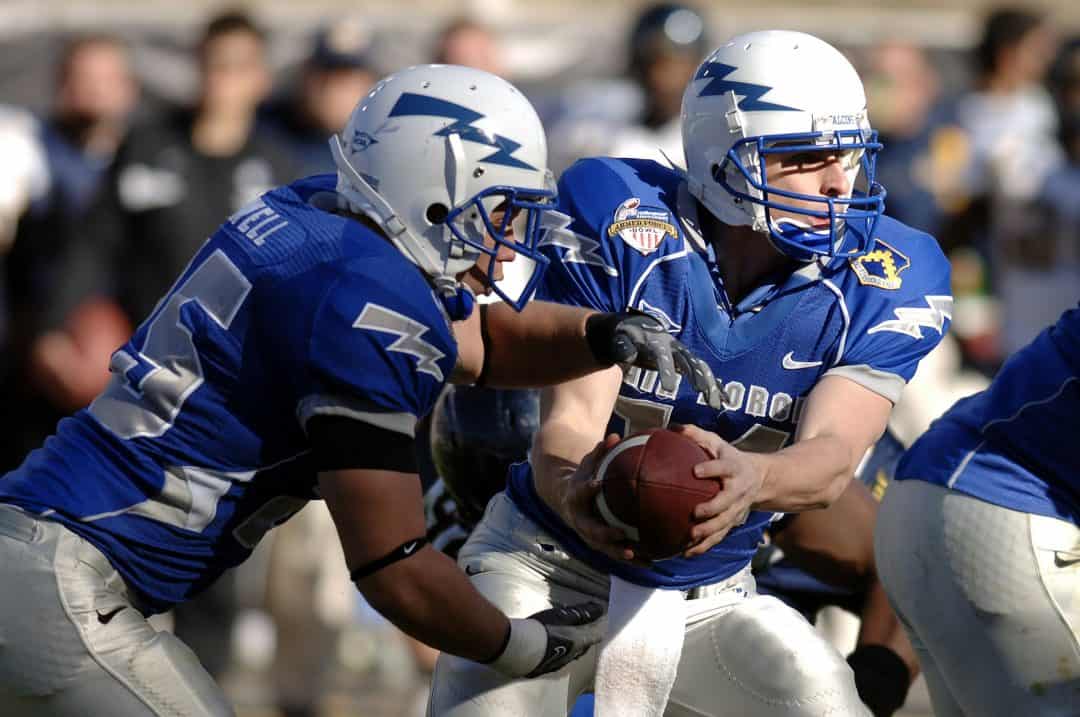
However, it was during this challenging period that a turning point emerged. Freedom High School football coach Jody Cwik “saw athletic potential in Johnson, and recruited him to join the school’s football team, where he played defensive tackle.” This experience proved to be a significant personal transformation for Johnson, offering him a new direction and a chance to channel his energy positively.
He himself has since said about his high school football experience, “My thought process started to change. That’s when I started thinking about goals and what I wanted to accomplish.” This raw, honest reflection on his past reveals the profound impact sports had on him, pulling him from a destructive path and setting him on a course toward greatness, long before any wrestling ring or film set.
2. **Football Dreams Crushed: The Undrafted Reality Check**
Dwayne Johnson’s journey to superstardom wasn’t a straight shot, and before wrestling, he had serious aspirations for a professional football career. He even accepted an athletic scholarship to play for the University of Miami, where he was a member of the 1991 national championship team. He played defensive tackle for four years, recording 4.5 sacks and 77 tackles in 39 games.
Despite his efforts and playing on a national championship team, Johnson found himself behind elite players like future NFL star Warren Sapp on the depth chart. This meant he “appeared mostly in backup roles” during his college career. The dream of playing in the NFL, however, remained strong.
The real punch to the gut came after graduation. Johnson “went undrafted in the 1995 NFL draft.” This would have been a profoundly humbling moment for someone with such immense athletic talent and ambition. He briefly signed with the Calgary Stampeders of the Canadian Football League, moving from defensive tackle to linebacker.
But even that opportunity was short-lived. He was assigned to Calgary’s practice roster, only to be “cut two months into Calgary’s 1995 season.” Imagine the crushing disappointment of having your lifelong dream slip away, not once, but twice. This raw experience of professional rejection undoubtedly contributed to his resilience and drive, pushing him towards the path that would eventually make him ‘The Rock.’

3. **The Rocky Maivia Rejection: When Fans Said ‘Die, Rocky, Die!’**
When Dwayne Johnson first entered the World Wrestling Federation (WWF) in 1996, he was introduced as Rocky Maivia, a clean-cut, third-generation wrestler, combining his father and grandfather’s ring names. He was heavily pushed from the start, a testament to his potential. He even won the Intercontinental Championship early in his career.
However, despite the company’s efforts, fans were not buying it. The persona, hyped as “The Blue Chipper,” felt too manufactured and insincere to the notoriously tough wrestling crowds. They started to reject his character and the company’s push, sensing a lack of authenticity or perhaps just tiring of the ‘good guy’ act.
This fan rebellion manifested in incredibly harsh and direct chants during his matches. Audiences became “increasingly hostile toward Maivia, with chants of ‘die, Rocky, die’ and ‘Rocky sucks’ being heard.” This kind of direct, visceral rejection from a live audience must have been incredibly challenging, forcing Johnson to confront his performance and rethink his approach.
This period was a crucial crucible. The intense negativity from the fans directly led to a significant shift in his career. It was a moment where the intended character crumbled under public scrutiny, paving the way for the true emergence of the powerful persona that would soon take the wrestling world by storm.
4. **The Birth of ‘The Rock’: Embracing the Dark Side (and Himself)**
The fan rejection of Rocky Maivia wasn’t just a bump in the road; it was a detonation that cleared the way for something far more impactful. Upon returning from a knee injury in August 1997, Johnson made a pivotal decision: he turned heel, lashing out at the very fans who had been booing him. This was more than a character change; it was a reclamation of his identity.
He joined the stable called the Nation of Domination, refusing to acknowledge the Rocky Maivia name. Instead, he started referring to himself in the third person as ‘The Rock,’ even though he was still billed as ‘The Rock’ Rocky Maivia for a while. This shift was a direct, almost defiant response to the chants of “Rocky sucks,” a moment where he embraced the antagonism and channeled it into his new persona.
‘The Rock’ then began to regularly insult the audience, WWF performers, and interviewers in his promos. This wasn’t just acting; it felt like a release, a moment where Dwayne Johnson took the legitimate frustration and criticism he felt and wove it directly into his character. The charisma that was always present now had a sharp edge, born from real experience.
This transformation wasn’t just about becoming a villain; it was about finding his voice and an authentic connection with the audience, albeit through villainy. The adoption of ‘The Rock’ name and attitude marked a defining moment where the ‘man’ leveraged his struggles to create a ‘character’ that resonated profoundly, kickstarting his rise to superstardom and blurring the lines between performer and person.
5. **’I Quit’ Match with Mankind: The Unscripted Chair Shots**
The rivalry between The Rock and Mankind (Mick Foley) was legendary, known for its brutality and its incredible storytelling. One of the most infamous instances occurred during their “I Quit” match at the Royal Rumble on January 24, 1999, for the WWF Championship. This match was designed to showcase a vicious streak in The Rock’s character.
The premise of an “I Quit” match is that it only ends when one combatant says “I quit” into a microphone. During this particularly brutal encounter, The Rock was supposed to hit Mankind in the head with a steel chair five times. Five shots already constituted a risky amount, as most wrestling matches in that era involved at most two or three shots to the head.
However, in a moment that truly blurred the lines between the script and raw intensity, The Rock hit Mankind in the head with a steel chair a staggering eleven times. This was well beyond the planned number. After the fifth shot, Mankind was still ringside instead of two-thirds up the entrance ramp where he was supposed to be, indicating a deviation from the plan.
After the eleventh shot, which knocked Mankind out, a recording of Mankind saying “I Quit” from an earlier interview was played over the public address system. This extended, unscripted display of violence, fueled by adrenaline and perhaps a deep investment in the rivalry, stands as a chilling example of a moment where the character’s viciousness might have been genuinely indistinguishable from the performer’s intense focus and drive.
6. **The ‘This Is Your Life’ Segment: Comedy Touching the Personal**
Not all ‘almost broke character’ moments are about intense emotion or unscripted violence; some are about a deeper dive into the personal, even if for comedic effect. Following SummerSlam, The Rock began teaming with his former rival Mankind, forming the wildly popular tag team known as the Rock ‘n’ Sock Connection. They quickly became WWF Tag Team Champions and were beloved for their chemistry.
Their partnership was a goldmine for critically acclaimed comedic skits. One particular segment, titled “This Is Your Life,” became an instant classic and showcased a unique blend of humor and personal history. Mankind surprised The Rock by bringing out parody versions of people from his past onto live television.
These parodies included figures like his high school girlfriend and his high school football coach. The humor came from The Rock’s famously arrogant and dismissive reactions, as he proceeded to insult these ‘guests’ despite their connection to his actual past. It was a fascinating interaction, using elements of Dwayne Johnson’s real life to enhance The Rock’s character.
The segment was an unprecedented success, earning an 8.4 Nielsen rating, which was “one of the highest ratings ever for a Raw segment.” While clearly scripted for comedic purposes, the very premise of the segment — drawing upon Dwayne Johnson’s personal history, even in caricature — offered a rare, public acknowledgment of the man behind the persona, allowing fans a fun glimpse into the wellspring of his character’s origin.
7. **Inducting His Father and Grandfather into the WWE Hall of Fame: A Son’s Tribute**
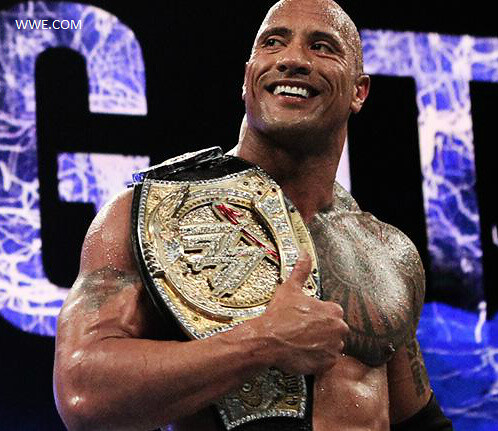
While Dwayne Johnson is undoubtedly one of the most larger-than-life characters in entertainment history, there are rare occasions when the man himself shines through with unfiltered emotion. One such moment was on March 29, 2008, when he returned to a WWE show after nearly three years to perform a profoundly personal duty: inducting his father, Rocky Johnson, and his grandfather, Peter Maivia, into the WWE Hall of Fame.
This wasn’t about promoting a movie or setting up a wrestling match. This was about family, legacy, and respect. Both his father and grandfather were pioneers in professional wrestling. His father, Rocky Johnson, alongside Tony Atlas, became the first black tag team champions in WWE history in 1983, a significant milestone. His grandfather, Peter Maivia, was also a formidable wrestler, and his grandmother, Lia, was one of the first female pro wrestling promoters.
The act of inducting them into the Hall of Fame was a deeply emotional and honorable moment, allowing Dwayne Johnson to step out of ‘The Rock’ persona and publicly acknowledge the two men who laid the foundation for his own incredible career. It was a heartfelt tribute, brimming with genuine pride and love, far removed from the trash-talking, eyebrow-raising character.
In that moment, the world saw not ‘The Rock,’ the global superstar, but Dwayne, the devoted son and grandson, honoring his family’s invaluable contributions to the sport. It was a powerful reminder of his roots and the personal heritage that fuels his drive, showcasing a vulnerability and profound respect that transcends any character he might play.
8. **The “Hollywood Rock” Persona: When Fans Booed the Movie Star**
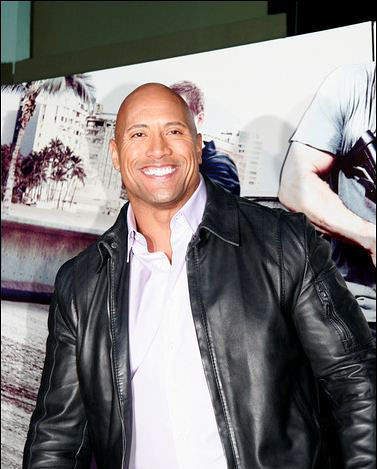
You’d think once you’re ‘The Rock,’ the universe just bows down, right? Not quite. Even Dwayne faced frosty receptions when he began his acting career. As early as 2002, the crowd reaction wasn’t always a People’s Pop. After his victory over Hulk Hogan at WrestleMania X8, the context notes The Rock “started to see a dip in fan support.” By his SummerSlam match with Brock Lesnar that same year, “that dip turned into a plunge.” Talk about a harsh reality check for a budding movie star!
Fans knew he was leaving WWE for an acting career, and they weren’t thrilled. The context even mentions “the negative crowd response during his match with Lesnar.” Imagine stepping out to boos! The Rock was “visibly angry at the crowd reaction.” He tried a post-show speech, but fans booed him, leading to a frustrated, short promo declaring “sing-along with the Rock is over!”
This raw sentiment directly influenced his iconic “Hollywood Rock” persona. He made a grand return to WWE in January 2003, and in a brilliant move to embrace the antagonism, he turned heel. The context describes this as “a new persona that has been called Hollywood Rock, with a new look and a shaved head.” It was a bold pivot, weaving real-life criticism about his acting ambitions directly into his character.
This era was pure gold. Hollywood Rock wasn’t just a wrestler; he was a larger-than-life movie star who looked down on the fans. He’d perform “Rock Concerts,” where he played guitar and savagely mocked WWE performers and fans in song. It was a masterclass in turning fan resentment into captivating television, proving that even when Dwayne Johnson’s career ambitions led to friction, he could still make it electrifying.
9. **Leaving WWE for Hollywood: The Leap of Faith (2004)**
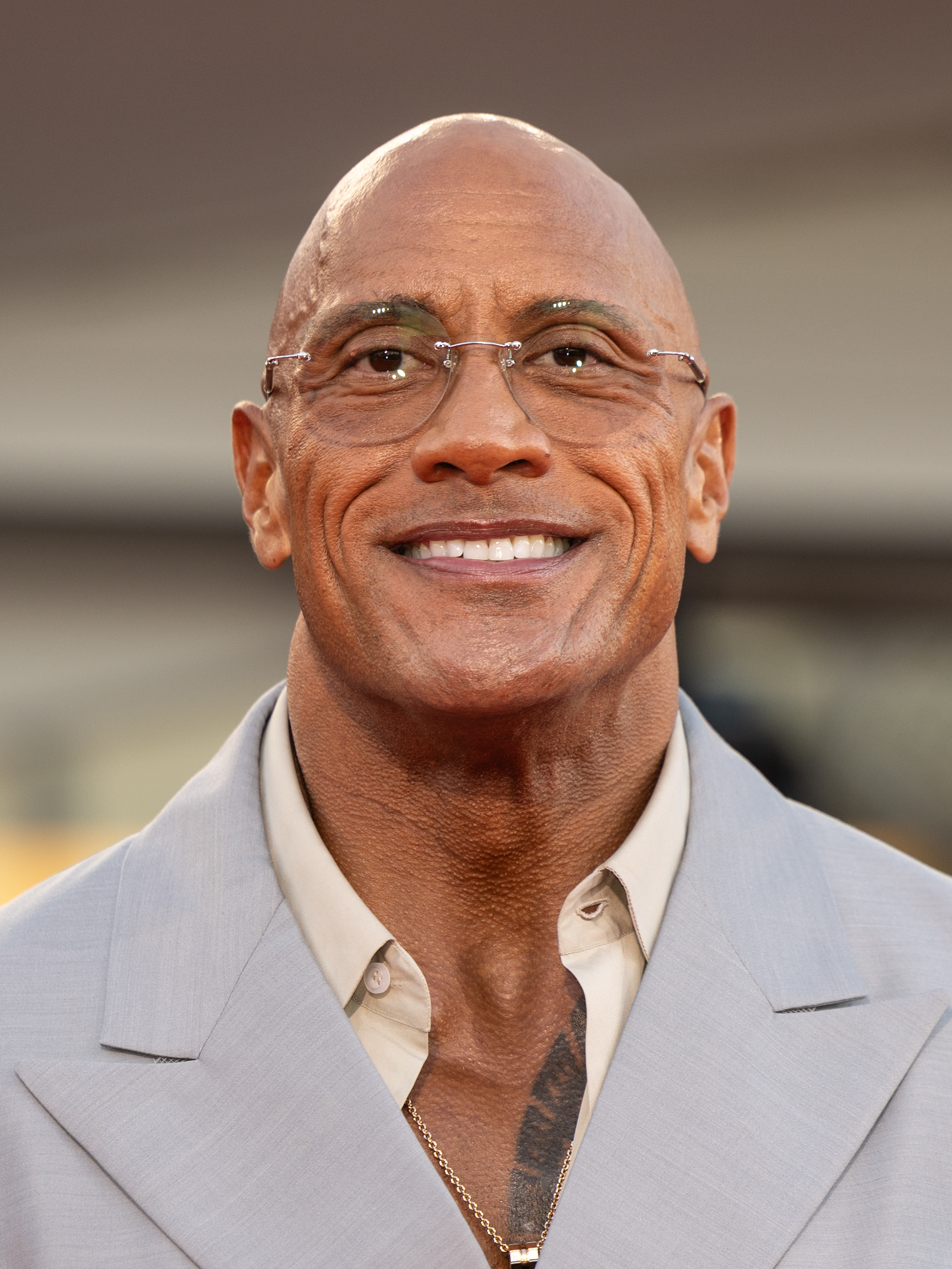
After a WWE career of unprecedented heights, Dwayne Johnson made a monumental decision in 2004: he left to fully pursue acting. This wasn’t a brief hiatus; it was a full-time commitment to a new, challenging path. The context states unequivocally that “The Rock’s contract with WWE then ended and he started his full-time acting career.” It was a massive leap of faith, trading the guaranteed adoration of wrestling fans for the uncertain world of Hollywood.
His journey into acting began earlier, with his first film role in *The Mummy Returns* (2001) and his first leading role in *The Scorpion King* (2002). These early forays hinted at his potential, but to truly break through, he needed total dedication. Imagine the internal struggle: leaving a domain where he was a legend to start at the bottom, facing skepticism and needing to prove himself again. It truly exemplifies his ambition and relentless drive.
This was a profound moment where the man’s personal ambition took center stage, eclipsing ‘The Rock’ persona. It showed a willingness to risk everything, to bet on himself beyond the wrestling ring. The move allowed him to build an incredible filmography, starring in blockbusters and becoming one of the world’s highest-grossing actors. This career shift was a testament to his vision and unwavering belief.
For several years, fans rarely saw him in a WWE ring. While he made sporadic non-wrestling appearances, like inducting his family into the Hall of Fame in 2008, the full-time wrestler was gone. This period highlighted his evolution from wrestling icon to rising Hollywood star, a transition fueled by Dwayne Johnson’s personal drive to conquer new frontiers.
10. **The Grand Return: Hosting WrestleMania XXVII and the Birth of a Mega-Feud (2011)**
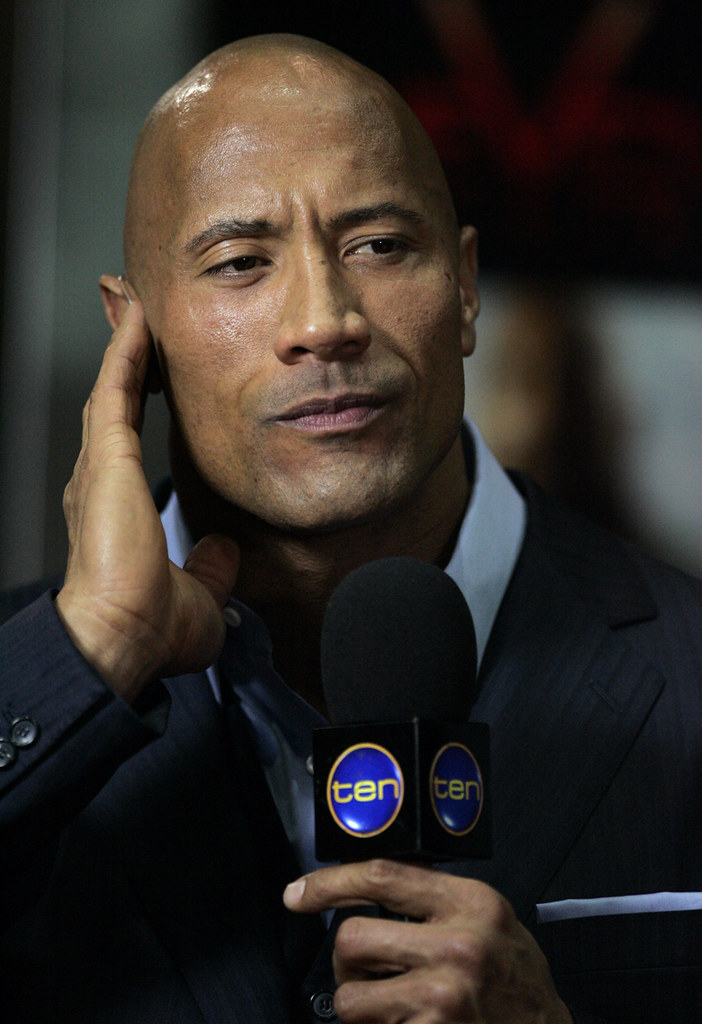
Just when you thought ‘The Rock’ might be a fond memory, Dwayne Johnson pulled off one of the most electrifying returns in WWE history. After a seven-year absence, he was announced as the host of WrestleMania XXVII on February 14, 2011, appearing live on Raw. This wasn’t just a cameo; it was a statement. The context describes his “lengthy promo,” where he immediately addressed the fans, setting the stage for an epic rivalry.
This return marked a pivotal moment where his Hollywood stardom intersected with his wrestling roots. He didn’t just host; he launched an immediate feud with John Cena, the face of the company. The energy was palpable as he appeared live on Raw before WrestleMania XXVII to confront Cena, exchanging insults that lit up the wrestling world. It was a clash of eras, a generational showdown.
During WrestleMania, The Rock was more than a host. He opened the show with an unforgettable promo. Later, after the main event between Cena and The Miz ended in a double countout, he came ringside to restart it. In revenge for a prior Attitude Adjustment, he hit Cena with a Rock Bottom, allowing The Miz to win. Then, for good measure, he attacked The Miz, hitting him with the People’s Elbow. What a grand entrance and instant influence!
This return showed that even as a bona fide Hollywood star, Dwayne Johnson’s passion for wrestling burned bright. It was about stepping back into the squared circle, demonstrating ‘The Rock’ persona was far from retired. The intense rivalry with John Cena wasn’t just for show; it reflected Johnson’s ambition to remain at the top, in both Hollywood and WWE.
11. **The “Once in a Lifetime” Match with John Cena: Ambition and Legacy (2012)**
The rivalry between The Rock and John Cena wasn’t a one-off; it was a year-long saga culminating in a “Once in a Lifetime” match at WrestleMania XXVIII in 2012. This wasn’t just about winning; it was about proving a point, about legacy, and staking his claim in an era he once dominated. The context explicitly states “The Rock and Cena agreed to a match at WrestleMania XXVIII the next year.” Imagine setting a match a full year in advance – that’s serious ambition!
Leading up to the event, the verbal confrontations on Raw SuperShow were legendary. The Rock even brought back his “Rock Concert,” mocking Cena in songs, showing his ‘Hollywood Rock’ wit was razor-sharp. This period was a masterclass in storytelling, building anticipation. For Dwayne Johnson, this wasn’t just a guest appearance; it was a deeply personal return to reclaim his status.
On April 1, 2012, The Rock defeated John Cena in the main event of WrestleMania XXVIII, a moment that sent shockwaves. He countered Cena’s People’s Elbow attempt into a Rock Bottom, securing the pin. This victory wasn’t just a win; it shattered records, becoming “the biggest professional wrestling pay-per-view buyrate” ever. It solidified his standing as an undeniable force.
The morning after on Raw SuperShow, the Rock “praised Cena, calling their match ‘an honor.'” But then, showing his ambition still burned, he “vowed to once again become WWE Champion.” This wasn’t just a character statement; it was Dwayne Johnson, the man who had conquered Hollywood, showing his unwavering desire for wrestling’s pinnacle. It showcased how his personal ambitions continually drove his public persona.
12. **The New WWE Championship Reveal: A Symbol of Influence (2013)**
As Dwayne Johnson navigated his blockbuster film career, he continued high-profile WWE returns, demonstrating unparalleled influence even as a part-timer. One symbolic moment occurred on February 18, 2013, on Raw. The context tells us, “The Rock revealing the brand new WWE Championship design on WWE Raw, February 2013.” This wasn’t just any superstar; it was ‘The Rock,’ the man who had just won the WWE Championship for a record eighth time at the Royal Rumble.
His reign as champion, though brief, was loaded with meaning. It showcased that even with a thriving Hollywood career, Johnson could command the top position in wrestling. Entrusting him with the unveiling of a brand new, modern WWE Championship title was a profound statement. It wasn’t merely a prop; it was the symbol of the entire organization, presented by their biggest global star.
This event underscored the enduring power and trust associated with ‘The Rock’ persona. It showed how much faith WWE had in him, not just as a draw, but as a legitimate icon transcending wrestling. It allowed Dwayne Johnson to merge his superstar status with the core identity of the company that helped make him famous. It was a moment where lines blurred, reinforcing his vital connection to the wrestling universe.
The reveal was a massive pop culture event, attracting both wrestling die-hards and casual fans following Johnson’s Hollywood exploits. It proved that even as he charted his course as a “Hollywood mogul,” his emotional connection and influence on WWE remained strong. He wasn’t just an alumnus; he was a living legend who could elevate the product and redefine its cherished symbols.
13. **Beyond the Screen: Seven Bucks Productions and Business Mogul Status**
Dwayne Johnson isn’t just an actor and a wrestler; he’s a full-blown business mogul, thanks to his incredible entrepreneurial spirit. In 2012, he co-founded Seven Bucks Productions with Dany Garcia. While the context only mentions “co-founder of Seven Bucks Productions,” it’s a pivotal move into entertainment business. This venture wasn’t just a vanity project; it was a strategic powerhouse producing many of his successful film and television projects, taking control of his destiny.
This shift from actor-for-hire to producer and content creator illustrates a profound change in Johnson’s ambitions. It shows his keen business savvy, recognizing the value of owning intellectual property and shaping narratives from the ground up. By being behind the camera as much as in front, he cemented his status as a true industry player, influencing not just his roles but the creative direction of numerous projects.
Seven Bucks Productions has been instrumental in the success of many films, including *Jumanji: Welcome to the Jungle* and *Jungle Cruise*, and the HBO series *Ballers*. The context confirms he “produced and starred in the HBO comedy-drama series Ballers (2015–2019)” and the “autobiographical sitcom Young Rock (2021–2023).” This level of creative and financial control exemplifies his evolution into a Hollywood powerhouse.
His involvement with Seven Bucks Productions highlights the real-life Dwayne Johnson’s strategic thinking and ambition, influencing ‘The Rock’ persona by giving him a stronger foundation of independence and creative control. It’s a testament to his drive to not just be a star, but a force, an innovator, and a leader in entertainment. This transition from performer to proprietor is a defining aspect of his journey as a mogul.
14. **Co-Ownership of the UFL and TKO Board: The Ultimate Power Move**
If you thought producing blockbusters was the peak of Dwayne Johnson’s empire-building, think again! His business acumen has soared far beyond Hollywood, demonstrating a remarkable evolution into a global entrepreneurial force. The context reveals two massive power moves that solidify his status as a legitimate mogul: he “is a co-owner of the United Football League,” and a “member of the board of directors of TKO Group Holdings—the parent company of UFC and WWE.” Talk about a full-circle moment!
Becoming a co-owner of a major sports league like the UFL shows incredible investment and belief in sports entertainment beyond just performing. It’s a clear manifestation of his ambition to shape the landscape of professional sports. This isn’t just about a paycheck; it’s about ownership, vision, and leveraging his immense influence and brand to build something new and exciting. It’s the ultimate expression of his business savvy.
Even more profoundly, his appointment to the board of directors of TKO Group Holdings, the parent company of both UFC and WWE, is a monumental career shift. Imagine ‘The Rock,’ the legend who defined an era of wrestling, now sitting on the board overseeing the organization where he became a global phenomenon. This move perfectly encapsulates the intersection of his wrestling legacy, Hollywood success, and incredible business prowess.
This appointment, happening after his “retirement in 2019” and subsequent return in 2023 “on a part-time basis” to WWE, signals that Dwayne Johnson’s influence is now at the highest corporate level. He’s not just a talent; he’s a decision-maker, a strategic leader shaping the future of sports entertainment. It’s a defining moment where the man behind ‘The Rock’ persona has truly ascended to the ultimate position of power, integrating all facets of his illustrious career into one incredible empire.
From a troubled teen to a gridiron hopeful, from the fiercely booed Rocky Maivia to the global phenomenon ‘The Rock,’ Dwayne Johnson’s journey is a masterclass in resilience, ambition, and strategic evolution. We’ve seen how the man behind the persona navigated crushing rejections, embraced criticisms to forge new identities, and continually pushed the boundaries of what an individual could achieve in both sports and entertainment. He didn’t just conquer Hollywood; he built an empire, meticulously weaving his real-life passions and business savvy into a legacy that continues to redefine superstardom. His story isn’t just about breaking character; it’s about building a character so strong, so authentic, that it allows the true Dwayne Johnson to shine through, inspiring millions along the way. And honestly, can you smell what The Rock is cooking? It’s success, served sizzling hot!