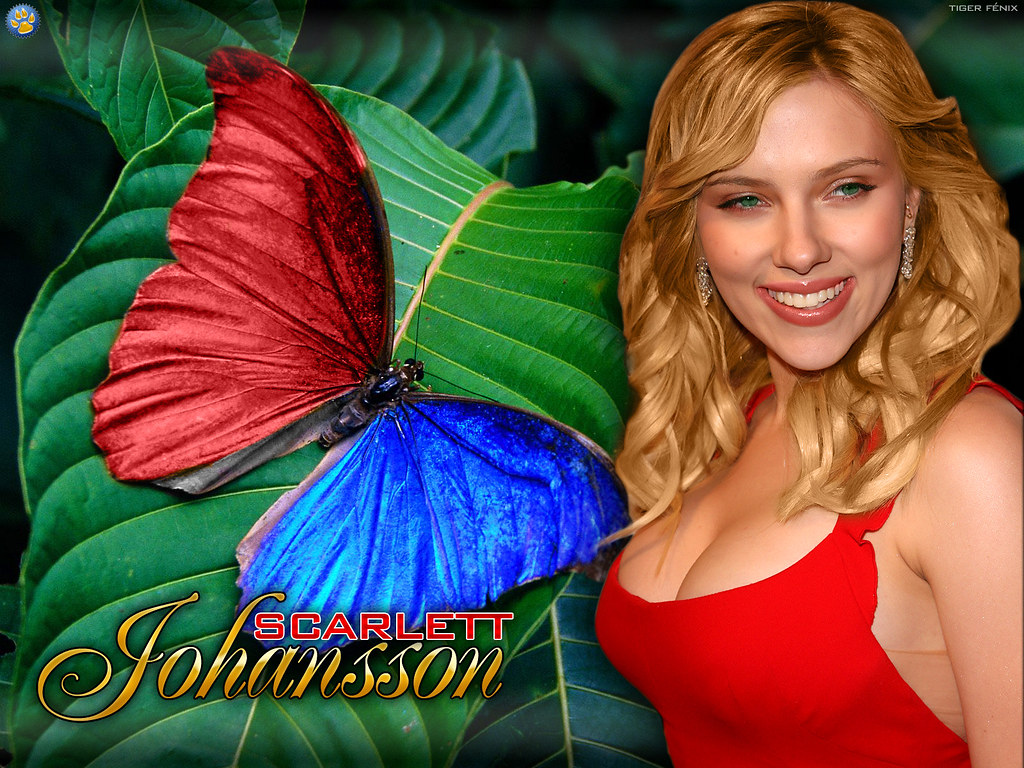
Scarlett Johansson, an American actress born in 1984, stands as a titan in Hollywood, recognized globally for her multifaceted talent and box-office prowess. Her films as a leading actress have collectively grossed over $15.3 billion worldwide, cementing her status as the highest-grossing lead actor in history. Beyond her undeniable on-screen charisma and critically acclaimed performances—ranging from her BAFTA-winning role in *Lost in Translation* to her dual Academy Award nominations for *Marriage Story* and *Jojo Rabbit*—Johansson has consistently carved out a reputation for navigating a complex industry with both artistic integrity and shrewd business acumen. Her journey from child actress to global superstar, notably as Black Widow in the Marvel Cinematic Universe, is a testament to her enduring appeal and strategic career choices.
However, in July 2021, Johansson made headlines not for a new film release or award nomination, but for a bold legal challenge against one of the most powerful entertainment conglomerates: The Walt Disney Company. The core of her lawsuit stemmed from the simultaneous release of her solo Marvel feature, *Black Widow*, in theaters and on Disney+ Premier Access. This move, she alleged, constituted a breach of contract, denying her substantial box-office bonuses tied to the film’s theatrical performance. This was more than just a personal dispute; it immediately ignited a fiery debate across Hollywood, shedding an uncomfortable spotlight on evolving compensation models, the impact of streaming, and the intricate power dynamics between talent and studios in a rapidly changing media landscape.
To truly understand *why* Scarlett Johansson, a celebrated and successful actress, decided to sue her own production company, we must unpack several layers of context. This includes her rise to prominence, the foundational role of her Black Widow character, the contractual intricacies that underpin major studio deals, and the seismic shifts in film distribution accelerated by the global pandemic. Her lawsuit wasn’t an isolated event; it was a flashpoint, illustrating the tension between traditional industry practices and the burgeoning digital era, all while redefining the expectations and rights of top-tier talent.

1. Scarlett Johansson’s Stature as a Hollywood Powerhouse
Scarlett Johansson’s career trajectory is nothing short of remarkable, establishing her not just as a prominent actress but as a genuine Hollywood institution. Born in New York City in 1984, she began her acting journey as a child, with early roles in films like *North* (1994) and *Manny & Lo* (1996), quickly demonstrating a talent that belied her age. By 2003, her nuanced performances in *Lost in Translation* and *Girl with a Pearl Earring* marked a pivotal transition to adult roles, earning her widespread critical acclaim and a BAFTA Award for Best Actress. This early success laid the groundwork for a career defined by both artistic daring and commercial triumph.
Her continued success saw her collaborate with esteemed directors such as Woody Allen in films like *Match Point* (2005), *Scoop* (2006), and *Vicky Cristina Barcelona* (2008), further cementing her reputation for versatility. Johansson’s ability to command both indie projects and major blockbusters positioned her uniquely in the industry. Her talent was recognized not just by awards, including a Tony Award for her Broadway debut in *A View from the Bridge* (2010), but also by the financial metrics that define commercial success in Hollywood.
Indeed, Johansson’s financial impact on the industry is undeniable. Forbes named her the world’s highest-paid actress in both 2018 and 2019, consistently featuring her on their Celebrity 100 list. Her films have collectively amassed over $15.3 billion worldwide as a leading actress, a figure that makes her the highest-grossing lead actor in cinematic history. This unparalleled commercial success provided her with significant leverage, not just in salary negotiations, but in demanding respect for her contractual agreements and overall professional standing. Her influence extends beyond box office numbers; *Time* named her one of the 100 most influential people in the world in both 2021 and 2025, underscoring her broad cultural impact and ongoing relevance. This high level of influence and financial contribution directly informed the gravity of her decision to challenge a major studio.

2. The Genesis of Black Widow: A Decade-Long Journey in the MCU
A cornerstone of Scarlett Johansson’s global stardom and financial success is undoubtedly her portrayal of Natasha Romanoff, the Black Widow, within the Marvel Cinematic Universe (MCU). Her journey with the character began in 2010 with *Iron Man 2*, a role she secured after Emily Blunt’s withdrawal. Johansson’s dedication to the part was immediate and intense; she famously dyed her hair red to convince director Jon Favreau and underwent rigorous stunt and strength training, showcasing her commitment to embody the complex spy and superhero. This initial appearance marked the beginning of a significant chapter in her career and in cinematic history.
Over the next decade, Johansson reprised her role in eight subsequent MCU films, transforming Black Widow from a supporting character into one of the franchise’s most beloved and enduring figures. She appeared in *The Avengers* (2012), *Captain America: The Winter Soldier* (2014), *Avengers: Age of Ultron* (2015), *Captain America: Civil War* (2016), *Avengers: Infinity War* (2018), and *Avengers: Endgame* (2019). Each appearance deepened the character’s narrative, showcasing her unique blend of intelligence, combat prowess, and surprising vulnerability. Johansson’s portrayal was instrumental in establishing Black Widow as a fan favorite, often standing shoulder-to-shoulder with her male counterparts in a male-dominated superhero world.
The culmination of this extensive character development was the long-awaited solo feature, *Black Widow*, released in 2021. This film wasn’t just another installment; it represented a significant milestone for both Johansson and the MCU, offering a deeper dive into Natasha Romanoff’s origin story and emotional landscape. Johansson not only starred in the film but also served as an executive producer, a testament to her increased influence and involvement in shaping the character’s legacy. This dual role meant she had a vested interest in the film’s success, particularly concerning the compensation structures that typically accompany such high-profile projects. The film allowed her to fully explore Black Widow’s independence and vulnerability, aspects she felt set her apart from other Avengers, further solidifying her personal and professional connection to the project.

3. The Contractual Backbone: Exclusive Theatrical Release Clauses
At the heart of Scarlett Johansson’s lawsuit against Disney lay a fundamental aspect of Hollywood’s traditional compensation structure: the exclusive theatrical release clause. For decades, major film contracts, especially for A-list talent like Johansson, have included provisions that tie significant portions of an actor’s compensation, particularly their backend bonuses, directly to a film’s performance at the global box office. This arrangement incentivizes stars to promote films heavily, as their personal earnings are often directly proportional to how many tickets are sold in cinemas worldwide.
These clauses are not mere formalities; they are critical components of high-value deals, meticulously negotiated to ensure that talent shares in the success of a blockbuster. For a film like *Black Widow*, a tentpole Marvel release, the expectation of a robust theatrical run would have been paramount in Johansson’s contract. Her agreements would have been structured around the understanding that the film would debut exclusively in movie theaters for a specific window, maximizing its potential box-office revenue before any subsequent releases on other platforms. This exclusive window was traditionally seen as sacrosanct, a guarantee against dilution of the theatrical experience and, consequently, box-office earnings.
Therefore, when Disney made the decision to release *Black Widow* simultaneously in cinemas and on its streaming service, Disney+ Premier Access, it inherently challenged the established framework of these contracts. Johansson’s claim was that this dual-release strategy directly undermined the box-office performance, thereby diminishing the bonuses she was contractually entitled to. The simultaneous release, in her view, did not merely offer an additional revenue stream for Disney; it diverted potential theatrical earnings to a streaming platform where her backend participation was either non-existent or significantly reduced, thus breaching the spirit and letter of her original agreement. This contractual dispute highlighted a growing tension between traditional and emerging distribution models.

4. The Impact of COVID-19 and the Rise of Hybrid Release Models
The global COVID-19 pandemic, which swept across the world in early 2020, instigated an unprecedented disruption across nearly every industry, and Hollywood was certainly no exception. Cinema closures, production halts, and widespread lockdowns forced studios to rethink their distribution strategies entirely. Faced with an uncertain theatrical landscape and a desperate need to deliver content to audiences confined to their homes, many studios pivoted towards hybrid release models, where films would debut simultaneously in theaters and on streaming platforms. This shift, while seemingly a temporary solution, accelerated a long-brewing trend and introduced new complexities into existing contracts.
For a studio like Disney, which had heavily invested in its streaming service, Disney+, the pandemic provided a unique opportunity to bolster its subscriber numbers and content library. The Premier Access model, where subscribers could pay an additional fee to watch new releases at home, became a key strategy. While this approach offered a lifeline for viewers and a new revenue stream for the studio, it fundamentally altered the traditional economics of film releases. Films that were originally conceived and contracted for exclusive theatrical runs were now being rerouted, often without renegotiating the backend deals with the talent whose compensation was tied to those theatrical receipts.
This seismic shift directly impacted *Black Widow*. The film, already delayed multiple times due to the pandemic, ultimately became one of the high-profile titles released under Disney’s hybrid model in July 2021. While Disney argued that the Premier Access release offered additional compensation opportunities for Johansson, her lawsuit contended that this was insufficient to cover the losses incurred by the suppressed theatrical performance. The pandemic undeniably created a challenging environment, but the crux of Johansson’s legal argument was not about the necessity of adapting to a crisis, but rather about the studio’s unilateral decision to change distribution terms without adequately addressing the contractual obligations to its talent. The debate underscored whether a global health crisis justified overriding meticulously crafted agreements.
Read more about: Beyond the Charts: Inside Beyoncé’s Houston Studio and the 2 Billion-Dollar Enterprise Controlling Her Narrative

5. The ‘Black Widow’ Solo Film: A Personal and Professional Milestone.
The release of *Black Widow* in July 2021 was far more than just another Marvel movie for Scarlett Johansson; it represented a profound personal and professional milestone. After a decade of portraying Natasha Romanoff in the Marvel Cinematic Universe, a solo feature was a long-awaited and highly anticipated event for both the actress and her legions of fans. Johansson had invested deeply in the character’s development, seeing the film as an opportunity to provide a definitive backstory and an emotional farewell to a character she had intimately shaped. This film was meant to be her character’s swan song, allowing her to fully showcase Black Widow’s independence and vulnerability, traits she believed differentiated her from other Avengers.
Her involvement extended beyond her performance; Johansson also served as an executive producer on *Black Widow*. This dual role signifies a level of creative control and strategic investment that is typical for A-list talent on such major projects. Being an executive producer meant she was not just an actor for hire; she was an integral part of the film’s creative and business leadership, giving her a more direct stake in its overall success and how it performed financially. This deeper involvement made the alleged breach of contract feel even more personal and impactful, as it directly undermined her contributions and the agreed-upon terms for a project she had helped shepherd.
Johansson herself had expressed a sense of completion regarding her role as Black Widow, viewing the solo film as the perfect culmination of her character’s arc. This was not just a job; it was the definitive chapter for a character that had become a significant part of her identity and public image. The financial model, tied to theatrical success, was therefore not just about personal wealth, but also about the recognition and value attributed to her decade of work and her executive producer role on this pivotal film. The decision to sue, then, can be seen not only as a defense of her contract but also as a defense of her professional standing and the significant creative investment she poured into the *Black Widow* legacy.

6. The Specific Allegations and the Heart of Johansson’s Claim
Scarlett Johansson’s lawsuit against Disney wasn’t merely a grievance; it was a precisely articulated legal challenge rooted in a clear breach of her contractual agreement for *Black Widow*. At its heart, the core allegation centered on a fundamental promise embedded in her contract: that the film would receive an exclusive theatrical release. This clause was not a minor detail but a linchpin of her compensation structure, as a significant portion of her earnings, specifically backend bonuses, were directly tied to the film’s box-office performance. For A-list talent, such clauses represent a significant incentive and a fair share in a film’s success, a standard practice in Hollywood for decades.
The legal complaint meticulously outlined how Disney’s decision to simultaneously release *Black Widow* in cinemas and on Disney+ Premier Access fundamentally undermined this contractual guarantee. By making the film available on a streaming platform at an additional, premium cost to subscribers, Disney, in Johansson’s view, deliberately diverted potential theatrical revenue. This diversion directly impacted the film’s box-office numbers, thereby diminishing the very pool from which her performance-based bonuses were to be drawn, effectively cutting into her anticipated earnings.
Johansson’s filing contended that this dual-release strategy, executed unilaterally by Disney, constituted a clear breach of the spirit and letter of her original agreement. Her legal team argued that the contract was predicated on the explicit understanding that a robust, exclusive theatrical run would maximize box-office receipts, providing the basis for her lucrative backend participation. When Disney chose to alter this established distribution model without adequately renegotiating her compensation, it effectively devalued her work and denied her the full financial benefit she had meticulously negotiated and was contractually entitled to.
This was not simply a demand for more money but a defense of established industry practices and the integrity of high-value contracts. Johansson’s team asserted that Disney had prioritized its nascent streaming service’s growth over its commitments to its talent, exploiting the pandemic as a justification for a fundamental shift in distribution that financially harmed its partners. The lawsuit brought into sharp focus the imperative for studios to respect and honor the foundational agreements that underpin major film productions, especially in a rapidly evolving media landscape.

7. Disney’s Controversial Rebuttal and Public Response
In the immediate aftermath of Johansson’s bold legal action, The Walt Disney Company did not hold back in its response, issuing a public statement that was widely perceived as “aggressive” and highly controversial. Disney’s initial defense attempted to frame Johansson’s lawsuit as insensitive and tone-deaf, claiming it showed an “indifference to the ‘horrific and prolonged’ effects of the COVID-19 pandemic.” This rhetorical tactic clearly aimed to position the studio as a benevolent entity navigating a global crisis, while attempting to portray Johansson as self-interested and out of touch during a period of widespread hardship.
Further fanning the flames of controversy, Disney controversially chose to disclose Johansson’s upfront salary, stating she had already received $20 million for the film. The company asserted that the Disney+ Premier Access release would, in fact, “only earn her additional compensation,” attempting to suggest that she was still benefiting from the new model and that her claims were therefore unfounded or exaggerated. This public disclosure of private financial terms, however, was highly unusual for a studio to make against its own talent and immediately drew widespread condemnation from industry insiders.
Creative Artists Agency (CAA) co-chairman Bryan Lourd, who represented Johansson, swiftly condemned Disney’s approach as a “direct attack on her character.” Lourd criticized the studio not only for disclosing her salary but also for attempting to shame her and undermine a legitimate contractual dispute. This public spat quickly escalated into a high-stakes battle for public opinion, revealing the raw tension and distrust that was bubbling beneath the surface between major studios and their top-tier talent over the new economics of entertainment.
The severity of Disney’s public statement was particularly striking, as it departed from the usual diplomatic language employed in such disputes. Instead of seeking an amicable, private resolution, the studio opted for a combative stance that many interpreted as an attempt to deter other actors from taking similar legal action. This defensive posture only amplified the wider industry’s concern about the changing landscape of talent compensation and the studios’ willingness to prioritize their streaming platforms.

8. The Wider Industry Implications and Talent Reaction.
Scarlett Johansson’s lawsuit transcended a mere personal dispute; it immediately ignited a fiery debate across Hollywood, casting an uncomfortable spotlight on the seismic shifts occurring within the film industry’s economic models. The filing became a flashpoint, crystallizing the growing tension between traditional studio practices—which have historically relied on exclusive theatrical windows—and the burgeoning digital era, especially concerning how top-tier talent is compensated when films move from exclusive theatrical releases to hybrid streaming models.
Agents, managers, and other actors across the entertainment spectrum closely watched the proceedings, recognizing the lawsuit’s potential to set a crucial precedent for future contracts. Many saw Johansson’s stand as a necessary challenge to major studios that were increasingly making unilateral decisions about film distribution. These decisions, often driven by the desire to boost streaming subscriber numbers, were frequently made without adequately addressing the financial implications for the talent whose work drove these blockbuster projects, raising concerns about fairness and equity.
The question of how to fairly value and compensate artists in a world where content can instantly appear on multiple platforms became paramount. The lawsuit brought into sharp relief the intricate power dynamics at play, with talent pushing back against studios leveraging their streaming platforms without engaging in meaningful renegotiations for backend participations, which have long been a cornerstone of high-value deals for A-list stars. The industry was compelled to confront whether a global health crisis justified overriding meticulously crafted agreements without proper financial reconciliation for all involved parties.
Moreover, the suit highlighted a fundamental disconnect in how studios and talent viewed the “value” of a film’s release. While studios might see hybrid releases as maximizing overall corporate revenue (through both box office and subscriptions), talent often viewed it as a direct threat to their bonus structures tied exclusively to theatrical performance. This led to widespread discussions about the need for new compensation frameworks that incorporate streaming revenue directly into talent agreements, ensuring a more equitable distribution of profits in the evolving media landscape. The dispute underscored the imperative for new models of collaboration rather than confrontation.
Read more about: The Unveiling of a Corporate Betrayal: How Political Pressure and Power Plays Led to the Untimely End of Stephen Colbert’s Late Show Era
9. The Resolution and Financial Outcome of the Dispute
After months of intense public scrutiny and industry-wide debate, the contentious legal dispute between Scarlett Johansson and Disney reached a resolution in September 2021. While the initial terms of the settlement were undisclosed, deliberately shrouding the financial specifics and leaving much speculation in its wake, industry sources soon confirmed that the outcome was a significant win for Johansson, reverberating throughout Hollywood as a victory for talent rights.
*Variety*, a highly respected entertainment trade publication, later reported that Johansson received “over $40 million” as part of the confidential agreement. This substantial figure not only vastly exceeded the initial $20 million Disney had publicly stated she already received but also strongly suggested that the studio acknowledged the significant validity of Johansson’s claims regarding the breach of contract. The reported settlement likely encompassed compensation for the alleged losses from the *Black Widow* hybrid release, and potentially also factored in punitive elements or a renegotiation of future terms for her continued collaboration with the studio.
The resolution allowed both parties to strategically move forward, crucially with the understanding that Johansson would “continue working with Disney,” signaling a concerted effort to mend the relationship despite the very public and acrimonious legal battle. This continuity was important for both sides, preserving future creative opportunities for Johansson within Disney’s vast intellectual property, particularly the MCU, and allowing Disney to avoid further prolonged and potentially damaging legal battles with one of its most valuable stars.
The financial outcome of this high-profile case underscored a critical lesson for Hollywood: that major studios could not unilaterally alter long-standing contractual terms, especially those pertaining to distribution and compensation, without significant repercussions. It served as a clear message that talent, particularly those with the substantial leverage of an A-list star like Johansson, would defend their agreements and demand fair value in the rapidly evolving landscape of film distribution. This landmark settlement effectively paved the way for more transparent, comprehensive, and equitable negotiations in the burgeoning streaming era, creating a new benchmark for talent-studio relations.
Read more about: The Bitter Harvest: Will Brad Pitt Finally Settle the Multi-Million Dollar Lawsuit Over His French Vineyard with Angelina Jolie’s Former Company?

10. The Long-Term Impact on Studio Strategies and Johansson’s Evolving Career.
The reverberations of Scarlett Johansson’s lawsuit against Disney extended far beyond the immediate financial settlement, profoundly influencing studio strategies and solidifying her legacy as an industry trailblazer. For Hollywood studios, the dispute served as a stark lesson, prompting an urgent re-evaluation of how talent contracts are structured in an age of simultaneous theatrical and streaming releases. It undoubtedly led to increased caution and a push for more explicit, detailed clauses in new agreements, ensuring that compensation models are clearly defined for hybrid distribution across all platforms. This shift has encouraged greater transparency and a more collaborative approach with talent when considering multi-platform releases, moving away from unilateral decision-making that disregards established agreements.
For Scarlett Johansson herself, the lawsuit marked a pivotal moment in her professional evolution, showcasing her astute business acumen and unwavering commitment to contractual integrity. Rather than being sidelined or blacklisted by the controversy—a fear many in Hollywood harbor—she continued to expand her professional horizons with remarkable success, demonstrating her enduring influence and versatility both in front of and behind the camera. Post-lawsuit, she returned to the screen with Wes Anderson’s highly anticipated *Asteroid City* (2023), a critically acclaimed project for which she notably took a substantial pay cut, earning $4,131 a week for two months of work. This move highlighted her artistic dedication, proving that her career choices were not solely driven by financial disputes but also by a profound passion for unique and challenging cinematic experiences.
Her post-lawsuit trajectory further diversified, with roles that showcased her range and adaptability. She appeared in Kristin Scott Thomas’s directorial debut *My Mother’s Wedding* and lent her distinctive voice to Elita-1 in the animated prequel *Transformers One*. Crucially, Johansson also moved into more prominent behind-the-scenes roles, cementing her status as a power player. She founded her own production company, These Pictures, and immediately put it into action by producing and starring in the romantic comedy *Fly Me to the Moon* (2024), where her screwball chemistry with Channing Tatum was a highlight.
Her involvement as an executive producer on the upcoming MCU film *Thunderbolts** further cemented her continued, albeit evolved, relationship with Disney-owned Marvel, signaling that the legal battle, while intense, did not permanently sever ties. This demonstrated a pragmatic and forward-looking approach from both sides. Further demonstrating her ambition and range, she joined the long-running *Jurassic Park* franchise in the installment *Jurassic World Rebirth* and reunited with acclaimed director Wes Anderson for *The Phoenician Scheme*, continuing her collaboration with respected auteurs.
Perhaps most significantly, Johansson made her highly anticipated directorial debut with the drama *Eleanor the Great*, starring veteran actress June Squibb in the title role. This bold expansion into directing, producing, and starring in a diverse array of projects underscores that her legal battle was not an end but a powerful catalyst. It propelled her into a new phase of creative and professional leadership, where she continues to shape her own narrative and profoundly influence the industry around her, not just as an actress but as a formidable creative force.
Scarlett Johansson’s landmark lawsuit against Disney was more than just a contractual dispute; it was a watershed moment that irrevocably reshaped the landscape of Hollywood in the nascent streaming era. It illuminated with stark clarity the inherent complexities and potential pitfalls of modern film distribution models, setting a crucial precedent for fair compensation for talent. Her courageous and strategic stand solidified her status not merely as one of the highest-grossing actresses of all time, but as a tenacious advocate for artistic rights and a forward-thinking force charting her own course in a dynamic industry. As studios continue to navigate the evolving digital frontier, the “Black Widow” lawsuit will undoubtedly be remembered as a pivotal chapter, a testament to the fact that the value of creative contributions and the integrity of contractual agreements must remain at the forefront of every deal, ensuring a more equitable future for all.