

When did renting a car become so complicated and risky? What was once a straightforward transaction has transformed into an experience that demands vigilance and careful documentation from consumers. Recent reports of fraudulent phone numbers, fake websites, and dubious cleaning charges have left many travelers feeling vulnerable and frustrated, making understanding these risks as crucial as knowing how to drive the car itself.
Travelers are often in a rush when picking up or dropping off a rental car, juggling bags, water bottles, backpacks, and even kids. This hurried state creates a perfect storm for potential disaster or fraud, a scenario that rental companies, knowingly or unknowingly, seem to capitalize on. It’s a shame that so many individuals throw money away due to a lack of awareness regarding the numerous pitfalls lurking in the rental car landscape.
This in-depth guide is designed to peel back the layers of deception in the car rental industry, focusing particularly on the insidious methods companies use to overcharge customers on insurance – often the single worst scam in the entire travel industry. We’ll also equip you with the knowledge to identify and avoid other common traps, ensuring your next rental experience is stress-free and budget-friendly.
1. **Watch out for this rental car phone number scam**
The most recent rental car scam is super hard to spot, leveraging the familiarity of online searches. Imagine you want to rent a car in, say, Chicago; you pull out your phone, search for your favorite car rental company, and dial the number that appears. You proceed to reserve a car, providing your credit card information and other personal details, believing you’re speaking with a legitimate representative.
However, upon arrival at the actual rental counter, you discover no reservation in your name, and your credit card has already been charged. This occurs because Google search results, while appearing legitimate with company name and map, can sometimes lead to a fake company. You might even receive a confirmation email with the company’s logo, making the deception incredibly convincing.
Numerous reports confirm this, such as a traveler scammed out of $800 for a car rental in Atlanta or another losing hundreds in Nebraska. The sophistication of these fraudulent operations means they mimic official communications with alarming accuracy, leaving consumers with significant financial loss. Even seemingly reliable search results can be compromised, a stark reminder of the need for vigilance.
To avoid this scam, vigilance is key. Beware of companies offering exceptionally large discounts or claiming special partnerships involving unusual payment methods like gift cards. Never click links or call numbers from unsolicited rental texts and emails, as these are malicious. Instead, navigate directly to the official company website by typing its URL, verifying “https://” displays, or checking ‘About this page’ to confirm ownership.
Read more about: United Airlines Grounds Nationwide Flights

2. **The Hidden Fees Trap**
One of the most insidious ways car rental companies inflate your final bill is through hidden fees, a tactic that often catches travelers off-guard. Agencies lure customers with low advertised daily rates, only to surprise them with additional charges upon vehicle return or when the final statement arrives. These hidden costs can include taxes, surcharges, airport fees, and “convenience charges,” sometimes doubling the initial quoted price.
Consider a common scenario: you’re quoted a fantastic $25 a day. Later, you discover an additional $15 per day for unexpected insurance or a surprise cleaning fee of $50 because of a little sand. These small, undisclosed fees accumulate rapidly, transforming an apparent bargain into a significant financial burden.
The fine print in rental agreements often hides these extra charges. Many travelers skim these crucial details, inadvertently agreeing to costs they never anticipated. This allows companies to leverage terms that are technically disclosed but not explicitly highlighted, leading to an arbitrarily inflated bill.
To avoid this trap, meticulous attention to detail is paramount. Read the fine print of the rental agreement thoroughly before signing, uncovering any sneaky charges for cleaning, insurance, or refueling. Ask for a full, itemized breakdown of all potential charges upfront, inquiring about every possible fee. Opting for trustworthy agencies like Finalrentals, which claim transparent pricing, can also significantly reduce risk.
Read more about: In the Boardroom: Decoding 15 Critical Control Mechanisms for Auto Executives in Joint Ventures and Venture Deals

3. **The Refueling Scam / Prepaid Fuel Scams**
The refueling scam, a classic tactic, preys on customer convenience and high gas costs. One scenario: you fill the tank to ‘Full’ near the rental center, only to later discover an extra charge for a few gallons you didn’t use. Another involves a vehicle upgrade (e.g., compact to SUV) where paperwork states the tank is 75% full; you return it at that level, yet incur a hefty refueling fee.
Rental agencies often charge for a full tank even if you return the car with much fuel remaining, making you pay for unused gas. If a company charges $70 for prepaid fuel, but you used only half, you’re still billed the full amount. You could have filled it for $35 at a local station, throwing money away. Gas stations nearest rental facilities notoriously have the highest per-gallon prices.
To circumvent this pitfall, adopt a strategic approach. Always opt for the “return full” policy, allowing you to fill the tank yourself before dropping off. This gives you control over price and location, enabling you to seek cheaper gas stations further away, then top it off closer to the return point.
Empower yourself with documentation. Keep all gas refueling receipts as proof of purchase. Before returning, take a clear picture of the gas gauge to verify the fuel level. Critically, always check the final bill and your credit card statement for erroneous refueling charges. A quick calculation before accepting prepaid fuel can confirm if it’s truly convenient or just costly.

4. **The Damage Game: Avoid Paying for Scratches You Didn’t Cause**
The car rental damage scam is an ‘oldie but goodie’ familiar to many travelers. It typically unfolds after you’ve returned the car, believing all is well. Days, weeks, or even months later – sometimes 6-9 months – you receive an unexpected repair bill for damage the rental company claims occurred during your rental period.
There’s often no proof the damage was caused while in your possession without clear photographic evidence. Rental lots, especially during busy times, feature cars tucked closely together, making new damage or misattribution easy. Without your own documentation, the rental company can assert new damage, leaving you little basis to dispute the claim.
Many unscrupulous agencies exploit the fact that most people don’t meticulously inspect vehicles. They ‘discover’ a scratch, dent, or defect after return and bill you, even if it was pre-existing or occurred later. They can be creative in finding faults, turning minor imperfections into significant charges.
To shield yourself, a thorough, documented inspection is essential. Before leaving the lot, film the entire vehicle, inside and out. Capture all sides, wheels, and roof, documenting every existing scratch or dent, no matter how small. Even a tiny bumper scratch, if undocumented, could later be blamed on you.
Crucially, ensure any existing damage is clearly written down and acknowledged in your rental agreement by the agent. If it’s not in writing, the agency can deny its existence at pick-up. Have the agent sign off on documented damages to avoid disputes. Retain all photographic and documentary evidence for an extended period, given the long delay in some damage bills.

5. **The Insurance Upsell: Necessary or Overkill?**
Perhaps the most significant and widely condemned ‘scam’ in the travel industry is the car rental insurance upsell. Rental companies aggressively push expensive, often unnecessary insurance policies, frequently doubling or more than doubling your rental price. This is a deliberate strategy, as these insurances are vastly more profitable for them than actual rental fees.
At the counter, agents use sales pitches like ‘want peace of mind?’ or ‘your existing coverage might not be enough.’ They encourage purchasing Collision Damage Waivers (CDW), Personal Accident Insurance, and other policies. This tactic preys on consumer fear and anxiety, making you second-guess existing coverage and feel compelled to buy redundant protection.
For most trips, especially in the United States and Canada, you likely don’t need these additional policies from the rental company. Your personal auto insurance and/or travel credit card often provide comprehensive coverage for free. The financial impact is huge; a 4-day rental could jump from $80 to $240 if both LIS and LDW were purchased, a $160 saving that could fund a flight.
To avoid this major trap, understand your existing coverage *before* arriving at the counter. If you own a car, your personal auto insurance typically covers liability for rental cars in Canada/USA. Additionally, nearly every good travel credit card offers a Loss Damage Waiver for free when you pay with it.
Crucially, contact your personal auto insurer to confirm policy details. Ask about rental car coverage for liability and damage, car value limits (e.g., $50,000), and excluded vehicle types. Inquire about geographical restrictions, as most policies only cover Canada and the US (excluding Hawaii/Puerto Rico/Alaska). Similarly, check your travel credit card’s certificate of insurance for its collision damage waiver coverage and country exclusions. Armed with this, you can confidently decline the rental company’s expensive products.
When renting a car, the vigilance required doesn’t end with avoiding the more overt financial traps. Many car rental companies employ subtle tactics that can still significantly impact your wallet, often hiding in plain sight within the complexities of rental agreements or through clever sales pitches. Navigating these less obvious pitfalls requires an informed approach, ensuring every decision you make is one that protects your budget and your peace of mind. Let’s delve deeper into these nuanced deceptions.

6. **Upgrade Scams: The ‘Free’ Upgrade That Costs You**
Imagine standing at the rental counter, tired from your journey, and an agent cheerfully offers you a ‘free upgrade’ to a bigger, more luxurious vehicle. It sounds like a fantastic bonus, doesn’t it? A seemingly generous gesture that promises a more comfortable or stylish ride without any immediate additional cost. This immediate gratification, however, often masks a deeper, more subtle financial trap, turning what appears to be a gift into an unexpected burden.
The catch with these seemingly generous offers lies in what the rental company conveniently ‘forgets’ to mention. While the upgrade itself might not incur an upfront charge for the vehicle class, the larger or more powerful car often comes with significantly lower fuel efficiency. This means you’ll be spending a considerable amount more at the gas pump, especially if your road trip covers extensive distances. Furthermore, some upgraded vehicles might require premium gasoline, a detail that can further inflate your refueling costs, quickly eating into any perceived savings.
Indeed, upgrading from a compact car to a luxury SUV, while appealing, can double your fuel expenses over the course of a trip. The context indicates that a car with poor gas mileage might cost you an extra $50 to $100 on a weeklong trip, a sum that can easily undermine your travel budget. It’s crucial to remember that these ‘free’ upgrades also often come with higher insurance rates, even if your existing policies cover your original booking. The larger value of the vehicle or its different class might fall outside the parameters of your personal auto insurance or credit card’s collision damage waiver.
To avoid getting snared by this tactic, always ask a few pointed questions before eagerly accepting any upgrade. Inquire about the vehicle’s fuel efficiency, whether it requires premium fuel, and if there are any changes to insurance rates or coverage limits due to the vehicle’s value or type. If the upgrade doesn’t align with your practical needs – perhaps you’re looking for economy and easy parking in a city, not a gas-guzzling SUV – politely decline. Stick with the vehicle you initially booked if it’s more practical and cost-effective for your travel plans.

7. **Early Return Fee: When Returning a Car Early Costs You**
It seems logical to assume that returning a rental car earlier than planned would either save you money or, at the very least, incur no penalty. After all, you’re making the vehicle available sooner for the rental company. However, the intricacies of rental contracts often defy this logic. Contrary to common sense, handing back the keys ahead of schedule can sometimes trigger unexpected charges, making an early return a surprisingly costly decision.
Rental companies typically price their vehicles based on specific rental durations, and an early return can disrupt their calculated revenue model. If you return a car ahead of time, the company may re-calculate your rental rate, often switching you to a more expensive daily rate for the shorter period you actually kept the vehicle. This means that what you thought would be a cost-saving measure could actually result in a higher overall charge than if you had simply kept the car for the full, originally agreed-upon duration. In some cases, companies also impose an explicit early return penalty, adding another layer of unexpected expense.
The fine print of your rental agreement often contains clauses detailing these early return policies, but these are frequently overlooked by customers eager to finalize their travel plans. This operational flexibility, which benefits the rental company, can become a financial trap for the customer, turning a seemingly helpful gesture into a punitive charge. The complexity of these pricing algorithms means that the exact penalty can vary widely depending on the company and the specifics of your booking.
To circumvent this peculiar pitfall, if your plans shift and you anticipate needing to return the car early, it is imperative to contact the rental company in advance. Inquire specifically about any potential impact on your rental rate or the imposition of early return fees. Understanding these details upfront allows you to make an informed decision, perhaps even keeping the car for the full term if the cost difference is negligible or an early return proves to be more expensive. Proactive communication is your best defense against this counter-intuitive charge.

8. **The Toll Road Trap**
Navigating unfamiliar roads can be stressful enough, and the sudden appearance of a toll plaza can add another layer of concern. Many rental cars today come equipped with electronic toll collection devices or transponders, offering a seemingly convenient way to glide through toll booths without fumbling for cash. This convenience is heavily promoted by rental companies as a seamless travel solution. However, this seemingly smooth experience often hides a significant financial drawback that only becomes apparent when you receive your final bill.
The insidious aspect of the toll road trap isn’t the toll itself, but the exorbitant administrative fees that rental companies attach to its use. While a toll might only cost a few dollars, the rental company can levy an additional “convenience” or “service” fee, often $20 or more, simply for processing that small toll payment. These administrative charges are disproportionate to the actual toll cost and are pure profit centers for the rental agencies, capitalizing on a traveler’s desire for an effortless journey.
These fees often accumulate silently. You might pass through several tolls over your rental period, incurring multiple small toll charges, each accompanied by its own hefty administrative fee. This can quickly transform a handful of minor tolls into a substantial, unanticipated expense on your credit card statement. The lack of transparency regarding these administrative charges at the time of rental is a core component of this particular scam.
To avoid this costly convenience, always inquire about the rental company’s toll policy before you drive off the lot. Ask precisely how tolls are handled and what administrative fees, if any, are applied. Depending on your travel route, it might be more economical to carry cash for tolls, purchase a region-specific toll pass directly, or use a personal transponder if permissible. Being prepared for tolls through alternative methods can save you a considerable amount compared to relying on the rental company’s overpriced “solution.”
Read more about: Beyond the Tank: Unmasking the Dangerous Fuel Efficiency Trends and Driving Behaviors Imperiling Our Highways

9. **The Clean-Up Fee: Overboard on the ‘Mess’**
Road trips and vacations often involve a certain amount of everyday mess – a few crumbs from snacks, some sand tracked in from the beach, or even a bit of mud from an unexpected detour. You might assume these minor imperfections are part of normal vehicle usage. However, some car rental companies have developed a notorious reputation for hitting customers with surprisingly steep ‘cleaning fees’ that far exceed the actual effort required for a standard tidy-up, often feeling more akin to a charge for a biohazard cleanup than routine vacuuming.
The core of this scam lies in the subjective interpretation of what constitutes ‘excessive’ dirt or mess. While rental agreements often state that companies can charge for unusual cleaning needs, the threshold applied can be remarkably low and inconsistent. You won’t be informed at the counter what their precise definition of ‘excessive’ is, leaving you vulnerable to arbitrary charges upon return. Reports from travelers, such as one being charged $450 for pet hair despite not having a pet, or another facing a $50 fee for a tobacco smell when they don’t smoke, highlight the contentious nature of these fees.
These charges are often levied after you’ve already left the lot, making them incredibly difficult to dispute effectively. Rental companies capitalize on the fact that most people don’t meticulously document the interior condition of their vehicle upon return. The small print allows them to justify these fees, even if the vehicle’s state is well within what most reasonable people would consider normal wear and tear from a few days of use.
To shield yourself from these outrageous cleaning fees, proactive measures are essential. Before returning the car, take a few minutes to give it a quick tidy-up: remove all trash, shake out floor mats, and wipe down any visible spills. Most importantly, thoroughly document the interior and exterior of the vehicle with photos or video before you pick it up and again when you return it. If you have any concerns about a potential cleaning issue, ask a rental employee to inspect the vehicle with you upon return and request they sign off on its condition, or at least get their full name for your records. This documented proof can be invaluable in disputing unwarranted charges.
10. **Mileage Limits: Pay Attention to the Fine Print**
For many travelers, renting a car is synonymous with the freedom of the open road, implying unlimited mileage to explore vast distances without constraint. When booking online, a seemingly fantastic daily rate can be incredibly appealing, especially for those planning extensive road trips. This assumption of boundless travel, however, can lead directly into another subtle yet costly trap laid by car rental companies: mileage limits that are tucked away in the often-overlooked fine print of the rental agreement.
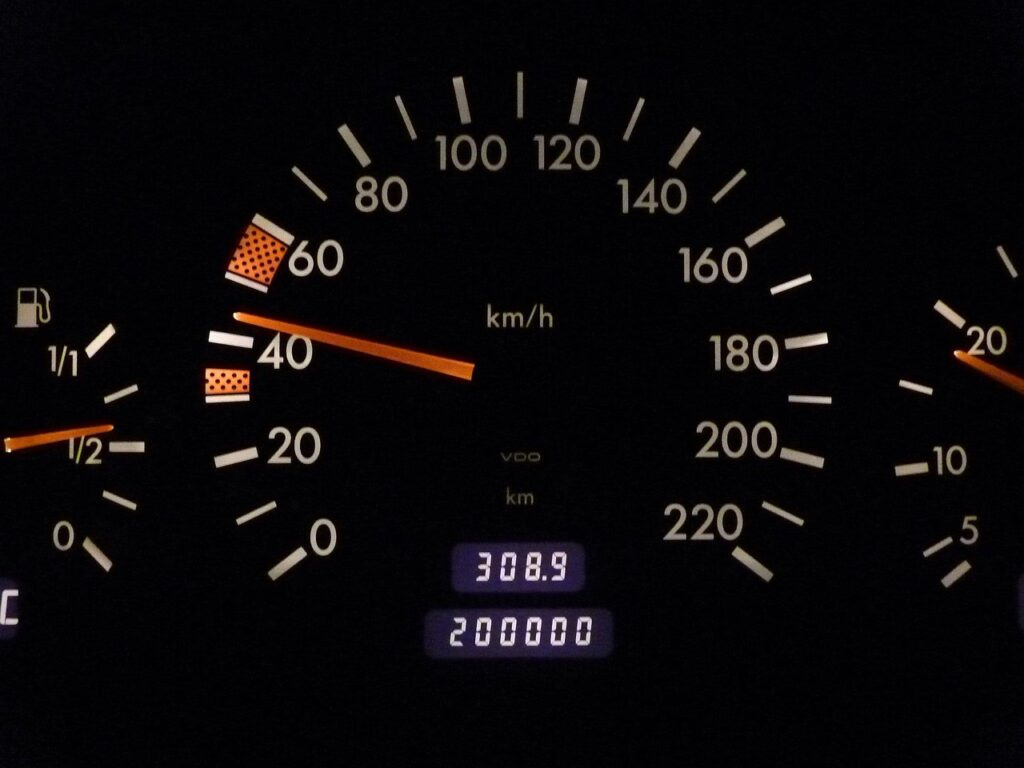
What many people don’t realize is that not all rental agreements include unlimited mileage. Especially with lower-cost rental deals or specific vehicle categories, companies may impose strict daily or total mileage limits. Exceeding these limits can trigger significant per-mile charges, which quickly accumulate and can dramatically inflate your final bill. Rental companies recognize that many customers simply assume unlimited mileage and neglect to check, turning these excess mileage fees into a tidy profit center.
The issue is compounded by the fact that these restrictions are not always prominently displayed during the booking process or at the rental counter. They are often buried within the detailed terms and conditions, relying on the customer’s tendency to skim rather than scrutinize. This lack of explicit upfront disclosure makes it easy for an unsuspecting traveler to unwittingly incur substantial additional costs, transforming an apparent bargain into a financial headache.
To protect yourself, it is absolutely essential to inquire about the mileage policy before you finalize your rental agreement, particularly if your travel plans involve covering long distances. Ask specific questions about any daily or total mileage caps and the associated fees for exceeding them. If a limit exists, carefully estimate your planned driving distance and compare it against the cap. If your itinerary necessitates extensive travel, it is often more cost-effective to opt for a rental package that explicitly includes unlimited mileage, even if the upfront daily rate appears slightly higher. This proactive approach ensures you avoid unexpected charges and enjoy your journey with true freedom.

11. **The Cross-Border Fine Print**
For travelers exploring regions close to international borders, such as the US-Canada frontier or multiple European countries, the idea of seamlessly crossing into another nation in a rental car seems like a natural extension of their journey. The allure of visiting an adjacent country for a quick day trip or an extended stay is strong, and many might assume that their rental agreement covers such excursions without a hitch. However, this assumption is often a serious misconception, as cross-border travel with a rental vehicle is frequently subject to specific, often stringent, restrictions and can lead to significant complications if not properly managed.
Many rental companies impose explicit restrictions on where their vehicles can be driven. Taking a rental car across an international border without securing prior, explicit permission from the agency can have severe repercussions. The most critical issue is the potential invalidation of your insurance coverage. If your insurance becomes void, any accident, damage, or breakdown occurring in an unauthorized country could leave you personally liable for incredibly hefty repair, recovery, or even legal costs – a scenario that can quickly escalate into a financial nightmare far from home.
Beyond insurance implications, cross-border restrictions can also involve additional fees, specific documentation requirements, or even certain vehicle types being prohibited from crossing. Companies might refuse to provide roadside assistance in unauthorized territories, leaving you stranded. If you break down or get into an accident in a country you weren’t supposed to be driving in, the cost for vehicle recovery back to the authorized region can be astronomical, on top of any repair bills. These often-unseen clauses are designed to protect the rental company’s assets and legal standing, but they can severely penalize an uninformed customer.
Therefore, if your travel itinerary includes crossing an international border, no matter how brief the visit, you must always ask the rental company about their specific cross-border policies before signing any agreement. Be transparent about your plans and seek their explicit authorization. Some rental companies do offer specific cross-border rental packages or permissions for an additional fee, which, while an extra cost, is a minuscule price to pay compared to the potential financial and logistical headaches of an unauthorized crossing. Taking this crucial step can save you from a world of trouble and ensure your journey remains smooth and stress-free.
Conclusion: Be Informed, Not Scammed
Renting a car shouldn’t feel like navigating a minefield, yet the prevalence of hidden fees, deceptive sales tactics, and often-overlooked contractual fine print can make it just that. From seemingly ‘free’ upgrades that drain your gas tank to early return penalties and exorbitant administrative fees for tolls, the rental car industry has perfected the art of subtle overcharging. The insidious insurance upsell, often the most significant financial trap, highlights how readily companies exploit consumer fear and lack of knowledge.
Yet, with awareness comes power. As we’ve explored, arming yourself with knowledge, asking pertinent questions, and thoroughly documenting every step of your rental process are your strongest defenses. Never hesitate to push back if something feels wrong or unclear. Reviewing your personal auto insurance and credit card benefits before you travel, inspecting vehicles meticulously, understanding fuel policies, and confirming any cross-border rules are not just good practices—they are essential strategies to protect your wallet and your peace of mind.
Read more about: Strategic Foundations: Understanding the U.S. Military’s Global Power and Operational Framework
Car rental scams are all too common, but with a bit of knowledge, you can avoid the most typical traps. Remember: they may treat you like just another face in line, but you’ve got the power to push back one well-informed decision at a time. By being a diligent and informed consumer, you can transform a potentially costly and frustrating experience into a seamless and budget-friendly part of your adventure. Happy driving, and may your rental car journeys always be as smooth as the ones in the brochures!