
Buying a used electric car may seem intimidating at first, especially if you’ve never owned an EV. Electric cars require some different thinking compared to gasoline- or diesel-fueled vehicles. There are some extra things to consider when looking at a used electric vehicle, which can make the process feel complex. This article will help you navigate these unique considerations.
Still, the used electric car market is growing as current owners trade-in and up, driven by more affordable prices and increased consumer confidence in their reliability. This growing availability presents an excellent opportunity for cost-conscious consumers to embrace emissions-free driving without the premium price tag of a new model. The current high demand for used EVs is fueled by more affordable prices and increased consumer confidence in their reliability, making now an opportune time to explore the market.
Our comprehensive guide aims to demystify the process, focusing on the most critical inquiries and evaluations you should undertake. From understanding the nuances of battery health to assessing charging capabilities and long-term costs, we’ll equip you with actionable insights to navigate the used EV market successfully. The battery, being the heart of any electric vehicle, naturally takes center stage in this discussion, but many other factors contribute to a smart purchase.
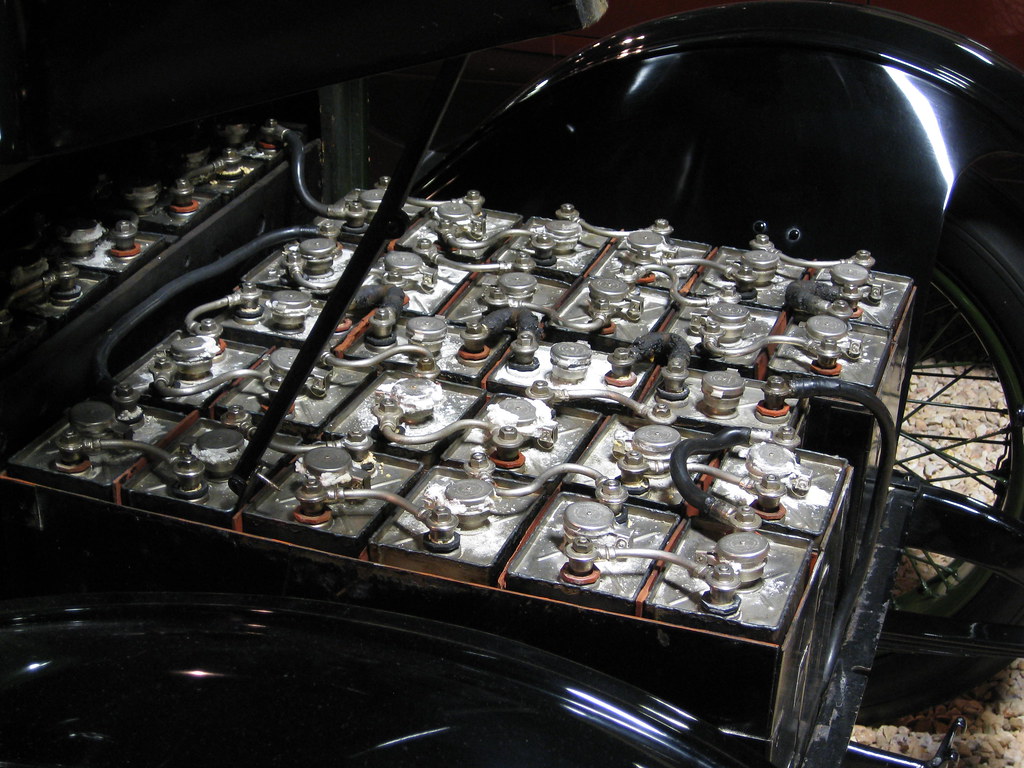
1. **Battery Health and Degradation: The Paramount Concern**
The health of the high-voltage battery is, without a doubt, the single most critical factor to assess when purchasing a used electric vehicle. Just like a mobile phone, a laptop, or even a TV remote, an electric car’s battery begins to degrade over time, no matter how often it is used. Significant heat can accelerate this process, as do repeated charge and discharge cycles, which can impact the vehicle’s long-term performance and range.
EV batteries typically last between eight and 15 years, and while battery failure is very rare, understanding its current state is paramount. The performance and overall range of EV batteries can degrade over time, leading to reduced driving range. This natural process is called battery degradation, and while shoppers should not be too afraid of this, they should be aware of it and make a purchase with reasonable expectations of the car’s current maximum range.
To gauge battery health, always ask the seller for a battery health report. If buying from a dealership, its service department can provide a detailed report on battery health. Some newer EVs have specific health meters onboard that can be reviewed at a glance, either in the instrument cluster or on the central display screen, offering a quick overview of the battery’s condition.
Alternatively, you can charge the used electric car to 100% and then observe what the estimated range says. Comparing this figure to the original rating will give you a good indication of what percentage of the battery’s original capacity remains. It’s also important to note that estimated range figures can vary based on a number of factors, such as current temperature and how aggressively you’re driving the car.
Nobody expects a 100% battery life report on a used electric car, but don’t be dismayed if the vehicle only offers three-quarters of its original range. Most drivers don’t add more than 40 to 50 miles to an odometer a day anyway. If you’re buying a used electric car for your commute, a shorter range may be just fine. If nothing else, a battery that is not new can serve as a strong bargaining point, potentially leading to a more favorable purchase price. Third-party tools like Recurrent Reports and Range Score, and Cox Automotive’s Manheim VIN-specific battery report, offer independent assessments to provide additional confidence.

2. **Uncovering Battery Replacement History**
Battery failure may be rare, but it does happen, and higher-mileage electric cars are more likely to have had their battery packs replaced entirely. Discovering that the battery has been replaced is a significant advantage, potentially offering a major coup for a used EV buyer. It means that someone before you went through the effort and expense of having this job performed, essentially giving you a newer battery for a used car price.
If the seller claims a battery replacement, it is crucial to request and meticulously examine all documentation confirming the work. Look closely at any documentation closely to ensure you’re being handed receipts for the car you want. This documentation should clearly state when and where the replacement occurred, providing a verifiable history of this major component. Also, look at the estimated range on a full charge, and battery health reports on the car’s computer can tell you.
Even if the dealer or seller doesn’t know if the battery got replaced, there’s a chance Carfax or AutoCheck vehicle history reports documented the service. Asking for one is always good practice when buying any used car, and it becomes even more vital for an EV to verify battery-related services. A replaced battery pack can drastically improve the vehicle’s expected range and overall longevity, effectively mitigating one of the primary concerns associated with pre-owned electric vehicles.
Read more about: A Deep Dive: The Luxury Vehicles That Lose Value Fastest and Why Owners Are Furious
3. **Understanding Remaining Battery Warranty Coverage**
When considering a used electric vehicle, investigating the remaining battery warranty coverage is a crucial step that can provide significant peace of mind and protect against future costly repairs. All mainstream automakers typically include more extended warranty coverage specifically for battery packs than they did for the rest of the vehicle. Many used electric cars will still be under warranty, which is excellent news for prospective buyers.
Most battery coverage runs for eight years or 100,000 miles after the initial purchase, whichever comes first, as this is the federally mandated minimum warranty coverage in the United States. However, it’s imperative to read the fine print, as not all warranties are transferable to subsequent owners, and they can also vary from model year to model year. This variability makes direct verification essential to avoid assumptions.
Your most reliable method to determine the precise warranty status is to contact the automaker’s customer service department directly with the vehicle identification number (VIN). You can find this 17-digit number in several places on the car, and any dealer or previous owner can give it to you. The customer service department can then confirm when the warranty expires and whether it is transferable to you as a second-hand buyer.
Knowing that the most expensive component in the vehicle—the high-voltage battery—is still covered by the manufacturer’s warranty can significantly reduce the financial risk associated with buying a used EV. It provides a safety net against unexpected battery performance issues, offering reassurance that you won’t be solely responsible for a potentially prohibitively expensive replacement within the warranty period.
Read more about: Navigating the Electric Highway: What Drivers and Repair Bills Reveal About 15 Problematic EVs for New Owners

4. **Scrutinizing the Vehicle’s Overall Maintenance History**
We always suggest asking a previous owner or a dealer about maintenance history, especially for any service records they can provide. While electric vehicles are renowned for their lower maintenance needs compared to their gasoline-powered counterparts, it remains essential to inquire about and scrutinize the overall maintenance history of any used EV. Consistent maintenance records indicate a well-cared-for vehicle, which can translate to fewer problems down the road.
It’s true that electric cars require relatively little maintenance outside of regular tire rotations and windshield wiper replacements. EVs don’t require oil changes, have fewer moving parts, and benefit from regenerative braking, which significantly reduces wear on brake systems. Even brakes tend to last much longer on EVs because the regenerative braking systems that help slow the car simultaneously charge the battery. This means you may receive very few receipts compared to a gasoline car.
Despite the reduced complexity, proper care of components like tires is crucial for EVs due to their instant torque and often heavier weight. EVs are notorious for their high wear on tires, so make sure to check the tread on all four tires to see how much is remaining and ensure the overall wear is nice and even. Tire rotation is one of those service items that even EVs need, and if it’s not done regularly, they’ll chew through rubber even more quickly.
Furthermore, it’s wise to use Kelley Blue Book’s tool to know what recall items may affect your used electric vehicle purchase. Ensuring that any manufacturer recalls have been addressed is a vital part of ensuring the vehicle’s safety and long-term reliability. A clean and consistent, even if sparse, maintenance history offers valuable insights into the vehicle’s past care and can bolster your confidence in its future performance.
Read more about: Behind the Badge: What Cops Secretly Observe About Your Custom Chopper Ride
5. **Assessing Charging Capacity and Rate Capabilities**
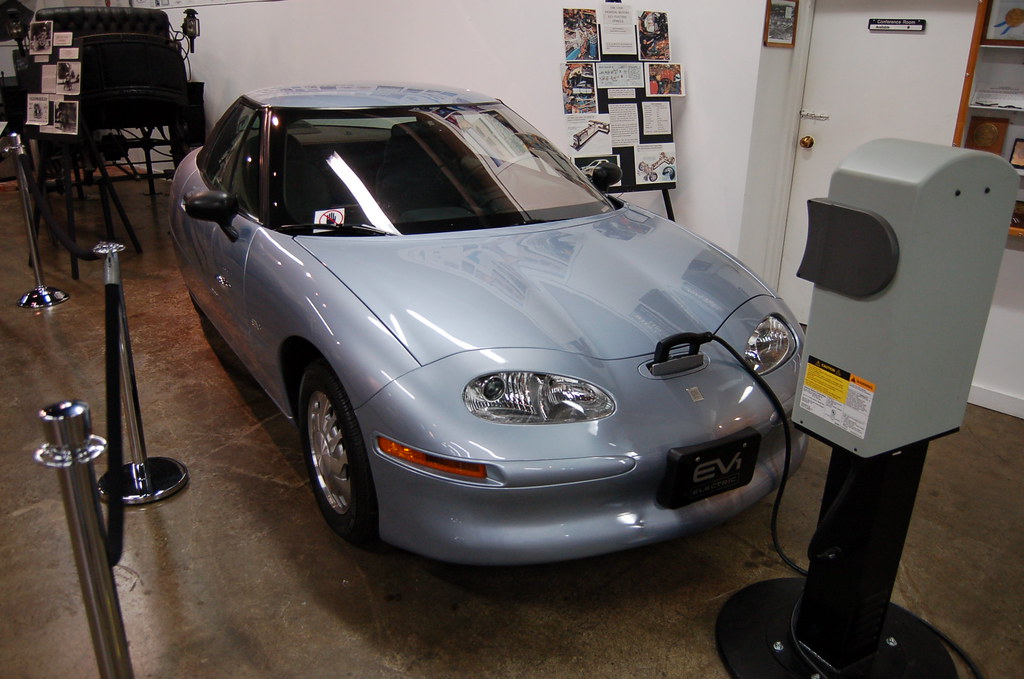
Understanding a used electric car’s charging capacity and its maximum charging rate is fundamental to ensuring it aligns with your lifestyle and expectations. Electric car development has sped up considerably during the past decade, and automakers tend to make more incremental changes, particularly concerning battery capacity and charging technology. The most significant change—and the one that can affect a used electric car’s battery—is an increase in battery capacity, which directly influences how much energy it can store and how quickly it can charge.
Not all electric cars charge at the same rate, and bigger battery packs usually mean more time to charge. For instance, earlier Nissan Leaf electric cars offered a 6.6-kW onboard charger as an extra-cost option on the base S trim level. Without this charger, Level 2 top-off can take twice as long. Newer electric vehicles and their batteries will generally top off their charge much quicker, thanks to advancements in charging technology and higher capacity onboard chargers.
For most automakers, the VIN holds information that a dealer can provide regarding configuration. The dealer can tell you if the car comes equipped with faster charging capability and can determine the battery’s original capacity. For brands like Tesla, which doesn’t use traditional model years for its updates, you’ll typically need to view the car’s information directly through its touchscreen interface to ascertain its specific charging capabilities and battery information.
If you plan to top off your electric car at work or bank on regular, brief visits to public charging stations, consider an electric vehicle that charges quickly. However, if you can charge overnight at home or all day at work, this may not be a significant factor, and it may mean you can save money with a cheaper used electric car. Knowing the charge rate and capacity upfront helps align the vehicle with your daily routine and infrastructure access.
Read more about: A Highway Hazard: 12 Trucks Towed More Than Driven Due to Constant Electrical Failures
6. **Determining Your Personal Driving Range Needs**
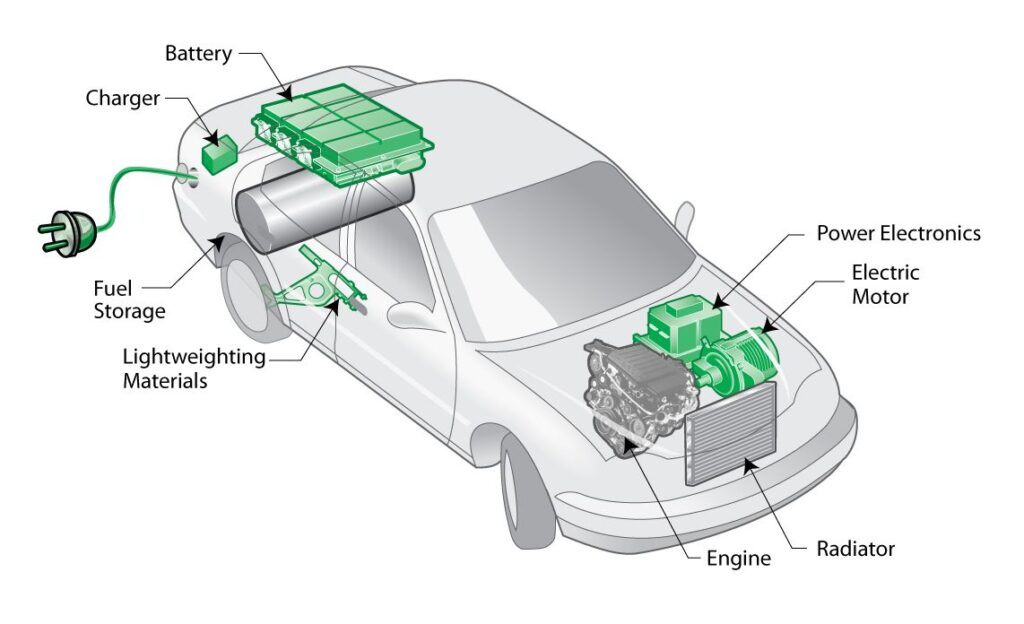
When venturing into the used EV market, a crucial self-assessment involves determining precisely how much driving range you genuinely need from your electric vehicle. Electric car development has seen ranges soar, from early models barely hitting 100 miles on a full charge to today’s Tesla Model S reaching over 400 miles, according to Environmental Protection Agency (EPA) estimates. However, electric cars with this range come with a hefty price tag, making a realistic evaluation of your needs economically sensible.
The most recent data from the U.S. Department of Transportation shows the average driver travels less than 40 miles daily. If your primary use for the electric vehicle is for commuting, a vehicle with a range of fewer than 100 miles may work, especially if you’re able to recharge while parked overnight at home. For many, a 200-mile range is more than sufficient for a daily driver, offering ample buffer for unexpected detours or additional errands.
If you plan for occasional longer drives, you may have to refuel more frequently, but you can also rent a car for those specific journeys. This effective strategy saves money in the long run for many drivers, allowing them to purchase a more affordable used EV with a lower range that perfectly suits their everyday requirements. Overpaying for range you seldom use diminishes the cost-saving benefits of a used EV purchase.
Therefore, resist the temptation to always aim for the highest possible range. By aligning the vehicle’s current estimated range with your actual daily and weekly driving habits, you can make a practical and budget-conscious decision, ensuring the used EV you choose is both capable and cost-effective for your specific lifestyle. Make sure you are comfortable with the range number you get during a test drive.
Car Model Information: 2023 Honda Civic EX
Name: Tesla Model S
ModelYears: 2013–present
Alt: A front-three quarter view of a gray Model S
Caption: #2016–2019: First major update
Designer: Franz von Holzhausen
Weight: cvt
Height: cvt
Width: cvt
Length: cvt
Wheelbase: cvt
ElectricRange: cvt
Battery: kWh,lithium-ion battery
Motor: Unbulleted list
Transmission: Reduction drive
Related: Tesla Model X
Layout: Rear-motor, rear-wheel drive,Dual-motor, all-wheel-drive,Tri-motor, all-wheel-drive layout
BodyStyle: liftback,sedan (automobile)
Class: Full-size car
Assembly: Unbulleted list
Production: June 2012 – present
Manufacturer: Tesla, Inc.
Sp: us
Chassis: Unibody
Categories: 2020s cars, All-wheel-drive vehicles, All Wikipedia articles written in American English, All articles containing potentially dated statements, Articles containing potentially dated statements from 2025
Summary: The Tesla Model S is a battery-electric, four-door full-size car produced by the American automaker Tesla since 2012. The automaker’s second vehicle and longest-produced model, the Model S has been described as one of the most influential electric cars in the industry. Car and Driver named it one of the best cars of the year in 2015 and 2016. Its various accolades include the Motor Trend Car of the Year Award in 2013.
Tesla started developing the Model S around 2007 under the codename WhiteStar, with Henrik Fisker appointed as lead designer for the project. After a dispute with Elon Musk, Tesla’s CEO, Fisker was replaced by Franz von Holzhausen who, by 2008, had designed the production Model S’s exterior. Tesla unveiled a prototype of the vehicle in March 2009 in Hawthorne, California. In 2010, Tesla acquired a facility in Fremont, California, to produce the Model S, which was previously owned by General Motors and Toyota. Series manufacture of the car officially began at the Tesla Fremont Factory in June 2012. Tesla carried out the final assembly for European markets at its facilities in Tilburg, Netherlands, between 2013 and 2021.
Constructed mostly of aluminum, the Model S shares 30 percent of its components with the Model X—a crossover SUV that was introduced in 2015. The Model S has undergone several updates during its production, the most prominent ones occurring in 2016 and 2021. These updates have usually included modifications to the motor, such as changes to power or torque, revised exterior elements, and refreshed interior features. One such change included the 2015 introduction of Tesla Autopilot—a partial vehicle automation advanced driver-assistance system. The 2021 update led to the introduction of the high-performance, three-motor Plaid—Tesla’s most powerful model.
In 2015, the Model S was the world’s best-selling plug-in electric vehicle. In 2012, it was included on Time’s list of the Best Inventions of the Year, and the magazine later included it on its list of the 10 Best Gadgets of the 2010s in 2019. In 2014, The Daily Telegraph described the Model S as a “car that changed the world”. Road & Track argued that, with the introduction of the Plaid and features such as the yoke steering wheel, Tesla managed to turn the Model S into “perhaps one of the worst [cars in the world]”.
Get more information about: Tesla Model S
Buying a high-performing used car >>>
Brand: Tesla Model: Model S
Price: $25,738 Mileage: 20,788 mi.
7. **Evaluating Access to Charging Infrastructure**
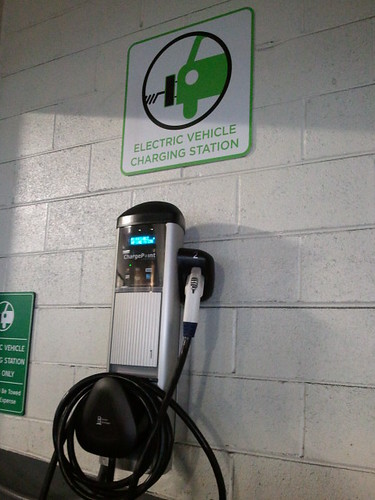
A fundamental consideration when buying a used electric car is your realistic access to EV chargers along your typical and not-so-typical driving routes, as well as at home. While charging stations are relatively easy to find in populated areas, like shopping centers, grocery stores, and office parks, relying solely on public chargers can become more of a chore over time if you don’t have a convenient home charging solution.
Installing a home charger, specifically a Level 2 charger, makes the most sense to invest in for your home. These chargers provide 240 volts of power and require an external device that plugs into a receptacle like an electric clothes dryer. For example, Level 2 can add 25 miles of charge per hour to a Chevy Bolt EV, allowing many owners to fully charge their empty battery overnight. However, this typically requires a dedicated outlet wired by a licensed electrician, which can be a costly upfront expense that must be factored into your total cost of ownership.
Your parking situation at home is critical. If you can park in a private garage or a driveway, you should have no problem having an electrician install the charger. But if you park on the street or in an apartment garage, you probably can’t charge your electric car at home. In such scenarios, a thorough assessment of nearby public Level 2 and Level 3 (DC Fast Charger) options becomes paramount.
Level 3, also called a DC Fast Charger, is the fastest-charging option. These quick chargers can add 160 miles of range to a Chevy Bolt EV in an hour. But you will only find Level 3 options in public charging stations that typically cost money to use. Level 1 charging, which uses household three-prong outlets, is very slow, adding about four miles of range per hour, and is generally not practical for regular charging.
Clearly mapping out your charging strategy is as important as the vehicle itself. Understanding what you need to know about EV charging and how it fits into your daily life will ensure that buying a used EV provides convenience rather than becoming a logistical challenge. It’s not just about finding stations, but finding the right *type* of stations that meet your time and energy needs.
Read more about: Waymo’s Road Ahead: Unpacking the Startling Number of Autonomous Driving Incidents You Need to Know
8. **Research Government and Utility Incentives**
Beyond the immediate purchase price, savvy used EV buyers will look into the various government and utility incentives available, which can significantly reduce the overall cost of ownership. While federal tax credits are often highlighted for new electric vehicles, it’s important to note that certain incentives also extend to used models. These programs are continually evolving, so staying informed about the latest eligibility requirements is key.
For example, starting in 2025, qualifying used EVs may be eligible for a federal tax credit of up to $4,000. To qualify, the vehicle’s sale price must be $25,000 or less, and it must be at least two model years older than the current calendar year. It’s crucial to understand that income limits often apply to these credits, and private sales are typically excluded, meaning you’ll likely need to purchase from a dealership to take advantage of them.
Beyond federal programs, many state and local governing authorities also offer their own rebates and incentives to help cover the costs associated with owning and operating an EV. These can range from additional tax credits to reduced vehicle registration fees or even incentives for home charger installations. Furthermore, utility providers can be an unexpected source of savings, with some offering discounted charging equipment or lower electricity rates for charging during off-peak hours.
The landscape of EV incentives is dynamic, with terms and conditions subject to frequent change. A new rule for 2024, for instance, allows federal tax credit discounts to be applied at the point of sale, providing immediate savings rather than requiring buyers to wait for a refund at tax time. Checking with your tax preparer or local motor vehicle office and keeping up with the latest information on EV incentives is vital to confirm your eligibility and maximize your financial benefits.
Read more about: The Pinnacle of Comfort and Performance: 14 Elite Luxury Cars for Discerning Wealthy Retirees
9. **Check for All Charging Accessories**
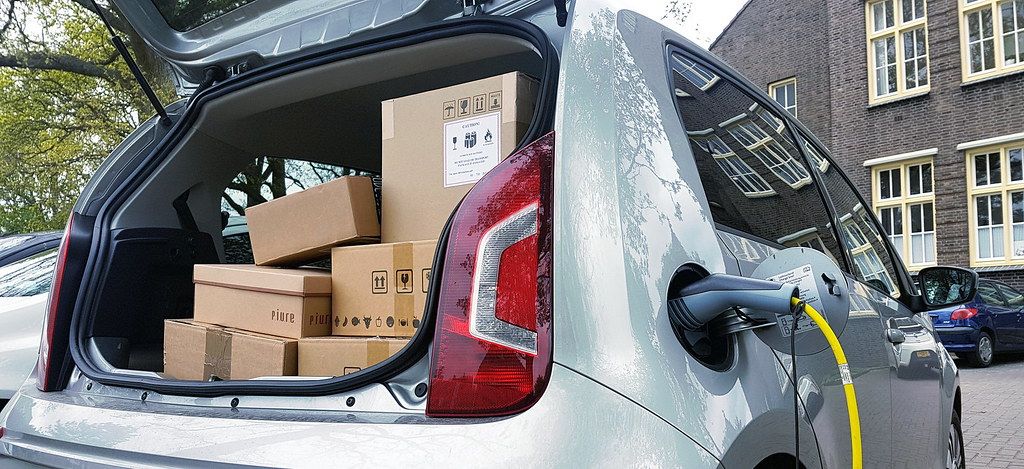
Once you’ve focused on the ideal used electric car, a vital final step is to meticulously verify that all necessary charging accessories are included in the sale. This seemingly minor detail can prevent unexpected expenses and ensure you’re fully equipped to charge your new EV from day one. Missing essential cables can quickly turn a great deal into a frustrating and more expensive proposition.
Historically, most EV manufacturers included standard charging cords with their vehicles. However, in more recent models, portable chargers may have transitioned to optional accessories. A new portable Level 2 charging cable can cost around $300, which is a significant additional expense if you have to purchase it separately. Always make it a point to specifically ask the seller for these items to avoid this hidden cost, especially if you plan to utilize home charging without a dedicated wall unit.
Beyond the primary charging cable, take a comprehensive inventory of all accessories the car originally came with. This includes basic but expensive-to-replace items like key fobs; losing or replacing a modern smart key can be surprisingly costly. Some electric vehicles also come with specialized EV-specific items, such as a 120-volt charger for Level 1 charging or even a vehicle-to-load (V2L) adapter, which allows the car to power external devices. Not all cars were equipped with these accessories when new, but if the model you’re considering did originally include them, you should ensure they are part of your purchase.
Read more about: High-Mileage Havoc: The Crippling Electrical & Mechanical Nightmares Haunting Your Sports Car – A Deep Dive into the Ford S197 Mustang
10. **Evaluating the 12-Volt Battery**
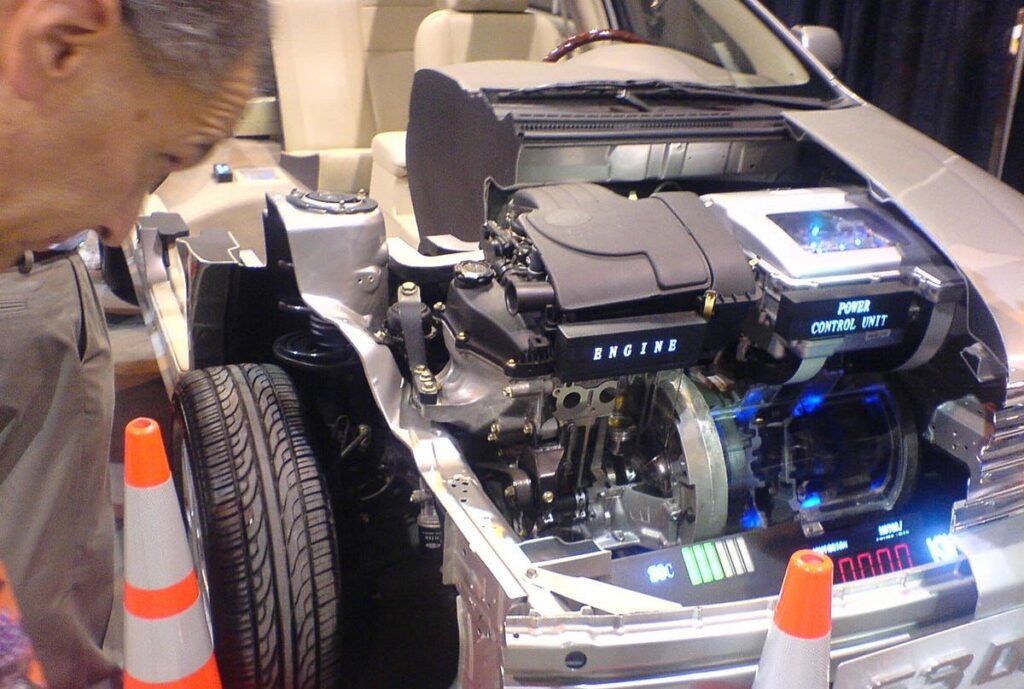
While the high-voltage battery rightly commands the most attention in an electric vehicle, it’s easy to overlook another crucial component: the conventional 12-volt battery. Believe it or not, most EVs on the market still incorporate an old-school 12-volt battery, similar to those found in gasoline cars, to power ancillary functions. This smaller battery is responsible for running essential accessories like the radio, power windows, headlights, and even booting up the vehicle’s primary computer systems.
A failing 12-volt battery, despite its comparatively low cost, can lead to a host of frustrating issues, including an inability to start the car or operate vital electronics. These batteries typically last about four or five years before needing replacement. Fortunately, they are relatively inexpensive and can often be replaced in a few minutes using basic tools, unlike their high-voltage counterparts. Discovering a weak one after purchase, however, is an avoidable hassle.
If you’re not equipped to test the 12-volt battery with a multimeter, there are practical steps you can take during your inspection. Prior to even ‘turning on’ the car, activate all the HVAC controls and other accessories, such as the power windows, infotainment system, and interior lights. Observe if these components function smoothly and without hesitation. If engaging these accessories makes the 12-volt system seem sluggish or ‘funny,’ it’s a clear indication that the battery might be weak, and it’s wise to request a replacement before finalizing the purchase.
Read more about: Got a Recall Notice? Six Vehicle Models Recalled Three Times or More This Year
11. **Inspecting for Corrosion**
When considering any used vehicle, a thorough inspection for rust and corrosion is a non-negotiable step, and electric vehicles are no exception. While many modern EVs integrate corrosion-proof materials like aluminum or even carbon fiber into their construction to save weight and enhance performance, a significant amount of steel typically remains, particularly in the chassis and undercarriage components. Overlooking this detail can lead to costly structural or functional issues down the line.
Corrosion can be a particular concern for cars that have spent their lives in colder climates where road salt is frequently used, or in coastal regions exposed to saline air. Begin your inspection by examining the vehicle’s exterior, paying close attention to wheel wells, rocker panels, door sills, and any seams or crevices where moisture and contaminants can accumulate. Minor surface rust on exposed components might be acceptable, but widespread or deep rust is a major red flag.
The undercarriage requires an even more meticulous examination. Use a flashlight to inspect the frame, suspension components, brake lines, and any visible wiring or connectors. Rust here can compromise structural integrity and lead to expensive repairs or even safety hazards. Furthermore, consider the condition of the battery housing; while EV battery packs are robust, severe environmental exposure or previous damage could lead to compromised integrity, potentially exposing the battery to moisture.
Read more about: The Essential DIY Car Maintenance Tasks That Can Save You $3,000 (Or More!) In Repairs

12. **Verifying Connectivity and App Functionality**
In today’s automotive landscape, an electric vehicle is often only as good as its connectivity. Modern EVs are increasingly reliant on their ability to get online, enabling crucial functions that enhance the ownership experience and maintain the vehicle’s technological relevance. Therefore, a critical practical check when buying a used EV is to verify its connectivity features and the functionality of its associated mobile app.
Connectivity is essential for receiving over-the-air (OTA) updates, which are how manufacturers deliver software improvements, bug fixes, and even new features to your vehicle remotely. Without a reliable internet connection, your EV could miss out on vital updates that enhance performance, efficiency, and safety. This also impacts the car’s ability to pull down real-time traffic information, update navigation maps, or access integrated streaming services.
Furthermore, most contemporary EVs come with a companion mobile app—such as FordPass or the My BMW app—that offers a suite of remote functionalities. These apps typically allow you to precondition the cabin before you even step inside, monitor charging status remotely, lock or unlock doors, and even locate your vehicle in a crowded parking lot. These features significantly contribute to the convenience and user experience of EV ownership.
During your inspection, ensure the dealer can provide the correct credentials and sign you into the car’s app. Once logged in, actively test a few remote requests, such as locking and unlocking the doors, or initiating a climate control command, to confirm that everything is functioning as expected. A seamless connection between the vehicle and its app is a strong indicator of a well-maintained system and ensures you can leverage all the smart functionalities designed into your chosen EV.

13. **Testing EV-Specific Driving Features**
Electric vehicles come equipped with a host of unique technological features that differentiate them significantly from traditional gasoline cars. When test driving a used EV, it’s imperative to explore and understand these specific functionalities to ensure they meet your preferences and are in proper working order. This goes beyond a simple drive and delves into the innovative aspects of EV engineering.
One such feature is regenerative braking, which allows the electric motor to act as a generator, slowing the car and simultaneously recharging the battery. Many EVs offer adjustable levels of regenerative braking, from a subtle deceleration to an aggressive ‘one-pedal driving’ experience. During your test drive, take the opportunity to experiment with these different levels in a safe environment, such as a parking lot, to see how they feel and if you find them comfortable and intuitive for your driving style.
Another common EV-specific technology involves various driving modes, such as ECO Mode, Sports Mode, Normal Mode, or even Snow Mode. These modes alter the vehicle’s performance characteristics, affecting power delivery, throttle response, and sometimes even suspension settings. Figure out how to switch between these modes and observe how they perform. Testing them out provides a clear picture of the car’s versatility and how it can adapt to different driving conditions.
Beyond performance settings, many advanced EVs include features like remote parking assist or sophisticated autopilot systems. If the vehicle you’re considering boasts such capabilities, have the dealer demonstrate their operation. Confirming these complex systems work correctly and understanding how to use them safely is a critical part of evaluating a modern used EV. Additionally, don’t forget to check simpler but equally important EV features, such as the functionality of all USB ports and the presence of any vehicle-to-load (V2X) mode by testing it, perhaps by charging your phone directly from the vehicle.
14. **Practical Test Drive Battery and Charging Rate Assessment**
While Section 1 emphasized the importance of battery health and charging capabilities, the true litmus test for these crucial factors lies in a hands-on, practical assessment during your test drive. This involves specific actions designed to give you a real-world understanding of the used EV’s actual range and its ability to accept a charge, going beyond theoretical figures or dealer reports.
Begin your test drive by taking a photo of the gauge cluster with your phone, making sure to capture the range estimate, the outside temperature, the odometer, and the efficiency reading. These initial numbers might seem lower than expected, especially if the car has been sitting on the lot, as the Battery Management System (BMS) may be uncalibrated. The goal is to see how these numbers evolve during your drive.
Drive the car as you normally would, incorporating both city and highway driving segments, and don’t hesitate to use the HVAC system. Towards the end of your drive, take another photo of the dash. By comparing the change in odometer reading to the change in the state of charge, you can derive a rough estimate of the car’s real-world maximum range for that day. For example, if you drove 20 miles and the state of charge dropped 10%, that suggests 20 miles is approximately 10% of the total range. Remember to adjust your expectations if the weather is extremely cold, as this can reduce range by 20-30%. Crucially, ensure you are comfortable with the range number you ultimately obtain.
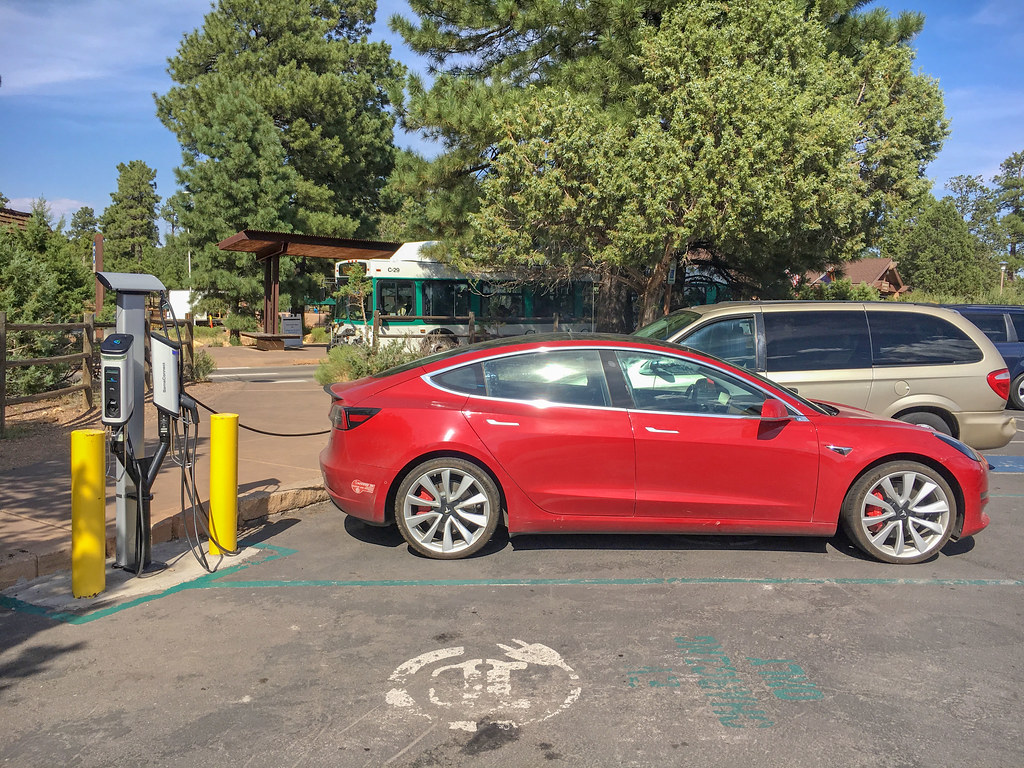
To properly assess the charging rate, request the dealership not to charge the EV past 80% before your test drive. This is because DC fast charging rates typically slow down significantly after 80% state of charge. During your drive, aim to deplete the battery by 10-20%. Afterwards, plug the vehicle into a DC fast charger at the dealership. Observe the charge rate up to 80% and confirm it matches your expectations for that specific model. If possible, test both Level 2 and Level 3 chargers to ensure both types of charging speeds align with what you anticipate, providing a comprehensive understanding of the vehicle’s charging performance.
**Conclusion**
Navigating the used electric vehicle market presents a unique blend of opportunities and considerations. As this comprehensive guide has demonstrated, while the allure of reduced operating costs, environmental benefits, and advanced technology is strong, a successful purchase hinges on thorough diligence. From the foundational aspects of battery health and warranty coverage to the intricate details of charging infrastructure access and EV-specific features, each element plays a pivotal role in ensuring a satisfying ownership experience.
Read more about: Expert Auto Mechanic Reveals: The Used Cars You Should Never Buy, And Why Their Hidden Costs Will Drain Your Wallet
By diligently asking the right questions, examining detailed reports, and conducting meticulous hands-on checks—from the primary high-voltage battery to the often-overlooked 12-volt unit and even the functionality of connected apps—buyers can confidently mitigate potential risks. Exploring government and utility incentives can further sweeten the deal, enhancing the financial appeal of a used EV. Remember, an informed consumer is an empowered consumer, especially in a rapidly evolving market like electric vehicles. With careful research and a systematic approach, you can confidently drive home a pre-owned EV that not only meets your budget but also perfectly aligns with your driving needs and lifestyle, paving the way for years of emissions-free and efficient motoring.