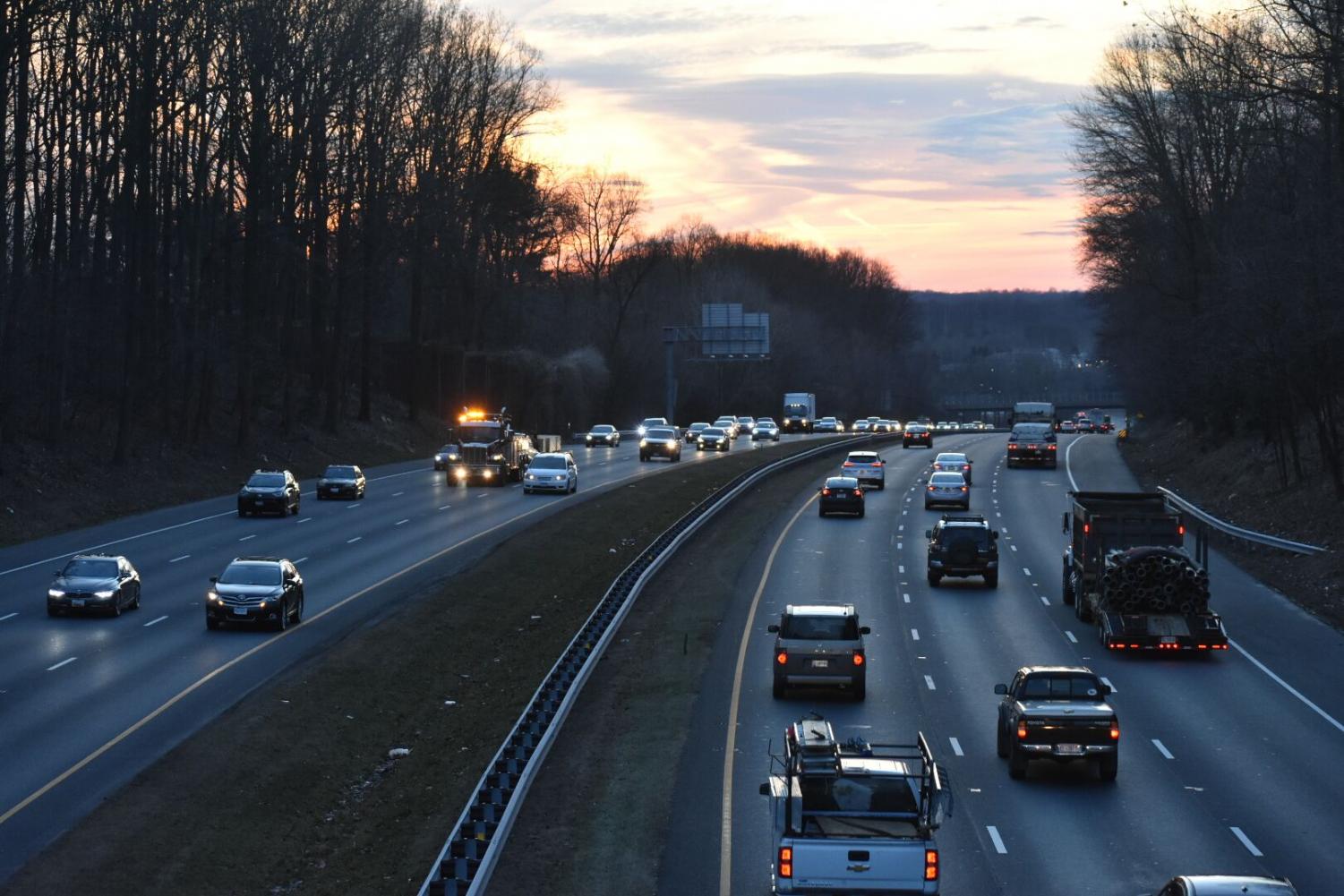
The grim statistics from the road serve as a stark reminder of the critical importance of understanding and adhering to traffic laws. In Q1 2024, the National Highway Traffic Safety Administration (NHTSA) reported an estimated 8,650 fatalities in traffic crashes. This sobering figure aligns with a 2017 projection from the Insurance Institute for Highway Safety (IIHS), underscoring a persistent challenge in road safety that demands our immediate attention and proactive review of driving practices.
For many of us, the knowledge of traffic laws was solidified when we first received our driver’s licenses, perhaps decades ago. Over time, however, some of these foundational rules can fade from memory, or their nuances become blurred. While many drivers assume that road rules are fairly uniform across the country, the reality is that states often impose unique and sometimes unexpected laws that can catch even the most seasoned drivers off guard, leading to unintended violations and increased risks.
This article aims to provide a comprehensive refresher on vital driving rules, delving into both universal regulations that are frequently forgotten and the surprising variations in state-specific enforcement. By revisiting these essential principles, drivers can enhance their compliance, improve safety for themselves and others, and navigate roadways with renewed confidence. Let’s embark on this crucial journey to sharpen our driving knowledge, starting with seven fundamental rules that everyone should remember.

1. **Stopping for Pedestrians at Crosswalks**
When approaching a crosswalk, the fundamental rule is clear: you must stop for pedestrians. This isn’t merely a courtesy; it’s a legal requirement designed to protect vulnerable road users. Even in situations where the crosswalk may not be explicitly marked with painted lines or signage, pedestrians generally retain the right of way in most cases, making driver vigilance paramount.
Personal experiences often highlight the stark reality of this often-forgotten rule. As one driver shared, recounting trips to school with their six-year-old daughter learning to bike, “the number of times we have to sit at a crosswalk and carefully (!) wait for SUVs not paying attention (or being flat-out rude) roll through their stop sign or even turn into our pedestrian walk signal without checking for our presence…shew. My heart sinks nearly every morning over this stuff, and I can’t take it. Let folks cross safely, please.” This anecdote vividly illustrates the daily dangers posed by drivers who overlook this crucial safety measure.
Adhering to this rule is not just about avoiding a ticket; it’s about preventing serious injury or even fatalities. Pedestrians, especially children and the elderly, rely on drivers to grant them safe passage. A moment of inattention or impatience behind the wheel can have devastating consequences, making it imperative for all drivers to prioritize pedestrian safety at every crosswalk.
Read more about: The Silent Threat on Our Roads: Unpacking Why Drivers Neglect Turn Signals and Its Grave Consequences

2. **Navigating Four-Way Stops Correctly**
Four-way stops can often be a source of confusion and frustration if drivers are not entirely clear on the correct protocol. The guiding principle for these intersections is straightforward: the first vehicle to arrive at the stop sign has the right of way and should proceed first. This simple order helps maintain a predictable and safe flow of traffic.
Complications arise when multiple vehicles arrive simultaneously. In such scenarios, the rule dictates that if two vehicles arrive at the same time, the one on the right should go first. This provides a clear tie-breaker, preventing hesitant standoffs or dangerous maneuvers. Understanding this hierarchy is essential for smooth and accident-free navigation of these common intersections.
Furthermore, when two vehicles face each other at a four-way stop, both can proceed straight ahead concurrently. However, if one of these vehicles intends to turn, the vehicle going straight holds the right of way. This specific detail is critical for preventing collisions, as turning vehicles must yield to those continuing straight. It also underscores the broader importance of signaling intentions, which will be discussed further in a later section.

3. **The Mandate of a “Complete” Stop at Stop Signs**
One of the most fundamental, yet routinely violated, driving laws is the requirement to come to a “complete” stop at a stop sign. This means precisely what it implies: your vehicle’s wheels must cease moving entirely before proceeding. Many drivers, often in a hurry or through sheer habit, engage in what is commonly known as a “rolling stop,” where the vehicle slows down but never fully halts.
Rolling stops are not only illegal but also significantly increase the risk of accidents. Failing to stop completely can lead to misjudging oncoming traffic, missing pedestrians, or colliding with vehicles that have the right of way. Law enforcement agencies across the country are often vigilant in enforcing this rule, recognizing its importance in preventing intersection-related incidents.
Beyond the potential for tickets, the true cost of a rolling stop lies in compromised safety. A full stop provides the driver with ample opportunity to assess the situation thoroughly, check for hazards, and ensure the path is clear before moving forward. It is a small but critical pause that can make a substantial difference in avoiding dangerous situations on the road.
Read more about: Tesla’s Software Frontier: Unpacking the Promises, Hidden Perks, and Critical Pitfalls for Owners

4. **Mastering Highway Merging: Using the Entire Lane**
Merging onto a highway is a maneuver that demands both attention and a specific technique to ensure safety and maintain traffic flow. The correct approach involves using the entire merge lane to accelerate and get your vehicle up to the speed of the highway traffic. This allows for a seamless integration into the flow of vehicles already on the main thoroughfare.
It is a common and dangerous mistake for drivers to stop or significantly slow down at the very end of the merge ramp, especially if there appears to be no immediate opening. This hesitation creates a hazardous situation, forcing highway traffic to brake suddenly and disrupting the smooth movement of vehicles. Such actions can easily lead to rear-end collisions or other serious accidents due to unexpected speed differentials.
Effective merging requires drivers to be proactive: scan for gaps in traffic, match the speed of vehicles in the adjacent lane, and then signal and execute the merge smoothly. This not only minimizes the risk of collisions but also contributes to the overall efficiency and safety of highway travel. Blending smoothly into traffic is key, and utilizing the full length of the merge lane is instrumental in achieving this.
Read more about: Mastering the Merge: A Consumer Reports Guide to Seamlessly Entering High-Speed Traffic

5. **Understanding the Left Lane: Passing Only, Not Cruising**
The left lane on multi-lane highways is often a point of contention and misunderstanding among drivers. The widely accepted and legally enforced principle in many states is that the left lane is designated for passing slower traffic, not for continuous cruising. If a driver is in the left lane, their presence there should be temporary, solely for the purpose of overtaking other vehicles.
Even if a driver is traveling at or above the posted speed limit, persistent occupation of the left lane, especially when other vehicles wish to pass, can create significant traffic problems. As the context states, “hogging the left lane causes all sorts of funny traffic hiccups.” These disruptions can range from minor annoyances to serious safety concerns, including increased instances of road rage from frustrated drivers.
If you find yourself in the left lane and another driver approaches from behind indicating a desire to pass, the expectation is that you will move over to the right lane as soon as it is safe to do so. This simple act of courtesy and adherence to the rule helps maintain orderly traffic flow, reduces congestion, and mitigates aggressive driving behaviors that can escalate into dangerous situations. It’s not just a suggestion; it’s a law in many jurisdictions.
Read more about: The Dark Side of Diesel: 15 Models Plagued by Emissions Scandals and Lawsuits
6. **The Critical Three-Second Rule for Safe Following Distance**
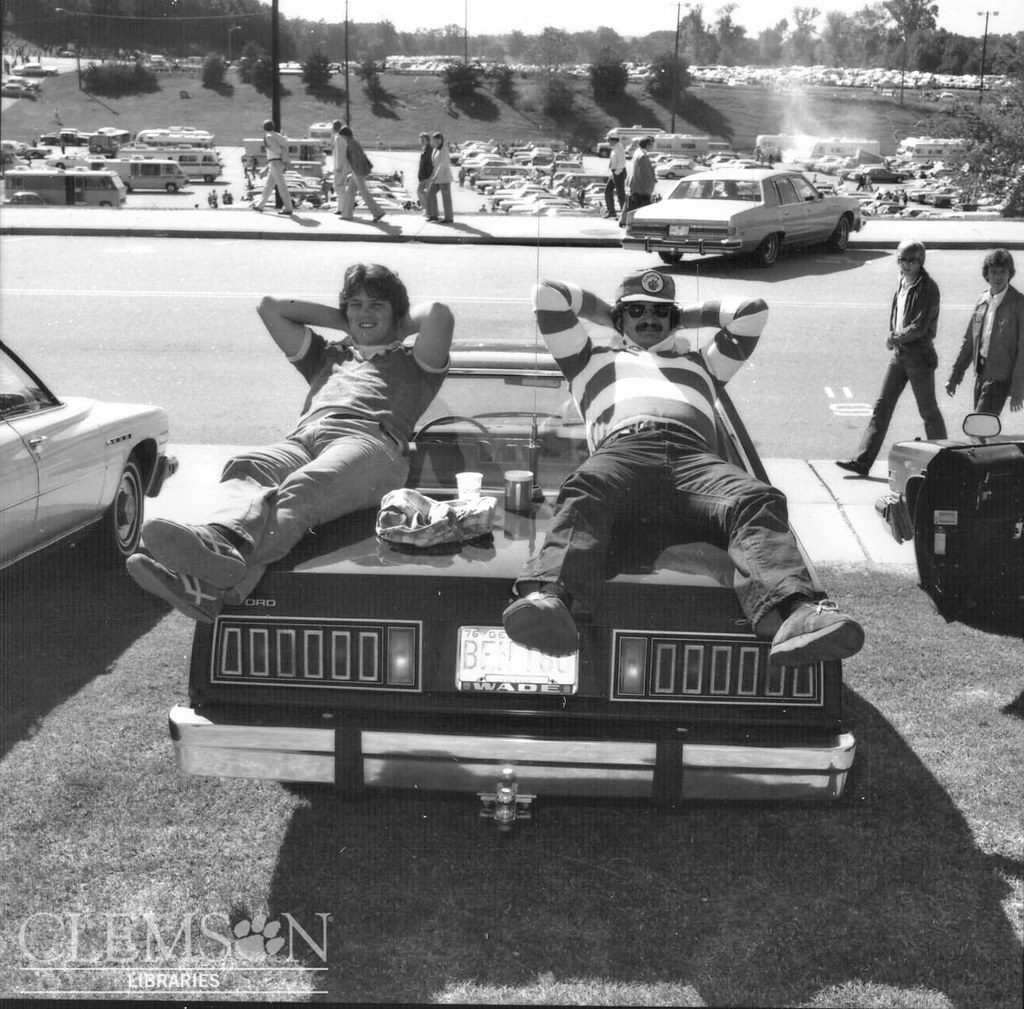
Tailgating, or driving too closely to the vehicle in front, is a perilous habit that significantly increases the risk of rear-end collisions. Even when encountering a driver who might be “hogging the left lane,” the impulse to tailgate should be resisted for everyone’s safety. A forgotten but vital rule to counteract this danger is the “three-second rule.”
This rule advises drivers to maintain at least three seconds of distance between their car and the vehicle directly ahead. To apply it, choose a fixed point on the road, such as a sign or an overpass. When the vehicle in front of you passes that point, begin counting “one-thousand-one, one-thousand-two, one-thousand-three.” If your vehicle reaches the same point before you finish counting, you are following too closely.
It is crucial to increase this recommended following distance in adverse conditions such as bad weather, heavy traffic, or when driving larger vehicles. Tailgating severely reduces a driver’s reaction time, making it nearly impossible to avoid a collision if the leading vehicle suddenly brakes. Adhering to the three-second rule is a practical and actionable step to enhance safety, reduce stress, and prevent “unfortunate road rage incidents” on our roads.
Read more about: 12 Critical Driving Mistakes: What Police Officers Instantly Spot to Issue You a Traffic Ticket

7. **The Strict Prohibition of Passing Over Solid Lane Lines**
Lane markings on roads are not merely decorative; they convey critical instructions to drivers regarding safe and legal maneuvers. Among the most important of these is the solid lane line, which unequivocally communicates a strict prohibition: “A solid line means no passing, period.” This rule is in place for very specific and serious safety reasons.
Crossing a solid line, whether it’s a single solid white, solid yellow, or double solid yellow line, to pass another vehicle is illegal and highly dangerous. These lines are strategically placed in areas where visibility might be limited, such as on curves, near hillcrests, or approaching intersections, or where there might be “blind spots and hidden driveways” that a driver might not anticipate. Disregarding this marking means putting oneself and others at extreme risk.
Even if the road appears clear for a brief moment, the presence of a solid line indicates an inherent hazard or a regulatory directive that must be obeyed. Violating this rule can result in significant fines, points on your driving record, and, more importantly, a high probability of a severe accident. Understanding and respecting lane line markings is a non-negotiable aspect of defensive and responsible driving.
Beyond the foundational rules, a multitude of additional laws govern our roadways, many of which are frequently forgotten or vary significantly by jurisdiction. Understanding these crucial, often nuanced, regulations is paramount for enhancing safety, avoiding penalties, and navigating the complexities of modern driving. Let’s delve into seven more essential driving rules, some universal and others surprisingly specific, that every driver should be aware of to ensure a safer and more compliant journey.
Read more about: Minister Tells Stellantis Boss of ‘Serious Concerns’ Over Citroen Recall Fallout: A Deep Dive into the Crisis and Customer Impact
8. **The Indispensable Role of Signaling Intentions**
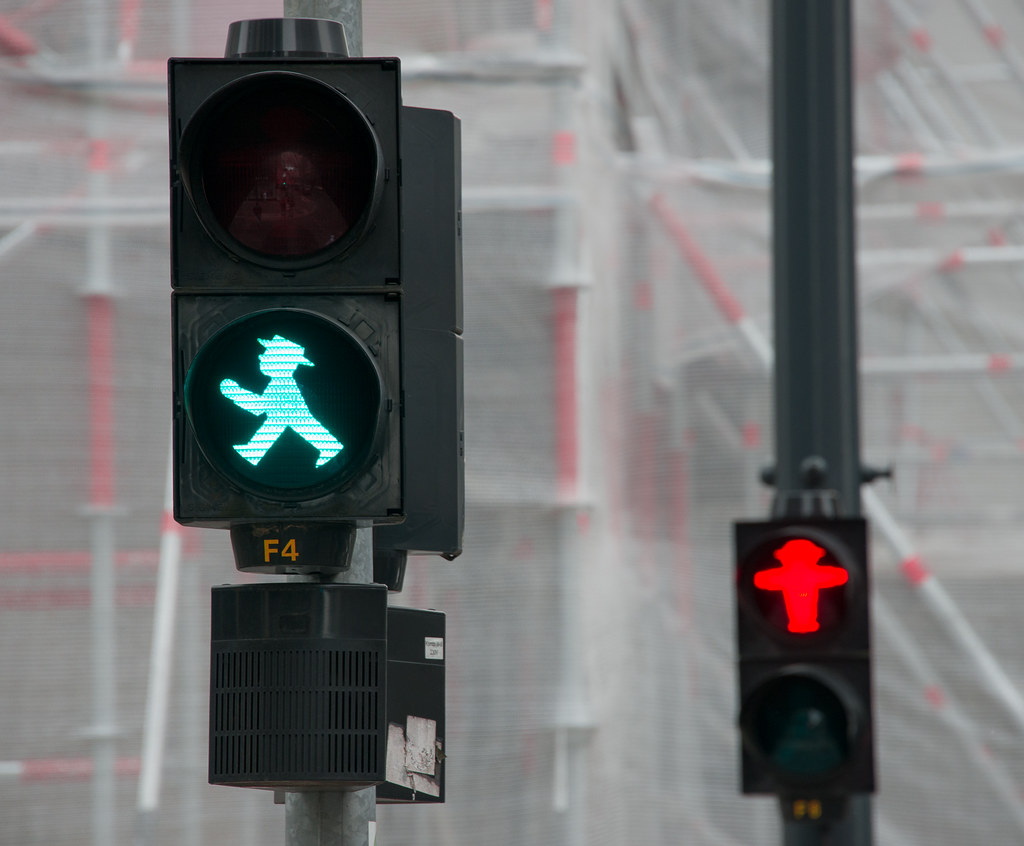
Signaling is a fundamental aspect of safe driving, yet it is often neglected by many motorists. The simple act of activating a turn signal communicates a driver’s intentions to others on the road, preventing unexpected maneuvers and reducing the risk of collisions. While it may seem obvious to the driver where they intend to go, other road users, including pedestrians, cyclists, and fellow drivers, rely on these signals to anticipate movements and react accordingly.
Failing to signal before turning or changing lanes creates ambiguity in traffic flow, forcing other drivers to make snap judgments that can lead to dangerous situations. This is particularly true in heavy traffic or at complex intersections where multiple vehicles are interacting. Proper signaling provides a crucial heads-up, allowing others to adjust their speed, position, or right-of-way decisions, thereby maintaining an orderly and predictable driving environment.
This rule applies universally across all driving scenarios, from exiting a parking spot to executing a complex lane change on a multi-lane highway. Developing the habit of signaling every intention, even when no other vehicles appear to be present, reinforces safe driving practices and prepares drivers for unexpected situations. It is a small action with a significant impact on collective road safety.
Read more about: Mastering the Road: 14 Essential Habits for Becoming a Safer, More Confident Driver Over Time

9. **Adhering to ‘Move Over’ Laws**
‘Move Over’ laws are critical regulations designed to protect law enforcement officers, emergency personnel, tow truck operators, and other roadside workers. These laws mandate that drivers slow down and, if possible, move into an adjacent lane when approaching a stopped vehicle on the side of the road, especially if it has flashing lights. This creates a safety buffer for individuals working near active traffic lanes.
The presence of flashing lights, such as those on police cruisers, ambulances, fire trucks, or tow trucks, indicates that personnel are engaged in potentially hazardous roadside activities. These situations demand extra caution from passing motorists. Moving over to an empty lane provides a wider berth, significantly reducing the risk of accidental collisions or injuries to those attending to an incident.
If it is not possible or safe to move into another lane, the law generally requires drivers to reduce their speed significantly and proceed with extreme caution past the stopped vehicle. This ensures that even in congested conditions, drivers minimize the potential danger to roadside workers. These laws are widely enforced, reflecting their importance in safeguarding the lives of those who work to keep our roads safe and clear.
Read more about: More Bark Than Bite: 14 Classic Cars That Didn’t Quite Live Up to Their Legendary Looks
10. **Yielding to Emergency Vehicles: A Critical Mandate**
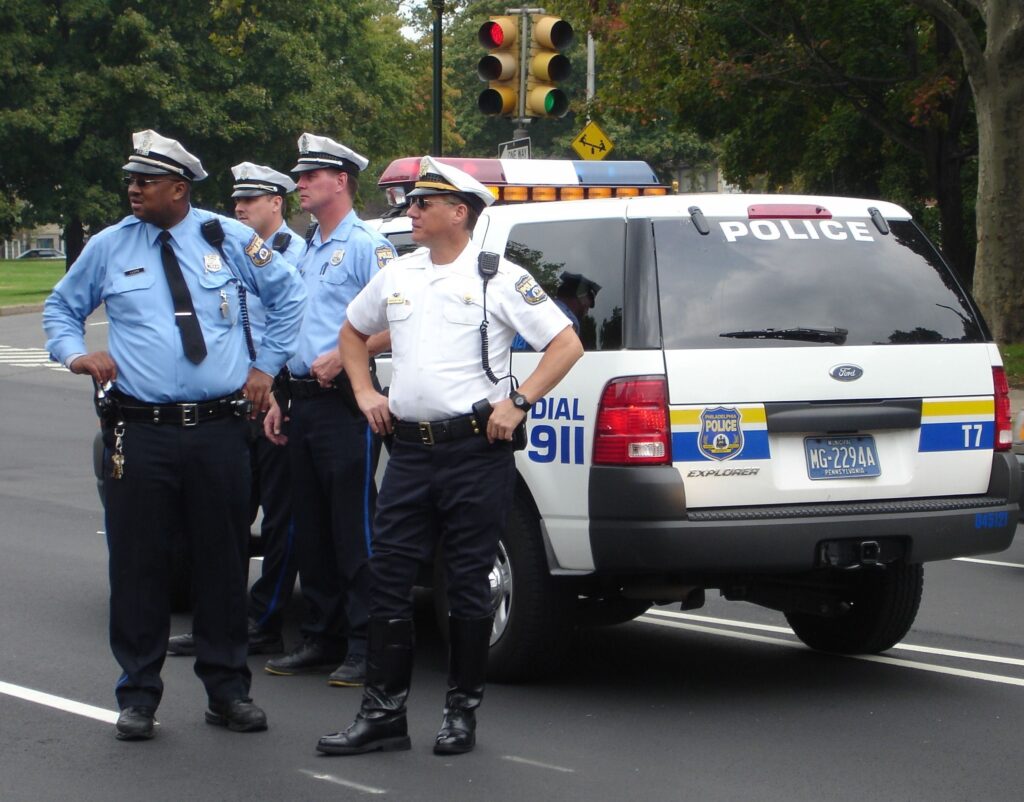
When an emergency vehicle approaches with activated lights and sirens, drivers are legally obligated to yield the right of way immediately. This directive is not a suggestion but a critical mandate that ensures emergency responders can reach their destinations swiftly and unimpeded, often in life-or-death situations. Promptly yielding allows police, fire, and ambulance services to save lives and respond to critical incidents without delay.
The correct procedure for yielding involves pulling over to the right side of the road and coming to a complete stop. This creates a clear path for the emergency vehicle to pass. If a driver is already within an intersection when an emergency vehicle approaches, the proper protocol is to safely clear the intersection first before pulling over. This prevents blocking the intersection or causing additional hazards for other vehicles.
Drivers must remain stopped until the emergency vehicle has completely passed. It is crucial to check for multiple emergency vehicles, as they often travel in convoys. Resuming travel too soon can lead to dangerous situations, including potential collisions with a second or third emergency vehicle. Adherence to this rule is a simple yet profound act of civic responsibility that directly supports public safety.
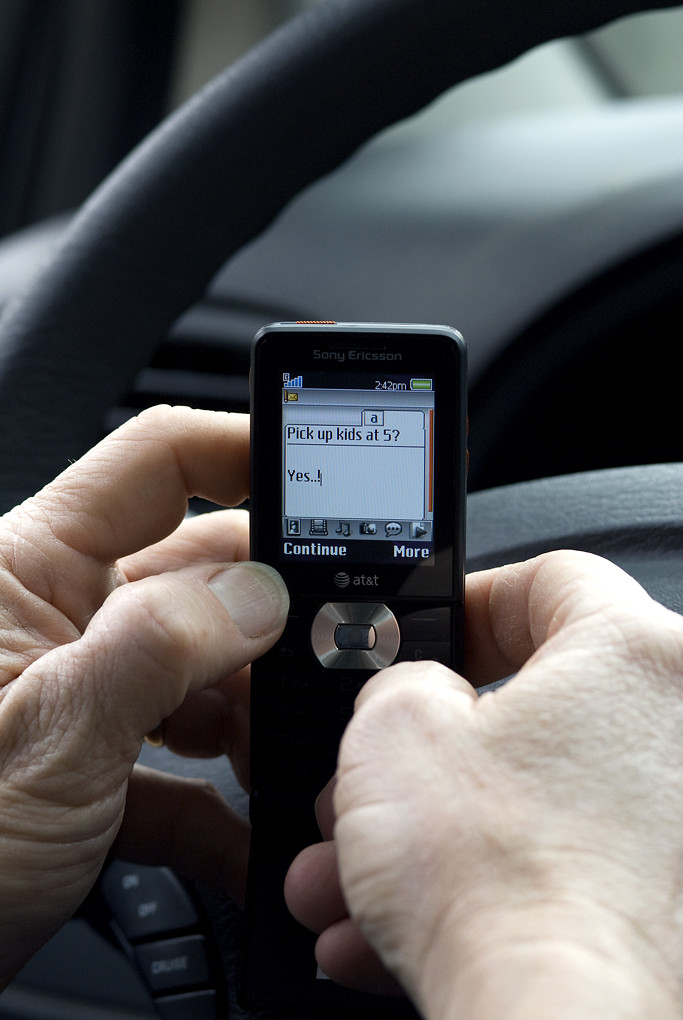
11. **Navigating Mobile Device Laws: Hands-Free and Texting Bans**
With the proliferation of mobile technology, distracted driving has emerged as a significant safety concern. Consequently, many states have implemented stringent regulations regarding the use of mobile devices while driving, primarily aimed at curbing texting and handheld phone use. These laws vary in scope but share the common goal of reducing distractions and improving road safety for all.
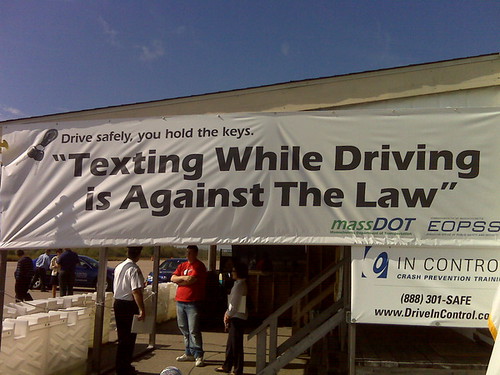
Texting while driving is now illegal in a majority of states, reflecting a broad consensus on its inherent dangers. These prohibitions typically ban sending or reading text messages and can carry substantial fines, with penalties escalating for repeat offenders. Enforcement often involves increased patrols and monitoring, underscoring the seriousness with which these violations are treated. These laws are in place to prevent accidents caused by a driver’s attention being diverted from the road to their device.
Hands-free laws represent another facet of mobile device regulation. Some states mandate the exclusive use of hands-free devices for phone calls, making it illegal to hold a phone to your ear or manipulate it while driving. For instance, in states like Virginia and Washington, drivers must utilize hands-free technology. In contrast, a few states may have no such restrictions on handheld device use. Awareness of these specific state laws is critical, as violations can lead to fines, points on a driving record, and increased insurance premiums, beyond the obvious risk of distracted driving accidents.
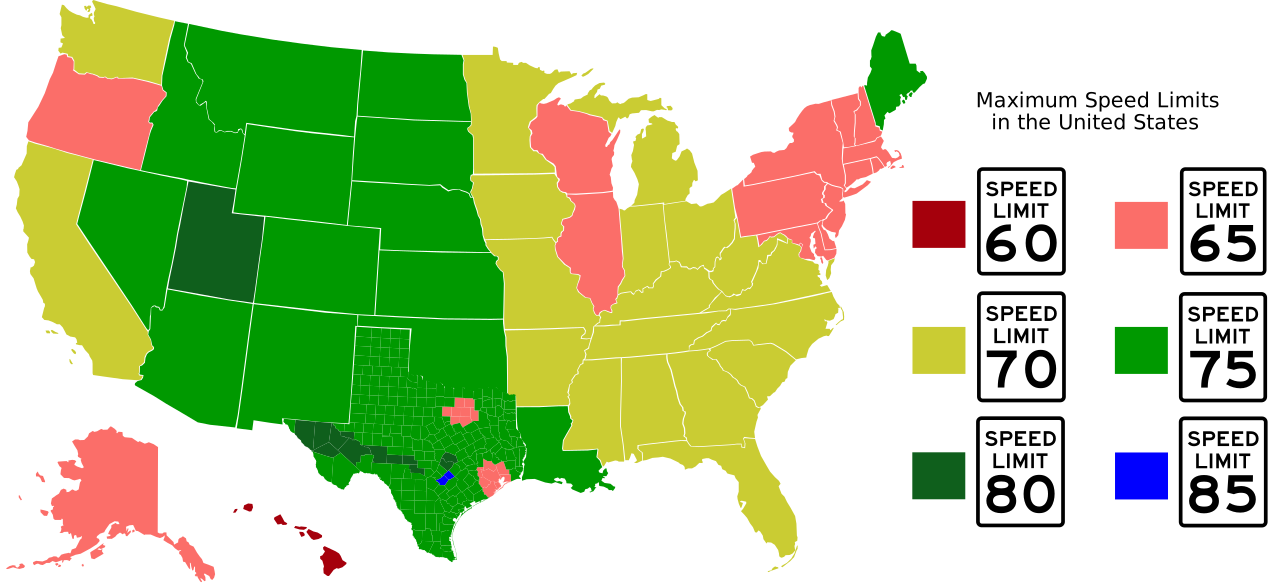
12. **Understanding Speed Limit Variations Across States**
Speed limits are not uniform across the United States; they vary significantly based on location, road type, and state-specific regulations. These variations are designed to balance safety with travel efficiency, considering factors like population density, road design, and local conditions. Understanding these differences is essential for drivers to remain compliant and safe, especially when traveling across state lines.
Generally, speed limits are higher in rural areas compared to urban settings. Rural highways, with their lower population density and fewer intersections, often permit speeds of 70 mph or 75 mph in states such as Texas and Utah. Conversely, urban zones, characterized by higher traffic volumes, more pedestrians, and frequent intersections, typically have lower speed limits, often ranging from 25 mph to 35 mph. States may also implement specific reduced speed zones around schools or residential areas to enhance pedestrian safety.
Each state establishes its own maximum speed limits, which are influenced by local legislation and safety priorities. For example, California’s maximum highway limit is 65 mph, though some rural routes allow 70 mph. Interestingly, some states, like Montana, have historically removed maximum speed limits on certain rural roads during specific hours. These varied approaches highlight a state’s priorities regarding road safety and the flow of traffic. Drivers should also be aware that many states adopt unique rules for seasonal hazards, such as snow or rain, which can temporarily impact speed limits or vehicle requirements.
Read more about: Mechanic’s Crucial Warning: 15 Popular Vehicles That Turn into Costly Financial Traps Well Before 120,000 Miles
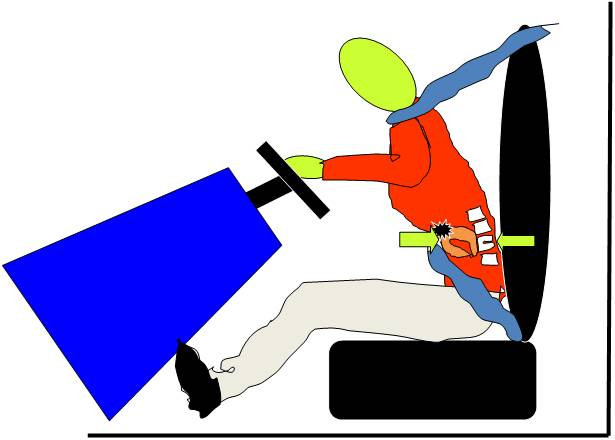
13. **The Nuances of Seat Belt Laws and Child Restraints**
Seat belt laws are a cornerstone of road safety, yet their enforcement and specific requirements can differ significantly from state to state. These variations impact driver compliance and the overall effectiveness of safety protocols. A key distinction lies in whether a state employs primary or secondary enforcement for seat belt violations, alongside specific requirements for child restraint systems.
In primary enforcement states, law enforcement officers possess the authority to stop a vehicle solely because a driver or passenger is not wearing a seat belt. This proactive approach is associated with higher seat belt usage rates and improved road safety outcomes. States such as California, Florida, and New York operate under primary seat belt laws. Conversely, secondary enforcement states permit officers to issue a seat belt violation only if the driver has already been pulled over for another offense, like speeding. This limitation can lead to lower enforcement rates and potentially reduced seat belt usage, as seen in states like Montana and North Dakota.
Child restraint laws also exhibit considerable variation by state, with guidelines often based on a child’s age, weight, and height. Most states mandate that children under a specific age be secured in a child safety seat. For instance, children under 8 years old commonly require a booster seat, though the exact specifications can differ. New Jersey, for example, has comprehensive laws requiring toddlers to remain in rear-facing seats until age 2. Other states may have more relaxed rules, allowing children to transition to standard seat belts earlier. Parents must diligently verify and adhere to their local regulations to ensure the highest level of safety for their children on every journey.
14. **Unraveling Quirky State-Specific Driving Laws**
Beyond the universal rules and common variations, the legal landscape of driving is dotted with an array of unusual, sometimes archaic, state-specific laws. While many of these might seem comical or outdated, they often reflect historical contexts, local conditions, or unique social issues, all with the underlying intent of promoting public safety.
In Anchorage, Alaska, for instance, it is prohibited to drive with a dog tethered to the roof of a car. This regulation, though rarely enforced today, serves as an anti-animal cruelty and safety measure. Similarly, Little Rock, Arkansas, prohibits honking a car horn after 9 p.m. while parked at establishments serving cold drinks or sandwiches. This peculiar ordinance likely originated to control late-night noise and prevent neighborhood disturbances from spilling over from popular hangouts.
Other states present equally intriguing rules. Youngstown, Ohio, has a law against driving into the downtown “congested district” without enough gas to get back out, presumably to prevent vehicles from stalling and obstructing busy streets. In Minnesota, Minnetonka considers vehicles depositing mud or debris on public streets a public nuisance, aiming to keep roads safe and clean. Montana’s laws are particularly colorful, making it illegal to leave sheep unattended in a vehicle, among other provisions. Meanwhile, in Tennessee, falling asleep behind the wheel is explicitly defined as reckless driving, highlighting a proactive stance against impaired attentiveness.
Texas presents a humorous contradiction: while not legally requiring a windshield, the law mandates windshield wipers, a rule likely intended for rain safety but comically out of context for open-air vehicles. Utah grants birds the right of way on all highways, a law aimed at protecting wildlife, though often considered more of a fun fact than a strictly enforced rule. Lastly, a 2024 Virginia law allows motorists to keep roadkill if reported to law enforcement, a ‘waste not, want not’ approach. These laws, while varied in their contemporary relevance, collectively illustrate the diverse and sometimes surprising ways jurisdictions attempt to ensure safety and order on their roads.
This comprehensive review of fundamental and state-specific driving regulations serves as a vital reminder that safe driving extends far beyond simply knowing the speed limit. Each rule, whether a universal principle or a quirky local ordinance, contributes to the intricate web of safety protocols designed to protect every road user. By refreshing our understanding of these laws—from signaling intentions to navigating complex state variations—we equip ourselves to be more responsible, aware, and ultimately, safer drivers. The road ahead requires our constant vigilance and commitment to continuous learning, ensuring that every journey is as safe as possible for ourselves and for the communities we share them with.