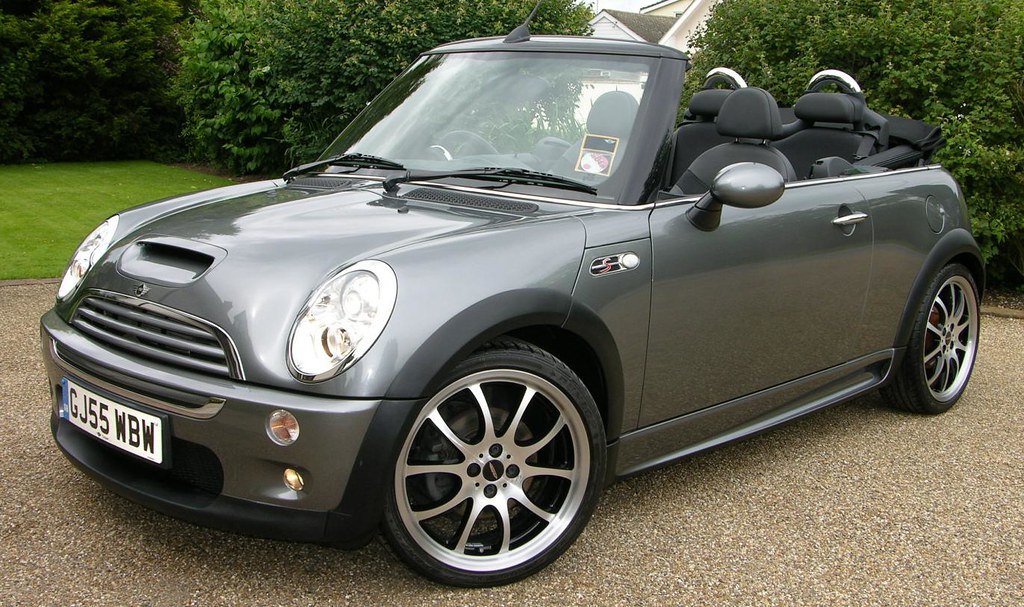
For many vehicle owners, the allure of a stock car is often fleeting. There’s a natural inclination to personalize, to extract more power, improve handling, enhance the exhaust note, or simply refine the aesthetics. This desire for customization is a deeply ingrained aspect of car culture, driving enthusiasts to seek out various modifications that promise an elevated driving experience.
However, this journey of personalization is not without its significant caveats, especially when it comes to your vehicle’s warranty. A warranty, at its core, is a contractual agreement between you and the carmaker, stipulating that if a manufacturing defect arises, you are entitled to a free replacement or repair of the affected part. This crucial protection generally covers most of the vehicle, excluding standard wear items like brake pads or clutch plates, accidental damage, or instances where the car is used contrary to the manufacturer’s intent, such as on a racetrack. It’s also typically limited by a specific timeframe and mileage, for example, two years or 100,000 miles, whichever comes first.
Navigating the complex landscape of car modifications and warranty coverage requires a thorough understanding of your rights and the manufacturer’s stipulations. While the Magnuson-Moss Warranty Act, enacted in 1975, offers some protection by stating that a manufacturer cannot arbitrarily deny a warranty claim solely due to a modification without proving it caused the failure, this doesn’t grant carte blanche for extensive alterations. Consumers can still find themselves in a precarious position, facing denied claims if their modifications are directly linked to a component’s failure. This guide delves into several common modifications that can indeed put your warranty at serious risk, as consistently observed by industry professionals and outlined in manufacturer policies.
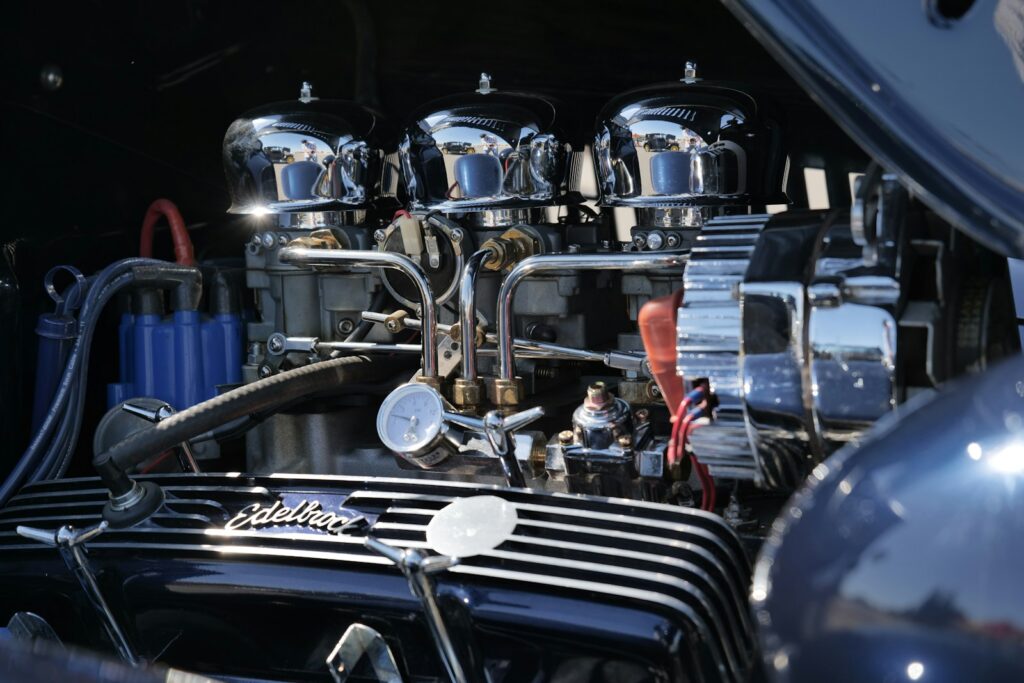
1. **ECU Remapping: The Engine’s Digital Dilemma**One of the most effective and seemingly straightforward ways to boost a car’s performance is through an Engine Control Unit (ECU) remap, also known as a tune. The factory ECU settings are meticulously calibrated with a multitude of parameters in mind, balancing fuel efficiency, strict emission norms, and long-term reliability. Manufacturers intentionally leave a margin of safety in their tunes, ensuring the car remains as fail-safe as possible under various conditions and usage scenarios.
An ECU remap, however, bypasses these conservative factory settings by rewriting the car’s internal code. This process involves altering critical engine parameters such as the air-fuel ratio, engine timing, and, in the case of turbocharged vehicles, the turbocharger boost pressure. The promise is significant performance gains, unlocking horsepower and torque that the factory tune deliberately suppressed for the sake of durability and compliance. It is a tempting proposition for anyone seeking a more exhilarating drive.
Yet, this pursuit of power comes with substantial risks, as explicitly stated in the context. Even “one wrong input parameter” during the remapping process or in the revised tune itself “could lead to catastrophic engine failure.” The intricate balance of engine components is designed to operate within specific tolerances, and pushing these limits without proper engineering foresight can lead to irreversible damage, costing owners thousands in repairs that would otherwise be covered.
When engine failure occurs in a vehicle under warranty that has been remapped, manufacturers have a clear path to deny claims. They can “simply pull ECU logs” from the vehicle’s onboard computer. These logs will reveal if the “factory ECU settings being messed with,” providing irrefutable evidence that an aftermarket ECU remap was performed. This documentation allows the manufacturer to “draw a conclusion pointing to the aftermarket ECU remap as the reason for your blown engine,” a determination that is considered “reason enough to void your warranty” for related components.
The severity of this modification lies in its direct impact on the very heart of the vehicle’s operation. While the immediate thrill of increased power is undeniable, the potential for a denied warranty claim on a critical component like the engine makes ECU remapping one of the riskiest modifications an owner can undertake. Consumers must weigh the perceived performance benefits against the very real and financially burdensome risk of completely forfeiting engine warranty coverage.

2. **Aftermarket Air Filters: A Seemingly Innocent Swap**Beyond complex ECU remapping, even simpler modifications, often perceived as benign, can inadvertently lead to warranty issues. An “aftermarket air filter” is one such modification. These filters are frequently installed with the intention of improving airflow to the engine, which enthusiasts hope will translate into a slight increase in horsepower or better throttle response. They are widely available and often marketed as easy, safe upgrades for a variety of vehicles.
Despite their seemingly innocuous nature, manufacturers and dealers can easily pinpoint an aftermarket air filter as a potential cause of engine problems. The central argument hinges on the delicate balance of the engine’s air intake system. Modern vehicles rely on highly sensitive sensors, particularly the Mass Air Flow (MAF) sensor, to precisely measure the volume and density of air entering the engine. This data is crucial for the ECU to calculate the correct fuel injection and ignition timing.
If an “aftermarket air filter threw the car’s Mass Air Flow sensor out of whack,” as a manufacturer or dealer “could easily say,” it directly disrupts this critical data flow. An inaccurate MAF reading can lead to an incorrect air-fuel mixture, either too rich or too lean, which can, over time, “caus[e] engine damage.” This damage could range from fouled spark plugs and reduced engine efficiency to more severe issues impacting pistons or catalytic converters, all stemming from a seemingly minor component change that altered engineered airflow characteristics.
For consumers, the takeaway is clear: while an aftermarket air filter may seem like a low-risk upgrade, it possesses the potential to interfere with the sophisticated sensory systems of a modern engine. This interference can provide manufacturers with the necessary justification to deny warranty claims on engine components directly impacted by incorrect air-fuel mixtures, underscoring the need for careful consideration before making even the simplest changes.

3. **Cold Air Intakes: Tweaking the Engine’s Breath**Following closely in the footsteps of aftermarket air filters, cold air intake systems represent another popular modification often “considered safe mods” by enthusiasts. These systems are designed to draw cooler, denser air from outside the engine bay directly into the engine, theoretically improving combustion efficiency and leading to performance gains. The concept is sound, and the visual upgrade can be appealing for those who appreciate a modified engine bay aesthetic.
However, similar to standalone aftermarket air filters, cold air intakes introduce a variable into the meticulously engineered intake system. While their primary function is to deliver cooler air, their design and placement can alter the airflow characteristics in ways not anticipated by the original manufacturer. This includes changes to the velocity and turbulence of the air as it passes through the intake tract, which can, in turn, affect sensor readings.
The core problem, from a warranty perspective, remains the potential disruption to the Mass Air Flow (MAF) sensor. A manufacturer or dealer could argue that the redesigned housing or filter element of an aftermarket cold air intake system creates an airflow pattern that causes the MAF sensor to misread. Such inaccuracies are problematic because the engine’s ECU relies on precise MAF data to maintain optimal performance and prevent undue stress on internal components. A compromised MAF reading can lead to suboptimal engine operation, potentially accelerating wear or leading to failures that the original warranty would have covered.
Therefore, despite their popular appeal, cold air intakes are not entirely risk-free. If an engine or related component failure occurs, a dealer could contend that the non-standard airflow from the cold air intake led to inaccurate sensor data, causing the fault. This provides a legitimate basis for denying a warranty claim, reinforcing the principle that any modification altering fundamental operational parameters, even if seemingly minor, can carry significant financial consequences for the consumer.
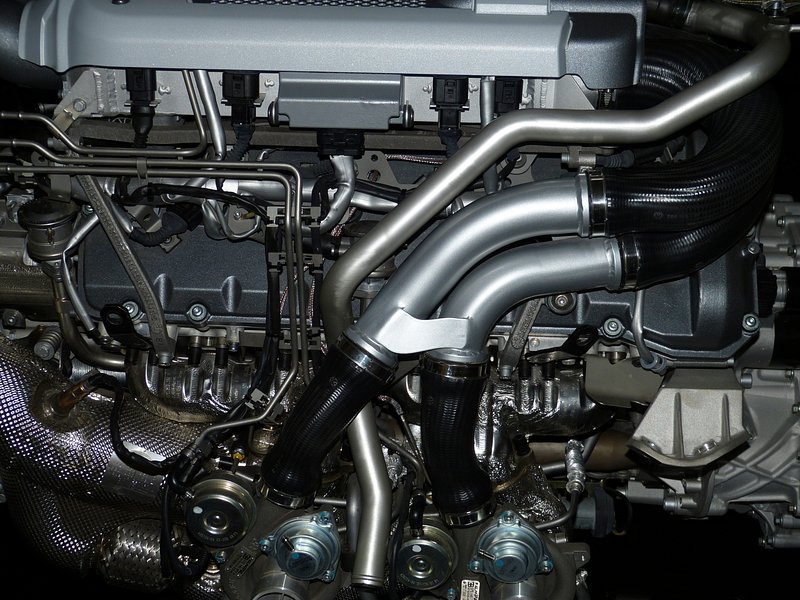
4. **Aftermarket Exhaust Systems: Sounding Off with Risks**Many car owners seek to enhance their vehicle’s auditory experience and potentially improve exhaust flow by installing “aftermarket exhaust systems.” These modifications range from cat-back systems, which replace everything from the catalytic converter back, to full headers and custom piping. The primary aims are often a more aggressive engine sound, a sportier aesthetic, and marginal performance gains by reducing back pressure and facilitating exhaust gas exit.
While the appeal of a richer, more pronounced exhaust note is understandable, these systems carry a distinct risk for warranty invalidation, particularly concerning the vehicle’s emissions control and engine management systems. Modern cars are equipped with Oxygen (O2) sensors both before and after the catalytic converter. These sensors monitor the exhaust gas composition, providing crucial feedback to the ECU to fine-tune the air-fuel ratio and ensure efficient combustion and emissions compliance.
An “aftermarket exhaust system,” especially one that is “free-flow,” can “mess up the O2 sensor.” This interference can occur in several ways, such as altering the exhaust gas velocity, temperature, or even the precise location of the sensor, causing it to send inaccurate data to the ECU. When the O2 sensor’s readings are compromised, the ECU may receive erroneous information about the engine’s combustion efficiency, leading it to make incorrect adjustments to the fuel delivery or ignition timing.
The consequence of a “messed up O2 sensor” extends beyond just emissions. Incorrect air-fuel mixtures can lead to a cascade of problems, including reduced fuel economy, decreased engine power, and accelerated wear on internal engine components. Critically, these issues can provide a manufacturer with ample justification to “void your car’s warranty” if an engine-related fault arises. They can argue that the aftermarket exhaust system directly caused the O2 sensor malfunction, which then led to the engine damage, thereby absolving them of responsibility for repairs. Consumers must understand that while a new exhaust might sound appealing, its impact on sophisticated emissions and engine management systems can be costly in the long run.
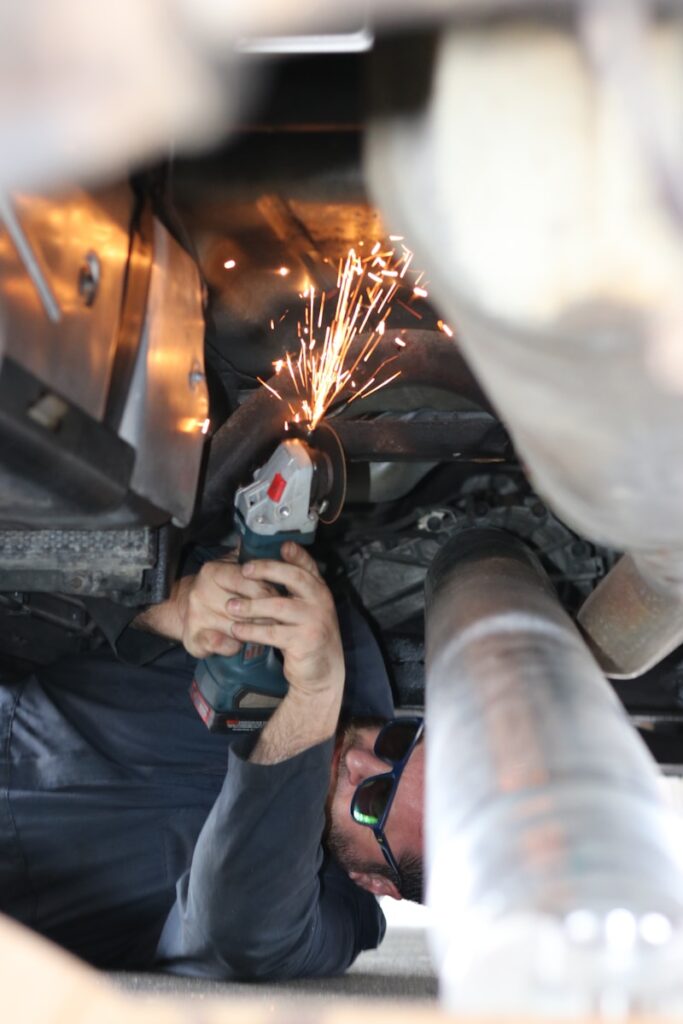
5. **Aftermarket Suspension: Altering Ride Dynamics**For many drivers, the desire to customize extends beyond the engine bay, reaching into the very foundation of a vehicle’s ride and handling: its suspension system. Whether it’s the sleek, lowered stance achieved with “lower springs” or the rugged capability gained from a “high lift kit,” these modifications promise enhanced aesthetics and performance. The allure of a personalized ride, tailored to specific driving conditions or visual preferences, is a powerful motivator for many in the automotive community. However, this pursuit of unique vehicle dynamics often comes with significant, often unforeseen, warranty implications.
Manufacturers design vehicle suspension systems with precise specifications, ensuring optimal geometry and component longevity under expected operating conditions. When aftermarket suspension components like lift kits or lowering springs are installed, they fundamentally alter this carefully calibrated geometry. This change directly impacts the angles and relationships between various suspension elements, potentially moving them outside their intended operational ranges. The vehicle’s original engineering, which accounts for specific leverage points and stress distribution, is completely reconfigured, creating a domino effect on connected parts.
Such alterations to the suspension geometry place “unnecessary strain on components like suspension bushes, steering rods, driveshafts, tie rods, and the drivetrain.” These critical parts, which are integral to steering, power transfer, and overall vehicle control, were explicitly “never designed to handle these kinds of stresses” introduced by non-standard setups. The increased angles, altered pivot points, and modified load distribution can accelerate wear and tear, leading to premature failure of these components. This accelerated degradation is a direct consequence of operating parts outside their engineered tolerances, inevitably shortening their lifespan.
The financial repercussions for consumers can be severe, particularly when a vehicle is still under warranty. If a “stanced car or lifted truck runs into suspension or drivetrain failure” due to these modifications, the manufacturer is highly likely to deny the warranty claim. Since the modification directly caused the undue stress and subsequent failure, the owner will “end up footing the bill from your own pocket.” This emphasizes that while suspension modifications might seem superficial, their impact on structural integrity is profound and can result in costly repairs that negate the intended warranty protection.

6. **Aftermarket Wheels and Tires: More Than Just Aesthetics**Beyond the springs and shocks themselves, the choice of wheels and tires represents another common, yet often overlooked, area where modifications can impact a vehicle’s warranty. Enthusiasts frequently opt for larger diameter wheels, wider tires, or those with different offsets to achieve a distinctive look or theoretically improve grip. The aesthetic transformation can be dramatic, offering a personalized touch that sets a vehicle apart from its factory counterpart. Yet, the functional interplay between wheels, tires, and the intricate suspension system is far more delicate than many realize.
The original equipment wheels and tires are carefully selected by manufacturers to complement the vehicle’s suspension geometry, steering response, and overall handling characteristics. Introducing “aftermarket wheels and tyres” that deviate significantly from these factory specifications can, much like suspension component changes, “mess with the suspension geometry of your car.” Changes in wheel offset can alter the scrub radius, affecting steering feel and placing additional load on wheel bearings. Similarly, larger or heavier wheel and tire combinations increase unsprung mass, influencing how the suspension reacts to road imperfections and potentially overloading existing components.
This disruption translates into similar vulnerabilities seen with direct suspension modifications. The increased leverage or altered stress paths from non-standard wheel and tire setups can place “unnecessary strain on components like suspension bushes, steering rods, driveshafts, tie rods, and the drivetrain.” These components are engineered for a specific range of forces and movements, and any deviation, however slight, can compromise their long-term integrity. The added stress can lead to accelerated wear, loosening of connections, or even structural fatigue, potentially culminating in a sudden and dangerous failure.
When these critical components fail on a vehicle still covered by its original warranty, the connection to aftermarket wheels and tires can be a clear point of contention. If the manufacturer or dealer can demonstrate that the non-standard “aftermarket wheels and tyres” directly contributed to the “suspension or drivetrain failure,” they have a strong basis to “void your car’s warranty” for those specific issues. This means that what began as an aesthetic upgrade could easily evolve into a substantial out-of-pocket expense, highlighting the importance of understanding the comprehensive impact of such modifications.
7. **Electrical System Modifications: A Shocking Risk**While engine and suspension modifications grab much of the attention regarding warranty risks, tampering with a vehicle’s intricate electrical system poses equally significant dangers, often with far-reaching consequences. From enhanced lighting to upgraded audio, “electrical modifications are another big no-no” when it comes to maintaining your factory warranty. Modern vehicles rely on highly sophisticated, integrated electronic control units and wiring harnesses that are designed to work in perfect harmony, making any deviation a potential source of cascading problems.
One seemingly innocuous example is a “more powerful aftermarket headlight conversion.” While the appeal of brighter illumination is clear, these systems often draw more current than the factory wiring and fuses are designed to handle. If you’re “lucky,” this might only “blow your fuses,” causing a temporary inconvenience. However, in less fortunate scenarios, the increased electrical load can overheat and “melt your headlight wires,” posing a serious fire hazard. Such issues are not only dangerous but also provide irrefutable evidence of non-standard electrical work.
Similarly, the installation of a “new, louder sound system” frequently involves “splicing the factory wiring harness.” This practice, often undertaken to tap into power sources or integrate new components, is “literally playing with fire.” Factory wiring harnesses are precisely engineered for specific amperage loads and impedance. Improper splicing, inadequate insulation, or drawing excessive power can create resistance points, short circuits, or ground faults within the entire electrical network. The integrity of the vehicle’s entire electrical architecture is compromised, leading to unpredictable and often widespread malfunctions.
The fallout from a “shoddy job” on electrical modifications can be a persistent and frustrating “warranty nightmare.” Owners might experience constant “electrical trouble, like the instrument console going kaput or the central locking not locking anymore.” These issues are not isolated; they can affect safety systems, comfort features, and even the vehicle’s ability to start or run properly. Diagnosing and repairing such interwoven electrical faults is incredibly complex and expensive, typically far exceeding the cost of the original modification.
When these electrical problems surface under warranty, manufacturers will meticulously inspect any non-factory wiring or components. If they find evidence of aftermarket modifications and can connect them to the electrical malfunction, they will unequivocally “void your car’s warranty” for any affected electrical systems. This serves as a stark reminder that while personalization is tempting, the delicate balance of a vehicle’s electrical system is best left undisturbed if warranty coverage is a priority.
**Conclusion**
The journey of vehicle ownership often includes the desire for personalization and performance enhancements. However, as this exploration of common modifications reveals, the line between harmless customization and warranty invalidation is often thin and easily crossed. From intricate engine tunes that rewrite core operational parameters to suspension adjustments that alter critical geometry, and even seemingly minor electrical upgrades that compromise complex systems, each modification carries its own set of risks. The overarching message from manufacturers and industry professionals remains consistent: while the Magnuson-Moss Warranty Act prevents arbitrary denials, any modification proven to be the direct cause of a component failure will lead to an owner footing the bill. Therefore, for any vehicle still under warranty, the key is thorough research, understanding the specific implications of each modification, and considering the long-term financial consequences before embarking on the path of automotive alteration. Making informed decisions and prioritizing official service channels for modifications can help preserve the integrity of your warranty and your peace of mind on the road.