The world of performance, often perceived as a glittering spectacle, holds a rich and complex history stretching back millennia. It is a profession that has evolved dramatically, shaped by cultural norms, religious decrees, technological advancements, and societal shifts regarding gender and status. From its ancient origins on dusty stages to the intricate dynamics of modern film sets, the journey of the actor is a testament to humanity’s enduring need for storytelling and expression. Understanding this lineage offers not just a glimpse into the past, but also crucial insights into the present state of the entertainment industry.
For industry professionals and enthusiasts alike, delving into the historical trajectory of acting illuminates the foundational elements that continue to influence how roles are cast, how performers are perceived, and how the business operates. This in-depth exploration will trace the pivotal moments and cultural contexts that have defined the acting profession, examining the emergence of professional players, the shifting roles of women on stage, and the terminology that has both celebrated and complicated the identities of those who portray characters. It is a narrative woven with innovation, controversy, and a relentless pursuit of artistic authenticity.
Embark with us on an insightful journey through the annals of theatrical and cinematic history, uncovering the intricate details of a profession that has continually reinvented itself. We’ll explore how societal views on performers have transformed, the landmark shifts that allowed women onto stages previously reserved for men, and the very language we use to describe those who bring stories to life. This comprehensive overview aims to provide a robust understanding of the craft and its practitioners, from the earliest ‘answerers’ to today’s multifaceted talents.
1. **The Genesis of Performance: Thespis and Ancient Greek Theatre**
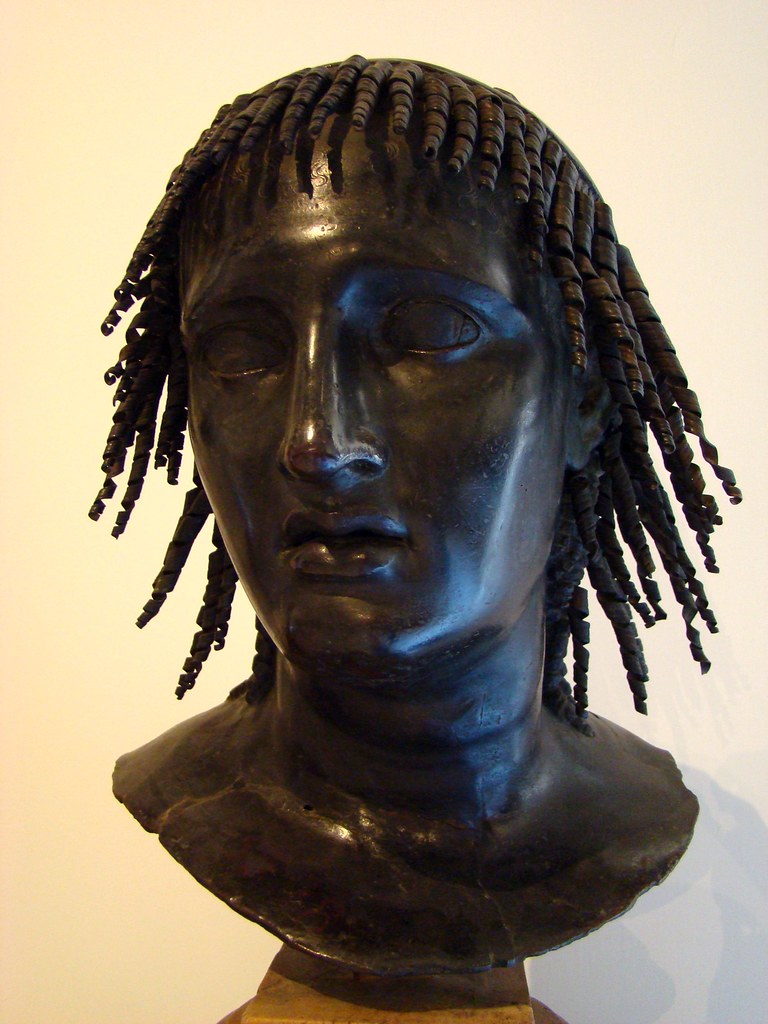
The origins of Western acting are often traced back to a singular, transformative moment in ancient Greece. It was in 534 BC, amidst the grandeur of the Theatre Dionysus, that a Greek performer named Thespis stepped onto the stage. His act marked a revolutionary departure from existing storytelling traditions, as he became the first known person to speak words as a character in a play or story. Prior to Thespis’s innovative contribution, Grecian narratives were primarily conveyed through song, dance, and third-person narration, lacking the direct character portrayal that would become the hallmark of dramatic performance.
The impact of Thespis’s pioneering effort was profound and lasting. In recognition of his groundbreaking role, actors to this day are commonly referred to as ‘Thespians,’ a term that encapsulates the deep historical roots and enduring legacy of the craft. His innovation not only gave birth to the concept of an individual embodying a character but also laid the groundwork for the structured dramatic forms that would flourish in ancient Greece.
However, the theatre of ancient Greece was characterized by strict gender norms concerning its performers. Exclusively male actors took to the stage, even for female roles, which were generally played by men or boys. This gender-exclusive tradition defined performances in the three primary types of drama prevalent at the time: tragedy, comedy, and the satyr play, influencing the visual and interpretive styles of these seminal theatrical forms. The absence of women on stage in ancient Greece highlights a significant historical contrast with later periods and other cultures, marking a distinct phase in the evolution of acting.
Read more about: Behind the Curtain: An In-Depth Look at the Actor’s Craft, History, and Industry Realities
2. **Early Female Voices: Actresses in Ancient Rome**
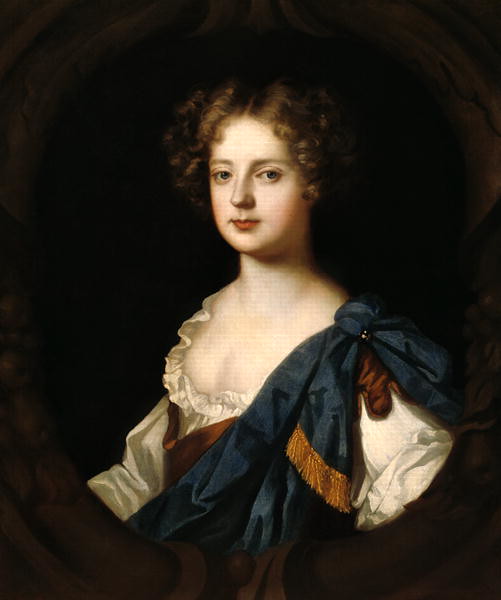
In stark contrast to the male-exclusive stages of ancient Greece, the theatre of ancient Rome presented a different landscape regarding female performers. While still a developing art form with its own societal conventions, Ancient Rome did allow women to participate in stage performances, a notable departure from its Greek predecessor. This inclusion, however, came with its own set of nuances and limitations, primarily regarding the nature of their roles.
While a significant portion of female performers in ancient Rome were employed for dancing rather than speaking parts, a minority did achieve speaking roles and, remarkably, garnered wealth, fame, and recognition for their artistic contributions. Notable among these early actresses were figures such as Eucharis, Dionysia, Galeria Copiola, and Fabia Arete. Their success indicates that despite prevailing social attitudes, certain women managed to carve out significant careers in a challenging profession.
Further underscoring their organized presence, these Roman actresses even formed their own acting guild, known as the Sociae Mimae. This guild, which was evidently quite wealthy, points to a degree of professional organization and economic success for female performers in ancient Rome, suggesting a more established and integrated role for women in the Roman entertainment industry compared to their Greek counterparts. The profession of acting, however, seemingly faded out during late antiquity, marking an end to this early period of female theatrical prominence.

3. **Navigating the Middle Ages: Actors, the Church, and Amateur Stages**
Following the decline of the Western Roman Empire through the 4th and 5th centuries, Western Europe experienced a period of widespread disorder, significantly impacting the status and structure of theatrical performance. During this era, small, nomadic bands of actors traversed Europe, performing wherever audiences could be found. However, historical records suggest these troupes primarily produced “crude scenes,” indicating a diminished and less sophisticated form of theatrical art.
Traditionally, actors held a low social status, leading to traveling acting troupes often being viewed with distrust in the Early Middle Ages. The Church, during the Dark Ages, heavily denounced these early medieval actors, branding them as dangerous, immoral, and pagan. This severe ecclesiastical condemnation had tangible consequences: in many parts of Europe, prevailing regional and religious beliefs meant that actors were denied Christian burials, reflecting the profound societal stigma attached to their profession.
Despite this period of general disarray and religious opposition, theatrical forms eventually re-emerged, often under the patronage of the Church itself. Beginning in the Early Middle Ages, churches across Europe started staging dramatized versions of biblical events, a movement that evolved into liturgical drama, spreading from Russia to Scandinavia and Italy by the mid-11th century. These performances, alongside the Feast of Fools which fostered comedy, laid the groundwork for the vernacular Mystery plays of the Late Middle Ages. These plays, often rich in comedy and featuring characters like devils, villains, and clowns, were produced in 127 towns and primarily drew their performers from the local population. While amateur performers in England were exclusively male, notably, other European countries did see women participating in these medieval plays, as exemplified by women being engaged to perform all female roles in the Bozen Passion Play in Bolzano in 1514, demonstrating regional variations in performance norms.
Read more about: The Enduring Craft of Acting: A Comprehensive Look at Its History, Techniques, and Societal Evolution

4. **The Renaissance Resurgence: Professional Actresses Emerge in Europe**
The Renaissance ushered in a new era for theatre, marking the return of professional actors since antiquity and, significantly, the emergence of professional actresses in Europe. This transformative period first saw women step onto the professional stage in Italy, Spain, and France, gradually spreading their influence across the continent. The Commedia dell’arte, an Italian improvisational theatrical form beginning in the mid-16th century, was particularly pivotal in this development. Its actor-centred nature, requiring minimal scenery and props, provided a fertile ground for professional performers, including women.
The first professional company of actors since antiquity whose members’ names are known dates back to Padova in 1545. While initially composed entirely of men, the landscape soon began to change. Lucrezia Di Siena, whose name appears on an acting contract in Rome from October 10, 1564, is recognized as the first Italian actress known by name. Her pioneering efforts were soon followed by Vincenza Armani and Barbara Flaminia, who became the first primadonnas and the first well-documented actresses in Italy and, indeed, in Europe, solidifying the presence of women in professional theatre.
From the 1560s onward, actresses became a standard feature in Italian theaters. As Italian theatre companies began touring abroad, these Italian actresses became the first women to perform professionally in many other countries, introducing the concept of female stage presence to new audiences. The trend quickly expanded beyond Italy, with women performing on stage from the very beginning of the Spanish Golden Age theatre (1590–1641). Figures like Ana Muñoz, Jerónima de Burgos, and Micaela de Luján were active as actresses in Spain during the 1590s. In France, professional French actresses were also reportedly active in the second half of the 16th century, with figures like Marie Vernier emerging as leading ladies and co-directors, showcasing the increasing integration of women into the professional acting sphere across Western Europe.
5. **The ‘Actress’ Term: Its Origins and Contentious History**
The terminology surrounding performers, particularly the distinction between ‘actor’ and ‘actress,’ carries a history rich with societal perceptions and evolving gender roles. While the word ‘actor’ itself has existed in English for centuries, initially meaning ‘one who does something,’ its specific application to those who perform in theatre only gained currency in the 16th century. The term ‘actress,’ according to the Oxford English Dictionary, made its first recorded appearance in 1608, attributed to Middleton, marking the formal linguistic acknowledgment of female performers.
However, the introduction and subsequent use of ‘actress’ were not without controversy. In the 19th century, women in acting were often viewed negatively, frequently associated with courtesans and perceived promiscuity, contributing to a societal prejudice against female performers. Despite these deep-seated biases, the same century witnessed the rise of the first true female acting ‘stars,’ with Sarah Bernhardt standing out as a particularly notable figure who challenged and transcended these societal constraints.
After the English Restoration in 1660, when women were finally permitted on the English stage, the terms ‘actor’ and ‘actress’ were initially used interchangeably for female performers. It was later, influenced by the French term ‘actrice,’ that ‘actress’ became the commonly accepted word for women in theatre and film, simply derived from ‘actor’ with the ‘-ess’ suffix. Today, ‘actors’ is generally preferred when referring to groups of performers of both es, reflecting a broader movement towards gender-neutral language within the profession itself. This re-adoption of the neutral term ‘actor’ within the profession dates back to the post-war period of the 1950s and ’60s, a time when women’s contributions to cultural life were being re-evaluated more generally. The Observer and The Guardian’s 2010 joint style guide explicitly recommended using ‘actor’ for both male and female performers, reserving ‘actress’ only for specific award names, such as the ‘Oscar for Best Actress.’ The guide’s authors articulated that ‘actress’ falls into the same category as ‘authoress,’ ‘comedienne,’ ‘manageress,’ and similar terms that are considered obsolete, stemming from an era when professions were largely the preserve of one sex. This sentiment was famously echoed by Whoopi Goldberg, who stated, ‘An actress can only play a woman. I’m an actor – I can play anything.’ Despite this shift, the UK performers’ union Equity acknowledges that the subject remains divided within the profession, reflecting a lack of universal consensus. Moreover, major acting awards for female recipients, such as the Academy Award for Best Actress, continue to use the term ‘actress,’ as noted by the Los Angeles Times in 2009, highlighting the ongoing complexity of this linguistic debate.

6. **The Puritan Ban and England’s Restoration Theatre**
The vibrant theatrical tradition in England faced a severe disruption during the mid-17th century with the rise of Puritan influence. Puritan opposition to the stage was fervent, viewing theatre as inherently immoral and a corrupting influence on society. This strong religious and moral stance led to a dramatic and unprecedented ban on the performance of all plays within London, effectively shutting down the theatres and halting the development of the acting profession in England for a significant period.
The eighteen-year Puritan prohibition on drama brought English theatrical life to a standstill. However, the re-opening of the theatres in 1660, following the English Restoration, signaled a profound renaissance for English drama. This period, from 1660 to 1710, saw the emergence of ‘Restoration comedy,’ a genre known for its sharp wit, intricate plots, and often notorious ual explicitness, reflecting a societal shift from Puritan austerity.
Crucially, the Restoration marked a revolutionary change for women in English theatre: they were allowed for the first time to appear on the English stage, exclusively in female roles. This pivotal moment led to the introduction of the first professional actresses, ending centuries of male-only performance for female parts. The period also witnessed the rise of the first celebrity actors, whose performances captivated audiences and cemented acting as a recognized, albeit still sometimes controversial, profession. Margaret Hughes is frequently credited as the first professional actress on the English stage, symbolizing this significant breakthrough. The prohibition against female actors was lifted partly due to King Charles II’s personal enjoyment of watching actresses perform. Specifically, Charles II issued letters patent to Thomas Killigrew and William Davenant, granting them a monopoly to form two London theatre companies, and these patents were reissued in 1662 with explicit revisions allowing actresses to perform, formalizing their place in English theatrical history.
Read more about: The Unseen Stages: How History Shaped the Actor, From Forbidden Roles to Modern Breakthroughs
7. **The Evolution of Terminology: From ‘Actor’ to ‘Player’**
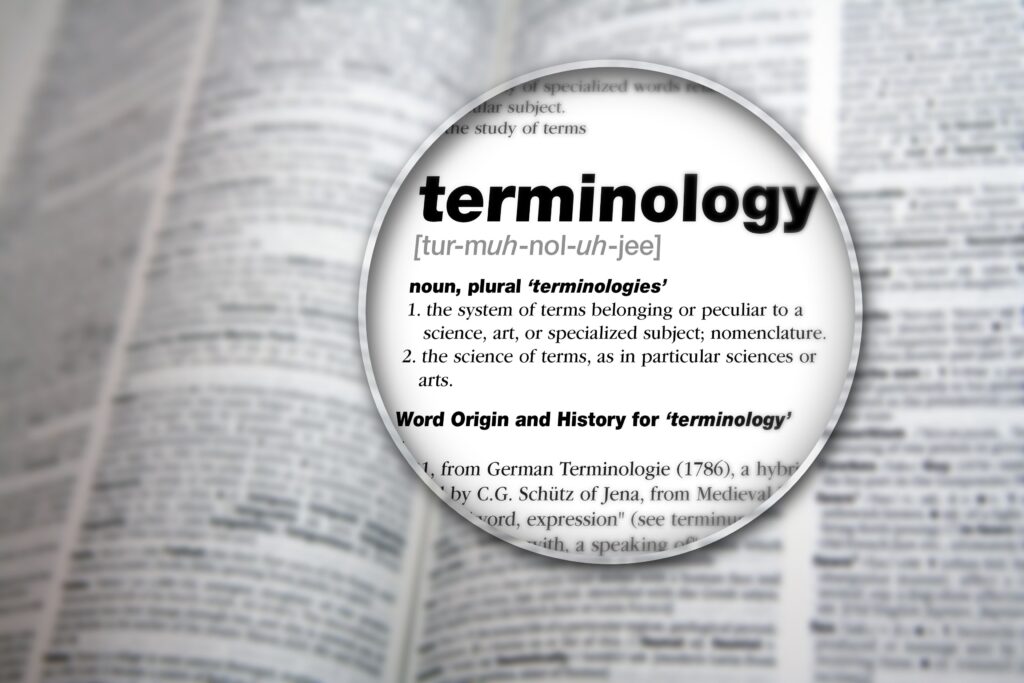
The lexicon used to describe those who perform has not remained static but has evolved significantly over centuries, reflecting changes in societal perceptions and the specific contexts of performance. While the word ‘actor’ has a deep history in the English language, originally signifying ‘one who does something,’ its specialized use to denote a theatrical performer only solidified in the 16th century, marking a professionalization of the craft. This foundational term has persisted, albeit with ongoing discussions about its gendered implications, as explored previously.
Beyond ‘actor,’ another term that has seen its own trajectory is ‘player.’ In the cinema of the United States, the gender-neutral term ‘player’ was a common fixture during the silent film era and the early days of the Motion Picture Production Code. It offered an inclusive designation for performers during a formative period of cinematic history, preceding some of the later debates around ‘actor’ versus ‘actress.’
However, in the 2000s, within a film context, ‘player’ is generally regarded as archaic. Its prominence in film parlance has waned considerably. Nevertheless, the term continues to hold relevance and is actively used within the realm of theatre, often incorporated into the names of theatre groups or companies, such as the American Players or the East West Players. Additionally, those involved in improvisational theatre are still frequently referred to as ‘players,’ showcasing how linguistic choices can diverge and persist within different branches of the performing arts.
8. **Globalizing the Stage: Women in Acting Across 17th-19th Century Europe**\
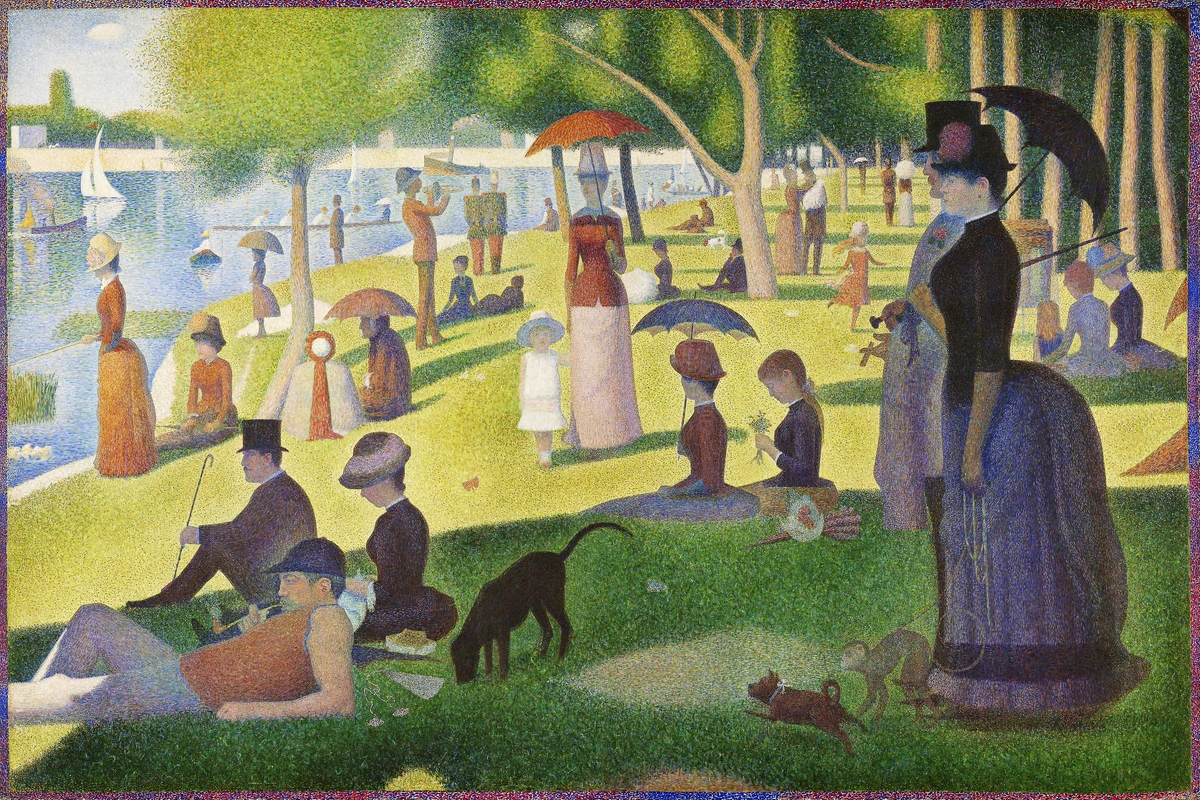
Following the Renaissance, theatre expanded across Europe, fostering varied attitudes toward women on stage. This led to a gradual, country-specific integration of female actors, sometimes through legal reforms, other times via informal adoption by enterprising theatre managers.
Mid-17th century Germany and the Netherlands saw the earliest female performers in native traveling companies, frequently wives or daughters supervised by male relatives. Ariana Nozeman’s 1655 Amsterdam debut and Frankfurt’s ‘female players’ in the same year were pivotal moments. Catharina Elisabeth Velten exemplifies this, acting with her family and later managing her husband’s theatre while maintaining female employment.
England, however, remained restrictive, prohibiting women from the stage until the 1660 Restoration. Visiting foreign actresses like Angelica Martinelli (1578) were rare exceptions. Margaret Hughes is often recognized as the first professional English actress, marking a significant cultural shift partly spurred by King Charles II’s personal preference, formalized by revisions to royal patents in 1662.
Northern and Eastern Europe integrated female performers even later, primarily due to the delayed establishment of national theatres, rather than outright bans. Foreign actresses like those in Sweden in 1653 preceded native talents by decades. Russia, Poland-Lithuania, and Greece (in the 19th century with pioneers like Ekaterina Panayotou) eventually saw the emergence of their own professional female actors, navigating conservative societal norms.

9. **19th Century Transformation: Actors as Celebrities and Actor-Managers**
The 19th century revolutionized the acting profession, elevating its status from often-disparaged to honored and popular. This dramatic reversal paved the way for a modern appreciation of the craft and its practitioners.
A crucial element of this transformation was the rise of the actor as a celebrity. Audiences eagerly sought out their favorite ‘stars,’ creating a fervent public interest that cemented performers’ iconic status and deepened the public’s connection to the stage.
This era also introduced the powerful figure of the actor-manager. These individuals not only performed but also managed their own companies, overseeing everything from financing to artistic direction. They built loyal followings and toured widely, performing popular repertoires, including Shakespearean works.
Henry Irving (1838–1905) exemplified this role, becoming Britain’s most successful actor-manager. Renowned for his Shakespearean performances and innovations like dimming house lights, his knighthood in 1895 symbolized society’s full acceptance of actors into its highest circles.
10. **20th Century Industry Shifts: Corporate Control and the Star System**
The early 20th century brought significant industry shifts, as the increasing economics of large-scale productions rendered the actor-manager model unsustainable. The demand for complex shows required new organizational structures.
This led to greater specialization, with dedicated stage managers and theatre directors emerging to handle intricate logistical and artistic oversight. The responsibilities of running a production became too vast for a single individual.
Corporate ownership, exemplified by the Theatrical Syndicate and The Shubert Organization, became essential for funding and organizing theatre chains. This consolidation of power facilitated the growth of the industry in major cities.
Catering to tourists, these corporate entities favored long runs of popular plays, particularly musicals, prioritizing sustained revenue. In this new commercial landscape, big-name stars became indispensable for attracting audiences and ensuring box office success.
Read more about: Why American Drivers Are Shifting Away From Sedans: An In-Depth Analysis of Market Dynamics and Consumer Preferences

11. **The Art of Portrayal: Key Acting Techniques**
The portrayal of characters is a sophisticated art, continually refined through diverse acting techniques that allow performers to achieve authentic and compelling performances. These methods provide structured pathways for embodying a role.
Classical acting offers a holistic philosophy, integrating body, voice, imagination, and personalizing. It draws on theories from figures like Konstantin Stanislavski and Michel Saint-Denis, emphasizing comprehensive engagement of an actor’s faculties through improvisation and script analysis.
Stanislavski’s system, a cornerstone of modern pedagogy, guides actors to utilize personal feelings and experiences to convey a character’s ‘truth.’ By immersing in the character’s mindset and finding commonalities, performers achieve a genuine and profound sense of reality.
Method acting, formulated by Lee Strasberg, builds on Stanislavski’s ideas, advocating for actors to use their own experiences for deep personal identification with characters. This approach aims for profound emotional and cognitive understanding.
The Meisner technique focuses on authentic interaction, requiring actors to concentrate entirely on their scene partner as real in the moment. This method, rooted in the principle of responding genuinely to others and circumstances, makes performances incredibly truthful and dynamic for the audience.

12. **Beyond Gender: A Deep Dive into Cross-Gender Acting**
Cross-gender acting, where performers portray characters of the opposite , is a time-honored tradition in theatre and film, primarily used for comedic effect or to challenge social perceptions.
From Shakespearean comedies with overt cross-dressing to cinematic classics like ‘Some Like It Hot’ and ‘Tootsie,’ the trope of men in female roles has consistently delivered laughter and iconic performances, cementing its place in popular culture.
The practice extends to complex gender subversions, as seen in ‘Victor/Victoria’ or ‘Shakespeare in Love,’ where female characters disguise themselves as men. Additionally, ambiguous gender portrayals, like in ‘It’s Pat,’ challenge audience assumptions.
While less common in film, women playing male roles have garnered significant acclaim, with Linda Hunt (Billy Kwan in ‘The Year of Living Dangerously’) and Cate Blanchett (Jude Quinn in ‘I’m Not There’) earning awards and nominations for their powerful portrayals.
Modern contexts increasingly embrace cross-gender casting to highlight gender fluidity. Roles like Edna Turnblad in ‘Hairspray’ are routinely played by men, while Eddie Redmayne’s portrayal of Lili Elbe in ‘The Danish Girl’ reflects evolving representation. In live theatre, women traditionally play boys or young men in pantomime and opera’s ‘breeches roles,’ demonstrating enduring theatrical flexibility.
13. **East Asian and Middle Eastern Perspectives on Female Performers**
East Asia and the Middle East developed unique theatrical traditions concerning female performers, shaped by distinct cultural norms and historical contexts. These regions offer compelling case studies in gender roles on stage.
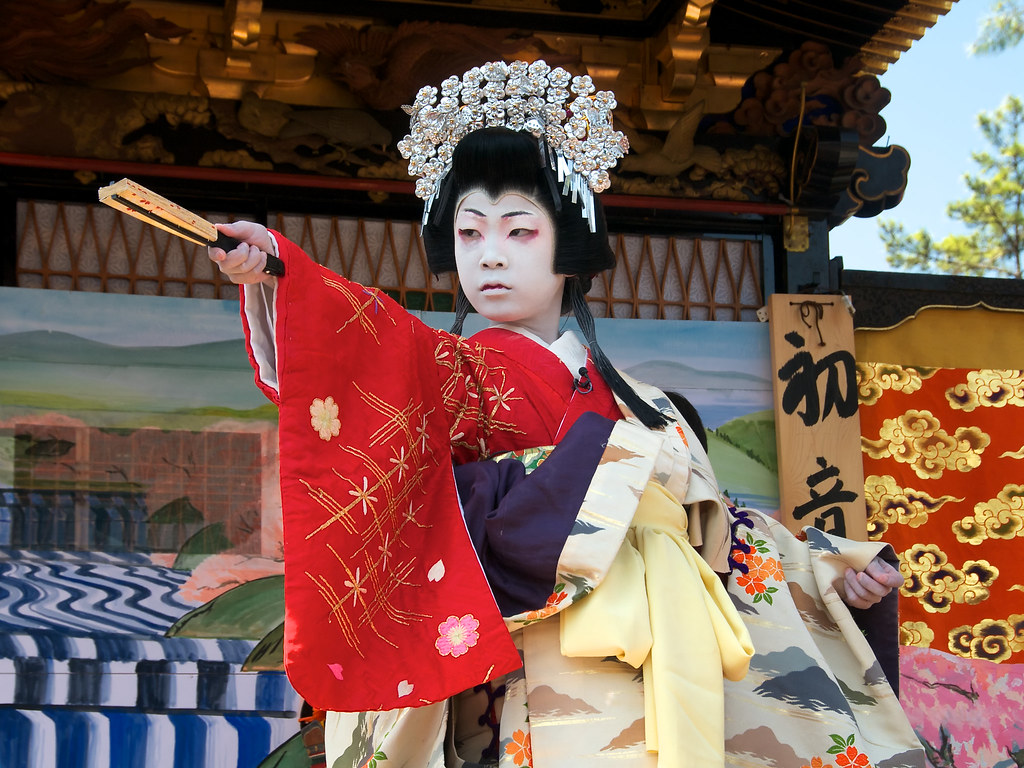
In East Asian theatre, conventions varied; Japan’s Kabuki features ‘onnagata,’ male actors specializing in female roles since women were banned. Conversely, Chinese Shaoxing opera often sees women performing all characters, including male parts, contrasting with Beijing opera’s traditional male-only cast.
The Ottoman Empire’s modern theatre, pioneered by Armenians in the 1850s, saw Arousyak Papazian debut as its first female actor in 1857. Due to strict societal stigma against women performing, particularly for Muslim women, early actors were Christian Armenians. Actresses received higher pay, reflecting the challenges, and it took until Afife Jale in the 1920s for the first Muslim Turkish female actor to emerge.
Similarly, in 1870s Egypt, theatre founder Yaqub Sanu struggled to find indigenous Muslim women actors. Forced to employ non-Muslim women, figures like the Jewish Dayan sisters became the first actresses in the Arab world. The first Muslim actress, Mounira El Mahdeya, appeared only in 1915, marking a slow but significant shift in cultural acceptance.
Read more about: Behind the Curtain: An In-Depth Look at the Actor’s Craft, History, and Industry Realities

14. **The Economics of Performance: Compensation, Child Actors, and the Gender Pay Gap**
The acting profession has always featured a vast spectrum of incomes, from early comfortable wages for some, like Shakespeare, to the significant financial challenges many face today, highlighting persistent economic disparities.
In 2024, the median U.S. hourly wage for actors was $23.33, yet most lack benefits; only 12.7% of SAG-AFTRA members qualify for health plans. British full-time actors earned a median £22,500, below minimum wage, underscoring widespread financial precarity despite the visible wealth of a few.
At the industry’s apex, a small cadre of film stars, such as Aamir Khan and Sandra Bullock, command tens of millions for single productions, creating a striking contrast with the economic realities for the vast majority of performers.
Child actors, though earning at least $1,204 daily in U.S. unions, have most income directed to parents. California’s Coogan Act, and similar laws in Illinois, New York, New Mexico, and Louisiana, mandate 15% be placed in a blocked trust for the child’s adult access.
A glaring gender pay gap persists: a 2015 Forbes report found women led only 21 of 100 top films. In 2013, top-paid actresses earned just 40 cents for every dollar men made. Across the industry, white women earn 78 cents, Hispanic 56 cents, Black 64 cents, and Native American women 59 cents to a white man’s dollar, underscoring deep-seated inequalities.
Read more about: The Enduring Craft of Acting: A Comprehensive Look at Its History, Techniques, and Societal Evolution
From the solitary step of Thespis to the global stage of cinematic blockbusters, the journey of the actor is a compelling saga of human expression, societal evolution, and economic transformation. This in-depth exploration has traversed millennia, revealing how the craft has continuously adapted to cultural shifts, technological advancements, and persistent dialogues around gender and compensation. What remains constant, however, is the profound impact of those who portray characters—whether through ancient masks, Restoration wit, or modern method acting—to reflect, challenge, and ultimately enrich our understanding of the human condition. The profession, ever-changing yet eternally vital, continues to shape our narratives and, in doing so, shapes a part of us all.