In a business landscape often dominated by high-tech innovation, a remarkably simple product has dramatically reshaped an entire industry, creating a new billionaire. Wang Ning, Pop Mart’s visionary founder and CEO, transformed niche designer toys into a global cultural and financial juggernaut. His journey from humble beginnings to commanding a multi-billion-dollar empire exemplifies keen market insight, a profound understanding of youth culture, and the unexpected allure of mystery in a box.
Wang Ning, unlike many self-made moguls, wasn’t a pre-existing celebrity leveraging fame. Nor did his ascent stem from traditional tech or finance sectors. Instead, he built his fortune by tapping into a universal human desire for surprise, collectibility, and authentic artistic expression. He elevated what many considered mere playthings into highly coveted symbols of status and personal identity. Pop Mart’s trajectory is a unique fusion of art, commerce, and psychology, captivating Gen Z consumers and global investors alike.
This initial exploration delves into the foundational chapters of Wang Ning’s Pop Mart empire. We will trace his pivotal early career decisions, the defining strategic pivot that forged his brand, and the ingenious development of the “blind box” concept. Furthermore, we’ll examine the crucial artistic collaborations that breathed life into iconic characters like Molly and Labubu, the electrifying impact of celebrity endorsements, and the significant financial milestones that laid the groundwork for Pop Mart’s eventual public listing and worldwide acclaim.
1. **Wang Ning’s Career Pivot: From Newsroom to Toy Empire**Born in 1987 in Henan, China, Wang Ning’s early professional life diverged significantly from the vibrant designer toy industry that would later define him. After graduating from Zhengzhou University in 2009 with an advertising degree, his initial experiences included a reported stint as a state TV reporter and work at Sina Corporation, China’s digital media giant. This background equipped him with communication and media skills.
Yet, Wang’s entrepreneurial spirit sought broader avenues. A transformative moment occurred during a visit to Hong Kong, where he discovered the retail chain LOG-ON. This store’s eclectic mix of trendy lifestyle products sparked an idea. Wang identified an overlooked opportunity in China’s emerging designer toy scene, perceiving a nascent desire for unique, artist-driven collectibles.
This critical insight, coupled with a bold career change, charted his new course. Despite lacking prior toy industry experience, Wang Ning astutely recognized a burgeoning market among young Chinese consumers for art-infused products. This observation became the strategic bedrock of his future enterprise, shifting his focus entirely from advertising to the immensely fertile territory of art toys.

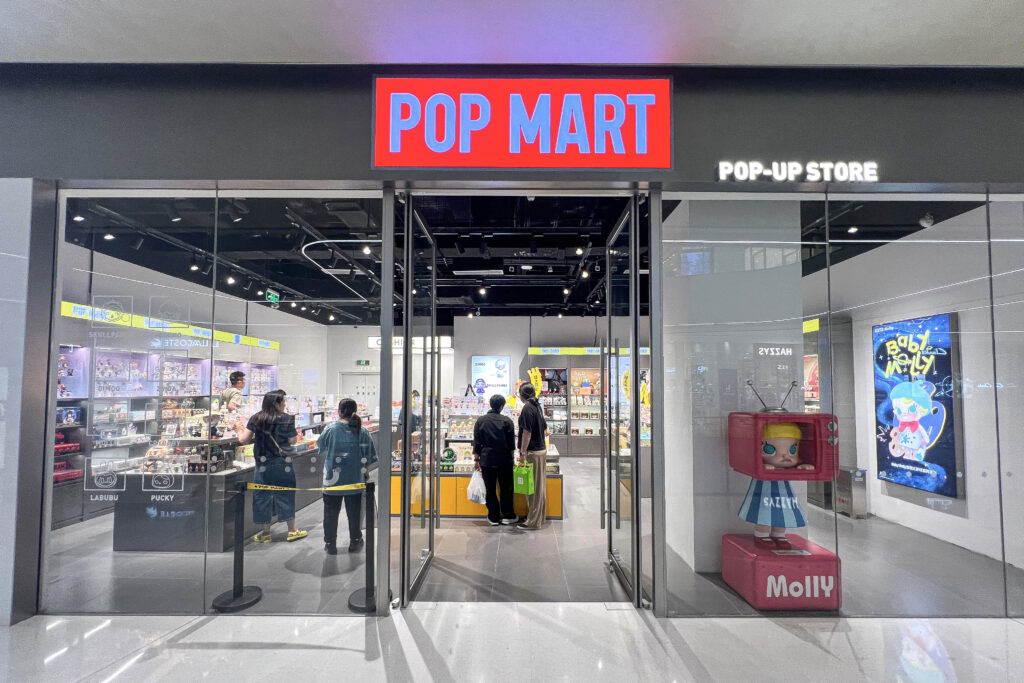
2. **The Genesis of Pop Mart: A Small Store with Big Dreams**With a clear vision crystallizing, Wang Ning, at just 23, founded Pop Mart in 2010. He collaborated with college friends, securing capital to launch the first store in Beijing’s Zhongguancun neighborhood. This area, known as China’s Silicon Valley, provided a fittingly dynamic backdrop for a brand poised to disrupt traditional retail.
Initially, Pop Mart mirrored the LOG-ON concept, offering a diverse range of items including stationery, various toys, and lifestyle products from multiple brands. As with many startups, the early years were challenging. Operational hurdles like staffing, inventory control, and consistent customer service made profitability difficult.
However, a crucial pattern emerged: one category consistently sold best. Toys, particularly collectible figurines, demonstrated a clear market preference. This key realization was a strong data signal, highlighting a significant opportunity Wang Ning was sharp enough to capitalize on, setting the stage for a dramatic strategic reorientation.
3. **The Blind Box Revolution: Igniting the Element of Surprise**The undeniable sales performance of toys prompted Wang Ning to make a daring strategic pivot in 2014, entirely refocusing Pop Mart’s business model. Inspired by Japan’s popular Gashapon vending machines, which dispensed random toys in capsules, he envisioned an upscale, more engaging version of this surprise element. This vision culminated in the revolutionary “blind box” concept, fundamentally altering toy collecting.
The blind box strategy involved selling collectible figurines in sealed, opaque containers, preventing customers from knowing the exact toy inside until opened. These mystery boxes were affordably priced, typically $8 to $10, making them accessible yet perceived as valuable. This inherent uncertainty transformed a simple purchase into an exciting, almost ritualistic experience, deeply appealing to the psychological thrill of anticipation and discovery.
This clever approach skillfully harnessed “gambler’s mentality” and “herd mentality.” Consumers were motivated to buy multiple boxes, driven by the excitement of discovering a rare variant or the desire to complete a full set. This psychological engagement proved incredibly addictive, fostering a passionate collector community where each unboxing became a shareable, highly social event.
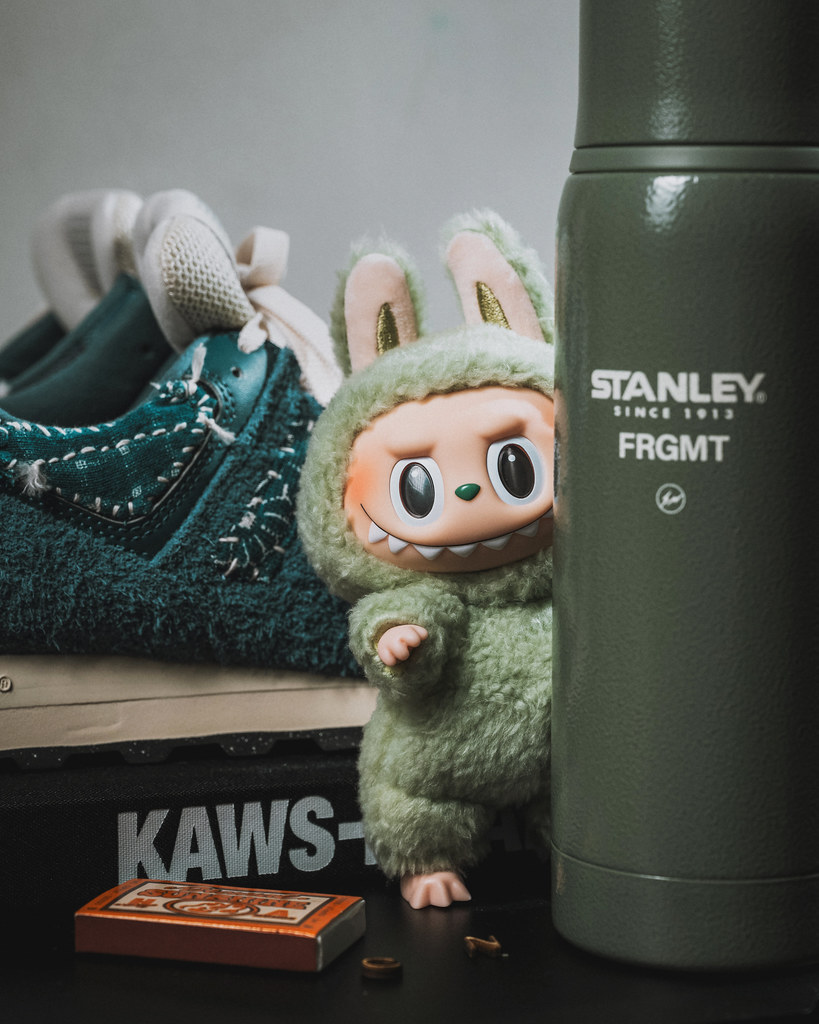
4. **Forging Artistic Partnerships: The Birth of Iconic Characters**Central to Pop Mart’s rapid ascent was Wang Ning’s strategic decision to collaborate directly with independent artists. This approach ensured a steady flow of unique, fashion-forward designs, distinguishing Pop Mart from conventional mass-produced toys. It elevated these collectibles to “art toys,” appealing specifically to an audience that prized creativity and distinctive aesthetics.
A pivotal moment for this strategy came in 2016 when Wang partnered with Hong Kong-based artist Kenny Wong. Their collaboration launched the iconic “Molly” doll line—wide-eyed, pouty-lipped figures that instantly captivated consumers. This partnership proved a massive hit, vividly demonstrating the immense potential of artist-driven intellectual property. Wang famously told Kenny, “You need a bigger stage,” reflecting his foresight.
Molly’s success dramatically accelerated Pop Mart’s financial trajectory. Sales surged from $22 million in 2017 to an impressive $73 million in 2018. Following this triumph, Pop Mart expanded its artist collaborations, introducing other beloved characters like Labubu, a mischievous gremlin-like figure; Skullpanda, an edgy humanoid; and Dimoo, whimsical aliens with cotton candy-shaped hair. These artist-designed figurines cemented Pop Mart’s status as a cultural phenomenon among Millennials and Gen Z.
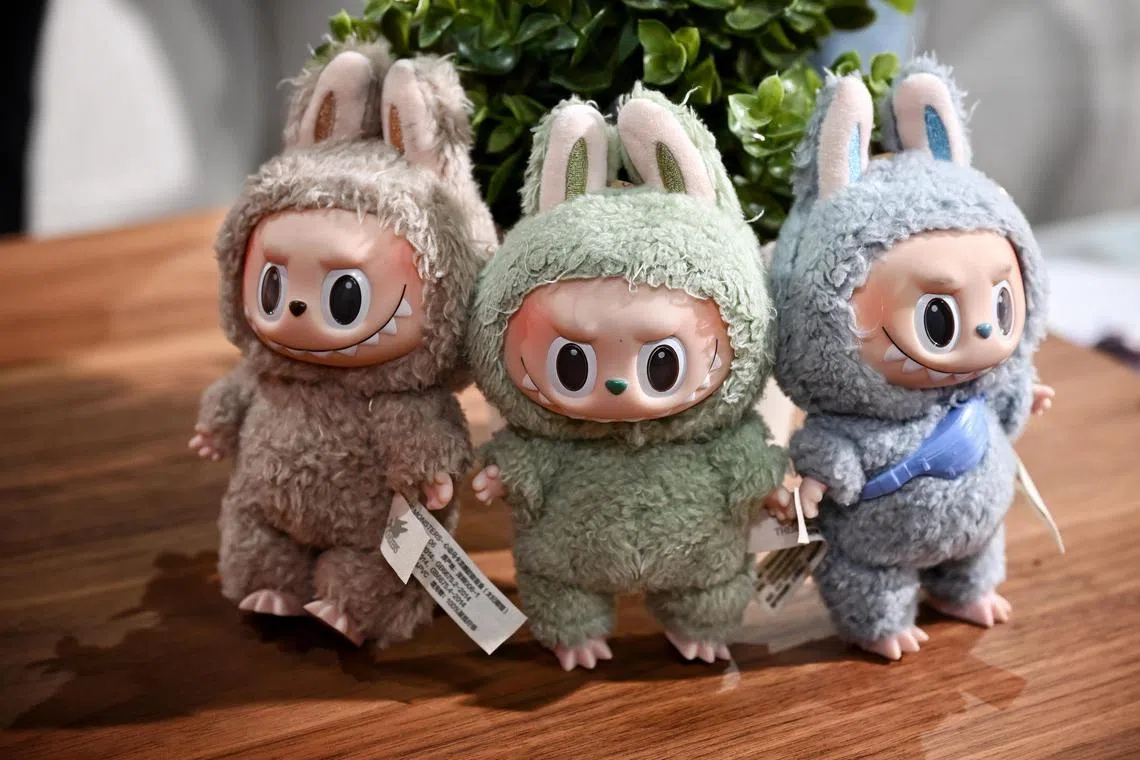
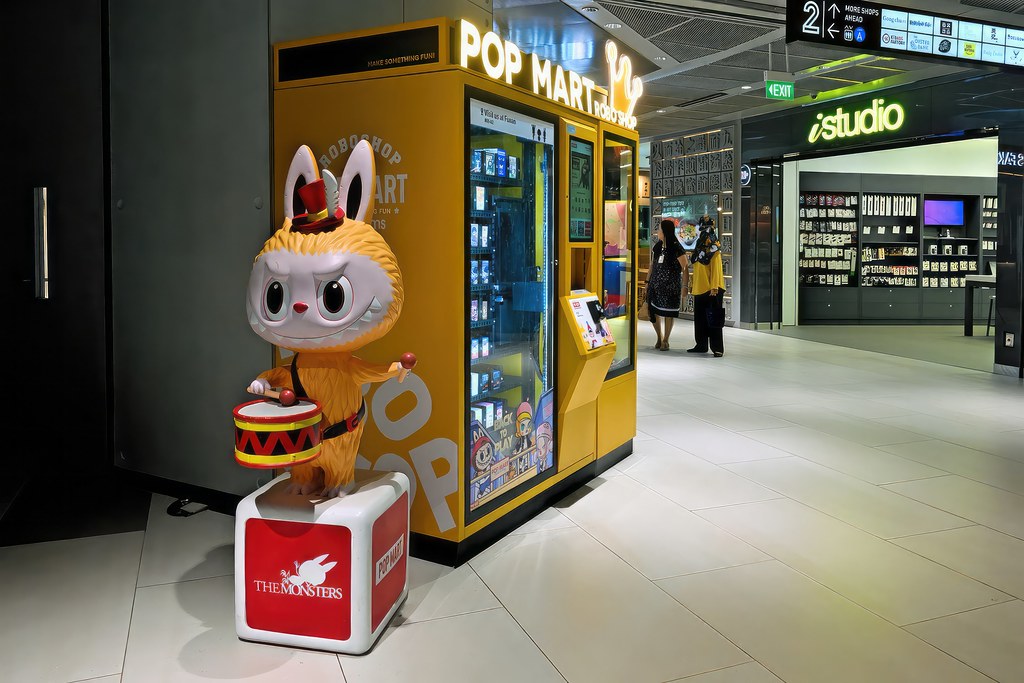
5. **Labubu’s Ascendancy: From Picture Book Character to Cultural Icon**While Molly established Pop Mart’s foundation, it was Labubu that truly propelled the brand to global prominence, transforming a niche toy into an international sensation. Labubu, a shaggy, funny figurine with bunny ears and a mischievous grin, originated from Netherlands-based artist Kasing Lung’s 2015 picture book series, “The Monsters.”
The breakthrough occurred when Pop Mart partnered with Kasing Lung in 2019. This collaboration was crucial, transitioning Labubu from a beloved book character into a tangible, highly sought-after collectible. Pop Mart skillfully integrated Labubu into its blind-box model, effectively democratizing access to designer art and infusing an element of playful suspense into every purchase.
Labubu’s distinctive and unconventional “part bunny, part gremlin” appearance proved irresistibly captivating, challenging traditional notions of cuteness. Pop Mart strategically released over 300 variations, each with unique colors, outfits, and themes. This extensive variety, combined with the blind-box thrill, motivated collectors globally to seek individual figures, complete sets, and elusive rare variants, firmly establishing Labubu as a genuine cultural icon.
6. **The Amplifying Power of Celebrity Endorsement**The Labubu phenomenon reached unprecedented heights when it captured the attention of global celebrities, transforming the quirky toy into a bona fide fashion accessory and a coveted status symbol. This organic, yet incredibly potent, form of endorsement significantly amplified the brand’s popularity, particularly across social media platforms.
A-listers from diverse fields were spotted prominently featuring their Labubu figures, often dangling them from luxury designer handbags, instantly generating immense buzz. K-pop superstar BLACKPINK’s Lisa, a renowned trendsetter, showcased her extensive collection of over 50 Labubu dolls online. Pop icons Rihanna and Dua Lipa were photographed with their Labubus, as were socialite Jamie Chua and Bollywood actress Ananya Panday. Even NBA star Kyle Kuzma brought Labubu to Lakers games, underscoring its broad cross-cultural appeal.
These celebrity sightings were rapidly propagated across social media, with images and videos spreading virally. The #Labubu hashtag on TikTok, for example, garnered over 1.4 million posts featuring unboxing videos, collection displays, and styling inspiration. This intense social media engagement elevated Labubu beyond a mere toy, solidifying its status as a desired emblem of cool and collectible luxury, thereby fueling even greater international demand.
Read more about: The Unfiltered Truth: Dame Dash Unleashes Bombshell Revelations on Jay-Z, R. Kelly, and Aaliyah’s Shadowy Past
7. **Early Financial Trajectory: Building Momentum Towards an IPO**Pop Mart’s strategic pivot to blind-box designer toys, combined with successful artistic collaborations and burgeoning character popularity, swiftly translated into substantial financial growth. The initial triumph of characters like Molly fueled a rapid escalation in revenue, clearly demonstrating the vast market potential Wang Ning had astutely identified. Sales, which reached $22 million in 2017, dramatically surged to $73 million in 2018, illustrating a robust upward trajectory.
This accelerating financial performance quickly garnered attention from the investment community. Venture capital firms recognized the unique yet highly profitable market Pop Mart had cultivated. The company’s consistent ability to generate significant revenue and, crucially, healthy net income, proved the blind box model was a sustainable, high-growth business, not just a fleeting trend.
By 2019, Pop Mart’s revenue had effectively doubled from the previous year, reaching an impressive $240 million, alongside a net income of $63 million. These strong financial indicators were critical. They not only validated Wang Ning’s visionary leadership and innovative business model but also laid a solid foundation for its eventual public listing, attracting substantial capital and cementing its position as a rapidly emerging powerhouse in the global collectibles sector.
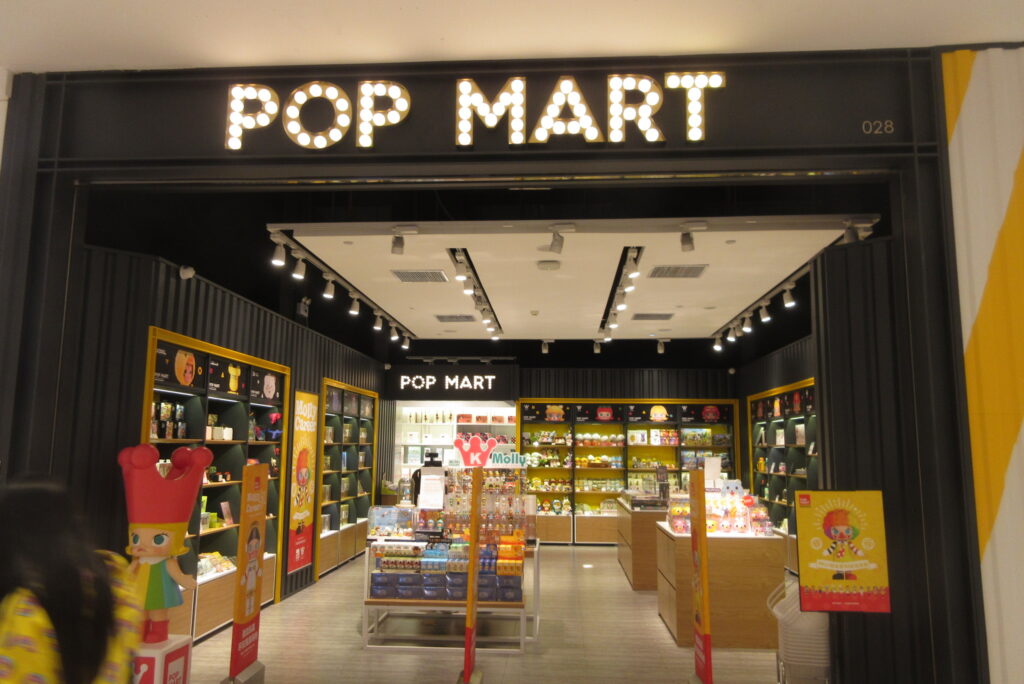
8. **Post-IPO Momentum and Pandemic Resilience**Pop Mart achieved a significant milestone in December 2020 with its successful IPO on the Hong Kong Stock Exchange. The offering raised $674 million, propelling the company’s valuation to $6.9 billion. This event validated the blind box model’s market appeal and profitability, attracting widespread investor confidence.
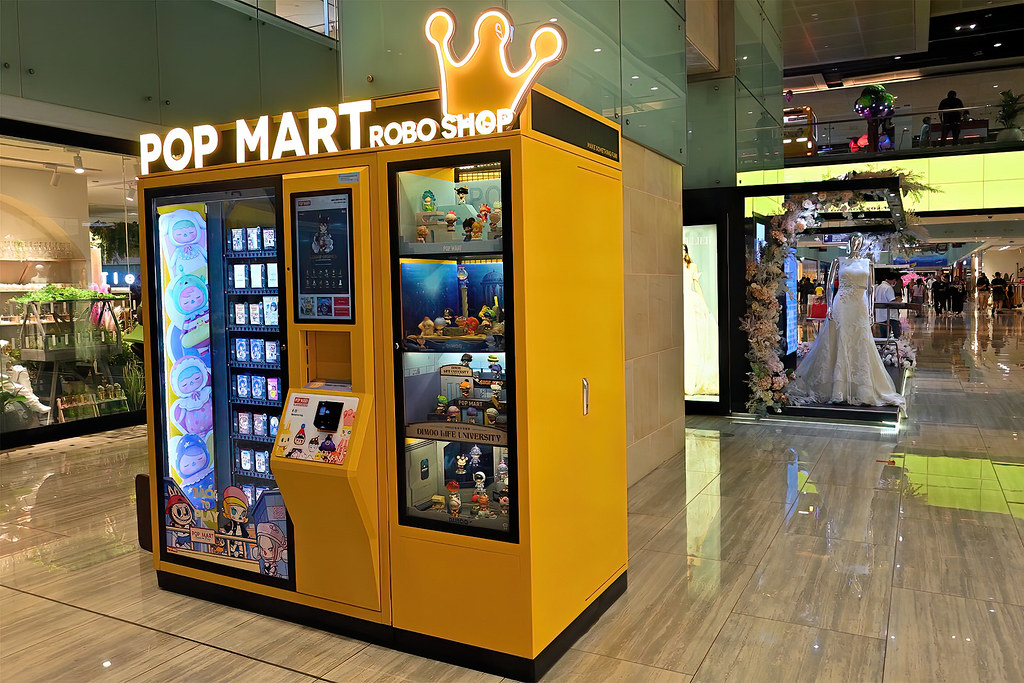
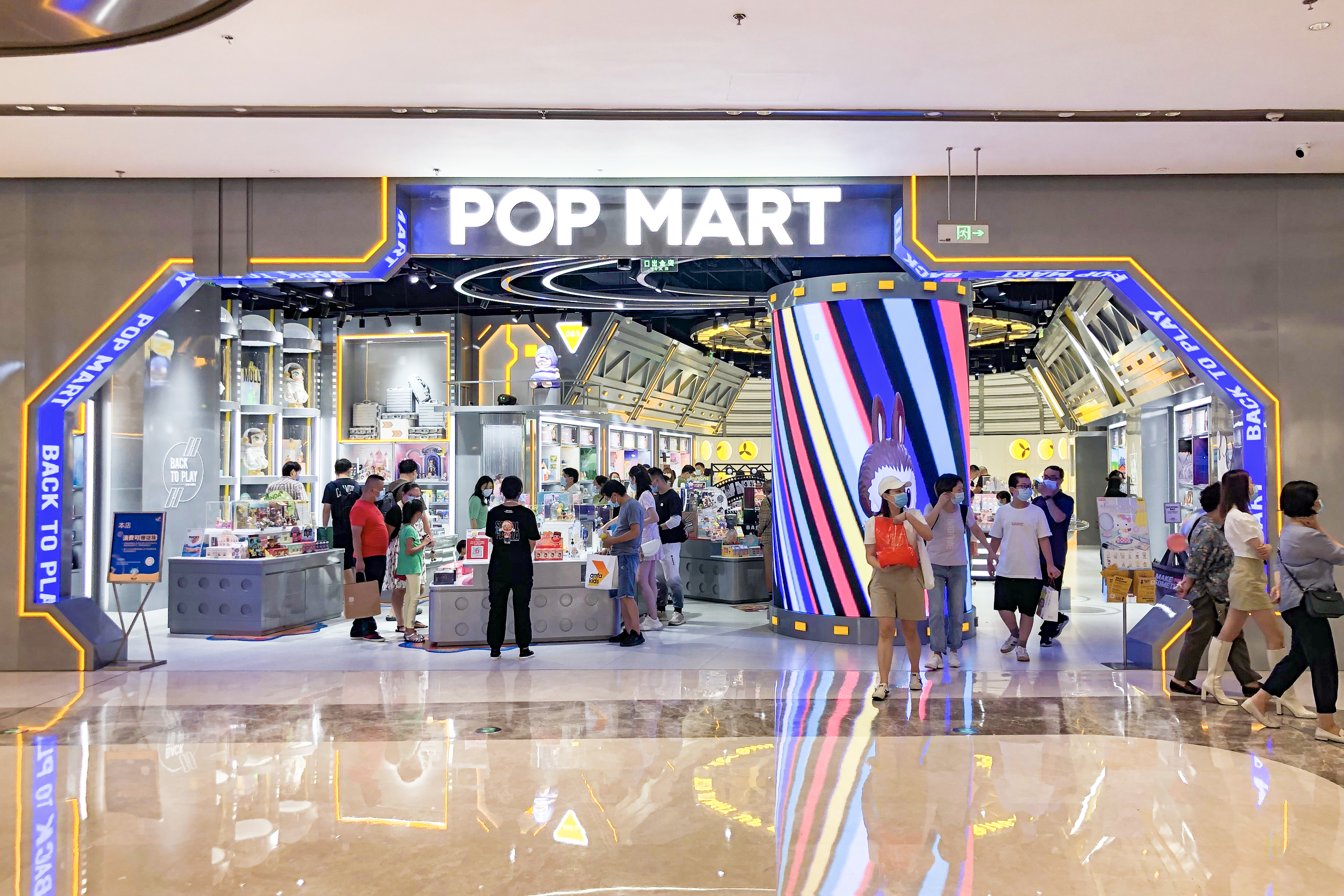
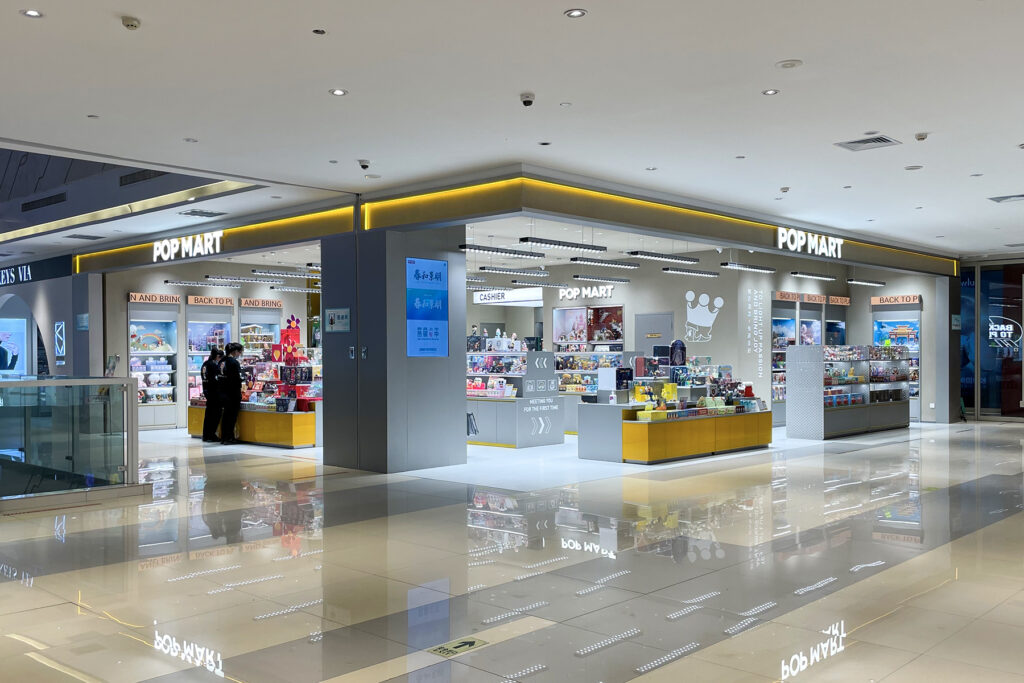
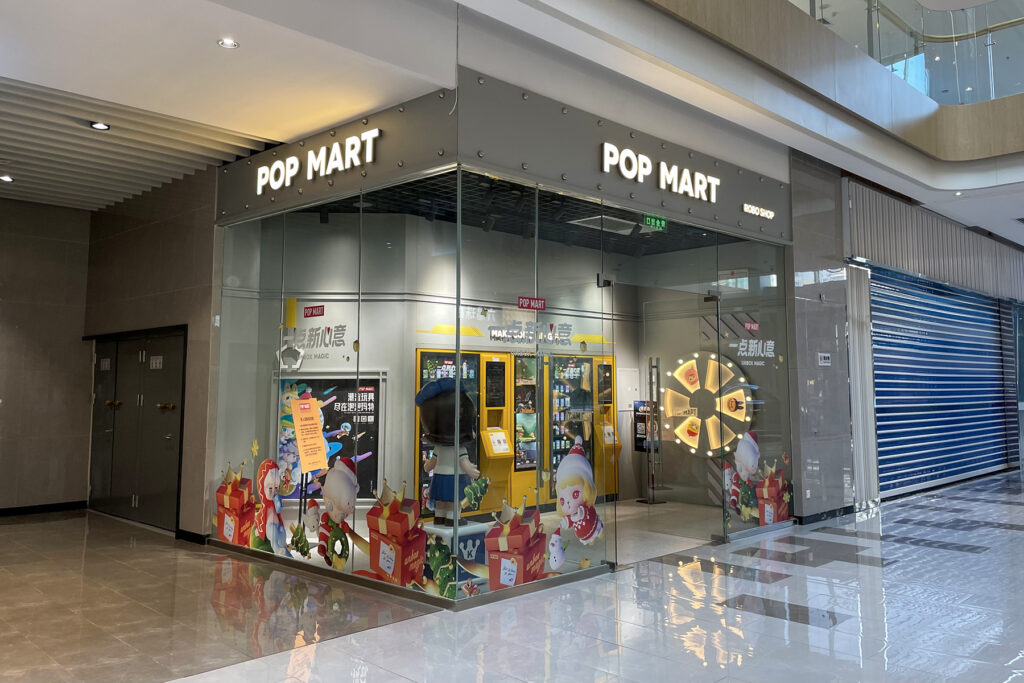
IPO funds fueled aggressive expansion. Pop Mart, already operating over 1,000 “roboshops” and 136 physical stores, outlined ambitious growth strategies. The prospectus detailed plans for new stores and an additional 1,000 roboshops within China by 2022, alongside international market penetration.
The post-IPO period also brought global pandemic challenges. Faced with temporary store closures, Wang Ning expertly pivoted to e-commerce. Online sales rapidly surged, bolstering resilience and solidifying market dominance through digital channels.
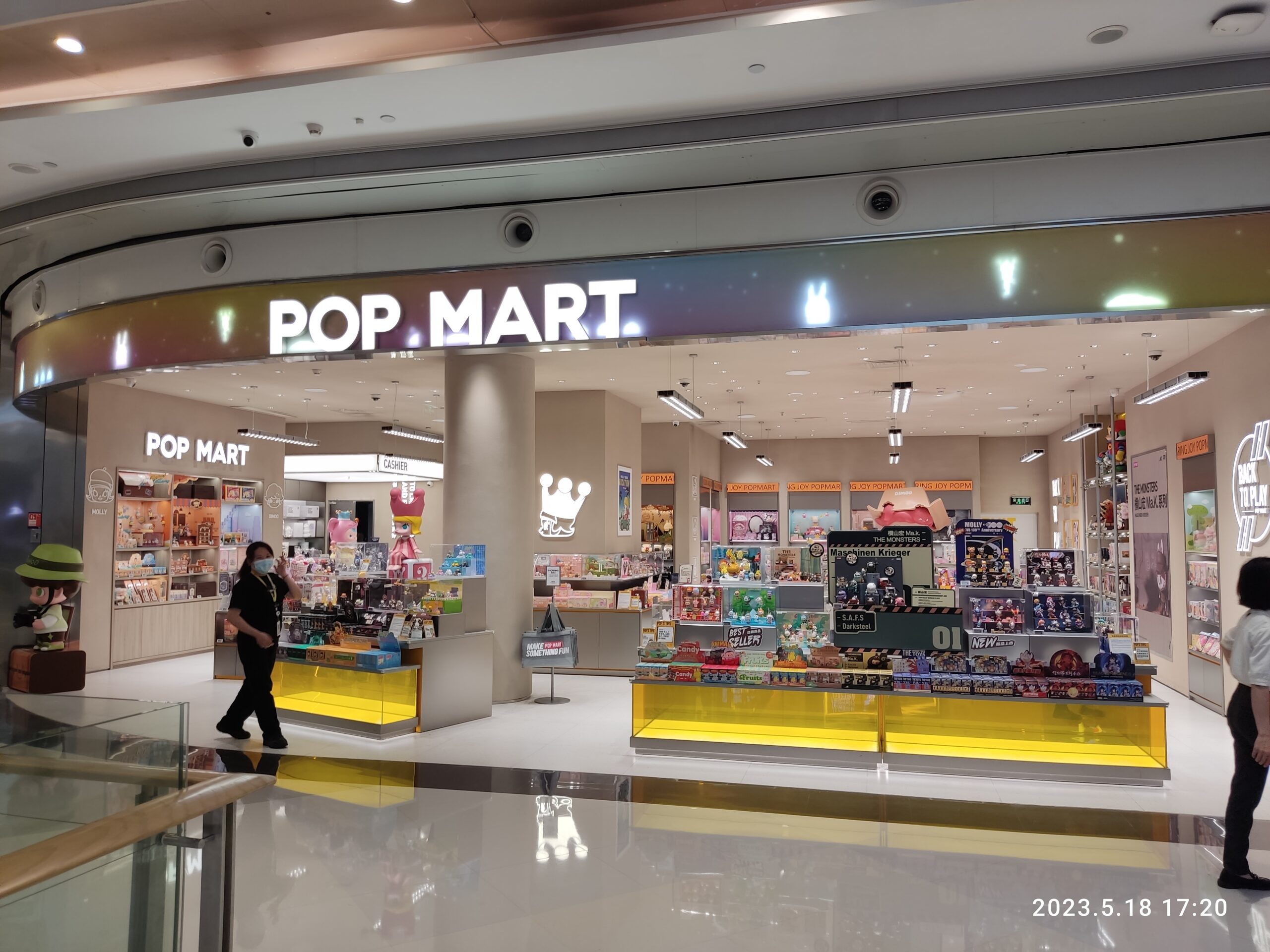
9. **The Unprecedented Labubu Global Craze**While Molly built Pop Mart’s foundation, Labubu, the mischievous character by Kasing Lung, propelled the brand to global superstardom in 2025. This niche character from Lung’s 2015 picture book became an international sensation after Pop Mart’s 2019 partnership, integrating into the successful blind box model, captivating audiences worldwide.
The Labubu craze gained immense traction through celebrity endorsements, transforming the quirky figurine into a coveted fashion accessory. Global icons like BLACKPINK’s Lisa, Rihanna, and Dua Lipa were seen with their Labubu dolls. These sightings sparked a viral sensation, especially on social media, with #Labubu amassing over 1.4 million TikTok posts.
International demand reached a fever pitch. Pop Mart’s app soared to become the most downloaded shopping application in the United States. American fans queued for hours for limited-edition Labubu plush toys. In the UK, overwhelming demand even led to physical altercations, compelling Pop Mart to halt in-store sales, redirecting consumers online. This demonstrated Labubu’s powerful cultural impact.
Read more about: California Police Recover $30,000 in Stolen Labubu Collectibles, Unraveling Intricate Resale Network Amid Soaring Popularity
10. **Wang Ning’s Soaring Net Worth and Pop Mart’s Market Capitalization**The explosive success of Labubu and Pop Mart’s sustained growth directly resulted in a monumental surge in Wang Ning’s personal fortune. On April 28, 2025, Pop Mart’s Hong Kong-listed shares surged by 13.2% in a single session, causing Wang Ning’s net worth to skyrocket by $1.6 billion in one day. This dramatic increase elevated his total net worth to an estimated $18.7 billion, according to Forbes.
This remarkable wealth accumulation highlights Wang Ning’s acute strategic acumen and profound understanding of consumer trends. As founder, chairman, and CEO, he maintains a substantial ownership stake, holding between 40% and 47% of Pop Mart as per a 2024 filing. His ability to transform a simple $10 toy into a global obsession underscores his unique business model.
Beyond personal wealth, Pop Mart itself has achieved an impressive market capitalization. From its $6.9 billion valuation at the 2020 IPO, the company’s market cap at one point reached $15 billion and was recently reported at $46.1 billion. This trajectory validates Wang Ning’s visionary leadership, cementing Pop Mart as a dominant force in the global collectibles sector.
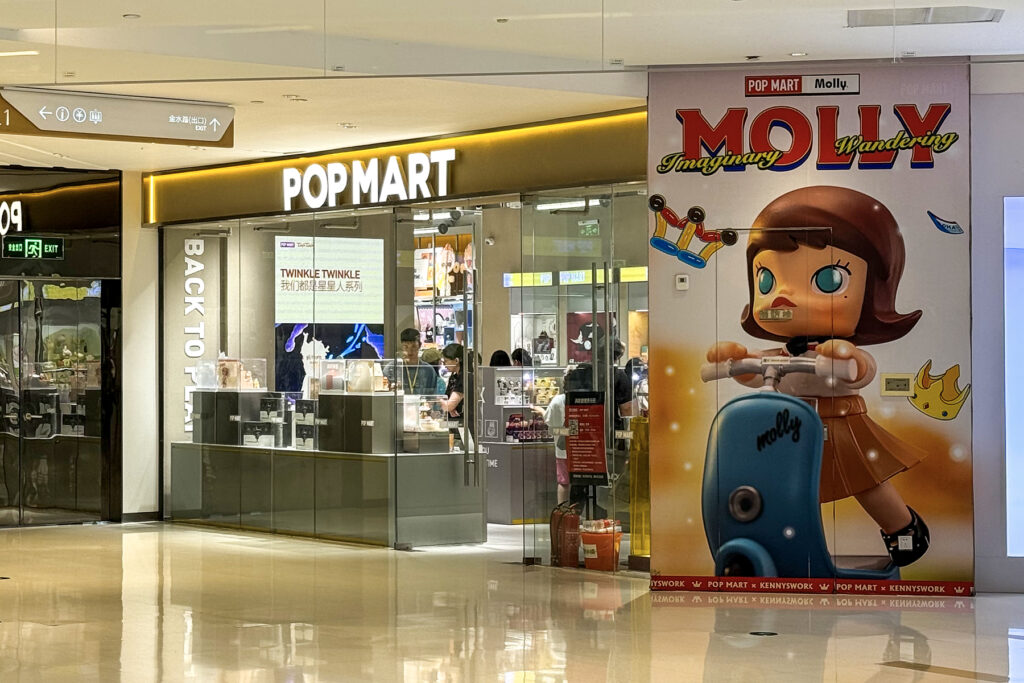
11. **Strategic Global Footprint and Expansion Targets**Pop Mart’s international triumph is a direct outcome of its deliberate global expansion strategy. By 2025, the company had established a significant worldwide presence, operating over 450 physical stores and approximately 2,300 roboshops across 21 countries. This extensive network underscores Pop Mart’s commitment to making its blind box experience accessible globally.
The company’s expansion focuses on key regions. Wang Ning stated ambitions to broaden Pop Mart’s reach in Western markets, with regional offices spanning Europe, Asia-Pacific, the Americas, and Greater China. This localized approach better caters to consumer preferences, fostering stronger global connections.
Looking ahead, Pop Mart’s leadership has set audacious growth targets. Wang Ning projects total annual revenue to exceed 20 billion yuan ($2.75 billion) for 2025, with a substantial portion driven by overseas sales. International sales are anticipated to achieve triple-digit growth, projected to surpass 10 billion yuan, positioning Pop Mart as an aspiring global leader.
Read more about: Why American Pickup Trucks Became Colossal: Unpacking the Complex Web of Regulations, Culture, and Market Forces
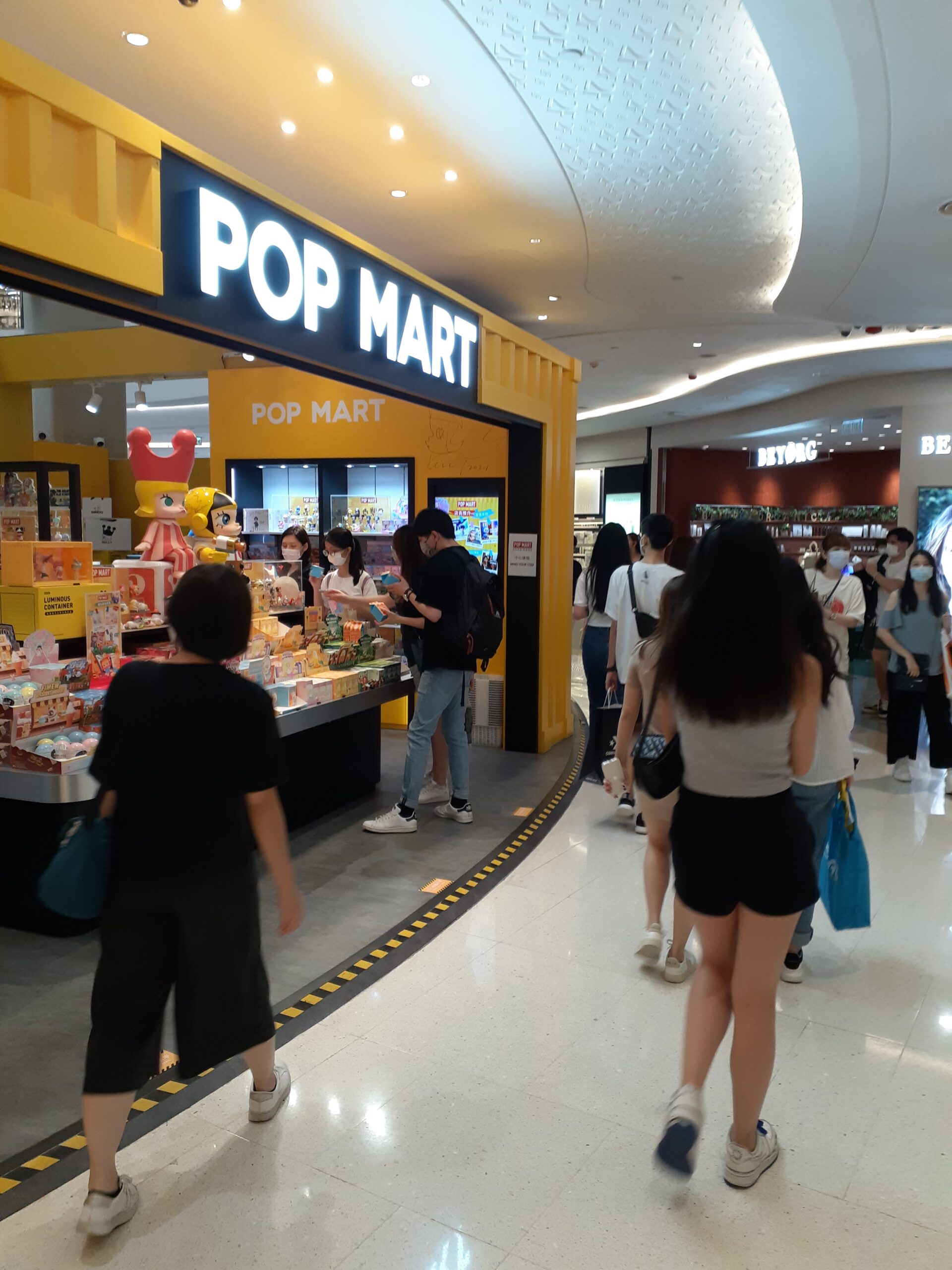
12. **The Psychology Behind the Blind Box and Cultural Resonance**Pop Mart’s enduring appeal is rooted in its sophisticated understanding of human psychology, integrated into the “blind box” concept. This innovative model taps into primal desires for surprise, novelty, and discovery. The inherent uncertainty creates an exciting, ritualistic unboxing experience, proving incredibly addictive.
Researchers note this model skillfully harnesses both “gambler’s mentality” and “herd mentality.” Consumers are driven to purchase multiple boxes, fueled by the excitement of uncovering a rare variant or completing a set. Limited supply, coupled with social media buzz, intensifies this desire, creating a vibrant secondary market.
Moreover, Pop Mart has successfully elevated toy collecting into “wearable art” and “trendy connoisseurship” for Gen Z and millennial consumers. They acquire more than toys; they obtain symbols of status, personal identity, and nostalgic childhood fun. This blend of artistic expression, psychological engagement, and social validation transforms Pop Mart’s offerings.
Read more about: Why James Cameron Still Grapples with One Major Regret from His Magnum Opus, ‘Titanic’
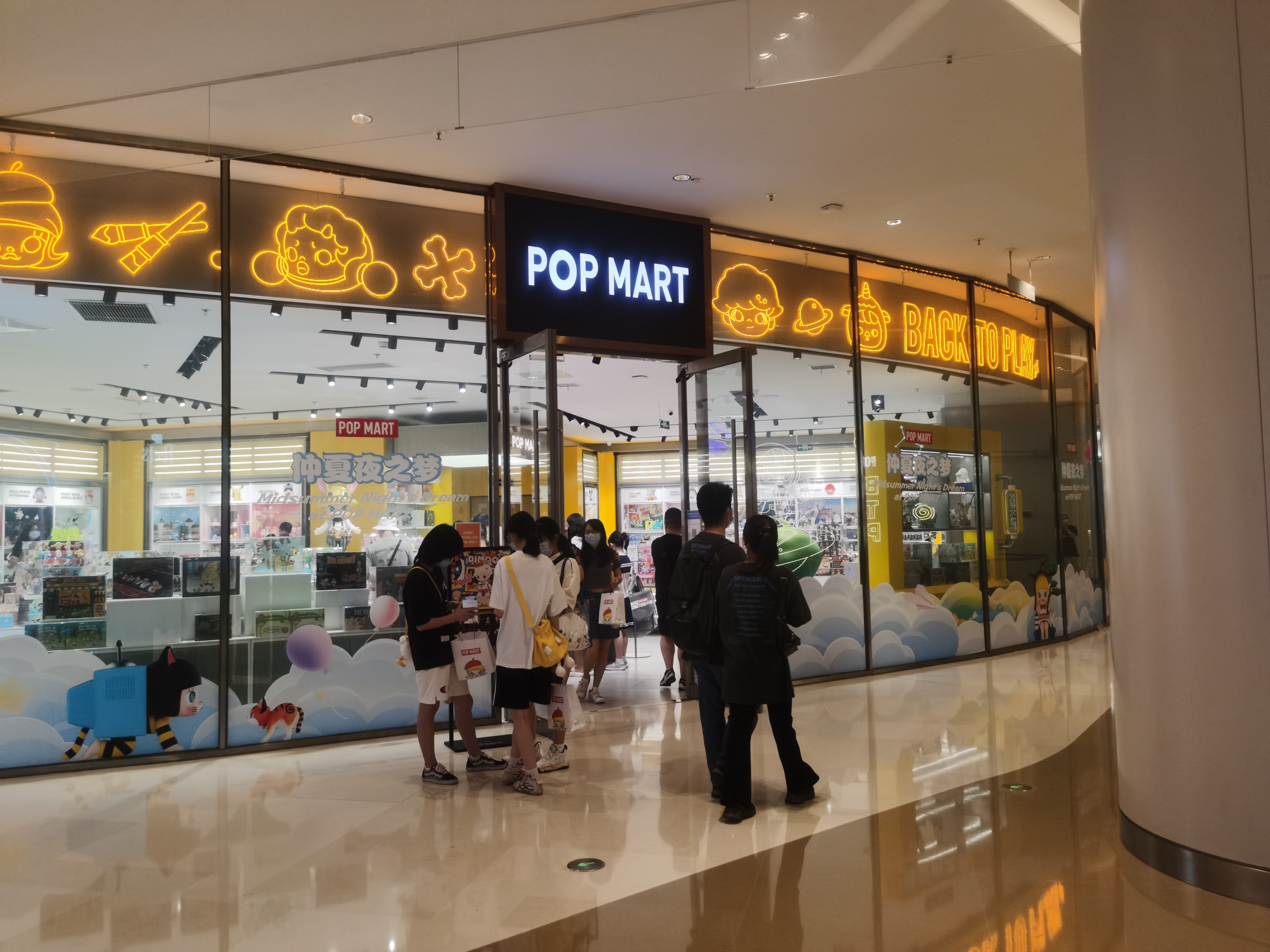
13. **Competitive Landscape and LEGO’s Failed Attempt to Replicate**Pop Mart’s remarkable success garnered attention, prompting established players to attempt replicating its groundbreaking model. In 2022, LEGO launched its own Minifigure Mystery Boxes, an effort to leverage the blind box trend. However, this experiment largely faltered, particularly in crucial Asian markets, highlighting Pop Mart’s unique differentiators.
LEGO’s struggle stemmed from a fundamental misunderstanding of Pop Mart’s core strategy. Their figures lacked the crucial element of scarcity, failing to introduce the “chase variants” essential for intense collector appeal. Furthermore, LEGO relied on in-house designs, missing the “artist credibility” Pop Mart cultivates through direct collaborations with independent artists.
As one observer remarked, “You can’t fake cultural relevance.” Chinese consumers perceived LEGO’s attempt as a Western knock-off, revealing a significant cultural disconnect. By 2023, LEGO quietly scaled back its blind box project in Asia, while Wang Ning reinforced Pop Mart’s artist-first exclusivity.
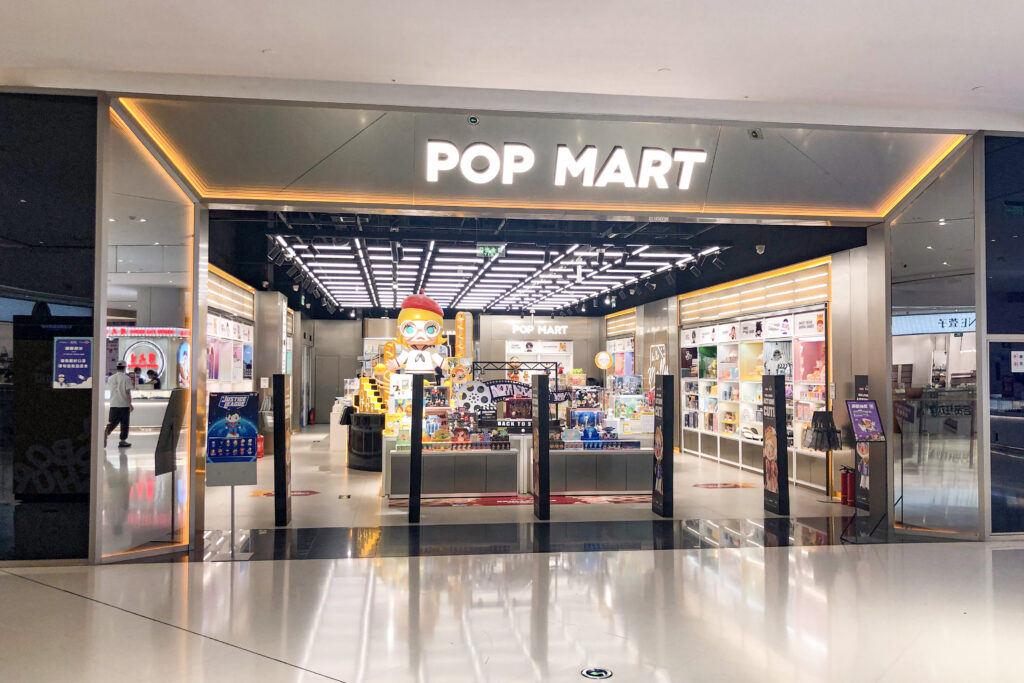
14. **Wang Ning’s Vision for a Global Entertainment Empire**Wang Ning’s ambition extends beyond selling collectible toys; his ultimate goal is to establish Pop Mart as the “Disney of collectible art toys.” This visionary outlook signals a strategic intent to evolve Pop Mart into a comprehensive global entertainment empire, leveraging its extensive intellectual property (IP) ecosystem across diverse platforms.
The company is actively exploring new frontiers to expand its influence and engage consumers. These innovative ventures include NFTs and digital avatars, venturing into virtual collectibles. Pop Mart is also developing animated content based on its beloved toy IPs, aiming to bring characters to life on screen, alongside mobile games and other virtual entertainment.
Wang Ning, often called the “Master of Mystery,” is known for reinvesting profits back into Pop Mart’s IP ecosystem instead of personal luxuries. This commitment to sustained growth and innovation, combined with his quiet philanthropic efforts—including art education scholarships and autism advocacy—reinforces Pop Mart’s image as a values-driven brand. His unwavering focus on creative depth positions Pop Mart uniquely to achieve its ambitious “Disney-like” vision.
**Conclusion: The Enduring Legacy of a Toy Revolution**
Wang Ning’s journey, from a university graduate to the CEO of a multi-billion-dollar toy empire, stands as a powerful testament to vision and innovation. Pop Mart ignited a global cultural movement, demonstrating how a simple blind box can become a vehicle for artistic expression, social connection, and significant wealth creation. The viral success of Labubu cemented Pop Mart’s status as a disruptor, showcasing how Chinese pop culture exports can captivate international audiences and reshape industries. As Wang Ning continues to steer Pop Mart towards becoming the “Disney of collectible art toys,” his legacy is etched: a master architect of hype, community, and the irresistible allure of surprise.