The world of acting, a tapestry woven with threads of history, societal norms, and evolving artistry, stands as one of humanity’s most enduring and transformative professions. From its ancient origins in the dramatic festivals of Greece to the complex, multi-faceted industry we recognize today, the journey of the actor mirrors the larger narrative of cultural development and social change. What it means to “portray a character in a production” has shifted dramatically across millennia, challenging conventions and continuously redefining the boundaries of performance.
This in-depth exploration delves into the intricate evolution of the acting profession, examining the foundational definitions, the groundbreaking shifts in gender representation, and the socio-economic undercurrents that have shaped its trajectory. We will trace the fascinating path from the earliest “Thespians” to the celebrated stars of contemporary stages and screens, uncovering the rich terminology, historical prejudices, and the persistent pursuit of authentic characterization that define this unique craft. It’s a journey not just through theatre history, but through the changing perceptions of artistry and identity itself.
1. The Evolving Definition of an Actor: From “One Who Does Something” to Character Portrayal
The very definition of an “actor” has undergone a profound transformation throughout history, reflecting both linguistic evolution and the increasing specialization of performance art. While the word “actor” has been present in the English language for centuries, initially signifying “one who does something,” its specific application to those who perform in theatre is a relatively recent development, emerging only in the 16th century. This linguistic shift highlights a pivotal moment when the act of embodying a character became a distinct and recognized profession.
Prior to this specificity, the concept of a performer was more fluid. The analogous Greek term, *hupokritḗs*, literally translates to “one who answers,” pointing to a dialogue-driven aspect of early Greek drama where a single actor would engage with a chorus. This early understanding laid the groundwork for the more complex portrayals that would follow, emphasizing the interpretive nature of the role—whether based on a real person or a fictional character. The interpretation, even when an actor is “playing themselves,” remains a core tenet of the art, demonstrating the layers of intention and understanding involved.
The formalization of the actor’s role also gave rise to the term “actor’s role,” a nomenclature rooted in the practical use of scrolls in early theaters. These scrolls contained the lines and cues, making the “role” a tangible artifact of the performance. This early professionalization set the stage for the rigorous training and conceptual frameworks that would later define acting techniques, moving beyond mere recitation to a deeper, more empathetic engagement with the character’s psyche and narrative. The journey from a generic “doer” to a specialized “portrayer” underscores a significant cultural and artistic advancement.

2. Ancient Origins: The Thespian Legacy and Early Stage Restrictions
The genesis of acting as a distinct performing art is inextricably linked to the ancient world, particularly to Greece, where a singular event in 534 BC marked a profound departure in storytelling. It was in the Theatre Dionysus that Thespis, a Greek performer, took to the stage, becoming the first known individual to speak words as a character in a play or story. Before Thespis’ act, Grecian stories were only expressed in song, dance, and in third person narrative, signifying a pivotal moment in the evolution of dramatic presentation.
In honor of Thespis’s groundbreaking contribution, performers today are still widely referred to as “Thespians,” a testament to his enduring legacy as the progenitor of the acting profession. This early Greek theatre, dominated exclusively by male actors, performed in three primary types of drama: tragedy, comedy, and the satyr play. The theatrical traditions established during this period, despite their gender restrictions, provided the foundational structures and narrative frameworks that would profoundly influence the development of drama for centuries to come.
The Romans, subsequently, expanded considerably upon these Greek foundations, cultivating a vibrant and diverse theatrical scene. Roman theatre embraced a broad spectrum of performances, ranging from grand festival presentations that included street theatre, dancing, and acrobatics, to more structured stagings of situation comedies and sophisticated, verbally intricate tragedies. While Ancient Rome famously permitted female stage performers, a crucial distinction existed: “only a small minority of them were given speaking parts,” indicating an early, albeit limited, presence of actresses within the broader performance landscape.

3. The Rise and Fall of “Actress”: A Term’s Contentious Journey
The term “actress” carries a complex and often contentious history, reflecting societal attitudes towards women in performance and the broader evolution of gender roles in professional life. According to the OED, the term first appeared in 1608, attributed to Middleton, yet its acceptance and connotations have fluctuated dramatically over the centuries. In the 19th century, women in acting faced significant societal prejudices, as “actresses were often courtesans and associated with promiscuity.” This negative social stigma underscored the challenging environment many female performers navigated.
Despite these deeply entrenched biases, the 19th century paradoxically witnessed the emergence of the first true female acting “stars,” with Sarah Bernhardt standing out as a notable figure who defied and transcended these societal limitations. Her rise to prominence showcased the undeniable talent and captivating power of female performers, beginning to chip away at the entrenched prejudices. The post-1660 period in England, when “women first started to appear on stage,” saw “actor or actress were initially used interchangeably for female performers, but later, influenced by the French actrice, actress became the commonly used term for women in theater and film.” The etymology is a simple derivation from actor with -ess added.
In modern times, there has been a significant re-evaluation of the term. Beginning in the post-war period of the 1950s and ’60s, as “the contributions of women to cultural life in general were being reviewed,” a movement towards re-adopting the gender-neutral term “actor” within the profession gained traction. This shift culminated in influential style guides, such as The Observer and The Guardian’s 2010 joint guide, which explicitly stated “Use [‘actor’] for both male and female actors; do not use actress except when in name of award, e.g. Oscar for best actress.” This stance reflects a broader societal push against “obsolete terms that date from a time when professions were largely the preserve of one (usually men),” as eloquently put by Whoopi Goldberg: “An actress can only play a woman. I’m an actor – I can play anything.” Nevertheless, “‘Actress’ remains the common term used in major acting awards given to female recipients.”

4. The Enduring Legacy of “Players”: From Silent Film to Improvisational Ensembles
While “actor” and “actress” have dominated discussions around performance terminology, the gender-neutral term “player” holds its own significant, albeit evolving, place in the lexicon of theatre and film. With regard to the cinema of the United States, the gender-neutral term “player” was common in the silent film era and the early days of the Motion Picture Production Code. It conveyed a sense of the craft and engagement without immediate gender specificity, aligning with a more nascent industry still defining its professional language.
However, as the 2000s progressed, “in a film context, it is generally deemed archaic.” This shift reflects a move towards more formalized and specialized terminology within the film industry, perhaps mirroring its institutional growth and global reach. Despite its diminished presence in mainstream cinema discourse, “player” has remarkably retained its relevance and vitality in other theatrical contexts, particularly in live performance settings.
In the world of theatre, “player” continues to be a vibrant and frequently used term, often incorporated into the very names of theatre groups or companies, “such as the American Players, the East West Players, etc.” These esteemed ensembles exemplify this enduring tradition, signaling a direct connection to the historical roots of performance. Furthermore, “actors in improvisational theatre may be referred to as ‘players’,” underscoring the term’s association with adaptability, interaction, and the immediate creation of dramatic moments on stage.
5. Medieval Theatrical Shifts: Amateurism, Religious Plays, and Emerging Professionalism
The trajectory of acting in the Middle Ages diverged significantly from the structured theatrical traditions of antiquity, ushering in an era characterized by both disorder and innovative adaptation. As the Western Roman Empire fell into decay through the 4th and 5th centuries, “Western Europe was plunged into a period of general disorder.” During this tumultuous time, “small nomadic bands of actors traveled around Europe throughout the period, performing wherever they could find an audience.” Historical records, however, suggest that “there is no evidence that they produced anything but crude scenes,” reflecting the challenging circumstances and the general distrust with which traveling troupes were viewed.
Indeed, “traditionally, actors were not of high status; therefore, in the Early Middle Ages, traveling acting troupes were often viewed with distrust.” The Church, during the Dark Ages, “denounced [actors] as dangerous, immoral, and pagan.” This condemnation carried significant social consequences, as “in many parts of Europe, traditional beliefs of the region and time meant actors could not receive a Christian burial,” illustrating the severe stigma attached to the profession. Despite these significant societal hurdles, the seeds of a theatrical resurgence were sown within the very institutions that had condemned it.
In the Early Middle Ages, “churches in Europe began staging dramatized versions of biblical events,” leading to liturgical drama that “had spread from Russia to Scandinavia to Italy” by the mid-11th century. These performances, alongside “The Feast of Fools [which] encouraged the development of comedy,” paved the way for the development of more elaborate vernacular Mystery plays in the Late Middle Ages. “The majority of actors in these plays were drawn from the local population,” primarily as amateurs. While “Amateur performers in England were exclusively male, but other countries had female performers,” indicating an early, albeit limited, presence of women in these community-driven productions, laying a subtle groundwork for future professionalization.

6. Renaissance Rebirth: The Professionalization of European Acting and Women’s Entry
The Renaissance marked a profound turning point in the professionalization of acting and the groundbreaking entry of women onto the European stage, building upon various medieval theatre traditions. “Renaissance theatre derived from several medieval theatre traditions, such as the mystery plays, ‘morality plays’, and the ‘university drama’ that attempted to recreate Athenian tragedy.” The Italian tradition of Commedia dell’arte, as well as the elaborate masques frequently presented at court, also contributed to the shaping of public theatre. Prior to the reign of Elizabeth I, “companies of players were attached to the households of leading aristocrats and performed seasonally in various locations,” a practice that formed the bedrock for the professional Elizabethan stage.
A significant development during this period was the rise of the *Commedia dell’arte* troupes, which began performing “lively improvisational playlets across Europe for centuries” starting in the mid-16th century. Commedia dell’arte was an actor-centred theatre, requiring “little scenery and very few props.” Plays were “loose frameworks that provided situations, complications, and the outcome of the action, around which the actors improvised” using stock characters. A typical troupe consisted of “13 to 14 members,” with “Most actors [paid] a share of the play’s profits roughly equivalent to the sizes of their roles.” It was within this dynamic Italian context that professional actresses first truly emerged in Europe.
“Lucrezia Di Siena, whose name is on an acting contract in Rome from 10 October 1564, has been referred to as the first Italian actress known by name, with Vincenza Armani and Barbara Flaminia as the first primadonnas and the first well-documented actresses in Italy (and in Europe).” From the 1560s onward, “actresses became the norm in Italian theaters,” and when Italian companies toured abroad, “Italian actresses became the first women actors performing in many countries.” Concurrently, “during the Spanish Golden Age theatre (1590–1641), women performed on stage from the very beginning,” and “professional French actresses were reportedly active in France in the second half of the 16th century,” though their documentation is less comprehensive than their Italian counterparts.

7. Restoration and the Star System: England’s Theatrical Revolution
The re-opening of English theatres in 1660, following an “eighteen-year Puritan prohibition of drama,” heralded a dramatic renaissance in English drama and fundamentally reshaped the acting profession, particularly through the introduction of women to the stage. Puritan opposition had previously “banned the performance of all plays within London,” viewing “theatre as immoral.” With the lifting of this ban, a new era dawned, characterized by “Restoration comedy,” known for its distinctive wit and, notably, its “ual explicitness.” This period marked a radical departure from past traditions, establishing new conventions that would define English theatre for decades.
Crucially, the Restoration era saw “women were allowed for the first time to appear on the English stage, exclusively in female roles.” This pivotal change was, in part, attributed to King Charles II’s personal enjoyment of watching actresses perform. Specifically, “Charles II issued letters patent to Thomas Killigrew and William Davenant, granting them the monopoly right to form two London theatre companies to perform ‘serious’ drama, and the letters patent were reissued in 1662 with revisions allowing actresses to perform for the first time.” This formal recognition was a monumental step.
This period not only introduced the first professional actresses, such as “Margaret Hughes [who] is often credited as the first professional actress on the English stage,” but also fostered the “rise of the first celebrity actors.” The ability to see women portray female characters on stage, a novelty after centuries of male-only casts, captivated audiences and contributed to the burgeoning star system. This convergence of royal decree, evolving social tastes, and the allure of new female talent laid the groundwork for a theatrical landscape where individual performers could achieve unprecedented fame and influence, profoundly transforming the public’s perception of the acting profession.
The evolution of the acting profession extends far beyond its historical origins and terminological debates, deeply intertwined with shifting societal perceptions, technological advancements, and economic realities. As the theatrical landscape progressed from ancient amphitheatres to modern digital screens, the role, status, and techniques of performers underwent profound transformations. This section delves into the organizational structures that shaped the profession in recent centuries, explores the development of influential acting methodologies, examines the multifaceted tradition of cross-gender performance, and scrutinizes the financial underpinnings of acting, including the persistent issue of the gender pay gap.
Read more about: The Unseen Stages: How History Shaped the Actor, From Forbidden Roles to Modern Breakthroughs

8. The 19th Century Transformation: Actor-Managers and the Rise of Celebrity
The 19th century marked a pivotal shift in the public perception of actors, largely reversing the negative reputations that had often plagued the profession in earlier eras. This period saw acting transition into an honored, popular profession and art form, a transformation driven significantly by the emergence of the actor as a celebrity. Audiences began to flock not just to plays, but specifically to their favorite “stars,” signaling a fundamental change in how individual performers were viewed and valued.
This era also witnessed the rise of the actor-manager, a powerful and influential figure who assumed comprehensive control over their theatrical enterprises. These individuals were responsible for forming their own companies, directing the productions, managing the actors, and overseeing the financing. When successful, actor-managers like Henry Irving could cultivate a loyal and permanent clientele, eager to attend their productions. They further expanded their reach by touring extensively across the country, presenting a repertoire of well-known plays, particularly Shakespearean works, to broader audiences.
Henry Irving (1838–1905) stands out as the most successful British actor-manager of this period. Renowned for his Shakespearean roles, Irving introduced significant innovations, such as dimming the house lights to direct audience attention more intensely towards the stage. His company’s tours across Britain, Europe, and the United States powerfully demonstrated the allure of star actors and celebrated roles, drawing enthusiastic crowds. Irving’s knighthood in 1895 symbolized the full acceptance of actors into the higher echelons of British society, underscoring the remarkable societal journey the profession had undertaken.

9. The 20th Century: Corporate Theatre and the Era of Long Runs
As the 20th century dawned, the intricate economics of large-scale theatrical productions began to displace the prevalent actor-manager model. The demand for individuals possessing both exceptional acting talent and sophisticated managerial acumen became increasingly difficult to meet. This led to a significant specialization within the theatrical hierarchy, with the roles of stage managers and, subsequently, theatre directors emerging as distinct and crucial professions.
Financially, operating out of major cities now necessitated a much larger capital investment than individual actor-managers could typically amass. The solution arrived in the form of corporate ownership, leading to the rise of powerful entities such as the Theatrical Syndicate, Edward Laurillard, and most notably, The Shubert Organization. These corporations established chains of theatres, consolidating power and resources.
This new corporate structure profoundly impacted programming decisions. Catering increasingly to tourists in large urban centers, theatres began to favor long runs of highly popular plays, with musicals gaining particular prominence. In this commercialized landscape, the presence of “big name stars” became even more essential, serving as powerful draws for audiences and reinforcing the growing emphasis on celebrity within the industry.

10. Acting Techniques: From Stanislavski to Method and Meisner
The 20th century also marked a period of profound theoretical and practical development in acting, with various techniques emerging to guide performers in achieving more authentic and impactful characterizations. Classical acting, a philosophy that integrates the expression of body, voice, imagination, personalizing, improvisation, external stimuli, and script analysis, provided a foundational framework, drawing upon the theories of masters like Konstantin Stanislavski and Michel Saint-Denis.
Central to many modern approaches is Stanislavski’s system, also known as Stanislavski’s method. This technique encourages actors to delve into their own feelings and experiences to uncover and convey the “truth” of the character they are portraying. By placing themselves in the character’s mindset and identifying commonalities with their own lives, actors aim to deliver a more genuine and emotionally resonant performance, moving beyond superficial imitation.
Method acting, a range of techniques formulated by Lee Strasberg, further develops these ideas. While figures like Marlon Brando, despite personally disliking Strasberg’s teachings, became synonymous with its application, Method acting explicitly trains actors to use their personal experiences to identify with their characters, thereby building a deep emotional and cognitive understanding of their roles. It is crucial to note that while other techniques, such as those by Stella Adler and Sanford Meisner, also stem from Stanislavski’s foundational ideas, they are distinct from “method acting” as defined by Strasberg. The Meisner technique, for instance, emphasizes an actor’s total focus on their scene partner, treating them as real and existing solely in that present moment, fostering a heightened sense of authenticity in interactions. This approach is rooted in the principle that effective acting finds its most powerful expression in a person’s authentic responses to others and their immediate circumstances.

11. The Art of Cross-Gender Acting: Tradition, Comedy, and Nuance
The practice of actors portraying characters of the opposite , known as cross-gender acting, boasts a long and colorful history, particularly within comic theatre and film. This tradition has been employed for centuries to elicit laughter and challenge societal norms. William Shakespeare’s comedies, for example, frequently feature instances of overt cross-dressing, a notable example being Francis Flute in *A Midsummer Night’s Dream*. This device has consistently proven its effectiveness in cinematic contexts as well, as seen with Jack Gilford’s portrayal of a young bride in *A Funny Thing Happened on the Way to the Forum*.
Beyond individual performances, iconic film examples further illustrate the comedic power of cross-gender disguise. Tony Curtis and Jack Lemmon famously donned women’s attire to evade gangsters in Billy Wilder’s classic *Some Like It Hot*. The *Carry On* films frequently leveraged cross-dressing for their distinctive brand of humor, making it a recurring and successful comedic trope. More recent hit comedies like *Tootsie*, starring Dustin Hoffman, and *Mrs. Doubtfire*, featuring Robin Williams, showcased leading men spending the majority of their screen time convincingly dressed as women, achieving both critical and commercial success.
The landscape of cross-gender acting can, at times, present even more intricate layers of performance. This complexity is evident in scenarios such as a woman portraying a woman who is, in turn, acting as a man, who then further pretends to be a woman—a nuanced performance seen with Julie Andrews in *Victor/Victoria*. Similarly, Gwyneth Paltrow’s role in *Shakespeare in Love* involved a female character adopting a male disguise. In other instances, gender ambiguity is deliberately maintained, as in *It’s Pat: The Movie*, where the gender of the main characters, Pat and Chris, played by Julia Sweeney and Dave Foley, is never revealed to the audience. This theatrical device can create multiple levels of awareness, as seen in *The Marriage of Figaro*, where the audience understands Cherubino’s (a male character played by a woman) dual gender presentation, while the other characters within the scene perceive only one layer of obfuscation.
Read more about: The Unseen Stages: How History Shaped the Actor, From Forbidden Roles to Modern Breakthroughs
12. Women in Male Roles: Challenging Conventions and Modern Interpretations
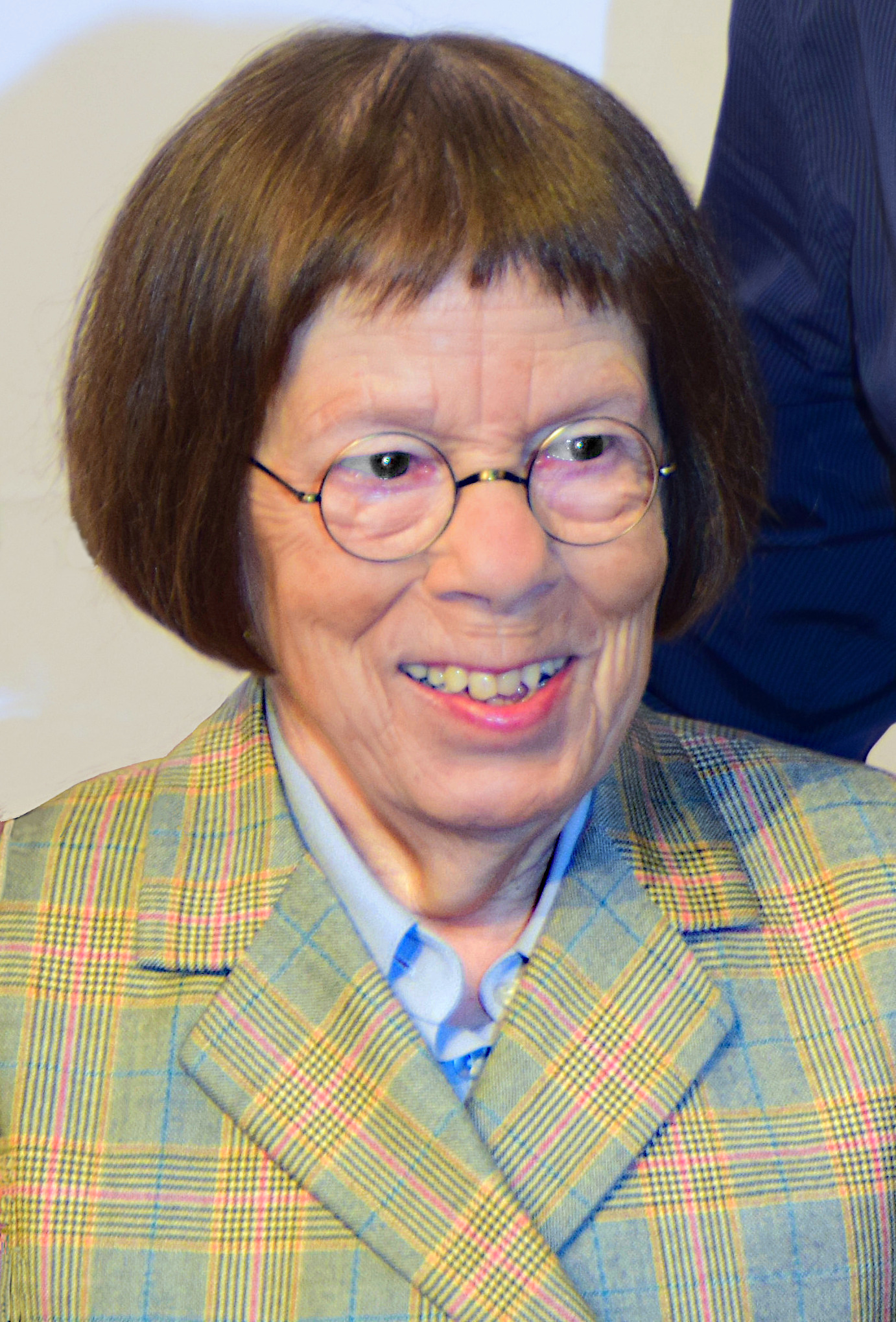
While traditionally less common, instances of women powerfully portraying male roles in film exist as notable exceptions, challenging established casting conventions. Linda Hunt, for example, received an Academy Award for Best Supporting Actress for her compelling performance as Billy Kwan in *The Year of Living Dangerously*. Similarly, Cate Blanchett earned an Academy Award nomination for Best Supporting Actress for her portrayal of Jude Quinn, a fictionalized representation of Bob Dylan in the 1960s, in *I’m Not There*. These roles demonstrate a capacity for female actors to transcend traditional gender boundaries in performance, earning significant critical acclaim.
Modern theatre and film have also seen women playing male roles where gender is considered inconsequential, particularly in presentations of older plays such as Shakespearean works that feature a large number of male characters. This practice, often seen in live theatre, allows for creative casting and fresh interpretations of classic texts. Furthermore, certain roles have a long-standing tradition of being played by a member of the opposite . The stage role of Peter Pan, for instance, is classically portrayed by a woman, a convention mirrored by most principal boys in British pantomime. In opera, several “breeches roles,” such as Hansel in *Hänsel und Gretel* or Cherubino in *The Marriage of Figaro*, are traditionally sung by mezzo-sopranos.
The contemporary entertainment landscape has further embraced and explored gender fluidity in casting. The character of Edna Turnblad in *Hairspray* has consistently been played by men across various adaptations, including Divine in the 1988 original film, Harvey Fierstein in the Broadway musical, and John Travolta in the 2007 movie musical. Eddie Redmayne’s Academy Award-nominated performance as Lili Elbe, a trans woman, in 2015’s *The Danish Girl*, highlighted the increasing representation of transgender characters. As non-binary and transgender characters become more commonplace in media, cisgender actors have often taken on these roles, such as Hilary Swank as Brandon Teena in *Boys Don’t Cry*. Conversely, transgender actors, particularly before public transition, may also play cross-gender roles, as exemplified by Elliot Page portraying Shawna Hawkins in the *Tales of the City* miniseries, underscoring the complex and evolving nature of gender representation in acting.

13. The Economics of Acting: Compensation and Financial Realities
The financial landscape of the acting profession has historically presented a broad spectrum of potential incomes, a reality that persists into the modern era. While some actors in 17th-century England, such as William Shakespeare during his early career, earned a comfortable income comparable to a skilled tradesman (approximately 6 shillings per week), the median earnings for most performers today paint a more challenging picture. The economic realities of the profession highlight a significant disparity between a small number of highly compensated stars and the vast majority struggling to secure consistent work and adequate benefits.
In 2024, the median hourly wage for actors in the United States stood at $23.33. However, this figure masks considerable financial precarity, as many actors lack essential benefits such as health insurance. A stark statistic from SAG-AFTRA, the prominent performers’ union, reveals that only a small fraction—12.7% of its members—earn sufficient income to qualify for its health plan, underscoring the widespread challenge of financial stability within the industry. Similarly, full-time actors in Britain reported a median income of £22,500 in the same year, which is slightly below the national minimum wage, reflecting similar economic pressures across different geographic markets.
Despite these lower median incomes, the profession is also characterized by a select group of actors who achieve exceedingly large earnings. Film stars like Aamir Khan and Sandra Bullock have been reported to command tens of millions of dollars for single film productions, illustrating the industry’s capacity for generating immense wealth for its most prominent figures. For union child actors in the United States, a daily rate of at least $1,204 is mandated. However, due to their legal status as minors, a significant portion, if not all, of this income is typically directed to their parents or legal guardians. To safeguard a portion of these earnings for the child’s future, states like California, Illinois, New York, New Mexico, and Louisiana have enacted laws, such as the Coogan Act, requiring 15% of a child’s earnings to be placed into a blocked trust account, accessible only upon reaching legal adulthood.
Read more about: The Unseen Stages: How History Shaped the Actor, From Forbidden Roles to Modern Breakthroughs
14. The Persistent Gender Pay Gap in the Industry
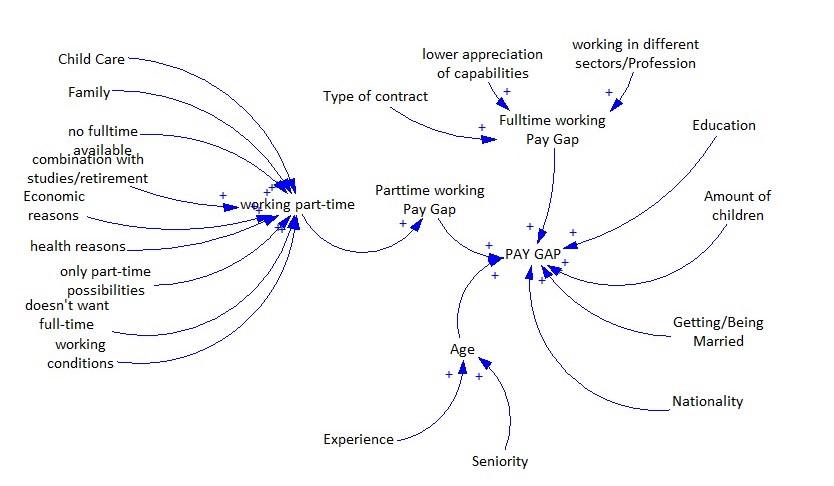
A critical examination of the economics within the acting profession reveals a pervasive and well-documented gender pay gap, highlighting significant disparities in compensation and opportunity. A 2015 report by Forbes illuminated this imbalance, noting that “just 21 of the 100 top-grossing films of 2014 featured a female lead or co-lead,” and that “only 28.1 percent of characters in 100 top-grossing films were female.” These statistics underscore a fundamental issue of representation that directly correlates with earning potential and career longevity for women in the industry.
The pay disparity is not only evident at the highest echelons but permeates salaries across all scales within the industry. In the U.S., on average, “white women earn 78 cents to every dollar a white man makes.” This gap widens significantly for women of color, with “Hispanic women earn[ing] 56 cents to a white male’s dollar, black women 64 cents and Native American women just 59 cents to that.” These figures expose a systemic inequity that intersects gender with race, creating even more pronounced challenges for diverse female performers.
Forbes’ analysis of U.S. acting salaries in 2013 further solidified these findings, determining that “the men on Forbes’ list of top-paid actors for that year made 2 1/2 times as much money as the top-paid actresses.” This translates to Hollywood’s best-compensated actresses earning “just 40 cents for every dollar that the best-compensated men made.” Such a substantial disparity highlights a deeply entrenched problem, indicating that even at the peak of their careers, top female actors face a significant financial disadvantage compared to their male counterparts, pointing to ongoing discussions and efforts towards achieving true equity in the global acting industry.
Read more about: Art’s Provocative Edge: A Chronicle of the Exhibits That Ignited Uproar and Redefined Artistic Boundaries
From its ancient roots as a sacred storytelling ritual to its modern incarnation as a global entertainment powerhouse, the acting profession has continuously adapted, innovated, and reflected the societies it serves. The journey has been one of constant redefinition, marked by pioneering shifts in gender roles on stage, the formalization of diverse acting techniques, and an ongoing reckoning with economic disparities. The lives of those who portray characters, whether through classical methods or in contemporary narratives, remain a compelling testament to the enduring human desire for expression, connection, and the transformative power of performance. As the industry continues to evolve, the conversations around fair compensation, equal representation, and the very essence of artistry will undoubtedly shape the future of this timeless craft.” , “_words_section2”: “1942