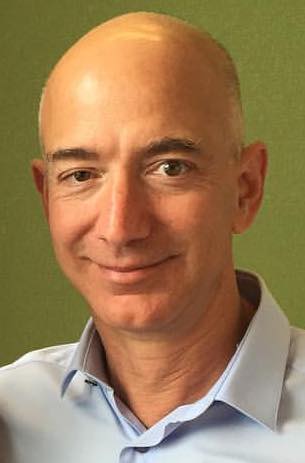
Alright, let’s talk about Jeff Bezos. Forget what you think you know about the richest man on Earth, or at least, one of them. We’re not just looking at a corporate titan; we’re peeling back the layers of a mind that saw the future of commerce before most of us even had dial-up, and then decided, ‘Hey, space colonization seems like a fun side project.’ It’s a narrative arc so wild, you’d think it was cooked up in a Hollywood writers’ room.
What makes a figure like Bezos so utterly compelling? It’s not just the billions, though those certainly don’t hurt. It’s the relentless drive, the calculated risks, and the sheer audacity to constantly push boundaries, whether it’s in retail, cloud computing, or launching himself into orbit. His journey isn’t just a testament to entrepreneurial spirit; it’s a deep dive into how ambition, data, and a little bit of mad scientist flair can reshape industries and define an era.
So, buckle up. We’re about to embark on a journey through the pivotal moments and defining decisions that transformed Jeffrey Preston Jorgensen into the Jeff Bezos we know today. From his surprising early life to the foundational struggles and triumphs of his groundbreaking ventures, we’re going to trace the blueprint of a man who genuinely believes it’s “always Day 1” – a philosophy that has, for better or worse, altered the very fabric of our modern world.
1. **Early Life and Formative Years: The Roots of a Visionary**Before he became the architect of Amazon, Jeff Bezos was Jeffrey Preston Jorgensen, born on January 12, 1964, in Albuquerque, New Mexico. His mother, Jacklyn Gise, was a 17-year-old high-school student, and his father, Ted Jorgensen, was 19. This challenging start didn’t deter his mother, who attended night school with her baby in tow, demonstrating an early resilience that perhaps unknowingly seeped into her son’s DNA.
Jeff’s early childhood was marked by change and new beginnings. His parents divorced when he was just 17 months old. Later, his mother married Cuban immigrant Miguel “Mike” Bezos in April 1968, and shortly thereafter, the 4-year-old Jeff was adopted, legally changing his surname to Bezos. The family moved to Houston, Texas, after Mike received his degree from the University of New Mexico, allowing him to start work as an engineer for Exxon.
It was during these formative years that young Jeff’s scientific interests and technological proficiency began to surface. He spent many summers at his maternal grandfather Lawrence Preston Gise’s ranch near Cotulla, Texas – a ranch he would later purchase and expand significantly. A classic anecdote from this period recounts how he once rigged an electric alarm to keep his younger half-siblings out of his room, a charmingly precocious display of engineering prowess. He attended Miami Palmetto High School, even working a breakfast shift at McDonald’s as a short-order line cook, before graduating as valedictorian in 1982. In his graduation speech, Bezos expressed a visionary dream: for mankind to colonize space, intending “to get all people off the earth and see it turned into a huge national park.” This wasn’t just a fleeting thought; it was a glimpse into a future ambition that would manifest decades later.
Read more about: A Journey Through Genius: Unveiling the Life, Art, and Enduring Legacy of Leonardo da Vinci
2. **Wall Street Stint: Laying the Analytical Groundwork**After his ambitious high school valedictorian speech, Bezos attended Princeton University, initially pursuing physics before switching to electrical engineering and computer science. He was a member of the Quadrangle Club, president of the Princeton chapter of the Students for the Exploration and Development of Space (SEDS), and graduated summa cum laude in 1986 with a Bachelor of Science in Engineering (BSE), boasting an impressive 4.2 GPA and memberships in Phi Beta Kappa and Tau Beta Pi. This academic rigor would become a cornerstone of his approach to business.
Post-graduation in 1986, Bezos was courted by tech giants like Intel and Bell Labs, but he chose to begin his career at Fitel, a fintech telecommunications start-up. There, he was tasked with building a network for international trade, quickly rising to head of development and director of customer service. This immersion in the nascent world of financial technology gave him invaluable experience in building complex systems and understanding customer needs.
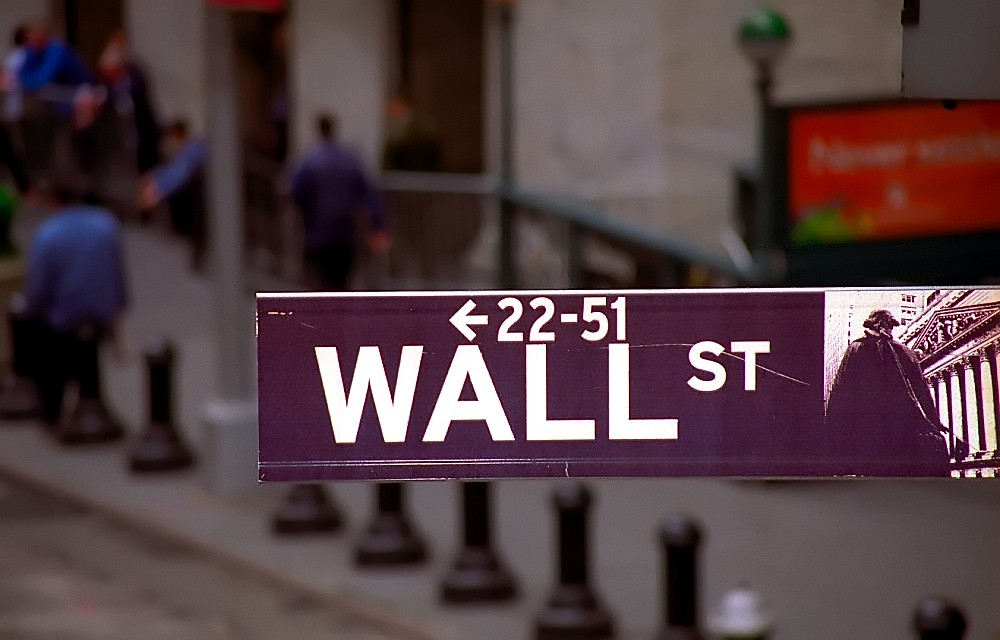
His career then transitioned into the banking industry, where he served as a product manager at Bankers Trust from 1988 to 1990. However, it was his move to D. E. Shaw & Co, a newly created hedge fund known for its strong emphasis on mathematical modeling, that truly solidified his analytical chops. From 1990 to 1994, Bezos honed his skills, becoming D. E. Shaw’s fourth senior vice-president by the age of 30. This period steeped him in data-driven decision-making and a “regret-minimization framework,” a philosophy he would famously carry into his entrepreneurial endeavors, asking, “When I’m 80, am I going to regret leaving Wall Street? No. Will I regret missing the beginning of the Internet? Yes.”
3. **The Amazon Revelation: A Cross-Country Leap of Faith**The genesis of Amazon, the company that would define Bezos’s legacy, began with a staggering statistic: web usage was growing at an astounding rate of 2300% a year in spring 1994. This explosive growth signaled an undeniable shift, a seismic opportunity that Bezos, with his analytical background and regret-minimization framework, could not ignore. The allure of the internet’s untamed potential was too strong to resist.
In a move that would become legendary, Bezos and his then-wife, MacKenzie Scott, made a daring decision. They left their stable, lucrative jobs at D. E. Shaw and embarked on a cross-country drive from New York City to Seattle. It was during this epic road trip that the business plan for what would become Amazon was meticulously drafted, fueled by an unwavering belief in the internet’s future. The vision was clear: an online bookstore, a relatively simple entry point into the vast new digital marketplace.
Upon arriving in Bellevue, Washington, the entrepreneurial dream was literally housed in a rented garage. On July 5, 1994, Amazon was founded. MacKenzie Scott played an integral, hands-on role in these early days, writing checks, diligently keeping track of the books, and even negotiating the company’s crucial first freight contracts. This collaborative effort laid the foundational bricks for an operation that, from its humble garage beginnings, was destined for exponential growth, a testament to the belief and investment of its founders.

4. **Naming the Giant: From Cadabra to Amazon**The journey from concept to colossal enterprise involved many crucial decisions, and one of the earliest, yet most impactful, was the company’s name. Initially, Bezos had a different name in mind: Cadabra. While it certainly had a magical ring to it, suggesting a conjuring act of new possibilities, it wasn’t destined to stick. The subtle phonetic similarity to “cadaver” might have been a minor deterrent, but Bezos’s vision required something more grand and enduring.
The pivot to “Amazon” was a stroke of genius, born out of both strategic foresight and a touch of metaphorical ambition. He was actively searching for a name that began with the letter A. At the time, website listings were often alphabetized, meaning a name starting with “A” would naturally appear sooner in online searches, providing an invaluable early advantage in visibility. This practical consideration dovetailed perfectly with a much broader, symbolic aspiration.
Bezos regarded the Amazon, the world’s largest river, as a fitting namesake for what he profoundly hoped would become the world’s largest online bookstore. This choice wasn’t just about alphabetical placement; it was a powerful declaration of intent, a vision for unparalleled scale and reach. The name Amazon perfectly encapsulated the immense scope and global ambition that Bezos harbored for his fledgling company, setting the stage for its future expansion far beyond books.
5. **Early Growth and Diversification: Beyond the Bookstore**While Amazon began its life as a modest online bookstore, Bezos’s strategic vision always extended far beyond mere books. He had a clear blueprint for expansion, a belief that the internet’s true power lay in its ability to facilitate the sale of a vast array of products. This foresight meant that Amazon was never just a bookseller; it was a Trojan horse designed to revolutionize the entire e-commerce landscape.
To fuel this ambitious growth, Bezos leveraged the capital raised during the company’s 1997 equity offering, a substantial $54 million, to finance an aggressive acquisition strategy. He systematically bought up majority stakes in smaller competitors, expanding Amazon’s footprint and market dominance. Although some of these investments, like Pets.com and Kozmo.com, would ultimately falter after the dot-com bubble burst in 2000, they demonstrated Bezos’s unwavering commitment to market leadership and his willingness to take calculated risks to achieve it.

6. **Navigating the Dot-Com Storm: Amazon’s Near-Death Experience and Resilience**The early 2000s proved to be a crucible for Amazon, a period of immense financial instability that nearly brought the burgeoning e-commerce giant to its knees. Following the euphoric boom of the dot-com era, the bubble burst, sending shockwaves through the tech industry. Amazon, despite its aggressive expansion, was not immune to the fallout. By the end of 2000, the company found itself in a precarious position, having borrowed a staggering $2 billion from banks, with its cash balances dwindling to a mere $350 million.
This was Amazon’s near-death experience, a moment where its very survival hung in the balance. Despite continuing to expand during this challenging period, the company was hemorrhaging money. Bezos, facing immense pressure, was forced to make difficult, painful decisions. He initiated a significant restructuring, closing distribution centers and laying off 14% of the Amazon workforce. These measures were not just about cost-cutting; they were about a desperate fight for survival, a testament to the brutal realities of the nascent internet economy.
However, true to Bezos’s relentless “Day 1” philosophy, Amazon demonstrated remarkable resilience. By 2003, against all odds and the predictions of many skeptics who had questioned its business model, Amazon rebounded from its financial instability. The company not only survived but turned a profit of $35 million. This turnaround was a pivotal moment, proving that Amazon’s core strategy, though expensive and risky in its early execution, possessed an underlying strength that could weather even the most severe economic storms, solidifying its place as a formidable force in the digital landscape.
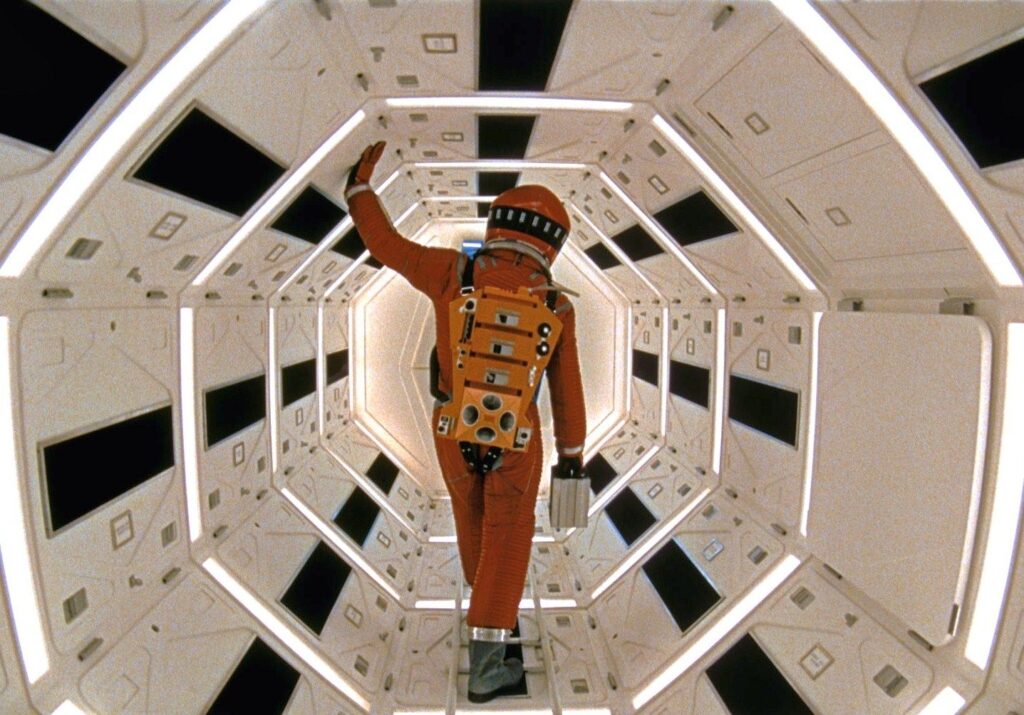
7. **The Birth of Blue Origin: Bezos’s Childhood Dream Takes Flight**Long before Amazon became a household name, Jeff Bezos harbored a profound and deeply personal interest in space travel and the development of human life beyond Earth. This wasn’t a recent fascination; it was a childhood dream, articulated with remarkable clarity during his 1982 high school valedictorian speech, where he spoke of a future where humanity would colonize space to preserve Earth from overuse and resource depletion. This early vision was a powerful indicator of the ambition that would later manifest in his entrepreneurial ventures.
In September 2000, a year after Amazon was first included on the Forbes World’s Billionaires list, Bezos quietly founded Blue Origin, a human spaceflight startup. For its initial years, Blue Origin operated with a remarkably low profile, a stealthy endeavor fueled by Bezos’s private capital and long-held passion. It wasn’t until 2006, when the company purchased a large tract of land in West Texas for a launch and test facility, that it began to gain public attention, hinting at the serious intent behind this seemingly audacious undertaking.
As Blue Origin emerged from the shadows in the late 2000s, Bezos articulated his dual interest: to significantly reduce the cost of space travel for humans while simultaneously increasing the safety of extraterrestrial journeys. This wasn’t just about tourism; it was about opening up the cosmos for future generations, a monumental task that required significant investment and unwavering dedication. His early commitment to Blue Origin, even as Amazon was still solidifying its dominance, underscored that this was far more than a vanity project; it was the realization of a lifelong ambition to contribute to humanity’s future among the stars.

8. **Amazon’s Kindle Revolution and AWS Domination: Redefining Digital Commerce and Infrastructure**
After surviving the dot-com storm, Amazon under Bezos wasn’t merely recovering; it was plotting its next audacious moves. The early 2000s saw Bezos pushing Amazon not just as an online retailer, but as a digital pioneer. A prime example arrived in November 2007 with the launch of the Amazon Kindle, a device designed to mimic a “flow state” in reading, much like the immersive experience of video games. This wasn’t just about selling more books; it was about reimagining how we consume media, planting Amazon firmly in the burgeoning digital content landscape.
But the true, almost silent, titan emerging from Amazon’s depths was Amazon Web Services (AWS), launched back in 2002. What started as an internal infrastructure project, compiling data from weather channels and website traffic, blossomed into the world’s largest provider of cloud infrastructure services. Its strategic significance was undeniable, underscored in 2013 when Bezos secured a staggering $600-million contract with the Central Intelligence Agency (CIA) on behalf of AWS. This wasn’t just a revenue stream; it was a profound testament to Amazon’s technological prowess, transforming it from a retailer into a critical backbone of the digital world.
Bezos continued his relentless expansion, ensuring Amazon cemented its status as the largest online shopping retailer by October 2013. He ramped up hiring, bringing in 130,000 new employees in 2017 alone, fueling growth and distribution. Despite political scrutiny, including U.S. President Donald Trump’s accusations of sales tax avoidance and anti-competitive practices that briefly shaved billions off Bezos’s net worth, Amazon’s trajectory was upward. Bezos famously recouped these losses quickly, continuing to eye expansion into massive markets like India to counter rivals such as Alibaba, always chasing the next frontier for Amazon’s dominion.

9. **Blue Origin’s Ascent: From Setbacks to Sub-Orbital Success**While Amazon was conquering Earth’s digital commerce, Bezos’s other great passion, Blue Origin, was steadily, albeit often secretly, working towards the heavens. Founded in 2000, this human spaceflight startup was a direct manifestation of his childhood dream to colonize space, a vision he passionately articulated in his high school valedictorian speech. For years, Blue Origin operated with a low profile, a testament to Bezos’s long-term thinking and willingness to invest his private capital without immediate fanfare.
The company emerged into public view in 2006 with the purchase of a large tract of land in West Texas for a launch and test facility. However, the path to the stars is rarely smooth. In September 2011, an uncrewed prototype vehicle crashed during a short-hop test flight, a significant setback. Yet, Bezos, with a touch of charming superstition, reportedly began wearing his “lucky” Texas cowboy boots to all subsequent rocket launches, a small, human detail in a grand, technological quest. This resilience defined Blue Origin’s journey.
Bezos’s vision for Blue Origin was clear: significantly reduce the cost of space travel and increase safety, not just for tourism, but for future generations. The company made major strides, with its New Shepard vehicle successfully rocketing into space and executing a vertical landing in 2015. Bezos became increasingly vocal about his hopes to make humanity multi-planetary, even selling $1 billion in Amazon stock annually to capitalize Blue Origin. This wasn’t just a billionaire’s hobby; it was an earnest endeavor to preserve Earth’s natural resources by expanding humanity’s reach.
This commitment culminated in a deeply personal milestone. After pricing commercial spaceflight tickets at a staggering $200,000 to $300,000 per person, Bezos himself flew into space on Blue Origin’s NS-16 mission in July 2021, alongside his half-brother Mark Bezos, Wally Funk, and Oliver Daemen. His suborbital flight, lasting over 10 minutes and reaching an altitude of 66.5 miles, underscored his unwavering dedication to pushing the boundaries of human space exploration, a literal flight of a childhood dream.
10. **The Washington Post: A Media Power Play and Digital Reinvention**In a move that surprised many, Bezos ventured beyond retail and space, purchasing the venerable American newspaper, The Washington Post, in August 2013 for $250 million in cash. This acquisition, reportedly suggested by his friend Don Graham, signaled a foray into traditional media with a distinctly modern, Bezosian twist. He established Nash Holdings, a limited liability company, to serve as the holding entity for the newspaper, ensuring direct oversight of his new media enterprise.
Bezos’s stewardship was never about maintaining the status quo. His vision for The Washington Post was to reinvent it as a media and technology company, a digital-first enterprise. This meant a comprehensive overhaul, reconstructing its digital media presence, mobile platforms, and analytics software. Early changes included lifting the online paywall for subscribers of various U.S. local newspapers, an innovative move to expand readership and digital reach.
The transformation proved remarkably successful. Following a surge in online readership throughout 2016, The Washington Post achieved profitability for the first time since Bezos’s purchase in 2013, a significant turnaround for a struggling industry. However, his ownership hasn’t been without its complexities, drawing scrutiny and criticism regarding his treatment of employees and concerns about his influence on the paper’s content, particularly regarding editorial and opinion pages. Still, he undoubtedly propelled a legacy institution into the digital age.
11. **Bezos Expeditions and the Pursuit of Longevity: Diverse Investments and Philanthropy**Beyond Amazon and Blue Origin, Jeff Bezos’s personal investments are channeled through his venture capital firm, Bezos Expeditions. This vehicle has been instrumental in backing a diverse portfolio of companies and initiatives, often reflecting his forward-thinking approach to technology and societal challenges. One of his earliest and most prescient investments was a quarter-million-dollar stake in Google back in 1998, a move that would grow into billions, highlighting his uncanny ability to spot disruptive potential early on.
His interest in pushing the boundaries of human capability extends beyond space to life itself, with significant investments in the healthcare sector. Bezos Expeditions has backed companies like Unity Biotechnology, a life-extension research firm actively working to slow or halt the aging process, and GRAIL, a company focused on early cancer detection. Other notable healthcare investments include Juno Therapeutics and Zocdoc, showcasing a broad engagement with the future of medicine and human well-being.
Bezos Expeditions also serves as a conduit for his philanthropic endeavors, funding a range of impactful projects. These include establishing an Innovation center at the Seattle Museum of History and Industry and supporting the Bezos Center for Neural Circuit Dynamics at the Princeton Neuroscience Institute. In a particularly fascinating venture in 2013, Bezos Expeditions funded the recovery of two Rocketdyne F-1 engines from the floor of the Atlantic Ocean, later identified as belonging to the Apollo 11 mission’s S-1C stage. These engines, now on display at the Seattle Museum of Flight, represent a tangible connection to the historical roots of his own spacefaring ambitions.

12. **Altos Labs: The Billion-Dollar Bet on Reversing Aging**Taking his interest in longevity to an entirely new level, Bezos co-founded Altos Labs in September 2021 with Mail.ru founder Yuri Milner. This wasn’t just another investment; it was a well-funded biotechnology company dedicated to the ambitious goal of harnessing cellular reprogramming to develop longevity therapeutics. This initiative represents a profound commitment to what many might consider science fiction, aiming to fundamentally alter the human lifespan.
Altos Labs swiftly recruited an all-star roster of scientific talent, drawing in prominent figures such as Juan Carlos Izpisúa Belmonte, celebrated for his work on rejuvenation through reprogramming, and Steve Horvath, renowned for his epigenetic aging clocks. The company also secured the expertise of Nobel Prize-winning scientist Shinya Yamanaka, the inventor of cellular reprogramming in mammalian cells. This concentration of world-class minds signaled a serious, concerted effort to tackle one of humanity’s most enduring challenges: aging.
The company emerged from its stealth mode and officially launched in January 2022, backed by an astounding initial capital of $3 billion. With an executive team led by Hal Barron, Altos Labs represents Bezos’s most significant and focused venture into extending human healthspan and potentially pushing the boundaries of human existence itself. It’s a testament to his belief in investing heavily in moonshot projects that could redefine our future.

13. **The Evolving Public Persona: From Humble Geek to Parodied Titan**Jeff Bezos’s public image has undergone a fascinating and dramatic evolution, mirroring Amazon’s own growth from a scrappy startup to a global juggernaut. In the 1990s, journalist Nellie Bowles captured a common perception, describing him as “a brilliant but mysterious and coldblooded corporate titan.” This early image was often colored by his perceived reluctance to engage in public charity and a business approach that was seen as quantitative, data-driven, and relentlessly focused on pushing Amazon forward, often at the expense of broader social welfare. Driving a 1996 Honda Accord even when he was worth $10 billion only reinforced an image of parsimony.
Throughout the early 2000s, Bezos was often perceived as “geeky or nerdy,” a cerebral figure immersed in spreadsheets and data. Accounts by journalists like Brad Stone portrayed him as a demanding, hyper-competitive boss who “bet the biggest on the Internet.” This persona, characterized by “talking in lists” and enumerating criteria for every decision, solidified his image as a methodical, almost robotic, leader. He was seen by some as an opportunistic CEO, unconcerned with obstacles or externalities in his relentless pursuit of market dominance.
However, the early 2010s marked a significant shift. Bezos began to cultivate a different public image, undergoing a notable physical transformation—wearing tailored clothing, weight training, and adhering to a regimented diet. This new, more physically imposing presence was quickly paralleled with Amazon’s own ascension, leading to him being frequently referred to as a metonym of the company itself. By 2017, his changed appearance and increasingly dominant corporate stature led to parodies on Saturday Night Live, where he was often depicted as an undercutting, domineering figure, even an “enterprising supervillain,” signaling his undeniable cultural impact.
Despite his successes, Bezos’s public image also faced significant criticism. In 2014, the International Trade Union Confederation controversially named him the “World’s Worst Boss,” citing the “inhumanity of employers who are promoting the North American corporate model.” This sentiment resonated with concerns over Amazon’s working conditions and employment policies, which contributed to Harvard Business Review not ranking him in their top 100 CEOs after 2018, despite his previous four-year reign at the top. His relative lack of philanthropy compared to other billionaires also drew negative public responses, especially after 2016, though he has occasionally contested critical articles with swift internal memos.

14. **The “Day 1” Doctrine: Bezos’s Unique Leadership Blueprint**At the heart of Jeff Bezos’s entrepreneurial empire lies a distinct and often rigorous leadership philosophy, perhaps best encapsulated by his “Day 1” mantra. This isn’t just a corporate buzzword; it’s a profound growth mindset, a constant reminder against stasis, irrelevance, decline, and ultimately, corporate death. His early career at D. E. Shaw instilled a “regret-minimization framework,” a powerful lens through which he made pivotal decisions, famously asking if he’d regret missing the internet revolution more than leaving Wall Street.
In the nascent years of Amazon, Bezos was known for his intensely quantitative approach, striving to measure and analyze every aspect of the company’s operations, often relying on spreadsheets to inform executive decisions. His mantra, “Get Big Fast,” drove Amazon’s imperative to scale rapidly and achieve market dominance, even if it meant continuously diverting profits back into the company rather than distributing them to shareholders. This aggressive reinvestment strategy was central to Amazon’s early, often loss-making, growth phase.
Bezos also championed a concept he calls “work-life harmony” over the traditional “work-life balance,” asserting that work and home life are interconnected, each informing and calibrating the other. He avoids early morning meetings and famously enforces a “two-pizza rule,” ensuring meetings are small enough to be fed by just two pizzas, promoting efficiency and focused discussion. When hiring, his three key inquiries—can he admire the person, can the person raise the common standard, and under what circumstances could they become exemplary—reveal a selective and high-standard approach to talent acquisition.
His communication with stakeholders is equally distinctive. Instead of relying on presentation slides, Bezos requires high-level employees to present information through six-page narratives, fostering deeper thought and clarity. Since 1998, his annual letters to shareholders frequently reiterate five core principles: unwavering customer focus, calculated risk-taking for market leadership, fostering staff morale, building a robust company culture, and empowering people. He even maintains jeff@amazon.com as a direct channel for customer feedback, though he typically forwards these with a question mark to prompt executive action, demonstrating his deep-seated customer obsession. Over the years, he has cited a diverse array of business leaders, including Warren Buffett and Bob Iger, as major influences on his unique leadership style.
15. **The Centibillionaire’s Crown: Unfathomable Wealth and Unavoidable Scrutiny**Jeff Bezos’s journey from humble beginnings to becoming the world’s wealthiest individual is a saga of staggering financial ascension, intertwined with increasing public scrutiny. He first crossed the millionaire threshold in 1997 with Amazon’s IPO and was included on the Forbes World’s Billionaires list by 1999 with an estimated net worth of $10.1 billion. However, the dot-com bust saw his wealth plummet dramatically, a stark reminder of the volatile nature of the early internet economy.
Yet, Amazon’s resilience and Bezos’s relentless vision ensured a spectacular rebound. By 2017, his wealth began to surge, allowing him to momentarily unseat Microsoft co-founder Bill Gates as the wealthiest person in the world. On November 24, 2017, his net worth surpassed $100 billion for the first time, officially designating him the world’s wealthiest person in March 2018, with a registered net worth of $112 billion. He was dubbed the “richest man in modern history” by multiple outlets, his wealth growing at a pace that, at one point, equaled the annual GDP of entire nations.
This immense wealth inevitably drew intense criticism and demands for greater social responsibility. Senator Bernie Sanders, in particular, became a vocal critic, introducing the “Stop BEZOS” Act and calling attention to Amazon workers who relied on food stamps. Sanders challenged Bezos, asking, “Instead of attempting to explore Mars or go to the moon, how about Jeff Bezos pays his workers a living wage?” In a significant response, Bezos announced a company-wide wage increase in October 2018, raising the minimum for American workers to $15 per hour, a move widely interpreted as a nod to the “Fight for $15” movement.
In 2019, Bezos’s wealth was significantly affected by his divorce from MacKenzie Bezos, who received 25% of his Amazon shares, then valued at approximately $36 billion. He retained control of The Washington Post and Blue Origin, as well as voting control of his ex-wife’s shares. In February 2021, Bezos stepped down as Amazon’s CEO, transitioning to executive chairman to focus on his “passions,” including the Day 1 Fund, the Bezos Earth Fund, Blue Origin, and The Washington Post. More recently, in February 2024, he sold 24 million shares of Amazon stock worth $4 billion, with plans to sell 50 million more, indicating a continued strategic rebalancing of his focus. By December 2024, Bezos revealed he was dedicating 95% of his time to artificial intelligence initiatives at Amazon, illustrating his perpetual drive to innovate at the cutting edge of technology.
From a precocious young inventor dreaming of space to the architect of a global commerce empire, and now a centibillionaire investing in humanity’s multi-planetary future and extending human longevity, Jeff Bezos’s story is nothing short of epic. He’s a figure who has not only shaped industries but has also profoundly influenced how we work, shop, and even dream about our future. Love him or critique him, his relentless pursuit of “Day 1” innovation ensures that the world, and perhaps even the cosmos, will continue to feel the reverberations of his ambition for generations to come. He’s the kind of guy who just keeps playing chess when everyone else is still figuring out checkers, always several moves ahead, shaping reality in his own image.