When you think of Disney, images of magic, timeless stories, and beloved characters often come to mind. For generations, the company has shaped our childhoods and offered endless hours of enchanting entertainment. But behind the sparkling façade of castles and dreams, there’s a fascinating, sometimes controversial, history of content that has been pulled from circulation, censored, or even quietly removed from streaming platforms, effectively vanishing from public view.
It’s a stark reminder that even the most iconic media empires are constantly evolving, adjusting to societal shifts, business strategies, and ever-changing audience expectations. What was once considered acceptable might now be deemed problematic, while promising new productions can, for various reasons, disappear almost as quickly as they arrived. It’s like finding a secret, forgotten room in the vast, glittering Disney vault, filled with stories you might never have known existed.
So, grab your virtual flashlight as we dive deep into the world of Disney and its affiliated brands to uncover 14 fascinating TV shows, characters, and even episodes that have been quietly, or not so quietly, removed from our screens. These are the pieces of pop culture history that, for one reason or another, you’re unlikely to stumble upon during your next streaming marathon.

1. **Sunflower from Fantasia**Disney’s groundbreaking animated musical, *Fantasia*, released in 1940, is celebrated for its artistic ambition and classical music integration. However, within its colorful segments, there was a character named Sunflower, a centaur depicted with features that would later be recognized as harmful racial stereotypes. She was portrayed in a subservient role, specifically shown polishing the hooves of a more delicate, white centaur.
This portrayal, unfortunately, reflected the prevailing, deeply problematic racial caricatures of its era. As societal views on racial representation evolved and the importance of inclusive media became more apparent, the discomfort surrounding such depictions grew significantly. It became clear that such imagery no longer aligned with modern values or Disney’s commitment to diverse storytelling.
Recognizing the need for change, Disney took action. “As societal views on racial representation evolved, Disney removed her from the film in 1963, signaling a shift toward more conscientious portrayals in media.” This removal marked a significant moment, acknowledging past mistakes and striving for more thoughtful representation in their content moving forward. It’s a powerful example of how classic media can be re-evaluated through a contemporary lens.
Today, viewing *Fantasia* without Sunflower is a testament to that ongoing evolution. It highlights the complex journey of media companies in navigating historical context against modern sensibilities, demonstrating a commitment to rectifying elements that could perpetuate harmful stereotypes. This particular character’s disappearance serves as a quiet but firm reminder of animation’s past and its path toward greater cultural awareness.

2. **Various characters from Song of the South**Released in 1946, Disney’s *Song of the South* is a film steeped in controversy, often cited as one of the most problematic entries in the company’s catalog. Despite its technical innovations, particularly in combining live-action with animation, the movie has faced ongoing criticism for its idealized depiction of plantation life in the post-Civil War American South, and its portrayal of African Americans.
The film features Uncle Remus, a Black storyteller, sharing tales of Br’er Rabbit, Br’er Fox, and Br’er Bear. While some viewers found the animated segments charming, the live-action framing story and its context presented a highly romanticized and historically inaccurate view of racial relations. Critics have pointed out that it largely ignores the harsh realities of slavery and racial inequality, instead presenting a sanitized version of the past.
“Due to these concerns, Disney has largely withheld the film from release, prompting broader conversations about responsibly addressing controversial historical media.” This decision means that the movie has been largely unavailable to the public for decades, never officially released on home video in its entirety in the United States, and notably absent from Disney+.
Its absence from modern platforms underscores Disney’s reluctance to associate with content that could perpetuate harmful narratives. The ongoing debate surrounding *Song of the South* serves as a continuous lesson in media responsibility, showcasing the challenges of reconciling historical creative works with present-day ethical standards. It’s one of Disney’s most significant examples of a film being effectively ‘banned’ from mainstream access.
Read more about: Echoes of Dissent: The Controversial Songs That Defined America’s Airwaves

3. **Hop Low from Fantasia**Another character from the beloved 1940 animated classic *Fantasia* to face revision was Hop Low, a charming mushroom dancer. This whimsical character captivated audiences with his unique performance and tiny stature in the “Nutcracker Suite” segment of the film. His gentle, expressive movements were initially seen as an endearing part of the animated ballet.
However, over time, interpretations of cultural insensitivity in his design began to emerge. Critics and viewers alike started to question whether certain visual elements of Hop Low, particularly his features and mannerisms, leaned into problematic East Asian caricatures. These concerns, though perhaps not immediately apparent to all audiences at the time of its original release, gained traction as cultural awareness evolved.
As a result, “due to interpretations of cultural insensitivity in his design, his presence was reduced in later versions, highlighting the growing role of cultural awareness in revisiting classic animation.” This meant that in subsequent re-releases and edited versions of *Fantasia*, scenes featuring Hop Low were either shortened or completely removed, minimizing his screen time.
This adjustment, similar to the removal of Sunflower, illustrates Disney’s ongoing effort to re-evaluate its classic content in light of changing social norms. It highlights a proactive approach to ensure that even iconic works can be modified to better align with respectful and inclusive portrayals, demonstrating a shift toward greater sensitivity in media representation.
Read more about: Beyond the Fairytale: 14 Hidden Disney Jokes That Only Adults Truly Get

4. **The Siamese Cats from Lady and the Tramp**In Disney’s 1955 animated classic, *Lady and the Tramp*, the mischievous Siamese cats, Si and Am, were certainly memorable characters. “Siamese cats Si and Am from Disney’s Lady and the Tramp were known for their catchy tune and sly antics.” Their song, “The Siamese Cat Song,” was undeniably catchy, and their cunning personalities made them effective, if troublesome, antagonists to Lady.
However, beneath their catchy tune and sly antics lay a more troubling aspect: “their portrayal leaned into Asian stereotypes, casting a shadow over their charming mischief.” The cats’ slanted eyes, their exaggerated accents in the original song lyrics, and their conniving, sneaky behavior unfortunately contributed to a long history of negative and stereotypical depictions of Asian people in Western media. This problematic representation began to draw increasing criticism as cultural understanding grew.
Over the years, the controversy surrounding Si and Am intensified, leading to a re-evaluation of their role and depiction. In the 2019 live-action remake of *Lady and the Tramp*, the characters were significantly redesigned and their infamous song was reimagined to remove the offensive elements, showcasing a conscious effort to address the historical insensitivity without erasing the characters entirely.
The decision to alter these characters in subsequent productions reflects a broader industry movement to combat harmful stereotypes and promote more nuanced, respectful portrayals of all cultures. It serves as a reminder that even cherished elements from classic films might need to be re-examined and updated to ensure they do not inadvertently perpetuate prejudice or discrimination.
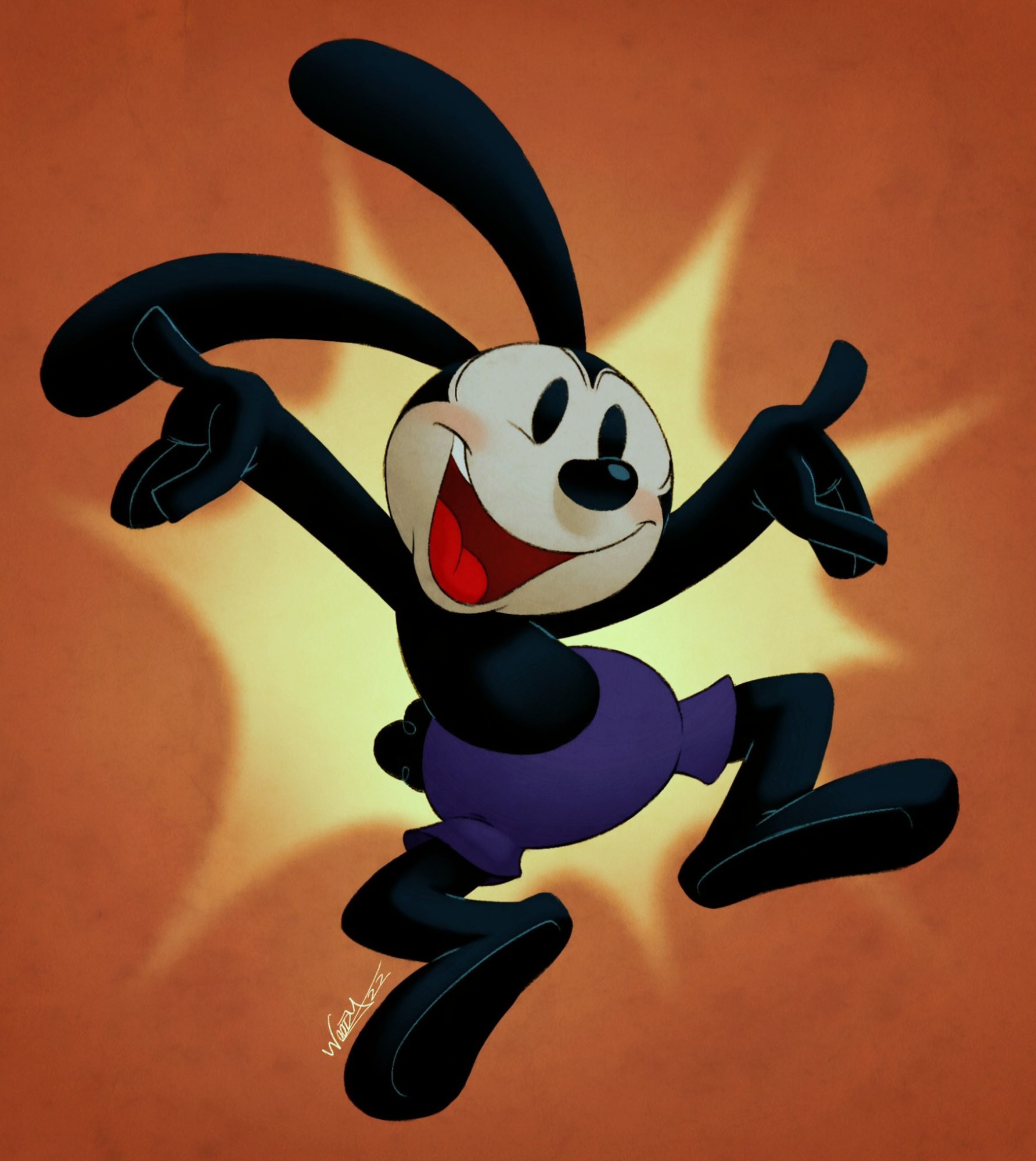
5. **Oswald the Lucky Rabbit**Before Mickey Mouse danced onto the scene, there was another adorable character who held Walt Disney’s attention: Oswald the Lucky Rabbit. “This adorable character was an early creation of Walt Disney, predating the iconic Mickey Mouse.” With his expressive ears and playful demeanor, Oswald quickly captured audiences’ hearts in the late 1920s, starring in a series of popular animated shorts.
Oswald was a significant success for Disney, laying much of the groundwork for the animation studio’s future. He was a foundational figure, helping to establish the style and humor that would become synonymous with Disney cartoons. However, his initial success was short-lived for Walt Disney himself, leading to one of the most famous and impactful contractual disputes in animation history.
“Nonetheless, a contractual dispute led to Disney losing the rights.” During a negotiation in 1928, Walt Disney discovered that Universal Pictures, the distributor, actually owned the rights to Oswald, not him. This shocking revelation, combined with Universal’s attempt to cut Disney’s budget and poach his animators, led Walt to walk away and famously create Mickey Mouse.
For decades, Oswald remained largely separate from the Disney company, owned by Universal. It wasn’t until 2006 that, through a trade deal involving sportscaster Al Michaels, Disney officially reacquired the rights to Oswald. His story is a poignant reminder of the early, tumultuous days of animation, and how creative ownership can profoundly shape the destiny of characters and creators alike.

6. **Genius: MLK/X**National Geographic’s *Genius* anthology series has made a name for itself by delving into the lives of history’s most brilliant minds. “Genius is an anthology drama series about the many scientific, creative, and philanthropic leaders in human history,” with previous seasons dedicated to figures like Albert Einstein, Pablo Picasso, and Aretha Franklin. Its fourth season, *Genius: MLK/X*, aimed to explore the parallel and intersecting lives of two titans of the American Civil Rights movement.
“Genius: MLK/X was the anthology’s first attempt at telling the tale of two geniuses, those being Martin Luther King Jr. (played by Kevin Harrison Jr) and Malcolm X (played by the DCU’s potential new superstar, Aaron Pierre).” This ambitious season was tasked with bringing the complex narratives of these two iconic figures to a new generation, offering a deep dive into their ideologies, struggles, and profound impact on society. It was a highly anticipated and critically important production.
What makes its removal from Disney+ so striking is its reception. “The fourth season of Genius was more favorably received than some of the previous stories,” suggesting it resonated well with both critics and audiences, achieving an average Tomatometer score of 75% and an audience score of 71%. Despite this positive feedback and its significant cultural relevance, it was still removed from the platform.
The removal of *Genius: MLK/X* was part of a broader content purge by Disney+, which occurred in an “effort to save costs by writing off underperforming content.” While the context doesn’t explicitly label this particular season as underperforming, its disappearance highlights the harsh realities of streaming economics, where even well-received and important series can fall victim to corporate financial strategies, making them impossible to watch legally online.
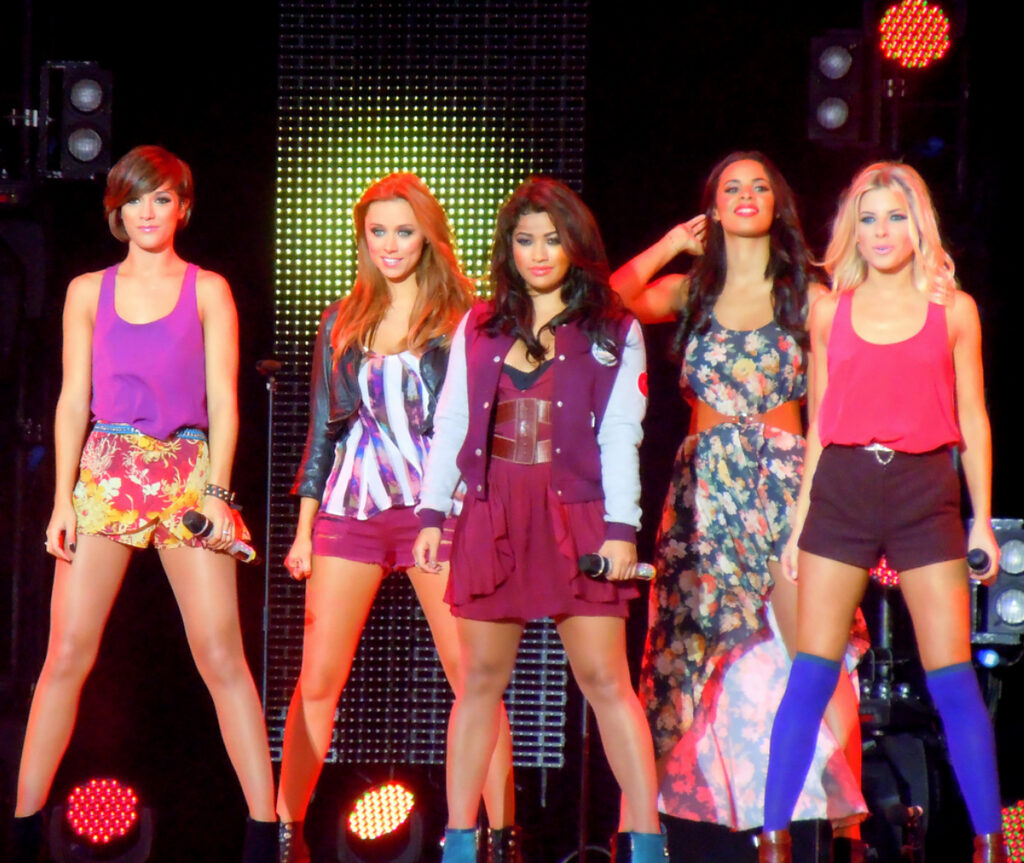
7. **Saturdays**Disney Channel has always been a go-to for vibrant, youth-focused programming, and *Saturdays* was one of its more recent entries, bringing a fresh perspective on teen life. This coming-of-age series “followed 14-year-old Paris Johnson’s (Danielle Jalade) journey to create the ‘We-B-Girlz’ skate crew in Chicago.” It aimed to capture the energy and aspirations of young people navigating friendships, dreams, and the exciting world of roller skating.
The show attempted to broaden its appeal and cultural footprint by featuring notable guest appearances. “The series featured guest appearances from notable rappers, like Da Brat, and even had a crossover episode with another Disney Channel original, Raven’s Home.” This integration with other popular Disney properties and real-world talent showed an investment in the series, hoping to build a strong fan base and create a cohesive universe for its viewers.
However, despite these efforts and the engaging premise, the series’ run was unfortunately brief. “Unfortunately, Saturdays lasted only one season.” This one-season tenure is often a sign of shows that, while having potential, don’t quite hit the viewership or financial targets necessary to warrant renewal in a competitive streaming landscape. Its average Audience Score was a perfect 100%, indicating a dedicated, albeit possibly niche, fan base.
Like *Genius: MLK/X*, *Saturdays* was among the nine original TV series removed from Disney+ as of September 27, as part of a content purge. The removal makes it, along with other titles, “impossible to watch legally online” now. This situation underscores the precarious nature of streaming content, where even shows with loyal followings can vanish, leaving fans to wonder why and where their beloved series went.
Continuing our journey into the vast, sometimes mysterious, world of Disney’s content removals, we’re diving deeper into additional original series and acclaimed National Geographic documentaries that have vanished from platforms. It’s a fascinating look at how even well-received or long-running shows can disappear, often due to the shifting sands of streaming economics and corporate strategy, leaving fans wondering what happened.
These instances highlight the often-unseen forces that shape what we can and cannot watch, demonstrating that even for a titan like Disney, content is always in flux. It’s not just about problematic historical portrayals anymore; it’s about a new era where entire seasons can be written off, becoming virtually impossible to access legally online. So, let’s peel back another layer of the Disney vault and explore more titles that have quietly slipped away.
Read more about: Family Dinner Simplified: A Comprehensive Guide to the Easiest Meal Kits for Busy Households
8. **Pretty Freekin Scary**Imagine being a teenager with typical teenage problems, only to have your life take a rather… permanent detour. That’s exactly what happened in *Pretty Freekin Scary*, a 2023 comedy series from the Disney Channel. This show centered around Frankie, a 14-year-old girl, whose unexpected demise leads to a truly unique arrangement.
Frankie, played by Eliana Su’a, makes an intriguing deal with the Grim Reaper himself: she can return to the land of the living, but with a catch. She has to secretly work for him, and her two Underworld Guardians, aptly named Pretty and Scary, come along for the ride. It sounds like the perfect setup for some supernatural, adolescent hilarity and heartfelt moments, right?
The series was a Disney Channel original, hitting screens in 2023 with a premise that blended comedy with the afterlife in a way only Disney could envision for a younger audience. Despite its unique concept and a decent reception from its dedicated viewers, *Pretty Freekin Scary* unfortunately lasted only one season, leaving fans with an average Audience Score of a very respectable 95%.
But here’s the kicker: like some other promising new productions, this one was also caught in the crosshairs of Disney+’s content purge. After its single season, the series was canceled and, as part of the broader effort to save costs by writing off content, it was removed from the platform. Now, this once-charming comedy about life, death, and friendship is impossible to watch legally online, a stark reminder of streaming’s unpredictable nature.
9. **Wicked Tuna**From the high-stakes world of teenage afterlife antics, we pivot to the equally high-stakes, but very real, world of commercial fishing with National Geographic’s *Wicked Tuna*. This long-running documentary series plunged viewers deep into the lives of a group of commercial fishermen based in Massachusetts, chronicling their intense quest to reel in the elusive Bluefin tuna from the treacherous waters of the North Atlantic Ocean.
For 13 seasons, *Wicked Tuna* captivated audiences with its thrilling captures, heart-stopping challenges, and the sheer grit required to make a living on the open sea. It became a staple for many, even spawning a popular spin-off series, *Wicked Tuna: Outer Banks*, extending its reach and solidifying its place in the world of unscripted television. Its longevity truly speaks volumes about its success and loyal viewership.
You’d think a series with such a proven track record, running for over a decade before its cancellation in 2024, would be safe within the Disney content empire, especially given National Geographic’s prestige. It was a flagship series that showcased the raw power of nature and the human spirit against it, drawing in viewers season after season with its authentic portrayal of a demanding industry.
Yet, despite its long-running success on National Geographic and its obvious popularity, *Wicked Tuna* was among the titles swept away in the recent content purge. Its removal from Disney+ means that this beloved series, which taught us so much about the ocean and the dedicated individuals who fish it, has now become another casualty of the streaming wars, making it unavailable for legal online viewing.
Read more about: Unveiling 2025’s Edge-of-Your-Seat Thrillers: A Deep Dive into Hollywood’s Next Big Screen Tension
10. **Narco Wars**Next on our list of vanished content is *Narco Wars*, another gripping documentary series from National Geographic. This show took viewers on an intense journey through the dark underbelly of global crime, exploring how various smuggling networks across North America transformed into the infamous and ruthless drug cartels that have dominated headlines for decades.
Over its three seasons, *Narco Wars* meticulously examined the lives and operations of some of the most notorious figures in criminal history. Viewers delved into the rise and fall of drug lords like El Chapo and Pablo Escobar, getting an in-depth look at their empires and the far-reaching consequences of their actions. It was a deep dive into power, corruption, and the human cost of the drug trade.
But the series didn’t stop there. It expanded its scope, daring to investigate other infamous drug operations that shaped different eras and regions, including the intricate networks of the New York mafia and the complex role of drug operations during the Vietnam War. This breadth of coverage provided a comprehensive, albeit chilling, overview of a clandestine world.
Like many other National Geographic titles, *Narco Wars* was part of the Disney+ library, offering compelling, educational, and often harrowing content. However, even with its investigative depth and educational value, this documentary series was ultimately removed from Disney+. Its disappearance underscores that no genre, no matter how critically relevant or informative, is immune to the ongoing streaming platform re-evaluations.
Read more about: U.S. Navy’s Caribbean Operations: An In-Depth Look at Vessel Interdictions, Escalating Tensions with Venezuela, and Legal Scrutiny
11. **Locked Up: Abroad**From the shadowy world of cartels, we move to the equally harrowing, yet deeply personal, tales of *Locked Up: Abroad*. This powerful documentary series shared the real-life nightmares of travelers whose voyages took a terrifying turn, culminating in their imprisonment in foreign countries, forcing them to grapple with alien prison systems and justice protocols far from home.
For a remarkable 15 seasons before its cancellation in 2022, *Locked Up: Abroad* held audiences captive with its dramatic retellings of survival, desperation, and the immense challenges faced by individuals caught in unfamiliar legal quagmires. Each episode was a gripping narrative, often leaving viewers on the edge of their seats, highlighting the fragility of freedom when traveling internationally.
The series wasn’t just about individual stories; it often delved into the broader geopolitical contexts that led to these imprisonments. Many of the infamous true stories covered in the show were so compelling that they even inspired or were adapted into major Hollywood feature films, including critically acclaimed titles such as *Argo*, *Midnight Express*, and *Casino*.
Given its long run, compelling narratives, and cultural impact, *Locked Up: Abroad* was another significant National Geographic series that resonated with a wide audience. Yet, despite its enduring popularity and the educational insights it offered into international justice systems, this veteran series also found itself on the chopping block and was removed from Disney+.
Read more about: Demon Slayer: Infinity Castle Shatters U.S. Box Office Records, Reaffirming Anime’s Global Blockbuster Power

12. **A Small Light**Now, for a true standout, let’s talk about *A Small Light*. This biographical war drama, produced by National Geographic, truly shone brightly upon its release. It told the incredibly powerful and moving true story of Miep Gaus, portrayed by Bel Powley, a courageous secretary who, along with her husband, helped hide her Jewish employer, Otto Frank (played by Liev Schreiber), and other Jewish refugees during the terrifying expanse of World War II.
This series resonated deeply with both critics and audiences, earning some of the highest ratings of any title on this entire list. Its profound storytelling, superb acting, and historical significance captured hearts, leading to an average Tomatometer score of a perfect 100% and an equally impressive Average Audience Score of 95%. These numbers don’t lie; it was a deeply impactful and well-loved production.
*A Small Light*’s critical acclaim wasn’t just confined to positive reviews; it also garnered significant industry recognition. The series was nominated for several prestigious Critics Choice Awards in 2023, a testament to its artistic merit and its ability to tell a crucial historical narrative with sensitivity and power. It was lauded for its ability to bring a vital story of courage and humanity to a new generation.
Yet, in perhaps one of the most surprising removals from Disney+, this highly acclaimed and universally praised series, which seemingly checked all the boxes for quality and cultural importance, was also quietly pulled from the platform. Its disappearance, despite its overwhelmingly positive reception, starkly illustrates that even creative excellence might not be enough to save content from the cold realities of streaming platform economics.
Read more about: Behind the Velvet Rope: The Meticulous Demands That Define Beyoncé’s Tour Experience

13. **Hailey’s On It!**Shifting gears to something a bit lighter but no less missed, we have *Hailey’s On It!*, an animated series from Disney. This show had some serious voice talent behind it, with none other than *Moana 2* star Auili’i Cravalho voicing one of the main characters, alongside *Star Wars: The Acolyte*’s Manny Jacinto. It was a fun, energetic addition to the Disney animated lineup.
Set in the sunny locale of Oceanside, California, the series followed Hailey Banks, voiced by Cravalho, and her best friend Scott, voiced by Jacinto. Their lives take an unexpected turn when a scientist from the future pays them a visit, armed with a very important mission. This scientist provides Hailey with a daunting list of tasks she must complete.
The stakes were incredibly high for Hailey. Her list of tasks, it turns out, would eventually lead to the creation of a groundbreaking device capable of reversing global warming. Talk about pressure on a teenager! It was a blend of everyday adolescent adventures with a huge, world-saving responsibility, packaged in a vibrant animated style.
*Hailey’s On It!* delivered one season consisting of 30 episodes, offering plenty of fun and adventure for its young audience. While the series was never officially cancelled by Disney, its removal from Disney+ meant that this engaging animated tale, with its compelling premise and star voice cast, effectively vanished. It’s a bittersweet end for a show that blended personal growth with global importance.
Read more about: From First DM to Forever: 14 Iconic Celeb Couples & How Their Love Stories Transformed ‘Then’ Vs. ‘Now’!
14. **America’s Funniest Home Videos: Animal Edition**Finally, let’s wrap up our exploration with a show that brought pure, unadulterated joy: *America’s Funniest Home Videos: Animal Edition*. This was a delightful spin-off of the long-running classic video clip series *America’s Funniest Home Videos*, but with a specific, adorable twist – it solely focused on the latest and greatest in comedic animal clips. If you love pets and belly laughs, this was your jam!
Each episode was a treasure trove of hilarious antics, from clumsy cats to mischievous dogs and everything in between. The format remained true to its roots, with viewers submitting their own videos of their beloved (and often bewildered) animal companions. The best part? Each episode rewarded a lucky winner with a cool $1,000 for the most side-splitting video, as chosen by the producers and staff.
This Nat Geo Wild show, a natural fit for a channel dedicated to the animal kingdom, was hosted by the charismatic Alfonso Ribeiro, bringing his signature energy to the proceedings. He was the perfect guide through the menagerie of madness, making every clip even more enjoyable. The series ran for a respectable two seasons, with 12 episodes in each, giving us plenty of animal-induced giggles.
However, even the innocent joy of animals being goofy couldn’t escape the streaming content purge. Despite its lighthearted nature, family-friendly appeal, and connection to a beloved franchise, *America’s Funniest Home Videos: Animal Edition* was also removed from Disney+. Its disappearance is a final poignant reminder that in the ever-evolving world of streaming, nothing is truly safe, and even the most beloved, or simply fun, shows can become quietly unavailable overnight.
Our deep dive into Disney’s content vault reveals a fascinating narrative of evolution, controversy, and the ever-changing landscape of media. From the racially insensitive characters of yesteryear quietly edited out of classic animations, to the modern-day phenomenon of popular series vanishing from streaming platforms due to business decisions, Disney’s content journey is a mirror reflecting societal shifts and economic pressures. It’s a reminder that even the most magical stories have their hidden chapters, and the shows we cherish today might just become the ‘secretly banned’ tales of tomorrow. Keep an eye on your watchlist; you never know what might disappear next!