
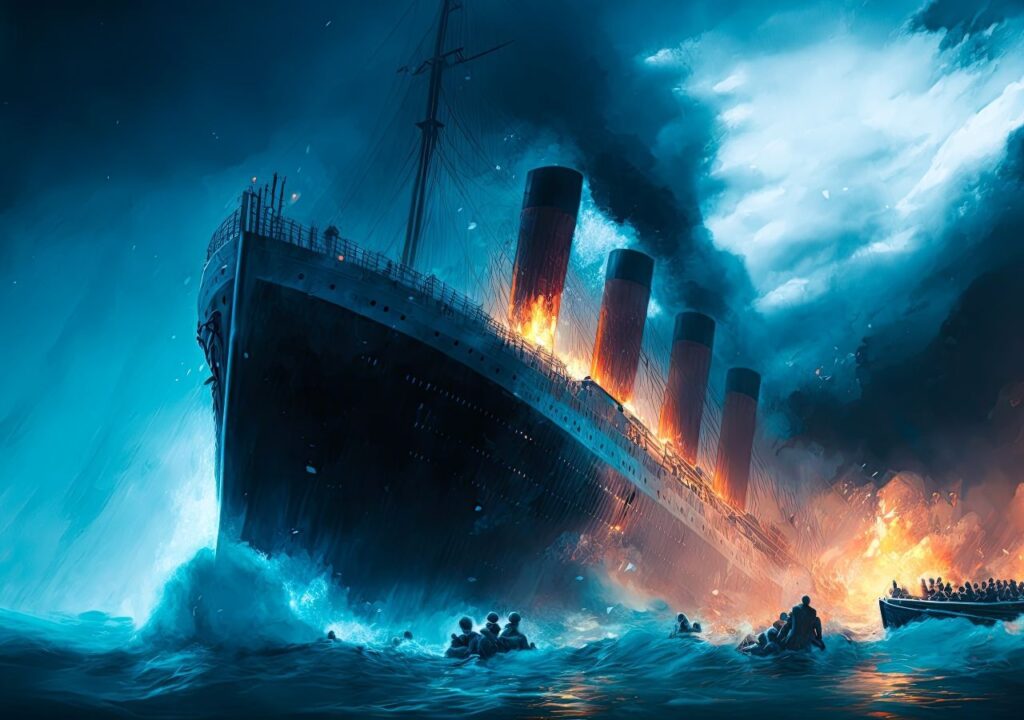
In the annals of maritime history, few names resonate with the power and mystique of RMS Titanic. More than a mere vessel, she was an audacious statement, a floating testament to human ambition and engineering brilliance at the dawn of the 20th century. Her story, though tragically brief, is one of unparalleled scale, luxury, and innovation, capturing the imagination of generations and forever altering the course of shipbuilding and safety regulations. Today, we embark on an enthusiastic journey to uncover the intricate details that made this ocean liner a true legend.
Before her fateful maiden voyage, Titanic represented the pinnacle of industrial achievement, a symbol of progress and prosperity for millions seeking a new life. From the ambitious discussions between shipping magnates to the meticulous work of thousands of skilled laborers, every aspect of her creation was designed to push boundaries. This article celebrates the sheer ingenuity and groundbreaking features that solidified Titanic’s place as an enduring icon of enterprise and human endeavor, drawing exclusively from the historical context provided.
Prepare to be immersed in the astonishing world of a ship that, even today, continues to inspire awe and curiosity. We’ll delve into her strategic conception, the colossal undertaking of her construction, the sophisticated design of her many decks, the raw power of her engines, the advanced technology that defined her, and the crucial communication systems that connected her to the world. Each facet reveals a chapter in the remarkable, and ultimately tragic, saga of the magnificent RMS Titanic.
1. **A Vision of Unrivaled Maritime Supremacy**The genesis of the Olympic-class ocean liners, of which Titanic was the second, sprung from a pivotal discussion in mid-1907 between J. Bruce Ismay, the chairman of the White Star Line, and J. P. Morgan, who controlled the company’s parent corporation, the International Mercantile Marine Co. (IMM). At this time, White Star faced intense competition from rivals like Cunard Line, whose recently launched Lusitania and Mauretania were the fastest passenger ships in service, and formidable German lines like Hamburg America and Norddeutscher Lloyd. Ismay’s strategic vision was clear: instead of competing on sheer speed, he preferred to dominate through unparalleled size, comfort, and luxury.
This bold strategy led to the commission of a new class of liners that would be larger and more opulent than anything previously conceived. The goal was to redefine the transatlantic travel experience, creating vessels that were not just a means of transport, but destinations in themselves. These new ships were also designed with sufficient speed to maintain a weekly service with only three vessels, a significant operational advantage. The Olympic and Titanic were specifically intended to replace older ships such as RMS Teutonic of 1889 and RMS Majestic of 1890, signaling a dramatic upgrade in White Star Line’s fleet.
The design and construction of these monumental ships were entrusted to the Belfast shipbuilder Harland & Wolff, a company that had enjoyed a long and established relationship with the White Star Line since 1867. This relationship was characterized by an unusual degree of latitude given to the shipbuilders; rather than strict cost controls, Harland & Wolff were authorized to spend what was necessary on the ships, ensuring no compromises on quality or ambition, plus a generous five percent profit margin. The initial agreement for the first two ships, Olympic and Titanic, was £3 million, equivalent to approximately £370 million in 2023, plus “extras to contract” and the standard fee.
Harland and Wolff assembled their leading designers for the Olympic-class vessels. Lord Pirrie, a director of both Harland and Wolff and White Star Line, oversaw the design. The team also included naval architect Thomas Andrews, the managing director of Harland and Wolff’s design department; Edward Wilding, Andrews’s deputy, responsible for calculating the ship’s design, stability, and trim; and Alexander Carlisle, the shipyard’s chief draughtsman and general manager. Carlisle’s responsibilities notably included the decorations, equipment, and general arrangements, including the crucial implementation of an efficient lifeboat davit design. On 29 July 1908, the drawings were presented to J. Bruce Ismay and other White Star Line executives, and Ismay’s approval two days later initiated the monumental construction of “Number 400” (later Olympic) and Titanic, which was based on a revised design and assigned the number 401.
Read more about: Unveiling the Mediterranean: A Comprehensive Journey Through its History, Geography, and Enduring Significance
2. **The Colossal Birth: Construction and Engineering Marvels**Building the RMS Titanic was an engineering feat of astonishing proportions, a testament to industrial might and meticulous craftsmanship. The ship was constructed by the legendary Harland and Wolff shipbuilding company in Belfast, a name synonymous with quality and scale in naval architecture. This gargantuan project, ordered on 17 September 1908, laid down on 31 March 1909, and launched on 31 May 1911, finally saw its completion on 2 April 1912, just days before its maiden voyage.
The financial investment in such a marvel was immense, with the initial cost estimated at £1.5 million, a sum that translates to approximately £180 million in 2023. This significant expenditure underscored the White Star Line’s commitment to creating a vessel that would set new standards for luxury and size on the transatlantic route. The yard number 401, along with a way number 400, designated Titanic as a distinct and refined iteration of the Olympic-class design.
Upon entering service, Titanic was truly the largest ship afloat, boasting extraordinary dimensions. She measured an impressive 882 feet 9 inches (269.1 m) overall in length, with a maximum breadth of 92 feet 6 inches (28.2 m). From the keel to the top of her funnels, the ship stood 175 feet (53.3 m) high, an imposing structure dominating the waterfront. Her gross registered tonnage (GRT) was 46,329, with a net registered tonnage (NRT) of 21,831, and she displaced a staggering 52,310 tonnes with a draught of 34 feet 7 inches (10.5 m).
The construction of Titanic was a monumental undertaking, involving countless hours of labor and the assembly of millions of components. The vessel was not just large; it was a highly complex system of interconnected parts, designed to withstand the rigors of ocean travel while providing unparalleled comfort. The sheer scale of the ship required innovative construction techniques and a dedicated workforce, embodying the industrial spirit of the age and showcasing the zenith of shipbuilding capabilities at Harland and Wolff.
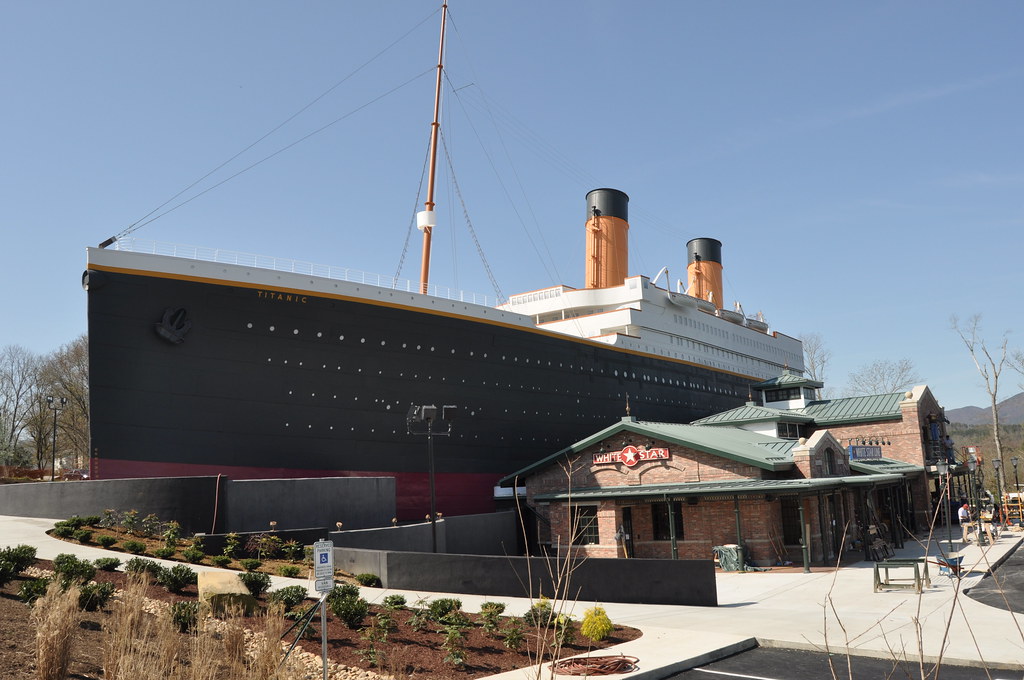
3. **An Architectural Masterpiece: Exploring Titanic’s Multi-Decked World**Titanic’s internal layout was an architectural marvel, designed to impress and cater to the diverse needs of its passengers and crew across its ten decks, eight of which were dedicated to passenger use. Each deck, from the highest Boat Deck to the lowest Tank Top, played a specific role in the ship’s intricate ecosystem, creating a floating world of its own. This meticulous subdivision contributed to the ship’s reputation as the “last word in comfort and luxury.”
The Boat Deck, the uppermost passenger deck, housed the ship’s lifeboats and was the critical launching point during the early hours of 15 April 1912. It also featured the bridge and wheelhouse at the forward end, along with the captain’s and officers’ quarters. Midships, passengers found the entrance to the First Class Grand Staircase and the gymnasium, alongside the raised roof of the First Class lounge. The rear of this deck provided access to the First Class smoke room roof and the Second Class entrance, and even kennels for First Class dogs. The wood-covered deck was cleverly divided into segregated promenades for officers, First Class, engineers, and Second Class passengers. Notably, the lifeboats lined the side, with a deliberate gap in the First Class area to preserve the views.
Below the Boat Deck was A Deck, or the Promenade Deck, spanning the entire 546 feet length of the superstructure. This deck was exclusively reserved for First Class passengers, offering luxurious cabins, a reading and writing room, a grand lounge, a smoke room, and the elegant Palm Court. Next, B Deck, known as the Bridge Deck, served as the top weight-bearing deck and the uppermost hull level. It boasted more First Class accommodations, including six palatial staterooms with private promenades. On Titanic, this deck was also home to the prestigious à la carte restaurant and the Café Parisien, both operated by subcontracted chefs and their staff, offering luxury dining experiences. The Second Class smoking room and entrance hall were also found here. Both the raised forecastle forward of the bridge deck and the raised poop deck aft provided additional space, with the latter serving as a promenade for Third Class passengers—a poignant location for many during the sinking.
C Deck, the Shelter Deck, stood out as the highest deck to run uninterrupted from stem to stern, encompassing both well decks, with the aft well deck serving as part of the Third-Class promenade. This deck housed crew cabins below the forecastle and Third-Class public rooms below the poop deck, while the central section contained the majority of First Class cabins and the Second-Class library. D Deck, the Saloon Deck, was dominated by magnificent public rooms: the First-Class reception room, the First-Class dining saloon, and the Second-Class dining saloon, alongside the respective galleys. Cabins for all three classes were present here, including berths for firemen in the bow. This deck was significant as it was the highest level reached by eight of the ship’s fifteen watertight bulkheads.
E Deck, or the Upper Deck, was primarily dedicated to passenger accommodation for all three classes, along with berths for various crew members such as cooks, seamen, stewards, and trimmers. A distinctive feature of this deck was the long passageway nicknamed ‘Scotland Road,’ a direct reference to a famous street in Liverpool, which was utilized by both Third Class passengers and crew members for passage. F Deck, the Middle Deck, mainly accommodated Second- and Third-Class passengers and several crew departments. Crucially, it housed the Third Class dining saloon and the luxurious First Class bath complex, which included the swimming pool and the Turkish bath, offering relaxation and recreation to elite travelers.
Finally, G Deck, the Lower Deck, featured the lowest portholes, situated just above the waterline. Here, First-Class passengers could enjoy the squash court, and the travelling post office tirelessly sorted letters and parcels. Food storage areas were also located on this deck. This level was punctuated by orlop (partial) decks above the boiler, engine, and turbine rooms. The absolute lowest levels were the orlop deck and the tank top below it, which housed the ship’s vital machinery—boilers, engines, turbines, and electrical generators—in areas strictly off-limits to passengers. These sections were connected to higher decks by two flights of stairs in the fireman’s passage and twin spiral stairways near the bow, providing access up to D Deck.
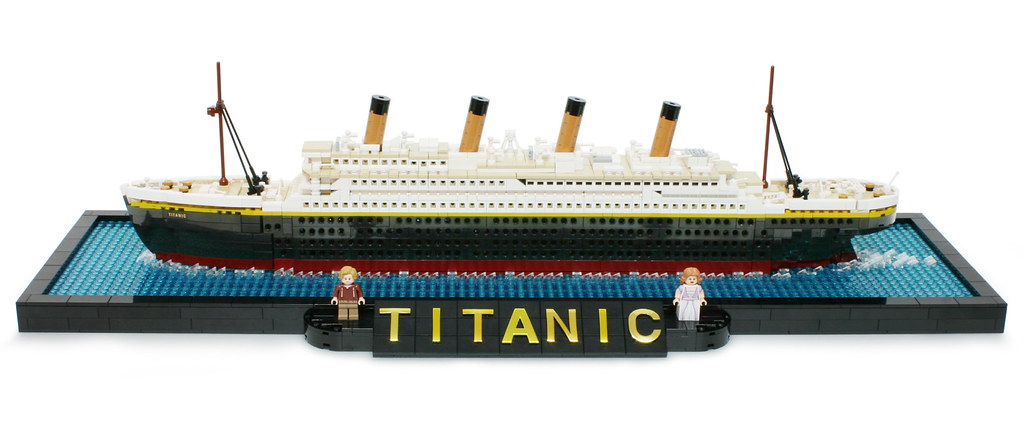
4. **Heart of Power: Titanic’s Revolutionary Propulsion System**The RMS Titanic was a marvel of marine engineering, driven by a sophisticated and highly efficient propulsion system. Her power was supplied by three main engines: two reciprocating four-cylinder, triple-expansion steam engines and one centrally placed low-pressure Parsons turbine. Each of these engines was connected to its own propeller, allowing for immense thrust and controlled maneuverability. The two reciprocating engines alone generated a combined output of a formidable 30,000 horsepower (22,000 kW), while the steam turbine contributed an additional 16,000 horsepower (12,000 kW).
This specific combination of engines was not a novel experiment for the White Star Line; it had been successfully implemented on an earlier liner, the Laurentic, where it proved to be a resounding success. The genius of this hybrid system lay in its ability to deliver a superb balance of performance and speed. While reciprocating engines alone lacked the raw power to propel an Olympic-class liner at the desired speeds, all-turbine configurations, such as those found on Cunard’s Lusitania and Mauretania, unfortunately caused uncomfortable vibrations. By combining the two, White Star Line achieved powerful propulsion while mitigating vibrations, and critically, significantly reducing fuel usage while increasing motive power using the same amount of steam.
Fueling this colossal machinery required an immense logistical effort. The two reciprocating engines were enormous, each measuring 63 feet (19 m) long and weighing 720 tonnes, with their bedplates adding another 195 tonnes. They were powered by steam generated in 29 boilers—24 double-ended and five single-ended—which contained a staggering total of 159 furnaces. Each boiler, 15 feet 9 inches (4.80 m) in diameter and 20 feet (6.1 m) long, weighed 91.5 tonnes and held 48.5 tonnes of water.
The furnaces demanded an incredible amount of coal, with over 600 tonnes shoveled into them by hand every single day. This relentless task required the services of 176 firemen working around the clock, a testament to the sheer human effort behind the ship’s operation. Titanic’s bunkers could carry 6,611 tonnes of coal, with an additional 1,092 tonnes stored in Hold 3, ensuring a substantial reserve for the transatlantic journey. The byproduct of this intense combustion was 100 tonnes of ash daily, which had to be disposed of by ejecting it into the sea, highlighting the demanding and continuous nature of the engine room’s operations.
The exhaust steam, a potent energy source, was cleverly routed from the reciprocating engines into the turbine, situated aft. From the turbine, it passed into a surface condenser, a vital component designed to enhance the turbine’s efficiency and convert the steam back into water for reuse, closing the energy loop. The engines were directly coupled to long shafts that drove the ship’s three propellers. The outer, or wing, propellers were the largest, each featuring three manganese-bronze alloy blades with a total diameter of 23.5 feet (7.2 m). The middle propeller was slightly smaller, at 17 feet (5.2 m) in diameter, and uniquely could be stopped but not reversed, showcasing a sophisticated design choice for optimal performance and control.
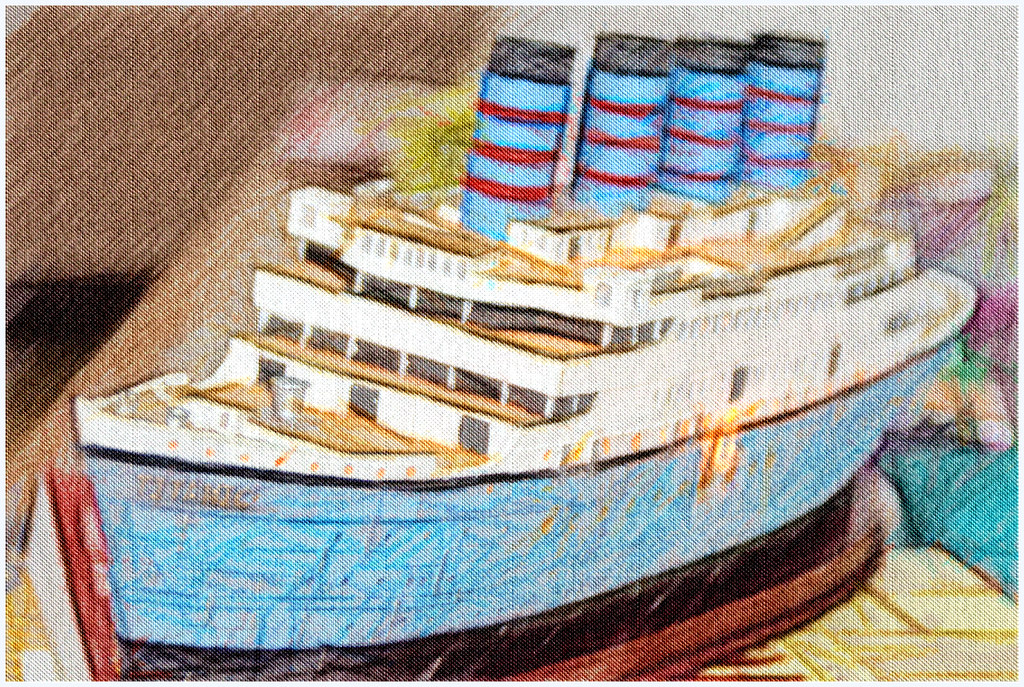
5. **Illuminating the Journey: The Ship’s Advanced Electrical and Water Systems**The RMS Titanic was not only a marvel of mechanical propulsion but also an impressive example of self-sustaining technological advancement, especially concerning its electrical power and water systems. Its electrical plant was remarkably potent, capable of generating more power than an average city power station of the time, a fact that speaks volumes about the ship’s cutting-edge infrastructure. This robust electrical capacity was crucial for illuminating the ship’s vast interiors, powering its numerous amenities, and supporting all operational needs.
Power generation was primarily handled by four 400 kW steam-driven electric generators, positioned immediately aft of the turbine engine. These primary generators ensured a consistent and ample supply of electricity throughout the voyage. In addition to these main powerhouses, the ship was equipped with two 30 kW auxiliary generators, strategically designated for emergency use. The location of these generators in the stern of the ship was a critical design choice, allowing them to remain operational until the very last few minutes before the ship succumbed to the icy waters, providing essential power during the critical final moments.
Beyond electricity, Titanic boasted an equally sophisticated waterworks system, meticulously designed to heat and pump water to all parts of the vessel through an intricate network of pipes and valves. The primary water supply was taken aboard while the ship was in port, ensuring a fresh start to each voyage. However, for emergencies or extended journeys, the ship was also capable of distilling fresh water from seawater. While this was an impressive capability, it was not without its challenges, as the distillation plant could quickly become clogged by salt deposits, requiring careful management.
The comfort of passengers was paramount, and Titanic’s climate control system reflected this commitment. A comprehensive network of insulated ducts effectively conveyed warm air throughout the ship, driven by electric fans. For an added layer of luxury and personalized comfort, First-Class cabins were fitted with additional electric heaters, allowing passengers to fine-tune their cabin temperature. The ship’s advanced ventilation system utilized the “Sirocco Fan,” a centrifugal fan produced by Davidson and Co, Sirocco Works, a testament to the high-quality industrial partnerships that furnished the ship. Despite her advanced systems, Titanic notably lacked a searchlight, in adherence to the merchant navy’s ban on their use at the time, a detail that takes on tragic significance in hindsight.
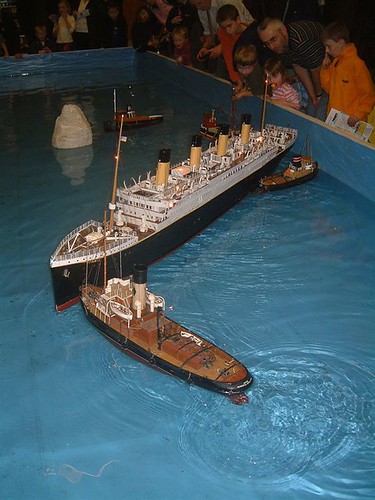
6. **The Unsinkable Myth: Cutting-Edge Safety Features and Structural Design**RMS Titanic was famously, though inaccurately, dubbed “unsinkable,” a reputation largely based on her highly advanced safety features and robust structural design for the era. The ship’s interior was meticulously subdivided into 16 primary compartments, separated by 15 bulkheads that extended significantly above the waterline. This compartmentalization was a cornerstone of its perceived invincibility, designed to contain flooding in the event of a breach and keep the ship afloat.
Controlling these compartments were state-of-the-art watertight doors. The eleven vertically closing watertight doors on the orlop deck could be operated in multiple ways: automatically via a switch on the bridge, locally by a lever next to the door itself, or by an automatic buoyancy mechanism that would activate if water reached a height of six feet within the compartment. This redundancy in operation was intended to provide maximum control and safety in an emergency. Additionally, several other horizontally closing watertight doors were located along Scotland Road and in various crew and Third Class passenger spaces on the G, F, and E decks, which required a small key for activation.
The materials used in Titanic’s construction also spoke to its quality and durability. The ship’s exposed decking was crafted from durable pine and teak, providing both aesthetic appeal and practical resilience against the elements. Inside, to combat condensation and enhance comfort, interior ceilings were covered in painted granulated cork. These details underscore the thoroughness of the design, addressing both structural integrity and the passenger experience.
Rising majestically above the decks were four funnels, each painted in the distinctive White Star buff with black tops. Interestingly, only three of these funnels were functional; the aftmost one was a dummy, installed purely for aesthetic balance and used for ventilating the kitchen, as well as the First and Second Class smoking rooms. Two masts, each soaring 155 ft (47 m) high, further punctuated the ship’s silhouette, supporting derricks essential for working cargo. The ship’s rudder was another impressive piece of engineering, measuring 78 feet 8 inches (23.98 m) high and 15 feet 3 inches (4.65 m) long, weighing over 100 tonnes. Its sheer size necessitated powerful steering engines to move it.
Two steam-powered steering engines were installed for this purpose, with only one in active use at any given time, the other held in reserve. These engines were connected to the short tiller through stiff springs, ingeniously designed to isolate the steering mechanism from the shocks of heavy seas or rapid changes in direction. As a final fail-safe, the tiller could also be moved by ropes connected to two steam capstans. These capstans served a dual purpose, also used for raising and lowering the ship’s five anchors—one on the port side, one on the starboard, one in the centerline, and two kedging anchors—showcasing a remarkable blend of robust design and backup systems intended to secure the ship in any situation.
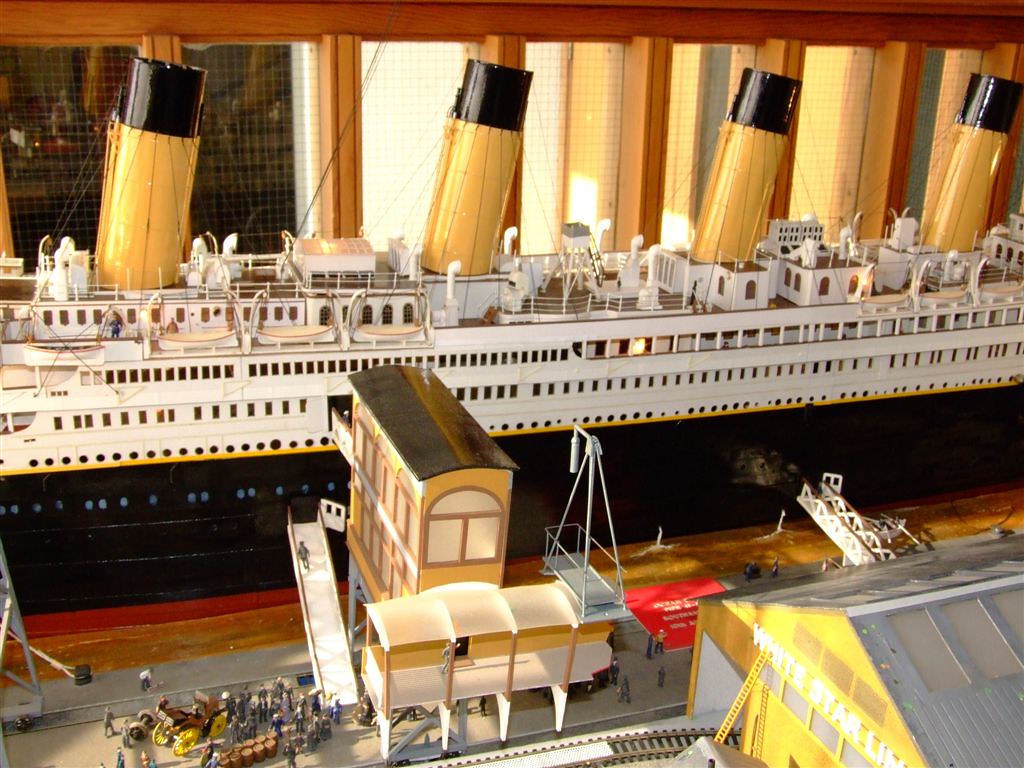
7. **Connecting the World: The Power of Marconi on the High Seas**In an era before widespread radio communication, the RMS Titanic was equipped with a state-of-the-art radiotelegraph system, leased from the Marconi International Marine Communication Company, which also provided its two skilled operators, Jack Phillips and Harold Bride. This sophisticated wireless telegraphy, as it was then known, was a vital lifeline connecting the ship to the shore and to other vessels, operating on a continuous 24-hour schedule. Its primary function was to send and receive passenger telegrams, affectionately known as “marconigrams,” allowing those aboard to communicate across the vast Atlantic.
Beyond personal messages, the Marconi system handled crucial navigation messages, including essential weather reports and, perhaps most critically, ice warnings from other ships. This continuous flow of information was indispensable for safe passage across the ocean. The radio room, a nerve center of communication, was strategically located on the Boat Deck within the officers’ quarters, providing easy access for critical operational personnel. Adjacent to the main operating room was a soundproofed “Silent Room,” designed to house loud equipment, such as the transmitter and a motor-generator used for producing alternating currents, ensuring the operators could work effectively without distraction. The living quarters for Phillips and Bride were conveniently situated next to their working office, emphasizing the demanding nature of their round-the-clock duties.
Titanic’s wireless telegraph call sign was MGY, and communication was conducted in Morse code, a universal language of dots and dashes across the airwaves. The ship was outfitted with a powerful 5-kilowatt rotary spark-gap transmitter, which was considered cutting-edge technology. This particular Marconi installation was one of the first to utilize a rotary spark-gap, imparting Titanic’s signals with a distinctive musical tone that made them readily identifiable amidst the cacophony of other radio transmissions. This unique sonic signature not only aided in identification but also conveyed a sense of advanced capability.
The transmitter was among the most powerful in the world at the time, guaranteed to broadcast over an impressive radius of 350 miles (304 nmi; 563 km), greatly extending its reach and influence. For both transmitting and receiving, an elevated T-antenna spanned the length of the ship, maximizing its efficiency and range. While the normal operating frequency was 500 kHz (600 m wavelength), the versatile equipment could also operate on the “short” wavelength of 1,000 kHz (300 m wavelength), a frequency commonly employed by smaller vessels with shorter antennas, ensuring interoperability across the maritime network. This remarkable communication suite underscored Titanic’s commitment to safety and connectivity, truly making her a beacon on the open sea.” , “_words_section1”: “1997
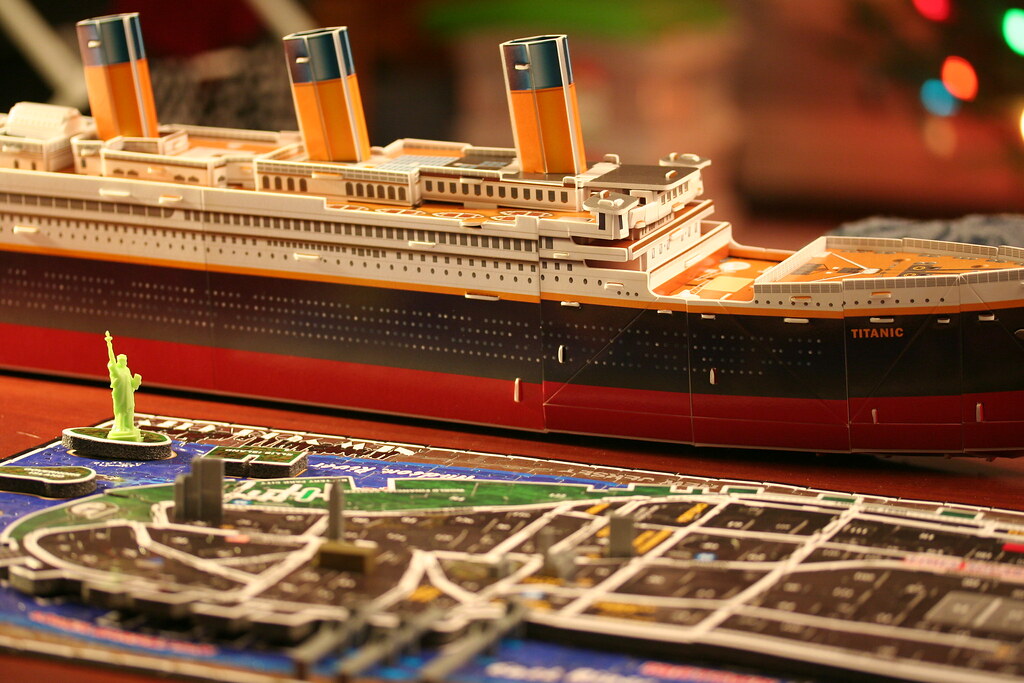
8. **First-Class Passenger Facilities: A Floating Palace of Delights**Stepping aboard the RMS Titanic as a First-Class passenger was entering an opulent hotel, transforming the transatlantic journey into unparalleled luxury. Unlike typical ship decor mimicking country houses, Titanic embraced a lighter, contemporary style inspired by the Ritz Hotel. Passengers would “at once lose the feeling that we are on board ship, and seem instead to be entering the hall of some great house on shore,” an immersive escape.
The array of amenities was breathtaking, designed for every whim. Imagine a 7-foot deep saltwater swimming pool, an impressive gymnasium, and a squash court. For relaxation, a lavish Victorian-style Turkish bath complex awaited, complete with hot, warm, cooling-rooms, shampooing rooms, a steam room, and an electric bath. These were statements of ultimate comfort.
Beyond activities and spa treatments, First-Class common rooms redefined shipboard socializing. Passengers could gather in a magnificent lounge styled after the Palace of Versailles, or unwind in an enormous reception room and a men’s smoking room. For quieter moments, a serene reading and writing room offered retreat. Cabins showcased luxury with Empire-style finishes and a steward-summoning button.
Dining on Titanic was an epicurean adventure. The à la carte restaurant, run by Gaspare Gatti, rivaled the finest establishments on land. Adjacent, the charming Café Parisien offered exquisite French haute cuisine. For lighter fare, the Verandah Café provided ocean vistas. The D Deck dining saloon, the largest room afloat, seated nearly 600 passengers.
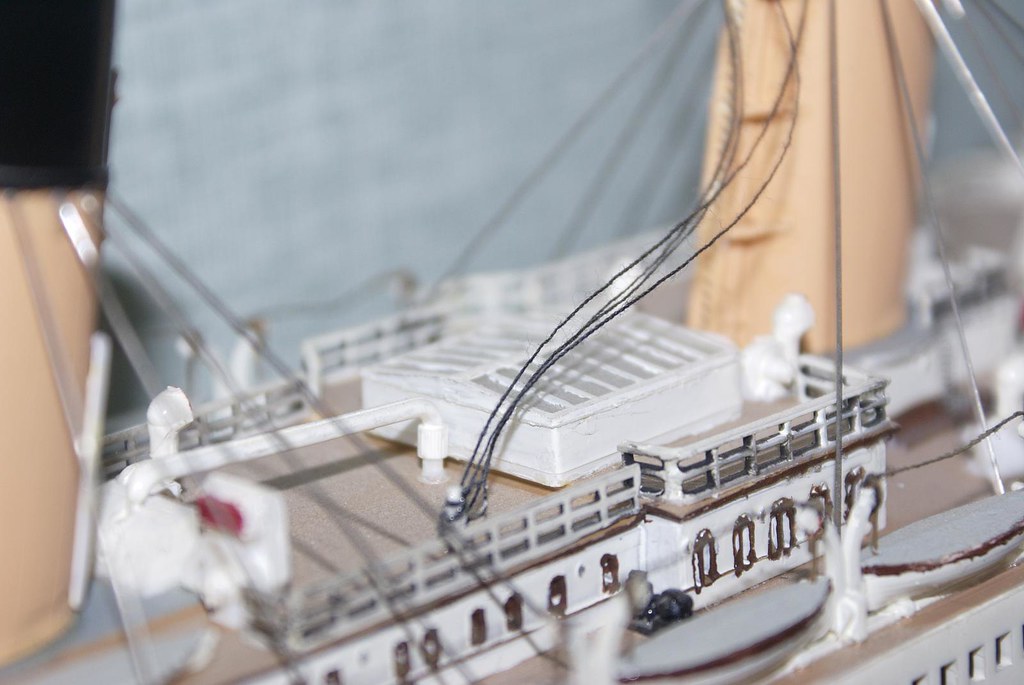
9. **The Grand Staircase: A Symphony in Oak and Glass**Of all Titanic’s majestic features, none captured imagination like its First Class Grand Staircase. This architectural marvel was the symbolic heart of the ship’s opulence, embodying White Star Line’s commitment to grandeur. Its presence elevated the ship from a vessel to a floating palace.
Crafted from solid English oak, the staircase curved gracefully, a masterpiece cascading through seven decks, from Boat Deck to E Deck. Natural light flooded the stairwell, filtering through a magnificent dome of wrought iron and glass, creating an ethereal glow. Each turn revealed new details, inviting admiration for its exquisite craftsmanship.
Every landing opened into ornate entrance halls, meticulously paneled in William & Mary style. These spaces were brought to life by ormolu and crystal light fixtures. At the uppermost landing, a grand carved wooden panel displayed a clock, flanked by “Honour and Glory Crowning Time,” a poignant reminder of prestige.
The Grand Staircase was more than beautiful; it was a central hub for First Class passengers. Its design, almost identical to Olympic’s, showcased the pinnacle of Edwardian interior design. Tragically, this iconic structure was lost with the ship, its space now a haunting void. Some accounts suggest the entire staircase may have been ejected upwards through its dome.
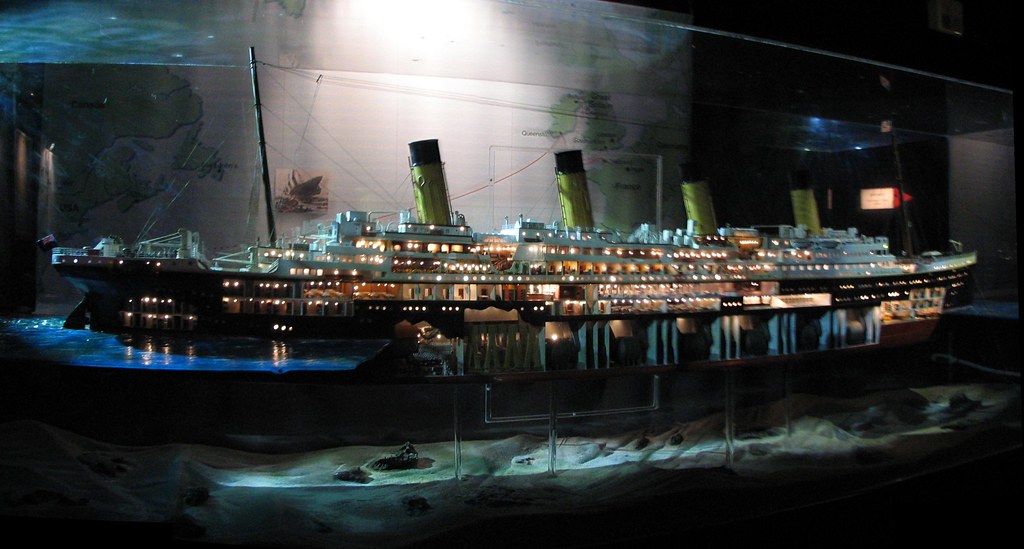
10. **Second-Class Excellence: Comfort Beyond Expectation**While First-Class extravagance often dominates, Titanic’s Second-Class accommodations represented a remarkable upgrade from typical liner offerings. White Star Line’s vision of comfort extended beyond the wealthiest, ensuring middle-class passengers enjoyed elegance and convenience. This commitment made transatlantic travel accessible and enjoyable for a broader demographic, truly setting Titanic apart.
Second-Class passengers found well-appointed spaces for relaxation and social interaction. On B Deck, they accessed a dedicated smoking room and inviting entrance hall for congenial conversations. These areas, while not as ostentatious as First-Class, still exuded refined taste and comfort.
The commitment to passenger well-being continued on C Deck, where a Second-Class library provided a quiet haven for reading. This amenity, often reserved for First Class on other ships, underscored Titanic’s progressive approach. D Deck featured a dedicated Second-Class dining saloon, a spacious and elegant venue serving meals far superior to expectations.
Comfortable cabins were also a hallmark, thoughtfully designed to provide private and respectable living spaces. This focus on privacy and dignity offered a stark contrast to crowded conditions on competing vessels. The general impression was one of significant value, benefiting from White Star Line’s “floating hotel” goal.

11. **Third-Class Innovations: Redefining Steerage Travel**Even in Third Class, often called “steerage,” the RMS Titanic fundamentally changed the game, offering superior accommodations to many other ships. White Star Line broke the traditional mold, understanding dignified passage was crucial for hundreds of emigrants seeking new lives. This progressive approach highlighted a rare consideration for all passengers.
Unlike open dormitories where hundreds were confined, lacking adequate facilities, White Star Line ships provided private, small but comfortable cabins. These accommodated two to ten individuals, offering unprecedented privacy and personal space. This monumental shift provided respect and security to those embarking on a life-changing journey.
Third-Class accommodations were strategically divided for an orderly environment: single men forward, families aft. This thoughtful separation fostered a more appropriate atmosphere for diverse groups, acknowledging distinct needs.
Beyond private sleeping quarters, Third-Class passengers had access to dedicated dining rooms. Public gathering areas, including ample open deck space, were crucial for fresh air and socializing. This commitment was supplemented by a smoking room for men and a general room on C Deck for women. This elevated standard demonstrated White Star Line’s commitment to a superior experience.

12. **Mail and Valuables: Titanic’s Hidden Commerce**Beyond its passenger grandeur, the RMS Titanic played a crucial role in global commerce and communication, proudly designated a Royal Mail Ship (RMS). It carried mail under contract with the Royal Mail and the U.S. Post Office. The ship transported not just people, but the pulse of international business and personal connections, a key logistical asset.
To facilitate this immense undertaking, 26,800 cubic feet of space was allocated for mail, parcels, and specie. On G Deck, a dedicated Sea Post Office was a hive of activity, manned by five postal clerks working tirelessly 13 hours daily, seven days a week. They sorted up to 60,000 items daily, ready for delivery.
The ship’s cargo manifest extended beyond official mail. Passengers contributed huge baggage, occupying another 19,455 cubic feet. Additionally, considerable general cargo filled the holds, from furniture and foodstuffs to exotic items, including a 1912 Renault Type CE Coupe de Ville motor car.
While myths sensationalized gold or diamonds, the reality was nuanced. One famously lost item was a jewelled Rubaiyat of Omar Khayyam. However, the most highly valued item, per compensation claims, was a neoclassical oil painting, “La Circassienne au Bain,” valued at $100,000 (equivalent to $2,300,000 in 2023). Other entries included ostrich feathers and “Dragon’s Blood.”
Logistical effort for this vast cargo was considerable. Titanic had eight electric cranes, four electric winches, and three steam winches for efficient loading. Even before sailing, the ship used 415 tonnes of coal just to operate these cargo winches and provide heat and light, underscoring its immense operational infrastructure.
13. **Lifeboat Readiness: A Critical Miscalculation**Despite its “unsinkable” reputation—fueled by advanced watertight compartments—the RMS Titanic harbored a critical vulnerability in its lifeboat provisions. The ship was equipped with 16 sets of davits, theoretically allowing for 48 wooden boats. This foresight, championed by Alexander Carlisle, seemed to promise robust safety.
However, the reality of the ship’s actual deployment was starkly different. In a decision later intensely scrutinized, the White Star Line equipped Titanic with only twenty lifeboats: fourteen standard wooden (capacity 65 each), four Engelhardt “collapsible” (capacity 47 each), and two smaller emergency cutters (capacity 40 each).
The combined capacity of these twenty lifeboats was a mere 1,178 people. This represented roughly half the passengers on board, and a startling one-third of the ship’s full capacity. While this met outdated maritime safety regulations (requiring fourteen lifeboats for a 10,000-tonne ship), it was tragically insufficient for Titanic’s colossal size.
Positioning further complicated matters. Most were securely stowed on the Boat Deck, but two collapsible boats, A and B, were on the officers’ quarters roof, lacking davits. Their weight made hand-launching incredibly difficult. Even successfully lowered boats often departed with empty space, filled only to 60% capacity. This shortfall, a consequence of minimum regulatory standards, tragically highlighted the gap between regulation and realistic emergency preparedness.

14. **An Enduring Legacy: Reshaping Maritime Safety and Culture**The tragic sinking of the RMS Titanic, claiming approximately 1,500 lives from an estimated 2,224 people, remains one of history’s deadliest peacetime sinkings. This profound disaster, contradicting its “unsinkable” reputation, served as a monumental catalyst, forever altering maritime safety regulations and inspiring a lasting legacy in global culture. Titanic’s story became an indelible part of our collective consciousness.
Immediate aftermath spurred intense investigations, critically examining every aspect from ship design to operational procedures. Inquiries swiftly pinpointed inadequate lifeboat provisions as a major contributing factor. While Titanic carried more lifeboats than legally required, regulations were outmoded, based on tonnage rather than passenger capacity. This led directly to fundamental reforms.
The disaster became the impetus for the first International Convention for the Safety of Life at Sea (SOLAS) in 1914. It established comprehensive new rules: dramatically increased lifeboat requirements, mandated continuous 24-hour radio watches, and highlighted the critical need for an international ice patrol and stricter watertight compartment rules. Lessons from Titanic reshaped naval architecture and safety protocols, making future sea travel significantly safer.
Beyond safety, Titanic’s story resonated deeply within popular culture, inspiring countless books, films, songs, and memorials. It became a powerful symbol of human hubris versus nature, class distinctions, heroism, and tragedy. Narratives of Captain Edward John Smith going down with his ship and J. Bruce Ismay surviving sparked discussions on duty, privilege, and responsibility that continue to this day, becoming archetypal stories.
Read more about: Quincy, Massachusetts: A Storied Legacy of Presidents, Pioneers, and Enduring American Spirit
Ultimately, the RMS Titanic’s legacy is one of profound transformation. Born from ambition, its demise revealed systemic flaws and propelled humanity toward unprecedented advancements in maritime safety. It remains a poignant reminder that even grandest achievements require constant vigilance and adaptation. Its memory, woven into history and culture, continues to echo the lessons learned.


