In a world driven by data, performance, and understanding the core mechanics of success, it’s easy to overlook the silent, yet undeniable, power held within fundamental building blocks of our universe. Among these, the number eight stands as an often-underappreciated titan, a foundational integer whose influence extends far beyond simple enumeration. It’s a number woven into the very fabric of existence, from the deepest reaches of theoretical physics to the most practical applications in technology and the intricate structures of the natural world.
This isn’t merely a count; it’s a testament to order, structure, and underlying principles that drive everything from atomic stability to the architecture of our digital age. Just as a strong physique is built upon fundamental exercises and precise nutrition, a robust understanding of our world benefits from recognizing the powerful elements that underpin it. The number eight is one such element, a recurring motif that signals completion, balance, and significant benchmarks across disciplines.
Prepare to delve into the authoritative insights surrounding this remarkable digit. We’ll explore how eight isn’t just a numerical placeholder, but a blueprint for efficiency, a cornerstone of complex systems, and a symbol of critical stability. Understanding its multifaceted roles will not only enrich your intellectual arsenal but also equip you with a deeper appreciation for the structured elegance of the cosmos and the innovations that shape our daily lives.

1. **The Linguistic Roots of Eight: Tracing Its Ancient Etymology**The word “eight” itself carries a lineage stretching back through millennia, a linguistic artifact of ancient thought and communication. Its English form originates from Old English ‘eahta’ or ‘æhta’, which directly descends from the hypothesized Proto-Germanic ‘*ahto’. What’s truly fascinating is that this Proto-Germanic root is a direct continuation of the even more ancient Proto-Indo-European ‘*oḱtṓ(w)-‘, making “eight” a linguistic cousin to similar terms like the Greek ‘ὀκτώ’ and Latin ‘octo-‘. These shared origins are still evident in English prefixes such as ‘oct(o)-‘, which we encounter in words like ‘octaval’ or ‘octonary’, signifying a deep, interconnected history across languages.
Beyond its Indo-European roots, the number eight boasts a global etymological presence that reflects diverse cultural perspectives. The Semitic numeral, for instance, is built upon a root ‘*θmn-‘, leading to Akkadian ‘smn-‘, Arabic ‘ṯmn-‘, and Hebrew ‘šmn-‘. In contrast, the Chinese numeral ‘八’ (bā in Mandarin; baat in Cantonese) traces its lineage from Old Chinese ‘*priāt-‘, an ultimate descendant of Sino-Tibetan ‘b-r-gyat’ or ‘b-g-ryat’, which also gave rise to the Tibetan ‘brgyat’. This global tapestry of origins underscores the universal human need to quantify and categorize, with ‘eight’ holding a distinct position in the evolution of numerical language.
Intriguingly, there’s a compelling argument that ‘eight’ might be the first numeral to be considered composite in its etymology, suggesting it was understood as “twice four” or “two short of ten.” This concept, often called the “quaternary hypothesis,” posits that ancient peoples might have universally processed a maximum of seven items as a single set, making ‘eight’ a new conceptual grouping. This idea is further supported by observations in Turkic languages, where words for “eight” (‘*sekiz’) have been suggested to derive from a negation of ‘eki’ (two), implying “without two fingers” or “two short of ten.” Similarly, Uralic languages feature ‘*kakteksa’, meaning “two before (ten),” highlighting a pattern of conceptualizing eight in relation to ten or four, rather than as a singular, indivisible unit.
Read more about: The Unseen Tapestry: Exploring the Rich History and Remarkable Legacies of Women Named Barbara, Featuring Barbara Eden
2. **The Visual Journey of the Digit 8: From Ancient Script to Modern Form**The seemingly simple modern digit ‘8’ has an unexpectedly rich history, a visual evolution that mirrors the development of human writing and arithmetic systems. Like almost all modern Arabic numerals (excluding zero), the ‘8’ originates from the ancient Brahmi numerals of India. By the 1st century, the Brahmi digit for eight was typically drawn in a single stroke, forming a curve that bore a resemblance to an uppercase ‘H’, with the lower half of the left line and the upper half of the right line removed. This early form, though distinct, was the genesis of our contemporary symbol.
Over the early centuries of the Common Era, the Brahmi digit for eight underwent significant graphic variations in India. In some instances, it transformed into a single wedge shape, which was subsequently adopted into the Perso-Arabic tradition as ‘٨’. This wedge-like form also gave rise to the later Devanagari ‘८’. However, an alternative curved glyph also persisted as a variant within the Perso-Arabic tradition. This curved form, in some regions, evolved to look quite similar to our modern digit ‘5’, presenting a potential source of confusion that would eventually be addressed through further graphic innovation.
The crucial step towards the ‘8’ we recognize today occurred with the digits used in Al-Andalus by the 10th century. Here, the western variant of Arabic numerals, known as ghubār numerals (from ‘ghubār’ meaning “sand table”), played a pivotal role. The line of the 5-like glyph used for eight in Indian manuscripts was transformed in ghubār to become a closed loop. This distinctive ‘8-shape’ was then adopted into European use in the 10th century. Over time, European scribes and printers further refined and rounded this closed-loop form, leading directly to the sleek, symmetrical glyph that represents the number eight in modern typefaces. Notably, in many contemporary typefaces, especially those with text figures, the character for ‘8’ typically features an ascender, similar to the presentation in old-style figures, showcasing a subtle continuity in its design evolution.
Read more about: The Enduring Symbol: A Comprehensive Examination of the Dollar Sign’s Origins, Evolution, and Modern Applications
3. **Eight’s Fundamental Role in Mathematics: Understanding Its Core Properties**Far from being just another integer, the number eight holds a distinguished position within the realm of mathematics, characterized by a unique set of properties that make it a compelling subject of study. It is, first and foremost, a composite number, meaning it has divisors other than one and itself; specifically, its proper divisors are 1, 2, and 4. This immediately sets it apart from prime numbers, marking it as the first number that is neither prime nor semiprime. A deeper look reveals its identity as a power of two, expressed as 2³ or two cubed, highlighting its robust, multiplicative structure. Interestingly, its aliquot sum, which is the sum of its proper divisors, is 7 – a property shared by all powers of two, whose aliquot sum is always one less than themselves.
Eight’s mathematical significance extends into more intricate sequences and theorems. By Mihăilescu’s Theorem, it stands alone as the only nonzero perfect power that is precisely one less than another perfect power (since 2³ = 8, and 3² = 9, 8 = 9 – 1). Furthermore, eight is the first proper Leyland number of the form xʸ + yˣ, occurring when both x and y equal 2 (2² + 2² = 4 + 4 = 8). Its connection to the Fibonacci sequence is equally notable: 8 is a Fibonacci number, emerging from the sum of 3 and 5, and it holds the distinct honor of being the only nontrivial Fibonacci number that is also a perfect cube. This singular status underscores its unique blend of additive and multiplicative properties within this famous sequence. Another intriguing characteristic is its relation to sphenic numbers; any sphenic number (a positive integer that is the product of three distinct prime numbers) will always have exactly eight divisors.
Beyond these specific classifications, eight serves as a fundamental building block in various mathematical constructs. It’s the base of the octal number system, a system frequently utilized in computing contexts where one octal digit efficiently represents three bits of binary information. Its classification as an integer and a cardinal number for counting places it squarely in the elementary foundations of numerical understanding, while its identity as a real number differentiates it from more abstract imaginary counterparts. Whether analyzing its divisibility, its position in advanced theorems, or its role in different counting systems, the number eight consistently demonstrates its deep and pervasive influence throughout mathematics, proving itself to be a number of immense structural importance.
Read more about: Exploring the Power of Eight: A Deep Dive into Its Engineering, Performance, and Global Impact
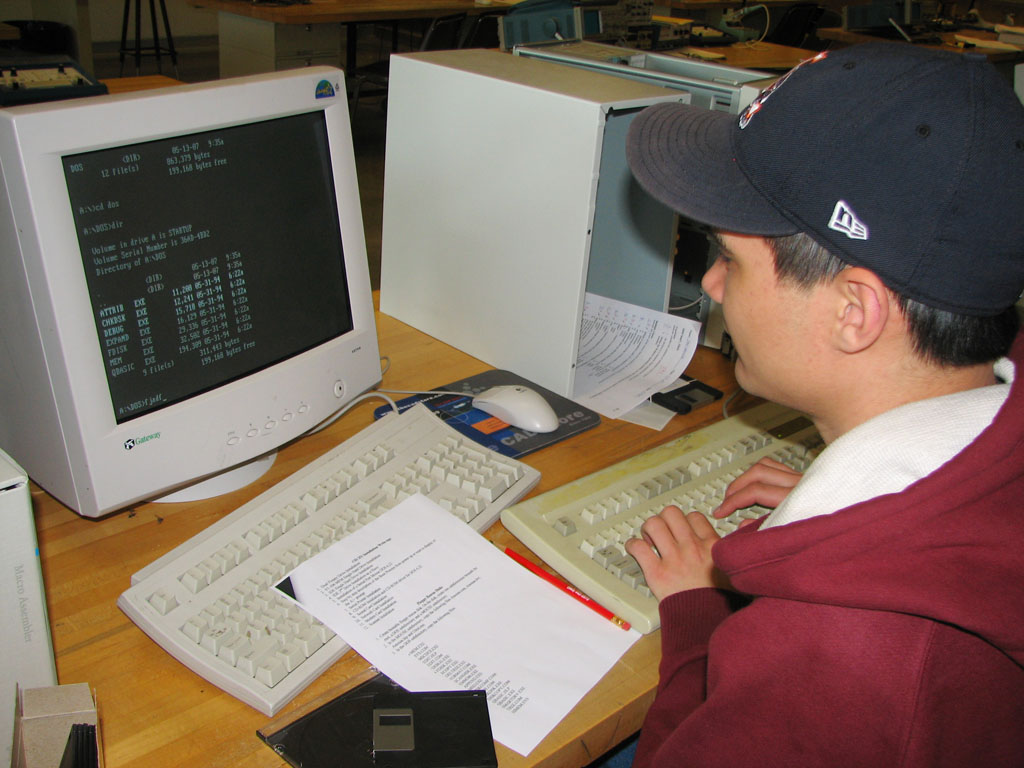
4. **The Octal System: Eight in Computer Science Foundations**In the intricate architecture of computing, efficiency and structured organization are paramount, and here, the number eight emerges as a silent yet foundational hero through the octal number system. Eight, as a power of two (2³), makes it an exceptionally natural fit for computer science, where information is fundamentally processed in binary (base-2) digits. The octal system, with its base of 8, provides a compact and human-readable way to represent binary numbers. Each single digit in octal conveniently corresponds to exactly three bits of binary data, streamlining the representation of longer binary strings and making them far easier for programmers and engineers to interpret and manage.
Perhaps the most ubiquitous and enduring legacy of the number eight in modern computing is the byte. A byte is universally defined as a grouping of eight bits, a standard that forms the fundamental unit of digital information storage and transmission. This grouping, sometimes also referred to as an octet, is the cornerstone upon which all digital data, from characters in a text document to pixels in an image and instructions in software, is built. Without the standardized eight-bit byte, the interoperability and efficiency of computer systems as we know them would be vastly different. This elegant grouping provides the precision needed for complex operations while maintaining a manageable size for data handling.
Understanding eight’s role in numeral systems also highlights its versatility across various computational contexts, even if octal itself is less common than hexadecimal (base 16) in current high-level programming. In binary code, eight is represented as ‘1000’. In ternary (base 3), it’s ’22’. In quaternary (base 4), it’s ’20’, and so forth, until in octal, it’s simply ’10’. This progression illustrates how ‘8’ serves as a crucial benchmark across different numerical bases, demonstrating its inherent structural relationship to powers of two. Its widespread adoption in defining the byte solidifies its status not just as a mathematical curiosity, but as an indispensable component in the very infrastructure of our digital world, underpinning the performance and aesthetics of modern technology.
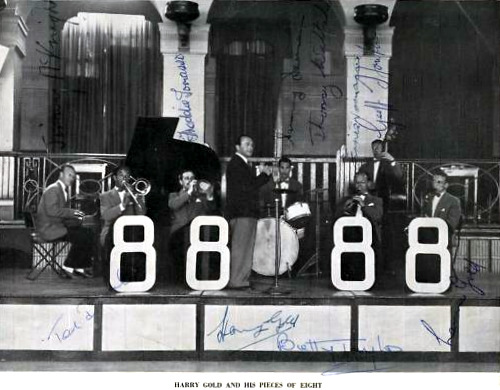
5. **Geometric Manifestations of Eight: Shapes, Solids, and Spatial Arrangements**The intrinsic symmetry and structural integrity of the number eight manifest vividly in the realm of geometry, giving rise to a diverse array of shapes, solids, and spatial arrangements. At the most fundamental level, a polygon with eight sides is universally known as an octagon. When this octagon is regular – meaning all its sides and angles are equal – it possesses a harmonious form that has captivated mathematicians and designers for centuries. Its structural balance allows it to interact uniquely with other shapes, as seen in tessellations, which are patterns of shapes that perfectly cover a surface without any gaps or overlaps.
Moving into three-dimensional space, the octahedron stands as a testament to eight’s geometric power. An octahedron is a regular polyhedron, a three-dimensional solid composed of eight equilateral triangles as its faces. It’s a fascinating object in its own right, being the dual polyhedron to the cube, meaning that if you were to connect the centers of the faces of a cube, you would form an octahedron, and vice versa. Furthermore, the octahedron is one of only eight convex deltahedra, which are polyhedra whose faces are all equilateral triangles. This highlights its special place among geometrically ‘perfect’ solids, revered for its inherent balance and uniform structure.
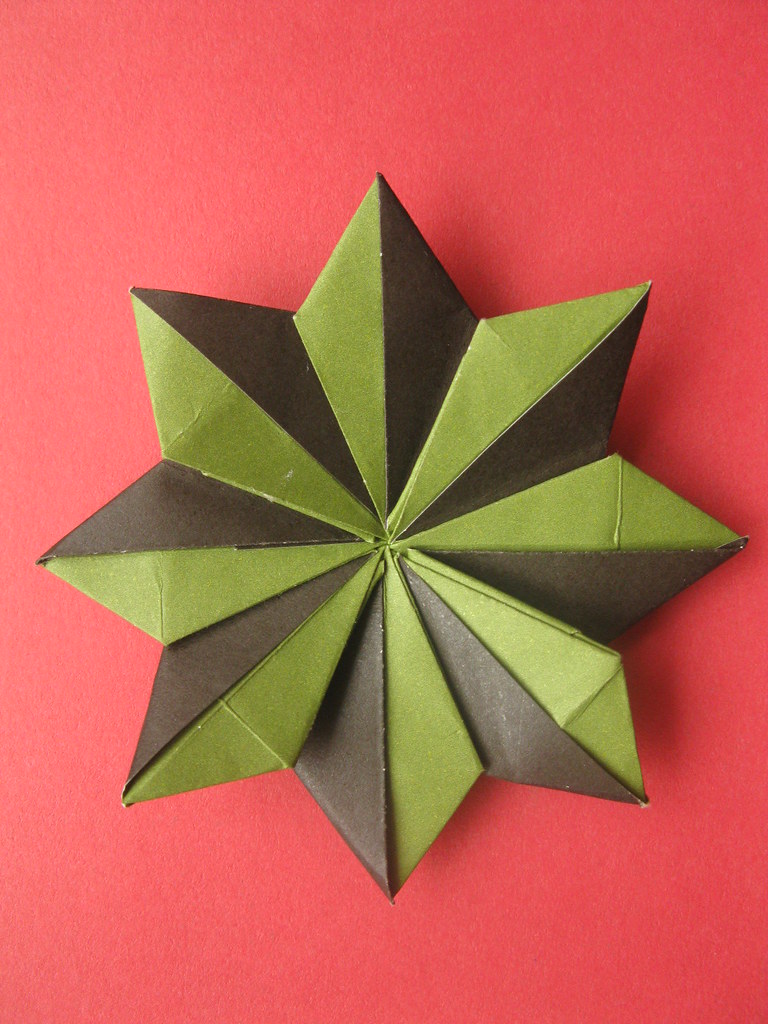
Beyond basic polygons and polyhedra, eight’s influence extends to more complex and captivating geometric constructions. The regular octagon, for instance, can fill a plane-vertex alongside a regular triangle and a regular icositetragon (a 24-sided polygon). It is also a key component in the truncated square tiling, where it tessellates two-dimensional space alongside squares. This specific tiling is notable as one of eight Archimedean tilings that are semi-regular, being composed of more than one type of regular polygon, and uniquely, it is the only one that can admit a regular octagon. The Ammann–Beenker tiling, a nonperiodic tessellation, further showcases the prominence of eightfold symmetry, featuring prominent octagonal silver forms. This intricate pattern is, in fact, the two-dimensional orthographic projection of the four-dimensional 8-8 duoprism, illustrating eight’s deep connection to higher-dimensional geometries. The stella octangula, an eight-pointed star, is the only stellation with octahedral symmetry, formed from two self-dual tetrahedra, marking it as the simplest of five regular compounds. Similarly, the cuboctahedron, a rectified cube or rectified octahedron, contains eight equilateral triangular faces and is one of only two convex quasiregular polyhedra, further cementing eight’s role in creating balanced and structurally significant forms.
Read more about: Decoding the Universal Quartet: An In-Depth Journey Through the Enduring Significance of the Number Four Across Science, Culture, and History
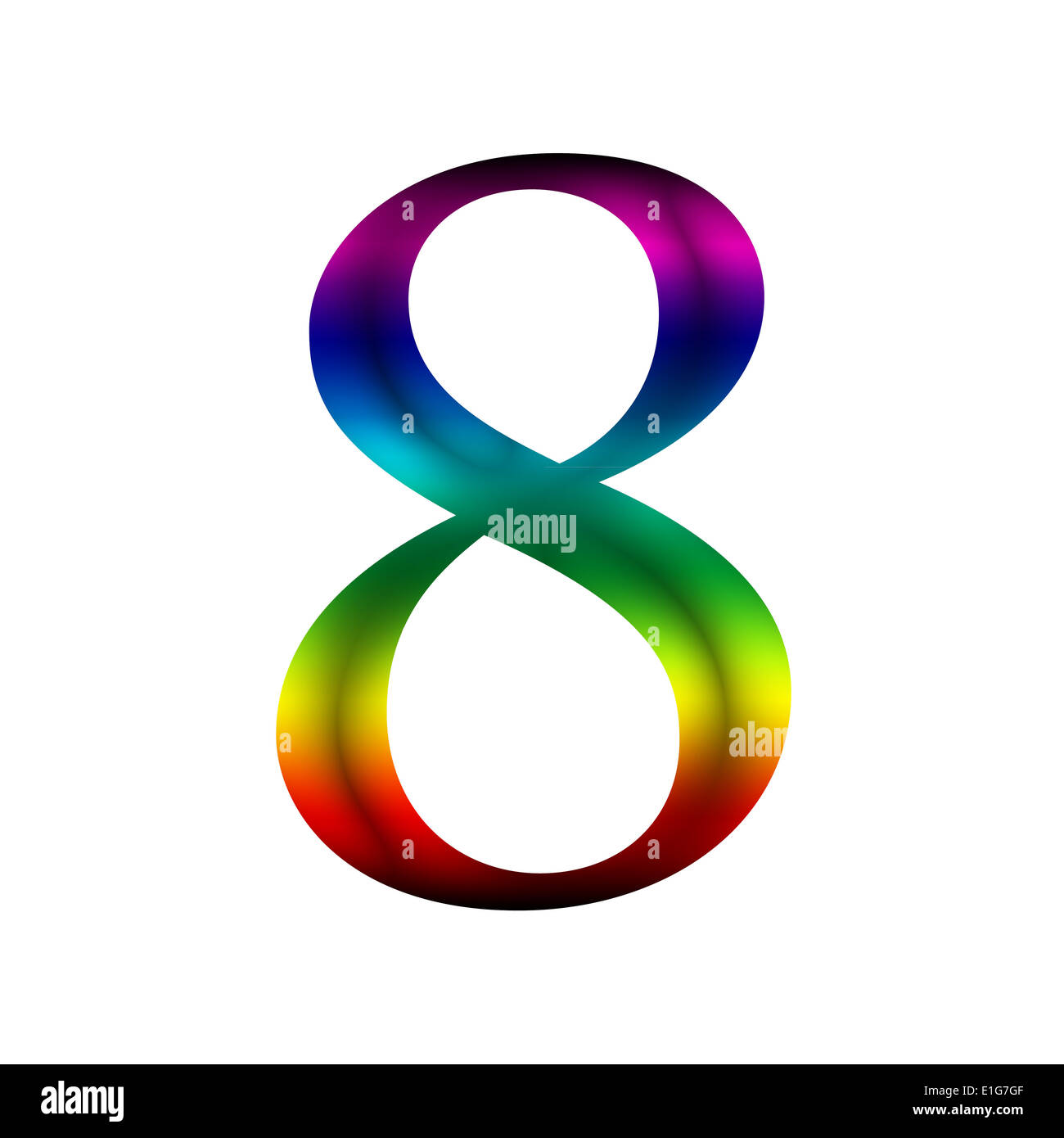
6. **Eight in Advanced Mathematical Structures: Its Role in Higher Algebra and Topology**The profound impact of the number eight resonates deeply within the abstract and often mind-bending landscapes of higher mathematics, particularly in vector spaces, group theory, and topology. At the forefront of this influence are the octonions, a captivating example of hypercomplex normed division algebra. These eight-dimensional numbers extend the familiar complex numbers and quaternions, representing a pinnacle of algebraic structure where associativity, a fundamental property of multiplication, no longer strictly holds. The octonions play a critical role as a double cover of the special orthogonal group SO(8), an abstract group that describes rotations in eight-dimensional space. This connection underscores eight’s capacity to define and encapsulate highly complex algebraic systems, pushing the boundaries of what mathematical structures can be.
In the intricate world of group theory, the number eight again demonstrates its foundational significance. The Lie group E₈, a monumental and exceptionally complex mathematical object, is distinguished by its rank of 8. It stands as one of only five exceptional Lie groups, which are fundamental to understanding symmetries in various areas of physics and mathematics. Furthermore, the special unitary group SU(3), which describes the symmetries governing the strong nuclear force, possesses an eight-dimensional adjoint representation. The ‘colors’ ascribed to the gauge symmetries within this representation directly correspond to the vectors of the eight gluons in the Standard Model of particle physics. This powerful connection illustrates how the number eight provides the structural framework for describing the most fundamental forces of the universe, linking abstract group theory to concrete physical realities.
Eight’s periodicity is a recurring theme in several advanced mathematical phenomena, particularly in Bott periodicity and Clifford algebras. Clifford algebras, which are essential for describing geometric objects and transformations, exhibit a periodicity of 8. This means that their structures repeat in a cycle of eight dimensions, offering profound insights into the nature of spaces and transformations. Similarly, there is a periodicity of 8 in the K-theory of spheres and in the representation theory of rotation groups, both of which are intimately related to the properties of the octonions. Even the lowest dimensional even unimodular lattice, the E₈ lattice, is eight-dimensional, emphasizing that even positive definite unimodular lattices can only exist in dimensions divisible by eight. These interwoven relationships showcase eight not merely as a count, but as a deep structural constant, enabling and defining some of the most complex and elegant constructions in modern mathematics.

7. **Atomic Stability and Elemental Significance: Eight in Chemistry**In the microscopic world of atoms and molecules, the number eight holds a critically important, almost sacrosanct, position, acting as a guiding principle for atomic behavior and stability. This is most famously encapsulated in the octet rule, also known as the eight-electron rule, a cornerstone of chemical theory. According to this fundamental theory, atoms of the main group elements, particularly those from the second period of the periodic table onwards, strive to achieve a maximum of eight outer electrons – known as valence electrons – when forming molecules. This quest for an octet mimics the electron configuration of noble gases, conferring exceptional stability and dictating how elements will bond with one another.
This rule is especially pertinent for elements such as carbon, nitrogen, oxygen, and fluorine, which frequently form compounds where they achieve this coveted eight-valence-electron configuration. The octet rule is not merely an observational pattern; it is a predictive framework that helps chemists understand and predict the reactivity, bonding patterns, and stability of countless chemical compounds. It’s the underlying principle behind the structure of organic molecules, the behavior of biological systems, and the vast array of materials that compose our world. The drive for eight valence electrons is a fundamental force, driving chemical reactions and shaping molecular architecture.
Beyond this crucial rule, the number eight is intimately linked to specific elements that are vital to life and industry. Oxygen, for instance, occupies the eighth position in the periodic table, making its atomic number eight. As an essential component for respiration, combustion, and water, oxygen’s atomic identity is inextricably tied to this number. Furthermore, the most stable allotrope of a sulfur molecule is composed of eight sulfur atoms arranged in a rhombic form, showcasing another natural instance of eight-atom clusters providing optimal stability. Even in more complex biological chemistry, the red pigment lycopene, responsible for the color of tomatoes and other fruits, consists of eight isoprene units. These examples collectively demonstrate that eight is not just an abstract concept but a tangible, structural, and elemental force governing the very composition and behavior of matter. Its presence ensures stability, drives reactivity, and underpins the chemical diversity of our planet.
Read more about: The Enduring Significance of Four: An In-depth Analysis of Its Pervasive Influence Across Disciplines

8. **Physics and Astronomy: Eight’s Resonance in the Cosmos**The number eight isn’t merely confined to terrestrial mathematics or chemistry; it holds profound significance in the vast expanse of physics and astronomy, acting as a marker of stability and classification. In the realm of nuclear physics, eight holds the distinguished title of the second ‘magic number,’ following two. This designation signifies that atomic nuclei possessing eight nucleons—whether protons or neutrons—are exceptionally stable, akin to the complete electron shells that lend stability to noble gases in chemistry. It’s a foundational principle that guides our understanding of nuclear structure and elemental abundance.
Beyond nuclear stability, eight makes a crucial appearance in the intricate world of particle physics through the ‘eightfold way.’ This classification scheme is used to organize and understand the myriad subatomic particles, particularly hadrons, based on their properties. It’s a powerful framework that reveals underlying symmetries and relationships among particles, demonstrating eight’s role in bringing order to the subatomic chaos and providing a clear, structured lens for physicists.
Astronomically, the number eight resurfaces in the Saros cycle, a period of approximately 18 years, 11 days, and 8 hours that is used to predict solar and lunar eclipses. Saros series 8 for solar eclipses, for instance, ran for over 1298 years and encompassed 73 solar eclipses, while its lunar counterpart spanned more than 1532 years with 86 lunar eclipses. Moreover, our own Solar System proudly counts eight major bodies orbiting the Sun that are universally recognized as planets, from Mercury to Neptune, solidifying eight’s presence in the grand design of our cosmic neighborhood.

9. **Biological Blueprint: Eight in the Natural World’s Design**Venturing into the intricate designs of the natural world, the number eight consistently emerges as a recurring motif, signaling vital structures, processes, and forms of life. In human biology, for instance, a complete adult dentition is composed of eight teeth in each quadrant, totaling thirty-two. The eighth tooth, famously known as the wisdom tooth, marks the final stage of this natural dental arrangement.
On a microscopic scale, our bodies rely on the crucial roles played by the eight known B vitamins. These essential nutrients are indispensable for a multitude of metabolic processes, driving cellular functions and maintaining overall health. From energy production to nervous system function, this octet of vitamins ensures that our biological machinery operates at peak efficiency, showcasing eight’s subtle yet profound influence on our well-being.
Across the animal kingdom, eight is a defining characteristic for entire classes of creatures. All spiders, and more broadly, all arachnids, are distinctively characterized by their eight legs, a feature that immediately identifies them. Similarly, the mesmerizing octopus is renowned for its eight highly versatile tentacles, which it masterfully employs for locomotion, hunting, and defense. These examples powerfully illustrate how the number eight is fundamentally woven into the morphological and functional blueprints of diverse life forms, shaping their very existence and behavior.

10. **Technological Cornerstones: Eight in Digital and Mechanical Systems**In the ever-evolving landscape of technology, the number eight has cemented its status as an indispensable cornerstone, particularly in the foundational elements of computing and mechanical engineering. Perhaps its most pervasive influence is found in the definition of a ‘byte,’ the fundamental unit of digital information. A byte is universally recognized as a grouping of eight bits, also referred to as an octet. This standardized grouping is the very fabric upon which all digital data, from the simplest character to complex software, is built, enabling efficient storage, processing, and communication across interconnected systems. Without the stability and structure of the eight-bit byte, the digital world as we know it would be profoundly different.
Beyond the digital realm, eight asserts its power in the world of internal combustion engines, exemplified by the iconic V8 engine. This configuration features eight cylinders arranged in two banks of four, forming a ‘V’ shape when viewed from the end. The V8 engine has become synonymous with robust power, smooth operation, and high performance in a vast array of vehicles, from sports cars to heavy-duty trucks. Its design is a testament to eight’s role in creating balanced and potent mechanical systems.
Historically, eight also holds its place in various communication and signaling protocols. The NATO signal flag for ‘8’ provides a clear, unmistakable visual cue in maritime communication, underscoring eight’s practical application in ensuring clarity and precision in critical situations. These technological applications demonstrate that eight is not merely an abstract concept, but a tangible, structural, and performance-driven element that underpins much of our modern infrastructure.
11. **Cultural Resonance: Eight as a Symbol of Fortune and Power**The number eight transcends mere numerical value, permeating global cultures as a powerful symbol often associated with fortune, prosperity, and overcoming challenges. In Chinese culture, eight (八; bā) is overwhelmingly considered a lucky number, largely due to its pronunciation sounding remarkably similar to the word for ‘to generate wealth’ (發; fā). This deep-seated belief drives significant value to property and items bearing the number eight; a Hong Kong number plate with ‘8’ famously sold for $640,000, and the Beijing Summer Olympics opening ceremony commenced at precisely 8 seconds and 8 minutes past 8 p.m. on 8 August 2008.
Japan also regards eight (八, hachi, ya) as auspicious, though for a different reason: the character for eight (八) visually broadens gradually, giving the impression of growing prosperity. Ancient Japanese culture held ‘ya’ (eight) as a holy number, possibly because it was used vaguely to express large quantities, as in ‘manyfold’ (yae hatae) or ‘millions and millions of Gods’ (Yaoyorozu no Kami). This suggests a reverence for its expansive connotations and its role in denoting abundance and the sacred.
In Western esoteric traditions, particularly Pythagorean numerology, the number eight represents victory, prosperity, and the ability to overcome obstacles, embodying a cyclical completion and balance. During the Middle Ages, eight was also linked to the ‘unmoving’ stars in the sky, symbolizing the perfection of incoming planetary energy and the harmonious order of the cosmos. Across these diverse cultural and mystical perspectives, eight consistently emerges as a potent emblem of positive power, stability, and enduring fortune, shaping human beliefs and practices through its symbolic weight.
Read more about: A Deep Dive into the Number 9: Unearthing Its Mystical Legacy, Mathematical Wonders, and Cultural Resonance in Nine Essential Documentaries for 2025
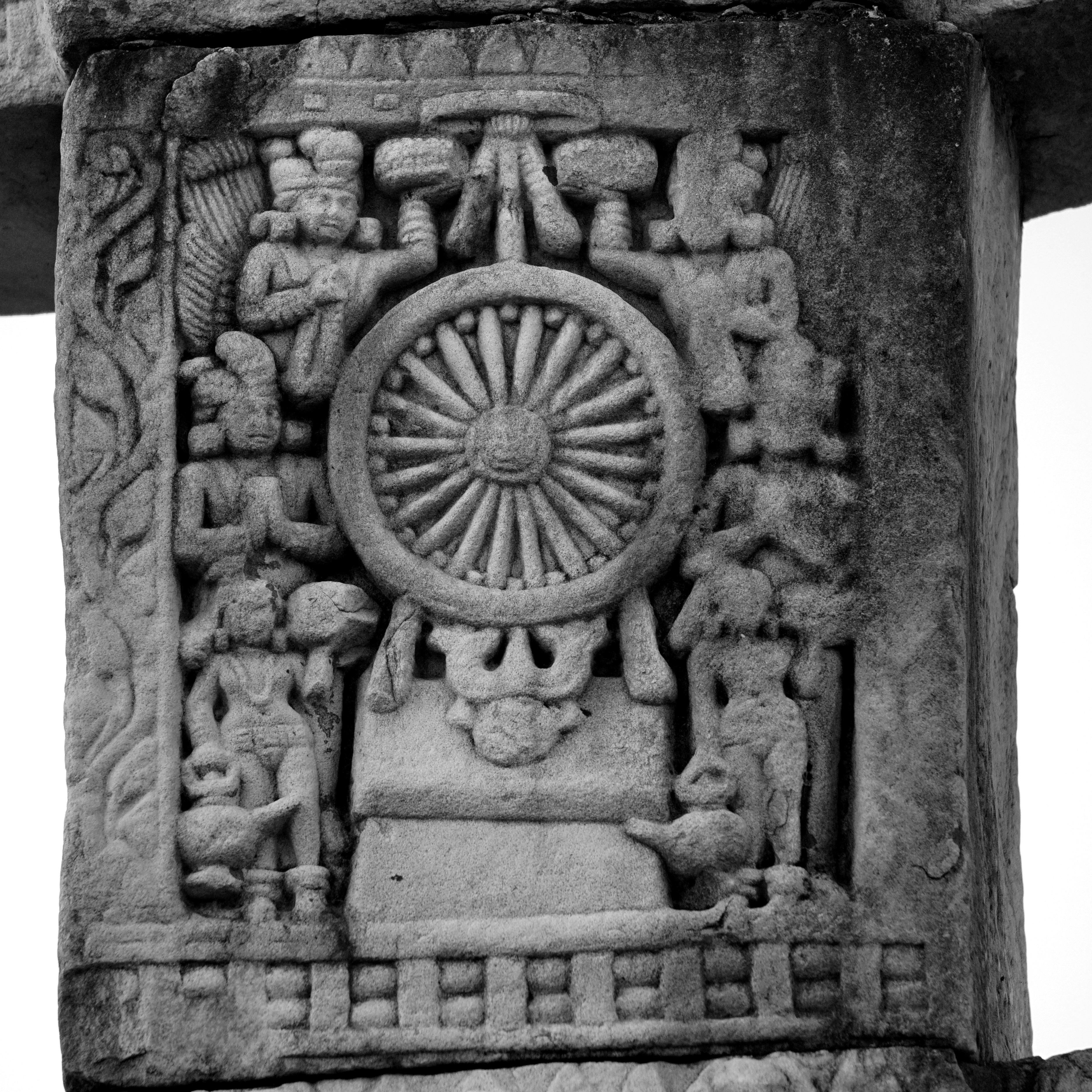
12. **Sacred Octaves: Eight in Religious and Spiritual Traditions**The number eight holds profound and varied significance across the world’s major religious and spiritual traditions, often symbolizing completion, new beginnings, or divine order. In Buddhism, eight is a central and auspicious number, most famously embodied by the 8-spoked Dharmacakra, representing the Noble Eightfold Path—the Buddha’s principal teaching for achieving liberation. This path branches into eight attainments or jhanas, and in Mahayana Buddhism, it is further personified by the Eight Great Bodhisattvas. The “Eight Auspicious Symbols” and the fact that Buddha’s birthday falls on the 8th day of the 4th month further cement its revered status.
In Islam, eight is also deeply symbolic, notably representing the number of angels carrying The Holy Throne of Allah in heaven. The octagram Rub el Hizb is a widely used Islamic symbol, underscoring eight’s presence in sacred geometry and iconography. For Hinduism, eight is synonymous with wealth and abundance; the Goddess Lakshmi, revered for prosperity, manifests in eightfold forms, and there are eight ‘nidhis’ or seats of wealth. These associations highlight eight’s connection to material and spiritual richness within the faith.
Christianity attributes allegorical meanings to eight, often seeing it as representative of what lies beyond time, as seven refers to the days of the week. The Beatitudes in Jesus’ Sermon on the Mount number eight, providing a foundational ethical framework. The Church of Jesus Christ of Latter-day Saints believes individuals become responsible for their actions at age eight, a crucial spiritual benchmark. Furthermore, in Judaism, the brit milah, a baby boy’s circumcision, is held on his eighth day of life, Hanukkah is an eight-day holiday, and Shemini Atzeret is the “Eighth Day of Assembly” following Sukkot. Across Neopaganism, eight Sabbats or festivals mark the Wheel of the Year, and Chinese folk belief features the revered Eight Immortals. These myriad examples powerfully illustrate eight’s pervasive and sacred influence, guiding spiritual practice and belief systems globally.

13. **The Game Changer: Eight’s Presence in Sports and Recreation**From the tactical formations of team sports to the intricate challenges of board games, the number eight consistently plays a pivotal role, shaping strategies, positions, and even the very nature of play. In association football, the number 8 has historically been synonymous with the central midfielder—a player renowned for their influence on both offense and defense, driving the team’s rhythm. Similarly, in rugby union, the powerful central back row position proudly wears the number 8 shirt, embodying strength and leadership at the heart of the scrum.
Baseball, too, assigns significance to eight, with the center fielder designated as number 8 for scorekeeping purposes, highlighting their crucial role in covering vast outfield territory. In the intellectual arena of chess, eight is fundamental: each side commences with eight pawns, and the entire board is an eight-by-eight lattice of 64 squares. This structure gives rise to classic puzzles such as the ‘eight queens puzzle,’ challenging players to position eight queens without any being able to capture another.
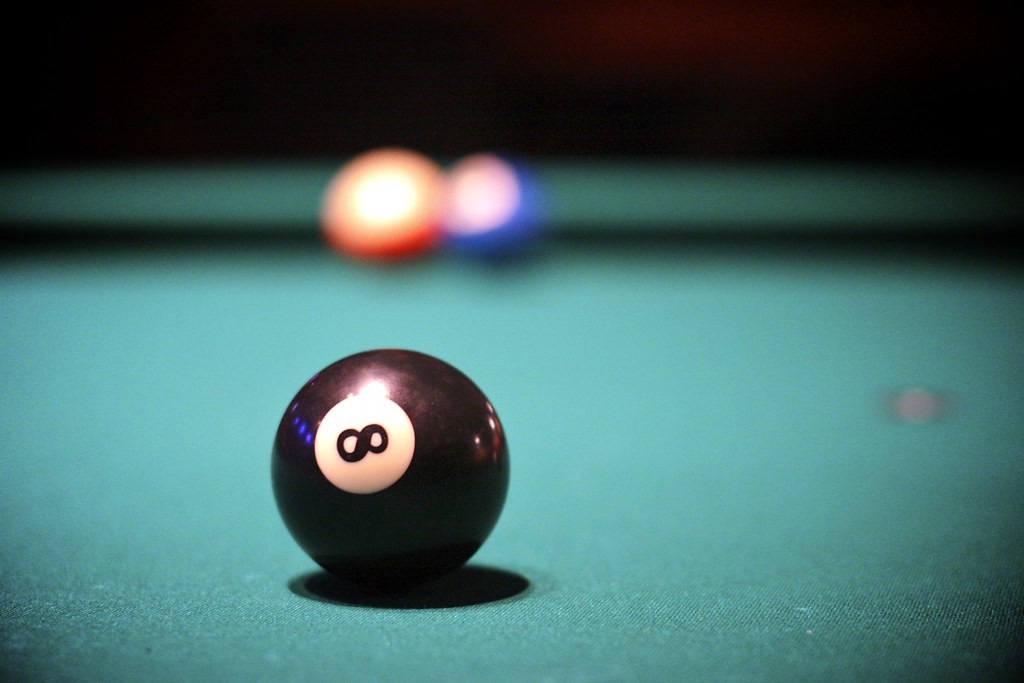
Beyond these, eight is central to popular recreational activities. Eight-ball billiards, a global favorite, pivots around the black 8-ball, the target that determines victory or defeat. In the strenuous sport of rowing, an ‘eight’ refers to a sweep oar boat powered by eight rowers and guided by a coxswain, embodying teamwork and synchronized power. Even in individual pursuits like ice skating, the ‘figure eight’ is a fundamental and elegant geometric maneuver, a testament to eight’s pervasive influence in both competitive and leisure activities, defining performance and offering structured challenges.

14. **Echoes in Expression: Eight in Language and Popular Culture**Beyond its mathematical and scientific underpinnings, the number eight has woven itself into the fabric of everyday language, popular culture, and literature, adding distinct flavor and meaning. In the fantastical realm of Terry Pratchett’s Discworld series, eight holds a unique and dangerous mystique; it is a magical number, considered taboo for wizards to utter, and represents the fearsome entity Bel-Shamharoth. The Discworld even boasts eight days in a week and eight colors in its spectrum, with ‘octarine’ being the magical eighth hue, underscoring eight’s pervasive, mystical presence within that fictional universe.
In contemporary slang and informal communication, eight takes on various practical and often humorous forms. An ‘eighth’ is a common street measurement, referring to an eighth of an ounce of marijuana or psilocybin mushrooms, demonstrating its role in informal trade. In a more playful vein, ‘8’ is frequently used in chat speak as a quick way to say ‘bye’ in China, due to its pronunciation (bā) closely resembling the English word. Similarly, it’s creatively employed in SMS or vanity plates to represent the syllable ‘ate,’ as seen in ‘H8’ for ‘hate’ or ‘Sk8er Boi’ in popular music, showcasing its adaptability in modern linguistic shorthand.
Figuratively, expressions involving eight convey vivid imagery. In Colombia and Venezuela, ‘volverse un ocho’ (meaning to tie oneself in a figure 8) describes getting into trouble or contradicting oneself, reflecting the complex, tangled shape. And while the infinity symbol (∞) is unrelated in origin, its resemblance to a sideways eight reinforces a visual association with boundlessness. From esoteric literary devices to the casual shorthand of online chatter, the number eight demonstrates its remarkable capacity to resonate deeply within human expression, constantly finding new ways to signify and enrich our understanding of the world.
As we conclude this profound journey into the multifaceted world of the number eight, it becomes undeniably clear that this integer is far more than a simple numerical placeholder. From its ancient linguistic roots and the elegant precision of its mathematical properties to its critical roles in defining atomic stability, enabling technological advancements, and shaping the very narratives of our cultures and religions, eight stands as a testament to order, balance, and pervasive influence. It’s a number that compels us to look beyond the surface, to appreciate the structured elegance that underpins our universe, and to recognize the silent, foundational power that such seemingly ordinary elements truly possess. Understanding eight, in all its dimensions, provides not just knowledge, but a deeper appreciation for the intricate, interconnected blueprint of existence.