The Marvel Cinematic Universe (MCU) has undeniably redefined the superhero genre, transforming it into a cinematic powerhouse that dominates box offices and captures the imaginations of millions globally. With its intricate web of interconnected stories, beloved characters, and groundbreaking visual effects, it has become the cornerstone of live-action Marvel media, and indeed, much of modern cinema. However, even the most meticulously crafted universes are not immune to narrative inconsistencies.
The sheer scale and ambition of the MCU, along with other Marvel movie adaptations now loosely connected via its Multiverse narrative, means that complex plots and fantastical elements often require significant leaps of logic. While these narratives consistently entertain and thrill, the increased scrutiny from a dedicated and ever-growing fanbase means that any slip-ups, or ‘plot holes,’ become all the more glaring. These aren’t just minor oversights; they are moments that can pull a viewer out of the story, creating confusing and frustrating experiences.
For all its success, Marvel films occasionally fall victim to their own intricate storytelling, leading to moments where established rules are bent, forgotten, or simply ignored. We’re diving deep into some of the most prominent and persistently irritating plot holes that have sparked debate and head-scratching among fans. Let’s break down these narrative conundrums, supported by evidence directly from the films themselves, exploring why these inconsistencies stand out.

1. **Recharging The Iron Man Suit With Normal Electricity – Iron Man 3 (2013)**Iron Man 3 offered a more personal glimpse into Tony Stark’s world, capturing an important part of the hero’s story within the franchise. Following his public challenge to the villain known as the Mandarin, Stark’s home is spectacularly destroyed, forcing him to narrowly escape a harrowing attack. The film also delves into the aftermath of the Battle of New York, showing its profound effect on Stark, manifesting as crippling anxiety attacks, which combine with the Mandarin’s retaliation to leave him stranded in a small Tennessee town with his advanced armor severely damaged.
Iron Man 3 offered a more personalglimpse into Tony Stark’s world, capturing an important part of the hero’s story within the franchise. Following his public challenge to the villain known as the Mandarin, Stark’s home is spectacularly destroyed, forcing him to narrowly escape a harrowing attack. The film also delves into the aftermath of the Battle of New York, showing its profound effect on Stark, manifesting as crippling anxiety attacks, which combine with the Mandarin’s retaliation to leave him stranded in a small Tennessee town with his advanced armor severely damaged.
A particular scene that continues to spark frustration among fans unfolds in Harley Keener’s garage, where Stark attempts to repair and recharge his battle-worn armor. The sequence explicitly shows Stark rigging the suit up to a rudimentary power source within the garage, a seemingly desperate measure. JARVIS, ever the logical AI, expresses doubt, not believing the makeshift connection will sufficiently recharge the armor.
This is where the plot hole truly emerges and becomes difficult to overlook. The fundamental inconsistency lies in Tony Stark’s own biology and technological prowess. From the very beginning of his superhero journey, Stark has an arc reactor embedded in his chest, a miniature fusion power source capable of producing an immense amount of energy – far more than he needs for his own life support or for powering his cutting-edge suits.
Assuming Stark simply sat beside his damaged armor for a few hours, it’s entirely reasonable to infer that he could have directly transferred energy from his own arc reactor to the suit. This direct energy transfer would bypass the need for an inadequate external power supply, making the entire delay in the suit’s recovery a completely needless and frustrating plot point for audiences familiar with the established capabilities of Stark’s technology. It’s an oversight that seems to contradict foundational elements of the character.
2. **How Pym Particles Work – Ant-Man (2015)**The introduction of Ant-Man into the MCU was a highly anticipated event, though it arrived in a way many fans hadn’t expected, presenting Scott Lang as the second hero to wield the mantle. Lang meets the brilliant but eccentric Hank Pym, the original Ant-Man and creator of the suit, after stealing the specialized gear. Pym then recruits Lang to prevent Darren Cross from successfully recreating his secret formula for Pym Particles, the revolutionary technology that grants the user the ability to alter the size and density of objects.
During Lang’s rigorous training, Pym takes the time to thoroughly explain the intricate mechanics behind the Pym Particles, a crucial piece of lore for understanding Ant-Man’s abilities. One of the absolute key points Pym explicitly clarifies is that the particles do *not* alter the mass of an object. This means that Ant-Man, when shrunk to minuscule proportions, retains his full, original strength, a detail vital for his effectiveness in combat and his ability to interact with the world around him.
However, despite this clear and concise explanation, the MCU regrettably and repeatedly ignores this fundamental rule in practically every subsequent Ant-Man scene, creating one of its most persistent and irritating plot holes. We frequently see Ant-Man riding on the backs of ants, which would be impossible if he retained his full human mass, as the ants would be crushed or at least severely burdened.
Furthermore, the cinematic portrayal shows him effortlessly carrying around objects that have been shrunk, such as tanks and entire buildings, as if they weigh practically nothing. If the mass remains constant, a shrunken tank should still weigh as much as a full-sized tank, making it utterly impossible for a human, even one with enhanced strength, to lift. This glaring inconsistency, stemming from a simple lack of foresight in adhering to its own established rules, leaves fans questioning the very physics of the Pym Particles.
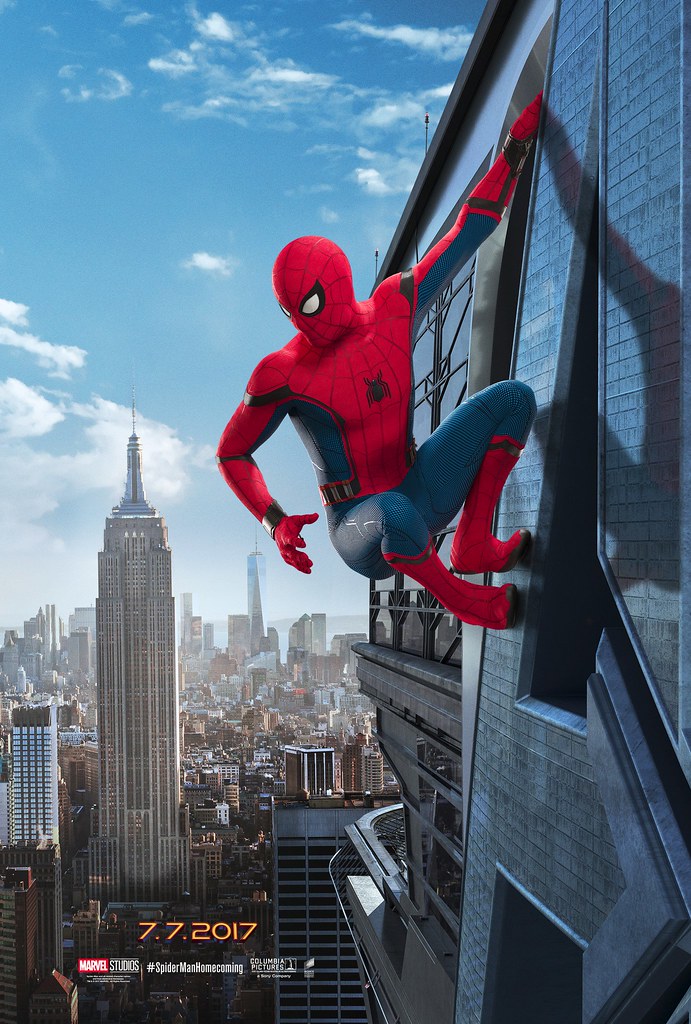
3. **Electro Knowing Spider-Man’s Identity – Spider-Man: No Way Home (2021)**Spider-Man: No Way Home delivered one of the MCU’s most thrilling and emotionally charged Multiverse narratives, delighting fans with its ambitious scope. The film’s central premise sees Peter Parker inadvertently fracturing reality, a catastrophic event that triggers the arrival of villains from across the Multiverse into his own universe. The critical condition for their crossover is that these villains must possess prior knowledge of Spider-Man’s secret identity, Peter Parker.
This ingenious plot device allows for the spectacular return of multiple iconic incarnations of villains from previous non-MCU Spider-Man movies. We witness the reappearance of Willem Dafoe’s Green Goblin, Alfred Molina’s Doc Ock, Thomas Haden Church’s Sandman, Rhys Ifans’ Lizard, and Jamie Foxx’s Electro, all converging on the MCU’s Peter Parker. Each of these villains, with the exception of one, had unequivocally discovered Spider-Man’s true identity in their respective original films.
The primary source of inconsistency, and a point that continues to perplex and annoy fans, centers on the inclusion of Jamie Foxx’s Electro. The movie’s established rule for crossing over was explicit: knowledge of Spider-Man’s true identity. However, in his original appearance in *The Amazing Spider-Man 2*, Electro, as played by Jamie Foxx, never actually learned that Peter Parker was Spider-Man. His vendetta was against Spider-Man, not Peter.
While dedicated fans have put forth various speculative theories attempting to explain Electro’s presence—perhaps he gained the knowledge off-screen or through a different, unseen Multiverse event—these remain fan-created justifications. Without an explicit in-universe explanation provided by the film itself, it stands as a glaring and persistent inconsistency, one that unfortunately undermines an otherwise brilliantly-written and emotionally resonant cinematic experience.
4. **Nick Fury Knowing About Aliens Long Before Thor – Captain Marvel (2019)**Nick Fury has been an absolutely pivotal character in the MCU since its very inception, established as one of Earth’s most dedicated and morally complex protectors. He is the mastermind responsible for assembling the disparate heroes of the MCU into the Avengers, consistently making tough, often ethically ambiguous, choices for the ultimate safety of the planet. This commitment is highlighted in *The Avengers*, where he is seen creating experimental weaponry using the Tesseract.
In *The Avengers*, Fury provides a clear rationale for his morally questionable defense initiatives. He explains that the shocking arrival of Asgardians on Earth, spearheaded by Thor, served as a stark wake-up call. This encounter, he states, inspired him to significantly escalate planetary defense strategies, driven by the newfound, undeniable knowledge that powerful alien races exist beyond Earth’s protective atmosphere and could pose a threat.
However, the 2019 film *Captain Marvel* significantly complicates this established timeline and rationale, creating a noticeable plot hole. *Captain Marvel* flashes back to 1995, telling the origin story of a much younger Nick Fury. In this earlier narrative, Fury encounters not only Captain Marvel herself, but also highly advanced Skrull and Kree forces. Through these direct confrontations, he gains undeniable firsthand experience and knowledge of alien races, their capabilities, and their conflicts, long before the events of 2011’s *Thor*.
This earlier exposure to alien life profoundly contradicts Fury’s stated motivation in *The Avengers*. If he already knew about powerful alien races in 1995, his explanation for developing experimental Tesseract weaponry in response to the Asgardians’ arrival in 2011 becomes logically flawed. The plot point in *The Avengers*, where he specifically mentions the Asgardians as the primary catalyst for his intensified defense efforts, is rendered confusing and inconsistent by *Captain Marvel*’s prequel narrative, creating a frustrating disconnect for observant viewers.
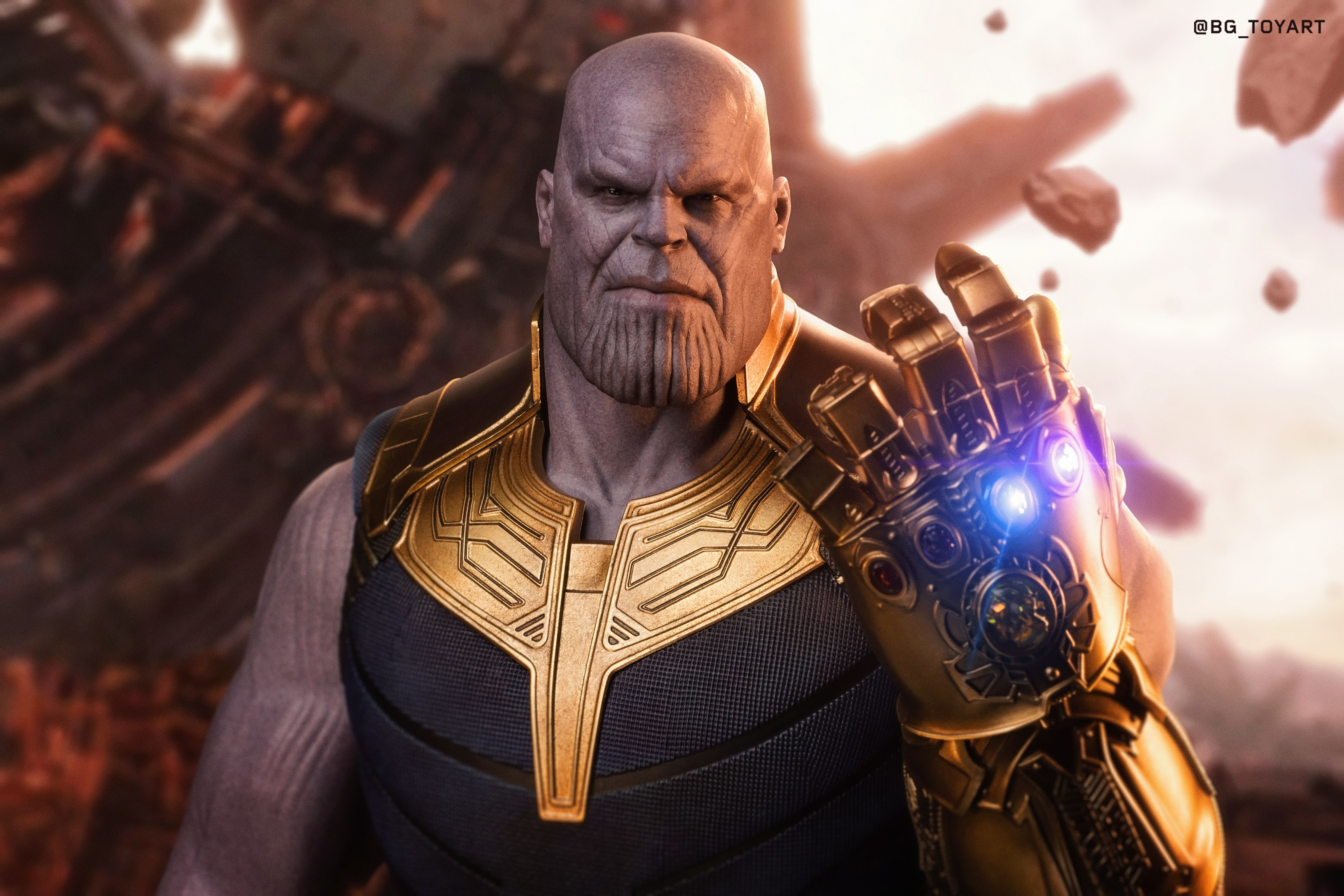
5. **Thanos Never Should Have Given Loki The Mind Stone – The Avengers (2012)**Rewatching the foundational Phase 1 of the MCU often brings to light several intriguing, and sometimes strange, plot points that gain new perspective with hindsight. *The Avengers* was undoubtedly the crowning jewel of the franchise’s early story, a monumental film that united the Earth’s mightiest heroes for the very first time against a formidable, extraterrestrial threat. Loki’s chaotic arrival on Earth, unleashing an alien invasion, was portrayed as the direct result of Thanos’s overarching schemes. The Mad Titan, in his grand design, sent Loki to conquer Earth, arming him with a powerful scepter.
Years later, with the full scope of the Infinity Saga laid bare, a crucial piece of information about that scepter was revealed: it housed the Mind Stone, one of the six incredibly potent Infinity Gems that would form the ultimate backbone of Thanos’s genocidal quest. His long-term, universe-defining plan, as later established, was to systematically amass all six Infinity Stones to achieve his ultimate goal: eradicating half of all life in the universe with a single snap.
In light of this revelation, Thanos’s initial action of giving Loki the scepter—and by extension, the Mind Stone—makes absolutely no logical sense within his established grand plan. If his ultimate objective was to collect all the Infinity Stones, it seems not only counterintuitive but outright contradictory that he would willingly part with the only Stone he possessed at that time, essentially entrusting it to a notoriously unreliable and power-hungry agent like Loki.
The lack of any plausible in-universe explanation for this critical decision remains a nagging and frustrating plot hole. It directly undermines a key part of the Infinity Saga’s foundational narrative, requiring a significant suspension of disbelief. For a villain whose entire motivation revolves around the strategic acquisition of these cosmic artifacts, the act of giving one away, even temporarily, is an inconsistent choice that makes Thanos appear far less competent than he eventually proves to be.
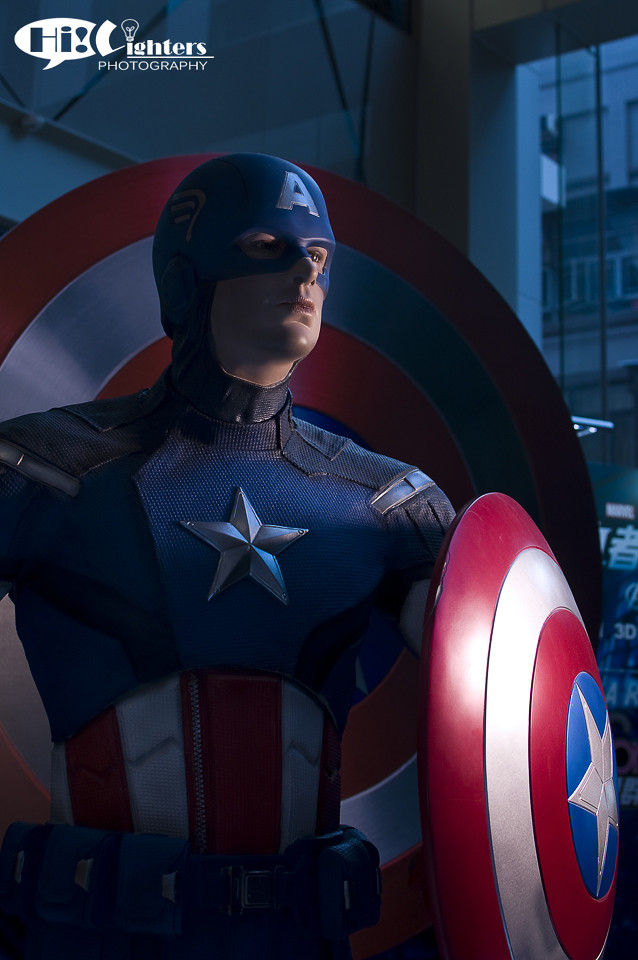
6. **The US Army Wanted To Waste Captain America’s Abilities – Captain America: The First Avenger (2011)**
*Captain America: The First Avenger* is a pivotal origin story within the MCU, laying the groundwork for one of its most steadfast heroes, Steve Rogers. The film brilliantly showcases his transformation from a scrawny, determined patriot into the super-soldier we know and love. One of the early highlights is undoubtedly the moment Rogers emerges from the Super Soldier Serum chamber, instantly proving his enhanced capabilities by chasing down a Hydra agent with astonishing speed and agility. He firmly displays remarkable abilities that clearly set him apart from any other human.
However, it’s what happens immediately after this display of unparalleled heroism that sparks a significant narrative inconsistency. Despite witnessing Rogers’s extraordinary physical prowess and undeniable combat readiness, the US Army makes a truly baffling decision. They opt to relegate their newly created super-soldier to a mere public relations role, forcing him to perform musical routines and promotional stunts designed solely to sell war bonds. This choice seems to completely disregard the very purpose of creating a super-soldier in the first place.
The absurdity of this situation becomes all the more apparent when you consider the strategic needs of a nation at war. Any charismatic individual could have performed the role of a war bond salesman, but Steve Rogers was unique. He possessed abilities that could turn the tide of battle, yet he was sidelined for propaganda purposes. It’s a frustrating oversight, as the film establishes him as a weapon of unprecedented potential, only to then treat him as a mascot.
Furthermore, if deploying him directly into the field was somehow deemed too risky or unconventional initially, the military’s failure to conduct extensive tests to understand and replicate the super-soldier formula is equally perplexing. Instead of leveraging his unique physiology for scientific advancement or strategic deployment, they simply forget about his true potential. This narrative choice essentially wastes the very abilities that the entire Super Soldier Program was designed to create, leaving fans to scratch their heads at the army’s questionable judgment.
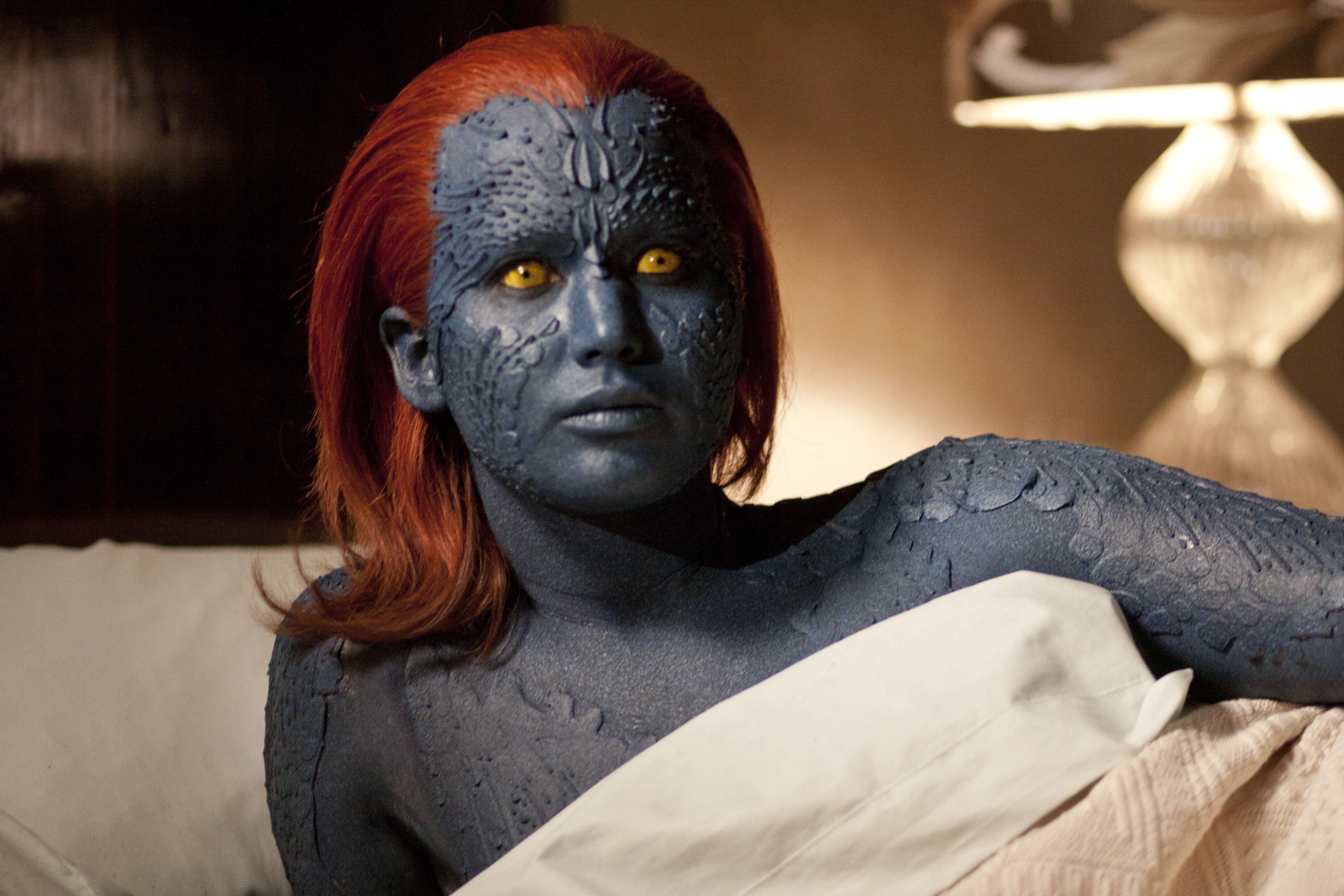
7. **Mystique’s Death Causes A Major Paradox – Dark Phoenix (2019)**The *X-Men* movie franchise, with its sprawling narratives and attempts at interconnectedness, has always grappled with a notoriously convoluted timeline. While time travel was a literal plot device in *Days of Future Past*, some narrative choices made outside of explicit temporal manipulation still managed to create baffling paradoxes. A prime example of this lies within *Dark Phoenix*, where the shocking death of Mystique at the hands of the titular villain inadvertently unravels much of the established continuity.
Mystique, as a character, played a truly significant and formative role in the events of the original *X-Men* trilogy. These films were initially set in a future that the prequel movies were meant to build towards. The intricate plot of *X-Men: Days of Future Past* then introduced Wolverine’s journey back in time, specifically to alter past events, which in turn caused a significant branching in the timeline. This new branch ultimately led to Mystique’s tragic demise in *Dark Phoenix*.
The central paradox emerges with jarring clarity: if Mystique dies in the past (or, more accurately, in an earlier point in this altered timeline), her crucial involvement in the “present-day” original trilogy becomes fundamentally impossible. Her presence and actions in those earlier films were foundational to many plot points and character developments. Her premature death should, logically, nullify or drastically change the events that originally necessitated Wolverine’s time travel in the first place, thus preventing the branching timelines from ever occurring.
This creates an almost inescapable logical loop, a temporal knot that the franchise never genuinely manages to untangle. The consequences of Mystique’s death ripple backwards and forwards, destabilizing the entire narrative structure that the series had tried to build. It’s a potential paradox that is unfortunately amplified by the fact that the *X-Men* film franchise struggled to regain its narrative coherence afterward, leaving fans without satisfactory answers or a clear resolution to this glaring timeline inconsistency.

8. **Cyclops’ Inconsistent Age – The X-Men Franchise**Beyond the grander paradoxes, the *X-Men* franchise also suffered from more granular, yet equally frustrating, timeline issues, particularly concerning the inconsistent aging of its iconic characters. One of the most prominent victims of this narrative incoherence is Scott Summers, better known as Cyclops, a foundational member and often leader of the X-Men. His age and place within the established chronology fluctuate wildly across different films, making it virtually impossible to reconcile his story.
When James Marsden first brought Cyclops to life in the original 2000 *X-Men* film, the character appeared to be in his early 30s. He was presented as an experienced leader of the team and was explicitly described as one of Charles Xavier’s earliest students. This firmly established his seniority and long-standing relationship with Professor X. However, the subsequent prequel films began to cast significant doubt upon this initial characterization, steadily introducing layers of chronological confusion.
*X-Men: First Class*, set in the 1960s, explored Xavier’s very first team of mutants. Conspicuously absent from this lineup was Cyclops, though his older brother, Havok, was a prominent member. This alone created a ripple of confusion. The 1970s-set *X-Men Origins: Wolverine* then introduced an adolescent version of Cyclops, making it increasingly difficult to logically connect his age in the prequel continuity with the mature leader seen in the original trilogy. The timeline was already starting to fray.
The final blow to any hope of consistent character aging came with Cyclops’s appearance in the 1980s-set *X-Men: Apocalypse*. Here, he is portrayed as a young man still in his late teens, effectively resetting his age to a degree that directly contradicted his supposed age in both *X-Men Origins* and the original *X-Men* films. This frustrating inconsistency, stemming from a seemingly careless approach to character timelines, left fans grappling with a practically unresolvable puzzle regarding one of the franchise’s most central figures.
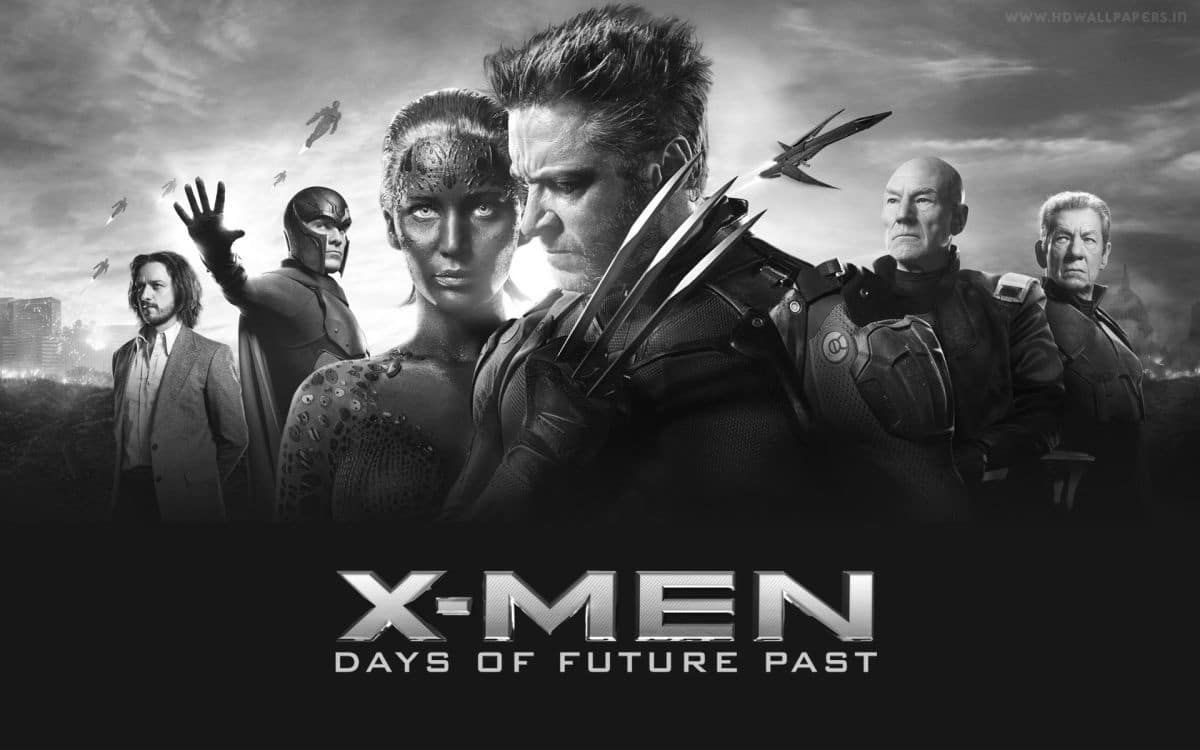
9. **Bolivar Trask Was Hunting The Wrong Mutant – X-Men: Days of Future Past (2014)**While *X-Men: Days of Future Past* masterfully navigated the complexities of time travel as a narrative device, it surprisingly introduced a fundamental plot hole that had nothing to do with temporal paradoxes. The film’s entire premise hinges on Wolverine traveling back to 1973 to prevent the assassination of Bolivar Trask, the brilliant but menacing creator of the Sentinel program. Trask’s objective was to develop perfectly adaptable mutant-hunting machines, and he believed Mystique’s shapeshifting abilities held the key to this advanced evolutionary trait.
In the film’s past timeline, Trask’s focus is squarely on Mystique, as he identifies her unique mutation as the critical element for his Sentinels to achieve unparalleled adaptability. He believes that by understanding and replicating her power, his machines can counter any mutant ability. This forms the driving force behind his pursuit of Raven Darkhölme throughout much of the movie, underpinning the urgency of Wolverine’s mission to protect her.
However, a glaring flaw in Trask’s central hypothesis, and indeed the film’s narrative foundation, quickly becomes apparent upon closer examination. Mystique’s shapeshifting abilities, while impressive and versatile, are not synonymous with instant, evolutionary adaptability. Her power allows her to change her physical form and mimic others, but it does not grant her the capacity to spontaneously develop new powers or resistances in response to threats, which is what Trask ostensibly required for his “perfect” Sentinels.
The mutant Trask *should* have been relentlessly pursuing was actually Darwin, a character introduced and tragically killed off in *X-Men: First Class*. Darwin’s power was precisely what Trask needed: the ability to instantly evolve and adapt to any given situation, whether it be developing gills underwater or generating fire resistance. The franchise, unfortunately, wrote itself into a corner by eliminating Darwin so early, forcing *Days of Future Past* to contrive a less convincing, and ultimately flawed, rationale for Trask’s fixation on Mystique, resulting in a frustrating and easily avoidable plot hole.
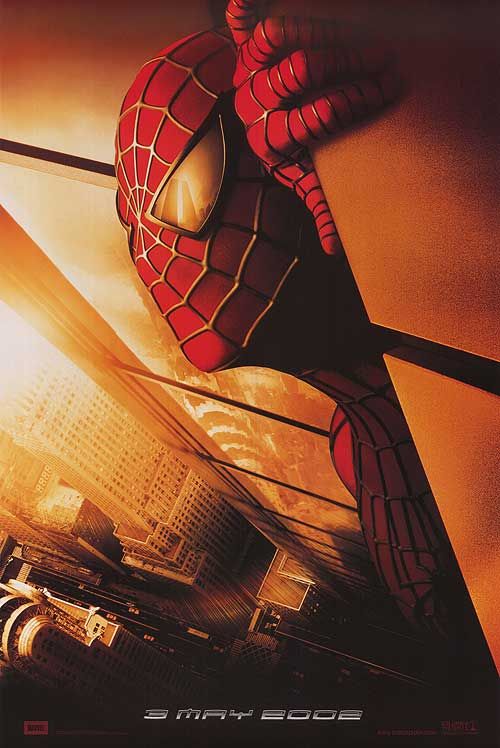
10. **Peter Parker Immediately Blows His Secret Identity – Spider-Man (2002)**Long before the current iteration graced the MCU, Sam Raimi’s *Spider-Man* trilogy brought the iconic web-slinger to life on the big screen, captivating audiences with its earnest portrayal of Peter Parker’s origin. While the 2002 film served as a brilliant introduction to the hero, it wasn’t entirely immune to narrative inconsistencies. One particularly glaring plot hole occurs almost immediately after Peter discovers his newfound powers, making his future secret identity remarkably precarious from the outset.
In a memorable sequence at school, Peter’s powers manifest in a chaotic yet comical fashion. He instinctively catches an entire tray of spilled food with lightning-fast reflexes, then accidentally unleashes his organic webbing, sending food flying towards Flash Thompson. He swiftly exits the cafeteria, leaving a trail of webbing still attached to the tray. Moments later, he effortlessly defeats the school bully in a fight, leaving his classmates utterly dumbfounded by his sudden, inexplicable combat prowess.
These extraordinary events transpire just days before Spider-Man makes his spectacular public debut swinging through the streets of New York. The timeline is incredibly tight, suggesting a direct correlation between Parker’s bizarre physical enhancements at school and the emergence of the city’s new hero. It seems genuinely inconceivable that none of Peter’s fellow students, or indeed any observant adult, would have taken note of these sudden, dramatic shifts in his abilities.
The timing of Peter’s bewildering development of enhanced strength, agility, and the public, albeit accidental, use of webbing, combined with the almost immediate appearance of Spider-Man, should logically have led at least one person to connect the dots. The narrative, however, completely overlooks this obvious deductive leap. It’s a seemingly minor detail that, upon reflection, becomes an increasingly frustrating and glaring plot hole, undermining the very concept of a secret identity by making it almost comically transparent from its inception.
These plot holes, spanning across various Marvel films and franchises, serve as a fascinating reminder that even the most colossal and beloved cinematic universes aren’t impervious to narrative missteps. While these inconsistencies rarely detract from the overall enjoyment and spectacle, they do provide plenty of fodder for lively fan discussions and analytical breakdowns. Ultimately, they highlight the immense challenge of maintaining perfect coherence across decades of storytelling and countless interconnected characters.