Fifty years after it first terrified audiences and irrevocably changed the landscape of summer cinema, Steven Spielberg’s *Jaws* continues to cast a long shadow over pop culture. As the film approaches its golden anniversary, with a grand exhibition at the Academy Museum, nationwide re-screenings, and exclusive merchandise, the enduring legacy of this aquatic horror masterpiece is once again in the spotlight. Yet, beneath the surface of its undeniable cultural impact lies a fascinating divergence from its source material—a bold reimagining of its ending that was not merely a directorial whim, but a strategic decision born from a singular, underlying question about the very nature of cinematic storytelling.
This isn’t merely a tale of adaptation, but a deep dive into the creative tension between two distinct narrative forms. Peter Benchley’s gripping novel presented a stark, somber conclusion, a stark contrast to the explosive, crowd-pleasing triumph that Spielberg delivered to millions. The transformation wasn’t simple; it involved heated debates, a director’s unwavering conviction, and even a serendipitous, near-fatal accident during production that reshaped character destinies.
The pivotal question that guided Spielberg’s hand wasn’t explicitly spoken aloud as a direct query posed *to* him, but rather an internal, driving inquiry that shaped his entire approach to bringing Amity Island’s great white terror to the big screen. It was a question about cinematic impact, audience satisfaction, and the delicate balance between realism and visceral excitement. This fundamental interrogation of what makes a movie truly *work* for a mass audience ultimately compelled Spielberg to overhaul the finale, crafting a climax that would not only define the film but also set the standard for future blockbusters. As we prepare for its monumental 50th anniversary, it’s worth revisiting how these crucial changes came to be, and what they reveal about the film’s enduring power.
1. The Chasm Between Visions: Benchley’s Novel vs. Spielberg’s Film
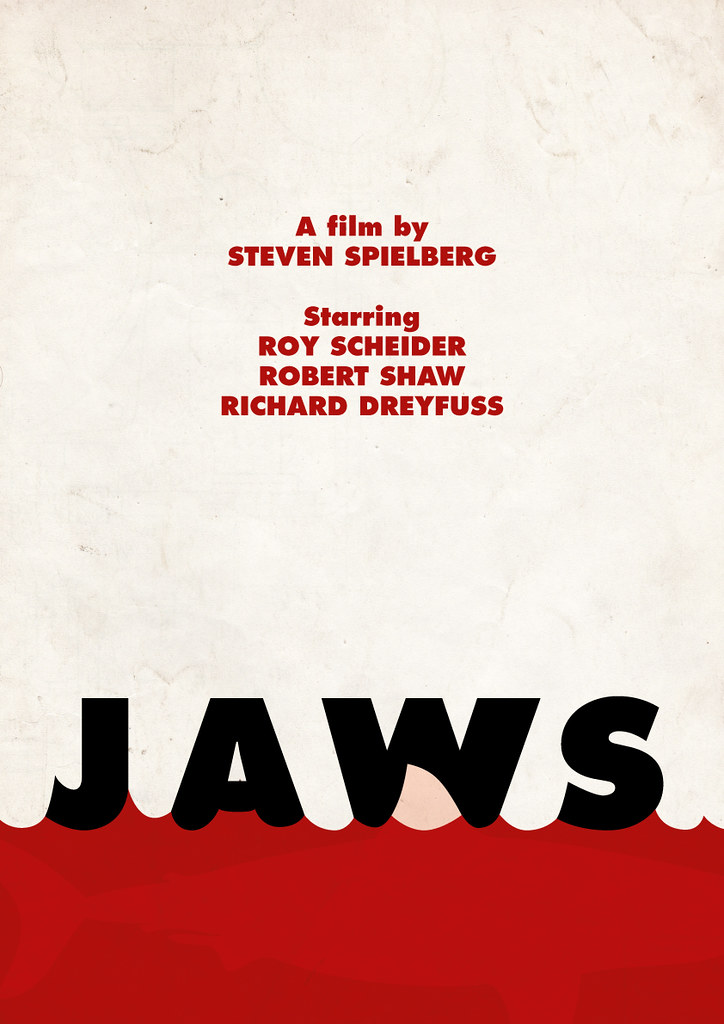
*Jaws* began its life as a best-selling novel by Peter Benchley, a terrifying tale that gripped readers with its vivid depiction of a man-eating shark terrorizing a New England beach town. When Steven Spielberg took the helm to adapt this literary sensation for the screen, he understood the immense potential, but also recognized that the demands of the visual medium might require a different kind of ending than the one Benchley had painstakingly crafted.
The novel’s climax is a drawn-out, brutal affair, steeped in a grim realism. After a protracted and harrowing battle at sea, the great white shark, severely wounded and greatly fatigued from the barrels harpooned into it, simply gives up. It stops dead in its tracks, inches from devouring Chief Brody, and sinks to the ocean floor, mortally wounded. This quiet, almost anticlimactic end suited the novel’s darker tone, portraying nature’s triumph through sheer, grinding attrition.
Spielberg, however, envisioned something far more immediate and visceral for the big screen. He understood that a film of *Jaws*’ magnitude needed a definitive, explosive resolution that would provide a cathartic release for an audience held in suspense for nearly two hours. The film’s ending, therefore, was not merely a translation but a complete reinterpretation, transforming a somber defeat into a triumphant, if improbable, victory against an almost mythical beast.

2. A Question of Survival: Hooper’s Unforeseen Reprieve
In both the novel and the film, marine biologist Matt Hooper, played with memorable intensity by Richard Dreyfuss, is an indispensable member of the shark-hunting trio. His scientific expertise and daring nature are crucial to understanding and confronting the aquatic menace. However, in Peter Benchley’s original novel, Hooper’s daring ultimately leads to a grim, definitive end.
Benchley’s narrative sees Hooper meet a terrible fate in his effort to lethally inject the shark. During an underwater cage dive, he attempts to strike the beast with a bang stick. This audacious move proves fatal, as the shark swiftly devours Hooper whole, a shocking and brutal moment that underscores the sheer, unstoppable power of the predator and the futility of human resistance against it.
The film version, much to the relief of audiences, alters these events significantly. While Hooper still descends in the cage, and the shark still attacks, the movie allows him a miraculous escape. He manages to hide behind a coral reef, ultimately returning to the surface after the shark is defeated, paddling back to Amity Island alongside Brody on some of the remaining barrels. This reprieve for Hooper adds a layer of shared survival to the film’s ending, making Brody’s triumph less solitary.
Crucially, this change wasn’t entirely a creative choice made in a vacuum; it was influenced by an extraordinary real-life incident during filming. To capture long shots of the cage-diving scene, divers Valerie and Ron Taylor filmed actual great white sharks off South Australia. During one such session, a 16-foot great white got caught in the boat winch connected to the scaled-down cage rig and violently destroyed it while thrashing to escape. Fortunately, the actor body double, who was not an experienced diver, was not in the cage at that precise moment. Valerie Taylor confirmed that if he had been, the incident would have undoubtedly been fatal. The dramatic, unplanned footage of the shark’s violent struggle against the empty cage proved too compelling to discard. Realizing what they had captured, the filmmakers changed the script, allowing Hooper to escape at the last minute and survive, thereby incorporating this breathtaking real-world event directly into the cinematic narrative.
3. The Quint Paradox: A Sailor’s Gruesome, Amplified End
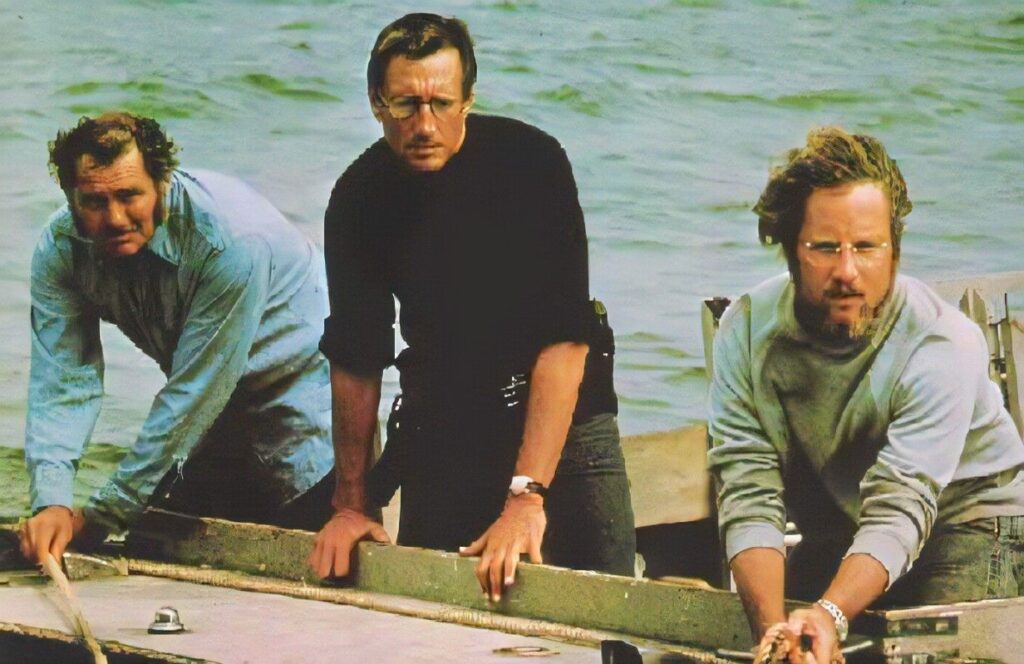
Robert Shaw’s portrayal of Quint, the hardened, shark-obsessed fisherman, remains one of *Jaws*’ most iconic performances. His gruff demeanor, vivid storytelling, and unwavering resolve make him a formidable figure, a modern-day Captain Ahab consumed by the hunt. In Peter Benchley’s novel, Quint’s demise, while tragic, is steeped in a certain poetic inevitability that reflects his singular focus.
In the book, Quint’s obsession with defeating the shark reaches a fever pitch, consuming him to the point where he no longer cares about payment. This relentless pursuit ultimately costs him his life. He becomes entangled in a rope attached to one of his harpoons, which in turn is lodged in the shark. Like a seafaring Icarus, he is pulled into the depths with the shark, a grim, almost symbiotic end that ties his fate inextricably to the creature he so desperately hunted.
The film, however, elevates Quint’s death into a moment of pure, unadulterated horror, amplifying the shark’s menace to an almost monstrous degree. After the shark leaps aboard the rapidly sinking Orca, Quint is violently attacked and graphically devoured by the beast, his screams echoing over the water. It’s a terrifying, visceral scene that reinforces the shark’s power and the sheer desperation of the final confrontation.
This cinematic change ensures that the shark remains an active, malevolent force right up to its ultimate defeat, rather than a creature that merely succumbs to its injuries off-screen. Quint’s gruesome end serves to heighten the stakes for Brody, making his subsequent triumph over the shark all the more impactful and hard-won. It transforms a somber, character-driven tragedy into a pivotal moment of monster-movie terror, indelibly etched into the minds of audiences.
4. The Mechanical Beast’s Fatal Flaw: Brody’s Explosive Triumph
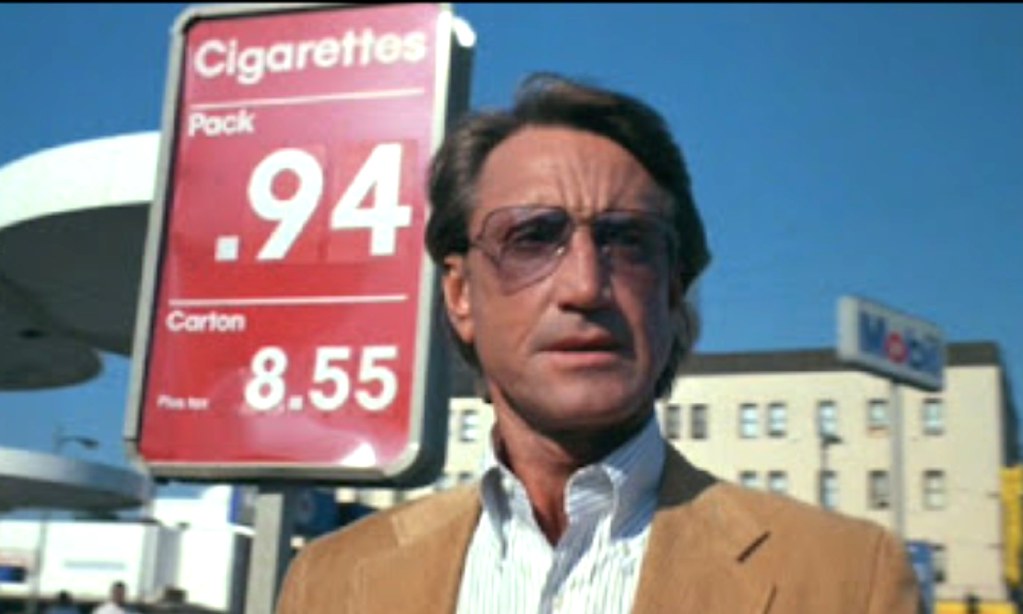
Chief Martin Brody, the reluctant hero played by Roy Scheider, is initially out of his element on the open sea, a police chief battling a problem far beyond the scope of Amity Island’s local crimes. Yet, it is Brody who delivers the iconic, explosive coup de grâce to the monstrous great white, solidifying his role as the quintessential everyman hero. This unforgettable finale is a dramatic departure from the source material and a testament to Spielberg’s vision for cinematic impact.
In the novel, as previously noted, the shark simply tires and succumbs to its injuries, sinking to the ocean floor in a quiet, almost understated manner. It’s a death by exhaustion, lacking the visceral punch typically associated with a creature feature’s climax. Spielberg, however, opted for a finale that would literally bring the house down, creating one of cinema’s most iconic monster kills.
The film’s legendary ending sees Brody, stranded on the rapidly sinking Orca, toss an oxygen tank into the shark’s gaping maw. As the beast makes its final, furious charge, Brody, with rifle in hand, takes aim and shoots the tank. The resulting explosion, a spectacular burst of compressed air, quite literally causes the shark to explode into pieces. It’s a moment of pure, unadulterated cinematic catharsis, a definitive obliteration of the seemingly invincible predator.
This explosive triumph provides a clear, decisive, and visually stunning defeat of the menace that has terrorized Amity Island and its residents. It’s a powerful statement of human perseverance and victory against seemingly insurmountable odds, resonating deeply with audiences and providing a raw, visceral satisfaction that the novel’s quieter conclusion simply could not deliver. This scene, more than any other, cemented the film’s legendary status and defined its place in pop culture history.
5. Believability Over Realism: Spielberg’s Guiding Principle
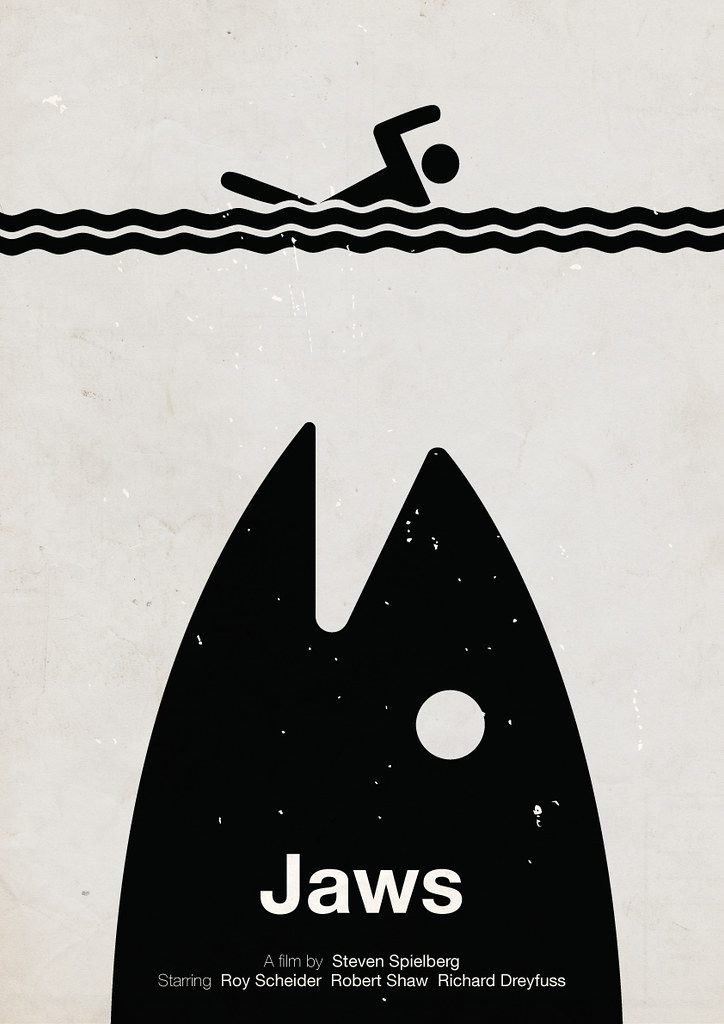
At the heart of the significant alterations made to *Jaws*’ ending was a fundamental disagreement in philosophy between author Peter Benchley and director Steven Spielberg. Benchley, naturally, leaned towards a degree of realism, informed by his extensive research into sharks. Spielberg, conversely, championed a different metric for success in his cinematic storytelling: believability over strict factual realism.
When Spielberg first laid out his proposed ending—Brody tossing an oxygen tank into the shark’s mouth and shooting it—Benchley initially found the concept to be “absurd and over-the-top.” This reaction is entirely understandable from the perspective of an author who had grounded his terrifying tale in the more plausible, albeit still exaggerated, behavior of a great white shark. The notion of a shark exploding from a single rifle shot to an oxygen tank would naturally challenge one’s sense of reality.
However, Spielberg countered with a profound argument that would come to define his approach to genre filmmaking: “believability was far more important than realism in a cinematic context.” This statement is not a dismissal of truth but an acknowledgment that cinema, particularly a suspense thriller like *Jaws*, operates on its own set of rules. The goal is not to document reality, but to create an immersive, emotionally resonant experience that an audience *believes* in, within the confines of the story being told, even if the mechanics might stretch the bounds of the scientifically possible.
This guiding principle allowed Spielberg the creative freedom to prioritize emotional impact, narrative arc, and the visceral thrill that would make *Jaws* an unforgettable event. Audiences, he understood, would be willing to suspend their disbelief for a truly compelling story, especially one that culminates in a profoundly satisfying victory. The fact that the film’s ending, despite its fantastical elements, still elicits cheers and applause decades later is a testament to the power of Spielberg’s conviction in prioritizing narrative believability over strict scientific accuracy.

6. Benchley’s Initial Disbelief: The Absurdity of the Explosion
The clash between Peter Benchley’s literary vision and Steven Spielberg’s cinematic ambition was never more evident than in the discussion surrounding the film’s controversial ending. Benchley, deeply invested in the narrative he had created, naturally viewed the proposed explosive demise of the shark with considerable skepticism, articulating his objections quite plainly.
Upon hearing Spielberg’s idea for Brody to shoot an oxygen tank in the shark’s mouth, Benchley “initially found Spielberg’s proposed ending to be absurd and over-the-top.” This was not merely a casual disagreement but a significant creative tension between the author and the director. For Benchley, who had crafted a story rooted in the natural, albeit terrifying, behavior of a great white, the concept of a shark detonating seemed to veer too far into the realm of fantasy, undermining the grounded dread he had so meticulously built.
His reservations highlight the inherent challenges of adaptation, where the artistic integrity of the source material often comes into conflict with the unique demands and conventions of a different medium. Benchley’s novel derived much of its power from a sense of grim realism, where even the shark’s death was a wearisome, drawn-out affair rather than a fantastical burst of glory. An exploding shark, in his view, simply did not fit the established tone or plausibility of his narrative.
This initial disbelief underscores a crucial point about the distinct requirements of storytelling across different platforms. What works effectively on the page, allowing for nuanced internal monologues and a gradual accumulation of dread, may fall flat or feel anti-climactic when presented visually to a mass audience seeking a more definitive and spectacular resolution. Benchley’s objection, therefore, wasn’t just about a plot point, but a differing understanding of how to maximize impact for a specific audience in a specific medium. It was a pivotal moment of creative friction, ultimately leading to a more profound understanding of the film’s necessities.
7. The Author’s Evolution: Benchley’s Acceptance of Cinematic Necessity
While Peter Benchley initially balked at Spielberg’s explosive vision for *Jaws*’ climax, finding it “absurd and over-the-top,” his perspective evolved over time. This shift wasn’t merely a capitulation but a growing understanding of the distinct demands of storytelling across different mediums. What works powerfully within the introspective, detailed pages of a novel doesn’t always translate directly to the broad, immediate canvas of a cinematic blockbuster.
Benchley’s widow, Wendy, shed crucial light on his eventual acceptance, sharing that “That was absolutely fine with him because he realized, in a novel, you need to have more complexity as people read, but when you have a movie, you need a straight A-B-C-D plotline.” This insight encapsulates the fundamental difference between the two forms. A book can revel in ambiguity, explore nuanced character psychology, and allow for a gradual, drawn-out climax. A film, especially one designed for mass appeal, often benefits from a clear, linear narrative progression where cause and effect lead to a definitive, impactful resolution.
Spielberg’s argument for “believability over realism” found its echo in Benchley’s eventual understanding. The cinematic “A-B-C-D plotline” demands a dramatic arc that resolves tensions and provides catharsis, elements that a quietly dying shark might struggle to deliver on screen. Benchley, a master storyteller himself, came to appreciate that the film needed a different kind of truth—one rooted in narrative satisfaction and visceral impact, even if it stretched the bounds of strict scientific accuracy. This evolution in his viewpoint highlights the collaborative spirit, and sometimes the necessary compromises, inherent in adapting beloved literature for the big screen.
8. The Bigger Beast: Spielberg’s Strategic Shark Sizing
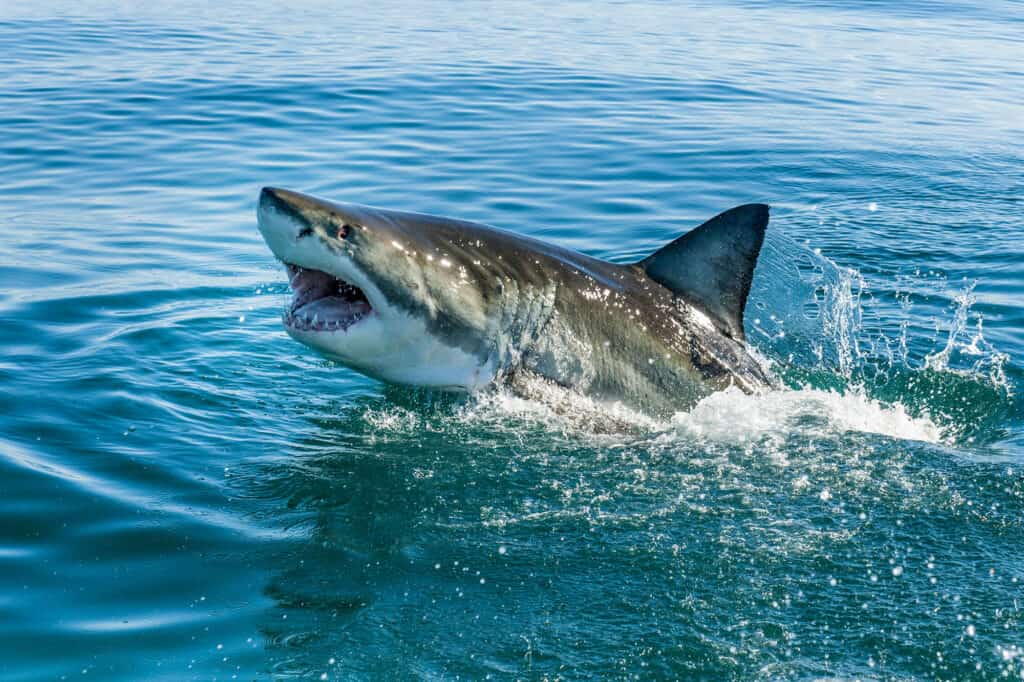
Beyond the explosive ending, another critical deviation from Peter Benchley’s novel was the sheer scale of the antagonist itself. In nature, great white sharks typically reach lengths of around 15 feet. Benchley’s novel, while still a thrilling fiction, maintained a degree of adherence to this biological reality in its depiction of the man-eater terrorizing Amity Island. Spielberg, however, consciously and strategically supersized his aquatic villain for the silver screen.
The film’s shark, infamously nicknamed Bruce, was depicted as a colossal 25-foot predator. This deliberate exaggeration wasn’t an oversight but a calculated move to amplify the sense of dread and insurmountable danger. As Wendy Benchley articulated, “Steven is so talented and brilliant and he knew he needed to have a bigger shark to make that movie grab you and really make you afraid.” The visual medium demands an immediate, undeniable threat, and a larger, more imposing creature inherently communicates a greater peril to audiences.
Even with Spielberg’s masterful decision to keep the malfunctioning mechanical shark largely off-screen for much of the film, its eventual, terrifying reveal needed to live up to the immense build-up. A 25-foot shark, towering over the *Orca* and its crew, delivers a far more potent visual shock and a heightened sense of existential threat than a creature closer to real-world dimensions. This strategic enhancement of the shark’s size worked in tandem with the explosive ending to solidify the beast’s legendary status, ensuring that *Jaws* truly grabbed viewers and instilled a deep, primal fear.
9. The Accidental Twist: How a Real Shark Redefined Hooper’s Fate
The profound shift in Matt Hooper’s fate from Peter Benchley’s novel—where he meets a grisly end—to his cinematic survival is more than just a plot point; it’s a fascinating case study in how unpredictable real-world events can profoundly reshape narrative and character arcs. While Steven Spielberg was already inclined towards a more audience-pleasing ending, Hooper’s reprieve was directly born from a terrifying, unscripted incident during the film’s challenging production, lending an almost fated quality to his survival.
The goal for filming the underwater cage sequence, where Hooper was meant to confront the great white, necessitated capturing actual shark footage. This task fell to renowned divers and nature documentarians Valerie and Ron Taylor off the coast of South Australia. To enhance the perceived size of the 15- to 16-foot sharks, they employed clever cinematic tricks: a scaled-down cage and a “very short actor” acting as a body double. What they couldn’t control, however, was the raw, unpredictable power of nature itself.
During one harrowing moment, a 16-foot great white became inextricably caught in the boat winch attached to the scaled-down cage rig. The resulting struggle was violent and utterly destructive, with the shark thrashing so furiously that it tore the cage apart. It was a terrifying spectacle, made all the more chilling by the realization that the body double, an inexperienced diver, was miraculously *not* inside the cage at that precise instant. As Valerie Taylor unequivocally stated, if he had been, “the incident would have no doubt been fatal.”
This unplanned, utterly breathtaking footage of a real shark’s destructive power against an empty cage proved to be a cinematic gift. Spielberg and his team, witnessing this raw, unadulterated terror, recognized its immense narrative potential. Instead of discarding it, they ingeniously integrated it, rewriting the script to allow Hooper to escape at the last possible second. This meant that a genuine, near-fatal encounter with a great white shark not only provided some of the film’s most visceral scenes but also literally saved a character’s life on screen, cementing a more hopeful, shared triumph for the audience.

10. Foreshadowing the Finale: Planting the Seeds of Destruction
Steven Spielberg’s genius in crafting *Jaws*’ explosive ending wasn’t just about a dramatic concept; it was meticulously woven into the fabric of the film through clever foreshadowing. While the idea of a shark exploding from a gunshot might have seemed far-fetched to Peter Benchley, Spielberg cannily planted subtle “trail of breadcrumbs” throughout the narrative, preparing the audience to suspend their disbelief and cheer for the impossible.
One such seed is planted early in the film during a scene at Chief Brody’s residence. As Brody researches sharks, flipping through a book filled with illustrations and photos, viewers are shown an image of a shark with what appears to be an oxygen tank in its mouth. This visual serves as a subconscious primer, suggesting the plausibility of such an improbable scenario. Brody, too, clearly remembers this image, which will later guide his desperate, last-ditch effort against the charging beast.
Further enhancing this groundwork, Spielberg includes a scene on an Amity Island beach where children are engrossed in a video game called “Killer Shark.” The objective? To shoot an approaching shark with a gun. This seemingly innocuous detail reinforces the notion that a shark can be defeated by a firearm, establishing a parallel to Brody’s ultimate act. Finally, the danger of oxygen tanks themselves is explicitly highlighted when Matt Hooper, frustrated by Brody’s clumsiness on board the *Orca*, shouts, “Dammit, Martin! This is compressed air! … You screw around with these tanks, and they’re gonna blow up!” Quint then sarcastically adds, “Yeah, that’s real fine expensive gear you brought out here, Mr. Hooper. ‘Course I don’t know what that bastard shark’s gonna do with it, might eat it I suppose.” These lines not only underscore the volatile nature of the tanks but also, with dark humor, hint at their eventual role in the shark’s demise, making the finale feel earned rather than entirely out of left field.

11. From Page to Blockbuster: The Enduring Impact of Spielberg’s Vision
The cumulative effect of Spielberg’s bold changes to *Jaws*’ ending—from Hooper’s survival and Quint’s amplified demise to Brody’s explosive triumph and the sheer scale of the shark—was transformative, cementing the film’s status far beyond a mere adaptation. These decisions weren’t just about crafting a satisfying conclusion; they were instrumental in forging the identity of what would become the prototypical “summer blockbuster,” reshaping Hollywood’s release strategies and audience expectations for decades to come.
By delivering a clear, definitive victory over an overwhelmingly powerful antagonist, Spielberg provided audiences with a cathartic release after nearly two hours of relentless tension. This visceral satisfaction, coupled with the larger-than-life portrayal of the shark and its spectacular defeat, created an event film. It tapped into a collective desire for exhilarating escapism and left an indelible mark on the cultural consciousness, turning a terrifying story into a communal triumph.
The movie’s literally explosive ending was, therefore, “instrumental in the movie’s role in establishing the modern summer movie season.” It demonstrated that a film could open wide during the summer, drawing massive crowds with a high-stakes, action-packed narrative culminating in a grand, spectacular climax. *Jaws* proved that carefully constructed thrills and a deeply satisfying resolution could translate into unprecedented box office success, thereby writing the blueprint for countless blockbusters that would follow and forever altering the landscape of popular cinema.

12. A Legacy of Cheers: Why the Explosive Ending Still Resonates
Decades after its premiere, *Jaws*’ explosive ending continues to be a cornerstone of its enduring legacy, eliciting gasps, cheers, and applause from audiences worldwide. The decision to prioritize cinematic impact and “believability over realism” proved to be a masterstroke, creating a finale that transcends its fantastical elements and remains deeply resonant with viewers. It’s a testament to Spielberg’s profound understanding of what makes a movie truly *work* for a mass audience.
The scene where Brody, the everyman who started terrified of the water, fires his rifle at the oxygen tank lodged in the shark’s mouth, leading to the beast’s spectacular detonation, is pure, unadulterated cinematic catharsis. It’s a moment that provides a powerful release from the sustained terror, transforming seemingly insurmountable odds into a hard-won victory. As one reviewer aptly put it, “I dare anyone to not smile like a son-of-a-bitch at that ending, and audiences still clap and cheer, as the remains of the shark rain down after the release of two hours of shark-shaped tension.”
The two differing conclusions—Benchley’s somber, naturalistic demise and Spielberg’s explosive, triumphant obliteration—both served their respective mediums effectively. However, it was Spielberg’s audacious vision for the film’s climax that “helped shape the identity and enduring legacy of Jaws.” It delivered not just survival, but an unforgettable victory, solidifying the film’s place as a cultural touchstone and a timeless example of how to deliver a truly unforgettable cinematic experience.
The echoes of that singular question, the one that forced the director of *Jaws* to change everything, continue to reverberate. It was a question about audience, about impact, about the very heartbeat of storytelling on the grandest stage. And by answering it with an explosion of cinematic brilliance, Steven Spielberg didn’t just end a movie; he redefined an era.