Hollywood has a way of dazzling us, creating iconic characters that embed themselves deeply into our pop culture consciousness. We cheer for them, we relate to them, and sometimes, we even wish we could be them. But what happens when the magic on screen hides a very different reality behind the scenes? What if the actors bringing these beloved figures to life secretly harbored a deep-seated dislike, or even outright hatred, for the very roles that made them household names?
It’s a fascinating, often surprising, and sometimes heartbreaking truth of the entertainment industry. For every actor who cherishes their signature part, there’s another who endured grueling experiences, disagreed with creative directions, or simply grew to resent the character they played. These aren’t just minor annoyances; for many, these roles became sources of profound personal and professional distress.
Prepare to have your perceptions challenged as we pull back the curtain on some of the most shocking revelations from actors who couldn’t wait to shed their on-screen personas. From sitcom legends to teen drama sensations and animated icons, get ready for a deep dive into the untold stories of roles that were anything but a dream come true.

1. Charlie Sheen – Two and a Half Men
Charlie Sheen’s tenure on *Two and a Half Men* was, to say the least, a wild ride that ended in a very public and tumultuous departure. While his character, Charlie Harper, was a cornerstone of the show’s immense success, the actor himself became increasingly embroiled in erratic behavior that ultimately led to his firing in 2011. The drama that unfolded off-screen was arguably more captivating than anything happening on the sitcom itself, leaving fans bewildered and the industry buzzing.
In the years following his dismissal, Sheen made no secret of his intense resentment towards many of the individuals involved with the show, most notably its co-creator and executive producer, Chuck Lorre. His public criticisms were scathing and relentless, painting a picture of deep-seated animosity. Sheen famously described Lorre in no uncertain terms as “miserable, talentless, and stupid,” revealing the extent of his professional and personal disdain.
This isn’t just a story of an actor falling out with production; it’s a profound look at how personal conflicts can utterly sour a professional relationship, even one that delivered massive financial and viewership success. For Sheen, *Two and a Half Men* quickly morphed from a career highlight into a source of bitter contention, a chapter of his life he clearly couldn’t wait to close, despite the show’s undeniable impact on his celebrity and bank account.
Read more about: From Screen Idols to Public Scrutiny: 15 TV Stars Who Lost Everyone’s Respect and Why Their Legacies Crumbled
2. Robert Reed – The Brady Bunch
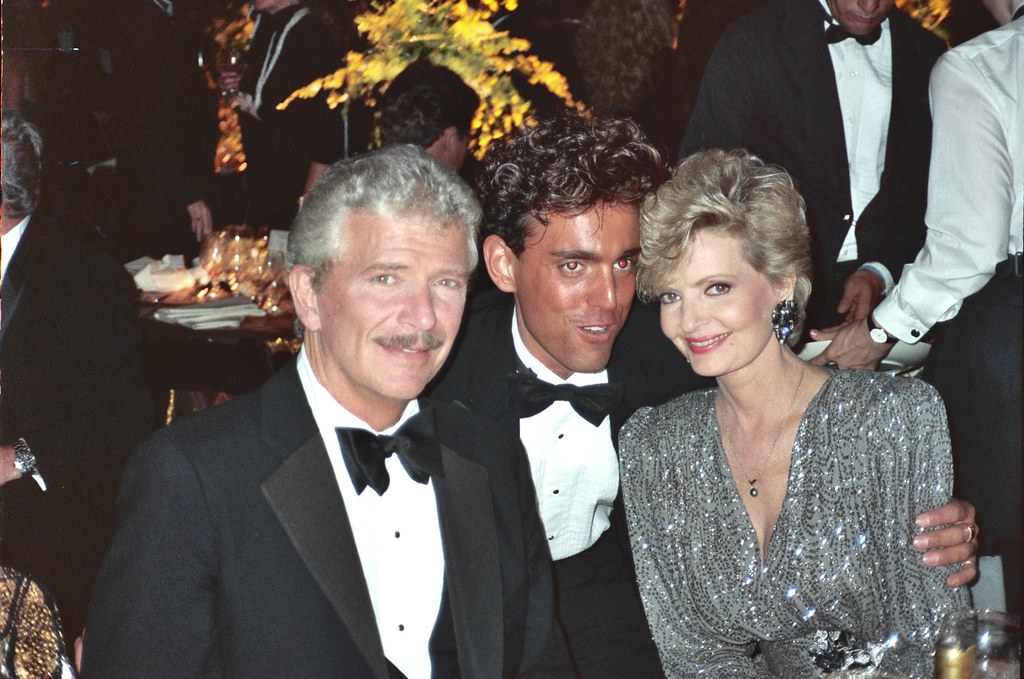
For many, Robert Reed will forever be synonymous with Mike Brady, the loving and ever-patient patriarch of *The Brady Bunch*. Yet, behind the wholesome facade of one of television’s most iconic sitcom families lay an actor who fundamentally despised his role and the very genre of television it represented. Reed, a classically trained actor who had honed his craft studying Shakespeare in England, considered episodic television to be utterly “beneath him.”
His contempt wasn’t limited to the medium; Reed specifically detested the kind of situational comedy that *The Brady Bunch* utilized. He struggled with what he perceived as the show’s triviality and often found the scripts lacking in intellectual depth. According to his fellow cast members, Reed’s frustration grew exponentially as the show progressed, manifesting in increasingly agitated behavior on set, making production a challenging experience for everyone involved.
Producer Sherwood Schwartz once vividly described Reed’s on-set conduct, stating, “Every day of every week, he was a pain in the neck, and you can go a little further south of that. If something didn’t ring the truth bell with him, he’d walk off the set and not tell you why.” Despite his profound unhappiness and frequent contemplation of leaving the show, Reed ultimately remained due to a combination of financial necessity and a genuine affection for his TV family, a testament to the complex loyalties that bind actors to their roles.
Read more about: Beyond the Limelight: 15 Celebrities Who Bravely Served in the Vietnam War
3. Miley Cyrus – Hannah Montana
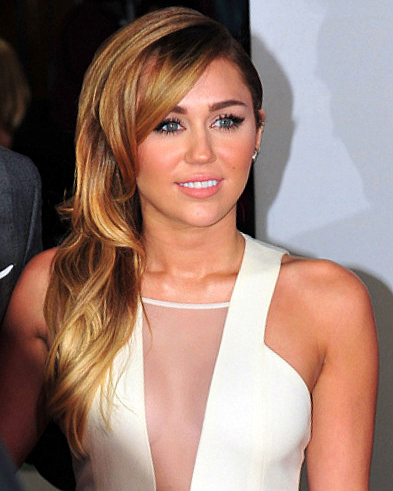
Miley Cyrus achieved global superstardom as the titular character in Disney Channel’s *Hannah Montana*, a show that turned her into a teen idol and launched a massively successful career in music and acting. While the series brought her unparalleled fame, the journey behind the scenes was anything but smooth, leaving a lasting impact on the young star. Cyrus, who was only 13 years old when filming began, has openly spoken about the significant personal sacrifices she made.
One of her biggest regrets stems from missing out on a normal childhood. The demanding schedule and constant public scrutiny meant she couldn’t experience typical adolescent milestones, like simply spending time with friends away from the glare of the spotlight. This loss of normalcy contributed to a sense of isolation and a yearning for a life she couldn’t have while portraying her beloved character.
Beyond the social aspect, Cyrus has revealed that the show profoundly affected her both physically and emotionally. She believes her time playing Hannah Montana most likely caused some body dysmorphia, a difficult struggle for any young person, especially one in the public eye. Furthermore, she has cited psychological damage from the experience that has crossed over into her adult years, illustrating that even the most seemingly innocent roles can leave deep and complex scars on a developing individual.
Read more about: Beyond the Yearbook: 14 Actors Who Mastered Teen Roles While Being Seriously Grown Up

4. Mischa Barton – The O.C.
In the early 2000s, few television shows captured the zeitgeist quite like *The O.C.*, a teen drama that defined a generation. At the heart of its captivating narrative was Mischa Barton, who, at just 17 years old, gained national notoriety for her portrayal of Marissa Cooper, the troubled but endearing main love interest. The show’s meteoric rise to popularity brought with it an intense level of attention and scrutiny, more than the young actress was truly prepared to handle, transforming her life overnight.
The pressures of sudden fame, combined with the demanding schedule and the emotional weight of her character’s storylines, began to take a toll. Marissa Cooper’s arc was frequently fraught with personal struggles, from substance abuse to turbulent relationships, and embodying such a complex character daily proved to be incredibly taxing for Barton. She found herself in an overwhelming environment, feeling increasingly trapped by her commitments.
After three seasons, Barton made the difficult decision to quit the show, a move that sent shockwaves through the fan community. Reflecting on her departure years later, she candidly revealed the immense pressure she felt, describing it as feeling like she “was in a machine and couldn’t really get off.” Her experience highlights the often-unseen struggles of young actors navigating the unforgiving landscape of sudden, intense stardom and the heavy cost it can exact on personal well-being.
Read more about: From Small Screen Royalty to Big Screen Headscratchers: 13 TV Stars Who Couldn’t Quite Crack Hollywood’s Code

5. Katherine Heigl – Grey’s Anatomy
Katherine Heigl’s journey on *Grey’s Anatomy* is one of the more peculiar and publicly dissected Hollywood stories of the last decade. Her portrayal of Dr. Izzie Stevens earned her widespread acclaim and even an Emmy Award for Best Supporting Actress in a Drama in 2007, marking her as a rising star with immense potential. However, what followed was a series of controversial decisions that baffled many and irrevocably altered the trajectory of her career.
The following year, in 2008, Heigl famously withdrew her name from Emmy consideration, claiming she hadn’t been given material worthy of a nomination. This move, widely perceived as a slight against the show’s writers, marked the beginning of her rocky relationship with *Grey’s Anatomy* production and the wider industry. Over the next two years, she took multiple sabbaticals, further signaling her discontent and detachment from the role that had brought her so much recognition.
Her eventual departure in 2010 was the culmination of these events. Heigl has since expressed her belief that these two key decisions – withdrawing from the Emmys and her subsequent exit – resulted in the industry effectively blackballing her. Once seemingly on track to become one of Hollywood’s biggest stars, her career has indeed floundered in recent years, serving as a cautionary tale about the delicate balance between artistic integrity and professional diplomacy in Tinseltown.
Read more about: From Silver Screen to Sidelines: 11 Iconic Female Stars Who Faced Unexpected Blacklisting in Hollywood

6. Angus T. Jones – Two and a Half Men
Much like his on-screen uncle Charlie Sheen, Angus T. Jones, who played Jake Harper on *Two and a Half Men*, also had a dramatic and anything-but-civil departure from the hit sitcom. Jones, who had grown up on the show from a child actor to a teenager, made headlines when he publicly denounced the series in a YouTube video. His sudden and fervent criticisms shocked fans and industry insiders alike, showcasing a dramatic shift in his personal convictions.
In the now-infamous video, Jones candidly called the wildly successful show “filth” and, even more astonishingly, urged his viewers and the public to boycott it. This direct attack on the very program that had afforded him immense fame and fortune was unprecedented for an actor still under contract. His criticisms stemmed from a deep personal transformation, specifically his rediscovery and embrace of his Christian faith, which he stated made him incompatible with the content of *Two and a Half Men*.
For Jones, the moral and religious implications of his role had become unbearable. He felt that continuing to be a part of the show would compromise his newfound spiritual beliefs, leading to a profound personal crisis that overshadowed his professional obligations. His public declaration, though controversial, served as a powerful statement of personal conviction over celebrity and marked a definitive, if tumultuous, end to his long-running role on the popular comedy.
Read more about: Bye, Bye Tinseltown: 13 Famous Faces Who Traded Hollywood’s Glitz for a Totally Different Life
7. Isaac Hayes – South Park
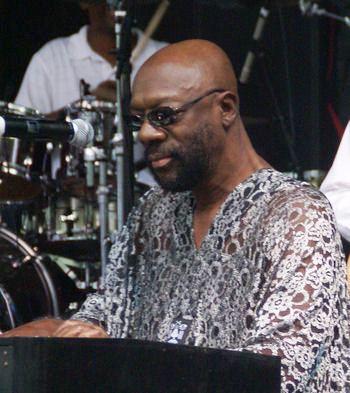
For nearly a decade, Isaac Hayes lent his distinctive voice and charismatic presence to the character of Chef on *South Park*, making him a beloved fixture of the irreverent animated series. Chef, known for his soulful singing and wise, often ually suggestive, advice, was an integral part of the show’s early success. However, in 2006, Hayes abruptly left the show, creating a significant void and sparking considerable speculation about his reasons.
The official statement from Hayes cited his criticism of *South Park*’s satirical nature, particularly noting instances when the satire was aimed at religious beliefs. He stated, “There is a place in this world for satire, but there is a time when satire ends and intolerance and bigotry towards religious beliefs begins.” This public stance suggested a fundamental disagreement with the show’s evolving comedic approach and its willingness to push boundaries on sensitive topics.
However, Matt Stone, a co-creator of *South Park*, offered a different perspective, claiming that Hayes’ problems with the show primarily stemmed from an episode specifically focused on Scientology, a religion Hayes was known to be involved with. Years after Hayes’ death, his son further complicated the narrative, coming forward to claim that someone within the Church of Scientology had actually quit *South Park* on Hayes’ behalf, suggesting that his father didn’t have a say in the matter. This revelation added another layer to the already complex story of a beloved actor’s departure from an iconic role.
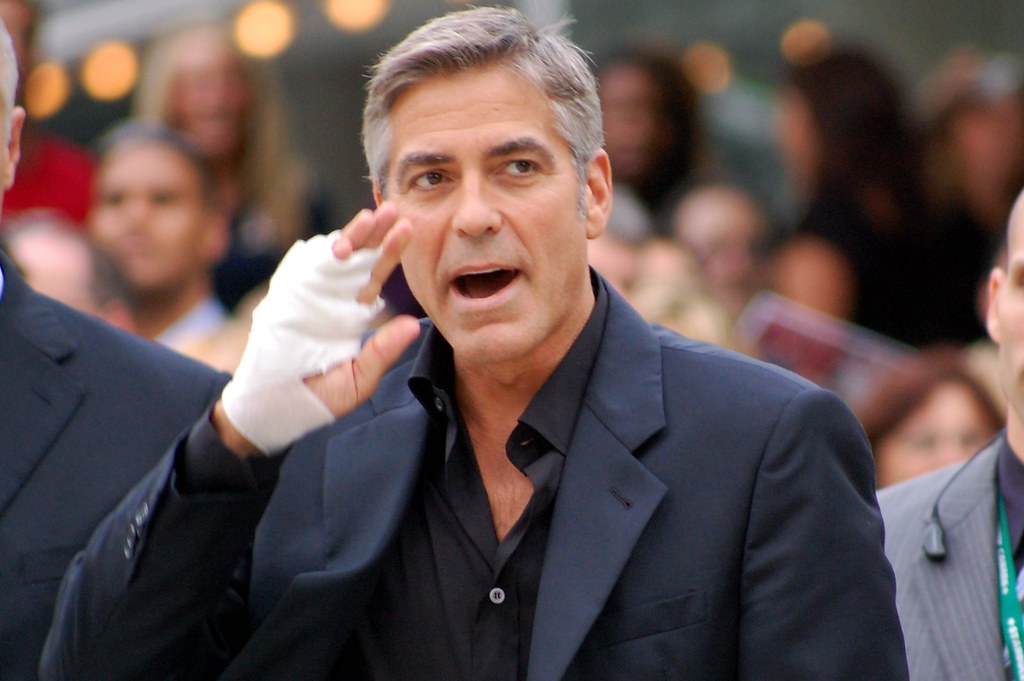
8. George Clooney – Batman & Robin
When George Clooney stepped into the iconic bat-suit for 1997’s *Batman & Robin*, expectations were sky-high. Fresh off his megahit TV show *ER* and a bona fide heartthrob, Clooney seemed like the perfect fit to continue the successful Batman franchise, which had seen previous iterations starring Michael Keaton and Val Kilmer. The promise of a fresh, charismatic face under the cowl surely excited fans and studio executives alike, poised for another guaranteed hit.
However, what followed was a cinematic event that would forever haunt his filmography, becoming a perpetual source of regret for the esteemed actor. The film, unfortunately, flopped spectacularly, drawing widespread criticism from both audiences and critics alike, who deemed it campy and poorly executed. While Clooney readily admitted his own performance wasn’t his best, he was also quick to point out that he refused to shoulder all the blame for its failure, sharing the burden with the creative team.
He highlighted significant issues with both the script and the direction, suggesting a collective misstep rather than a singular fault. Clooney openly shared that both the screenwriter and director later admitted their own contributions to its failure. As he succinctly put it, “We all whiffed on that one,” acknowledging a shared responsibility for what many consider one of the worst superhero films ever made.
Throughout his career, Clooney has made a point of publicly apologizing for his involvement, going as far as to say he thought the film was so poor it effectively “killed the franchise.” Yet, in a testament to his resilience and introspection, he credits this very failure with sparking better career choices. The painful experience taught him a crucial lesson, allowing him to take a more active role in his projects: “After the failure of that film creatively, I understood that I needed to take control of the films I made, not just the role.” This shift in philosophy undeniably shaped the more critically acclaimed, director-driven career he built in the decades that followed.
Read more about: Still Can’t Believe You Watch Them? Dive into 12 Cult Classics Where Bad Acting Equals Legendary Fun.
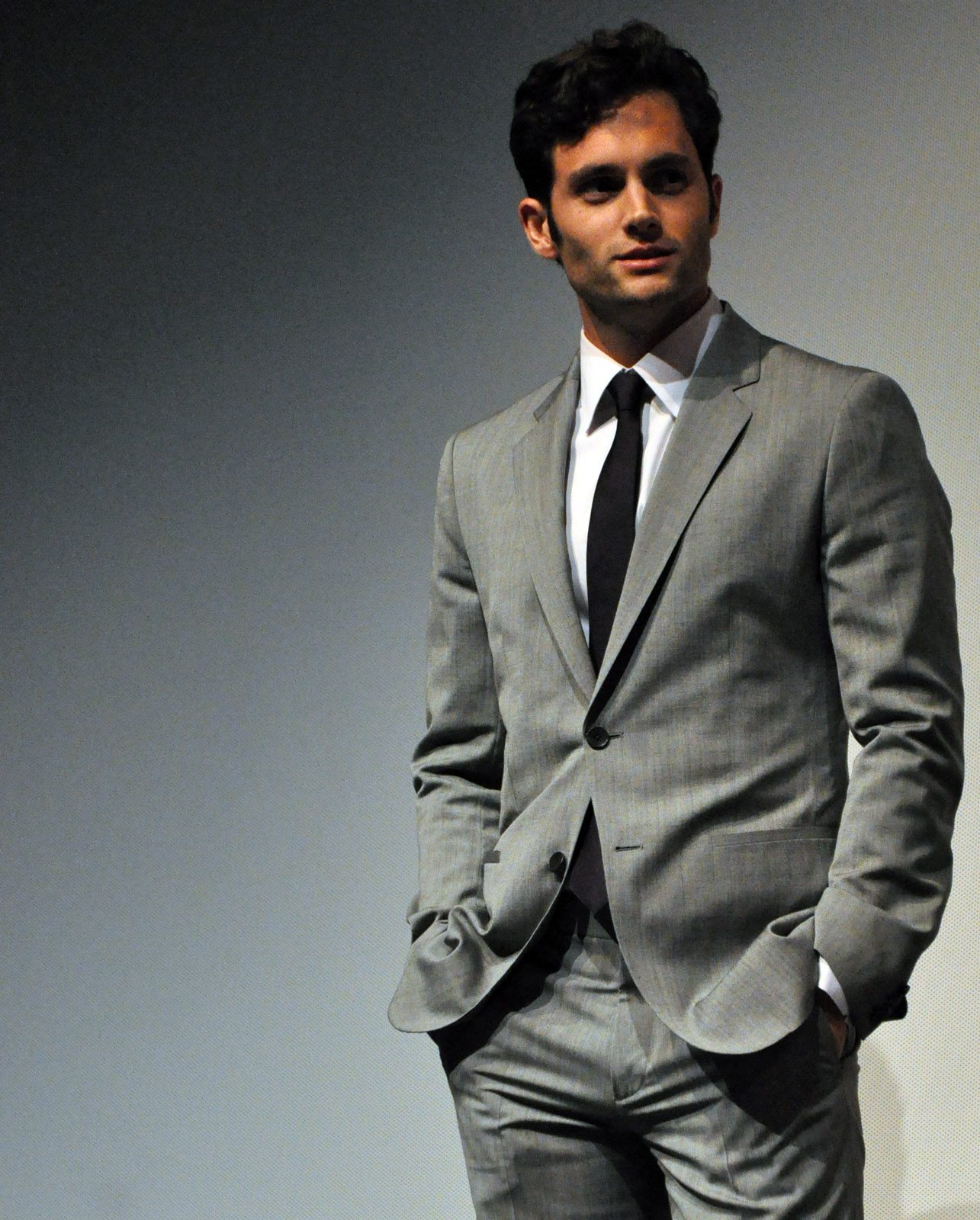
9. Penn Badgley – Gossip Girl
*Gossip Girl* undoubtedly launched Penn Badgley into mainstream fame, making him a household name for a generation of teen drama enthusiasts captivated by the scandalous lives of Manhattan’s elite. As Dan Humphrey, the “lonely boy” from Brooklyn who eventually turned out to be the titular blogger, Badgley embodied a character that resonated deeply with millions of viewers, propelling the series to iconic status in the early 2000s.
Yet, despite the show’s immense popularity and the career opportunities it afforded him, Badgley has never shied away from expressing his profound distaste for the series, particularly his character. It’s a surprising revelation for fans who adored the sophisticated, often brooding figure he portrayed, creating a stark contrast between on-screen allure and off-screen sentiment. His discomfort with the role stemmed from a deeper longing for authenticity in his craft.
Since his tenure on the show ended, Badgley has repeatedly disparaged his former gig, offering some of his harshest criticisms while promoting other projects. He articulated a longing for a different kind of professional satisfaction, stating, “To be proud of something is a really nice feeling… And it’s a new feeling, and it’s something that I wanna keep going with.” This sentiment clearly indicated a stark contrast with his feelings about his *Gossip Girl* experience, where pride seemed elusive.
The actor further emphasized his desire for work he could stand behind unequivocally, beyond just commercial success. He explained that this newfound pride allowed him to “walk a little taller feeling that I don’t have to be constantly apologizing for the work that I’ve done in the past.” This candid reflection reveals the unseen burden he carried while associated with *Gossip Girl*, a role that brought immense fame but seemingly little personal or professional fulfillment for the actor himself, despite its cultural impact.
Read more about: You Won’t Believe These 14 Celebs Secretly Rocked Music Careers (And the Genres They Mastered!)
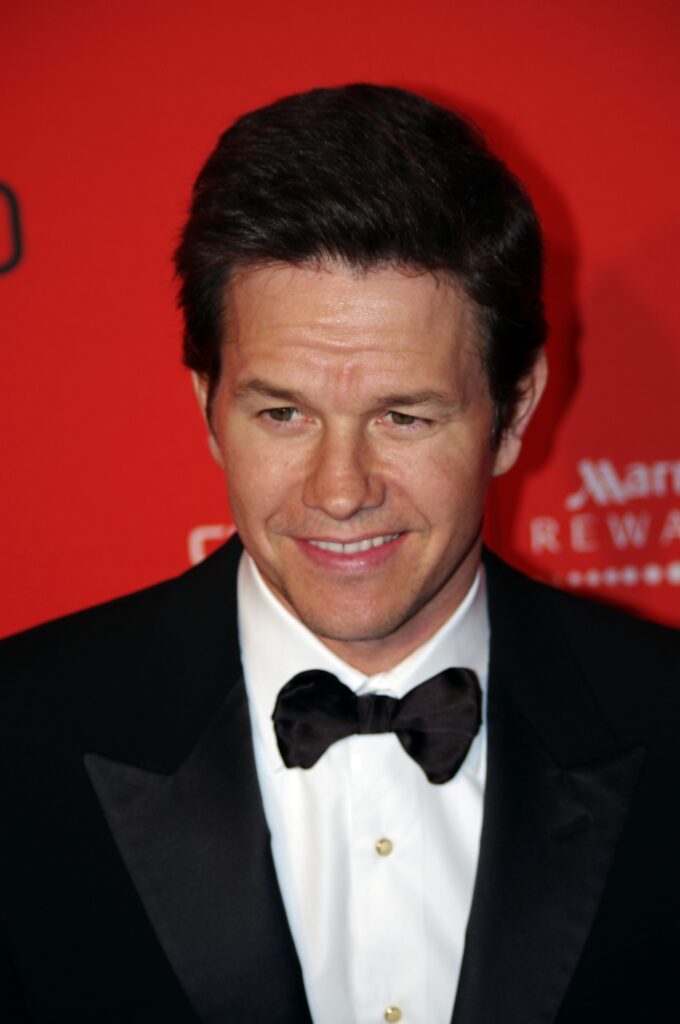
10. Mark Wahlberg – Boogie Nights
Mark Wahlberg boasts an extensive and varied portfolio, transitioning successfully from music to action hero to respected dramatic actor. However, amidst his many successes, he has openly pinpointed *Boogie Nights* as one of his “poorest career choices,” a sentiment that has surprised many given the film’s critical acclaim, commercial success, and enduring cult status. His transformative portrayal of Dirk Diggler, a young man who rises to stardom in the adult film industry, was widely praised, yet Wahlberg’s personal feelings about the project are complicated.
The film, which explored the adult entertainment world of the late 1970s and early 1980s, was a breakout hit for director Paul Thomas Anderson and many of its cast members, including Wahlberg himself, who received significant critical recognition for his performance. *Rolling Stone* famously called it his breakout role, and legendary critic Gene Siskel unequivocally stated Wahlberg “couldn’t be better” in the part, cementing its place in cinematic history. Despite these professional accolades, Wahlberg almost immediately regretted his involvement.
As Wahlberg has matured and his life priorities have evolved, his perspective on his career choices has notably shifted, influenced heavily by his deep commitment to Christianity and his family values. He has openly discussed his hope that “God is forgiving” for his participation in a film about such a controversial industry, indicating a profound personal conflict that arose long after filming wrapped.
He firmly stated, “I’ve made some poor choices in my past. *Boogie Nights* is up there at the top of the list,” making it clear that for him, personal and spiritual values ultimately outweighed any professional success the film brought. This poignant revelation highlights the internal struggles actors can face when their artistic endeavors clash with their evolving personal convictions, creating a disconnect between public perception and private remorse.
Read more about: Top Celebs Who Mastered Reinvention: Iconic Photos and Public Image Transformations

11. Kate Winslet – Titanic
Kate Winslet’s portrayal of Rose DeWitt Bukater in James Cameron’s *Titanic* was undeniably her star-making role, a performance that captivated millions worldwide and earned her an Oscar nomination for Best Actress at the tender age of 22. The film itself became a cultural phenomenon, breaking box office records and etching its place in cinematic history as one of the most beloved and epic romances ever made. One might assume such monumental achievement would be a source of immense pride, but for Winslet, looking back on the film is often an exercise in self-critique and even mild exasperation.
Winslet has been remarkably candid about her struggles watching her own performance in the epic romance, a common affliction for many actors. She has criticized nearly every scene, revealing in a 2012 interview with *The Telegraph* that she constantly thinks, “Really, really? You did it like that?” This level of self-scrutiny suggests a deep artistic perfectionism, even two decades after the film’s release.
Her American accent, in particular, became a point of significant embarrassment for her, an aspect she now views as lacking conviction. She believes her acting choices as a younger actress, still developing her craft, lacked the maturity and nuance she would now bring to such a complex role. Winslet doubled down on the criticism of her own performance, saying that while actors do tend to be too self-critical, when she re-watched *Titanic*, she found it painful. “I have a hard time watching any of my performances, but watching Titanic, I was just like, ‘Oh God, I want to do that again’,” she confessed, illustrating her profound artistic regrets.
Beyond her self-professed acting shortcomings, certain aspects of *Titanic*’s enduring legacy continue to trigger her in unexpected ways. Celine Dion’s classic theme song, “My Heart Will Go On,” for instance, elicits a visceral reaction from Winslet, who has famously quipped, “I do feel like throwing up” whenever she hears it. Moreover, she expressed exhaustion with the relentless jokes and comments that inevitably accompany her whenever she embarks on any boat ride, underscoring the omnipresent, and sometimes overwhelming, nature of the film’s impact on her life.
Read more about: Prepare for Tears: 13 Movie Deaths That Still Emotionally Wreck Us, Decades Later
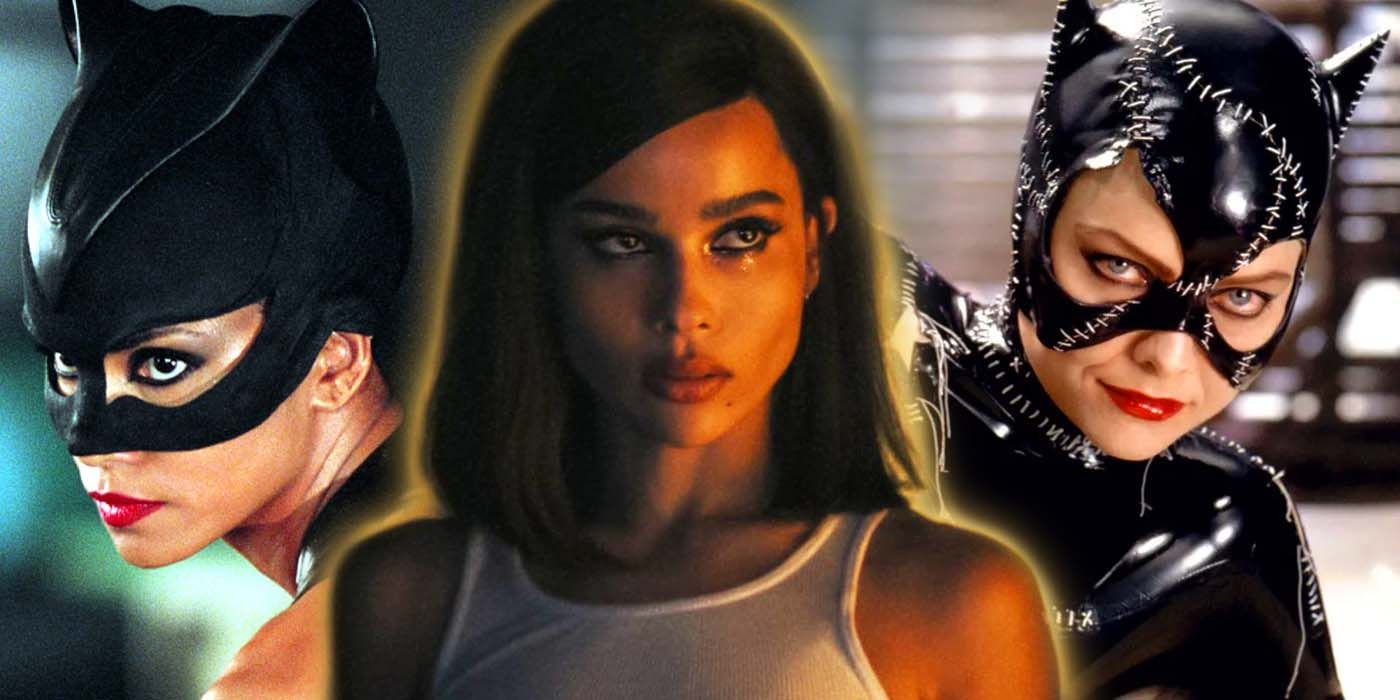
12. Halle Berry – Catwoman
*Catwoman* stands as one of Hollywood’s most notorious critical and commercial failures, a film almost universally acknowledged as “atrocious” by audiences and critics alike. Leading the charge in dismissing this cinematic misstep was none other than its star, Halle Berry, who has been unflinchingly honest and refreshingly self-aware about her disdain for the project. Her involvement came about after another exciting project she was passionate about was shelved, and she initially saw an opportunity for a “great chance for a woman of color to be a superhero.”
However, upon stepping onto the set, Berry quickly realized that things were fundamentally “not right.” The creative vision for the film diverged sharply from her expectations, culminating in a production she found deeply problematic. Instead of focusing on a grand, world-saving narrative typical of compelling superhero blockbusters, the plot presented a mission that Berry herself summarized with sardonic humor and palpable disappointment.
She famously described Catwoman’s primary objective as merely “just saving women from a face cream that cracks their face off,” highlighting the triviality and lack of substance she perceived in the storyline. This stark contrast with traditional superhero narratives left her feeling disconnected from the character and the overall project, undermining her initial hopes for a groundbreaking role.
In a remarkable display of good sportsmanship and candid self-deprecation, Berry personally accepted her Razzie Award for Worst Actress for the role. Her acceptance speech became legendary, as she boldly thanked Warner Bros. “for casting me in this piece-of-sh–, god-awful movie.” She even added a wry, self-aware observation: “It was just what my career needed—I was at the top, now I’m at the bottom,” proving that even in profound professional disappointment, she could find a moment of sharp, if bitter, humor, cementing her status as an actress who truly owns her career’s highs and lows.
Read more about: From Cinematic Giants to Screen Stumbles: 14 Great Actors and Their Most Questionable Performances

13. Robert Pattinson – Twilight
Few actors in Hollywood history have expressed such profound disdain for the very role that launched them to superstardom as Robert Pattinson has for Edward Cullen in *The Twilight Saga*. The casting for the film series was hotly anticipated, with Stephenie Meyer’s books already boasting a massive, devoted fanbase. Everyone knew that whoever landed the role of the brooding, perpetually conflicted vampire would instantly become Hollywood’s next big heartthrob, thrust into an unimaginable spotlight.
While Pattinson had previously appeared in another blockbuster franchise, *Harry Potter*, nothing could have prepared him for the unprecedented level of attention and fan fervor that *The Twilight Saga* brought. The intense, almost obsessive fan culture created a “circus” atmosphere around his life, leaving him feeling isolated from normal social interactions and public anonymity. Despite his personal struggles with the role, even critics who largely hated the films often appreciated his nuanced acting, acknowledging his talent amidst the franchise’s polarizing reception.
Once the saga concluded, Pattinson held nothing back, offering a refreshingly candid assessment of his experience. His interviews became a treasure trove of memorable soundbites where he openly ripped apart the franchise and his character. In one particularly famous and brutal quote, he declared Edward “the most ridiculous person,” elaborating, “the more I read the script, the more I hated this guy.” This deep-seated animosity extended to the character’s unique traits.
Pattinson didn’t stop there, adding a sardonic observation about Edward’s backstory: “Plus, he’s a 108 year-old virgin so he’s obviously got some issues there.” This brutally honest assessment perfectly encapsulated his profound issues with the character, which he perceived as inherently flawed and far from the romantic ideal. His candor highlighted the immense pressure of living up to a beloved literary character while privately grappling with intense personal and creative disagreements.
Read more about: Jennifer Lawrence’s Indie Renaissance: Unpacking the Buzz, Star Power, and Premiere Impact of ‘Die, My Love’

14. Megan Fox – Transformers
The *Transformers* franchise, against many initial expectations, became a surprise blockbuster hit, catapulting its stars Shia LaBeouf and Megan Fox into global recognition as the fresh faces of a new action era. However, for Fox, the entire experience was far from glamorous, proving to be “miserable” from beginning to end. She often found herself at odds with director Michael Bay, leading to public clashes and a deeply uncomfortable working environment that overshadowed any professional success.
Fox’s grievances were detailed and highly public, painting a picture of a challenging production. She controversially claimed that Bay subjected her to demeaning tasks, such as cleaning his Ferrari, and imposed a rigorous tanning and diet regimen, which she found exploitative. She also openly expressed feeling reduced to a ualized object in Bay’s films, famously stating, “People are well aware that this is not a movie about acting” in an interview, reflecting her frustration with the limited depth of her role.
Her outspoken criticism of the director and the movies escalated to the point where she controversially likened Bay to Napoleon, a comment that sparked a significant industry backlash. This direct challenge to a major director’s authority proved to have severe repercussions for her budding career, as Hollywood often frowns upon such public dissent.
The fallout from her comments was swift and definitive. Despite beginning rehearsals for the third *Transformers* film, Fox was ultimately fired from the franchise. According to Bay, executive producer Steven Spielberg himself demanded her replacement, though Spielberg later denied this, stating they parted ways amicably. Regardless of the exact circumstances, the incident left Fox with a lingering reputation for being “difficult,” making it challenging for her to secure subsequent film roles, a harsh price for her candidness and honesty in Tinseltown.
Read more about: 14 Stars Who Got The Boot: Unpacking Hollywood’s Most Shocking Mid-Production Firings
The world of entertainment often projects an image of glamour and effortless success, but behind the dazzling lights and iconic performances lie complex realities. These incredible revelations from beloved actors pull back the curtain, offering a rare glimpse into the personal and professional sacrifices, creative conflicts, and moral dilemmas that can fester beneath the surface of even the most celebrated roles. It’s a powerful reminder that while we cherish the characters they embody, the human experience of the actors themselves is often far more nuanced, challenging, and sometimes, deeply regrettable.