
There’s a silent revolution unfolding beneath the hood of your car, transforming what used to be routine maintenance into potential financial bombshells. The days of simple, affordable fixes are rapidly fading, replaced by a complex web of sensors, computers, and proprietary parts that make even a minor fender bender a five-figure nightmare. It’s a shift that’s redefining car ownership and challenging our assumptions about what it truly costs to keep our vehicles on the road.
Recent data paints a stark picture: the average cost of repairs for gas-powered vehicles now stands at a staggering $4,696, while electric vehicles, with their cutting-edge architecture, command an even pricier average of $6,018. This isn’t just about inflation, although that certainly plays a part; it’s fundamentally about the relentless march of technology and the intricate systems now packed into every square inch of our cars. As one expert, Andrey Shumylo, owner of Shums Auto Repair, pointed out, a small collision warning sensor that goes behind the bumper can cost $900 for the part alone, with an additional $500 or $600 for installation.
We live in an era where our cars are less like simple machines and more like rolling supercomputers, each boasting an intricate network of systems designed for comfort, connectivity, and, crucially, safety. But this technological marvel comes with a hidden price tag. We’re about to peel back the layers and explore the most expensive repairs lurking in modern vehicles, dissecting why these fixes hit so hard and what you can do to navigate this new automotive landscape.

1. **Engine Replacement or Major Engine Repairs**At the very core of your vehicle’s existence is the engine, the power plant that makes everything move. When this vital component falters or, worse, completely fails, the financial impact can be seismic. We’re talking about an estimated cost ranging from $7,000 to $10,000, a sum that often makes owners question the very viability of their vehicle. This isn’t just a simple swap; it’s a deep dive into the most complex machinery your car possesses.
Major engine repairs typically arise from catastrophic issues like severe overheating, warped cylinders, or piston damage, each presenting a significant challenge. The process often demands the complete removal of the engine from the vehicle’s chassis, a labor-intensive operation that requires specialized equipment and considerable expertise. Once extracted, technicians must meticulously diagnose the internal issues, a painstaking task before deciding whether a full rebuild or an entirely new replacement is the most cost-effective solution.
The exorbitant cost isn’t solely due to the engine unit itself, which is inherently expensive, but also the sheer volume of expert labor required. Hours upon hours are spent disassembling, reassembling, and fine-tuning. Moreover, an engine overhaul rarely involves just the engine; it often necessitates the simultaneous replacement of numerous ancillary parts, such as sensors, belts, and gaskets, all adding to the final bill. The intertwining of these costs quickly pushes the repair into the upper echelons of automotive expenses.
For drivers hoping to sidestep this monumental expense, preventative measures are paramount. Regular oil changes are non-negotiable, acting as the lifeblood of your engine. Vigilant monitoring of coolant levels can prevent destructive overheating, and perhaps most importantly, never, ever ignore that illuminated “check engine” light. It’s a tiny beacon trying to save you from a colossal financial headache, prompting you to address minor issues before they escalate into major engine failures.
Read more about: Slash Hundreds: The Ultimate Lifehacker Guide to Negotiating Your Car Repair Bill

2. **Hybrid Battery Replacement**Hybrid vehicles represent a forward-thinking approach to fuel efficiency, blending traditional combustion with electric power. They promise significant savings at the pump, but there’s a critical component within these vehicles that can deliver a gut-punch to your wallet when it needs replacing: the hybrid high-voltage battery. Unlike the modest $150 12-volt battery you might pick up at an auto store, these sophisticated power sources can cost upwards of $6,000, and sometimes much more, to replace.
The staggering cost of a hybrid battery stems from its intricate construction. These batteries are composed of complex cells, meticulously engineered and often utilizing rare, expensive materials to achieve their energy density and longevity. Furthermore, they don’t operate in isolation; they are deeply integrated and require precise calibration with your vehicle’s onboard computer systems. This isn’t a task for the casual DIY enthusiast; it demands a trained technician with specialized knowledge and diagnostic tools.
Adding to the complexity, the nature of these repairs often means that the battery itself represents the lion’s share of the total expense. According to RepairPal, about 95% of the cost of replacing a high-voltage traction battery in a hybrid goes directly to buying the parts. This figure is corroborated by independent research, showing parts estimates ranging from roughly 84% to 98% of the total cost for sample vehicles. It’s a testament to the advanced materials and manufacturing processes involved in producing these power units.
To prolong the life of your hybrid battery and defer this significant expense, a few strategic habits can make a real difference. Avoiding prolonged exposure to extreme temperatures, both hot and cold, can help preserve battery health. Consistent, regular servicing of your hybrid vehicle is crucial, as is easing off rapid acceleration whenever possible. These seemingly small adjustments can collectively contribute to extending the battery’s lifespan, protecting you from an unexpectedly high repair bill down the road.
Read more about: The Hydraulic Hurdle: 14 Forklifts Under Scrutiny – Evaluating Power, Performance, and Practicality for Modern Operations
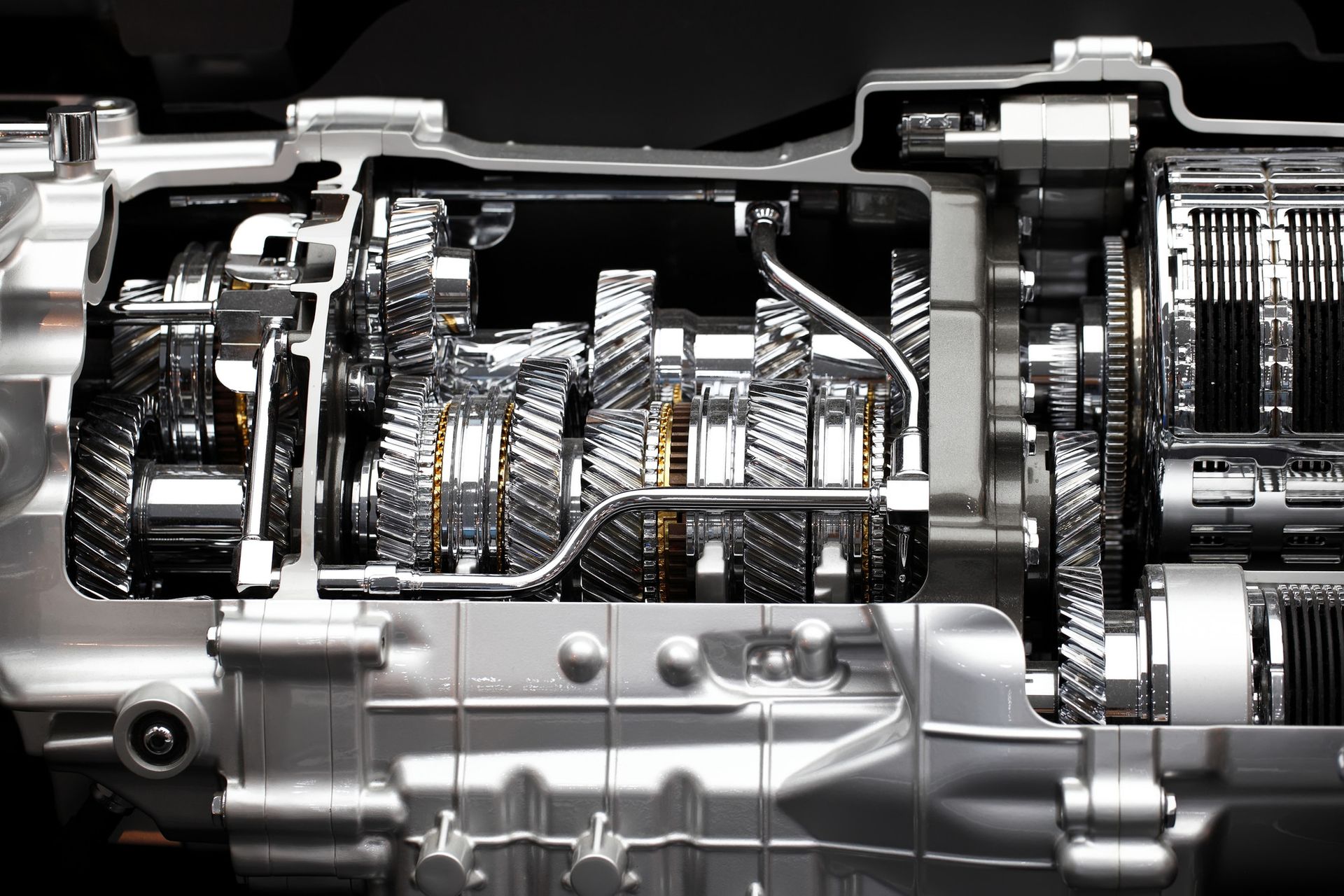
3. **Transmission Replacement**Serving as the crucial intermediary between your engine and your wheels, the transmission is what enables your car to convert engine power into usable motion, shifting gears to match speed and load. When this complex system fails, the entire function of your car is compromised, often leaving it undrivable. A transmission replacement is a formidable repair, typically ranging from $4,000 to $5,000, and it’s a cost that reflects its intricate mechanical design and critical role.
Whether your vehicle is equipped with an automatic or a manual transmission, both harbor countless parts – gears, clutches, torque converters, and solenoids – all of which are subject to wear and tear over time. The process of replacing a transmission is incredibly labor-intensive, demanding hours of meticulous work to remove the old unit and install a new one. This often involves lifting the vehicle, disconnecting numerous linkages and electronic connections, and carefully maneuvering the heavy component into place.
Moreover, the price of the transmission part itself can vary drastically depending on the make and model of your car, with high-end or specialized vehicles commanding significantly higher costs. In some cases, rebuilding a transmission with new internal components can be an alternative to a full replacement, but this too can be just as pricey, given the specialized skills and extensive labor required to meticulously overhaul the unit. The choice between replacement and rebuild often comes down to the specific nature of the failure and the availability of parts.
To safeguard against the expense of a transmission replacement, consistent preventative maintenance is key. Regularly changing your transmission fluid is a crucial step, as clean fluid ensures proper lubrication and cooling, preventing premature wear. Furthermore, never ignore tell-tale signs such as slipping gears, grinding noises during shifts, or any other odd sounds or sensations when the car is in motion. These warnings are your vehicle’s way of signaling trouble before a minor issue escalates into a complete transmission failure.
Read more about: Slash Hundreds: The Ultimate Lifehacker Guide to Negotiating Your Car Repair Bill
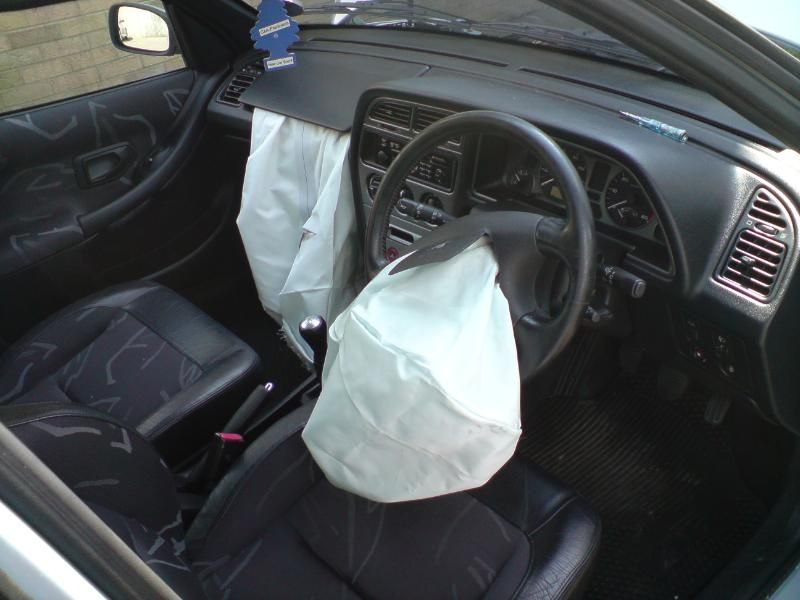
4. **Airbag Replacement (After Deployment)**The moment an airbag deploys in an accident, it performs its life-saving function, but it also triggers a cascade of associated repair costs that can quickly add up to a hefty bill. An airbag replacement is far from a simple component swap, with estimated costs ranging from $2,500 to $4,000. This expense goes well beyond just the fabric bag itself, encompassing a complex array of safety-critical systems that must be meticulously restored to factory standards.
When an airbag deploys, it’s not only the bag that is compromised. The entire system is designed as a sophisticated network of sensors, modules, and wiring that instantly detect a collision and trigger the deployment. Consequently, replacing the airbag often means replacing surrounding hardware that was damaged or activated during the event. This can include impact sensors, the airbag control module, and even parts of the steering wheel or dashboard, which may need to be torn apart to access the deployed unit and its associated components.
The cost is driven significantly by the fact that this is a safety-critical system, meaning there are strict regulatory standards that must be met to ensure the vehicle’s occupants are protected in future incidents. There are no cheap shortcuts when it comes to reinstalling a system designed to save lives. This inherent need for precision, certified parts, and expert installation limits opportunities for less expensive aftermarket alternatives, ensuring that only approved components and procedures are used.
For young drivers, or any driver for that matter, considering insurance that adequately covers such safety-critical systems is a smart move. However, the most effective strategy to avoid this significant expense remains defensive driving. By proactively avoiding accidents, you not only ensure your safety but also protect yourself from the considerable financial burden of airbag deployment and the extensive repairs that follow. Vigilance on the road truly pays dividends, both in terms of personal well-being and fiscal responsibility.
Read more about: The Shocking Truth About Car Repair Costs: 14 Expensive Fixes That Can Drain Your Wallet

5. **Suspension Overhaul**Your car’s suspension system is the unsung hero of every journey, tirelessly working to absorb bumps, maintain tire contact with the road, and deliver a smooth, stable ride. However, over time, due to constant impacts from potholes, corrosive rust, or simply the relentless march of age and mileage, the suspension can become “shot.” When this happens, a full suspension overhaul often becomes necessary, leading to a substantial bill typically ranging from $2,500 to $3,500.
A comprehensive suspension overhaul is a multifaceted repair, rarely involving just a single component. Instead, it frequently entails replacing several key parts simultaneously to ensure balanced performance and optimal handling. This can include shocks, struts, control arms, and various bushings, all of which contribute to the overall integrity and function of the system. The interdependence of these components means that if one is severely worn, others are likely not far behind, making a holistic approach more effective and ultimately safer.
Labor costs also significantly contribute to the overall price tag of a suspension overhaul. The repair process requires specialized tools and expertise, including lifting the entire vehicle and working in often tight, awkward spaces beneath the chassis. Alignments are also critical after significant suspension work, adding another layer of cost and specialized labor. The complexity of replacing multiple interconnected parts, and ensuring they work harmoniously, is reflected in the time mechanics must dedicate to the job.
Unlike more overt failures, suspension issues are often discovered during routine inspections rather than through obvious, dramatic breakdowns. This makes preventative awareness even more important. Drivers can take proactive steps to extend the life of their suspension by slowing down on rough roads, avoiding harsh impacts whenever possible, and regularly rotating their tires. These practices can help identify early signs of wear and tear, potentially allowing for less extensive and costly repairs before a full overhaul becomes unavoidable.
Read more about: Mechanic’s Crucial Warning: 15 Popular Vehicles That Turn into Costly Financial Traps Well Before 120,000 Miles
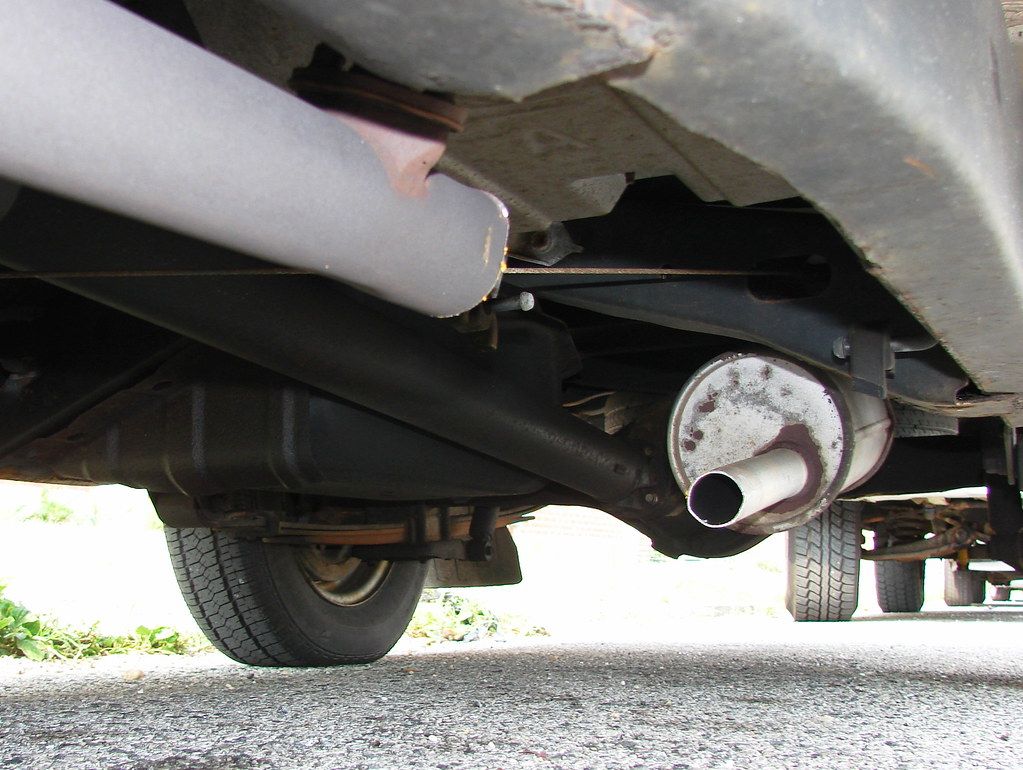
6. **Catalytic Converter Replacement**Beyond their crucial role in filtering harmful emissions, catalytic converters hide a secret that makes them both expensive and a frequent target for theft: precious metals. Nestled within your car’s exhaust system, this essential component contains platinum, palladium, and rhodium, elements whose value on the global market directly translates into a hefty replacement cost, typically ranging from $1,500 to $2,750.
The presence of these rare earth metals is precisely what allows the converter to transform toxic gases into less harmful pollutants before they exit your vehicle. Unfortunately, their high intrinsic value makes catalytic converters a prime target for opportunistic thieves, who can quickly remove them from underneath your car, leaving you with a significant repair bill and an immediate emissions issue.
Because the catalytic converter is vital for meeting environmental regulations, its proper functioning is often a prerequisite for passing vehicle emissions tests. If your converter is damaged or stolen, replacing it with an approved, high-quality unit is not just a financial decision but a legal necessity. There are no cheap alternatives when it comes to ensuring your vehicle’s compliance and protecting air quality.
To safeguard this valuable component, drivers can take proactive steps. Parking in well-lit, secure areas can deter thieves, and some owners even opt for aftermarket anti-theft shields that make removal more difficult. Additionally, using quality fuel and ensuring your engine is running efficiently can help prevent premature wear and clogging, extending the life of this critical emissions system.
Read more about: High-Mileage Havoc: The Crippling Electrical & Mechanical Nightmares Haunting Your Sports Car – A Deep Dive into the Ford S197 Mustang
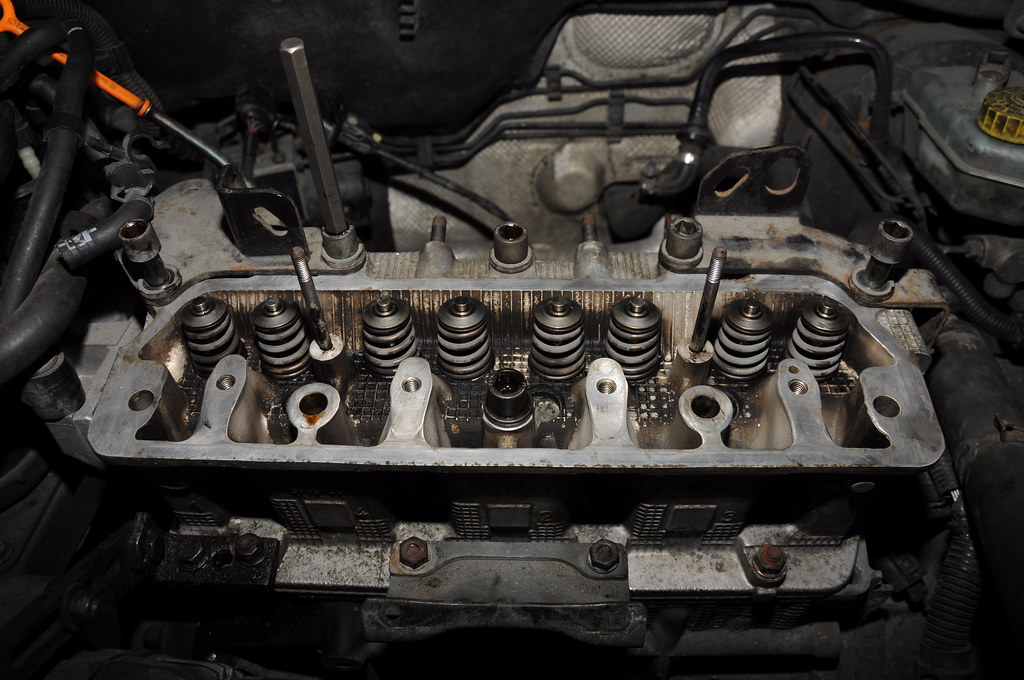
7. **Head Gasket Replacement**Sometimes, the tiniest parts cause the biggest headaches, and the head gasket is a prime example. This seemingly simple, inexpensive part, often costing as little as $15 for the gasket itself, performs the vital function of sealing the combustion chambers and separating the oil and coolant passages between the engine block and the cylinder head. When it fails, however, the repair bill can skyrocket to between $1,030 and $2,149, primarily due to the intense labor involved.
A compromised head gasket allows coolant and oil to mix, or combustion gases to escape, leading to symptoms like white smoke from the exhaust, coolant loss, or engine overheating. If left unaddressed, this can lead to severe and irreversible engine damage, turning an already expensive repair into a potential engine replacement scenario. The stakes are incredibly high for such a modest component.
The real cost driver here isn’t the part, but the painstaking process required for its replacement. A head gasket failure necessitates what mechanics describe as “removing half the engine,” involving the careful disassembly of numerous components situated above the engine block, including the intake manifold, exhaust manifold, timing components, and the cylinder head itself. This intricate teardown and reassembly can demand “10+ hours of shop time,” according to CoPilot, making labor the overwhelming factor in the final bill.
Preventative action is crucial to avoid this labor-intensive ordeal. The single most important tip is to prevent your car from overheating, which is the leading cause of head gasket failure. Regularly checking and maintaining adequate coolant levels, and immediately addressing any temperature spikes indicated by your dashboard, can significantly reduce the risk of this expensive and inconvenient repair.
Read more about: Mechanic’s Crucial Warning: 15 Popular Vehicles That Turn into Costly Financial Traps Well Before 120,000 Miles
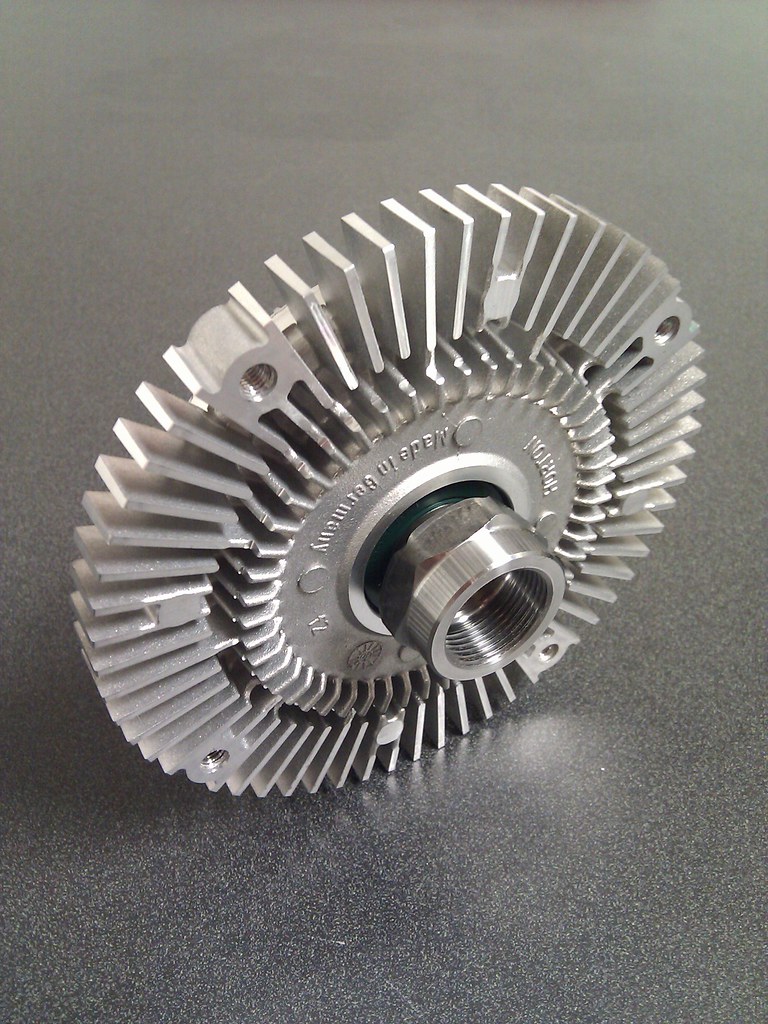
8. **Clutch Replacement**For those who prefer the tactile engagement of a manual transmission, the clutch is an indispensable part of the driving experience. It acts as the vital link between the engine and the transmission, allowing you to seamlessly engage and disengage power flow to change gears. However, this hard-working component is designed to wear out over time, and its replacement can cost between $1,200 and $1,500, especially problematic for those who frequently navigate stop-and-go traffic.
The primary reason for the significant expense associated with clutch replacement is its location. To access the clutch assembly, the entire transmission must be removed from the vehicle, a procedure that is inherently labor-intensive and requires specialized equipment. This deep dive into the car’s drivetrain adds considerable hours to the repair, regardless of the clutch kit’s cost.
While the basic function of a clutch remains consistent, variations exist. Performance or sport clutches, for instance, designed for more demanding driving conditions, can be considerably pricier than standard units. Moreover, aggressive driving habits, such as riding the clutch or abrupt shifts, accelerate wear significantly, bringing forward the inevitable replacement sooner rather than later.
Minimizing the need for a premature clutch replacement hinges on thoughtful driving techniques. Practicing smooth, deliberate shifts, avoiding resting your foot on the clutch pedal (known as ‘riding the clutch’), and utilizing the handbrake on inclines instead of holding the car with the clutch can all contribute to prolonging its lifespan, saving you from a substantial repair bill.
Read more about: The Unstoppable Shift: Deconstructing Why the Manual Parking Brake Is Fading in New Cars

9. **Alternator Replacement**Often overlooked until it fails, the alternator is the unsung hero of your car’s electrical system, responsible for continuously charging the 12-volt battery and powering all the vehicle’s electronic components while the engine is running. When this critical part gives up, your car won’t be going far, as the battery will quickly drain, leading to a breakdown. An alternator replacement typically runs from $610 to $1,425.
The signs of an impending alternator failure can be subtle at first, perhaps a flickering dashboard light or dimming headlights. However, once it fully fails, your dashboard will likely “light up like a Christmas tree,” signaling that the electrical system is no longer receiving power. Without a functioning alternator, your car is essentially rendered immobile once the residual battery power is depleted.
The cost of an alternator replacement is largely driven by the quality and complexity of the part itself. Modern alternators are robust, but they still contain sophisticated electronics and windings that contribute to their price. While the labor involved is generally straightforward compared to, say, an engine overhaul, it still requires proper diagnosis, removal, and installation, all of which add to the total expense.
To help prevent an unexpected alternator failure, paying close attention to any electrical anomalies is key. Monitor your battery light on the dashboard, and avoid running numerous power-hungry electronics, such as high beams or a powerful stereo system, for extended periods when the engine is not running. These small considerations can extend the life of your alternator and keep your electrical system humming along.
Read more about: Behind the Grease and Grime: 12 Cars That Make Mechanics Secretly Cheer (Or Curse) When You Roll In
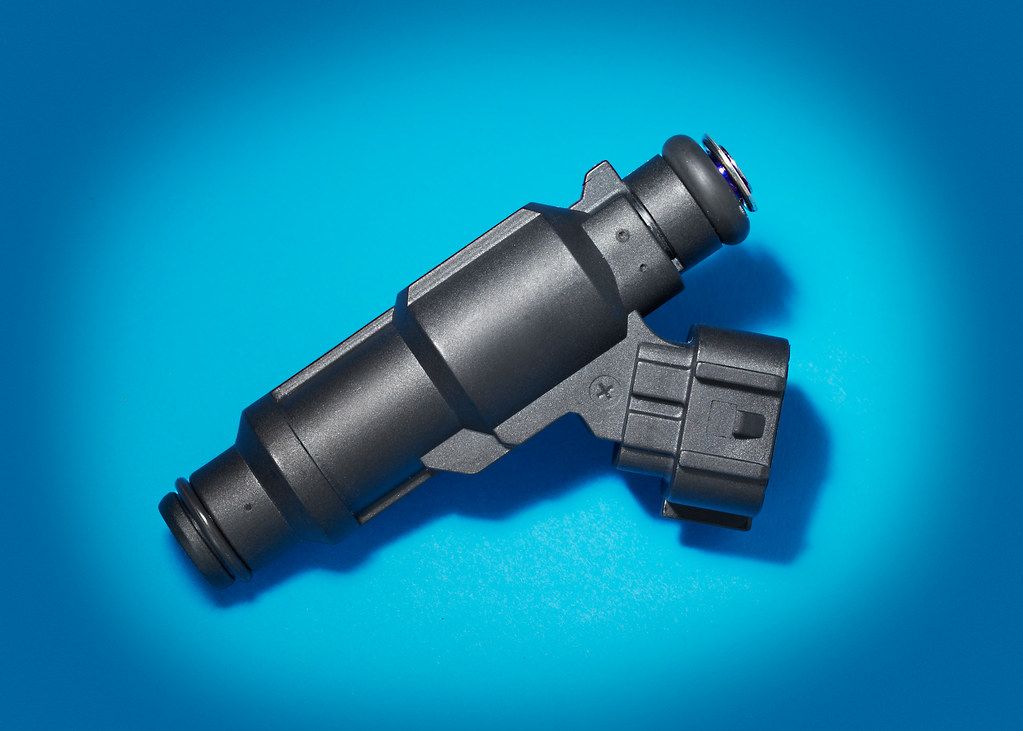
10. **Fuel Injector Replacement**Delivering fuel to your engine with microscopic precision, fuel injectors are finely tuned components designed to spray atomized gasoline into the combustion chambers at precisely the right moment. When these precision-engineered parts clog or fail, the consequences can range from noticeable performance issues like misfires and rough idling to a significant drop in fuel economy. Replacing them typically costs between $634 and $1,325.
The high cost of fuel injector replacement stems from their intricate design and the critical role they play in engine efficiency. Each injector is a highly specialized valve, and their failure often necessitates replacing not just one, but a full set of injectors to ensure balanced performance across all cylinders. This ‘all or nothing’ approach significantly increases the parts cost.
While the labor involved in replacing fuel injectors might not be as extreme as a complete engine teardown, it still requires careful handling and precision. Technicians must access the fuel rail, meticulously remove the old injectors, and install the new ones, often involving the replacement of seals and O-rings to ensure a leak-free system. This attention to detail contributes to the overall labor charges.
To keep your fuel injectors in optimal working condition and prevent premature failure, the type of fuel you use plays a significant role. Opting for top-tier fuel, which often contains detergents designed to clean engine internals, can help prevent deposit buildup. Additionally, regularly changing your fuel filter ensures that contaminants don’t reach and clog these delicate components.
### Why Do These Repairs Hit So Hard?
It’s clear that the automotive landscape has fundamentally changed, moving us from an era of relatively simple, manageable fixes to one where even a minor incident can trigger a five-figure repair. This wasn’t an accident; it’s the result of several intertwined factors that collectively drive up costs across the board. Understanding these forces is crucial to navigating the modern world of car ownership.
Firstly, the sheer cost of parts has become astronomical. As we’ve seen with hybrid batteries and catalytic converters, the reliance on rare metals and highly specialized, intricate manufacturing processes makes these components inherently expensive. But it’s more than just raw material; car manufacturers have aggressively pursued strategies to control the supply chain. Adam Siegel, a third-generation principal at Webster Auto, highlighted how manufacturers add “technology, trademark logos” and use core deposits for parts like bumpers to “eliminate the opportunity for aftermarket parts creators,” effectively stifling competition and allowing them to impose lofty prices.
Secondly, the escalating labor hours and the demand for tech-specific skills are major contributors. Modern vehicles are “rolling supercomputers,” packed with “15 different computers” and intricate electrical systems. As Andrey Shumylo, owner of Shums Auto Repair, explains, technicians need to “work on those systems, program computers, and figure out complicated electrical issues.” This requires specialized training and diagnostic tools, driving up hourly rates. Shannon Martin from Bankrate noted that the “cost of labor surrounding vehicle repairs is increasing and still about 20 percent higher now than it was before the pandemic,” further exacerbated by an ongoing “labor shortage in the world of auto technicians.”
Finally, the stringent safety and regulatory standards, particularly for critical systems like airbags and emissions components, leave no room for cheap shortcuts. When an airbag deploys, it’s not just the bag; it’s a network of sensors and modules that needs precise, certified replacement. Pat Regan from Regan’s Service Inc. astonishingly mentioned a single “headlight [that] is a $10,000 headlight” due to integrated technology. Maria O’Brien, an insurance expert and law professor, aptly summarized, “When the car is involved even in a relatively minor accident, if it turns out that a sensor is damaged or something else related to the computer system is damaged, what might have been a new plastic bumper is now considerably more.” This intricate web of high-tech, proprietary parts, coupled with specialized labor, explains why even “tiny parts” can cost a fortune.
### Not All Cars Are Equal
While the general trend points to rising repair costs for all vehicles, it’s crucial to acknowledge that not all cars are created equal when it comes to the impact on your wallet. The brand and design philosophy behind your vehicle can dramatically influence both the frequency and the expense of necessary repairs.
There’s a clear divide between luxury and economy brands. RepairPal data indicates that Porsche, Land Rover, and Jaguar consistently rank among the most expensive brands to maintain, with average annual repair and maintenance costs ranging from $1,192 for Porsche to $1,123 for Jaguar. These figures stand in stark contrast to more accessible brands like Honda ($428), Toyota ($441), Mazda ($462), and Hyundai ($468), which are significantly cheaper to own over time.
This disparity isn’t accidental. Nick Zeman, shop manager at Fastlane Import Auto Repair, succinctly explains the “fatal flaw with German cars is that they tend to be over-engineered. Japanese and Korean cars tend to be simpler, and that ideology works well.” This complexity, combined with manufacturers’ aggressive control over parts—as Adam Siegel illustrated with core deposits designed to “eliminate these bumpers from the market in general” and remove aftermarket competition—means luxury brands often demand proprietary, high-cost components. Even a seemingly minor dent on a GMC Sierra could involve $5,500 in repairs due to hidden sensors, cameras, and radar systems, pushing bills sky-high.
The consequence of these high parts prices and specialized labor is profound, particularly for luxury vehicles as they age. “A lot of these luxury cars, the parts prices are so high that it is difficult to get into a repair of a car that’s seven to 10 years old without totaling it out,” Siegel observed. This means cars that could mechanically last 15 to 20 years are often scrapped prematurely, deemed “not worth fixing” even by something like “high water [that] could short out the electronics,” highlighting a significant economic and environmental challenge. The initial purchase price is just the down payment on a long-term financial commitment.
### Strategic Shielding: Avoiding Wallet-Wrecking Repairs
Faced with the daunting prospect of four- or five-figure repair bills, empowering yourself with knowledge and proactive strategies is your best defense. While the technological march continues, there are concrete steps you can take to mitigate future expenses and protect your financial well-being.
One of the most impactful decisions you can make is at the point of purchase: choose a reliable car and seek out a long factory warranty. Brands like Honda, Toyota, Mazda, and Hyundai consistently offer lower average annual maintenance and repair costs, according to RepairPal. Furthermore, manufacturers like Hyundai and Mitsubishi top the rankings for new car warranties, providing crucial coverage during the early years of ownership. For EVs and hybrids, battery warranties, typically 8 years/100,000 miles, offer peace of mind against one of the most significant potential costs.
Beyond initial selection, consistent preventative maintenance is non-negotiable. Adhering to your owner’s manual’s recommended schedule for oil changes, fluid checks, and inspections is paramount. While seemingly tedious or a minor expense, regular maintenance, such as getting an oil change every six months, is “still much cheaper than replacing a blown head gasket or cylinder head.” Even routine car washes play a role by removing corrosive salt and debris, preventing rust and premature wear that could lead to a $1,200 CV axle replacement.
Additionally, smart financial planning and driving habits can make a substantial difference. Having the right amount of insurance, particularly comprehensive coverage, is essential for unforeseen events like floods, hail, or animal collisions, which can otherwise lead to a total loss bill. Considering an extended warranty for older, high-mileage vehicles can also provide a financial safety net, especially as repair costs tend to escalate after the factory warranty expires around year five.
Finally, cultivate gentle driving habits and build an emergency fund. Aggressive acceleration and hard braking accelerate wear on virtually every component, from the engine to the suspension. Meanwhile, an emergency fund specifically earmarked for car repairs provides a crucial buffer, ensuring that unexpected issues don’t completely derail your finances. This combination of informed choices, diligent care, and financial preparedness is the modern driver’s ultimate shield against automotive surprises.
### Concluding Thoughts
The roar of an engine or the silent glide of an electric motor still symbolize freedom on the open road, but that freedom now comes with an increasingly intricate and often expensive technological tether. The days of straightforward, inexpensive fixes are behind us, replaced by complex systems where even seemingly minor components can trigger a cascade of five-figure repair bills. It’s a reality that demands a new level of awareness and engagement from every car owner.
This isn’t to say modern vehicles aren’t incredible feats of engineering. They offer unparalleled safety, connectivity, and performance. But understanding the hidden costs embedded within these technological marvels empowers us. It shifts the narrative from reactive panic to proactive prevention, transforming daunting repair prospects into manageable challenges through informed maintenance and strategic planning.
Read more about: Don’t Get Robbed at the Auto Shop: 15 Overpriced Car Repairs You Can Avoid or DIY
Ultimately, navigating this high-tech tangle doesn’t require you to become a master mechanic. It simply calls for vigilance, a commitment to consistent care, and the wisdom to address small warnings before they snowball into catastrophic failures. In a world where a car is as much a computer as it is a machine, being knowledgeable about its vulnerabilities is the most valuable upgrade you can make. Drive smart, maintain diligently, and keep those hard-earned dollars in your wallet.