Road signs are fundamentally designed to provide clear guidance and enhance safety for all motorists. They serve as critical visual cues, intended to alleviate confusion and facilitate smooth traffic flow. However, situations arise where road signs become perplexing, leading to misunderstandings that can challenge even experienced drivers and driving instructors.
Such instances highlight a critical aspect of road safety: the ongoing need for clarity in communication between road infrastructure and drivers. When signs become overly complicated or their meanings are not immediately intuitive, they can contribute to driving mistakes, potentially increasing the risk of incidents. Understanding these less-than-clear road signs is essential for maintaining safe driving practices.
This article aims to clarify several commonly misunderstood road signs, drawing insights directly from driving instructors and official traffic control manuals. Furthermore, it will explore the broader implications of driver confusion, examining its role in more severe incidents, such as wrong-way crashes, and discussing initial strategies for safer roads. The objective is to provide actionable understanding for drivers navigating today’s complex roadways.

1. **Left Turn Yield on Green**Drivers commonly perceive a solid green light as an unequivocal signal to proceed without hesitation. However, this interpretation often represents a subtle driving mistake, as green does not always signify an immediate ‘go’ command, especially when executing a left turn. The presence of a ‘Left Turn Yield on Green’ sign necessitates a more cautious approach.
According to John Svensson, former president of the Driving School Association of the Americas, “a solid green does not mean go. It means you may proceed only if safe to do so.” This critical distinction underscores that drivers retain the responsibility to ensure the path is clear before entering an intersection, even with a green light.
This sign is frequently encountered at busy intersections, particularly those with multiple lanes of opposing traffic between the turning vehicle and its intended left turn path. In such scenarios, a driver with a green light is obligated to wait until those lanes are clear, irrespective of the signal.
Svensson further elaborates on a fundamental misconception: “The most fundamental misconception is that laws give the right of way to one driver over another.” He emphasizes that “It is incumbent on every driver to make certain that the driver required to give up the right of way is indeed doing so and proceed only when safe.” Therefore, the mere fact that another driver is not supposed to be proceeding does not automatically grant the right-of-way; caution remains paramount.
Read more about: The Near-Impossible Production: How *The Godfather* Defied Odds and Almost Didn’t Get Made

2. **Soft Shoulder**Road signs play a crucial role in alerting drivers to atypical conditions ahead, and the ‘Soft Shoulder’ sign is one such indicator. This sign is part of a broader category that includes ‘no shoulder’ and ‘low shoulder,’ each providing specific information about the road’s edge. Its purpose is to warn drivers about the composition of the unpaved area adjacent to the main roadway.
In the context of a ‘Soft Shoulder’ sign, the message indicates that the terrain bordering the road is more malleable than typically expected. This condition can arise due to various environmental factors, such as the thawing ground at the end of winter, or as a result of recent construction activities that have not yet fully compacted the ground.
A soft shoulder presents a potentially precarious situation for vehicles, particularly if the vehicle is not adequately equipped for such conditions. Driving onto a soft shoulder can lead to a loss of traction, a vehicle sinking into the ground, or difficulty regaining control, increasing the risk of an accident.
Drivers observing this sign are advised to exercise caution and avoid driving onto the shoulder unless absolutely necessary. Understanding this warning can prevent vehicles from becoming stuck or unstable, especially if they are not suited for off-road or unpaved terrain.
Read more about: Signs of a Blood Clot You Should Never Ignore, According to Medical Experts

3. **Narrow Bridge**Navigating bridges requires heightened awareness from drivers, and a ‘Narrow Bridge’ sign serves as an important advance warning. Such signage is critical for informing motorists of upcoming changes in road dimensions, allowing them to adjust their driving accordingly to maintain safety.
As outlined in The Manual on Uniform Traffic Control Devices (MUTCD), this sign specifically indicates that drivers are approaching a bridge with a width that is less than the width of the road leading up to it. This reduction in width can necessitate careful maneuvering, particularly for larger vehicles that require more space.
The primary concern when encountering a ‘Narrow Bridge’ sign is to ensure that a vehicle can safely clear the reduced width. For operators of standard passenger cars, the adjustment may be minimal. However, for those driving commercial trucks, recreational vehicles, or other oversized vehicles, the difference in width can be significant and potentially hazardous.
Adhering to safe driving practices, such as reducing speed and being prepared to adjust lane positioning, is advisable when this sign is visible. It underscores the importance of being continuously aware of vehicle dimensions relative to upcoming road features, thereby minimizing the risk of collision or damage.
Read more about: The Hydraulic Hurdle: 14 Forklifts Under Scrutiny – Evaluating Power, Performance, and Practicality for Modern Operations
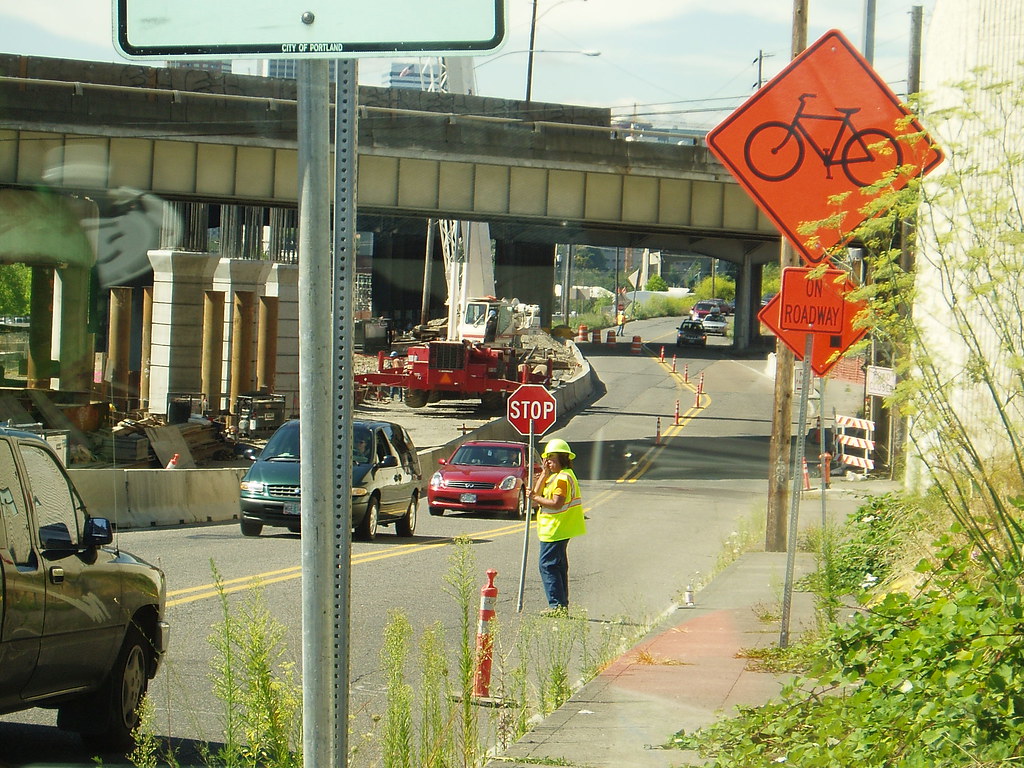
4. **Flagger Ahead**Encountering a ‘Flagger Ahead’ sign signals a temporary but significant alteration to normal traffic flow, often due to active roadwork or an incident. This sign provides advance notice that human control will be directing vehicles through a specific area, requiring immediate driver attention and cooperation.
The presence of this sign typically indicates that a lane of traffic has been temporarily closed or partially obstructed. This closure is most commonly attributable to construction activities, road maintenance, or the scene of an accident where safe passage requires direct human intervention.
In these situations, a designated flagger, equipped with a distinct STOP and SLOW paddle, assumes control over vehicle movement. Their role is to alternate traffic flow, ensuring that vehicles from opposing directions can proceed safely through the restricted zone, often one direction at a time.
Drivers are required to be vigilant and ready to obey the flagger’s instructions promptly. This involves slowing down upon seeing the sign, preparing to stop, and then proceeding only when signaled to do so by the flagger. Compliance is crucial for the safety of both motorists and road workers in these dynamic environments.
Read more about: Demystifying the Road: An Expert Guide to America’s Confusing Road Signs for Smarter Driving
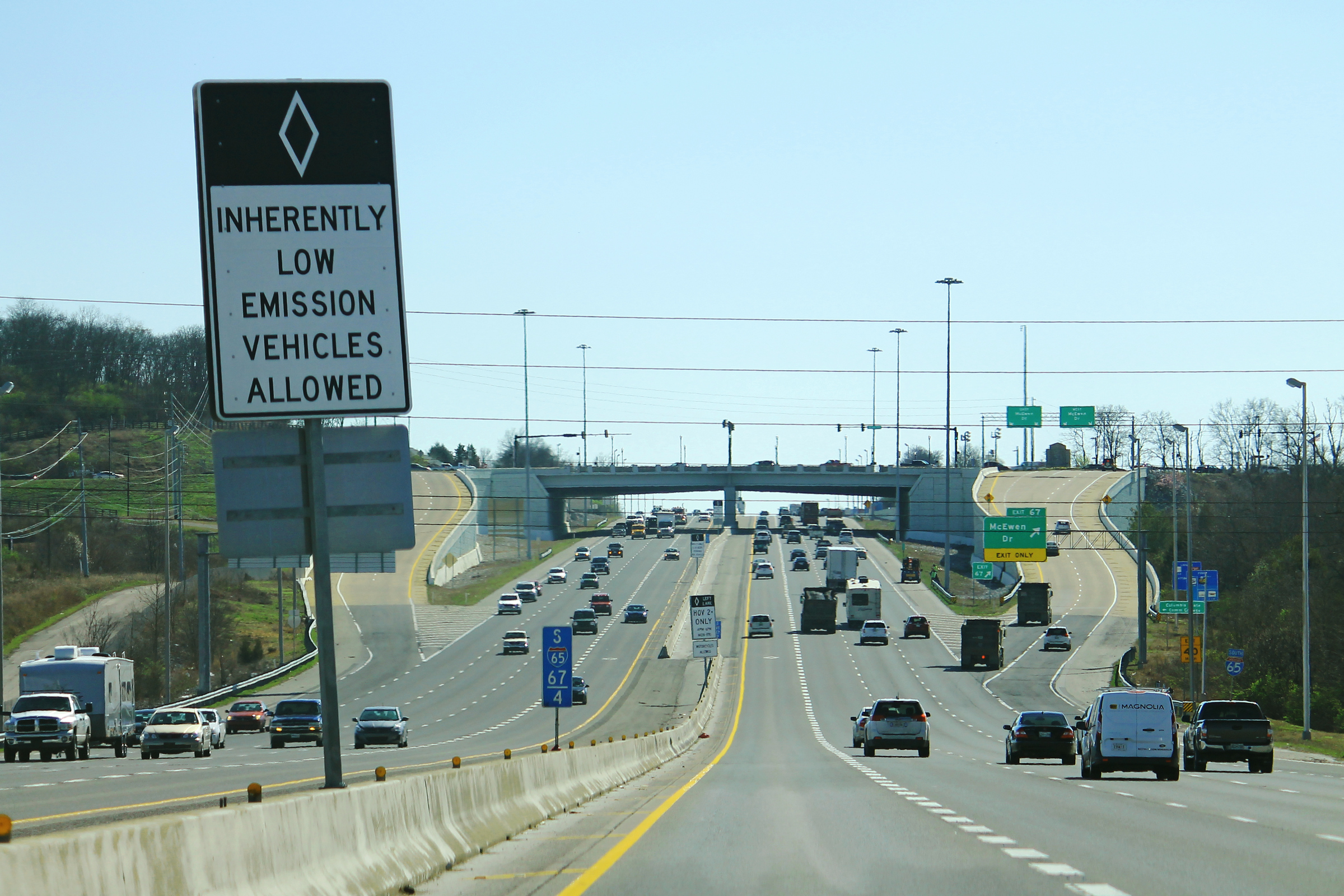
5. **Inherently Low Emission Vehicles Allowed**The ‘Inherently Low Emission Vehicles Allowed’ sign often causes confusion due to its lengthy and technical wording, making it challenging for drivers to quickly comprehend while in motion. Rapid processing of multiple large words in a brief glance is not conducive to immediate understanding, which can lead to uncertainty about lane usage.
Per the MUTCD, this sign signifies that Inherently Low Emission Vehicles (ILEVs) are permitted to utilize the high-occupancy vehicle (HOV) lane, irrespective of the number of occupants in the vehicle. This allowance is a specific exemption from the typical HOV lane requirement, which usually mandates multiple passengers.
HOV lanes are generally designated for vehicles with multiple occupants, such as buses, vans, and carpools, on highways experiencing heavy traffic. Their primary objective is to promote more efficient forms of mass transportation, thereby reducing congestion and vehicle count. The ILEV exemption serves a specific environmental purpose.
According to the U.S. Department of Transportation, ILEVs are characterized by their lack of fuel vapor emissions. Granting them access to HOV lanes is a policy incentive, rewarding drivers for operating vehicles that contribute to reducing vehicle-generated air pollution. Therefore, individuals driving eligible low-emission vehicles can use these lanes as an environmental benefit, while others must adhere to standard HOV occupancy rules.
Read more about: Why American Pickup Trucks Became Colossal: Unpacking the Complex Web of Regulations, Culture, and Market Forces

6. **No Hitchhiking**The ‘No Hitchhiking’ sign delivers a direct and unambiguous message, yet its presence can sometimes be puzzling to drivers unaccustomed to such specific prohibitions. Contrary to any playful interpretations, the sign’s intent is purely regulatory, indicating a specific restriction in the immediate area.
Simply put, this sign communicates that the act of hitchhiking is not permitted in the vicinity where it is posted. It is a legal directive, designed to prevent individuals from soliciting rides from passing motorists, often for safety or traffic flow reasons.
Drivers encountering this sign are not permitted to pick up hitchhikers. Conversely, individuals seeking a ride are informed that this particular area is off-limits for such activity. The expectation is that both parties will comply with the regulation to avoid potential legal ramifications or safety hazards.
Should an individual require transportation, the instruction implies they must move beyond the designated ‘No Hitchhiking’ zone. Finding an area where such activity is permitted, often referred to as a ‘pro-hitchhiking zone,’ would be necessary to legally solicit or provide rides.
Read more about: Demystifying the Road: An Expert Guide to America’s Confusing Road Signs for Smarter Driving
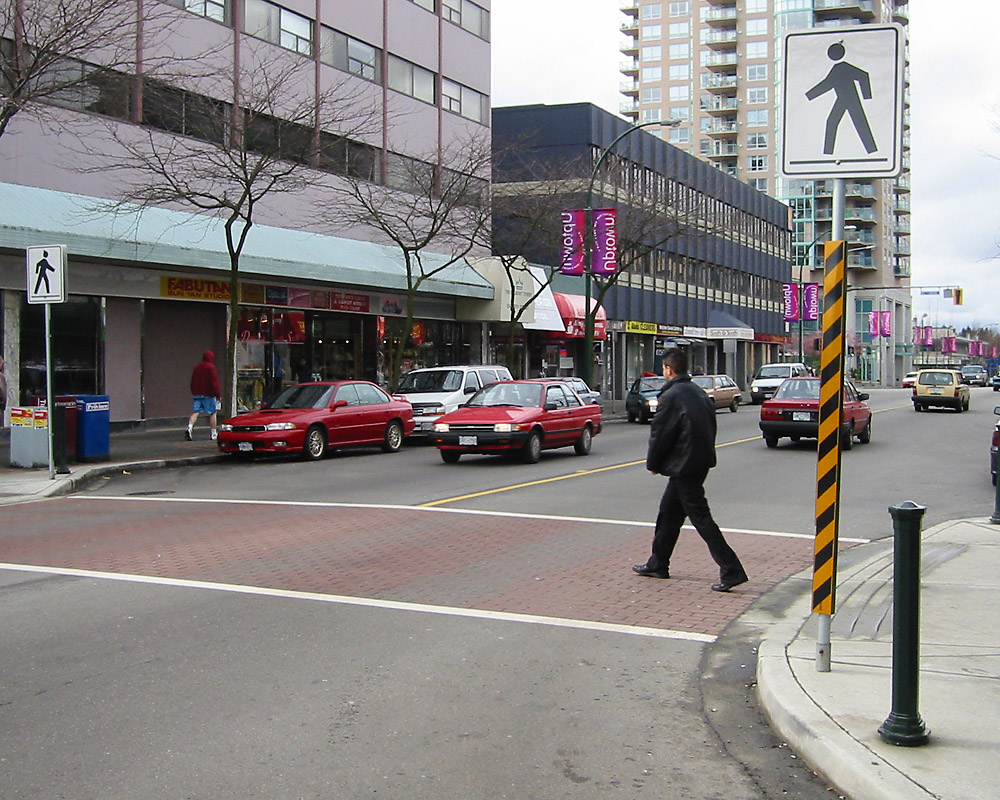
7. **Object Marker**The ‘Object Marker’ sign, characterized by its distinct neon yellow stripes, frequently stands out as one of the most confusing signs because of its lack of explicit verbal instruction. Unlike most signs that utilize words or universally understood symbols, this marker relies solely on its visual design to convey its message, often leaving drivers to wonder about its precise meaning.
This sign’s primary function is to draw immediate attention to an obstruction or hazard within or near the roadway. Its diagonal stripes are not arbitrary; they are specifically oriented to guide traffic. The diagonals slope toward the direction in which vehicles are intended to maneuver around the object.
For instance, if the stripes slope downward to the left, traffic should pass on the left side of the marker. Conversely, if they slope to the right, traffic should skirt to the right. This visual cue is crucial for improving driving etiquette by clearly indicating safe passage around potential dangers like bridge abutments, safety islands, or construction barriers.
As the MUTCD affirms, the ‘Object Marker’ is precisely what it states: a marker for an object. Its design is intended to provide intuitive directional guidance without the need for text, ensuring that drivers can quickly process the information and adjust their course, thereby enhancing overall road safety by preventing collisions with unseen or poorly defined obstacles.
Deeper analysis into road safety reveals that driver confusion extends beyond individual signs, playing a significant role in critical incidents. While isolated instances of misunderstanding can be minor, their cumulative effect on overall road safety is substantial, often escalating into serious hazards. This section delves into the underlying causes of driver confusion, moving beyond specific signs to examine systemic issues such as complex road layouts, human cognitive factors, and the role of emerging technologies. Furthermore, it outlines effective strategies designed to mitigate wrong-way crashes and enhance road safety through comprehensive design and public education initiatives.
The ongoing discourse surrounding traffic safety increasingly highlights driver confusion as a pivotal factor in the occurrence of wrong-way crashes. These incidents, where a vehicle travels against the intended flow of traffic, are particularly dangerous and frequently result in severe outcomes. Understanding the multifaceted nature of driver confusion is therefore essential for developing targeted interventions.
This exploration will provide an in-depth look at how various factors contribute to driver disorientation, from intricate road designs to individual driver impairments. By dissecting these complex interactions, the aim is to present a clearer picture of the challenges faced by motorists and the opportunities available to enhance safety on our roadways for all users. The following points expand upon these critical aspects, offering insights into prevention and mitigation.
Read more about: Oprah’s Golden Wisdom: The Transformative Advice That Shapes Careers and Lives, Including Adele’s Unforgettable Journey
8. **Impact of Driver Confusion on Wrong-Way Crashes**Driver confusion emerges as a critical factor in a substantial portion of wrong-way crashes, contributing to approximately 40% of such incidents. This highlights an urgent and pervasive safety concern on roadways nationwide. The ability of drivers to correctly interpret and react to road information directly influences their capacity to navigate safely.
Factors such as misreading signs, complex road layouts, and poor signage collectively contribute to these dangerous occurrences. Inadequate or unclear road markings can significantly increase the likelihood of drivers entering prohibited lanes, setting the stage for potential head-on collisions. The stakes are incredibly high, with dire consequences for all involved.
Beyond infrastructure issues, human factors like unfamiliarity with an area, alongside distractions such as texting or errors in navigation, further compound driver confusion. These elements combine to create a perilous environment where drivers may inadvertently place themselves and others in harm’s way. Understanding these dynamics is paramount for enhancing road safety and actively working to reduce the frequency of such dangerous incidents.
The statistics underscore the gravity of the situation: nearly 40% of wrong-way incidents are attributed to drivers failing to recognize crucial road signs or signals. This figure alone signals a significant need for improved driver comprehension and more intuitive road infrastructure. The cascading effects of these errors can be catastrophic, emphasizing the importance of every driver’s vigilance.
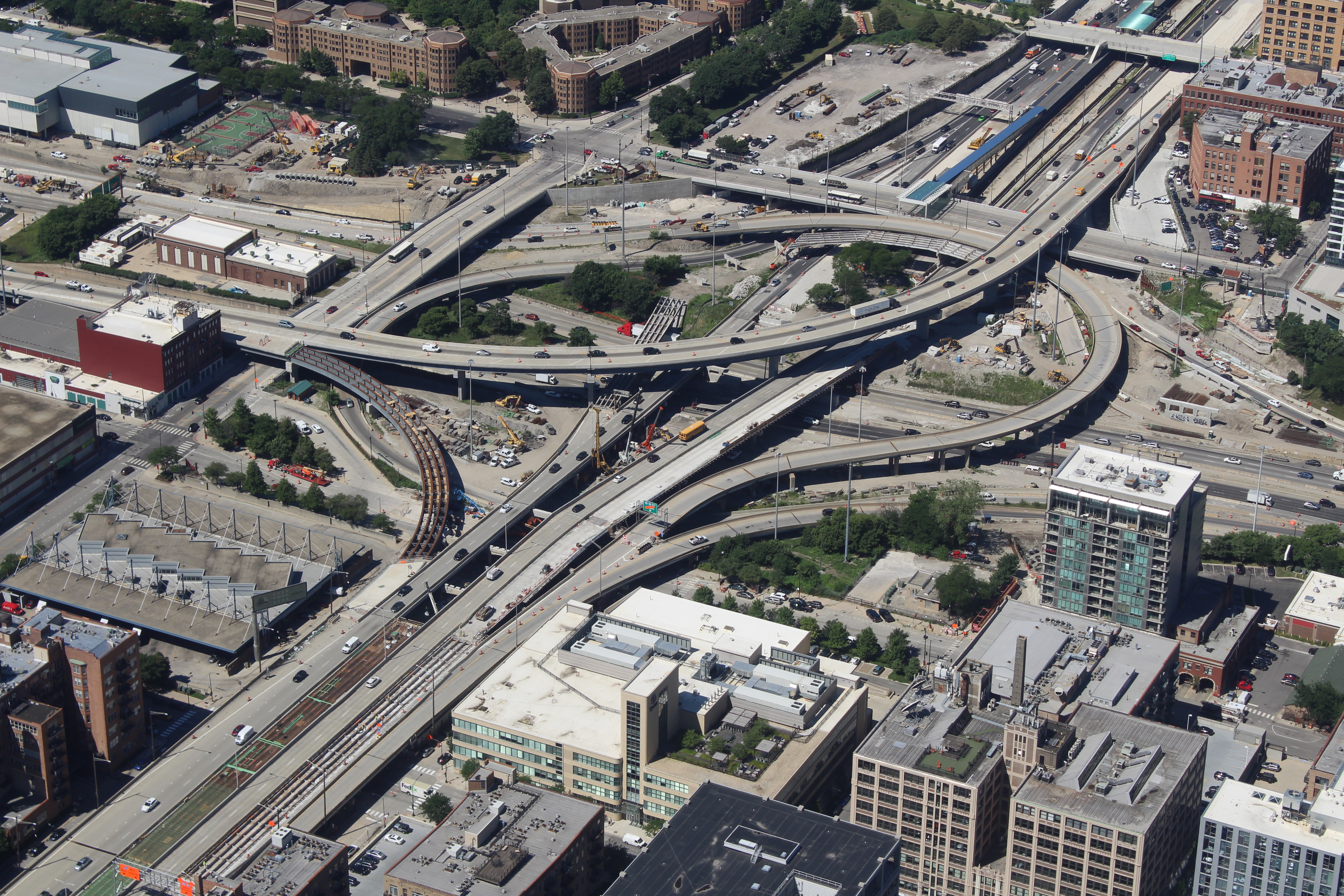
9. **Complex Intersections and Highway Ramps**Many motorists frequently find themselves bewildered by the intricate designs of complex intersections and highway ramps, which often feature multiple lanes, exits, and entrances. These elaborate layouts can overwhelm drivers, potentially leading to critical errors that compromise safety. A common scenario involves a driver approaching an exit ramp but misjudging the lane configuration, inadvertently initiating wrong-way driving.
The core of this confusion often stems from the rapid sequence of changes in road direction combined with the presence of multiple highway exits. This creates a challenging environment where drivers struggle to maintain certainty about the correct path, increasing the potential for misinterpretation. In such settings, motorists may mistakenly enter the wrong lane while attempting to maneuver an exit, inadvertently heading onto a one-way street or even a highway in the opposing direction.
Statistical data consistently reveals that a significant percentage of wrong-way crashes originate at complex intersections. Here, the confluence of poor visibility, intricate layouts, and high-speed traffic movements collectively contribute to exceptionally dangerous situations. The urgency of addressing driver confusion in these areas cannot be overstated, given the severe consequences that often result from such navigational errors.
To combat this, awareness campaigns and improvements in road design are crucial. Educating drivers on effective strategies for maneuvering through complex intersections and highway ramps is essential in reducing the incidence of wrong-way driving. These efforts not only enhance individual driver safety but also contribute to the broader goal of a safer roadway system for everyone.

10. **Impaired Driving and Its Role in Confusion**Impaired driving represents a critical factor that significantly heightens the risk of confusion on the road, frequently culminating in devastating wrong-way crashes. Alcohol impairment, along with the influence of various drugs, considerably reduces a driver’s cognitive function. This diminished capacity makes it exceedingly difficult for individuals to accurately interpret road signs, process complex traffic situations, and maintain appropriate decision-making abilities.
When individuals consume alcohol or drugs, their judgment deteriorates markedly, rendering them far more prone to driver confusion. This impairment can directly lead to wrong-way driving, as a driver may mistakenly enter a highway or street in the opposite direction. This often occurs due to misinterpreting signals, failing to perceive directional cues, or a general lack of situational awareness. The reduced mental acuity under impairment directly undermines the ability to make safe choices.
The statistics surrounding impaired driving are unequivocally alarming and underscore the severe public safety threat it poses. According to the National Highway Traffic Safety Administration, nearly 30% of all traffic fatalities involve a driver with a blood alcohol concentration (BAC) over the legal limit. This staggering figure highlights the pervasive nature of the problem.
Furthermore, studies consistently indicate that drivers operating under the influence are far more likely to overlook vital signage and crucial traffic signals. This oversight further exacerbates the likelihood of confusion and the initiation of wrong-way incidents. Impaired drivers may also struggle with fundamental tasks like maintaining lane discipline, thereby increasing their chances of entering a roadway incorrectly. Consequently, addressing impaired driving through robust enforcement and public education is paramount to reducing the prevalence of wrong-way crashes and enhancing overall road safety.
Read more about: Unpacking ‘A’: 14 Unexpected Ways the First Letter Shapes Our World

11. **Older Drivers and Cognitive Decline**As drivers advance in age, cognitive decline can profoundly impact their ability to effectively navigate complex road scenarios, significantly increasing the risk of driver confusion and, consequently, wrong-way driving incidents. Older drivers often face a unique set of challenges that can compromise their driving abilities, potentially leading to serious injuries for themselves and others on the road.
The insidious combination of natural aging processes and varying degrees of cognitive impairment can result in a distorted interpretation of road signs and layouts. This can make it particularly challenging for them to accurately judge distances, assess speeds, and correctly determine directions. These cognitive shifts can turn familiar routes into sources of disorientation, making new areas even more perilous.
Several factors contribute to this heightened confusion among older drivers. These include a decreased attention span, which makes it difficult to focus on multiple road signs or rapidly changing traffic conditions simultaneously. Slower reaction times lead to delayed decision-making, which is critical in fast-paced driving environments. Impaired spatial awareness causes difficulties in understanding the vehicle’s position relative to the road and other vehicles. Furthermore, memory issues can result in forgetting familiar routes or recently observed traffic instructions.
These challenges not only elevate the likelihood of wrong-way driving but also place older drivers at a considerably greater risk of being involved in accidents. As the demographic of older drivers continues to expand, it becomes increasingly essential to proactively address these issues associated with cognitive decline. Implementing targeted measures, such as clearer signage, simplified road layouts, and robust public education campaigns tailored to this demographic, is crucial for mitigating the risks and fostering safer driving environments for all.
Read more about: The Unstoppable Shift: Deconstructing Why the Manual Parking Brake Is Fading in New Cars
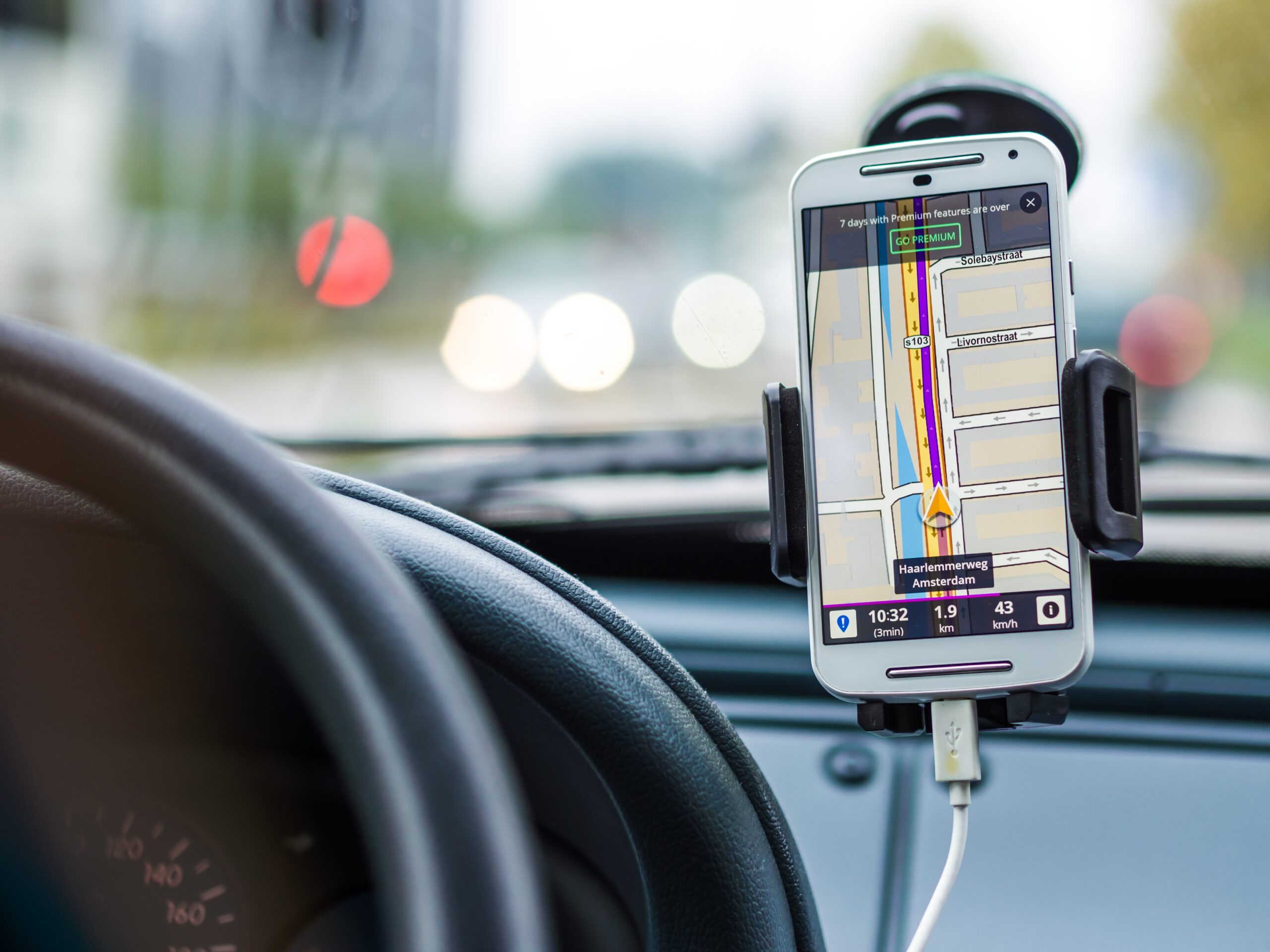
12. **Distractions and Driving Errors**Distractions and various driving errors significantly amplify the risk of wrong-way crashes, as drivers who are preoccupied with their phones, navigating complex instructions, or experiencing drowsiness may critically overlook essential signs and signals. These behavioral lapses represent a major impediment to safe driving, creating scenarios ripe for confusion and dangerous maneuvers.
Distracted driving encompasses a wide array of activities that divert attention from the primary task of operating a vehicle. Texting, engaging in phone calls, consuming food or beverages, and even adjusting the radio or navigation system can all lead to a momentary but critical loss of focus. When drivers’ attention is compromised, their ability to perceive and correctly interpret road signs, traffic signals, and other crucial environmental cues diminishes. This reduced alertness directly increases the likelihood of making serious mistakes, including inadvertently entering the wrong lanes or highways.
Drowsy driving presents another formidable challenge, as fatigue profoundly impairs a driver’s reaction time and decision-making abilities, often leading to dangerous outcomes. When a driver is fatigued, their capacity to process incoming information is severely reduced, making it difficult to notice vital signs or accurately recognize road layouts. Studies indicate that drowsy drivers exhibit impairments similar to those under the influence of alcohol, including reduced attention spans and significantly slower reaction times. This impairment makes them prone to misinterpreting directions or overlooking critical warning signals that indicate a wrong-way entry, thereby increasing the chances of erratic maneuvers and collisions.
Misinterpreting GPS navigation can also steer drivers into hazardous situations, particularly within complex interchanges or when relying on outdated map data. Over-reliance on GPS can cause drivers to neglect essential traffic signs and road markings, leading to incorrect turns or lane changes. Factors such as a lag in GPS updates, inattention to immediate surroundings, and the inherent complexity of digital instructions can create a disconnect between the virtual guidance and the actual road environment. This contributes to confusion, potentially resulting in dangerous wrong-way entries. Furthermore, driving under stress or emotional distress can severely affect a driver’s focus and decision-making, while the failure to yield or observe traffic signals due to any of these distractions can directly lead to entering prohibited lanes, greatly increasing the risk of wrong-way accidents.
Read more about: Beyond the Hype: 14 Car Tech Features That Drive Drivers Absolutely Bonkers (and Make Us Miss Simple Dials)
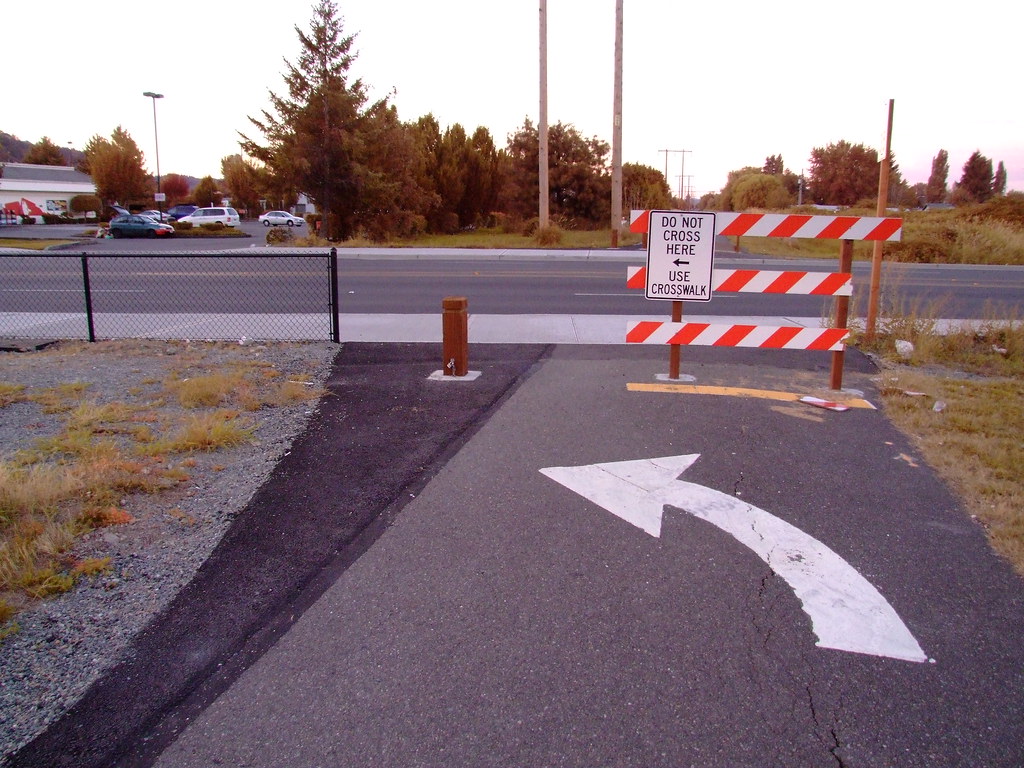
13. **Improved Road Design and Signage**Effective road design and signage play an absolutely essential role in proactively preventing wrong-way crashes by intuitively guiding drivers safely along their intended routes. A thoughtfully conceived road layout can considerably reduce driver confusion, which often serves as the precursor to dangerous wrong-way driving incidents. When roadways are engineered with clear pathways, logical flow, and intuitive structures, drivers are significantly less likely to misread signs, make erroneous turns, or commit other dangerous errors.
Several key elements of modern road design are instrumental in enhancing traffic safety. Clear lane markings, such as highly visible reflective paint and rumble strips, provide unambiguous guidance to drivers, helping them understand where to go and reducing the chances of misinterpretation, especially in adverse conditions. Strategically placed signs ensure that timely and critical information is conveyed to drivers well in advance, allowing them ample time to process instructions and navigate complex intersections with confidence. This pre-emptive information is vital in preventing last-minute, confused decisions.
Furthermore, careful road geometry, including optimized curves and angles, is designed to facilitate a natural and intuitive flow of traffic. This prevents drivers from inadvertently veering into oncoming lanes or making abrupt, unsafe movements. The inclusion of dedicated turn lanes, clearly marked and separated from through-traffic, also helps prevent drivers from mistakenly entering opposing traffic streams, thereby minimizing the potential for head-on collisions. These design principles collectively work to create an environment where the correct path is the most obvious and natural choice.
The alarming statistics surrounding wrong-way crashes underscore the undeniable fact that inadequate road design can exacerbate driver confusion, directly contributing to instances of misreading signs and increasing the chances of dangerous wrong-way driving. Therefore, prioritizing these comprehensive design elements, alongside rigorous maintenance of signage and road markings, is not merely beneficial but vital for transportation authorities aiming to foster truly safer road environments. Such proactive measures are crucial in significantly reducing the likelihood of accidents caused by driver disorientation.
Read more about: The Most Dangerous Cities In America: Car Accident Hotspots Ranked
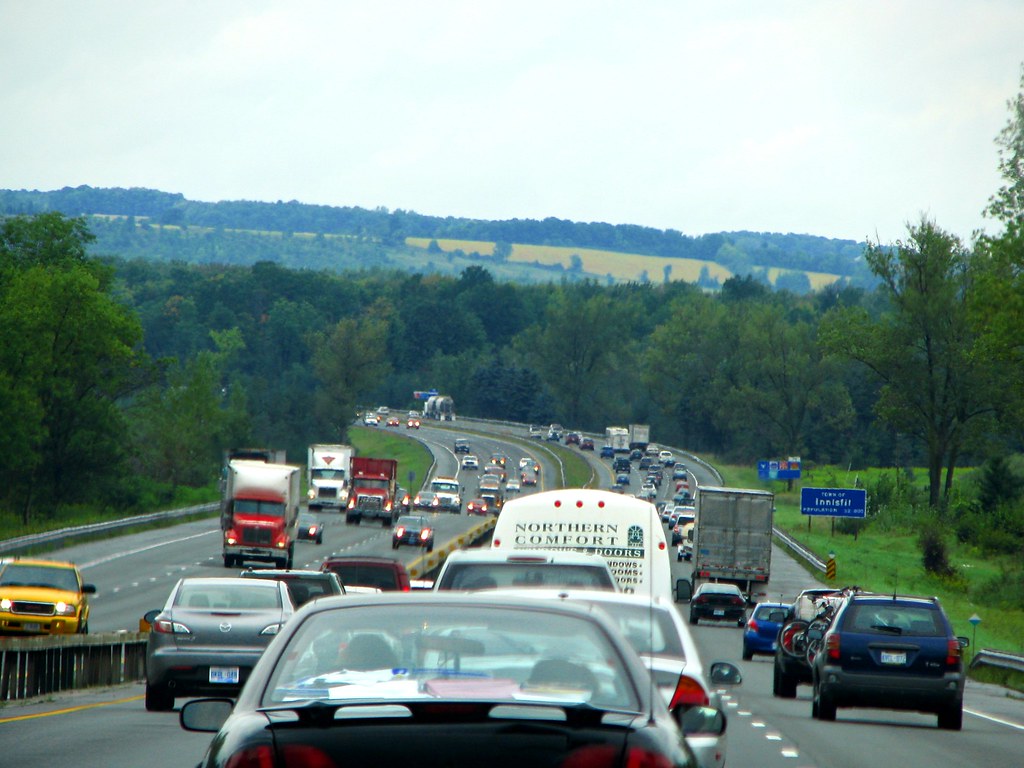
14. **Advanced Driver Assistance Systems (ADAS) and Other Solutions**Advanced Driver Assistance Systems (ADAS) offer incredibly promising and rapidly evolving solutions to significantly reduce the incidence of wrong-way crashes by enhancing both driver awareness and overall vehicle control. These sophisticated technologies are poised to play a vital and transformative role in mitigating the driver confusion that so frequently leads to dangerous and potentially catastrophic situations on the road.
A cornerstone feature of many ADAS packages is the lane departure warning system, which actively alerts drivers when their vehicle unintentionally drifts from its intended lane. This technology serves as a proactive safeguard, helping to prevent wrong-way driving by keeping drivers acutely informed about their precise position on the roadway. Additionally, automatic emergency braking systems can autonomously engage the brakes when a driver is on the verge of colliding with another vehicle or an unforeseen obstacle. This capability holds immense potential to prevent a wrong-way entry altogether or to mitigate the severity of a crash.
The spectrum of ADAS technologies designed to enhance safety is broad and continuously expanding. Blind spot monitoring systems, for example, detect vehicles in hard-to-see areas, providing critical situational awareness that can prevent unsafe lane changes. Traffic sign recognition technology identifies and displays road signs on the vehicle’s dashboard, aiding in navigation accuracy and ensuring drivers do not miss crucial information. These integrated systems work in concert to create a more informed and responsive driving experience.
Read more about: Yuki Tsunoda Ignites History: Piloting Honda’s F1 Pioneer, The RA272, in a 60th Anniversary Spectacle at the Mexican Grand Prix
Beyond technological advancements, a multifaceted approach incorporating public education and stricter enforcement remains indispensable. Public education and awareness campaigns are essential in continually informing drivers about the dangers of wrong-way driving, particularly concerning factors like impaired driving and distractions. Simultaneously, stricter enforcement of impaired driving laws and a renewed focus on road design improvements provide a comprehensive framework for prevention. By strategically combining these technological innovations with persistent public education and vigilant enforcement, communities can collectively strive to create safer roadways, ultimately saving lives and reducing the devastating impact of wrong-way crashes. This holistic strategy represents the most robust path forward in protecting all road users.