In today’s economy, the pinch at the gas pump is a common concern for nearly everyone. With prices fluctuating and everyday expenses consistently on the rise, finding smart, practical ways to save money on fuel has become more important than ever. It’s easy to feel like gas prices are entirely out of our control, but believe it or not, many simple choices can make a significant difference in how much you spend every time you fuel up.
Far too many drivers are missing out on straightforward, actionable tips that can put hundreds of dollars back into their wallets each year. These aren’t complex mechanical tweaks or drastic lifestyle changes, but rather small, consistent adjustments to how you drive, where you buy gas, and how you maintain your vehicle. Many of these tricks can even save you time and reduce wear and tear on your car in the process.
We’ve meticulously gathered 14 proven strategies, drawing from extensive research and expert advice, to help you get the most bang for your buck at the pump. From understanding the best times to fill up to leveraging loyalty programs, these insights are designed to empower you to drive down your fuel costs and stretch your dollar further, without feeling deprived. Let’s dive into the first seven essential tips that can start saving you money immediately.
1. **Reduce Unnecessary Driving**The simplest and most direct way to save money on gas is to simply drive less. Every mile not driven is a mile not paid for, and with a little planning, you can significantly reduce your time behind the wheel. This isn’t just about cutting out joyrides; it’s about making your essential trips more efficient.
If you have multiple errands to run in one day, combine them into one trip instead of making several shorter, separate journeys. Planning your errands ahead of time can help you consolidate weekly tasks into a single outing. This intelligent approach not only saves you gas but also frees up valuable time, transforming what could be multiple tedious drives into one streamlined effort.
Consider opportunities to work from home if your job allows, even for just one or two days a week. This is, arguably, the best way to save money on gas by completely eliminating your commute on those days. Every skipped trip means a healthier budget and a lighter environmental footprint. Making conscious decisions about when and how often you drive forms the foundation of smart fuel saving.
Read more about: Slash Hundreds: The Ultimate Lifehacker Guide to Negotiating Your Car Repair Bill

2. **Drive Smarter, Not Harder**Your driving habits have a profound impact on your vehicle’s fuel efficiency. While it may be tempting to put the pedal to the metal when you’re running late, or to accelerate aggressively, such behaviors are significant gas guzzlers. Driving within the speed limit and maintaining consistent speeds are crucial for maximizing your miles per gallon.
Aggressive acceleration and speeding can “reduce gas mileage by roughly 15% to 30% at highway speeds and 10% to 40% in stop-and-go traffic,” according to the U.S. Department of Energy. To combat this, use cruise control on highways whenever appropriate to maintain a consistent speed, which helps your engine run more efficiently. This steady pace avoids the fuel spikes associated with rapid changes in velocity.
Beyond speed, anticipating stops and practicing smooth transitions are vital. Instead of slamming on the brakes at the last second, ease off the gas earlier and coast to a stop. This not only saves fuel but also reduces wear on your brake pads. Similarly, avoid tailgating, as constantly braking and accelerating to keep up with the car in front wastes significant gas and increases accident risk. Taking off slowly from a full stop allows your engine to find its pace gradually, using less fuel.
Read more about: Your Ultimate Guide: 14 Lifehacker Strategies to Get the Absolute Best Price on a New Car

3. **Carpool for Savings**Carpooling is a wonderfully effective and often overlooked strategy to limit driving and immediately cut down on gas expenses. It’s a simple concept with big rewards, especially for families and commuters alike. If you have children in school or activities, connecting with other parents nearby to take turns driving can be a game-changer.
Imagine splitting the school run or sports practice shuttle responsibilities. Not only does this reduce your personal fuel consumption by half or more, but it also gives you some much-needed time to yourself when it’s not your turn to drive. It’s a win-win for both your wallet and your schedule, fostering community among neighbors in the process.
For those commuting to work, carpooling can present an immediate 50% savings on your fuel bills, if you’re sharing the ride with just one other person. Whether it’s colleagues from the same office block, neighbors heading in a similar direction, or simply anyone on your route, splitting the cost of the commute significantly eases the financial burden of gas. Finding companions for your daily drive is a smart move that yields tangible savings every week.
Read more about: The 15 Cars Owners Regret Most: Why Their Value Dives Faster Than You Think

4. **Harness Gas-Finding Apps**In the digital age, wasting gas driving around to find the cheapest pump is simply inefficient. Fortunately, a host of free gas apps are available that can quickly point you to the lowest prices in your area, turning your smartphone into a powerful fuel-saving tool. These apps remove the guesswork and help you make informed decisions before you even leave your driveway.
Popular choices like GasBuddy or Gas Guru show you the lowest gas prices at nearby stations in real time. GasBuddy, for instance, promises savings of a minimum of 3¢ per gallon everywhere Mastercard is accepted, and 5¢ per gallon at select stations. With an activated Deal Alert, it’s even possible to save up to 33¢ per gallon. The Pay with GasBuddy card links directly to your bank account, providing immediate savings at the pump without waiting for rebates.
Other apps like Upside offer unique opportunities, with new users potentially scoring a $5 off any $10+ purchase on gas, restaurants, or groceries by using specific promo codes. Beyond just finding cheap gas, apps like Fuelly can help you track and compare your gas mileage over time, providing valuable insights into your vehicle’s fuel economy. Utilizing these apps is a straightforward way to ensure you’re always getting the best deal, putting control back into your hands.
5. **Strategic Fueling Times**When you fill up your tank can be almost as important as where you fill it up. Gas prices often follow predictable patterns throughout the week and even during the day, so timing your visits to the pump can lead to noticeable savings over time. It’s all about understanding these trends and adjusting your routine accordingly.
One key tip is to fill up your tank in the morning or late at night. Gasoline expands in heat, so you technically get slightly more fuel when temperatures are cooler, as the fuel is denser at those times. Filling up before the heat of the day maximizes the amount of gas you receive for your money. This practice also helps you avoid the rush hour traffic, which tends to coincide with higher gas prices due to peak demand.
Weekly patterns also play a role; gas prices typically tend to be lower earlier in the week. Stations tend to raise prices midweek as weekend travel approaches and government reports are released. By filling up on Monday or Tuesday, you’ll catch the lowest prices. This is especially true around holidays, as prices typically spike in the days before long weekends. Making this small tweak could save the average driver over $100 or so per year with zero extra effort.
Read more about: Kids Rule the Internet: Unpacking How Young YouTube Stars Are Earning Millions and Redefining Stardom
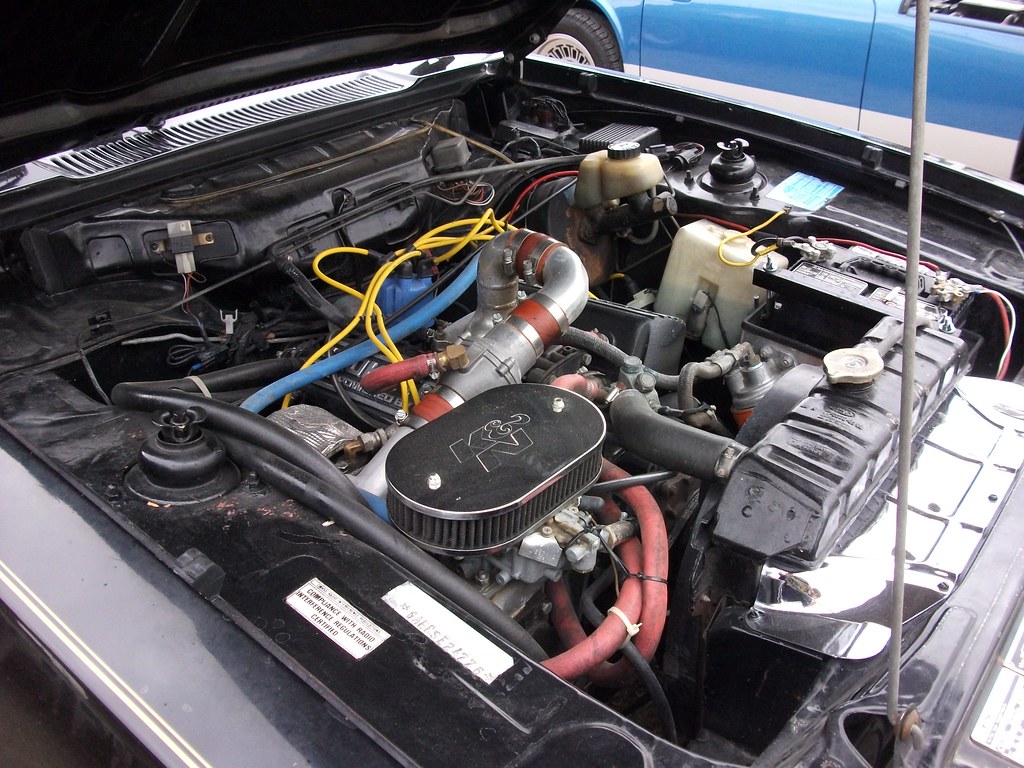
6. **Avoid Costly Idling**Many drivers underestimate the amount of fuel wasted when a vehicle is simply sitting still with the engine running. Idling can be a silent thief of your gas money, consuming fuel without moving you an inch closer to your destination. Understanding when and how to avoid it can lead to surprising savings.
Expert advice from the California Energy Commission (CEC) suggests that vehicles should be turned off if your expected wait time will be longer than 10 seconds. This is because an idling vehicle can burn as much as one gallon of gas each hour. In practical terms, turning the car off can save about 5¢ per minute. While a few cents here and there might seem insignificant, these small savings quickly accumulate over weeks and months.
Think about common scenarios: waiting in a long drive-thru line, sitting at an extended red light, or picking someone up at the curb. An idling car with the engine cranking eats up about the same amount of gas as that of a moving car in just six seconds. Instead of idly waiting, consider turning off your engine. For instance, it makes more monetary sense to park your car and walk into a store or restaurant rather than using the drive-thru.
Read more about: The Mileage Mystery: Decoding Oil Consumption Across 9 Key Engine Types for Savvy Car Owners

7. **Prioritize Regular Car Maintenance**A well-maintained vehicle is not just safer and more reliable; it is significantly more fuel-efficient. Neglecting routine maintenance can silently chip away at your gas mileage, forcing you to spend more at the pump than necessary. Investing a little time and money into proper car care can yield substantial returns in fuel savings.
Regular oil changes with the recommended grade of oil and timely tune-ups are foundational to keeping your engine running smoothly and efficiently. Components like spark plugs and oxygen sensors play critical roles in your engine’s combustion process. Faulty oxygen sensors, for example, can cause your engine to waste more fuel, while worn-out spark plugs lead to inefficient burning of gasoline. Promptly addressing a ‘check engine light’ is also vital, as it often signals an issue that could be impacting fuel economy.
Another critical, yet often overlooked, maintenance item is your air filter. A dirty or clogged air filter restricts the airflow to your engine, forcing it to work harder and consume more gas. It has been estimated that replacing your dirty air filter will increase miles per gallon on the car by up to 10%, generating fuel savings of close to 15¢ per gallon at the pump. These simple, regular checks and replacements contribute directly to maximizing your vehicle’s mileage and saving you money every time you fill up.
Now that we’ve covered those foundational habits, let’s dive into the remaining seven indispensable methods that can significantly reduce your fuel expenses. These next strategies focus on leveraging smart payment options, making informed choices about where and how you fuel up, optimizing your vehicle beyond basic maintenance, and even considering alternative modes of transportation. Each tip offers a straightforward, actionable approach to putting more money back into your pocket every time you need to fill up.
Read more about: The Pinnacle of Comfort and Performance: 14 Elite Luxury Cars for Discerning Wealthy Retirees
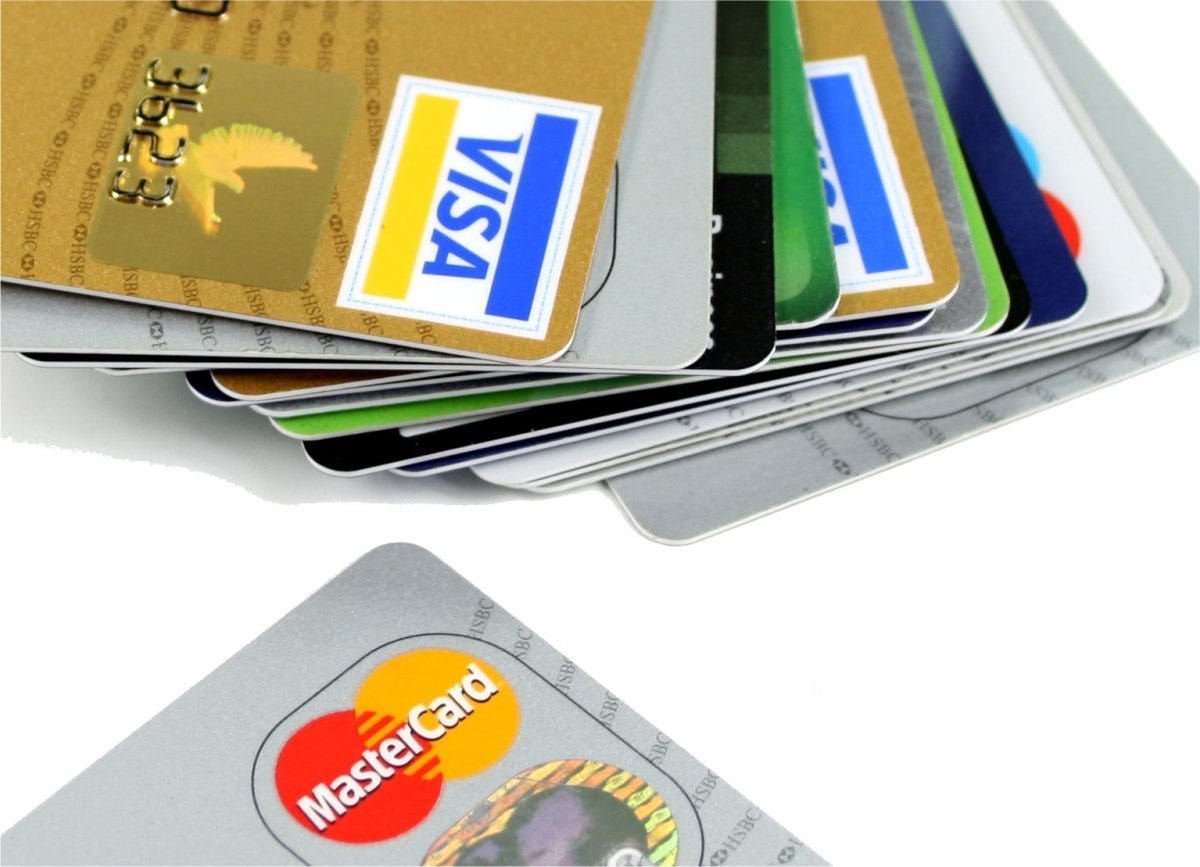
8. **Maximize Your Credit Card Rewards**Not all gas purchases are created equal, and savvy drivers know how to make their money work harder at the pump. Many credit cards offer fantastic cash-back percentages specifically on gas expenses, essentially giving you an automatic discount on every gallon you buy. Imagine getting 3-5% back on what you’re already spending—it’s like finding extra cash in your wallet without any extra effort.
The trick, of course, is to choose the right credit card for your spending habits and, crucially, to pay off your balance every single month. By doing so, you’ll avoid compounding interest charges, ensuring that the cash back truly translates into savings. For even greater benefits, try combining these credit card rewards with any station loyalty programs you might be a part of; the cumulative savings can be quite impressive.
This simple financial adjustment can easily put over $200 back into your pocket annually. However, a word to the wise: be cautious of store-branded gas cards that might come with hidden fees, potentially negating your hard-earned savings. Additionally, some gas stations offer a discount for paying with cash instead of credit or debit, as they avoid processing fees. This can mean saving a few extra cents per gallon, a small but significant gain over time.
Read more about: Preparing for Tomorrow: 12 Key Social Security Changes in 2026 That Impact Every American

9. **Avoid Stations Near Highways or Airports**You’ve probably noticed it before: gas prices seem to skyrocket the closer you get to highway exits or major airports. This isn’t just your imagination; these locations are strategic, often charging a premium—sometimes even doubling the price—because they know travelers in a hurry will pay for the convenience. It’s an easy trap to fall into when you’re on a long journey or rushing to catch a flight.
The solution is simple: a little foresight goes a long way. Before you embark on your trip, or as you approach your destination, plan to fill up in residential areas. Stations in these neighborhoods face more competition, which typically keeps prices lower. Tools like GasBuddy can be incredibly helpful here, allowing you to compare prices in real time along your route so you can make an informed decision before you’re running on fumes.
By taking just a few extra minutes to seek out a more competitively priced station away from those high-traffic zones, you could easily save between $5 to $10 on a typical 15-gallon tank. Think of it as a mini-treasure hunt where the reward is tangible savings. Furthermore, when planning your routes, consider choosing paths with fewer traffic lights and stop signs. All that stopping and starting consumes more fuel than maintaining a consistent speed, so optimizing your journey for smoother flow can contribute to additional savings.

10. **Maintain Proper Tire Pressure**Here’s a silent culprit that many drivers overlook: under-inflated tires. Beyond being a significant safety risk, tires that aren’t properly inflated are notorious gas wasters. Even being just 10 PSI below your recommended pressure can reduce your fuel efficiency by approximately 2%. This means you’re effectively paying more for every mile you drive, without even realizing it.
To combat this sneaky drain on your budget, make it a habit to check your tire pressure every month. It’s crucial to do this when your tires are cool, as driving generates heat that can temporarily increase pressure readings. You’ll find your vehicle’s recommended tire pressure listed in your owner’s manual or on a sticker typically located on the driver’s side door jamb. Proper inflation isn’t just about saving gas; it also significantly extends the lifespan of your tires, saving you money on replacements down the road.
For added convenience and peace of mind, consider investing in a quality tire gauge and a portable air pump. These inexpensive tools can be kept in your vehicle at all times, allowing you to quickly check and adjust your tire pressure whenever needed, whether you’re at home or on the go. According to the U.S. Department of Energy, maintaining proper tire pressure can improve your gas mileage by 0.6% on average, and in some cases, up to 3%.
Moreover, don’t forget about wheel alignment and tire balance. Misaligned wheels can reduce fuel efficiency by as much as 10%, translating to around 31¢ less per gallon. Tires that are out of balance can cause uneven wear, further decreasing tire life and impacting your gas mileage. These simple, regular checks are quick, easy, and offer substantial returns in both fuel savings and vehicle longevity.
Read more about: Beyond the Binges: Unpacking Netflix’s Most Thrilling Multi-Season Sagas and Global Spin-Off Phenomena

11. **Skip Premium Gas Unless Required**There’s a common misconception that filling your tank with premium gas is always better for your car, like pouring in ‘liquid gold.’ However, for many vehicles, this simply isn’t true, and it can lead to unnecessary spending every time you refuel. Most cars are designed to run perfectly fine on regular unleaded gasoline, and using premium when it’s not required is literally throwing money away.
To avoid this costly habit, always check your owner’s manual or the inside of your fuel-filler door. Unless your vehicle specifically *requires* premium gas—a common trait in some luxury or high-performance models—regular unleaded will provide the exact same performance and fuel economy. Consumer Reports even conducted tests on two vehicles using both regular and premium gasoline and found no difference in fuel economy or acceleration, regardless of the fuel grade used.
While it’s always wise to do your own research and feel comfortable with your choice, the evidence suggests that for most drivers, sticking to regular unleaded is the smartest financial move. If your car does indeed require premium fuel, there are still ways to save; consider filling up at warehouse clubs like Costco or Sam’s Club, where premium prices are often lower compared to conventional gas stations.
Speaking of quality, Costco exclusively sells Top Tier detergent gasoline, which is recommended by dealerships and manufacturers for its engine-cleaning properties. While Sam’s Club also offers discounted gas, it doesn’t always meet the Top Tier standard, using a blend with fewer detergents. As one Hip team member, Jenna, noted after a mechanic advised against ‘cheap gas’ from Sam’s Club, the short-term savings on low-quality gas may not be worth the potential long-term impact on your engine’s health and performance.
Read more about: Beyond the Sticker Price: Uncovering the True Financial Commitment of Car Ownership

12. **Leverage Grocery Store Fuel Programs**Beyond standalone gas loyalty apps, many major supermarket chains offer fantastic fuel reward programs that can significantly reduce your per-gallon cost. These programs are designed to reward you for your everyday grocery purchases, turning your weekly shopping into tangible savings at the pump. It’s a brilliant way to double-dip on discounts without changing your routine.
Stores like Kroger, Safeway, Giant Fuel, Albertsons, Fred Meyer, and many others participate, typically offering fuel points for every dollar spent on groceries, pharmacy items, or even gift cards. These points then translate into discounts of anywhere from 10 cents to a dollar per gallon at affiliated gas stations. While earning one point per dollar might seem small, these points accumulate quickly, especially if you do the bulk of your household shopping at one of these stores.
To make sure you’re not missing out, always inquire in-store or check your local grocery store’s website for details on their specific fuel rewards program. Many even have credit cards or loyalty programs that offer exclusive savings. For those in rural areas, where gas stations might be few and far between, collecting these points can be especially valuable, and having a safely stored gas can or two can help you maximize these savings opportunities.
Furthermore, don’t overlook warehouse clubs like Sam’s Club, Costco, and BJ’s. These memberships often include access to gas at a discounted rate, which can sometimes be enough to offset the annual cost of the membership itself. It’s all about stacking those savings wherever you can find them.
Read more about: Rethink Your Fuel Strategy: Why Maximizing Credit Card Rewards at the Pump Is a Smart Move for Every Driver

13. **Reduce Vehicle Weight**It might seem like a minor detail, but the amount of unnecessary weight you carry in your vehicle has a direct impact on its fuel economy. Studies consistently show that for every 100 pounds of extra, unwanted clutter, your fuel efficiency decreases by about 1%. This might not sound like much, but it means you’re literally paying more in gas just to haul around items you don’t even need.
Think about it: that gym bag that’s been living in your trunk for months, the collection of sports equipment stored in the back, or even forgotten tools. These items, collectively, add up. Take a few minutes to clean out anything you don’t regularly need. A lighter vehicle requires less energy to move, translating directly into better gas mileage and more money staying in your bank account.
The reduction in gas mileage is relative to your vehicle’s overall weight, meaning smaller cars are more significantly affected by extra pounds than larger ones. Still, for every 100 pounds of surplus weight, you can expect to spend up to an additional 6¢ per gallon. That’s a stark reminder that decluttering your car is not just about tidiness; it’s a genuine fuel-saving strategy. Ditch the stuff you don’t need – especially the heavy items – and watch your fuel economy improve.
Read more about: $500 Fine and Beyond: Unpacking the Strictest Left-Lane Driving Bans Across 14 U.S. States

14. **Consider Walking or Riding a Bike**This might sound like the simplest, almost silly, tip on our list, but it’s arguably the most effective way to save money on gas: don’t drive if you don’t have to. Before you automatically reach for your car keys for short trips—like dropping the kids off at a friend’s house just down the street or making a quick run to the corner store—pause and consider an alternative.
Walking or hopping on a bike for these shorter excursions offers a fantastic triple win. Not only will you completely eliminate fuel consumption for that trip, but you’ll also burn calories, enjoy the fresh air and outdoors, and contribute to reducing emissions. It’s a healthy choice for both your wallet and the environment.
If your children’s school is within walking distance, making the daily trek with them can be a great routine. For errands that are a bit further but still manageable, a bike can be an excellent option, allowing you to combine exercise with your chores. Even using a wagon for grocery runs can be a smart move, getting you those valuable 10,000 steps while keeping your car parked. It’s all about making conscious decisions to drive less whenever possible.
As we’ve explored through these 14 practical tips, controlling your gas expenses isn’t about dramatic sacrifices; it’s about making smart, consistent choices. From optimizing your vehicle’s performance and choosing the right payment methods to strategic fueling and even embracing alternative transportation, every small adjustment can lead to significant savings. By implementing even a few of these strategies, you’ll not only drive down your fuel costs but also gain a greater sense of control over your budget. So go ahead, put these tricks into practice, and watch your savings grow!”
Read more about: 14 Wild Ways Cycling Is More Than Just a Ride (Plus, How You Can Join the Fun!)
, “_words_section2”: “1940