Let’s be honest: driving isn’t quite what it used to be. For many, the simple act of getting behind the wheel has morphed into an interaction with a rolling computer, laden with touchscreens, incessant alerts, and a chorus of beeping sensors. While some embrace this technological surge, a growing number yearn for a return to simpler times – a car that prioritizes the pure experience of the drive over a digital interface, focusing on physical controls and straightforward dashboards that enhance, rather than fragment, attention.
If you’re among those who miss the reassuring click of a knob, the distinct feel of a switch, and a dashboard that doesn’t constantly vie for your attention, you are definitely not alone. The good news is that this pursuit of automotive clarity isn’t a pipe dream. Cars that champion the fundamentals, offering just enough tech for safety without overwhelming your senses, are still out there. The hunt requires a discerning eye, but with the right knowledge, you can find that sweet spot between essential features and liberating simplicity.
As your senior media editor, I’ve sifted through the noise to bring you actionable insights. This isn’t about shunning innovation entirely, but about empowering you to make choices aligning with your driving philosophy. We’ll explore specific models and proven strategies to help you navigate the current market, ensuring your eyes stay on the road and your hands on a steering wheel, not a screen. Prepare to discover how you can drive simple again, focusing on what truly makes the journey enjoyable.
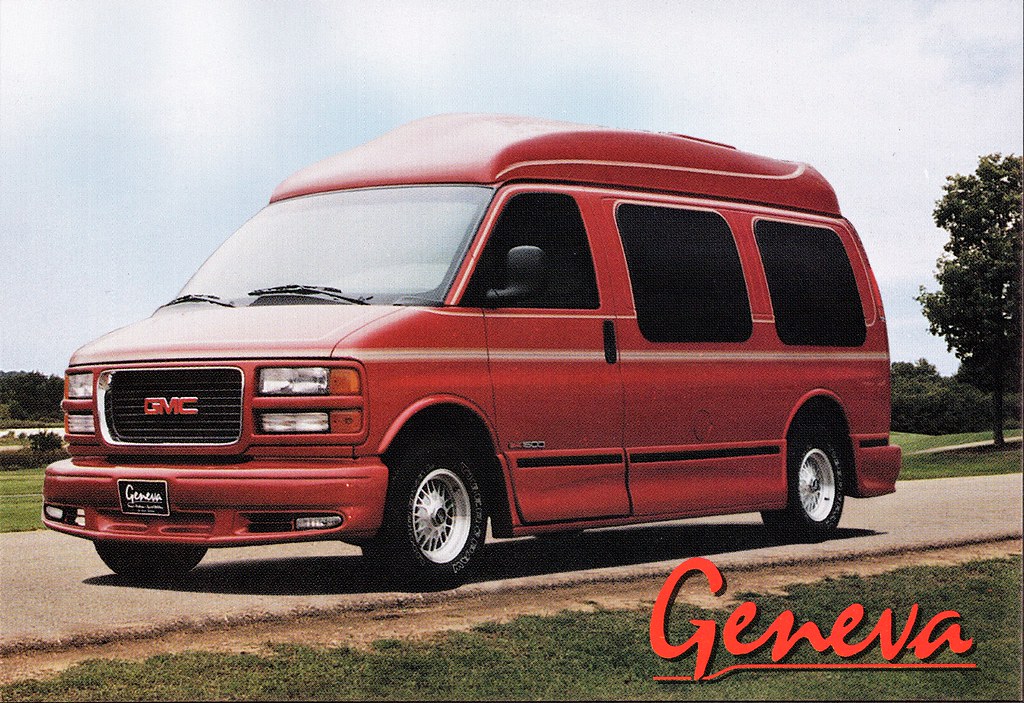
1. **GMC Savana: A Modern Anomaly**In today’s rapidly evolving automotive landscape, where manufacturers race to embed the largest, most feature-rich touchscreens, one vehicle stands as a defiant anomaly. In 2024, if you’re seeking a new mass-market vehicle in America genuinely lacking LCD screens—no center-stack infotainment, no touch controls whatsoever—your options are astonishingly slim. At the very top of that incredibly short list, you’ll find the unexpected GMC Savana.
Yes, it’s a van, not strictly a car, but for those desperate to escape digital tyranny, it’s a revelation. Just examine its dash: absolutely no LCD screens. Instead, you get a radio with a monochrome dot-matrix display, which looks like a vacuum-fluorescent one. This is light-years from a modern touchscreen; the Savana dashboard could easily be mistaken for something from the late 1990s. It’s a stark, refreshing contrast to prevailing design trends.
The Savana’s minimalist approach becomes more apparent considering its price point. Starting at almost $50,000, this utilitarian workhorse costs significantly more than even America’s cheapest cars. For instance, the Mitsubishi Mirage, beginning at $16,695, still comes with a center-stack touchscreen as standard. The Savana, despite its hefty tag, maintains a steadfast commitment to an analog interior.
So, if you are truly fed up with the pervasive “tyranny of touchscreens,” if touchscreen-based glove box latches or other digital perversions bother you, and you need a new vehicle now, the GMC Savana is your singular, uncompromised choice. Built on one of the oldest platforms still in production, it’s a reliable workhorse, capable of transporting you and a dozen companions without a single screen to distract from the open road. It’s truly a “motherflapping miracle” in today’s tech-saturated market.
Car Model Information: 2014 GMC Savana 1500 Work Van
Name: Chevrolet Express,GMC Savana
Manufacturer: General Motors
Assembly: Wentzville, Missouri,Springfield, Ohio
Production: January 1996–present
ModelYears: 1996–present
Predecessor: Chevrolet van
Platform: GMT600 (1996–2002),GMT610 (2003–present)
Class: Full-size van
Layout: FR layout,F4 layout
Related: Chevrolet C/K (fourth generation),Chevrolet Silverado (first generation),Chevrolet Kodiak#Third generation (2003–2009)
Aka: GMC Savana,Chevrolet Van (1996–1998; cargo van),Chevrolet Savana (Israel and the Philippines)
Length: GMT600 Unbulleted list
Wheelbase: Unbulleted list
Abbr: on
Width: GMT600Unbulleted list
BodyStyle: cutaway van chassis
Height: GMT600Unbulleted list
Engine: GMT600Unbulleted list
Transmission: GMT600Unbulleted list
Chassis: Body-on-frame (ladder); boxed frame rails
Caption: 2021 Chevrolet Express 2500 cargo van
Categories: 2000s cars, 2010s cars, All-wheel-drive vehicles, All Wikipedia articles written in American English, Articles with short description
Summary: The Chevrolet Express (also known as the GMC Savana) is a series of full-size vans produced by General Motors since 1996. The successor to the Chevrolet G-series van, the Express is produced in passenger and cargo variants. Alongside the standard van body, the line is offered as a cutaway van chassis, which is a chassis cab variant developed for commercial-grade applications, including ambulances, buses, motorhomes, and small trucks.
In production for a single generation since 1996, over three million examples of the Express and the Savana have been produced. One of the longest-produced designs in American automotive history, the Express/Savana are rivaled only by the Jeep Wagoneer and Dodge Ram Van for longevity.
Since 1995, General Motors has assembled the Express and Savana at its Wentzville Assembly facility (Wentzville, Missouri). Also, since 2017, GM has sourced commercial cutaway-chassis production from Navistar through its Springfield Assembly Plant (Springfield, Ohio).
Get more information about: Chevrolet Express
Buying a high-performing used car >>>
Brand: GMC Model: Savana
Price: $18,860 Mileage: 120,921 mi.
2. **Start With the Base Model: Stripping Down for Simplicity**For those embarking on the quest for a new vehicle devoid of excessive digital clutter, one effective strategy is to “go low” in the trim lineup. Automakers typically reserve their largest touchscreens and most advanced driver aids for mid- to high-level trims, bundling them as premium features. By focusing exclusively on base models, you significantly increase your chances of finding a car that champions manual controls and traditional layouts.
What you’ll typically discover in these entry-level trims is a refreshing emphasis on essentials. You’ll still get fundamental creature comforts and safety necessities, such as air conditioning, Bluetooth connectivity, and often a backup camera (now legally required). However, you won’t be burdened with superfluous software, complex menu structures, or sprawling digital displays that complicate simple operations. The focus remains squarely on core functionality.
This minimalist approach offers benefits beyond just a cleaner dashboard. Base models often come equipped with an abundance of physical buttons and knobs, allowing for intuitive, tactile interaction that doesn’t demand your eyes deviate from the road. Fewer intricate electronic systems also translate to fewer distractions in the cabin, fostering a more focused driving environment. These vehicles are generally more affordable, often easier and less costly to repair, and for many, offer a purer driving experience precisely because they lack all the “bells and whistles.”
It’s a powerful testament that sometimes, less truly is more, especially when it comes to automotive technology. By deliberately opting for the base model, you’re not just saving money; you’re actively choosing a driving experience that prioritizes direct control, reduces digital overhead, and keeps the focus where it belongs: on the road ahead. This strategic choice allows you to sidestep the digital trend and embrace a more traditional, satisfying way to interact with your vehicle.
Read more about: Dodgy Drives and Mechanical Mayhem: 14 Japanese Cars You Absolutely Should Not Buy, According to an Automotive Expert

3. **Look for Compact and Subcompact Cars: Where Less is Still More**When navigating the automotive market for tech-light options, exploring the segment of compact and subcompact cars is a particularly fruitful avenue. The rationale is clear: automakers typically funnel their most advanced and expensive technology into larger, more profitable vehicles like SUVs and luxury sedans. These segments offer higher profit margins, incentivizing the inclusion of high-end digital features.
Conversely, smaller cars are designed with practicality and affordability as guiding principles. They often serve as economical daily commuters, reliable first cars, or efficient urban explorers. This inherent focus on value and essential functionality means they are far less likely to be saturated with the latest, most elaborate touchscreen infotainment systems and complex digital interfaces found in larger counterparts.
Consider models such as the Toyota Corolla, Hyundai Elantra, Nissan Versa, or Kia Rio. These vehicles consistently appear in discussions about accessible, functional transportation. While they’ve evolved, their core identity often involves a straightforward approach to cabin design and controls. They prioritize getting you from Point A to Point B reliably and efficiently, without adding unnecessary digital layers.
Choosing a compact or subcompact car often means you’ll benefit from a driving environment featuring a greater prevalence of physical controls, a less intrusive array of digital systems, and a general cabin layout that feels more intuitive and less demanding of your attention. They’re fantastic for teaching young drivers foundational skills without the added complexity of managing an overly smart dashboard. For those valuing driving directness, these smaller, more focused vehicles represent a significant step towards a simpler, more engaging experience.
Read more about: The Torque Test: Unveiling the Towing Prowess of 15 Top Electric Trucks and SUVs – From Mighty Haulers to Range Considerations
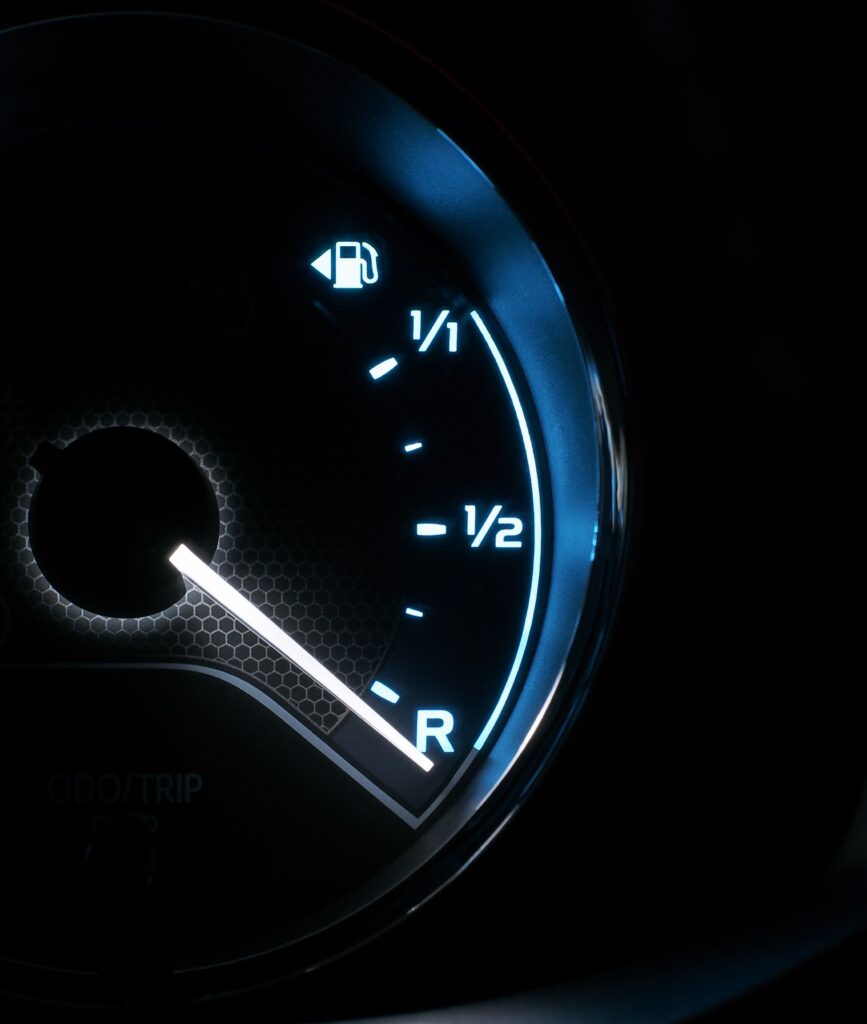
4. **Skip the Digital Gauge Cluster: Analog Clarity**In the ongoing automotive tech race, the traditional analog gauge cluster, with its distinct dials and physical needles, has increasingly given way to sleek, customizable digital displays. While a digital gauge cluster might initially appear sophisticated and modern, offering a plethora of configurable readouts and dazzling animations, it often comes with drawbacks for drivers seeking simplicity and reduced digital dependency. For many, the visual noise and potential for distraction outweigh perceived benefits.
If your preference leans towards clear, unambiguous, and stable information delivery, actively seeking vehicles that retain traditional instrument clusters is a wise move. Analog readouts provide a consistent, unwavering presentation of vital vehicle data such as speed, RPMs, and fuel levels. There’s no risk of a digital display changing layouts unexpectedly, requiring a software patch, or blinding you with excessive brightness during nighttime driving. The information is always precisely where you expect it, presented in a universally understandable format.
To ensure you secure a vehicle with these tried-and-true physical speedometers and tachometers, pay close attention to trim designations. You’ll typically find these simpler, more reliable setups in trims labeled “S,” “L,” or “Base.” These designations often signify that the manufacturer opted for a less technologically intensive approach in favor of robust, dedicated, and singular-purpose components. By making this conscious choice, you champion functionality and clarity over the flash and potential complexity of an all-digital display.

5. **Hunt for Cars With Manual Climate Controls: The Tactile Comfort of Simplicity**The convenience of dual-zone automatic climate control systems is often touted as a premium feature in modern vehicles, promising personalized temperature settings. However, in practice, these advanced systems can sometimes lead to frustration. All too frequently, adjusting cabin temperature or directing airflow becomes an exercise in navigating multiple menus on a touchscreen, diverting attention from the road for what should be a simple, instinctive task.
For drivers prioritizing immediate control and minimal cognitive load, the enduring appeal of basic manual A/C and heater controls remains strong. These systems, characterized by robust, old-fashioned dials and physical buttons, are designed for instant, tactile interaction. A quick twist of a knob or a press of a button is all it takes to make adjustments, allowing you to fine-tune your climate settings without visually searching for icons or delving into digital sub-menus.
The beauty of manual climate controls lies in their ergonomic simplicity and directness. Imagine driving in winter, needing to quickly warm your feet or defrost your windshield, and being able to do so with a swift, intuitive motion, without ever taking your eyes off the unpredictable traffic ahead. This kind of effortless interaction significantly enhances both safety and driving comfort, proving that sometimes, the most sophisticated solution is often the most straightforward one.
Fortunately, these wonderfully practical manual controls are far from extinct. Models like the Subaru Impreza Base and the Honda Civic LX are notable examples that continue to offer these tactile interfaces. These vehicles demonstrate a commitment to a user experience that values directness and avoids unnecessary digital intermediation. For those who appreciate the immediate responsiveness and uncompromised focus that physical controls provide, seeking out these options is a highly recommended strategy.
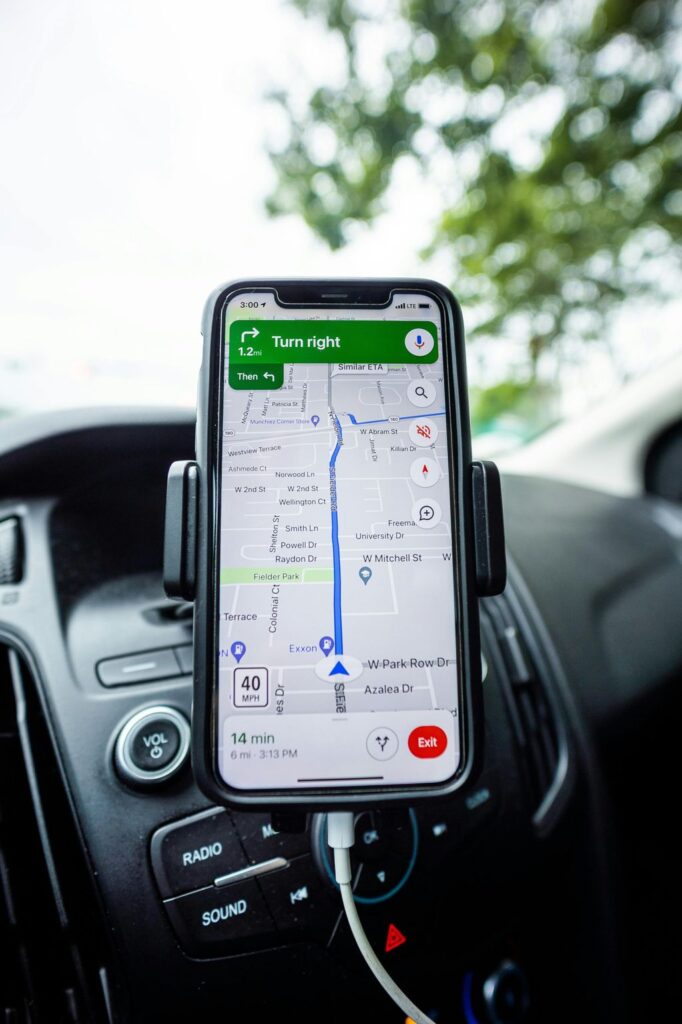
6. **Choose Models Without Built-In Navigation: Your Phone Does It Better**Once considered a pinnacle of in-car technology, factory-installed navigation systems were, for a time, highly desirable. They offered the promise of seamless guidance without external devices. However, rapid advancement in smartphone technology has fundamentally reshaped this landscape. Today, the vast majority of drivers rely on their mobile devices for navigation, leveraging real-time traffic updates, superior mapping interfaces, and the convenience of always having their preferred navigation app at their fingertips.
Given the ubiquity and superior functionality of smartphone-based navigation (think Google Maps, Apple Maps, Waze, etc.), opting for a new car without a built-in navigation system has become a pragmatic and, in fact, desirable choice for many. Why pay for a redundant system that often comes with a clunky interface, requires expensive map updates, and quickly becomes outdated? By consciously skipping built-in navigation, you avoid cluttering your dashboard with unnecessary apps and potential software headaches.
Base models are frequently your allies in this regard, as they often forgo built-in navigation altogether to keep costs down and maintain a simpler feature set. What you’re typically left with is a basic radio unit supporting Bluetooth connectivity or a USB port, which is often all you truly need. This minimalist setup allows you to seamlessly integrate your own preferred navigation and media playback tech via your smartphone, providing a flexible and up-to-date solution without the inherent limitations of proprietary in-car systems.
7. **Seek Out Cars With Minimal Driver Assistance Systems: Focusing on Core Safety**The automotive industry has made tremendous strides in safety technology, and it’s virtually impossible to find a new car today without some form of automated driver assistance system. Features like backup cameras are now legally mandated, and basic forward collision alerts are becoming increasingly common. These foundational systems genuinely enhance safety and are broadly welcomed by most drivers.
However, the proliferation of driver assistance systems has extended far beyond these core necessities, with many vehicles now offering an extensive suite of advanced features. While systems like lane-keep assist, driver attention warnings, adaptive cruise control, and an array of parking sensors are designed to improve safety and convenience, they can, for some drivers, introduce frustrations. Over-sensitive sensors, intrusive alerts, and constant corrective interventions can sometimes feel less like assistance and more like a distraction or interference with the driving experience.
If your aim is to maintain a direct, unmediated connection with your vehicle and the road, minimizing the number of these more advanced, and sometimes overzealous, driver assistance systems is a key consideration. This means actively seeking models that only offer the legally required minimums or those where the more intrusive systems are optional extras that you can deliberately choose to omit. You’ll sidestep constant buzzers, unexpected steering adjustments, and the mental fatigue from an overly “helpful” car.
To achieve this, careful scrutiny of the vehicle’s spec sheet is paramount. Pay close attention to trim levels and the standard versus optional features list. Sticking with lower trims often means you’ll find a car equipped with a leaner suite of safety tech, focusing on essentials without overwhelming you with a barrage of alerts. Fewer complex sensors and software mean fewer potential false alarms and, for many drivers, a greater sense of peace and control behind the wheel, allowing you to focus purely on the act of driving.
Navigating the modern automotive market often feels like a quest to escape the digital deluge, but as we’ve seen, there are clear paths to finding that perfect blend of essential tech and liberating simplicity. The strategies extend beyond just new models and trim levels. For those truly committed to a screen-free or low-tech driving experience, a broader perspective on vehicle sourcing and selection becomes invaluable. This section will delve deeper into additional practical tips and highlight specific models that uphold the ethos of straightforward, focused driving.
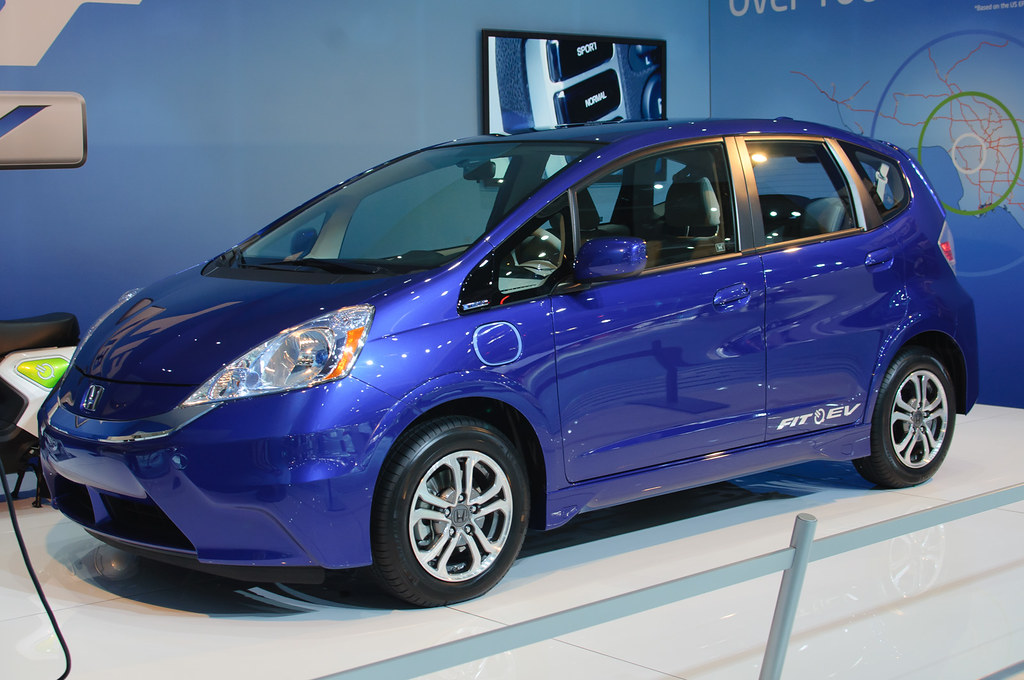
8. **Buy Used… But Be Selective**Venturing into the used car market opens a treasure trove of possibilities for drivers seeking a tech-light experience. Older models often represent a sweet spot, offering modern safety features without the full-blown screen overload prevalent in today’s vehicles. Many cars from the early 2010s, for instance, were developed before the touchscreen became the ubiquitous centerpiece of every dashboard, providing a refreshing contrast to current trends.
Consider looking at vehicles like a 2012 Honda Fit, a 2011 Mazda3, or a 2013 Toyota Tacoma. These models typically feature more physical controls and simpler infotainment systems, perfectly aligning with a desire for less digital intrusion. While the appeal of a used car is strong, it’s crucial to approach the purchase with a discerning eye, meticulously checking for rust, reviewing the maintenance history, and inquiring about any known electrical issues to ensure reliability.
The fewer complex electronic systems a car has, the less that can potentially go wrong, offering a distinct advantage in terms of long-term ownership and repair costs. However, the age of the vehicle itself remains an important factor. A well-maintained older car can deliver a remarkably satisfying, straightforward driving experience, proving that a digital detox behind the wheel doesn’t always require a brand-new purchase.
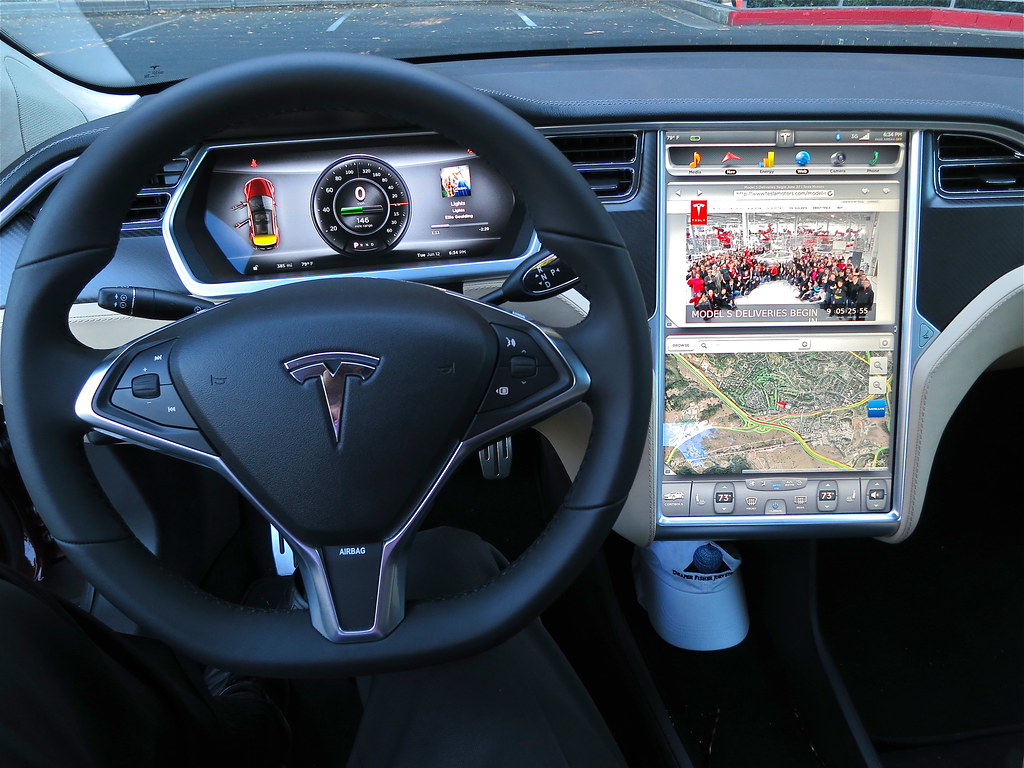
9. **Watch Out for Touchscreen-Only Controls**As manufacturers increasingly integrate technology, even seemingly basic functions can get absorbed into a touchscreen interface. The simple act of adjusting the volume or managing climate control, which used to be an effortless tactile action, now often requires navigating through multiple menus. For drivers who value keeping their eyes on the road and their hands on the wheel, this trend can be particularly frustrating and even hazardous.
When evaluating potential vehicles, a thorough test drive and a meticulous poke around the interior are absolutely essential. Don’t just admire the dashboard from afar; interact with every control. Are the climate settings managed by physical dials or buried deep within a digital display? Can you change radio stations or adjust audio volume without diverting your attention to a screen?
Fortunately, some brands continue to resist the full digital takeover, especially in their lower trim levels. Mazda, Toyota, and Subaru, for example, are often lauded for their commitment to retaining physical controls for critical functions. These interfaces might not be as flashy as their digital counterparts, but they prioritize functionality and directness, ensuring that adjusting your environment doesn’t involve an unneeded digital distraction.
Read more about: Driving You Mad: 16 Modern Car Features Drivers Can’t Stand
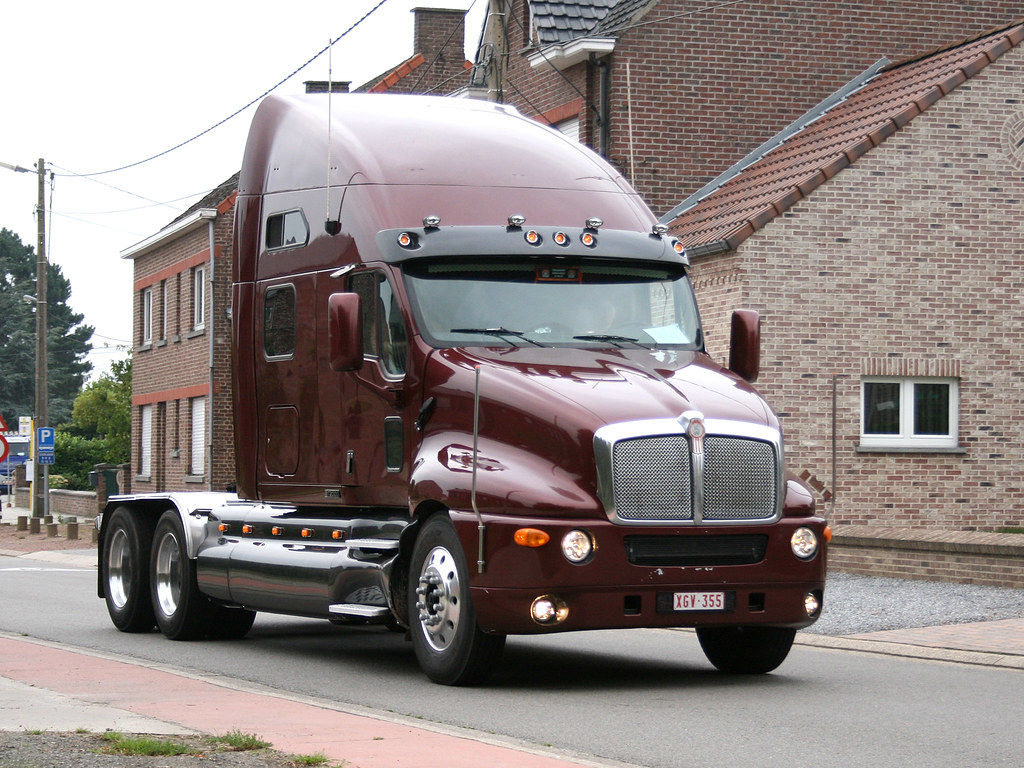
10. **Consider a Work Truck or Fleet Model**For the ultimate in no-nonsense, straightforward motoring, look no further than fleet-spec models or basic work trucks. These vehicles are purposefully designed to be stripped down, emphasizing rugged utility and functionality over lavish technological amenities. They cater to a demographic that prioritizes durability, capability, and ease of use, making them prime candidates for drivers seeking a minimalist cabin experience.
Entry-level trims of popular pickups like the Ford F-150 XL, Ram 1500 Tradesman, or Chevrolet Silverado WT are prime examples. These workhorses frequently come equipped with vinyl floors that are easy to clean, manual controls that are robust and intuitive, and very little in the way of advanced, distracting technology. The focus is purely on getting the job done efficiently and reliably.
While they may lack the creature comforts and digital frills of higher-end consumer models, these vehicles offer an incredibly honest and direct driving experience. If your primary goal is a solid, dependable machine that won’t bombard you with screens or complex software, a work truck or commercial fleet model could be the most authentic path to automotive simplicity on the market today.
Read more about: The Hydraulic Hurdle: 14 Forklifts Under Scrutiny – Evaluating Power, Performance, and Practicality for Modern Operations
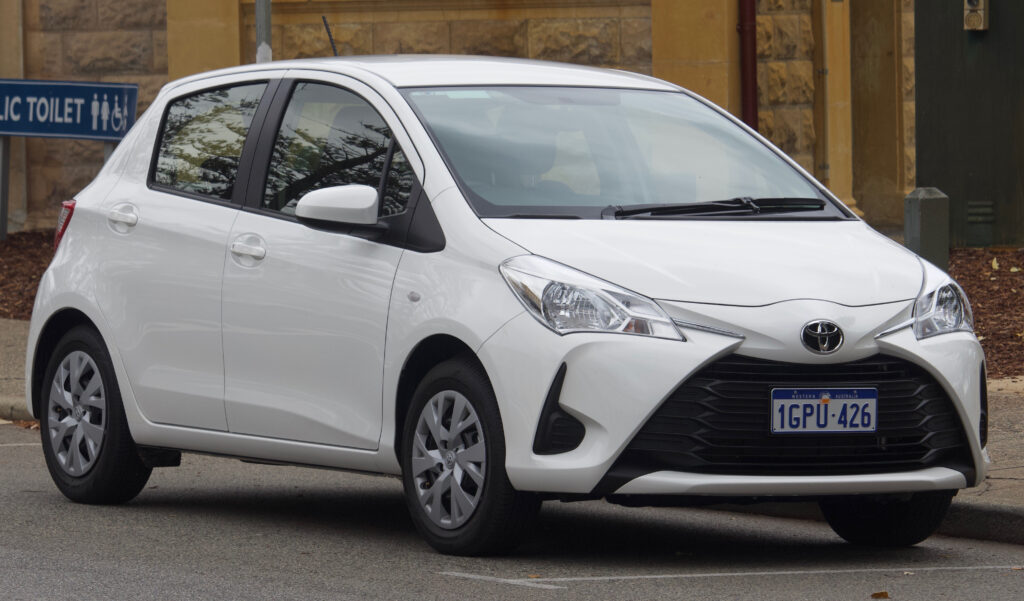
11. **Don’t Be Afraid of “Older-School” Brands**In an industry racing towards fully digital cabins, a few automakers have commendably held their ground, resisting the complete overhaul of their interior designs. Brands like Toyota, Subaru, and Mazda consistently demonstrate a commitment to keeping things relatively simple, particularly within their base models. They understand that a significant segment of their customer base still values tangible controls and a less-distracting environment.
Even some models from brands often associated with more aggressive styling, such as Jeep and Dodge, offer trims with surprisingly analog interiors. These vehicles provide a refreshing alternative for those who view driving as an engaging activity rather than a mere interface with a complex computer system. Their design philosophy often leans towards durability and user-friendliness, ensuring essential functions remain accessible via physical buttons and dials.
If your priority is the pure act of driving over endlessly tapping a screen, these brands are an excellent starting point for your search. And, as a useful reminder, should your specific new car hunt prove challenging, the vast landscape of the used car lot remains a viable and often rewarding alternative for finding that perfectly simple, tech-light vehicle.

12. **Jeep Wrangler Sport: Rugged Simplicity**The 2018 Jeep Wrangler Sport stands out as a highly trusted vehicle within the off-roading community, celebrated for its robust capabilities. Crucially for our discussion, its base model maintains a refreshingly limited infotainment system, notably without a touchscreen display from the factory. This makes it a fantastic option for those who prioritize adventure and physical controls over digital screens.
Peer into the dashboard area of this iconic Jeep, and you’ll find a console that, while appearing somewhat cluttered, is entirely populated by a variety of physical buttons. These dedicated controls efficiently manage essential functions like temperature, air outlet vents, traction control, and defrost. It represents a commitment to tactile interaction, allowing drivers to make adjustments without the need for visual searching or menu navigation.
Under the hood, the Wrangler offers a capable V6 engine, often paired with hill-assist technology, ensuring confidence in challenging terrain. This engine delivers a smooth performance whether coupled with the 6-speed manual or the available 8-speed automatic transmission. Furthermore, Jeep’s redesigned version of the Wrangler from this era also brought about a more fuel-efficient body design, boasting official EPA numbers of 17 MPG for city driving and 25 MPG on the highway.
It’s important to note that while the Wrangler excels off-road, its design prioritizes ruggedness, which translates to limited handling on normal roads and a potentially rougher overall ride. However, for the base 2018 Wrangler Sport, the standard setup includes a 5-inch display that, importantly, lacks touchscreen capability. Higher-end trims, such as the Rubicon, did offer larger 7.0- and 8.4-inch touchscreen displays, catering to a different user preference.
Despite the base model’s screen-free approach, all 2018 Wrangler models, including the Sport, came standard with both Apple CarPlay and Android Auto compatibility. This was a welcome feature for many drivers, allowing seamless smartphone integration for navigation and media. Jeep also provided the option to upgrade some features, including the 8.4-inch touchscreen display, to the base Sport model, though enhancing interior features and safety technology naturally incurred additional costs.
Car Model Information: 2022 Dodge Charger R/T
Name: Jeep Wrangler (JL)
Caption: 2021 Jeep Wrangler Unlimited PHEV
Manufacturer: Jeep
Production: November 2017–present
Class: Mid-size,Sport utility vehicle
ModelYears: 2018–present
Assembly: Ranjangaon,Pune
BodyStyle: SUV
Layout: FR layout
Engine: Unbulleted list
Transmission: Unbulleted list
Motor: Unbulleted list
Abbr: on integrated transmission-traction motor (PHEV)
Drivetrain: BAS hybrid,mild hybrid
Battery: Unbulleted list
Range: Convert
ElectricRange: Convert
Charging: Vehicle-to-grid
Wheelbase: cvt
Length: cvt
Width: cvt
Height: cvt
Weight: convert
Predecessor: Jeep Wrangler (JK)
Related: Jeep Gladiator (JT)
ModelCode: JL
Categories: All Wikipedia articles written in American English, All articles needing additional references, All articles with bare URLs for citations, All articles with specifically marked weasel-worded phrases, All articles with unsourced statements
Summary: The Jeep Wrangler (JL) is the fourth generation of the Wrangler off-road vehicle, available in two- and four-door body styles. Unveiled at the 2017 Los Angeles Auto Show on November 29, 2017, production of the vehicle began in November 2017.
Get more information about: Jeep Wrangler (JL)
Buying a high-performing used car >>>
Brand: Jeep Model: Wrangler Sport
Price: $33,961 Mileage: 44,022 mi.
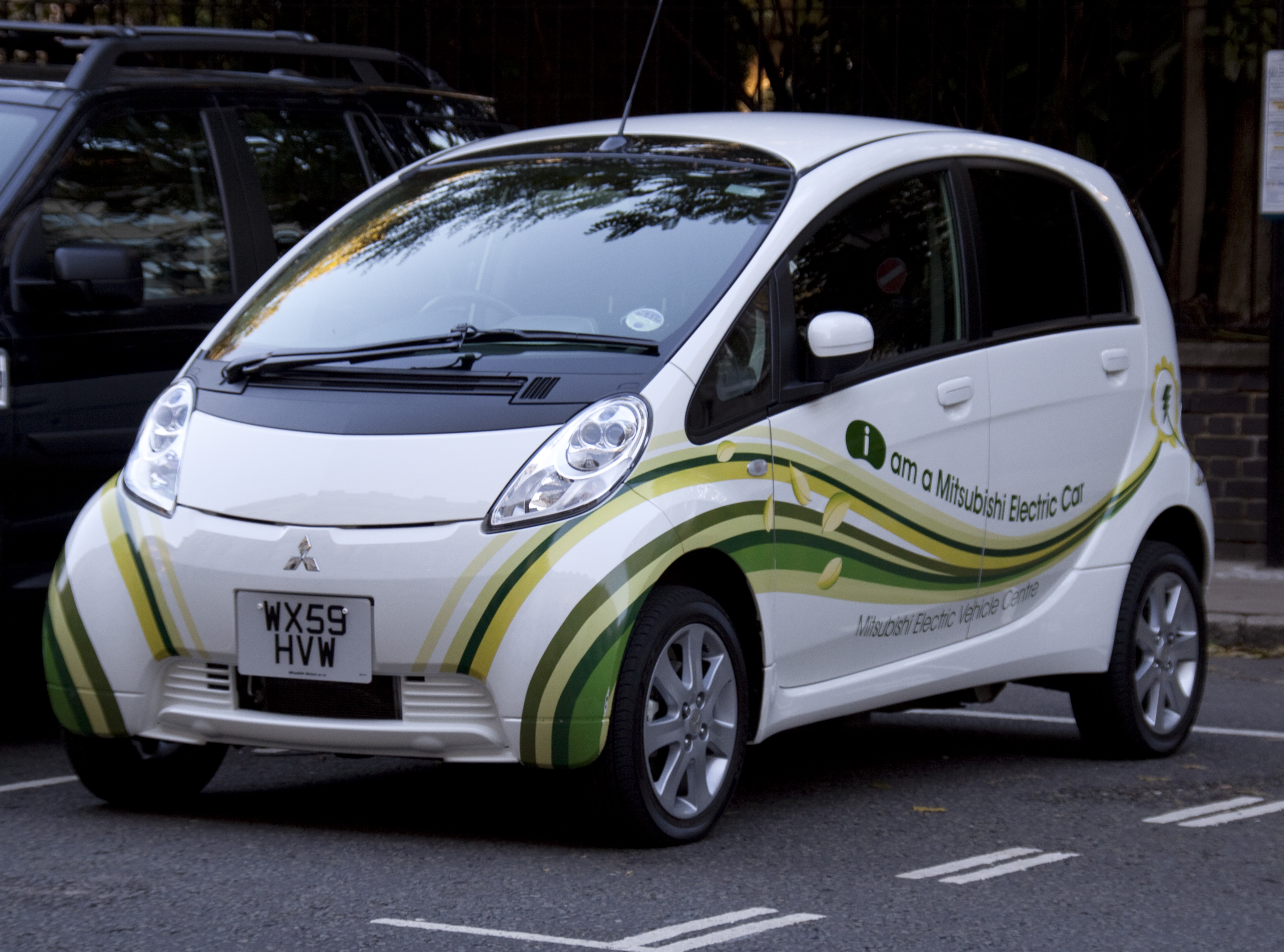
13. **Mitsubishi i-MiEV: The Affordable Electric Minimalist**Japanese automaker Mitsubishi introduced the i-MiEV as one of the smallest electric cars available, gaining popularity for its remarkably low price point and a notably limited array of technology, specifically omitting a touchscreen infotainment system. This vehicle truly embodies the concept of a back-to-basics approach in the electric vehicle segment, appealing to a unique set of drivers.
To achieve its competitive price, Mitsubishi made a deliberate choice to keep the i-MiEV a very low-tech offering. Its small dash area features a tiny LED display that primarily shows the clock and basic audio controls, a stark contrast to the expansive digital displays found in most modern EVs. For the base model, this commitment to minimalism meant the absence of Bluetooth, AUX ports, or USB ports, significantly limiting its media capabilities out of the box.
However, for those willing to spend a bit more, a higher-priced model in the i-MiEV range did offer upgrades such as Bluetooth, USB ports, and a navigational system. A rear-view camera was also an available option at an extra cost. Still, Mitsubishi intentionally stripped this model of much of the common tech expected in modern small electric cars, evident in the lack of detailed consumption and trip counters on its small LED display.
As expected with small electric cars, efficiency is a strong suit. The EPA rating for the i-MiEV was 62 miles on a full charge, making it suitable for urban commutes. Charging times were reasonable for its class: using the factory 3.3-kilowatt charger, a full charge could be achieved in approximately 6 to 7 hours, a time that dropped to about 4 hours when utilizing a fast charger.
While ideal for city errands, the i-MiEV’s basic safety and tech features, combined with its range, could make long-distance trips feel rather long and potentially boring, lacking the media and charging points often desired for extended journeys. Its interior space is listed for five adults, though realistically, only about two adults would comfortably fit in the back seats, while the front seats offer more generous headroom and legroom. With a trunk space of 13.2 cubic feet, it’s sufficient for a gym bag and some groceries, making it a highly practical and affordable city car for technophobes, seniors, or anyone seeking ultimate simplicity.
Car Model Information: 2012 Mitsubishi i-MiEV ES
Name: Mitsubishi i-MiEV
Aka: Peugeot iOn
Manufacturer: Mitsubishi Motors
Assembly: Kurashiki, Okayama
Production: 2009–2021,2009–2014 (Europe)
BodyStyle: hatchback
Class: Kei car
Layout: Rear mid-engine, rear-wheel-drive layout
Motor: Convert,180 N
Abbr: on
Transmission: Single speed reduction gear
Battery: 16 kWh
Disp: x
Range: 160 km
Charging: 15 A 240 V AC (3.6 kW) on the SAE J1772-2009 inlet, optional CHAdeMO DC rapid charging, adapters for domestic AC sockets (110–240 V)
Wheelbase: 2550 mm
Length: 3395 mm
Width: 1475 mm
Height: 1600 mm
Weight: 1080 kg
Related: Mitsubishi i,Mitsubishi Minicab MiEV
Predecessor: Mitsubishi i
Successor: Mitsubishi eK X EV
Categories: 2010s cars, ANCAP superminis, All Wikipedia articles in need of updating, All articles containing potentially dated statements, All articles needing additional references
Summary: The Mitsubishi i-MiEV (MiEV is an acronym for Mitsubishi innovative Electric Vehicle) is a five-door electric city car produced in the 2010s by Mitsubishi Motors, and is the electric version of the Mitsubishi i. Rebadged variants of the i-MiEV are also sold by PSA as the Peugeot iOn and Citroën C-Zero, mainly in Europe. The i-MiEV was the world’s first modern highway-capable mass production electric car.
The i-MiEV was launched for fleet customers in Japan in July 2009, and on April 1, 2010, for the wider public. International sales to Asia, Australia and Europe started in 2010, with further markers in 2011 including Central and South America. Fleet and retail customer deliveries in the U.S. and Canada began in December 2011. The American-only version is larger than the Japanese version and has several additional features.
According to the manufacturer, the i-MiEV all-electric range is 160 kilometres (100 mi) on the Japanese test cycle. The range for the 2012 model year American version is 62 miles (100 km) on the United States Environmental Protection Agency’s (US EPA) cycle. In November 2011 the Mitsubishi i ranked first in EPA’s 2012 Annual Fuel Economy Guide, and became the most fuel efficient EPA certified vehicle in the U.S. for all fuels ever, until it was surpassed by the Honda Fit EV in June 2012 and the BMW i3, Chevrolet Spark EV, Volkswagen e-Golf, and Fiat 500e in succeeding years.
As of July 2014, Japan ranked as the leading market with over 10,000 i-MiEVs sold, followed by Norway with more than 4,900 units, France with over 4,700 units, Germany with more than 2,400 units, all three European countries accounting for the three variants of the i-MiEV family sold in Europe; and the United States with over 1,800 i-MiEVs sold through August 2014. As of early March 2015, and accounting for all variants of the i-MiEV, including the two minicab MiEV versions sold in Japan, global sales totaled over 50,000 units since 2009.
Get more information about: Mitsubishi i-MiEV
Buying a high-performing used car >>>
Brand: Mitsubishi Model: i-MiEV
Price: $4,999 Mileage: 57,211 mi.
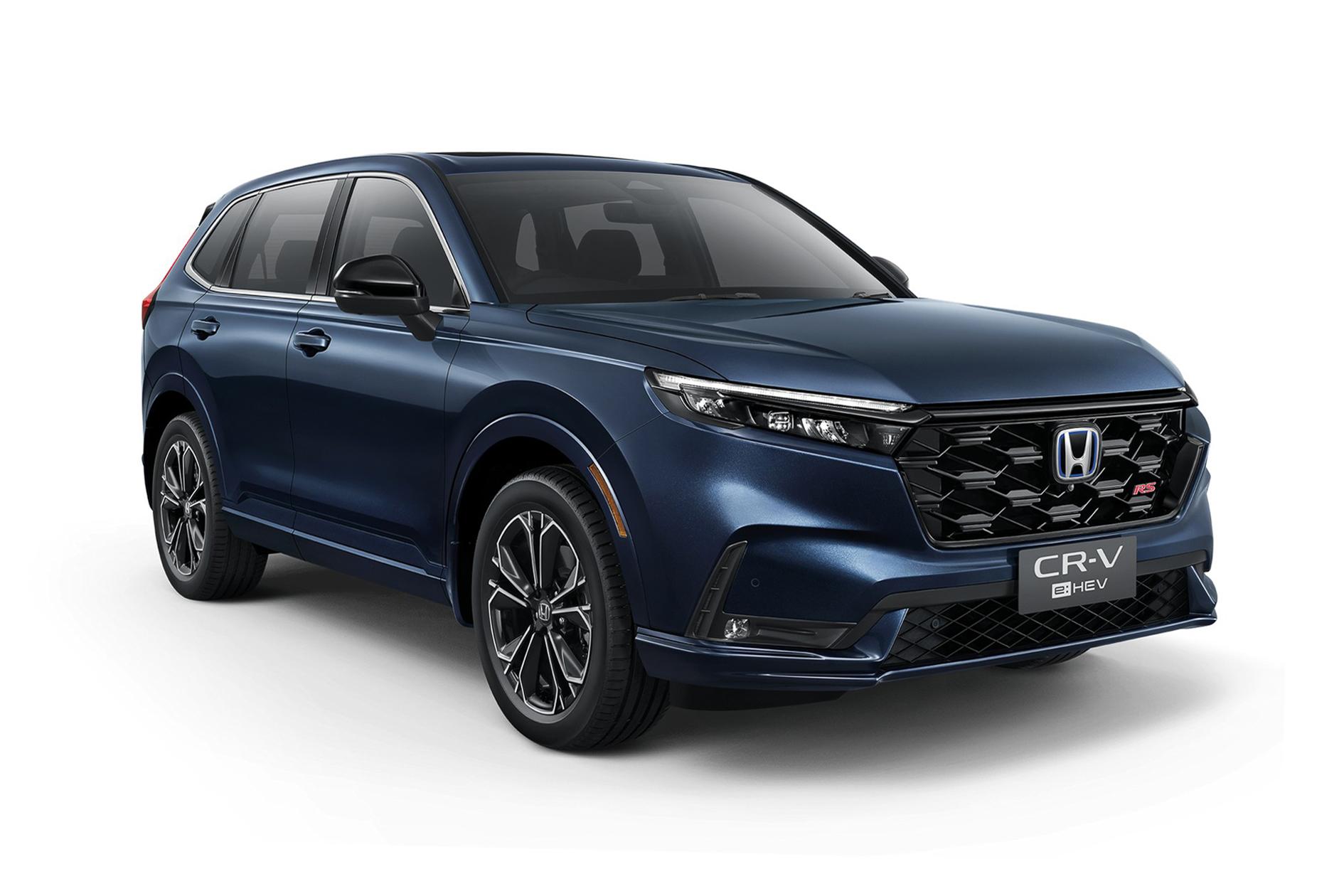
14. **Honda Fit LX (2020): Compact Practicality, Minimal Tech**The 2020 Honda Fit, particularly its base LX trim, stands out as another excellent small city car for those who prefer limited tech features. Crucially, the base Honda Fit LX did not come with a touchscreen display from the factory, reserving that amenity for the Sport trim and higher. This makes the LX an attractive option for drivers seeking a straightforward and intuitive cabin environment.
With a starting price of around $17,145 for the base LX trim, the Honda Fit earned its reputation as one of the most beloved city cars, offering a compelling balance of essential safety and tech features for its size. Despite its compact stature, it boasted an impressive safety profile, evidenced by the National Highway Traffic Safety Administration (NHTSA) awarding the Fit a five-star rating for overall safety, often surpassing some of its competitors.
Higher trims like the EX and EX-L models came equipped with an array of advanced safety technologies, including automatic emergency braking, adaptive cruise control, lane-keeping assist, and forward collision warning. These features earned the Honda Fit full scores from four crash tests conducted by the IIHS, placing it on par with rivals such as the Nissan Versa and Toyota Yaris. Interestingly, sales numbers for the Fit LX base model indicated that many consumers actively preferred or at least did not mind the absence of a touchscreen, with some drivers even arguing that in-car touchscreens can pose a driving hazard.
For zipping around town or handling daily errands, the Fit’s 1.5-liter four-cylinder engine, which outputs around 128 horsepower, provided ample power. While it was not available in all-wheel-drive versions, it effectively utilized its front-wheel-drive system. Despite its deceptively small appearance, the Fit was ingeniously designed to comfortably house five passengers, offering adequate legroom and headroom, and its Magic Seat system allowed for impressive cargo flexibility, with trunk space sufficient for two small carry-on bags or plenty of grocery bags.
Opinions on the Honda Fit’s exterior design were often divided among fans, but its interior design, characterized by stellar plastic materials and a modern layout, generally received high praise. Small cars are inherently preferred for their fuel efficiency, and the Honda Fit was no leader in this regard. Across its models, drivers could consistently expect to achieve impressive figures of about 36 MPG for combined city and highway driving. These strong EPA ratings firmly established the Honda Fit as one of the most fuel-efficient vehicles in the subcompact car segment. Its combination of affordability, robust safety features, and exceptional fuel efficiency made the Honda Fit a go-to vehicle for a broad spectrum of small-car enthusiasts who appreciated its no-fuss, practical approach to motoring.
**The Road Ahead: Reclaiming the Drive**
The automotive world is at a crossroads, where the relentless pursuit of digital integration clashes with a growing demand for simpler, more focused driving experiences. While touchscreens and advanced infotainment systems are undeniably the bells and whistles of the modern motor industry—getting bigger, better, and faster—they are not universally loved. For many, particularly seniors or technophobes who simply want a reliable car for daily commutes, an overload of tech isn’t just unnecessary; it can be a significant distraction and a source of frustration.
It’s becoming increasingly challenging to find new car models that omit touchscreen infotainment systems entirely, as automakers strive to keep pace with consumer trends favoring more technology. Yet, the conversation is far from settled. A growing concern within the motor industry and among safety advocates is that larger touchscreen displays are indeed becoming genuinely distracting. This critical dialogue revolves around ensuring that cars remain safe and efficient, without compromising driver focus.
Car Model Information: 2009 Honda Fit Sport
Name: Honda Fit/jazz
Manufacturer: Honda
Aka: Dongfeng Honda
Production: June 2001 – present
Class: Subcompact car
BodyStyle: hatchback
Layout: Front-engine, front-wheel-drive layout,Front-engine, four-wheel-drive layout
Platform: Honda Global Small Car
Predecessor: Honda Logo
Successor: Honda City#GN
Categories: 2010s cars, 2020s cars, ASEAN NCAP superminis, All-wheel-drive vehicles, All Wikipedia articles written in British English
Summary: The Honda Fit (Japanese: ホンダ・フィット, Hepburn: Honda Fitto) or Honda Jazz is a small car manufactured and marketed by Honda since 2001 over four generations. It has a five-door hatchback body style and is considered a supermini in the United Kingdom, a subcompact car in the United States, and a light car in Australia. Marketed worldwide and manufactured at ten plants in eight countries, sales reached almost 5 million by mid-2013. Honda uses the “Jazz” nameplate in Europe, Oceania, the Middle East, Africa, Hong Kong, Macau, Southeast Asia and India; and “Fit” in Japan, Sri Lanka, China, Taiwan and the Americas.
Sharing Honda’s global small car platform with the City, Airwave, first-generation Mobilio, Freed and HR-V/Vezel, the Fit is noted for its one-box or monospace design; forward-located fuel tank; configurable seats that fold in several ways to accommodate boot space in varying shapes and sizes— and boot volume competitive to larger vehicles.
Honda released hybrid petrol-electric versions of the Fit in Japan in October 2010 and in Europe in early 2011. In 2012, Honda released the Fit EV in the United States and Japan, a limited-production all-electric version based on the second-generation, widely regarded as a compliance car.
The fourth-generation model released in 2019 is currently sold in Japan, Europe, China, Taiwan, South Africa, Brunei and Singapore. Starting from 2020, the model was phased out in most Southeast Asian and Latin American countries, to be replaced by the larger City Hatchback, while it was withdrawn entirely from the North American market due to falling demand within the subcompact segment.
Get more information about: Honda Fit
Buying a high-performing used car >>>
Brand: Honda Model: Fit
Price: $9,661 Mileage: 84,571 mi.
The hope for the future is that advancements in safety technologies will continue to increase in both number and efficiency, making our roads safer for everyone. But for those who yearn for the pure, unmediated joy of driving, the good news is clear: you don’t have to surrender to the digital tide. Whether it’s through selecting a stripped-down base model, embracing the utilitarian charm of a work truck, finding a used gem from a simpler era, or opting for brands that still champion physical controls, cars that prioritize the act of driving—rather than just connecting—are still out there. Your journey back to driving simple begins now.