
With the convenience and accessibility of online car auctions, more and more people are turning to the internet to find their dream vehicles. These platforms combine the benefits of an online environment with the thrill of an auction-style sale, making the process of buying and selling a car easier. The opportunity to find a decent car at a bargain price is what draws many car enthusiasts and potential buyers to online auctions, offering an extensive assortment of vehicles from luxury models to well-worn workhorses.
However, it’s important to approach online car auctions with caution and knowledge to avoid common mistakes that can lead to disappointment and financial loss. While car auctions can offer an enticing array of vehicles at potentially attractive prices, there are several underlying risks that potential buyers should consider. Understanding these potential pitfalls is crucial for anyone looking to navigate this process successfully and avoid costly errors.
This article delves into the inherent hazards buyers may face, moving beyond the apparent savings to reveal the often-overlooked dangers that can turn a seemingly good deal into a significant financial burden. By shedding light on these critical mistakes, we aim to equip you with the knowledge needed to make informed decisions and protect your investment in the competitive world of online car auctions.

1. **Inadequate Vehicle History Research**
One of the most significant pitfalls when bidding at online car auctions is failing to thoroughly research the vehicle’s history. Many online platforms do provide detailed information, including mileage, accident history, and maintenance records. However, some auction houses may be more reticent about divulging the full extent of a vehicle’s condition, making comprehensive reports problematic to obtain.
Failing to review available information can lead to purchasing a vehicle with hidden problems, which can be costly to fix down the line. It is advisable to use reputable websites that offer comprehensive vehicle history reports. These reports can provide insights into the car’s past ownership, any reported accidents or damage, and its service and maintenance records.
Bidding on cars with a bad history can be a particularly costly mistake. It is crucial to review the vehicle’s history report and pay attention to any red flags such as accidents, flood damage, or salvage titles. Purchasing a car with a problematic history can lead to ongoing repairs, reduced resale value, and significant financial strain.
Limited access to crucial vehicle history reports significantly impairs a buyer’s ability to make informed decisions about the vehicle’s provenance and past issues. Without this foundational knowledge, buyers operate at a distinct disadvantage, making them vulnerable to undisclosed past incidents that could affect the car’s performance and safety.
By gathering as much historical information as possible, you can make an informed decision and avoid bidding on a ‘lemon.’ This proactive approach is essential for mitigating risks associated with unknown vehicle backgrounds and ensuring you invest in a car that meets your expectations for reliability and longevity.
Read more about: America’s Iconic Sports Car: Decoding the Most Problematic Corvette Models in History to Help You Buy Smart

2. **Insufficient Physical Inspection Opportunities**
Ignoring the inspection period is one of the biggest mistakes people make when participating in online car auctions. Most reputable auction platforms provide a designated time frame during which you can inspect the vehicle in person or hire a professional to do it for you. This period allows you to assess the car’s condition, verify its features, and identify any potential issues.
However, the frenetic pace of car auctions frequently allows for only cursory vehicle inspections, or in many cases, online auctions do not offer the opportunity to test drive the vehicles. This constraint hampers the ability of potential buyers to perform a meticulous examination of the car, leaving them with an inadequate understanding of its actual condition.
Without a proper inspection, you might discover undisclosed problems or realize that the car doesn’t meet your expectations only after winning the bid. While some auction sites have full photographs, vehicle history reports, and descriptions on their lists, that is not the same as a physical inspection done by the purchaser or a trusted third party.
It’s essential to take advantage of any available opportunity to thoroughly evaluate the vehicle before committing to a bid. If a physical inspection is not possible, gather as much information as possible from descriptions and photos, and consider having a third-party inspection arranged if the platform allows it for added peace of mind.
Failing to inspect the car before placing a bid is a significant mistake that can lead to unexpected surprises. Even with comprehensive online information, a physical assessment is invaluable for identifying issues that might not be visible in photos or explicitly mentioned in descriptions, making it a critical step for serious buyers.
Read more about: The Unexpected Urban Conundrum: Why Owning a Car in the City Can Become a Significant Liability

3. **Risk of Hidden Mechanical and Cosmetic Damage**
Cars sold at auctions may harbor concealed mechanical problems that are difficult to identify during a cursory inspection or from online listings alone. Auction houses may be reticent about divulging the full extent of a vehicle’s condition, increasing the probability of concealed issues. Consequently, bidders may unwittingly purchase cars with hidden damage, which could result in expensive repairs down the line.
The inability to test drive the vehicle, a common limitation at auctions, deprives potential buyers of crucial insights into the vehicle’s performance and handling. As a result, latent mechanical issues may remain undetected until after the purchase, leading to significant post-acquisition costs and frustration.
Such hidden issues can culminate in costly repairs and potential safety hazards, making them a serious concern for buyers. Purchasers should be ready to discover mechanical issues or cosmetic damage that is not visible in their auction listing, even with seemingly detailed descriptions and photographs.
This lack of transparency about the vehicle’s true condition is a substantial risk. Without the opportunity for a thorough examination and a test drive, buyers are relying heavily on the seller’s representation, which may not always be complete or accurate, and could hide serious underlying problems.
The risk of hidden damage directly impacts the overall cost-effectiveness of an auction purchase. What appears to be a bargain price can quickly escalate once post-purchase repairs become necessary, potentially wiping out any initial savings and turning a seemingly good deal into a financial drain.
Read more about: Mechanic’s Crucial Warning: 15 Popular Vehicles That Turn into Costly Financial Traps Well Before 120,000 Miles

4. **Overspending Due to Bidding Pressure and Lack of Budget**
Entering an online car auction without a predetermined budget is a recipe for financial disaster. It’s easy to get caught up in the excitement of bidding and end up overspending on a vehicle that may not be worth the price. The competitive nature of auctions exerts immense pressure on bidders, compelling them to make snap decisions.
Bidding wars can quickly escalate the price of a vehicle beyond its actual value. It’s important to recognize when you are getting caught up in a bidding war and take a step back to reassess the situation. Remember, your goal is to secure a good deal, not to win at all costs, as the adrenaline rush can easily lead to over-bidding.
This environment may lead to impulsive bids, consequently increasing the likelihood of overpaying for a vehicle. Auction circumstances make it challenging to ascertain the true value of a car accurately. Without sufficient time to scrutinize the vehicle and research its market value, potential buyers may struggle to gauge whether they are securing a fair deal.
Car auctions can be susceptible to a phenomenon known as the “winner’s curse,” where the winning bidder overpays for an item due to the competitive nature of the process. Overpaying for a car not only puts a strain on the buyer’s finances but may also lead to buyer’s remorse, turning a potential triumph into a regret.
Therefore, it is crucial to set a realistic budget and stick to it throughout the bidding process. Consider factors such as the car’s market value, condition, and potential repair costs when determining your budget. Setting a maximum bid amount based on your budget and sticking to it is key to avoiding financial overextension.
5. **Unexpected Additional Costs and Hidden Fees**
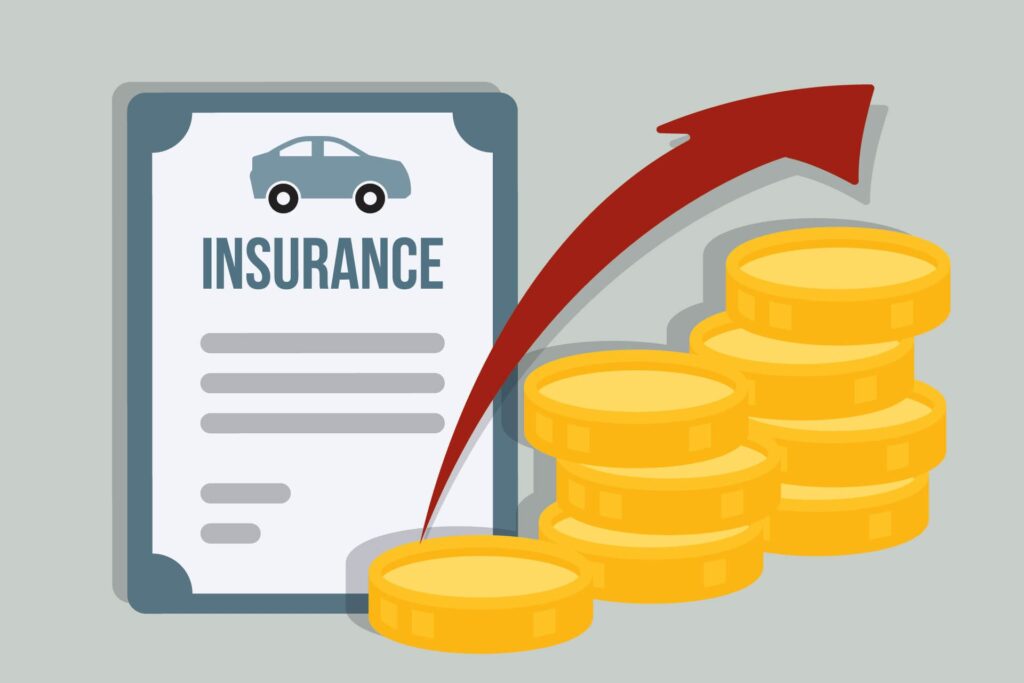
When bidding on a car at an online auction, it’s crucial to consider the additional costs beyond the winning bid. These costs may include buyer’s fees, transportation fees, taxes, and registration expenses. Failing to account for these expenses can significantly impact your budget and the overall affordability of the vehicle.
Various auction sites might charge a whole array of fees, including buyer’s premiums, storage fees, transportation, and, potentially, taxes. The buyer’s premium is a percentage of the winning bid that is added to the final price, which can range from 5% to 10% depending on the auction house.
Additionally, some auctions might charge processing fees, document fees, and even storage fees if a vehicle is not picked up within a specified time. Not accounting for these costs in your budget can easily turn a good deal into an over-budget purchase, making it essential to thoroughly review the platform’s fee structure.
Car auction fees can vary widely, depending on whether you’re attending an online auction or a live auction. For instance, if you win a car for $10,000 and the buyer’s premium is 10%, you’ll need to pay an additional $1,000, bringing the total cost to $11,000, before factoring in other potential charges.
Before participating in an auction, research and understand the additional costs associated with the purchase. This way, you can accurately calculate the total expenditure and avoid any financial surprises, ensuring that you truly understand the comprehensive price of your potential acquisition.
Read more about: Slash Hundreds: The Ultimate Lifehacker Guide to Negotiating Your Car Repair Bill

6. **Unclear Auction Terms and Conditions**
Every online car auction has its own set of terms and conditions that outline the rules and guidelines for bidding and purchasing. Failing to read and understand these terms can lead to misunderstandings and unfavorable situations, putting the buyer at a significant disadvantage.
It’s very important to understand the rules of every platform, their registration processes and fees, and the bidding dynamics before starting. Some auctions are designated for dealerships and wholesalers; some are directly for private buyers, each with their own unique stipulations.
Take the time to carefully read and comprehend the auction’s terms and conditions before placing any bids. Pay attention to important details such as payment methods, delivery options, return policies, and what recourse is available if something goes wrong. Being well-informed will help you avoid any potential issues and ensure a smooth transaction.
Not being fully aware of these terms can lead to unexpected obligations or limitations post-purchase. For example, some auctions operate strictly on an “as-is” basis, meaning once the bid is won, the buyer assumes all responsibility for any defects, with little to no opportunity for returns or refunds.
By diligently reviewing the fine print, you can anticipate potential challenges and confirm that the auction’s rules align with your expectations and risk tolerance. This proactive step is fundamental for protecting your interests and ensuring a transparent and agreeable purchasing experience.

7. **Misleading Descriptions and Photos**
When browsing through online car auctions, it’s essential to thoroughly examine the vehicle descriptions and accompanying photos. These resources provide valuable insights into the car’s condition, features, and any existing damage, yet they are not always entirely reliable.
Don’t rush through the descriptions or rely solely on the photos, as there is always a potential for scams or listings that are inaccurate. While online auctions provide detailed descriptions and photos, these visual and textual representations may not fully capture all existing issues or accurately convey the vehicle’s true state.
Look for any red flags or discrepancies between the written information and the visual representation. If something seems unclear or suspicious, reach out to the auction platform or seller for clarification before placing a bid, as incomplete or misleading information can mask significant problems.
Misleading descriptions can manifest in various forms, such as downplaying major cosmetic flaws, omitting mention of critical mechanical issues, or using generic photos that don’t accurately represent the specific vehicle being sold. Such inaccuracies can severely distort a buyer’s perception of the car’s actual value and condition.
To mitigate your risk, make sure you are checking marketplace reviews and feedback from other buyers about the seller, and communicate with the seller directly if possible. You can also ask for more photos or possibly have a third-party inspection for peace of mind, knowing what you are truly buying.
Read more about: The Untapped Car Insurance Loophole That Could Slash Your Premiums by Up to 45 Percent This Year

8. **Impulsive Bidding and Lack of Strategy**
One significant hazard in the online auction environment is the tendency towards impulsive bidding, often fueled by the adrenaline rush that accompanies competitive situations. Many participants find it easy to get carried away by the excitement, leading to hasty decisions without proper consideration of the vehicle’s true value or their own financial limits. This competitive nature of auctions exerts immense pressure on bidders, compelling them to make snap decisions that can ultimately result in overpaying for a vehicle.
Approaching online car auctions without a well-defined bidding strategy is a direct path to haphazard decisions and missed opportunities. Without a clear plan, buyers are more susceptible to the “winner’s curse,” a phenomenon where the winning bidder overpays due to the competitive dynamic. The excitement of the moment can easily lead to over-bidding, pushing the purchase price beyond what is financially sensible or the car’s actual market value, potentially leading to buyer’s remorse.
To counteract this, it is crucial to develop a clear plan before the auction begins. This strategy should include setting a maximum bid amount based on your budget, identifying the specific types of vehicles you are interested in, and even prioritizing your bids. Having a strategy helps you stay focused, maintaining a level head and a sense of calm even when the bidding intensifies, significantly increasing your chances of success and avoiding financial overextension.
Patience and thoughtful decision-making are paramount for successful auction experiences. Take the necessary time to carefully evaluate each vehicle, comparing it against your specific needs and established budget. Do not allow the fear of missing out or the pressure of time constraints to force you into impulsive bidding, as a disciplined approach ensures that you secure a good deal rather than winning at all costs. This is also where the assurance of pre-approved finance can prove exceptionally helpful, providing a clear financial boundary to prevent overspending.
Read more about: Vanity Fair Uncovers: The Hidden Life of Jerry Lewis, From Invented Pasts to Manipulative Power

9. **Vulnerable to Scams and Unreputable Sellers**
While the majority of online car auctions are legitimate platforms for transactions, like any online marketplace, there can be “bad actors” and various forms of scams. Buyers face the risk of encountering listings that are inaccurate or deliberately misleading, ranging from downplaying major cosmetic flaws to omitting critical mechanical issues, or even using generic photos that do not truly represent the specific vehicle being sold. Such inaccuracies can severely distort a buyer’s perception of the car’s actual value and condition, transforming a promising deal into a significant disappointment.
Scams can manifest in several ways, including outright misrepresentation of vehicle conditions, or even “shill bidding,” where sellers artificially inflate prices by using fake bids. Without proper diligence, buyers may unwittingly engage with untrustworthy sellers, jeopardizing their investment. The anonymous nature of some online interactions makes it challenging to ascertain the true legitimacy of every seller, necessitating a cautious and critical approach to every listing.
To mitigate the risk of falling victim to scams or unreputable sellers, it is vital to conduct thorough due diligence. Start by checking marketplace reviews and feedback from other buyers about the seller, as reputable auction platforms often provide ratings and reviews that help assess trustworthiness. Avoid dealing with sellers who have numerous complaints or a history of negative reviews, as this can be a strong indicator of potential problems and a lack of principled business practices.
Furthermore, direct communication with the seller, if possible, can provide additional clarity and peace of mind. Asking for more photos or arranging a third-party inspection, where the platform allows, can also help verify the listing’s accuracy. It is essential to do business with established, well-known auction sites or in-person events that follow strict industry regulations, always researching the vehicle history and verifying the auction’s overall reputation to ensure a secure online interaction and avoid unscrupulous scammers.
10. **Lack of Warranty and Limited Recourse**
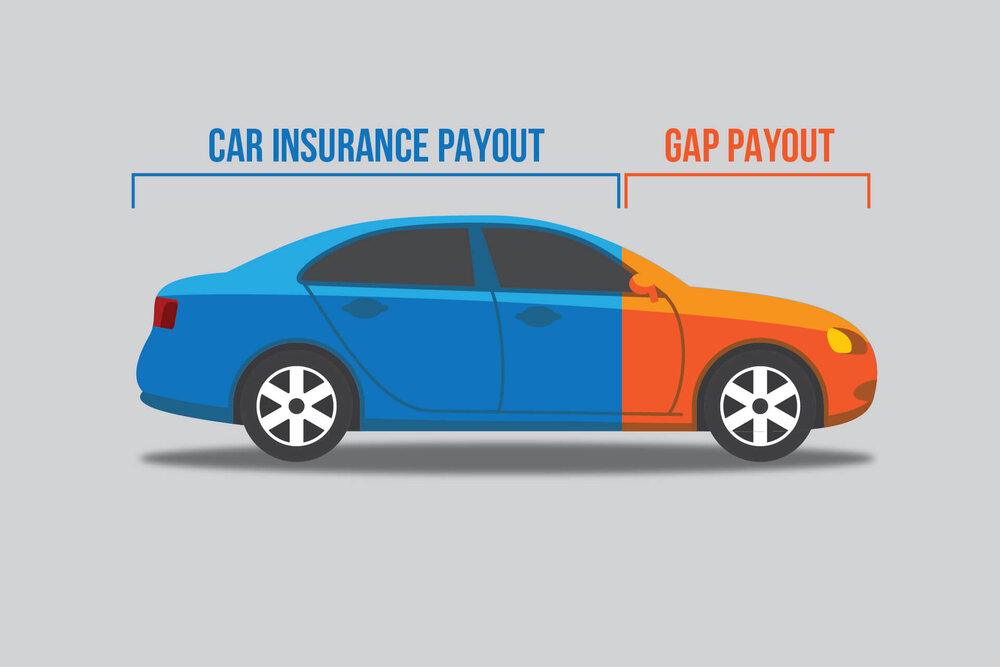
A critical aspect that distinguishes auction purchases from those made through dealerships is the typical absence of warranties or guarantees. Vehicles purchased at auctions are almost invariably sold “as-is,” meaning that once a buyer wins a bid, they assume all responsibility for the vehicle, regardless of any hidden defects or unforeseen issues that may arise post-purchase. This lack of protection means that any unexpected issues or defects become solely the buyer’s financial and logistical responsibility.
This “as-is” policy is a significant departure from the consumer protections often afforded by traditional dealerships, which are frequently obliged to offer a warranty on each purchase. At an auction, there is no “right to repair” agreement, and the vehicle is bought “voetstoets,” a term signifying that it is purchased with all its existing faults, whether visible or hidden. This daunting prospect for some buyers highlights the importance of thorough pre-purchase inspection and understanding of the inherent risks involved.
Moreover, if a buyer encounters problems with a car purchased at an auction, their options for recourse are often severely limited. Unlike traditional retail purchases where returns or refunds might be possible, auction houses generally adhere to their “as-is” policy, leaving buyers with little opportunity for formal redress in the event of unexpected issues or disputes. This can turn a seemingly good deal into a substantial financial burden if major repairs are needed shortly after the purchase.
While formal recourse might be scarce, if you discover undisclosed issues after winning a bid, it is still advisable to review the auction’s return policy, if one exists, and contact the seller to discuss the situation. Providing concrete evidence of undisclosed problems and attempting to negotiate a resolution might be possible in some cases. However, buyers should be prepared for potentially unfavorable outcomes due to the inherent nature of auction sales, emphasizing the necessity of a highly cautious and informed approach from the outset.
Read more about: 15 Crucial Reasons Why You Should Think Twice Before Buying a Used Car from a Dealership
11. **Logistical Challenges and Location Costs**
One often-overlooked danger when participating in online car auctions is the myriad of logistical challenges and associated location costs that can significantly impact the overall expenditure. Not considering the physical location of the car before placing a bid can lead to unexpected challenges and substantial expenses. If the vehicle is situated far away from your area, perhaps in a different state or even country, the transportation costs required to move it to your desired location can quickly become significant.
These transportation fees are not always immediately apparent and can add up considerably, potentially wiping out any perceived savings from the auction price. It is crucial to factor these costs into your budget calculations well in advance of placing any bids. Failing to account for such expenses can easily turn what appeared to be a bargain into an over-budget purchase, creating an unwelcome financial surprise post-acquisition and causing significant financial strain.
Beyond the direct transportation fees, buyers must also consider other potential logistical expenses. Some auction sites may charge additional storage fees if a vehicle is not picked up within a specified timeframe after the sale. This can introduce further unexpected costs, especially if there are delays in arranging transport or if the buyer cannot immediately retrieve the vehicle, underscoring the importance of a comprehensive financial plan that goes beyond the winning bid.
Therefore, before committing to a bid, it is imperative to research and understand all additional costs associated with acquiring the vehicle, including transport, storage, and any border or customs fees for international purchases. Taking into account the entire logistics of acquiring the vehicle, from its current location to its final destination, and factoring in all associated costs, is a fundamental step for preventing financial surprises and ensuring a transparent understanding of your total investment.
Read more about: The Hydraulic Hurdle: 14 Forklifts Under Scrutiny – Evaluating Power, Performance, and Practicality for Modern Operations

12. **Risks from Previous Ownership and Maintenance**
Purchasing a vehicle from an online auction often comes with inherent risks stemming from its previous ownership and maintenance history, which can be difficult to ascertain fully. Uncovering the comprehensive history of a vehicle’s prior ownership is frequently a challenging task at car auctions, creating a significant degree of uncertainty for potential buyers. Without this crucial information, buyers remain largely uninformed about how the vehicle was utilized, maintained, or potentially neglected by its previous owners.
Limited access to crucial vehicle history reports can significantly impair a buyer’s ability to make informed decisions about the car’s provenance and past issues. While some platforms provide data, the full extent of a vehicle’s condition, especially concerning its long-term care, may not be explicitly detailed. This informational gap leaves buyers vulnerable to undisclosed problems that could affect the car’s long-term performance, safety, and reliability, making it a distinct disadvantage compared to purchasing from a transparent seller.
A particularly concerning aspect is the likelihood that the previous owner of a repossessed vehicle, a common source for auction cars, may not have had the financial capacity to keep up with regular servicing and maintenance. This neglect can lead to a host of underlying mechanical issues that might not be immediately apparent, even during a brief inspection. Such a history of poor maintenance could also impact any potential warranty claims with the car’s manufacturer, further diminishing the vehicle’s value and increasing future repair costs.
The risks associated with hidden damage and mechanical issues, often linked to an unknown maintenance past, can culminate in sizeable repair and maintenance costs post-purchase. What might appear to be a bargain price at auction can quickly escalate once necessary repairs become evident, potentially wiping out any initial savings and turning a seemingly good deal into a substantial financial drain. Purchasing a car with a problematic history can lead to ongoing repairs, reduced resale value, and significant financial strain, emphasizing the necessity of extreme caution regarding a vehicle’s past.
Read more about: Tesla’s Software Frontier: Unpacking the Promises, Hidden Perks, and Critical Pitfalls for Owners

13. **Potential for Buying a Stolen Vehicle**
While generally uncommon, there is a tangible, albeit low, possibility that a car offered for sale at an online auction could be a stolen vehicle. This risk, though infrequent, carries severe consequences that can extend far beyond financial loss. Unwittingly purchasing a stolen vehicle can lead to a complex web of legal entanglements, including investigations, court appearances, and the potential for the car to be confiscated by law enforcement without any compensation to the buyer.
The legal ramifications of acquiring a stolen vehicle are profound. Buyers might face the loss of their entire investment, as they would be forced to surrender the car to its rightful owner without any recourse for reimbursement from the auction house or seller, especially under “as-is” terms. This highlights a critical vulnerability in the online auction process, where the origin and legitimate ownership of a vehicle might not always be thoroughly vetted or transparently disclosed.
To mitigate this rare but serious risk, thorough research into the vehicle’s history is absolutely paramount. It is advisable to use reputable websites that offer comprehensive vehicle history reports, which can provide insights into a car’s past ownership, any reported liens, and any flags related to theft. These reports serve as a vital tool for verifying the legitimacy of the vehicle and its ownership chain, offering a layer of protection against fraudulent sales and potential legal entanglements.
Diligent buyers should pay close attention to any red flags that may appear in the vehicle history report or during their review of the auction listing. Discrepancies in ownership records, missing documentation, or an unusually low price that seems too good to be true can all be indicators of potential issues. By proactively seeking and scrutinizing all available historical information, buyers can significantly reduce their exposure to the risk of unknowingly purchasing a stolen vehicle.
Read more about: Consumer Alert: The 14 Costly Dealer Add-Ons to Avoid at the Car Dealership
Venturing into the world of online car auctions, though seemingly a gateway to exciting deals, clearly demands a significant degree of caution and informed decision-making. The inherent risks, from impulsive bidding and untrustworthy sellers to the stark realities of “as-is” sales and unforeseen logistical costs, underscore the necessity of a meticulous approach. While these platforms can indeed offer unique finds and potentially attractive prices, the journey requires more than just a winning bid; it calls for a well-researched strategy and an unwavering commitment to due diligence. Ultimately, navigating this complex landscape successfully means arming yourself with knowledge, maintaining a level head, and always prioritizing a secure, transparent transaction over the thrill of a hasty purchase, ensuring your automotive quest ends not in regret, but in genuine satisfaction.