The chilling statistic that brake failures contribute to approximately 22% of all mechanical-related vehicle crashes serves as a stark reminder of just how critical your vehicle’s braking system truly is. While the thought of a significant brake repair bill can be daunting, leading many to simply trust their mechanic implicitly, there’s a valuable truth often overlooked: much of what you need to know about your brakes isn’t a closely guarded secret. It’s accessible knowledge that can empower you to make informed decisions, potentially saving you both money and, more importantly, ensuring your safety on the road.
Understanding the intricacies of your vehicle’s stopping power doesn’t require becoming a certified mechanic overnight. Instead, it involves familiarizing yourself with the core components, recognizing early warning signs, and knowing precisely when you can tackle issues yourself versus when professional expertise is non-negotiable. This proactive approach transforms you from a passive recipient of repair bills into an engaged participant in your vehicle’s maintenance, equipping you with the insights to question, verify, and understand the work being done.
This comprehensive guide will demystify the complex world of automotive brakes, breaking down the system into understandable parts and offering practical, actionable advice. We’ll explore everything from the fundamental mechanics of how your vehicle stops to diagnosing common problems, identifying DIY-friendly fixes, and understanding the critical junctures where professional intervention is truly essential. By the end, you’ll possess a deeper understanding of your brakes, giving you confidence and control over a crucial aspect of your vehicle’s health and your personal safety.
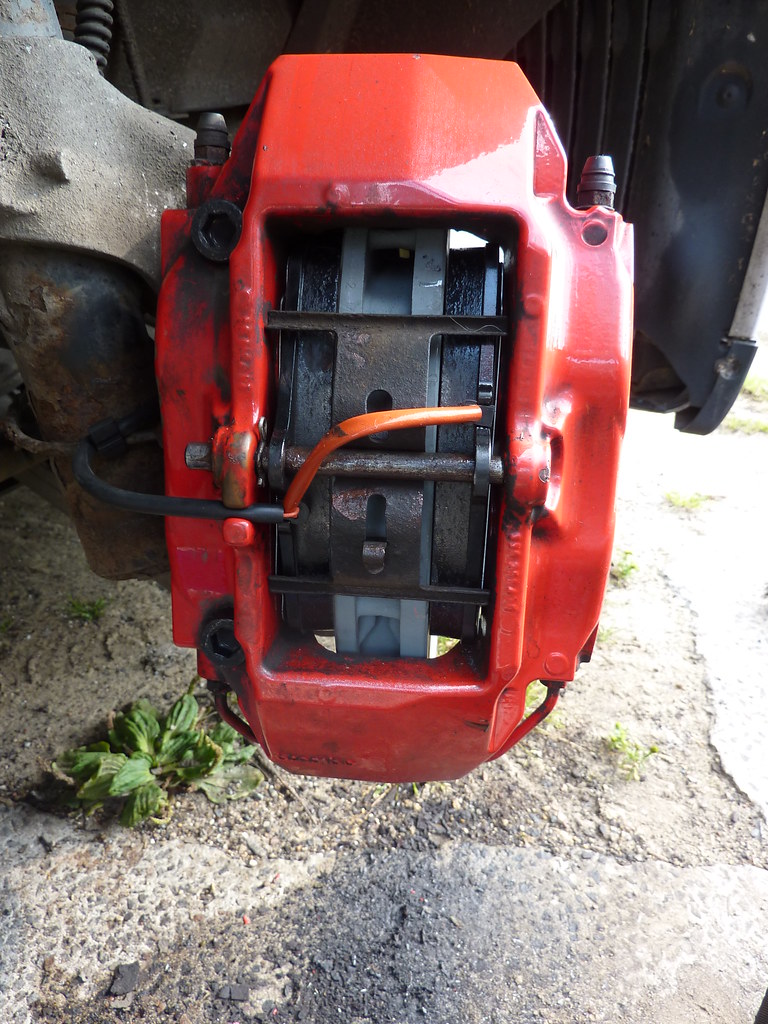
1. **Demystifying Your Brake System: The Essential Components**Before diving into repairs, a foundational understanding of what happens when you press that brake pedal is paramount. Your vehicle’s brake system is a complex network, but its core function is simple: converting kinetic energy into thermal energy through friction, ultimately bringing your vehicle to a safe stop. Recognizing the individual roles of its key players empowers you to better diagnose issues and engage meaningfully with any repair process.
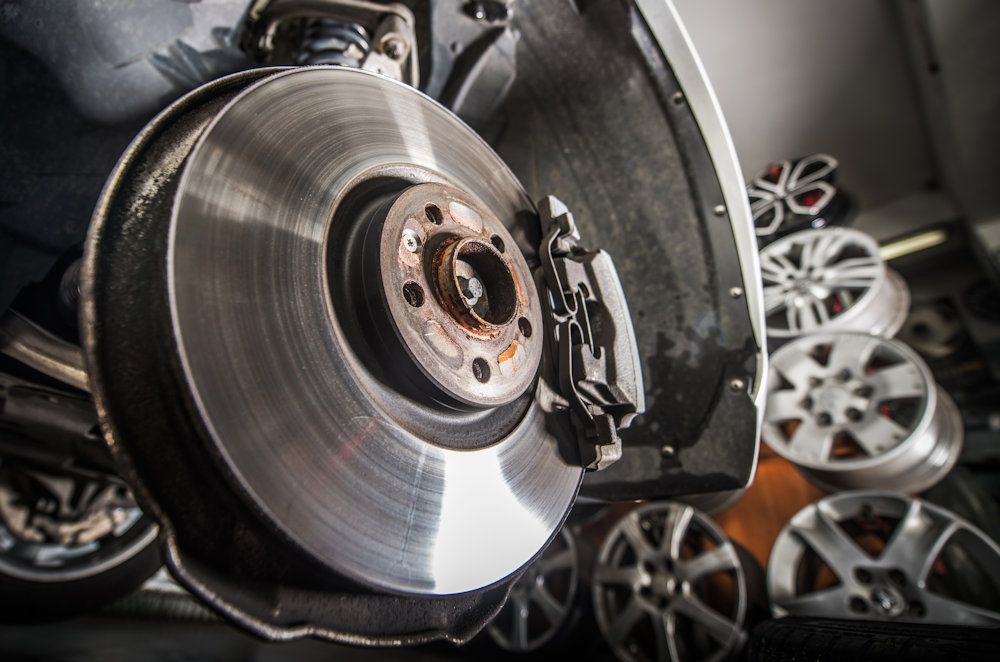
At the heart of friction are the brake pads and rotors (for disc brakes) or shoes and drums (for drum brakes). Brake pads are “the friction material that actually stops the vehicle,” pressing against the rotors, which are “the metal surfaces the friction material presses against.” In disc brakes, calipers house the brake pads and apply pressure. Drum brakes have shoes that press outward against the inner surface of a drum. “Each component’s functionality is significant; if one part fails, the entire system may suffer.”
The hydraulic system is equally critical, starting with “the commander-in-chief that converts pedal pressure into hydraulic force,” the master cylinder. This force transmits through brake lines and hoses to each wheel, using brake fluid. Modern vehicles also integrate an Anti-Lock Brake System (ABS) module and sensors, which are “electronic overseers” to prevent lockup during hard braking. Most vehicles use disc brakes upfront and either discs or drums in the rear, with disc brakes favored for superior heat dissipation and more responsive braking. A clear grasp of these basic components provides essential context for any brake maintenance or repair discussion.

2. **Decoding Warning Signs: Squeals, Grinds, and Pulls**Your vehicle often communicates problems long before they escalate into full-blown failures, and your brakes are no exception. Paying close attention to unusual sounds, vibrations, or changes in how your vehicle behaves when stopping can prevent costly brake repairs and, more importantly, guarantee your safety on the road. Ignoring these cues can lead to far more severe issues, putting your vehicle and its occupants at risk.
High-pitched squealing noises, especially when you brake, are often the first alert that something needs attention. These sounds frequently originate from “wear indicators—small metal tabs designed to make noise when pads wear thin.” They can also result from cheaper brake pad materials or glazed pad surfaces. While not always critical, squealing generally signals it’s time to inspect your pads. A metallic grinding sound, however, is far more serious, indicating “metal-on-metal contact,” meaning “brake pads are completely worn out, with backing plates grinding against rotors.” This demands immediate attention to prevent rotor damage.
Beyond sounds, pay close attention if your vehicle “pulls to one side when braking.” This indicates an uneven distribution of braking force—a potentially dangerous condition. Such a pull can occur because “a caliper is sticking or seized on one side,” applying constant partial braking, or if brake hoses are deteriorating and expanding unevenly. “Uneven pad wear or contamination (like oil or grease) affects friction on one side,” or corroded caliper mounting hardware, can also cause this symptom. “Regularly checking for these warning signs can save you time, money, and assure you stay safe behind the wheel.”
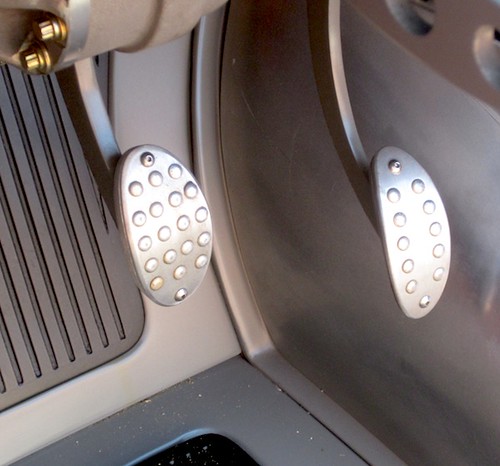
3. **Conquering the Spongy Pedal: Diagnosing and Bleeding Brake Fluid Issues**When your brake pedal sinks too far toward the floor, feeling soft or “spongy,” it’s an unsettling sensation that directly warns of hydraulic system issues. This is because air in brake lines creates compression, reducing braking effectiveness. Other potential culprits include low brake fluid, often a symptom of a leak, or a failing master cylinder with internal seal issues.
Diagnosing the exact cause requires a methodical approach. Perform a “Pedal Feel Test”: with the engine off, pump the pedal several times, then hold firm pressure for 30 seconds. “If the pedal slowly sinks to the floor, you likely have a master cylinder issue.” If it remains firm but is still low, “air in the lines is more likely.” Further, check the fluid level and color in the master cylinder reservoir; it “should be clear to amber, not brown or cloudy.” Inspect for wetness around the master cylinder or fluid on the driver’s side floorboard, and visually check all visible brake lines for seepage with a helper pressing the brakes.
If air in the lines is confirmed, the DIY solution is often a brake bleeding procedure, which expels trapped air. This requires a brake bleeder wrench, clear tubing, a glass jar partially filled with fresh brake fluid, and often a helper. “Verify the correct brake fluid type.” Secure the vehicle on jack stands, then systematically bleed each wheel, typically “Right rear → Left rear → Right front → Left front.” Throughout, “monitor brake fluid reservoir constantly” and “never let it drop below the MIN line to avoid air entering the system.” Once complete, pump the pedal several times to build pressure and perform a careful test drive before regular driving.
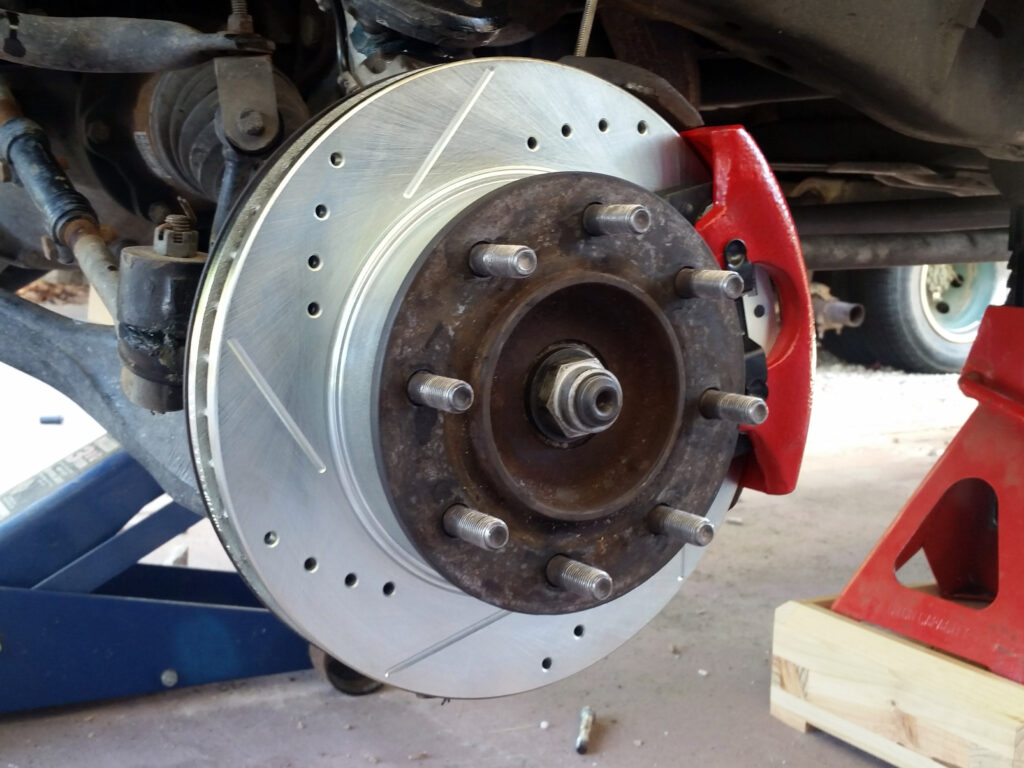
4. **Mastering Brake Pad & Rotor Replacements: When to DIY, When to Pro**Brake pads and rotors are at the forefront of your braking system’s wear-and-tear components. Understanding their replacement cycles is key to maintaining vehicle safety and avoiding inflated repair costs. Brake pads, as the “friction material that actually stops the vehicle,” inherently wear down. Replacing them is a common DIY task, provided you possess some mechanical aptitude and the necessary tools. This can significantly save money compared to professional labor costs.
Regular visual inspection is vital for assessing brake pad health. “Normal pads should have at least 3-4mm of friction material” remaining. It’s crucial to check both inner and outer pads, as “inner pads often wear faster.” Rotors also wear and can become uneven, leading to vibrations. A thorough rotor damage assessment involves looking for “deep grooves, heavy scoring, or blue discoloration,” which indicates excessive heat. Checking for visible cracks or excessive rust is also important.
When it comes to rotor replacement versus resurfacing, “modern rotors are often designed as ‘disposable’ and are more economical to replace than resurface,” especially if they are “deeply scored, cracked, or worn beyond the manufacturer’s specifications.” If replacing, the DIY process involves removing the caliper, removing the caliper bracket, and then pulling the old rotor off. Clean the hub surface thoroughly before installing the new rotor. Reinstall the bracket and caliper, “using a torque wrench for lug nuts and caliper bracket bolts” to prevent warping or safety hazards. After any pad or rotor work, always pump the brakes several times before driving to restore proper pedal feel.
5. **Navigating Brake Fluid Maintenance: Levels, Flushes, and Leaks**While the bleeding process addresses air in the lines, comprehensive brake fluid maintenance extends far beyond that. This often-overlooked aspect of vehicle care is vital for guaranteeing your brakes function effectively and preserving peak performance. Brake fluid is the critical medium that transfers pressure from your foot to the brake calipers and wheel cylinders, making it possible to stop safely.
“Regularly checking your brake fluid levels” is a straightforward DIY task that yields significant safety dividends. Ensure it’s always at the recommended level, typically marked between MIN and MAX lines on the reservoir. “Low brake fluid can lead to decreased braking performance and even brake failure.” If you notice the fluid is low, top it off immediately with “the appropriate type of brake fluid specified in your vehicle’s manual.” Consistently low fluid levels without an obvious reason often point to a leak within the system, which demands professional inspection.
A less visible, but equally critical, issue with brake fluid is its tendency to absorb moisture over time. “Brake fluid can absorb moisture over time, which can compromise its effectiveness.” This absorbed moisture dramatically lowers the fluid’s boiling point, compromising its effectiveness, especially under heavy braking. “Regular fluid maintenance, including flushing and replacing old fluid, is imperative for peak brake performance.” While checking levels can be DIY, if “you notice a brake fluid leak, air bubbles in the brake lines, or if your vehicle’s brake pedal feels spongy,” it’s best to consult a professional for proper diagnosis and bleeding.
Read more about: Don’t Get Robbed at the Auto Shop: 15 Overpriced Car Repairs You Can Avoid or DIY
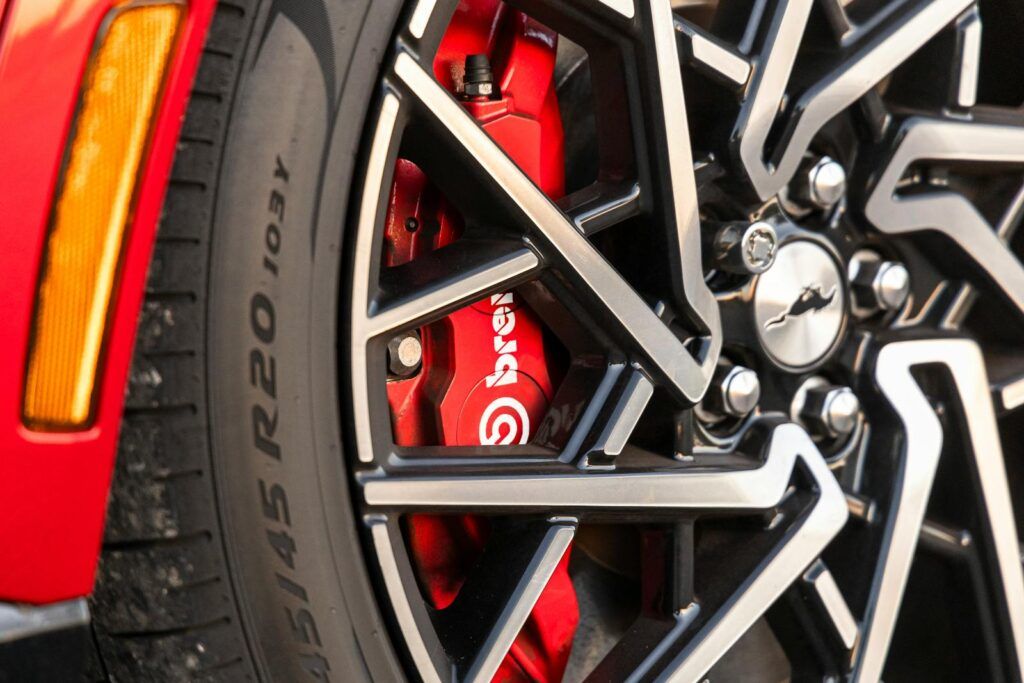
6. **Tackling Caliper and Bleeding Basics: Ensuring Even Braking**Brake calipers play an absolutely pivotal role in the braking process, acting as the clamp that squeezes the brake pads against the rotors to create the necessary friction. Their proper function is non-negotiable for safe and effective stopping. When a caliper malfunctions, it can lead to uneven braking, causing a vehicle to pull to one side, or even a complete loss of braking power on an individual wheel, making it a critical component to understand and maintain for your safety.
Common caliper issues include becoming stuck or seized, meaning “the piston inside isn’t retracting properly,” leading to constant friction and accelerated pad wear. Another serious problem is a fluid leak from the caliper itself, which can rapidly deplete brake fluid levels. DIY enthusiasts can handle “basic maintenance tasks like lubricating the caliper slides or replacing caliper bolts,” which are crucial for ensuring the caliper moves freely and applies even pressure. This simple preventive step can often prevent more severe issues down the line.
However, if you notice severe caliper issues, such as visible fluid leaks, significantly uneven pad wear that suggests a stuck piston, or a completely seized caliper, “professional intervention is essential to ensure the safety of your braking system.” “Properly bleeding the brake system is crucial after replacing brake components or if air gets into the brake lines,” as it ensures “there are no air bubbles that can compromise brake performance.” While bleeding can be DIY if you’re confident in your mechanical skills, “if you’re not experienced with brake system bleeding or if you’re unsure about the process, a professional mechanic can ensure it’s done correctly, preventing potential brake failure.”
Navigating the complexities of your vehicle’s braking system requires a blend of personal knowledge and, often, strategic professional partnership. While Section 1 equipped you with fundamental understanding and actionable DIY diagnostics for common issues, truly ensuring the longevity and safety of your brakes extends into areas where professional expertise becomes invaluable. This section delves into advanced care strategies, emphasizing the importance of informed choices, quality parts, adherence to manufacturer guidelines, and knowing when to confidently engage with certified mechanics to protect your investment and, more importantly, your safety on the road.
7. **Choosing a Certified Technician: Your Partner in Brake Safety**When the complexity of a brake issue surpasses basic DIY fixes, or when routine maintenance demands a deeper inspection, choosing the right professional is paramount. A certified technician brings a level of expertise and training that is critical for accurate diagnosis and effective repair, ensuring your vehicle’s braking system functions exactly as it should. Their foundational knowledge covers the intricacies of various brake systems, including modern electronic controls, which DIY endeavors might overlook.
Certification signifies that a technician has undergone rigorous training and passed standardized tests, validating their skills and understanding of automotive systems. For instance, in Canada, a governmental certification body maintains mechanics’ qualifications, while in the United States, organizations like ASE provide independent testing across more than 57 different specializations. This commitment to ongoing education means a certified professional is continuously updated on new technologies and repair methodologies, providing you with reliable and up-to-date service.
Beyond certification, a technician’s experience plays a pivotal role. An experienced mechanic can often diagnose subtle issues more quickly and accurately, potentially saving you from extensive troubleshooting and unnecessary repairs. They possess the practical wisdom gained from countless repairs, enabling them to identify underlying problems that might not be immediately obvious. This expertise translates directly into more efficient and reliable service, making the investment in a certified, experienced professional a sound decision for your vehicle’s well-being.
When seeking professional brake service, inquire about their certifications and experience. A reputable shop will be transparent about their technicians’ qualifications. This proactive approach ensures you’re entrusting your vehicle to someone with proven capabilities, fostering confidence that your brake repairs will be handled with the highest standards of safety and proficiency.
8. **The Crucial Role of Quality Replacement Parts**Once you’ve identified the need for brake repairs, whether through DIY inspection or professional diagnosis, the choice of replacement parts is a critical determinant of both safety and long-term performance. Opting for quality components isn’t merely a suggestion; it’s an essential aspect of maintaining your vehicle’s integrity, directly impacting how effectively your brakes will respond in critical situations and how long they will last.
Different brake material types exist, each with specific characteristics that affect performance. Ceramic pads, for instance, are known for their quiet operation and clean braking, producing less dust. Metallic pads offer robust stopping power and good heat dissipation, making them suitable for heavier vehicles or aggressive driving. Organic pads, while softer and quieter, may wear faster. Understanding these distinctions helps you select parts that align with your driving habits and vehicle specifications, ensuring optimal braking performance tailored to your needs.
Another significant consideration is the choice between aftermarket and Original Equipment Manufacturer (OEM) parts. OEM parts are manufactured by the same company that made your vehicle’s original components, guaranteeing a precise fit and adherence to the manufacturer’s stringent quality standards. While aftermarket parts can sometimes be more affordable, their quality and compatibility can vary significantly. Investing in OEM components or high-quality aftermarket equivalents ensures that the replacement parts meet the exact specifications of your vehicle, providing reliable performance and greater peace of mind.
Prioritizing quality over initial cost for replacement parts is a financially prudent decision in the long run. High-quality parts typically offer superior durability, requiring less frequent replacement and reducing the likelihood of premature failures. This translates to fewer repair costs over time and, more importantly, consistent and dependable braking performance that is crucial for your safety on every journey.
Read more about: Slash Hundreds: The Ultimate Lifehacker Guide to Negotiating Your Car Repair Bill
9. **Adhering to Manufacturer Recommendations: A Blueprint for Brake Health**Every vehicle is engineered with specific parameters, and its braking system is no exception. Following the manufacturer’s recommendations for brake components and maintenance schedules is not merely a formality; it is a fundamental practice that guarantees your vehicle’s safety, performance, and longevity. These guidelines are the result of extensive research and testing, designed to optimize the performance of your specific model.
Your vehicle’s owner’s manual is an invaluable resource, serving as the definitive guide to its maintenance needs. Within its pages, you’ll find detailed brake specifications, including the recommended type of brake fluid, minimum rotor thickness, and the appropriate torque settings for various bolts. It also outlines essential maintenance guidelines, detailing how often specific brake components should be inspected and replaced. Consulting and adhering to these guidelines ensures that your repairs and maintenance align with the vehicle’s original design intent.
Ignoring manufacturer recommendations can lead to a cascade of problems, ranging from subpar braking performance to potentially dangerous situations. Using incorrect fluid types, installing components that don’t meet specifications, or neglecting scheduled inspections can compromise the entire braking system. Such deviations can accelerate wear, reduce stopping power, and even void warranties, ultimately leading to more significant and costly repairs down the line.
By meticulously following these established guidelines, you uphold the designed integrity of your vehicle’s braking system. This proactive approach significantly contributes to the system’s longevity, maintaining its optimal function and reducing the risk of unexpected failures. It’s a simple yet powerful way to ensure that your brakes consistently deliver the reliable stopping power you depend on for safe driving.
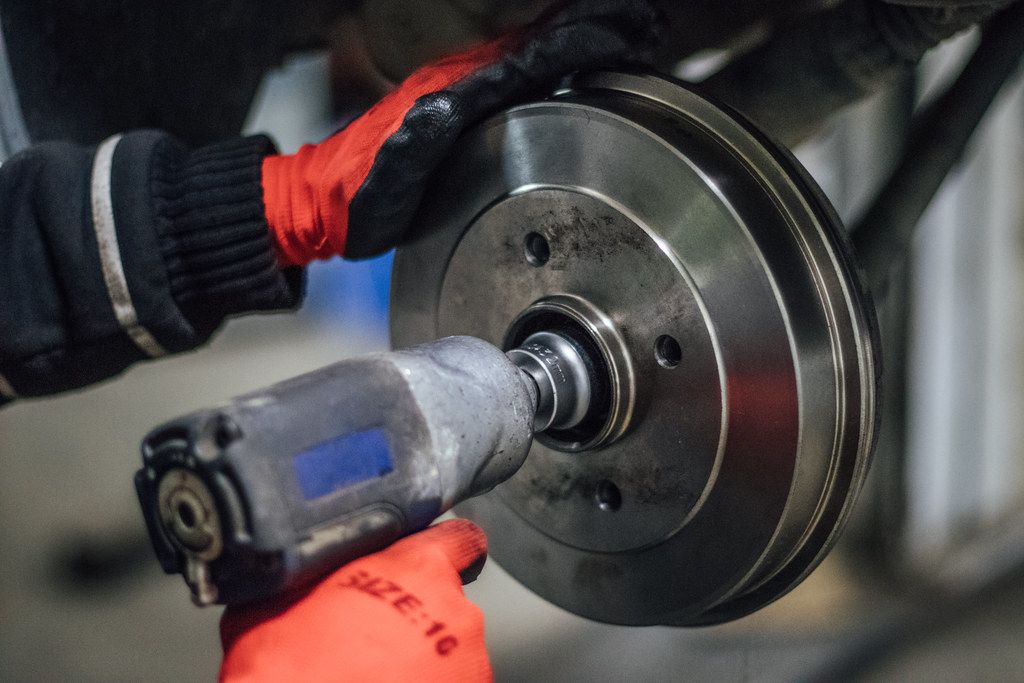
10. **The Power of Proactive Routine Maintenance**While addressing immediate brake problems is crucial, a truly effective strategy for brake care hinges on proactive routine maintenance. This isn’t just about fixing issues as they arise; it’s about preventing them before they escalate, ensuring your brakes remain in peak condition throughout your vehicle’s lifespan. Regular, scheduled maintenance is the most effective way to identify potential concerns early, saving you from more extensive and expensive repairs in the future.
It is widely recommended to schedule routine brake inspections approximately every six months, or as specifically advised in your vehicle’s owner’s manual. These regular check-ups provide a consistent opportunity to assess the health of your entire braking system. They are designed to catch wear and tear at an early stage, long before it impacts performance or compromises safety.
During these comprehensive inspections, a skilled technician will meticulously examine all critical components of your braking system. This includes detailed scrutiny of your brake pads for thickness and even wear, a thorough check of your rotors for signs of warping, scoring, or cracking, and an assessment of your calipers, brake lines, and fluid levels. Any observed wear and tear is carefully documented, allowing for informed decisions on maintenance or replacement, based on expert evaluation rather than reactive problem-solving.
The benefits of prioritizing routine maintenance are manifold. This proactive approach not only significantly extends the operational life of your braking system but also enhances your vehicle’s overall performance and reliability. By staying ahead of potential problems, you not only save money on costly emergency repairs but also bolster your confidence in your vehicle’s ability to stop safely and effectively, providing invaluable peace of mind on every journey.
Read more about: Slash Hundreds: The Ultimate Lifehacker Guide to Negotiating Your Car Repair Bill

11. **The Post-Repair Test Drive: Your Final Safety Check**After any brake repair, whether it’s a minor pad replacement or a more extensive system overhaul, the importance of a thorough test drive cannot be overstated. This critical step is your personal confirmation that the repairs have been performed correctly and that your braking system is fully restored to optimal, safe operation. It’s an essential opportunity for a comprehensive post-repair evaluation, empowering you to verify the quality of the work done.
As you embark on your test drive, pay close attention to how your brakes feel and sound. Engage the brakes gently at first, then progressively more firmly, ensuring a consistent and linear response. Listen carefully for any unusual noises that might indicate residual issues, such as squealing, grinding, or clicking. Simultaneously, monitor for any vibrations felt through the pedal or steering wheel, which could signal problems like warped rotors or improper pad seating.
Crucially, evaluate the pedal feel. It should be firm and responsive, not spongy or overly sensitive. The braking distance should feel appropriate for the applied pressure, without any unexpected pulls to one side, which would indicate uneven braking force. If you detect *anything* that feels off—any unusual sensation, sound, or deviation from normal braking—it is absolutely vital to stop and return the vehicle to the repair shop for further inspection without delay.
This meticulous post-repair test drive is more than just a formality; it is your ultimate safeguard. By actively verifying the performance of your newly serviced brakes, you not only guarantee your personal safety and the safety of your passengers but also confirm the integrity and correctness of the repairs. This final verification step is key to enjoying continued peace of mind and confident driving on the road.

12. **Understanding Warranty Options: Protecting Your Investment**In the realm of automotive repairs, specifically for critical systems like brakes, securing a warranty is a powerful tool for consumer protection. Before authorizing any work, it’s not just advisable but essential to engage in a detailed discussion with your mechanic about the warranty options available for both the parts being installed and the labor involved. This proactive inquiry can save you from unexpected future costs and provide crucial recourse if issues arise post-repair.
Warranties can vary significantly between repair shops and even between different types of repairs. Some establishments might offer limited warranties, covering only specific defects for a short period. Others may provide more extensive coverage that includes both parts and labor for a longer duration, reflecting greater confidence in their work and components. Understanding these different warranty types is key to setting appropriate expectations for potential future service.
When discussing warranties, don’t hesitate to ask specific, clarifying questions. How long does the warranty last? What exact components and services does it cover? Are there any exclusions, such as wear-and-tear items or damage resulting from external factors? Are there specific maintenance requirements you must adhere to for the warranty to remain valid? Getting these details in writing, ideally on your invoice, provides concrete protection.
Knowing the full scope of your warranty coverage empowers you as a consumer. It not only protects your financial investment against premature part failure or faulty workmanship but also serves as a testament to the repair shop’s accountability. A transparent and comprehensive warranty indicates a commitment to quality service and stands as a vital assurance that your brake repairs are backed by a promise of lasting performance and safety.
Maintaining your vehicle’s braking system is a journey of continuous learning and responsible action. From mastering basic DIY diagnostics to strategically partnering with certified professionals, every step you take contributes to greater safety and extended vehicle life. By understanding the intricate components, recognizing early warning signs, making informed choices about quality parts, adhering to manufacturer recommendations, scheduling routine maintenance, and diligently performing post-repair checks, you transform from a passive owner into an empowered steward of your vehicle’s most critical safety system. Embrace this knowledge, and you’ll not only save money but also drive with unparalleled confidence, knowing your brakes are always ready to respond when it matters most. It’s an investment in your safety, your vehicle’s health, and your peace of mind on every mile of the road ahead.