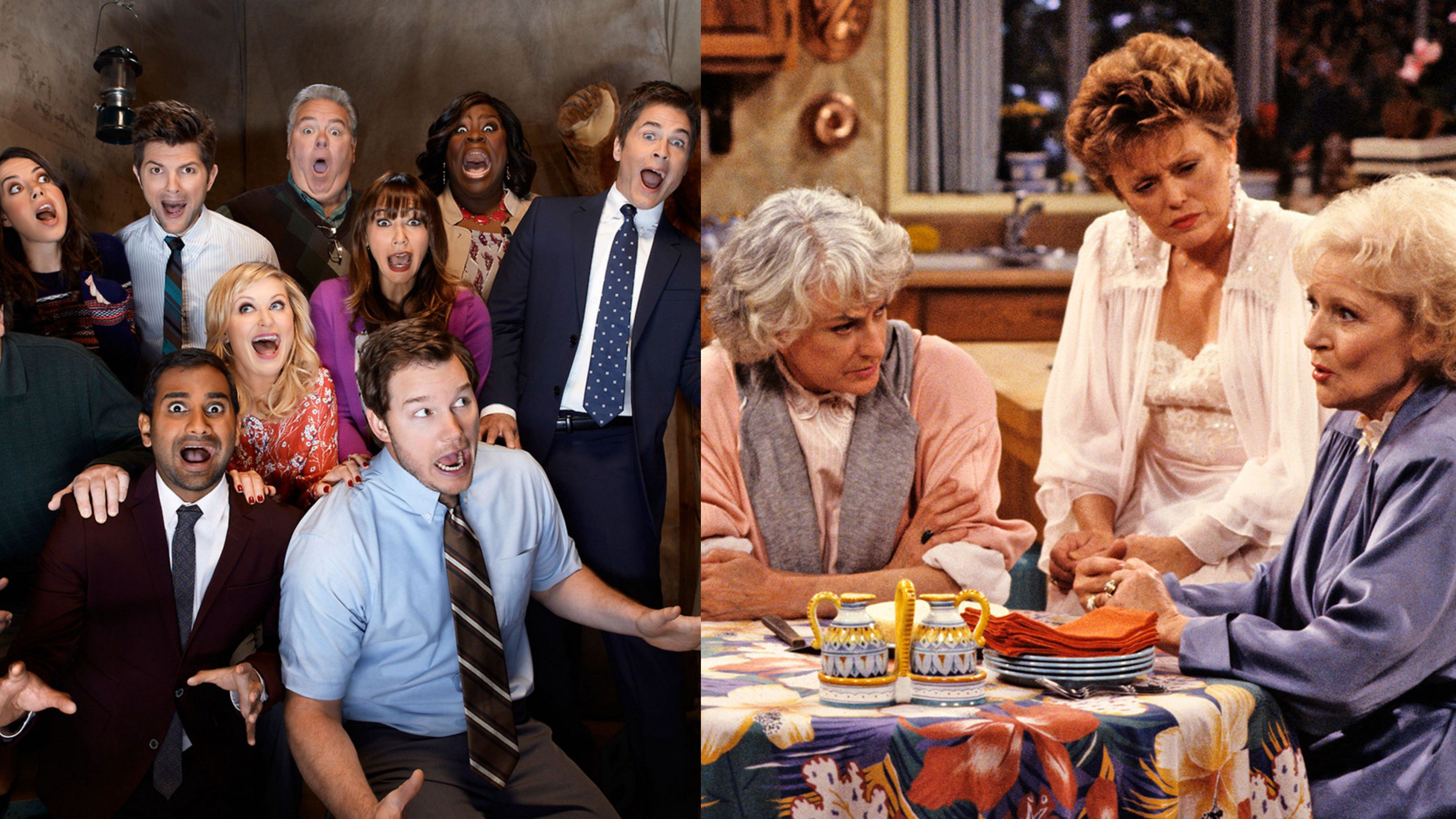
Sitcoms are the ultimate comfort food of entertainment, always ready to deliver laughs and lift our spirits. Unlike more intense genres, we instinctively turn to these familiar worlds and their beloved characters for a dose of cheer. From the pioneering days of “I Love Lucy” in 1951, which solidified the format of characters facing humorous situations, sitcoms have been a staple of our viewing habits. They offer a reliable escape, a predictable rhythm of setup and punchline, and a comforting sense of community with characters who quickly feel like old friends.
In the 70 years since early formats debuted, sitcoms have evolved immensely, moving beyond traditional live-studio-audience setups. From boundary-pushing cartoon shows like “The Simpsons” to mock docuseries like “The Office” and meta-reality absurdity like “Curb Your Enthusiasm,” diverse forms emerged. While their fundamental mission remains to make us laugh, many shows quietly weave themselves into our culture. They leave an indelible mark far beyond their original run, acting like unintentional educators in pop culture’s grand university.
While the idea of ‘sitcom stars teaching in universities’ might not literally translate, the spirit of enduring influence and shared wisdom applies directly to the shows themselves. Many of the best sitcoms were years ahead of their time, whether through groundbreaking jokes, bold representation, or subtle political commentary. They’ve earned a place on our mental ‘syllabus’ through Emmy wins, critical acclaim, cult status, and lasting pop culture impact. Prepare for a deep dive into eight unforgettable sitcoms that, in their unique ways, have ‘taught’ us more than we ever expected.
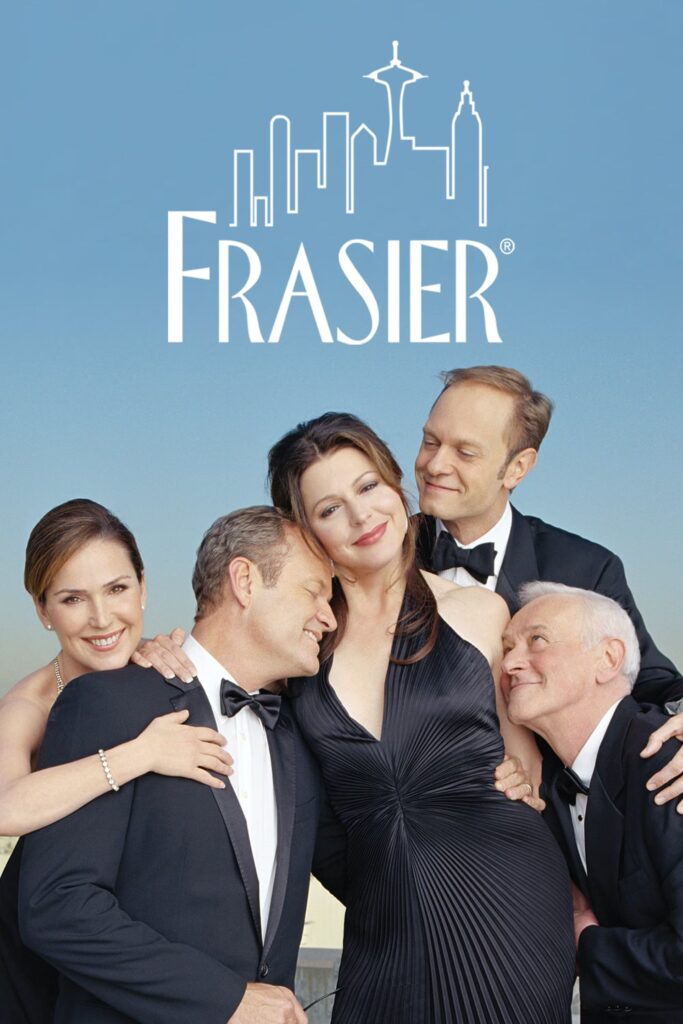
1. **Frasier (1993–2004)**Kicking off our list is “Frasier,” a spin-off that not only succeeded but eclipsed its predecessor in critical acclaim. Kelsey Grammer’s iconic psychiatrist, Frasier Crane, originated in “Cheers” as a love interest for Diane Chambers. His high-brow sensibilities clashing with blue-collar regulars highlighted his comedic potential, setting the stage for his own successful series. This early success laid the groundwork for a show that would redefine intelligent comedy.
Transporting Frasier from Boston to his Seattle hometown opened new comedic possibilities. Reacquainted with his equally uptight, fastidious brother, Niles (David Hyde Pierce), and gruff working-class father, Martin (John Mahoney), the dynamic was rich. The show masterfully mined comedy from the Crane brothers’ intellectual snobbery clashing with their father’s pragmatic approach, creating a timeless ensemble with unparalleled chemistry.
The brilliance of “Frasier” stemmed from its stellar cast and brilliant writers like David Angell, Peter Casey, and David Lee, who ran the show. Their sophisticated scripts, often featuring farcical misunderstandings and rapid-fire banter, elevated the sitcom genre. And who could forget the memorable, if baffling, theme song, “Tossed Salad and Scrambled Eggs,” perfectly encapsulating the Crane world?
“Frasier” stands as one of the most acclaimed comedies, a benchmark for television excellence. It holds the record for most Emmy awards for Outstanding Comedy Series, securing five consecutive wins from 1994 to 1998. With 37 Emmys overall during its 11 seasons, its consistent quality and groundbreaking humor solidified its place as a ‘teacher’ in TV history, demonstrating enduring, intelligent comedy.

2. **Designing Women (1986–1993)**”Designing Women,” premiering in 1986, followed “The Golden Girls” but forged its own identity. Set in the Sugarbaker & Associates design firm, it was a vibrant platform for sharp wit and social commentary. Its formula resonated deeply with audiences seeking intelligent humor and powerful messages, proving female-led narratives could be both entertaining and profoundly impactful.
What distinguished “Designing Women” was its “flashy” approach to politics. As Julia Sugarbaker, Dixie Carter delivered legendary, impassioned speeches, often on being a Southern woman, tackling contemporary issues head-on. The very premise of four women successfully running their own business without male partners was a bold statement, challenging traditional gender roles and showcasing female autonomy.
The series was celebrated for sharp, hilarious writing, tackling progressive, still-relevant storylines. “Designing Women” bravely explored sensitive topics like AIDS, misogyny, and mental health with humor, sensitivity, and fierce advocacy. These episodes used comedy to address societal challenges, offering perspectives ahead of their time and teaching the power of conviction and female solidarity.
The initial cast, Dixie Carter, Delta Burke, Jean Smart, Annie Potts, and Meschach Taylor, formed an unforgettable ensemble. Each brought distinct personality to Sugarbaker, driving much of the show’s success. Though Burke and Smart departed, the original dynamic provided a blueprint for strong women navigating challenges with wit and grace, leaving a legacy as a masterclass in comedic storytelling and social relevance.

3. **Will & Grace (1998–2006, 2017–2020)**”Will & Grace” demands an introduction for its enduring impact. Running on NBC (1998-2006), it became a critical darling and audience favorite, earning 18 Emmys and 88 nominations. Its consistent quality and groundbreaking approach solidified its elite status. Beyond accolades, its pioneering representation profoundly resonated, ‘teaching’ a generation about visibility and acceptance.
At its core, “Will & Grace” was among the first TV sitcoms to feature openly gay main characters, a revolutionary move for prime-time. The premise centered on gay Will Truman (Eric McCormack) sharing an apartment with his straight best friend, Grace Adler (Debra Messing). Their intricate, co-dependent friendship anchored the series, demonstrating a loving, platonic bond that defied conventional tropes.
While Will and Grace’s dynamic was hilarious, eccentric friends Karen Walker (Megan Mullally) and Jack McFarland (Sean Hayes) often stole the show. Karen, the martini-swilling socialite, and Jack, the flamboyant actor, delivered memorable lines and physical comedy. Their over-the-top antics perfectly foiled Will and Grace’s lives, ensuring episodes were packed with quotable, laugh-out-loud moments.
Beyond sharp writing and amazing guest stars, the truly groundbreaking aspect was its LGBTQ content. In an era of scarce mainstream representation, the show presented gay characters as complex individuals, their lives central to the narrative. This normalization, treated with humor and humanity, was revolutionary, acting as a powerful ‘teacher’ in fostering understanding. Its enduring appeal led to a successful three-season revival (2017-2020), cementing its legacy and proving its themes continue to resonate, educating and challenging perceptions as an invaluable part of pop culture’s curriculum.

4. **The Fresh Prince of Bel-Air (1990–1996)**Before Will Smith became a global superstar, he was “the Fresh Prince,” a charismatic rapper who landed a hit single in 1988. His infectious energy quickly brought “The Fresh Prince of Bel-Air” to NBC, launching his acting career. More importantly, it introduced a family sitcom blending humor with social commentary, ‘teaching’ about cultural differences, family bonds, and personal growth.
Loosely based on Smith’s West Philadelphia origins, the fictional narrative saw his street-smart character, Will, shipped to live with wealthy Aunt Viv and Uncle Phil in opulent Bel-Air. This classic ‘fish-out-of-water’ trope gained a modern twist, exploring hilarious culture clashes between Will’s upbringing and his relatives’ upper-crust lifestyle. The setup provided endless comedic misunderstandings and heartwarming lessons.
Will Smith’s natural comedic chops carried the series through its six-year run, establishing him as a formidable television presence. Beyond humor, “The Fresh Prince of Bel-Air” served as a breeding ground for his dramatic acting. Iconic moments, like his heart-wrenching ‘How come he don’t want me?’ speech, showcased a depth that transcended typical sitcom fare, proving comedy could tackle serious emotional beats powerfully.
The show was further enriched by indelible performances from its supporting cast. Alphonso Ribeiro’s preppy, exasperated Carlton Banks, with his signature dance, became a cultural phenomenon. Tatyana Ali as Ashley and Karyn Parsons as Hilary added unique layers. James Avery’s commanding, loving Uncle Phil anchored the family, providing wisdom and stern guidance, becoming one of television’s most respected paternal figures.
Ultimately, “The Fresh Prince of Bel-Air” offered a perfect combination of humor and heart, tackling issues of race, class, and family identity with sensitivity and wit. This made it a powerful ‘educational’ tool for its diverse audience. Thanks to executive producer Quincy Jones, the series also boasted dozens of memorable cameos from acting and music legends like Boyz II Men, Oprah Winfrey, and Milton Berle, further cementing its place as a cultural touchstone. The show’s ability to entertain while offering poignant social commentary is a lesson in itself, demonstrating the enduring power of smart, heartfelt storytelling.

5. **The Simpsons (1989–present)**Our curriculum continues with a true animation trailblazer, a show that dared to ask: Can cartoons be for grown-ups? “The Simpsons” boldly answered with a resounding “D’oh!”, setting a new gold standard for what animated television could achieve. Before Homer, Marge, Bart, Lisa, and Maggie graced our screens, animated shows were pretty much exclusively for kids. This iconic series flipped that script entirely, proving that yellow-skinned characters could deliver sharp wit and profound satire that resonated deeply with adult audiences, paving the way for a whole new genre of animated sitcoms.
This pioneering sitcom quickly became celebrated for its scathing and often subversive satire, frequently tackling political and social issues with a humor that was both hilarious and thought-provoking. It was so fresh and boundary-pushing, in fact, that it was “decried by some in its early years as a bad influence,” which, honestly, just proves how truly revolutionary its approach was. “The Simpsons” wasn’t afraid to dive deep, using its animated freedom to comment on everything from consumerism to corruption, celebrity culture, and global politics, all while making us laugh until our sides hurt with its instantly recognizable style.
While it drew inspiration from classic TV shows like “The Honeymooners” and “Leave It to Beaver,” “The Simpsons” offered a thoroughly modern and deliciously subversive take on the trope of the dopey husband and mischievous kids, often with a surprisingly intelligent and emotional core. The writing, even when its quality might “ebb and flow” over its incredibly long run, consistently delivers intelligent social commentary, weaving complex narratives and character arcs into its seemingly simple premise. It’s safe to say its enduring legacy as one of the best sitcoms ever made is rock-solid, a testament to its genius and versatility.
This show’s impact is undeniable, influencing countless animated series that followed. It’s not just a funny show; it’s a cultural phenomenon that has influenced generations of animators and writers, teaching us that animation can be a powerful vehicle for complex storytelling and biting humor. From memorable guest stars to its iconic couch gags, “The Simpsons” has created a universe all its own. Fun fact: this show is so embedded in pop culture that it even spoofed us, featuring “Reading Digest,” a hilarious nod to yours truly! This definitely cements its place as a truly essential ‘textbook’ in our sitcom education.

6. **Everybody Loves Raymond (1996–2005)**Next up in our syllabus of sitcom legends is “Everybody Loves Raymond,” a show that perfectly captured the lovable chaos of family life in a way that felt incredibly real and hilariously relatable. The mid-90s saw a surge of stand-up comedians like Ellen DeGeneres and Jerry Seinfeld translating their routines into hit half-hour sitcoms, but Ray Romano’s take was uniquely personal and deeply rooted in his own world. It was a show built directly from his experiences as a family man in Long Island, grounding its humor in authentic, everyday scenarios that felt incredibly genuine.
The series excelled by showcasing the intricate, often exasperating, yet always loving dynamics of the Barone family. Ray, played by Romano himself, navigated life with his sharp-witted wife Debra (Patricia Heaton), his perpetually put-upon police officer brother Robert (Brad Garrett), and, perhaps most famously, his overbearing yet endearing parents, Peter Boyle and Doris Roberts, who lived just across the street. Co-creator Phil Rosenthal worked alongside Romano, drawing extensively from their own “real-life families and the complicated, loving situations they often found themselves in,” which made every episode feel like a familiar, laugh-out-loud peek into a genuinely lived-in world.
“Everybody Loves Raymond” wasn’t just funny; it was a masterclass in comedic performance and ensemble acting. The phenomenal chemistry between the cast was undeniable, and their dedication to their distinct roles paid off handsomely, creating characters that audiences instantly adored and recognized. Romano, Heaton, Roberts, and Garrett all deservedly “won Emmys for their work on the 90s TV series,” a testament to their exceptional talent and the show’s consistent quality, solidifying its reputation as one of the very best sitcoms of all time. It truly taught us that the funniest, most poignant situations often arise from the most ordinary family squabbles, amplified by brilliant comedic timing and heartfelt performances.
Beyond the plentiful laughs, this show offers a profound ‘lesson’ in the enduring, often messy, but ultimately unbreakable power of family bonds, even when they drive you absolutely bonkers! The constant interplay between generations and personalities provided endless fodder for humor and touching moments. If you’re looking to revisit this beloved classic, or perhaps discover its charm for the very first time, you’re in luck: “Everybody Loves Raymond currently airs on Peacock TV, one of the best free streaming services.” It’s an accessible entry point to a world of heartwarming humor and undeniable ‘educational’ value that continues to resonate with viewers today.

7. **Friends (1994–2004)**Could there *be* a more iconic sitcom from the 90s? Our next ‘professor’ in the university of timeless comedy is none other than “Friends,” the show that practically defined a generation and still dominates streaming playlists. When Matt LeBlanc, Jennifer Aniston, Courteney Cox, David Schwimmer, Matthew Perry, and Lisa Kudrow first graced our screens as six 20-something friends navigating life and love in New York City, only Cox was widely known for her “previous work on Family Ties.” The rest were “relative unknowns,” but boy, did that change fast, making them household names almost overnight!
In what felt like a blink of an eye, “everyone was getting ‘The Rachel’ haircut and reciting Joey’s catchphrase, ‘How you doin’?'” “Friends” wasn’t just a TV show; it was a cultural phenomenon that swept the globe, influencing fashion, slang, and an entire generation’s idea of urban young adulthood and chosen family. Its winning formula for friendship, romance, and career struggles became the blueprint that “countless shows [sought] to copy,” cementing its colossal effect on Hollywood and popular culture, proving that a comfortable apartment and a great coffee shop are all you really need.
Now, let’s be real, no show is perfect, especially when viewed through the lens of changing societal norms decades later. “There are certain aspects of Friends that don’t hold up today, like the unnecessary fat jokes, the lack of diversity and the casting of Kathleen Turner as a trans woman.” It’s important to acknowledge that some elements haven’t aged gracefully, and we can definitely learn from these past missteps in representation, using them as conversation starters. However, this critical perspective doesn’t diminish “the indelible mark of so many of its memorable one-liners, from ‘Pivot!’ to ‘We were on a break!'” which are still quoted daily.
Despite its imperfections, “Friends” remains an invaluable ‘lesson’ in the power of a strong ensemble cast and universally relatable storytelling. The show’s ability to capture the complexities of adult friendship, the highs and lows of dating, and the universal search for purpose resonated deeply and left an enduring legacy. It continues to hold immense influence on the sitcom format worldwide, reminding us that a comfortable couch, a familiar coffee shop, and a great group of pals truly are timeless ingredients for success, shaping how we view and portray urban friendship on screen.
Read more about: From Zero to Hero (on Screen): The Iconic Cars That Were Only Cool Because of the Movies They Were In

8. **Schitt’s Creek (2015–2020)**Rounding out our list of exceptional sitcom ‘educators’ is the heartwarming and hilariously profound “Schitt’s Creek,” a show that proved kindness, acceptance, and genuine human connection can conquer all, even financial ruin. It initially found its footing as a beloved cult favorite, but once “Netflix acquired it and began running the full series,” it exploded into a mainstream sensation, captivating audiences worldwide with its unique blend of humor and heart. The premise introduces us to the outrageously wealthy Rose family – patriarch Johnny (Eugene Levy), wife Moira (Catherine O’Hara), son David (show creator Dan Levy), and daughter Alexis (Annie Murphy) – who suddenly find themselves utterly penniless after a shady business manager absconds with their fortune.
Their only remaining asset? A small, forgotten town called Schitt’s Creek, which Johnny “bought as a joke” back in their lavish days, simply because of its absurd name. Forced to relocate, the family sets up home in the town’s “only motel, the only place they can afford,” beginning their hilarious and often poignant journey of adjusting to a life utterly devoid of their former luxuries. The early seasons masterfully mined comedy from the stark contrast between their aristocratic sensibilities and the decidedly un-glamorous reality of small-town living, creating instant comedic gold.
But “Schitt’s Creek” evolved beautifully, transforming from a simple fish-out-of-water story into a profound narrative about self-discovery, community, and the true meaning of family. The show’s unwavering “focus on kindness and acceptance also became an underlying theme,” charming viewers with its progressive outlook and genuine warmth. Who could forget Moira’s “eccentric and wonderful wardrobe,” her unique vocabulary, or Alexis’s now-iconic “Ew, David!” catchphrase, which became a cultural touchstone? These memorable elements, along with the family’s genuine growth and their burgeoning relationships with the townspeople, rocketed the show to unprecedented popularity “by the end of its run in 2020.”
The series’ critical acclaim culminated in a truly historic sweep at the 72nd Primetime Emmy Awards, where its “sixth and final season… broke the record for the most Emmy nominations given to a comedy series in its final season.” Not only that, but “the show became the first ever comedy or drama series to sweep the four acting categories,” with Eugene Levy, Catherine O’Hara, Dan Levy, and Annie Murphy all taking home well-deserved awards for Outstanding Lead and Supporting roles. This incredible achievement solidifies “Schitt’s Creek”‘s place as a powerful ‘teacher’ in television history, demonstrating how authentic character development, brilliant writing, and a heartfelt message of love and acceptance can resonate deeply, even inspiring “many popular group Halloween costumes” and leaving an unforgettable legacy.
And there you have it – eight incredible sitcoms that have, in their own unique and unforgettable ways, quietly left their mark on our cultural consciousness, serving as our most entertaining, albeit unofficial, university professors! From “Frasier’s” witty repartee to “The Simpsons'” biting social commentary, “Designing Women’s” fierce advocacy to “Will & Grace’s” groundbreaking representation, “The Fresh Prince’s” blend of heart and humor, “Everybody Loves Raymond’s” family-fueled laughs, “Friends'” timeless camaraderie, and “Schitt’s Creek’s” lessons in love and acceptance – each show offered far more than just 22 minutes of laughs. They taught us about ourselves, our society, and the enduring power of a good story. So, next time you settle in for a binge-watch, remember you’re not just watching TV; you’re attending a masterclass in comedy and life. Happy learning!