The silver screen, a canvas for countless dreams and narratives, would be nothing without the visionary maestros who stand behind the camera. These directors are the true architects of our cinematic experiences, weaving tales, shaping emotions, and pushing the very boundaries of what storytelling can achieve. Their unique perspectives and relentless innovation don’t just create films; they forge cultural touchstones that resonate across generations.
From the quiet intensity of an independent drama to the heart-pounding spectacle of a blockbuster, the hand of a director is evident in every frame. They’re the ones who inspire actors to deliver career-defining performances, guide cinematographers to capture breathtaking visuals, and work tirelessly with editors to sculpt raw footage into fully realized masterpieces. It’s a challenging yet profoundly rewarding endeavor, where the best directors truly turn in fully realized masterpieces and create their own distinctive styles across their catalogs.
Indeed, the world of cinema has been profoundly shaped by these giants, whose innovative techniques and storytelling prowess have set enduring benchmarks for excellence. We’re about to embark on a fascinating journey, delving deep into the lives, journeys, and successes of some of the most influential directors of all time. Get ready to discover the legends whose work didn’t just entertain, but fundamentally reshaped the art form itself.
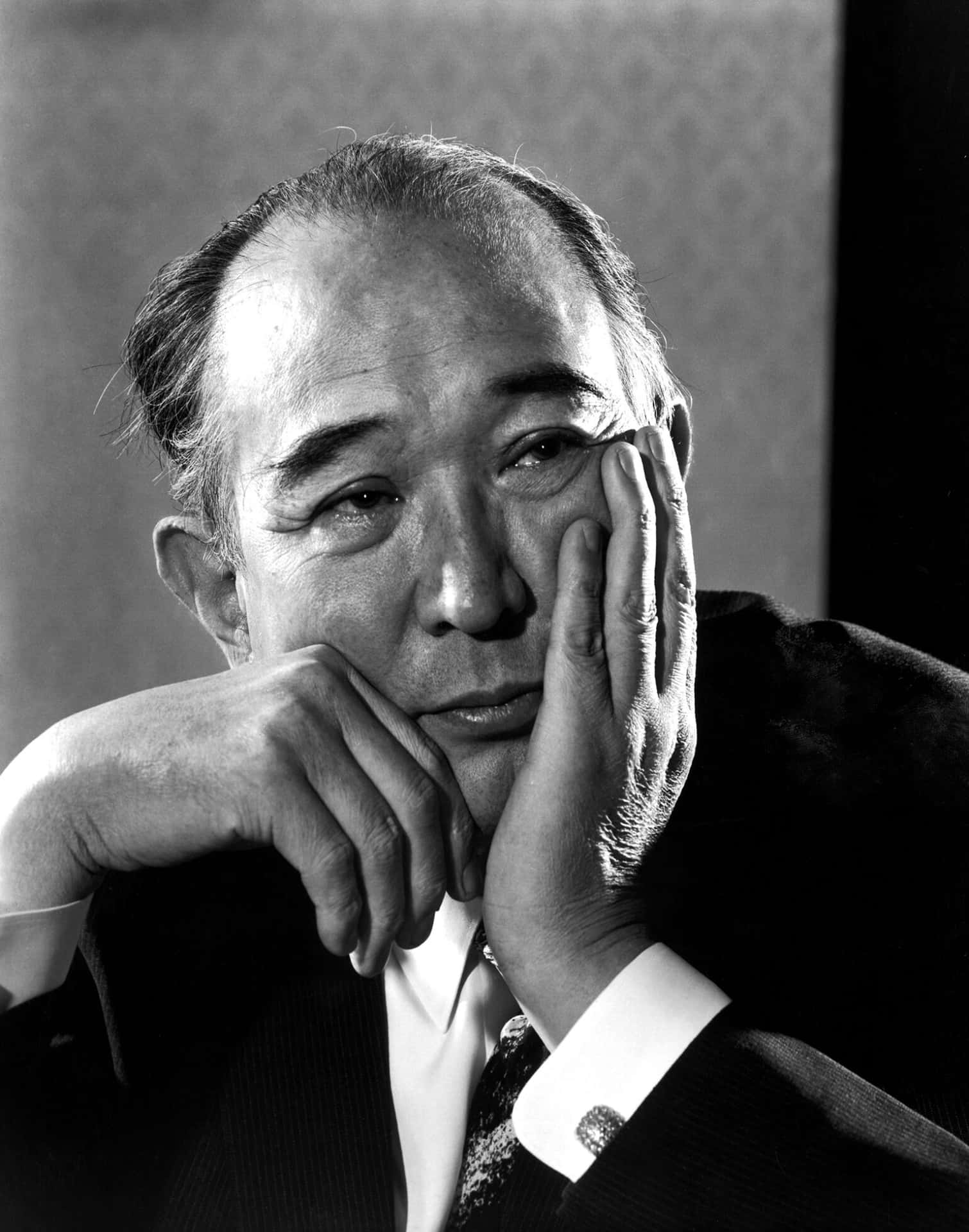
1. **Akira Kurosawa**Akira Kurosawa, a name synonymous with cinematic mastery, began his remarkable journey at Photo Chemical Laboratories in 1936, at just 25 years old. His directorial debut, “Sanshiro Sugata,” arrived in 1943, marking the start of a nearly 60-year career that would redefine international cinema. His films not only gained popularity in Japan but also helped introduce Japanese cinema to the West, breaking down cultural barriers with their powerful storytelling and universal themes.
Kurosawa went on to direct an incredible array of classics. From “Drunken Angel” (1948) and the groundbreaking “Rashomon” (1950) to the epic “Seven Samurai” (1954), his works continue to influence filmmakers worldwide. Other notable films like “High and Low” (1963) and his thirtieth and final film, “Madadayo” (1993), cemented his status as a prolific and consistent artist. His ability to craft compelling narratives, often exploring themes of honor and human nature, resonated deeply with diverse audiences.
Beyond directing, Kurosawa was an accomplished screenwriter, contributing to books, TV, and theater. His influence stretched far and wide, inspiring numerous fellow filmmakers. Legends like Satyajit Ray, Steven Spielberg, and Federico Fellini cited him as a favorite. George Lucas famously credited Kurosawa’s 1958 film “The Hidden Fortress” as the main inspiration for “Star Wars,” a testament to the enduring impact of Kurosawa’s distinctive style and innovative approach to cinematic narrative. His legacy truly is global.
Read more about: Discover the 27 Crown Jewels of Cinema: The Greatest Movies Ever Made

2. **Billy Wilder**Austrian-born Billy Wilder started his film career as a scriptwriter in Germany, a foundational experience that shaped his masterful storytelling. He left Germany in the 1930s amidst the rise of Nazism, tragically losing many family members. By the 1940s, he had cemented himself as one of Hollywood’s great directors, forever changing the cinematic landscape with his unique vision.
Wilder’s brilliance lay in his incredible versatility, spanning decades and genres from sharp comedies to gripping film noirs. He gave us timeless classics like the quintessential noir “Double Indemnity” (1944) and the darkly glamorous “Sunset Boulevard” (1950). His comedic genius shone through in films like “Some Like It Hot” (1959), a screwball comedy masterpiece, and the poignant “The Apartment” (1960), blending humor with heartfelt drama.
His impressive filmography also includes “Stalag 17” (1953), “Sabrina” (1954), and “Witness for the Prosecution” (1957). Wilder worked into the 1980s, directing his final film, “Buddy Buddy,” in 1981. He earned a staggering 21 Academy Award nominations, winning six Oscars, including two for Best Director, a testament to his consistent excellence. Wilder had wished to adapt “Schindler’s Ark” as a memorial but later praised Steven Spielberg’s “Schindler’s List,” acknowledging its powerful resonance.
Read more about: The Blacklist’s Quiet Fury: The One Word That Hollywood Screenwriters Were Truly Forbidden to Utter
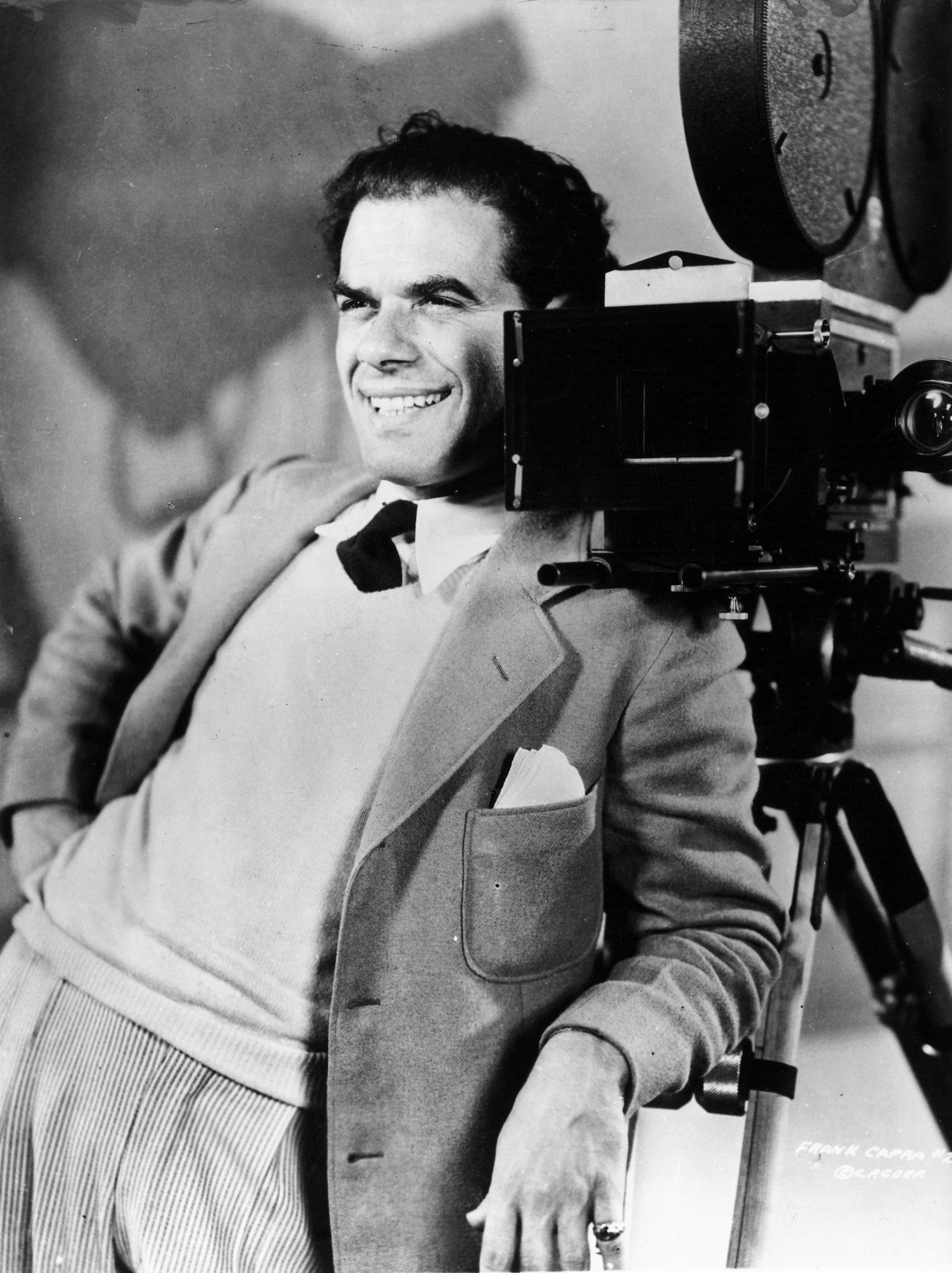
3. **Frank Capra**”Maybe there really wasn’t an America, it was only Frank Capra,” director John Cassavetes once mused, perfectly capturing Capra’s profound influence on American idealism. His films, imbued with hope and a belief in the common person, perfectly encapsulated what America could be, becoming cinematic reflections of the nation’s dreams and moral compass. His work resonated deeply, offering comfort and inspiration during tumultuous times.
Capra, an immigrant from Sicily at age five, began his career in silent comedies, an experience that honed his comedic timing and visual storytelling. With the advent of sound, he transitioned effortlessly, directing beloved hits that are now integral to American film. These include the groundbreaking “It Happened One Night” (1934), “Mr. Deeds Goes to Town” (1936), and “Mr. Smith Goes to Washington” (1939), all celebrating integrity and common sense.
Of course, there’s “It’s a Wonderful Life” (1946), a holiday classic whose message of kindness continues to touch hearts. Capra won five Oscars and received lifetime achievement awards from both the American Film Institute and the Directors Guild of America. His final theatrical film was “Pocket Full of Miracles” (1961). He also served as President of the Academy, and led the Writers and Directors Guilds, demonstrating his dedication to filmmaking on multiple fronts.
Read more about: Discover the 27 Crown Jewels of Cinema: The Greatest Movies Ever Made

4. **Jean-Luc Godard**Jean-Luc Godard, a true pillar of the French New Wave, stands as arguably the movement’s most influential figure. The Swiss-born director didn’t just make films; he audaciously dismantled traditional cinematic rules. He famously played with narrative, continuity, sound, and camerawork, fearlessly employing techniques like jump cuts and directly addressing the audience by breaking the fourth wall, challenging viewers to engage with film in new, intellectual ways.
Godard’s approach was groundbreaking and unconventional. He was known for giving his actors remarkable freedom to explore performances, often beginning filming with unfinished scripts. This improvisational style infused his movies with a raw, spontaneous energy, setting them apart from more structured productions. His method encouraged unexpected creative turns, making each film feel vibrant and alive.
His extensive filmography is a testament to his revolutionary vision, featuring iconic titles such as “Breathless” (1960), which launched the French New Wave, “Vivre sa vie” (1962), and “Contempt” (1963). Other influential works include “Band of Outsiders” (1964), “Alphaville” (1965), “Pierrot le Fou” (1965), “Weekend” (1967), and even later, “Goodbye to Language” (2014). Film critic Roger Ebert noted, “Godard is a director of the very first rank; no other director in the 1960s has had more influence on the development of the feature-length film.”
Read more about: A Powerful Silence: Honoring the Enduring Cinematic Visions of Iconic Directors Whose Journeys Ended Too Soon
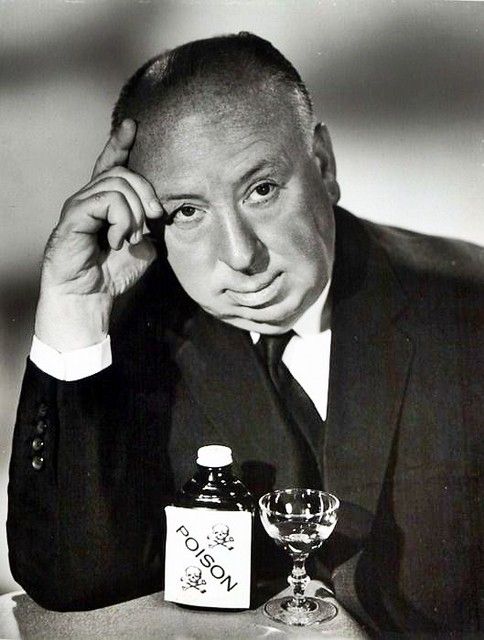
5. **Alfred Hitchcock**The legendary “Master of Suspense,” Alfred Hitchcock, directed over 50 films that fundamentally shaped and defined the thriller, suspense, and horror genres. His name alone conjures images of psychological tension, unexpected twists, and an unparalleled ability to keep audiences on the edge of their seats. Hitchcock truly created a new grammar for fear and excitement in cinema, influencing generations of filmmakers.
However, Hitchcock’s towering legacy is famously marred by his infamous cruelty to his female leads. His career began in Britain during the silent film era, with some early works unfortunately lost. Yet, he made history with his 1929 film “Blackmail,” proudly standing as the first British “talkie,” showcasing his early adoption of new technologies and his readiness to innovate.
Moving to Hollywood in the late 1930s, Hitchcock’s genius exploded. “Rebecca” (1940) earned him his first of five Best Director Oscar nominations. The hits kept coming: “Suspicion” (1941), “Dial M for Murder” (1954), “Rear Window” (1954), “Vertigo” (1958), “North by Northwest” (1959), “Psycho” (1960), and “The Birds” (1963). So distinctive were his works that the term “Hitchcockian” emerged, describing films with intricate plot twists, restricted action, darkness, “MacGuffins,” and voyeurism through camera manipulation.
Read more about: Discover the 27 Crown Jewels of Cinema: The Greatest Movies Ever Made

6. **Wong Kar-wai**Wong Kar-wai, the distinctive Hong Kong-based filmmaker, began his career in television before his acclaimed directorial debut, “As Tears Go By,” in 1988. His films immediately possessed a unique visual language and emotional depth, promising a fresh voice in cinema. This transition to feature films marked the beginning of a truly iconic and globally recognized style.
He is best known for films that became cult classics and critical darlings: “Chungking Express” (1994), a vibrant exploration of urban loneliness; “Happy Together” (1997), a visually stunning tale of a turbulent relationship; and the universally adored “In the Mood for Love” (2000), a masterpiece of unspoken desire. These works cemented his reputation for stylish, melancholic narratives that resonate deeply.
Wong’s influence is truly global, impacting celebrated directors like Quentin Tarantino, Alejandro González Iñárritu, The Daniels, and Barry Jenkins. This diverse group speaks volumes about the versatility and profound artistic impact of Wong Kar-wai’s vision on contemporary cinema, inspiring a new generation of storytellers across different genres.
A “Wong Kar-wai film” is instantly recognizable. His signature style features broken narrative structures, bold color saturation, eclectic pop music soundtracks, and the distinctive technique of step-printing, creating a dreamlike, lingering effect. Many of his films frequently appear on “best of” lists. Critic Ty Burr eloquently described him as “the leading heir to the great directors of post-WWII Europe,” combining influences from Godard, Fellini, Antonioni, and Bergman.
Read more about: Beyond the Red Carpet: Dissecting the Iconic Cars Celebrities Drive and the PR Machine Behind Their Public Persona
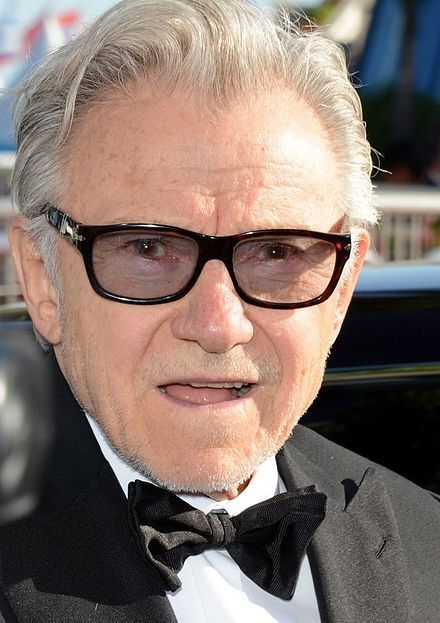
7. **Stanley Kubrick**Stanley Kubrick’s legacy is undeniable, a towering achievement in filmmaking, despite his reputation for being difficult to work with. He directed just 13 theatrical films, yet every single one is considered a classic. From the biting anti-war satire of “Dr. Strangelove” (1964) to the dystopian future shock of “A Clockwork Orange” (1971), his films consistently challenged and captivated audiences with their intellectual depth.
Kubrick’s filmography showcases master-level diverse storytelling, encompassing the brutal realism of “Full Metal Jacket” (1987) and the enigmatic “Eyes Wide Shut” (1999). Each film was a meticulously crafted universe, demonstrating his unparalleled control over every production aspect. He was a filmmaker unafraid to push boundaries, delve into dark themes, and demand absolute perfection.
Despite his works’ monumental impact and critical acclaim, Kubrick won surprisingly few directing awards. He was nominated for 13 Academy Awards but won only one, for best special effects in “2001: A Space Odyssey” (1968). Ironically, he was even nominated for a Golden Raspberry for Worst Director for “The Shining” (1980), now widely considered a horror masterpiece. His directing style, especially his iconic camerawork and framing, has influenced countless directors. His films are rightly called some of the most important in the twentieth century, inspiring audiences and filmmakers alike.
The silver screen, a canvas for countless dreams and narratives, would be nothing without the visionary maestros who stand behind the camera. These directors are the true architects of our cinematic experiences, weaving tales, shaping emotions, and pushing the very boundaries of what storytelling can achieve. Their unique perspectives and relentless innovation don’t just create films; they forge cultural touchstones that resonate across generations.
From the quiet intensity of an independent drama to the heart-pounding spectacle of a blockbuster, the hand of a director is evident in every frame. They’re the ones who inspire actors to deliver career-defining performances, guide cinematographers to capture breathtaking visuals, and work tirelessly with editors to sculpt raw footage into fully realized masterpieces. It’s a challenging yet profoundly rewarding endeavor, where the best directors truly turn in fully realized masterpieces and create their own distinctive styles across their catalogs.
Indeed, the world of cinema has been profoundly shaped by these giants, whose innovative techniques and storytelling prowess have set enduring benchmarks for excellence. We’re about to embark on a fascinating journey, delving deep into the lives, journeys, and successes of some of the most influential directors of all time. Get ready to discover the legends whose work didn’t just entertain, but fundamentally reshaped the art form itself.
Read more about: Bye, Bye Tinseltown: 13 Famous Faces Who Traded Hollywood’s Glitz for a Totally Different Life
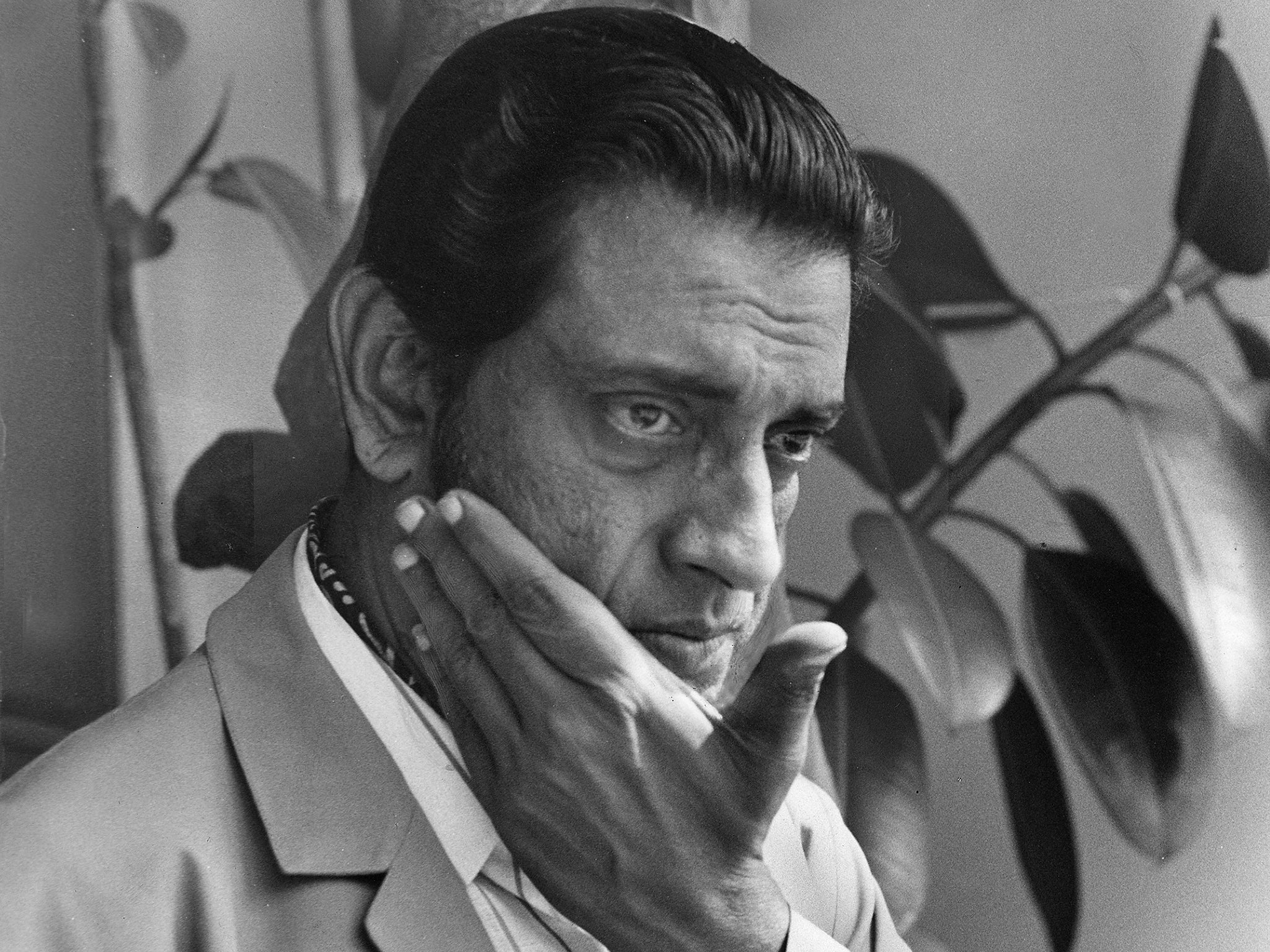
8. **Satyajit Ray**Satyajit Ray, an Indian filmmaker whose influence reverberates globally, is most known for his iconic ‘Apu Trilogy’ (1955–1959). His powerful works, which also include ‘The Music Room’ (1958), ‘The Big City’ (1963), and ‘Charulata’ (1964), were initially inspired by the groundbreaking Italian neorealist movement. Yet, Ray masterfully evolved this inspiration into a cinematic language entirely his own, creating a distinct narrative voice.
He crafted a truly distinctive style marked by meticulously precise editing, a thoughtful incorporation of classical Indian music, and the innovative use of actors from diverse, often non-professional, backgrounds. This unique blend created a profound sense of authenticity and a deeply rooted connection to his cultural heritage that set his films apart on the world stage. Indeed, his approach was so profound that even the great Akira Kurosawa once remarked, “Not to have seen the cinema of Ray means existing in the world without seeing the sun or the moon.”
Ray’s far-reaching impact extended to contemporary masters, with Francis Ford Coppola and Christopher Nolan both proudly citing him as a significant influence on their own work. His enduring legacy in Indian cinema is celebrated through the annual Lifetime Achievement award at the International Film Festival of India, which is proudly named after this auteur, a true testament to his monumental contributions.
Read more about: A Powerful Silence: Honoring the Enduring Cinematic Visions of Iconic Directors Whose Journeys Ended Too Soon

9. **Federico Fellini**Federico Fellini, an Italian maestro, is perhaps best known for enchanting audiences with films such as ‘Nights of Cabiria’ (1957), the glamorous ‘La Dolce Vita’ (1960), and the introspective ‘8½’ (1963). His prolific career spanned nearly five decades, during which he garnered an impressive 17 Academy Award nominations and achieved a remarkable feat by winning a record four Oscars in the Best Foreign Language Film category, cementing his status as a giant of international cinema.
Fellini’s journey into filmmaking began after he left law school in Rome, embarking on a career in radio, where his storytelling prowess first found a voice. Through his association with Roberto Rossellini, he became immersed in the burgeoning neorealist Italian film movement, a period that greatly informed his early cinematic sensibilities. He co-directed his first feature film, ‘Variety Lights’ (1951), alongside Alberto Lattuada, laying the groundwork for his future triumphs.
However, Fellini’s true indelible mark was made with his post-neorealist art films, where his boundless imagination truly took flight. This era gave birth to a lexicon all its own, with the terms “Fellinian” and “Felliniesque” emerging to describe art and films that possess a fantastical, dreamlike, and often extravagant quality. His unique vision continues to captivate and inspire, proving that cinematic boundaries are meant to be beautifully blurred.
Read more about: Claudia Cardinale, Italian Cinema’s Enduring Star and ‘Dream Girl,’ Dies at 87

10. **Chantal Akerman**Chantal Akerman, the Belgian feminist avant-garde filmmaker, forged a truly unique path in cinema, earning her the revered title of a ‘director’s director.’ Her groundbreaking works include the seminal ‘Jeanne Dielman, 23 quai du Commerce, 1080 Bruxelles’ (1975), the intimate ‘News from Home’ (1976), and the bravely experimental ‘Je Tu Il Elle’ (1974). Akerman’s films challenged conventional narrative structures and cinematic expectations, profoundly influencing generations of filmmakers with her singular vision.
Beyond her iconic feature films, Akerman’s expansive body of work included numerous documentaries, thought-provoking art exhibitions, and innovative short films. Her academic contributions were also significant, as she later shared her insights and passion as a professor of film and media, nurturing new talent and shaping theoretical discourse within the cinematic world. Her dedication to pushing artistic boundaries was unwavering, making her a vital voice in the global film conversation.
In a powerful testament to her enduring legacy and profound artistic vision, Chantal Akerman became the first female filmmaker to achieve the top spot on Sight & Sound’s prestigious list of the Greatest Films of All Time in 2022. This extraordinary recognition solidified her place as an undisputed cinematic titan, whose work continues to resonate with unparalleled depth and relevance across the globe.
Read more about: Flashback to Fabulous: Unveiling 12 of the Most Iconic 1960s Actresses Who Ruled the Silver Screen!

11. **Francis Ford Coppola**Francis Ford Coppola stands as one of the world’s most lauded filmmakers, a true titan of the ‘New Hollywood’ era whose work is etched into the very fabric of cinematic history. His remarkable achievements include five Academy Awards, six Golden Globes, two Palmes d’Or, and a British Academy Film Award, a stunning collection that underscores his consistent brilliance and innovation across decades of filmmaking.
He is widely celebrated for monumental films that have become cultural touchstones, such as the epic ‘Godfather Trilogy’ (1972-1990), the harrowing Vietnam War masterpiece ‘Apocalypse Now’ (1979), and the poignant coming-of-age drama ‘The Outsiders’ (1983). Coppola’s vision brings forth compelling characters and narratives that delve deep into the human condition, making his films unforgettable and deeply impactful for audiences worldwide.
While Coppola has certainly ventured into various commercial enterprises, including owning a successful winery, his profound passion for filmmaking remains steadfast. After a hiatus from directing following ‘Twist’ in 2011, he is now generating considerable buzz with his eagerly anticipated film, ‘Megalopolis,’ which is currently set to be released late in 2024. This exciting return to the director’s chair is a moment cinema enthusiasts worldwide are eagerly awaiting with bated breath.
Read more about: The Near-Impossible Production: How *The Godfather* Defied Odds and Almost Didn’t Get Made
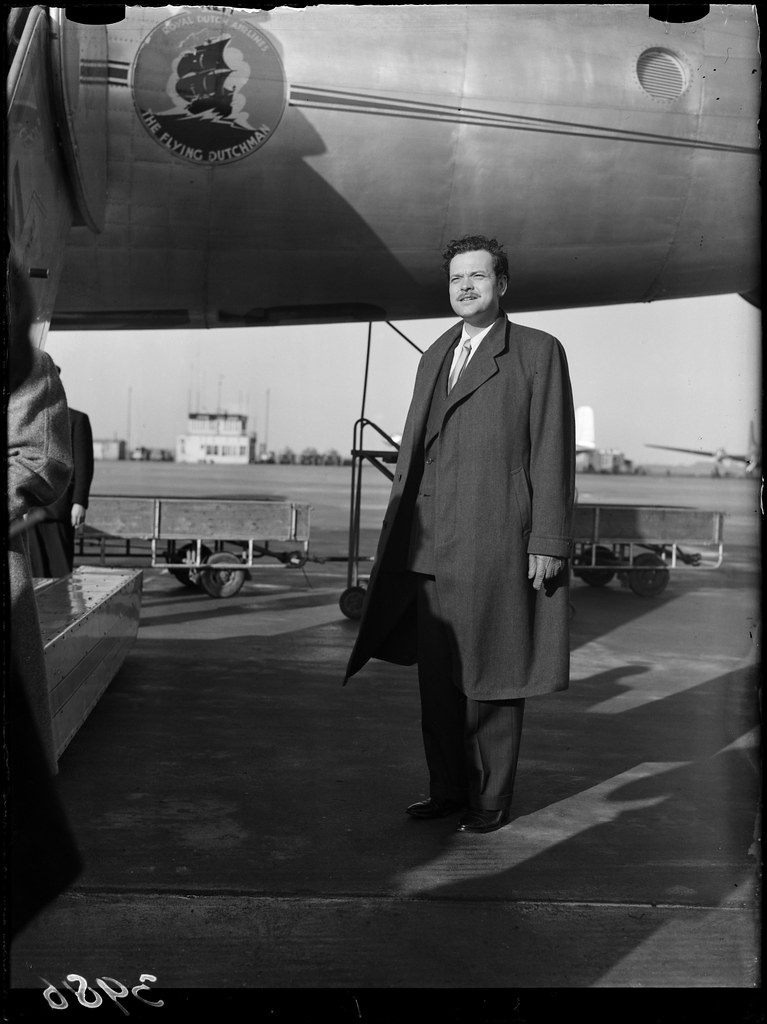
12. **Orson Welles**Orson Welles was a multifaceted artist whose immense talent spanned far beyond just film directing. Across his illustrious fifty-year career, he made indelible marks in theater, radio, magic, and acting, proving himself a true Renaissance man of the arts. While his directorial debut, the groundbreaking ‘Citizen Kane’ (1941), remains his most celebrated cinematic achievement, his filmography also boasts classics like ‘The Magnificent Ambersons’ (1942), ‘The Lady from Shanghai’ (1947), and the Shakespearean adaptation ‘Chimes at Midnight’ (1966).
Welles earns his prominent place on this list largely due to his revolutionary innovations in camera technique, which fundamentally reshaped visual storytelling as we know it. Many of his films fearlessly pushed the technical limits of their time, introducing and perfecting techniques that are now considered standard in filmmaking. He was a pioneer of deep focus, a method where the foreground, middle ground, and background are all kept in sharp focus simultaneously, adding incredible depth and psychological nuance to his compositions.
His mastery of the long shot is equally legendary. A prime example is the iconic opening shot of ‘Touch of Evil’ (1958), which clocks in at over six minutes—an audacious display of directorial control and ingenuity that mesmerizes viewers. Remarkably, this isn’t even the longest shot in the film, as another unbroken sequence extends for a staggering twelve minutes later in the movie. Welles truly showed the world what was artistically and technically possible with a camera.
Read more about: The Near-Impossible Production: How *The Godfather* Defied Odds and Almost Didn’t Get Made
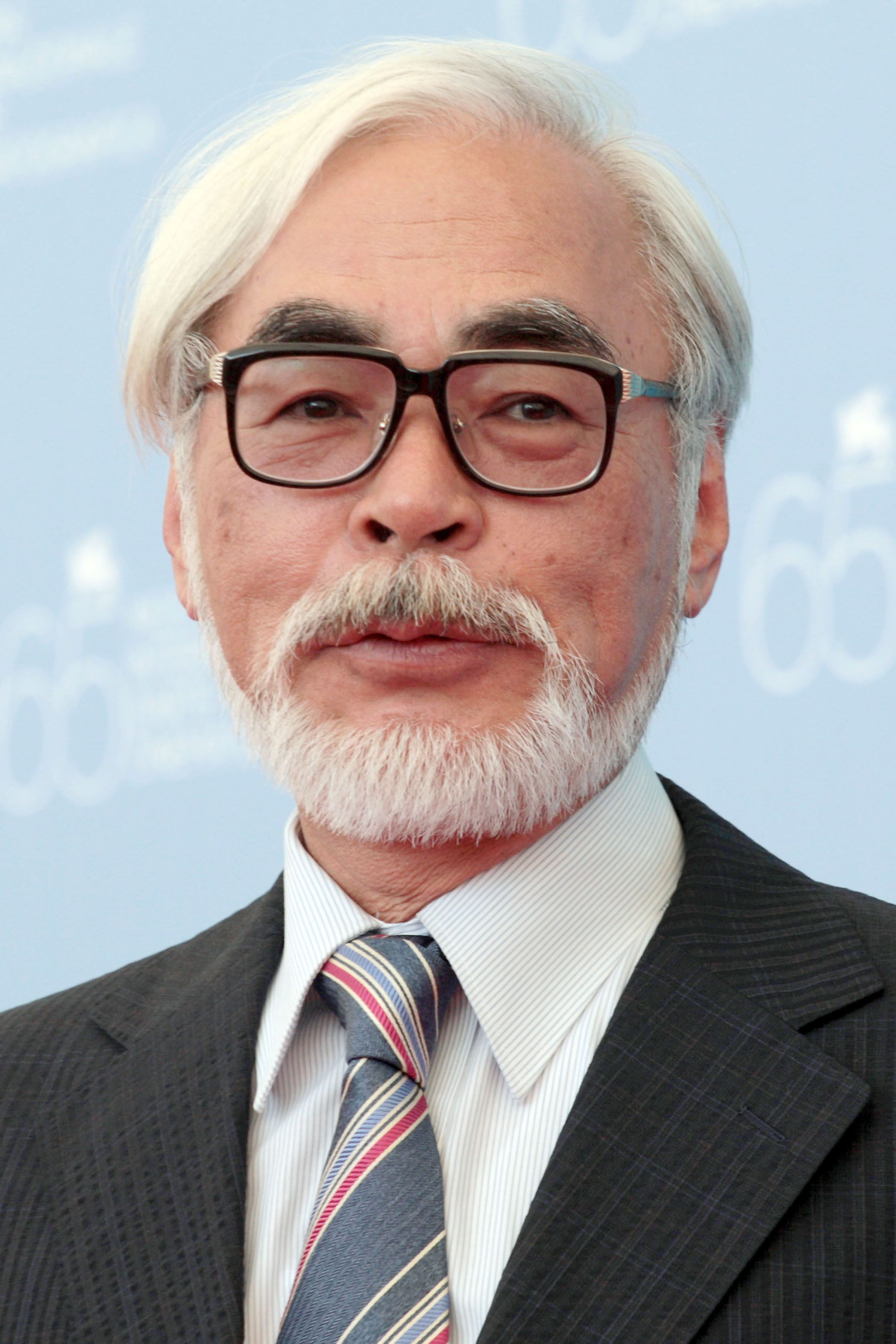
13. **Hayao Miyazaki**Few directors in the realm of animation have achieved the kind of transformative influence and universal adoration as Hayao Miyazaki. As a director, animator, manga artist, and the visionary co-founder of Studio Ghibli, Miyazaki has conclusively proven that animated films are far more than just ‘kids’ stuff.’ His early works, such as ‘My Neighbor Totoro’ (1988), ‘Kiki’s Delivery Service’ (1989), and ‘Princess Mononoke’ (1997), captivated audiences in Japan, showcasing his unique blend of fantasy and profound humanism.
Miyazaki’s genius truly resonated with Western audiences after the release of the anime classic ‘Spirited Away’ (2001), which went on to win an Academy Award for Best Animated Feature. He later earned a second Oscar in the same category for ‘The Boy and the Heron’ (2023), making his films the only two non-English-language productions to achieve this esteemed honor. His narratives consistently explore vital themes of feminism, environmentalism, and the intricate dynamics of family, weaving them into breathtaking visual tapestries that deeply move viewers.
His films are instantly recognizable for their dreamy plots and absolutely amazing visuals, transporting viewers into meticulously crafted worlds brimming with magic and emotion. Miyazaki has been widely cited as an influential director by a diverse array of other filmmakers, and his groundbreaking work even played a significant role in prompting Disney’s renaissance in America, underscoring his monumental impact on the global animation landscape.
Read more about: Billie Eilish’s Radical New Sound: Unpacking Her Shift to Rock, Producer Whispers, and the Big 2025/2026 Album Reveal

14. **Howard Hawks**Film critic Leonard Maltin once famously declared Howard Hawks “the greatest American director who is not a household name,” a sentiment that perfectly captures the understated brilliance of his extensive career. Hawks’ comparative lack of widespread public recognition, despite his monumental output, might stem from his unique approach: he was a true chameleon of cinema, capable of executing impeccably crafted films across an astonishing array of genres with exacting cleanliness and a seemingly effortless fluidity.
Hawks seamlessly transitioned from the silent film era to the ‘talkies,’ marking his early success with the now-lost 1928 film ‘The Air Circus.’ He went on to direct a staggering number of classics that defy easy categorization, including the screwball comedy masterpiece ‘Bringing Up Baby’ (1938), the fast-paced journalistic gem ‘His Girl Friday’ (1940), the iconic film noir ‘The Big Sleep’ (1946), the musical ‘A Song Is Born’ (1948), and the beloved Western ‘Rio Bravo’ (1959). His versatility was simply unparalleled, making him a director for all seasons.
Despite never winning a competitive Academy Award, the Academy of Motion Picture Arts and Sciences recognized his profound contributions with a special honorary award in 1975. The accompanying citation eloquently stated: “To a giant of the American cinema whose pictures, taken as a whole, represent one of the most consistent, vivid and varied bodies of work in world cinema.” This acknowledgment perfectly summarized the lasting impact of a director whose genius was often hidden in plain sight, yet shaped the very essence of Hollywood storytelling.
Read more about: Banned from the Big Screen: Iconic Moments That Sparked Outrage and Censor’s Fury
The journey through the legacies of these cinematic giants is a powerful reminder that the art of filmmaking is a perpetually evolving tapestry, woven by visionary minds who dare to dream bigger, push harder, and speak through the lens with unparalleled clarity. From the lyrical humanism of Ray to the extravagant dreams of Fellini, the challenging feminist gaze of Akerman, the epic scope of Coppola, the technical marvels of Welles, the animated wonders of Miyazaki, and the genre-spanning mastery of Hawks, each director has left an indelible imprint on the medium. Their films don’t just entertain; they educate, inspire, and forever expand our understanding of what cinema can truly be. These are the directors whose contributions ensure that the silver screen will always be a vibrant, dynamic canvas for human expression, continuously inviting us to lose ourselves in their unique, unforgettable worlds. For more curated film lists by genre, language and decade, visit our full movies hub.