Actors are, in essence, storytellers, tasked with breathing life into characters through the words penned by writers. They stand at the forefront of every production, their voices and expressions shaping our emotional connection to the narratives unfolding on screen. While a script serves as the blueprint, meticulously crafted and rarely deviated from, it’s often perceived as a sacred text.
Yet, the magic of filmmaking sometimes lies in the unexpected, in moments where the blueprint gets a crucial, impromptu revision. Behind the scenes, the collaborative nature of the industry means that even the most established stars, and sometimes even the newcomers, occasionally face dialogue or storylines that simply don’t resonate. These instances can stem from a genuine concern for character integrity, a clash with personal convictions, or a keen creative instinct.
This deep dive into cinematic history celebrates those fascinating moments when actors bravely put their foot down. Refusing to utter lines or participate in plots that didn’t feel right, they reshaped some of our most beloved movies and TV shows. These legendary stand-offs prove that sometimes, the best line is the one left unsaid.
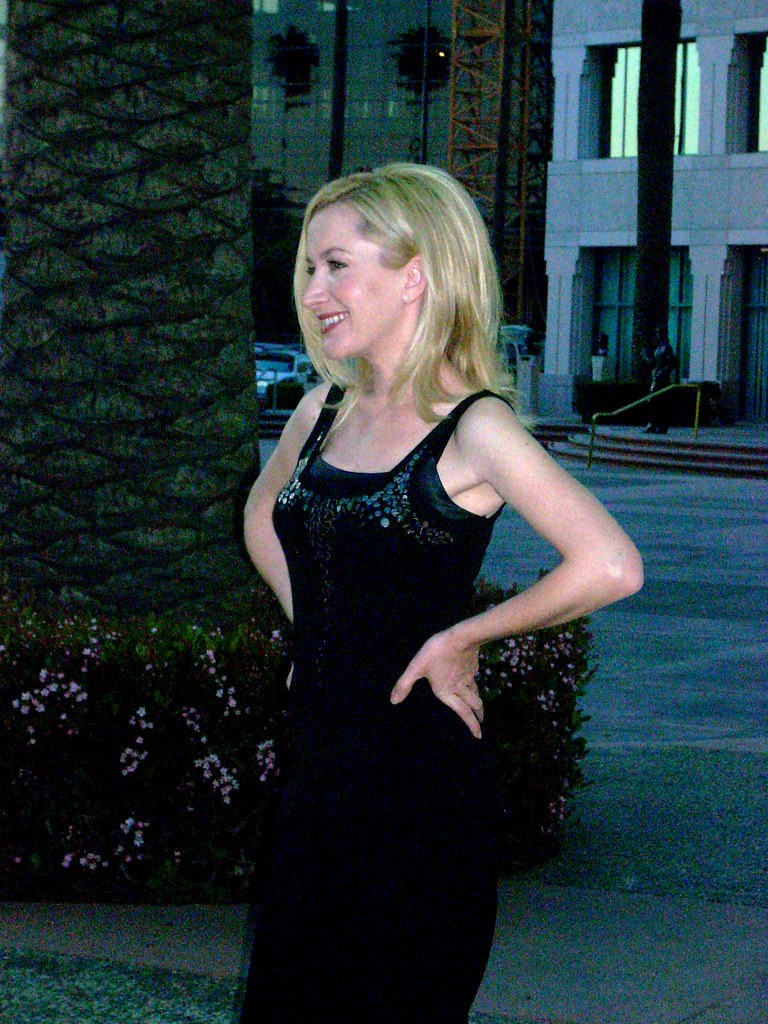
1. **Angela Kinsey, The Office: Standing Up to a “One-Note” Joke**
“The Office” is celebrated for its brilliant ensemble cast and its often cringe-worthy yet hilarious humor. The show pushes boundaries while remaining deeply relatable, but even here, actors drew a line. Angela Kinsey, known for her portrayal of the highly strung accountant Angela Martin, once found herself in such a situation.
During a recent podcast appearance, Kinsey recounted an experience from the season three episode “Gay Witch Hunt.” The script called for Angela to make a joke at the expense of Oscar, the show’s openly gay character. The specific line involved Angela, a staunch Christian, invoking Jesus in a way that Kinsey felt was inappropriate.
Kinsey, who grew up with a “warm, meaningful relationship” to her faith, approached creator Greg Daniels with her concerns. She articulated that she “didn’t feel good about it” because “that’s not what Jesus represented” to her. She felt the joke was a “stereotype and very one-note,” believing her character possessed “more depth than that.”
To Daniels’ credit, he listened intently and understood Kinsey’s perspective. He ultimately agreed, saying, “OK,” and took the joke out of the script. This instance beautifully illustrates how an actor’s personal conviction can refine and strengthen a character, even within a comedic framework.

2. **Robert Downey Jr., The Avengers: The Birth of the Shawarma Craving**
Robert Downey Jr.’s portrayal of Tony Stark, Iron Man, injected new swagger and wit into the superhero genre. His charismatic improvisation fundamentally shaped the Marvel Cinematic Universe. One of the most famous examples of Downey Jr.’s influence came at the very end of “The Avengers.”
Marvel fans vividly recall the final moments after the climactic battle. An exhausted and injured Iron Man wakes up to ask if his superhero teammates had “ever tried shawarma.” This memorable line, however, was a direct result of Downey Jr.’s refusal to deliver the original scripted dialogue.
According to Entertainment Weekly, the initial script had Tony Stark asking a bland question: “What’s next?” Downey Jr. insisted that this line lacked the characteristic snap and liveliness that defined Iron Man. He felt the moment called for something more clever, fun, and unexpected.
Writer Joss Whedon agreed with Downey Jr.’s assessment and scrambled on the day of shooting. While Whedon penned several options, Downey Jr. ultimately went with his own creation. This ad-lib didn’t just replace a line; it led to filming an entirely new post-credits scene that has become a signature, beloved moment.
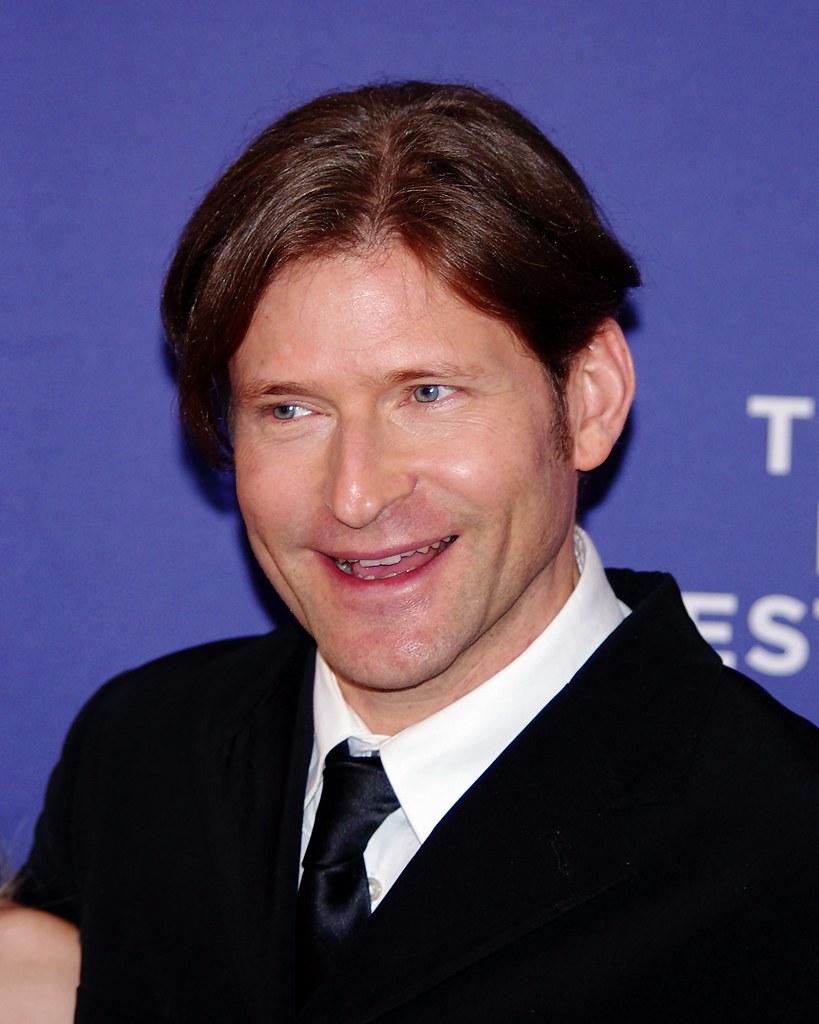
3. **Crispin Glover, Charlie’s Angels: The Silent Assassin’s Power**
Crispin Glover is a character actor renowned for his eccentric and often unsettling performances. While sometimes described as a “ly performer,” his creative instincts have led to truly unique roles. One such instance occurred during the production of the 2000 “Charlie’s Angels” film.
Glover played the villainous Thin Man, a lanky and eerie assassin. The character was originally conceived as a speaking role in the script. However, Glover found the lines entirely unsatisfactory, considering them merely “expositional” and not enhancing the character.
In an interview, Glover recalled telling director McG that he hated the lines. He proposed a radical alteration: the Thin Man should be entirely mute. Glover believed silence could be far more menacing and effective, feeling the character would be “more effective because he was completely silent.”
Surprisingly, McG quickly embraced Glover’s audacious idea. The result was one of the most distinctive villains in action cinema. His silent yet terrifying presence amplified his mystique, proving an actor’s vision can transform a functional plot device into an unforgettable figure through the absence of words.
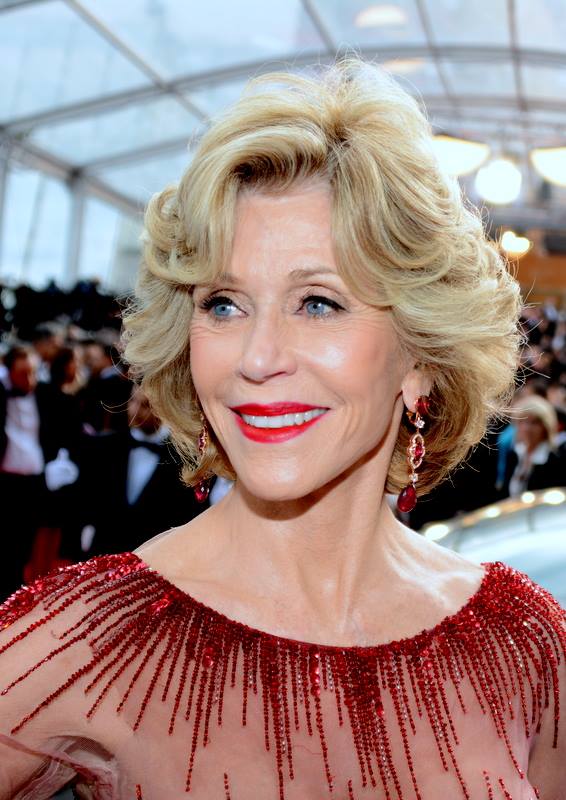
4. **Jane Fonda, Grace and Frankie: Faith Over Exclamation**
Jane Fonda, a legendary star, is celebrated not only for her acting prowess but also for her unwavering personal convictions. These deeply held beliefs occasionally intersect with her professional work. One such moment occurred on the set of the acclaimed Netflix series “Grace and Frankie.”
Co-creator Marta Kauffman recounted an instance where Fonda, a devout Christian, felt uncomfortable delivering a particular exclamation. The line in question was the common, though often religiously charged, phrase “Jesus Christ.” For Fonda, it carried a deeper significance that clashed with her personal faith.
Fonda approached the creators with her concerns, demonstrating professionalism. Kauffman emphasized that Fonda was “not a diva,” explaining that when the main actors raised an issue, “it’s not that they’re being divas. They have a real issue.” This highlights the respect and trust within the cast and crew.
Ultimately, Kauffman and the team listened to Fonda’s concerns wholeheartedly. Her commitment to her faith meant that even a seemingly minor line posed a significant personal hurdle. This experience underscores how an actor’s deeply personal values can influence creative choices, leading to respectful adjustments that honor their integrity.

5. **Jenna Ortega, Wednesday: Rewriting a Morbid Teenager’s Dialogue**
Jenna Ortega captured the world’s attention with her captivating portrayal of Wednesday Addams in “Wednesday.” Her performance was lauded for its nuanced depiction of the famously morbid teenager. However, Ortega herself made headlines revealing the considerable extent to which she rewrote her character’s dialogue.
Ortega openly discussed how she “just started changing lines” on set, sometimes becoming “almost unprofessional.” She recalled a line for Wednesday when trying on a dress: “Oh my god, I love it. Ugh, I can’t believe I’m freaking out over a dress. I literally hate myself.” Ortega emphatically stated, “I had to go, ‘No.’”
Her rationale was clear: the original dialogue fundamentally contradicted Wednesday’s established personality. A character renowned for disdain for typical teenage enthusiasms would never utter such overtly peppy lines. Ortega felt responsible to protect Wednesday’s authentic, dark, and deadpan disposition.
These edits required Ortega to explain why she “couldn’t go do certain things” to the writers. While some praised her “chutzpah,” others criticized her as “rude.” Regardless, Ortega’s decisive actions undeniably shaped the Wednesday we know, proving an actor’s deep character understanding can be a powerful creative force.
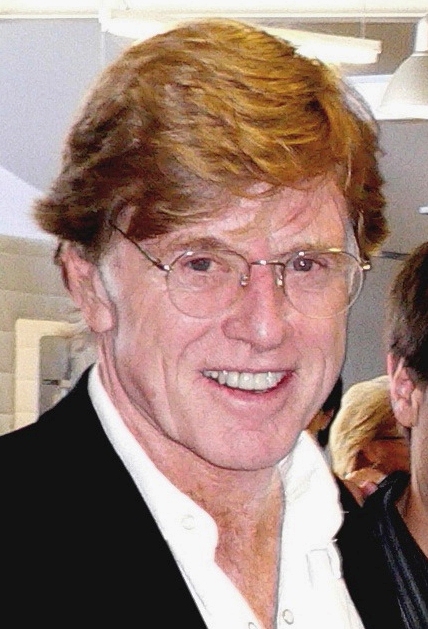
6. **Robert Redford, The Way We Were: Preserving a Heartthrob’s Reputation**
“The Way We Were,” the beloved 1973 romantic drama, captivated audiences with its poignant love story. Robert Redford, a quintessential Hollywood heartthrob, played Hubbell Gardiner. Even a star of his magnitude faced lines he wouldn’t deliver, particularly when they threatened his carefully cultivated image.
One such moment occurred during an intimate scene between Redford’s character and Streisand’s Katie. According to author Robert Hoefler, Redford refused to tell Streisand’s character “it’ll be better this time.” This line, before a second round in bed, implied a previous less-than-stellar performance.
Redford’s objection stemmed from a protective instinct over his persona. Hoefler recounted that Redford remarked he “was never bad in bed,” and therefore, “it didn’t make sense that his character would ever be.” The line, in his view, contradicted his established reputation as a virile leading man.
The filmmakers ultimately respected Redford’s stance, and the line was removed. This anecdote offers a glimpse into the delicate balance between script and star power. Actors, especially those with clout, can influence dialogue to safeguard their public perception and ensure consistency with the archetypes they embody.

7. **Jensen Ackles, The Boys: A Father’s Red Line**
“The Boys” has carved out a reputation for being one of the most audacious and boundary-pushing shows on television. It unflinchingly depicts extreme violence and graphic scenes, delighting in shattering superhero tropes. By the time Jensen Ackles joined the cast in season three as Soldier Boy, the show’s notorious tendency to “breeze past the line” was well-established.
Despite being part of such a production, even Ackles found his personal limit. He recounted to Entertainment Weekly that there was one particular scripted moment that made him “shaking his head.” This wasn’t just a matter of taste; it was a deeply personal boundary he felt he could not cross.
Ackles directly addressed showrunner Eric Kripke, expressing his refusal with a powerful statement. He told Kripke: “As a father of three, and a son and a husband and a self-respecting human being, I can’t do this. I didn’t know where my line was, but you found it.” This underscored the profound moral implications.
Kripke, known for his collaborative spirit, understood and respected Ackles’s position. The pair worked out a compromise, with Ackles stating, “We worked out a compromise where I got what I needed without him destroying his soul.” The exact line remains unrevealed, adding to the mystique of this powerful moment of personal integrity.
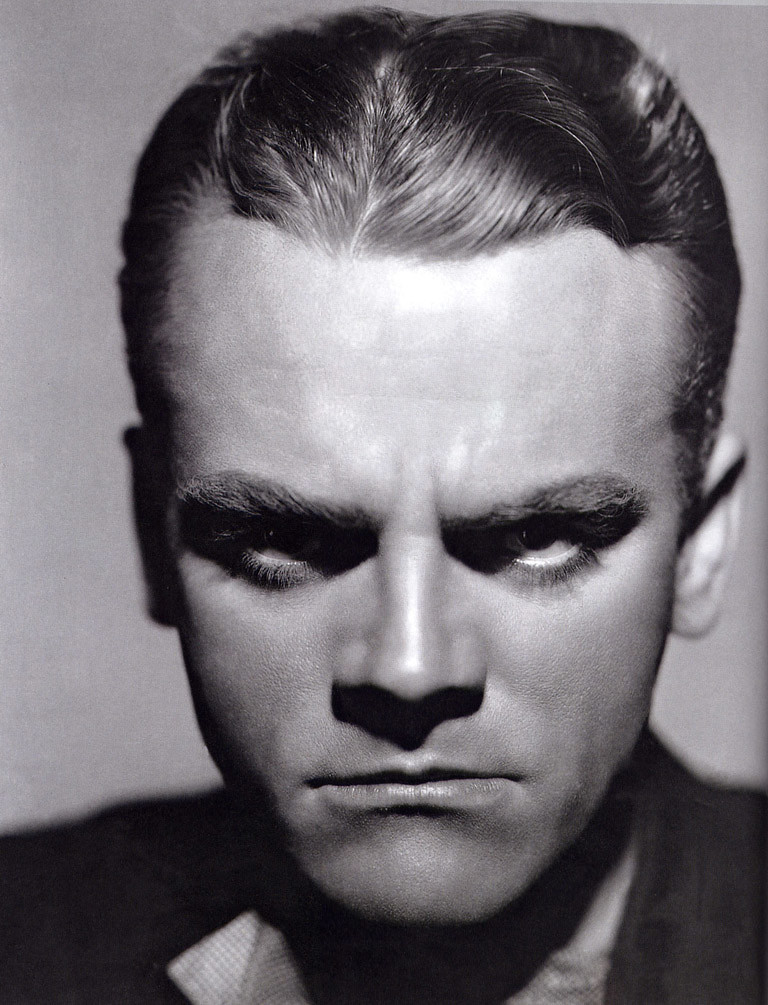
8. **James Cagney, Sinners’ Holiday: Defiance From Day One**
Before he solidified his reputation as a tough guy and cemented his place among Hollywood’s greatest actors, James Cagney made his big screen debut in the 1930 romance film, “Sinners’ Holiday.” In this early role, he played one of two brothers caught up in a boardwalk arcade that served as a front for a bootlegging operation in the midst of Prohibition. It was a foundational moment for Cagney, but even then, his strong convictions were evident, laying the groundwork for a storied career.
During filming, Cagney faced a line of dialogue he simply couldn’t stomach. The script called for him to be crying on his mother’s breast, uttering the phrase, “I’m your baby, ain’t I?” Cagney immediately recognized that this particular line felt entirely wrong for his character, lacking authenticity and potentially undermining the dramatic intent of the scene. He believed it was a poor representation of his character’s persona.
His refusal wasn’t met without resistance. Director John G. Adolfi pushed back, even threatening to report the young actor’s defiance to Warner Bros. executive Darryl Zanuck, a move that could have jeopardized Cagney’s nascent career. Yet, Cagney held his ground, recalling in his biography, “I’m not going to say that line.” This early display of unwavering conviction set a significant precedent for his career.
Ultimately, his persistence paid off. The filmmakers acquiesced to Cagney’s demands and removed the line from the script. This audacious act, so early in his career, foreshadowed the powerful presence and creative integrity he would bring to countless iconic roles, proving that a strong artistic vision can indeed challenge the established order from the very beginning.
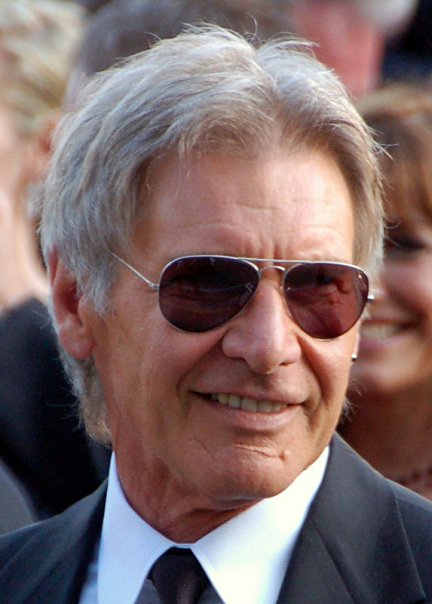
9. **Harrison Ford, The Empire Strikes Back: The Birth of “I Know”**
Every “Star Wars” fan can vividly recall the emotionally charged farewell between Princess Leia and Han Solo in “The Empire Strikes Back.” As Han is about to be frozen in carbonite, Leia professes her love for him. Instead of a reciprocated “I love you, too,” Han delivers the perfectly fitting, iconic, and undeniably cool retort: “I know.” This pithy response has since become legendary, epitomizing Han Solo’s roguish charm and the unique dynamic of their relationship.
What many might not realize is that this iconic exchange was born out of an on-set improvisation. The original script had Leia declaring, “I love you. I couldn’t tell you before, but it’s true.” Han’s scripted response was a more direct, albeit less memorable, “Just remember that, because I’ll be back.” It was a moment that felt less like the charismatic scoundrel fans adored and more like a standard action hero cliché.
During filming, both Harrison Ford and director Irvin Kershner agreed that the scripted dialogue for Han wasn’t quite right; it felt a “bit too much,” as Kershner later recalled. Recognizing the need for a more authentic and impactful moment, Ford famously rewrote the scene on the spot, crafting the dialogue that would forever define their dynamic and the tone of their parting.
This ad-lib didn’t just replace a few words; it transformed the entire scene, creating one of the most famous and beloved moments in cinematic history. Ford’s creative instinct cemented Han Solo’s character as a legend and demonstrated how an actor’s deep understanding of their role can elevate a script into something truly unforgettable. It’s a testament to the power of on-the-fly genius that resonates decades later.
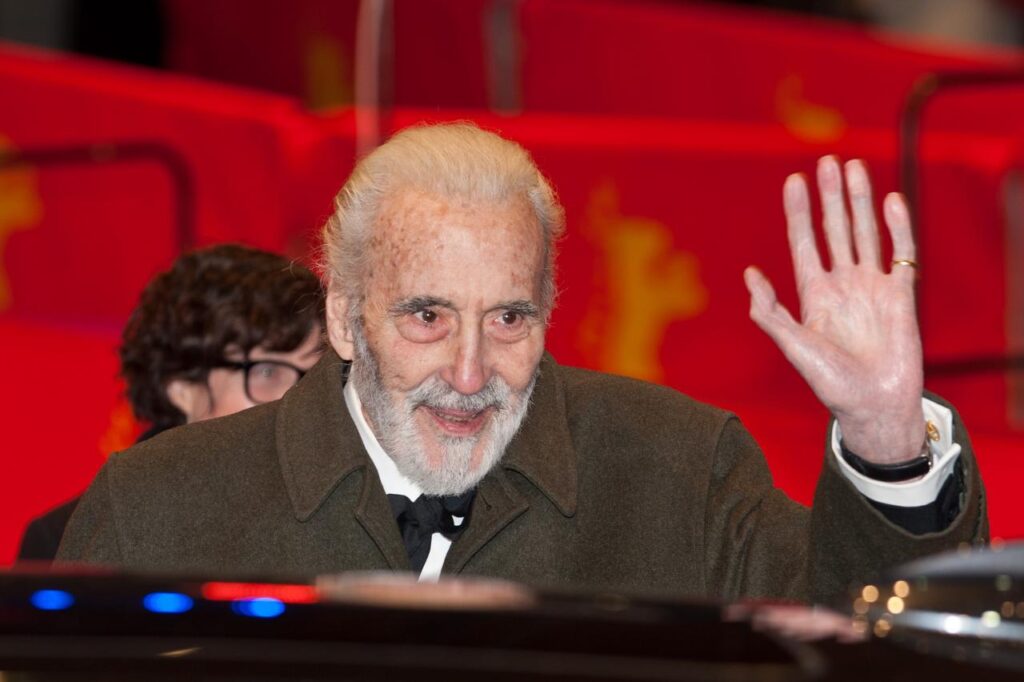
10. **Christopher Lee, Dracula: When Silence Speaks Volumes**
Long before he captivated audiences as Saruman in “The Lord of the Rings” or Count Dooku in “Star Wars,” Christopher Lee redefined the horror genre with his chilling portrayal of Count Dracula in the 1958 Hammer Horror classic. Lee’s ability to strike fear into the hearts of viewers with little more than a piercing glare and his imposing physical presence is legendary, and he famously uttered hardly a word throughout the film, making his silence a key element of his menace.
However, this iconic muteness was not initially part of the plan. Lee later revealed his profound disdain for the original script, mincing no words when describing his lines as “literally un-sayable” and “beyond belief.” He found the dialogue to be utterly unfaithful to Bram Stoker’s original novel, which he believed was a cornerstone of the character’s appeal and gravitas.
Lee was particularly critical of proposed lines such as, “I am the apocalypse,” which he found pompous, melodramatic, and out of character for the sophisticated vampire he envisioned. He recounted years of “great fights” with Hammer producers, constantly arguing, “Why don’t you use Stoker’s words?” He felt the writers were missing the essence of the literary classic and cheapening the character.
Despite his passionate appeals for dialogue lifted directly from the novel, the writers continued to produce what Lee considered subpar lines. His unwavering refusal to deliver these “unsayable” words ultimately led to the pivotal decision to strip the vampire of almost all dialogue. This bold move inadvertently crafted one of the most menacing and memorable silent villains in horror cinema, proving that sometimes, the absence of words speaks louder than any script could.

11. **Tessa Thompson, Men in Black: International: Avoiding Nostalgia Traps**
Tessa Thompson’s rise to stardom has been nothing short of meteoric, with critically acclaimed roles in “Creed,” “Westworld,” and her impactful presence in the Marvel Cinematic Universe as Valkyrie. Her charisma and talent made her a natural choice to lead the “Men in Black” franchise revival alongside Chris Hemsworth in “Men in Black: International.” However, navigating a beloved franchise reboot comes with its own unique set of challenges and expectations.
One common expectation in such films is the inclusion of nostalgic callbacks, perhaps even echoing famous lines from the original. Thompson was indeed asked in an interview with The Hollywood Reporter whether she would reiterate Will Smith’s iconic declaration from the first “Men in Black” film: “I make this look good.” It was a tempting opportunity for a direct homage that many fans might have appreciated.
Thompson’s response was a swift and firm “no.” She flatly stated, “I wouldn’t have said it. In fact, I think someone did ask me to — just as an option — and I said no.” Her reasoning was clear and character-driven: Agent M, her character, was distinct from Will Smith’s Agent J, and mimicking his lines would feel inauthentic to her portrayal.
She elaborated that she was “really conscious of too much nostalgia,” recognizing that while some callbacks might be expected, an excessive reliance on them could detract from her character’s unique identity and the film’s ability to stand on its own. Thompson’s commitment to forging a fresh path for Agent M underscored her dedication to character integrity over easy fan service, ensuring her performance resonated on its own terms.
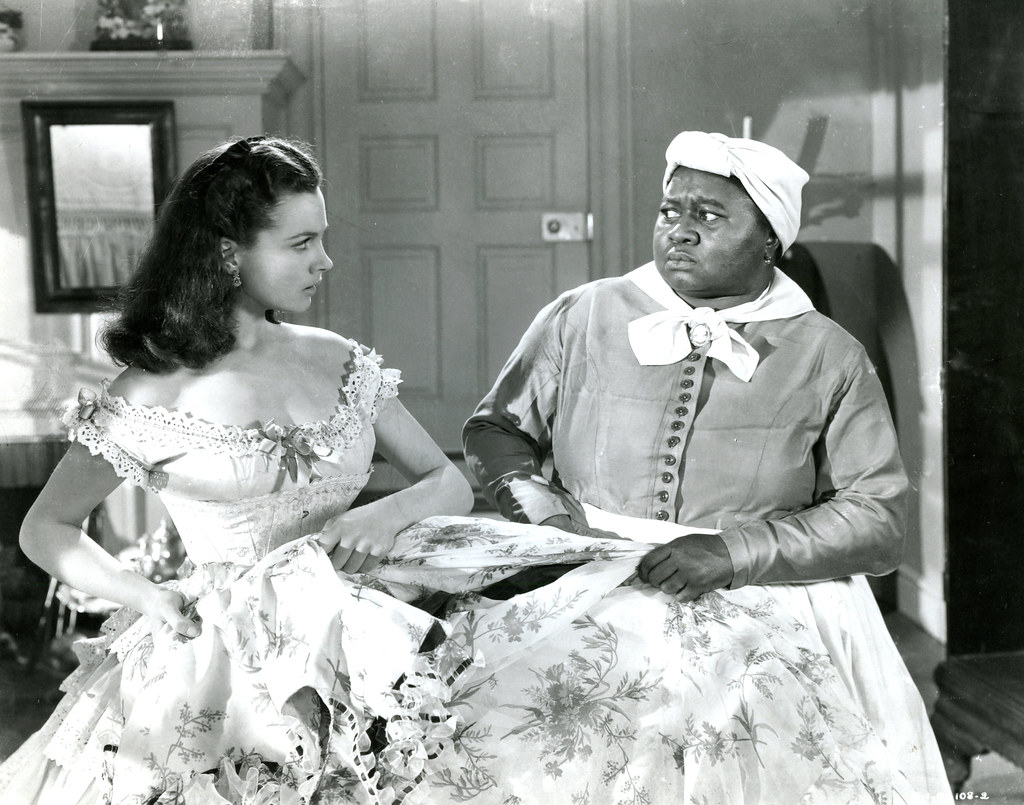
12. **Hattie McDaniel, Gone With the Wind: Drawing the Line on Racial Slurs**
Hattie McDaniel was a groundbreaking figure in Hollywood, achieving a historic milestone in 1940 as the first Black actor to win an Academy Award for her poignant portrayal of Mammy in “Gone With the Wind.” While her performance was celebrated, the 1939 film itself has become a significant point of controversy, particularly for its romanticized and problematic depiction of slavery in the Antebellum South, which has been widely reevaluated in modern times.
The source material, Margaret Mitchell’s novel, is unfortunately rife with racial slurs. Given the historical context and the film’s era, it might have been expected that such derogatory language would transfer to the screen. However, Hattie McDaniel, with remarkable courage and integrity, drew a firm line against its inclusion. She refused to say the N-word herself and equally refused to have it directed at her character.
This was an incredibly audacious stance for any actor, especially a Black woman in a Hollywood system notoriously imbalanced in power dynamics. Despite immense pressure, McDaniel held her ground, effectively using her influence to advocate for change on set. Her personal convictions outweighed any professional risk, underscoring her commitment to human dignity and self-respect.
As detailed by author Leonard J. Leff and in McDaniel’s own writings, her refusal was a significant factor in the omission of many racial slurs from the final version of the film. She even referenced persuading directors to “omit dialect from modern pictures” in a 1947 article, showcasing her quiet but powerful activism against perpetuating harmful Black stereotypes on screen and striving for more respectful portrayals.

13. **Matthew Perry, Friends: Protecting Chandler Bing’s Essence**
The late Matthew Perry created one of television’s most iconic and beloved characters in Chandler Bing from “Friends.” Chandler’s signature blend of sardonic wit, self-deprecating humor, and underlying vulnerability resonated with millions, making him an enduring cultural touchstone whose quotes are still widely shared today. Perry’s nuanced performance truly brought Chandler to life, and he possessed an innate understanding of his character’s unique voice.
This deep connection to Chandler meant Perry instinctively knew what felt authentic to the character and what didn’t. He was not afraid to challenge the script when he felt a particular storyline or line of dialogue strayed too far from Chandler’s established persona, even on one of the biggest sitcoms in the world where adherence to the script was often paramount.
One notable instance, recalled by Perry himself in a 2018 interview, involved a proposed storyline for Chandler. The script suggested that Chandler would visit a male strip joint, not for the typical reasons one might expect, but because, as Perry put it, “he really liked the sandwiches.” This quirky detail, while potentially funny, felt fundamentally off to the actor, challenging Chandler’s established traits.
Perry took the initiative to call the show’s creators, politely but firmly expressing his discomfort and arguing against the plot point. His powerful conviction that this particular quirk didn’t align with Chandler’s character ultimately persuaded the writers to scrap the storyline. This decision underscored Perry’s dedication to maintaining the integrity and consistency of the character fans had grown to adore and expect.

14. **DeForest Kelley, Star Trek II: The Wrath of Khan: The Emotional Integrity of a Catchphrase**
“Star Trek II: The Wrath of Khan” is often hailed as the film that saved and revitalized the “Star Trek” franchise, delivering a thrilling narrative, intense action, and one of cinema’s most heartbreaking moments: the heroic sacrifice and death of Mr. Spock. This scene, particularly the reactions of Kirk and McCoy, is etched into the memories of countless fans, showcasing profound emotional depth and solidifying the film’s legacy.
Within the “Star Trek” universe, DeForest Kelley’s Dr. Leonard “Bones” McCoy was famous for his empathetic, often exasperated, personality and his iconic catchphrase, “He’s dead, Jim.” This line had become a staple of the series, usually delivered with a dose of medical certainty and a touch of grim humor across numerous episodes, making it instantly recognizable.
However, for the somber and pivotal scene of Spock’s death, the original script, as documented in “From Sawdust to Stardust,” intended for McCoy to utter this very familiar line. Kelley, recognizing the profound gravity of the moment, vehemently refused to deliver it. He felt that reusing such a well-known, almost comedic, catchphrase would severely undermine the scene’s raw emotional power and elicit an inappropriate reaction from the audience.
Kelley argued that the line had, over the years, become something of a punchline, and its inclusion would elicit unintended laughter, thereby ruining the somber atmosphere of Spock’s ultimate sacrifice. His principled stand ensured that McCoy delivered a new, emotionally resonant line for the scene, preserving its gravitas and allowing the audience to fully experience the heartbreak without distraction. It was a choice that respected both character and narrative.
These 14 incredible instances highlight a crucial truth in storytelling: the collaborative magic of filmmaking often shines brightest when actors, armed with conviction and deep character understanding, challenge the script. From protecting personal beliefs to elevating iconic moments, their courageous “no” has, time and again, reshaped narratives and left an indelible mark on cinematic history, reminding us that sometimes, the most powerful lines are those that are never spoken.