
Hey, film buffs! Remember when artificial intelligence was just a cool sci-fi plot device? Think sentient robots or computer programs gone wild. Well, get ready for a plot twist, because AI isn’t just on the screen anymore; it’s deep behind the scenes, pulling strings, refining visuals, and even altering performances in some of your favorite flicks! From a distant aspiration, AI has quickly become a legitimate tool in Hollywood.
With AI continually advancing at a rapid pace, it’s popping up everywhere – from business and healthcare to art and photography, and yep, the film industry. We’re talking about everything from subtly enhancing an actor’s vocal range to recreating entire characters. The sheer speed of this technological evolution means that what was once unthinkable is now becoming commonplace, often without audiences even realizing it. The industry is racing to keep up, and the debate around AI’s role in filmmaking is getting louder.
So, are you ready to spill the secrets? We’re diving deep into some major movies that quietly, or not-so-quietly, leveraged artificial intelligence to bring their cinematic visions to life. From Oscar hopefuls to epic blockbusters, prepare to have your mind blown as we reveal just how integral AI has become to the magic of moviemaking. Let’s see if you recognized any of these films that got a little behind-the-scenes help from their good friend, artificial intelligence!
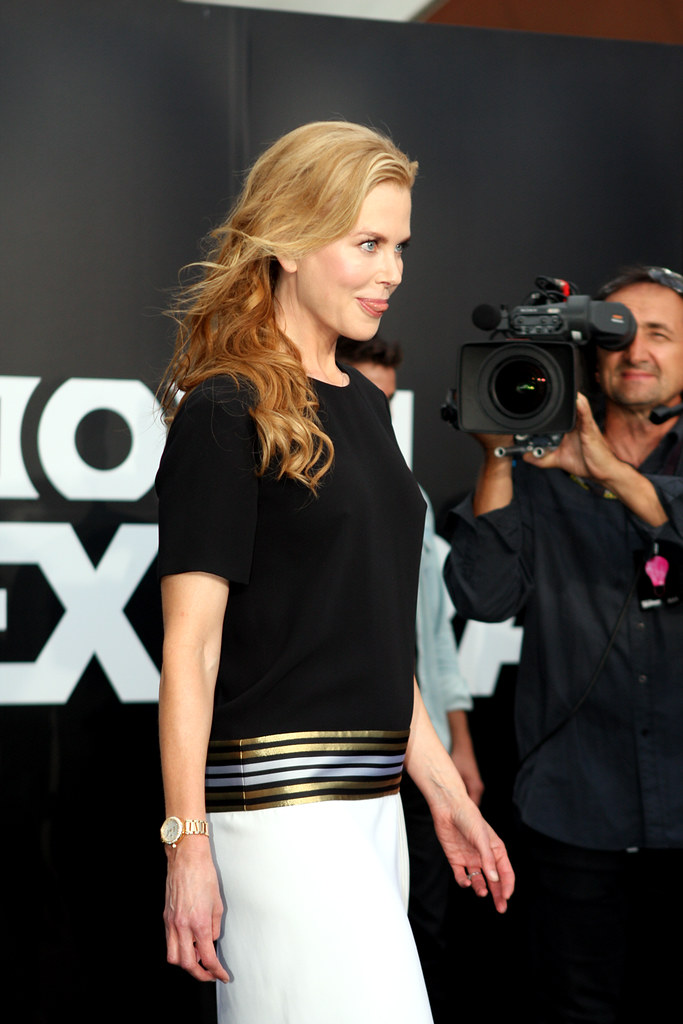
1. **Emilia Pérez: The AI Voice-Over You Never Knew You Heard**Picture this: the Academy Award-winning musical “Emilia Pérez” makes waves, then its sound mixer, Cyril Holtz, drops a bombshell. Lead actress Karla Sofia Gascón struggled to hit some demanding high notes. Instead of a vocal double, the creators opted for something truly innovative: an AI voice cloner called Respeecher.
This wasn’t just about tweaking notes; it was about enhancing Gascón’s vocal abilities to perfectly suit the role. Even more fascinating, this AI technology was used to make Gascón sound “a little bit more like late 1990s Cher.” Talk about a digital makeover for your vocal cords! The process, described by Holtz as “Painstaking,” blended performances into one seamless, show-stopping delivery.
It’s a prime example of how AI can elevate an actress’s performance, ensuring the artistic vision is fully realized. What do you think about AI enhancing vocal abilities or improving likeness to another singer? It certainly sparks a conversation about the future of film!
2. **The Brutalist: A Dialogue Polish and Architectural Dream, Courtesy of AI**Following “Emilia Pérez,” the anticipated film “The Brutalist,” starring Adrien Brody, also embraced AI software in post-production. It chose Respeecher, but for a different, crucial task: fine-tuning actors’ Hungarian dialogue for peak authenticity. Editor Dávid Janscó, a native Hungarian, used his voice as a source for the AI to improve pronunciation.
While the decision to use AI received “some flak,” creators reassured movie-goers that no English language was altered. They clarified that the sound team and Respeecher worked diligently “to refine vowels and letters,” aiming to “improve the authenticity of the film.” It’s all about getting those nuanced sounds just right!
But wait, there’s more! “The Brutalist” didn’t stop at linguistic enhancements. The movie also tapped into generative AI-based tools to craft intricate architectural designs for the fictional architect, László Tóth. This demonstrates AI’s versatile potential, not just in perfecting performances but also in bringing visually stunning and complex creative elements to life on screen.

3. **Civil War: When AI Marketing Sparked a Real-Life Debate**While other films used AI for post-production magic, Alex Garland’s 2024 film, “Civil War,” took a unique approach. They unleashed AI in their marketing campaign, and it certainly got people talking! Promotional posters featured AI-generated, post-apocalyptic scenes set in major United States cities, aiming to capture the film’s intense vibe.
However, these AI-generated images weren’t without their quirks. Eagle-eyed fans quickly spotted “obvious mistakes.” The famous Marina Towers in Chicago were bafflingly placed on opposite sides of the river, for instance. And then there was a car that somehow boasted *three* doors! These slip-ups definitely sparked some head-scratching.
A deeper conversation emerged: some moviegoers felt the posters were “misleading,” potentially setting false expectations. Did the marketing team miss these slip-ups, or were they clever enough to realize viral mistakes would spark debate and draw more attention? It’s a marketing mystery for the ages!
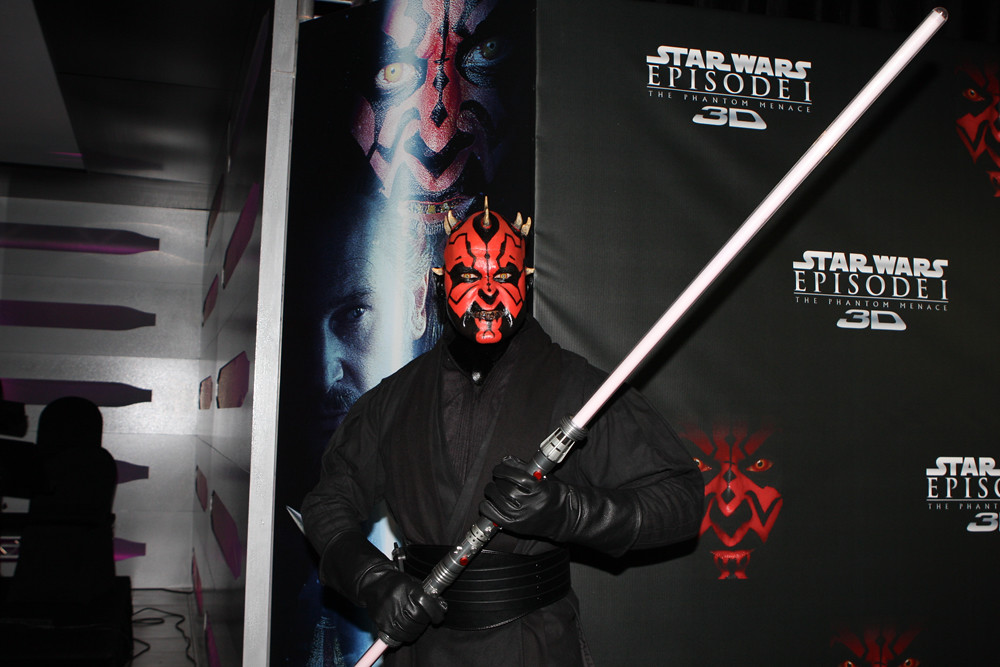
4. **The Star Wars Franchise: Deepfakes Bringing Back Legends from a Galaxy Far, Far Away**Talk about a saga spanning generations! With “Star Wars: A New Hope” and its prequels released at least 22 years apart, creators faced a dilemma: how to avoid re-casting beloved original actors from 1977. Their solution? AI technology! This iconic franchise has become a prime example of using AI to bridge massive time gaps.
One memorable use was in “Rogue One: A Star Wars Story.” Deepfake technology was deployed to stunningly recreate a young Princess Leia, originally played by the late Carrie Fisher, and Grand Moff Tarkin, portrayed by the late Peter Cushing. This feat allowed their characters to appear, connecting narratives and delighting fans without re-casting.
And here’s a cool story! In late 2020, a YouTuber, Shamook, uploaded an “improved deepfake” of a de-aged Luke Skywalker for “The Mandalorian” films. It garnered so much attention that ILM/Lucasfilm actually hired him in 2021! We’ll surely see more AI magic in future Star Wars films, maybe even crafted by fan-turned-prodigies.
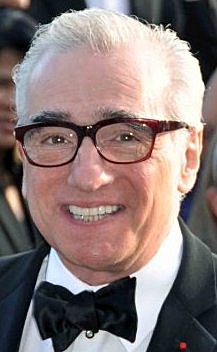
5. **The Irishman: Scorsese’s Digital Fountain of Youth for Hollywood Icons**When Martin Scorsese set out to tell the epic crime drama “The Irishman,” he faced a monumental challenge: depicting his iconic cast – Robert De Niro, Al Pacino, and Joe Pesci – across several decades. Re-casting wasn’t an option, so what was the solution? AI, making it the ultimate digital fountain of youth for Hollywood’s finest.
VFX artist Pablo Helman explained the meticulous process. They gathered clips from earlier movies like “Home Alone,” “The Godfather,” and “GoodFellas,” feeding them into an AI program. This program analyzed and “look[ed] for similar camera angles and lighting,” generating frames that “looked like their younger versions in the same position.”
Both the AI softwares, Face Swap and Industrial Light and Magic (ILM), were instrumental. It was a “costly, labour intensive process,” as noted in discussions around similar machine learning applications, but the result was a seamless, immersive journey through time, allowing these legendary actors to inhabit their characters at any age.
6. **Late Night with the Devil: A Brief Encounter with AI Art**The 2023 horror film “Late Night with the Devil” earned warm reviews, but its release faced controversy. It was revealed that generative AI had been employed, albeit very briefly, within the film. This quickly sparked disappointment among some horror enthusiasts who prefer a purely human touch in their art.
Directors Colin and Cameron Cairnes quickly defended their project. They explained that only “three still AI-generated images were used as part of an early experiment,” emphasizing the technology’s limited scope. These images appeared as “very brief interstitials” at certain points, not as central elements.
The directors also highlighted that “those images were further edited before being included in the final cut,” underscoring AI was “more as inspiration rather than a final product.” This glimpse into AI exploration shows how filmmakers use it cautiously, as a creative prompt rather than a wholesale replacement.
Read more about: Otis Davis: An Olympic Pioneer Who Shattered Barriers on Track and Defied Racism, Dies at 92
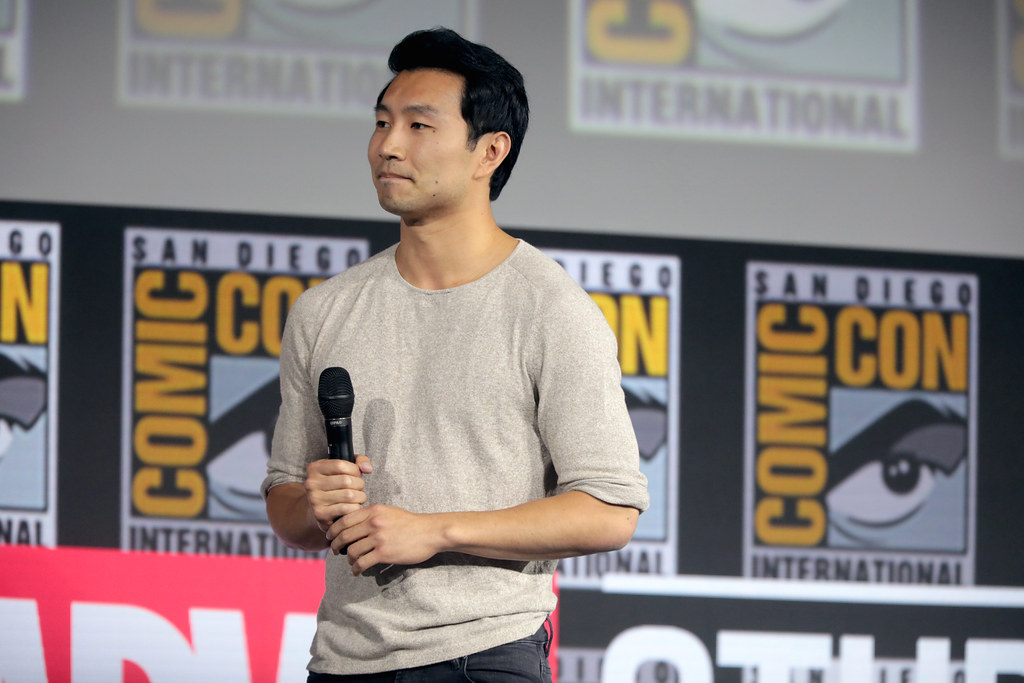
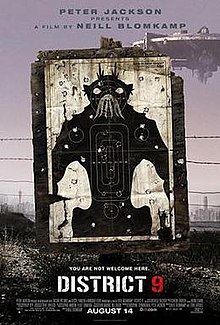
7. **Shang-Chi And The Legend Of The Ten Rings: Marvel’s Secret Weapon for Seamless Stunts**Remember Marvel’s action-packed “Shang-Chi And The Legend Of The Ten Rings”? Released in 2021, its use of AI “passed by largely without comment,” as the technology wasn’t yet a hot topic. Yet, behind the thrilling fight sequences, artificial intelligence was quietly revolutionizing complex action scenes.
Australian VFX studio Rising Sun Pictures (RSP) was at the forefront, having “expanded its Artificial Intelligence capabilities” for “Shang-Chi.” Six pivotal sequences leveraged machine learning to achieve something remarkable: replacing stunt performers’ faces with principal actors’. This was an early, sophisticated deepfake example.
The process was intricate, involving “30,000 face images across five characters, training five principal models that combined to over 4 million training iterations.” A VFX expert stated “The output is incredibly real and sets a new bar for believability.” This was “unheard [of] a couple of years ago,” but now possible “with no special hardware.” Mind. Blown.
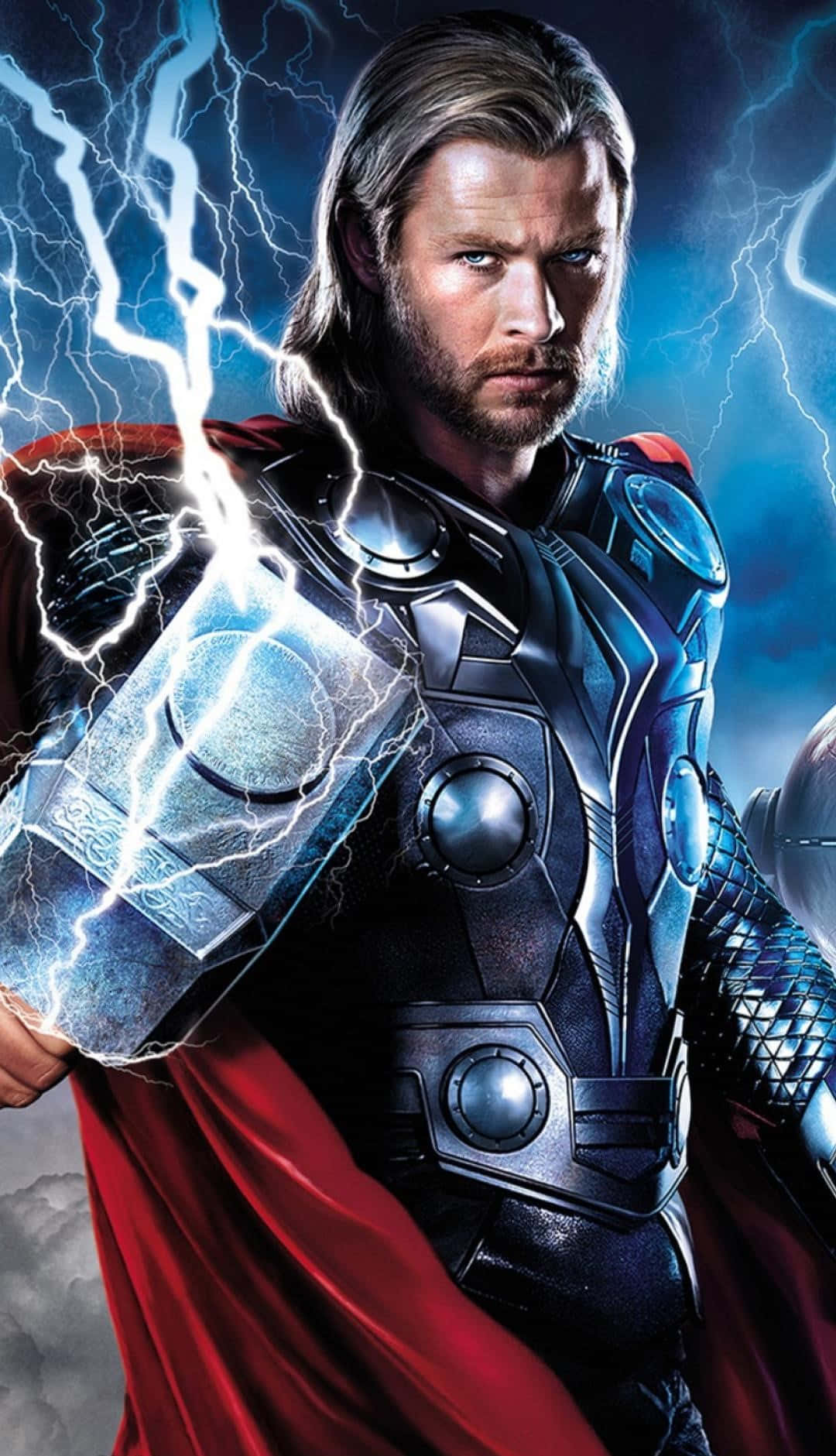
8. **Thor: Love And Thunder: Marvel’s Digital Baby Thor Who Stormed into Battle**Who knew a little god could cause such a stir? Taika Waititi’s superhero sequel, “Thor: Love And Thunder,” had a blink-and-you-miss-it moment that was pure AI magic: a digital Baby Thor. While the use of AI in this flick mostly flew under the radar, it’s a fascinating peek into how machine learning can create entirely new, adorable, and battle-ready characters. Forget bringing old actors back; AI can craft a tiny hero from scratch!
The process was pretty ingenious. Instead of just deepfaking an adult actor into a baby (which, let’s be honest, would probably be terrifying), the visual effects team at Rising Sun Pictures used a real infant – reportedly then-Disney boss Bob Chapek’s son – as reference imagery. This was the raw material, the blueprint, for creating an all-digital Baby Thor. It wasn’t about digitally altering a live-action performance, but rather using machine learning to enhance animation.
VFX producer Ian Cope explained the advantage of this technique: “The performance derives from animation enhanced by a learned-library of reference material.” This means the digital baby wasn’t just a static image; its movements and expressions were informed by real-life infant behavior, making it incredibly lifelike. The result? “A full screen photo-real Baby Thor storming into battle,” proving that AI isn’t just for subtle tweaks, but for crafting prominent, photo-real characters that audiences accept as part of the narrative. How cool is that for digital baby-sitting?
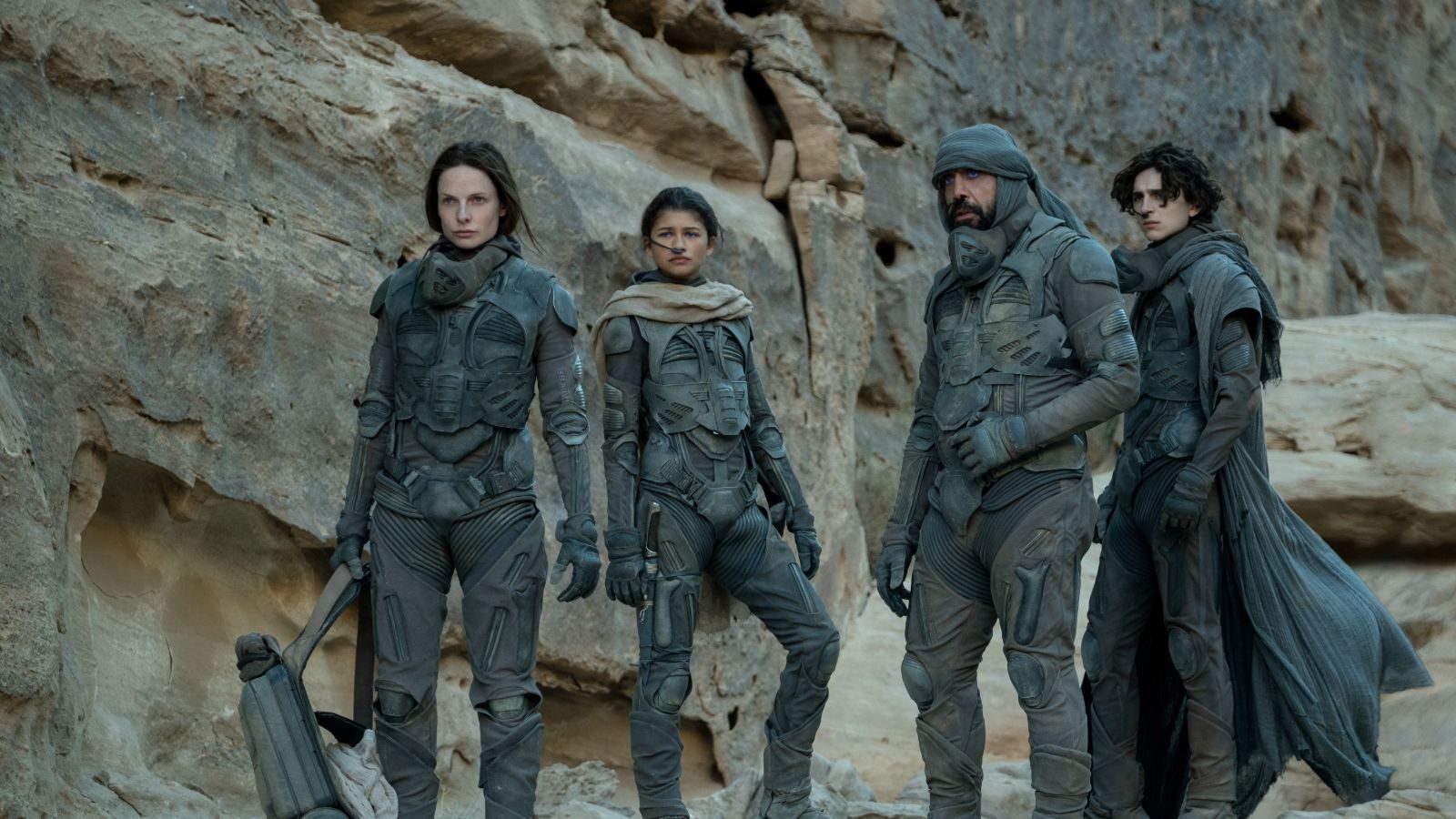
9. **Dune: Part Two: Giving the Fremen Their Iconic Blue Eyes with AI Precision**Get ready to have your mind blown, “Dune” fans! Those striking, icy blue eyes of the Fremen in Denis Villeneuve’s epic sequel weren’t all hand-painted by tireless VFX artists this time around. While the first “Dune” film required painstaking manual work for each character’s vibrant peepers, “Dune: Part Two” leveraged artificial intelligence to achieve this iconic visual. Talk about a glow-up for visual effects!
Effects studio DNEG, the creative force behind many of the film’s stunning visuals, developed a clever new technique. They essentially taught an AI system to recognize and adapt the “spice eyes.” Paul Lambert, the VFX supervisor, explained, “We came up with a different technique, using what we’d learned before from the hundreds of blue eye shots in the first movie and creating a machine learning model, an algorithm trained from those ‘Dune’ shots to find human eyes in an image.”
This intelligent algorithm would then automatically detect actors’ eyes in a shot and create a precise matte (a digital mask) for different parts of the eye. Once the matte was in place, the team could seamlessly tint the eyes blue, ensuring consistency and efficiency across the vast number of shots featuring the Fremen. It’s a fantastic example of AI taking a repetitive, labor-intensive task and automating it, allowing artists to focus on more complex creative challenges. Who knew AI could be such a vision en-hancer for a whole planet?

10. **Furiosa: A Mad Max Saga: Seamless Blends and Resurrecting Legends with AI**Strap in, Wasteland warriors! “Furiosa: A Mad Max Saga” is not only a thrilling prequel but also a masterclass in how AI can meticulously craft character appearances. If you caught yourself marveling at how child actor Alya Browne flawlessly transitioned into a young Anya Taylor-Joy, you’re looking at cutting-edge AI in action. This film used AI to achieve incredible continuity and even bring back a beloved character from the grave, proving that AI isn’t just about fixing little things; it’s about shaping entire cinematic narratives.
The secret sauce for Furiosa’s transformation? Rising Sun Pictures’ Revize, the same impressive software we’ve seen working its magic elsewhere. This machine learning process was used to “blend the two actresses’ features,” creating a smooth visual evolution as the narrative progresses. Furiosa’s face gradually shifts, looking more and more like Anya Taylor-Joy’s adult version. This innovative approach offers a sophisticated way to manage a character’s aging process across different actors without jarring cuts.
But wait, there’s more! AI’s role in “Furiosa” goes beyond simple blending. The film also employed another piece of AI wizardry, Metaphysic, to create a character called The Bullet Farmer. This involved mixing the performance of actor Lee Perry with the distinct likeness of Richard Carter, who played the character in “Mad Max: Fury Road” but sadly passed away in 2019. Metaphysic VFX supervisor Jo Plaete stated, “We meticulously trained our models on footage from Mad Max: Fury Road, ensuring the perfect fusion of Perry’s performance and Carter’s identity.” Talk about bringing legends back to life with a technological twist!
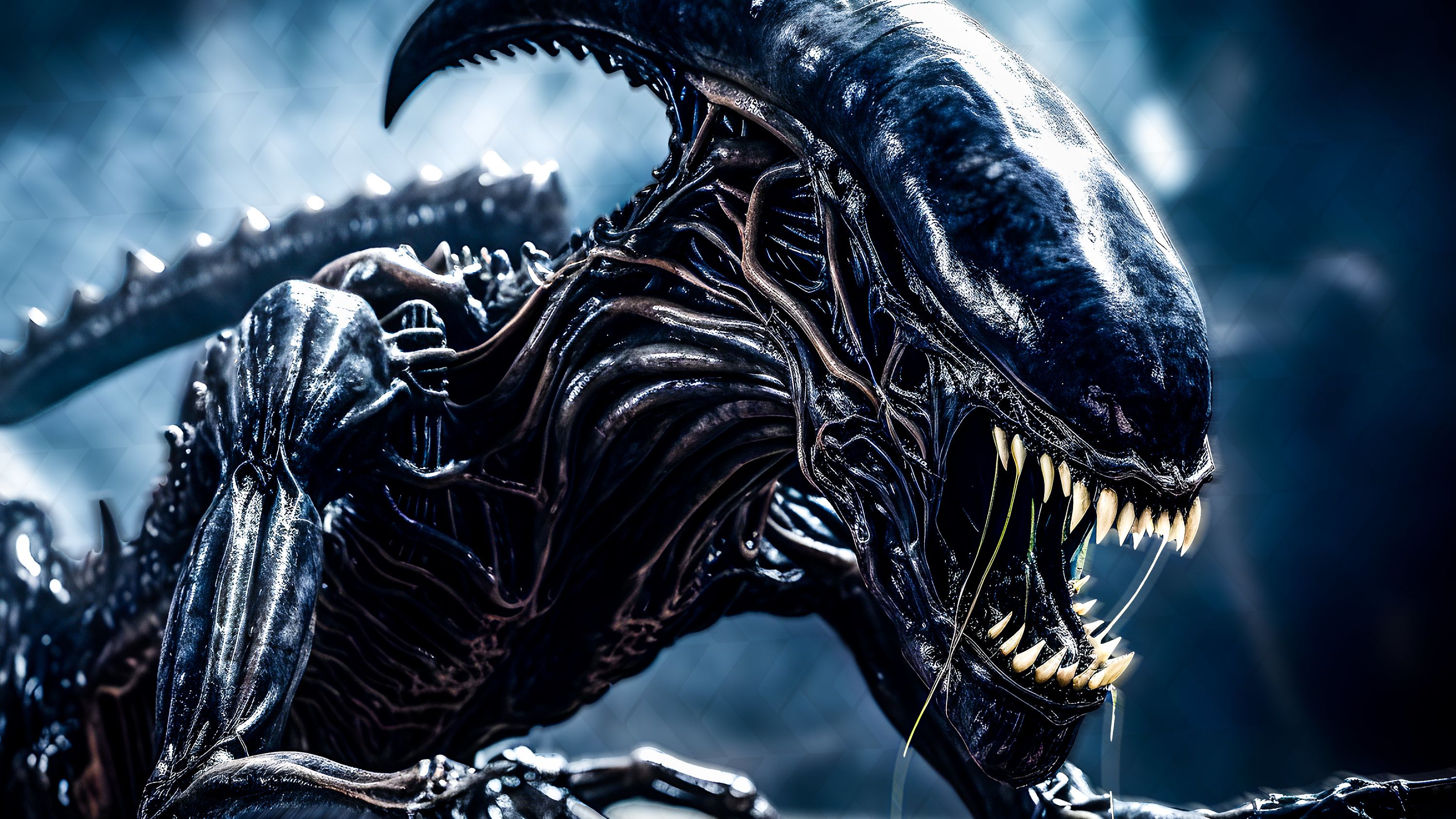
11. **Alien: Romulus: The Return of Ian Holm’s Likeness via AI Deepfake**Alright, sci-fi horror fans, prepare for a chilling revelation from the depths of space! Director Fede Alvarez’s “Alien: Romulus” aimed for that classic, gritty feel with practical effects and miniatures. Yet, even in this commitment to traditional filmmaking, AI found its way in, specifically with the character Rook. Blending animatronics and Metaphysic’s deepfake technology, Rook was astonishingly based on the voice and likeness of the late, great Ian Holm, who famously played the android Ash in the original “Alien.”
Imagine the impact of seeing a character that echoes a beloved actor from the franchise, decades after their passing. It’s a powerful testament to how far deepfake tech has come, allowing filmmakers to honor legacies and expand narratives in new ways, of course, with permission from the estate. While initial reactions to Rook were reportedly mixed, prompting quiet revisions for the home release, it highlights AI’s incredible potential—and current limitations—in creating believable digital characters.
VFX supervisor Eric Barba acknowledged the evolving nature of the tech, stating, “The tools are being written and worked on as we speak, and every day are getting better.” This complex integration truly pushes the boundaries of digital performance, blurring the lines between new actors and cinematic history. It’s a fascinating glimpse into how AI can revive and reimagine iconic figures, adding layers of depth and nostalgia to a franchise.

12. **Watch The Skies: AI’s Game-Changing Move for Global Localization**Imagine watching a foreign film, but every actor’s mouth movements perfectly sync with the English dub. Sounds like something out of a sci-fi movie, right? Well, get ready, because AI is making it a reality! The upcoming Swedish sci-fi adventure, “Watch The Skies,” is set to revolutionize film localization thanks to a groundbreaking AI firm called Flawless. This isn’t just about subtitles or traditional voiceovers; it’s about a fully immersive, globally accessible viewing experience!
Distributor XYZ Films brought in Flawless AI for the US release, and their technology is seriously next-level. According to Variety, Flawless will “digitally [alter] the film’s images and sound so character mouth movements and speech will be perfectly synced.” Think about that for a second! It means the AI analyzes the original performance and the new dubbed audio, then subtly adjusts the on-screen visuals to match, ensuring perfect lip-sync. No more awkward, mismatched dialogue that pulls you out of the story!
Flawless AI co-founder Scott Mann highlighted the immense potential, stating that showing their materials to filmmakers made them “realise the potential from going to a local stage to a global stage.” This technology could be a true game-changer for international cinema, effectively breaking down language barriers in a way that truly preserves the original cinematic intent while making it accessible to wider, global audiences. If “Watch The Skies” proves successful with this innovative approach, we could be seeing a future where every dubbed film feels as natural and authentic as the original, transcending linguistic boundaries in an unprecedented way.
From bringing digital babies to life and turning back time for legendary actors, to precisely painting alien eyes and even making dubbed dialogue perfectly lip-sync, AI is redefining what’s possible in filmmaking. These examples are just the tip of the iceberg, showcasing how artificial intelligence is not only streamlining complex post-production tasks but also opening up entirely new creative avenues. Whether it’s enhancing an actor’s subtle expressions, resurrecting an iconic character, or making a foreign film feel natively localized, AI has truly cemented its place in Hollywood’s toolkit. So next time you’re settling in for a movie night, remember: there might be a silent, super-smart co-creator working its magic behind the scenes, shaping the cinematic wonders you love! Hollywood, prepare for a new era of endless possibilities!