America, get ready to put the pedal to the metal – or maybe, just maybe, pump the brakes, because the rules of the road are changing faster than a hot rod on a fresh stretch of highway. From dusty desert routes to bustling interstates, 2025 is shaping up to be a wild ride for speed limits across the nation. We’re talking about shifts that aren’t just incremental nudges; they’re full-throttle overhauls and head-scratching contradictions, earning them the coveted title of “craziest” in our book.
It’s a fascinating, sometimes frustrating, dance between modern vehicle capabilities, evolving road infrastructure, and the enduring, often-debated, principles that have guided traffic engineers for decades. States are wrestling with the desire for smoother traffic flow and shorter travel times, all while trying to keep everyone safe. But what happens when the very data used to determine “safe” speeds starts telling us to go even faster, even in areas where people are literally begging for things to slow down? That’s where the real “crazy” kicks in.
So, buckle up, because we’re about to take a deep dive into the most significant speed limit transformations hitting America’s asphalt this year. We’ll explore the states leading the charge with higher limits, the age-old “85% rule” that still dictates so much, and the emerging technologies that might just redefine what “driving free” truly means. Prepare for an engaging look at how the lines on our maps, and on our speedometers, are being redrawn.

1. **Texas’s 80 MPH Shift (and 85 MPH Anomaly)**
When you think of Texas, you probably picture wide-open spaces, big trucks, and even bigger speed limits. Well, you’re not wrong, because the Lone Star State is cementing its reputation as a haven for the heavy-footed. While many states are now contemplating 75 mph, Texas has already pushed further, recently upping some highways to a blistering 80 mph. But let’s not forget, there’s a legendary 40-mile segment between Austin and San Antonio where a mind-bending 85 mph is perfectly legal. Talk about crazy!
This isn’t just a simple adjustment; it’s a philosophical stance. After Congress famously repealed the national 55 mph maximum speed limit in 1995 – a relic of 1970s oil fears – states like Texas took the ball and ran with it, or rather, drove with it, at increasingly higher speeds. The idea, it seems, is to match the roads to modern vehicles, which are undeniably safer and more capable than their ancestors.
However, research suggests there’s a catch to all this velocity. Chuck Farmer, vice president for research at the Insurance Institute for Highway Safety, noted in a 2019 study that “Every 5 mph increase to a state’s maximum speed limit increases the chance of fatalities by 8.5% on interstate highways.” He also points out that in our modern “cocoon” vehicles, drivers often “don’t have a sense of what 80 mph is.” So, while the engine hums serenely, the risks can climb silently, making that 80 or 85 mph figure a bit more unsettling.

2. **California’s 75 MPH Move & The 85% Rule Tug-of-War**
California, the land of endless freeways and, often, endless traffic, is also getting into the spirit of higher speeds, moving its general interstate limit up to 75 mph from 70 mph. But this isn’t just about going faster; it’s about confronting a deeply ingrained, almost sacred, principle in traffic engineering: the 85% rule. The Golden State has historically embraced this rule “even more than most states” as its primary basis for setting speed limits.
The 85% rule, born from studies of rural roads in the 1930s and 40s, essentially states that a road’s posted speed should reflect the speed of the 15th-fastest vehicle out of every 100 in free-flowing traffic. The underlying assumption is that “drivers set the speed,” meaning the safest speed is the one most vehicles naturally travel. If drivers think it should be higher, they “vote with their feet” – or rather, their gas pedals – and speeds are ratcheted up to match.
This creates a “feedback loop,” as Jenny O’Connell of the National Association of City Transportation Officials explains: “People speed, and then the speed limits will be ratcheted up to match that speed.” While legislators have recently started to loosen restrictions, allowing local governments to depart from the 85% rule when a “proven safety need” exists, advocates for vulnerable road users, like Kendra Ramsey of the California Bicycle Coalition, feel it’s not enough. She laments that “There’s still a very heavy mindset that automobiles are the primary method of travel and they should be given priority and reverence.” This ongoing battle makes California’s 75 mph shift far from a simple numbers game; it’s a profound cultural and engineering conflict.

3. **Florida’s Fast Lane to 75 MPH**
Sunshine, beaches, and now, faster highways. Florida is another key state in the 2025 speed limit shake-up, increasing its highway maximums from 70 mph to 75 mph. This change is being touted by state transportation departments as a proactive update, designed to “modernize America’s highway system” and align with “today’s driving realities.” The benefits, according to the official line, are clear: “Shorter travel times on long-distance routes” and “less traffic congestion in high-volume areas.”
It’s a move that falls squarely within the trend of states adjusting limits to reflect improvements in road infrastructure and the advancements in vehicle safety technologies. The goal is to create a smoother, more efficient driving experience, particularly for those long hauls across the state. After all, nobody wants to feel like they’re crawling when the road ahead is clear and their ride is capable.
However, the question always lingers: at what cost does this efficiency come? While Florida, like many states, aims for “improved road safety with clear, consistent limits,” the underlying tension between speed and safety is an ongoing national conversation. For now, drivers heading to the Magic Kingdom or down to Miami can expect to get there just a little bit quicker, provided they stay within those freshly posted 75 mph boundaries.
Read more about: My Florida Life: Seven Years, Endless Surprises, and the Unforgettable Experiences That Changed Everything

4. **Arizona’s Desert Dash to 80 MPH**
From the land of saguaros and stunning sunsets, Arizona is embracing the call for higher speeds, joining the ranks of states allowing drivers to hit 80 mph on certain highway stretches, up from the previous 75 mph. This isn’t just a random act; it’s part of a concerted effort by state transportation departments to fine-tune the nation’s roadways. The justifications cited are familiar: “To ease congestion on busy highways” and “to reduce driver frustration and promote better traffic flow.”
The logic behind these increases often stems from the idea that if a road is engineered for higher speeds, and most drivers are already comfortable going faster, then increasing the limit simply legitimizes existing behavior while hopefully reducing speed differentials. It’s about creating an “improved road safety with clear, consistent limits” that drivers can intuitively understand and adhere to.
But let’s be real, driving at 80 mph across vast, often desolate, stretches of Arizona’s landscape can feel both exhilarating and, at times, a little intense. Modern vehicles might make it feel like you’re barely moving, as Chuck Farmer pointed out, yet the physics of a crash at that velocity remain unforgiving. For now, the desert highways beckon, inviting drivers to experience a truly “crazy” level of velocity, all in the name of efficiency and flow.
Read more about: Get Ready To Slurp! We Found the 12 Most EPIC Soup Spots Across America That Soup Enthusiasts Absolutely RAVE About!
5. **North Dakota Joins the 80 MPH Club**
Not to be outdone by the Southern speedsters, North Dakota has also thrown its hat into the ring, becoming the “ninth state to allow drivers to go 80 mph on some stretches of highway.” This is another significant marker in the post-1995 era of climbing speed limits, a clear sign that the “80 is the new 55” mantra is becoming a widespread reality across the U.S., far removed from the days of national mandates.
The shift reflects a broader trend seen nationwide, driven by several factors. Improvements in road infrastructure, such as wider lanes and better-designed interchanges, certainly play a role. So too do advancements in vehicle technology, with cars now equipped with features like advanced braking systems, stability control, and driver-assist technologies that theoretically make higher speeds safer.
For drivers traversing the expansive plains of North Dakota, this means potentially shorter travel times on long-distance routes, a welcome change for those facing vast distances. It also contributes to the stated goal of “creating uniformity across neighboring states for easier long-distance travel.” However, as with all these increases, the underlying debate about whether faster truly equates to safer, particularly when human perception and judgment are involved, continues to echo through transportation discussions.
Read more about: Beyond the Hue: Unpacking the Complex Layers of Donald Trump’s Public Persona and Enduring Impact
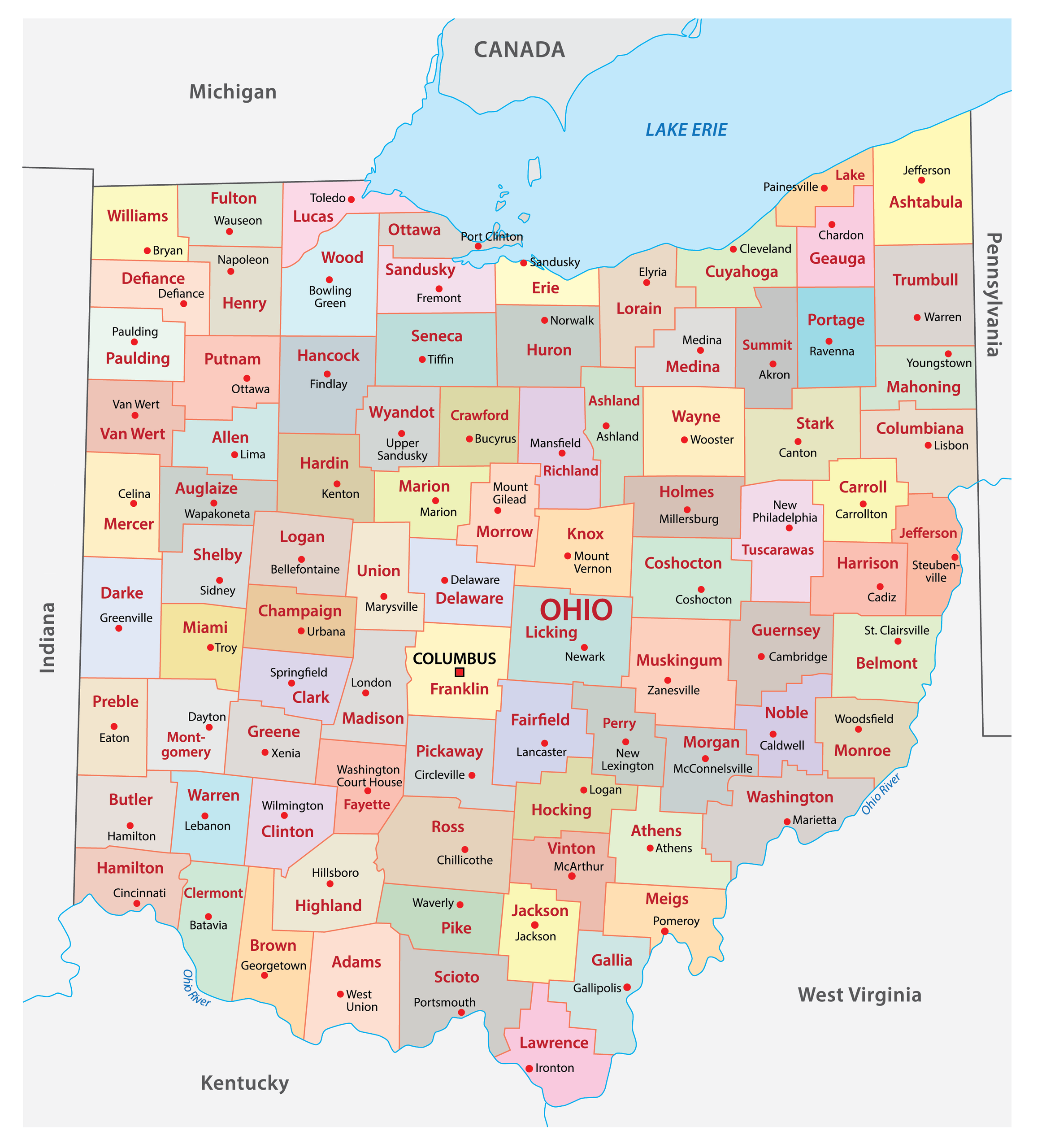
6. **Ohio’s Evolving Lanes (Mitchaw Road & 70 MPH Highways)**
Ohio is a microcosm of the national speed limit dilemma, offering both general highway increases and a fascinating local battle. On the one hand, the state has boosted its interstate limits from 65 mph to 70 mph, aligning with the nationwide push for efficiency and improved flow. On the other, we have the captivating story of Mitchaw Road in Sylvania Township, a two-lane artery that passes an assisted living community, a church, two schools, and a busy park.
Here, 85-year-old Rose Hammond championed for *years* to lower the existing 55 mph limit, decrying reckless motorcyclists and asking, “What are you waiting for, somebody to get killed?” Yet, when county engineers analyzed Mitchaw Road using the antiquated 85% rule, the “surprising answer” was that the speed limit was “technically, 5 mph too low,” suggesting it should actually be *raised* to 60 mph. Talk about crazy!
This stark contradiction perfectly illustrates why many experts, including Leah Shahum of the Vision Zero Network, insist that “The 85th percentile should not be the Holy Grail or the Bible, and yet over and over again it is accepted as that.” Ohio, to its credit, is recognizing the need for change. While still bound by laws setting maximums for 15 different roadway types, it’s evolving its guidelines to give “more consideration to roadway context” and allowing cities to reduce limits based on the 50th percentile speed in areas with many pedestrians and bicyclists.
Michelle May, who manages Ohio’s highway safety program, sums it up: “People are traveling and living differently than they did 40 years ago, and we want to put safety more at the focus.” It’s a slow burn, but a crucial shift away from simply letting the fastest drivers dictate the rules. This evolving approach demonstrates a nuanced understanding that safety needs to be paramount, especially in diverse urban environments where road users aren’t just behind the wheel.
Unfortunately for Rose Hammond, despite years of “futile calls and emails to state, county and township officials,” she says she isn’t holding her breath for the Mitchaw Road limit to change. This highlights the inertia and deeply entrenched systems that make meaningful local speed limit reform a challenging, often frustrating, battle.

7. **Nevada’s New Benchmark: The 80 MPH Frontier**
When we talk about states embracing higher speeds, it’s not just the usual suspects making headlines. Nevada, the land of glittering casinos and vast, empty highways, is also hitting the gas, upping its certain highway stretches to a blistering 80 mph from the previous 75 mph. This isn’t just a casual bump; it’s a statement, placing the Silver State firmly in the upper echelon of America’s speed-friendly destinations.
State transportation departments are, predictably, touting this increase as a means to “ease congestion on busy highways” and “reduce driver frustration and promote better traffic flow.” It’s the familiar tune we’ve heard, suggesting that if the road is built for speed and drivers are already comfortable pushing the limits, then formalizing that velocity just makes things… official. But is it truly about engineering precision, or is it more about catering to the lead feet?
Driving 80 mph through Nevada’s expansive desert landscapes can feel like you’re barely moving, thanks to the cocoon-like silence of modern vehicles, as Chuck Farmer of the Insurance Institute for Highway Safety pointed out. Yet, the physics of a high-speed collision remain as brutal as ever. So, while the open road beckons and the speedometer needle climbs, drivers are left to ponder whether this pursuit of efficiency truly promotes “improved road safety with clear, consistent limits,” or if it’s just a crazy gamble on the asphalt.

8. **Indiana and Mississippi: Trucking Towards Uniformity and Higher Speeds**
Not all speed limit changes are about passenger cars hitting higher numbers. Indiana is stepping into the spotlight with a proposal that’s all about the big rigs, letting large trucks legally cruise at 70 mph on rural interstates, finally matching the existing limit for passenger vehicles. The thinking here is refreshingly straightforward: achieve “consistency and smoother traffic flow” by reducing those dangerous speed differentials between trucks and cars.
Meanwhile, down in the Magnolia State, Mississippi is making moves to elevate its rural road limits to 75 mph and even allowing toll roads to stretch up to a heady 80 mph. This isn’t rocket science; these increases are designed to simply “reflect how fast drivers are already moving and to improve highway efficiency.” It’s the classic 85% rule philosophy, but on a grander scale.
It makes you wonder, are these states truly aiming for consistency and efficiency, or are they merely succumbing to the reality that a significant portion of drivers are already ignoring the old signs anyway? While these adjustments might make the commute a bit quicker for some, especially those behind the wheel of a semi, the underlying question of whether faster always equals better, or safer, continues to rumble beneath the surface of the new asphalt.
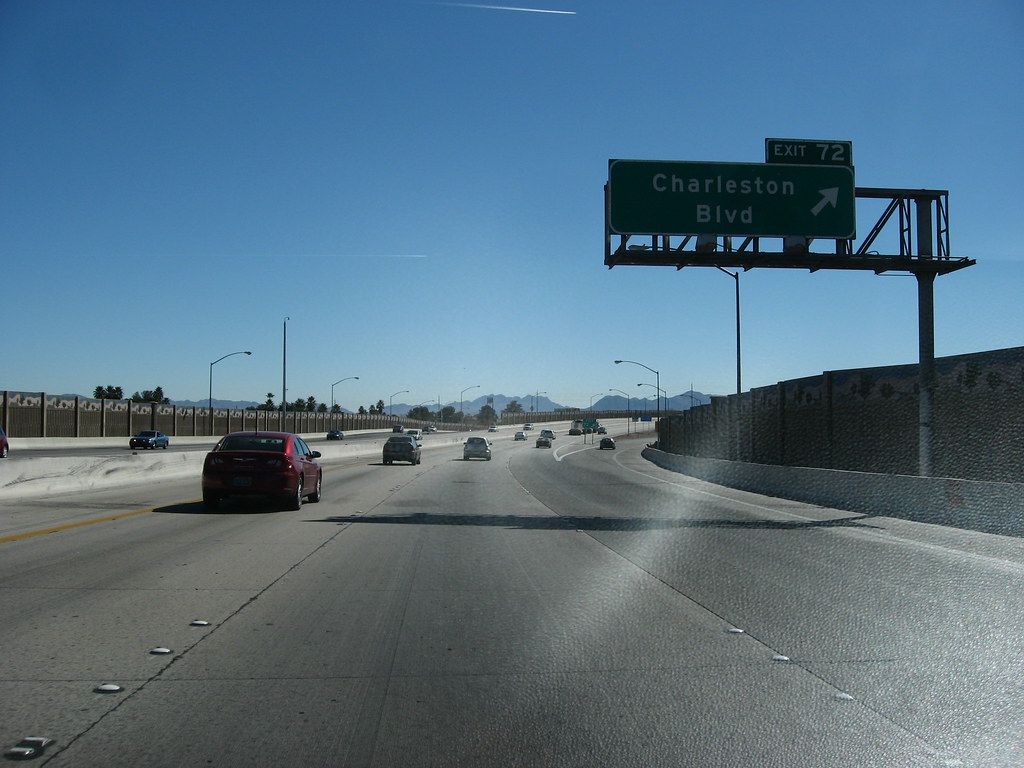
9. **South Carolina’s Minimum Speed Mandate: Rethinking Traffic Flow**
Now, if you thought all speed limit changes were about going faster, hold your horses – or rather, press your accelerator just a *little* bit harder. South Carolina is rolling out one of the more peculiar, yet intriguing, adjustments by raising the *minimum* speed on its 70 mph highways. Drivers previously allowed to dawdle at 45 mph will now have to maintain at least 50 mph, aiming to reduce those infamous “dangerous speed differentials between vehicles.”
This isn’t your typical speed hike; it’s a tactical maneuver. The idea is that wildly varied speeds create more hazards than consistently high ones. By narrowing the speed band, South Carolina is trying to engineer a smoother, more predictable flow, theoretically cutting down on weaving, sudden braking, and road rage-inducing bottlenecks. It’s a genuine attempt to address a common frustration for anyone stuck behind a Sunday driver on an otherwise open interstate.
From a Jalopnik perspective, this move is crazy in a good way – it’s thinking outside the box! While it still prioritizes the movement of traffic, it does so by managing the extremes, rather than just bumping up the top end. It’s a pragmatic, albeit somewhat unusual, approach that acknowledges the complexities of modern highway dynamics. But for those who prefer to take it easy, it means you’ll have to keep a closer eye on that lower end of the speedometer now.

10. **The Urban Slowdown: Madison and Seattle’s “20 is Plenty” Vision**
Amidst the chorus of states shouting for more speed, a quieter, yet profoundly impactful, movement is gaining traction in our cities: the push for *slower* streets. It’s the antithesis of the interstate free-for-all, and it’s arguably one of the craziest, most radical shifts in philosophy we’re seeing. Under its “20 is Plenty” campaign, the Wisconsin capital of Madison has spent this summer changing signs across the city, diligently lowering the speed limit from 25 mph to 20 mph on local residential streets.
This isn’t just about a number; it’s about reimagining urban spaces. It’s a recognition that city streets aren’t just conduits for cars, but shared environments where pedestrians, cyclists, and families all coexist. The goal is to minimize the risk of injuries for all road users, rather than simply letting the fastest drivers dictate the pace. It’s a direct challenge to the antiquated 85% rule, which, as Jenny O’Connell of the National Association of City Transportation Officials puts it, “creates this feedback loop” where speeding leads to higher limits.
Seattle, a pioneer in this movement, embarked on a similar pilot program seven years ago, and the results were nothing short of impressive. Not only did the city witness a noticeable decline in serious injury crashes, but it also saw a 7% drop in the 85th percentile speed itself. This proves that when you commit to designing streets for safety first, drivers *will* adapt. It’s a powerful counter-narrative to the “go faster” trend, demonstrating that sometimes, the most profoundly effective change is to actually hit the brakes and redefine what “driving free” truly means in a vibrant urban context.
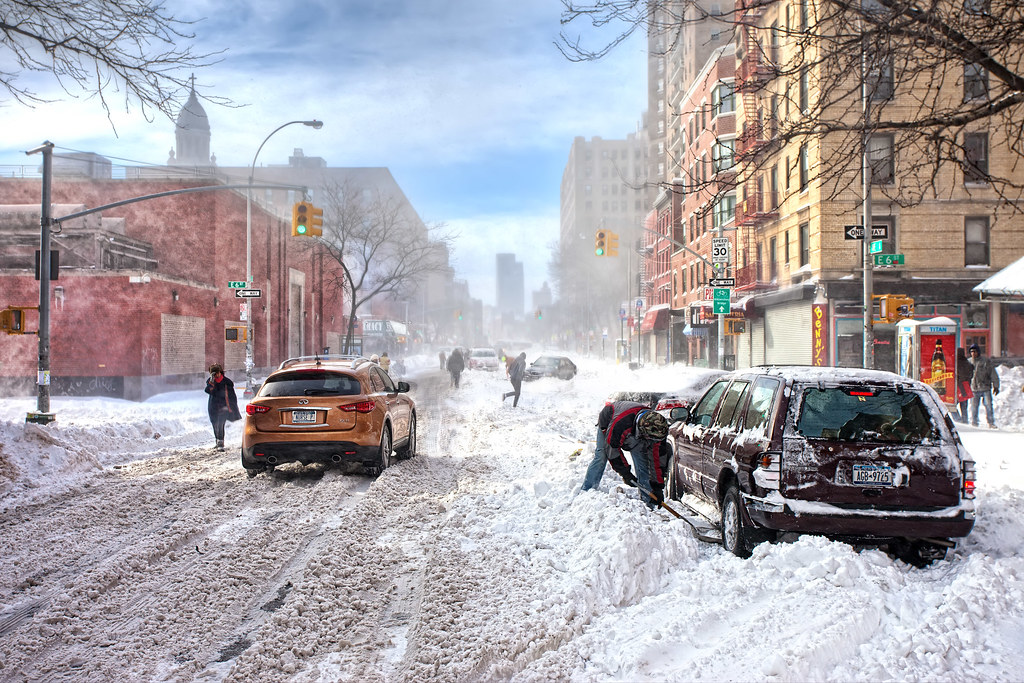
11. **New York’s Digital Dilemma: Higher Limits, GPS Leashes**
Just when you thought speed limits were purely about asphalt and signs, New York swoops in with a proposal that fuses higher speeds with a decidedly sci-fi twist. While the Empire State is considering bumping its interstate speed limits from 65 mph to 70 mph – a relatively tame increase compared to others – the real headline is buried in the fine print: legislation that could mandate GPS-based speed monitoring systems for “certain drivers—especially repeat offenders or those with serious violations.” This isn’t just an alert; it’s a digital leash.
Imagine a world where your car isn’t just tracking your speed, but actively preventing you from exceeding the posted limit. We’re talking about systems that can either give you an undeniable audio warning or, more controversially, actively *restrict* your acceleration. Think of it as a speed breathalyzer wired directly to your gas pedal. Advocates argue this technology could be a game-changer for reducing high-speed collisions and saving lives, especially among habitual speed demons.
But for many, this feels like a fundamental assault on the very notion of driving freedom, not to mention a massive privacy invasion. The idea of a vehicle legally empowered to override your input and track your every move is sparking a heated debate about surveillance, personal liberty, and the true cost of “enhanced safety.” New York’s move illustrates the uneasy tension brewing between the desire for faster roads and the creeping specter of digital control, forcing drivers to confront a question that goes far beyond a mere number on a sign.
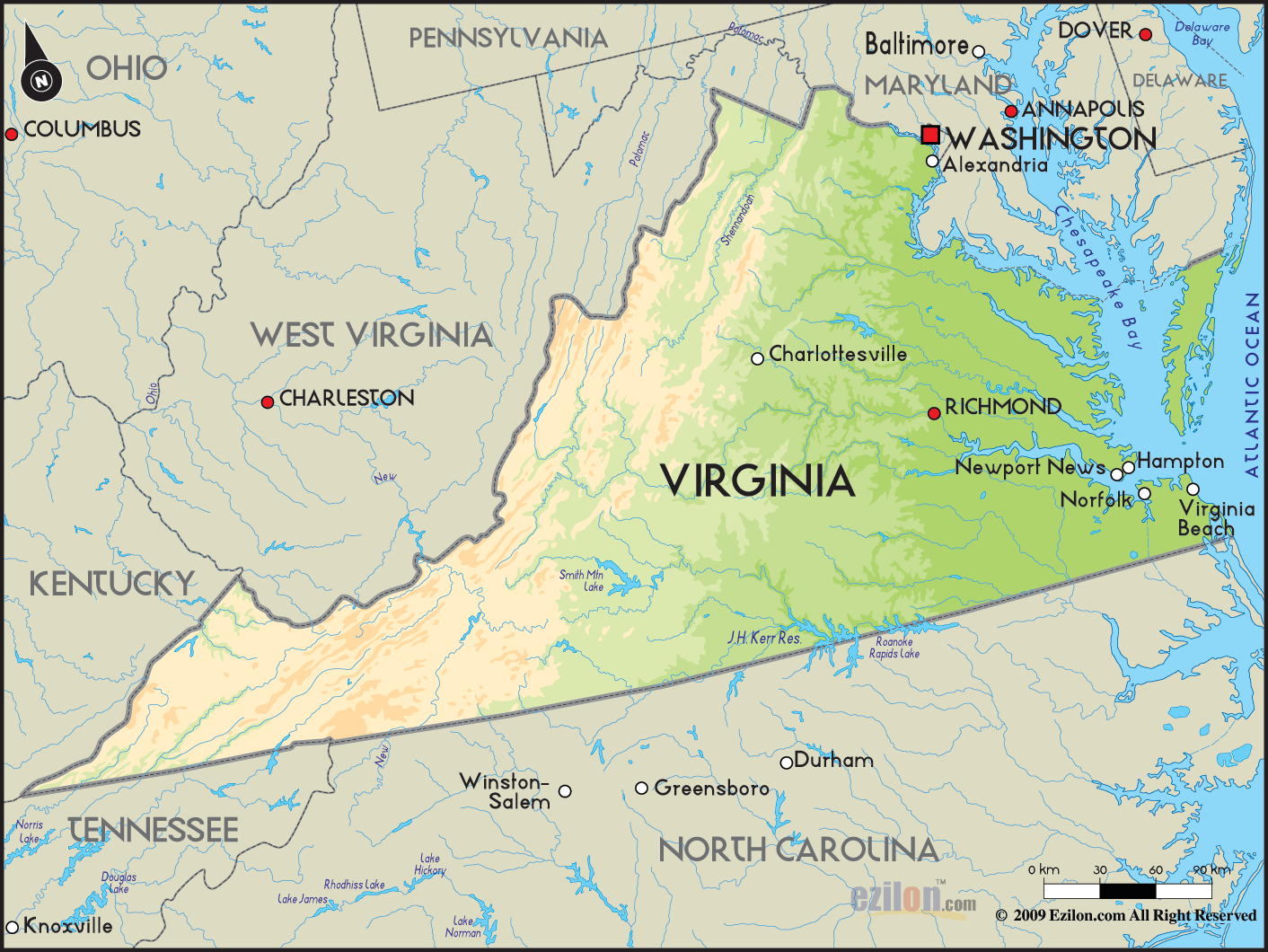
12. **Virginia’s Reckless Blueprint: GPS Limiters in Practice**
While New York debates the future, Virginia is already dipping its toes into the controversial waters of GPS speed limiters, offering a glimpse into what might become a national model. Here, judges now have the discretion to offer these devices as a legitimate alternative to license suspension for reckless drivers. It’s a proactive step that recognizes the need for smarter enforcement strategies, especially for those who persistently treat public roads like their personal drag strips.
But, as with any emerging technology, there are catches. Drivers opting for this digital parole must shoulder the cost of the device themselves, and any attempt to tamper with it is treated as a criminal offense. It’s a system designed to encourage responsibility without completely removing the offender from the road, a pragmatic balance that could appeal to other states grappling with persistent reckless driving issues.
This “optional approach” in Virginia raises fascinating questions about the evolution of legal penalties and personal accountability. Could this be the thin end of the wedge, slowly normalizing these technologies until they become a mandatory feature for all? The creeping integration of surveillance into our vehicles is becoming undeniable, forcing us to ask: If your car knows every road’s limit – and prevents you from breaking it – is that truly safety, or a step too far into overreach? The ride ahead is getting faster, but the question of whether we’re truly gaining freedom, or losing it in the fast lane, remains wide open.
As we’ve accelerated through the wild and sometimes bewildering changes to America’s speed limits, it’s clear that the rules of the road are in a constant state of flux. From exhilarating 80 mph stretches in the desert to urban areas consciously dialing back to a sedate 20 mph, and the looming reality of digital nannies in our dashboards, the journey is anything but straightforward. The debate between raw speed and inherent safety, individual freedom versus collective well-being, is no longer confined to legislative chambers or engineering forums. It’s unfolding on every highway, every residential street, and soon, perhaps, in every car. So, buckle up, because the landscape of driving in America is getting a radical overhaul, and the conversation about where we’re going, and how fast, is only just beginning.