
Creeping along in the fast lane might feel like a cautious choice, but it can actually cost you more than just dirty looks from frustrated drivers. In many states across the U.S., driving too slowly can land you a traffic ticket, a penalty that often surprises those who assume that staying below the speed limit always keeps them in the clear. Far from being harmless, an unreasonably slow pace can disrupt traffic flow, create dangerous situations, and lead to serious legal consequences.
This isn’t about shaming cautious drivers; it’s about empowering you with crucial knowledge to navigate the roads safely and legally. We’re diving deep into the nuances of slow driving laws, from what “impeding traffic” truly means to the specific minimum speed limits you might encounter. Understanding these rules is essential, not just for avoiding fines, but for contributing to a safer driving environment for everyone.
In this comprehensive guide, we’ll break down when driving too slowly crosses the legal line, what the rules look like in different states, and how penalties work. You’ll learn about posted minimum speeds, impeding traffic laws, and the common mistakes that can lead to a citation. So, buckle up, because knowing these details will help you stay legal and safe on the road, potentially saving you from a hefty fine.

1. **The Surprising Truth: Driving Too Slowly Can Get You a Ticket**Contrary to what many drivers think, you can indeed get a ticket for driving too slowly. Most states have laws against impeding traffic flow, even if your speed is technically under the posted maximum limit. This fundamental rule often catches drivers off guard, as the focus is almost always on avoiding speeding tickets.
These rules exist not to inconvenience drivers, but because slow driving can create dangerous situations for everyone on the road. On highways and interstates, large speed differences between vehicles significantly increase the risk of collisions. When traffic isn’t flowing predictably, the chances of an accident climb dramatically.
A single slow car, especially in a lane meant for faster traffic, can force other drivers to make sudden braking maneuvers or quick, unexpected lane changes. This disrupts the normal flow of traffic and raises the probability of crashes. Therefore, the goal of these slow driving laws is primarily safety, ensuring that all vehicles move at a reasonably consistent pace.
Read more about: 14 Highway Habits That Are Secretly Sabotaging Your Safety: A Must-Read for Every Driver
2. **Beyond Limits: Understanding Impeding Traffic Laws**While some roads have explicit minimum speed limits, the concept of “impeding traffic” is a broader legal principle that applies even where no minimum speed is posted. This means that driving so slowly as to obstruct normal traffic flow, without reasonable necessity, can be illegal in its own right. The determination of whether a driver is impeding traffic is often subjective, relying on surrounding conditions and the actions of other drivers.
Police officers don’t just look for a specific speed threshold; they observe disruption patterns. A vehicle causing a noticeable line of cars to stack up behind it creates a visible indicator of impeded traffic. This can occur even if you are above a specific minimum speed, but still significantly below the prevailing speed of other vehicles on a clear day.
Furthermore, many states enforce “keep right” laws, which are closely related to impeding traffic. These laws require slower traffic to use the right-hand lane, reserving left lanes primarily for passing. Violating these lane discipline rules can also be considered impeding traffic, especially if it prevents faster vehicles from passing efficiently and safely. Failing to adhere to these can contribute to a citation.

3. **The Hidden Hazards: Why Slow Driving Is Dangerous**Driving too slowly introduces several safety hazards that many drivers often overlook, focusing instead on the dangers of excessive speed. The primary concern is the significant speed differential it creates between your vehicle and others on the road. When vehicles travel at widely varied speeds, faster drivers must constantly adjust their speed and position, which significantly increases collision risks.
This disruption isn’t just an annoyance; it dramatically raises the accident probability. Slow driving is particularly perilous when merging onto highways, where vehicles need sufficient speed to safely integrate into traffic streams. Failing to reach an appropriate speed can force other drivers into dangerous evasive actions.
Moreover, an excessively slow pace can frustrate other drivers, potentially triggering aggressive driving or road rage incidents, leading to unsafe passing maneuvers. Some traffic safety studies have indeed found increased crash risks when a vehicle travels significantly slower than surrounding traffic. It’s a chain reaction: one slow vehicle forces a ripple of lane changes and braking, increasing the likelihood of sideswipe and rear-end collisions, especially in congested or multi-lane highway scenarios.
Read more about: Beyond the Basics: Unraveling America’s Most Misunderstood Traffic Signs and What They Really Mean

4. **Minimum Speed Laws: What You Need to Know**Many states have established specific minimum speed limits, particularly on highways and interstates. These minimums are often clearly displayed on signs, either alongside maximum speed limits or as separate indicators. These provide a quantifiable floor for vehicle speed, meaning driving below this posted number is a direct violation, distinct from merely impeding traffic.
These statutory minimums are designed to ensure a consistent flow of traffic on high-speed roadways where significant speed discrepancies could be particularly hazardous. For example, the context mentions that in Texas, there’s a 45 mph minimum on certain highways. These explicit limits eliminate ambiguity and give drivers a clear speed range within which they are expected to operate.
Even in states without prominently posted minimum speeds, you can still receive citations under broader “impeding traffic” statutes. However, where they exist, minimum speed laws provide a concrete threshold. It’s crucial for drivers to familiarize themselves with these specific limits in the areas they frequent, as they are a direct legal requirement for safe road usage.
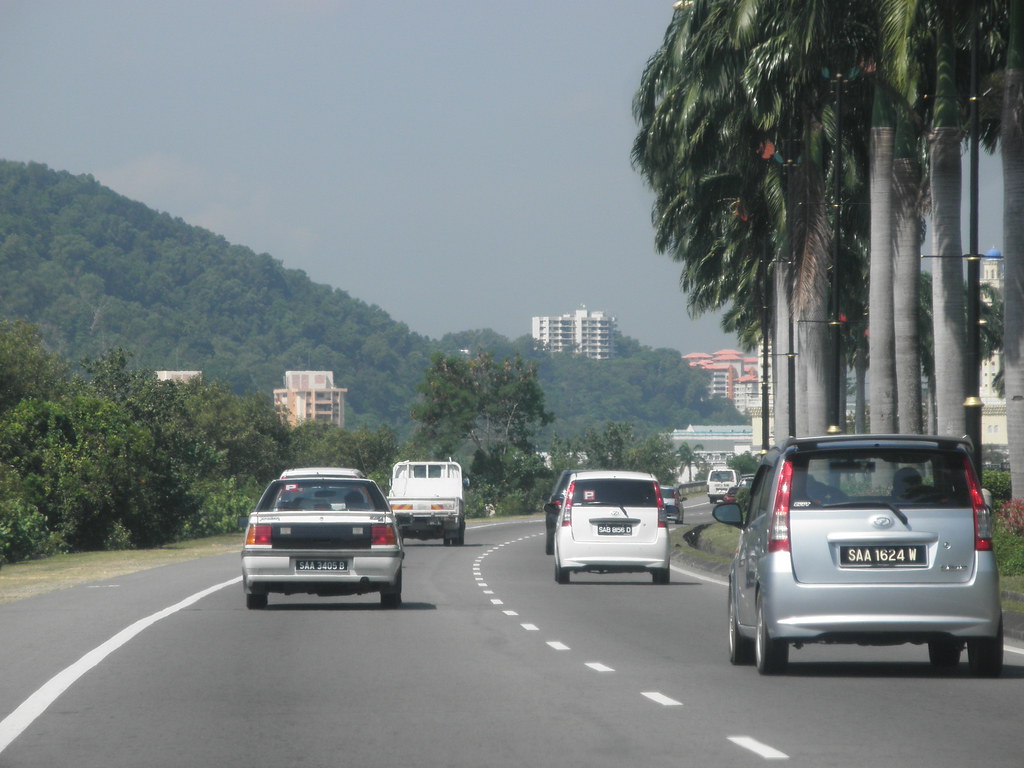
5. **Navigating the Left Lane: State-Specific Rules and Penalties**Left lane laws are a critical component of slow driving restrictions in many states, often intensifying the penalties for driving too slowly. These laws typically designate the leftmost lane on multi-lane roads as a passing lane, requiring drivers to either maintain higher speeds consistent with passing or to move to a right-hand lane. Traveling slowly in the left lane almost guarantees a citation, regardless of whether you’re technically meeting a general speed limit.
Nearly all states in the United States have some version of “keep right except to pass” laws. The primary objective of this widespread regulation is to ensure smooth traffic flow and to mitigate the risk of accidents caused by unnecessary lane changes. Drivers who linger in the left lane without passing are often the target of enforcement efforts, as their actions directly impede faster traffic.
Penalties for left-lane violations vary significantly from state to state. While some states impose modest fines, others have much stiffer consequences, including points on your driving record. These regulations underscore the importance of lane discipline, not just for legal compliance, but for maintaining a predictable and safe roadway environment for all motorists.

6. **California’s Strict Stance: Impeding Traffic Fines**California is one of the states with a clear and enforceable law against impeding normal traffic flow without reasonable necessity. Under California Vehicle Code 22400, drivers are prohibited from driving so slowly that they obstruct the regular movement of traffic. This statute is frequently enforced to ensure the efficient flow of vehicles on its busy roadways.
Drivers cited under this specific California Vehicle Code typically face a fine of approximately $238. In addition to the financial penalty, a conviction for impeding traffic in California carries one DMV point on the driver’s record. Accumulating points can lead to increased automobile insurance premiums, as insurance companies often view such violations as an increased risk.
It’s important for drivers in California to understand that simply being below the posted maximum speed limit does not grant immunity from this law. The focus is on whether your speed, regardless of the limit, is causing a disruption to the prevailing flow of traffic. Reasonable necessity, such as a vehicle problem or adverse weather, can be a defense, but driving slowly without a valid reason, especially in faster lanes, will likely be deemed a violation.

7. **Florida’s Fixed Minimums: Know the Numbers**Florida stands out with its established, fixed statutory minimum speed limits on many of its major roadways. For instance, state law in Florida sets a minimum speed of 40 mph on most interstates that have at least four lanes. Furthermore, if the posted maximum speed limit is 70 mph, the minimum speed is then set at 50 mph.
These are not just guidelines but fixed statutory minimums, meaning they are specific legal requirements rather than being a variable amount below the maximum limit. Drivers in Florida need to be particularly aware of these numbers, as they provide clear thresholds for legal speeds. Failing to meet these minimums without a valid exception can result in a citation.
While Florida enforces these minimum speeds rigorously, the penalties for minimum speed violations are generally far below $500. Fines are typically set by county-level schedules, and there is no statewide $500 penalty for this offense. Nevertheless, a ticket will still impact your driving record and potentially your insurance rates, making awareness of these fixed minimums crucial for any driver in the Sunshine State.

8. **Alaska: Where Slow Driving in the Left Lane Can Cost You Up to $500**Alaska’s statutes are clear: driving in the left lane slower than the normal flow of traffic can lead to a significant fine. Alaska Statute § 28.35.185 mandates that drivers keep right if their speed impedes others. This isn’t just a suggestion; it’s a legal requirement designed to maintain predictable and safe traffic movement, especially on multi-lane roadways.
This specific regulation focuses on the impact a driver’s speed has on the overall traffic flow. If you’re hogging the left lane and preventing other vehicles from passing efficiently and safely, you’re not just being a minor nuisance. You’re creating a potentially hazardous situation, forcing other drivers to make erratic maneuvers or drive more aggressively, thereby increasing collision risks.
The penalties in Alaska can be quite steep, with drivers facing fines up to $500 for violating this left-lane rule. Exceptions are only made for valid reasons such as actively passing another vehicle, preparing for a left turn, or when it’s absolutely necessary for safety, for instance, due to an obstruction or hazard. This strict enforcement highlights Alaska’s commitment to ensuring all drivers contribute to smooth and safe road conditions.

9. **Indiana: Up to $500 for Left-Lane Laggards**Indiana also takes a strong stance against drivers who linger in the left lane without a valid reason. As outlined in Indiana Code § 9-21-8-2, motorists must drive on the right half of the roadway unless they are actively overtaking another vehicle or preparing for a left turn. This means the left lane is strictly for passing, not for cruising at a leisurely pace.
Violating this “keep right” law can result in substantial consequences for drivers in Indiana. If you’re found driving in the left lane when you shouldn’t be, you could be hit with a fine of up to $500. Beyond the immediate financial penalty, such an infraction can also add points to your driver’s license, potentially affecting your insurance rates and overall driving record.
The goal of Indiana’s legislation is to prevent unnecessary congestion and reduce the likelihood of accidents stemming from improper lane usage. By requiring slower traffic to yield the left lane, the state promotes a more orderly and predictable flow of vehicles, minimizing the need for sudden braking or hazardous lane changes by faster-moving cars.
_in_Casco_Bay_c1942.jpg/600px-USS_Alabama_(BB-60)_in_Casco_Bay_c1942.jpg)
10. **South Dakota: A Class 2 Misdemeanor with a $500 Fine for Slow Driving**South Dakota’s laws regarding driving too slowly carry some of the most severe potential consequences, elevating violations to a criminal misdemeanor in certain circumstances. Under South Dakota Codified Laws § 32-26-1, drivers are generally required to operate their vehicles on the right half of the roadway, with specific exceptions for passing, turning left, or when obstructions necessitate using the left lane. The focus here is on maintaining proper lane discipline and ensuring traffic moves efficiently.
A significant aspect of South Dakota’s approach is the classification of violations. Driving too slowly, especially in a manner that impedes traffic flow, can be considered a Class 2 misdemeanor. This is not merely a civil traffic infraction but a criminal charge, highlighting the seriousness with which the state views disruptive driving behavior that compromises road safety.
The penalties for a Class 2 misdemeanor in South Dakota are substantial. A conviction can result in a fine of up to $500, and in some cases, even up to 30 days in jail. This demonstrates the state’s intent to deter behaviors that compromise road safety and efficient traffic flow, making it crucial for drivers to be aware of and comply with these stringent regulations.
Read more about: $500 Fine and Beyond: Unpacking the Strictest Left-Lane Driving Bans Across 14 U.S. States
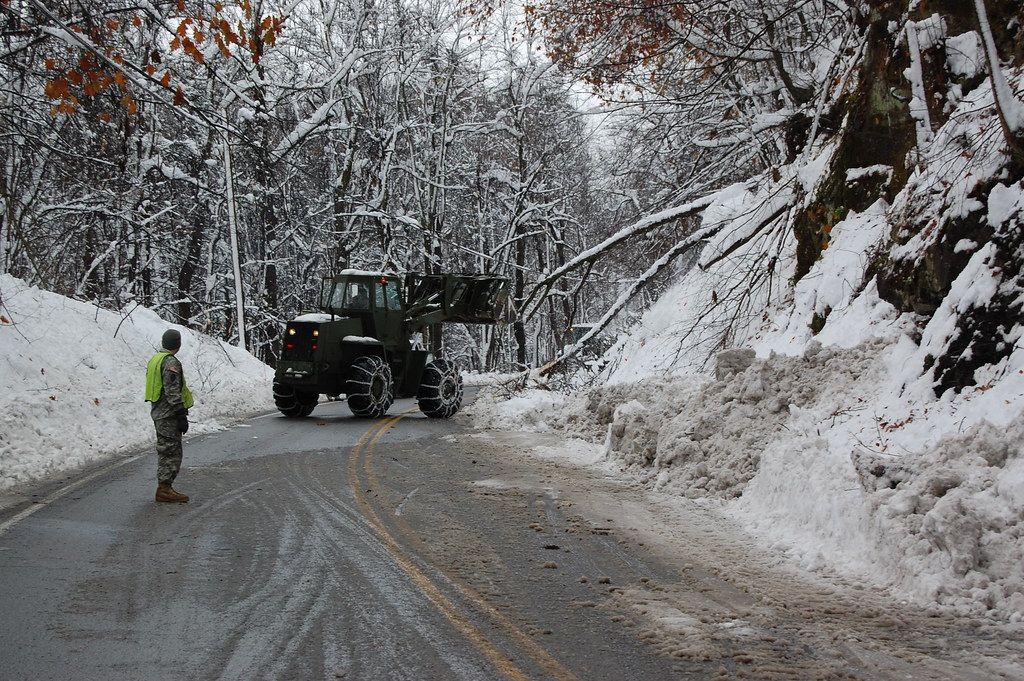
11. **West Virginia: Escalating Fines for Repeat Slow Driving Offenders**West Virginia also has specific regulations aimed at ensuring smooth traffic flow, particularly regarding lane usage. The West Virginia Code §17C-7-1 requires drivers to stay on the right side of the road, with the left lane primarily reserved for passing or when an obstruction makes it necessary to drive there. This rule helps prevent slower vehicles from bottlenecking traffic and creating hazardous conditions.
While a first conviction for a left-lane violation in West Virginia typically results in a fine of up to $100, the state employs an escalating penalty system for repeat offenders. This means that the financial consequences increase significantly with each subsequent offense, underscoring the state’s commitment to modifying driver behavior over time and promoting adherence to traffic laws.
For a second conviction within a year, the fine can increase to up to $200. Should a driver incur a third or subsequent conviction for the same offense, the penalties escalate even further, reaching fines of up to $500. This tiered system serves as a powerful deterrent, encouraging drivers to adhere to lane discipline and prevent repeated instances of impeding traffic, ultimately contributing to safer roads for everyone.
Read more about: $500 Fine and Beyond: Unpacking the Strictest Left-Lane Driving Bans Across 14 U.S. States

12. **Understanding Legal Exceptions to Minimum Speed Requirements**While strict, slow driving laws aren’t absolute. There are several legitimate circumstances that justify—and sometimes even require—driving below posted minimums or the prevailing traffic speed. Recognizing these exceptions is crucial for staying safe and avoiding citations during unavoidable situations on the road.
Adverse weather conditions are a primary exception. Heavy rain, dense fog, snow, or ice significantly reduce visibility and tire traction, making it unsafe to maintain higher speeds. In such scenarios, driving slowly is not only permissible but mandated by safety, irrespective of minimum speed signage. Road hazards, active construction zones, or sudden vehicle malfunctions like a flat tire also provide valid grounds for reducing your speed to ensure safety.
Legal exceptions also apply when approaching emergency vehicles, accident scenes, or other immediate hazards that demand a reduction in speed. These situations prioritize immediate safety over maintaining traffic flow. When experiencing situations requiring reduced speed, hazard lights can effectively alert other drivers to potential issues and minimize the risk of a citation.
However, it’s vital to clarify that there are no broad statutory exemptions based solely on age, driver experience, or specific medical conditions. While these factors might influence a driver’s comfort level or ability, they don’t automatically grant legal immunity for driving too slowly. If these conditions contribute to an immediate safety concern or emergency, explaining the situation and providing documentation to law enforcement might help mitigate a citation.
Read more about: $500 Fine and Beyond: Unpacking the Strictest Left-Lane Driving Bans Across 14 U.S. States

13. **How Officers Determine “Too Slow” and Key Enforcement Tactics**The process by which law enforcement officers identify and cite drivers for going “too slow” extends beyond simply clocking a vehicle’s speed. Officers employ a comprehensive observational approach, focusing on how a vehicle’s speed impacts the overall traffic flow and safety of the roadway. It’s less about a specific numerical threshold and more about the contextual implications of a vehicle’s pace.
A primary indicator for officers is traffic disruption. If your vehicle is causing a noticeable line of cars to stack up behind it, forcing others to brake or change lanes frequently, you are visibly impeding traffic. This “traffic wave” effect, where one slow vehicle triggers a chain reaction of adjustments, is a clear signal of an unlawful pace, regardless of the posted minimum speed or the presence of a specific limit.
Location and lane choice also play a significant role in an officer’s assessment. Driving slowly in the rightmost lane on a multi-lane highway typically receives more leniency than doing the same in a center or, especially, a left lane, which is primarily designated for passing. Officers also consider location context; 45 mph in a 55 mph zone might be reasonable in some circumstances, but problematic during rush hour on a major highway.
High-risk areas for slow driving citations include on-ramps where drivers must quickly merge at highway speeds, passing lanes on rural highways, toll booth exits leading directly into high-speed zones, and work zones with explicitly posted maximum and minimum speeds. On rural two-lane highways, officers may also cite slow drivers for failing to use designated pullouts or safe shoulders to allow accumulated traffic to pass, a specific violation in states like Oregon and Montana.

14. **Proactive Strategies to Stay Safe and Legal on the Road**Avoiding slow driving tickets and contributing to safer roadways hinges on adopting a few smart driving practices. The most effective strategy is to maintain an appropriate speed relative to the surrounding traffic, rather than adhering strictly to just the maximum limit. This ensures you’re moving predictably with the flow, which is a cornerstone of safe and efficient driving.
When you’re not passing or if your vehicle inherently travels slower, make it a habit to stay in the rightmost lane whenever possible. This simple act dramatically reduces the likelihood of impeding faster traffic and incurring a citation. If you observe a line of vehicles forming behind you, actively look for safe opportunities to pull over or change lanes to let them pass. This not only avoids potential legal issues but also significantly de-escalates potential road rage scenarios.
For drivers who are consistently uncomfortable with higher speeds or have vehicle limitations, consider planning alternative routes that avoid high-speed interstates and highways altogether. Many local roads offer viable, albeit slower, travel options that align better with a cautious driving style. Additionally, if your vehicle has adaptive cruise control, ensure it’s set to match prevailing speeds within legal limits, as setting it too low in fast-moving traffic can still lead to an impeding citation.
Before embarking on any long trip, especially one crossing multiple states, take a moment to review each state’s Department of Transportation website or a reliable road atlas to confirm specific maximum and minimum speed requirements along your planned route. This proactive step can save you from unexpected fines and contribute to a smoother journey.
Navigating the roads safely and legally means understanding that speed limits are not just about a maximum, but also about a minimum, and about maintaining a consistent, predictable flow. While speeding undoubtedly poses risks, driving too slowly can create its own set of dangers, disrupting traffic and increasing the potential for collisions. The key is to find that appropriate speed for the conditions, remaining attentive to the traffic around you, and prioritizing collective safety over individual pace.
Read more about: Unlocking Hidden Savings: 15 Car Maintenance Secrets That Could Save You Thousands
If you frequently find yourself struggling to keep pace with surrounding traffic, it might be worth considering if high-speed highway environments are truly the best fit for your driving style. Exploring alternative routes that accommodate a more comfortable speed can enhance both your safety and that of others. Ultimately, traffic laws are designed to foster predictable and safe roadways, and predictability relies on all vehicles moving at reasonably consistent speeds. Let’s all do our part to keep the lanes flowing smoothly and safely for everyone.