Starting July 1, 2025, drivers across the United States are poised to encounter a major overhaul in traffic enforcement laws. This date marks the beginning of one of the most comprehensive crackdowns in U.S. traffic history, designed to reduce fatalities and serious injuries on American roads. With a sharp rise in penalties, new nationwide policies, and state-level mandates taking effect, motorists are being urged to review the updated traffic laws to avoid heavy fines, license suspension, or even jail time.
These reforms are not merely incremental adjustments; they represent a fundamental shift in how infractions are punished and how states align with uniform national safety standards. The overarching goal is to target the most dangerous behaviors behind the wheel, specifically addressing excessive speeding, distracted driving, and passenger safety violations. Several states are also pioneering courtroom-mandated technologies, such as Intelligent Speed Assistance (ISA) systems, and expanding penalties for handheld device use, even when stopped at traffic lights.
The widespread implementation of these new regulations will inevitably affect millions of American drivers, reshaping daily commuting and travel habits. Understanding these pivotal changes is crucial for compliance and for ensuring public safety as the nation moves towards a more stringent enforcement paradigm. Here, we delve into the key components of this regulatory transformation that are set to impact drivers nationwide.
1. **Super-Speeding Crackdowns**
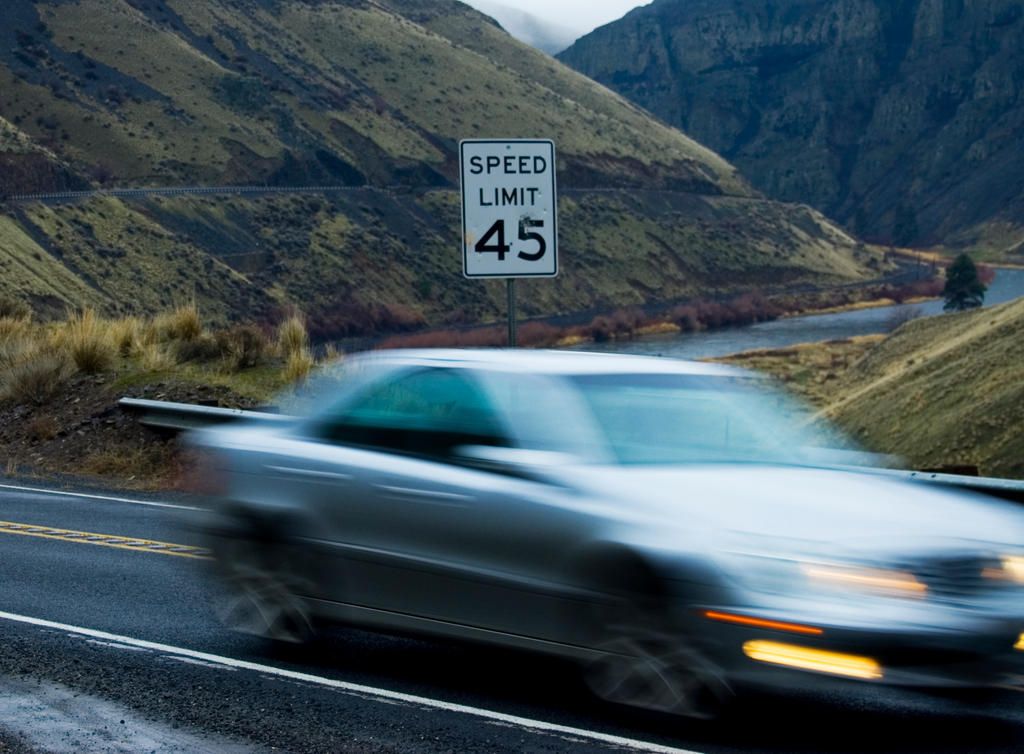
Among the most significant adjustments coming into effect on July 1, 2025, are the rigorous new crackdowns on “super-speeding.” These measures specifically target drivers who engage in extremely reckless speeding behaviors, signaling a zero-tolerance approach to excessive velocity on public roads. This category of violations includes instances where drivers exceed speed limits by 50 miles per hour or more, or those traveling at speeds over 100 miles per hour.
The penalties associated with these super-speeding offenses are notably severe, reflecting the heightened risk they pose to all road users. Drivers caught in such acts can now face not only substantial fines but also immediate license suspensions and, in some cases, mandatory jail time. States like Florida, Connecticut, and Virginia have been at the forefront of implementing these stricter enforcement mechanisms, demonstrating a clear commitment to curbing extreme speeding.
For instance, Florida has introduced a “Super-Speeder” Law, which mandates fines ranging from $500 to $1,000 for these offenses. Beyond the monetary penalty, offenders in Florida could face up to 90 days in jail and immediate license suspension. These enhanced penalties underscore a nationwide effort to deter the most dangerous forms of speeding, ensuring that the legal consequences match the severity of the potential harm.
2. **Distracted Driving Enforcement**
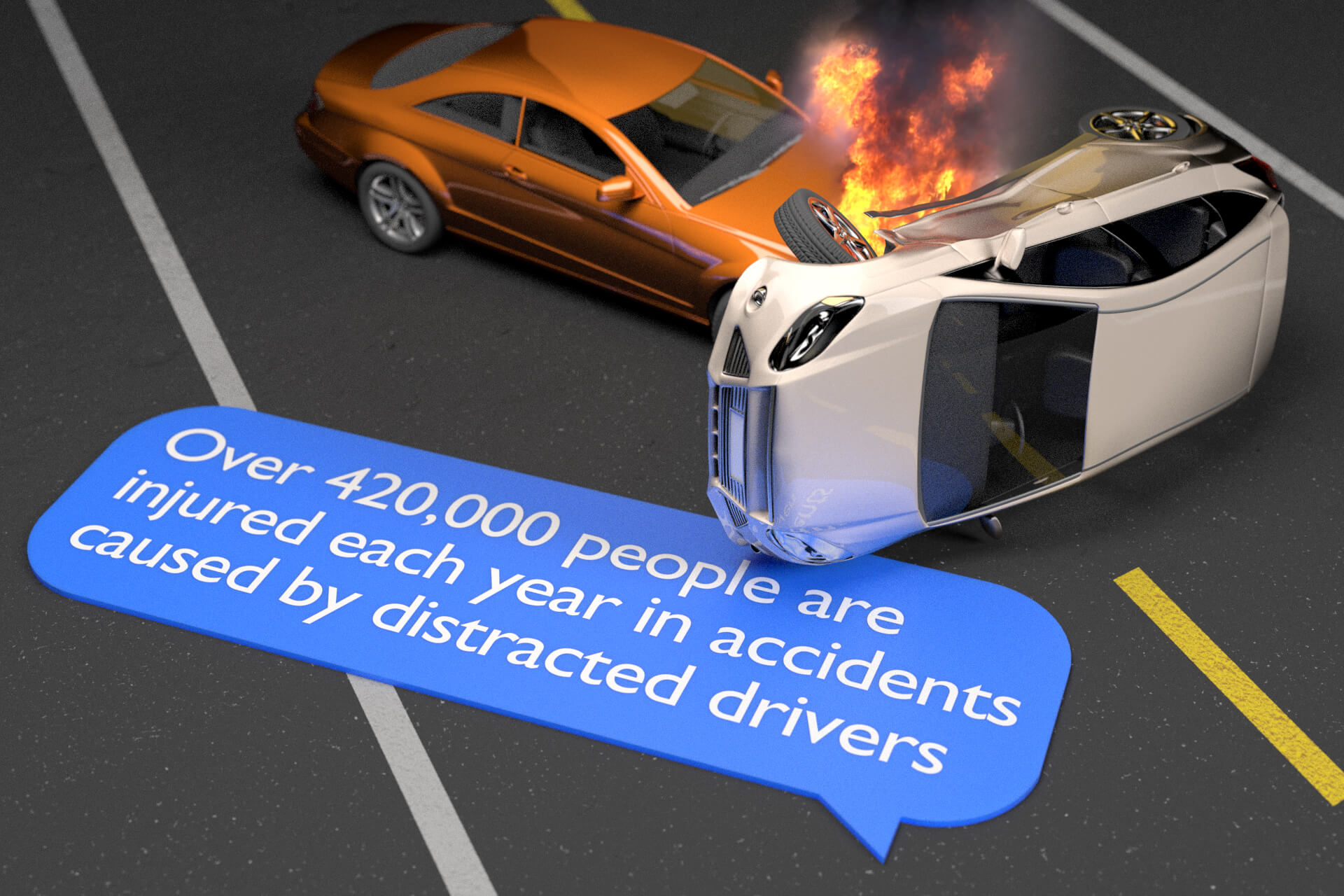
Distracted driving remains a pervasive and dangerous issue on American roads, and the upcoming reforms introduce comprehensive nationwide enforcement to combat it. A cornerstone of these changes is a nationwide ban on holding phones while driving, an important update that extends enforcement even to instances where a vehicle is stopped at a traffic light. This broadens the scope of what constitutes distracted driving, leaving no ambiguity for motorists.
Violations under these new distracted driving laws will lead to escalating fines and the accumulation of license points, which can significantly impact a driver’s record and insurance premiums. The National Highway Traffic Safety Administration (NHTSA) has launched its “Away or Pay” campaign to raise public awareness, underscoring the serious consequences awaiting those who disregard the ban.
Several states have already enacted or are strengthening specific legislation. Colorado, for example, is implementing a “Full device ban while driving (hands-free law),” which imposes fines of $300 to $450 and license points. Notably, this law applies even when a vehicle is stationary at a red light, highlighting the strictness of the new enforcement. Similarly, Pennsylvania’s “Paul Miller’s Law” introduces a $50 fine for phone use while driving, with full penalty enforcement beginning in June 2026. These measures represent a substantial increase in penalties compared to previous years, where fines for holding a phone while driving typically ranged from $100 to $150, now potentially increasing to $250-$450 plus points.
Read more about: Beyond the Tank: Unmasking the Dangerous Fuel Efficiency Trends and Driving Behaviors Imperiling Our Highways

3. **Backseat Seatbelt Laws**
In a crucial step towards enhancing passenger safety, new laws will mandate seatbelt usage for all occupants of a vehicle, extending requirements to adults and children seated in the back. Historically, some states have had less stringent requirements for backseat passengers, but the July 1, 2025, reforms will largely standardize this critical safety measure across the country.
The implementation of these backseat seatbelt laws means that failure to comply will result in fines, with penalties varying by state. For instance, drivers could face fines of up to $50, depending on their specific jurisdiction. This proactive approach is designed to ensure that all individuals in a moving vehicle are adequately protected, regardless of their seating position.
Virginia, for example, is implementing a mandatory seatbelt law for all backseat passengers aged 18 and over, with a $25 fine for non-compliance. If a minor is unbuckled in the back, the fine increases to $50. New York is also introducing a similar backseat belt law for all passengers, with fines ranging from $25 to $50 and no exceptions. This contrasts sharply with previous regulations in many areas, where there was often no penalty or only a warning for unbelted backseat occupants, marking a clear elevation of passenger safety standards.
Read more about: From Icon to Irony: 14 Automotive Innovations That Backfired Spectacularly

4. **Court-Mandated Speed Limiters (ISA Devices)**
As part of the comprehensive effort to curb chronic speeding, the new traffic law reforms introduce a significant intervention: court-mandated Intelligent Speed Assistance (ISA) devices. This novel approach targets repeat offenders, aiming to physically prevent them from exceeding posted speed limits once they are back on the road. The integration of such technology represents a proactive measure to enforce compliance and mitigate risks posed by habitual speeders.
ISA devices are sophisticated systems designed to restrict a vehicle’s speed based on the legal limits of the road it is traveling on. Courts will now have the authority to order drivers with multiple speeding offenses to install these devices in their vehicles. This measure moves beyond traditional punitive fines and license suspensions, offering a direct technological solution to prevent future infractions.
Virginia has been particularly prominent in adopting this mandate, requiring chronic speeders to install a court-monitored speed cap device for a duration of one year. This provision underscores the seriousness with which authorities are addressing persistent dangerous driving behaviors. The introduction of court-mandated ISA devices reflects a growing trend towards leveraging technology to enhance traffic safety and enforce legal limits more effectively.

5. **Enhanced Penalties for Repeat Offenders**
Beyond the specific violations, the July 1, 2025, reforms include a broader framework of enhanced penalties for repeat offenders across all categories of traffic infractions. This measure is designed to address patterns of non-compliance and deter habitual law-breaking, ensuring that drivers who repeatedly disregard traffic laws face increasingly severe consequences. The goal is to move beyond simple citations to a system that imposes stricter accountability for persistent unsafe driving behaviors.
Drivers who accumulate multiple infractions within a 12-month period can now anticipate additional fines and, critically, face criminal charges depending on the nature and frequency of their violations. This escalation in consequences serves as a powerful deterrent, aiming to compel drivers to adjust their habits and prioritize road safety. The shift signifies that repeat violations are no longer viewed as isolated incidents but as a pattern of behavior that warrants a more severe legal response.
Moreover, the implications of these enhanced penalties extend beyond immediate fines and potential criminal proceedings. Drivers with multiple infractions will likely experience higher car insurance premiums due to the accumulation of new traffic points on their licenses. The risk of mandatory courtroom attendance for severe violations also increases, emphasizing the seriousness with which the judicial system will treat recurrent traffic offenses and driving after license suspensions due to prior violations.
Read more about: Highways on the Horizon: Unpacking the Major Changes Set to Redefine American Driving

6. **The STEER Act (Civil Lawsuits for Repeat Offenders in D.C.)**
Washington D.C. has introduced a groundbreaking piece of legislation, the Strengthening Traffic Enforcement, Education, and Responsibility (STEER) Act, which took effect in 2025. This act represents a significant escalation in how reckless and repeat driving offenses are handled, empowering the D.C. Attorney General’s Office to pursue civil lawsuits against drivers who have amassed large numbers of traffic violations.
Crucially, the STEER Act targets not only residents but also non-resident drivers, particularly those from neighboring states such as Maryland and Virginia, who have consistently ignored citations within Washington, D.C. This mechanism moves beyond traditional citations and suspended licenses, allowing for legal action and financial recovery through the civil court system to address persistent threats to public safety. The Act was introduced in response to growing public concern over repeated traffic violations, escalating rates of reckless driving, and out-of-state drivers evading penalties.
D.C. Attorney General Brian Schwalb articulated the law’s intent, stating, “If your actions behind the wheel put people’s lives at risk, we will hold you accountable, no matter where you live.” Early enforcement has already seen five drivers, one from Maryland and four from Virginia, face lawsuits under the STEER Act. For example, a Maryland driver was cited for 344 total infractions, including 316 for speeding (61 involving speeds 30+ mph over the limit), accumulating $187,200 in unpaid fines. Virginia drivers faced combined infractions nearing 800, with one owing $77,100 for 244 violations. These cases highlight the Act’s rigorous pursuit of accountability for extreme and repeated law-breaking.
If flagged under this new law, individuals could face a civil lawsuit, a court order to repay fines, potential wage garnishment or liens for unpaid penalties, and legal costs, alongside the public exposure of their violations. This shift from simple citations to civil enforcement marks a major escalation in traffic law application, underscoring D.C.’s commitment to public safety.

7. **Enhanced Vehicle Inspection Protocols**
Among the systemic changes drivers will encounter beginning July 1, 2025, are significantly updated mandatory vehicle inspection protocols. These reforms are designed to bolster overall road safety by ensuring that all vehicles meet rigorous safety standards, thereby actively working to reduce accidents attributable to faulty equipment. This initiative underscores a national commitment to vehicle roadworthiness as a cornerstone of public safety.
Key to these enhanced protocols is an expanded inspection checklist. For the first time, this checklist will comprehensively include advanced driver-assistance systems (ADAS), such as crucial technologies like lane departure warning and automatic emergency braking. The inclusion of ADAS in mandatory inspections reflects the rapid evolution of automotive technology and the necessity for these sophisticated systems to function correctly to enhance car safety. This adaptation signals a proactive approach to regulating modern vehicle capabilities.
Furthermore, the new protocols mandate updated emission tests designed to comply with current environmental regulations. While the specific frequency of these inspections may continue to vary by state, the new federal law standardizes many critical aspects of these evaluations for all drivers. These enhancements align directly with broader goals of improved road safety and acknowledge the ongoing shift towards advanced car technologies, ensuring that vehicle performance aligns with both safety and environmental imperatives.
This shift means that drivers must be more diligent than ever in maintaining their vehicles to meet these stricter standards. Regular maintenance and pre-inspection checks for both traditional mechanical components and advanced electronic systems will become essential. The implications for over 45 million drivers are substantial, as adherence to these new inspection requirements will be mandatory for vehicle registration and continued legal operation on U.S. roadways.
Meeting these new standards will require drivers to consult with their mechanics regarding ADAS functionality and emission compliance. Ensuring that safety features like lane departure warnings and automatic emergency braking systems are in optimal working order will not just be good practice, but a legal requirement. This comprehensive approach to vehicle inspections aims to create a safer driving environment by eliminating equipment-related risks.
Read more about: The Horsepower Haze: Performance Vehicles Assessed on Actual Output – From Dyno Kings to Paper Tigers

8. **Automated Traffic Enforcement Expansion**
In a clear signal of modernizing traffic management and enforcement, the new law considerably expands the use of automated traffic enforcement systems, including both speed cameras and red-light cameras. This increased deployment is set to become a pervasive feature across cities and localities nationwide, representing a significant shift from traditional, officer-dependent enforcement methods. Proponents of this expansion argue that it is a highly effective means of increasing road safety and boosting compliance with established traffic laws.
Drivers should anticipate a noticeable increase in the presence of these automated systems within their daily commutes. Operational areas will broaden, covering more intersections and stretches of road that have been identified as high-risk zones for speeding and red-light violations. This strategic placement is intended to deter common dangerous behaviors, thereby reducing the incidence of severe accidents that often result from such infractions.
The fines and penalties associated with violations captured by these automated cameras are specifically designed to be a significant deterrent. While the precise monetary amounts may vary by jurisdiction, the overarching intent is to discourage speeding and running red lights effectively. These penalties aim to instill a higher degree of caution and adherence to traffic signals among motorists, promoting a more disciplined driving culture.
Accompanying this expansion, public awareness campaigns are expected to be launched by local authorities. These campaigns will inform residents about the implementation of new camera systems, their locations, and the penalties for non-compliance. Such initiatives are crucial to ensure that drivers are fully aware of the changes and how these automated systems operate, preventing unintentional violations and fostering voluntary adherence to traffic regulations.
Therefore, motorists must cultivate a heightened sense of vigilance and strict adherence to speed limits and traffic signals. The omnipresence of automated enforcement means that infractions that might have previously gone unnoticed could now result in citations. This technological leap in enforcement is a direct response to the persistent challenges of traffic safety, aiming to create more predictable and safer road conditions for everyone.
Read more about: The AI Eye on Our Roads: How New Traffic Cameras Are Reshaping Enforcement and Safety

9. **Data Privacy Measures for Connected Vehicles**
With the accelerating integration of advanced technology into modern automobiles, connected vehicles have become increasingly common, generating vast amounts of data related to car usage and driver behavior. Recognizing the critical importance of safeguarding this sensitive information, the new law significantly strengthens data privacy measures. These stricter rules are meticulously designed to protect driver data from potential misuse, making car data privacy a leading concern addressed by this legislation.
Central to these new provisions are explicit restrictions on the types of data that can be collected and stored by integrated vehicle systems. This ensures that only necessary data is gathered, preventing over-collection and intrusive monitoring of driver activities. The focus is on creating a balance between leveraging valuable vehicle data for safety enhancements and protecting individual privacy, setting clear boundaries for what is permissible in the age of automotive connectivity.
A cornerstone of these privacy measures is the requirement for clear and informed user consent regarding data usage. Drivers will now have greater control over their personal data, understanding precisely what information is being collected, how it will be used, and who will have access to it. This empowers individuals to make informed decisions about their privacy, a crucial step in building trust in connected vehicle technologies.
Furthermore, the law mandates enhanced data security protocols to prevent data breaches and unauthorized access to driver information. These measures are designed to fortify the digital infrastructure that handles vehicle data, improving driver data protection against cyber threats and ensuring that sensitive information remains confidential. The emphasis on robust security reflects the growing recognition of vehicle data as a valuable asset requiring stringent protection.
In practice, this means vehicle manufacturers and service providers will face heightened scrutiny regarding their data handling practices. Drivers should become more conscious of the data privacy settings within their vehicles and familiarize themselves with their rights concerning information gathered from their connected cars. This new regulatory environment aims to instill confidence in connected vehicle users, knowing that their digital footprint on the road is protected by comprehensive legal frameworks.
Read more about: The Hidden Car Feature That Could Track Your Every Move: A Consumer’s Guide to Disabling It

10. **General Rising Traffic Penalties and State-Specific Reforms**
The overarching theme of the July 1, 2025, traffic law reforms is a significant and widespread increase in fines and penalties across all 50 states and the District of Columbia. This national recalibration of penalties is a direct response to persistent traffic safety issues, aiming to create a more stringent deterrent against a broad spectrum of violations. Drivers can expect to see higher costs for infractions related to distracted driving, speeding, DUI offenses, and stricter enforcement of seatbelt and school zone rules.
This comprehensive increase will be accompanied by varying penalty scales, the wider adoption of automated monitoring systems, and notably reduced tolerance thresholds for infractions. For example, the context indicates average fine increases across various states, with Alabama seeing a $125 average increase, primarily due to a hands-free driving mandate. California will experience a $150 average increase, largely driven by enhanced penalties for texting while driving and the deployment of AI camera enforcement in metro zones.
Texas drivers will face a $150 average increase, with a particular focus on reckless highway driving enforcement, supported by dashcam evidence now being admissible statewide. The District of Columbia and New York are projected to see the highest average fine increases at $160. In D.C., this is attributed to expanded parking camera tickets and doubled bus lane enforcement, while New York’s increase is linked to subway area traffic fines. These state-specific breakdowns highlight a targeted approach to prevalent local issues within the broader national reform.
Such substantial shifts in fine structures underscore a national move towards a less forgiving approach to traffic violations. The aim is to create a powerful financial disincentive for unsafe driving behaviors, encouraging greater compliance and fostering a safer environment for all road users. Drivers must remain acutely aware of their state’s specific updated penalty scales and localized enforcement strategies to avoid costly repercussions.
This also implies a potential impact on insurance premiums, as a greater number of infractions, now carrying higher penalties, will likely lead to more points on driver’s licenses. The financial burden of non-compliance extends beyond immediate fines, making proactive adherence to these new laws more critical than ever for motorists across the country. The unified goal is to reduce traffic-related fatalities and injuries through more rigorous and consistently applied legal consequences.

11. **Driver Education Updates**
In parallel with enhanced enforcement and technological interventions, a foundational component of the July 1, 2025, traffic law reforms involves a critical update to driver education curricula nationwide. These revisions are designed to equip current and future motorists with the knowledge and skills necessary to navigate the complexities of modern roadways under the new regulatory framework. The focus is squarely on fostering safer driving habits and a deeper understanding of contemporary traffic challenges.
The updated curricula will place a strong emphasis on new highway safety guidelines. This includes refreshed instruction on safe driving practices, defensive driving techniques, and a renewed focus on sharing the road with various users, from pedestrians and cyclists to autonomous vehicles. These guidelines are being tailored to address the evolving dynamics of traffic, considering factors such as increased vehicle density and the integration of new technologies into the driving experience.
A significant portion of the revised education programs will also be dedicated to proactive distracted driving prevention. Building upon the nationwide bans on handheld devices, these educational modules aim to instill a profound understanding of the dangers posed by inattention behind the wheel. The goal is to move beyond mere compliance with the law, encouraging drivers to adopt a mindset that prioritizes full focus on the road at all times, thereby reducing the incidence of avoidable accidents.
These educational updates are not solely for new drivers; they are also highly relevant for experienced motorists. Many states are expected to encourage or even mandate refresher courses for certain categories of drivers, ensuring that everyone on the road is current with the latest laws, safety protocols, and technological advancements. This continuous learning approach is crucial for adapting to the new enforcement paradigm and maintaining a high standard of road safety.
The investment in updated driver education signifies a holistic approach to traffic safety, recognizing that enforcement alone is insufficient. By fostering informed, responsible, and skilled drivers, these reforms aim to create a lasting culture of safety on American roads. The revisions ensure that education serves as a proactive measure, reinforcing the behaviors necessary for compliance and accident prevention.
***
As the calendar turns to July 1, 2025, the landscape of American driving will undergo its most significant transformation in decades. These comprehensive reforms, from heightened vehicle inspection protocols and expanded automated enforcement to critical data privacy measures and updated driver education, are not merely a collection of new rules but a fundamental re-envisioning of road safety. The goal is clear: to drastically reduce traffic fatalities and injuries by instilling a profound sense of responsibility and accountability in every driver.
Read more about: Beyond the Dashboard: Unmasking the Shocking Data Collection Habits of Your Connected Car
Navigating this new era successfully will demand more than just awareness; it requires proactive preparation and a commitment to safe driving practices. Motorists must take the initiative to review their state’s specific guidelines, ensure their vehicles meet new rigorous standards, and make a conscious choice to prioritize safety above all else. This collective effort will be pivotal in shaping a future where America’s roads are demonstrably safer for everyone, turning regulatory mandates into tangible improvements in public well-being.