
Everyone wants to write a book, or to say they have written a book. Publishing a book is still an honor, a point of pride—but like pretty much everything else, it’s also dependent upon a capitalist business model. And the financial side of publishing can be opaque, unfair, and downright contradictory, often obscured by an understandable desire to focus on artistry rather than the cold calculus of commerce. This creates a challenging landscape for any aspiring author dreaming of making writing their full-time career.
Navigating this intricate terrain requires more than just talent; it demands shrewd business acumen. A literary agent acts as both advocate and negotiator, guiding authors through contracts that are often dense, technical, and filled with clauses that shape a career for years. Publishing agreements can run thirty to forty pages and address everything from royalty structures to territorial rights, presenting a veritable minefield for the uninitiated. Without skilled representation, authors risk signing away income or control that could otherwise be preserved, potentially hamstringing their professional journey before it truly begins.
Indeed, in a business where the fine print can decide whether a book becomes a one-time paycheck or a career-building opportunity, the agent’s role in negotiation is one of the most decisive factors in an author’s success. It is a world of power plays, strategic maneuvers, and often unseen battles fought to secure terms that reflect the true worth of a book. This exploration delves into the core strategies and critical contract clauses that savvy literary agents master, effectively transforming standard publisher-favored agreements into author-centric deals, thus underpinning the genuine success behind a best seller.
1. **Advance Payments**A book deal, in its purest financial form, is not merely patronage for an author’s sheer talent, nor is it direct compensation for the untold hours toiled to create the book. Instead, it is fundamentally an advance against what the publisher projects your book will eventually earn. The publisher takes a calculated financial risk on your work, and critically, if your book doesn’t sell well enough to cover this initial sum, you don’t have to pay it back—the publisher assumes that risk, a vital safety net in a notoriously unpredictable market.
The actual amount of an advance can vary dramatically, a factor influenced by a bewildering array of variables. For debut authors, these payments typically fall between $5,000 and $50,000, though broader industry data indicates the median advance hovers around $25,000, with averages closer to $57,000 depending heavily on genre and publisher size. Factors such as the intrinsic quality of the work, its perceived sales potential (a distinct measure from quality), the author’s existing platform or previous sales record, the prevailing zeitgeist, and the competitive “market” landscape all weigh heavily. Furthermore, the interest of other editors and the performance of similar books for the publisher or its competitors can dramatically sway the final offer.
This is precisely where a literary agent’s expertise proves invaluable. Leveraging their deep industry knowledge and keen awareness of market trends, agents are uniquely positioned to negotiate higher advances that more accurately reflect an author’s true value. They understand that a publisher’s opening offer is rarely their highest, viewing it instead as a strategic starting point for bartering. A skilled agent ensures their client receives a competitive offer, pushing back against low initial figures and securing a financial commitment that truly signals the publisher’s belief in the book’s market potential.
Beyond securing the dollar figure itself, agents meticulously optimize the advance payout structure. Publishers typically spread payments across several installments, often two to four, contingent on the size of the advance and the negotiation terms. A strong agent actively works to minimize these delays, advocating for a more accelerated two-part or three-part payout rather than extended distributions over time. This not only provides authors with more immediate financial stability but also demonstrates the agent’s unwavering commitment to securing the most advantageous terms at every stage of the deal.
Read more about: Slash Hundreds: The Ultimate Lifehacker Guide to Negotiating Your Car Repair Bill

2. **Royalty Rates**Once an advance has been “earned out”—meaning the book’s sales have generated enough revenue to cover the initial payment—authors begin to receive royalties. Royalties represent a percentage of each book sale, a direct reflection of the book’s success in the marketplace. These rates are a critical component of an author’s long-term earnings, making their negotiation a high-stakes endeavor that directly impacts financial sustainability.
Standard royalty rates are not monolithic; they vary significantly by format. Hardcover royalties typically range from 10% to 15% of the retail price, while paperback royalties usually fall between 5% and 7.5%. The digital realm offers different metrics, with ebook royalties often set at 25% of net revenue or higher when a skilled agent is at the table. Audiobook royalties, a growing segment of the market, typically range between 10% and 25% of sales, depending on the intricacies of the contract terms. Agents play a crucial role in navigating these varied percentages, pushing for rates that maximize the author’s per-unit earnings across all platforms.
Beyond securing robust base royalty rates, savvy agents also negotiate “escalators.” These are clauses that trigger an increase in an author’s royalty percentage after certain sales milestones have been achieved. For instance, a contract might stipulate a 10% royalty for the initial 5,000 copies sold, increasing to 12.5% for the next 5,000 copies, and potentially rising to 15% once 10,000 copies have moved. Since even a fractional percentage increase can yield a substantial impact on long-term earnings as a book continues to sell, this strategic negotiation ensures that authors receive the best possible financial return on their work over its entire lifecycle, a testament to an agent’s foresight and analytical prowess.
Read more about: Beyond the Face Value: Unpacking The Rings of Power Recasts and the Profound Meanings of ‘Lord’ in and out of Middle-earth

3. **Subsidiary Rights (Maximizing Additional Revenue Streams)**The true financial value of a book extends far beyond its initial print edition, encompassing a rich tapestry of subsidiary rights that can generate substantial additional revenue streams. Literary agents play a pivotal role in securing the most favorable arrangements for these rights, ensuring authors fully capitalize on their intellectual property. One of the most significant aspects of this negotiation involves film and television rights, where an agent determines whether these lucrative adaptation opportunities remain with the author for direct negotiation or if the publisher claims a percentage of potential adaptation revenue.
Foreign rights represent another major source of income. Rather than allowing these to be bundled into a single, less favorable deal, agents often strategically ensure that foreign rights are sold separately to various international publishers. This meticulous approach maximizes the book’s international revenue potential, treating each territory as a distinct market opportunity. Similarly, with the audiobook market becoming increasingly lucrative, agents frequently negotiate to sell audiobook rights independently to dedicated audiobook publishers, rather than incorporating them into the primary print book contract, thereby optimizing income from this burgeoning format.
Beyond these major categories, merchandising rights are another key factor where agents work diligently to allow the author to retain control. This encompasses book-related products such as clothing, posters, and collectibles, which can generate long-term revenue and foster a dedicated fanbase. Lastly, agents may negotiate first serial rights, which permit an excerpt of the book to be published in a magazine or newspaper before the official release. This not only creates additional income opportunities but also serves as a powerful visibility booster, pre-empting the book’s official launch with a strategic media splash.
While the publisher and author often split income from subsidiary rights—typically with authors receiving between 50% and 75% of the proceeds—a skilled literary agent works relentlessly to retain as many subsidiary rights as possible for the author. This proactive stance prevents the publisher from claiming a larger share of these potentially vast income streams. Good agents also understand that the scope of rights granted should be commensurate with the advance level being offered; if an advance is low, an agent will strategically restrict the rights offered to a publisher, using this as a powerful bargaining chip to secure better terms or a higher advance. They ensure that if World English or World rights are granted, the subrights splits meet standard industry definitions, such as 80% to author/20% to publisher for UK rights and 75% to author/25% to publisher for translation, avoiding less advantageous 50/50 splits often seen in smaller publishers that significantly reduce an author’s bottom line after agent commissions.

4. **Out-of-Print and Reversion Rights**Out-of-print and reversion clauses are among the most critical, yet often overlooked, provisions in a publishing contract, acting as essential safeguards that determine when an author can reclaim ownership of their work. Without clear and robust reversion terms, a book can effectively remain tied to a publisher indefinitely, even if it is no longer actively marketed, generating significant revenue, or aligning with the author’s long-term career goals. This clause grants authors the crucial ability to regain their rights and seek fresh publishing opportunities, whether through self-publishing, licensing a new edition, or selling foreign rights.
The advent of digital publishing has significantly complicated the traditional concept of “out of print.” Ebooks and print-on-demand editions allow publishers to technically keep a book “available” without any active promotion or meaningful sales, effectively warehousing rights. To counteract this tactic and prevent publishers from holding onto digital rights indefinitely, astute agents negotiate specific sales thresholds or minimum royalty payments. If these negotiated benchmarks are not met over a defined period, the rights automatically revert to the author, forcing publishers to either actively exploit the rights or relinquish them.
Securing a well-defined reversion clause is paramount for an author’s enduring career flexibility. It protects their ability to reissue their work, explore new distribution channels, or sell rights to another publisher when the original agreement no longer serves their best interests or the book’s potential. Alarmingly, approximately 30% of publishing contracts historically lack an “out-of-print clause,” underscoring the vital necessity for authors to negotiate these terms upfront. Furthermore, good agents are particularly vigilant in not selling publishers world translation rights or audio rights without specific reversion clauses, preventing these potentially lucrative opportunities from lying fallow and ensuring the author can earn from them.

5. **Non-Compete and Option Clauses**Non-compete and option clauses are two distinct yet equally impactful provisions within a publishing contract that can significantly shape an author’s future publishing landscape. Non-compete clauses are explicitly designed to restrict an author from writing or publishing similar books while under contract for a current project. If not carefully negotiated, such clauses can severely limit an author’s creative freedom, potentially preventing them from working on multiple projects simultaneously or even writing within the same genre, thereby stifling their output and career momentum.
Literary agents meticulously negotiate to either remove these restrictions entirely or, failing that, to narrow their scope considerably. The goal is to ensure that authors retain the flexibility to pursue additional writing opportunities without inadvertently violating their contractual terms. An overly broad non-compete clause could effectively block an author from publishing complementary works, even if they are distinct enough not to directly compete with the contracted book, making the agent’s discerning eye and strategic negotiation essential.
Similarly, option clauses grant a publisher the first right to review and potentially acquire an author’s next book. While this might seem beneficial at first glance, offering a clear path for future publications, agents work diligently to limit the breadth of these clauses. They ensure that authors are not unduly obligated to submit all future work to the same publisher, regardless of genre or series. Instead, an agent might negotiate a clause that applies only to books within a specific series or a defined genre, thereby preserving the author’s ability to seek alternative offers if the current publisher does not present a competitive or suitable deal for their next project.
By carefully and assertively negotiating these clauses—which often feature among the “tricky” contract language pre-negotiated during the deal memo stage—agents help authors maintain crucial control over their careers and maximize their future publishing opportunities. This careful navigation prevents authors from being locked into restrictive agreements that could impede their long-term growth, recognizing that an author’s dedicated fanbase is strongest when able to engage with a variety of their work, but also acknowledging the publisher’s legitimate interest in protecting its investment in a current project.

6. **Marketing and Promotion Commitments**The journey from manuscript to bestseller is rarely a solitary one for an author. While the author crafts the narrative, a publisher’s commitment to marketing and promotion often dictates how widely that narrative will be read. This is where the literary agent steps in, not just as a financial negotiator, but as a strategic architect, ensuring that a book receives the visibility it deserves in a crowded marketplace. Without explicit contractual commitments, a publisher might simply release a title and expect the author to shoulder the lion’s share of promotional efforts, a scenario a savvy agent actively combats.
Agents meticulously negotiate the scope and scale of a publisher’s marketing and publicity efforts, transforming vague promises into concrete responsibilities. This includes delineating specific advertising budgets, securing funding for critical book tours, and outlining the publisher-led public relations campaigns that will create buzz. Furthermore, in today’s digital landscape, agents now push for clear strategies around influencer outreach and robust social media campaigns, understanding that a strong online presence is paramount to a book’s commercial success and enduring relevance. These detailed commitments ensure a robust launch platform, rather than leaving a burgeoning literary career to languish in promotional obscurity.
Indeed, the agent’s role here is to align the publisher’s considerable resources with the author’s aspirations. They understand that a substantial marketing push is not merely a courtesy but a critical investment, reflecting the publisher’s genuine belief in the book’s market potential. By ensuring these marketing expectations are clearly outlined and contractually bound, agents prevent a publisher from merely “dropping” a book and instead compel them to actively support its success, cultivating the readership essential for an author’s sustained career. This commitment to visibility is a subtle but powerful testament to the agent’s dedication, transforming a publisher’s passive interest into active advocacy.
Read more about: The Real Cost of Speed: 14 Sports Cars & What Financial Experts REALLY Think About Your Investment
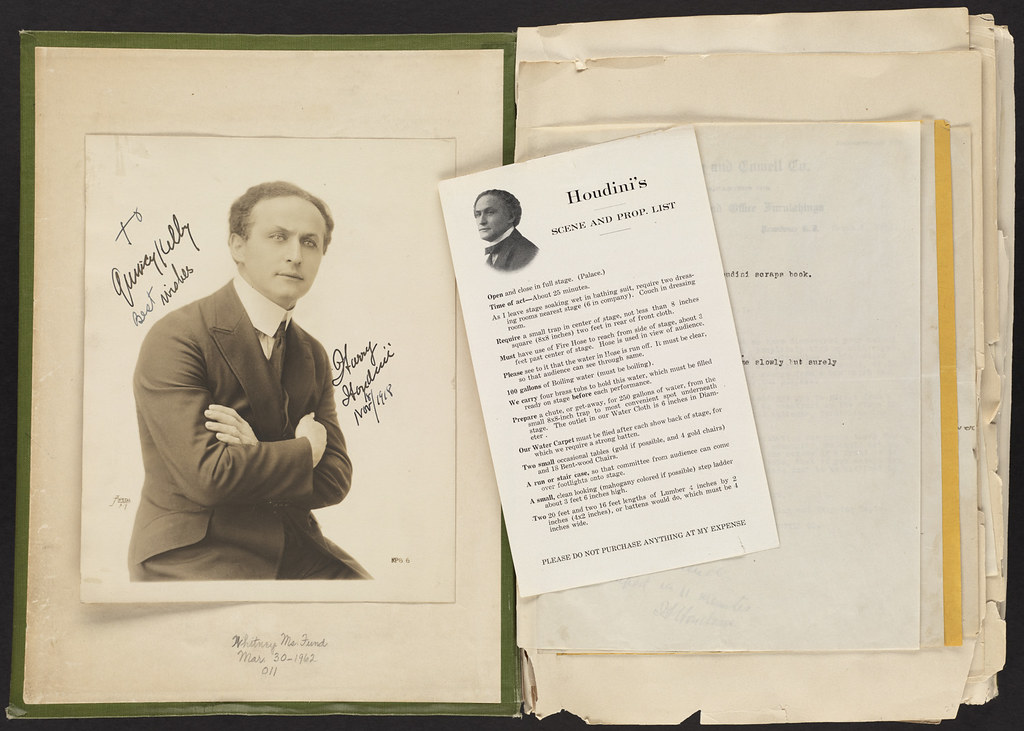
7. **Payment Schedule and Accounting Transparency**In the intricate, often labyrinthine world of book publishing finances, transparency can feel like a rare commodity. Authors, often more inclined towards creative pursuits than spreadsheet analysis, frequently find themselves navigating a system that is, at best, opaque and, at worst, prone to discrepancies. This inherent complexity underscores the indispensable role of a literary agent who, armed with an exacting eye for detail and an unwavering commitment to financial rectitude, ensures that authors receive what they are contractually owed, precisely when they are due. It is a critical aspect of agent advocacy, transforming potential confusion into clarity.
A cornerstone of this financial stewardship involves the rigorous negotiation of a well-structured payment schedule. Agents push for contracts that outline clear, accelerated timelines for advance payments and regular royalty disbursements, effectively preventing the frustrating and often damaging delays that can destabilize an author’s financial planning. From the initial signing bonus to subsequent payments upon manuscript delivery and publication, every installment is meticulously scheduled. This proactive approach ensures a steady, predictable flow of income, allowing authors to focus on their craft without the anxiety of uncertain remuneration.
Beyond timely payments, the agent’s most potent weapon against financial ambiguity is the right to audit. This powerful, often overlooked, clause empowers the author or agent to review the publisher’s financial records should royalty statements appear inaccurate or insufficient. Given that errors and underreporting are not uncommon within the industry, securing these audit rights acts as an essential safeguard, providing a mechanism for recourse and ensuring that authors receive every penny they’ve earned. It’s a testament to the agent’s shrewdness, recognizing that trust must always be underpinned by accountability in the often-sordid business of publishing.
This meticulous attention to financial minutiae fosters not just security but also trust between author and publisher, a relationship that, while ideally symbiotic, can be fraught with an imbalanced power dynamic. By advocating for complete accounting transparency and robust audit provisions, agents ensure that the creative labor of their clients is met with accurate and prompt financial acknowledgment. It is a quiet battle fought over ledger lines and payment dates, yet its outcome profoundly impacts an author’s ability to build a sustainable, long-term career in a profession notorious for its financial precariousness.
Read more about: Consumer Alert: 13 Essential Safeguards Against the Hidden Dangers of Buying a Car Sight Unseen Online

8. **Author’s Creative Control and Editorial Revisions**The creative vision an author pours into their manuscript is, for many, the very soul of their work. Yet, as a book moves through the publishing machine, that vision can sometimes encounter friction with commercial realities, marketing strategies, and editorial preferences. The delicate balance between authorial integrity and market demands becomes a crucial battleground, one where a skilled literary agent acts as a steadfast guardian of the author’s creative control. Their mandate is to ensure that a publisher’s input refines, rather than dilutes, the original artistic intent, preserving the essence that captivated the acquisition editor in the first place.
Agents engage in nuanced negotiations to define the author’s precise level of control over critical elements that shape a book’s public identity. This includes pivotal decisions like cover design—the very face of the book—and title changes, which can profoundly impact a reader’s first impression. More importantly, they meticulously outline the author’s influence over major editorial revisions, ensuring that any proposed modifications align harmoniously with the author’s overarching narrative and thematic vision. This contractual clarity prevents publishers from unilaterally altering core aspects of the work, a critical protection for a creator’s artistic ownership.
While publishers undoubtedly bring invaluable expertise in shaping a book for its intended audience, potentially requesting changes to enhance marketability, agents ensure that such revision requests remain reasonable and do not compromise the fundamental integrity or voice of the book. They scrutinize every proposed alteration, acting as an intellectual bulwark against suggestions that might subtly misrepresent the author’s unique contribution. By securing clear terms regarding creative input, agents empower authors to maintain a vital equilibrium between collaborative refinement and unwavering artistic autonomy, preventing the work from becoming an unrecognizable commercial compromise.
In essence, an agent’s adept handling of creative control clauses elevates the author from a mere content provider to a genuine partner in the publishing process. This strategic maneuvering establishes a framework where necessary editorial collaboration enhances the book’s appeal without eroding the author’s distinct voice. It is a testament to the agent’s understanding that true literary success hinges not just on sales figures, but on the enduring connection between a book’s authentic vision and its readership—a connection the agent assiduously protects through vigilant negotiation.

9. **Termination Clauses and Legal Protections**Even the most promising literary partnerships, like any significant relationship, can encounter unforeseen challenges. When the initial honeymoon period wanes, or circumstances fundamentally shift, authors require clear, equitable pathways to disengage without suffering undue financial or reputational harm. This is precisely where meticulously crafted termination clauses and robust legal protections within a publishing contract become paramount, serving as indispensable safeguards for an author’s long-term career viability. An agent’s discerning eye for such provisions transforms a potentially restrictive agreement into a balanced, protective framework.
Agents prioritize negotiating clear and reasonable exit terms that empower authors to terminate a contract under specific, justifiable conditions. These might include a publisher’s demonstrable failure to meet agreed-upon payment obligations, a prolonged delay in publication that leaves an author in professional limbo, or the publisher ceasing to actively market the book, effectively abandoning it. Without such contractual recourse, an author could find their valuable intellectual property irrevocably tied to an unproductive or unsupportive partnership, stifling their ability to pursue new opportunities and continue their literary journey.
Beyond termination, agents also meticulously review and refine indemnity clauses, which dictate the allocation of legal liability in the event of disputes. This is a critical area, as authors can, astonishingly, be held responsible for legal challenges arising from their content, such as claims of defamation, copyright infringement, or privacy violations. A skilled agent works assiduously to limit the author’s legal and financial exposure, ensuring that the publisher, with its significantly greater resources, bears appropriate responsibility for such risks. These protections are not merely legal niceties; they are fundamental shields guarding an author from potentially ruinous litigation.
By securing strong termination clauses and comprehensive legal safeguards, agents proactively insulate authors from undue financial burdens and legal risks. They recognize that an author’s creative output is not just a commercial product but a personal endeavor, deserving of protection against unforeseen adversities. This meticulous attention to the “what if” scenarios demonstrates an agent’s profound commitment to their client’s holistic well-being, ensuring that the author can pursue their calling with confidence, knowing that their rights and livelihood are robustly defended.

10. **Timelines for Publication and Rights Management**In the dynamic, often fast-paced world of publishing, the adage “timing is everything” holds profound truth. A book’s relevance, its potential to capture the zeitgeist, and its connection to an author’s career momentum are all inextricably linked to its timely release. An agent’s strategic negotiation of publication timelines and diligent management of subsidiary rights are thus critical, preventing a manuscript from languishing in developmental purgatory and ensuring its intellectual property is actively exploited across all lucrative channels. This foresight distinguishes a merely adequate deal from one that genuinely propels an author’s trajectory.
Agents rigorously negotiate explicit publication schedules, transforming vague intentions into firm, accountable deadlines. This ensures that once a contract is signed and a manuscript delivered, the book is released within a commercially reasonable timeframe, typically 12 to 18 months. Without these vital protections, authors face the daunting prospect of indefinite delays, a publisher’s inertia leaving their work in suspended animation and potentially impacting future publishing opportunities or the freshness of the material itself. The agent’s insistence on clear deadlines acts as a powerful catalyst, maintaining momentum and safeguarding the author’s professional trajectory.
Moreover, the agent’s role extends far beyond merely securing initial publication; it encompasses the sophisticated, long-term stewardship of rights management. They ensure that all subsidiary rights—from foreign translations and audiobooks to film adaptations—are not merely “warehoused” by the publisher but are actively pursued and exploited. Where the publisher falters, a shrewd agent ensures reversion clauses are in place, allowing the author to reclaim and re-license these valuable assets, preventing untapped money potential from lying fallow. This comprehensive approach maximizes a book’s enduring revenue streams and broadens its global reach.
This meticulous attention to timelines and proactive rights management underpins an author’s ability to build a sustainable, flourishing career. It ensures that their literary creations not only see the light of day but also continue to generate income and recognition throughout their lifecycle. By securing firm deadlines and ensuring active, global exploitation of intellectual property, agents provide an invaluable service, transforming a single book deal into a vibrant, ongoing career, making sure that an author’s voice resonates widely and persistently in the literary landscape.
***
Read more about: Beyond the Hull: Decoding the U.S. Navy’s Path Forward – A Deep Dive into Admiral Caudle’s Vision and the ‘USS’ Legacy
The landscape of modern publishing is a complex, often perilous terrain where artistry meets commerce in a perpetual tug-of-war. While the romantic notion of an author’s solitary genius remains compelling, the reality is that behind every best seller, there stands a shrewd, indefatigable literary agent. These agents, through their sophisticated negotiations across a myriad of intricate contractual clauses—from ensuring fair advances and maximizing royalties to protecting creative control and safeguarding future opportunities—are the silent architects of authorial success. They navigate the treacherous waters of publishing on behalf of their clients, transforming opaque agreements into author-centric deals, ultimately securing not just a book deal, but a sustainable career. Their work is a testament to the power of informed advocacy, a crucial force that truly elevates authors in a fiercely competitive industry.