From early morning programs to late-night talk shows, the celebrities who host our favorite series often provide a reprieve from the hard-hitting news of the day. They entertain us, make us laugh, and sometimes even make us think, creating a unique bond with their audiences. Yet, beneath the veneer of polished smiles and engaging monologues, the world of broadcast media is a complex ecosystem, fraught with unspoken rules, intense public scrutiny, and powerful regulatory bodies that can, at a moment’s notice, pull a host from the airwaves. It’s a landscape where popularity can vanish overnight, and a single misstep can lead to career-altering consequences.
Indeed, while many shows are lighthearted, some hosts find themselves in serious trouble. Whether they say something on air that doesn’t sit well with the audience or their conduct doesn’t align with network expectations, hosts have been ousted from their shows through the years. This article explores several high-profile instances where prominent hosts faced the abrupt end or temporary suspension of their careers, delving into the specific controversies that ignited these media firestorms and the intricate web of forces—from public outrage to federal regulators—that ultimately dictated their fate. We gain a deeper understanding of the immense pressures and often unforgiving nature of life behind the mic.
1. **Jimmy Kimmel’s Suspension**
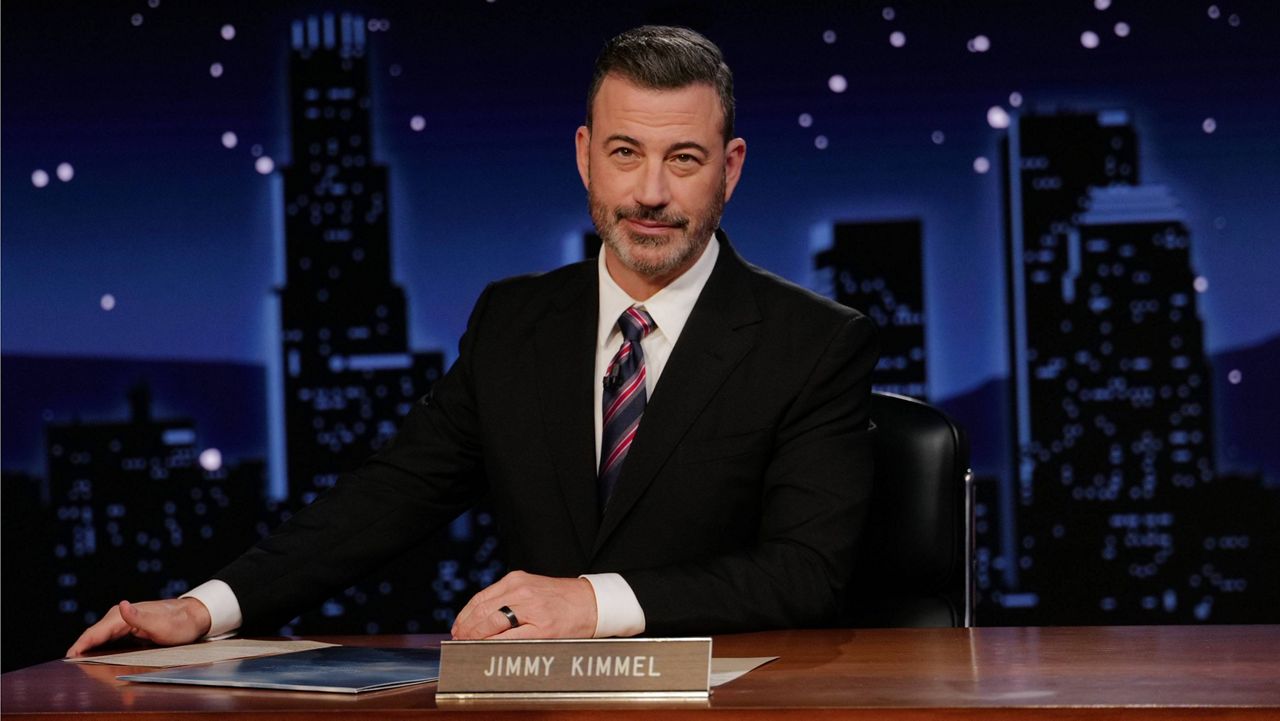
The world of late-night television, often a bastion of political commentary, found itself at the epicenter of a fierce national debate in September 2025 when Jimmy Kimmel was temporarily forced off the air. The catalyst was a series of controversial monologues on his flagship program, *Jimmy Kimmel Live!*, where he addressed the recent killing of conservative activist Charlie Kirk. Kimmel alleged that political allies of the president were attempting to “capitalize on the murder” and mischaracterize the shooter for political gain, specifically calling out the “MAGA gang.” These remarks, delivered on one of television’s most recognizable platforms, quickly drew the ire of a powerful federal entity.
The backlash was swift and came from an unexpected, yet undeniably powerful, direction. Brendan Carr, Chairman of the Federal Communications Commission (FCC), publicly condemned Kimmel’s remarks as “truly sick” and issued a thinly veiled threat. Speaking on a conservative podcast, Carr warned that local television stations carrying Kimmel’s show – and their parent companies – were “running the possibility of fines or licensed revocation from the FCC.” His blunt statement, “We can do this the easy way or the hard way … there’s going to be additional work for the FCC ahead,” underscored the profound regulatory pressure brought to bear on ABC and its affiliates.
In the days that followed, the situation sparked a robust debate about free speech in the media. Kimmel faced significant backlash, yet simultaneously received a wave of support from thousands of fans and unexpected politicians, including Ted Cruz. This complex tapestry of public opinion and political pressure highlighted the precarious position of hosts daring to engage in sensitive political commentary. Ultimately, after in-depth talks between Jimmy and ABC’s parent company Disney, he was allowed to return after less than a week. On his return, Kimmel delivered a powerful monologue, clarifying, “it was never my intention to make light of the murder of a young man. I don’t think there’s anything funny about it.” The Kimmel case became a vivid illustration of the delicate interplay between expression, corporate responsibility, and the “public interest” within broadcast media.
Read more about: Beyond the Broadcast: The Controversial Comments That Rocked News Anchors and Exposed Media’s Fault Lines
2. **Amy Robach & T.J. Holmes’ Departure**
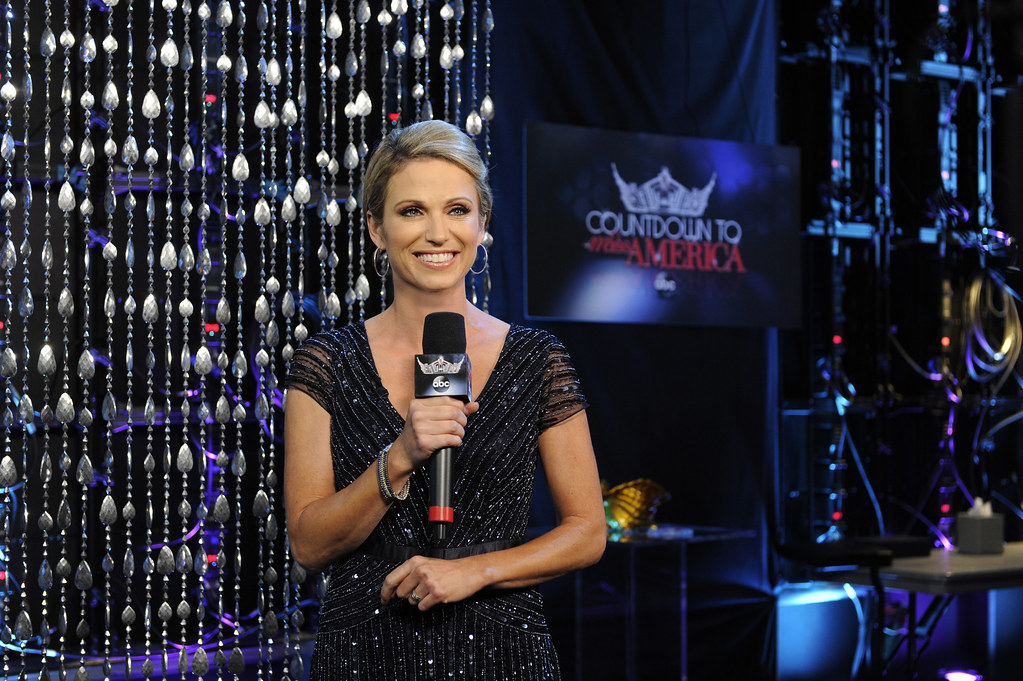
In an industry often fueled by public perception and professional conduct, the abrupt departure of *Good Morning America* hosts Amy Robach and T.J. Holmes in 2022 sent ripples of shock through the television landscape. Viewers were stunned to learn that the popular co-anchors were romantically involved, a revelation that quickly became front-page news. What made the situation particularly complex was the fact that both Robach and Holmes were still legally married to other people, despite claims of private separation. The public optics proved incredibly challenging for their employer.
ABC found itself in a difficult position. While initial assessments acknowledged that the pair hadn’t explicitly violated any company policies, the underlying consensus was clear: their personal lives had become an undeniable distraction. The very public nature of their romance began to overshadow their professional duties and the integrity of the *Good Morning America* brand. This perception of distraction, rather than a clear policy breach, ultimately proved to be the decisive factor, leading to the difficult decision to force them out of their prominent roles on the show.
The fallout for Robach and Holmes was immediate and deeply personal. They openly shared the immense toll the situation took on them, articulating a profound sense of loss for “the jobs we love because we love each other” and describing their subsequent ordeal as “a year of hell.” This period underscored the harsh reality that for public figures, the line between personal and professional can be remarkably thin, and public judgment swift. Demonstrating resilience, the pair has since channeled their experiences into a new venture, now co-hosting their own podcast together, forging a path forward outside traditional media structures.
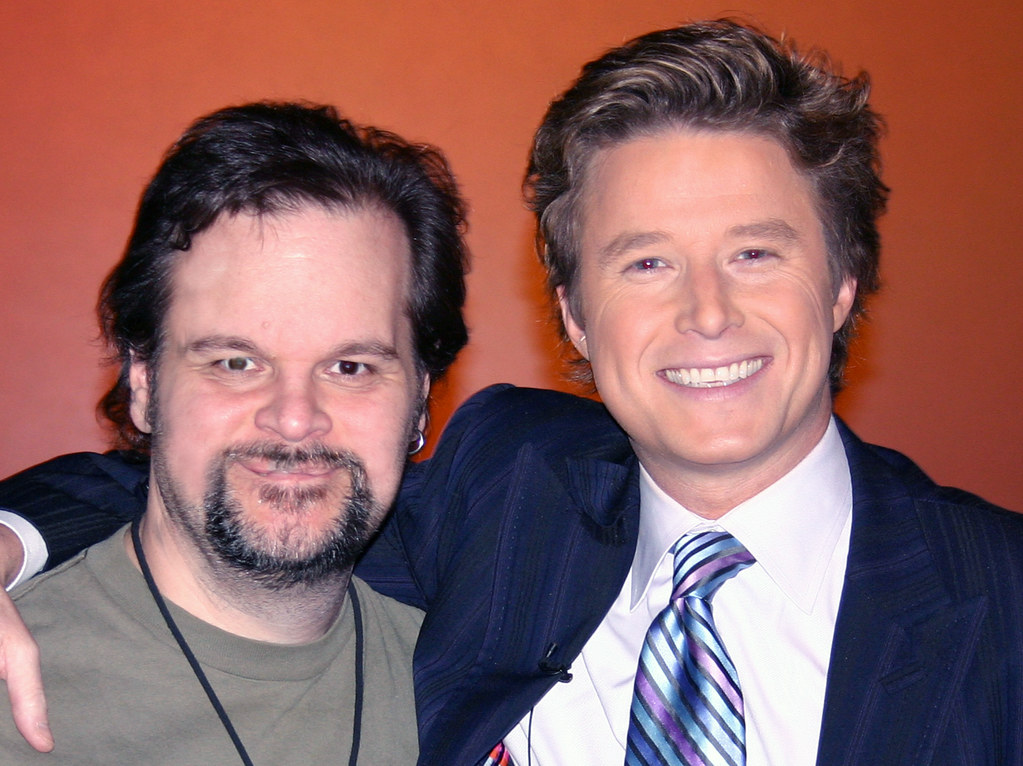
3. **Billy Bush’s Ousting**
The world of entertainment news was rocked in 2016 by a revelation that swiftly ended Billy Bush’s tenure as a *Today* show host. A controversial audio tape surfaced from 2005, capturing a lewd conversation between Bush and Donald Trump. On the recording, Bush could be heard engaging with Trump as he graphically objectified a woman and recounted ual conquests. The tape, released during a contentious presidential election, ignited a firestorm of public outrage and condemnation, particularly for Bush’s role in the exchange.
The consequences for Billy Bush were immediate and severe. He swiftly lost his coveted position on the *Today* show, a testament to the zero-tolerance networks adopt when public figures are perceived to endorse misogynistic behavior. The timing was particularly poignant, as the same period saw Donald Trump ultimately elected president, highlighting divergent public reactions to the two men. Bush later reflected on the pressures he felt as an entertainment correspondent, explaining he “sort of” had no choice but to “kiss ass” to high-profile guests like Trump, fearing he’d be seen as having “lost Trump, the big fish.”
The intense public criticism profoundly impacted Bush’s personal well-being. He openly admitted to spiraling into heavy drinking and emotional distress, grappling with significant mental health challenges. His journey through this dark period underscores the immense psychological toll of public disgrace. However, his story also contains a note of redemption; through perseverance, Billy was eventually able to rebuild his reputation and was later hired by *Extra*, demonstrating that a return to the public eye, albeit on different terms, is possible even after a career-defining scandal.

4. **Matt Lauer’s Firing**
The landscape of morning television underwent a seismic shift in 2017 with the firing of Matt Lauer from his longstanding role as host of the *Today* show. Lauer, a fixture in American households for decades, was abruptly dismissed after a female colleague came forward with a detailed accusation of ual harassment. This initial revelation quickly opened the floodgates, as several more alleged victims subsequently came forward, painting a troubling picture of workplace conduct that stood in stark contrast to his public persona. The speed and severity of NBC’s action highlighted the escalating intolerance for such behavior in the burgeoning #MeToo era.
In the wake of mounting allegations, Matt Lauer issued a lengthy and candid apology, admitting to his wrongdoing and attempting to convey the depth of his remorse. “There are no words to express my sorrow and regret for the pain I have caused others by words and actions. To the people I have hurt, I am truly sorry,” he stated, acknowledging the profound impact of his actions. He added, “As I am writing this, I realize the depth of the damage and disappointment I have left behind at home and at NBC.” Despite this public admission, a return to his prominent position was simply not an option.
Lauer’s abrupt and permanent exit from the *Today* show and, indeed, from the public sphere, served as one of the most high-profile examples of the #MeToo movement’s impact on powerful figures in media. His career as a host and journalist effectively concluded. Since his firing, Matt Lauer has not returned to hosting or working as a journalist, choosing instead to live a life largely outside of the spotlight. His case remains a powerful touchstone in discussions about accountability, workplace culture, and the lasting consequences for those found to have abused positions of power within the media industry, reshaping expectations for professional conduct in high-profile roles.

5. **Megyn Kelly’s Show Cancellation**
Megyn Kelly, a formidable figure known for her sharp interviewing style, faced a significant career setback when her entire talk show, *Megyn Kelly Today*, was canceled in 2018. The controversy stemmed from comments she made during an on-air discussion about offensive Halloween costumes, specifically touching upon the contentious topic of blackface. Kelly expressed a view that political correctness had “gone amok,” and then openly debated what should be considered truly racist, including the historical and social implications of blackface.
Her comments immediately drew strong disagreement from her on-air guests, Melissa Rivers, Jacob Soboroff, and Jenna Bush Hager. More critically, the public reaction was overwhelmingly negative, demonstrating a clear societal consensus against the use of blackface, regardless of perceived intent or context. The ensuing media firestorm underscored a crucial lesson in cultural sensitivity: some historical symbols carry such deep wounds that their casual discussion or perceived defense can trigger immediate and severe consequences, transcending individual intent to strike at collective historical trauma.
Recognizing the gravity, Kelly issued a formal apology the following day on her show: “I want to begin with two words: I’m sorry,” she stated. She explained, “I learned that given the history of blackface being used in awful ways in this country, it is not okay for that to be part of any costume, Halloween or otherwise. I have never been a PC kind of person, but I do understand the value in being sensitive to our history, particularly on race and ethnicity.” Despite her apology, the damage to *Megyn Kelly Today* was irreversible. The show was canceled just days later, illustrating the swift nature of network decisions when faced with significant public outcry. Kelly has since made a notable return to the media landscape, now hosting *The Megyn Kelly Show*, demonstrating a capacity for reinvention on new platforms.

6. **Alec Baldwin’s Short-Lived Talk Show Reign**
Alec Baldwin, a titan of stage and screen, briefly attempted to conquer the world of late-night talk shows with *Up Late with Alec Baldwin* on MSNBC. However, his tenure proved to be remarkably short-lived, concluding abruptly in 2013 under a cloud of controversy that underscored the intense scrutiny public figures face in the media landscape. The catalyst for his rapid downfall was an incident captured by TMZ, where the actor was heard directing what appeared to be a gay slur at a photographer.
The immediate fallout saw Baldwin receive a two-week suspension, a typical response for public apologies and a cooling-off period. He issued a statement, acknowledging the gravity of his words: “I did not intend to hurt or offend anyone with my choice of words, but clearly I have — and for that I am deeply sorry.” He further emphasized, “Words are important. I understand that and will choose mine with great care going forward.” These words, however, were not enough to quell the growing criticism or to save his fledgling program.
Ultimately, MSNBC made the decisive move to cancel *Up Late with Alec Baldwin* altogether. This abrupt conclusion highlighted the unforgiving nature of live broadcasting and the immediate consequences for hosts whose conduct, even off-air, falls short of network expectations and public standards. Baldwin’s experience serves as a stark reminder that in the hyper-connected, always-on world of media, a single perceived misstep can dismantle a carefully built career, regardless of one’s celebrity status.
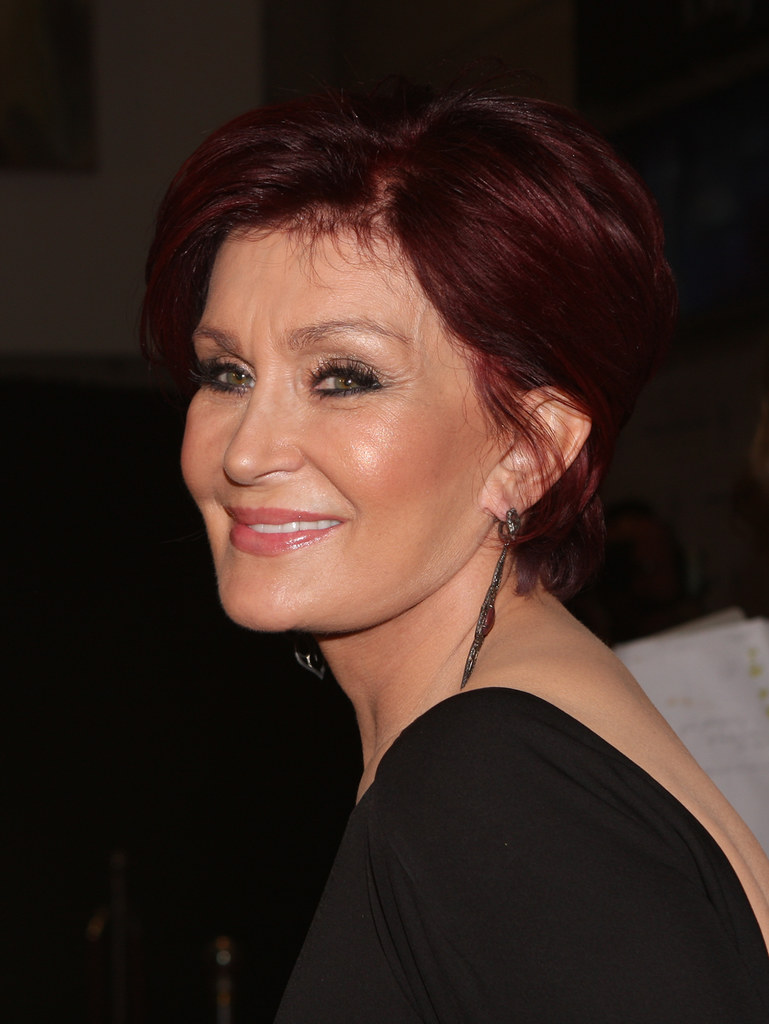
7. **Sharon Osbourne’s Fiery Exit from *The Talk**
The dynamics of live television can often be unpredictable, and in March 2021, *The Talk* experienced a particularly explosive moment that led to Sharon Osbourne’s departure. The controversy ignited when Osbourne vocally defended Piers Morgan against accusations of racism, stemming from his disparaging comments about Meghan Markle. Her co-host, Sheryl Underwood, directly challenged Osbourne’s stance, questioning if her defense of Morgan validated his “racist” remarks. Osbourne, in turn, adamantly denied that Morgan’s words were racist, attempting to defend her position in a heated on-air exchange.
The discussion, far from concluding with the commercial break, spilled over into intense online debate and condemnation from viewers. CBS, recognizing the severity of the public outcry, swiftly put *The Talk* on an extended hiatus to conduct an internal review, a process that ultimately stretched for nearly a month. During this period, Osbourne issued an apology, specifically addressing those she had offended and her co-host, Sheryl. She explained that she “panicked, felt blindsided, got defensive & allowed my fear & horror of being accused of being racist take over.”
Osbourne’s apology articulated her personal distress, stating, “There are very few things that hurt my heart more than racism so to feel associated with that spun me fast.” She acknowledged her ongoing learning process, adding, “I am not perfect, I am still learning like the rest of us & will continue to learn, listen and do better.” Despite this public statement of remorse and commitment to growth, the internal review uncovered additional racially-charged allegations against Osbourne.
These further findings proved to be the decisive factor, leading to her firing from *The Talk*. The incident underscored the evolving standards of accountability in media, particularly concerning discussions of race and public figures’ responsibility to uphold inclusive values. Interestingly, years later, Osbourne reflected on the ordeal, admitting she regretted apologizing to Sheryl Underwood, a sentiment that reveals the enduring complexities of public apologies and personal convictions in the cutthroat world of broadcast media.
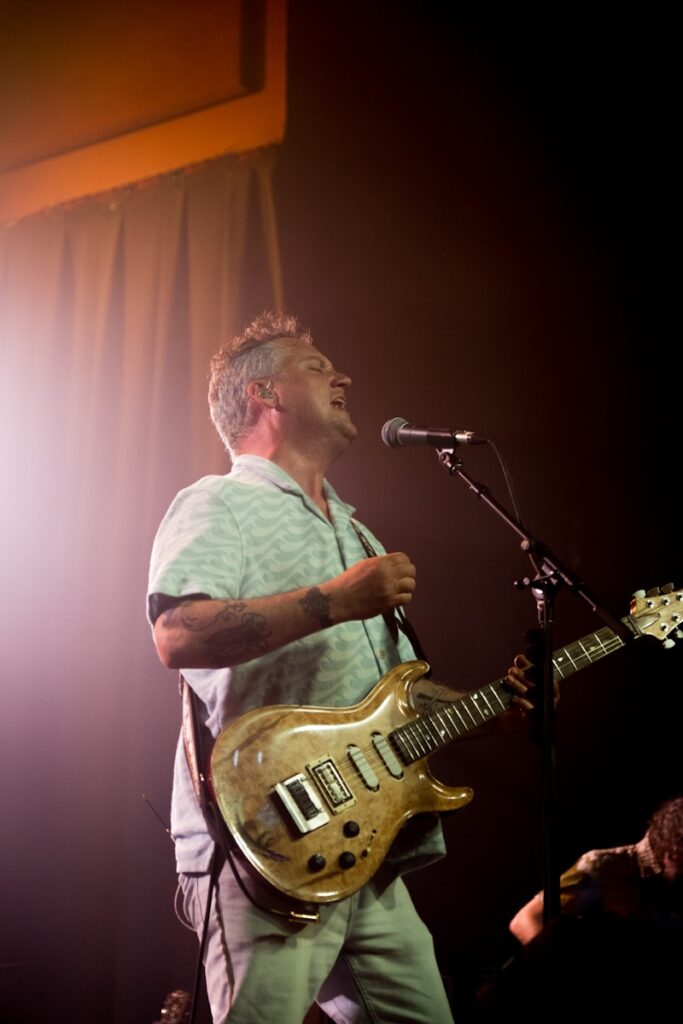
8. **Josh Innes and the ‘Soul Man’ Controversy**
In the often-abrasive landscape of sports radio, competition can lead to fierce on-air rivalries, but for Philadelphia sports host Josh Innes, it led to his abrupt dismissal from WIP. The catalyst was a highly controversial incident involving a rival station, 97.5 The Fanatic, where it was revealed that their white producer had created an imaginary, stereotypical black caller dubbed “Dwayne From Swedesboro.” Innes, who had previously faced criticism for calling an Eagles player a “house Negro” in January, seized this opportunity, launching into a vitriolic on-air attack against 97.5 and its host, Mike Missanelli.
Innes’s tirade, which he apparently broadcast while preparing for his show, quickly spiraled into deeply offensive territory. He mockingly referred to Missanelli as “Soul Man,” referencing a film where a white character pretends to be black. Innes accused 97.5 of having “a bunch of soul men over there” and blasted their “whole schtick” of using fake callers. His criticism took a sharp racial turn, exclaiming, “And not just fake callers, guys who are WHITE pretending to be BLACK guys. Like, that’s what makes me laugh about all of this. Mr. Soul Man, who is offended by everything…white guilt to the nth degree and he pretends to be boys with all his brothas, HE WOULDN’T LET YOU MOW HIS FREAKIN LAWN on the Main Line. Oh but on the air he’ll pander to you hard and you’ll buy it because you think brothers are actually calling the show. Turns out it’s a WHITE GUY pretending to be black calling the show.”
This racially charged and inflammatory commentary proved to be the immediate breaking point for WIP. The station fired Innes the very next day, a stark demonstration of zero tolerance when a host’s on-air rhetoric crosses the line into overt racism and becomes a significant liability. Innes’s case highlights the precarious tightrope hosts walk, where competitive aggression can swiftly devolve into career-ending prejudice, reinforcing the power broadcasters hold—and the severe consequences they face for misusing it.
Read more about: The Indelible Reign of Prince: A Forbes Retrospective on the Musical Genius, Financial Acumen, and Cultural Impact of an Icon
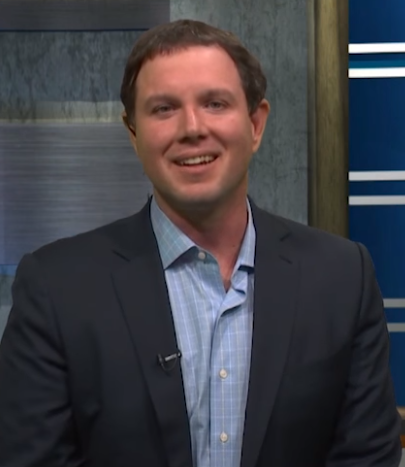
9. **Matt Jones and the Political Clash with Mitch McConnell**
The dynamic interplay between media and politics took a dramatic turn for Kentucky sports radio host Matt Jones, whose burgeoning political ambitions directly led to his removal from the airwaves. Jones, a popular on-air personality, was openly exploring a bid to challenge Senate Majority Leader Mitch McConnell’s seat in 2020. This potential political rivalry, rather than any controversy arising from his journalistic work, became the unusual reason for his suspension from iHeart Radio, highlighting the often unseen pressures applied in the broadcast world.
Jones publicly stated that the Republican Party of Kentucky (RPK) had filed a Federal Election Commission (FEC) complaint against him, prompting his iHeart Radio bosses to request he not be on the show. The complaint, as detailed by the *Louisville Courier-Journal*, alleged that Jones’s radio show and promotional activities for his book, “Mitch, Please! How Mitch McConnell Sold Out Kentucky (and America Too),” constituted undeclared corporate contributions to his campaign, thereby violating election regulations. RPK Chairman J. McCauley Brown criticized Jones for attempting “to conceal these violations,” demanding a “swift and strong penalty” from the FEC.
Jones, however, vehemently dismissed the complaint as “frivolous” and a clear political maneuver, arguing that he had not yet formally declared his candidacy. He conveyed his belief that it was “a really sad attempt by Mitch McConnell to keep me off the air” and publicly accused the Senator of attacking his free speech rights. This episode with Matt Jones vividly illustrates how powerful political figures can indirectly influence media operations, using regulatory complaints as a tool to sideline potential challengers and, in doing so, underscore the intricate and often fraught relationship between broadcast platforms and the political arena.
**The Unseen Hand: Understanding FCC Regulations and Industry Dynamics**
Beyond the individual dramas of hosts facing removal, a complex regulatory ecosystem profoundly shapes broadcast media. The Federal Communications Commission (FCC) wields significant, often unseen, influence over radio and television. Understanding its unique powers, historical precedents, and enforcement mechanisms is crucial for comprehending the boundaries of speech and why some voices are abruptly silenced.
**The “Public Interest” Mandate and Broadcast’s Unique Status**
The FCC’s vast jurisdiction stems from its core mandate: broadcast stations must serve the “public interest, convenience, and necessity.” This broadly defined, yet powerful, standard allows flexible interpretation, often reflecting the political climate of its leadership. This ambiguity provides a powerful lever for regulatory action, even without explicit rule violations, as seen when the FCC Chairman’s comments about “public interest” preceded Kimmel’s suspension.
Broadcast media operates under a distinct regulatory framework due to the “scarcity doctrine” and the “public trustee model.” Finite radio and television frequencies necessitate government allocation, preventing signal interference. This scarcity leads to broadcasters acting as fiduciaries, holding licenses in trust for their communities, overseen by the FCC.
The 1969 Supreme Court case, *Red Lion Broadcasting Co. v. FCC*, cemented this framework. Prioritizing the audience’s rights over the broadcaster’s, it affirmed government’s ability to regulate content. Justice Byron White famously declared, “It is the right of the viewers and listeners, not the right of the broadcasters, which is paramount,” establishing unique free speech standards for airwaves.
**The Modern Paradox and Content Policing**
Today, the scarcity doctrine is largely a technological relic, given the abundance of cable, satellite, and internet media. Yet, *Red Lion’s* legal precedent persists for over-the-air broadcasters. This creates an uneven playing field: traditional broadcast shows face FCC oversight, while cable or streaming content generally does not, operating under a far less restrictive regime.
The FCC polices specific content categories: obscenity, indecency, and profanity. Obscenity, with no First Amendment protection, is banned if it meets the stringent Miller test, though rare. More commonly, indecency (“patently offensive” ual or excretory material) and profanity (“grossly offensive” language) are regulated.
These categories have some First Amendment protection for adults, leading to the “safe harbor” rule. Indecent and profane content is prohibited on broadcast between 6 a.m. and 10 p.m., but permitted during late-night hours. This allows shows like Kimmel’s to feature adult humor late at night, but these rules don’t apply to subscription-based cable or satellite services.
**”Seven Dirty Words” and Enforcement’s True Impact**
The legal precedent for indecency enforcement was forged in the 1978 *FCC v. Pacifica Foundation* case, involving George Carlin’s “Seven Dirty Words.” The Supreme Court upheld the FCC’s authority, citing broadcasting’s “uniquely pervasive” and “uniquely accessible to children” nature. This ruling became the bedrock for all subsequent indecency fines.
The FCC enforces rules reactively, driven by public complaints. Its main tool is monetary fines, significantly increased after the 2004 Super Bowl incident to $325,000 per violation. This effectively pushed figures like Howard Stern from terrestrial radio to unregulated satellite after accumulating $2.5 million in fines. License revocation is the ultimate, rarely used, threat; its deterrent effect remains immense.
**The Kimmel Case: A Microcosm of Power**
Jimmy Kimmel’s temporary suspension in September 2025 illustrates this regulatory power without formal enforcement. Kimmel’s political commentary, though not indecent, drew public criticism from FCC Chairman Brendan Carr, who referenced the FCC’s authority over station licenses. This created a ripple effect.
Local affiliates, license holders with ongoing regulatory relationships and pending business before the FCC, felt pressured. Nexstar and Sinclair preempted Kimmel’s show, citing “public interest,” leading ABC to announce the show would be “preempted indefinitely.” No fines or investigations occurred. The Chairman’s public statements and the affiliates’ vulnerable regulatory positions were sufficient to pull a flagship program. This episode underscores the FCC’s subtle yet profound influence in broadcast media.
**The Unseen Strings: A Constant Tension in the Airwaves**
The stories of hosts like Jimmy Kimmel, Sharon Osbourne, Josh Innes, and Matt Jones, alongside the intricate machinery of FCC regulations, paint a vivid picture of life behind the mic: a space of immense privilege, but also profound precarity. It is a world where a carefully crafted persona can be shattered by a single misstep, where public sentiment and regulatory whispers can prove more powerful than network contracts. As media platforms continue to evolve, from traditional airwaves to the boundless digital realm, the tension between free speech, corporate responsibility, and the ambiguous “public interest” remains a constant, pulsating undercurrent. The power dynamics at play are a perpetual reminder that in the electrifying, ever-watched arena of broadcast, the stage is always set for the next dramatic exit, and the unseen strings of oversight are never truly loosened.