undefined
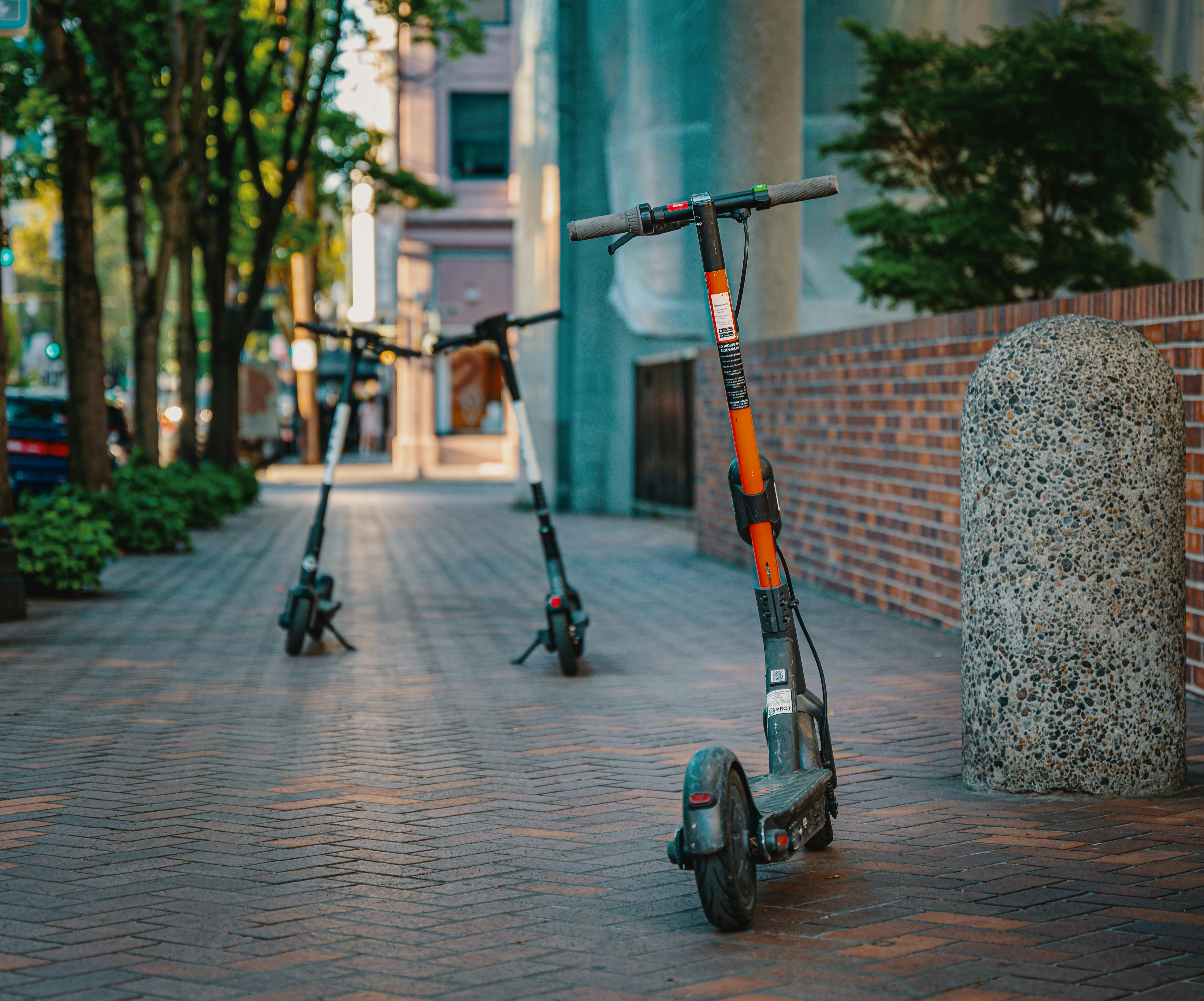
Electric scooters have zoomed into our urban landscapes, swiftly becoming a ubiquitous sight in cities worldwide. For many, they represent a beacon of modern mobility—a cheap, fast, convenient, and flexible way to navigate congested streets, especially across those crucial “first/last mile” distances. Indeed, these nimble machines are particularly attractive to a demographic of 26- to 35-year-olds, who often choose them for commuting to work or school, as well as for various leisure activities. Yet, beneath the surface of this perceived convenience and innovation, a different narrative unfolds, especially from the perspective of the humble pedestrian.
While e-scooters are actively promoted and widely viewed as an environment-friendly means of transport, and their ability to replace car trips is often highlighted, a closer look reveals a more complex reality. The rapid influx of these devices has not been without its challenges, creating a subtle but undeniable tension in shared public spaces. It’s a tension rooted in a series of unaddressed concerns, ranging from safety and environmental impact to shared space etiquette and the sheer unpredictability of urban interactions.
As a senior media editor, deeply attuned to the pulse of urban living and the nuanced dynamics between different modes of transport, I’ve seen how these issues resonate with internet users. This article aims to pull back the curtain on these unspoken sentiments, revealing the honest thoughts pedestrians often harbor about e-scooter riders. We’re diving into the critical insights that emerge when you consider the experience from the ground level—the pedestrian’s point of view—and what it means for the future of urban mobility. Let’s uncover the truths that often go unsaid, exploring the very real impacts of e-scooter integration on those who navigate our cities on foot.
1. **”You’re not as eco-friendly as you think you are.”**It’s a common perception, often fueled by marketing and public messaging, that electric scooters are a green alternative, a clean break from fossil fuel-powered vehicles. Riders and advocates frequently champion e-scooters as champions of environmental sustainability, implying a significant reduction in carbon footprint. This narrative suggests that by choosing an e-scooter, you’re making a positive contribution to the planet, minimizing pollution and promoting a healthier urban environment.
However, research paints a different, perhaps more sobering, picture. A study explicitly concluded that “shared e-scooters are not yet environmentally beneficial as they can cause 202 g CO2-eq/passenger-mile.” This finding directly challenges the widely held belief in their inherent eco-friendliness, suggesting that the entire lifecycle and operational model of shared e-scooters might negate some of their perceived benefits. It’s an inconvenient truth that often remains unspoken but sits at the back of many pedestrians’ minds.
The real sting for pedestrians, particularly those committed to active modes of transport, lies in the fact that e-scooters predominantly replace walking. The literature states that e-scooters “most often replace walking, public transport less so, and the car least often.” This crucial detail suggests that instead of replacing polluting car journeys, e-scooters are frequently supplanting active, zero-emission travel. From a pedestrian’s perspective, this means their own healthy choices are being undermined, leading to the conclusion that “their impact will always be harmful to the environment” if they primarily displace walking.

2. **”You’re actually replacing my walk, not a car ride.”**Building on the environmental impact, this thought zeroes in on the direct behavioral shift. Many e-scooter users might believe they are taking cars off the road, easing traffic congestion, and reducing emissions. While some studies do show that “over 50% of e-scooter trips replace rideshare or car trips,” showcasing their potential mobility benefits, the pedestrian experience often highlights a different reality on the ground.
For pedestrians, the daily experience often reveals that the scooter whizzing by them on the sidewalk or bike path isn’t a former car driver but someone who might otherwise have been walking. The context explicitly states that e-scooters “most often replace walking.” This is a significant point of contention for those on foot, as it means their space is being encroached upon by a mode of transport that often substitutes for the very activity they are engaging in.
This replacement of walking trips by e-scooter rides can lead to a sense of resentment. Pedestrians, who often choose to walk for health, environmental, or personal reasons, see their dedication to active mobility being replaced by a less active alternative. This shifts the focus from a positive environmental impact to a negative one, where the scooter rider is seen as simply choosing convenience over a more fundamental, active mode of transport, directly impacting the pedestrian experience.
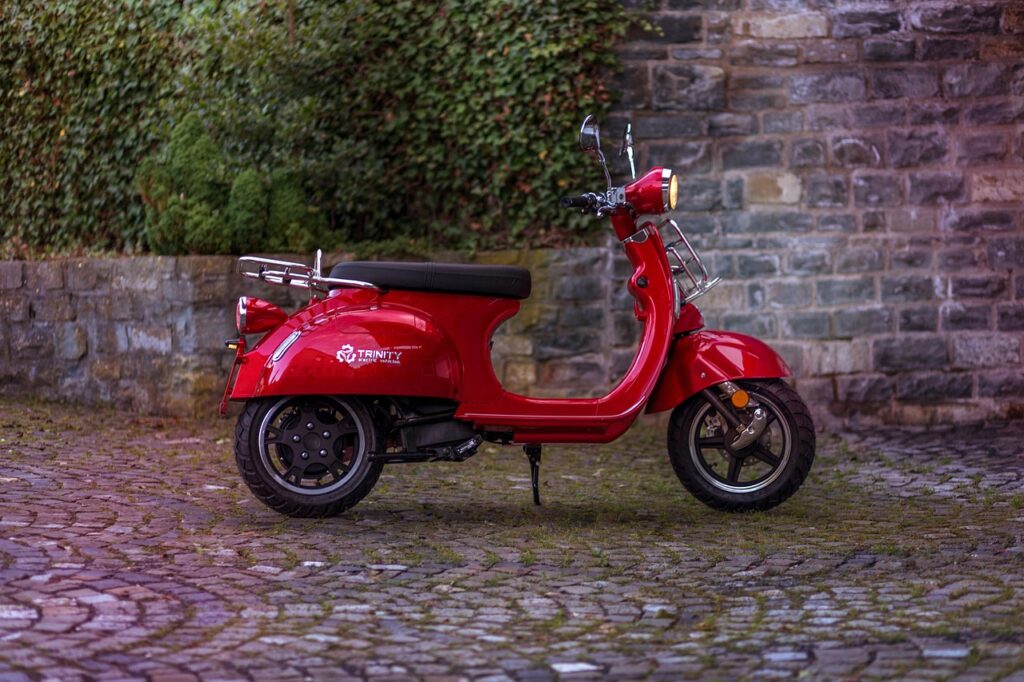
3. **”I’m worried you’ll hit me, or I’ll trip over your parked scooter.”**This is perhaps one of the most immediate and visceral concerns for any pedestrian encountering an e-scooter. The sheer unpredictability and speed difference between a person walking and a scooter moving at several miles per hour create an inherent sense of unease. Safety issues are not just theoretical; they are a constant undercurrent in urban interactions, with researchers noting them as a “major inconvenience of e-scooters.”
The worry extends beyond moving scooters. The issue of improperly parked dockless e-scooters is a significant pain point. Imagine navigating a busy sidewalk, perhaps with reduced visibility or mobility, only to find it blocked. An “improperly parked shared e-scooter (e.g., in the middle of a sidewalk) can block a sidewalk so that a pedestrian can stumble over the e-scooter or they might be made to use a road to bypass the blockage, which can endanger the pedestrian.” This isn’t a minor irritation; it’s a real safety hazard that disproportionately affects vulnerable groups like the elderly and disabled, for whom “narrow clearance” poses heightened injury risks.
The increasing number of e-scooter injuries, dramatically illustrated by a “625% increase in Salt Lake City” and a “six-fold rise… in the monthly number of e-scooter injuries in the emergency department” after shared services launched, solidifies these fears. While many of these injuries might be to riders, a specific case study highlighted the “health and financial impact for pedestrians involved in an e-scooter collision.” This research underscores that the threat isn’t just perceived; it’s real, leading to a constant low-level anxiety among pedestrians about their immediate safety.

4. **”Your sudden appearance scares me, especially from behind.”**There’s a fundamental difference in how we process threats we can see versus those we cannot. When a pedestrian sees an e-scooter approaching from the front, there’s a degree of anticipation and an opportunity for both parties to react. However, when an e-scooter approaches silently from behind, the dynamic changes entirely, often resulting in a jolt of alarm and discomfort.
The research corroborates this instinctual reaction. While there’s a “strong correlation between subjective safety and T p [time to potential collision] when pedestrians see the e-scooter,” this correlation “is insignificant” when the pedestrian “can not see the e-scooter approaching from behind.” The absence of visual cues means the pedestrian cannot accurately gauge the objective safety metrics, making their reported discomfort less tied to measurable factors and more to the suddenness of the encounter.
Indeed, the primary cause of this profound discomfort when being overtaken is the “sudden appearance of the e-scooter beside the pedestrian.” A virtual reality experiment in Singapore found that “four out of six near misses in this study were caused by misconduct on the part of e-scooter riders (e.g., approaching a pedestrian silently from behind or riding in a zigzag fashion).” This isn’t just about speed; it’s about the manner of approach and the lack of warning, leaving pedestrians feeling vulnerable and startled by an unseen, fast-moving presence.
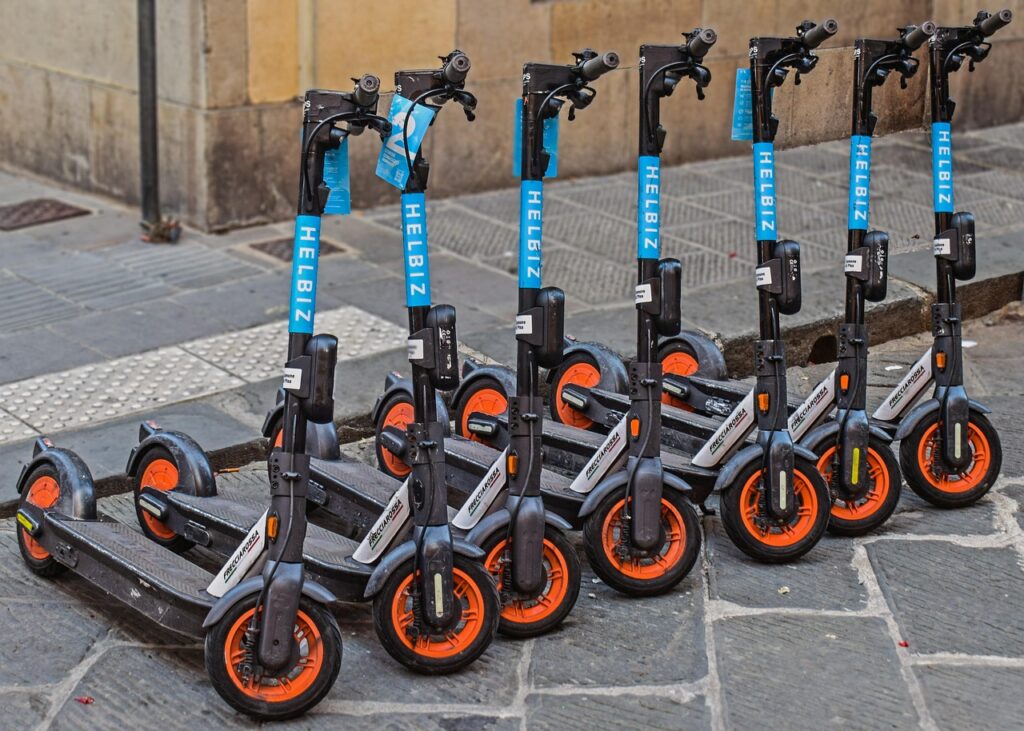
5. **”You’re moving too fast for this space, especially on narrow paths.”**Pedestrians intuitively understand the appropriate speed for different environments. A sidewalk, by its very nature, is designed for foot traffic—a slower, more unpredictable, and highly variable pace. When an e-scooter enters this space, its higher velocity immediately feels discordant and dangerous, especially when the path narrows.
Studies reveal that “e-scooter-to-pedestrian interaction on sidewalks narrower than 2.0 m falls in the danger zone.” The situation becomes particularly critical “at 1.6 m” sidewalk width. This is because riders, perhaps overestimating the available space, “may overestimate the available extra space and ride so quickly that it creates an even more dangerous interaction than the narrower case.” This insight directly reflects the pedestrian’s lived experience of feeling squeezed, rushed, and endangered in spaces that should be their sanctuary.
Even when e-scooter users attempt to mitigate risk by riding at lower speeds in shared spaces, the fundamental perception of danger persists. “Although e-scooter users ride at lower speeds in spaces that are shared with pedestrians and so they can be less dangerous to pedestrians,” the overwhelming sentiment remains that these devices are fundamentally out of place. The discomfort isn’t solely about objective speed but about the perceived speed relative to the environment and other users, highlighting a clear mismatch in expectations and safety standards.
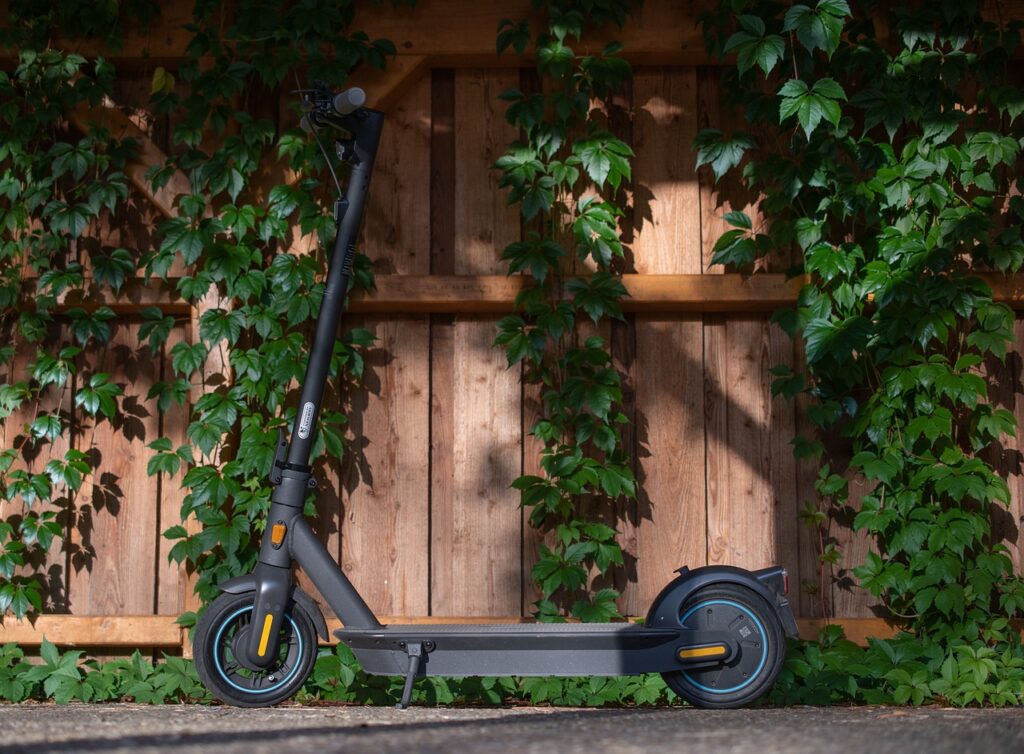
6. **”The rules aren’t clear, and you’re bending the ones that exist.”**One of the most frustrating aspects for pedestrians is the apparent ambiguity and inconsistency surrounding e-scooter regulations, combined with a noticeable tendency for riders to disregard what rules do exist. This lack of clarity contributes significantly to the feeling of chaos and a lack of control on shared paths. A study from Paris explicitly concludes that “the traffic rules for e-scooters are not clear” and, consequently, “e-scooter riders bend the rules.”
This isn’t just a perception; observations confirm it. “Siebert et al. found that 32% of 777 shared e-scooters’ riders observed violated existing road rules (e.g., using prohibited infrastructure, simultaneous use of an e-scooter by two people).” These violations can range from riding in pedestrian-only zones to carrying a passenger, both of which amplify the danger and annoyance for pedestrians trying to navigate their daily routes. The consistent bending of rules creates an environment where pedestrians feel unheard and unprotected.
The result is a pervasive sense of unpredictability. The Paris study also noted “a relative absence of common knowledge in perceiving and understanding e-scooter motion so that pedestrians become hesitant and react haphazardly.” This highlights a breakdown in unspoken social contracts and shared understandings of public space. Pedestrians are left guessing what an e-scooter rider will do next, transforming what should be a straightforward walk into a series of uncertain and ambiguous encounters where “the power relations on the path are blurred.” This confusion and disregard for rules are central to the friction between riders and those on foot.
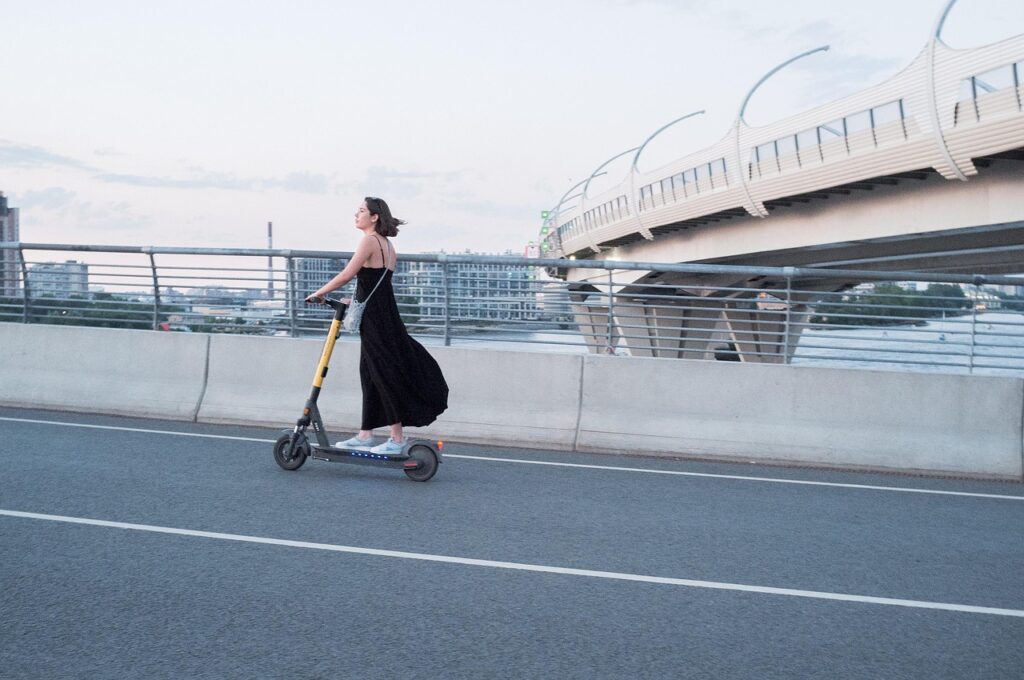
7. **“This sidewalk isn’t wide enough for both of us.”**Imagine strolling along, minding your own business, when suddenly you feel squeezed, or worse, pushed to the edge of the path. For pedestrians, the width of a sidewalk isn’t just about space; it’s about comfort, perceived safety, and the fundamental right to navigate their surroundings without constant vigilance. The advent of e-scooters, with their higher speeds and dynamic movements, has transformed what was once a simple walk into a gauntlet, especially in confined urban arteries.
Research powerfully confirms this everyday intuition, revealing that “e-scooter-to-pedestrian interaction on sidewalks narrower than 2.0 m falls in the danger zone.” This isn’t just a casual observation; it’s a measurable hazard. When the urban fabric constrains space, the risk escalates dramatically, turning casual encounters into near misses. The design of our sidewalks, often an afterthought, suddenly becomes a critical factor in urban harmony.
Perhaps counter-intuitively, the study highlights a critical point: the objective safety is lowest “at 1.6 m” sidewalk width, not the absolute narrowest. This puzzling finding is explained by rider behavior. On extremely narrow sidewalks (like 1.3 m), riders tend to significantly reduce their velocity, recognizing the inherent danger. However, on slightly wider paths (1.6 m or 2.0 m), they “may overestimate the available extra space and ride so quickly that it creates an even more dangerous interaction than the narrower case.” This human element of misjudgment turns moderately wide sidewalks into unexpected danger zones for those on foot.
Even on seemingly more spacious sidewalks, the sheer presence of a faster-moving vehicle fundamentally alters the pedestrian experience. What feels comfortable to a rider, with ample room to maneuver, can still feel like an invasion to someone walking. This disparity in perception means that while riders might feel safe, pedestrians continue to harbor a deep-seated unease, always alert to the potential for a sudden, unwelcome encounter on what they consider their designated space.
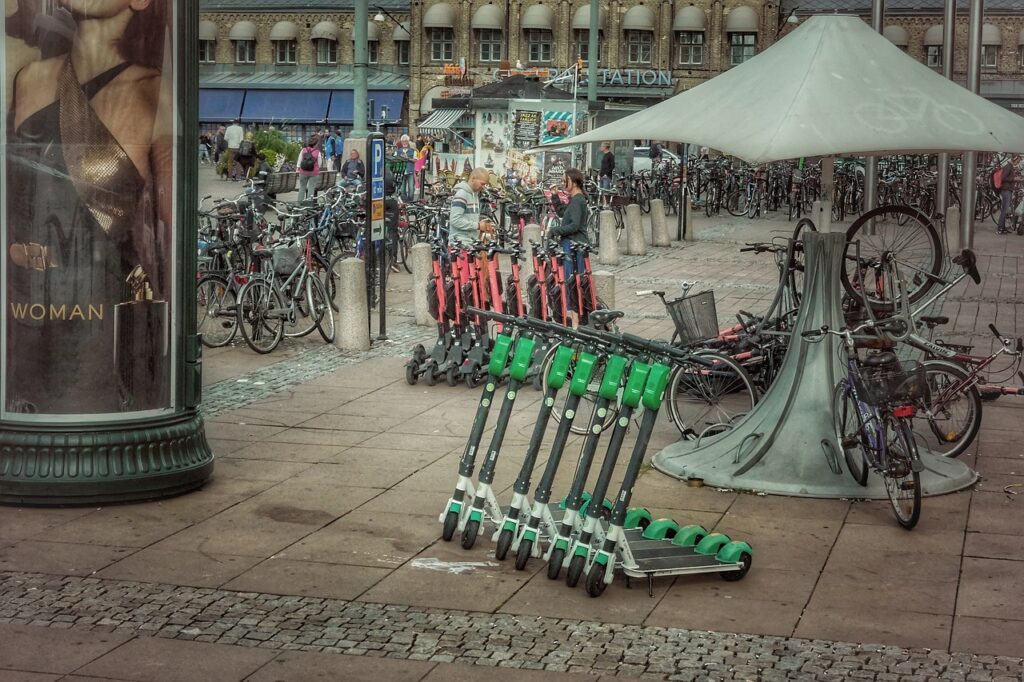
8. **“You’re adding chaos to an already crowded space.”**Urban environments are inherently dynamic, teeming with people, noises, and countless interactions. For pedestrians, navigating a crowded street or a busy square is already a complex dance of anticipation and avoidance. The introduction of e-scooters into this dense mix doesn’t simplify matters; it often amplifies the existing challenges, turning a bustling scene into one punctuated by unpredictable, fast-moving intrusions.
The presence of other pedestrians, far from creating a cushioning effect, significantly complicates interactions with e-scooters. Our research shows that “the presence of others affects the T p [time to potential collision] and weakens the correlations” between objective safety metrics and subjective discomfort. In essence, when there are more people around, the predictable patterns of movement break down, making it harder for both riders and pedestrians to anticipate actions and react safely.
In “crowd trials,” it was observed that “higher pedestrian density… limits manoeuvrability” for e-scooter riders, which paradoxically leads to a “lower T p.” This means that in densely packed areas, the window for avoiding a collision shrinks. Moreover, the study found that in high-density pedestrian areas, “the difference in width does not matter anymore.” This is a stark revelation: pedestrians instinctively believe wider sidewalks offer more safety, but when density is high, even ample space can’t mitigate the dangers posed by e-scooters. It becomes a free-for-all, where personal space and safety margins vanish.
This creates a pervasive sense of insecurity for pedestrians. The expectation of shared understanding and predictable behavior is eroded, replaced by an awareness that in a crowd, the fastest and most unpredictable mode of transport dictates the dynamics. It’s a fundamental shift in how public space is perceived and utilized, leaving pedestrians feeling vulnerable and often secondary in environments they once considered their own domain.
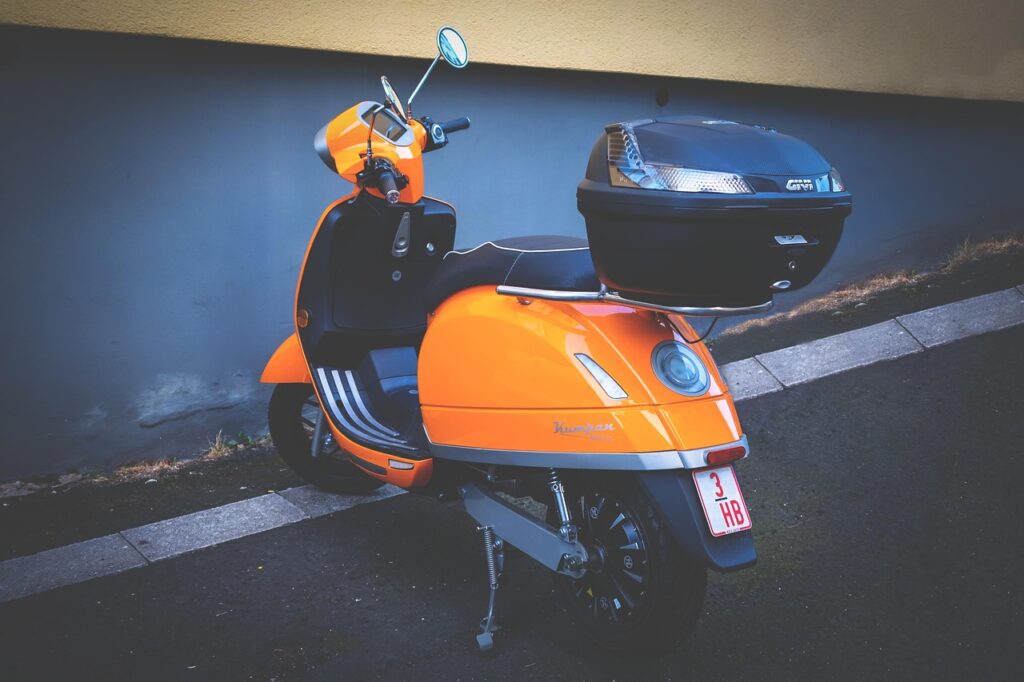
9. **“I can’t react to what I can’t see coming.”**When you see a threat approaching, your brain registers it, processes the trajectory, and primes your body for a response. This inherent human mechanism is crucial for navigating any environment, especially shared urban spaces. But what happens when that crucial visual cue is absent? When an e-scooter approaches silently from behind, it creates a unique and profound sense of vulnerability for pedestrians, fundamentally altering their perception of safety.
The research clearly delineates this critical difference in perception. There is a “strong correlation between subjective safety and T p [time to potential collision] when pedestrians see the e-scooter.” In these frontal encounters, pedestrians can gauge the situation and react accordingly, and their feeling of safety aligns with the actual time they have to respond. However, the study found that “when they don’t, there is no relation” between objective safety metrics and reported discomfort.
This disconnect is profound. Even if, objectively, there might be enough time to avoid a collision, the pedestrian’s subjective experience is one of pure alarm. The absence of visual cues means they cannot accurately assess the situation, leading to discomfort that isn’t tied to measurable factors. The lack of an audible warning from a silent electric motor only exacerbates this feeling of being surprised and exposed.
The primary contributor to this profound discomfort when being overtaken isn’t just speed or proximity, but specifically “the sudden appearance of the e-scooter beside the pedestrian.” This startling effect bypasses rational safety assessments, triggering an instinctual fear response. It underscores a crucial aspect of urban design and shared mobility: safety isn’t just about preventing physical harm, but also about fostering psychological comfort and predictability for all users.
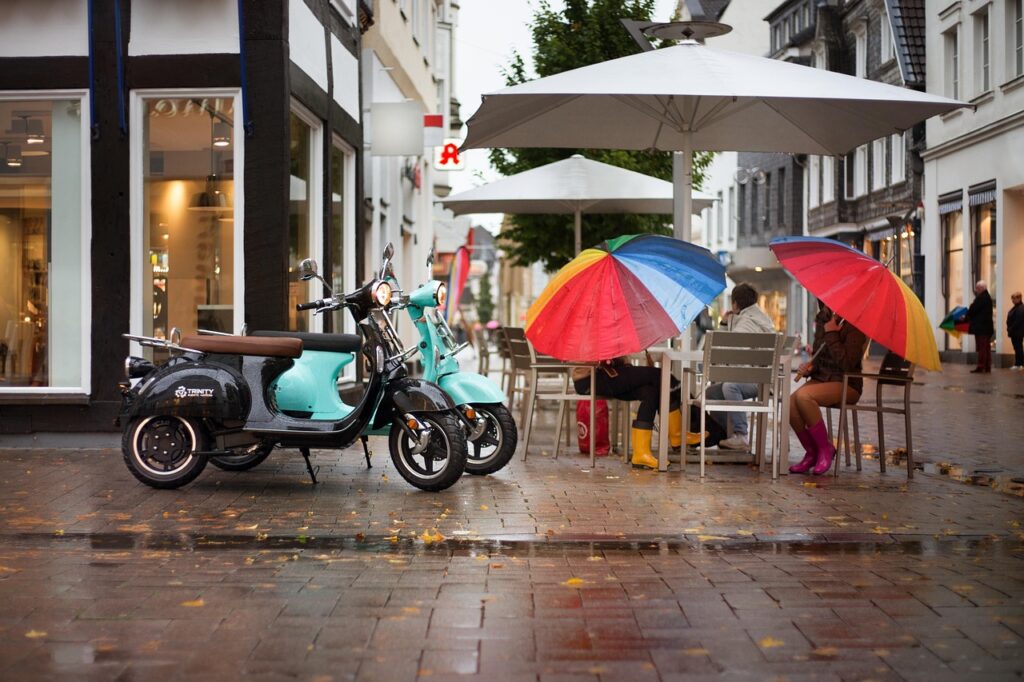
10. **“Your speed limit is making our sidewalks more dangerous.”**In an attempt to enhance safety and reduce conflicts, many cities have implemented speed limits for e-scooters. The intention is undoubtedly good: slower speeds should mean fewer, less severe accidents. However, the complex dynamics of urban mobility often lead to unintended consequences, and in this case, a pedestrian’s ‘secret thought’ reveals that these speed caps might be pushing e-scooters into the very spaces they were meant to protect: the sidewalks.
A study from the Insurance Institute for Highway Safety explicitly states that “restricting scooters to low speeds offers a trade-off.” While slower speeds might make riders feel safer from cars on the road, the consequence is that “at slow speeds, riders are more likely to choose the sidewalk over the road.” This creates a frustrating dilemma for pedestrians, who then face more e-scooter traffic in their dedicated zones.
The comparison between Austin, Texas (20 mph cap), and Washington, D.C. (10 mph cap), vividly illustrates this issue. D.C. riders, constrained by a lower maximum speed, were “44 percent more likely than Austin riders to choose to ride on the sidewalk” where bike lanes were unavailable. This occurred even though D.C. sites often had significantly heavier pedestrian and cyclist traffic, suggesting that the lower speed limit inadvertently incentivizes sidewalk riding, increasing potential conflicts with those on foot.
This trade-off forces pedestrians into a lose-lose situation. While e-scooter users are “doubtless safer from fatal injuries when they’re not sharing the road with motor vehicles,” the direct impact on pedestrian safety on sidewalks remains unclear, as “most e-scooter rider injuries in D.C. happened on the sidewalk.” The well-intentioned policy of limiting speed thus shifts the burden of risk from riders interacting with cars to pedestrians sharing paths with scooters, leading to increased anxiety and a feeling of betrayal on their supposed safe havens.
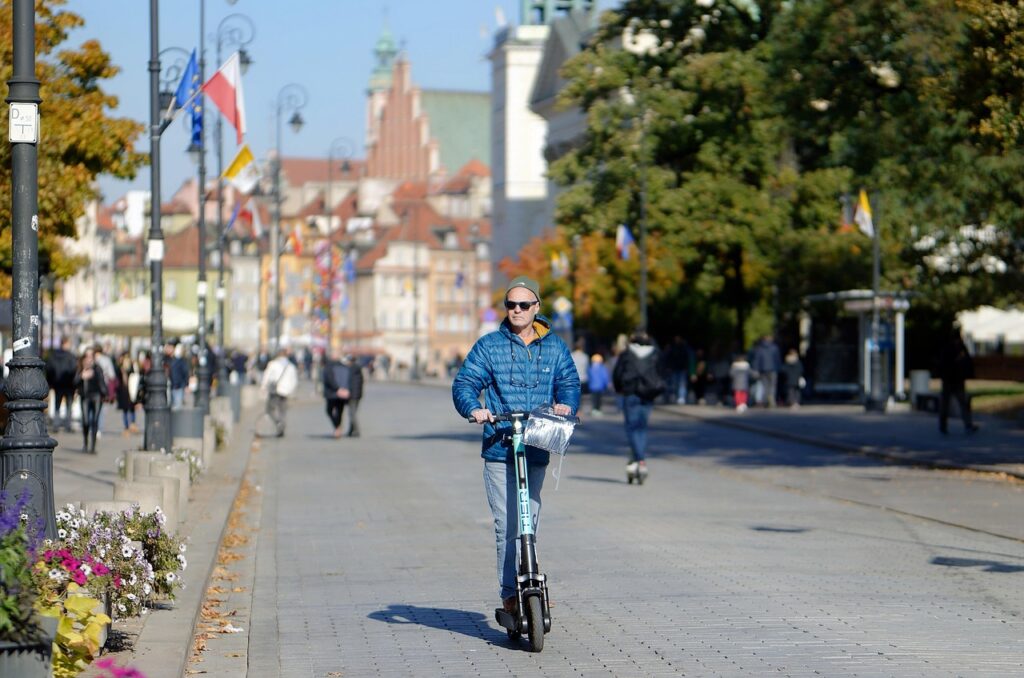
11. **“Bans don’t work if there’s nowhere else for you to go.”**Many urban planners and policymakers, grappling with the challenges posed by e-scooters on sidewalks, have resorted to outright bans in certain areas. From a pedestrian’s perspective, this seems like a logical solution: if scooters are causing problems on sidewalks, remove them. However, the reality on the ground often tells a different story, revealing that without viable alternatives, bans can be largely ineffective, leading to continued disregard for rules and sustained friction.
The evidence is compelling: even in D.C.’s central business district, where sidewalk riding is prohibited, “two-thirds of e-scooter users rode on the sidewalks at locations without bike lanes.” This stark statistic underscores a crucial point: simply banning a behavior without providing adequate infrastructure for alternative behavior is an exercise in futility. Riders will seek the path of least resistance or greatest perceived safety, which, in the absence of dedicated lanes, often remains the sidewalk.
This widespread non-compliance isn’t just about rider defiance; it’s a symptom of a larger urban planning deficiency. Both “riders and non-riders would prefer more separate spaces, such as bike lanes, for e-scooters to use.” Pedestrians intuitively understand that if e-scooters had their own safe, designated routes, the conflict would naturally dissipate. The problem isn’t always the scooter itself, but the lack of suitable infrastructure for it.
Therefore, for pedestrians, the continued presence of e-scooters on sidewalks, despite bans, highlights a failure to adequately integrate this new mode of transport. It reinforces the perception that their safety and comfort are being compromised because cities haven’t caught up with the reality of micromobility. Until dedicated infrastructure becomes the norm, calls for bans will likely remain largely symbolic, leaving pedestrians to navigate the same ambiguous and often dangerous shared spaces.

12. **“Can’t technology help us find a better way forward?”**Amidst the frustrations and safety concerns, there’s a growing hope among pedestrians that technology, the very force that introduced e-scooters, might also offer solutions to bridge the divide. The vision is simple: smarter scooters, smarter cities, and ultimately, safer sidewalks for everyone. This isn’t just wishful thinking; advancements are already underway that promise to mitigate many of the issues that currently plague pedestrian-e-scooter interactions.
The context specifically points to “Improvements in e-scooter technology could offer an alternative solution.” The most promising development involves “systems that can detect when their e-scooters are on sidewalks, for example.” Imagine a scooter that knows it’s left the road and entered a pedestrian zone, automatically adjusting its behavior to minimize risk and comply with local regulations.
Such technology “could be used to apply separate speed restrictions for sidewalk riders or prevent sidewalk riding altogether in key locations.” This means a scooter could automatically slow down to a pedestrian-friendly pace on a sidewalk, or even completely cut power if it detects it’s in a prohibited area. This kind of geofencing and intelligent speed control offers a proactive approach to safety, moving beyond reactive enforcement and relying on the vehicles themselves to maintain order.
From a pedestrian’s perspective, this represents a significant step towards restoring comfort and safety to their walking paths. It promises to transform speed restrictions from a problematic trade-off into an “unqualified win for safety.” By leveraging technology to enforce safe riding practices, cities can integrate e-scooters more harmoniously, allowing them to fulfill their potential as a sustainable mobility option without constantly infringing on the peace of mind and physical safety of those who choose to walk.
The ongoing evolution of our urban landscapes demands creative, multi-faceted solutions that cater to all users. The secret thoughts of pedestrians about e-scooter riders are not mere complaints; they are vital insights into the complex challenges of shared public space. Addressing these concerns requires not just better rules, but also thoughtful infrastructure design, a deeper understanding of human behavior, and the intelligent application of technology. Only then can we truly build cities where every mode of transport, from walking to scooting, can coexist safely and harmoniously, fostering vibrant, accessible urban environments for everyone.” , “_words_section2”: “1942