Okay, let’s be real for a second. If you’ve invested in a sleek, powerful, performance-driven machine, you know the feeling. The thrill of the open road, the admiring glances… and that nagging suspicion that you’ve got a giant, flashing target painted on your back the moment a patrol car enters your rearview mirror. It’s not just in your head, folks. That feeling is absolutely validated by real data and deep-seated psychology. You’re not imagining it; there’s a complex dance happening between your ride, your driving style, and what’s going on inside an officer’s mind.
For decades, experts have crunched numbers and analyzed patterns in everything from consumer behavior to traffic data, all pointing to one undeniable truth: cops pull over sports cars more often. It’s not usually about one single factor, like simply speeding. Instead, it’s a potent cocktail of things: the driver’s often more aggressive behavior, the car’s naturally loud and conspicuous design, and a fascinating psychological phenomenon known as confirmation bias that impacts law enforcement just like it does all of us. It’s a multi-layered interaction that places performance vehicles under a brighter, more constant spotlight.
So, if you’re tired of the vague answers and want to truly understand why your beloved sports car might be attracting more police attention, you’ve come to the right place. We’re going to dive deep, going way beyond the simple “they speed more” explanation. Get ready to dissect the psychology of both you, the driver, and the officer, examine how your car’s color and sound play a role, and look at the hard statistics behind traffic stops. This is the definitive, no-holds-barred guide you’ve been searching for to understand this classic dilemma. Let’s peel back the layers and discover what’s really happening on the asphalt!
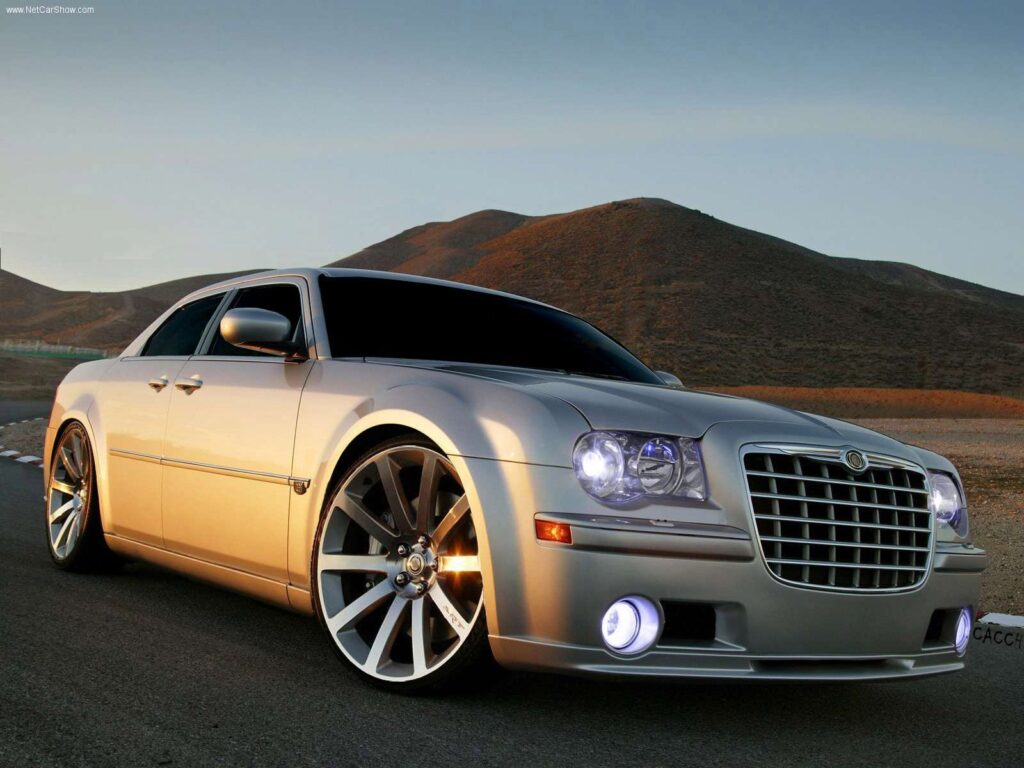
1. **The Confirmation Bias Trap: How Officer Expectations Shape Reality**Before we even talk about specific vehicles, we have to talk about the humans behind the wheel and behind the badge. Every interaction between a police officer and a driver is heavily influenced by perceptions and often subconscious biases on both sides. This is arguably the most significant, yet least discussed, piece of the entire puzzle, shaping how everything else plays out.
One of the biggest players here is something called confirmation bias. This is our natural tendency to seek out, interpret, and remember information in a way that perfectly confirms what we already believe. When it comes to policing, this is an incredibly powerful force. Officers, just like the rest of us, carry stereotypes in their minds. And let’s be honest, the typical stereotype of a sports car driver often paints a picture of a young, aggressive male who’s a bit too eager to bend (or outright break) the rules.
Think about it from an officer’s perspective: they might see hundreds of cars during a single shift. Most of them are utterly forgettable, blending into the background. But then, a bright yellow Lamborghini with a rumbling exhaust roars past – even if it’s cruising perfectly at the speed limit – and it immediately grabs the officer’s attention. At that moment, the officer’s brain subconsciously starts *looking* for that car to make a mistake. What might be a minor, overlooked lane change or a slightly enthusiastic acceleration in a beige Toyota Camry suddenly becomes “probable cause” for a stop when it’s that eye-catching Lamborghini. The act of stopping the car then “confirms” the officer’s initial hunch that the driver is indeed a risk-taker, reinforcing the bias for future encounters. It’s a self-fulfilling prophecy in motion!
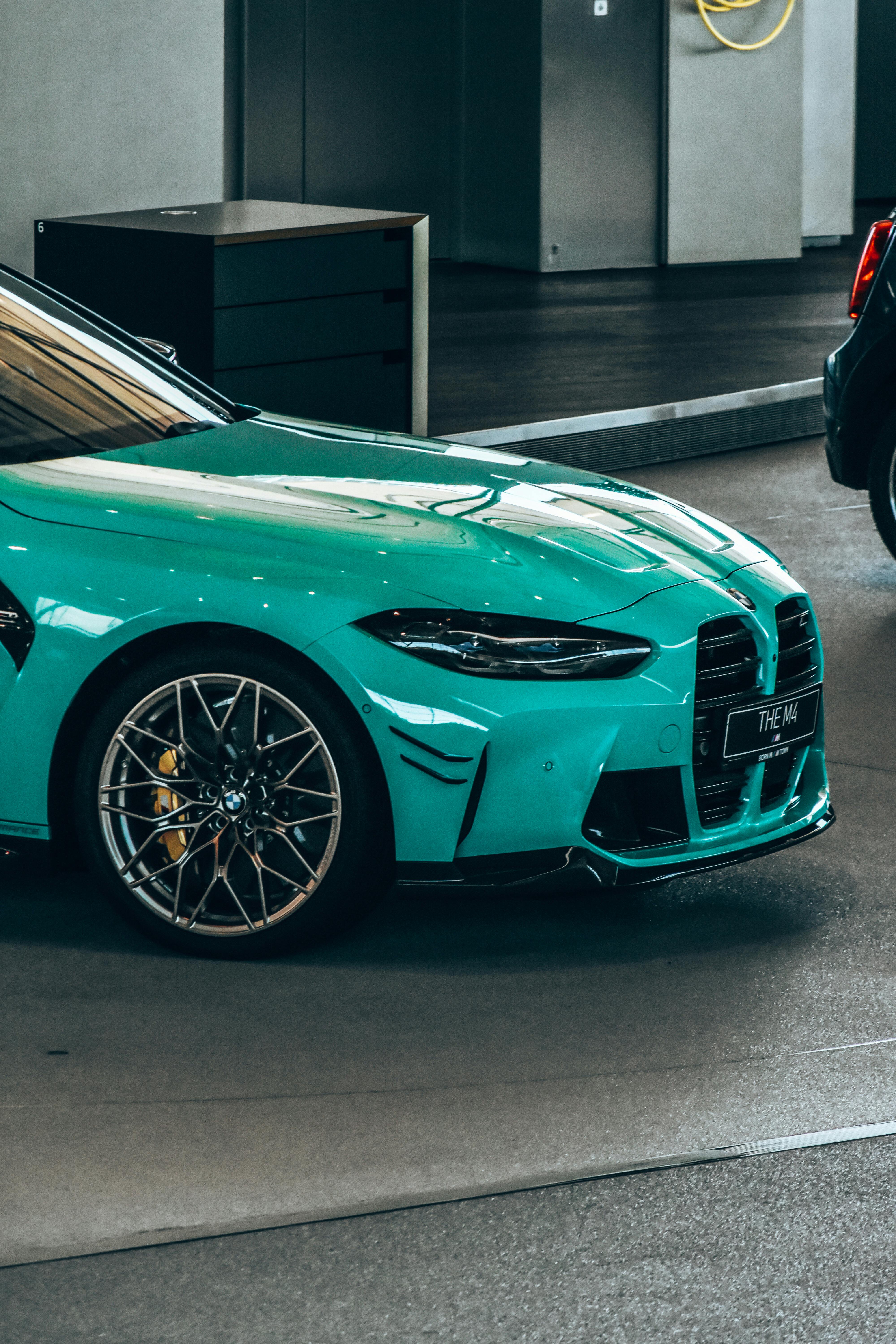
2. **Age Matters: The Youthful Driver & High-Risk Perception**Here’s a factor that makes a huge, undeniable difference: age. And guess what? The data overwhelmingly backs this up. Younger drivers, especially males under the age of 25, consistently face the highest insurance premiums, and there’s a good reason for it. Statistically speaking, this demographic is involved in more accidents and, you guessed it, receives a higher number of traffic violations than their older counterparts.
Now, let’s take that statistical reality and combine it with a high-performance vehicle. In the eyes of law enforcement, this combination screams “high risk” louder than a V12 at full throttle. It’s a compounding effect, where two individual risk factors amplify each other into a glaring red flag. The perception shifts dramatically, purely based on the driver’s age.
Consider this scenario: a 55-year-old cruising along in a shiny Porsche 911 is often perceived as a successful enthusiast simply enjoying a leisurely Sunday drive. Now, imagine a 22-year-old behind the wheel of that exact same Porsche 911. The perception completely flips. That young driver is frequently seen as a reckless “kid” potentially tearing around in a rich parent’s car. The vehicle hasn’t changed, but the perceived driver profile drastically alters the officer’s risk assessment, making that younger driver a much more likely candidate for a traffic stop. It’s about the whole package, not just the car itself.
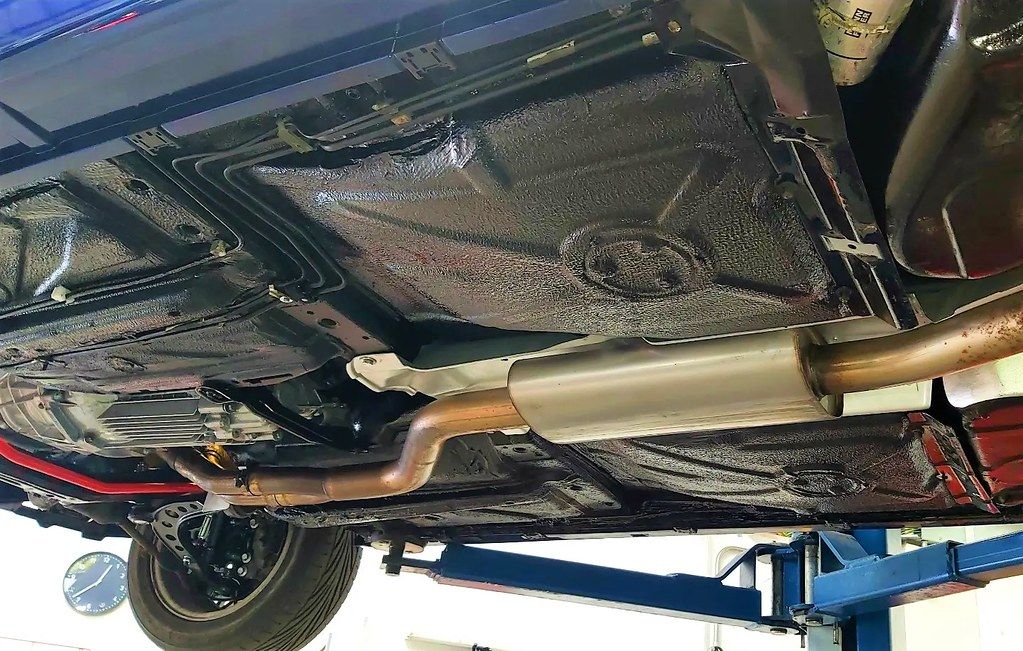
3. **The Roar Factor: How Loud Exhausts Turn Heads (and Red Lights)**Let’s get straight to it: do loud exhausts really attract more police attention? The answer is an unequivocal, resounding *yes*. Your car’s roar isn’t just music to an enthusiast’s ears; it’s an auditory beacon that announces your presence long before you even come into sight. While a quiet sedan might speed past an officer undetected, that roaring V8 or high-pitched turbo whine is an unmissable signal.
This immediate auditory signature accomplishes two key things that grab an officer’s attention. First, it causes them to literally look up. It breaks their routine, forcing their focus directly onto you and your vehicle. It’s like a personal alarm siren, but for cops! Second, a loud exhaust often suggests modifications have been made to the vehicle. And here’s where it gets tricky: many states and cities have specific laws regulating exhaust noise, like California’s 95-decibel limit.
So, a loud exhaust hands an officer an immediate, objective, and perfectly legal reason to pull you over for an equipment violation, even if you weren’t technically speeding. This kind of stop, known as a “pretext stop,” is a common tactic used to initiate contact with a driver and then check for other, potentially more serious, violations. Your car’s captivating symphony, unfortunately, can be a magnet for law enforcement, even when you’re just trying to enjoy the ride.
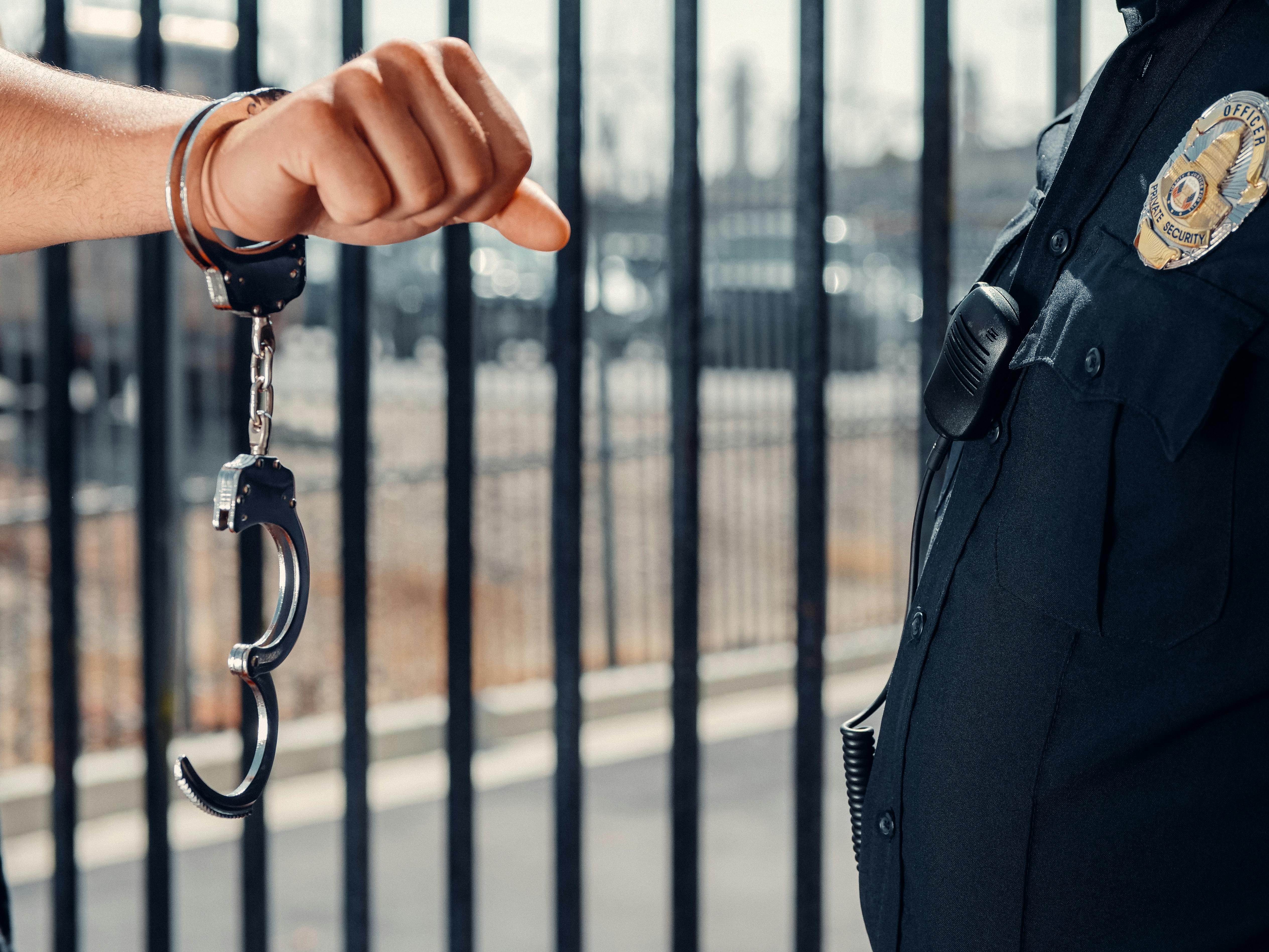
4. **The “Arrest-Me” Aesthetic: Why Your Car’s Color Isn’t Just a Style Choice**Ah, the classic “red car myth”—it’s one of the most persistent legends in the automotive world, isn’t it? Well, the truth is a bit more nuanced: yes and no. It’s not that red cars are inherently cursed to be ticket magnets, but rather that *conspicuous* cars of any color are. Think about it: bright, saturated colors like a vibrant red, a sunny yellow, or a bold lime green just pop! They stand out dramatically against the usual muted palette of silver, white, and black cars that dominate our roads. A police officer’s eyes are naturally drawn to anything that breaks that visual pattern.
Now, while some studies might suggest that white, grey, and silver cars actually receive the most tickets (simply because there are so many more of them on the road), a 2018 analysis by a vehicle data company provided an interesting twist. When adjusted for the sheer number of cars of each color, red cars *do* see a slightly higher violation rate. So, the key takeaway here isn’t the color itself, but its visibility. The more your car stands out, the more likely it is to catch an officer’s eye.
Beyond just standing out visually, there’s also a psychological component at play. Studies and insurance data sometimes link red, black, and yellow cars to a higher likelihood of being ticketed. This isn’t just about being seen; there’s often a subtle, perhaps unconscious, belief that people who choose vibrant-colored cars might be more aggressive drivers, whether that’s true or not. So, while your “arrest-me red” might look absolutely stunning, it could, unfortunately, come with some unintended consequences. It’s a striking choice that commands attention in more ways than one.
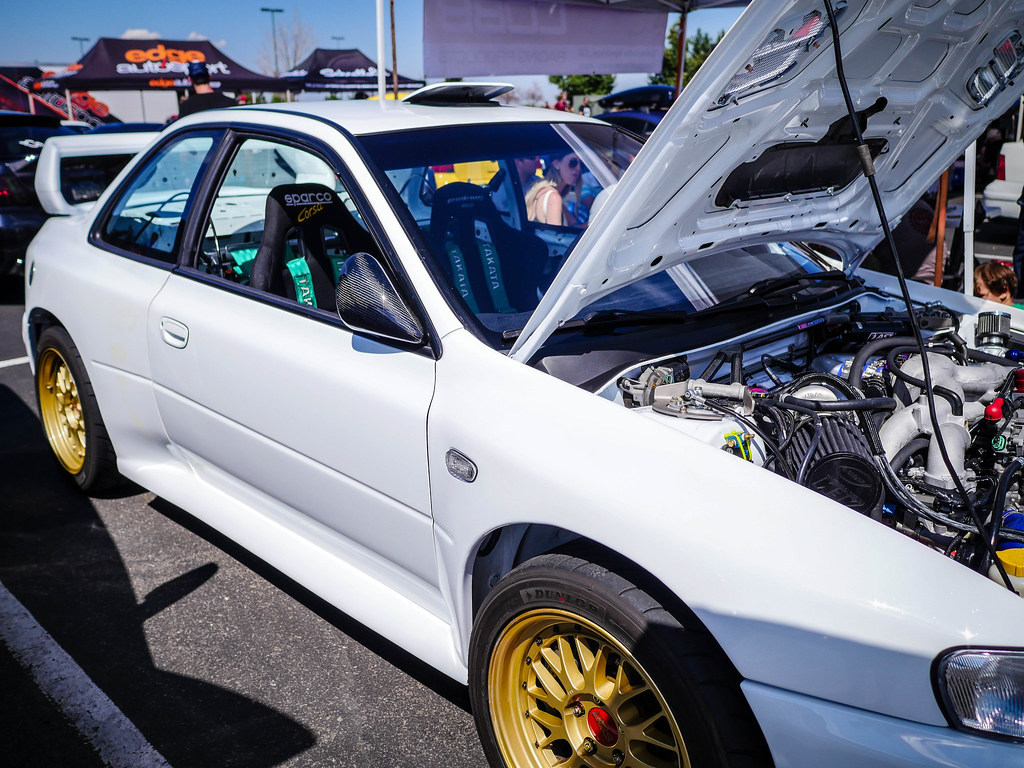
5. **Mod Squad Mayhem: Why Aftermarket Add-ons Are Cop Magnets**When it comes to your chances of getting pulled over, car modifications can dramatically increase your risk. From a police officer’s perspective, modifications often send a clear signal: a potential disregard for regulations. Each aftermarket add-on can become a convenient “probable cause” for an officer to initiate a traffic stop, regardless of your driving.
Let’s break down some of the biggest red flags that often wave at law enforcement. First up, window tint. If your tint is darker than the legal limit in your jurisdiction, it’s one of the easiest and most common reasons for a stop. It’s a quick visual check that can instantly give an officer a reason to interact. Next, be mindful of your license plate covers or frames; anything that obscures the plate number, the state, or even your renewal stickers is essentially an open invitation for a ticket. Police need to be able to identify your vehicle clearly and quickly.
Then there’s lowered suspension. While it might look cool and enhance performance, extreme lowering can be cited as a safety or equipment violation in certain areas. And don’t forget aftermarket lighting; non-standard colored headlights (like blue or purple) or any kind of underglow lighting are typically illegal for use on public roads. Each of these modifications isn’t just a personal style choice; it’s another potential reason that puts your car firmly on an officer’s radar, giving them a valid entry point for a stop. So, while customizing your ride is fun, being aware of local laws is crucial if you want to stay out of the spotlight.
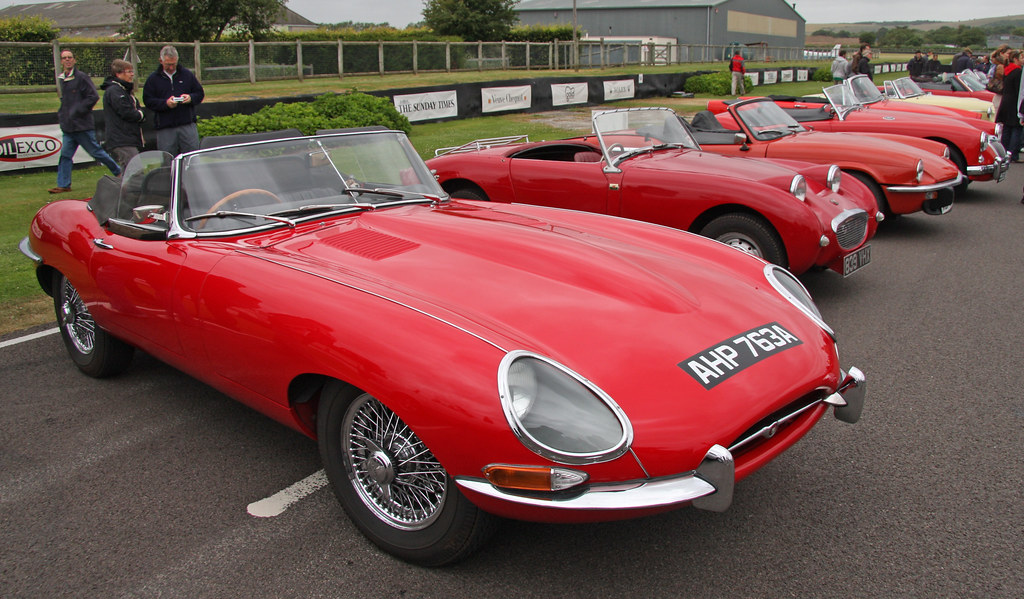
6. **The Inherent “Flashiness” Tax: Why Sports Cars Are Always on the Radar**Let’s face it, if you’re driving a flashy sports car, you’re practically engineered to turn heads. These high-performance machines are built for excitement and designed to be seen and heard, which is amazing for enthusiasts but not always ideal when you’re trying to blend into traffic. This inherent flashiness means you start with a certain level of police attention, even before you do anything else.
The very nature of a sports car contributes to that “potent cocktail” of factors we talked about earlier. Beyond the driver’s behavior or specific modifications, the car’s inherent design is loud, conspicuous, and often associated with a particular type of driver. This association, unfortunately, fuels the confirmation bias that officers might hold – the assumption that these cars will be driven aggressively, even if you’re a perfectly law-abiding driver just enjoying your commute.
Essentially, high-performance cars, especially those in bold colors or with visible aftermarket modifications (which we just discussed), simply command more attention from law enforcement. It’s not necessarily about what you’re doing right now, but about the image your vehicle projects and the expectations that come with it. You’re not just driving a car; you’re driving a statement, and that statement often comes with a built-in “look-at-me” factor that cops are trained to notice.

7. **The “Beater” Bias: When Older Cars Signal Trouble**Now, here’s an interesting twist on the profiling phenomenon: it’s not just flashy sports cars that draw unwanted attention. On the complete opposite end of the automotive spectrum, older, “beater” cars can also frequently raise eyebrows and become targets for law enforcement. We’re talking about vehicles with visible dents, cracked windows, expired tags, or other obvious signs of disrepair.
From a police perspective, these cars can unfortunately be associated with a higher likelihood of various violations. Officers might assume a driver of such a vehicle is more likely to lack proper insurance, have an expired registration, or be involved in other infractions that indicate a general disregard for vehicle maintenance and legal requirements. It’s a sad reality that the condition of your car can, in some cases, lead to assumptions about the driver.
This kind of profiling, as critics argue, disproportionately affects lower-income individuals who might simply not have the financial means to repair or upgrade their vehicles. While police departments often defend these stops by stating they are merely following the law and looking for observable violations, the outcome can feel incredibly unfair. It’s a poignant example of how police profiling based on car type can create an unequal playing field on our roads, highlighting a societal issue alongside traffic enforcement.”
, “_words_section1”: “1940
Okay, we’ve peeled back a few layers of the police interaction onion, but trust us, there’s even more to uncover. If you thought it was just about your car’s roar or its flashy paint job, hold onto your steering wheel! We’re about to dive deep into the cold, hard data, the legal gray areas, and some truly unexpected factors that can turn a casual cruise into a roadside chat with law enforcement. Get ready, because what happens next might just surprise you.
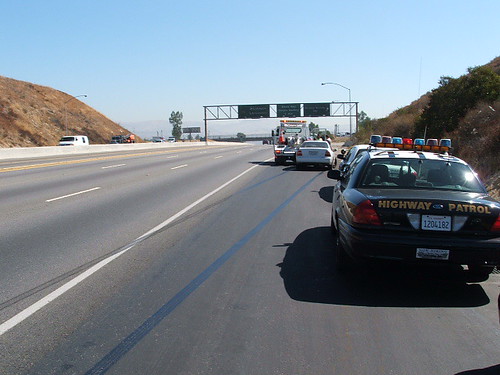
8. **The Need for Speed: Do Sports Cars *Actually* Rake in More Tickets?**Alright, let’s talk numbers, because sometimes, data just hits different. You might suspect that driving a high-performance machine means you’re naturally going to attract more speeding tickets, and well, that suspicion is often spot on. It’s not just a hunch; studies consistently show a clear pattern.
Organizations like the Insurance Institute for Highway Safety (IIHS) and various data analysis firms have crunched the numbers, and guess what? Sports car models and luxury vehicles boasting high horsepower consistently show higher rates of traffic violations. We’re talking about cars like the Subaru WRX, Dodge Charger, and Infiniti Q50 frequently topping lists of cars whose drivers collect the most tickets. It’s a compelling, data-backed truth.
Why does this happen so frequently? It often boils down to a simple, yet powerful, temptation. When you’ve got 500 horsepower (or even more!) purring under your right foot, it’s incredibly easy to find yourself cruising 15-20 mph over the limit without even a second thought. These cars are engineered for stability and quiet comfort at higher speeds, making 80 mph feel deceptively like a relaxed 60 mph in a standard sedan.
This desensitization to speed is a real thing, leading to more frequent, and often unintentional, speeding. So, while you might just be enjoying your ride, that impressive engineering that makes high speeds feel effortless is, ironically, also contributing to those flashing lights in your rearview mirror. The data doesn’t lie: the temptation is real, and the tickets often follow.
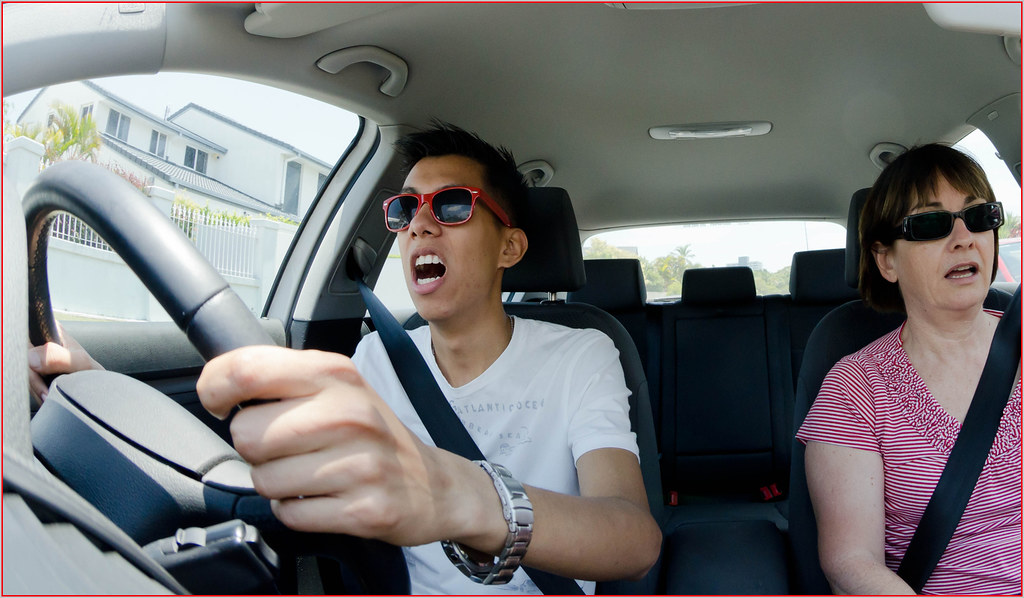
9. **Beyond the Speed Limit: Driving Styles That Practically Wave a Red Flag**Speeding is undeniably the heavyweight champion when it comes to attracting police attention, but let’s not pretend it’s the *only* way to get pulled over. Officers are extensively trained to spot a whole host of aggressive or erratic driving behaviors that can signal a disregard for road safety, and guess who often displays these more frequently? Yep, you guessed it – drivers of performance cars.
Take tailgating, for instance. Following too closely to the car in front, especially at speed, is a classic sign of impatience and aggression. Then there are rapid lane changes. Weaving through traffic without proper signaling, cutting people off, or generally zipping from lane to lane at high speeds isn’t just rude, it’s a huge beacon for law enforcement, signaling a lack of caution and control.
And who can forget the dramatic flair of hard acceleration? Those “jackrabbit” starts from a stoplight, where you launch forward with the full force of your engine, might feel exhilarating, but they instantly draw eyes. Similarly, taking corners too fast, especially to the point of making your tires squeal, is another surefire way to scream “pay attention to me!” to any nearby patrol car.
Even if you’re not technically breaking the speed limit, these types of driving behaviors collectively signal aggression and a distinct lack of caution to trained officers. They’re effectively inviting a closer look, making you a prime candidate for a traffic stop and an unwanted conversation about your driving habits.

10. **The Legal Tightrope: Can Police *Really* Profile Your Sports Car?**Here’s where things get a little murky and, frankly, a bit frustrating for sports car owners. We all know that profiling based on race or gender is explicitly illegal and deeply wrong. But what about profiling based on the *type* of vehicle you drive? That, my friends, is a much grayer area in the eyes of the law.
The uncomfortable truth is that profiling based on vehicle type is not explicitly illegal, and it’s often successfully defended in court. Police officers can, and frequently do, argue that a modified sports car has a higher statistical probability of exhibiting equipment violations (like that loud exhaust we talked about) or being driven aggressively. This allows them to justify their actions as a “legitimate assessment of potential threats or violations.”
The legal standard for initiating a traffic stop is “reasonable suspicion” that a law has been broken. And unfortunately, a car’s appearance — that roaring exhaust, those eye-catching modifications, or even just the overall “racer” aesthetic — can contribute significantly to an officer forming that “reasonable suspicion.” It’s a perception game that can quickly turn into a legal one.
While critics rightly point out that this kind of vehicle-based profiling can feel incredibly unfair and often disproportionately affects certain demographics, it remains a common practice. So, while no officer can pull you over *just* because you drive a Ferrari, the vehicle itself can provide the visual and auditory cues needed to establish that all-important “reasonable suspicion.”
11. **Ticket Quotas: Myth or Motivated Reality?**Ah, the infamous “ticket quota” — it’s a legend as old as traffic enforcement itself, isn’t it? The idea of officers having to meet a specific number of tickets by the end of the month is a common fear for drivers, especially those in flashy cars. But let’s set the record straight: the concept of a hard, official “ticket quota” is largely a myth in most professional police departments. In fact, it’s illegal in many states, including California and Florida, to enforce such direct quotas.
However, just because there isn’t a direct order of “write 10 tickets today!” doesn’t mean there’s no pressure. Police performance, like any job, is measured. And activity levels – including the number of calls responded to, reports filed, and, yes, traffic citations issued – are a significant part of that evaluation. An officer who consistently writes zero tickets for months on end might very well be seen as unproductive or not actively enforcing traffic laws.
This creates an implicit understanding within departments: a certain level of enforcement activity is expected. It’s not a quota, but it’s a very real pressure to be “productive.” And this pressure can subtly influence an officer’s discretion, leading them to be less lenient with borderline violations they might otherwise overlook or simply give a warning for.
So, while your local police chief probably isn’t demanding a specific number of tickets, the systemic reality of performance metrics means that the incentive to write citations is always present. It’s a nuanced distinction, but one that certainly impacts how often those flashing lights might appear in your rearview mirror.
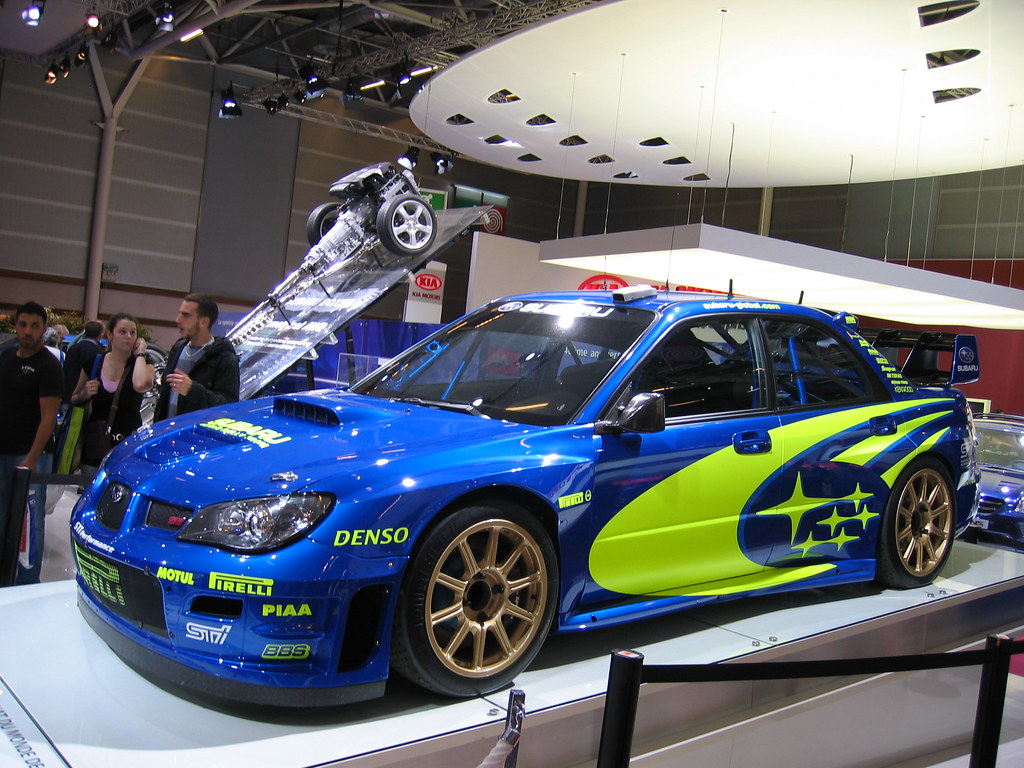
12. **Make and Model: Is Your Car a Secret Ticket Magnet?**Beyond the color, the roar, and your driving style, the cold, hard truth is that the *make and model* of your vehicle can dramatically influence your chances of getting pulled over and ticketed. It’s a factor many drivers overlook, but statistics make it clear: some cars are simply more likely to end up on an officer’s radar than others.
Data consistently shows that luxury coupes and high-performance sedans generally lead the pack in receiving the most tickets. On the flip side, drivers of minivans and wagons tend to collect the fewest citations. This paints a vivid picture: vehicles designed for spirited driving or with a sporty aesthetic are often associated with higher risk by law enforcement and, perhaps, driven in a way that aligns with that perception.
When we dive into specific models, the Subaru WRX and Mercedes-Benz SL Class frequently rank near the top of the “most ticketed” lists. In fact, drivers of a Mercedes-Benz SL Class are reportedly about four times more likely to receive a ticket than the average driver. Talk about a “flashy tax” that hits your wallet and your driving record!
Other vehicles frequently targeted by police include the Pontiac GTO, Toyota Camry Solara, Toyota Supra, Hummer H2, Scion FR-S, and Scion tC. Conversely, family-friendly workhorses like the Chevrolet Suburban, Buick Park Avenue, and Jaguar XJ are among the least-ticketed vehicles on the road. It seems if your car screams “fun” or “performance,” you might just be screaming for attention from the police, too.

13. **The Gender Gap on the Road: Are Men Judged More Harshly?**Here’s another fascinating, and perhaps frustrating, factor that influences who gets pulled over: your gender. While it certainly shouldn’t be the case, studies have repeatedly shown a significant gender gap when it comes to receiving traffic tickets. And the numbers don’t lie.
Specifically, men are ticketed approximately 30% more often than women. This disparity becomes even more pronounced for men who are driving flashy cars or those expensive, foreign-made performance vehicles. So, if you’re a man who loves cruising around in a high-performance European car, you might need to brace yourself for the reality that you’re statistically much more likely to be ticketed than your female counterparts in similar situations.
This isn’t about blaming officers; it’s about acknowledging a documented statistical trend that suggests an unequal playing field on our roads. Whether it’s subconscious bias, differing driving habits, or a combination of factors, the data indicates that gender plays a role in who gets cited. It’s a topic that sparks a lot of conversation, and for good reason.
However, it’s crucial to remember that while your gender and the type of car you drive can influence an officer’s perception, they still need an actual, observable reason to pull you over. It’s never *just* about being a man in a red sports car, but these factors undeniably contribute to the overall probability.
14. **The Unseen Hand: Law Enforcement Discretion in Action**At the very heart of why some drivers get pulled over and others don’t, even when doing similar things, lies a powerful and often unpredictable element: law enforcement discretion. This isn’t always about a rigid rulebook; a significant portion of traffic enforcement comes down to what an individual officer *feels* is suspicious, worth investigating, or simply merits a closer look.
This means that two people committing the exact same minor infraction, but in two different vehicles or with different perceived driver profiles, could be treated completely differently. One might get a wave, the other a citation. It’s a highly subjective space where an officer’s past experiences, personal biases (conscious or not), and even their mood can sway their decision-making process.
And if you layer in other variables like the driver’s race, their apparent gender, the specific location, or even the time of day, the results can get even murkier and feel incredibly arbitrary. It highlights that the interaction isn’t just a clinical application of traffic law; it’s a dynamic human interaction, heavily influenced by perception and bias.
Ultimately, it’s not just about the make and model of your car; it’s about the complex interplay of perception, bias, and the broad discretion afforded to officers. Understanding this unseen hand can help you navigate these situations, emphasizing the importance of not just legal driving, but also projecting an image of careful, responsible road use.
### The Road Ahead: Driving Smart and Stayin’ Safe
So, there you have it. The feeling that your high-performance ride puts a target on your back isn’t just paranoia. It’s a complex tapestry woven from driver behavior, your car’s inherent attention-grabbing design, and the intricate psychology and systemic pressures influencing law enforcement. It’s rarely just one thing, but a powerful cocktail of factors that places sports cars, and sometimes other vehicle types, under a brighter, more constant spotlight.
By understanding these multifaceted dynamics – driving responsibly, being mindful of your speed and driving style, keeping your modifications legal, and simply being aware of the image you project – you can absolutely enjoy your magnificent machine. You can minimize your chances of those unwanted roadside conversations, making every drive about the thrill of the road, not the stress of the stop. Drive safe, drive smart, and most importantly, enjoy the journey! We hope this guide gave you the definitive answers you were searching for.