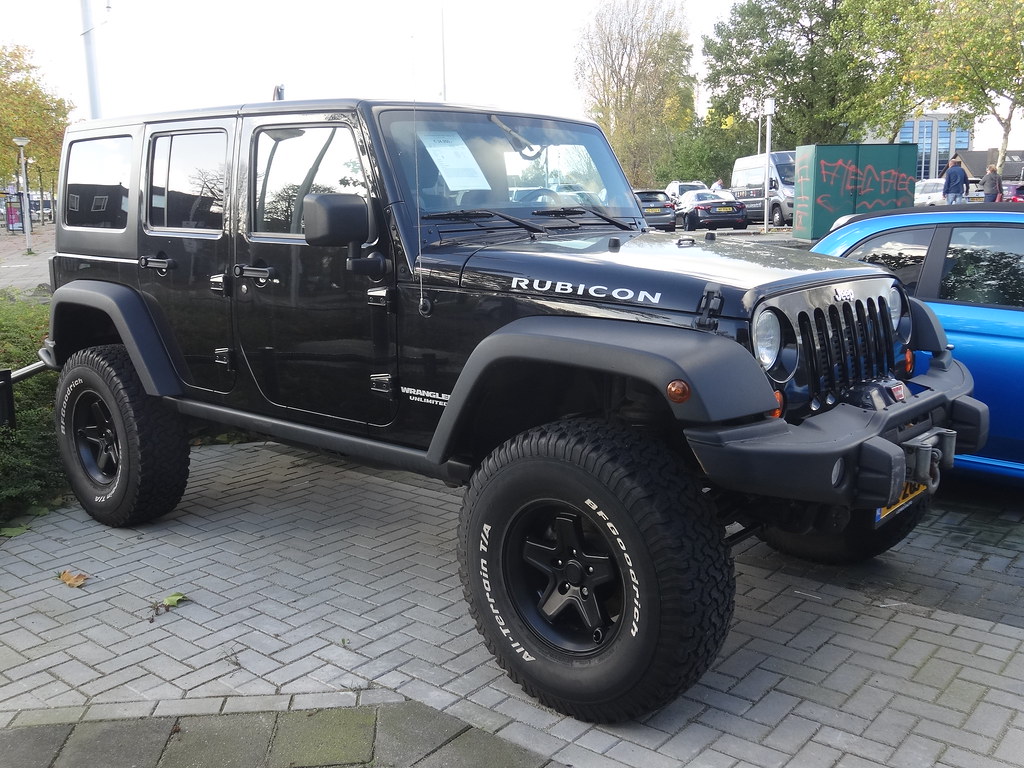
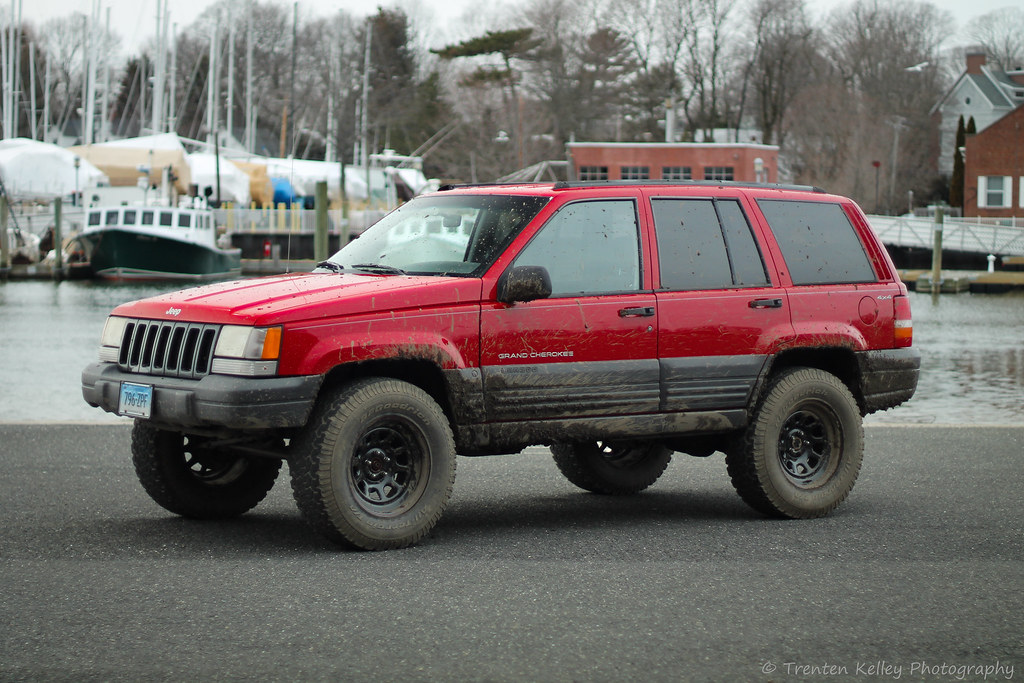
For many, the Jeep Wrangler isn’t just a vehicle; it’s a statement, a lifestyle, and an undeniable off-road beast straight from the factory. These rugged machines are renowned for their robust suspension systems, capable of conquering diverse terrains from sandy beaches to challenging mountain trails. Yet, in the vibrant world of Jeep ownership, finding a bone-stock vehicle is almost an anomaly, as customization is deeply ingrained in the culture. Among the myriad modifications available, upgrading the suspension with a lift kit stands out as one of the most popular and impactful.
Indeed, a well-executed lift can transform your Jeep, enhancing its aggressive stance, improving off-road capability, and even offering practical benefits like easier maintenance access. However, the path to a perfectly lifted Jeep is fraught with potential missteps. While the allure of greater ground clearance and larger tires is strong, a hasty or ill-informed decision can lead to significant financial strain, compromise safety, and even degrade your vehicle’s performance. It’s a modification that demands careful consideration, expert insight, and a thorough understanding of the consequences.
As seasoned suspension specialists, we frequently encounter enthusiastic owners eager to elevate their rigs, only to discover later the hidden complexities they’ve overlooked. This article serves as a crucial warning, a comprehensive guide to the critical mistakes and pitfalls that, if ignored, can turn your dream of a lifted Jeep into a costly nightmare. We’re not here to discourage modification, but rather to empower you with the knowledge to make informed decisions, ensuring your Jeep remains a formidable and reliable companion on every adventure.
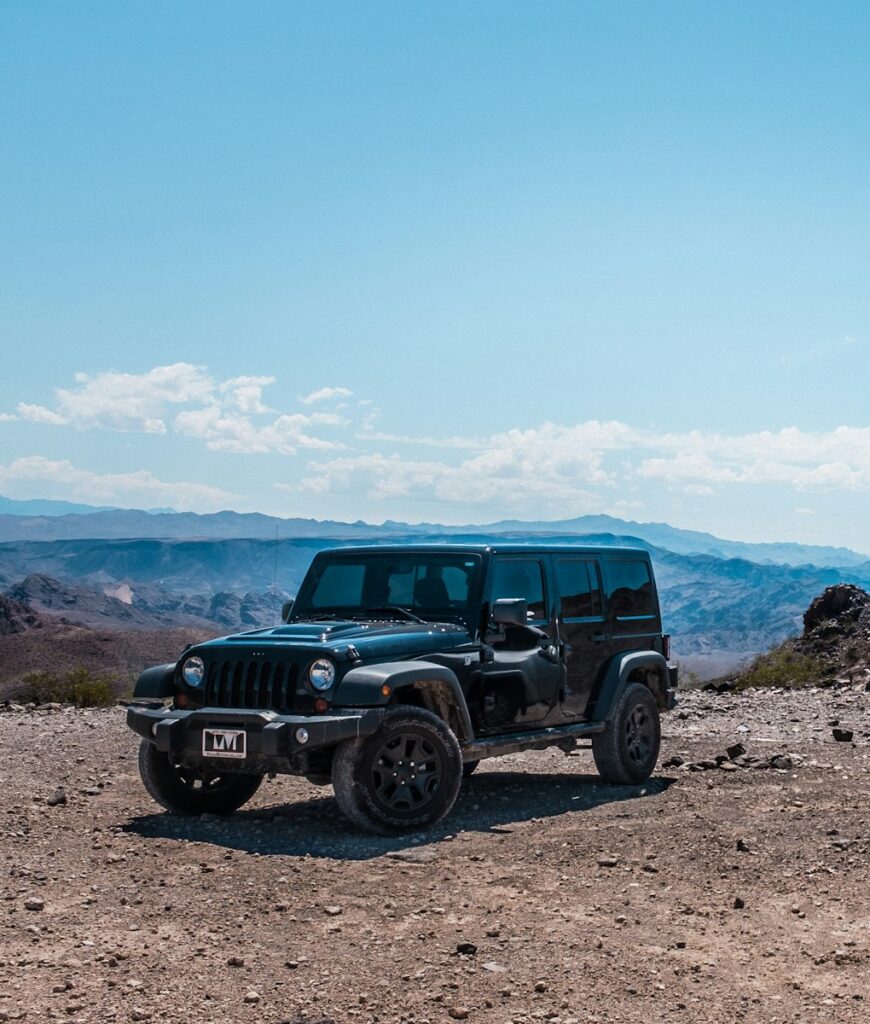
1. **Ignoring the High Cost Implications**One of the most immediate and often underestimated warnings for any aspiring Jeep lifter is the sheer financial commitment involved. It’s a common misconception that the cost begins and ends with the lift kit itself. In reality, upgrading your Jeep’s suspension is an expensive endeavor, especially when you factor in all the necessary new parts that accompany a proper, effective lift. This isn’t merely about buying a set of springs and shocks; it’s an investment that can quickly escalate beyond initial expectations.
For instance, a quality kit like the JKS Manufacturing 2.50-inch J-Kontrol Heavy Duty Rate Coil Suspension Lift Kit with FOX Adventure Series Shocks, while an excellent component, can set you back more than $1,500 just for the parts. This figure doesn’t even account for the professional installation many owners will require. Depending on the complexity of the kit and the labor rates, installation alone can add another one or two thousand dollars to the overall expense, pushing the total investment well past the $2,500 mark before your Jeep even leaves the shop.
Furthermore, the costs don’t necessarily stop at the lift kit and installation. A taller stance often necessitates larger wheels and tires, which represent another significant expenditure. These larger components can also place additional strain on other drivetrain elements, potentially leading to premature wear and tear on items like ball joints, steering components, or axle shafts. Overlooking these potential follow-up costs can lead to an ongoing financial drain, making what seemed like a straightforward upgrade a far more intricate and expensive proposition in the long run. Proper budgeting and a realistic assessment of all potential expenses are absolutely crucial to avoid financial regret.
Read more about: $500 Fine and Beyond: Unpacking the Strictest Left-Lane Driving Bans Across 14 U.S. States
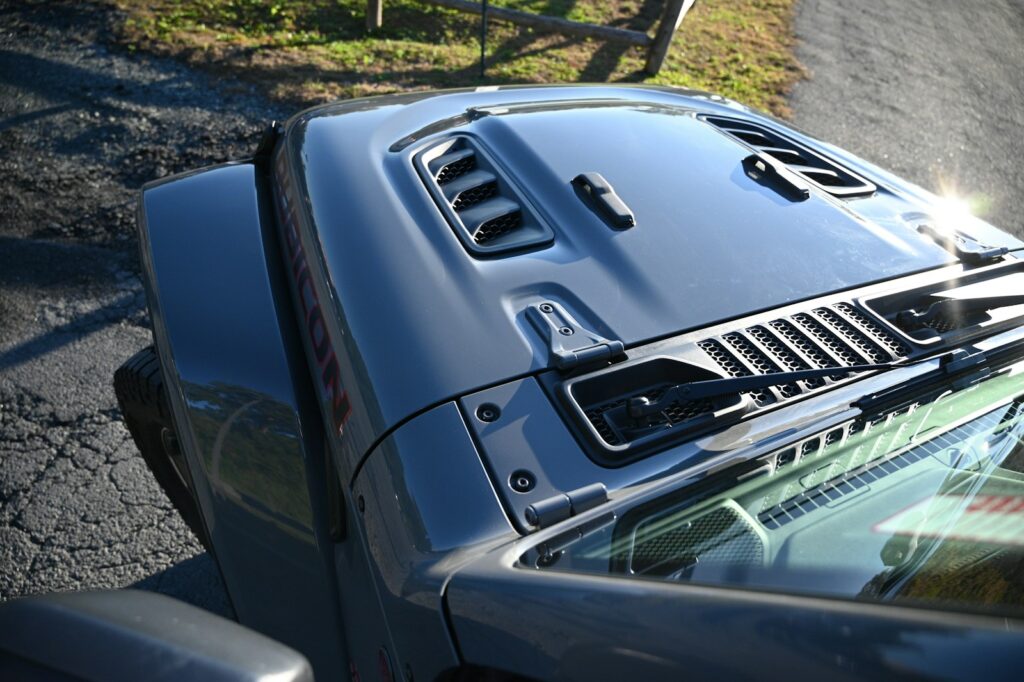
2. **Accepting an Increased Risk of Tipping**While Jeeps exude a robust and capable aesthetic, they are, let’s face it, not engineered for aerodynamic prowess or razor-sharp cornering. Most Jeep owners have likely experienced the sensation of their vehicle creaking or swaying in strong gusts of wind, a testament to their utilitarian design over sleek, low-slung performance. Unfortunately, introducing a lift kit, particularly one that significantly raises the vehicle’s center of gravity, can amplify this inherent characteristic, leading to an increased risk of tipping.
This heightened risk is perhaps one of the most serious safety warnings to heed. When you elevate the chassis, you inevitably shift the vehicle’s center of gravity higher, making it less stable, especially during sharp turns or while navigating uneven terrain at speed. This effect is compounded when off-roading, where side angles and abrupt changes in surface can quickly push a lifted Jeep to its tipping point. The last thing any enthusiast wants when tackling a challenging trail is the terrifying sensation of their vehicle losing its balance.
However, it’s not all grim news. The good news for those seeking a lift is that this risk can be significantly minimized by making a sensible choice in lift height. Suspension specialists widely recommend sticking with a lift kit that falls within the 1- to 2.5-inch range. This moderate elevation offers ample clearance for larger tires and improved off-road capability without excessively compromising the vehicle’s stability. Opting for a more extreme lift without corresponding wheelbase or track width modifications is a direct path to a less safe and less enjoyable driving experience, both on and off the pavement.
Car Model Information: 2021 Jeep Renegade 80th Anniversary
Name: Willys MB , Ford GPW , Truck, 1⁄4nbhton, 4×4, command reconnaissance
Origin: United States
Type: 1/4 ton 4×4 utility truck
IsVehicle: true
Service: 1941–2000
UsedBy: allies of World War II
Wars: World War II,Korean War,List of wars: 1945–1989
Designer: Harold Crist
DesignDate: 1940 through early 1942
Manufacturer: Willys,Ford Motor Company
ProductionDate: 1941–1945
Number: WWII total: More than 647,925 *,,including early production units,Willys MB: Over 359,489 *,Ford GPW: Over 277,896 *,Auburn Automobile#Corporate history
Variants: Ford GPA
SpecLabel: MB and GPW same
Weight: convert
Length: 132 in
Abbr: refn
Width: 62 in
Height: 52 in
Crew: 3 to 4
PrimaryArmament: Designed to mount .30 or .50 caliber machine guns swiveling on a post between front seatbacks
Engine: 134 cuin
EnginePower: 60 hp
PwRatio: 49 hp
Transmission: 3-speed × 2-range transfer case
Suspension: Beam axle#Live axle vs Dead axle
Clearance: convert
PayloadCapacity: 1200 lb
FuelCapacity: 15 USgal
VehicleRange: 300 mi
Speed: 65 mph
Categories: All articles needing additional references, All articles with failed verification, All articles with unsourced statements, Articles needing additional references from September 2021, Articles with failed verification from September 2021
Summary: The Willys MB ( Willis) and the Ford GPW, both formally called the U.S. Army truck, 1⁄4‑ton, 4×4, command reconnaissance, commonly known as the Willys Jeep, Jeep, or jeep, and sometimes referred to by its Standard Army vehicle supply number G-503, were highly successful American off-road capable, light military utility vehicles. Well over 600,000 were built to a single standardized design, for the United States and the Allied forces in World War II, from 1941 until 1945. This also made it (by its light weight) the world’s first mass-produced four-wheel-drive car, built in six-figure numbers.
The 1⁄4-ton jeep became the primary light, wheeled, multi-role vehicle of the United States military and its allies. With some 640,000 units built, the 1⁄4‑ton jeeps constituted a quarter of the total military support motor vehicles that the U.S. produced during the war, and almost two-thirds of the 988,000 light 4WD vehicles produced, when counted together with the Dodge WC series. Large numbers of jeeps were provided to U.S. allies, including the Soviet Union at the time. Aside from large amounts of 11⁄2- and 21⁄2‑ton trucks, and 25,000 3⁄4‑ton Dodges, some 50,000 1⁄4‑ton jeeps were shipped to help Russia during WWII, against Nazi Germany’s total production of just over 50,000 Kübelwagens, the jeep’s primary counterpart.
Historian Charles K. Hyde wrote: “In many respects, the jeep became the iconic vehicle of World War II, with an almost mythological reputation of toughness, durability, and versatility.” It became the workhorse of the American military, replacing horses, other draft animals, and motorcycles in every role, from messaging and cavalry units to supply trains. In addition, improvised field modifications made the jeep capable of just about any other function soldiers could think of. Military jeeps were adopted by countries all over the world, so much so that they became the most widely used and recognizable military vehicle in history.
Dwight D. Eisenhower, the Supreme Commander of the Allied Expeditionary Force in Europe in World War II, wrote in his memoirs that most senior officers regarded it as one of the five pieces of equipment most vital to success in Africa and Europe. General George Marshall, Chief of Staff of the US Army during the war, called the vehicle “America’s greatest contribution to modern warfare.” In 1991, the MB Jeep was designated an “International Historic Mechanical Engineering Landmark” by the American Society of Mechanical Engineers.
After WWII, the original jeep continued to serve, in the Korean War and other conflicts, until it was updated in the form of the M38 Willys MC and M38A1 Willys MD (in 1949 and 1952 respectively), and received a complete redesign by Ford in the form of the 1960-introduced M151 jeep. Its influence, however, was much greater than that—manufacturers worldwide began building jeeps and similar designs, either under license or not—at first primarily for military purposes, but later also for the civilian market. Willys turned the MB into the civilian Jeep CJ-2A in 1945, making the world’s first mass-produced civilian four-wheel drive. The “Jeep” name was trademarked and grew into a successful and highly valued brand.
The success of the jeep inspired both an entire category of recreational 4WDs and SUVs, making “four-wheel drive” a household term, and numerous incarnations of military light utility vehicles. In 2010, the American Enterprise Institute called the jeep “one of the most influential designs in automotive history.” Its “sardine tin on wheels” silhouette and slotted grille made it instantly recognizable, and it has evolved into the currently produced Jeep Wrangler still largely resembling the original jeep design.
Get more information about: Willys MB
Buying a high-performing used car >>>
Brand: Jeep Model: Jeep
Price: $19,787 Mileage: 49,584 mi.
Read more about: Driving Experts Reveal 12 Calm Safe Hacks to Neutralize Aggressive Drivers and Road Rage
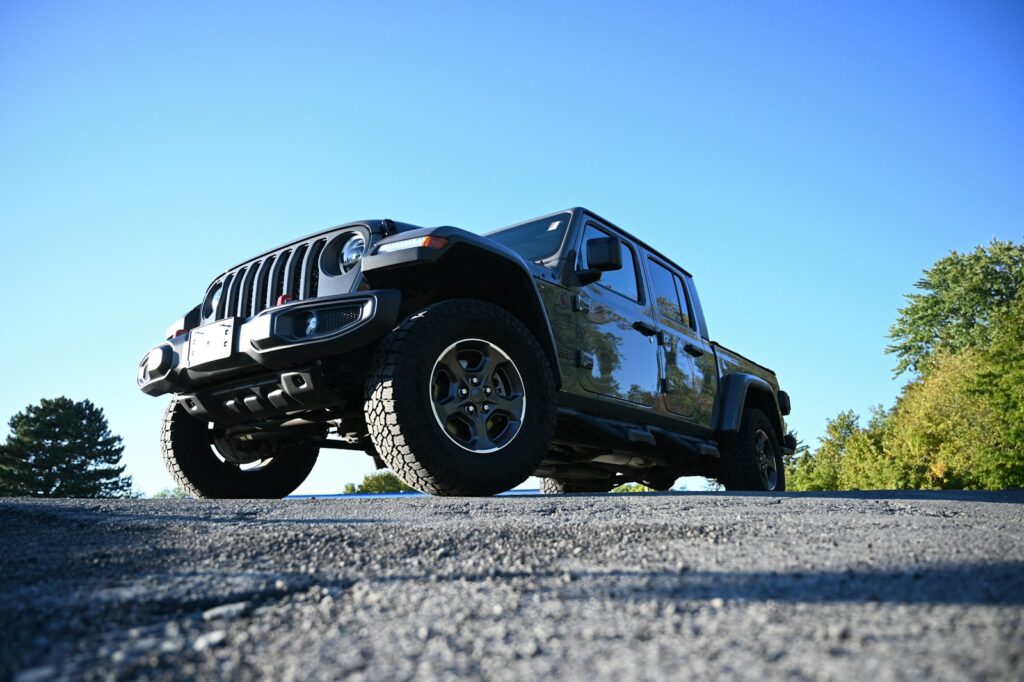
3. **Jeopardizing Your Vehicle’s Warranty**For owners of newer Jeep Wranglers or those who have acquired a used model with a dealer-backed warranty, the decision to install a lift kit comes with a significant caveat: the potential to void your vehicle’s warranty. This is a critical warning that far too many enthusiasts overlook, often leading to costly repairs that would otherwise have been covered. Manufacturers and dealerships typically have specific policies regarding aftermarket modifications, and altering key components like the suspension system can easily fall outside the bounds of their coverage agreements.
Imagine driving one of the more recent Jeep Wranglers, enjoying the peace of mind that comes with a comprehensive warranty. Then, you decide to install a lift kit. Should a major component related to the suspension, steering, or even the drivetrain fail later on, the dealership could deny your warranty claim, arguing that the aftermarket modifications were the direct cause of the issue. This scenario leaves you, the owner, solely responsible for what could be an incredibly expensive repair, turning a desired upgrade into a financial burden.
Before undertaking any suspension modifications, it is absolutely essential to consult with your dealership or review your warranty documentation thoroughly. Understanding the specific clauses regarding aftermarket parts and modifications can save you from a future headache. Some dealerships may offer compatible lift kits that don’t void the warranty, or they might provide clear guidelines on what is permissible. Failing to address this warning can transform a minor component failure into a financially crippling event, making the upfront cost of the lift seem trivial by comparison.
Car Model Information: 2024 Jeep Wrangler 4-Door Sahara 4×4
Name: Jeep Wrangler
Caption: Jeep Wrangler Unlimited, Sahara edition
Manufacturer: Jeep
Class: Compact SUV
Production: 1986–present
Predecessor: Jeep CJ
Layout: Front-engine, rear-wheel-drive layout,rear-wheel drive
Chassis: Body-on-frame
Related: AIL Storm
Categories: 1980s cars, 1990s cars, 2000s cars, 2010s cars, All-wheel-drive vehicles
Summary: The Jeep Wrangler is a series of compact and mid-size four-wheel drive off-road SUVs manufactured by Jeep since 1986, and currently in its fourth generation. The Wrangler JL, the most recent generation, was unveiled in late 2017 and is produced at Jeep’s Toledo Complex.
The Wrangler is a direct progression from the World War II Jeep, through the CJ (Civilian Jeeps) produced by Willys, Kaiser-Jeep, and American Motors Corporation (AMC) from the mid-1940s through the 1980s. Although neither AMC nor Chrysler (after it purchased AMC in 1987) have claimed that the Wrangler was a direct descendant of the original military model — both the CJ Jeeps and the conceptually consistent Wrangler, with their solid axles and open top, have been called the Jeep model as central to Jeep’s brand identity as the rear-engine 911 is to Porsche.
Similar to the Willys MB and the CJ Jeeps before it, all Wrangler models continue to use a separate body and frame, rigid live axles both front and rear, a tapering nose design with flared fenders, a fold-flat windshield, and can be driven without doors. Also, with few exceptions, they have part-time four-wheel drive systems, with the choice of high and low gearing, and standard open bodies with removable hard or soft tops. However, the Wrangler series was specifically redesigned to be safer and more comfortable on-road, to attract more daily drivers, by upgrading its suspension, drivetrain, and interior, compared to the CJ line. The suspension on all Wranglers included trackbars and anti-roll bars, and, from the 1997 TJ onwards, front and rear coil springs instead of the previous leaf springs.
From 2004 on, the Wrangler has been complemented with long-wheelbase versions, called Wrangler Unlimited. 2004-2006 models were longer versions with 2 doors. In 2004, only automatic transmission-equipped “Unlimited” versions were sold. In 2005, both an automatic and manual 6-speed (NSG-370) were offered. Since 2007, the long-wheelbase Wranglers were four-door models, offering over 20 in (508 mm) more room. By mid-2017, the four-door models represented three-quarters of all new Wranglers on the market.
Get more information about: Jeep Wrangler
Buying a high-performing used car >>>
Brand: Jeep Model: Wrangler
Price: $42,786 Mileage: 25,349 mi.
Read more about: The 13 Critical Pitfalls: Unmasking the Hidden Dangers of Online Car Auctions
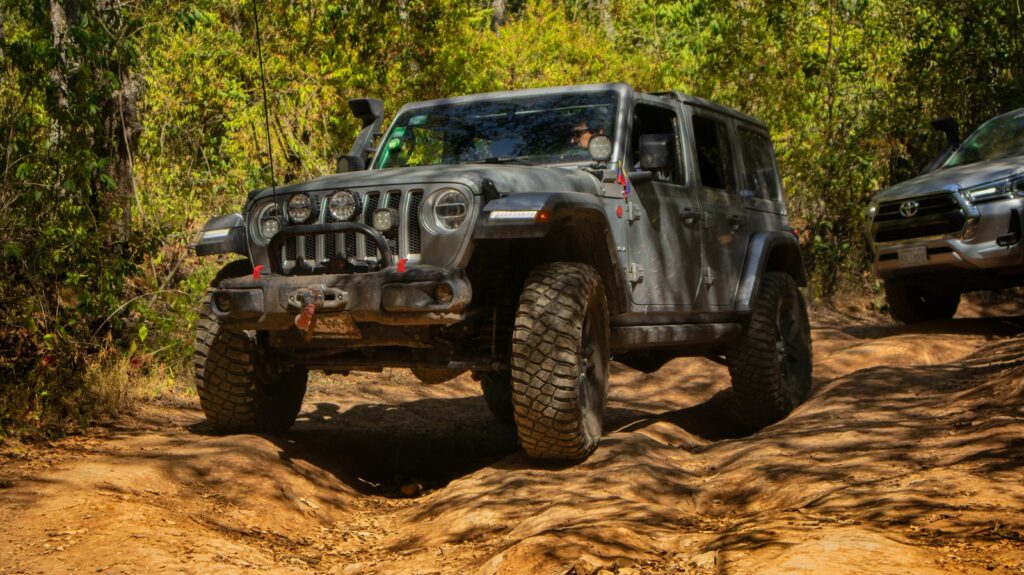
4. **Sacrificing Overall Vehicle Performance**While the primary goal of many lift kit installations is to enhance the Jeep’s off-road capabilities and achieve an aggressive aesthetic, there’s a crucial warning: an improperly chosen or excessively tall lift can significantly degrade the vehicle’s overall performance. It’s a delicate balance, and if not managed correctly, your Jeep might look formidable but perform sub-optimally, even becoming cumbersome to drive in everyday scenarios. The aspiration for a commanding presence can inadvertently lead to a compromise in fundamental driving dynamics.
One of the most noticeable degradations in performance is a reduction in fuel efficiency. Pairing a five-inch lift kit with massive, heavy wheels and tires dramatically increases the vehicle’s rolling resistance and unsprung weight. This additional strain forces the engine to work harder, directly translating to more frequent trips to the fuel pump. Beyond the economic impact, this added weight and altered geometry negatively affect how your Jeep handles. You’ll likely notice it’ll be harder to turn, requiring more effort and a wider turning radius, which can be particularly challenging in tight parking lots or urban environments.
Furthermore, braking performance can suffer substantially. Increased weight and larger tires, especially those with aggressive tread patterns, often mean longer stopping distances, presenting a significant safety concern. The overall ride quality also tends to deteriorate; what might feel rugged off-road can become jarring and uncomfortable on paved surfaces. This warning underscores the importance of not just considering the lift kit itself, but also the ripple effect it has on the entire vehicle system. A truly effective lift enhances capability without sacrificing the essential performance characteristics that make a Jeep enjoyable and safe to drive.
Car Model Information: 2021 Jeep Renegade 80th Anniversary
Name: Willys MB , Ford GPW , Truck, 1⁄4nbhton, 4×4, command reconnaissance
Origin: United States
Type: 1/4 ton 4×4 utility truck
IsVehicle: true
Service: 1941–2000
UsedBy: allies of World War II
Wars: World War II,Korean War,List of wars: 1945–1989
Designer: Harold Crist
DesignDate: 1940 through early 1942
Manufacturer: Willys,Ford Motor Company
ProductionDate: 1941–1945
Number: WWII total: More than 647,925 *,,including early production units,Willys MB: Over 359,489 *,Ford GPW: Over 277,896 *,Auburn Automobile#Corporate history
Variants: Ford GPA
SpecLabel: MB and GPW same
Weight: convert
Length: 132 in
Abbr: refn
Width: 62 in
Height: 52 in
Crew: 3 to 4
PrimaryArmament: Designed to mount .30 or .50 caliber machine guns swiveling on a post between front seatbacks
Engine: 134 cuin
EnginePower: 60 hp
PwRatio: 49 hp
Transmission: 3-speed × 2-range transfer case
Suspension: Beam axle#Live axle vs Dead axle
Clearance: convert
PayloadCapacity: 1200 lb
FuelCapacity: 15 USgal
VehicleRange: 300 mi
Speed: 65 mph
Categories: All articles needing additional references, All articles with failed verification, All articles with unsourced statements, Articles needing additional references from September 2021, Articles with failed verification from September 2021
Summary: The Willys MB ( Willis) and the Ford GPW, both formally called the U.S. Army truck, 1⁄4‑ton, 4×4, command reconnaissance, commonly known as the Willys Jeep, Jeep, or jeep, and sometimes referred to by its Standard Army vehicle supply number G-503, were highly successful American off-road capable, light military utility vehicles. Well over 600,000 were built to a single standardized design, for the United States and the Allied forces in World War II, from 1941 until 1945. This also made it (by its light weight) the world’s first mass-produced four-wheel-drive car, built in six-figure numbers.
The 1⁄4-ton jeep became the primary light, wheeled, multi-role vehicle of the United States military and its allies. With some 640,000 units built, the 1⁄4‑ton jeeps constituted a quarter of the total military support motor vehicles that the U.S. produced during the war, and almost two-thirds of the 988,000 light 4WD vehicles produced, when counted together with the Dodge WC series. Large numbers of jeeps were provided to U.S. allies, including the Soviet Union at the time. Aside from large amounts of 11⁄2- and 21⁄2‑ton trucks, and 25,000 3⁄4‑ton Dodges, some 50,000 1⁄4‑ton jeeps were shipped to help Russia during WWII, against Nazi Germany’s total production of just over 50,000 Kübelwagens, the jeep’s primary counterpart.
Historian Charles K. Hyde wrote: “In many respects, the jeep became the iconic vehicle of World War II, with an almost mythological reputation of toughness, durability, and versatility.” It became the workhorse of the American military, replacing horses, other draft animals, and motorcycles in every role, from messaging and cavalry units to supply trains. In addition, improvised field modifications made the jeep capable of just about any other function soldiers could think of. Military jeeps were adopted by countries all over the world, so much so that they became the most widely used and recognizable military vehicle in history.
Dwight D. Eisenhower, the Supreme Commander of the Allied Expeditionary Force in Europe in World War II, wrote in his memoirs that most senior officers regarded it as one of the five pieces of equipment most vital to success in Africa and Europe. General George Marshall, Chief of Staff of the US Army during the war, called the vehicle “America’s greatest contribution to modern warfare.” In 1991, the MB Jeep was designated an “International Historic Mechanical Engineering Landmark” by the American Society of Mechanical Engineers.
After WWII, the original jeep continued to serve, in the Korean War and other conflicts, until it was updated in the form of the M38 Willys MC and M38A1 Willys MD (in 1949 and 1952 respectively), and received a complete redesign by Ford in the form of the 1960-introduced M151 jeep. Its influence, however, was much greater than that—manufacturers worldwide began building jeeps and similar designs, either under license or not—at first primarily for military purposes, but later also for the civilian market. Willys turned the MB into the civilian Jeep CJ-2A in 1945, making the world’s first mass-produced civilian four-wheel drive. The “Jeep” name was trademarked and grew into a successful and highly valued brand.
The success of the jeep inspired both an entire category of recreational 4WDs and SUVs, making “four-wheel drive” a household term, and numerous incarnations of military light utility vehicles. In 2010, the American Enterprise Institute called the jeep “one of the most influential designs in automotive history.” Its “sardine tin on wheels” silhouette and slotted grille made it instantly recognizable, and it has evolved into the currently produced Jeep Wrangler still largely resembling the original jeep design.
Get more information about: Willys MB
Buying a high-performing used car >>>
Brand: Jeep Model: Jeep
Price: $19,787 Mileage: 49,584 mi.
Read more about: More Bark Than Bite: 14 Classic Cars That Didn’t Quite Live Up to Their Legendary Looks
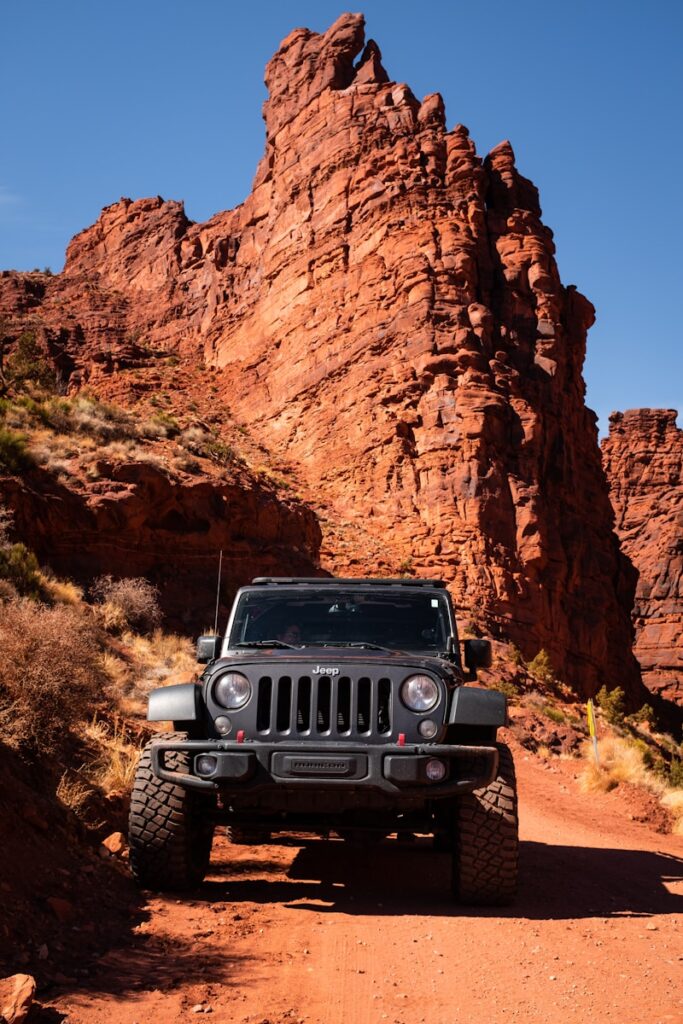
5. **Choosing an Inappropriate Lift Height for Your Needs**Determining the ideal lift height for your Jeep is a foundational decision that directly impacts performance, aesthetics, and usability. Yet, choosing an inappropriate lift height for your specific needs is a common pitfall and a critical warning for anyone considering this modification. Suspension lift kits are available in a broad spectrum of heights, typically ranging from a subtle 2 inches to an imposing 6 inches or even more. The temptation to go ‘big’ is strong, but bigger doesn’t always equate to better, especially if it doesn’t align with your primary use case.
A higher lift, while undoubtedly allowing for the installation of larger tires and significantly enhancing ground clearance for extreme off-road scenarios, comes with inherent trade-offs. As previously discussed, an excessive lift can detrimentally affect handling, leading to a less stable ride, particularly at higher speeds or during quick maneuvers. It can also significantly reduce on-road ride comfort, transforming daily commutes into a less pleasant experience. The articulation benefits gained off-road can be offset by discomfort and compromised safety on the pavement.
The warning here is to resist the urge to simply choose the tallest lift available without a clear understanding of your driving habits and objectives. If your Jeep primarily serves as a daily driver with occasional light trail use, a modest 2 to 3-inch lift might be far more appropriate. This provides a noticeable aesthetic upgrade and enough clearance for slightly larger tires without introducing severe compromises to on-road manners. Conversely, if your intent is serious rock crawling, a more substantial lift might be justified, but only when paired with other necessary modifications to maintain stability and performance. Matching the lift height to your actual needs is paramount for a satisfactory outcome.
Read more about: For Snow Belt Residents: A Deep Dive into the 10 Worst Winter-Ready Vehicles on the Market Today
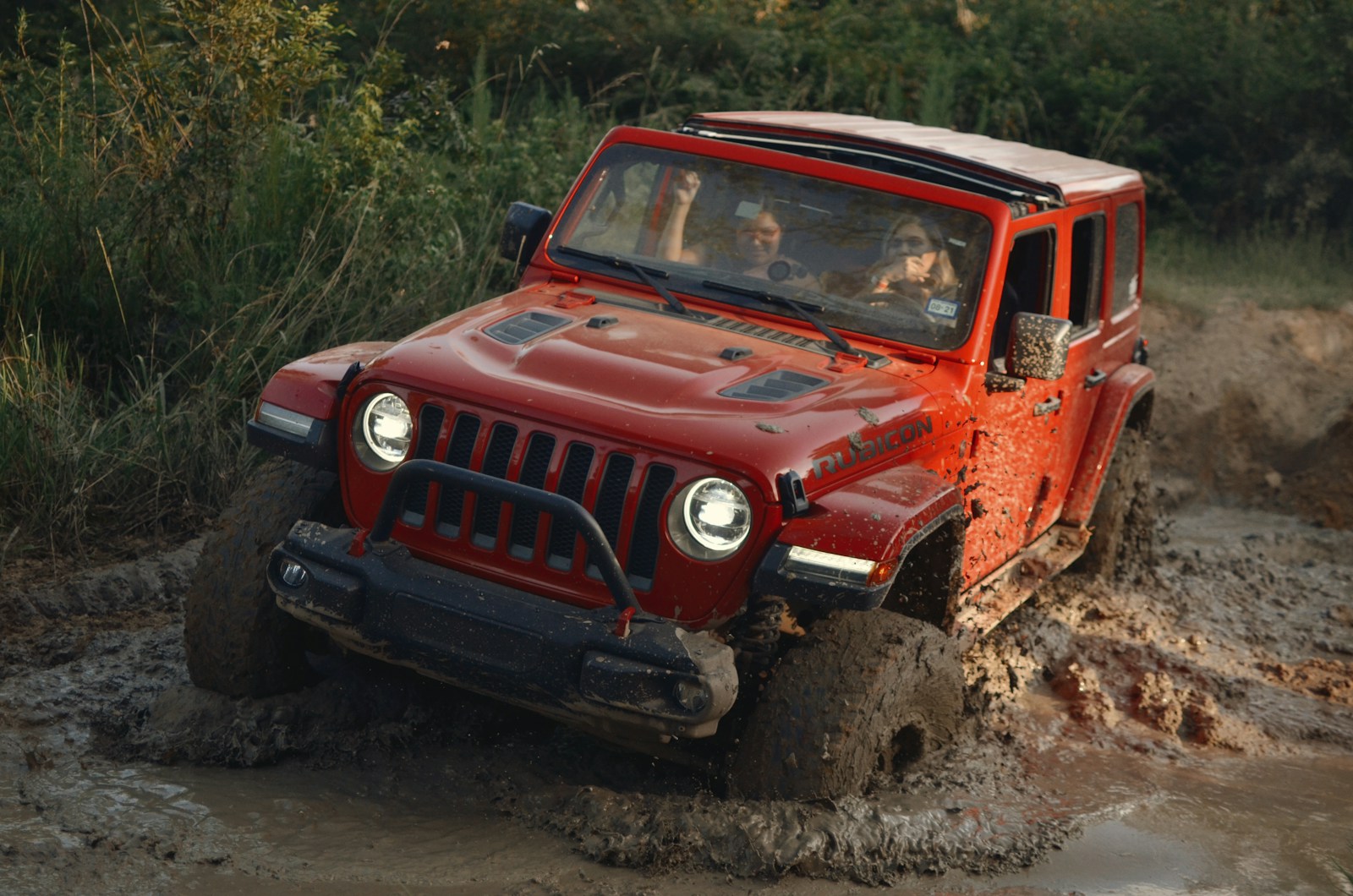
6. **Disregarding Your Primary Driving Style**Closely related to choosing the appropriate lift height is the critical warning to carefully consider your primary driving style when selecting a suspension lift kit. Jeeps are versatile, capable of both daily commuting and extreme off-road adventures, but a lift kit optimized for one often compromises the other. Ignoring how you predominantly use your Jeep can lead to profound dissatisfaction and a vehicle that doesn’t meet your expectations for either domain.
If your intention is frequent and aggressive off-roading – tackling challenging trails, rock crawling, or deep mud – then your focus should be on a kit specifically designed for improved articulation and durability. Such kits typically feature components like longer control arms, heavy-duty shocks, and flexible coil springs that allow for maximum wheel travel and robust performance under extreme stress. These modifications are engineered to withstand the rigors of challenging terrains, providing the necessary clearance and stability for demanding expeditions. A kit that offers superior articulation will ensure your wheels stay in contact with the ground, maximizing traction in uneven environments.
Conversely, if your Jeep primarily navigates paved roads, with only occasional excursions onto light trails, then a lift that prioritizes comfortable on-road handling is essential. Kits designed for street use often focus on maintaining a more composed ride, reducing body roll, and preserving steering precision. Installing an overly aggressive off-road kit on a street-driven Jeep can result in a harsh, bouncy ride, vague steering, and increased fatigue for the driver and passengers. This warning is about making an honest assessment of your vehicle’s routine use to ensure the chosen lift enhances, rather than detracts from, your overall driving experience.
Read more about: Mastering the Road: 14 Essential Habits for Becoming a Safer, More Confident Driver Over Time
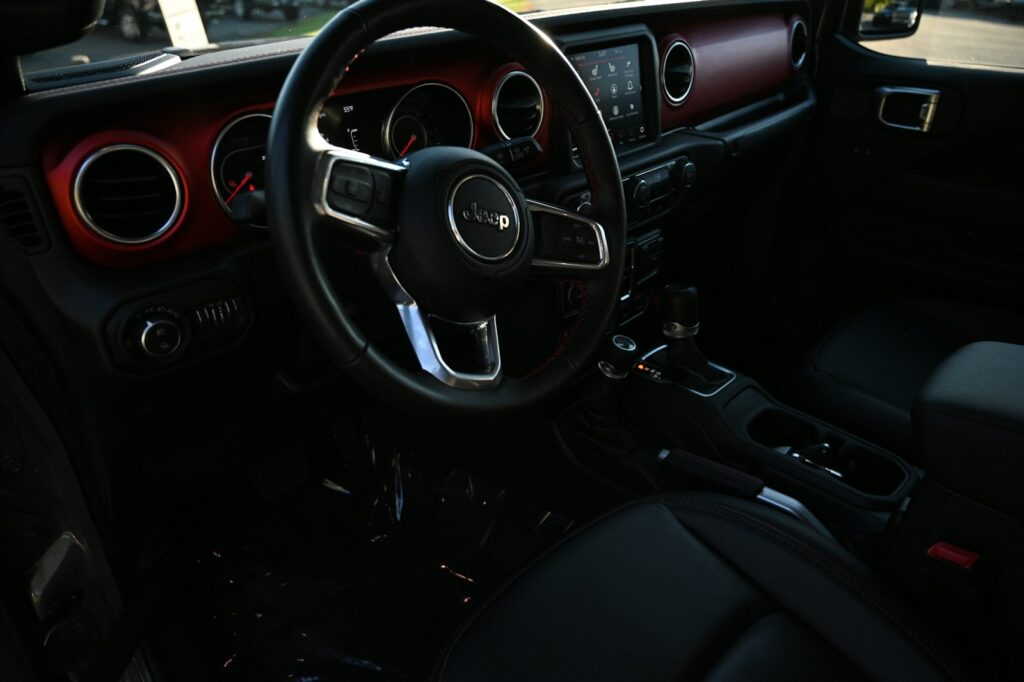
7. **Opting for Incomplete or Mismatched Components**When delving into the world of suspension modification, a significant warning for any Jeep owner is the danger of opting for incomplete or mismatched components within a lift kit. The suspension system of a Jeep is an intricate network of interdependent parts, and a holistic approach to modification is crucial for both safety and optimal performance. A common mistake is to focus solely on springs and shocks, neglecting other vital elements that are equally affected by an increase in ride height.
Many reputable lift kits are designed as comprehensive packages, explicitly stating all necessary components included. These might feature not only new shocks and springs but also critical items such as longer control arms, track bar relocation brackets, brake line extensions, sway bar disconnects, and bump stop extensions. A complete kit ensures that all aspects of your suspension function correctly and harmoniously at the new height. This integrated design prevents undue stress on existing stock components that were never intended to operate at altered angles or extended lengths.
The repercussions of choosing an incomplete or mismatched kit can range from immediate performance issues to long-term component failure. For example, without adequate brake line extensions, your existing brake lines could be stretched or even torn during full suspension droop, leading to catastrophic brake failure. Similarly, retaining stock control arms with a substantial lift can lead to improper axle alignment, poor handling, and accelerated wear on bushings and other steering components. This warning emphasizes that while saving a few dollars on a seemingly cheaper, less comprehensive kit might be tempting, it invariably leads to additional costs for missing parts down the line, not to mention potential safety hazards and a compromised driving experience that no enthusiast should have to endure.
Navigating the complexities of Jeep suspension modifications extends beyond initial considerations; it demands a thorough understanding of often-overlooked factors that are equally critical to a successful and safe outcome. Continuing our comprehensive warning, we delve into additional crucial aspects that differentiate a well-executed lift from a potential disaster, ensuring your adventurous spirit doesn’t lead to mechanical or legal headaches.
Read more about: From Anemic to Awkward: Unmasking 15 Muscle Cars That Truly Missed the Mark – And Why We Can’t Forget Them
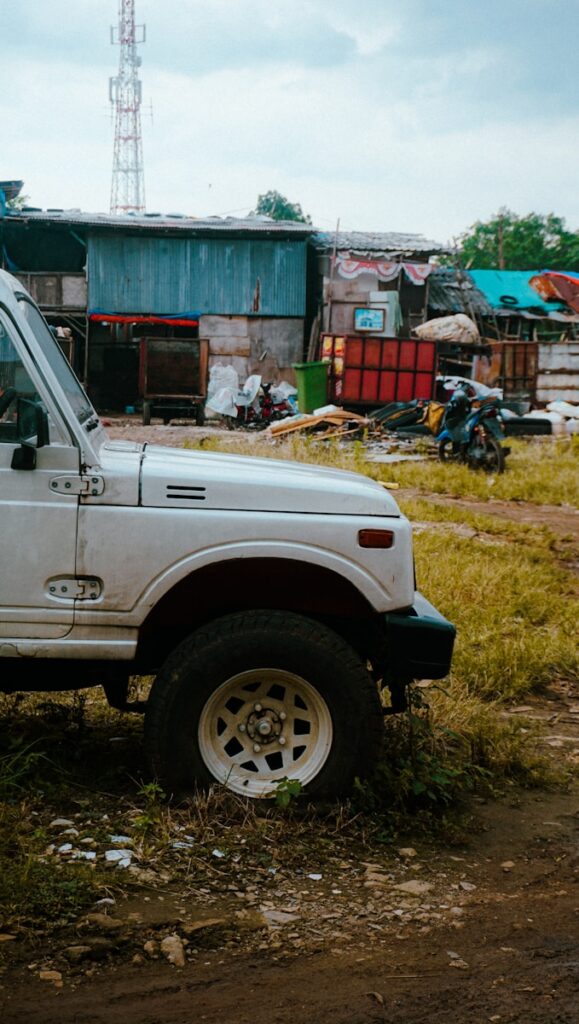
8. **Overlooking Model-Specific Compatibility**A fundamental error that can cascade into numerous issues is the failure to ensure a lift kit is precisely compatible with your specific Jeep model and year. It’s a common misconception that all Jeep Wranglers, for instance, share identical underlying architecture when it comes to suspension geometry. In reality, each model and generation may possess unique designs, requiring tailored solutions for optimal performance and integration. Ignoring these nuances is a direct path to frustrating fitment problems and compromised functionality.
The engineering behind a Jeep’s suspension is intricate, with factory-set angles and stress points designed for specific loads and travel. When you introduce a lift kit that isn’t explicitly engineered for your vehicle’s exact specifications, you risk altering critical angles of components like drive shafts, control arms, and track bars beyond their operational limits. This can lead to premature wear, vibrations, and an inability to achieve proper alignment, ultimately degrading ride quality and potentially leading to component failure.
Therefore, diligence in researching and confirming model-specific compatibility is not merely a suggestion but a necessity. Reputable manufacturers clearly delineate which kits are designed for which models, often down to specific trim levels and years. Skipping this vital step in the pursuit of a universal or cheaper option can result in a Frankenstein-like assembly that never truly performs as intended, transforming your adventurous Jeep into a problematic project that constantly requires attention.
Car Model Information: 2024 Jeep Wrangler 4-Door Sahara 4×4
Name: Jeep Wrangler
Caption: Jeep Wrangler Unlimited, Sahara edition
Manufacturer: Jeep
Class: Compact SUV
Production: 1986–present
Predecessor: Jeep CJ
Layout: Front-engine, rear-wheel-drive layout,rear-wheel drive
Chassis: Body-on-frame
Related: AIL Storm
Categories: 1980s cars, 1990s cars, 2000s cars, 2010s cars, All-wheel-drive vehicles
Summary: The Jeep Wrangler is a series of compact and mid-size four-wheel drive off-road SUVs manufactured by Jeep since 1986, and currently in its fourth generation. The Wrangler JL, the most recent generation, was unveiled in late 2017 and is produced at Jeep’s Toledo Complex.
The Wrangler is a direct progression from the World War II Jeep, through the CJ (Civilian Jeeps) produced by Willys, Kaiser-Jeep, and American Motors Corporation (AMC) from the mid-1940s through the 1980s. Although neither AMC nor Chrysler (after it purchased AMC in 1987) have claimed that the Wrangler was a direct descendant of the original military model — both the CJ Jeeps and the conceptually consistent Wrangler, with their solid axles and open top, have been called the Jeep model as central to Jeep’s brand identity as the rear-engine 911 is to Porsche.
Similar to the Willys MB and the CJ Jeeps before it, all Wrangler models continue to use a separate body and frame, rigid live axles both front and rear, a tapering nose design with flared fenders, a fold-flat windshield, and can be driven without doors. Also, with few exceptions, they have part-time four-wheel drive systems, with the choice of high and low gearing, and standard open bodies with removable hard or soft tops. However, the Wrangler series was specifically redesigned to be safer and more comfortable on-road, to attract more daily drivers, by upgrading its suspension, drivetrain, and interior, compared to the CJ line. The suspension on all Wranglers included trackbars and anti-roll bars, and, from the 1997 TJ onwards, front and rear coil springs instead of the previous leaf springs.
From 2004 on, the Wrangler has been complemented with long-wheelbase versions, called Wrangler Unlimited. 2004-2006 models were longer versions with 2 doors. In 2004, only automatic transmission-equipped “Unlimited” versions were sold. In 2005, both an automatic and manual 6-speed (NSG-370) were offered. Since 2007, the long-wheelbase Wranglers were four-door models, offering over 20 in (508 mm) more room. By mid-2017, the four-door models represented three-quarters of all new Wranglers on the market.
Get more information about: Jeep Wrangler
Buying a high-performing used car >>>
Brand: Jeep Model: Wrangler
Price: $42,786 Mileage: 25,349 mi.
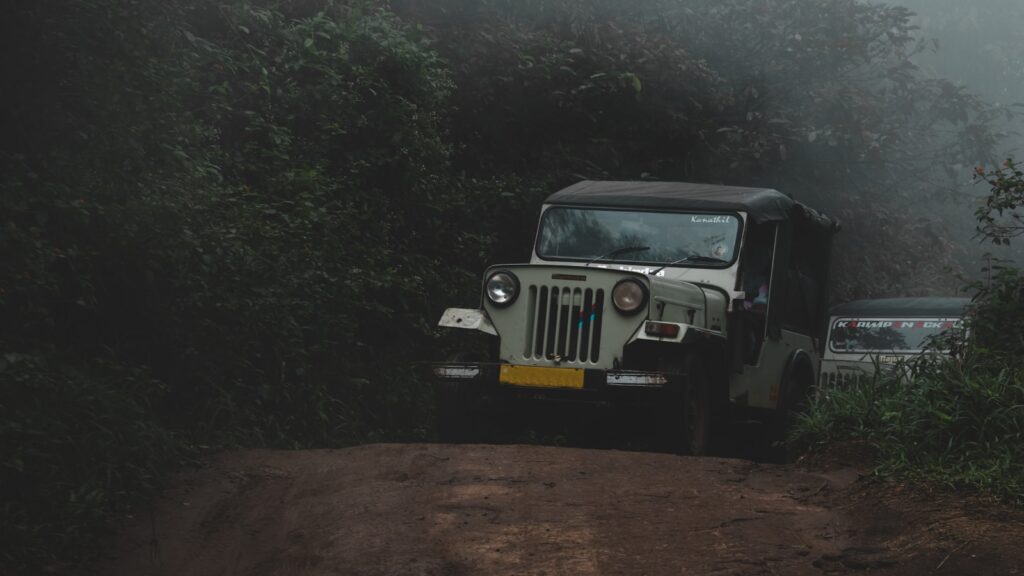
9. **Disregarding Quality and Brand Reputation**In the vast aftermarket for Jeep modifications, the temptation to cut costs by opting for lesser-known brands or suspiciously inexpensive components is strong. However, this is a critical warning that seasoned suspension specialists cannot emphasize enough: disregarding the quality and brand reputation of your lift kit components is a gamble that rarely pays off. The performance, longevity, and safety of your lifted Jeep are inextricably linked to the integrity of the parts you install.
High-quality components from reputable brands are designed and manufactured with precision, utilizing materials that can withstand the extreme rigors of off-road driving, as well as the demands of daily pavement use. These brands invest heavily in research and development, testing their products extensively to ensure durability, proper fitment, and optimal performance. They stand behind their products with warranties and readily available technical support, providing peace of mind to the enthusiast.
Conversely, lesser-known or generic brands may cut corners on materials, design, and manufacturing processes to offer lower price points. This often translates to components that wear out prematurely, fail under stress, or simply do not perform as advertised. The initial savings quickly evaporate when you face frequent repairs, replacements, or, worse, safety-critical failures. When selecting a lift kit, always prioritize established brands with a proven track record of quality and positive customer reviews; your Jeep’s integrity depends on it.
Read more about: Tattoo Trouble? 10 Big Ink Blunders You Absolutely Need to Avoid!
10. **Underestimating the Complexity of Installation Type**The chosen installation type for your lift kit, whether a DIY endeavor or professional installation, is another factor demanding careful consideration. It’s a nuanced decision, and underestimating the complexity involved can lead to significant issues, from incorrect fitment to safety hazards. While some basic leveling kits might be within the realm of a competent home mechanic, complex suspension lifts often require specialist knowledge, specific tools, and a meticulous approach that goes beyond the average garage setup.
For instance, certain lift kits involve intricate adjustments to steering geometry, brake lines, and driveline angles that, if performed incorrectly, can compromise the vehicle’s handling characteristics and braking efficiency. These complex setups often necessitate specialized equipment, such as a spring compressor, torque wrenches capable of high values, and diagnostic tools to ensure all sensors and electronic systems are properly recalibrated after the new height is achieved. Without the right tools and expertise, errors are almost inevitable.
Deciding to tackle a complex lift kit installation without the requisite experience or equipment is a significant warning. While the satisfaction of a self-completed project is undeniable, the potential for mistakes that lead to performance issues or, more critically, safety compromises, far outweighs any perceived savings. For more involved lift kits, entrusting the installation to a certified professional with specific experience in Jeep modifications is the wiser and ultimately safer choice.

11. **Ignoring Local Regulations and Legal Implications**Beyond the mechanical aspects of lifting your Jeep, there exists a crucial legal landscape that many enthusiasts regrettably overlook: local regulations regarding vehicle modifications. Each state, county, or municipality can enforce specific laws governing maximum vehicle height, tire protrusion, lighting requirements, and even suspension system types. Failure to adhere to these often-complex regulations can lead to fines, citations, a failed vehicle inspection, or even render your vehicle illegal for road use.
The impact of these regulations extends further to vehicle safety and insurance coverage. Jurisdictions may require post-modification inspections to ensure the vehicle still meets safety standards, particularly concerning handling, braking, and driver visibility. A lift that pushes the boundaries of legality can be deemed unsafe by authorities. More critically, informing your insurance provider about significant modifications like a suspension lift is paramount; an unreported modification could result in denied claims in the event of an accident, leaving you financially exposed.
Before committing to any lift kit, it is absolutely essential to consult your local Department of Motor Vehicles (DMV) or equivalent authority. Review their guidelines on acceptable modifications, paying close attention to any limits on lift heights or restrictions on specific suspension components. Familiarize yourself with noise and emission regulations too, as exhaust system adjustments might be necessary. Staying within the legal framework not only ensures compliance but also contributes to a safe and responsible off-road experience.
Car Model Information: 2021 Jeep Renegade 80th Anniversary
Name: Willys MB , Ford GPW , Truck, 1⁄4nbhton, 4×4, command reconnaissance
Origin: United States
Type: 1/4 ton 4×4 utility truck
IsVehicle: true
Service: 1941–2000
UsedBy: allies of World War II
Wars: World War II,Korean War,List of wars: 1945–1989
Designer: Harold Crist
DesignDate: 1940 through early 1942
Manufacturer: Willys,Ford Motor Company
ProductionDate: 1941–1945
Number: WWII total: More than 647,925 *,,including early production units,Willys MB: Over 359,489 *,Ford GPW: Over 277,896 *,Auburn Automobile#Corporate history
Variants: Ford GPA
SpecLabel: MB and GPW same
Weight: convert
Length: 132 in
Abbr: refn
Width: 62 in
Height: 52 in
Crew: 3 to 4
PrimaryArmament: Designed to mount .30 or .50 caliber machine guns swiveling on a post between front seatbacks
Engine: 134 cuin
EnginePower: 60 hp
PwRatio: 49 hp
Transmission: 3-speed × 2-range transfer case
Suspension: Beam axle#Live axle vs Dead axle
Clearance: convert
PayloadCapacity: 1200 lb
FuelCapacity: 15 USgal
VehicleRange: 300 mi
Speed: 65 mph
Categories: All articles needing additional references, All articles with failed verification, All articles with unsourced statements, Articles needing additional references from September 2021, Articles with failed verification from September 2021
Summary: The Willys MB ( Willis) and the Ford GPW, both formally called the U.S. Army truck, 1⁄4‑ton, 4×4, command reconnaissance, commonly known as the Willys Jeep, Jeep, or jeep, and sometimes referred to by its Standard Army vehicle supply number G-503, were highly successful American off-road capable, light military utility vehicles. Well over 600,000 were built to a single standardized design, for the United States and the Allied forces in World War II, from 1941 until 1945. This also made it (by its light weight) the world’s first mass-produced four-wheel-drive car, built in six-figure numbers.
The 1⁄4-ton jeep became the primary light, wheeled, multi-role vehicle of the United States military and its allies. With some 640,000 units built, the 1⁄4‑ton jeeps constituted a quarter of the total military support motor vehicles that the U.S. produced during the war, and almost two-thirds of the 988,000 light 4WD vehicles produced, when counted together with the Dodge WC series. Large numbers of jeeps were provided to U.S. allies, including the Soviet Union at the time. Aside from large amounts of 11⁄2- and 21⁄2‑ton trucks, and 25,000 3⁄4‑ton Dodges, some 50,000 1⁄4‑ton jeeps were shipped to help Russia during WWII, against Nazi Germany’s total production of just over 50,000 Kübelwagens, the jeep’s primary counterpart.
Historian Charles K. Hyde wrote: “In many respects, the jeep became the iconic vehicle of World War II, with an almost mythological reputation of toughness, durability, and versatility.” It became the workhorse of the American military, replacing horses, other draft animals, and motorcycles in every role, from messaging and cavalry units to supply trains. In addition, improvised field modifications made the jeep capable of just about any other function soldiers could think of. Military jeeps were adopted by countries all over the world, so much so that they became the most widely used and recognizable military vehicle in history.
Dwight D. Eisenhower, the Supreme Commander of the Allied Expeditionary Force in Europe in World War II, wrote in his memoirs that most senior officers regarded it as one of the five pieces of equipment most vital to success in Africa and Europe. General George Marshall, Chief of Staff of the US Army during the war, called the vehicle “America’s greatest contribution to modern warfare.” In 1991, the MB Jeep was designated an “International Historic Mechanical Engineering Landmark” by the American Society of Mechanical Engineers.
After WWII, the original jeep continued to serve, in the Korean War and other conflicts, until it was updated in the form of the M38 Willys MC and M38A1 Willys MD (in 1949 and 1952 respectively), and received a complete redesign by Ford in the form of the 1960-introduced M151 jeep. Its influence, however, was much greater than that—manufacturers worldwide began building jeeps and similar designs, either under license or not—at first primarily for military purposes, but later also for the civilian market. Willys turned the MB into the civilian Jeep CJ-2A in 1945, making the world’s first mass-produced civilian four-wheel drive. The “Jeep” name was trademarked and grew into a successful and highly valued brand.
The success of the jeep inspired both an entire category of recreational 4WDs and SUVs, making “four-wheel drive” a household term, and numerous incarnations of military light utility vehicles. In 2010, the American Enterprise Institute called the jeep “one of the most influential designs in automotive history.” Its “sardine tin on wheels” silhouette and slotted grille made it instantly recognizable, and it has evolved into the currently produced Jeep Wrangler still largely resembling the original jeep design.
Get more information about: Willys MB
Buying a high-performing used car >>>
Brand: Jeep Model: Jeep
Price: $19,787 Mileage: 49,584 mi.
Read more about: Truck Frame Cracks Under the Microscope: A Consumer Reports Guide to Identifying, Preventing, and Repairing Critical Structural Damage
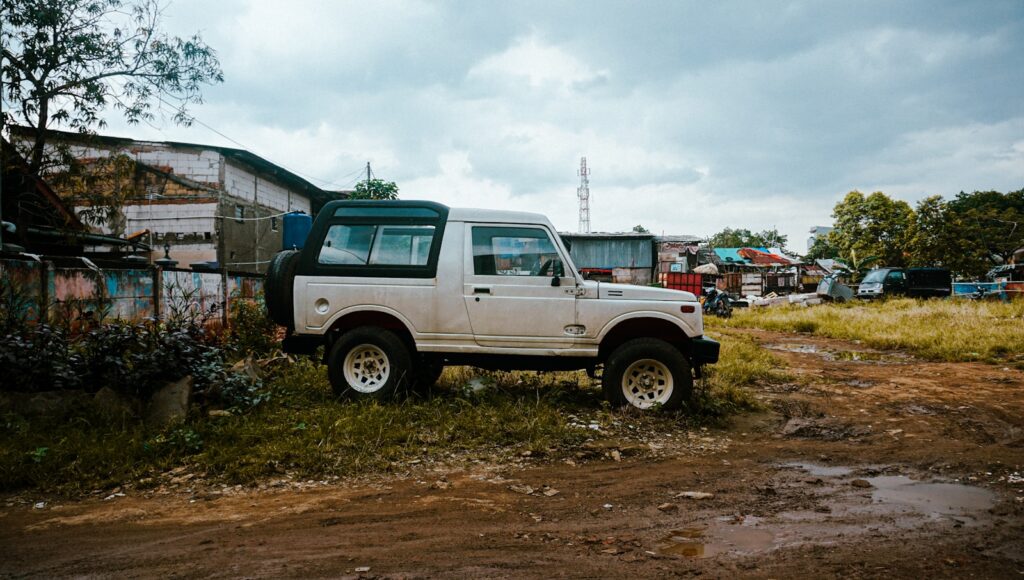
12. **Skipping Post-Installation Alignment**Once your chosen lift kit is expertly installed, a critical step that cannot be skipped or deferred is the proper alignment of your Jeep. Many enthusiastic owners, eager to hit the trails, might overlook this crucial procedure, believing the visual “straightness” of the wheels is sufficient. This is a severe warning: neglecting post-installation alignment can lead to a host of detrimental effects, impacting not only your driving experience but also the longevity and performance of your tires and suspension components.
When a vehicle’s suspension height is altered, the angles of its wheels relative to the road and each other are inherently changed. This includes camber, caster, and toe angles, all of which are vital for proper handling, stability, and even tire wear. An unaligned vehicle will exhibit poor steering response, potentially pulling to one side, and will likely wear out tires unevenly and prematurely, representing a significant financial drain over time. Beyond the obvious tire wear, improper alignment places undue stress on ball joints, tie rods, and other steering and suspension components, accelerating their degradation.
Therefore, after any suspension modification, it is imperative to have a professional alignment performed by a qualified technician using specialized equipment. This ensures that all critical angles are adjusted to factory specifications, or ideally, to parameters optimized for the new lift height and tire size. This crucial step restores your Jeep’s predictable handling characteristics and maximizes the lifespan of your valuable tires, transforming a significant investment into a properly functioning and enjoyable off-road machine.
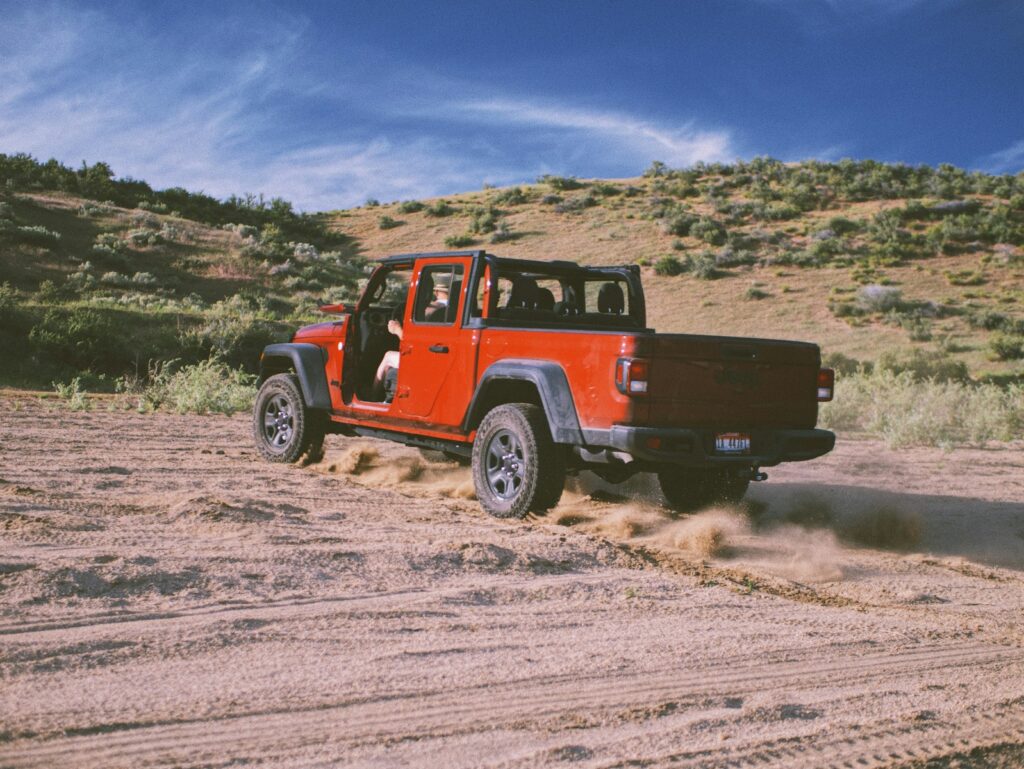
13. **Neglecting Pre-Installation Inspection for Existing Wear**The excitement of installing a new lift kit can sometimes overshadow the fundamental importance of a thorough pre-installation inspection of your Jeep’s existing suspension and undercarriage. This is a critical warning: attempting to install a new lift on a foundation of worn-out or damaged components is akin to building a new house on a crumbling foundation. It’s a recipe for immediate performance issues, accelerated wear on new parts, and potentially dangerous structural failures down the line.
Before any wrenches turn, take the time to meticulously inspect all current suspension components. Look for tell-tale signs of wear, such as cracked bushings, leaky shocks, loose ball joints, damaged control arms, or corroded mounting hardware. Pay close attention to steering linkages, axle shafts, and brake lines for any fraying, leaks, or excessive play. Even seemingly minor issues can become exacerbated once the geometry and stress points are altered by a lift, leading to compromised handling and safety.
Addressing any existing wear or damage *before* the lift kit goes in is not just good practice; it’s essential for ensuring the new components can perform optimally and safely. Replacing fatigued parts at this stage avoids the headache of troubleshooting issues later that could be mistakenly attributed to the new lift. A sound pre-installation inspection establishes a solid, healthy platform for your new suspension, guaranteeing that your investment truly enhances your Jeep’s capability and reliability.
Car Model Information: 2021 Jeep Renegade 80th Anniversary
Name: Willys MB , Ford GPW , Truck, 1⁄4nbhton, 4×4, command reconnaissance
Origin: United States
Type: 1/4 ton 4×4 utility truck
IsVehicle: true
Service: 1941–2000
UsedBy: allies of World War II
Wars: World War II,Korean War,List of wars: 1945–1989
Designer: Harold Crist
DesignDate: 1940 through early 1942
Manufacturer: Willys,Ford Motor Company
ProductionDate: 1941–1945
Number: WWII total: More than 647,925 *,,including early production units,Willys MB: Over 359,489 *,Ford GPW: Over 277,896 *,Auburn Automobile#Corporate history
Variants: Ford GPA
SpecLabel: MB and GPW same
Weight: convert
Length: 132 in
Abbr: refn
Width: 62 in
Height: 52 in
Crew: 3 to 4
PrimaryArmament: Designed to mount .30 or .50 caliber machine guns swiveling on a post between front seatbacks
Engine: 134 cuin
EnginePower: 60 hp
PwRatio: 49 hp
Transmission: 3-speed × 2-range transfer case
Suspension: Beam axle#Live axle vs Dead axle
Clearance: convert
PayloadCapacity: 1200 lb
FuelCapacity: 15 USgal
VehicleRange: 300 mi
Speed: 65 mph
Categories: All articles needing additional references, All articles with failed verification, All articles with unsourced statements, Articles needing additional references from September 2021, Articles with failed verification from September 2021
Summary: The Willys MB ( Willis) and the Ford GPW, both formally called the U.S. Army truck, 1⁄4‑ton, 4×4, command reconnaissance, commonly known as the Willys Jeep, Jeep, or jeep, and sometimes referred to by its Standard Army vehicle supply number G-503, were highly successful American off-road capable, light military utility vehicles. Well over 600,000 were built to a single standardized design, for the United States and the Allied forces in World War II, from 1941 until 1945. This also made it (by its light weight) the world’s first mass-produced four-wheel-drive car, built in six-figure numbers.
The 1⁄4-ton jeep became the primary light, wheeled, multi-role vehicle of the United States military and its allies. With some 640,000 units built, the 1⁄4‑ton jeeps constituted a quarter of the total military support motor vehicles that the U.S. produced during the war, and almost two-thirds of the 988,000 light 4WD vehicles produced, when counted together with the Dodge WC series. Large numbers of jeeps were provided to U.S. allies, including the Soviet Union at the time. Aside from large amounts of 11⁄2- and 21⁄2‑ton trucks, and 25,000 3⁄4‑ton Dodges, some 50,000 1⁄4‑ton jeeps were shipped to help Russia during WWII, against Nazi Germany’s total production of just over 50,000 Kübelwagens, the jeep’s primary counterpart.
Historian Charles K. Hyde wrote: “In many respects, the jeep became the iconic vehicle of World War II, with an almost mythological reputation of toughness, durability, and versatility.” It became the workhorse of the American military, replacing horses, other draft animals, and motorcycles in every role, from messaging and cavalry units to supply trains. In addition, improvised field modifications made the jeep capable of just about any other function soldiers could think of. Military jeeps were adopted by countries all over the world, so much so that they became the most widely used and recognizable military vehicle in history.
Dwight D. Eisenhower, the Supreme Commander of the Allied Expeditionary Force in Europe in World War II, wrote in his memoirs that most senior officers regarded it as one of the five pieces of equipment most vital to success in Africa and Europe. General George Marshall, Chief of Staff of the US Army during the war, called the vehicle “America’s greatest contribution to modern warfare.” In 1991, the MB Jeep was designated an “International Historic Mechanical Engineering Landmark” by the American Society of Mechanical Engineers.
After WWII, the original jeep continued to serve, in the Korean War and other conflicts, until it was updated in the form of the M38 Willys MC and M38A1 Willys MD (in 1949 and 1952 respectively), and received a complete redesign by Ford in the form of the 1960-introduced M151 jeep. Its influence, however, was much greater than that—manufacturers worldwide began building jeeps and similar designs, either under license or not—at first primarily for military purposes, but later also for the civilian market. Willys turned the MB into the civilian Jeep CJ-2A in 1945, making the world’s first mass-produced civilian four-wheel drive. The “Jeep” name was trademarked and grew into a successful and highly valued brand.
The success of the jeep inspired both an entire category of recreational 4WDs and SUVs, making “four-wheel drive” a household term, and numerous incarnations of military light utility vehicles. In 2010, the American Enterprise Institute called the jeep “one of the most influential designs in automotive history.” Its “sardine tin on wheels” silhouette and slotted grille made it instantly recognizable, and it has evolved into the currently produced Jeep Wrangler still largely resembling the original jeep design.
Get more information about: Willys MB
Buying a high-performing used car >>>
Brand: Jeep Model: Jeep
Price: $19,787 Mileage: 49,584 mi.
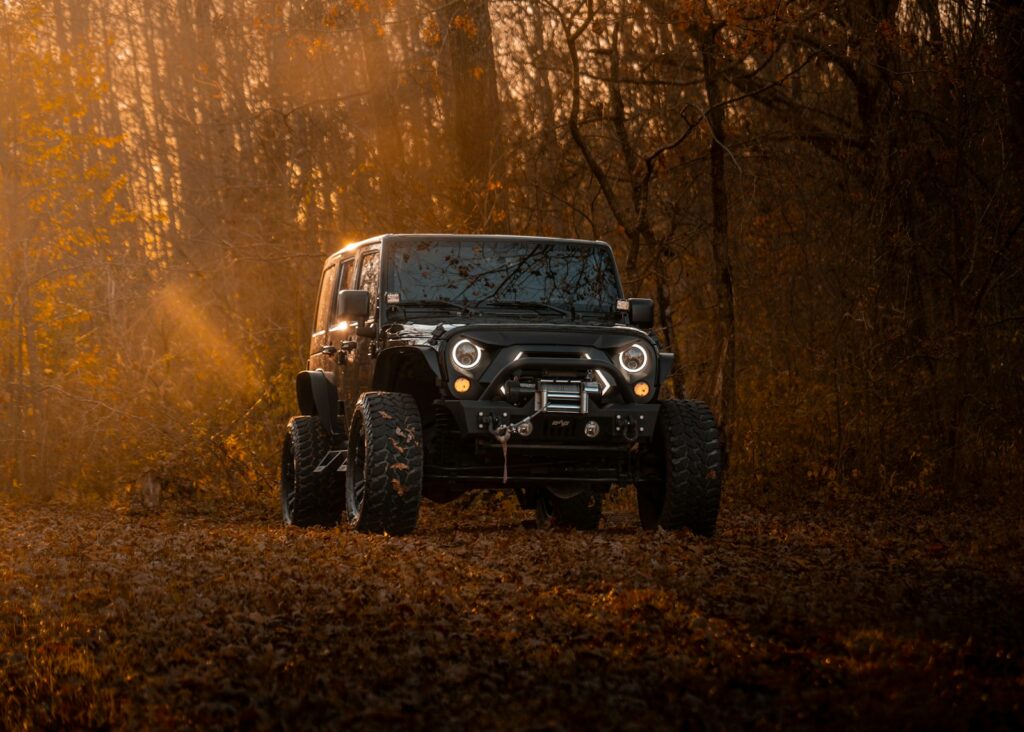
14. **Failing to Conduct Post-Installation Test Drives and Ongoing Checks**The journey of lifting your Jeep doesn’t conclude the moment the last bolt is torqued. A final, crucial warning for any enthusiast is the failure to conduct a meticulous post-installation test drive and to establish a routine for ongoing checks. Skipping these steps can leave latent issues undetected, turning a seemingly successful modification into a source of frustration or even danger, particularly when you venture off-road.
A test drive, conducted in a controlled environment, allows you to actively assess the new suspension’s behavior. Listen intently for any unusual noises – clunks, squeaks, or groans – that could indicate loose components, rubbing parts, or improper installation. Pay close attention to the handling; does the steering feel vague or overly sensitive? Is there any pulling to one side or unusual vibrations? These observations are vital indicators that further adjustments, or even a re-evaluation of the installation, might be necessary. It’s about ensuring the lift feels right and responds predictably to your inputs.
Beyond the initial test, the components of your lift kit, especially those under significant stress, require regular inspection in the weeks and months following installation. Bolts can loosen, bushings can settle, and new wear patterns might emerge. A quick visual check and periodic re-torquing of critical fasteners can prevent minor issues from escalating into major problems. This ongoing vigilance ensures that your lifted Jeep remains secure, performs consistently, and continues to be the formidable and reliable companion you envisioned, ready for any adventure the trail throws its way.
The decision to lift your Jeep is a significant one, promising enhanced off-road prowess and an undeniable aesthetic appeal. However, as this comprehensive guide has underscored, it is a modification that demands meticulous planning, informed decision-making, and unwavering attention to detail. From understanding the initial financial and safety implications to recognizing the critical importance of model-specific compatibility, quality components, proper installation, legal compliance, and ongoing maintenance, every step is crucial. By heeding these warnings and investing the necessary time and research, you empower yourself to navigate the complexities of suspension upgrades with confidence. The goal is not just to elevate your Jeep physically, but to elevate your entire off-road experience, ensuring your rig remains a capable, safe, and reliable companion on every adventure, pushing boundaries on the trail, not in your wallet or on the repair shop lift.