

Vintage car restoration is a pursuit that captivates automotive enthusiasts, offering the profound satisfaction of resurrecting a piece of history. The dream of returning an aged beauty to its former glory, blending timeless aesthetics with renewed functionality, is a powerful motivator. However, this rewarding endeavor is also a landscape fraught with potential pitfalls and unforeseen challenges, often far removed from the idealized portrayals seen in media.
The reality of restoration demands hundreds, if not thousands, of hours of work and a substantial financial commitment, frequently stretching over years. While marked by highs like the thrill of acquisition or the first engine roar, it is equally punctuated by frustrating lows: unexpected damage, budget overruns, and, crucially, avoidable mistakes. Learning from the missteps of others is a far more economical education than suffering through one’s own. To guide both seasoned and aspiring restorers, this article meticulously examines 14 critical errors that, when understood and circumvented, can transform a demanding project into a truly successful and fulfilling journey.

1. **Starting with the Wrong Car & Underestimating Scope**The bedrock of a successful restoration project is the initial choice of vehicle, a decision made long before any physical work begins. Many enthusiasts, swept up by their vision, often overlook a fundamental truth: unless driven by profound sentimental attachment or an appetite for immense, costly challenges, the ideal starting point is almost always the best example one can possibly find. Rust, missing components, collision damage, or extreme wear may lower the initial purchase price, but these perceived savings are quickly negated by skyrocketing restoration expenses.
This initial misjudgment commonly leads to a severe underestimation of the project’s true scope and financial demands. A seemingly minor cosmetic issue can swiftly uncover a cascade of deeper problems, from extensive rusted floorboards to a labyrinth of mismatched or unobtainable parts requiring exhaustive sourcing. Each concealed flaw dramatically inflates both the budget and the timeline, transforming a passionate pursuit into a source of frustration, often culminating in an abandoned project.
Seasoned restorers consistently emphasize that if the budget doesn’t allow for a well-preserved, running example of a desired classic, one is likely unprepared for the financial burden of restoring a derelict vehicle. Prudent upfront investment in a better-condition car, even at a higher initial cost, significantly streamlines the restoration. It protects the budget from unforeseen explosions and promotes a more satisfying outcome, ensuring craftsmanship isn’t compromised by financial strain.
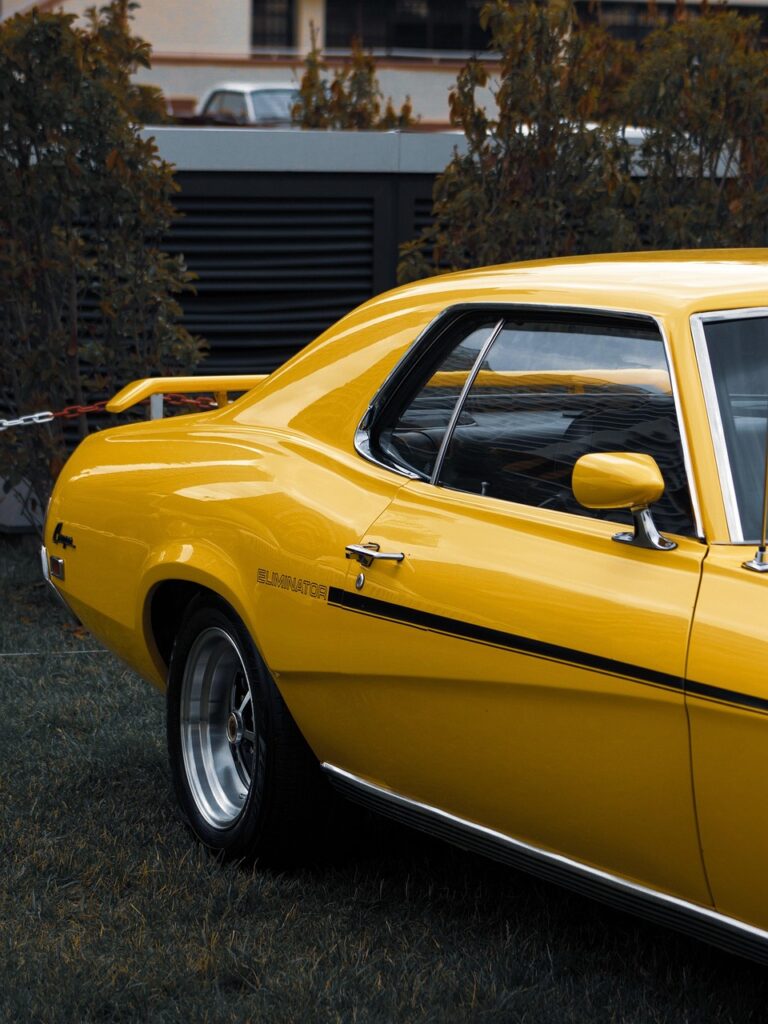
2. **Neglecting Thorough Pre-Restoration Assessment**The excitement of acquiring a classic car often tempts enthusiasts to dive straight into restoration. However, a critical early mistake is neglecting a comprehensive inspection and assessment beforehand. While restorations begin with an idealized vision, many old cars, even impeccably restored, retain characteristics that might clash with modern expectations or personal comfort, leading to costly disillusionment.
It is strongly advised to drive the prospective car, or a similar model, before any significant commitment. This invaluable experience allows assessment of personal fit: is the driving position comfortable? Is performance adequate? Are there odors or quirks that would become long-term annoyances? Discovering such incompatibilities only *after* completing a restoration is a disheartening and expensive blunder, one easily avoided by a preliminary test drive.
Beyond personal preferences, a professional assessment is paramount. A meticulous examination identifies existing issues, hidden structural damage, and areas needing attention. Skipping this diagnostic step is “a recipe for unwelcome surprises,” potentially causing significant financial setbacks. An expert mechanic can provide an informed opinion on viability, uncovering hidden engine problems or rust that would heavily impact the budget and timeline, acting as a crucial safeguard.

3. **Poor Planning & Goal Setting**Embarking on a classic car restoration without a meticulously crafted plan is akin to a cross-country journey without a map. This fundamental oversight is a common recipe for disorganization, project delays, significant overspending, and confusion about the restoration’s ultimate direction. A detailed blueprint is not merely a formality; it is the essential framework defining aspirations and outlining precise steps.
Without clearly articulated goals, restoration projects risk fundamental failure. While the overarching objective should always be enjoyment, specific aims might include winning awards, undertaking memorable drives, or connecting with like-minded enthusiasts. These goals serve as intrinsic motivators through inevitable challenges. Neglecting them, or becoming fixated on rigid schedules or budget pressures, can lead to a loss of focus, ultimately jeopardizing the entire endeavor.
A comprehensive plan must encompass a realistic timeline, a detailed, contingency-inclusive budget, and an exhaustive task list. This blueprint serves as a continuous guide, ensuring progress. Crucially, it provides a reference for swift adjustments when the project inevitably deviates—and deviations are certain. Keeping primary goals at the forefront empowers informed decisions, effective adaptation to obstacles, and ensures every action contributes meaningfully to the desired outcome.
Read more about: Navigating the Field: An Expert Review of 12 Tractor GPS Systems for Unrivaled Steering Accuracy and Efficiency

4. **Rushing the Process & Impatience**In vintage car restoration, haste invariably makes waste. Impatience and the urge to rush stages are common, damaging mistakes. This frantic pace often skips vital preparation, leads to premature modifications, or ignores underlying issues like rust, which can signal deeper problems. Such shortcuts inevitably result in subpar workmanship, avoidable errors, and compromises that significantly detract from the classic car’s authenticity and value.
The temptation to accelerate, perhaps fueled by overconfident timelines, is understandable but profoundly counterproductive. Issues ignored early, like corrosion or structural fatigue, rarely resolve themselves; instead, they metastasize into more extensive, costly repairs. A thorough, unhurried inspection before true work begins is critical, ensuring no hidden problems are overlooked. Each step, from disassembly to reassembly, demands meticulous thought and precise execution, securing the groundwork before progressing to finer details.
As seasoned restorers attest, “patience is a virtue.” Unrealistic deadlines foster corner-cutting, yielding projects below standard. A classic car’s beauty is its timelessness; it’s not going anywhere. Embracing a measured approach, allowing time for learning from each phase, and savoring the journey itself—rather than solely the destination—is paramount. This deliberate pace ensures every job reflects the dedication and quality the vehicle truly deserves.
Read more about: Mastering the Drive: 14 Essential Strategies to Avoid Road Rage and Ensure a Calmer Journey
5. **Skimping on Quality (Parts, Labor, Craftsmanship)**One of the most insidious and ultimately costly mistakes in classic car restoration is the temptation to cut corners on quality—be it parts, labor, or overall craftsmanship. This “false economy” is particularly rampant in areas like metalwork and paint, often the most expensive components. Many try to reduce costs by opting for cheaper alternatives or expediting processes, yet redoing substandard bodywork is, as experts note, “pretty much like starting over,” squandering previous investment.
The pitfalls extend critically to replacement part selection. Enthusiasts are often lured by cheaper, generic components, a decision that almost invariably leads to significant issues. Such parts rarely meet the rigorous Original Equipment Manufacturer (OEM) specifications for classic vehicles, resulting in subpar repairs compromising the car’s integrity, performance, and authenticity. Opting for non-authentic components detracts from the restoration’s quality and diminishes the car’s long-term value, transforming initial savings into persistent, expensive problems.
True savings in bodywork, paint, or any restoration aspect, are achieved not by cutting corners but by starting with a structurally sound vehicle and ensuring all work meets the highest standard. Prioritizing top-tier parts and skilled labor is paramount for longevity and reliability. While initial investment might seem higher, avoiding constant repairs and rework ensures these quality decisions ultimately pay dividends, both in the car’s performance and the satisfaction of a genuinely well-executed project.
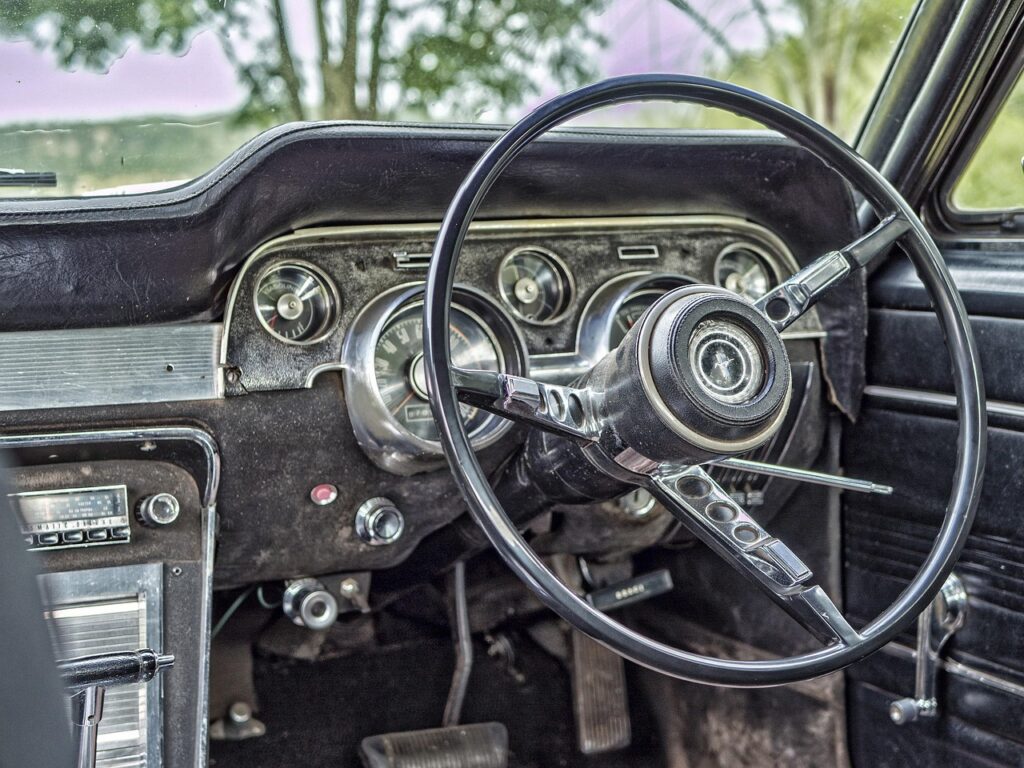
6. **Neglecting Documentation & Research**In classic car restoration, thorough documentation and diligent research are indispensable, yet their importance is frequently underestimated. Many beginners mistakenly skimp on documenting the process, failing to grasp that detailed recordings are not just a creative pastime but a critical necessity. These documents serve as a personal roadmap, guiding the restorer through complex stages, and profoundly enhancing the vehicle’s resale value.
Comprehensive documentation—including photographs, meticulous notes, and a journal—demonstrates the extraordinary care and attention invested. It provides irrefutable proof, verifying component originality, confirming work quality, and showcasing provenance. Without this “logbook for your VW’s second lease on life,” future owners or evaluators might question the restoration’s authenticity, diminishing its perceived and actual worth.
Beyond documenting one’s own work, extensive research forms the backbone of success. It involves delving deep into the vehicle’s history, understanding original specifications, and familiarizing oneself with unique quirks and assembly procedures. Relying on automotive literature, online forums, and expert advice provides the foundation for accurate restoration decisions. A lack of such knowledge can easily lead to incorrect choices, incompatible methods, or inaccurate reassembly, compromising originality and historical essence.
Read more about: 12 Critical Driving Mistakes: What Police Officers Instantly Spot to Issue You a Traffic Ticket

7. **Mismanaging the Restoration Timeline (Engine/Parts Too Early, Bouncing Around)**One common, counterproductive habit in classic car restoration is mismanaging the project timeline, frequently by undertaking tasks or procuring components prematurely. A golden rule, advocated by many seasoned mechanics, is simple: “Don’t rebuild the engine until it’s time to put it back in.” This advice stems from countless observations of engines overhauled too early, only to degrade in dusty shops, nullifying their purpose before installation.
Similarly, eager but misguided enthusiasts “stock up on thousands of dollars’ worth of parts well before they need them.” This seemingly proactive measure often backfires, as these components can be damaged in storage, go missing, or prove incorrect once precise needs are identified. Critically, committing significant funds to an early engine rebuild or large parts inventory “sucks a lot of money out of the budget” at the wrong time. This can force cost-cutting in essential areas like bodywork, where compromises are difficult and expensive to rectify later.
Effective timeline management also governs work methodology, with “losing momentum” and “bouncing around too much” being common pitfalls. Instead of thoroughly completing one section, restorers often make minimal progress across multiple areas. This fragmented approach leaves everything “1% closer but nothing gets done,” fostering stagnation and making it “hard to keep your eye on the ball.” A disciplined, sequential approach, completing one significant phase before moving to the next, is far more efficient, helping maintain focus and prevent the notorious “pile of parts in the middle of the garage floor” syndrome.
Having explored the initial missteps that can derail a vintage car restoration before it even truly begins, our journey now shifts to the more advanced and often subtle challenges that can emerge as a project progresses. These aren’t just about turning wrenches; they involve navigating complex technical systems, understanding when to call in the cavalry of expert help, and maintaining the psychological fortitude to see a demanding endeavor through to its brilliant, sorted completion. It’s about moving from laying the groundwork to mastering the art of the build, ensuring every decision contributes to a car that is not only beautiful but also reliable, authentic, and truly enjoyed.

8. **Not Checking References or Seeking Expert Help When Needed**This mistake often stems from an understandable desire to save costs or maintain complete control, yet it’s a critical oversight that can compromise the entire project. Whether entrusting a full restoration to a specialized shop or simply subcontracting complex tasks like intricate bodywork, engine rebuilds, or custom fabrication, failing to thoroughly vet the chosen professionals is a gamble no serious restorer should take. A single reference is rarely sufficient; checking multiple past customers and, crucially, inspecting their completed vehicles provides undeniable proof of a shop’s capabilities.
The ‘DIY Dilemma’ highlights the balance between personal involvement and professional intervention. While the allure of doing everything oneself to save on labor costs is strong, not every aspect of a vintage car is a suitable task for a beginner. Missteps in technical areas can be irreversible or astronomically costly, particularly when dealing with structural integrity or complex mechanical systems. Recognizing one’s own skill limitations is not a sign of weakness, but a hallmark of a pragmatic and successful restorer.
“There’s no shame in outsourcing areas you’re not confident in,” as the experts rightly advise. Professionals often possess specialized tools, extensive experience, and an efficiency that can translate to a better, and sometimes even quicker, job than an amateur might achieve. It’s one thing to handle routine maintenance; it’s quite another to tackle a transmission replacement, intricate wiring harness, or structural rust repair. Prioritizing top-tier parts and skilled labor is paramount for longevity and reliability, and sometimes that means bringing in outside expertise.
Read more about: Slash Hundreds: The Ultimate Lifehacker Guide to Negotiating Your Car Repair Bill
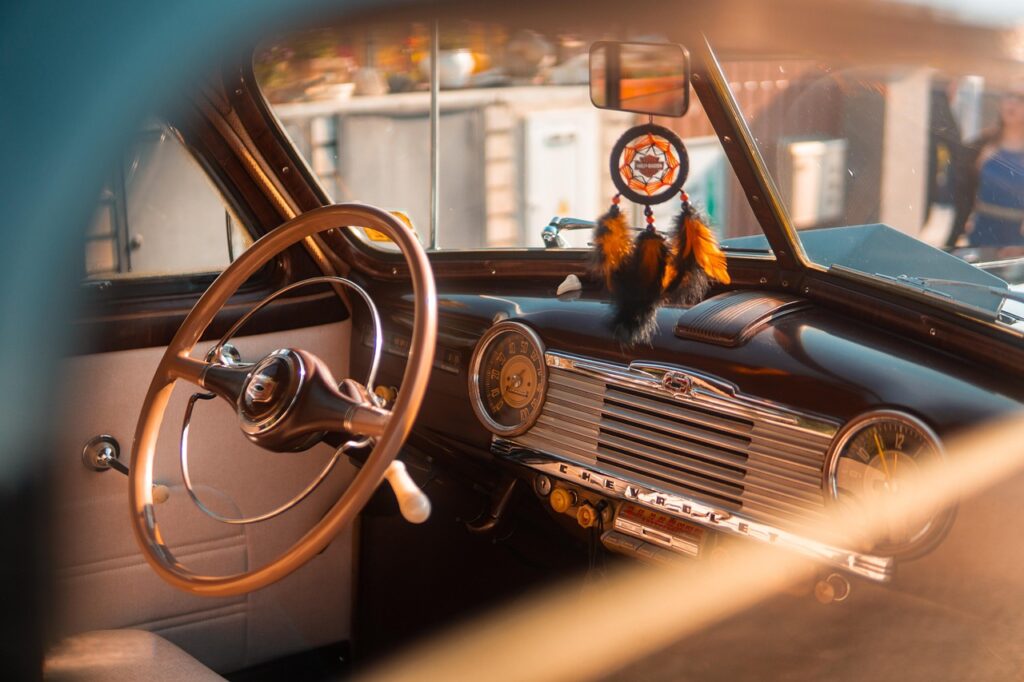
9. **Skipping the Sorting Stage or Lacking Patience in Final Details**Many restorers, after investing countless hours and significant capital, feel the irresistible urge to declare their project ‘finished’ once the major work is complete and the car looks presentable. However, “most cars billed as ‘restored’ are really about 50 to 100 hours from finished”—a critical stage often referred to as the ‘sorting stage’. This final phase is where a decent restoration is transformed into a truly great one, ensuring that the vehicle doesn’t just look good but drives impeccably and reliably.
The sorting stage is an intensive period of test-driving, list-making, and meticulous refinement. It involves identifying and addressing every subtle rattle, every component that doesn’t feel quite right, every minor cosmetic flaw, and every part that doesn’t fit with absolute precision. These lists might even encompass significant tasks, such as removing the drivetrain to rectify a persistent issue, an expense that many eager owners would rather avoid at the project’s tail end. Yet, these seemingly small adjustments collectively elevate the car’s performance and comfort.
“Lack of patience in the final details” can be the undoing of an otherwise impressive restoration. It’s these finishing touches, often overlooked in the rush to completion, that truly distinguish exceptional craftsmanship. Taking the time to address these myriad small points demonstrates a commitment to perfection and ensures that the car not only meets but exceeds expectations. This meticulous attention to detail at the very end is crucial, safeguarding the vehicle from persistent nuisances that can detract from the driving experience and the overall satisfaction of the owner.

10. **Not Admitting Mistakes or Letting Emotional Investments Cloud Judgment**The path of restoration is rarely a straight line; mistakes are an inevitable part of the journey. However, “not admitting mistakes” is perhaps the “big one” among restoration blunders. It’s a psychological hurdle where pride or stubbornness can prevent a restorer from acknowledging an error, learning from it, and course-correcting. Getting “hung up on why you made the mistake” instead of focusing on “how to get back on track with the lesson you learned” only prolongs the agony and increases costs. Admitting an error, no matter how frustrating, makes you wiser and ultimately happier with the outcome.
Closely related is the peril of “emotional investments.” It’s incredibly easy to become deeply attached to a project that has consumed hundreds, if not thousands, of hours and substantial financial resources. The car can mistakenly become “a symbol that must meet your expectations,” leading to frustration and potentially a lost passion if reality doesn’t align with an idealized vision. Maintaining a level head throughout the process is crucial, allowing for objective decisions rather than emotional ones.
Being realistic about the car’s future use and recognizing when to “cut your losses” are vital skills. Sometimes, despite all efforts, a project may prove unfeasible due to unforeseen complexities or budget constraints. Refusing to admit this, or continuing to pour resources into a black hole out of sentimentality, can be a major financial and emotional drain. True success in restoration often involves the wisdom to adapt, pivot, or even walk away when necessary, transforming perceived failures into valuable learning experiences for future endeavors.

11. **Neglecting Safety—Both Personal and the Vehicle’s Operational Integrity**While the aesthetic appeal of a restored vintage car is often the primary driver, “prioritizing aesthetics over safety” is a profoundly dangerous mistake. It’s tempting to focus solely on the outward appearance—the gleaming paint, the perfect interior—and skip over the less glamorous but fundamentally critical aspects like the braking system, steering, and electricals. “A beautifully painted car with an unreliable engine isn’t just an incomplete project; it’s a potential danger,” a truth that cannot be overstated. Safety must always come first, providing a solid foundation derived from meticulous attention to mechanical integrity.
Beyond the vehicle’s inherent operational safety, “neglecting safety precautions” during the restoration process itself is a serious concern. Restoration projects often involve hazardous materials, specialized tools, and demanding physical labor. Failing to use appropriate protective gear—gloves, eye protection, respirators—or neglecting to follow established safety protocols can lead to severe accidents and injuries. A safe workspace is not merely a recommendation; it is “crucial for both your well-being and the success of your project,” preventing personal harm that can halt progress entirely.
Furthermore, integrating modern safety features, such as seat belts, airbags, or reinforced structures, into a vintage vehicle presents a significant technical challenge. Doing so “without compromising the vintage aesthetic” requires creative solutions to blend contemporary technology with classic designs seamlessly. Whether it’s ensuring the braking system is reliable and meets current standards—often involving upgrading old drum brakes to modern discs—or addressing brittle, damaged electrical wiring to support modern accessories, meticulous attention to safety features is non-negotiable for a truly successful and drivable restoration.

12. **Forgetting the Educational Aspect and Continuous Learning**Restoration is far more than just a mechanical undertaking; it is a profound “unique learning opportunity.” Enthusiasts often become so focused on the tangible outcome—the gleaming, finished car—that they overlook the immense educational value inherent in the process itself. “Each mistake is merely an unpolished lesson in the craft,” and allowing oneself the room for growth that these lessons provide is essential for both personal development as a restorer and the ultimate quality of the project.
This continuous learning extends beyond individual trial and error. Engaging with the vintage automotive community is an “invaluable resource.” Forums, clubs, and seasoned restorers harbor a “wealth of knowledge and experience” that can offer insights not found in manuals or online tutorials. Sharing challenges, discussing solutions, and observing the work of others provides a rich educational environment, preventing common errors and offering innovative approaches to difficult problems. “A restored car may be your final product, but a restoration is an ongoing education.”
The automotive landscape is constantly evolving, even for vintage vehicles. New techniques, improved parts, and rediscovered historical information emerge regularly. Staying abreast of these developments requires curiosity and a commitment to lifelong learning. Embracing this educational journey not only enhances one’s skills but also deepens appreciation for automotive history and the intricate engineering of these classic machines. This iterative process of learning, applying, and refining ensures that each restoration builds upon previous experiences, leading to increasingly sophisticated and satisfying results.
Read more about: Unmasking the Miami Ads: A Billionaire’s Quest to Reshape Political Discourse Through Strategic Messaging
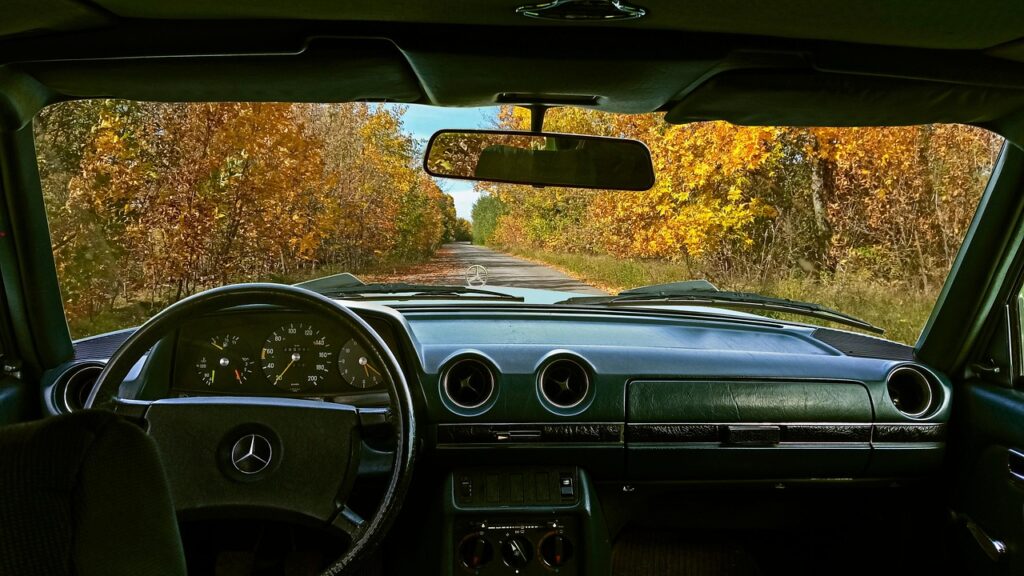
13. **Over-Modification and Choosing Style Over Function**While personalization is a natural inclination for many enthusiasts, “over-modifying your classic car can diminish its historical value.” The temptation to inject modern performance upgrades or unique stylistic flourishes can inadvertently strip a vehicle of its authenticity, moving it away from its original design and performance capabilities. “Overly aggressive modifications can strip your classic car of its authenticity, making it less appealing to collectors and enthusiasts who appreciate historical accuracy.” The challenge lies in finding a balance between modernization and preserving the vehicle’s intrinsic charm.
“Choosing style over function” is a specific manifestation of this error. Car modifications, such as larger wheels, more powerful engines, or distinct paint jobs, *can* enhance performance and style, but “only when chosen with the vehicle’s original intent in mind.” For instance, oversized wheels might look aggressive but could compromise suspension geometry and ride quality. A wildly different paint scheme might be eye-catching but could clash with the car’s era, detracting from its period correctness and aesthetic harmony.
Authenticity is often a considerable portion of a vintage vehicle’s value. Using modern or incorrect parts to cut costs “can compromise your VW’s uniqueness and historical accuracy,” a principle that applies across all marques. A successful restoration honors the car’s heritage, focusing on bringing it back to, or respectfully enhancing, its original glory. The goal should be to create a vehicle that feels timeless, not one that is a confused amalgamation of different eras. Thoughtful, period-correct upgrades can be beneficial, but radical departures from originality usually lead to a loss of identity and market appeal.

14. **Underestimating the Complexities of Specific Technical Systems**Even for seasoned restorers, the sheer intricacy of a vintage vehicle’s numerous systems can be a persistent source of challenge. Underestimating the specific technical complexities of components beyond general mechanical work is a common pitfall. These “advanced restoration challenges” encompass everything from “Electrical System Overhauls” to “Transmission Rebuilds,” each demanding specialized knowledge, tools, and often, an extraordinary amount of patience. Brittle, damaged old wiring may need complete replacement to meet modern standards or support new accessories, a task that demands a deep understanding of both original and contemporary electrical architectures.
Rebuilding or upgrading crucial components like “Suspension and Steering” systems is essential for improving ride quality and ensuring safety. Original parts are often worn or obsolete, necessitating the careful integration of modern equivalents or custom-fabricated solutions to restore proper handling and comfort without compromising integrity. Similarly, “Fuel System Restoration” involves meticulously addressing old fuel tanks, lines, and carburetors, especially considering how modern fuels can degrade vintage materials, requiring upgrades to prevent leaks and ensure efficient operation.
Each major system—brakes, exhaust, glass, soundproofing—presents its own unique set of hurdles. “Brake System Overhauls” are critical for safety, often requiring modern disc brake conversions and upgraded lines. “Exhaust System Repairs” demand custom fabrication to match original designs while meeting emissions. Even seemingly minor tasks like “Glass Replacement” or “Soundproofing and Insulation” can become significant challenges due to the rarity of original materials or the precision required for a flawless fit and finish. Successfully navigating these advanced technical facets requires a combination of detailed knowledge, meticulous execution, and a realistic appraisal of the demanding nature of each specialized task.
Read more about: A Perilous Miscalculation: When Pirates Attacked the Unyielding Power of Warships and Faced Swift Defeat
The journey of vintage car restoration, as we’ve seen, is a multifaceted odyssey that extends far beyond simple mechanical repairs. It’s a continuous process of learning, adapting, and problem-solving, demanding not only technical prowess but also unwavering patience and a healthy dose of psychological resilience. By heeding these insights—learning from the mistakes of others, embracing expert guidance, and committing to the highest standards of quality and authenticity—restorers can transform potential pitfalls into stepping stones. The reward is not just a beautifully resurrected machine, but the profound satisfaction of preserving automotive history, one meticulously restored classic at a time, ensuring these magnificent vehicles continue to grace our roads for generations to come.