

The 1990s, a decade often remembered for its unique cultural shifts and technological advancements, also marked a golden era for automotive engineering. While many associate the ’90s with pop culture phenomena, true enthusiasts recognize it as a period where car culture felt genuinely organic, laying the groundwork for many vehicles that would later become global icons. It was a time before mass media fully co-opted and stylized the automotive world, allowing raw, passionate engineering to shine through.
Today, the landscape for these machines has dramatically transformed. Many cars from the ’90s, once perhaps aspirational or merely cool, have aged better than fine wine, now commanding prices worthy of serious investment. Their ascent in value is fueled by a confluence of factors, including rising demand, limited production runs, and a powerful wave of nostalgia from a generation that grew up admiring them on posters or in magazines. This isn’t merely about collecting; it’s about owning a piece of automotive history that continues to appreciate in both relevance and real-world value.
At MotorTrend, we’ve meticulously analyzed market data, auction results, and collector trends to identify the vehicles that truly stand out. Our focus isn’t just on cool old cars, but on production models from the 1990s that have demonstrated significant, consistent appreciation. We weigh factors such as standout engineering, cultural influence, and historical ties to motorsport or media, understanding that these elements contribute to their escalating desirability among enthusiasts and serious investors alike. Join us as we explore the first seven of these extraordinary machines, veritable legends whose values are soaring to unprecedented heights.
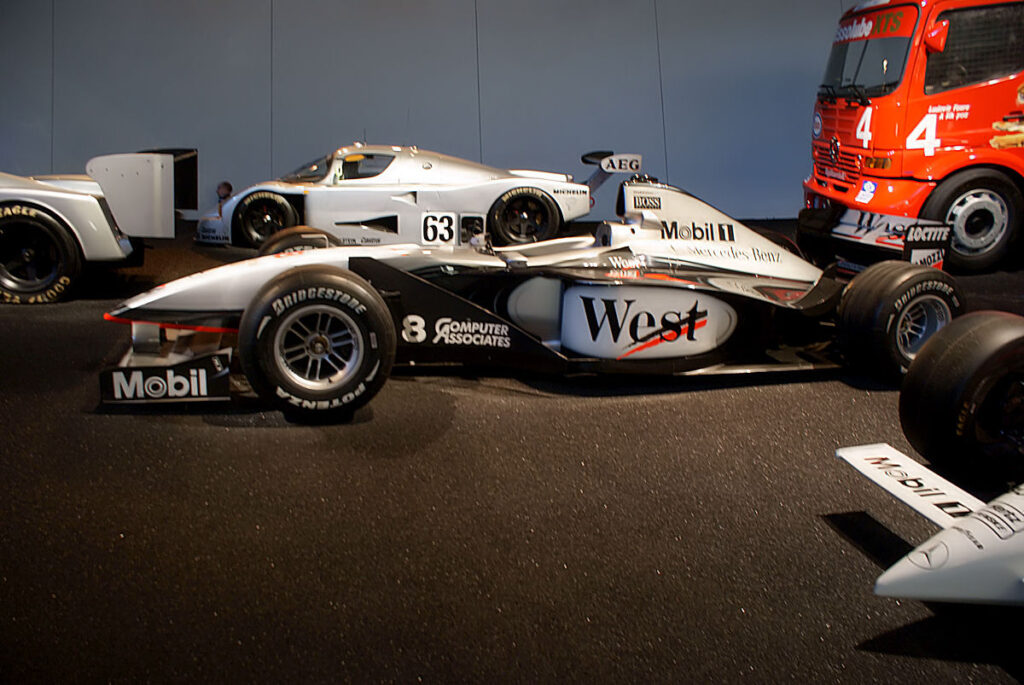
1. **1998 McLaren F1**Few things from the 1990s command a price tag exceeding $20 million, yet the McLaren F1 stands as a monumental exception. This extraordinary machine was not just a car; it was a paradigm shift in automotive performance and design, setting benchmarks that would take decades for others to even approach. Its audacious engineering and unparalleled capabilities enshrined it as an instant legend upon its debut, and its status has only grown with time.
At its heart, the McLaren F1 boasted an astonishing 627 horsepower, propelling it to a top speed of 240 miles per hour. This figure wasn’t just impressive; it made the F1 the fastest production car in history at the time, an achievement that cemented its place in the annals of automotive lore. The raw power delivered a visceral driving experience, pushing the boundaries of what was thought possible for a road-legal vehicle and captivating enthusiasts worldwide.
Beyond its breathtaking speed, the F1 was packed with unique and groundbreaking features that turned heads and redefined supercar design. Its most distinctive element was arguably the three-seat cockpit, with the driver’s seat centrally positioned, offering an unparalleled driving perspective and optimizing weight distribution. Adding to its theatrical presence were the iconic butterfly doors, which opened upward to reveal a truly bespoke interior.
Furthermore, the F1 pioneered the use of a carbon fiber monocoque body, a significant first in production car manufacturing. This advanced construction method provided exceptional rigidity and lightweight characteristics, contributing immensely to its performance and handling prowess. One example selling for an astounding $20.5 million at auction in 2021, as reported by CNBC, perfectly illustrates its enduring and stratospheric value in the collector’s market.
Read more about: Twelve Legendary Sports Cars So Rare, You’ll Only See Them in Your Wildest Dreams

2. **1995 Ferrari F512 M**The Ferrari F512 M holds a particularly poignant place in automotive history as it represents the final iteration of the iconic Testarossa lineage. Produced as a swansong for this beloved model, the F512 M brought a more refined and potent package to the table, marking the culmination of a truly legendary design. This finality, combined with its inherent Ferrari mystique, makes it an intensely coveted vehicle among collectors today.
For one thing, the F512 M was produced in extremely limited numbers, amplifying its exclusivity. Only 501 units were ever made, and among those, a mere 75 were right-hand-drive versions, making specific configurations exceedingly rare. This scarcity is a primary driver of its significant market value, as collectors worldwide vie for the opportunity to own a piece of this final chapter in Testarossa history.
Powering this magnificent machine was a 4.9-liter longitudinally mid-mounted flat-12 engine, a configuration synonymous with Ferrari’s high-performance heritage. This powerhouse delivered a robust 440 horsepower, ensuring exhilarating performance befitting the Prancing Horse badge. The engine’s distinctive note and seamless power delivery provided a driving experience that was both thrilling and deeply satisfying, embodying the essence of a true Ferrari grand tourer.
Recent sales figures underscore its soaring value, with many transactions for the ’95 Ferrari F512 M well north of $600,000. While a more recent sale registered at $590,000, the highest fetching car, sold through a Sotheby’s auction in 2022, notably wasn’t finished in the traditional Ferrari red, but in a striking black. This highlights how originality and condition, regardless of color, can dictate top prices for such an esteemed classic.
Car Model Information: 2023 Toyota Tacoma SR
Name: Ferrari Testarossa, 512 TR and F512 M
Manufacturer: Ferrari
Production: 1984–1996,9,939 produced
Assembly: Maranello
Predecessor: Ferrari Berlinetta Boxer
Class: Sports car,Grand tourer
BodyStyle: berlinetta
Layout: Rear mid-engine, rear-wheel-drive layout
Engine: Ferrari flat-12 engine,Flat-12 engine
Transmission: Manual transmission
Designer: Leonardo Fioravanti (engineer)
Categories: 1990s cars, All articles with dead external links, All articles with unsourced statements, Articles containing Latin-language text, Articles with dead external links from February 2018
Summary: The Ferrari Testarossa (Type F110) is a 12-cylinder mid-engine sports car manufactured by Ferrari, which went into production in 1984 as the successor to the Ferrari Berlinetta Boxer. The Pininfarina-designed car was originally produced from 1984 until 1991, with two model revisions following the end of Testarossa production called the 512 TR and F512 M, which were produced from 1992 until 1996. Including revised variations, almost 10,000 cars in total were produced, making it at the time one of the most mass-produced Ferrari models.
The Testarossa is a two-door coupé that premiered at the 1984 Paris Auto Show. All versions of the Testarossa were available with a rear-mounted, five-speed manual transmission. The rear mid-engine design (engine between the axles but behind the cabin) keeps the centre of gravity in the middle of the car, which increases stability and improves the car’s cornering ability, and thus results in a standing weight distribution of 40% front: 60% rear.
The original Testarossa was re-engineered for the 1992 model year and was introduced as the 512 TR (TR meaning TestaRossa), at the Los Angeles Auto Show, effectively as a completely new car, and an improved weight distribution of 41% front, 59% rear. Another new variant called the F512 M was introduced at the 1994 Paris Auto Show. The car dropped the TR initials and added the M which in Italian stood for modificata, or translated to modified, and was the final version of the Testarossa, which continued its predecessor’s weight distribution improvement of 42% front, 58% rear. The F512 M was Ferrari’s last vehicle that featured the flat-12 engine.
The Testarossa is a recognized cultural icon of the 1980s, and was popularized by media including the 1984 television series Miami Vice (from the 1986 season onward) and Sega’s 1986 video game Out Run.
Get more information about: Ferrari Testarossa
Buying a high-performing used car >>>
Brand: Ferrari Model: F512 M
Price: $33,199 Mileage: 59,070 mi.
Read more about: Beyond the Neon Glow: Revisiting 14 Unforgettable ’80s Sports Cars That Defined a Decade of Driving Passion

3. **1993 Jaguar XJ220**The 1993 Jaguar XJ220 emerged as a formidable force, explicitly built with one goal in mind: blistering speed. This British marvel was engineered to push the boundaries of automotive performance, and it succeeded brilliantly, initially claiming the title of the world’s fastest production car. Its aggressive styling and immense power instantly cemented its status as a technological tour de force of its era.
The XJ220 achieved a top speed of 220 miles per hour, an astounding feat that placed it at the absolute pinnacle of automotive engineering during its production. While it held this prestigious title for a brief period, eventually losing it to the McLaren F1 in 1995, its impact on the supercar landscape was undeniable. It demonstrated Jaguar’s formidable capabilities and ambition in the high-performance segment.
Today, owning an XJ220 means possessing a significant piece of automotive history, a testament to speed and innovation. Enthusiasts and collectors continue to highly desire these vehicles, drawn to their unique backstory and incredible performance credentials. The rarity of the XJ220 further contributes to its collectibility, making it a prized possession for those fortunate enough to acquire one.
While the highest sale for an XJ220 has topped an impressive $1 million, according to Hagarty.com, there’s a surprising range in market value. Intriguingly, the lowest price paid for one was a mere $121,373, and a more recent sale occurred at $466,250. This variance suggests that condition, provenance, and market timing play crucial roles in determining the final value of these iconic speed machines.
Read more about: Mechanic’s Crucial Warning: 15 Popular Vehicles That Turn into Costly Financial Traps Well Before 120,000 Miles
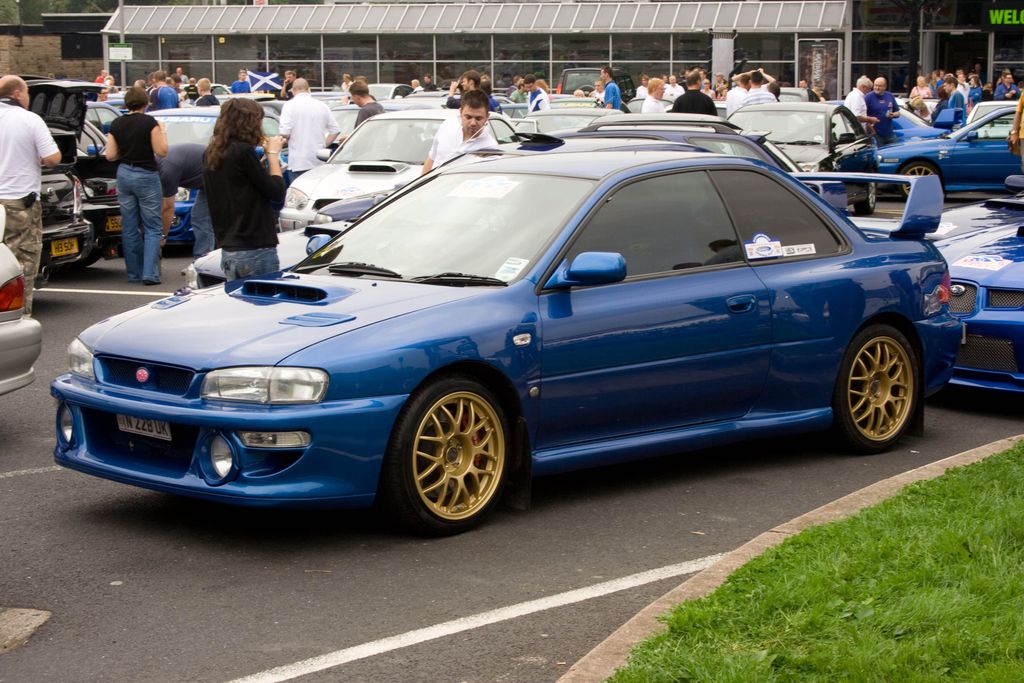
4. **Subaru Impreza 22B STI**For those ingrained in the world of rallying and Japanese Domestic Market (JDM) legends, the Subaru Impreza 22B STI is nothing short of automotive royalty. This limited-edition powerhouse is widely regarded as the holy grail of Subaru’s illustrious rally heritage, a testament to a brand that dominated the grueling stages of the World Rally Championship. Its existence is a celebration of an incredible era of motorsport supremacy.
The 22B STI was specifically built to commemorate Subaru’s remarkable hat-trick of World Rally Championship manufacturer titles from 1995 to 1997, as well as the brand’s 40th anniversary. This direct connection to championship-winning pedigree imbues it with an undeniable allure for collectors. It wasn’t just a special edition; it was a purpose-built homologation car, designed to push the boundaries of rally-bred performance.
What truly sets the 22B apart is its aggressive, wide-body styling, which was a full 100mm wider than a standard WRX, giving it an unmistakable road presence. This visual aggression was matched by extreme scarcity, with only 400 units produced for the Japanese domestic market, plus an additional 24 for export markets and a handful of prototypes. Such a minuscule production run has naturally transformed it into one of the most desirable and expensive performance cars of the 1990s.
Unlike many of its contemporaries that focused solely on brute speed, the 22B was engineered with a surgical precision, prioritizing balance, grip, and responsiveness. Its hand-built details and motorsport-derived engineering ensured an incredibly engaging driving experience. Today, it is firmly established as a crown jewel among JDM collectors, consistently fetching prices ranging from $200,000 to $300,000, figures that would undoubtedly make a new Porsche owner blush, signifying its unparalleled status.
Car Model Information: 2023 Toyota Tacoma SR
Name: Subaru Impreza
Caption: 2024 Subaru Impreza hatchback (GU)
Manufacturer: Subaru
Production: 1992–present
Predecessor: Subaru Leone
Successor: Subaru WRX
Class: Compact car
BodyStyle: coupe
Layout: Front-engine, front-wheel drive layout
Categories: 2000s cars, 2010s cars, 2020s cars, All-wheel-drive vehicles, All Wikipedia articles written in American English
Summary: The Subaru Impreza (Japanese: スバル・インプレッサ, Hepburn: Subaru Inpuressa) is a compact car that has been manufactured by the Japanese automaker Subaru since 1992. It was introduced as a replacement for the Leone, with the predecessor’s EA series engines replaced by the new EJ series. It is now in its sixth generation.
Subaru has offered a 5-door hatchback body variant since 2008. The firm also offered a coupé from 1995 until 2001, a 4-door sedan up to the fifth generation, and a 5-door wagon from the Impreza’s introduction which was replaced by a hatchback with the third generation in 2008. Mainstream versions have received “boxer” flat-four engines ranging from 1.5- to 2.5-liters, with the performance-oriented Impreza WRX and WRX STI models upgraded with the addition of turbochargers. Since the third generation series, some markets have adopted the abbreviated Subaru WRX name for these high-performance variants. The first three generations of Impreza were also available with an off-road appearance non-SUV package called the Outback Sport, exclusive to the North American market. For the fourth generation, this appearance package was raised up to be subcompact crossover SUV and renamed the XV (Crosstrek in North America), and is sold internationally. Colloquially, the car is sometimes referred to as Scooby.
Subaru has offered front- and all-wheel drive layouts for the Impreza. Since the late-1990s, some markets have restricted sales to the all-wheel drive model, putting the Impreza in a unique selling proposition in the global compact class, which is usually characterized by front-wheel drive. Japanese models remain available in both configurations.
A 2019 iSeeCars study named the Impreza as the lowest-depreciating sedan in the United States after five years.
Get more information about: Subaru Impreza
Buying a high-performing used car >>>
Brand: Subaru Model: Impreza 22B STI
Price: $33,199 Mileage: 59,070 mi.
Read more about: Beyond the Hype: Unpacking Why Vintage Japanese Cars Are Commanding Astounding Prices at Auction
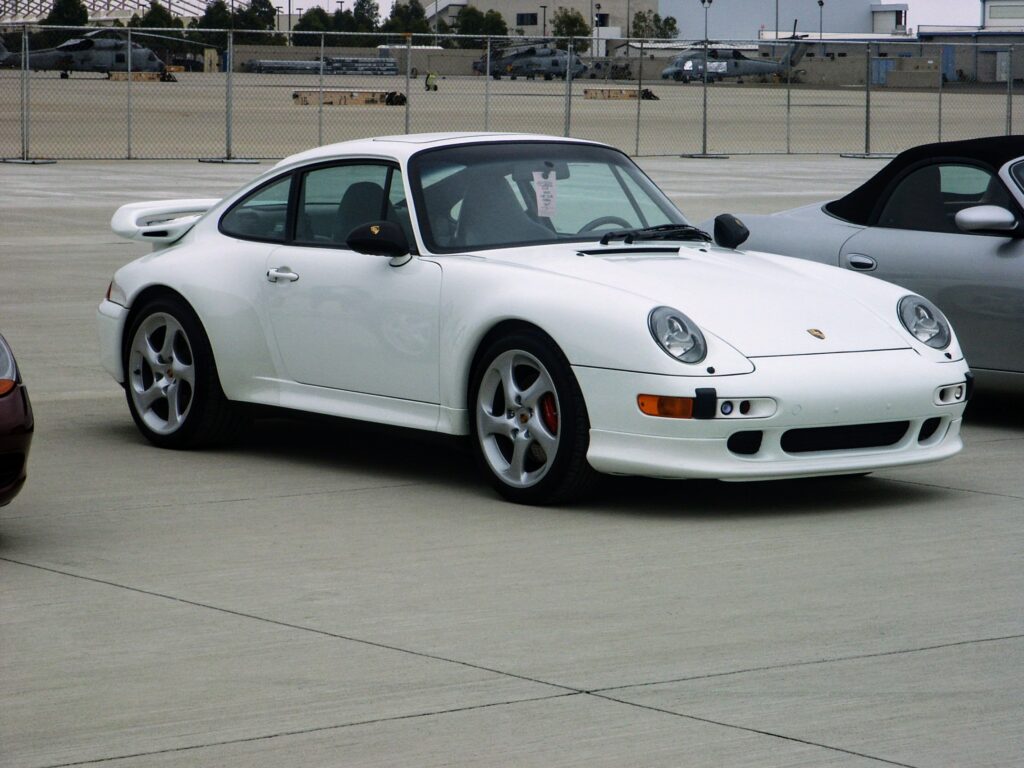
5. **Porsche 911 (993 Series)**For many a Porsche purist, the 993 generation of the iconic 911, produced from 1994 to 1998, carries immense emotional and historical weight. This series marked a bittersweet farewell to Porsche’s illustrious air-cooled era, transitioning the marque into a new age of liquid-cooled engines. This singular fact has bestowed upon the 993 a near-legendary and almost mythical status among enthusiasts, making it a focal point for collectors.
The 993 perfectly blended genuinely modern performance with the visceral, mechanical charm that defined its air-cooled flat-six engine. It represented a pivotal turning point in the storied 911 lineage, offering contemporary driving dynamics without sacrificing the raw, analog feedback that traditionalists cherished. Its engineering prowess ensured it remained competitive while retaining the soul of classic Porsche design.
Values for the 993 series have consistently soared, particularly for limited editions like the Carrera RS and low-production trims such as the Turbos and S models. These specific variants often exceed the already impressive estimated collector value of $120,000 to $250,000. Pristine examples with impeccable documentation are meticulously tracked by global collectors, who understand the significance of these increasingly rare gems.
Widely considered one of the most beautiful and mechanically engaging 911s ever made, the 993 embodies a perfect blend of tradition and progression. Its timeless design, coupled with its historical significance as the last air-cooled 911, ensures its desirability. Many an owner who sold one for under six figures likely still kicks themselves today, a testament to its enduring appeal and rapid appreciation in the collector’s market.
Car Model Information: 2020 Porsche 911 Carrera
Name: Porsche 911
Caption: The 1 millionth 911 produced on display at Volkswagen Group Forum, Berlin
Designer: Ferdinand Alexander Porsche
Manufacturer: Porsche
Production: September 1964 – present
Assembly: Stuttgart,Baden-Württemberg
Class: Sports car
BodyStyle: unbulleted list
Related: unbulleted list
Layout: Rear-engine design,rear-wheel drive
Predecessor: Porsche 356
Categories: 1970s cars, 1980s cars, 1990s cars, 2+2 coupés, 2000s cars
Summary: The Porsche 911 model series (pronounced Nine Eleven or in German: Neunelf) is a family of German two-door, high performance rear-engine sports cars, introduced in September 1964 by Porsche AG of Stuttgart, Germany, and now in its eighth generation. All 911s have a rear-mounted flat-six engine, and usually 2+2 seating, except for special 2-seater variants. Originally, 911s had air-cooled engines, and torsion bar suspension, but the 911 has been continuously enhanced, and evolved across generations. Though the 911 core concept has remained largely unchanged, water-cooled engines were introduced with the 996 series in 1998, and front and rear suspension have been replaced by Porsche-specific MacPherson suspension up front, and independent multi-link rear suspension.
The 911 has been raced extensively by private and factory teams, in a variety of classes. It is among the most successful competition cars. In the mid-1970s, the naturally aspirated 911 Carrera RSR won world championship races including Targa Florio and the 24 Hours of Daytona. The 911-derived 935 turbo also won the 24 Hours of Le Mans in 1979. Porsche won the World Championship for Makes in 1976, 1977, 1978, and 1979 with 911-derived models.
In a 1999 poll to determine the Car of the Century, the 911 ranked fifth — one of two in the top five that had remained continuously in production (the original Beetle remained in production until 2003). The one millionth example was manufactured in May 2017 and is in the company’s permanent collection.
Get more information about: Porsche 911
Buying a high-performing used car >>>
Brand: Porsche Model: 911
Price: $119,980 Mileage: 8,387 mi.
Read more about: 1990s Automotive Icons: From Unconventional Classics to Coveted Collectibles
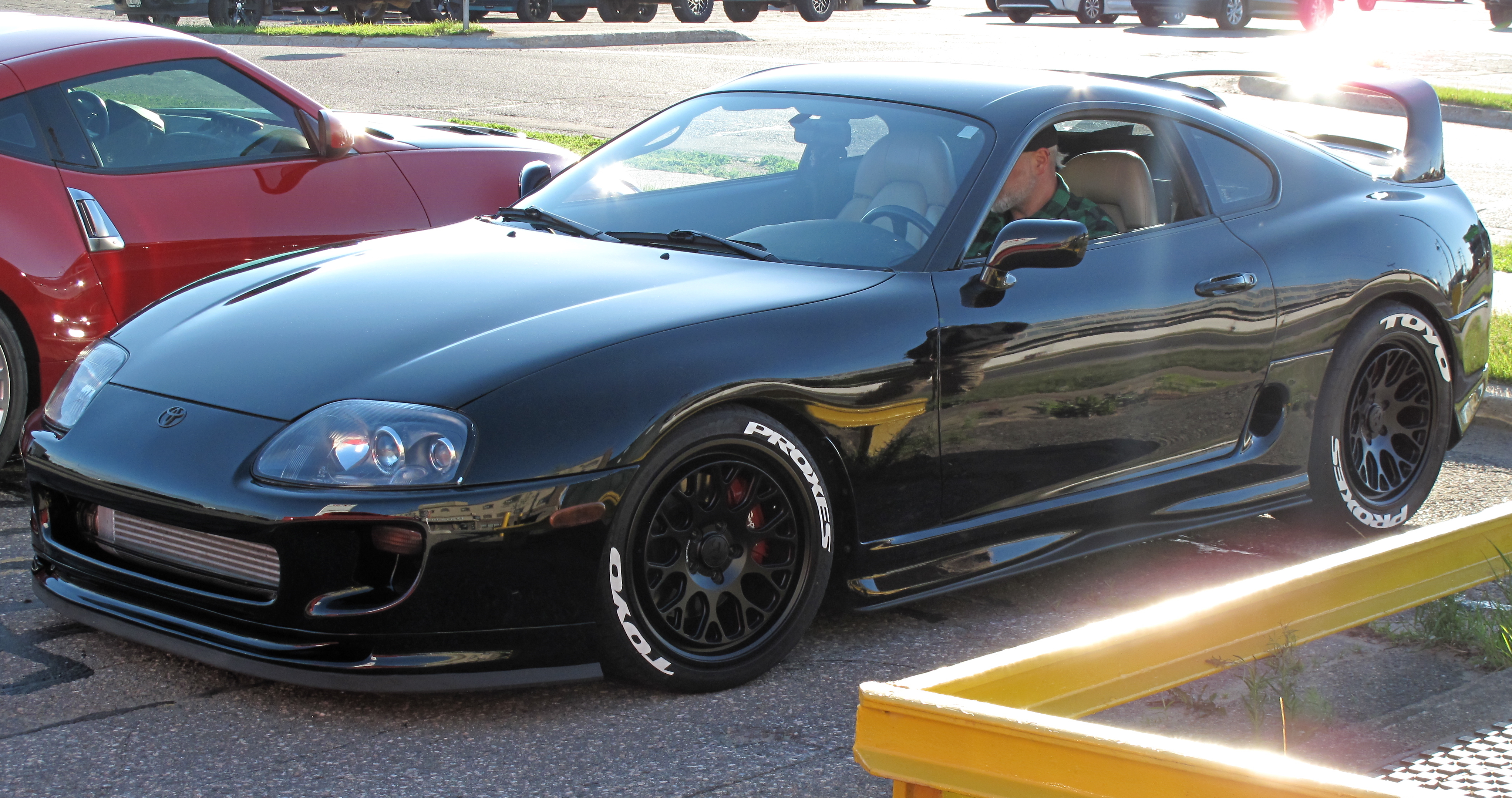
6. **1993 Toyota Supra MkIV**Ah, the fourth-generation Toyota Supra, affectionately known as the MkIV. If there is one car that truly encapsulates the meteoric rise of 1990s Japanese performance legends, it is this twin-turbo beast. Initially a cool and fast Japanese sports car, the A80 Supra has evolved into an absolute benchmark in the collector world, with its values appreciating faster than a lottery winner’s ego. It’s a testament to enduring engineering and cultural impact.
Built from 1993 through 1998, the Supra MkIV was a formidable contender in various motorsports, including drag racing, road races, and even Le Mans competitions. Its prowess on the track quickly established its reputation as a serious performance machine. The car’s capabilities were truly groundbreaking for its time, challenging established European sports cars and proving Japan’s engineering might.
The heart of the Supra’s legend lies in its nearly indestructible 2JZ-GTE twin-turbo inline-six engine. This mechanical marvel is renowned for its incredible robustness and its capacity for mind-boggling horsepower with even basic modifications. Coupled with its sleek, muscular design, the Supra MkIV helped define the very essence of Japanese performance during the decade, becoming an icon of engineering excellence.
Low original production numbers, particularly for examples maintained in pristine, factory-stock condition, have only compounded its rarity and, consequently, its value. Interest in the Supra has surged globally, fueled by strong showings at major auctions—remember that Barrett-Jackson sale that broke the internet?—and, undeniably, by renewed attention from a certain street racing movie franchise. Today, clean, factory-stock six-speed manual examples often command six-figure prices, with no signs of this trajectory slowing down. Enthusiasts often look for models untouched by aftermarket ‘ricer’ modifications, preferring original integrity.
Car Model Information: 2024 Toyota Supra 3.0 Premium
Name: Toyota Supra
Caption: Toyota GR Supra (J29/DB)
Manufacturer: Toyota
Aka: unbulleted list
Production: unbulleted list
Class: Sports car
BodyStyle: fastback,coupé
Layout: Front-engine, rear-wheel-drive layout
Predecessor: Toyota Celica (A20)
Categories: 1980s cars, 1990s cars, 2000s cars, 2010s cars, 2020s cars
Summary: The Toyota Supra (Japanese: トヨタ・スープラ, Hepburn: Toyota Sūpura) is a sports car and grand tourer manufactured and developed by the Toyota Motor Corporation beginning in 1978. The name “supra” is a definition from the Latin prefix, meaning “above”, “to surpass” or “go beyond”.
The initial four generations of the Supra were produced from 1978 to 2002. The fifth generation has been produced since March 2019 and later went on sale in May 2019. The styling of the original Supra was derived from the Toyota Celica, but it was longer. Starting in mid-1986, the A70 Supra became a separate model from the Celica. In turn, Toyota also stopped using the prefix Celica and named the car Supra. Owing to the similarity and past of the Celica’s name, it is frequently mistaken for the Supra, and vice versa. The first, second and third generations of the Supra were assembled at the Tahara plant in Tahara, Aichi, while the fourth generation was assembled at the Motomachi plant in Toyota City. The 5th generation of the Supra is assembled alongside the G29 BMW Z4 in Graz, Austria by Magna Steyr.
The Supra traces much of its roots back to the 2000GT owing to an inline-6 layout. The first three generations were offered with a direct descendant to the Crown’s and 2000GT’s M engine. Interior aspects were also similar, as was the chassis code “A”. Along with this name, Toyota also included its own logo for the Supra. It was derived from the original Celica logo, being blue instead of orange. This logo was used until January 1986, when the A70 Supra was introduced. The new logo was similar in size, with orange writing on a red background, but without the dragon design. That logo, in turn, was on Supras until 1991 when Toyota switched to its current oval company logo. The dragon logo was a Celica logo regardless of what colour it was. It appeared on the first two generations of the Supra because they were officially Toyota Celicas. The dragon logo was used for the Celica line until it was also discontinued.
In 1998, Toyota ceased sales of the fourth-generation Supra in the United States. Production of the fourth-generation Supra for worldwide markets ended in 2002. In January 2019, the fifth-generation Supra, which was co-developed with the G29 BMW Z4, was introduced.
Get more information about: Toyota Supra
Buying a high-performing used car >>>
Brand: Toyota Model: Supra
Price: $66,788 Mileage: 4,663 mi.
Read more about: Unsung Heroes of the Asphalt: 14 Low-Maintenance Classic Cars That Deserve a Spot in Your Garage
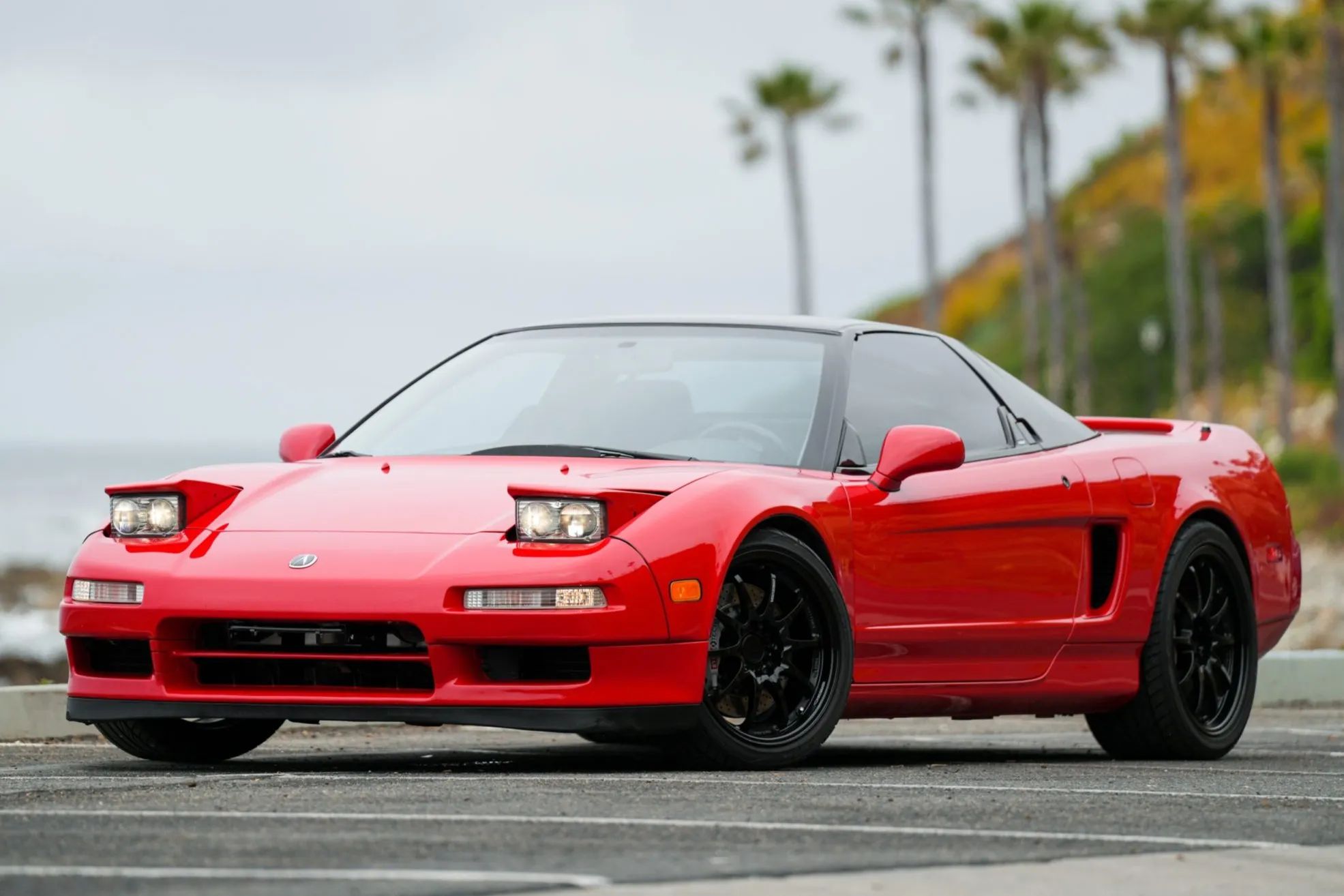
7. **Acura NSX**The Acura NSX did more than just reshape how enthusiasts viewed Japanese engineering; it fundamentally flipped the supercar world on its head. This groundbreaking machine from Honda offered a reliable alternative to the traditionally temperamental European supercars, proving that genuine supercar performance could coexist with legendary Honda reliability and everyday usability. It was a revelation, blending exotic allure with practical dependability.
Central to the NSX’s revolutionary design was its all-aluminum monocoque construction, a feature that significantly contributed to its lightweight yet rigid chassis. This was coupled with a groundbreaking mid-engine layout and a high-revving VTEC V6 engine, all of which were truly revolutionary for the era. The meticulous engineering and advanced materials pushed the boundaries of what was expected from a performance vehicle, regardless of its origin.
As early models of the NSX continue to age, well-maintained examples are becoming increasingly difficult to find. Many of these cars were, refreshingly, actually driven and enjoyed by their owners, rather than being sequestered as garage queens. This widespread use means that original, unmolested cars in excellent condition are now a rare commodity, escalating their desirability among discerning collectors.
Collectors highly prize the NSX for its originality and its profound historical importance in demonstrating that exotic performance didn’t have to be synonymous with exotic breakdowns. Strong auction results and relatively limited production runs, especially in its early years, firmly cement its position as a standout from the decade. Early 1990s models with their distinctive pop-up headlights are particularly desirable, often fetching top dollar, with estimated collector values ranging from $75,000 to $140,000, making them a centerpiece in many serious collections.
Continuing our journey through the illustrious automotive landscape of the 1990s, we now turn our attention to another seven iconic machines. These vehicles, ranging from precision-engineered German track stars to groundbreaking Japanese legends and audacious American muscle, share a common thread: their values have soared, making them highly coveted by enthusiasts and investors alike. Each represents a unique blend of performance, design, and cultural impact that defines a truly special era in car history.
Car Model Information: 1992 Acura NSX Base
Name: Honda NSX
Caption: Acura NSX (first generation, NA2) along with some NA1 NSX cars
Manufacturer: Honda
Aka: Acura NSX (North America)
Production: 1990–2006 (NA1/2),2016–2022 (NC1/2)
Class: Sports car
ModelYears: 1991–2006,2017–2023
Categories: 2000s cars, 2010s cars, 2020s cars, 24 Hours of Le Mans race cars, All-wheel-drive vehicles
Summary: The Honda NSX, marketed in North America as the Acura NSX, is a two-seater, rear mid-engined, rear-wheel drive sports car manufactured by Honda.
The origins of the NSX trace back to 1984, with the HP-X (Honda Pininfarina eXperimental) concept, for a 3.0 L (180 cu in) V6 rear mid-engine, rear-wheel drive sports car. Honda, with the intention of meeting or exceeding the performance of the then V8 engine Ferrari range, committed to the project, aiming at both reliability and a lower price. The concept evolved and had its name changed to NS-X, which stood for “New”, “Sportscar” “eXperimental”, although the production model launched as the NSX.
Get more information about: Honda NSX
Buying a high-performing used car >>>
Brand: Acura Model: NSX
Price: $93,999 Mileage: 62,145 mi.
Read more about: The Horsepower Haze: Performance Vehicles Assessed on Actual Output – From Dyno Kings to Paper Tigers
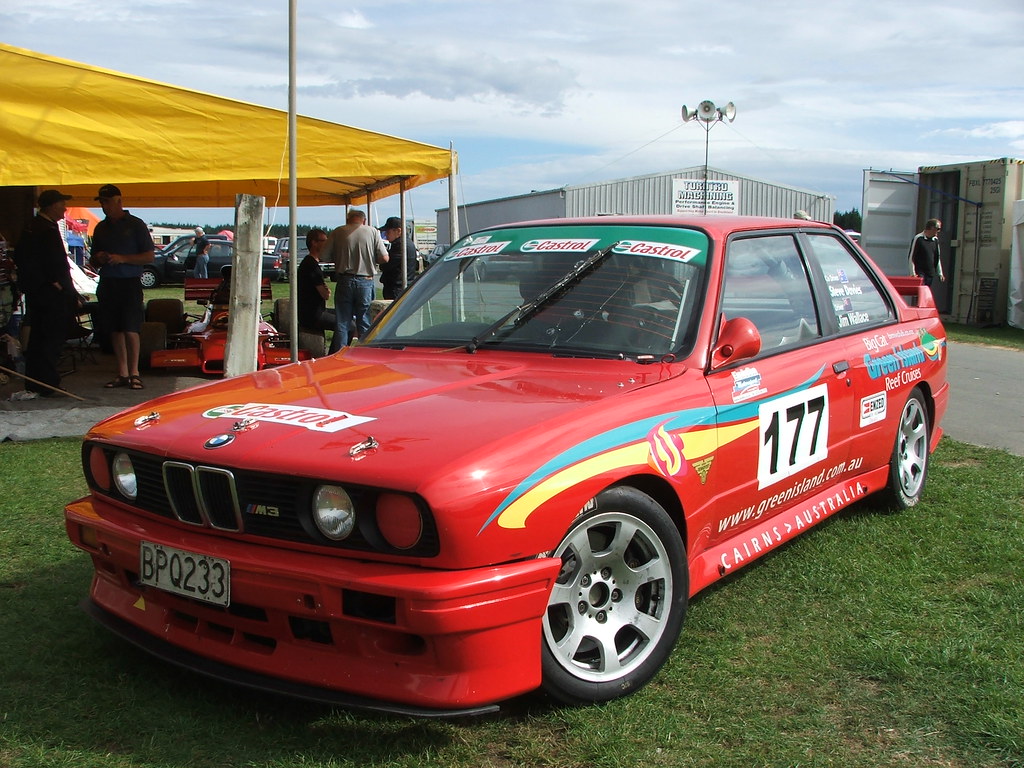
8. **BMW E30 M3 (Early 1990s models)**While its initial debut technically fell in the late 1980s, the early 1990s models of the BMW E30 M3 are universally recognized and remain some of the most in-demand, revered, and financially appreciating performance cars of their era. This machine wasn’t designed for opulent creature comforts; it was born from a singular purpose: to satisfy Group A touring car racing regulations. It stands as a pure, undiluted expression of BMW’s motorsport prowess.
The E30 M3 offered drivers a lightweight, nimble platform, meticulously engineered and track-tested straight from BMW’s legendary motorsport division. Its focus was on delivering an uncompromised, raw, and analog driving experience, something increasingly rare in modern vehicles. Every input from the driver was met with immediate and precise feedback, solidifying its reputation as a true driver’s car.
Collectors worldwide still drool over this specific model, not just for its performance but for its paramount historical significance as a cornerstone of BMW’s motorsport legacy. It absolutely dominated racetracks globally, establishing a legend that resonates to this day. The demand for increasingly rare, unmodified examples continues to be stratospheric across both European and North American markets.
The allure of the E30 M3 proves unequivocally that pure driving machines never go out of style. However, for those looking to invest in one, a keen eye on its service records is essential; after all, it’s still a BMW. Estimated collector values currently range from $80,000 to $160,000, with prices consistently rising for clean, low-mileage, and original-specification models, highlighting its enduring appeal and robust investment potential.
Car Model Information: 2023 Toyota Tacoma SR
Name: BMW M3
Caption: 2021 BMW M3 Competition (G80)
Manufacturer: BMW M
Production: unbulleted list
Class: Compact executive car
Layout: unbulleted list
Related: unbulleted list
Categories: 1990s cars, 2000s cars, 2010s cars, 2020s cars, All Wikipedia articles written in British English
Summary: The BMW M3 is a high-performance version of the BMW 3 Series, developed by BMW’s in-house motorsport division, BMW M GmbH. M3 models have been produced for every generation of 3 Series since the E30 M3 was introduced in 1986.
The initial model was available in a coupé body style, with a convertible body style made available soon after. M3 saloons were offered initially during the E36 (1994–1999) and E90 (2008–2012) generations. Since 2014, the coupé and convertible models have been rebranded as the 4 Series range, making the high-performance variant the M4. Variants of the 3 Series since then have seen the M3 produced as a saloon, until 2020, when the M3 was produced as an estate (Touring) for the first time, alongside the saloon variant.
Get more information about: BMW M3
Buying a high-performing used car >>>
Brand: BMW Model: E30 M3
Price: $33,199 Mileage: 59,070 mi.
Read more about: 14 Cars That Broke Owners’ Trust: The Models That Left Drivers Stranded and Wishing for a Do-Over

9. **Mazda RX-7 (FD)**The third-generation Mazda RX-7, known affectionately as the FD, is a masterpiece universally lauded for its near-perfect 50:50 weight distribution, sublime handling, and an aggressive, timeless design that somehow still manages to look fresh today. But at its heart beats a truly iconic twin-turbo rotary engine, an engineering marvel that set it apart from virtually every other car of its time.
Unfortunately, with fewer and fewer clean examples remaining on the market, buyer competition for these gems has intensified dramatically. Many RX-7s have suffered from notorious engine woes, primarily related to the complex rotary unit, or have been heavily modified, often by well-intentioned but ultimately detrimental aftermarket enthusiasts. Finding a truly stock, meticulously maintained FD is akin to discovering automotive gold.
The car’s global influence in racing, including its prominent role with Keisuke Takahashi in *Initial D*, and its presence in popular culture through games like *Forza*, has cemented its place as a legend. Its distinct, highly unconventional engineering further fuels its appeal, making it a frequent target for collectors of 1990s Japanese performance cars. It continues to attract both nostalgic enthusiasts who fondly remember staring at one on a poster and seasoned investors seeking something truly unique.
When embarking on a quest to find your own RX-7, originality and a meticulously documented service history – particularly detailing those crucial rotary engine rebuilds – significantly affect both demand and pricing. As a wise collector might advise, it’s best to steer clear of the “Fast & Furious rejects” adorned with cheap body kits. Estimated collector values sit between $45,000 to $90,000, depending heavily on mileage, condition, and its original, unmodified configuration.
Car Model Information: 1986 Mazda RX-7 GXL 2D Coupe
Name: Mazda RX-7
Caption: 1994 Mazda RX-7 R2 (FD3S)
Manufacturer: Mazda
Aka: Mazda Savanna RX-7 (Japan, 1978–1991),Mazda ɛ̃fini RX-7 (Japan, 1991–1997)
Class: Sports car
Production: 1978–2002,811,634 produced
Assembly: Hiroshima
Platform: Mazda F platform
Layout: Front-engine, rear-wheel-drive layout#Front mid-engine, rear-wheel-drive layout
Predecessor: Mazda RX-3
Successor: Mazda RX-8
Categories: 1980s cars, 1990s cars, 2000s cars, 24 Hours of Le Mans race cars, All articles needing additional references
Summary: The Mazda RX-7 is a front mid engine, rear-wheel-drive, rotary engine-powered sports car, manufactured and marketed by Mazda from 1978 to 2002 across three generations, all of which incorporated the use of a compact, lightweight Wankel rotary engine.
The first-generation RX-7, codenamed SA (early) and FB (late), is a two-seater two-door hatchback coupé. It featured a 12A carbureted rotary engine as well as the option for a 13B rotary engine with electronic fuel injection in later years. The second-generation RX-7, carrying the internal model code FC, was offered as a two-seater coupé with a 2+2 option available in some markets, as well as in a convertible body style. This was powered by the 13B rotary engine, offered in naturally aspirated or turbocharged forms. The third-generation RX-7, model code FD, was offered as a two-seater coupé with a 2+2 version offered as an option for the Japanese market. It featured a sequentially turbocharged 13B REW engine.
More than 800,000 RX-7s were manufactured over its lifetime.
Get more information about: Mazda RX-7
Buying a high-performing used car >>>
Brand: Mazda Model: RX-7
Price: $13,991 Mileage: 52,352 mi.
Read more about: Revving Up Your Portfolio: 14 Once-Overlooked Vintage Cars Poised for Explosive Investment Growth

10. **Nissan Skyline GT-R (R32 and R33)**The Nissan Skyline GT-R earned its fearsome “Godzilla” global reputation not through marketing spin, but through relentless motorsport success, famously dominating Australian touring car racing. This iconic nickname, coined by Skyline enthusiast and journalist David Yu, helped spread its popularity far beyond the borders of Japan, etching its name into the annals of automotive legend.
As various import restrictions, most notably the dreaded 25-year rule in the United States, have gradually eased, collector interest in the GT-R has surged dramatically in markets that previously had no legal access to these JDM titans. This pent-up demand has created a thriving ecosystem for these cars, driving values skyward as new generations of enthusiasts finally get their chance to own a piece of history.
Collectors are particularly attracted to authentic, well-documented models, especially those with minimal modifications, valuing their purity and originality. The GT-R’s advanced all-wheel-drive system, known as ATTESA E-TS, and its potent RB26DETT twin-turbo inline-six engine are technical marvels that still impress today. These engineering feats, coupled with its undeniable cultural legacy as a gaming and tuning icon, make it incredibly desirable.
The GT-R’s status as a JDM legend ensures steady, strong long-term demand, reinforcing its position as a wise investment. While the R32 models are generally slightly more affordable than the rarer R33s in excellent condition, both generations offer significant collector appeal. Estimated collector values range from $55,000 to $120,000, varying based on condition, mileage, and the specific chassis generation.
Car Model Information: 2023 Toyota Tacoma SR
Name: Nissan Skyline GT-R
Caption: 2002 Nissan Skyline GT-R V·spec II (BNR34)
Manufacturer: Nissan
Production: unbulleted list
Assembly: unbulleted list
Class: Sports car
Related: unbulleted list
Transmission: unbulleted list
Predecessor: Nissan Skyline#BLRA-3 Skyline Sport
Successor: Nissan GT-R
Categories: 1970s cars, 1980s cars, 1990s cars, 2000s cars, 24 Hours of Le Mans race cars
Summary: The Nissan Skyline GT-R (Japanese: 日産・スカイラインGT-R, Hepburn: Nissan Sukairain GT-R) is a Japanese sports car based on the Nissan Skyline range. The first cars named “Skyline GT-R” were produced between 1969 and 1972 under the model code KPGC10, and were successful in Japanese touring car racing events. This model was followed by a brief production run of second-generation cars, under model code KPGC110, in 1973.
After a 16-year hiatus, the GT-R name was revived in 1989 as the BNR32 (“R32”) Skyline GT-R. Group A specification versions of the R32 GT-R were used to win the Japanese Touring Car Championship for four years in a row. The R32 GT-R also had success in the Australian Touring Car Championship, with Jim Richards using it to win the championship in 1991 and Mark Skaife doing the same in 1992, until a regulation change excluded the GT-R in 1993. The technology and performance of the R32 GT-R prompted the Australian motoring publication Wheels to nickname the GT-R “Godzilla” in its July 1989 edition. Wheels then carried the name through all the generations of Skyline GT-Rs, most notably the R34 GT-R, which they nicknamed “Godzilla Returns”, and described as “The best handling car we have ever driven”. In tests conducted by automotive publications, R34 GT-R have covered a quarter of a mile (402 metres) in 12.2 seconds from a standing start time and accelerated from 0–100 km/h (0–62 mph) in 4.4 seconds.
The Skyline GT-R became the flagship of Nissan performance, showing many advanced technologies including the ATTESA E-TS all-wheel drive system and the Super-HICAS four-wheel steering. Today, the car is popular for import drag racing, circuit track, time attack and events hosted by tuning magazines. Production of the Skyline GT-R ended in August 2002. The car was replaced by the GT-R (R35), an all-new vehicle based on an enhanced version of the Skyline V36 platform. Although visibly different, the two vehicles share similar design features and are manufactured in the same factory.
The Skyline GT-R was never manufactured outside Japan, and the sole export markets were Hong Kong, Singapore, Australia and New Zealand, in 1991, and the UK (in 1997, due to the Single Vehicle Approval scheme). They are also popular across the world as used Japanese imports.
Despite this, the Skyline GT-R has become an iconic sports car as a grey import vehicle in the Western world (mainly the United Kingdom, Australia, New Zealand, South Africa, Ireland, Canada, and the United States). It has become notable through pop culture such as The Fast and the Furious, Initial D, Shakotan Boogie, Tokyo Xtreme Racer, Wangan Midnight, Need for Speed, Forza, Driving Emotion Type-S, Test Drive, and Gran Turismo.
In 2019, Nismo announced that it would resume production of spare parts for all generations of the Skyline GT-R, including body panels and engines.
Get more information about: Nissan Skyline GT-R
Buying a high-performing used car >>>
Brand: Nissan Model: Skyline GT-R
Price: $33,199 Mileage: 59,070 mi.
Read more about: The Horsepower Haze: Performance Vehicles Assessed on Actual Output – From Dyno Kings to Paper Tigers
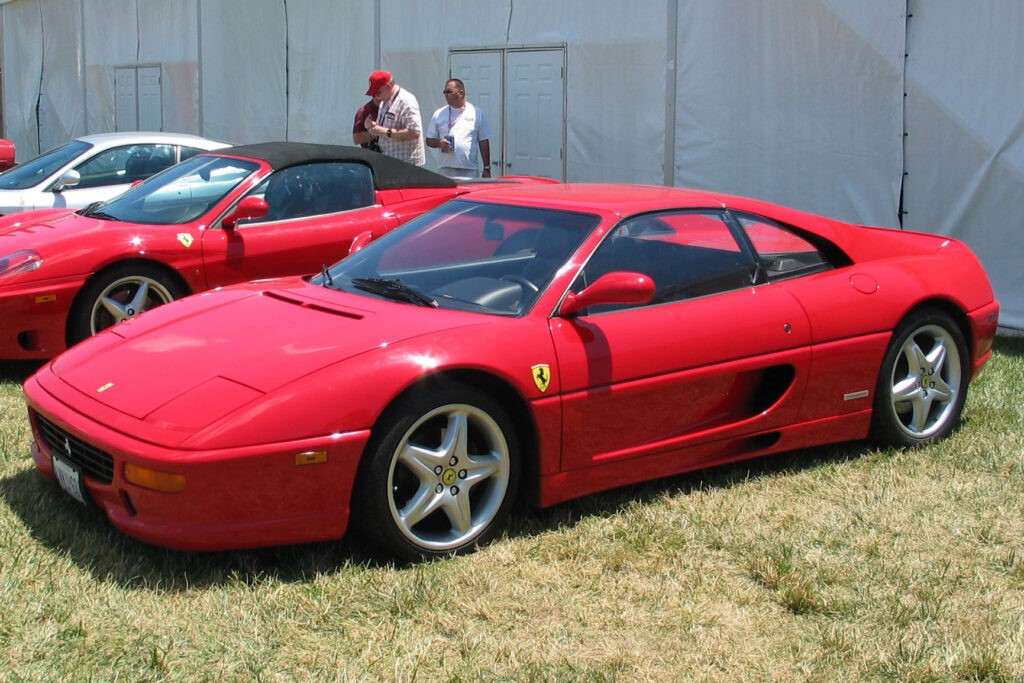
11. **Ferrari F355**The Ferrari F355, produced from 1994 to 1999, stands as one of the most celebrated V8 Ferraris ever constructed, now holding a distinguished place as a prized collector car. It represented a monumental leap forward for the Prancing Horse, masterfully bridging the gap between the raw, untamed character of earlier models and the enhanced refinement that would come to define the marque’s later years. It offered a thrilling, yet more accessible, exotic experience.
Beneath its sculpted Pininfarina-designed body sat a glorious 3.5-liter V8 engine, delivering a formidable 375 horsepower and capable of revving to an exhilarating 8,500 rpm. The sound alone, a high-pitched wail described by enthusiasts as one of the finest in Ferrari history, is an auditory feast. This powerhouse engine featured a pioneering five-valve-per-cylinder design, showcasing Ferrari’s commitment to advanced engineering.
The F355’s performance was further complemented by cutting-edge technology for its time. It famously offered the option of an F1-style paddle-shift gearbox, an innovation that was among the earliest in road cars and revolutionized how exotic machines could be driven. While most collectors still express a distinct preference for the purity and engagement of the six-speed manual transmission, the presence of such groundbreaking technology underscores the F355’s historical significance in Ferrari’s evolution.
Its timeless styling, characterized by perfect proportions and flowing lines, ensures it remains one of the most beautiful Ferraris ever produced. The F355’s relatively compact size compared to later models adds to its appeal, harking back to a classic era of Ferrari sports cars. Values for the F355 have risen dramatically in recent years; once considered a more affordable entry point into Ferrari ownership, prices for well-maintained examples, particularly manual Berlinetta and Spider versions, have soared into six-figure territory. Estimated collector values range from $90,000 to $160,000, with top prices driven by immaculate condition and desirable specifications.
Car Model Information: 1998 Ferrari F355 GTS
Name: Ferrari F355
Caption: Ferrari F355 Berlinetta
Manufacturer: Ferrari
Aka: Ferrari 355 F1
ModelYears: 1995–1999
Production: May 1994–1999
Assembly: Maranello
Predecessor: Ferrari 348
Successor: Ferrari 360
Class: Sports car
BodyStyle: berlinetta,targa top,convertible (car)
Layout: Longitudinal engine,Rear mid-engine, rear-wheel drive layout
Engine: multivalve,Ferrari Dino engine#3.5,V8 engine
Transmission: manual transmission,automated manual transmission
Wheelbase: cvt
Length: cvt
Width: cvt
Height: cvt
Weight: cvt
Designer: Pininfarina
Sp: uk
Categories: All articles needing additional references, All articles with dead external links, All articles with unsourced statements, Articles needing additional references from July 2020, Articles with dead external links from April 2024
Summary: The Ferrari F355 (Type F129) is a sports car manufactured by Italian car manufacturer Ferrari produced from May 1994 until 1999. The car is a heavily revised Ferrari 348 with notable exterior and performance changes. The F355 was succeeded by the all-new Ferrari 360 in 1999.
Design emphasis for the F355 was placed on significantly improved performance, as well as drivability across a wider range of speeds and in different environments (such as low-speed city traffic).
Get more information about: Ferrari F355
Buying a high-performing used car >>>
Brand: Ferrari Model: F355
Price: $129,991 Mileage: 39,074 mi.
Read more about: Redefining Automotive Excellence: 10 Luxury Cars That Will Raise the Bar in 2025
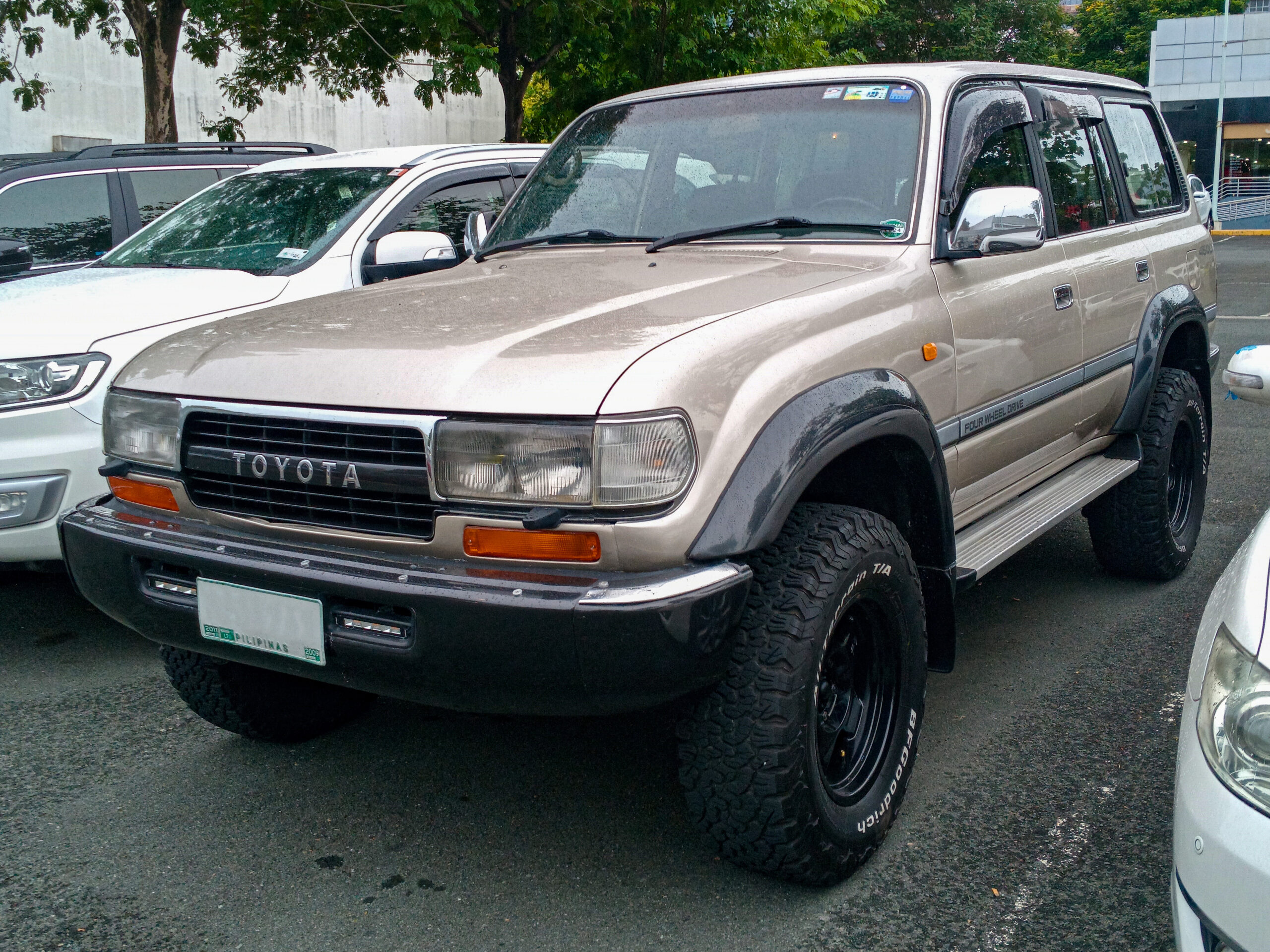
12. **Toyota Land Cruiser FZJ80**Wait, what happened to the sports cars? Don’t scroll back up, and hear us out! The Toyota Land Cruiser FZJ80, produced from 1990 to 1997, is no ordinary SUV. It is universally regarded for its legendary build quality, tank-like durability, and genuine off-road capability, especially when equipped with factory lockers. These attributes have earned the 80 Series a fanatical following among adventure vehicle collectors and discerning enthusiasts who understand true utility and robustness.
Many surviving units of the FZJ80 naturally boast high mileage, which for these vehicles, is more a badge of honor than a concern. This widespread, real-world use, however, means that truly well-kept, original examples with minimal rust are becoming increasingly rare and highly sought after. Collectors specifically favor models equipped with factory-locking differentials and a complete, documented service history, as these details significantly bolster their value and appeal.
The Land Cruiser’s unshakeable reliability and its timeless, rugged design continue to drive intense interest globally. Both overland adventurers seeking a dependable companion and classic SUV buyers looking for a sturdy, appreciating asset contribute to values that are steadily moving upward. Enthusiasts often prefer the 1FZ-FE 4.5L inline-six engine, produced from 1993 to 1997, for its excellent balance of power and renowned reliability.
Estimated collector values for the FZJ80 range from $30,000 to $70,000, with high-specification models in truly excellent condition occasionally exceeding that upper range. This demonstrates that not all valuable 90s cars are sleek supercars; some of the most enduring value lies in the most practical and rugged machines.
Car Model Information: 2023 Toyota Tacoma SR
Name: Toyota Land Cruiser
Caption: 2021 Toyota Land Cruiser ZX (VJA300, Colombia)
Manufacturer: Toyota
Production: 1951–present
Class: unbulleted list
Layout: Front-engine, four-wheel-drive
Categories: 1960s cars, 1970s cars, 1980s cars, 1990s cars, 2000s cars
Summary: The Toyota Land Cruiser (Japanese: トヨタ・ランドクルーザー, Hepburn: Toyota Rando-Kurūzā), also sometimes spelt as LandCruiser, is a series of four-wheel drive vehicles produced by the Japanese automobile manufacturer Toyota. It is Toyota’s longest running series of models. As of 2019, the sales of the Land Cruiser totalled more than 10 million units worldwide.
Production of the first generation of the Land Cruiser began in 1951. The Land Cruiser has been produced in convertible, hardtop, station wagon and cab chassis body styles. The Land Cruiser’s reliability and longevity have led to huge popularity, especially in Australia, where it is the best-selling body-on-frame, four-wheel drive vehicle. Toyota also extensively tests the Land Cruiser in the Australian outback – considered to be one of the toughest operating environments in both temperature and terrain. In Japan, the Land Cruiser was once exclusive to Toyota Japanese dealerships called Toyota Store.
Since 1990, the smaller variation of the Land Cruiser has been marketed as the Land Cruiser Prado. Described as a ‘light-duty’ version of the Land Cruiser by Toyota, it features a different design compared to the full-size model and, up until 2023, it remains the only comfort-oriented Land Cruiser available with a short-wheelbase 3-door version.
As of 2023, the full-size Land Cruiser was available in many markets. Exceptions include the United States (since 2021 where the smaller Land Cruiser Prado has been sold under the Land Cruiser name since 2024), Canada (since 1996), Malaysia (which receives the Lexus LX instead), Hong Kong, Macau, South Korea, Brazil, and most of Europe. In Europe, the only countries where the full-size Land Cruiser is officially sold are Gibraltar, Moldova, Russia, Belarus, and Ukraine. The Land Cruiser is hugely popular in the Middle East, Russia, Australia, India, Bangladesh, Pakistan, New Caledonia, and Africa. It is used by farmers, the construction industry, non-governmental and humanitarian organizations, the United Nations, national armies (often the pickup version), and irregular armed groups who turn them into “technicals” by mounting machine guns in the rear. In August 2019, cumulative global sales of the Land Cruiser family surpassed 10 million units.
Get more information about: Toyota Land Cruiser
Buying a high-performing used car >>>
Brand: Toyota Model: Land Cruiser FZJ80
Price: $33,199 Mileage: 59,070 mi.
Read more about: Beyond the Hype: 14 Unsung Automotive Icons That Defy Demolition and Redefine Longevity

13. **Dodge Viper RT/10**As one of the boldest, most unapologetically brash American sports cars of the decade, the original Dodge Viper RT/10, produced from 1992 to 1995, brought raw, unadulterated performance to the road with a thunderous roar. It quickly gained a notorious reputation as the “Widowmaker,” a moniker earned through its immense power combined with a complete absence of modern electronic driver aids, demanding pure skill and courage from its pilot.
The Viper’s appeal lay in its sheer visceral experience. Low production numbers, particularly in its earliest years, coupled with notoriously minimal driver aids – no ABS, no traction control – meant it was just you and that monstrous V10 engine. This purity of driving, a direct, unfiltered connection to the road, gives it lasting appeal among purists and those who truly appreciate a truly raw driving experience, devoid of digital intervention.
The earliest models are undeniably the most collectible due to their purity, simplicity, and direct connection to the original concept car that stunned the automotive world. Survivors in pristine, original condition have grown increasingly scarce, especially those boasting a clean ownership history and the iconic, original side pipes that could quite literally melt tarmac. The Viper has become a beloved fixture in U.S.-based collector circles, a roaring symbol of American excess done absolutely right.
Just remember – as many an enthusiast would caution – this car is very much “out to kill you.” Estimated collector values for the RT/10 range from $55,000 to $90,000, with early 1992 production units consistently commanding a premium, cementing its status as an iconic, high-stakes investment.
Car Model Information: 2008 Dodge Viper SRT10
Name: Dodge Viper
Caption: 2013 SRT Viper GTS Launch Edition
Manufacturer: Dodge
Production: 1991–2006,2007–2017
Assembly: Detroit,Michigan
Class: Sports car
BodyStyle: liftback,coupe
Layout: Longitudinal engine,Front mid-engine, rear-wheel drive layout
Engine: Viper engine,{{convert,488,cuin,L,abbr=on,1,order=flip,lk=on
Abbr: on
Order: flip
Powerout: SR-I and II:,{{convert,400,hp,PS kW,0,abbr=on,lk=on
Lk: on
ModelYears: 1992-2006,2008-2017
Categories: 1990s cars, 2000s cars, 2010s cars, All accuracy disputes, All articles with unsourced statements
Summary: The Dodge Viper is a sports car that was manufactured by Dodge (by SRT for 2013 and 2014), a division of American car manufacturer Chrysler from 1992 until 2017, having taken a brief hiatus in 2007 and from 2011 to 2012. Production of the two-seat sports car began at New Mack Assembly Plant in 1991 and moved to Conner Avenue Assembly Plant in October 1995.
Although Chrysler considered ending production because of serious financial problems, on September 14, 2010, then–chief executive Sergio Marchionne announced and previewed a new model of the Viper for 2012. In 2014, the Viper was named number 10 on the “Most American Cars” list, meaning 75% or more of its parts are manufactured in the U.S. The Viper was eventually discontinued in 2017 after approximately 32,000 were produced over the 26 years of production.
The 0–60 mph (97 km/h) time on a Viper varies from around 3.5 to 4.5 seconds. Top speed ranges from 160 mph (260 km/h) to over 200 mph (320 km/h), depending on variant and year.
Get more information about: Dodge Viper
Buying a high-performing used car >>>
Brand: Dodge Model: Viper
Price: $104,995 Mileage: 8,082 mi.
Read more about: Legends of the Asphalt: A Deep Dive into America’s Most Influential Automotive Icons

14. **Mercedes-Benz 500E**Ah, the Mercedes-Benz 500E, later known as the E500, produced from 1991 to 1994. “If you know, you know.” This isn’t just a powerful sedan; it’s a testament to an extraordinary engineering partnership. Built in collaboration with Porsche, these incredible machines were actually hand-assembled at Porsche’s Zuffenhausen plant, a detail that elevates its pedigree beyond measure. The 500E offered staggering performance discreetly wrapped in the most understated executive styling. It was the quintessential sleeper, capable of devouring autobahns and embarrassing unsuspecting sports cars, all while looking like a regular (albeit very handsome) E-Class.
Its limited production and painstaking hand assembly make it a true standout among 1990s sedans, a rare breed of performance disguised as luxury. Only about 1,500 units were ever sent to the United States during its production run, underscoring its exclusivity and allure. This rarity, combined with its unique backstory, makes it a highly desirable asset in today’s collector market.
Collectors actively seek out well-preserved examples with complete documentation, particularly those that haven’t suffered from the dreaded biodegradable wiring harness issues prevalent in Mercedes-Benz models of that era. Its understated design, coupled with an incredible engineering story that connects two legendary German marques, has cultivated a fervent cult following. Values for the 500E have seen a quiet but very steady increase over the past decade, as discerning collectors increasingly recognize its unique pedigree and performance capabilities.
Estimated collector values for this stealthy powerhouse range from $45,000 to $85,000, depending on originality, mileage, and specific factory options. The Mercedes-Benz 500E truly embodies the idea that power doesn’t always have to announce itself with a shout; sometimes, it whispers with a hand-built precision.
**Closing the Garage: What the ’90s Left Behind**
The 1990s truly were a remarkable era for automotive innovation and design, producing a wave of cars now seen in a brilliant new light—though perhaps Furbies, from the same decade, not so much. The enduring appeal of these machines, from track-dominating legends to rugged off-roaders, reflects a perfect storm of shrinking supply and an ever-growing appreciation from enthusiasts.
Their rising values are fueled by a powerful wave of nostalgia from those who grew up admiring them, coupled with a new generation of fans discovering their unique charms for the very first time. As demand continues to climb and the era’s sentimentality reaches a crescendo, these cars have outgrown the label of mere collectibles. They are cultural milestones, mechanical masterpieces with compelling stories that continue to unfold, one auction gavel at a time.
Read more about: Miles of Misery: 14 Vehicles Drivers Can’t Wait to Ditch
If you happen to have one of these extraordinary vehicles sitting quietly in your garage, consider yourself fortunate; it might just be more than a car—it could very well be your retirement plan. And if you don’t, it might be time to start checking the classifieds before the next blockbuster movie or racing game sequel drives prices up even further. These are not just investments; they are invitations to own a tangible piece of automotive history, to feel the raw, unfiltered passion of a golden age. Join the hunt, because the open road, and the open market, are calling.


