Okay, real talk for a sec: if there’s one thing almost everyone can agree on, it’s that cars just *hit different* back in the day. Seriously, modern vehicles, bless their safe, efficient, and super-reliable hearts, often feel like they rolled off the same assembly line with the same muted personality. They’re all about practicality, but where’s the pizazz? Where’s the soul? It’s like we traded jaw-dropping style for… well, another beige sedan that blends right into traffic.
But rewind a bit, and you enter a golden age where cars were more than just transportation; they were statements. Classic cars were flashy, they were bold, and their plush interiors practically invited you to settle in for an adventure. They didn’t just get you from A to B; they *announced* your arrival. These machines had character, a tangible presence that somehow told a story about the person behind the wheel, making every drive an event. They were impressive then, and honestly, they’re even more impressive now, timeless beauties that still steal the show.
So, get ready to fire up those engines and feast your eyes, because we’re about to take a joyride through automotive history! We’ve handpicked twelve absolute legends—iconic, untamed, and undeniably cooler than anything you’ll find on today’s showroom floors. These aren’t just cars; they’re rolling works of art, engineering marvels, and pure, unadulterated passion on wheels. Trust us, once you see these beauties, you’ll understand exactly what we mean when we say *they don’t make ’em like they used to!*

1. **1963 C2 Chevrolet Corvette Split Window**
The 1963 Corvette Sting Ray Split Window is often hailed as one of the most breathtaking American sports cars ever crafted, and honestly, it’s not hard to see why. Its design was revolutionary, featuring hidden headlights and sharp lines that made it look like something pulled straight from a science fiction movie. But the real showstopper? That iconic split rear glass, a bold, distinctive feature that instantly etched itself into the annals of automotive history as a stroke of genius and daring design. This legendary aesthetic was exclusive to the 1963 model year—a mere blink in the Corvette’s seven-decade-long journey, adding to its mystique.
Chevrolet has actually tried to bring back the rear split window as a functional part of the 2025 Corvette ZR1’s aero package, a clear nod to its original brilliance and enduring influence. However, as cool as modern throwbacks are, the context tells us “it’ll never be as cool as the original split-window Corvette.” There’s just something about the purity and pioneering spirit of the original that can’t be replicated, a timeless artistry that modern design, however advanced, struggles to capture.
Beyond its dazzling aesthetics, the Sting Ray was a true performer, showcasing American automotive prowess. It wasn’t just about turning heads; it delivered genuine driving excitement with its potent small block V8 engine and incredibly nimble handling, making it a joy on any road. While contemporary Corvettes might dominate racetracks with their advanced technology and blistering speed, the 1963 model offers a different kind of thrill. It’s about that head-turning drama, the sheer artistry of its presence that makes it an undisputed icon, forever cooler and more captivating than its modern descendants.
Car Model Information: 2025 Chevrolet Corvette Stingray w/3LT
Name: Chevrolet Corvette
Caption: 2021 Chevrolet Corvette C8
Manufacturer: Chevrolet
Production: 1953–present
ModelYears: bulleted list
Assembly: bulleted list
Class: Sports car
BodyStyle: coupé
Layout: Front-engine, rear-wheel-drive layout,Rear mid-engine, rear-wheel-drive layout
Categories: 1950s cars, 1960s cars, 1970s cars, 1980s cars, 1990s cars
Summary: The Chevrolet Corvette is a line of American two-door, two-seater sports cars manufactured and marketed by General Motors under the Chevrolet marque since 1953. Throughout eight generations, indicated sequentially as C1 to C8, the Corvette is noted for its performance, distinctive styling, lightweight fiberglass or composite bodywork, and competitive pricing. The Corvette has had domestic mass-produced two-seater competitors fielded by American Motors, Ford, and Chrysler; it is the only one continuously produced by a United States auto manufacturer. It serves as Chevrolet’s halo car.
In 1953, GM executives accepted a suggestion by Myron Scott, then the assistant director of the Public Relations department, to name the company’s new sports car after the corvette, a small, maneuverable warship. Initially, a relatively modest, lightweight 6‑cylinder convertible, subsequent introductions of V8 engines, competitive chassis innovations, and rear mid-engined layout have gradually moved the Corvette upmarket into the supercar class. In 1963, the second generation was introduced in coupe and convertible styles. The first three Corvette generations (1953–1982) employed body-on-frame construction, and since the C4 generation, introduced in 1983 as an early 1984 model, Corvettes have used GM’s unibody Y‑body platform. All Corvettes used front mid-engine configuration for seven generations, through 2019, and transitioned to a rear mid-engined layout with the C8 generation.
Initially manufactured in Flint, Michigan, and St. Louis, Missouri, the Corvette has been produced in Bowling Green, Kentucky, since 1981, which is also the location of the National Corvette Museum. The Corvette has become widely known as “America’s Sports Car.” Automotive News wrote that after being featured in the early 1960s television show Route 66, “the Corvette became synonymous with freedom and adventure,” ultimately becoming both “the most successful concept car in history and the most popular sports car in history.”
Get more information about: Chevrolet Corvette
Buying a high-performing used car >>>
Brand: Chevrolet Model: Corvette
Price: $87,990 Mileage: 3,779 mi.
Read more about: America’s Iconic Sports Car: Decoding the Most Problematic Corvette Models in History to Help You Buy Smart
2. **1974 BMW 2002 Turbo**
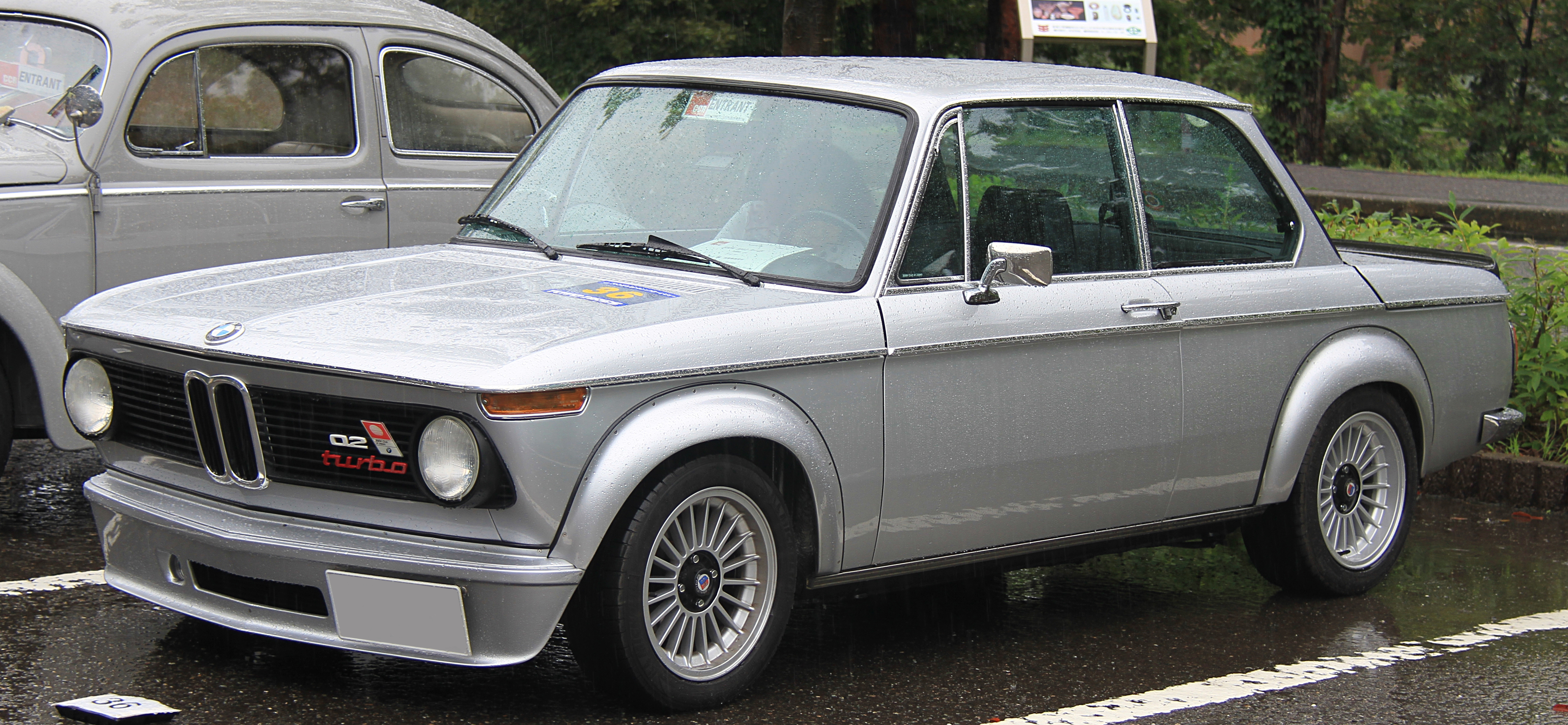
Before BMW’s fabled ‘M’ division became synonymous with high-performance, there was the 1974 BMW 2002 Turbo, a car that truly pushed boundaries and set new standards for German automotive engineering. In an era where turbochargers were far from commonplace on production vehicles, this pioneering machine stood out as one of the very first mass-produced turbocharged cars, making it an instant legend and certainly “among the coolest-looking German cars from the 1970s.” It was a bold statement, both in terms of groundbreaking performance and its aggressive visual style, announcing a new age of speed.
This isn’t just about being one of the first; it’s about the pure, unadulterated attitude it brought to the road. The 2002 Turbo packed a healthy 170 Bavarian ponies and 181 lb-ft of torque under its hood, figures that were seriously impressive for its time. While modern BMWs might boast significantly higher power outputs and refined driving dynamics, the 2002 Turbo offered a raw, unfiltered driving experience. It wasn’t just fast; it was a proper, no-nonsense performance car that felt alive, connecting the driver directly to the road in a visceral way that many contemporary vehicles can only dream of recapturing, focusing on pure feedback over digital enhancement.
Adding significantly to its undeniable cool factor was its distinctive and aggressive body kit. This wasn’t merely for show; it gave the car an unmistakable, wide stance that screamed performance, perfectly complementing its groundbreaking turbocharged engine. The 2002 Turbo embodied a spirit of innovation and unapologetic speed, proving to the world that BMW was a force to be reckoned with in the performance arena, laying the groundwork for future high-performance models and resonating with enthusiasts who value pioneering spirit over sheer horsepower.
Car Model Information: 2023 Toyota Tacoma SR
Name: BMW 02 Series
Caption: BMW 1600-2
Production: 1966–1977,837,038 units
Assembly: Munich
Class: Compact executive car
BodyStyle: 2-door coupé , 2-door convertible , 3-door hatchback
Layout: Front-engine, rear-wheel-drive layout
Engine: ubl
Wheelbase: cvt
Length: cvt
Width: cvt
Height: cvt
Weight: cvt
Transmission: 4-speed manual , 5-speed manual ,3-speed automatic
Successor: BMW 3 Series (E21)
Designer: Giovanni Michelotti
Manufacturer: BMW
Categories: 1970s cars, Articles with short description, BMW vehicles, CS1 German-language sources (de), CS1 Italian-language sources (it)
Summary: The BMW 02 Series is a range of sporty compact executive cars produced by German automaker BMW between 1966 and 1977, based on a shortened version of the New Class Sedans.
The first 02 Series produced was the 1600-2 (later renamed 1602) in 1966. In 1975, the 02 Series was replaced by the E21 3 Series (except for the 1502 model, which continued until 1977).
Get more information about: BMW 02 Series
Buying a high-performing used car >>>
Brand: BMW Model: 2002 Turbo
Price: $33,199 Mileage: 59,070 mi.
Read more about: Beyond the Big Screen: A Deep Dive into Will Smith’s Elite and Eclectic Automobile Collection
3. **1973 Porsche 911 Carrera RS**
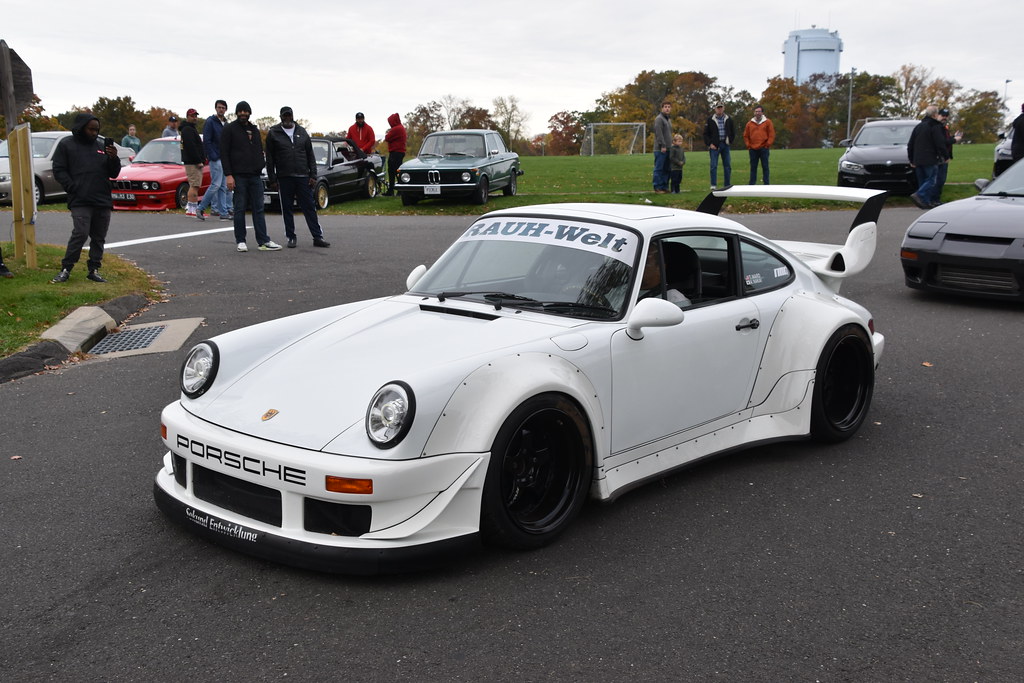
In 1973, Porsche unleashed a beast that would forever solidify the 911’s place in automotive folklore: the Carrera RS 2.7. This wasn’t just another car; it was “an automotive icon” and a pivotal moment that cemented the 911’s enduring popularity among driving enthusiasts worldwide. The “RS” badge, which adorned this model for the very first time, stood for “Rennsport” (Race Sport), unequivocally signifying its racing pedigree—a commitment to unparalleled performance and driving purity that modern iterations often strive, but rarely fully succeed, to recapture.
Porsche’s vision for the Carrera RS was crystal clear: develop a race car that could be legally driven on the public roads. To achieve this ambitious goal, they made absolutely no compromises. The car received wider fenders, which not only gave it an aggressive, purposeful stance but also ingeniously allowed for a wider track, significantly improving its handling and cornering prowess. Weight reduction was a critical factor, with Porsche employing thinner steel and lighter glass to shed crucial pounds.
The heart of the matter was under the hood: the already capable 2.4-liter engine was meticulously bored out to 2.7 liters, unleashing a potent 210 horsepower. This power increase, combined with its lightweight construction, resulted in a car that was not only incredibly agile but also exhilaratingly fast, delivering a raw and engaging driving experience. Even today, its legendary status is continuously affirmed, with “no shortage of Porsche enthusiasts who convert their 911s into Carrera RS replicas,” a clear indication that its timeless design, groundbreaking performance, and unparalleled driving purity remain the absolute gold standard for cool.
Car Model Information: 2020 Porsche 911 Carrera
Name: Porsche 911
Caption: The 1 millionth 911 produced on display at Volkswagen Group Forum, Berlin
Designer: Ferdinand Alexander Porsche
Manufacturer: Porsche
Production: September 1964 – present
Assembly: Stuttgart,Baden-Württemberg
Class: Sports car
BodyStyle: unbulleted list
Related: unbulleted list
Layout: Rear-engine design,rear-wheel drive
Predecessor: Porsche 356
Categories: 1970s cars, 1980s cars, 1990s cars, 2+2 coupés, 2000s cars
Summary: The Porsche 911 model series (pronounced Nine Eleven or in German: Neunelf) is a family of German two-door, high performance rear-engine sports cars, introduced in September 1964 by Porsche AG of Stuttgart, Germany, and now in its eighth generation. All 911s have a rear-mounted flat-six engine, and usually 2+2 seating, except for special 2-seater variants. Originally, 911s had air-cooled engines, and torsion bar suspension, but the 911 has been continuously enhanced, and evolved across generations. Though the 911 core concept has remained largely unchanged, water-cooled engines were introduced with the 996 series in 1998, and front and rear suspension have been replaced by Porsche-specific MacPherson suspension up front, and independent multi-link rear suspension.
The 911 has been raced extensively by private and factory teams, in a variety of classes. It is among the most successful competition cars. In the mid-1970s, the naturally aspirated 911 Carrera RSR won world championship races including Targa Florio and the 24 Hours of Daytona. The 911-derived 935 turbo also won the 24 Hours of Le Mans in 1979. Porsche won the World Championship for Makes in 1976, 1977, 1978, and 1979 with 911-derived models.
In a 1999 poll to determine the Car of the Century, the 911 ranked fifth — one of two in the top five that had remained continuously in production (the original Beetle remained in production until 2003). The one millionth example was manufactured in May 2017 and is in the company’s permanent collection.
Get more information about: Porsche 911
Buying a high-performing used car >>>
Brand: Porsche Model: 911
Price: $119,980 Mileage: 8,387 mi.
Read more about: Inside the Garage: Unveiling 9 Legendary Tuning Houses That Redefine Automotive Platforms

4. **1981 Volvo 240 Turbo**
When you typically conjure images of “cool vintage cars,” a Volvo might not be the immediate flash that springs to mind, right? But hold onto your hats, because the 1981 Volvo 240 Turbo, affectionately known across the globe as the “Flying Brick,” is here to absolutely shatter all your preconceived notions. While modern Volvos are now synonymous with sophisticated turbocharged engines, the 240 Turbo was the true pioneer, proving unequivocally that practicality, safety, and genuine performance weren’t mutually exclusive, especially when wrapped in that iconic, unmistakably boxy silhouette.
To the casual observer, the Volvo 240 might just appear to be another utilitarian 1980s family car. But that perception couldn’t be further from the glorious truth. This unassuming Swede was, in reality, a genuine giant-killer on the racetrack and rally stages. It “won the European and German touring car series,” decisively leaving many more glamorous rivals in its dust. Furthermore, it “dominated rally stages across Europe for decades,” proving its rugged durability, surprising agility, and incredible resilience in the harshest conditions imaginable, consistently punching far above its weight class.
What truly solidifies its unparalleled cool status is its enduring legacy and the fervent dedication of its fans. Even “to this day, Swedish street racers are extracting hundreds of additional horses and putting their 240s up against sports- and muscle cars.” This speaks volumes about its inherent engineering capabilities, tunability, and the sheer joy it brings. The 1981 Volvo 240 Turbo stands as a beacon of understated performance, making it undeniably and effortlessly cooler than any modern car that tries too hard to impress with artificial flair.
Car Model Information: 2023 Toyota Tacoma SR
Name: Volvo 200 Series
Caption: 1989 Volvo 240 GL station wagon
Manufacturer: Volvo Cars
Production: 1974–1993,2,862,573 produced
ModelYears: 1975–1993
Assembly: ubl
Predecessor: Volvo 140 Series,Volvo 164
Successor: Volvo 850,Volvo 760
Class: Mid-size car
BodyStyle: Sedan (automobile),station wagon
Layout: Front-engine, rear-wheel-drive
Platform: Volvo P platform
Related: Volvo 262C
Engine: collapsible list
Title: Petrol and diesel engines
Transmission: 4-speed manual,4-speed manual with overdrive,5-speed manual,3-speed automatic,4-speed automatic
Wheelbase: 104.3 in
Abbr: on
Length: convert
Width: convert
Height: convert
Designer: Jan Wilsgaard
Categories: 1980s cars, 1990s cars, All articles needing additional references, All articles with incomplete citations, All articles with unsourced statements
Summary: The Volvo 200 Series (designated internally as the 240 and 260 models) was a range of mid-size cars manufactured by Swedish automaker Volvo Cars from 1974 to 1993. Designed by Jan Wilsgaard, the series was developed from the Volvo 140 Series and incorporated safety innovations from Volvo’s VESC experimental safety vehicle program.
The 200 Series was produced in sedan, station wagon, and limited convertible body styles. Over 2.8 million units were manufactured during its 19-year production run, making it one of Volvo’s most successful model lines. The series established Volvo’s reputation for safety and durability, with many examples remaining in service decades after production ended.
Production overlapped with the introduction of the Volvo 700 Series in 1982. While the 260 Series was discontinued in 1984 and replaced by the 700 Series, the popular 240 model continued production until 1993. The final 240 was manufactured on 14 May 1993, concluding nearly two decades of production.
Get more information about: Volvo 200 Series
Buying a high-performing used car >>>
Brand: Volvo Model: 240 Turbo
Price: $33,199 Mileage: 59,070 mi.
Read more about: Golden Years, Chrome Dreams: Unlocking the Hobby and Investment Potential of Classic Cars for Retirees

5. **1990 Acura NSX**
The original 1990 Acura NSX was, quite simply, Honda’s mic drop moment in the automotive world, a statement so profound it resonated globally. Imagine this: a supercar that offered not just exhilarating performance but also the unheard-of daily-driver reliability. That concept was, at the time, utterly unheard of, almost contradictory to the very nature of exotic cars, yet Honda pulled it off with spectacular flair. It wasn’t just about raw speed; it was about fundamentally reimagining what a high-performance vehicle could be, setting a groundbreaking new benchmark that unequivocally challenged established European exotic car manufacturers.
What precisely made the NSX such an undisputed masterpiece and a marvel of engineering? For starters, its innovative 3.0-liter V6 engine, enhanced with Honda’s revolutionary VTEC technology, delivered exhilarating power with that legendary Honda smoothness and bulletproof reliability. This engine, paired with an incredibly lightweight aluminum body, made the car a dynamic dream, offering an exquisite balance of power and agility. Perhaps the most incredible aspect of its development was the invaluable “input from Ayrton Senna himself,” a Formula 1 legend whose unparalleled expertise helped fine-tune the chassis to absolute perfection, imbuing the NSX with an analog driving experience that few cars could match.
While the last Acura NSX rolled off the assembly line in 2022, its iconic predecessor from the 1990s continues to be “highly sought-after now.” The newer iteration, despite being “a technological beast” with a twin-turbocharged V6 and three electric motors cranking out a staggering 600 horsepower, often leaves discerning enthusiasts craving that visceral, unfiltered connection of the original. The 1990 NSX wasn’t just fast; it handled like nothing else, offering a pure, analog driving experience that made it legendary and, in the eyes of many purists, infinitely more special and cool than its more digitally enhanced, and perhaps less soulful, modern descendants.
Car Model Information: 1992 Acura NSX Base
Name: Honda NSX
Caption: Acura NSX (first generation, NA2) along with some NA1 NSX cars
Manufacturer: Honda
Aka: Acura NSX (North America)
Production: 1990–2006 (NA1/2),2016–2022 (NC1/2)
Class: Sports car
ModelYears: 1991–2006,2017–2023
Categories: 2000s cars, 2010s cars, 2020s cars, 24 Hours of Le Mans race cars, All-wheel-drive vehicles
Summary: The Honda NSX, marketed in North America as the Acura NSX, is a two-seater, rear mid-engined, rear-wheel drive sports car manufactured by Honda.
The origins of the NSX trace back to 1984, with the HP-X (Honda Pininfarina eXperimental) concept, for a 3.0 L (180 cu in) V6 rear mid-engine, rear-wheel drive sports car. Honda, with the intention of meeting or exceeding the performance of the then V8 engine Ferrari range, committed to the project, aiming at both reliability and a lower price. The concept evolved and had its name changed to NS-X, which stood for “New”, “Sportscar” “eXperimental”, although the production model launched as the NSX.
Get more information about: Honda NSX
Buying a high-performing used car >>>
Brand: Acura Model: NSX
Price: $93,999 Mileage: 62,145 mi.
Read more about: The Horsepower Haze: Performance Vehicles Assessed on Actual Output – From Dyno Kings to Paper Tigers
6. **1967 Mustang Shelby GT500**
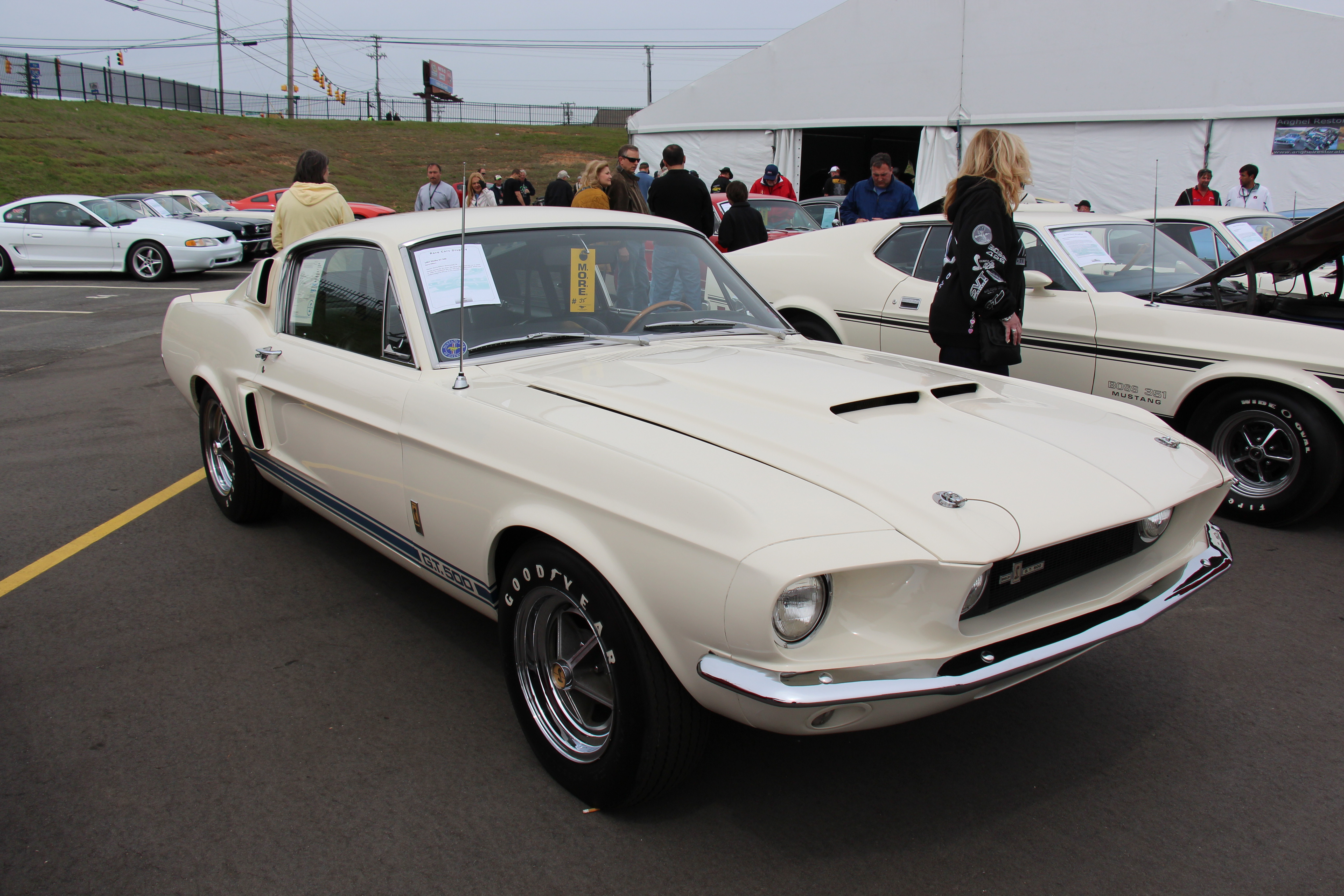
Ah, the 1967 Mustang Shelby GT500 – a car that didn’t just drive, it *swaggered* onto the scene with an undeniable aura of cool that has endured for decades. While modern Shelby Mustangs are undeniably powerful and impressive, the context notes they can sometimes “try a bit too hard” to assert their dominance. The 1967 GT500, however, was “effortlessly cool—like Steve McQueen,” exuding an intrinsic charisma and a perfect, seamless blend of brute force and sophisticated, understated elegance that immediately cemented its status as an instant icon.
Under the hood, this American legend housed a magnificent and fearsome 428 Cobra Jet V8 engine, churning out a formidable 355 horsepower. This wasn’t just a number on a spec sheet; it was a powerful promise of raw, unadulterated muscle car performance that thrilled and intimidated in equal measure. The GT500 was purpose-built for exhilarating speed and an immersive, thrilling driving experience, delivering a deep, guttural rumble and an unmistakable roar that announced its presence with authority long before it came into view. It was a true powerhouse, a testament to robust American engineering and an enduring symbol of automotive freedom.
What truly set the 1967 GT500 apart in a crowded field of muscle cars was its remarkably refined yet aggressive design philosophy. It boasted a muscular, macho exterior, but crucially, there was “no over-the-top body kit, just nicely sculpted sheet metal.” This particular approach to design allowed its inherent, organic coolness to shine through effortlessly, without resorting to excessive adornments or artificial flair. This timeless design, combined with its legendary, visceral performance and its iconic nameplate, ensures that the 1967 Shelby GT500 remains a benchmark for cool, a classic machine that effortlessly overshadows its more complicated, often over-engineered, and perhaps less soulful, modern counterparts.
Alright, buckle up, because our automotive adventure isn’t over yet! We’ve already cruised through some absolutely epic vintage rides, but believe us, there’s even more timeless cool waiting in the garage. Get ready to have your socks knocked off by another six legendary machines that continue to school modern metal in the art of pure, unadulterated automotive awesomeness. Let’s keep this joyride going!
Read more about: The Horsepower Haze: Performance Vehicles Assessed on Actual Output – From Dyno Kings to Paper Tigers
7. **1970 Chevrolet Camaro Z28**
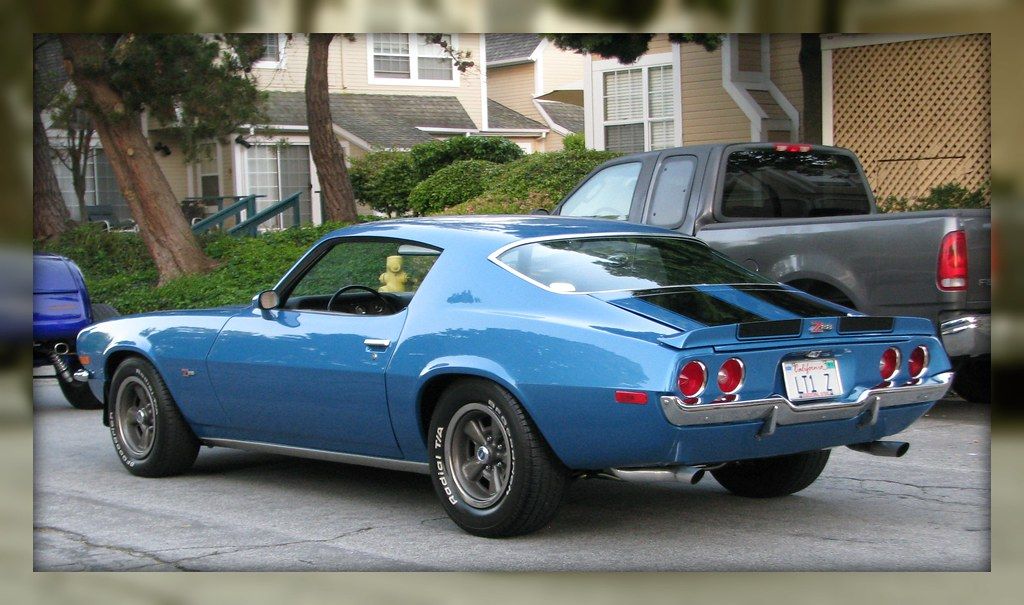
Forget everything you thought you knew about muscle cars, because the 1970 Chevy Camaro Z28 wasn’t just another muscle car—it was an attitude on four wheels. This beauty didn’t just sit there; it practically vibrated with rebellious energy, making a statement everywhere it went. Seriously, this thing had personality for days!
With its aggressive styling, that unmistakable stance, and a high-revving 375-horsepower small-block V8, this machine didn’t just drive, it roared. It was a symphony of power, a mechanical beast that truly felt alive as you commanded it down the road. You weren’t just driving; you were *experiencing* it.
The Z28 was purpose-built to be fast, raw, and completely unapologetic. There was no fancy tech, no distracting digital screens—just you, the open road, and a car that connected with you on a visceral level. It was pure, unadulterated driving pleasure, without any of the modern filters.
Now, sure, today’s Camaro is still a beast in its own right, loaded with modern engineering, super refined handling, and insane horsepower figures. But while it might check every performance box on a spreadsheet, it’s undeniably missing that untamed, wild energy of the ‘70 Z28. It’s a different beast entirely.
That old Camaro had an edge, a certain kind of swagger that simply can’t be programmed into a driving mode. It was wild, it was loud, and it was absolutely dripping with character. No matter how mind-bendingly fast the new Camaro gets, it’ll never quite match the sheer, unadulterated street presence of its classic ancestor. Some things are just irreplaceable.
Car Model Information: 2023 Toyota Tacoma SR
Name: Chevrolet Camaro
Manufacturer: Chevrolet
Production: 1966–2002,2009–2023
ModelYears: 1967–2002,2010–2024
Class: Pony car
BodyStyle: coupe,convertible
Platform: GM F platform,GM Zeta platform,GM Alpha platform
Layout: Front-engine, rear-wheel-drive layout
Categories: 1970s cars, 1980s cars, 1990s cars, 2+2 coupés, 2000s cars
Summary: The Chevrolet Camaro is a mid-size American automobile manufactured by Chevrolet, classified as a pony car. It first went on sale on September 29, 1966, for the 1967 model year and was designed to compete with the Ford Mustang. The Camaro shared its platform and major components with the Firebird, produced by General Motors’ Pontiac division that was also introduced for the 1967 model year.
Four distinct generations of the Camaro were developed before production ended in 2002. The nameplate was revived on a concept car that evolved into the fifth-generation Camaro; production started on March 16, 2009.
Production of the sixth generation of the Camaro ended in December 2023, for the 2024 model year.
Get more information about: Chevrolet Camaro
Buying a high-performing used car >>>
Brand: Chevrolet Model: Camaro Z28
Price: $33,199 Mileage: 59,070 mi.
Read more about: Classic Cars Skyrocketing in Value: 26 Models Worth Investing In
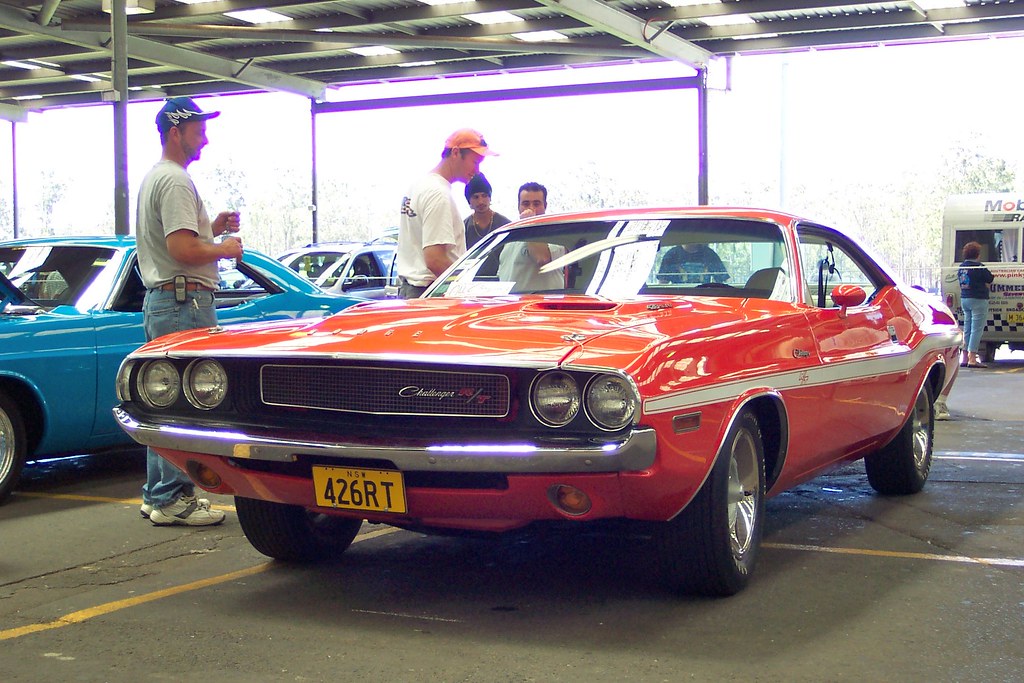
8. **1970 Dodge Challenger**
Prepare yourself for another slice of pure American muscle, because the 1970 Dodge Challenger was built to be loud, mean, and completely unapologetic. This car wasn’t subtle; it was a brazen declaration of power and style, rolling down the street with undeniable authority. It demanded attention, and it got it.
With its long, aggressive body and a fearsome 426 Hemi V8 engine packing a colossal 425 horsepower, this machine was Dodge’s definitive answer to the likes of the Mustang and Camaro. And let’s be clear, it didn’t just compete—it immediately became an absolute legend in its own right, carving its name into automotive history.
The ‘70 Challenger wasn’t concerned with lap times or worrying about fuel efficiency; its entire essence was about raw, tire-shredding power and pure, unadulterated straight-line speed. It was a beast designed for dominating the drag strip, delivering an adrenaline rush with every press of the accelerator.
Fast forward to 2023, and the Challenger SRT Demon 170 is pushing an absurd 1,025 horsepower on E85 fuel, making it the fastest production muscle car ever made. It’s capable of hitting 60 mph in a dizzying 1.66 seconds, which is absolutely mind-boggling. Talk about pushing boundaries!
But here’s the rub—while it’s an undeniable engineering marvel, the modern Demon is missing the rebellious, untamed attitude that made the original Challenger so incredibly special. The Demon is all about staggering numbers, but the ‘70 Challenger had a palpable presence, a soul, that no spec sheet, however impressive, could ever truly capture.
Car Model Information: 2020 Dodge Challenger R/T
Name: Dodge Challenger
Production: 1969–1974,1977–1983,2008–2023
ModelYears: 1970–1974,1978–1983,2008–2023
Caption: 2015 Dodge Challenger SRT Hellcat
Manufacturer: Dodge
Categories: 1970s cars, 1980s cars, 2000s cars, 2010s cars, 2020s cars
Summary: The Dodge Challenger is the name of three generations of automobiles produced by the American automobile manufacturer Dodge. However, the first use of the Challenger name by Dodge dates back to 1959 for marketing a “value version” of the full-sized Coronet Silver Challenger.
From model years 1970 to 1974, the first-generation Dodge Challenger pony car was built using the Chrysler E platform in hardtop and convertible body styles sharing significant components with the Plymouth Barracuda.
The second generation, from model years 1978 to 1983, was a rebadged Mitsubishi Galant Lambda / Sapporo, a coupe version of an economical compact car.
The third and current generation is a full-size muscle car that was introduced in early 2008 initially as a rival to the evolved fifth generation Ford Mustang and the fifth generation Chevrolet Camaro.
In November 2021, Stellantis announced that the 2023 model year would be the final model year for both the LD Dodge Charger and LA Dodge Challenger, as the company will focus its plans on electric vehicles rather than fossil fuel-powered vehicles, due to tougher emissions standards required by the Environmental Protection Agency for the 2023 model year. Challenger production ended on December 22, 2023, and the Brampton, Ontario, assembly plant will be re-tooled to assemble an electrified successor.
Get more information about: Dodge Challenger
Buying a high-performing used car >>>
Brand: Dodge Model: Challenger
Price: $24,335 Mileage: 70,496 mi.
Read more about: Go Green, Save Green: 14 Gas-Guzzlers You Absolutely Should Not Keep in 2025, According to Emissions Data and Auto Experts
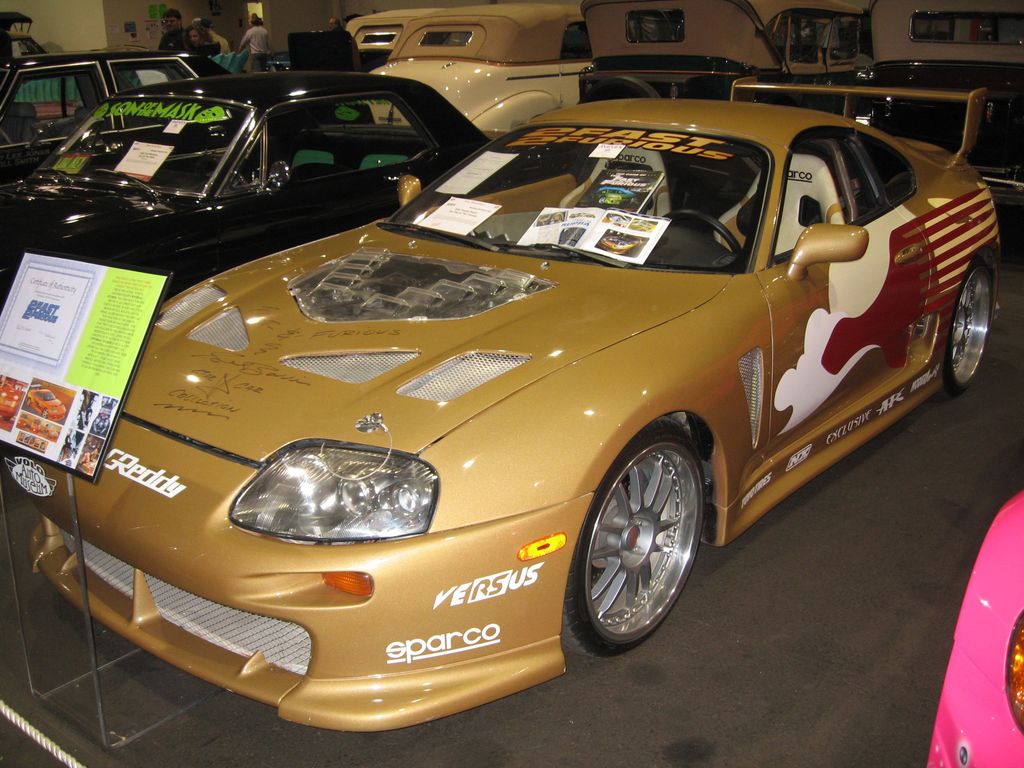
9. **Toyota Supra MKIV**
Okay, let’s talk about a car that transcended mere transportation and became a bona fide cultural icon: the MKIV Toyota Supra. Few cars, if any, have reached the legendary status of this absolute superstar, cementing its place in the hearts of enthusiasts worldwide. It’s more than a car; it’s a legend.
This 2JZ-powered beast wasn’t just quick—it was famously bulletproof. Tuners absolutely adored its inherent strength, often taking its factory 276-horsepower rating and fearlessly cranking it past an astonishing 1,000 horsepower without even breaking a sweat. It was a powerhouse, built to handle anything.
Its sleek, timeless design, those unforgettable pop-up headlights, and its starring role in the global phenomenon that was *Fast & Furious* movies cemented its place as one of the most iconic sports cars of all time. The MKIV Supra didn’t just drive; it made cinematic history.
Then, Toyota decided to bring back the Supra in 2020… and it was *kind of* back. The new Supra is undoubtedly fast, and its turbocharged inline-six engine is a respectful nod to its legendary roots. But here’s the little secret: underneath all that shiny new bodywork, it’s essentially a BMW Z4. It’s a great car, but it’s not the same.
While the new model handles great and is packed with modern refinement, it simply doesn’t have the raw, street-tough presence, or that legendary tuning potential, of the original MKIV. The 2020 Supra is fun, no doubt, but the MKIV is pure, unadulterated legend. Toyota tried to bring it back, but let’s be real, some things just can’t be replicated, no matter how hard you try.
Car Model Information: 2023 Toyota Tacoma SR
Name: Toyota Supra
Caption: Toyota GR Supra (J29/DB)
Manufacturer: Toyota
Aka: unbulleted list
Production: unbulleted list
Class: Sports car
BodyStyle: fastback,coupé
Layout: Front-engine, rear-wheel-drive layout
Predecessor: Toyota Celica (A20)
Categories: 1980s cars, 1990s cars, 2000s cars, 2010s cars, 2020s cars
Summary: The Toyota Supra (Japanese: トヨタ・スープラ, Hepburn: Toyota Sūpura) is a sports car and grand tourer manufactured and developed by the Toyota Motor Corporation beginning in 1978. The name “supra” is a definition from the Latin prefix, meaning “above”, “to surpass” or “go beyond”.
The initial four generations of the Supra were produced from 1978 to 2002. The fifth generation has been produced since March 2019 and later went on sale in May 2019. The styling of the original Supra was derived from the Toyota Celica, but it was longer. Starting in mid-1986, the A70 Supra became a separate model from the Celica. In turn, Toyota also stopped using the prefix Celica and named the car Supra. Owing to the similarity and past of the Celica’s name, it is frequently mistaken for the Supra, and vice versa. The first, second and third generations of the Supra were assembled at the Tahara plant in Tahara, Aichi, while the fourth generation was assembled at the Motomachi plant in Toyota City. The 5th generation of the Supra is assembled alongside the G29 BMW Z4 in Graz, Austria by Magna Steyr.
The Supra traces much of its roots back to the 2000GT owing to an inline-6 layout. The first three generations were offered with a direct descendant to the Crown’s and 2000GT’s M engine. Interior aspects were also similar, as was the chassis code “A”. Along with this name, Toyota also included its own logo for the Supra. It was derived from the original Celica logo, being blue instead of orange. This logo was used until January 1986, when the A70 Supra was introduced. The new logo was similar in size, with orange writing on a red background, but without the dragon design. That logo, in turn, was on Supras until 1991 when Toyota switched to its current oval company logo. The dragon logo was a Celica logo regardless of what colour it was. It appeared on the first two generations of the Supra because they were officially Toyota Celicas. The dragon logo was used for the Celica line until it was also discontinued.
In 1998, Toyota ceased sales of the fourth-generation Supra in the United States. Production of the fourth-generation Supra for worldwide markets ended in 2002. In January 2019, the fifth-generation Supra, which was co-developed with the G29 BMW Z4, was introduced.
Get more information about: Toyota Supra
Buying a high-performing used car >>>
Brand: Toyota Model: Supra MKIV
Price: $33,199 Mileage: 59,070 mi.
Read more about: Unsung Heroes of the Asphalt: 14 Low-Maintenance Classic Cars That Deserve a Spot in Your Garage
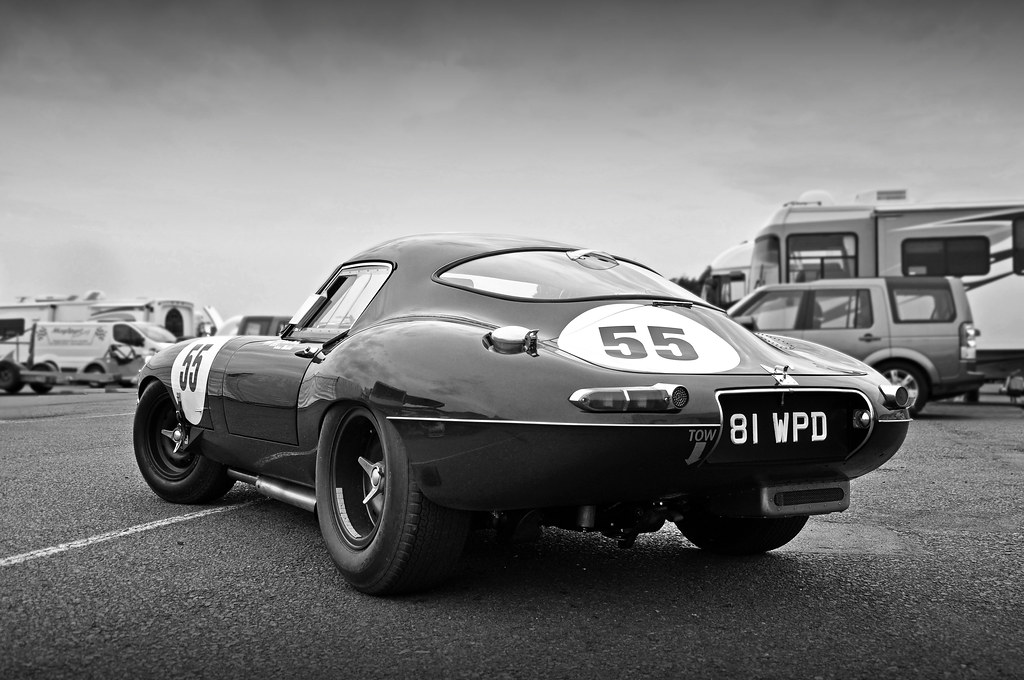
10. **1961 Jaguar E Type**
Prepare for a dose of automotive elegance that will absolutely take your breath away: the 1961 Jaguar E Type. It’s so stunning, in fact, that none other than Enzo Ferrari himself once called it ‘the most beautiful car ever made.’ And honestly, after one look, it’s pretty darn difficult to disagree with that kind of praise!
With its impossibly long hood, those breathtakingly flowing curves, and its signature covered headlights, the E Type didn’t just look like a car; it looked like a rolling sculpture, a masterpiece of design. Every line, every angle, was crafted with an artistic precision that set it apart from everything else on the road, then and now.
But this wasn’t just a pretty face; the E Type had serious muscle to back up its gorgeous looks. It offered real, exhilarating performance, boasting a top speed near 150 miles per hour, which made it one of the absolute fastest cars of its era. It was a grand tourer that blended beauty with beastly capability, perfectly.
Sure, modern sports cars might be able to lap a track faster, armed with all their advanced aerodynamics and electronic wizardry. However, the E Type remains an unparalleled, timeless piece of art on wheels. Its sheer elegance and effortless cool ensure it will forever hold a special place in the pantheon of automotive greatness, radiating charisma wherever it goes.
Car Model Information: 2023 Toyota Tacoma SR
Sp: uk
Name: Jaguar E-Type
Caption: 1961 E-Type Series 1 3.8-Litre, the first production model of this open two-seater
Aka: Jaguar XK-E (North America),Jaguar V-12
Manufacturer: Jaguar Cars
Production: 1961–1974
Class: Sports car
Predecessor: Jaguar XK150
Related: Jaguar D-Type,Jaguar XJ13
Successor: Jaguar XJS
Layout: FMR layout
Assembly: Coventry,England
Designer: Malcolm Sayer
Categories: 1970s cars, 2+2 coupés, All Wikipedia articles written in British English, All articles with dead external links, All articles with specifically marked weasel-worded phrases
Summary: The Jaguar E-Type, or the Jaguar XK-E for the North American market, is a British front mid-engined sports car that was manufactured by Jaguar Cars Ltd from 1961 to 1974. Its sleek appearance, advanced technologies, high performance, and competitive pricing established it as an icon. The E-Type’s claimed 150 miles per hour (240 km/h) top speed, sub-7-second 0 to 60 mph (97 km/h) acceleration, largely unitary body construction, front and rear independent suspension with disc brakes, mounted inboard at the rear, and rack-and-pinion steering spurred industry-wide changes.
The E-Type was based on Jaguar’s D-Type racing car, which had won the 24 Hours of Le Mans for three consecutive years beginning in 1955.
The E-Type employed what was, for the early 1960s, a novel design principle, with a front subframe carrying the engine, front suspension and front bodywork bolted directly to the body tub. No ladder frame chassis, as was common at the time, was needed and as such the first cars weighed only 1,315 kg (2,899 lb).
It is rumored that, on its debut on 15 March 1961, Enzo Ferrari called it “the most beautiful car ever made”, but this statement is not fully confirmed. In 2004, Sports Car International magazine placed the E-Type at number one on their list of Top Sports Cars of the 1960s. In March 2008, the Jaguar E-Type ranked first in The Daily Telegraph’s online list of the world’s “100 most beautiful cars” of all time.
Get more information about: Jaguar E-Type
Buying a high-performing used car >>>
Brand: Jaguar Model: E Type
Price: $33,199 Mileage: 59,070 mi.
Read more about: Twelve Legendary Sports Cars So Rare, You’ll Only See Them in Your Wildest Dreams

11. **1957 Mercedes Benz 300SL Gullwing**
Get ready for a car that literally blew minds and redefined what a sports car could be: the 1957 Mercedes Benz 300SL Gullwing. This was a machine so far ahead of its time, it truly felt like it landed from another dimension. It was unlike anything that had come before it, a true trailblazer.
Its most iconic feature, those incredible upward-opening doors—hence the ‘Gullwing’ moniker—were just the beginning of its futuristic styling. Combined with advanced fuel injection technology, which was incredibly rare for its time, it absolutely stunned the automotive world, leaving jaws on the floor wherever it appeared. It was pure innovation on wheels.
But beneath those show-stopping looks was a seriously capable machine that could hit a mind-bending 160 miles per hour. This made it not just fast, but one of the most technologically advanced sports cars of the entire 1950s. It wasn’t just a looker; it was a performer, through and through, setting benchmarks for others to chase.
This car was pure glamour, breathtakingly fast, and exquisitely exclusive. Owning a Gullwing meant you were part of an elite club, driving a piece of history that symbolized luxury and cutting-edge engineering. It was the ultimate status symbol, the car that everyone dreamed of.
While modern Mercedes-Benz vehicles are technological marvels, packed with every conceivable gadget and safety feature, none quite radiate the same inherent coolness and undeniable prestige as a 300SL Gullwing casually parked at the curb. It has an aura, a legend, that simply cannot be manufactured today.
Car Model Information: 2023 Toyota Tacoma SR
Name: Mercedes-Benz 300 SL
Caption: 300 SL roadster and gullwinged coupé
Manufacturer: Mercedes-Benz
Production: Mercedes-Benz 300 SLR#Uhlenhaut Coupé
Assembly: Stuttgart
Designer: Friedrich Geiger
Class: Sports car,Grand tourer
BodyStyle: coupé,Roadster (automobile)
Platform: Coupé W198 I, Roadster W198 II
Related: Mercedes-Benz 190 SL
Layout: FR layout
Engine: 2996 cc
Abbr: off
Transmission: Manual transmission
Wheelbase: 2400 mm
Length: 4520 mm
Width: 1790 mm
Height: 1300 mm
Weight: 1500 kg
Predecessor: Mercedes-Benz W194
Successor: Mercedes-Benz W113
Doors: Gull-wing door
Categories: 1960s cars, 24 Hours of Le Mans race cars, All Wikipedia articles needing clarification, All Wikipedia articles written in American English, All articles with vague or ambiguous time
Summary: The Mercedes-Benz 300 SL (chassis code W 198) is a two-seat sports car that was produced by Mercedes-Benz from 1954 to 1957 as a gullwinged coupé and from 1957 to 1963 as a roadster. The 300 SL traces its origins to the company’s 1952 racing car, the W194, and was equipped with a mechanical direct fuel-injection system that significantly increased the power output of its three-liter overhead camshaft straight-six engine.
The 300 SL was capable of reaching speeds of up to 260 km/h (162 mph), earning it a reputation as a sports car racing champion and making it the fastest production car of its time. The car’s iconic gullwing doors and innovative lightweight tubular-frame construction contributed to its status as a groundbreaking and highly influential automobile.
The designation “SL” is an abbreviation of the German term super-leicht, meaning “super-light”, a reference to the car’s racing-bred lightweight construction. The 300 SL was introduced to the American market at the suggestion of Max Hoffman, Mercedes-Benz’s United States importer at the time, who recognized the potential demand for a high-performance sports car among American buyers. The Mercedes-Benz 300 SL remains a highly sought-after classic car and is celebrated for its performance, design, and technological advancements.
Get more information about: Mercedes-Benz 300 SL
Buying a high-performing used car >>>
Brand: Mercedes Benz Model: 300SL Gullwing
Price: $33,199 Mileage: 59,070 mi.
Read more about: Classic Cars Skyrocketing in Value: 26 Models Worth Investing In
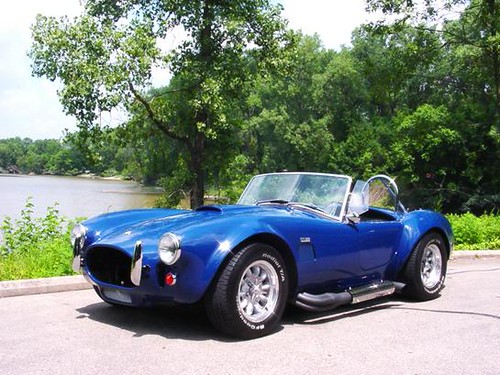
12. **1966 Shelby Cobra 427**
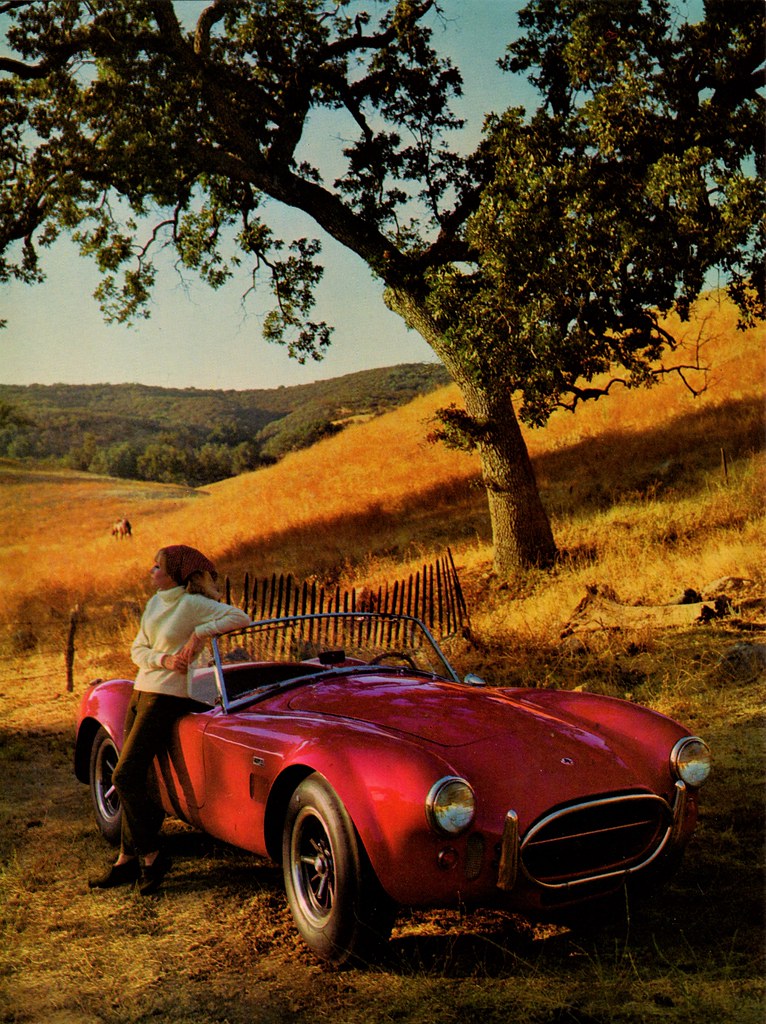
And now, for our final act, let’s talk about a car that is, quite frankly, pure driving insanity: the 1966 Shelby Cobra 427. This isn’t just a car; it’s a raw, untamed beast, a visceral experience designed to thrill and excite like nothing else. It’s a legend for a reason, folks.
Imagine this: the brilliant Carroll Shelby took a massive, thumping Ford V8 engine and somehow managed to stuff it into a super lightweight British roadster. The result? A car that was famously barely controllable, but in the most endlessly thrilling and intoxicating way imaginable. It was a white-knuckle ride every single time.
This thing was loud, it was violent, and it was utterly intoxicating to drive. It growled, it roared, and it demanded every ounce of your attention, making every drive an intense, unforgettable battle between man and machine. This wasn’t a car for the faint of heart; it was for the brave, the bold, the true thrill-seekers.
Modern supercars, with all their computer-controlled precision and endless electronic nannies, might be more refined and undeniably precise on a track. However, they almost always lack the wild, dangerous, and utterly charming personality of a Cobra. There’s just no comparison when it comes to raw spirit.
The 1966 Shelby Cobra 427 was a car built for adrenaline junkies who wanted absolutely no safety nets, just pure, unadulterated speed and a rush of raw power that sent shivers down your spine. It wasn’t about comfort or convenience; it was about the thrill, the challenge, and the sheer joy of taming a beast.
Car Model Information: 2023 Toyota Tacoma SR
Caption: AC Cobra 427
Layout: front-engine, rear-wheel drive layout
Manufacturer: AC Cars,Shelby American
Production: 1965–1967
Name: MkIII
Aka: AC Shelby Cobra , Shelby AC Cobra
BodyStyle: Roadster (automobile)
Assembly: Thames Ditton,Surrey,England
Predecessor: AC Ace
Class: Sports car
Successor: AC MK IV
Related: AC 428,Shelby Daytona
Engine: cvt,V8 engine
Wheelbase: cvt
Length: cvt
Width: cvt
Height: cvt
Weight: cvt
Categories: 1960s cars, AC vehicles, All articles with unsourced statements, Articles with short description, Articles with unsourced statements from December 2014
Summary: The AC Cobra, sold in the United States as the Shelby Cobra and AC Shelby Cobra, is a sports car manufactured by British company AC Cars, with a Ford V8 engine. It was produced intermittently in both the United Kingdom and later the United States since 1962.
Get more information about: AC Cobra
Buying a high-performing used car >>>
Brand: Shelby Model: Cobra 427
Price: $33,199 Mileage: 59,070 mi.
Read more about: The Horsepower Haze: Performance Vehicles Assessed on Actual Output – From Dyno Kings to Paper Tigers
So, there you have it, folks! Twelve incredible machines that stand as undeniable proof that sometimes, the coolest things are the ones with a little history under their belt. While today’s rides are impressive in their own right, these vintage legends remind us that true automotive magic isn’t just about speed, tech, or efficiency. It’s about presence, personality, and that raw, unfiltered thrill that connects you to the road in a way no digital display ever could. Each one of these classics tells a story, sparks a memory, and quite frankly, makes us wanna hop in, crank up the tunes, and cruise into the sunset, leaving a trail of pure, unadulterated cool in our wake. What are *your* favorite timeless rides? Let us know in the comments, because the conversation about true automotive legends never really ends!