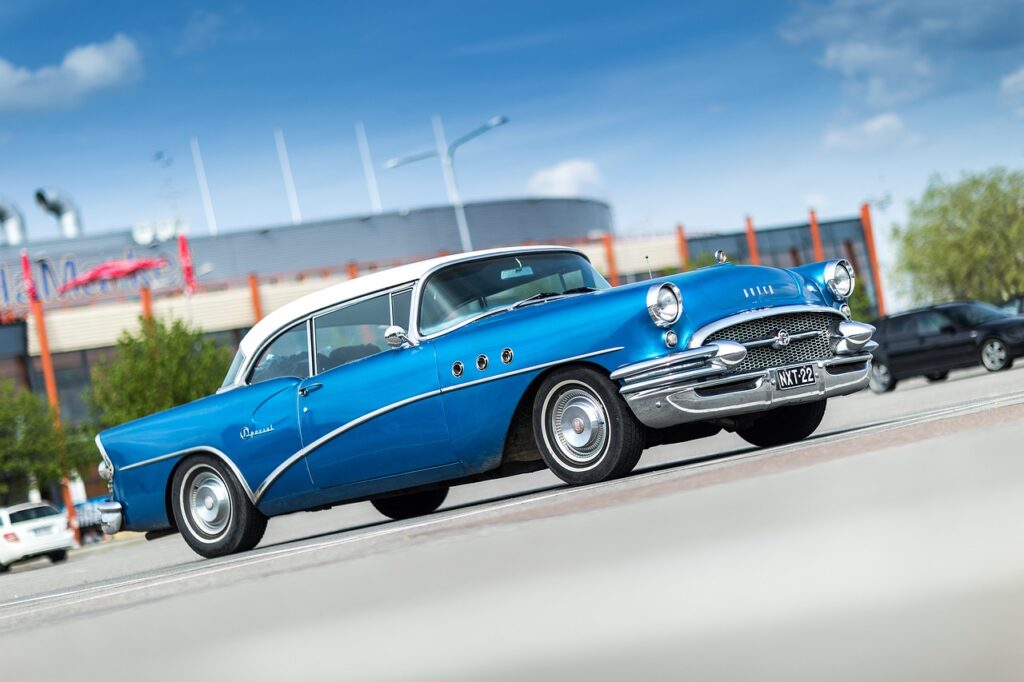
Cars have revolutionized transportation, offering unparalleled mobility, independence, and convenience. From Carl Benz’s pioneering Benz Patent-Motorwagen in 1886 to the modern electric vehicles of today, automobiles have profoundly shaped our lives and societies. They facilitate economic development, create jobs, and provide leisure opportunities, allowing people to move flexibly from place to place with far-reaching implications for societal structures.
However, this widespread adoption and technological advancement come with a significant array of inherent risks and substantial societal costs that often go unexamined in the pursuit of personal mobility. Beyond the immediate benefits, car usage generates a complex web of challenges, impacting everything from public health and environmental sustainability to urban planning and economic equity. These challenges warrant a closer, critical look from every consumer.
In this comprehensive advisory, we delve into 12 critical risks and societal challenges associated with modern vehicle ownership and use, drawing exclusively from established facts about their impacts. Our aim is to provide consumers with detailed, unbiased information to foster a more informed understanding of the broader implications of our automotive choices, ensuring a focus on safety, reliability, and long-term well-being. This isn’t about specific vehicle recalls, but a broader ‘alert’ to the systemic considerations that affect us all.
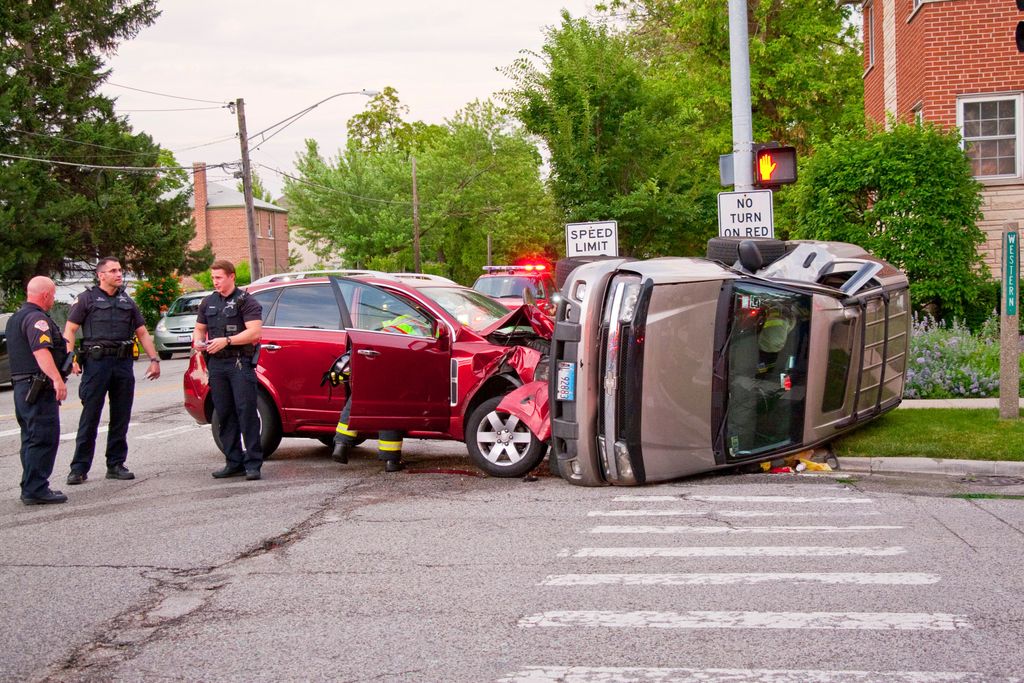
1. **Traffic Collisions: The Leading Cause of Injury-Related Deaths Worldwide**Traffic collisions represent perhaps the most immediate and tragic risk associated with vehicle usage, a stark reality often overshadowed by the daily convenience cars provide. The context explicitly states that “Traffic collisions are the largest cause of injury-related deaths worldwide.” This chilling statistic underscores the inherent danger present on roads globally, affecting drivers, passengers, and other road users alike. It’s a reminder that despite advancements in vehicle safety, the sheer volume of cars and human error contribute to a pervasive public health crisis.
The historical record offers a sobering perspective on this danger. Mary Ward became one of the first documented car fatalities in 1869 in Parsonstown, Ireland, followed by Henry Bliss, one of the US’s first pedestrian car casualties in 1899 in New York City. These early incidents highlight that the risk of collision has been an integral, albeit regrettable, part of automotive history from its very inception. Modern vehicles are equipped with numerous safety features, yet the fundamental risk of accidents persists, making driver awareness and adherence to safety protocols paramount.
Today, standard tests like the Euro and US NCAP, along with insurance-industry-backed tests by the Insurance Institute for Highway Safety (IIHS), evaluate new cars for their safety performance. These assessments are crucial for consumers making purchasing decisions, as they provide a measure of a vehicle’s ability to protect its occupants in a crash. However, it is vital to recognize that “not all such tests consider the safety of people outside the car, such as drivers of other cars, pedestrians and cyclists.” This highlights a significant gap, as a car that protects its occupants well might still pose a greater danger to others on the road.
Governments globally are responding to this ongoing challenge by “tightening safety regulations for new cars, for example to mandate data recorders and automated braking.” Such mandates represent an evolving commitment to mitigating the risks of collisions through technological intervention and stricter standards. While these measures offer hope for reducing fatalities and injuries, consumers must remain cognizant that no vehicle is entirely crash-proof, and the collective responsibility for road safety rests with every driver and manufacturer.
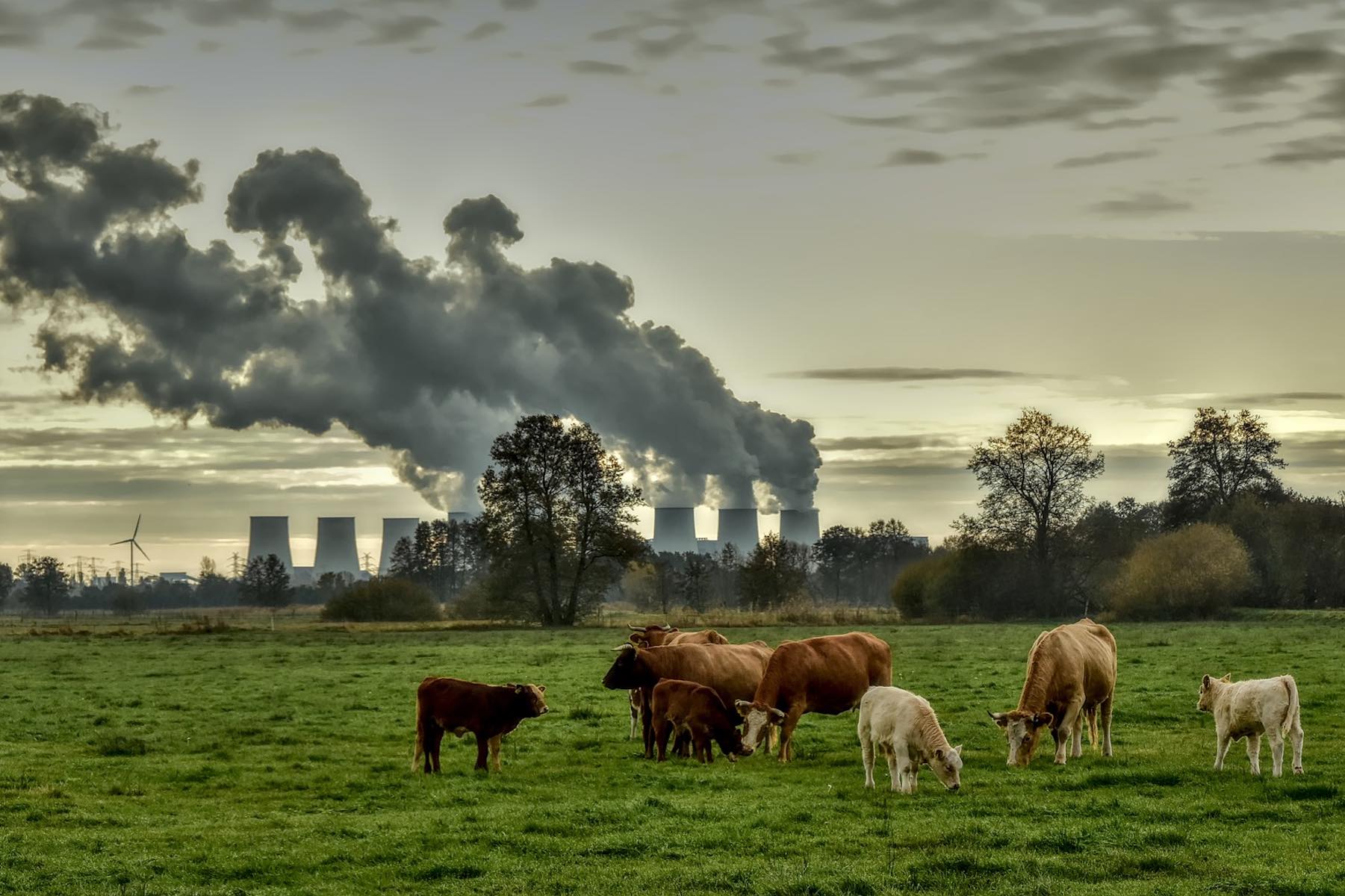
2. **Air Pollution: A Major Threat from Car Exhaust and Wear**Beyond the immediate dangers of collisions, cars pose a significant, more insidious threat to public health and the environment through air pollution. The context clearly states that “Car production and use has a large number of environmental impacts: it causes local air pollution plastic pollution and contributes to greenhouse gas emissions and climate change.” This makes air quality a critical consideration for any car owner or prospective buyer, extending the impact of a vehicle far beyond its tailpipe. The emissions from petrol and diesel internal combustion engines (ICEs) are particularly concerning.
The primary sources of this pollution are “exhaust gas in diesel and petrol cars and from dust from brakes, tyres, and road wear.” This means that even as engine technology improves, other components of a vehicle continue to contribute to airborne particulate matter. The pollutants released into the atmosphere from millions of vehicles can lead to a host of respiratory and cardiovascular problems, affecting communities, especially those living near busy roadways. The health implications are far-reaching and disproportionately impact vulnerable populations.
Furthermore, the context notes that “Air pollution from cars increases the risk of lung cancer and heart disease.” These are severe, long-term health consequences that underscore the gravity of vehicle emissions. For consumers, understanding that their choice of vehicle and driving habits can directly contribute to these widespread health issues is crucial. Efforts to reduce personal vehicle emissions, such as choosing more fuel-efficient models or electric vehicles, can have a tangible positive impact on community health.
The shift towards electric cars is highlighted as a promising solution. As of 2023, “electric cars produce about half the emissions over their lifetime as diesel and petrol cars.” This improvement is “set to improve as countries produce more of their electricity from low-carbon sources,” indicating a path toward even cleaner transportation. However, the current reality for most consumers is that “most cars in use in the mid 2020s run on petrol burnt in an internal combustion engine,” making the issue of air pollution an immediate concern that demands attention and proactive measures from both consumers and policymakers.

3. **Noise Pollution: An Overlooked Societal Cost of Car Usage**While less often discussed than air pollution or collisions, noise pollution constitutes another significant societal cost directly attributed to widespread car usage. The context lists “noise pollution” explicitly as one of the costs to society, alongside air pollution and road congestion. This subtle but pervasive environmental impact can significantly detract from quality of life, disrupt ecosystems, and even contribute to public health issues that are not immediately apparent. It’s a facet of car ownership that merits greater consumer awareness.
The constant hum and roar of traffic, the blare of horns, and the sounds of engines contribute to a persistent backdrop of noise in urban and suburban areas. This incessant auditory assault can prevent restful sleep, interfere with daily activities, and reduce the overall peace and tranquility of residential spaces. For individuals, this can manifest as increased stress levels and reduced cognitive performance, impacting overall well-being. The cumulative effect across densely populated regions is substantial, making it a critical environmental consideration.
Moreover, beyond human discomfort, noise pollution from vehicles has ecological consequences. Animals and plants, as noted in the broader context of environmental effects, are negatively affected by human activities, and chronic noise can disrupt animal behavior, communication, and migratory patterns. The intrusion of automotive noise into natural habitats can have far-reaching implications for biodiversity and ecosystem health. This highlights the interconnectedness of seemingly minor inconveniences with larger environmental concerns.
Addressing noise pollution requires a multi-pronged approach, from urban planning that incorporates noise barriers and traffic calming measures to advancements in vehicle technology that reduce engine and tire noise. For consumers, opting for quieter vehicles, supporting policies that promote noise reduction, and considering alternative transport in residential areas can all contribute to mitigating this often-overlooked environmental burden. Recognizing noise as a form of pollution is the first step toward effective remediation and improving societal well-being.
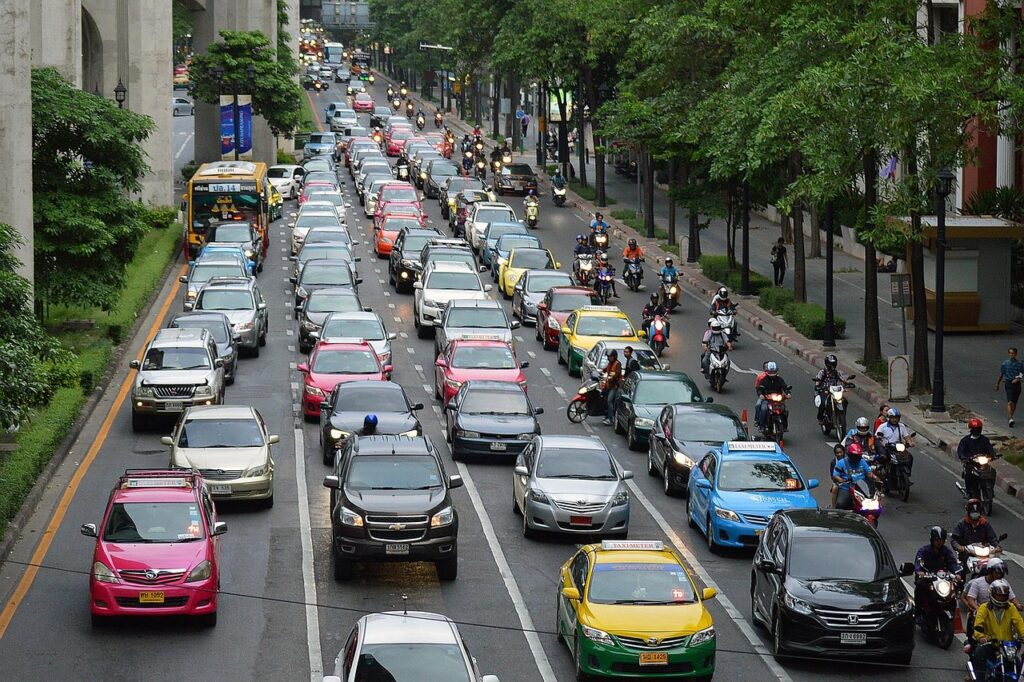
4. **Road Congestion: The Daily Burden of Increased Car Popularity**The sheer success and proliferation of the automobile, while offering individual benefits, have also led to one of its most frustrating and economically detrimental downsides: road congestion. The context directly points out that “Growth in the popularity of cars and commuting has led to traffic congestion,” explicitly listing it as an issue in many major cities. This daily reality for millions of commuters around the globe represents a significant cost, both to individuals in terms of lost time and to society in economic productivity and environmental impact.
Congestion is not merely an inconvenience; it represents considerable lost driving time for individuals, a cost accounted for in the broader economics of car usage. This means more time spent idling, consuming fuel, and contributing to air pollution, rather than being productive or enjoying leisure activities. The economic drain is immense, impacting businesses through delayed deliveries and reduced efficiency, and imposing a collective burden on infrastructure maintenance to accommodate ever-increasing traffic volumes.
The context illustrates the global scale of this problem, noting that “Moscow, Istanbul, Bogotá, Mexico City and São Paulo were the world’s most congested cities in 2018 according to INRIX, a data analytics company.” This global snapshot underscores that traffic gridlock is a universal challenge, transcending geographical boundaries and affecting highly developed and industrializing nations alike. The ability of societies to effectively manage and alleviate congestion directly impacts their economic vitality and citizens’ quality of life.
Solutions to road congestion are multifaceted, ranging from improved public transportation systems and urban planning that encourages walkability and cycling, to technological solutions like intelligent traffic management and car-sharing schemes. “Services like car sharing offer residents to ‘share’ a vehicle rather than own a car in already congested neighbourhoods,” presenting a practical alternative. For consumers, considering carpooling, public transit, or even adjusting travel times can help alleviate this pervasive issue, contributing to a smoother, more efficient collective commute.

5. **Greenhouse Gas Emissions: Cars’ Significant Contribution to Climate Change**Perhaps the most globally significant environmental impact of car usage is its direct contribution to climate change through greenhouse gas emissions. The context unequivocally states that “Car production and use has a large number of environmental impacts… it contributes to greenhouse gas emissions and climate change.” This places the automotive industry and individual vehicle choices squarely at the center of the urgent global effort to mitigate environmental degradation and safeguard the planet’s future.
Specifically, the data highlights the scale of the challenge: “Cars and vans caused 10% of energy-related carbon dioxide emissions in 2022.” This significant percentage underscores the collective impact of billions of vehicles worldwide, each burning fossil fuels and releasing CO2 into the atmosphere. The reliance on internal combustion engines, particularly those fueled by petrol, which “most cars in use in the mid 2020s run on,” means that this issue remains a pressing concern for the foreseeable future, despite the advent of cleaner alternatives.
Adding to this challenge is the “growing demand for large SUVs is driving up emissions from cars.” This trend directly counteracts efforts to reduce carbon footprints, as larger vehicles typically consume more fuel and, consequently, emit more greenhouse gases. The context mentions that “without the shift towards SUVs, energy use per unit distance could have fallen 30% more than it did from 2010 to 2022,” illustrating the profound impact of consumer preferences on global emission targets and environmental outcomes.
The transition to electric cars is presented as a crucial part of climate change mitigation strategies. “Electric cars, which were invented early in the history of the car, became commercially available in the 2000s and widespread in the 2020s.” This shift is prominently featured in “most climate change mitigation scenarios,” offering a tangible pathway to reduce automotive-related emissions. For consumers, choosing an electric vehicle or supporting policies that promote renewable energy for electricity generation are powerful actions to address this critical environmental challenge.

6. **Microplastics and Heavy Metals: Hidden Environmental Costs of Car Materials**Beyond the visible exhaust fumes, cars also contribute to environmental degradation through the less obvious release of “Heavy metals and microplastics (from tyres)” into the environment. This aspect of car use, occurring “during production, use and at the end of life,” presents a pervasive and long-term environmental challenge that often goes unnoticed by the average consumer. It highlights that the environmental impact of vehicles extends far beyond just fuel consumption and tailpipe emissions.
Microplastics, originating primarily from tire wear, are microscopic particles that enter waterways and soil, eventually making their way into food chains. These tiny plastic fragments are persistent in the environment and can have detrimental effects on ecosystems and potentially human health, though research on their full impact is ongoing. For consumers, understanding that even the seemingly benign act of driving contributes to this pervasive form of pollution adds another layer of complexity to responsible vehicle ownership.
Similarly, the release of heavy metals from brake pads, engine components, and other parts, throughout the vehicle’s lifecycle, poses a significant risk. These metals can accumulate in soil and water, becoming toxic to plants, animals, and humans. The context notes that “Mining related to car manufacturing and oil spills both cause water pollution,” illustrating a broader impact that starts from the very raw materials used to build cars. This emphasizes that the environmental footprint of a car begins long before it reaches the dealership and continues long after it is scrapped.
To mitigate these hidden costs, consumers can support manufacturers who prioritize sustainable materials, responsible manufacturing processes, and comprehensive end-of-life recycling programs for vehicles. While individual actions regarding microplastic and heavy metal emissions might seem small, a collective shift in consumer awareness and demand can drive the automotive industry towards more environmentally benign practices. This involves recognizing that the entire lifecycle of a car, from raw material extraction to disposal, has environmental consequences that need to be addressed.

7. **Water Pollution: The Broader Impact from Manufacturing to Runoff**While exhaust emissions justly capture much of the attention regarding automotive environmental impacts, the journey of a car, from its inception to its daily operation, contributes to water pollution in ways that are often unseen. The extraction of raw materials, particularly through mining activities necessary for car manufacturing, is a significant starting point for this environmental burden. The context explicitly notes that “Mining related to car manufacturing and oil spills both cause water pollution,” highlighting the pervasive nature of this issue from the very foundation of the industry. These industrial processes can introduce toxic substances and sediment into water bodies, profoundly impacting aquatic ecosystems and human water sources.
Furthermore, the operational phase of vehicles, even beyond accidental spills, contributes to chronic water contamination. As cars traverse our roads, their components gradually wear down. We previously touched upon microplastics and heavy metals originating from tires and brakes, but it’s crucial to understand how these particles ultimately reach our water systems. Rain washes these microscopic fragments and metal dust from road surfaces into drains, rivers, and eventually oceans, becoming persistent pollutants that accumulate in the environment. This constant runoff means that even seemingly minor wear and tear has a collective, substantial impact on water quality over time.
The broader industrial ecosystem supporting car usage also plays a significant role in water contamination. The processes of refining fossil fuels, transporting them across vast distances, and the inherent potential for spills—as mentioned in the context—all pose threats to water integrity. Whether it’s a large-scale oil spill impacting marine life and coastlines or the chronic leakage of hydrocarbons and other chemicals from millions of vehicles on roadways, these substances find their way into sensitive aquatic environments, disrupting habitats and posing health risks to wildlife and humans. A comprehensive understanding of a car’s environmental footprint must therefore encompass these wide-ranging sources of water contamination throughout its entire lifecycle.
Recognizing the scope of this challenge, from the initial resource extraction to the daily use and disposal of vehicles, is essential for consumers. Choosing vehicles and supporting policies that promote sustainable manufacturing, cleaner fuel production, and effective waste management can contribute to mitigating this pervasive form of pollution. It underscores that the environmental consequences of our automotive choices extend far beyond what is visible at the tailpipe.

8. **Public Health Impacts from Inactivity: The Sedentary Lifestyle Car Dependency Fosters**The unparalleled convenience offered by cars, while a significant individual benefit, has inadvertently cultivated a more sedentary lifestyle with serious and widespread public health ramifications. The ability to drive almost anywhere, directly from door to door, has diminished the necessity for physical activity in daily routines. This phenomenon is clearly articulated in the context, which states, “The growth in popularity of the car allowed cities to sprawl, therefore encouraging more travel by car, resulting in inactivity and obesity, which in turn can lead to increased risk of a variety of diseases.” This fundamental shift from active commuting and daily movement to passive transportation has profound long-term health consequences for populations globally.
Urban planning decisions, often heavily influenced by car-centric models, have further exacerbated this issue. Sprawling cities, characterized by long distances between homes, workplaces, retail, and recreational amenities, make walking, cycling, or using public transport less feasible or appealing for daily trips. This design effectively locks individuals into relying on private vehicles, thereby reducing the incidental physical activity that might otherwise occur through daily errands or commutes. The result is a population less engaged in regular movement, contributing directly to a rise in lifestyle-related illnesses that burden healthcare systems.
The increased risk of a “variety of diseases” linked to inactivity and obesity is a critical public health concern that consumers must consider. Conditions such as heart disease, type 2 diabetes, certain types of cancer, and musculoskeletal problems are all known to be exacerbated by a lack of regular exercise. For individuals, this implies that the ‘cost’ of car dependency extends well beyond fuel and maintenance, manifesting as potential healthcare expenses, reduced vitality, and a diminished quality of life. Understanding this connection is vital for making informed choices about personal mobility and supporting healthier community designs.
Addressing this challenge requires a concerted effort to promote urban environments that encourage active living. This includes investing in pedestrian-friendly infrastructure, expanding accessible public transportation networks, and advocating for mixed-use zoning that brings essential services closer to residential areas. For consumers, considering alternatives like walking, cycling, or public transit for shorter journeys can have a tangible positive impact on individual health and contribute to a broader cultural shift towards more active lifestyles.

9. **Specific Vulnerabilities for Children: Compounding Health and Developmental Risks**Children, due to their developing bodies and often heightened exposure rates, face unique and magnified risks from car-related environmental and societal impacts. Their respiratory systems, still maturing, are particularly susceptible to airborne pollutants that permeate urban environments. The context highlights this vulnerability starkly: “Children are extra vulnerable to air pollution, as their bodies are still developing and air pollution in children is linked to the development of asthma, childhood cancer, and neurocognitive issues such as autism.” This makes the air quality in areas with high traffic density an especially urgent concern for families and communities, where the youngest are exposed to these insidious threats daily.
Beyond direct physiological harm, the car-centric design of many modern environments also significantly impacts children’s developmental opportunities. When “places are designed around cars, children have fewer opportunities to go places by themselves, and lose opportunities to become more independent.” This means reduced chances for outdoor play, exploration, and developing crucial navigation and social skills that naturally arise from independent mobility. The reliance on adult supervision for all transportation restricts their autonomy and limits their organic engagement with their local surroundings, potentially hindering holistic physical and cognitive development.
The cumulative effect of these environmental exposures and developmental limitations can profoundly shape a child’s health trajectory and life experiences. From an increased likelihood of chronic illnesses directly linked to air pollution to a reduced capacity for physical activity and independent exploration, the widespread presence and design influence of cars present multifaceted challenges for the youngest members of our society. These impacts extend to their ability to build resilience and self-reliance, vital attributes for growth and future well-being.
Recognizing these specific vulnerabilities is crucial for advocating for policies and urban designs that explicitly prioritize children’s health and well-being in an automotive world. This includes creating safer pedestrian routes, expanding green spaces, and reducing traffic exposure around schools and residential areas. Consumers, by supporting these initiatives and making conscious choices about driving habits, can contribute to fostering environments where children can thrive, free from the avoidable burdens of car-related pollution and design constraints.
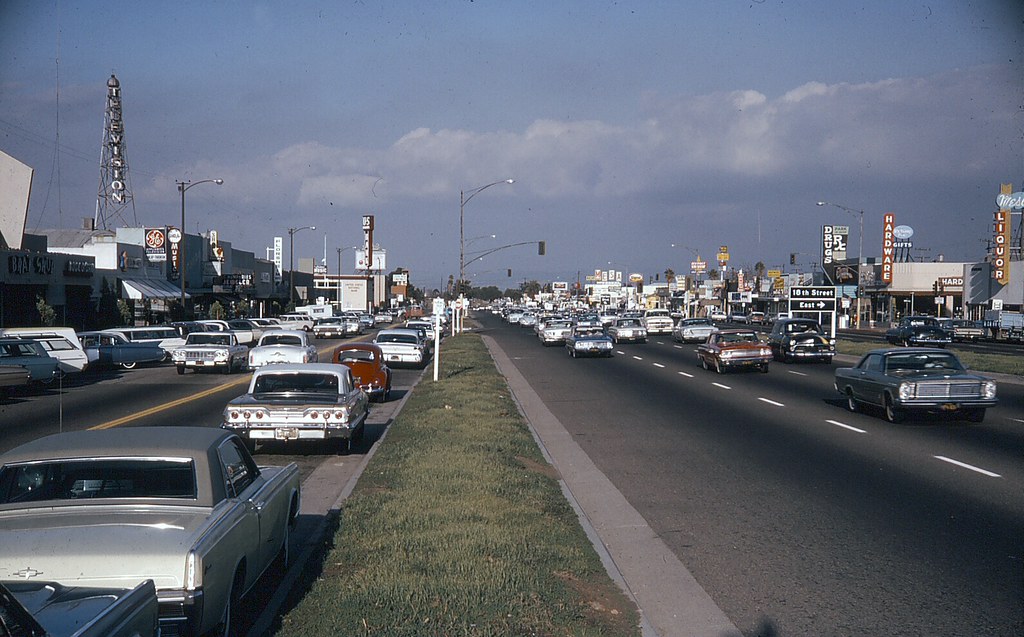
10. **Socio-Economic Effects of Car Dependency: Barriers and Disparities in Mobility**The widespread reliance on cars in modern societies has created a complex web of socio-economic effects, particularly manifesting as significant barriers and disparities for certain segments of the population. While cars undoubtedly offer significant individual mobility and freedom, they also create a “transport divide” that disproportionately impacts low-income communities and marginalized groups. As the context points out, “In the United States, the transport divide and car dependency resulting from domination of car-based transport systems presents barriers to employment in low-income neighbourhoods.” Without reliable, affordable public transportation options, a personal car becomes not merely a convenience, but an absolute necessity for accessing jobs, education, and essential services, deepening existing inequalities.
This dependency often forces individuals and families into precarious financial situations, diverting scarce resources from other vital needs. The context further explains that “many low-income individuals and families forced to run cars they cannot afford in order to maintain their income.” The combined costs of vehicle acquisition, ongoing fuel expenses, insurance premiums, regular maintenance, and unforeseen repairs can become an overwhelming and unsustainable burden. This perpetuates a cycle where the very means of achieving economic stability—a car—becomes a significant drain on already strained budgets, exacerbating financial insecurity and hindering upward mobility.
Moreover, social issues can intersect with car dependency in ways that reveal deeper, systemic inequalities within society. The context specifically mentions that “Dependency on automobiles by African Americans may result in exposure to the hazards of driving while black and other types of racial discrimination related to buying, financing and insuring them.” This highlights how systemic biases can manifest within the automotive ecosystem, adding layers of disadvantage and risk for marginalized groups. These experiences demonstrate that car ownership is not a level playing field for all, but can be a source of additional stress and inequity for many.
Addressing car dependency, therefore, involves not only environmental and health considerations but also a fundamental commitment to social equity and justice in transportation access. This means actively developing robust, accessible, and affordable public transportation systems, promoting walkable communities, and implementing policies that protect vulnerable populations from discriminatory practices within the automotive industry. It requires acknowledging that true mobility should not be contingent on car ownership, particularly when it creates such profound socio-economic divides.
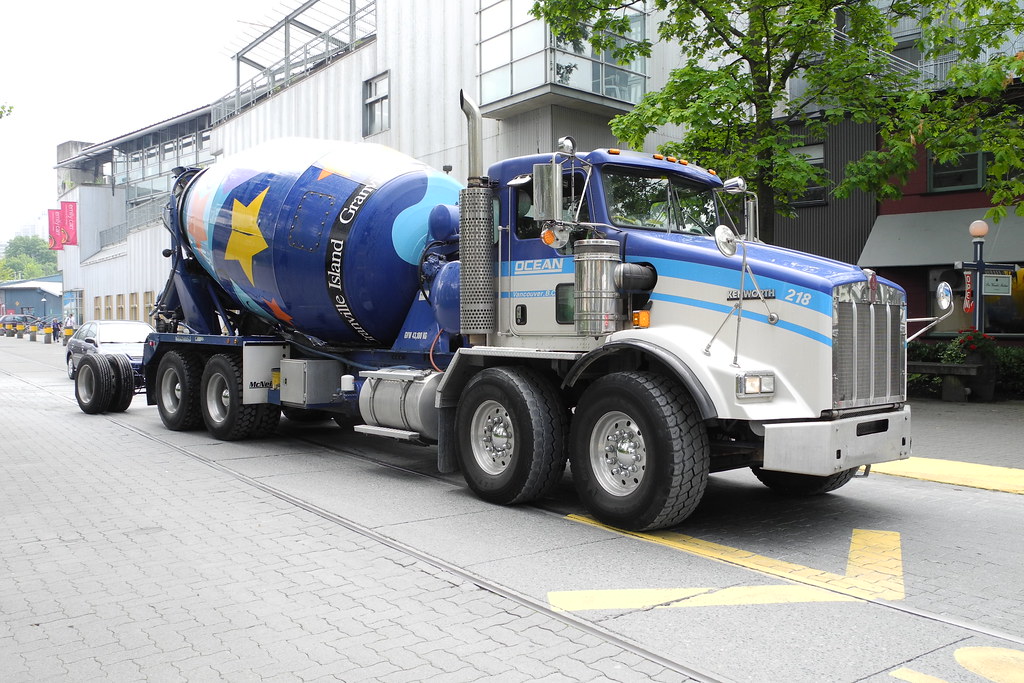
11. **Risks from Heavier Vehicles: A Trade-off Between Perceived Safety and Broader Danger**The increasing size and weight of modern vehicles, particularly driven by the growing demand for SUVs, introduce a complex set of risks that extend beyond individual vehicle occupants to impact overall road safety and environmental goals. While a heavier car might offer a perceived sense of security to its driver in a crash, this often comes at a significant cost to others on the road. The context unequivocally states, “Heavier cars are safer for the driver from a crash perspective, but more dangerous for other vehicles and road users.” This critical trade-off means that as vehicles become larger and heavier, they pose a greater threat to pedestrians, cyclists, and occupants of smaller vehicles in the event of a collision, increasing the severity of injuries or fatalities.
This shift towards heavier vehicles also has significant and detrimental environmental implications, directly undermining efforts to reduce greenhouse gas emissions. The context points out that “A growing demand for large SUVs is driving up emissions from cars,” indicating a counterproductive trend in vehicle choices. Even more starkly, it notes that “without the shift towards SUVs, energy use per unit distance could have fallen 30% more than it did from 2010 to 2022,” illustrating the profound impact of consumer preferences on global emission targets and environmental outcomes. Larger vehicles inherently require more energy to move, translating into higher fuel consumption for internal combustion engines or greater electricity demand for electric vehicles.
Furthermore, the increased weight of cars directly influences both fuel consumption and overall performance, with “more weight resulting in increased fuel consumption and decreased performance.” This means that the operational costs for consumers also rise, compounding the environmental burden with higher expenses at the pump or charging station. The additional energy required not only impacts the environment but also the consumer’s wallet, creating a less efficient and more costly mode of transport than necessary.
In recognition of these multifaceted challenges, some jurisdictions are beginning to implement policies to counteract the trend towards heavier vehicles. The context notes that some places “tax heavier cars more,” an incentive designed with dual objectives. This fiscal measure aims to “improve pedestrian safety” by discouraging the proliferation of vehicles that pose a greater risk to vulnerable road users. It also seeks to “encourage manufacturers to use materials such as recycled aluminium instead of steel” for lighter designs, promoting innovation in sustainable materials and engineering.
This highlights a growing awareness of the need to balance individual safety perceptions with broader societal and environmental responsibilities in vehicle design and purchasing decisions. Consumers are encouraged to consider not only the safety features for themselves but also the wider impact of vehicle weight and size on community safety and ecological health. The conversation around heavier vehicles is evolving to encompass these broader, often externalized, costs.
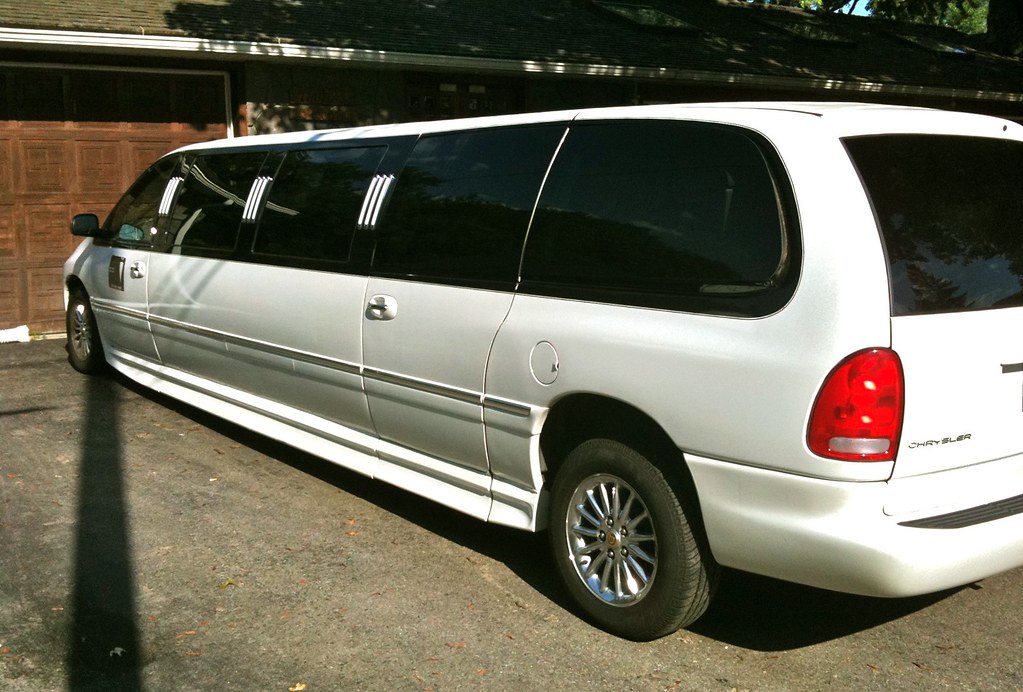
12. **Increasing Complexity of Modern Car Controls: User Experience and Potential for Distraction**Over the decades, cars have undergone a remarkable transformation from relatively simple mechanical machines to highly sophisticated, technology-laden vehicles, bringing with them an “increasing complexity of modern car controls.” While many new features are designed to enhance “passenger comfort” and “safety,” the sheer volume and intricacy of these integrated systems can present unforeseen challenges for drivers. The context notes that “Over the decades, additional features and controls have been added to vehicles, making them progressively more complex,” detailing examples such as “rear-reversing cameras, air conditioning, navigation systems, and in-car entertainment.” These additions, while offering benefits, simultaneously demand more cognitive attention and interaction from the driver.
A significant and evolving trend in modern automotive interior design is the “replacement of physical knobs and switches by secondary controls with touchscreen controls such as BMW’s iDrive and Ford’s MyFord Touch.” While visually sleek and minimalist, these interfaces often require drivers to divert their gaze from the road to navigate menus, select options, and confirm commands. Unlike tactile physical buttons or dials that can be operated by feel without looking, touchscreens necessitate visual confirmation, which can be a critical safety concern, especially during dynamic driving conditions where a split second of inattention can have severe consequences.
Moreover, the underlying technology mediating driver input has become significantly more intricate, with the context stating that “in the early 2020s, cars have increasingly replaced these physical linkages with electronic controls.” This transition from mechanical to ‘drive-by-wire’ systems for elements like accelerator pedals, brake mechanisms, and even steering introduces new layers of software and electronic dependency. While enabling advanced safety features, sophisticated driver assistance systems, and potential for automation, it also means that the interface between driver and vehicle is mediated by complex computational systems, requiring drivers to adapt to new forms of feedback and control that may feel less direct.
For consumers, understanding this escalating complexity is key to safe operation and appreciating the ongoing evolution of automotive technology. It necessitates taking time to familiarize oneself thoroughly with a vehicle’s controls and systems, recognizing the potential for distraction, and prioritizing road safety above all else. As cars continue to integrate more advanced electronics and software, the design of intuitive, safe user interfaces will remain a critical challenge for manufacturers, impacting both driver experience and overall road safety.
As we conclude this in-depth look at the broader implications of car ownership and use, it becomes clear that our relationship with automobiles is far more intricate than simple convenience and mobility. From the immediate dangers of collisions and localized pollution to the hidden costs of inactivity, social disparities, and environmental degradation, cars present a spectrum of challenges that demand our collective attention. The future of personal mobility requires a thoughtful balance between innovation and responsibility, encouraging both manufacturers and consumers to embrace choices that prioritize safety, sustainability, and equitable access for all. It’s an ongoing journey, one that invites us to drive not just with purpose, but with a profound awareness of our wider impact on society and the planet.