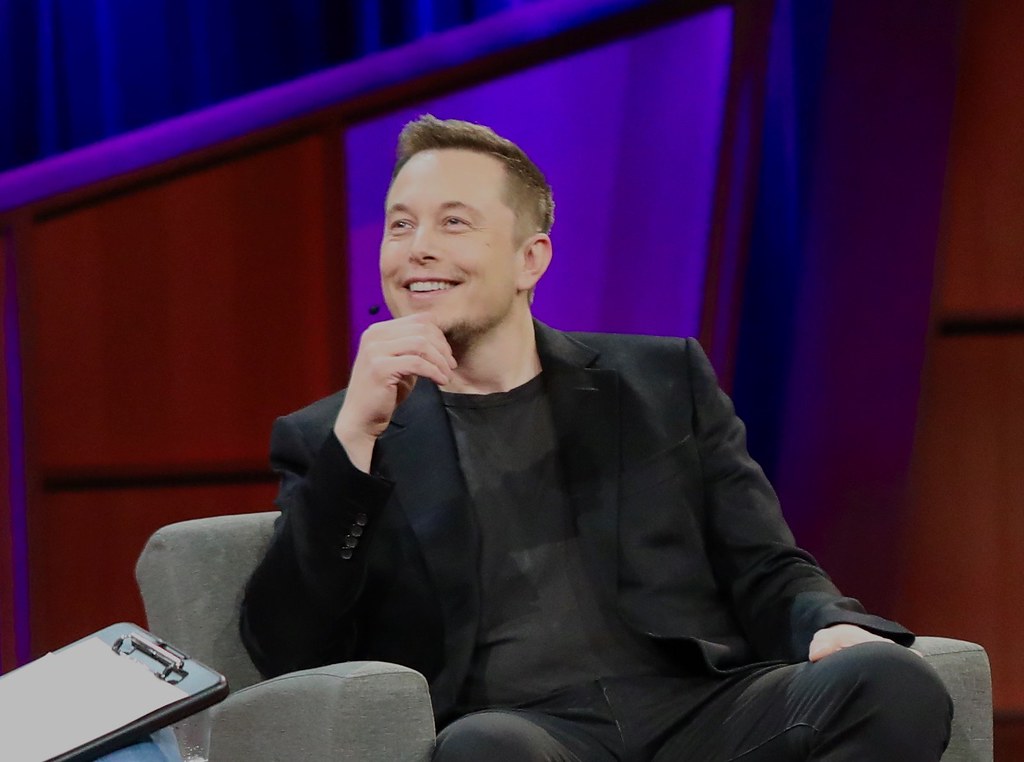
Elon Musk, the polarizing figure at the helm of Tesla, SpaceX, and now Twitter, continues to command global attention with his distinctive management philosophies and bold business decisions. His recent acquisition of Twitter for $44 billion has ushered in a period of intense scrutiny, with observers closely watching how his unconventional approaches will reshape the social media giant. Amidst the swirling speculation and significant organizational shifts, a pivotal 10-hour virtual meeting with Twitter’s 7,500 employees offered an initial glimpse into the operational ethos Musk intends to embed within the company.
This all-hands Q&A session, despite starting an hour late and being delivered from a “shakily held smartphone,” served as a foundational moment for Musk to articulate his core principles for productivity and communication. These principles, derived from an earlier leaked email outlining his six rules, are not merely suggestions but rather strategic directives aimed at maximizing efficiency and cutting through corporate bureaucracy. For a company like Twitter, accustomed to a more relaxed work culture, these directives signaled a dramatic shift, emphasizing a “maniacal sense of urgency” and a rigorous focus on measurable value.
The initial weeks of Musk’s ownership have indeed been turbulent, marked by significant leadership changes, mass layoffs, and controversial product rollouts. Yet, beneath the surface of these high-profile actions lies a deeper commitment to fundamentally re-engineering how work gets done. By dissecting Musk’s six rules for productivity, which prioritize directness, clarity, and the relentless pursuit of value, we can gain a clearer understanding of the operational framework he believes is essential for Twitter’s success and for the sustained growth of his other ventures. These rules form the bedrock of his strategy to transform not just Twitter’s output, but its entire organizational DNA.
1. **Avoiding Large Meetings**Elon Musk’s first directive is an emphatic call to “avoid large meetings.” He asserts that “excessive meetings are the blight of big companies and almost always get worse over time,” urging employees to “get off all large meetings, unless you’re certain they are providing value to the whole audience.” This rule stems from a fundamental understanding of how quickly large gatherings can erode productivity and consume valuable person-hours without yielding proportional benefits.
The financial and operational implications of large meetings are substantial, as Musk illustrates with a simple yet stark example. An hour-long meeting with eight attendees, he points out, consumes eight person-hours, which is “the equivalent of an entire workday.” If the meeting’s size doubles, “now you’ve eaten up the equivalent of two work days for one employee.” This calculation underscores the exponential loss of productivity when multiple individuals are present but not actively contributing or deriving value.
The core intent behind this rule is to challenge the default assumption that all stakeholders must be present for every discussion. By questioning the necessity of each participant and demanding clear value for “the whole audience,” Musk aims to foster a culture where meetings are lean, purposeful, and directly contribute to the company’s objectives. The focus shifts from inclusive attendance to impactful participation, ensuring that collective time is optimized rather than squandered on discussions where only a few are truly engaged.
Read more about: The Meticulous Maestro: Unpacking the Director’s Strategic Art of Guiding Performances Through Written Notes and Detailed Directives

2. **Eliminating Frequent Meetings**Closely aligned with the aversion to large gatherings is Musk’s second rule: “get rid of frequent meetings unless you’re dealing with an extremely urgent matter.” He explicitly states that “Meeting frequency should drop rapidly once the urgent matter is resolved.” This directive highlights a common organizational pitfall where routine meetings persist long after their initial urgency has dissipated, becoming ingrained habits rather than essential collaborative tools.
The rationale behind this rule is straightforward: “more frequent meetings mean more time talking and less time taking care of necessary tasks.” By systematically reducing the number of recurring meetings, attendees are afforded “more time working” on substantive projects and strategic initiatives. This focus on maximizing uninterrupted work periods is crucial for fostering deep work and enabling employees to make tangible progress on their responsibilities.
Musk’s approach suggests a dynamic and adaptable meeting schedule, where frequency is dictated by the genuine needs of a project rather than a fixed calendar. Once a critical issue is addressed, the cadence of meetings should naturally recede, preventing the accumulation of unproductive discussions. This encourages a continuous evaluation of meeting efficacy, ensuring that precious time is allocated only when absolutely necessary and demonstrably valuable.
Read more about: Unlock Your Potential: A CNET Guide to Mastering S.M.A.R.T. Goals for Everyday Success
3. **Empowering Employees to Leave Meetings**Perhaps the most unconventional yet pragmatic of Musk’s meeting-related rules is the instruction to “walk out of a meeting or drop off a call as soon as it is obvious you aren’t adding value.” He clarifies that “It is not rude to leave, it is rude to make someone stay and waste their time.” This bold directive directly challenges traditional corporate etiquette, where remaining in a meeting, even if disengaged, is often seen as a sign of respect.
This rule is fundamentally about respecting individual productivity and time. By giving employees “the power to leave meetings that they aren’t benefiting from or aren’t actively assisting other people,” Musk aims to significantly reduce “wasted time” across the organization. The focus shifts from passive attendance to active contribution, empowering individuals to make an immediate assessment of their utility in any given discussion.
The implications of this rule are profound for fostering a culture of accountability and self-management. It places the onus on individuals to critically evaluate their presence and contribution, rather than passively enduring irrelevant discussions. This not only frees up time for productive tasks but also encourages meeting organizers to ensure that agendas are tight, participants are relevant, and every minute is optimized for collective progress, thereby mitigating the risk of time theft disguised as collaboration.
Read more about: Reclaiming Your Life: How One Teacher Mastered the Art of Quiet Quitting for Two Years to Thrive While Still Getting Paid
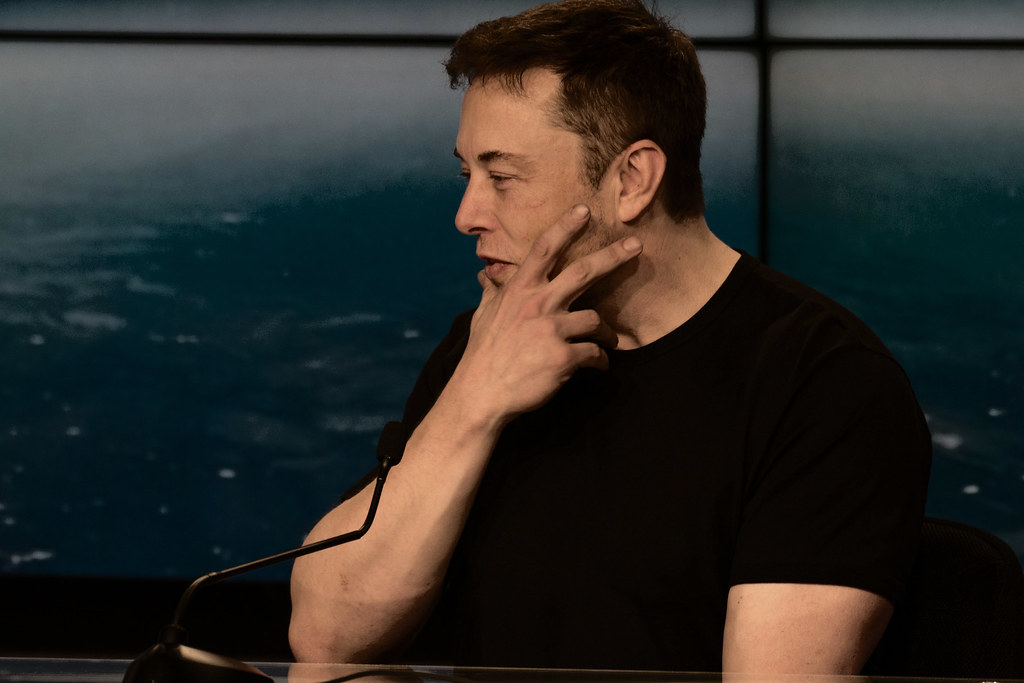
4. **Banning Acronyms and Jargon**Transitioning from meeting protocols to communication standards, Musk’s next rule is to “don’t use acronyms or nonsense words for objects, software or processes.” He elaborates that “In general, anything that requires an explanation inhibits communication. We don’t want people to have to memorize a glossary just to function.” This directive targets a pervasive issue in large organizations where specialized language often creates unnecessary barriers to understanding.
Many businesses fall into the trap of over-relying on acronyms and internal jargon, making it challenging for new hires or inter-departmental collaborators to grasp critical information without constant clarification. Musk provides a clear example: instead of saying, “our ITSM team uses ITIL to reduce the MTTR on break-fix issues,” a more effective communication would be, “our technology support team uses a specific set of processes to solve customers’ computer problems more quickly.” The latter gets “the same idea across more effectively” by prioritizing clarity over assumed knowledge.
This emphasis on plain language is not merely about simplifying vocabulary; it is about ensuring frictionless information flow across all levels of the company. By eliminating the need for a “glossary,” Musk aims to reduce cognitive load, accelerate comprehension, and minimize misinterpretations that can lead to errors and delays. The rule promotes a universal standard of communication where ideas are conveyed directly and unambiguously, fostering a more inclusive and efficient informational environment.
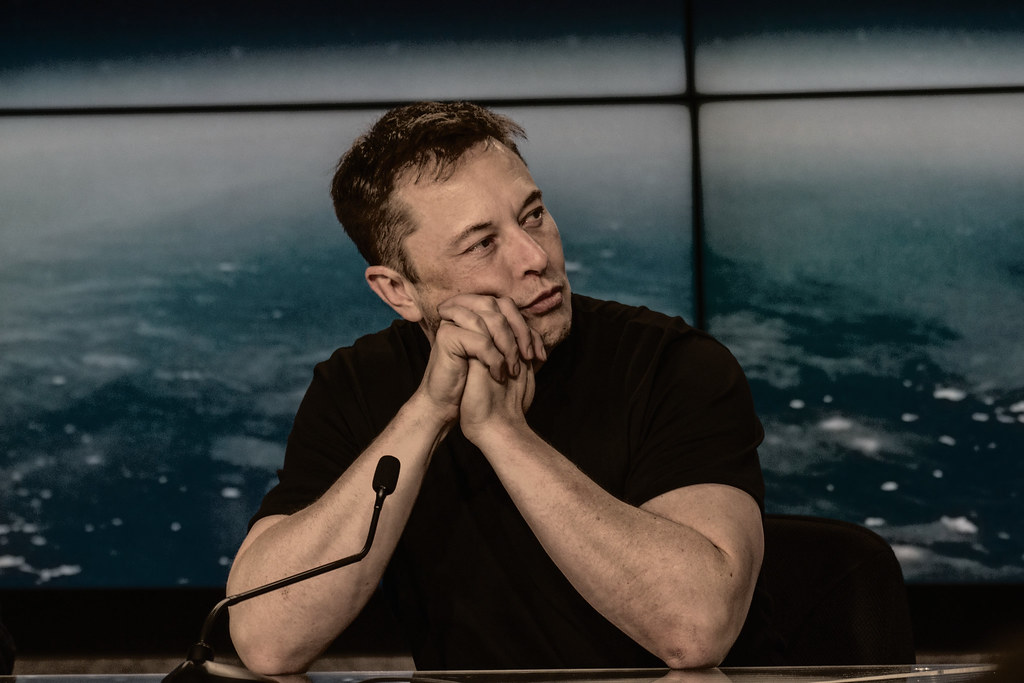
5. **Streamlining Communication (Ignoring Chain of Command)**Musk advocates for a radical departure from traditional hierarchical communication structures, urging employees to “ignore the chain of command.” His rule dictates that “communication should travel via the shortest path necessary to get the job done.” This challenges the often-entrenched belief that every communication must ascend and descend through multiple layers of management, which he sees as a significant impediment to progress.
Musk vividly illustrates the inefficiencies of a rigid chain of command: “if, in order to get something done between departments, an individual contributor has to talk to a manager, who talks to a director, who talks to a VP, who talks to another VP, who talks to a director, who talks to a manager, who talks to someone doing the actual work, then super dumb things will happen.” Such circuitous routes, he argues, not only “slow things down” but also “increase the risk of miscommunication” as messages are filtered and interpreted at each stage.
The essence of this rule is to empower direct communication between individuals who need to collaborate on a task, regardless of their position on the organizational chart. “The fewer levels between the two people who need to talk or get something done, the smoother the process will be.” This fosters agility, reduces bottlenecks, and ensures that critical information is exchanged directly and efficiently, aligning with Musk’s broader push for a “maniacal sense of urgency” in getting things done.
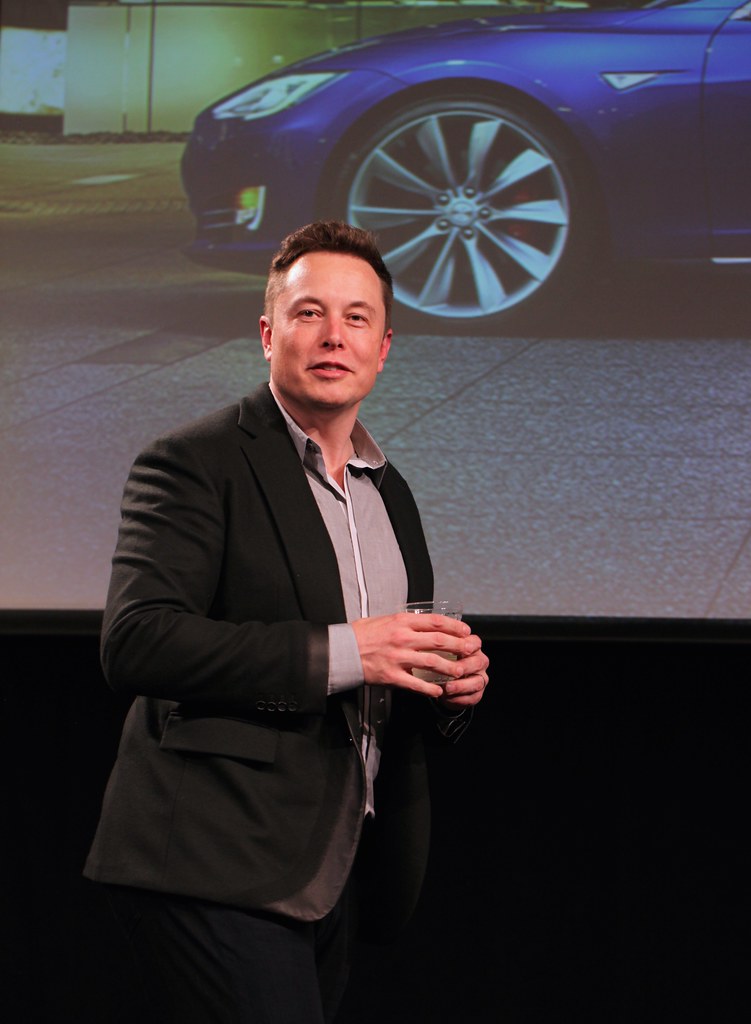
6. **Prioritizing Common Sense**The final, overarching rule in Musk’s productivity framework is a powerful appeal to practical judgment: “in general, always pick common sense as your guide.” He elaborates further, stating, “If following a company rule is obviously ridiculous in a particular situation, such that it would make for a great Dilbert cartoon, then the rule should change.” This principle places rational decision-making above dogmatic adherence to established protocols.
This rule implicitly acknowledges that no set of company regulations can perfectly anticipate every unique scenario. When a rule becomes a hindrance rather than a help, or when its application yields an absurd outcome, Musk encourages employees to recognize and challenge it. Essentially, “if there’s a more logical way to do something, opt for that to increase efficiency,” rather than blindly following a process that actively detracts from productivity or logical operations.
By empowering employees to prioritize common sense, Musk aims to cultivate a culture of critical thinking and continuous improvement. It grants individuals the autonomy to question and suggest modifications to rules that have become obsolete or counterproductive. This approach ensures that the organization remains adaptive and agile, preventing bureaucracy from stifling innovation and efficiency, and ultimately aligning all actions with the overarching goal of getting things done effectively.
Beyond the foundational rules for internal operations, Elon Musk utilized his initial address to Twitter employees to unveil an ambitious strategic vision for the platform’s future. This vision extends far beyond mere operational tweaks, encompassing aggressive user growth targets, innovative revenue diversification, profound shifts in content strategy, and a pragmatic re-evaluation of fundamental workplace practices like remote work, all while relentlessly pursuing higher operational efficiency. Musk’s comprehensive plan seeks to transform Twitter from a social media company into a multifaceted digital public utility, reshaping its purpose and economic model for sustained growth and global influence. His directives signal a fundamental re-engineering of Twitter’s external impact, matching the internal overhaul of its work culture.
Read more about: Unveiling the Hollywood Hierarchy: The Secret Rules and Celebrity Seating Dramas of the Oscars
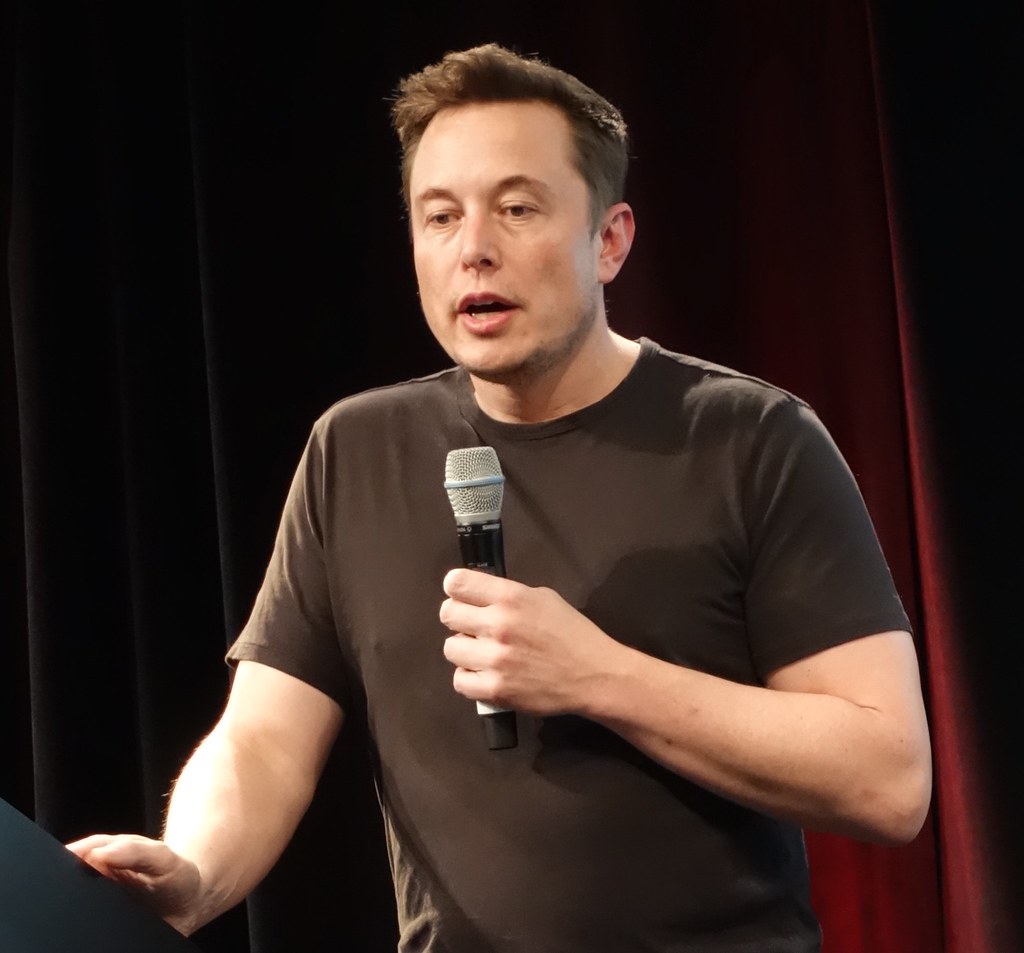
7. **Ambitious User Growth Targets**Musk articulated a monumental goal for Twitter: to scale its user base to one billion monthly or daily active users. This target, more than four times the company’s 229 million users reported in Q1 2022, underscores a radical expansion strategy. He emphasized that this pursuit is not primarily for financial gain, but rather to maximize the platform’s positive impact on global discourse, stating, “if we don’t have at least a billion humans on the system, then we have a very small percentage of humans.”
The rationale behind this aggressive growth is rooted in Musk’s belief that a larger, more diverse user base can foster greater good. He envisions Twitter as a critical tool for global connection, highlighting its existing “amazing market share in Japan” as a model for broader international engagement. The ambition is to “expose people from different countries and different language groups to ideas that are interesting, entertaining, funny,” ultimately serving as a conduit for learning and understanding across cultures.
Achieving such a dramatic increase demands a complete rethinking of user onboarding and content discovery. Musk pointed out that the current process for new users is “too complicated,” particularly via the app, contrasting it with the “buttery smooth” experience of platforms like TikTok. He advocates for simplifying sign-up, immediately engaging users with compelling content tailored to broad interests, even if not explicitly requested, to enhance discoverability and retention.
Read more about: The Billionaire Behind Pop Mart: How Wang Ning Turned Blind-Box Toys into a Global Cultural Phenomenon and $18.7 Billion Fortune

8. **The Vision for Twitter as a “Public Town Square” and “Force for Peace”**Central to Musk’s strategic vision is the re-establishment of Twitter as the “public town square where people exchange ideas and where, once in a while, they change their mind.” He articulated a profound ambition for the platform to serve as a “battleground of ideas that can hopefully take the place of the violence in a lot of cases,” thereby transforming it into a “force for peace” that can ultimately “further civilization and consciousness.”
This philosophical underpinning directly informs his stance on content moderation and free speech. Musk affirmed his commitment to “maintain users’ free speech on the platform, by allowing extreme or ‘outrageous’ views” as long as they remain “within the bounds of the law.” He posited that open discourse, even on controversial topics, is essential for a healthy public square, rather than stifling diverse perspectives. His personal political views, described as “pretty close to center” despite recent Republican votes, suggest an intent to foster broad ideological inclusiveness.
Musk’s ambition for Twitter extends to fostering “more dialog between countries,” aiming to surface interesting tweets from various regions and language groups to a global audience. This goes beyond mere entertainment, striving to create a platform where people can genuinely learn from different perspectives worldwide. The idea is to connect people across divides, using shared information and ideas to bridge gaps that might otherwise lead to conflict.
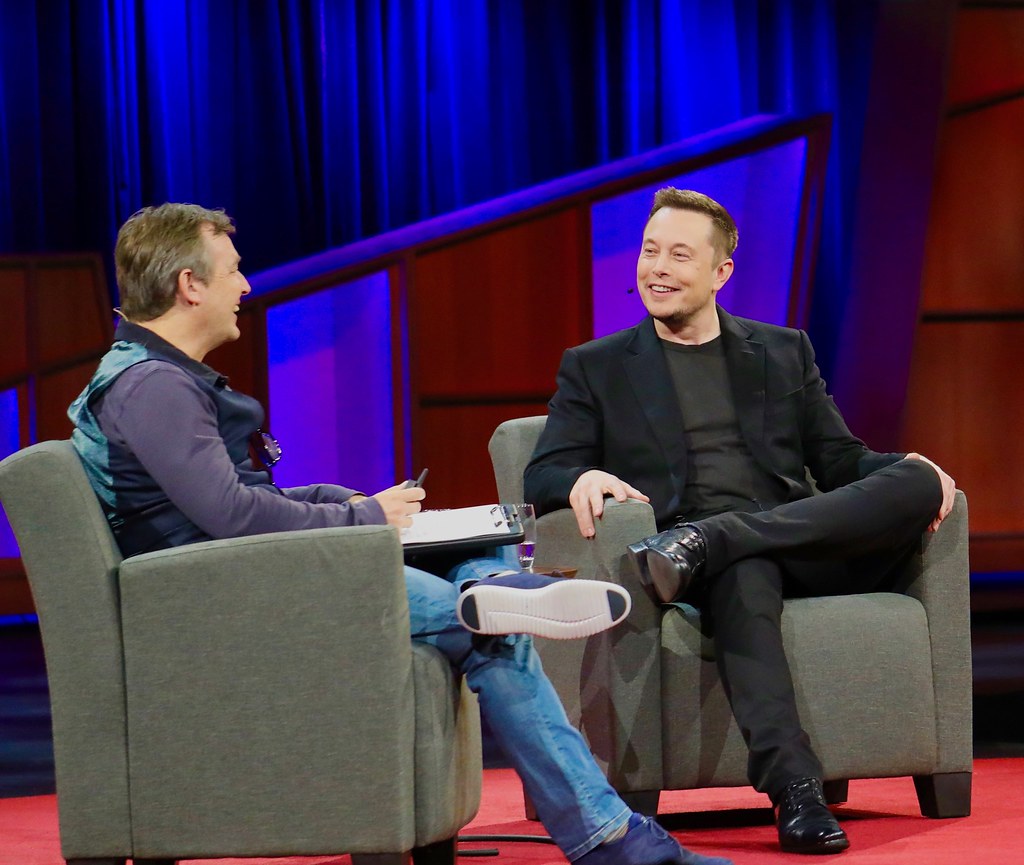
9. **Revenue Diversification through Payments and Subscriptions**Recognizing the imperative for robust financial health, Musk identified a “transformative opportunity in payments” as a critical avenue for revenue diversification. He asserted that from an information standpoint, “there’s not a huge difference between, say, just sending a direct message and sending a payment,” suggesting that Twitter’s existing messaging infrastructure could be leveraged for financial transactions. This vision includes “enabling people on Twitter to be able to send money anywhere in the world instantly and in real time,” positioning the platform as a global financial utility.
A key aspect of this payment strategy involves paid verification, initially rolled out at $8, which Musk views not only as a revenue stream but also as a crucial anti-bot measure. By requiring a phone and a credit or debit card for verification, it becomes “very difficult to scam at scale,” preventing state actors or malicious entities from deploying “a million bot accounts a day” at minimal cost. The complexity of acquiring “a million phones and a million credit cards” acts as a significant deterrent against large-scale fraud, safeguarding the authenticity of the user base.
Musk acknowledged the phased implementation of this strategy, intentionally limiting the initial rollout to iOS and a small number of countries to manage potential fraud. He noted the challenge with web-based verification, stating it “is going to be last, and we’ll do that with great caution” due to the ease with which bad actors could use “a million credit card numbers off the dark web.” This cautious approach underscores a pragmatic understanding of the security challenges inherent in expanding payment functionalities, prioritizing system stability over rapid deployment.
Read more about: Mark Cuban’s Ultimate Playbook: 14 Passive Income Streams Billionaires Use to Build Lasting Wealth
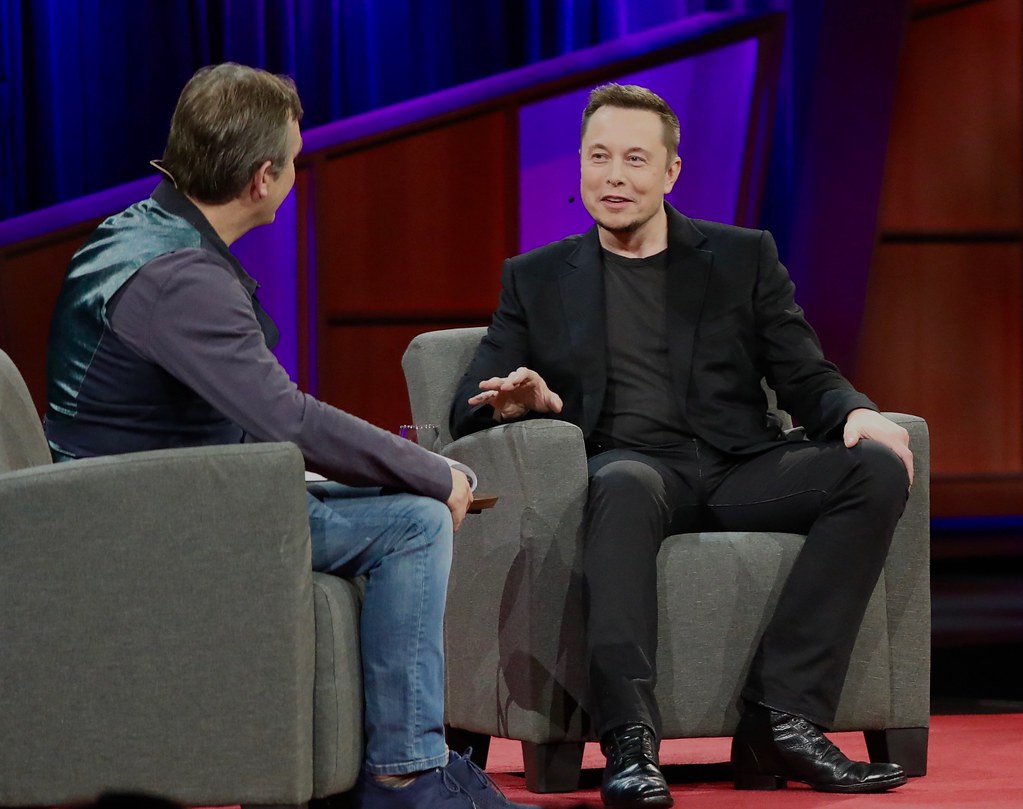
10. **Revitalizing Advertising and Content Monetization**Contrary to some earlier speculation, Musk clarified that “advertising is very important for Twitter,” directly contradicting previous assertions that he might move away from an ad-centric model. His focus, however, is on transforming advertising into a more valuable and integrated experience. He aims to “make sure the ads are as entertaining as possible” and affirmed that he “would not allow people to advertise ‘bad products’ that do not deliver on makers’ promises,” signaling a commitment to quality and user trust.
Musk advocated for a seamless integration of advertising with the platform’s core recommendation engine. He explained, “I don’t think we should have a separate ad engine and tweet recommendation engine,” because the goal is to “show people ads that are as accurate as possible to their interests.” He posited that a well-executed ad, perfectly aligned with a user’s desires, effectively becomes “content,” enhancing the user experience rather than detracting from it. He shared a personal anecdote, expressing a desire to see “ads for gizmos” which he would “buy them all in a click,” highlighting the potential for highly targeted, desirable advertising.
This integrated approach also extends to fostering a “creator flywheel” by leveraging subscriptions. Musk noted that platforms like YouTube use subscriptions to offer ad-free experiences, and Twitter could follow suit. He suggested that Twitter could initially spend money to attract creators, perhaps offering “10 percent more than YouTube” for their content, thereby building a subscriber base that can eventually support the platform through diversified revenue streams beyond traditional advertising.
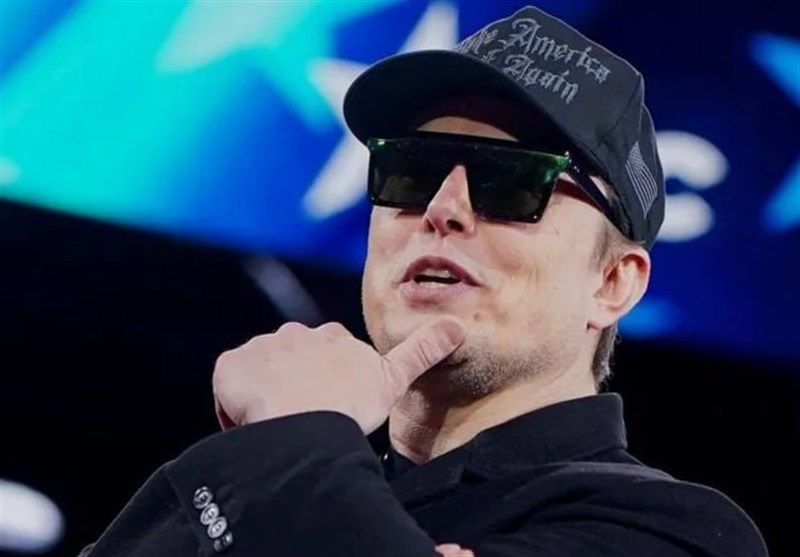
11. **Content Creator Empowerment and Multimedia Expansion**Elon Musk envisions Twitter evolving beyond its text-centric roots to become a comprehensive “multimedia platform,” embracing “pictures and video” more robustly. While acknowledging Twitter’s strength in “writing and real time,” he emphasized the need to expand its capabilities without merely copying competitors. The ultimate goal is to create a platform offering “maximum enjoyment, maximum learning,” ensuring that users “spend an hour on Twitter, and you don’t regret it,” a subtle jab at other social media experiences.
A critical component of this multimedia strategy is the empowerment of content creators. Musk identified a significant gap: “content creators cannot post the length of video that they would like to post, and they cannot monetize it, which means they cannot pay the bills.” He proposed that Twitter should enable creators to post and monetize their videos “at least to the same degree as on YouTube,” or even slightly better, providing a compelling incentive for them to choose Twitter as a primary distribution channel.
The discussion also touched upon the potential for “compelling shortform video,” even sparking an inquiry about “reviving Vine.” Musk emphasized that the focus isn’t on resurrecting old code but on developing an engaging short-form video experience. He noted the existing Twitter video player, which allows users to flip through full-screen videos, is “actually not bad” but largely undiscovered. His directive was to “surface it and make it more obvious that it exists,” indicating a commitment to optimizing existing features and investing in new, engaging multimedia capabilities to attract both creators and users.

12. **Pragmatic Stance on Remote Work and Tackling Bots/Operational Efficiency**Musk’s pragmatic approach extends to foundational workplace policies, most notably remote work. He clearly stated that only “excellent contributors” should be permitted to work from home, a position consistent with his prior stance at Tesla, where he threatened to fire employees who didn’t work at least 40 hours a week in the office. He has previously criticized Americans for “trying to avoid going to work at all,” contrasting them with diligent workers in China. This directive signaled a significant cultural shift for Twitter employees, many of whom had grown accustomed to more flexible remote policies.
Another critical area of focus is tackling the pervasive issue of bots and ensuring platform authenticity. Musk aims to make the platform “too expensive for foreign entities to feasibly deploy armies of bots,” a concern that significantly influenced his initial hesitation with the Twitter acquisition. He emphasized the importance of “authenticating real users and exiting ones that are not good,” believing that if it is sufficiently “expensive and difficult to create bot armies, we will succeed.” This commitment underscores the centrality of genuine user interaction to Twitter’s value proposition.
Finally, Musk highlighted a broad commitment to “very rapidly improve every aspect of Twitter,” citing tangible examples of needed operational efficiency. He specifically pointed to search functionality, noting that a simple search for “Jack” (referring to Jack Dorsey) did not yield “@jack” as the top result, which he deemed an immediate and obvious area for improvement. This attention to detail, coupled with his willingness to “try some crazy stuff” and embrace a “maniacal sense of urgency,” defines his strategy for a rapid, iterative overhaul of Twitter’s technical and operational infrastructure, where “revolutions are not done with caution.”
Elon Musk’s 10-hour meeting with Twitter employees laid bare a vision not just of a company, but of a global digital ecosystem under transformation. From the foundational re-engineering of internal productivity to the ambitious expansion of user reach, diversified revenue streams, empowered content creation, and a relentless pursuit of operational excellence, Musk is orchestrating a profound metamorphosis. Whether through the rigorous application of common sense, the bold embrace of direct communication, or the audacious pursuit of a billion users, Twitter’s trajectory is now irrevocably charted by a leader known for upending norms and redefining industries. The coming chapters will undoubtedly reveal the true impact of this ambitious blueprint on the future of social media and global digital interaction.” , “_words_section2”: “1940