The ongoing discourse surrounding J.K. Rowling’s views on transgender rights and the subsequent reactions from the “Harry Potter” cast has once again surged into public consciousness. A recent podcast appearance by Emma Watson, where she expressed continued affection for the author despite their ideological differences, has reignited the already simmering tensions, prompting a forceful and direct response from Rowling herself. This latest development underscores a deeply complex and emotionally charged dynamic, revealing not just a personal rift but also broader societal debates.
Rowling’s intervention on X/Twitter, a lengthy post dissecting Watson’s statements and perceived role, moved beyond a mere disagreement to a sharp critique of the actress’s “ignorant” perspective, which Rowling attributes to Watson’s privileged upbringing and sustained wealth. The exchange has transformed what was perhaps a latent tension into an overt public confrontation, laying bare the profound disconnect between the creator of the beloved Wizarding World and one of its most iconic stars. As we delve into the intricacies of this dispute, it becomes clear that this is more than just a celebrity feud; it is a battleground of differing life experiences, values, and interpretations of critical social issues, demanding a nuanced and analytical examination.
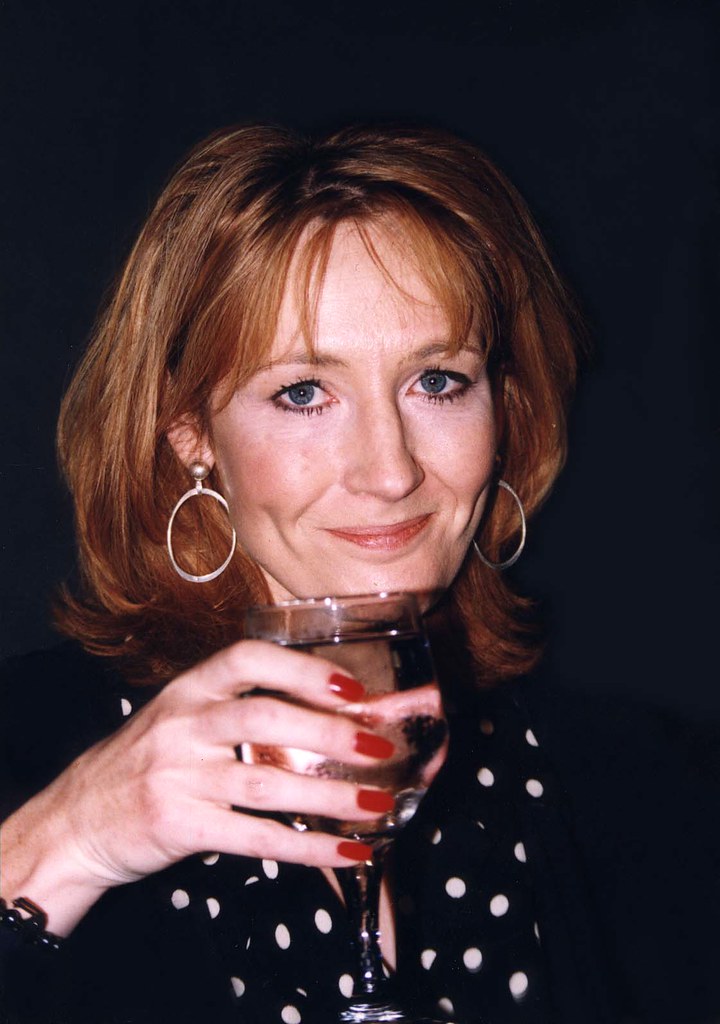
1. **Rowling’s Initial “Fulsome Comments” on X/Twitter**J.K. Rowling, the renowned author behind the “Wizarding World,” recently published her most extensive and direct commentary yet regarding her strained relationship with “Harry Potter” star Emma Watson. This significant intervention took the form of a nearly 700-word post on X/Twitter, meticulously dissecting Watson’s positions and public statements. The detailed nature of Rowling’s post signaled a significant departure from her previous, often more indirect, engagements on the complex subject of her rift with the actress. Her decision to make such a comprehensive statement underscores the gravity of her concerns and her intent to directly address the narrative.
In this powerful online missive, Rowling explicitly “tore into Watson over her ‘ignorant’ views on transgender rights,” using language that left little room for misinterpretation of her sentiments. This was not a subtle hint or a veiled criticism; it was a full-frontal assault on the intellectual basis of Watson’s public advocacy. The author’s choice of the word “ignorant” immediately set a contentious tone, suggesting a lack of understanding rather than merely a difference of opinion.
Crucially, Rowling not only voiced her strong disagreement with Watson’s perspective but also made public the content of a specific handwritten note that, according to Rowling, fundamentally altered their relationship. This act of revealing a private communication underscored the depth of the author’s frustration and her intention to fully articulate her side of the story, leaving no ambiguity about her feelings. It transformed a private interaction into public evidence within her broader argument.
The post by Rowling was not merely a reaction to Watson’s recent podcast comments but a calculated unveiling of her long-held grievances and a comprehensive articulation of her standpoint. It served as a complete statement, designed to address what she perceived as misrepresentations or underestimations of the complexities involved in her public stance on gender diversity. By sharing such an in-depth response on a widely accessible platform, Rowling ensured that her views, and the perceived history between herself and Watson, reached a vast audience, further solidifying the contentious nature of their long-standing disagreement.
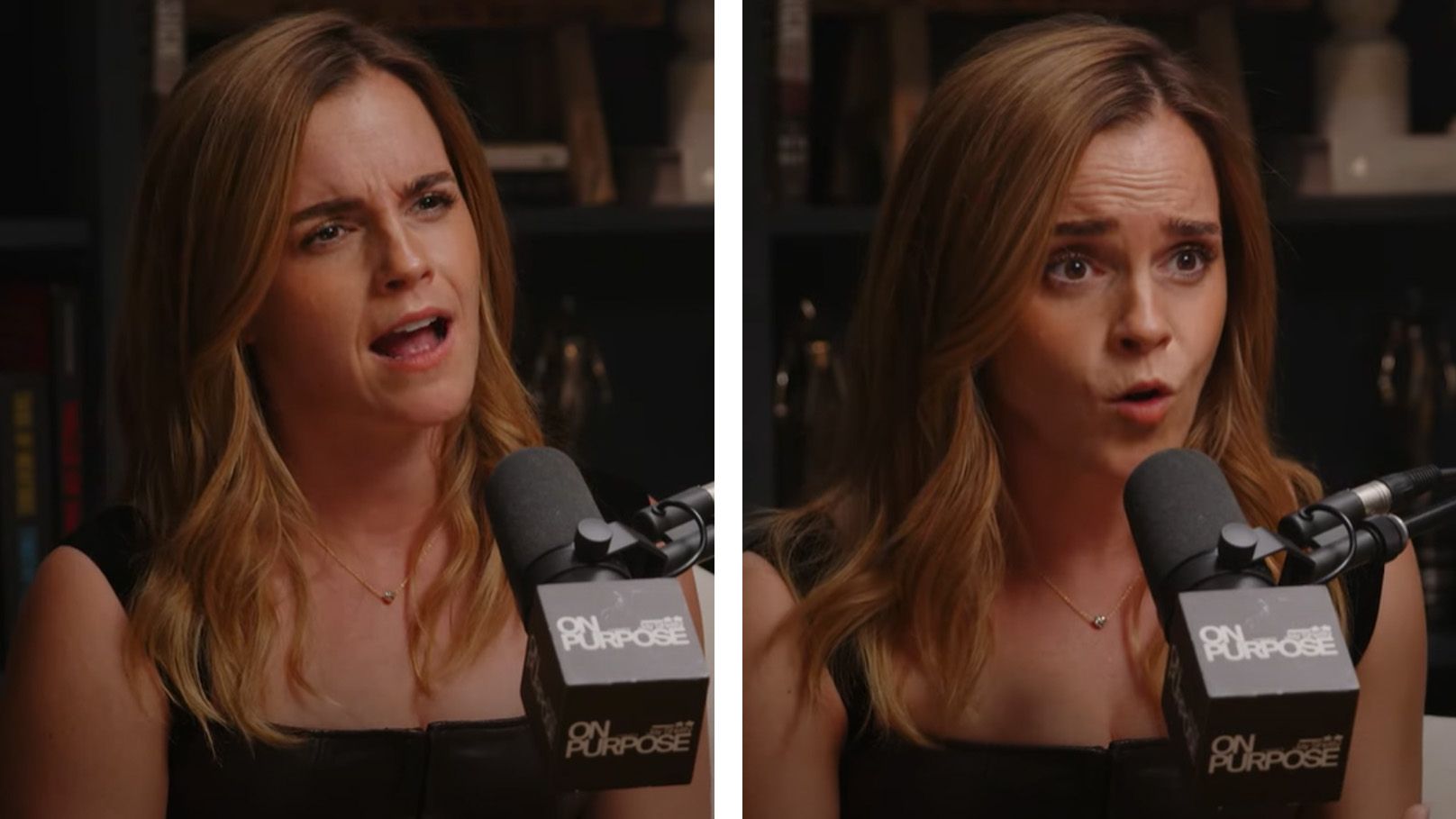
2. **Emma Watson’s Recent Podcast Appearance**The immediate catalyst for J.K. Rowling’s blistering X/Twitter response was Emma Watson’s recent appearance on the “On Purpose With Jay Shetty” podcast. During this interview, Watson directly addressed her feelings about the author and the widely publicized ideological chasm that has opened between them regarding transgender rights. Her comments represented a nuanced attempt to navigate a delicate balance, expressing personal warmth and appreciation while simultaneously maintaining a principled distance on a contentious social issue.
Watson’s core message in the podcast was one of enduring gratitude and personal affection for Rowling, despite their very public disagreements on matters of gender identity. She stated, “I really don’t believe that by having had that experience and holding the love and support and views that I have, means that I can’t and don’t treasure Jo and the person that I had personal experiences with.” This sentiment clearly aimed to separate her appreciation for Rowling as the visionary creator of Hermione Granger and their shared professional history from her deeply held, differing stance on gender diversity.
The actress further elaborated on her belief that personal relationships and ideological differences should not necessarily negate each other. She asserted, “I will never believe that one negates the other and that my experience of that person, I don’t get to keep and cherish.” Watson also expressed a profound “deepest wish that I hope people who don’t agree with my opinion will love me, and I hope I can keep loving people who I don’t necessarily share the same opinion with,” attempting to advocate for a space of mutual respect and understanding amidst disagreement.
These particular statements, characterized by Rowling as an attempt to “cosy up” to both sides of the debate, were precisely what seemed to ignite the author’s most recent and explicit condemnation. For Rowling, Watson’s expression of continued “love and treasure” for her, especially after years of public critique, was perceived not as a genuine olive branch but as a strategic “change of tack.” This interpretation ultimately fueled Rowling’s decision to break her long-standing silence and unleash her comprehensive critique.
Read more about: Emma Watson at 35: Unpacking the ‘Violence’ of Societal Pressure to Marry and Its Profound Impact on Young People
3. **Rowling’s Irritation Over Actors Assuming “De Facto Spokespeople” Role**A significant and recurring point of contention for J.K. Rowling, frequently articulated in her recent statements, is her palpable irritation that “the Little Women star and Daniel Radcliffe ‘continue to assume the role of de facto spokespeople for the world I created.'” This sentiment expresses a fundamental disagreement over the actors’ perceived authority or inherent right to publicly critique her views, especially given their enduring connection to the beloved literary universe she brought into being. Rowling views their public interventions as a form of overreach, considering their immediate professional association with the film franchise concluded years ago.
Rowling explicitly acknowledged that she is “not owed eternal agreement from any actor who once played a character I created.” She further illustrated her position by likening the idea to “me checking with the boss I had when I was twenty-one for what opinions I should hold these days,” thereby underscoring her belief that adult actors, now many years removed from the direct working relationship of the film franchise, should not feel compelled or entitled to publicly comment on her personal views. This statement highlights her desire for a clear separation between the creative work and the personal beliefs of its creator and the performers who once embodied its characters.
However, despite conceding their general right to hold differing views, Rowling specifically targeted Emma Watson and Daniel Radcliffe, noting with evident frustration: “Emma and Dan in particular have both made it clear over the last few years that they think our former professional association gives them a particular right—nay, obligation—to critique me and my views in public.” She emphasized that “Years after they finished acting in Potter, they continue to assume the role of de facto spokespeople for the world I created,” a dynamic that she clearly resents and perceives as an usurpation of her own narrative control.
This sentiment suggests a deeper undercurrent of frustration for Rowling: that her unparalleled creative legacy is being interpreted, challenged, or even redefined by individuals who, in her view, were merely interpreters of her original vision. The “protectiveness” she mentioned feeling for them as children in the studio has evidently dissipated, replaced by a sense of exasperation at their continued public platforming of views antithetical to her own, all while leveraging their association with her creation.

4. **The March 2022 BAFTA Film Awards Incident as a “Breaking Point”**According to J.K. Rowling, a profoundly pivotal “breaking point” in her already strained relationship with Emma Watson occurred in March 2022, during the prestigious BAFTA Film Awards ceremony. At this high-profile event, Watson was tasked with presenting a prize and began her remarks with a statement that Rowling found particularly galling and personally directed: “I’m here for all of the witches.” This seemingly innocuous phrase, delivered in a public forum, was interpreted by Rowling not as a general statement of solidarity, but as a direct jab and a significant escalation in their ongoing public disagreement regarding trans rights.
Rowling vividly highlighted that Watson’s comment came at a time when the author was experiencing extreme personal distress and a deluge of serious threats. She explicitly stated that “death, rape and torture threats against me were at their peak” amidst the intense public dispute surrounding trans rights. In this highly charged and personally dangerous context, Watson’s “all the witches” remark was not perceived by Rowling as a benign or general statement of solidarity; instead, it was viewed as a deliberate and ill-timed public alignment against her, exacerbating an already fraught and personally dangerous situation for the author and her family.
The perceived slight was further amplified by subsequent media interpretations and public discussion. Host Josh Howie, in a clip attached to Rowling’s X post, critically analyzed Watson’s 2022 BAFTA presentation, pointing out that Watson opened by saying she was there “for all the witches” and then seemingly mouthed “but one.” While the internet at the time widely believed Watson was making a pointed dig at Rowling, the author’s recent statement confirms that this public perception deeply resonated with her, solidifying the BAFTA event as a concrete and emotionally charged moment when her personal relationship with Watson fractured irrevocably, moving beyond mere professional distance.
Rowling explicitly referred to this particular moment as “a turning point” for her, suggesting that it was a moment of profound realization regarding the nature of their relationship and Watson’s public actions. The implication is that this public statement, occurring during a period of intense personal vulnerability for Rowling, transformed her previous “protectiveness” into a sense of betrayal and a definitive shift in how she viewed Watson’s intentions and character. It cemented the idea that Watson was not merely disagreeing, but actively contributing to the hostile environment Rowling felt subjected to.

5. **Watson’s “One Line Expression of Concern” via Handwritten Note**Following the widely scrutinized 2022 BAFTA event and Watson’s “all the witches” comment, J.K. Rowling recently revealed a previously unknown private communication she received from Emma Watson. According to Rowling, Watson privately reached out soon after the BAFTA ceremony to express her concern for the author. This gesture, however, was framed by Rowling in a highly critical light, suggesting it was not only inadequate but also disingenuous given the public context of Watson’s actions. It presented a dichotomy between public performance and private sentiment.
Rowling meticulously recounted the detail of this private outreach: “Emma asked someone to pass on a handwritten note from her to me, which contained the single sentence ‘I’m so sorry for what you’re going through’ (she has my phone number).” The pointed parenthetical remark about Watson possessing her phone number was crucial to Rowling’s narrative. It underscored her perception that the gesture was distant, indirect, and ultimately insufficient, especially when a direct, personal call or message could have been made if the concern was genuinely profound and sincere. The reliance on an intermediary and a brief note, in Rowling’s view, added to its perceived performative nature.
Rowling expressed deep disappointment and considerable offense at what she considered the stark inadequacy of the note, particularly when contrasted with Watson’s very public and, in Rowling’s estimation, provocative actions. She stated unequivocally, “Emma had just publicly poured more petrol on the flames, yet thought a one line expression of concern from her would reassure me of her fundamental sympathy and kindness.” This reveals Rowling’s belief that Watson’s public statements directly contradicted any private expressions of sympathy, and that a brief, indirect message could not possibly mitigate the perceived damage and public controversy caused by her public alignment.
The author’s decision to share this private detail with the public serves to highlight what she sees as a hypocrisy or a disconnect in Watson’s approach. For Rowling, the private note felt like an attempt to absolve herself of responsibility for the public fallout, or perhaps to maintain a facade of compassion without genuinely engaging with the impact of her public statements. It further cemented Rowling’s conviction that Watson’s actions were carefully orchestrated rather than stemming from authentic concern for her former mentor.
6. **Rowling’s Critique of Watson’s “Ignorance” Due to Wealth and Fame**One of the most sharp and personally targeted criticisms J.K. Rowling leveled against Emma Watson concerns the actress’s alleged “ignorance” regarding the complexities of transgender rights and, crucially, its perceived implications for women’s safety. This “ignorance,” Rowling argued, is directly attributable to Watson’s exceptionally privileged life, cushioned by immense wealth and fame from a young age. Rowling unequivocally stated, “Like other people who’ve never experienced adult life uncushioned by wealth and fame, Emma has so little experience of real life she’s ignorant of how ignorant she is.” This assertion suggests a fundamental disconnect in lived experience that, in Rowling’s view, profoundly undermines the validity and depth of Watson’s public stance.
Rowling meticulously elaborated on this by outlining a series of specific, everyday scenarios that she firmly believes Watson, due to her immense wealth and sustained fame, would simply never encounter in her daily life. These illustrative examples included not needing to navigate “mixed ” hospital wards or public changing rooms, and benefiting from the constant presence of “security guards tail[ing] her when she is in public spaces.” The author vividly painted a picture of a sheltered existence, arguing that such a life inherently prevents Watson from genuinely grasping the practical, often challenging, implications of certain gender identity policies for ordinary women in vulnerable situations.
To further drive her point home, Rowling posed a series of poignant rhetorical questions designed to highlight this profound experiential chasm. She questioned if Watson had ever had to “strip off in a newly mixed- changing room at a council-run swimming pool,” or if she was “ever likely to need a state-run rape crisis centre that refuses to guarantee an all-female service.” Even more starkly, Rowling asked if Watson would ever “find herself sharing a prison cell with a male rapist who’s identified into the women’s prison?” These pointed queries were crafted to demonstrate the vast disparity between Watson’s protected reality and the potential dangers faced by women without such privilege.
These examples collectively reinforce Rowling’s central argument: that Watson’s public advocacy stems from a place of theoretical idealism rather than practical understanding, because her personal circumstances shield her from the potential negative consequences she is advocating for. This critique serves to not only question Watson’s judgment but also to delegitimize her activism by portraying it as out of touch with the realities faced by the majority of women, suggesting a profound lack of empathy born from a life devoid of hardship.

7. **Rowling’s Lived Experience of Poverty vs. Watson’s Privilege**To further solidify her trenchant critique of Emma Watson’s “ignorance” and what she perceives as a life of unexamined privilege, J.K. Rowling drew a stark and deeply personal contrast between their respective upbringings and life experiences. She deliberately emphasized her own past struggles with poverty, strategically positioning herself as someone who possesses a profound and visceral understanding of the real-world implications of policies affecting women’s rights—an understanding that Watson, in Rowling’s view, simply cannot genuinely possess. This powerful autobiographical detail was employed to bolster her argument and lend an undeniable authenticity and moral authority to her concerns.
Rowling explicitly stated, “I wasn’t a multimillionaire at fourteen. I lived in poverty while writing the book that made Emma famous.” This potent statement not only highlights her humble and challenging beginnings but also subtly yet forcefully reminds Watson, and the wider public, of the ultimate source of the actress’s own immense fame and considerable wealth. By drawing this direct, almost symbiotic, line between her creative labor and Watson’s subsequent success, Rowling implies a significant moral authority derived from her own arduous lived experience, suggesting that she possesses a deeper, more grounded understanding of the societal issues at hand than the celebrated actress does.
The author concluded this emotionally charged line of argument by directly connecting her personal history of adversity to her current, unyielding views on gender. She asserted, “I therefore understand from my own life experience what the trashing of women’s rights in which Emma has so enthusiastically participated means to women and girls without her privileges.” This is a direct and damning accusation, positioning Watson as an active, even enthusiastic, participant in the erosion of fundamental women’s rights. This outcome, Rowling views with grave and deeply personal concern, particularly for those countless women and girls who lack the formidable protective shield of wealth, fame, and personal security that Emma Watson inherently enjoys. This personal narrative serves as a potent rhetorical device, aiming to fundamentally delegitimize Watson’s activism by painting it as dangerously detached from the harsh realities faced by the vulnerable.

8. **Rowling’s Earlier Transphobic Controversies (2018-2020)**The public dispute between J.K. Rowling and figures like Emma Watson is not a sudden eruption but rather the culmination of years of escalating controversy surrounding the author’s views on gender identity. The first notable instance that drew public scrutiny to Rowling’s stance on transgender issues dates back to 2018, when she reportedly liked a tweet that controversially referred to transgender women as ‘men in dresses.’ While seemingly a minor digital interaction, this act laid the groundwork for future accusations of transphobia, signaling an early alignment with viewpoints that would later define her public statements.
Following this initial incident, Rowling became embroiled in further controversy through a series of actions that solidified perceptions of her position. She was observed following an anti-trans YouTuber on social media, an act interpreted by many as an endorsement of content critical of transgender identities. Adding to this, she publicly expressed support for a woman who had been dismissed from her employment for making anti-trans statements, further indicating a pattern of solidarity with figures and narratives seen as hostile to the transgender community.
These early engagements, though perhaps less explicitly detailed than her later interventions, collectively contributed to a growing unease among her readership and the wider public. They foreshadowed the more direct and expansive articulations of her gender-critical views that would emerge in the subsequent years, laying a complex foundation for the eventual rift with the ‘Harry Potter’ cast. The accumulation of these instances began to shape a public narrative around Rowling’s evolving and contentious perspectives on transgender rights, setting the stage for more profound disagreements.
9. **The Height of Controversy: Mocking “People Who Menstruate”**The simmering allegations against J.K. Rowling regarding transphobia reached a critical ‘boiling point’ in the summer of 2020, marking a significant escalation in the public debate. During this period, the author once again found herself defending her online activities, specifically for liking a series of anti-trans tweets. These actions ignited a fresh wave of condemnation, pushing the discourse beyond mere disagreement into accusations of actively promoting harmful rhetoric against the transgender community.
Perhaps the most impactful moment during this period was Rowling’s public mockery of a scientific article. The article, in an effort to be inclusive, used the phrase ‘people who menstruate’ instead of solely ‘women.’ Rowling’s public questioning of this terminology on social media, effectively reducing the inclusivity to a point of ridicule, was widely perceived as a direct challenge to the recognition of trans men and non-binary individuals who menstruate, and to trans women who do not. This specific incident drew a clear line, further entrenching her in the anti-transgender camp in the eyes of many critics.
This particular episode, alongside her continued social media activity, served as a catalyst for a broad public outcry and prompted significant reactions from various corners, including prominent figures within the ‘Harry Potter’ franchise. It was a moment that crystallized the depth of the ideological divide and brought the author’s views into sharp, unavoidable focus. The controversy underscored the growing tension between her perspectives and a more inclusive understanding of gender identity that was increasingly gaining mainstream acceptance, turning a nuanced discussion into a highly charged public battleground.

10. **Daniel Radcliffe’s Definitive Public Stance**In the wake of J.K. Rowling’s mounting controversies regarding transgender rights, Daniel Radcliffe, the titular star of the ‘Harry Potter’ film series, emerged as one of the first and most prominent actors from the franchise to publicly challenge the author’s views. Radcliffe’s intervention was delivered through a blog post published for The Trevor Project, a non-profit organization focused on suicide prevention among LGBTQ+ youth, signaling the serious and supportive nature of his message. His decision to speak out on such a platform underscored the gravity of the issues at stake and his commitment to advocating for vulnerable communities.
Radcliffe’s statement was unequivocal and direct, leaving no room for ambiguity regarding his position. He asserted, “Transgender women are women. Any statement to the contrary erases the identity and dignity of transgender people and goes against all advice given by professional health care associations who have far more expertise on this subject matter than either Jo or I.” This powerful declaration directly contradicted Rowling’s gender-critical stance, affirming the fundamental validity of transgender identities and rights in plain terms.
By highlighting the expertise of professional health care associations, Radcliffe subtly yet firmly undermined any perceived authority Rowling might have held on the subject, positioning her views outside of accepted medical and psychological consensus. His statement served as a crucial moment for many fans, offering a clear voice of support for the transgender community from a beloved figure associated with the ‘Wizarding World.’ It also served as a call to solidarity, challenging others to recognize and respect the identities of transgender individuals, thus contributing significantly to the broader conversation and the evolving dynamics within the ‘Harry Potter’ family.
11. **J.K. Rowling’s Extensive 2020 Essay**Amidst the escalating criticism and public outcry in the summer of 2020, J.K. Rowling chose to provide an extensive articulation of her views on and gender, publishing a more than 3,600-word essay on her personal website on June 10, 2020. This lengthy document served as her most comprehensive defense and explanation of her controversial positions, moving beyond social media snippets to present a detailed, albeit contentious, intellectual framework for her beliefs. It aimed to contextualize her statements and address the criticisms she had faced, offering a deeper insight into her perspective.
In this detailed essay, Rowling voiced significant concerns regarding what she described as “the huge explosion in young women wishing to transition and also about the increasing numbers who seem to be detransitioning.” Her focus on these trends underscored a specific worry about the potential long-term impacts of gender affirmation on young women, framing her arguments around safeguarding and caution. This aspect of her argument resonated with those who shared similar apprehensions, positioning her concerns within a framework of protecting vulnerable groups.
Crucially, Rowling also shared deeply personal experiences within the essay, revealing that she was a victim of ual assault and domestic abuse. She explicitly connected these traumatic experiences to her hesitation about policies that would allow “bathrooms and changing rooms to any man who believes or feels he’s a woman.” This personal narrative was intended to explain the profound emotional and safety concerns underpinning her stance, particularly regarding single-sex spaces for women. By invoking her own history, Rowling sought to underscore the practical, and to her, potentially dangerous, implications of certain gender identity policies for women’s safety, arguing from a deeply personal and visceral place of vulnerability.

12. **Emma Watson’s Parallel 2020 Statement**On the very same day that J.K. Rowling published her extensive essay detailing her stance on and gender issues, Emma Watson, known globally for her portrayal of Hermione Granger, released her own public statement. This timing was highly significant, as Watson’s tweet served as an immediate and clear counterpoint to Rowling’s detailed arguments, underscoring the deepening ideological chasm that had opened between the author and one of her most celebrated stars. It demonstrated a resolute commitment from Watson to her progressive views.
Watson’s tweet was concise yet powerful, directly addressing the core issue of transgender identity and affirming fundamental rights. She wrote, “Trans people are who they say they are and deserve to live their lives without being constantly questioned or told they aren’t who they say they are.” This statement directly challenged the essence of Rowling’s expressed concerns, which often involved questioning the validity or implications of self-identified gender. Watson’s message was one of unconditional affirmation and respect for transgender individuals’ autonomy.
Her statement also subtly highlighted the importance of living authentically and without constant scrutiny, advocating for a world where transgender people are allowed to exist peacefully and with dignity. By taking such a public and unambiguous stance, particularly in direct opposition to the creator of the ‘Wizarding World,’ Watson further solidified her position as a vocal advocate for transgender rights. This early intervention set a precedent for her future public engagements on the matter, signaling a clear and unwavering commitment to standing with the transgender community and against the views articulated by Rowling.
Read more about: From Red Carpets to Graduation Caps: 14 Celebrities Who Earned Their College Degrees After Finding Fame
13. **Collective Distancing by Core ‘Harry Potter’ Actors**The public statements from Emma Watson and Daniel Radcliffe, particularly those made in 2020, were not isolated incidents but rather part of a broader trend among the core ‘Harry Potter’ cast to distance themselves from J.K. Rowling’s controversial anti-trans viewpoints. This collective response from actors who had grown up embodying the beloved characters of the ‘Wizarding World’ sent a powerful message, signifying a significant moral and ethical divergence from the author who brought their iconic roles to life. Rupert Grint, known for his role as Ron Weasley, was also among those who publicly expressed views contrary to Rowling’s.
This concerted effort by the leading stars to speak out against Rowling’s stance created a notable schism between the literary creator and the performers who helped immortalize her work on screen. While Rowling, in her public statements, acknowledged that she is “not owed eternal agreement from any actor who once played a character I created,” the consistent and public nature of these condemnations highlighted a fundamental disagreement that could not be easily overlooked. The actors’ actions suggested a perceived moral obligation to use their platforms to advocate for what they believed was right, especially given the impact of the franchise on a global, diverse fanbase.
The significance of these actors’ reactions cannot be overstated. Their statements, made by individuals deeply intertwined with the beloved series, resonated profoundly with fans, many of whom felt a sense of betrayal or disappointment regarding Rowling’s views. By choosing to speak out, Radcliffe, Watson, and Grint effectively used their celebrity to amplify voices from the transgender community and advocate for inclusivity, shaping the public perception of the ‘Wizarding World’ in ways that moved beyond the author’s personal politics. Their collective stance transformed the internal dynamics of the ‘Potter’ universe into a wider public discourse on social justice and accountability.
Read more about: From Blockbusters to Box Office Blunders: 14 Hollywood Stars Who Said ‘Sorry’ for Their Roles

14. **Rowling’s Shifting “Protectiveness” Toward the Cast**J.K. Rowling’s extensive X post not only critiqued Emma Watson’s present actions but also offered a glimpse into her past feelings of “protectiveness” towards the ‘Harry Potter’ cast, revealing a complex emotional journey that has evidently shifted over time. She explicitly stated, “When you’ve known people since they were ten years old it’s hard to shake a certain protectiveness.” This sentiment speaks to a deeply personal connection forged during the formative years of the young actors, whom she had known since childhood and had to “gently coax[] through their dialogue in a big scary film studio.”
For several years, this protective instinct seemingly influenced Rowling’s public conduct, leading her to actively decline opportunities to comment negatively on Emma Watson. She noted, “For the past few years, I’ve repeatedly declined invitations from journalists to comment on Emma specifically, most notably on the Witch Trials of JK Rowling. Ironically, I told the producers that I didn’t want her to be hounded as the result of anything I said.” This reveals a conscious effort on Rowling’s part to shield Watson from further public scrutiny or backlash that might stem from her own controversial positions.
However, Rowling’s recent, direct intervention marks a definitive departure from this long-held protectiveness. She declared that she had “finally decided to exercise” her right to speak out, suggesting that her tolerance and patience had reached their limit. This shift indicates that the perceived public actions and statements of Watson, particularly the “all the witches” comment at the BAFTA Awards and the subsequent “one line expression of concern,” fundamentally altered Rowling’s internal dynamic, transforming her former instinct to protect into a decision to openly confront. It signifies the complete erosion of their personal relationship, overriding any lingering sentiments of guardianship.
15. **GLAAD’s Official Categorization and Legal Context**The controversies surrounding J.K. Rowling’s views on transgender rights have been widely recognized and formally documented by leading LGBTQ+ advocacy organizations, underscoring the broader implications of her statements beyond personal or celebrity feuds. GLAAD, a prominent global LGBTQ+ advocacy and non-profit organization, has specifically identified J.K. Rowling as being among the “most prominent anti-trans voices in entertainment.” This categorization places her within a significant group of public figures whose platforms are used to articulate views widely considered harmful to the transgender community.
GLAAD’s assessment is not merely based on social media comments but also chronicles more substantial actions, including Rowling’s financial involvement in a case heard at the U.K. Supreme Court. This case notably resulted in the removal of trans women from a particular legal definition, an outcome seen by many as directly impacting the rights and recognition of transgender individuals. Such involvement highlights a commitment beyond mere rhetoric, pointing to active participation in legal and political efforts that shape the landscape of transgender rights.
The organization’s comprehensive record of Rowling’s history of “anti-trans rhetoric online” further solidifies its position. This extensive documentation serves to illustrate a consistent pattern of public statements and engagements that, when taken together, paint a clear picture of her stance. This official categorization by an influential advocacy group like GLAAD underscores the gravity and perceived impact of Rowling’s views, framing them not just as personal opinions but as contributing to a wider cultural and political climate that challenges transgender equality and safety. It provides a crucial external, institutional perspective on the ongoing and multifaceted controversy.
The ongoing public discourse between J.K. Rowling and the ‘Harry Potter’ cast, particularly Emma Watson, reflects not only a deep personal rift but also mirrors the wider societal struggle over gender identity and women’s rights. The historical echoes of Rowling’s transphobic controversies, coupled with the principled stances taken by actors like Daniel Radcliffe and Emma Watson, underscore the profound complexities of this cultural moment. As these voices continue to grapple with differing interpretations of social justice and personal responsibility, the ‘Wizarding World’ remains an unlikely but potent battleground, forcing audiences and participants alike to confront the evolving duties of public figures and the enduring power of narrative to shape our understanding of the world.”