The 1980s represent a truly golden era for automotive innovation, a decade where the lines between cutting-edge technology and audacious design blurred to create vehicles that still ignite passion in enthusiasts today. From the roaring turbocharged legends to the exquisitely sleek supercars, the ’80s were a crucible for some of the most iconic vehicles ever built, each leaving an indelible mark on asphalt and in automotive history. It was a period marked by significant shifts, where the American automotive landscape experienced tumult and profound change. Foreign cars began to dictate, rather than merely reflect, what U.S. drivers truly desired, prompting a scramble within Detroit to switch to smaller, front-wheel-drive cars while simultaneously adopting ever-stricter safety and emissions standards.
Despite these competitive pressures and regulatory hurdles, the decade was far from a setback; in fact, it blossomed with remarkable triumphs. Thanks in large part to the burgeoning computer revolution, cars began to operate with greater efficiency, accelerate with impressive quickness, and envelop their owners in new, high-tech features designed for comfort and convenience. There is absolutely zero debate that the vehicles cruising the streets in 1989 felt a world away from those of 1979, signaling a definitive departure from the iconic muscle car era of the preceding decade towards a future dominated by high-tech, futuristic machines.
Automakers across the globe, from the venerable names of Ford and Chevy to the exotic marques of Lamborghini and Porsche, eagerly embraced this high-tech vision. They were all locked in fierce competition to produce the most jaw-dropping and technologically advanced vehicles of the decade. Each of these extraordinary cars boasts its own unique style, pioneering technology, and an undeniable swagger that captivated hearts and defined an entire generation. Whether these machines were cruising effortlessly down the highway or tearing across the silver screen, these vintage automobiles continue to be highly sought after by collectors and drivers who yearn to relive the unparalleled golden era of automotive history.
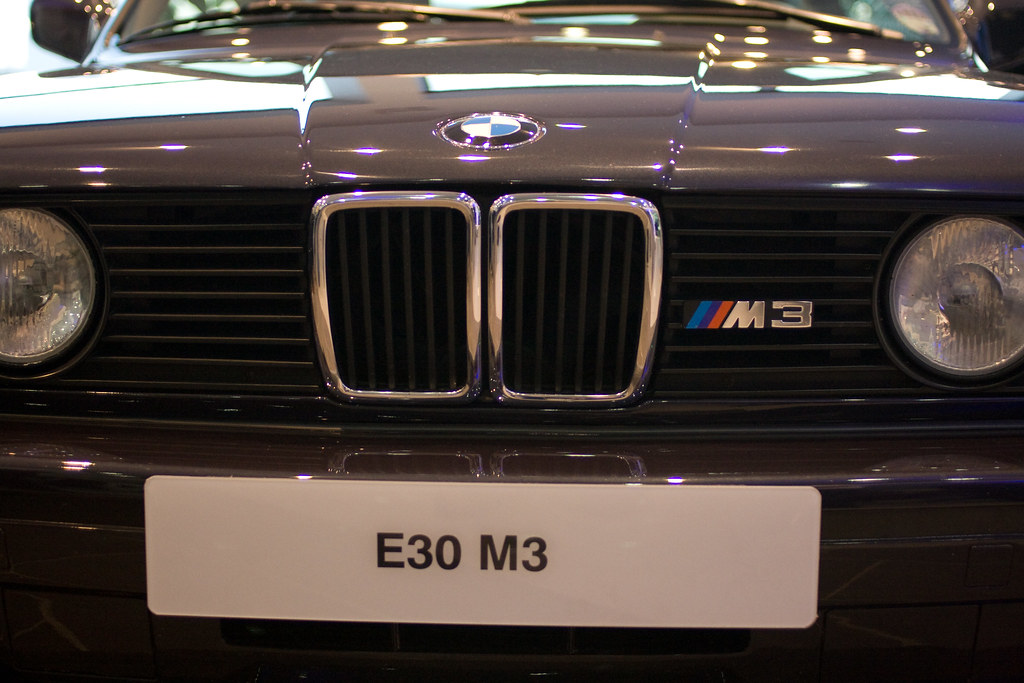
1. **BMW M3 E30**Introduced in 1986, the BMW M3 E30 rapidly ascended to legendary status, becoming an icon celebrated for its profound racing pedigree and exquisitely sharp handling characteristics. It is frequently hailed as one of the finest performance cars to emerge from the 1980s, its distinctive boxy silhouette a familiar and beloved sight on both European tracks and American boulevards. This vehicle wasn’t just a car; it was a statement of performance engineering distilled into a compact, agile package that enthusiasts adored.
At its heart, the E30 M3 was powered by a spirited 2.3-liter inline-four engine, meticulously engineered for a dual purpose: excelling on the demanding racetrack while remaining eminently capable for everyday driving. This balance of ferocity and usability was a hallmark of its design philosophy. Its agile handling capabilities, coupled with an aggressive aesthetic that hinted at its underlying power, collectively solidified its formidable reputation among a passionate legion of automotive enthusiasts, making it an instant classic upon its release.
The profound success of the E30 M3 on the racetrack translated directly into an exceptionally strong and loyal following among collectors and driving purists worldwide. This car wasn’t just admired; it was revered for its uncompromising performance and the sheer joy it delivered behind the wheel. The context even notes that if one encountered a BMW during the 1980s, there was a high likelihood it was one of these “bad boys,” underscoring its widespread appeal and influence.
Today, the market value for a BMW M3 E30 is substantial, typically ranging between $25,000 and $50,000. This valuation is, of course, dependent on various factors such as its overall condition, mileage accrued, and whether it represents a special edition variant. Exceptionally well-maintained examples, particularly those boasting lower mileage, can command even higher prices, a clear testament to their enduring demand among discerning collectors who recognize its significant place in automotive history.
Car Model Information: 2022 Dodge Charger R/T
Name: BMW M3
Caption: 2021 BMW M3 Competition (G80)
Manufacturer: BMW M
Production: unbulleted list
Class: Compact executive car
Layout: unbulleted list
Related: unbulleted list
Categories: 1990s cars, 2000s cars, 2010s cars, 2020s cars, All Wikipedia articles written in British English
Summary: The BMW M3 is a high-performance version of the BMW 3 Series, developed by BMW’s in-house motorsport division, BMW M GmbH. M3 models have been produced for every generation of 3 Series since the E30 M3 was introduced in 1986.
The initial model was available in a coupé body style, with a convertible body style made available soon after. M3 saloons were offered initially during the E36 (1994–1999) and E90 (2008–2012) generations. Since 2014, the coupé and convertible models have been rebranded as the 4 Series range, making the high-performance variant the M4. Variants of the 3 Series since then have seen the M3 produced as a saloon, until 2020, when the M3 was produced as an estate (Touring) for the first time, alongside the saloon variant.
Get more information about: BMW M3
Buying a high-performing used car >>>
Brand: BMW Model: M3 E30
Price: $33,961 Mileage: 44,022 mi.
Read more about: Mechanic’s Crucial Warning: 15 Popular Vehicles That Turn into Costly Financial Traps Well Before 120,000 Miles
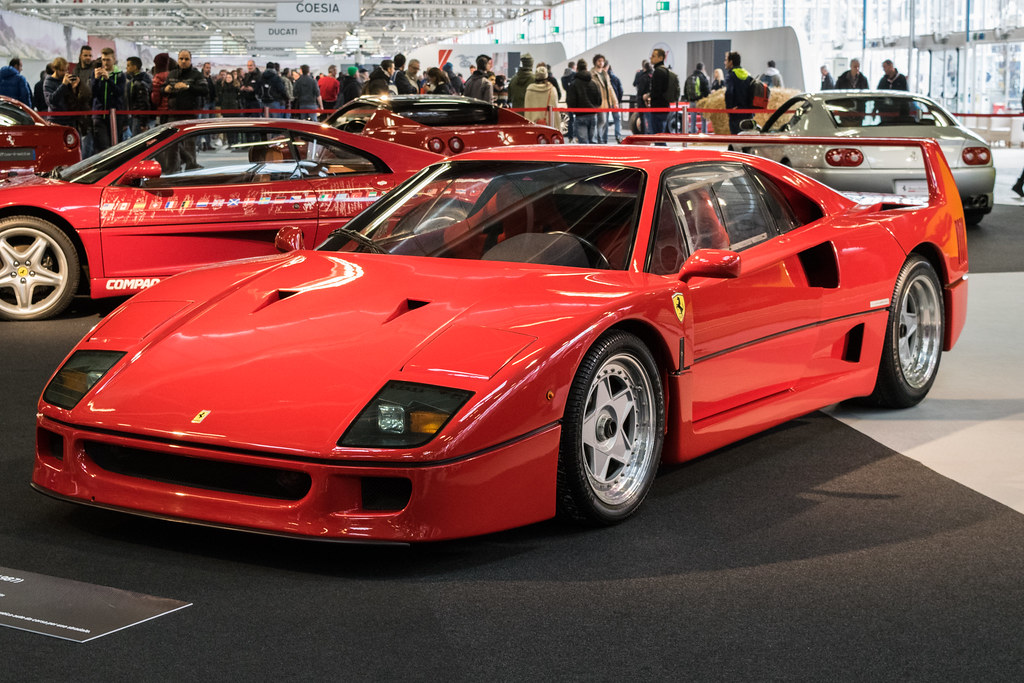
2. **Ferrari F40**Unveiled in 1987, the Ferrari F40 immediately claimed its rightful place as Ferrari’s ultimate supercar, a machine that transcended mere transportation to become a symbol of unbridled automotive passion and engineering prowess. It arrived on the scene with an aggressive styling that left no doubt about its intentions, housing a potent turbocharged V8 engine beneath its lightweight bodywork. This combination delivered a top speed that was, quite simply, mind-blowing for its era, pushing the boundaries of what was thought possible for a road-legal vehicle.
The F40 was not just a car; it was a testament to the 1980s’ relentless pursuit of extreme performance, designed to commemorate Ferrari’s 40th anniversary and to be the last car personally approved by Enzo Ferrari himself. Every curve, every vent, and every design choice was meticulously crafted for aerodynamic efficiency and raw speed. This vehicle embodied the absolute pinnacle of automotive engineering and design during its time, setting unprecedented benchmarks that captivated enthusiasts across the globe and became the yardstick against which other supercars were measured.
Distinguished by its raw, unfiltered power and a deliberately minimalist approach to luxury, the F40 was, at its core, a pure driver’s car. It eschewed unnecessary frills in favor of an unadulterated connection between driver and machine, offering an experience that was both visceral and immensely rewarding. The sheer audacity and performance capabilities of the F40 ensured its rapid ascent to icon status, solidifying its legacy as one of the greatest supercars ever conceived.
Its impact on the automotive world was immense, cementing its place in history as a vehicle that redefined the supercar genre. The F40 remains a highly coveted machine, a tangible representation of an iconic blend of form, function, and sheer, breathtaking speed. Even decades later, its presence continues to inspire awe, serving as a powerful reminder of an era when automotive ambition knew no bounds.
Car Model Information: 1990 Ferrari F40
Name: Ferrari F40
Manufacturer: Ferrari
Production: 1987–1996,1,311 produced (including LM, Competizione and GTE)
Class: Sports car
Assembly: Maranello
Predecessor: Ferrari 288 GTO
Successor: Ferrari F50
BodyStyle: berlinetta
Layout: Longitudinal engine,Rear mid-engine, rear-wheel drive layout
Engine: cvt,twin-turbo
Powerout: cvt,cvt
Transmission: manual transmission
Wheelbase: cvt
Length: cvt
Width: cvt
Height: cvt
Weight: cvt
Sp: uk
Designer: ill
Categories: 1990s cars, 24 Hours of Le Mans race cars, All articles with unsourced statements, Articles with short description, Articles with unsourced statements from July 2023
Summary: The Ferrari F40 (Type F120) is a mid-engine, rear-wheel drive sports car engineered by Nicola Materazzi with styling by Pininfarina. It was built from 1987 until 1993, with the LM, Competizione and GTE race car versions continuing production from 1994 to 1996 respectively. As the successor to the 288 GTO (also engineered by Materazzi), it was designed to celebrate Ferrari’s 40th anniversary and was the last Ferrari automobile personally approved by Enzo Ferrari. At the time it was Ferrari’s fastest, most powerful, and most expensive car for sale.
The car debuted with a planned production total of four hundred units and a factory suggested retail price of approximately US$400,000 (fivefold the price of its predecessor, the 288 GTO) in 1987 ($1,110,000 today). One of those that belonged to the Formula One driver Nigel Mansell was sold for the then record of £1 million in 1990, a record that stood into the 2010s. A total of 1,311 to 1,315 cars were manufactured with 213 units destined for the United States.
Get more information about: Ferrari F40
Buying a high-performing used car >>>
Brand: Ferrari Model: F40
Price: Not Priced Mileage: 3,511 mi.
Read more about: The Horsepower Haze: Performance Vehicles Assessed on Actual Output – From Dyno Kings to Paper Tigers
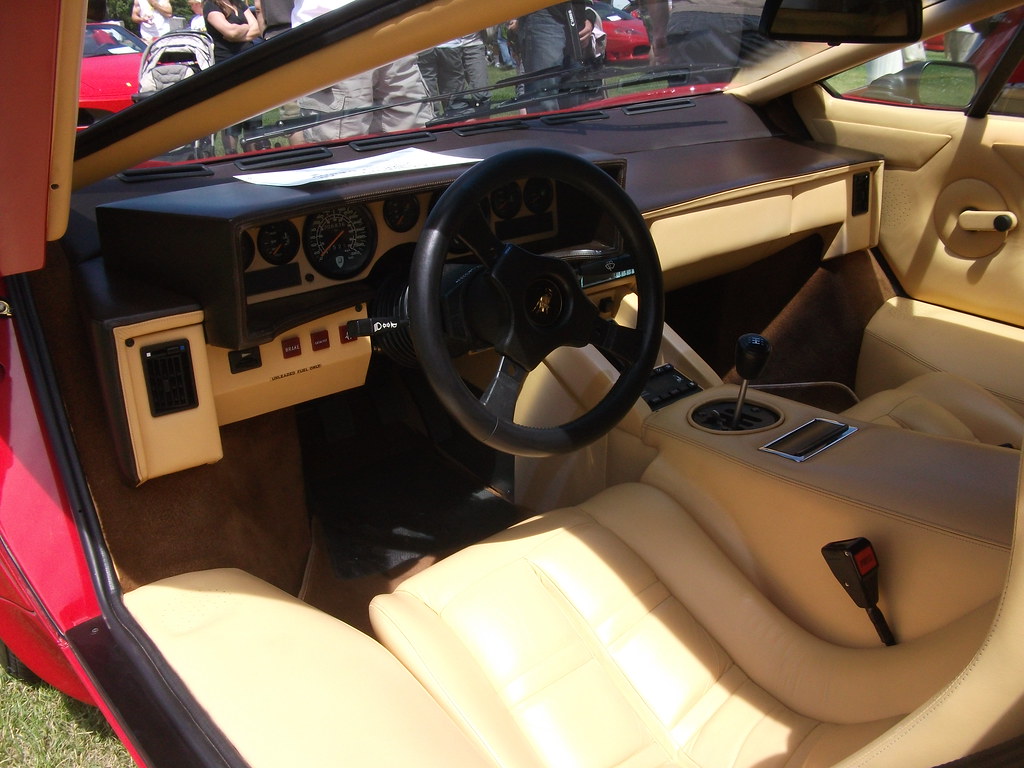
3. **Lamborghini Countach 5000 QV**The Lamborghini Countach 5000 QV, introduced in 1985, stands as the quintessential 1980s supercar, a visual and mechanical marvel that defined the era’s flamboyant excess and audacious design philosophy. Its bold, angular design, a symphony of sharp lines and aggressive stances, combined with a ferociously powerful V12 engine, ensured that this vehicle was an absolute head-turner wherever it went. It didn’t just drive; it made an entrance, asserting its presence with an unmistakable flair.
This iconic machine was instantly recognizable by its wild angles, distinctive scissor doors, and often vibrant, unapologetically bold colors. The Countach was never designed with practicality in mind; its mission was to be an unforgettable spectacle, a rolling sculpture that pushed aesthetic and performance boundaries to their very limits. This inherent impracticality, paradoxically, only added to its mystique and allure, firmly establishing it as a poster child for the supercar dreams that captivated an entire generation.
The dramatic aesthetics and uncompromising presence of the Lamborghini Countach made it an undisputed symbol of both excess and aspiration, perfectly embodying the high-octane spirit of the decade. It wasn’t merely a car; it was a statement of ambition, a dream realized in metal and leather. Its unique visual language profoundly influenced countless automotive designs that followed, securing its place as a truly timeless automotive icon.
The sheer audacity of the Countach, both in its appearance and its performance, ensured that its legacy would be permanently etched into automotive history. It continued to captivate imaginations long after its initial release, representing an era where automotive design dared to be different, loud, and utterly unforgettable, leaving an enduring imprint on the collective consciousness of car enthusiasts worldwide.
Car Model Information: 1989 Lamborghini Countach 25th Anniversary
Name: Lamborghini Countach
Caption: Lamborghini Countach LP5000 QV
Manufacturer: Lamborghini
Production: 1974–1990
Assembly: Sant’Agata Bolognese
Designer: Marcello Gandini
Class: Sports car
BodyStyle: coupe
Layout: Longitudinal engine,mid-engine,rear-wheel-drive
Related: Lamborghini LM002
Engine: Lamborghini V12,V12 engine,LP400, LP400 S: {{cvt,3929,cc,L,1,disp=flip
Transmission: synchromesh,Manual transmission
Wheelbase: 96.46 in
Abbr: on (LP5000QV)
Order: flip
Length: 162.99 in
Width: LP 400: {{cvt,74.28,in,mm,0,abbr=on,order=flip
Height: 42.13 in
Weight: {{convert,1300.5,kg,lb,0,abbr=on
Predecessor: Lamborghini Miura
Successor: Lamborghini Diablo
Doors: Scissor doors
Sp: uk
Categories: 1980s cars, 1990s cars, All articles with unsourced statements, Articles containing Italian-language text, Articles containing Piedmontese-language text
Summary: The Lamborghini Countach ( KOON-tahsh) is a rear mid-engine, rear-wheel-drive sports car produced by the Italian automobile manufacturer Lamborghini from 1974 until 1990. It is one of the many exotic designs developed by Italian design house Bertone, which pioneered and popularized the sharply angled “Italian Wedge” shape.
The wedge style was introduced to the public in 1970 with the Lancia Stratos Zero concept car. The first showing of the Countach prototype was at the 1971 Geneva Motor Show, as the Lamborghini LP500 concept.
The “Countach” nameplate was reused for the Sián-based limited-production hybrid-electric model called the Countach LPI 800-4 in 2021.
Get more information about: Lamborghini Countach
Buying a high-performing used car >>>
Brand: Lamborghini Model: Countach
Price: Not Priced Mileage: 7,493 mi.
Read more about: Unleashing Automotive Legends: 14 Iconic 1970s Cars Now Commanding Millions in the Collector’s Market
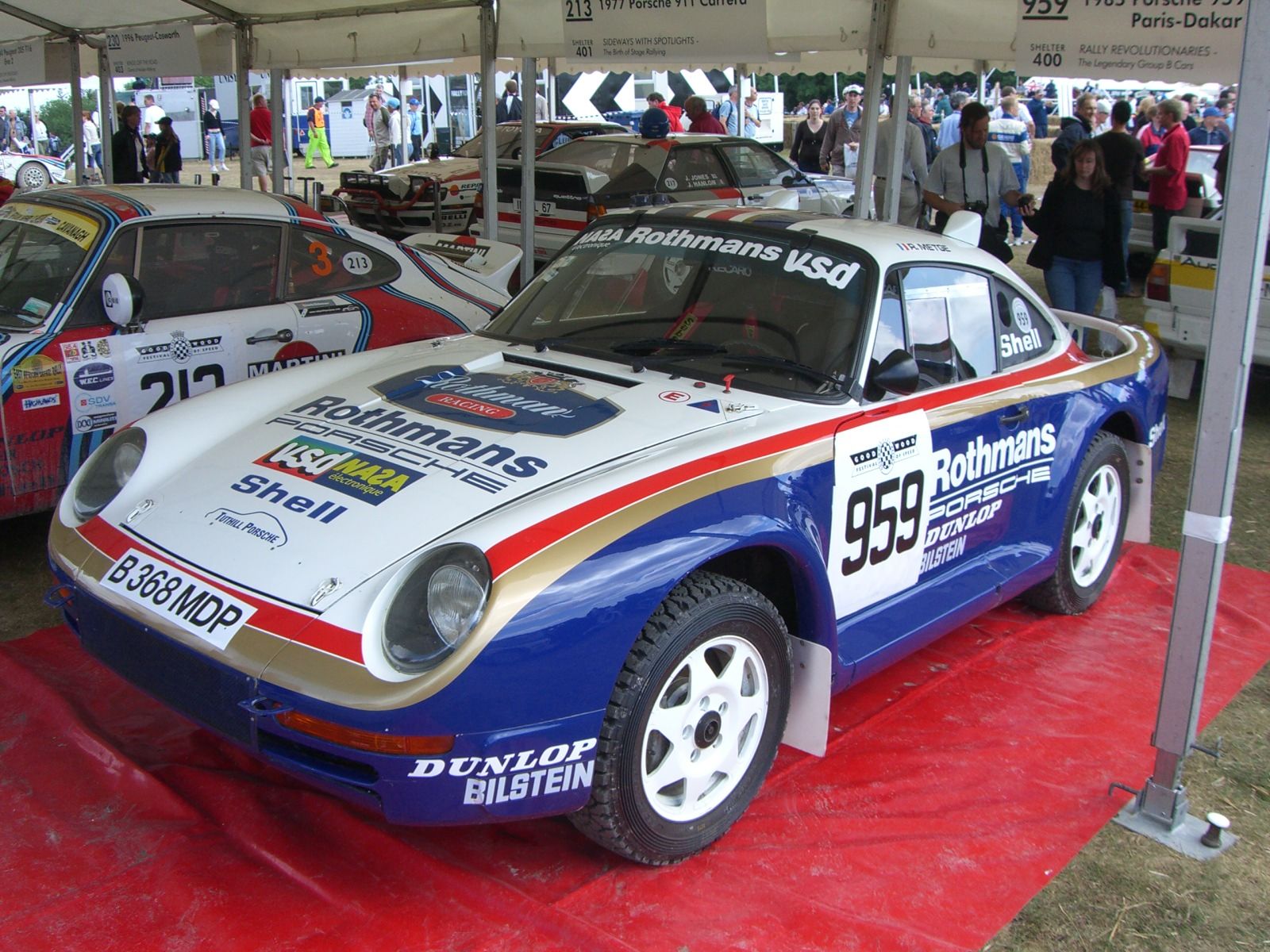
4. **Porsche 959**Launched in 1986, the Porsche 959 emerged as a true technological marvel, a vehicle that was, by many accounts, decades ahead of its time. This groundbreaking supercar showcased a revolutionary all-wheel-drive system, a potent twin-turbocharged engine, and an array of advanced electronics that set new standards for performance, safety, and driver control. It was not just a car; it was a vision of the future, a rolling laboratory demonstrating what was possible when engineering ambition met cutting-edge innovation.
The 959’s sophisticated twin-turbo system, paired with its advanced all-wheel-drive (AWD) setup, provided unprecedented levels of performance and dynamic control, allowing it to translate its immense power to the road with remarkable efficiency. This complex technological ensemble gave the driver an unparalleled sense of confidence and capability, whether on a high-speed autobahn or a winding mountain pass. Its futuristic appearance, often described as having “spaceship looks,” further emphasized its pioneering spirit and forward-thinking design.
In essence, the Porsche 959 represented Porsche “showing off,” demonstrating the pinnacle of their engineering capabilities and their commitment to pushing the envelope. This was a vehicle that seamlessly blended ultimate luxury with groundbreaking technology, creating a car that was genuinely revolutionary in every sense of the word. It fundamentally redefined expectations for supercars and high-performance vehicles, proving that immense power could be harnessed and delivered with remarkable precision and sophistication.
The enduring legacy of the 959 lies in its influence on future generations of sports cars, particularly in the widespread adoption of all-wheel-drive systems for high-performance applications. It was a testament to meticulous German engineering, a car that not only performed at an elite level but also served as a blueprint for the technological advancements that would shape the automotive industry for decades to come, confirming its status as an undisputed icon of innovation.
Read more about: Unleashing Automotive Legends: 14 Iconic 1970s Cars Now Commanding Millions in the Collector’s Market
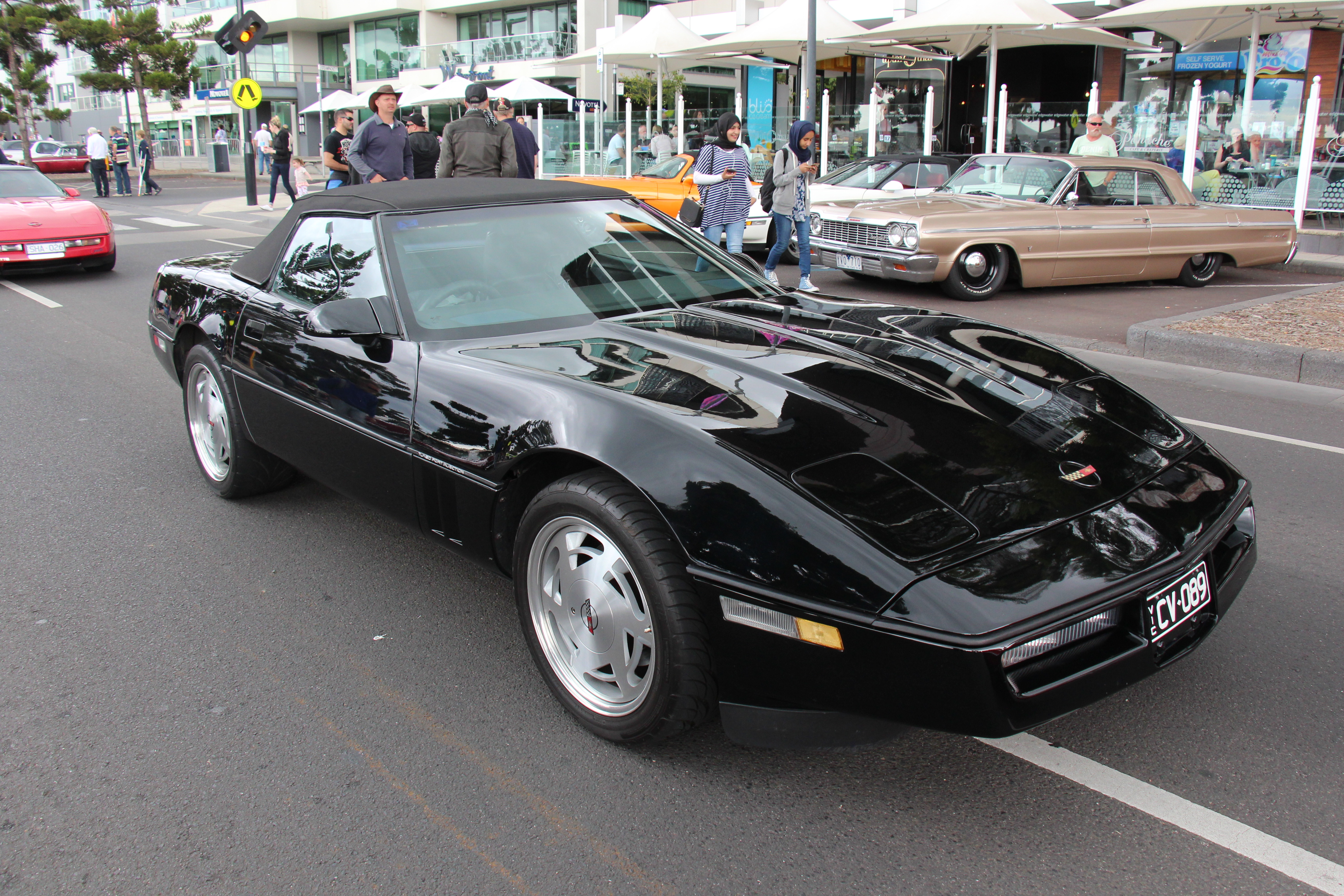
5. **Chevrolet Corvette C4**The Chevrolet Corvette C4, which made its debut in 1984, ushered in a significant new era for America’s most iconic sports car, marking a profound evolution in its design and technological philosophy. This generation of the Corvette was envisioned as a more refined and technologically advanced iteration, proudly introducing innovative features such as futuristic digital dashboards and a substantially improved chassis. These enhancements aimed to elevate both the driving dynamics and the overall user experience, setting a new benchmark for domestic performance vehicles.
Representing a dramatic leap forward, the C4 brought with it a distinct new era of sleek styling, shedding some of the more dramatic curves of its predecessors for a more aerodynamic and contemporary aesthetic. Its digital dashboards were particularly notable, making it exceptionally “high-tech for its day” and firmly establishing its position at the forefront of automotive innovation within the American market. Despite its advanced features, the C4 remained unmistakably “pure Americana at heart,” retaining the essential character and appeal that had long defined the Corvette brand.
The updated design and engineering of the Corvette C4 were meticulously crafted to provide a dual benefit: both enhanced performance capabilities and a significantly more sophisticated driving experience. This strategic evolution was crucial in demonstrating how Detroit’s automakers could innovate and effectively adapt to the rapidly changing automotive landscape of the 1980s, proving that American ingenuity was still a dominant force. It confidently set a new standard for the brand, reinvigorating its appeal for a new generation of enthusiasts.
The C4 continued the esteemed Corvette tradition of offering an exhilarating drive, masterfully blending raw performance with a distinct sense of American luxury and style. Its introduction reaffirmed the Corvette’s enduring status as a paramount symbol of American automotive excellence, capable of competing with global rivals while maintaining its unique identity. This particular model played a vital role in shaping perceptions of American sports cars throughout the decade and into the future.
Car Model Information: 2022 Dodge Charger R/T
Name: Chevrolet Corvette (C4)
Caption: 1994 Chevrolet Corvette
Manufacturer: Chevrolet
Production: January 3, 1983 – June 20, 1996
ModelYears: 1984–1996
Predecessor: Chevrolet Corvette (C3)
Successor: Chevrolet Corvette (C5)
Class: Sports car
Assembly: Bowling Green, Kentucky
BodyStyle: targa top,Convertible (car)
Layout: Front-engine, rear-wheel-drive layout#FMR
Platform: GM Y platform
Wheelbase: cvt
Length: cvt
Width: cvt
Height: Coupe: {{cvt,46.7,in,mm
Transmission: automatic transmission,Overdrive (mechanics),GM 4L60-E transmission,ZF Friedrichshafen
Engine: {{cvt,350,cuin,L,1,Chevrolet small-block engine (first- and second-generation)#L83
Weight: cvt
Designer: Jerry Palmer
Related: Callaway Cars#C4 (RPO B2K Callaway Twin Turbo Corvette),Callaway Cars#C4 (RPO B2K Callaway Twin Turbo Corvette),Callaway Cars#C4 (RPO B2K Callaway Twin Turbo Corvette),Callaway Cars#C6 (Callaway SuperNatural Corvette),Callaway Cars#C4 (RPO B2K Callaway Twin Turbo Corvette)
Categories: 1990s cars, All articles with dead external links, All articles with unsourced statements, Articles with dead external links from November 2016, Articles with permanently dead external links
Summary: The Chevrolet Corvette (C4) is the fourth generation of the Corvette sports car, produced by American automobile manufacturer Chevrolet from 1983 until 1996. The convertible returned, as did higher performance engines, exemplified by the 375 hp (280 kW) LT5 found in the ZR1. In early March 1990, the ZR1 would set new records for the highest average speed over 24 hours at over 175 mph (282 km/h) and highest average speed over 5,000 miles at over 173 mph (278 km/h). With a completely new chassis, modern sleeker styling, and other improvements to the model, prices rose and sales declined. The last C4 was produced on June 20, 1996.
Get more information about: Chevrolet Corvette (C4)
Buying a high-performing used car >>>
Brand: Chevrolet Model: Corvette C4
Price: $33,961 Mileage: 44,022 mi.
Read more about: The Million-Dollar Muscle: Classic American V8s That Now Command Prices Beyond Iconic Ferraris

6. **Toyota Supra MK2**The Toyota Supra (A60 chassis code), initially introduced in 1981, undeniably marked the true beginning of this car’s legendary status, laying the groundwork for its future iconic models. Known for its steadfast reliability and remarkably strong turbocharged performance, this generation quickly garnered a reputation as a formidable contender in the burgeoning sports car market. The 1984 Toyota Supra MK2, in particular, solidified its position as a cornerstone of the burgeoning Japanese sports car movement, demonstrating a potent blend of performance and everyday usability.
Underneath its aggressive styling, the MK2 Supra was engineered with an inline-six engine and a classic rear-wheel-drive layout, a combination that provided an excellent, highly balanced mix of exhilarating performance and precise handling. This configuration was deeply appealing to drivers who sought a car that could deliver thrills on winding roads while remaining composed during daily commutes. The car’s distinctive aesthetic, characterized by sharp lines and a sporty stance, along with its robust performance, quickly made it a firm favorite among a growing legion of enthusiasts.
The impact of the MK2 Supra cannot be overstated, as it is widely regarded as the pivotal model that effectively “helped pave the way for the more famous MK4 Supra from the 1990s.” It played a crucial role in firmly establishing Toyota’s burgeoning reputation for meticulously building capable, desirable, and ultimately reliable sports cars. This vehicle showcased not only Japanese engineering prowess but also an exceptional attention to detail that began to challenge established European and American brands.
Today, the market value for a 1984 Toyota Supra MK2 typically ranges between $10,000 and $20,000, reflecting its growing appreciation as a classic. Exemplary models in excellent condition, particularly those boasting minimal mileage and equipped with special performance packages or original factory upgrades, can command significantly higher prices. This trend underscores its enduring appeal and its recognized historical importance within the pantheon of 1980s automotive legends.
While Europe and Japan pushed the boundaries of speed and technology with their supercars and sports coupes, American ingenuity was far from dormant. The 1980s also saw a resurgence and redefinition of domestic performance, alongside further Japanese innovation, producing vehicles that cemented their places in automotive history not just for their engineering prowess, but for their undeniable cultural significance and street presence. These machines were more than just cars; they were statements, icons, and beloved symbols of a vibrant decade.
Car Model Information: 2023 Toyota Supra A91 Edition
Name: Toyota Supra
Caption: Toyota GR Supra (J29/DB)
Manufacturer: Toyota
Aka: unbulleted list
Production: unbulleted list
Class: Sports car
BodyStyle: fastback,coupé
Layout: Front-engine, rear-wheel-drive layout
Predecessor: Toyota Celica (A20)
Categories: 1980s cars, 1990s cars, 2000s cars, 2010s cars, 2020s cars
Summary: The Toyota Supra (Japanese: トヨタ・スープラ, Hepburn: Toyota Sūpura) is a sports car and grand tourer manufactured and developed by the Toyota Motor Corporation beginning in 1978. The name “supra” is a definition from the Latin prefix, meaning “above”, “to surpass” or “go beyond”.
The initial four generations of the Supra were produced from 1978 to 2002. The fifth generation has been produced since March 2019 and later went on sale in May 2019. The styling of the original Supra was derived from the Toyota Celica, but it was longer. Starting in mid-1986, the A70 Supra became a separate model from the Celica. In turn, Toyota also stopped using the prefix Celica and named the car Supra. Owing to the similarity and past of the Celica’s name, it is frequently mistaken for the Supra, and vice versa. The first, second and third generations of the Supra were assembled at the Tahara plant in Tahara, Aichi, while the fourth generation was assembled at the Motomachi plant in Toyota City. The 5th generation of the Supra is assembled alongside the G29 BMW Z4 in Graz, Austria by Magna Steyr.
The Supra traces much of its roots back to the 2000GT owing to an inline-6 layout. The first three generations were offered with a direct descendant to the Crown’s and 2000GT’s M engine. Interior aspects were also similar, as was the chassis code “A”. Along with this name, Toyota also included its own logo for the Supra. It was derived from the original Celica logo, being blue instead of orange. This logo was used until January 1986, when the A70 Supra was introduced. The new logo was similar in size, with orange writing on a red background, but without the dragon design. That logo, in turn, was on Supras until 1991 when Toyota switched to its current oval company logo. The dragon logo was a Celica logo regardless of what colour it was. It appeared on the first two generations of the Supra because they were officially Toyota Celicas. The dragon logo was used for the Celica line until it was also discontinued.
In 1998, Toyota ceased sales of the fourth-generation Supra in the United States. Production of the fourth-generation Supra for worldwide markets ended in 2002. In January 2019, the fifth-generation Supra, which was co-developed with the G29 BMW Z4, was introduced.
Get more information about: Toyota Supra
Buying a high-performing used car >>>
Brand: Toyota Model: Supra
Price: $60,000 Mileage: 9,774 mi.
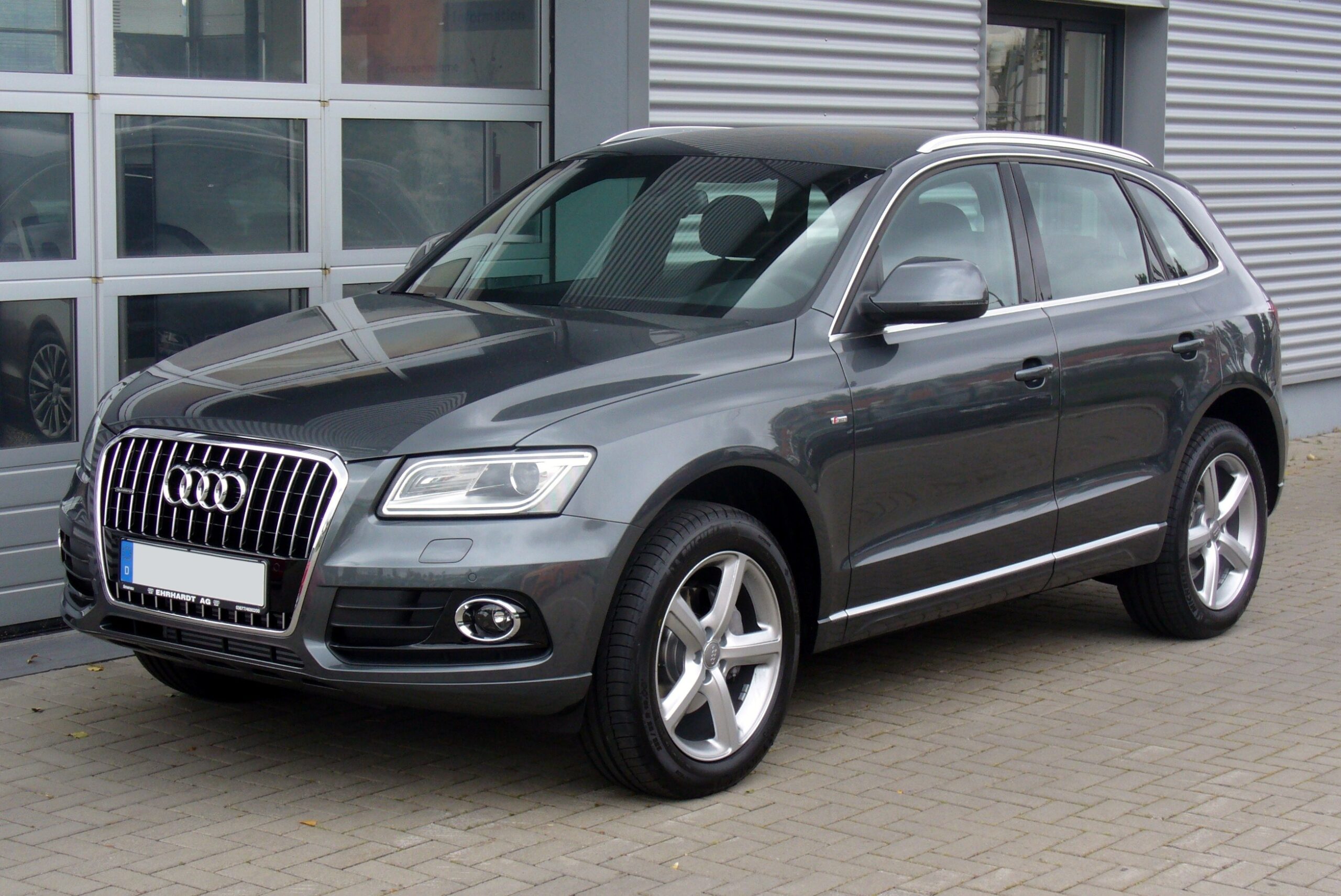
7. **Audi Quattro**The Audi Quattro burst onto the scene in 1980, immediately establishing itself as a revolutionary force in the automotive world. It wasn’t just another performance car; it was a true pioneer, fundamentally altering perceptions of capability by introducing an innovative all-wheel-drive system that would go on to reshape both motorsports and road car engineering. Its arrival marked a definitive paradigm shift, proving that power could be delivered with unparalleled traction and control across diverse conditions.
This groundbreaking machine quickly became a dominant force in rally racing, where its all-wheel-drive system provided a distinct advantage on challenging terrains. The Quattro’s consistent victories helped Audi secure numerous championships, showcasing the undeniable effectiveness of its sophisticated engineering on the global stage. This success directly translated into a powerful reputation for the road-going version, inspiring confidence and enthusiasm among drivers who sought superior handling and stability.
Beyond its technical marvels, the Audi Quattro possessed a distinctive boxy design, an aesthetic that became as iconic as its performance capabilities. Paired with a potent turbocharged five-cylinder engine, this unique combination ensured the Quattro was a standout model throughout the 1980s. Its aggressive stance and purposeful lines hinted at the revolutionary technology nestled beneath its skin, making it instantly recognizable and deeply desirable.
The legacy of the Quattro is profound, extending far beyond its rally triumphs. It demonstrated that all-wheel drive could be successfully integrated into high-performance road cars, influencing countless designs that followed and elevating the standard for sports car capabilities. Today, the market value for a 1983 Audi Quattro typically falls between $20,000 and $40,000, with rare examples or those with significant racing history commanding even higher prices, a testament to its enduring historical importance and collector appeal.
Car Model Information: 2022 Audi A3 Premium
Name: Audi Quattro B2 (85)
Manufacturer: Audi
Aka: Ur-Quattro
Production: 1980–1991,11,452 produced
Assembly: Ingolstadt
Designer: Jörg Bensinger,Walter Treser,Ferdinand Piëch,Franz Tengler (transmission),Martin Smith (designer)
Class: Mid-size car,rallying
BodyStyle: coupé
Platform: Volkswagen B platform#B2
Related: Audi 80#B2
Layout: longitudinal engine,Front-engine, four-wheel-drive layout,all-wheel drive
Engine: SOHC,2.2 L SOHC 10v I5 (turbo) (1987–1989),DOHC
Transmission: manual transmission
Wheelbase: 2524 mm
Abbr: on
Length: 4404 mm
Width: 1722 mm
Height: 1346 mm
Weight: 1290 kg
Sp: uk
Predecessor: Audi 100 Coupé S
Successor: Audi S2
Categories: 1990s cars, All-wheel-drive vehicles, Articles with hAudio microformats, Articles with short description, Audi racing cars
Summary: The Audi Quattro is a road and rally car, produced by the German automobile manufacturer Audi, part of the Volkswagen Group. It was first shown at the 1980 Geneva Motor Show on 3 March. Production continued through 1991.
Get more information about: Audi Quattro
Buying a high-performing used car >>>
Brand: Audi Model: Quattro
Price: $24,962 Mileage: 30,260 mi.
Read more about: Tom Brady’s Post-NFL Fleet: A GQ Look Inside the GOAT’s Million-Dollar Car Collection

8. **Nissan 300ZX (Z31)**Emerging in 1983, the Nissan 300ZX (Z31 chassis code) quickly established itself as a quintessential sports car of the 1980s, offering a compelling blend of sleek aesthetics and advanced technology. This vehicle represented a sophisticated evolution in Japanese performance, captivating enthusiasts with its modern design language and a host of innovative features that pushed the envelope for its era. It was a clear statement from Nissan, showcasing their commitment to combining exhilarating performance with luxurious appointments.
Under the hood, the 300ZX was powered by a spirited turbocharged V6 engine, providing strong performance and a remarkably smooth driving experience that distinguished it from many of its contemporaries. This powertrain was meticulously engineered to deliver a balanced output, ensuring that the car was as engaging on twisty roads as it was comfortable on long highway cruises. Its capability firmly positioned it as a serious contender in the competitive sports car market.
What truly set the 300ZX apart was its embrace of cutting-edge technology. The cabin featured advanced digital displays, a futuristic touch that was exceptionally high-tech for its day, along with an advanced suspension system designed to optimize handling and ride comfort. This combination of luxury, performance, and sophisticated style made it an immediate favorite among a growing legion of automotive enthusiasts who appreciated its forward-thinking approach.
The Nissan 300ZX’s influence cemented its place as a defining Japanese vehicle of the decade. Its combination of a sleek and modern design, a robust 3.0-liter V6 engine, and a suite of advanced features showcased Japanese engineering prowess. Today, the current market value for a 1986 Nissan 300ZX typically ranges between $5,000 and $15,000, with exceptionally well-maintained models, particularly those with the coveted turbocharged variant and original parts, commanding premium prices from collectors.
Car Model Information: 1990 Nissan 300ZX GS
Name: Nissan 300ZX
Class: Grand Tourer
Manufacturer: Nissan
Production: 1983–2000
Assembly: ubl
Aka: Nissan Fairlady Z
Layout: Front-engine, rear-wheel-drive layout
Predecessor: Nissan Fairlady Z (S130)
Successor: Nissan 350Z
Categories: 1990s cars, 2+2 coupés, All articles needing additional references, All articles with unsourced statements, Articles needing additional references from May 2021
Summary: The Nissan 300ZX is a sports car that was produced across two different generations. As with all other versions of the Z, the 300ZX was sold within the Japanese domestic market under the name Fairlady Z.
It was sold in Japan from 1983 to 2000 and in the United States from 1984 to 1996, the 300ZX name followed the numerical convention initiated with the original Z car, the Nissan Fairlady Z (S30), which was marketed in the U.S. as the 240Z. The addition of the “X” to the car’s name was a carryover from its predecessor, the 280ZX, to signify the presence of more luxury and comfort oriented features. The first generation 300ZX known as the Z31 model was produced from 1983 through 1989 and was a sales success becoming the highest volume Z-car for Nissan.
To become even more competitive in the sports car market, the second generation 300ZX was driven up-market. It was redesigned to be faster and to feature more advanced technology, but came with a higher price than its predecessor, with consecutive price increases each model year of availability. As such, sales dwindled each year, a trend in the higher end sports car market at the time, and Nissan placed a hiatus on selling new Nissan Z-Cars to the US after the 1996 model year, though the car would continue to be sold in the Japan domestic market until 2001 in low production numbers.
Car and Driver placed the Z32 on its Ten Best list for seven consecutive years, each model year of its availability in the United States. Motor Trend awarded it as the 1990 Import Car of the Year. The Nissan 350Z, officially the Z33 generation Z-Car, succeeded the 300ZX in 2003.
Get more information about: Nissan 300ZX
Buying a high-performing used car >>>
Brand: Nissan Model: 300ZX
Price: $24,648 Mileage: 21,680 mi.
Read more about: Wrench Warrior’s Woes: 15 Car Models That Owners Say Are a Nightmare to Repair
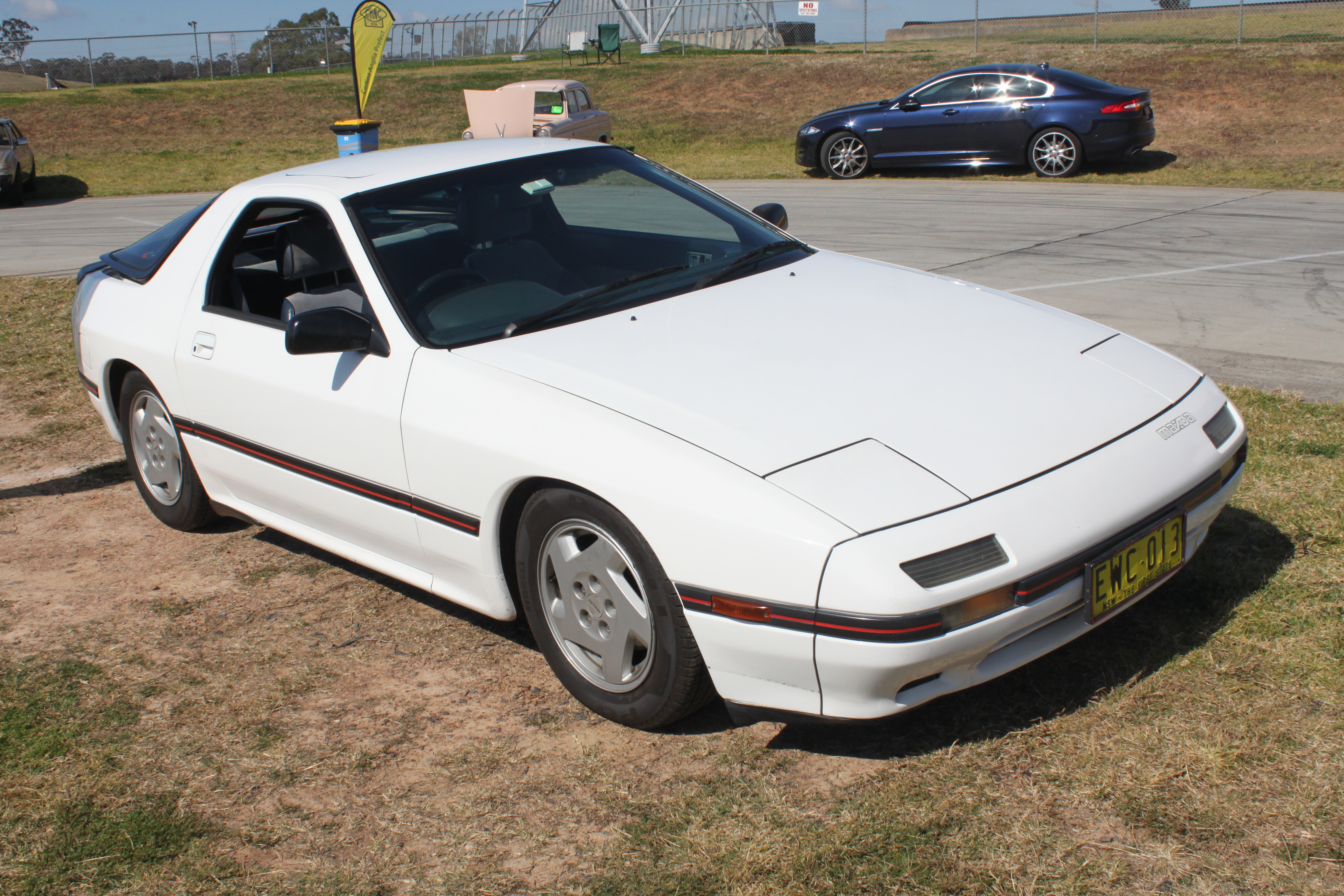
9. **Mazda RX-7 (FC3S)**Introduced in 1985, the Mazda RX-7 (FC3S generation) quickly carved out its own unique niche within the vibrant 1980s sports car landscape. This vehicle wasn’t just about speed; it was a testament to unconventional engineering, powered by a distinctive rotary engine that set it apart from virtually every other car on the road. This unique powertrain contributed to its lightweight design, which in turn gifted the car with superb handling characteristics that drivers adored.
The heart of the FC3S was its Wankel rotary engine, a compact and high-revving unit that offered a surprisingly smooth power delivery. This engineering marvel allowed for excellent weight distribution, contributing significantly to the RX-7’s agile and responsive driving dynamics. Enthusiasts praised its ability to tackle corners with precision and deliver a connected, visceral driving experience that few rivals could match, truly showcasing Mazda’s commitment to innovative automotive solutions.
Beyond its innovative mechanics, the RX-7 boasted an iconic design that perfectly captured the sporty essence of the decade. Its sleek lines, pop-up headlights, and aggressive stance made it an instant classic, appealing to drivers who sought both performance and unmistakable style. The FC3S skillfully blended these aesthetic and dynamic qualities, creating a vehicle that felt both modern and timeless, leaving an indelible mark on Japanese automotive design.
While specific market values for the FC3S aren’t detailed, its enduring appeal among collectors and enthusiasts is undeniable, a clear indicator of its strong historical importance. The Mazda RX-7 (FC3S) remains a celebrated example of 1980s engineering prowess and a testament to Mazda’s willingness to push design and performance boundaries, solidifying its status as a highly sought-after vintage Japanese sports car that continues to impress with its unique character and exceptional handling.
Car Model Information: 1986 Mazda RX-7 GXL 2D Coupe
Name: Mazda RX-7
Caption: 1994 Mazda RX-7 R2 (FD3S)
Manufacturer: Mazda
Aka: Mazda Savanna RX-7 (Japan, 1978–1991),Mazda ɛ̃fini RX-7 (Japan, 1991–1997)
Class: Sports car
Production: 1978–2002,811,634 produced
Assembly: Hiroshima
Platform: Mazda F platform
Layout: Front-engine, rear-wheel-drive layout#Front mid-engine, rear-wheel-drive layout
Predecessor: Mazda RX-3
Successor: Mazda RX-8
Categories: 1980s cars, 1990s cars, 2000s cars, 24 Hours of Le Mans race cars, All articles needing additional references
Summary: The Mazda RX-7 is a front mid engine, rear-wheel-drive, rotary engine-powered sports car, manufactured and marketed by Mazda from 1978 to 2002 across three generations, all of which incorporated the use of a compact, lightweight Wankel rotary engine.
The first-generation RX-7, codenamed SA (early) and FB (late), is a two-seater two-door hatchback coupé. It featured a 12A carbureted rotary engine as well as the option for a 13B rotary engine with electronic fuel injection in later years. The second-generation RX-7, carrying the internal model code FC, was offered as a two-seater coupé with a 2+2 option available in some markets, as well as in a convertible body style. This was powered by the 13B rotary engine, offered in naturally aspirated or turbocharged forms. The third-generation RX-7, model code FD, was offered as a two-seater coupé with a 2+2 version offered as an option for the Japanese market. It featured a sequentially turbocharged 13B REW engine.
More than 800,000 RX-7s were manufactured over its lifetime.
Get more information about: Mazda RX-7
Buying a high-performing used car >>>
Brand: Mazda Model: RX-7
Price: $13,991 Mileage: 52,352 mi.
Read more about: Future Fortunes on Four Wheels: 14 Classic Cars You Need to Buy Now Before Their Value Explodes
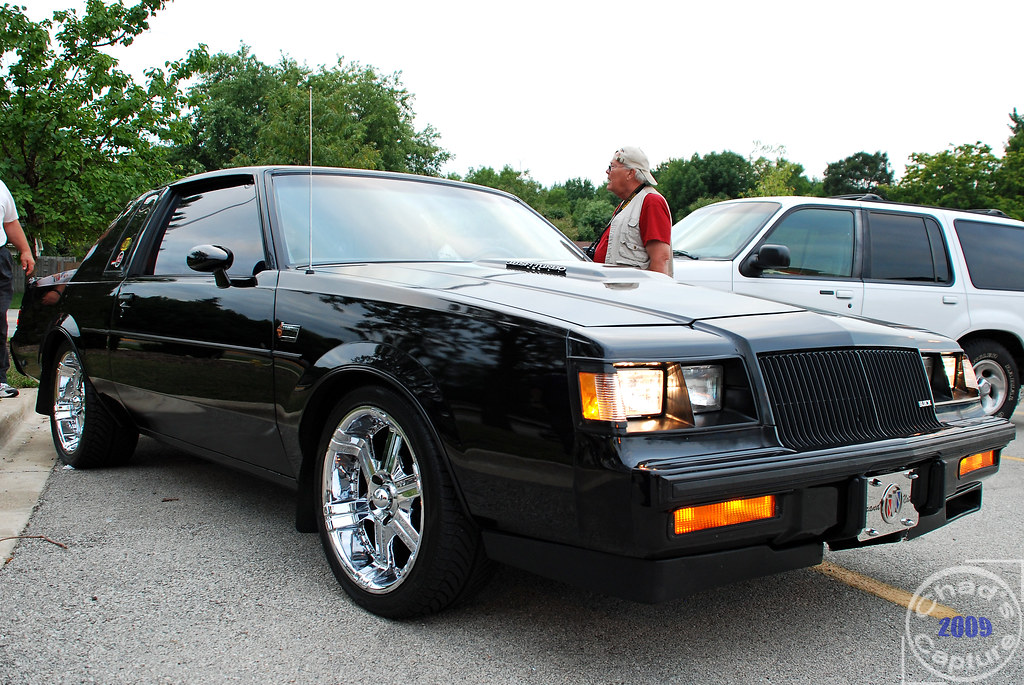
10. **Buick Grand National**The 1987 Buick Grand National stands as a legendary American muscle car of the 1980s, a vehicle that redefined performance and established its own distinct cult following. With its menacing, blacked-out appearance, this car was truly a wolf in wolf’s clothing, capable of flat-out embarrassing far more expensive sports cars on the street. It was a sleeper hit, a turbocharged V6 powerhouse that shattered expectations and earned immediate street cred for anyone behind its wheel.
At the core of the Grand National’s formidable reputation was its turbocharged V6 engine, capable of producing an impressive 245 horsepower. This robust powerplant allowed the car to rocket from 0 to 60 mph in under six seconds, a blistering acceleration figure for its time. Its understated exterior concealed immense power, creating an element of surprise that became part of its mystique and solidified its status as a genuine performance icon.
The cultural impact of the Grand National was immense. Its aggressive, all-black aesthetic and raw performance spoke volumes, appealing to those who valued power and a no-nonsense attitude. The 1987 model, in particular, is highly sought after due to its increased performance and its limited production numbers, making it a rare and valuable piece of American automotive history. It wasn’t just a fast car; it was a symbol of defiance and raw, unadulterated American power.
Today, the Buick Grand National is a prized collector’s item, typically valued at around $30,000 to $45,000. Low-mileage or factory-original examples can easily reach higher prices, especially the ultra-rare GNX version, which can command $60,000 or more. This enduring demand underscores its unique place as a defining American muscle icon, celebrated for its engineering prowess and unforgettable street presence.
Car Model Information: 2022 Dodge Charger R/T
Name: Buick Regal
Caption: 2020 Regal Sportback
Manufacturer: General Motors
ModelYears: Unbulleted list
Sp: us
Predecessor: Buick Skylark#Second generation (1968–1972),Buick Century
Successor: Buick LaCrosse
Categories: 1980s cars, 1990s cars, 2000s cars, 2010s cars, 2020s cars
Summary: The Buick Regal is a line of mid-size cars marketed by Buick since 1973. Serving as the premium mid-size/intermediate car of the Buick product range for nearly its entire production, the Regal initially served as the divisional counterpart of the Pontiac Grand Prix and Oldsmobile Cutlass Supreme; since the late 2000s, the model line has been derived from the Opel Insignia. The Regal also serves as the basis of the high-performance Grand National, Gran Sport (GS), and Buick GNX coupes.
Through its production, the Regal has been marketed under a wide variety of body styles, including two-door coupes and four-door sedans (currently in production), along with a 5-door liftback sedan and a 5-door station wagon; the latter (the 2018-2020 Regal TourX) was the first Buick station wagon marketed since the retirement of both the Century and Roadmaster Estates after 1996. The turbocharged LD5 3.8L V6 used in the second generation was used to showcase the motorsports presence of the brand; though offered with other vehicles (including Chevrolets and Pontiacs), the turbocharged engine is most commonly associated with the Regal. During the 1990s, the V6 regained forced induction, with a supercharger replacing the turbocharger.
In 1999, General Motors commenced sales of its vehicles in China, with the Buick Regal serving as its introductory model of the joint venture SAIC-GM. After 2004, Buick retired the model line in North America, as it replaced both the Regal and the Century with the Buick LaCrosse. Following the introduction of the second-generation Regal for China for 2008, the model line returned to North America for the 2011 model year, slotted slightly below the LaCrosse. Following the introduction of the sixth-generation Regal (sourced entirely from Opel) for 2018, GM sold Opel to PSA (now Stellantis), ending sales in North America after the 2020 model year. Currently, the Insignia B-derived Regal remains in production by SAIC-GM.
Get more information about: Buick Regal
Buying a high-performing used car >>>
Brand: Buick Model: Grand National
Price: $33,961 Mileage: 44,022 mi.
Read more about: Beyond Glare: Unpacking the Most Controversial Car Design Features and Their Unforeseen Impacts on the Road and Culture
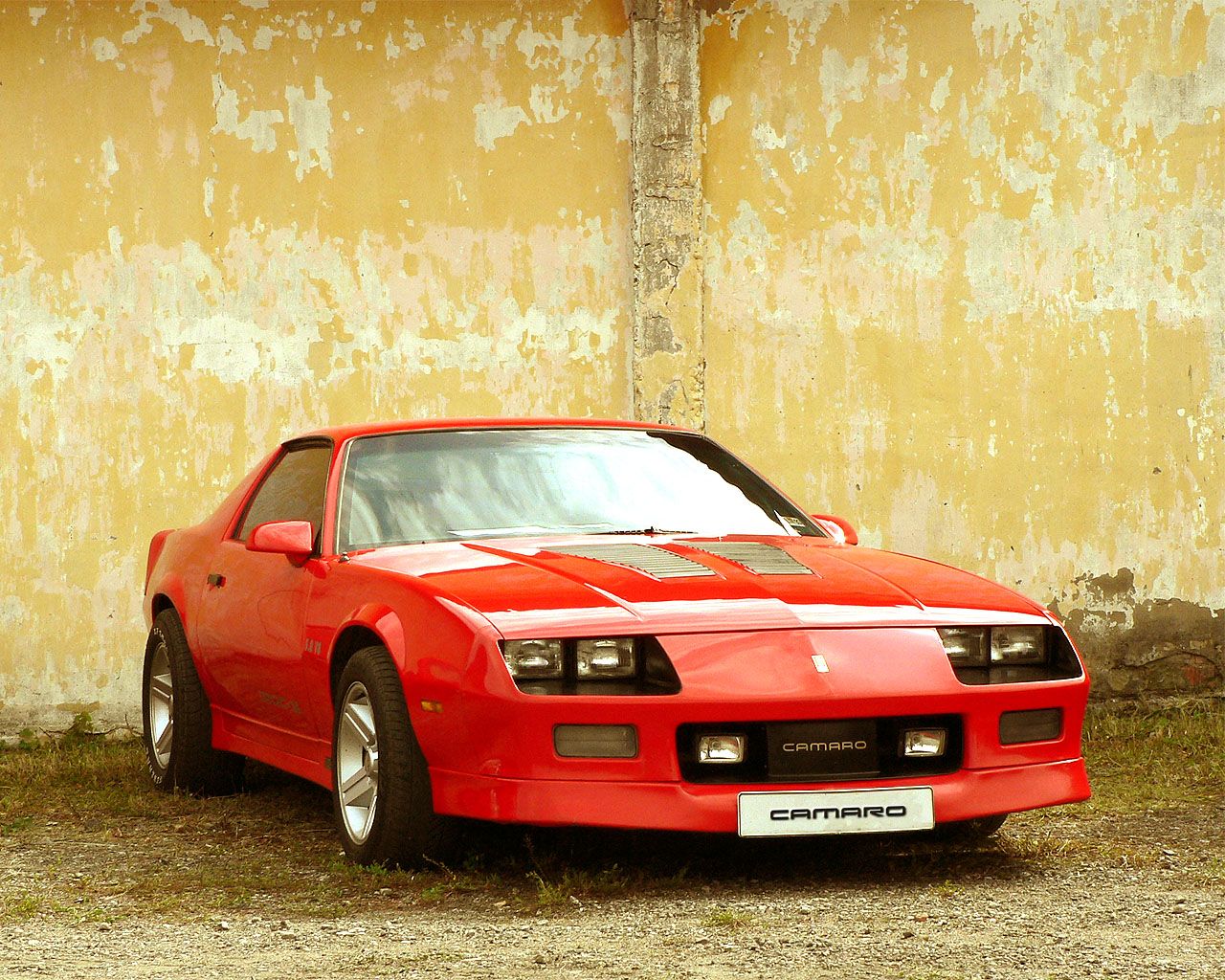
11. **Chevrolet Camaro IROC-Z**The 1985 Chevrolet Camaro IROC-Z quickly became one of the most recognizable and defining American muscle cars of the 1980s. Named after the International Race of Champions, this special performance version of the Camaro was meticulously engineered for both exhilarating street racing and dependable everyday use. It represented the pinnacle of Camaro performance and styling for the decade, capturing the hearts of enthusiasts across the nation.
Under its aggressive hood, the IROC-Z housed a potent 5.0-liter V8 engine, delivering over 200 horsepower and providing impressive acceleration that thrilled drivers. Its handling was equally sharp, ensuring that this Camaro could tackle corners with confidence, making it a formidable presence on both public roads and the track. The combination of raw power and capable dynamics solidified its reputation as a true performance machine.
What truly made the IROC-Z the “most 1980s Camaro imaginable” was its unmistakable aesthetic. Featuring a sleek body style, often adorned with bold paint colors and flashy features, it embodied the era’s automotive swagger. Its distinctive design and formidable presence made it an instant favorite among muscle car enthusiasts, serving as a powerful symbol of American automotive excellence and cultural cool throughout the decade.
Today, the value of the 1985 Camaro IROC-Z typically ranges from $10,000 to $20,000. Well-preserved examples with low mileage and minimal modifications, particularly those equipped with the optional 350-cubic-inch V8 engine, can command significantly higher prices. This continued demand highlights its enduring appeal as a classic American muscle icon with deep cultural significance.
Car Model Information: 2022 Dodge Charger R/T
Name: Chevrolet Camaro (third generation)
Manufacturer: Chevrolet
Production: October 12, 1981 – August 27, 1992
ModelYears: 1982–1992
Assembly: Van Nuys Assembly,Norwood Assembly
Designer: Jerry Palmer
Class: Pony car,Muscle car
BodyStyle: liftback,convertible (car)
Platform: GM F platform
Related: Pontiac Firebird (third generation)
Layout: FR layout
Engine: {{convert,151,cid,L,1,abbr=on,Iron Duke engine,Inline-four engine
Abbr: on
Transmission: Manual transmission,Manual transmission,Automatic transmission,Automatic transmission
Wheelbase: 2565 mm
Length: 4877 mm
Width: 1850 mm
Height: 1275 mm
Weight: convert
Predecessor: Chevrolet Camaro (second generation)
Successor: Chevrolet Camaro (fourth generation)
Caption: Chevrolet Camaro IROC-Z
Categories: 1990s cars, All articles needing additional references, Articles needing additional references from February 2014, Articles needing additional references from November 2009, Articles with short description
Summary: The third-generation Chevrolet Camaro is an American pony car which was introduced for the 1982 model year by Chevrolet. It continued to use General Motors’ F-body platform and produced a “20th Anniversary Commemorative Edition” for 1987 and “25th Anniversary Heritage Edition” for 1992. These were also the first Camaros with factory fuel injection, four-speed automatic transmissions, five-speed manual transmissions, four-cylinder engines, 16-inch wheels, and hatchback bodies. For 1987 a convertible Camaro was reintroduced, converted by ASC in relatively small numbers. The third-generation Camaro continued through the 1992 model year.
Get more information about: Chevrolet Camaro (third generation)
Buying a high-performing used car >>>
Brand: Chevrolet Model: Camaro IROC-Z
Price: $33,961 Mileage: 44,022 mi.
Read more about: From Quirky to Coveted: 14 Ugly American Cars That Are Now Seriously Cool Collector’s Items
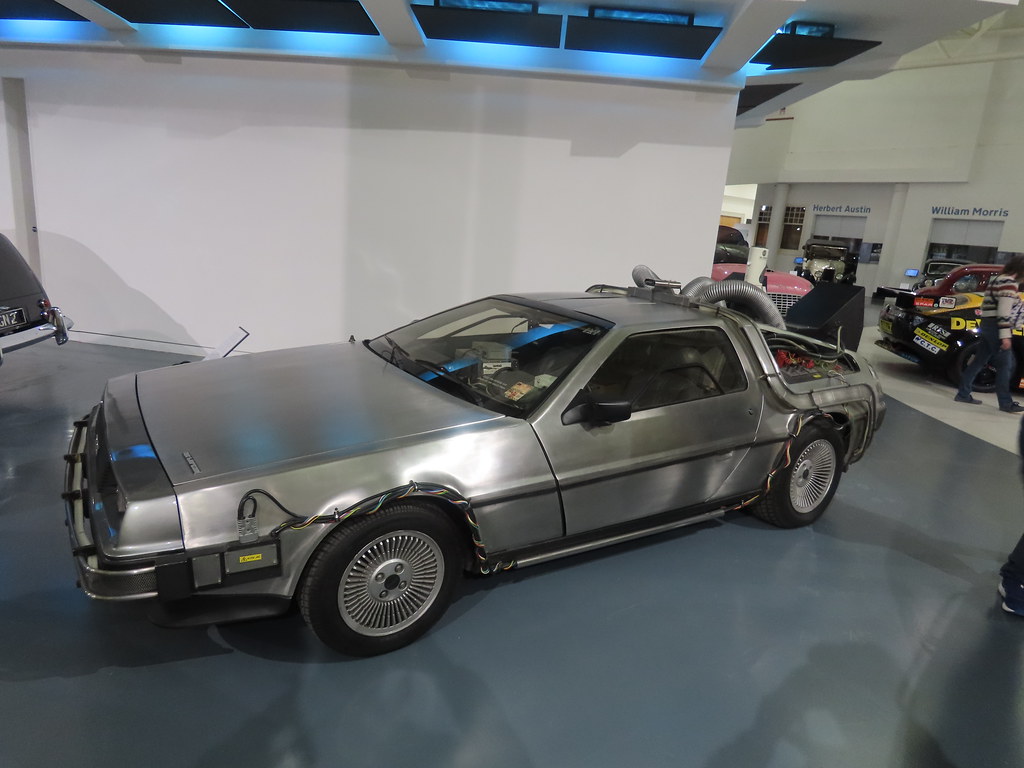
12. **DeLorean DMC-12**The DeLorean DMC-12, introduced in 1981, remains one of the most uniquely iconic cars to emerge from the 1980s, instantly recognizable for its strikingly futuristic design and signature gullwing doors. Crafted with an unpainted brushed stainless steel body, the DMC-12 looked like nothing else on the road, embodying a vision of innovation that captivated imaginations from the moment it debuted. It was a bold statement in automotive design, envisioned by John DeLorean as a high-performance sports car.
While its initial sales numbers were modest and its performance didn’t quite live up to the supercar aspirations, the DMC-12 found an unprecedented path to automotive immortality. Its role in the wildly popular *Back to the Future* movie trilogy transformed it from a niche vehicle into a global cultural phenomenon. The image of the DeLorean, with its doors dramatically raised and its stainless steel glinting, became synonymous with time travel and cinematic adventure.
This unexpected cinematic stardom cemented the DeLorean DMC-12’s status as a standout classic car, elevating its unique design and features into the realm of legend. It became a symbol of innovative thinking, even if its real-world capabilities were often overshadowed by its on-screen exploits. The car’s distinctive silhouette and gullwing doors ensured its place in popular culture, making it instantly recognizable to generations who might not even know its original automotive purpose.
Despite its low initial sales and the turbulent history of the DeLorean Motor Company, the DMC-12 has retained an almost mythical allure. Its unique blend of unconventional design and Hollywood fame makes it highly sought after by collectors and enthusiasts who appreciate its undeniable cultural significance. The current market value for a DeLorean DMC-12 generally sits around $20,000 to $40,000, though cars in pristine condition or those with a notable history can command prices much higher, reflecting its enduring and unique appeal.
Car Model Information: 1982 Delorean DMC-12
Name: DMC DeLorean
Alt: 1983 DeLorean
Caption: 1983 DeLorean
Manufacturer: DeLorean Motor Company
Production: January 21, 1981 – December 1982
ModelYears: 1981–1983
Assembly: Dunmurry
Designer: Giorgetto Giugiaro
Class: Sports car
BodyStyle: coupé
Layout: Rear-engine, rear-wheel-drive layout
Doors: Gull-wing doors
Engine: 2.85 L
Abbr: on
Powerout: 130 hp
Transmission: 5-speed manual ,3-speed automatic
Wheelbase: 2413 mm
Length: 4267 mm
Width: 1988 mm
Height: 1140 mm
Weight: 1233 kg
Sp: us
Categories: 1980s cars, All Wikipedia articles written in American English, Articles with short description, Automobiles with backbone chassis, Automobiles with gull-wing doors
Summary: The DMC DeLorean is a rear-engine, two-seat sports car manufactured and marketed by John DeLorean’s DeLorean Motor Company (DMC) for the American market from 1981 until 1983—ultimately the only car brought to market by the fledgling company. The DeLorean is sometimes referred to by its internal DMC pre-production designation, DMC-12, although this was not used in sales or marketing materials for the production model.
Designed by Giorgetto Giugiaro, the DeLorean is noted for its gull-wing doors and brushed stainless-steel outer body panels, as well as its lack of power and performance. Though its production was short-lived, the DeLorean became widely known after it was featured as the time machine in the Back to the Future films.
With the first production car completed on January 21, 1981, the design incorporated numerous minor revisions to the hood, wheels and interior before production ended in late December 1982, shortly after DMC filed for bankruptcy and after total production reached an estimated 9,000 units.
Despite the car having a reputation for poor build quality and an unsatisfactory driving experience, the DeLorean continues to have a strong following, driven in part by the popularity of Back to the Future. 6,500 DeLoreans were estimated to still be on the road as of 2015.
Get more information about: DMC DeLorean
Buying a high-performing used car >>>
Brand: DeLorean Model: DMC-12
Price: $129,950 Mileage: 3,145 mi.
Read more about: Beyond Glare: Unpacking the Most Controversial Car Design Features and Their Unforeseen Impacts on the Road and Culture
The 1980s truly were a remarkable period for automotive enthusiasts, a decade where bold design met rapidly advancing technology to create vehicles that transcended mere transportation. From the groundbreaking all-wheel-drive prowess of the Audi Quattro to the turbocharged ferocity of the Buick Grand National, and the unforgettable cinematic presence of the DeLorean DMC-12, these cars weren’t just metal and machinery; they were cultural touchstones. Each one etched its distinct mark on the asphalt, defining an era of innovation, style, and unadulterated driving passion that continues to captivate and inspire today. They are not merely vintage; they are timeless legends, cherished by collectors and drivers who seek to relive the unparalleled golden age of automotive history.