In the annals of television history, countless ‘what if’ scenarios linger like echoes from an alternate dimension, particularly in the cutthroat world of sitcom development. Every long-running, successful series often has a story or two about a crucial role that almost went to someone else, or a foundational character concept that had to be radically overhauled. These early forks in the creative road are endlessly fascinating, not just for the glimpse they offer into the shows we almost had, but for the profound impact they ultimately had on the pop culture landscape as we know it.
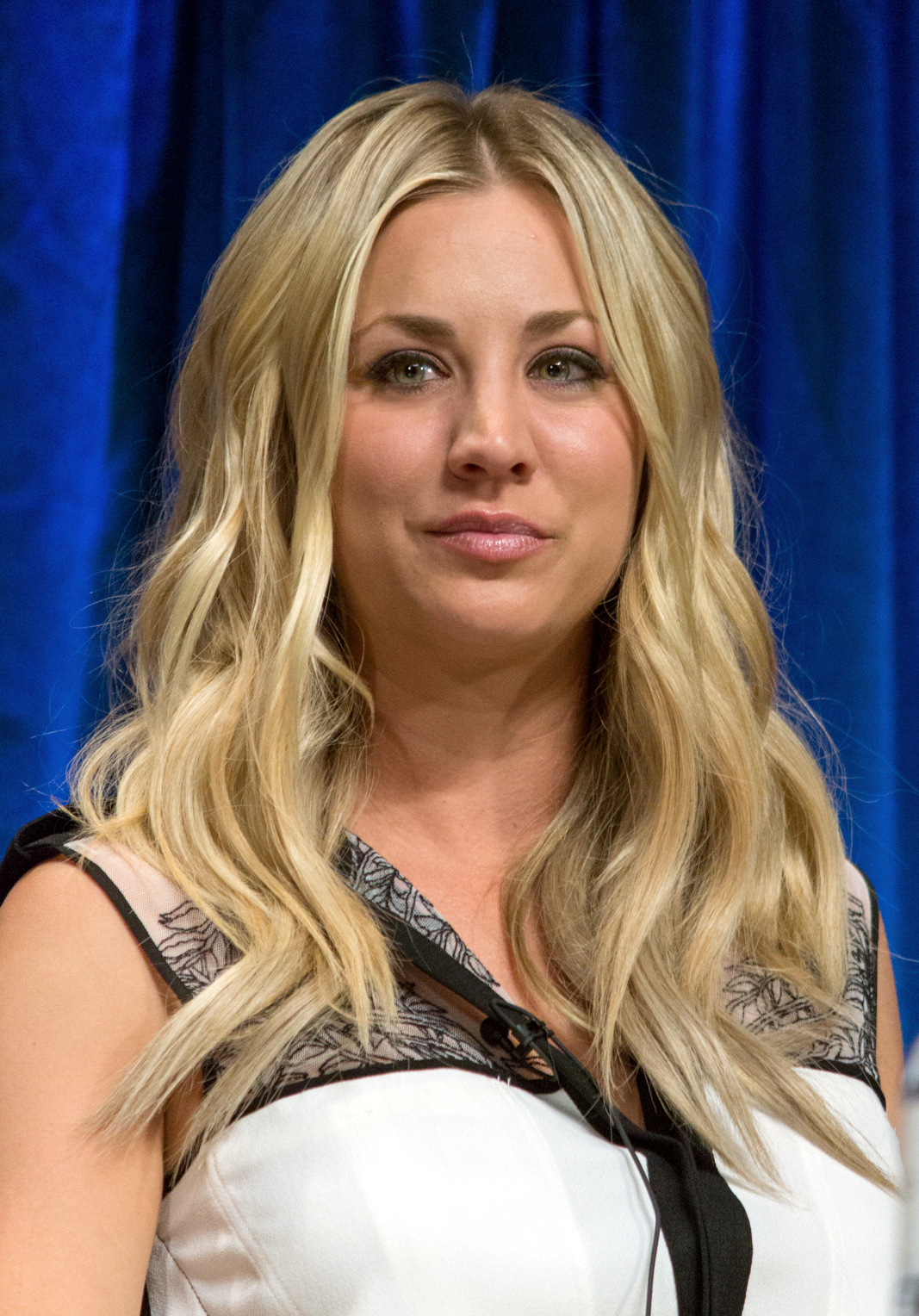
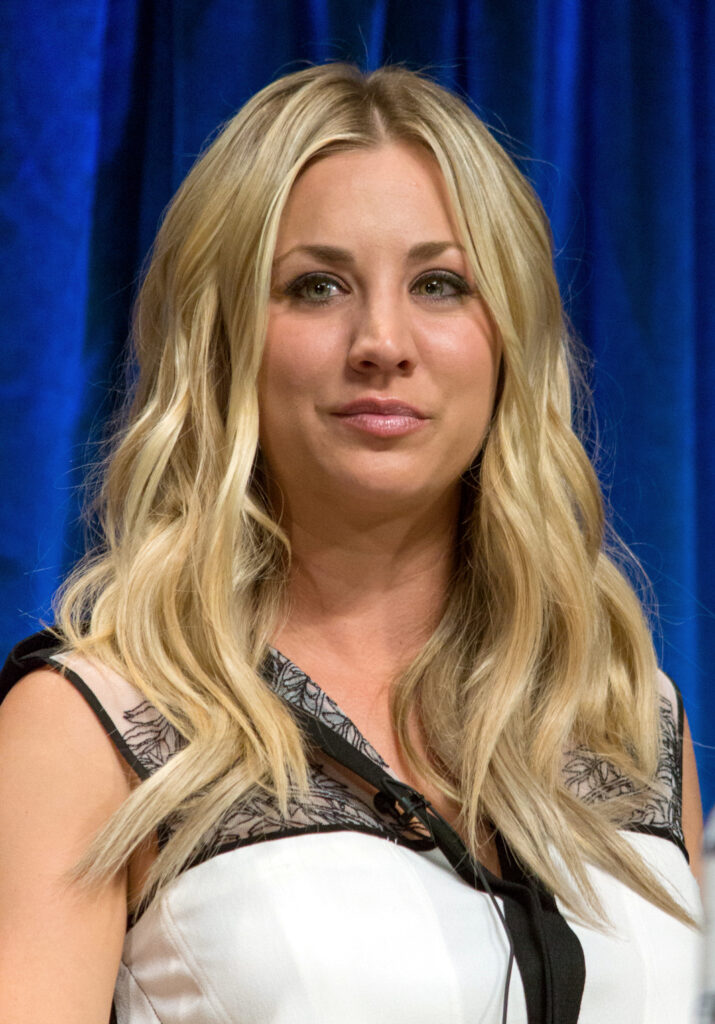
One of the most notable and certainly most pivotal of these behind-the-scenes narratives belongs to ‘The Big Bang Theory.’ Before Kaley Cuoco became the beloved, charmingly relatable Penny who anchored the show’s quartet of brilliant but socially awkward physicists, the sitcom’s original female lead was a character named Katie, portrayed by Amanda Walsh. The transformation from Katie to Penny was more than just a simple casting swap; it was a fundamental shift in the show’s entire dynamic, a creative pivot that ultimately cemented ‘The Big Bang Theory’ as one of the most successful and enduring comedies of its era.
Understanding *why* this dramatic change occurred requires a deep dive into the very fabric of the show’s initial conception, the crucial feedback from early test audiences, and the insightful reflections of its co-creators, Bill Prady and Chuck Lorre. It’s a compelling case study in how the delicate alchemy of character, chemistry, and audience perception can define the destiny of a television series. Let’s pull back the curtain on the critical factors that led to Penny becoming the heart of Pasadena’s most famous apartment building.
1. **The Unseen Pilot: Introducing “Katie”**Before the familiar opening credits of “The Big Bang Theory” graced our screens for twelve immensely popular seasons, there was an initial pilot that showcased a significantly different iteration of the show’s core dynamic. This original version introduced audiences not to the sunny, aspiring actress Penny, but to a character named Katie, portrayed by Amanda Walsh. This early draft of the series set up a very distinct premise: a group of nerdy guys navigating their lives alongside a new female neighbor.
Katie’s presence, as depicted in this unaired pilot, was in stark contrast to the Penny we all grew to adore. She was conceived as a character who was “kind of rough,” possessing a certain “dangerous” edge that fundamentally altered the interpersonal chemistry with the show’s protagonists, Leonard and Sheldon. Her relationship with the socially awkward scientists was intended to be far less amiable, leaning into a dynamic where she was “far less charmed by their geeky behavior and far more willing to take advantage of their maidenless ways.” This foundational choice would prove to be the linchpin in the show’s early struggle to connect with its audience.
The decision to portray Katie in this manner was a significant creative gamble, designed perhaps to introduce conflict or a different brand of humor. However, as subsequent events would reveal, this particular flavor of interaction simply didn’t resonate with the intended viewership, signaling an immediate need for reconsideration. The original Katie was not just a placeholder; she was a fully fleshed-out character concept that shaped the narrative in ways the creators initially envisioned, but which ultimately clashed with audience expectations and desires for their beloved nerds.

2. **A “Rough” Character: Katie’s Initial Conception**The initial characterization of Katie was intentionally crafted with a certain abrasive quality, designed to contrast sharply with the gentle, almost childlike innocence of Leonard and Sheldon. Co-creator Bill Prady, reflecting on this period, explained in a 2022 Entertainment Weekly interview that “In the first pilot, the female character (who, at that point, was named Katie) is kind of rough. She’s dangerous in a way and wasn’t very nice to the guys.” This wasn’t an accidental portrayal; it was a deliberate narrative choice, indicating a clear vision for the character’s role as a catalyst, albeit one that would ultimately prove problematic.
This “rough” demeanor suggested a woman who was perhaps street-smart, world-weary, and not easily impressed or swayed by the intellectual prowess of her new neighbors. Her willingness to “take advantage of their maidenless ways” further cemented her as a potentially cynical or even exploitative figure, a stark departure from the warm, often exasperated, but always supportive presence that Penny would later embody. The creators were clearly exploring a dynamic where the female lead might challenge or even mock the protagonists, creating tension through an almost adversarial relationship.
However, the intention behind such a character often collides with the reality of audience reception. While a “dangerous” or “rough” character can add dramatic flair or comedic friction, it must be carefully balanced with elements that make them ultimately likable or at least understandable. In Katie’s case, this balance proved elusive, as her initial portrayal struck a discordant note that test audiences found difficult to reconcile with their burgeoning affection for the show’s male leads. Her toughness, rather than being endearing, was perceived as a barrier.
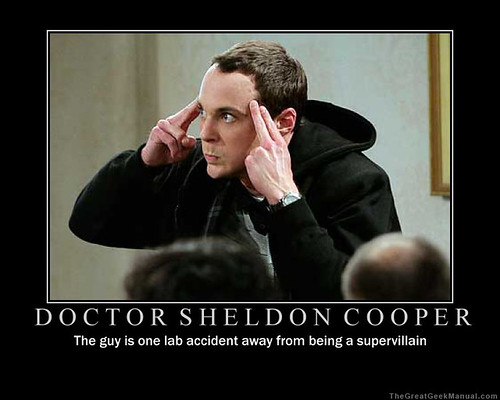
3. **The Test Audience Verdict: Defending Sheldon and Leonard**The true litmus test for any television show lies in its ability to connect with its audience, and for “The Big Bang Theory,” the initial reaction from test screenings was a stark, unequivocal warning sign. Bill Prady vividly recalled the crucial feedback from these early viewers, stating, “They hated her, but what was amazing was that they were defending Leonard and Sheldon so much.” This response was not merely a lukewarm reception; it was an active rejection of Katie’s character, coupled with a fiercely protective instinct towards the male protagonists.
This protective stance from the audience was profoundly telling. It indicated that viewers had already formed a strong, positive emotional bond with Leonard and Sheldon, seeing them as figures who needed safeguarding rather than someone to be exploited or antagonized. The comedic premise was perhaps intended to stem from Katie’s exasperation with their quirks, but instead, it produced a palpable sense of discomfort among those watching. The audience’s immediate impulse was to champion the nerds, transforming Katie into an unintended antagonist.
Chuck Lorre, the other co-creator, echoed Prady’s sentiments, confirming that the audience’s reaction was a clear signal that something fundamental needed to change. The test screenings weren’t just about minor tweaks; they pointed to a core misjudgment in the intended dynamic. The feedback wasn’t about refining Katie’s lines or appearance; it was about the very essence of her interaction with the beloved characters, which was fundamentally misaligned with what viewers wanted to see. Their defense of Leonard and Sheldon was a direct plea for a different kind of female lead.

4. **Audience Perception: The Guys as “Vulnerable Children”**Delving deeper into the audience’s staunch defense of Leonard and Sheldon, Chuck Lorre articulated a crucial realization that emerged from the test screenings: “Yeah, we didn’t realize early on that the audience viewed them as children. They were very naive and childlike, regardless of how intelligent they were. They were very vulnerable…” This insight was a game-changer for the creative team, as it revealed a profound disconnect between their conception of the characters and how viewers actually perceived them.
The intellectual brilliance of Sheldon Cooper and the endearing awkwardness of Leonard Hofstadter, combined with their social ineptitude, created a perception of innocence and vulnerability that transcended their adult ages. The audience saw them not just as quirky individuals, but as figures in need of gentle handling and perhaps, a nurturing presence. This childlike quality, though perhaps not explicitly intended, became a defining characteristic through the lens of early viewers, making them particularly sensitive to any perceived harm or ill-treatment directed their way.
This unexpected audience perception meant that a character like Katie, designed to be “rough” and potentially exploitative, automatically triggered a strong negative reaction. Viewers felt protective of these “vulnerable” men, instinctively recoiling from a dynamic that seemed to place them in a position of potential disadvantage or emotional jeopardy. It highlighted how deeply audiences can connect with characters, viewing them through a lens of empathy and sometimes, even paternalistic concern, demanding that they be treated with kindness and understanding.

5. **The Core Problem: A “Toxic Presence”**With the realization that test audiences viewed Leonard and Sheldon as inherently vulnerable and childlike, the creative team quickly identified the fundamental flaw in Katie’s character arc. As Chuck Lorre succinctly put it, “the audience didn’t want a toxic presence around them.” This statement cuts to the heart of the matter, pinpointing exactly why Katie’s initial portrayal was such a misstep for the show’s potential success and why a radical change was deemed necessary.
The term “toxic presence” perfectly encapsulates the audience’s discomfort with Katie. Her “rough” demeanor and willingness to “take advantage” of the guys created an energy that clashed severely with the sympathetic bond viewers were forming with the male leads. Rather than generating comedic tension or interesting character growth, Katie’s interactions were instead producing an unwanted sense of negativity and apprehension, threatening to undermine the very warmth and charm the show aspired to cultivate.
This revelation underscored a critical lesson in character development: while conflict is essential for storytelling, the nature of that conflict and its impact on audience perception is paramount, especially in a multi-camera sitcom format built on character relationships. A character that elicits such strong, negative protective feelings from the audience against them, rather than for them, becomes a liability. The “toxic presence” was an obstacle that, if left unaddressed, would have likely prevented “The Big Bang Theory” from ever achieving its widespread appeal and longevity.
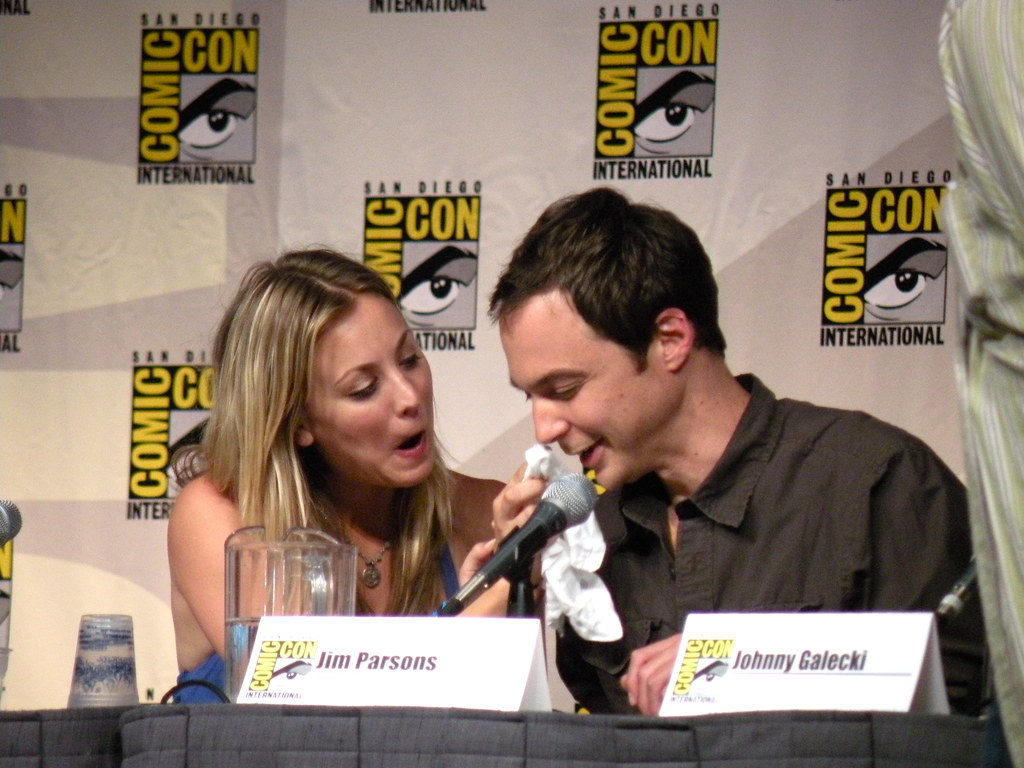
6. **Rewriting History: The Birth of Penny**Armed with the clear, albeit challenging, feedback from test audiences, the co-creators, Bill Prady and Chuck Lorre, understood that a fundamental rewrite was not just an option but an absolute necessity. It wasn’t about minor adjustments; it was about reimagining the entire premise of the female lead’s role. “That’s why we rewrote Katie to become Penny and made her much more charmed by the guys and kind to them, as opposed to a woman who would take advantage of them,” Lorre explained, detailing the monumental shift in character conception.
This rewrite was a complete conceptual overhaul. Instead of a character who viewed the guys with disdain or as targets, Penny was designed to be someone who, while perhaps initially bewildered by their eccentricities, genuinely appreciated their unique qualities. The shift from “taking advantage of them” to being “charmed by the guys and kind to them” fundamentally altered the comedic and emotional bedrock of the show. Penny became the audience’s surrogate, learning to navigate and eventually embrace the world of theoretical physics and comic book lore.
The transformation was about creating a bridge, rather than a wall, between the two distinct worlds represented by the male scientists and their new neighbor. Penny’s kindness, her evolving understanding, and her inherent good nature allowed her to integrate seamlessly into their lives, providing not just a foil, but a vital emotional anchor. This strategic rewrite wasn’t just about salvaging a pilot; it was about laying the groundwork for a character dynamic that would resonate with millions and define a generation of sitcom viewing.
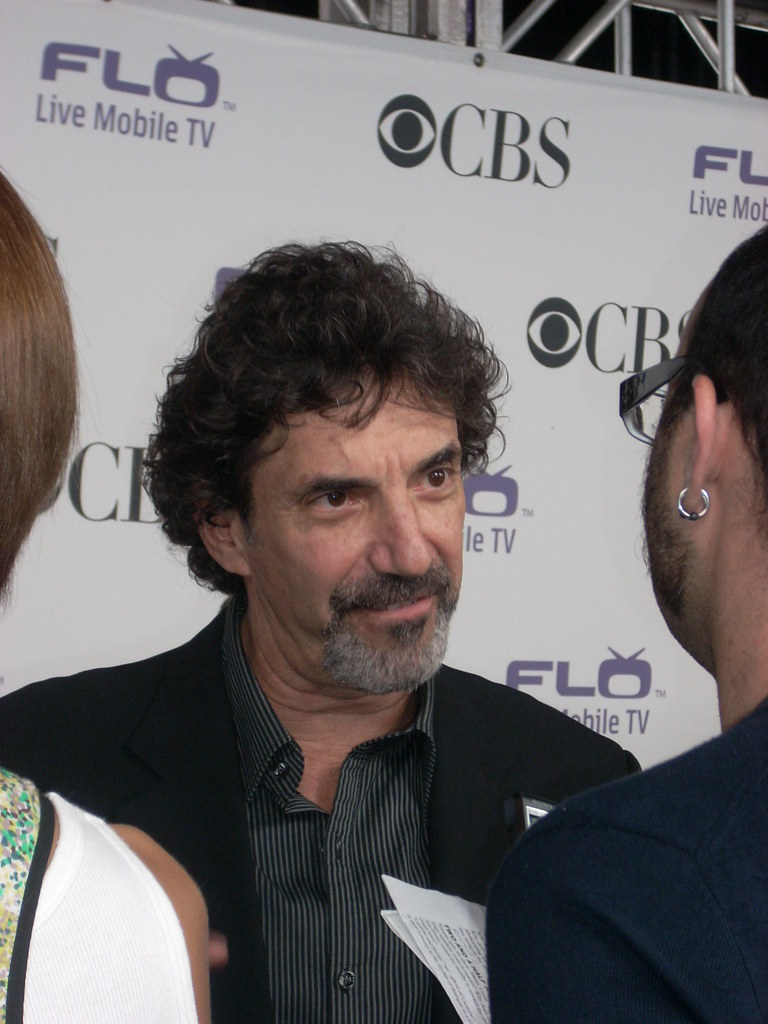
7. **The Creators’ Regret: “The Role Was Misconceived”**Despite the undeniable success that the rewrite and subsequent casting of Kaley Cuoco as Penny brought to “The Big Bang Theory,” co-creators Bill Prady and Chuck Lorre both expressed genuine regret and sympathy for Amanda Walsh. Their candid remarks reveal a deep understanding that Walsh was a victim of circumstance, caught in a creative miscalculation rather than an acting deficiency. Lorre unequivocally stated, “She was terrific in the role, but the role was misconceived.” This acknowledgement is crucial, highlighting that the problem lay with the writing, not the performer.
Prady further elaborated, confirming Walsh’s inherent good nature: “She was actually a very sweet person, and it was a lot of work for her to become that rough character.” This insight paints a picture of an actress diligently embodying a role as written, even if it pushed against her natural inclinations. It underscores the professional challenge Walsh faced in portraying a character that was ultimately destined to be rejected by the audience, through no fault of her own. The effort she put into creating that “rough” exterior, only for it to be deemed fundamentally incompatible with the show’s spirit, is genuinely regrettable.
The creators’ remorse extended to Walsh’s subsequent desire to audition for the rewritten Penny role. Prady revealed, “Afterward, she wanted to come back in for the new version of Penny, but she had been so identified as that first character that it wasn’t able to happen.” This detail adds another layer of poignancy, illustrating the unfortunate reality that sometimes an actor can become so synonymous with an initial concept that it closes doors, even when the underlying issue was a creative one, not a performance one. Their regret is a testament to the difficult decisions often made in Hollywood, where talent can sometimes fall victim to the broader machinations of show development.
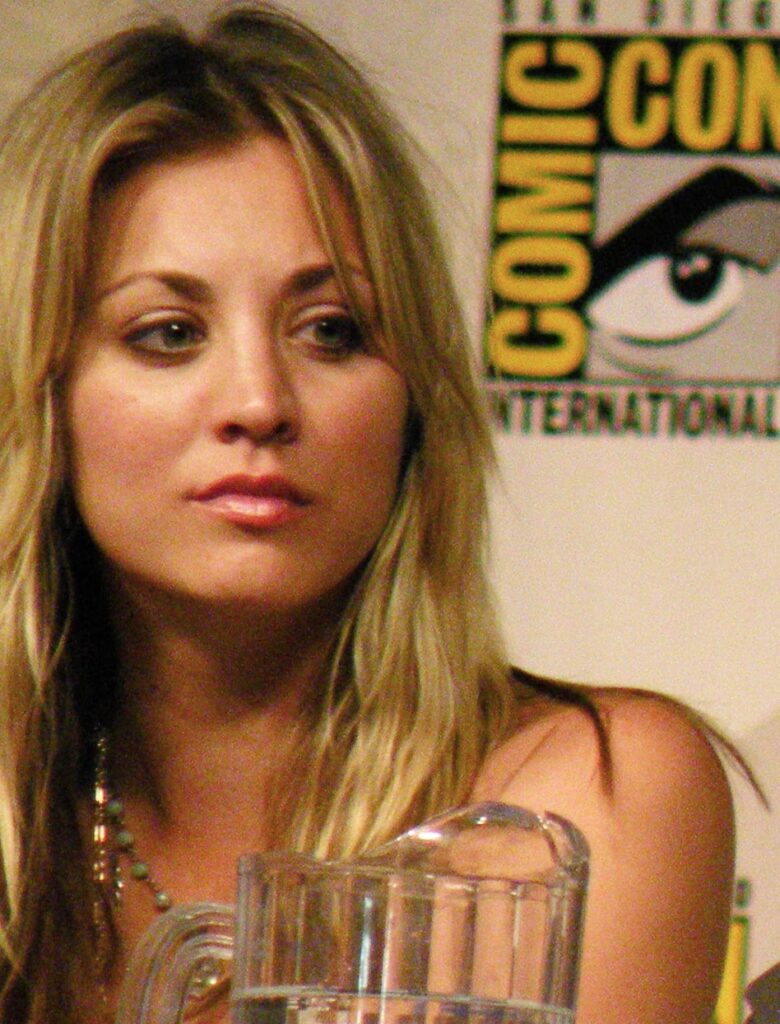
8. **The Strategic Masterstroke: Ushering in Kaley Cuoco’s Penny**With the decisive feedback from test audiences signaling an urgent need for a new direction, the creative team embarked on perhaps the most critical pivot in the show’s history: the complete overhaul of its female lead. This wasn’t merely a cosmetic change; it was a conceptual rebirth, leading to the introduction of Penny, a character destined to become a pop culture icon, brought to vibrant life by the effervescent Kaley Cuoco. Her casting was, in retrospect, a strategic masterstroke that fundamentally redefined the show’s comedic and emotional core.
Penny, as conceived in the revised pilot, was a revelation. Gone was the “rough” and “dangerous” demeanor of Katie; in its place emerged a charmingly sympathetic aspiring actress, grounded in reality yet utterly disarming. Her initial bewilderment by the theoretical physicists’ world quickly evolved into a genuine, if sometimes exasperated, affection. This transformation from a character who might “take advantage” of the guys to one who was “much more charmed by the guys and kind to them” was the crucial alchemy that unlocked the show’s potential.
Kaley Cuoco stepped into this reimagined role with an effortless grace and comedic timing that proved irresistible to audiences. Penny became the essential bridge, the relatable everywoman who could navigate the esoteric world of quantum physics and comic book lore while still feeling utterly authentic. She was the audience’s surrogate, gradually helping to coax Sheldon, Leonard, Howard, and Raj out of their insular existence, all while learning to appreciate the quirky nuances of their culture herself. Her presence provided the warmth, the heart, and the much-needed emotional intelligence that the original concept had conspicuously lacked.
The success of Cuoco’s portrayal cannot be overstated; for twelve immensely popular seasons, she anchored the ensemble, providing not just a romantic interest for Leonard but a vital, often maternal, presence for the entire group. Her ability to blend sharp wit with genuine kindness made Penny an indelible part of television history, proving that the right character, brought to life by the right actor, can indeed define the destiny of a series. The shift to Penny wasn’t just a rewrite; it was the birth of a phenomenon.

9. **The Network’s Hand: The Demand for a New Face**While the co-creators, Bill Prady and Chuck Lorre, were quick to acknowledge that Amanda Walsh’s performance as Katie was “terrific” and that “the role was misconceived,” a different mandate emerged from the network. Despite the creative team’s belief that the issue lay squarely with the writing, and not the actor herself, CBS ultimately requested that they “hire a different actor.” This decision underscores the pragmatic, often unforgiving, realities of television production, where creative vision can sometimes yield to commercial imperatives.
It’s a stark reminder that even with the clearest understanding of a creative misstep, the public face of that misstep often bears the brunt of the change. Walsh, by embodying the “rough” Katie, had become intrinsically linked to the character that test audiences had rejected. For a network looking to launch a potentially lucrative new series, the perception of a fresh start, a clean slate, was paramount. This meant that even if the problem was purely textual, a new face was deemed necessary to fully usher in the newly conceived character of Penny and leave the “toxic presence” of Katie firmly in the past.
This isn’t to diminish the creators’ genuine regret; their statements clearly indicate a deep sympathy for Walsh, understanding she was caught in a situation beyond her control. However, the business of television demands swift and decisive action when audience reception is at stake. The call to replace an actor, even a talented one, when a character concept fails, highlights the difficult, often impersonal, decisions that shape the entertainment landscape. It’s a testament to the high stakes involved when millions of dollars and potentially decades of programming are on the line.
The subsequent success of “The Big Bang Theory” with Kaley Cuoco as Penny provides a hindsight justification for CBS’s firm stance, however bittersweet it might have been for Walsh and the creators. It was a calculated risk that paid off handsomely, proving that sometimes, a complete change of personnel is seen as the only way to signal a true creative pivot to a skeptical viewership.

10. **Amanda Walsh’s Resilient Spirit: Acknowledging the Sting**For any actor, the news of being replaced in a pilot, especially one with significant potential, is undoubtedly a hard pill to swallow. Amanda Walsh, despite the creators’ reassurances that the issue was with the role’s conception and not her performance, openly admitted that the news of her replacement “definitely stung.” This raw honesty offers a vital human perspective to what can often be seen as a cold, transactional business decision, highlighting the emotional toll such setbacks can take.
However, Walsh’s resilience and maturity in navigating this professional challenge are truly commendable. She didn’t dwell on bitterness or resentment; instead, her reflections, as shared in “The Big Bang Theory: The Definitive, Inside Story of the Epic Hit Series,” painted a picture of grace and understanding. She specifically recalled her interaction with co-creator Bill Prady, noting that “Bill was as nice as possible about the whole thing.” This acknowledgement of the civility and respect extended to her speaks volumes about her character and her ability to view the situation with a clear, professional lens, fostering “no hard feelings” towards the creative team.
Crucially, Walsh found profound validation in a subsequent professional opportunity that helped assuage any lingering self-doubt. She recounted being “really fortunate that a year later, [director James] Burrows hired me for another pilot called ‘The Mastersons of Manhattan with Molly Shannon and Natasha Richardson.'” This immediate re-engagement with a respected director, especially one connected to the broader network of talent often collaborating on Lorre-Prady projects, served as a powerful affirmation. It was a tangible message that her talent was recognized and valued, directly addressing the actor’s perennial fear of “Is it me?”
This validation from a major industry figure provided the necessary closure and confidence, allowing Walsh to move forward with her career. Her ability to process the setback, learn from it, and quickly pivot to new opportunities speaks to a fundamental strength that many aspiring performers can only hope to cultivate. It’s a testament to her spirit that what could have been a career-defining blow instead became a stepping stone.

11. **Post-TBBT Triumphs: Walsh Forges Her Own Path**Unlike some actors who face similar early-career setbacks—the context explicitly mentions Jordan Reid’s trajectory after leaving “Always Sunny,” where she “never quite got a big hit”—Amanda Walsh’s story is one of undeniable success and diversification. Far from fading into obscurity, Walsh has “done perfectly well for herself,” carving out an impressive and varied career that demonstrates her talent extends far beyond a single, early role. This narrative serves as an inspiring counter-example to the often-depressing tales of missed opportunities in Hollywood.
Her filmography since “The Big Bang Theory” is robust, showcasing her versatility across different genres and platforms. She landed roles in notable projects such as the suspense thriller “Disturbia,” where she shared the screen with Shia LaBeouf. She also became a familiar face in the supernatural drama “Lost Girl” and the quirky, fan-favorite “Dirk Gently’s Holistic Detective Agency,” proving her ability to adapt to diverse storytelling demands and connect with new audiences in distinct roles. These credits alone paint a picture of a steadily working and respected actress.
Perhaps one of her most significant and impressive achievements, however, came not in front of the camera, but behind it. Walsh ventured into the world of screenwriting, contributing to “two seasons of the hit sitcom ‘Schitt’s Creek.'” This move is particularly insightful, demonstrating her multifaceted talent and her deep understanding of comedic storytelling. To transition from an actor whose initial character was “misconceived” on one sitcom to a writer contributing to another critically acclaimed and beloved comedy speaks volumes about her intelligence, adaptability, and enduring passion for the craft.
Walsh’s career trajectory is a powerful testament to her talent and perseverance. It exemplifies how an initial professional disappointment can, paradoxically, open doors to unexpected and equally rewarding avenues. Her journey illustrates that missing out on one iconic role does not preclude an actor from achieving widespread recognition and success in other, equally impactful ways.
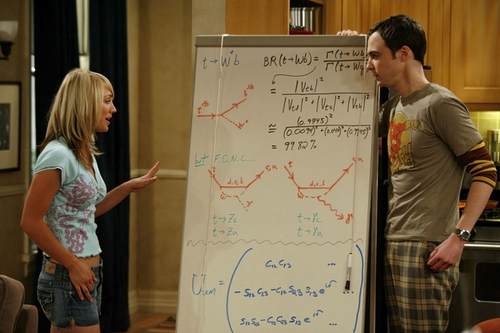
12. **The Enduring Power of “It’s Not You”: Actor’s Psychological Validation**Amanda Walsh’s recounting of her post-“Big Bang Theory” experience contains a profoundly resonant truth for anyone navigating a creative career, or indeed any career fraught with personal investment and rejection. Her reflection that the subsequent pilot offer from director James Burrows “really validated the notion of ‘It’s not you,’ because as an actor, you always question that,” speaks to a fundamental human need for affirmation, especially in the face of perceived failure. It’s a moment of profound psychological validation that transcends the immediate professional gain.
In the highly competitive and subjective world of acting, where rejection is often the norm and the reasons behind it frequently opaque, the self-doubt can be debilitating. Actors constantly internalize feedback, questioning their abilities, their appearance, their very essence. To have a major industry director, especially one with a reputation as venerable as James Burrows (who has directed countless iconic pilots, many for Chuck Lorre himself), actively seek you out for another project, is an unambiguous signal of talent and professionalism. It was a concrete counter-narrative to the initial disappointment, a professional vote of confidence that rebuilt her self-assurance.
Being rehired by “the same people” or, more accurately, by someone within the same influential professional circle that initially moved on from her, provided an invaluable sense of relief and confirmation. It definitively separated the actor from the ill-fated character, proving that the decision to replace her was indeed about the character’s conceptual flaws and not a judgment on her capabilities. This validation wasn’t just about securing another job; it was about reaffirming her worth as an artist, allowing her to release the burden of self-blame that can so easily derail a career.
Walsh’s experience offers a crucial lesson: while setbacks are inevitable, the way one interprets and processes them, often through the lens of external validation, can dictate future success. Her ability to gain this perspective was not just lucky, but indicative of a mature understanding of the industry and her place within it.

13. **Casting Pivots: A Defining Force in Television’s Pantheon**The dramatic recasting of “The Big Bang Theory’s” female lead serves as a compelling case study, not just for this specific sitcom, but for the broader impact of casting changes across the television landscape. As the introductory remarks of this article alluded, the “what if” scenarios surrounding pivotal roles are a constant undercurrent in TV history, capable of altering the very fabric of popular culture. This episode with Katie and Penny vividly illustrates how profoundly such a strategic shift can influence a show’s trajectory, audience engagement, and ultimate legacy.
Television history is replete with instances where early casting decisions or the eventual need for recasting has irrevocably shaped a series. Sometimes, it’s a minor character gaining unexpected prominence; other times, it’s a foundational role undergoing a seismic transformation. The “Big Bang Theory” situation highlights the delicate balance between a creator’s initial vision, the unpredictable dynamics of audience reception, and the commercial pressures from networks. It demonstrates that sometimes, the ‘perfect’ actor for an initial concept might be precisely the wrong fit for the perfected version of a character.
This narrative underscores that television is an incredibly collaborative and adaptive medium. The success of a show often hinges not just on brilliant writing or acting in isolation, but on the synergistic alchemy of all elements working in harmony. A character that creates a “toxic presence,” however well-acted, can sink a series, while a character that fosters warmth and connection, even if it requires a significant rewrite and recasting, can elevate it to iconic status. The courage to make such a profound change, despite the inherent difficulties and personal cost to individuals involved, is often the difference between a forgotten pilot and a multi-season phenomenon.
“The Big Bang Theory’s” journey from Katie to Penny became a textbook example of how a crucial casting pivot, driven by astute audience analysis and creative adaptation, can forge an enduring cultural touchstone, demonstrating the immense power that lies in these behind-the-scenes machinations to redefine an entire generation of viewing.

14. **The Enduring Legacy: From Setback to Success Story**Ultimately, the tale of “The Big Bang Theory” replacing its original female lead with Kaley Cuoco’s Penny is more than just a behind-the-scenes anecdote; it’s a powerful narrative about resilience, adaptation, and the complex ecosystem of television production. The switch to Cuoco’s Penny was undeniably “pivotal” for the show, transforming a struggling pilot into one of the most beloved and successful sitcoms of the 21st century. Her vibrant portrayal cemented the show’s place in pop culture, allowing it to entertain millions over its remarkable twelve-season run and beyond.
But the story doesn’t end there, nor is it a simple triumph without nuance. Amanda Walsh’s journey post-TBBT offers an equally compelling narrative, one that speaks volumes about individual perseverance in a notoriously fickle industry. Her ability to rebound, to find success in diverse projects like “Disturbia,” “Lost Girl,” “Dirk Gently’s Holistic Detective Agency,” and especially as a writer for “Schitt’s Creek,” illustrates that what initially appears to be a career-ending setback can, in fact, be a catalyst for alternative, equally fulfilling paths. She proved that “sometimes, what seems like a setback is just a different path to success.”
This entire saga encapsulates the intricate dance between artistic vision, market demands, and personal fortitude that defines Hollywood. It highlights the often-painful decisions made in pursuit of mass appeal, but also the enduring spirit of individuals who navigate these challenges. “The Big Bang Theory” became a juggernaut, a testament to a timely and shrewd creative correction. Simultaneously, Amanda Walsh built a robust and multifaceted career, demonstrating that professional validation can be found in many forms, often in unexpected places, far removed from the roles we thought were destined for us.
Read more about: The Enduring Reign of the Queen of Tejano: Unforgettable Moments from Selena Quintanilla-Pérez’s Life and Legacy
In the ever-evolving landscape of entertainment, the story of Katie and Penny reminds us that while the spotlight may shift, true talent and dedication will always find a way to shine, crafting legacies both on-screen and off. It’s a compelling reminder that the true measure of success isn’t just about the roles you get, but about the careers you build, often through pathways entirely of your own making.