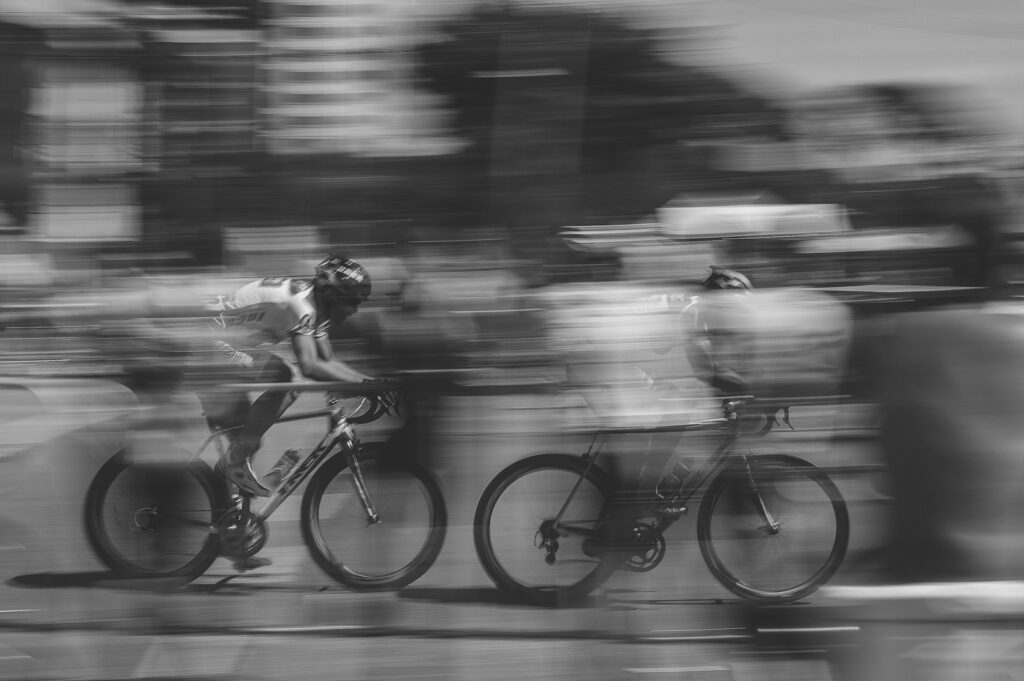
There’s an undeniable thrill in speed, a primal human desire to push limits, to move faster, to achieve what was once thought impossible. From the earliest wheeled conveyances to today’s hyper-engineered machines, the bicycle has been a silent, powerful partner in this quest. It’s a marvel of human ingenuity, evolving from a simple mode of transport into a highly specialized instrument capable of extraordinary feats, embodying a relentless pursuit of efficiency, endurance, and, yes, breathtaking velocity. This isn’t just about pedals and wheels; it’s about the fusion of technology, human physiology, and an unyielding spirit of innovation.
Indeed, the world of cycling is a vibrant tapestry woven with threads of historical significance, technological breakthroughs, and personal triumphs. We’ve seen bicycles transform battlefields, revolutionize urban commutes, and become the centerpiece of exhilarating competitive sports. This journey has been punctuated by moments where individuals, equipped with nothing but their machines and their will, have redefined the boundaries of human-powered speed, leaving an indelible mark on history and inspiring future generations to chase their own horizons. It’s a testament to the enduring appeal and remarkable versatility of this two-wheeled wonder.
Join us as we embark on an in-depth exploration of how cycling has consistently pushed the envelope. We’ll uncover the fascinating history that laid its groundwork, dissect the sophisticated engineering that makes high-performance possible, and examine the specialized equipment and skills that elevate the rider to new levels of efficiency and speed. Prepare to be inspired by the intricate dance between human effort and mechanical precision, a relationship that continues to propel cycling into an ever-faster, ever-more innovative future.
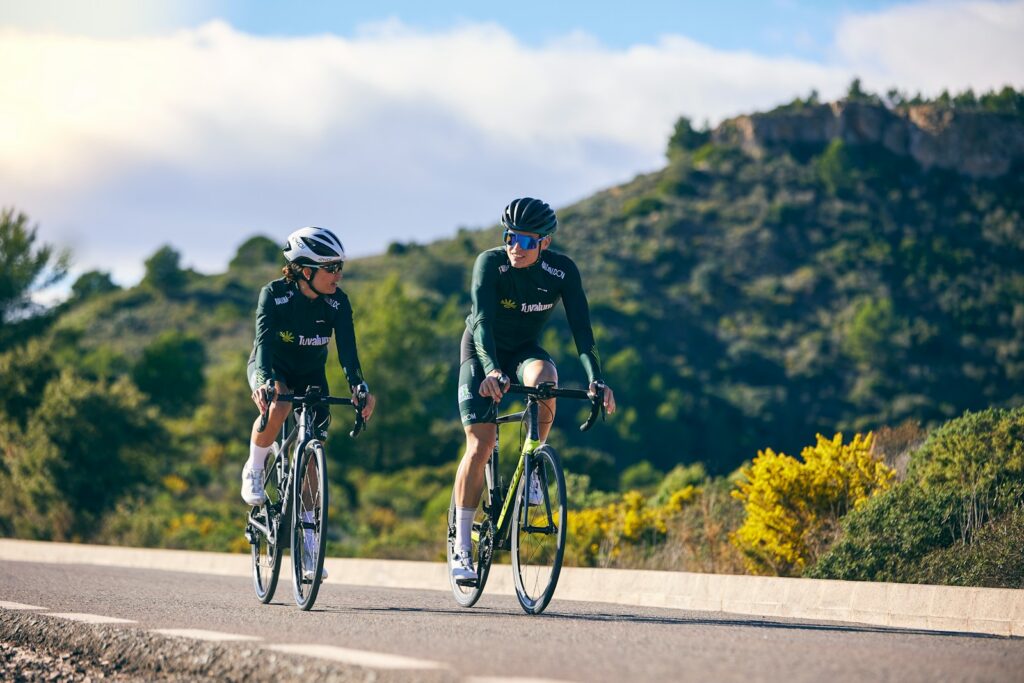
1. **The Deep Roots of Cycling: A Historical Journey**The story of cycling is a captivating narrative of popularization and global embrace, beginning in earnest in the latter part, and particularly the last decade, of the 19th century across Europe and North America. It wasn’t merely a passing fad; it quickly ingrained itself into the fabric of daily life, offering an unprecedented level of personal mobility that captivated populations then, much as it does now.
This early adoption paved the way for a widespread phenomenon. Today, the bicycle is far from an niche interest; it’s a universal skill and a common sight. An astonishing statistic reveals the depth of its global penetration: “over 50 percent of the human population knows how to ride a bike.” This widespread familiarity underscores the bicycle’s fundamental role not just as a piece of equipment, but as a cultural cornerstone that transcends geographical and socioeconomic boundaries.
The journey of the bicycle, from its initial popularization to becoming a skill known by more than half the world, highlights its adaptability and enduring appeal. It demonstrates how a relatively simple invention can evolve to serve myriad purposes – from transport and recreation to exercise and competitive sport – solidifying its place as one of humanity’s most impactful and beloved innovations.

2. **Bicycles in Battle: Military Applications Through History**While often associated with leisure and sport, the bicycle has a surprisingly robust and impactful history on the battlefield, serving critical strategic roles across various conflicts. Far from being a mere novelty, it was a practical, silent, and efficient method for intelligence gathering and logistical support, inheriting many functions traditionally assigned to horses in warfare.
Throughout history, the bicycle proved its worth as a versatile military asset. In the Second Boer War, both sides recognized its utility, employing bicycles for scouting missions across challenging terrains. This initial foray into military use set a precedent, and by World War I, major powers including France, Germany, Australia, and New Zealand were deploying bicycles “to move troops,” leveraging their speed and agility in an era before widespread motorized transport.
Its strategic significance continued into later conflicts. Japan, for instance, in its 1937 invasion of China, notably “employed some 50,000 bicycle troops,” a force instrumental in their rapid advance through Malaya in World War II. Germany, too, utilized bicycles in World War II, while the British innovated further with “airborne ‘Cycle-commandos’ with folding bikes,” demonstrating the adaptable nature of this simple machine. Even during the Vietnam War, “communist forces used bicycles extensively as cargo carriers along the Ho Chi Minh Trail,” underscoring their quiet efficiency in covert supply operations. This lineage of military utility extended well into the modern era, with Switzerland notably maintaining “a regiment of bicycle troops” until its disbandment in 2003, marking the end of a long and storied chapter for the military bicycle.
3. **The Engineering of the Ride: Essential Bicycle Equipment**At the heart of cycling’s diverse applications lies the fundamental design of the bicycle itself, an engineering marvel that has been meticulously refined over decades to suit specific purposes. The stark contrast between a utility bicycle and a road bike exemplifies this specialization, showcasing how design choices are intricately linked to intended function, whether it’s navigating urban landscapes or conquering the open road at high speeds.
Utility bicycles, for example, are the workhorses of daily transport in many parts of the world. They are characterized by their “frames with relaxed geometry, protecting the rider from shocks of the road and easing steering at low speeds.” These design elements prioritize comfort and practicality, making them ideal for everyday use. Furthermore, their utility is enhanced by essential accessories such as “mudguards, pannier racks and lights, which extend their usefulness on a daily basis,” transforming them into highly effective urban transport solutions. It’s no wonder that in countries like Denmark and the Netherlands, where cycling is deeply embedded in the culture, these bicycles are the primary form of transport, often outnumbering cars per capita.
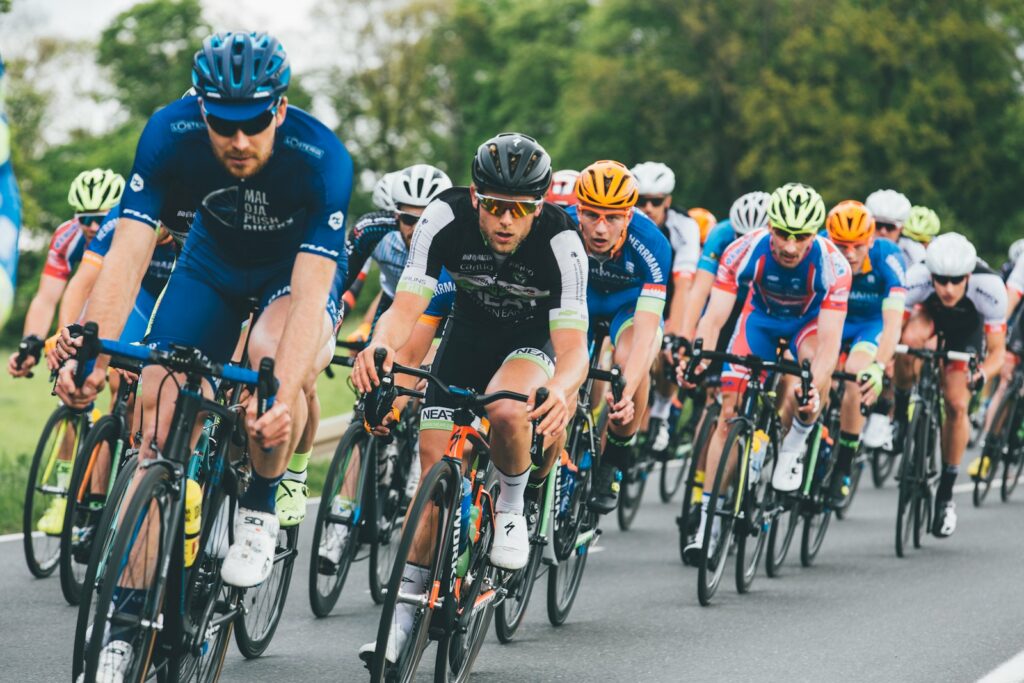
In stark contrast, road bikes are exquisitely engineered for a singular purpose: speed and efficiency on paved surfaces. Their design ethos is entirely different, featuring “a more upright shape and a shorter wheelbase, which make the bike more mobile but harder to ride slowly.” This distinct geometry, coupled with “low or dropped handlebars, requires the rider to bend forward more, making use of stronger muscles (particularly the gluteus maximus) and reducing air resistance at high speed.” Their lightweight frames, skinny tires, and narrow saddles are all optimized for minimal drag and maximum power transfer, making them the choice for racing, long-distance riding, and serious fitness training. This divergence in design highlights the sophisticated engineering behind each type, tailored precisely to meet the demands of its specific domain.
Read more about: 14 Wild Ways Cycling Is More Than Just a Ride (Plus, How You Can Join the Fun!)
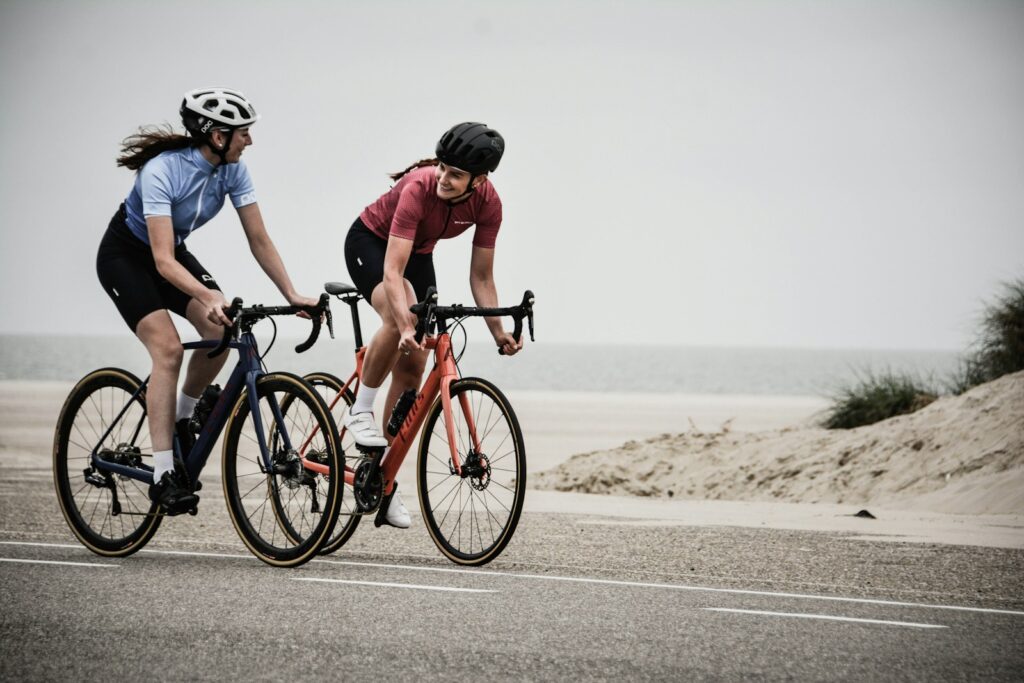
4. **Crafting Speed: The Science Behind Road Bikes**The road bike is a masterclass in applying scientific principles to achieve peak performance. Every curve, every component, is a deliberate choice made to maximize speed and efficiency, transforming human power into raw velocity. The very posture a rider adopts on a road bike is dictated by its design, which “requires the rider to bend forward more, making use of stronger muscles (particularly the gluteus maximus) and reducing air resistance at high speed.” This aerodynamic tuck isn’t just for comfort; it’s a carefully calculated position to slice through the wind, a primary obstacle to speed.
Beyond the classic road bike, the landscape of cycling technology continues to diversify, with innovations catering to every conceivable riding condition. “Other common types of bikes include gravel bikes, designed for use on gravel roads or trails, but with the ability to ride well on pavement; mountain bikes, which are designed for more rugged, undulating terrain; and e-bikes, which provide some level of motorized assist for the rider.” Each of these categories represents a specialized branch of bicycle engineering, pushing boundaries in different dimensions – from multi-terrain versatility to conquering extreme off-road challenges, and even augmenting human power.
The pursuit of optimal performance also extends to the realm of pricing, reflecting the intricate craftsmanship and advanced materials involved. A new bicycle’s cost can vary dramatically, ranging “from US$50 to more than US$20,000.” At the pinnacle of this spectrum are custom-built machines, exemplified by “the highest priced bike in the world is the custom Madone by Damien Hirst, sold at US$500,000.” While such extreme examples are rare, they underscore the lengths to which engineering and artistry can go. Furthermore, professional racing imposes its own set of fascinating technical constraints; for instance, “UCI regulations stipulate a legal race bike cannot weigh less than 6.8 kg (14.99 lbs),” balancing technological advancement with principles of fair competition and rider safety. This regulation, while a minimum, often influences innovation, pushing manufacturers to create incredibly strong yet lightweight machines that adhere to these strict guidelines.
Read more about: Unlocking the Zenith of Speed: A 2025 Vision for High-Performance Motorcycles and Their Defining ‘High’ Attributes
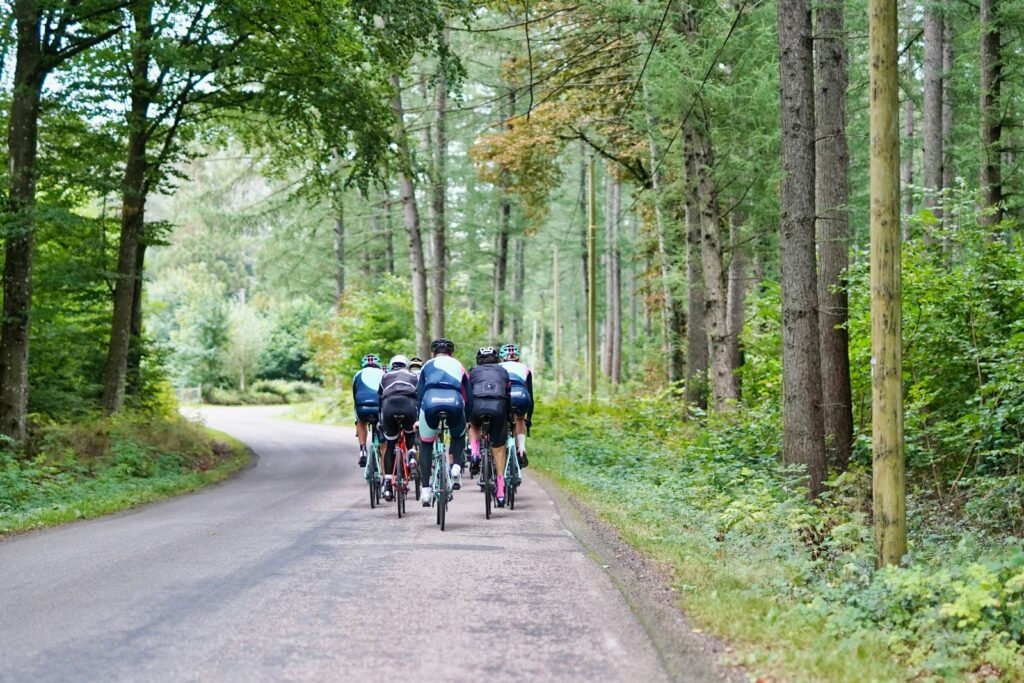
5. **Beyond Pavement: Gravel, Mountain, and E-Bike Innovations**The evolution of bicycle design has transcended the smooth confines of asphalt, giving rise to specialized machines capable of tackling an astonishing array of environments. This diversification is a testament to the continuous drive for innovation, catering to riders who seek adventure off the beaten path or desire a helping hand in their journeys. Gravel bikes, for instance, are a relatively recent yet immensely popular development, designed with a keen understanding of versatility. They are crafted for an intriguing hybrid existence, excelling “for use on gravel roads or trails, but with the ability to ride well on pavement,” offering riders the best of both worlds without compromising performance.
For those who crave the raw challenge of rugged terrain, mountain bikes reign supreme. These machines are purpose-built for the wild, meticulously “designed for more rugged, undulating terrain,” providing the robust strength and advanced suspension needed to absorb severe impacts and navigate treacherous paths. The world of mountain biking is not monolithic; it has splintered into various exhilarating disciplines, including the gravity-defying “downhill mountain biking” seen in places like Whistler Mountain Bike Park. This discipline even boasts sub-genres like “Slopestyle, a form of downhill, is when riders do tricks such as tailwhips, 360s, backflips and front flips,” showcasing an incredible blend of athleticism and daring. Beyond these high-octane forms, disciplines like “cross country (often referred to as XC), all mountain, trail, free ride, and newly popular enduro” cater to different aspects of off-road riding, each with its own specific demands and technical innovations. The allure of mountain biking saw a significant surge, particularly “in 2020, due to COVID-19, mountain bikes saw a surge in popularity in the US, with some vendors reporting that they were sold out of bikes under US$1000,” highlighting its growing appeal and accessibility.
Completing this trio of modern marvels are e-bikes, or electrically assisted bicycles, which represent a significant technological leap in making cycling accessible to a wider demographic. These intelligent machines “provide some level of motorized assist for the rider,” seamlessly integrating human power with electric propulsion. This assistance can smooth out challenging climbs, extend commuting ranges, or simply make cycling a less strenuous activity, thereby opening up the world of two-wheeled travel to individuals who might otherwise find traditional cycling prohibitive. From the unforgiving trails to the extended commutes, these innovations are continuously redefining what’s possible on a bicycle, demonstrating a vibrant future for human-powered and human-assisted mobility.
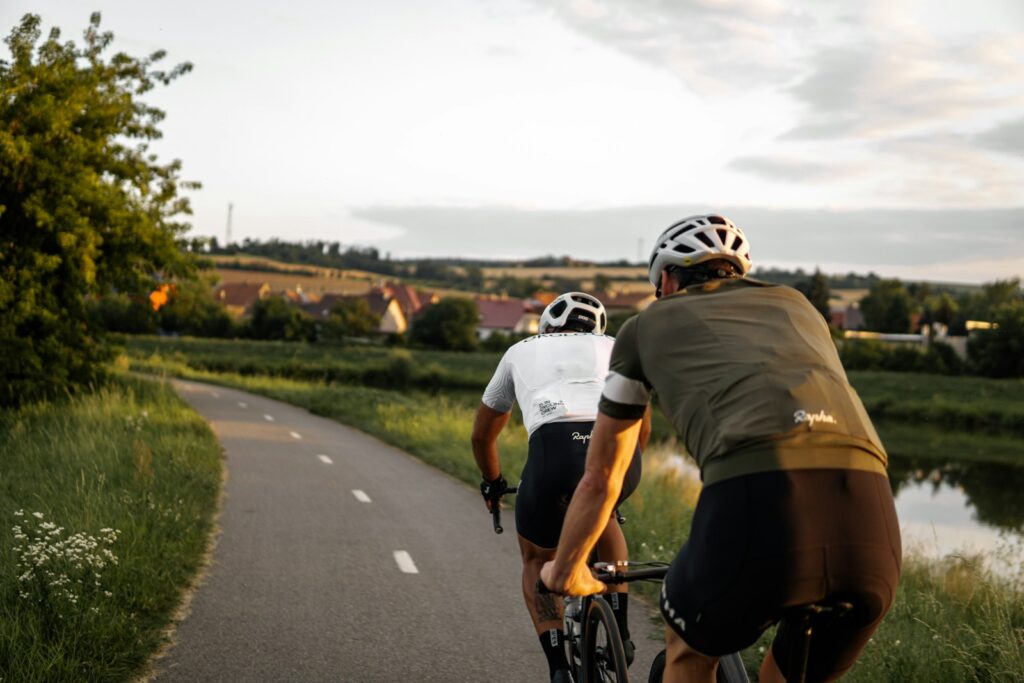
6. **Optimizing the Rider: Performance Gear and Accessories**The pursuit of cycling excellence, whether for recreation, utility, or competitive speed, extends far beyond the bicycle frame itself; it encompasses a sophisticated ecosystem of components and accessories designed to enhance every aspect of the ride. The drivetrain, for instance, is a critical interface between rider and road. While “a middle grade dérailleur is sufficient for a beginner, although many utility bikes are equipped with hub gears,” more specialized needs dictate specific setups. For those facing inclines, “if the rider plans a significant amount of hillclimbing, a triple-chainrings crankset gear system may be preferred.” Conversely, for speed and simplicity, “the relatively lighter, simpler, and less expensive double chainring is preferred, even on high-end race bikes.” And for the minimalist, “much simpler fixed wheel bikes are also available,” showcasing the breadth of choice for optimal power transfer and efficiency.
Enhancing the connection between rider and machine, “many road bikes, along with mountain bikes, include clipless pedals to which special shoes attach, via a cleat, enabling the rider to pull on the pedals as well as push.” This critical innovation allows for a far more efficient and powerful pedal stroke, translating directly into improved performance. Beyond the core components, a vast array of accessories caters to safety, convenience, and data collection. “Other possible accessories for the bicycle include front and rear lights, bells or horns, child carrying seats, cycling computers with GPS, locks, bar tape, fenders (mud-guards), baggage racks, baggage carriers and pannier bags, water bottles and bottle cages.” These items transform the bicycle from a basic vehicle into a fully equipped adventure or commuting machine, tailored to individual needs.
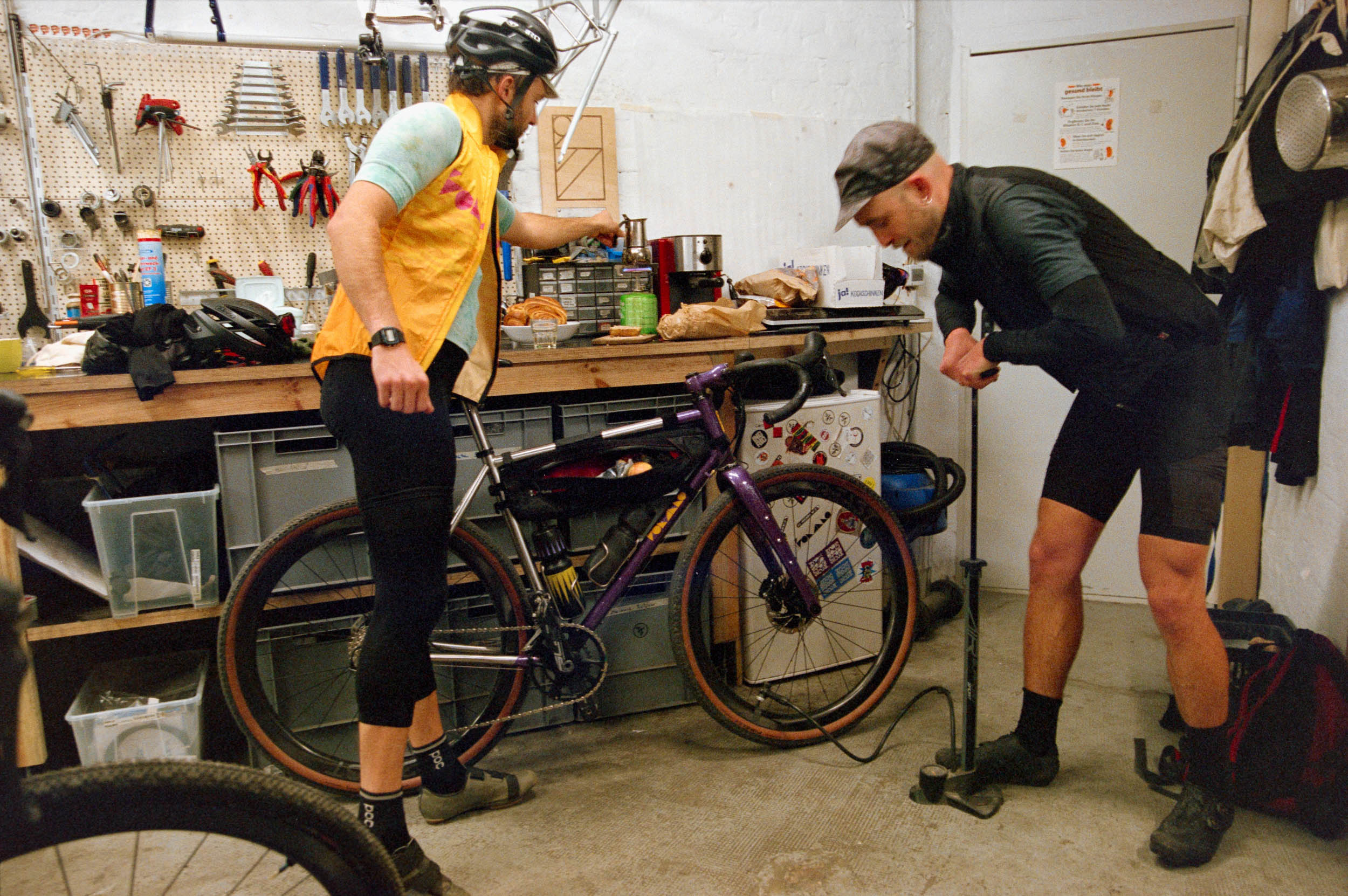
Crucially, maintaining the integrity and performance of these machines requires a basic toolkit. Cyclists often carry “a pump (or a CO2 cartridge), a puncture repair kit, a spare inner tube, and tire levers and a set of allen keys,” enabling roadside repairs that prevent being stranded. Rider comfort and safety are also paramount, addressed through specialized clothing: “Cycling can be more efficient and comfortable with special shoes, gloves, and shorts.” For adverse conditions, “in wet weather, riding can be more tolerable with waterproof clothes, such as cape, jacket, trousers (pants) and overshoes,” while “high-visibility clothing is advisable to reduce the risk from motor vehicle users.” Furthermore, specific legal and safety requirements, depending on jurisdiction, may include “bicycle helmets, generator or battery operated lights, reflectors, and audible signalling devices such as a bell or horn,” often supplemented by extras like “studded tires and a bicycle computer.” The ultimate level of personalization comes from customization, where “bikes can also be heavily customized, with different seat designs and handle bars, for example,” and even “gears can also be customized to better suit the rider’s strength in relation to the terrain,” ensuring every aspect of the ride is optimized for the individual.
7. **Mastering the Machine: Developing Cycling Skills**Riding a bicycle might seem intuitive, but truly mastering the machine, especially within varied environments, involves a suite of learned skills and a deep understanding of road dynamics. This educational process often begins early, with “many schools and police departments run educational programs to instruct children in bicycle handling skills, especially to introduce them to the rules of the road as they apply to cyclists.” These foundational programs, sometimes known as “bicycle rodeos, or operated as schemes such as Bikeability in the UK,” are crucial for instilling early confidence and safety awareness, preparing young riders for the complexities of real-world cycling.
For adults, the learning doesn’t stop. “Education for adult cyclists is available from organizations such as the League of American Bicyclists,” which provide advanced training beyond basic riding. A key component of this advanced education is “riding efficiently and safely in traffic.” One prominent philosophy, “vehicular cycling, occupying road space as car does,” advocates for cyclists to assert their presence and rights on the road, integrating seamlessly with motor vehicle traffic. This contrasts with approaches in countries like Denmark and the Netherlands, where “cyclists are often segregated into bike lanes at the side of, or more often separate from, main highways and roads,” reflecting different philosophies on cyclist safety and integration. The rigor of cycling education is further demonstrated by practices such as “many primary schools participate in the national road test in which children individually complete a circuit on roads near the school while being observed by testers,” ensuring a practical application of learned safety principles.
Ultimately, the development of cycling skills is a continuous journey, enhancing not just personal safety and efficiency but also contributing to a more harmonious co-existence with other road users. From the basic balance taught to children to the advanced tactical awareness for navigating complex urban environments, each skill builds upon the last, transforming a simple act of pedaling into a sophisticated art. It’s about empowering riders to not only control their machines but to confidently and safely engage with the world around them, making every ride a testament to their developed proficiency.
8. **Urban Infrastructure: Building Bike-Friendly Cities**As cycling has evolved, so too has the urban landscape, transforming to accommodate and encourage this dynamic mode of transport. The interplay between cyclists, pedestrians, and motorists often creates complex demands on road design, with jurisdictions making distinct choices that reflect their priorities. While some cities historically prioritized motorized traffic, constructing one-way systems, high-capacity roundabouts, and slip roads, a growing number are now championing shared priority, actively implementing traffic calming measures and building dedicated cycling infrastructure to foster a more bicycle-friendly environment.
Indeed, the evidence is compelling: in areas where motor vehicles were prioritized, cycling rates have tended to decline, starkly contrasting with jurisdictions that have invested in robust cycling infrastructure, where rates have either remained steady or soared. This commitment often involves the creation of bike lanes, bike paths, and cycle tracks, which provide vital separation and safety for riders. Computer vision and street view imagery are even being leveraged to assess and improve this infrastructure, demonstrating a forward-thinking approach to urban planning.
Beyond dedicated lanes, a comprehensive approach to cycling infrastructure includes practical solutions like secure cycle-parking facilities, ranging from bicycle stands to lockable mini-garages, combating theft—a common complaint in cities with low cycling adoption. Many local governments further promote cycling by allowing bicycles on public transport, sometimes even via external attachment devices on buses, seamlessly integrating two-wheeled travel with broader transit networks. It’s about making cycling not just possible, but genuinely convenient and secure.
Nowhere is this commitment more evident than in the Netherlands, a global beacon for cycling. Here, an astounding 35,000 km of cycle-track—a quarter of the country’s entire road network—has been physically segregated from motor traffic, and using these facilities is often compulsory. This visionary infrastructure means a quarter of all trips are made by bicycle, including commutes by none other than the prime minister himself. The benefits are staggering: saving 6,000 lives annually, prolonging life expectancy by six months, saving $20 million per year, and preventing 150 grams of CO2 emissions per kilometer cycled. It’s a powerful testament to what’s possible when cities truly embrace the bicycle.

9. **Utility Cycling: The Unsung Workhorse of Modern Society**Beyond sport and leisure, the bicycle shines brilliantly as a utilitarian marvel, serving as an indispensable mode of daily commuting and a powerful engine for commercial activity. This “utility cycling” is predominantly observed in urban environments, where the bicycle’s agility, efficiency, and sustainability make it an ideal vehicle for transporting both people and goods, often overcoming the logistical nightmares faced by motorized transport in congested areas.
Globally, postal services have long understood the bicycle’s unparalleled efficiency. The British Royal Mail, for instance, began using bicycles in 1880, and today fleets in the UK, Germany, Hungary, and Sweden number in the tens of thousands. Even Australia Post has reintroduced bicycle deliveries, a testament to their practicality. Furthermore, the London Ambulance Service has deployed bicycling paramedics, often reaching incident scenes in Central London faster than motorized ambulances. Police forces, too, increasingly rely on bikes for greater accessibility in pedestrian zones and congested streets, sometimes even supplementing or replacing traditional horseback officers.
From the daily grind to specialized logistics, bicycles are the silent heroes of countless communities. Generations of teenagers have delivered newspapers by bike, while a visible industry of cycle couriers zips through Western cities. In Mumbai, the iconic Dabbawalas expertly use bicycles to deliver home-cooked lunches. Bogotá’s largest bakery replaced most of its delivery trucks with bikes, and at Mercedes-Benz’s massive Sindelfingen factory, workers navigate the sprawling complex on color-coded bicycles. This pervasive adoption underscores the bicycle’s enduring role as a versatile, efficient, and surprisingly powerful tool for getting things done.
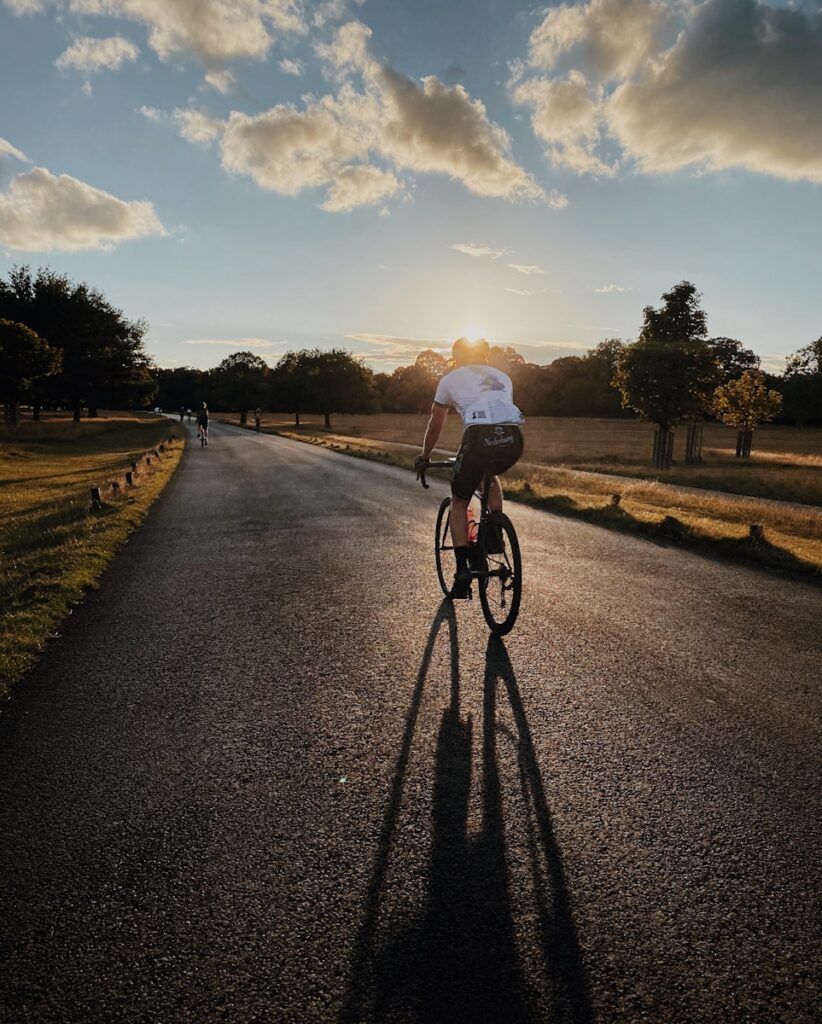
10. **Recreational Riding: Exploring the World on Two Wheels**The bicycle isn’t just a vehicle for speed or utility; it’s a gateway to exploration, enjoyment, and a deeper connection with the world around us. People of all ages embrace bicycles for recreation, from casual rides in the park to immersive “bicycle touring,” also known as cyclotourism. This captivating activity involves extensive exploration and sightseeing, offering a unique blend of leisure, exercise, and cultural immersion, quickly becoming one of the most popular forms of recreational sport.
For those who prefer structured adventures, “brevets” or “randonnées” offer organized long-distance rides, testing endurance and camaraderie. The flat, scenic countryside of the Netherlands, with its extensive public bicycle trails, provides an idyllic setting for relaxed cycling, free from vehicle traffic. A beloved Dutch tradition, the “fietsvierdaagse,” sees thousands participating in four days of organized cycling through local environments. Meanwhile, Taiwan’s commitment to improving environmental quality for cycle tourists, focusing on safety, lighting, lane design, landscape, and cleanliness, has dramatically increased its bicyclist numbers from 700,000 in 2008 to 5.1 million in 2017, proving that investing in the rider experience yields substantial recreational benefits.
Beyond multi-day tours, organized rides range from challenging cyclosportives and reliability trials, which include registration, detailed routes, and rest stops offering refreshments and aid, to purely social events. These rides often begin with a large “mass,” “bunch,” or “peloton” of riders, which thins out as participants form groups of similar skill levels, taking advantage of drafting for efficiency. A vibrant example is the monthly San Jose Bike Party in California, which can attract thousands of riders in the summer months, uniting communities through the simple joy of cycling.
For adrenaline seekers and nature lovers, mountain biking offers an entirely different realm of recreation. Originating in the 1970s as a downhill sport on customized cruiser bicycles around California’s Mount Tamalpais, it has since diversified into numerous thrilling disciplines. From traversing rugged, undulating terrain to the gravity-defying feats of downhill mountain biking at places like Whistler Mountain Bike Park, where “Slopestyle” riders execute spectacular tricks such as tailwhips, 360s, backflips, and front flips, the sport pushes physical and technical boundaries. Additional disciplines like cross-country (XC), all-mountain, trail, free ride, and enduro cater to every facet of off-road adventure, ensuring there’s a mountain biking experience for every type of thrill-seeker. It’s no surprise that in 2020, amidst the COVID-19 pandemic, mountain bikes saw an unprecedented surge in popularity in the US, with many vendors reporting complete sell-outs of models under US$1000, underscoring its widespread and growing appeal.
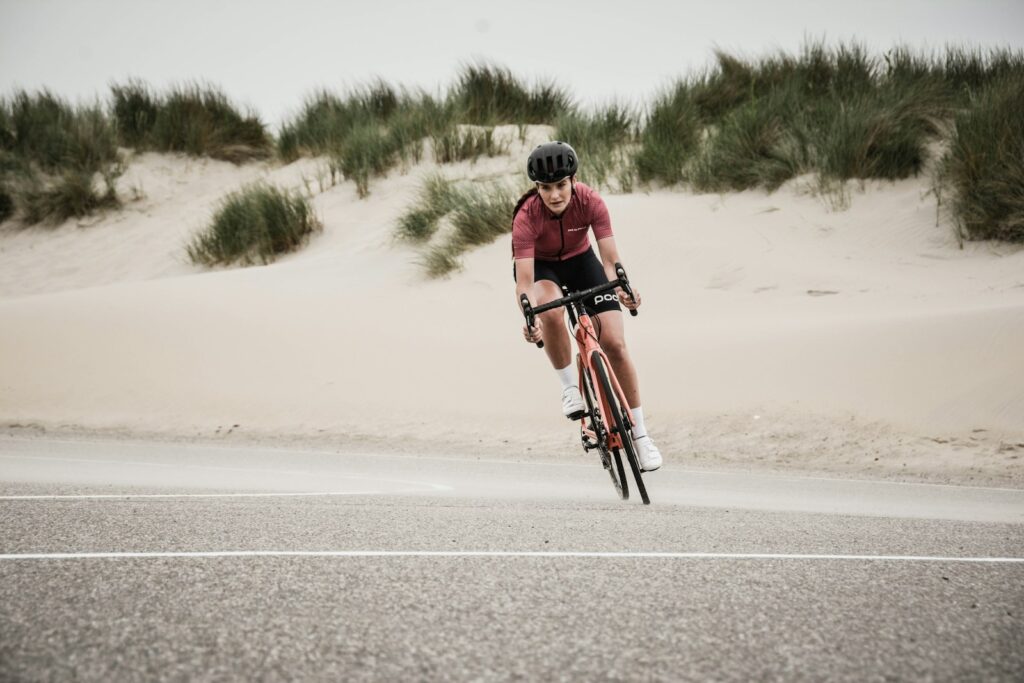
11. **The Thrill of Competition: Pushing Limits in Cycle Sport**The instant the bicycle was introduced, its inherent speed and mechanical elegance sparked a competitive spirit, leading to the rapid development of racing competitions across the globe. Early races, often featuring perilous “boneshaker” bicycles, were famously fraught with injuries, yet the allure of speed endured. The 1890s, heralded as the “Golden Age of Cycling,” saw large races flourish across Europe, the U.S., and Japan, with velodromes for track racing becoming common fixtures in major American cities. While cycling’s prominence in the U.S. waned by the mid-20th century, it has consistently remained a major sport across Continental Europe, particularly in the United Kingdom, France, Belgium, Italy, and Spain.
The pinnacle of professional cycling, the Tour de France, established in 1903, continues to captivate the sporting world with its legendary multi-stage endurance. Beyond this iconic event, the pursuit of records has been a constant driving force. A century ago, in 1899, Charles Minthorn Murphy earned his nickname “Mile-a-Minute Murphy” by becoming the first person to cycle a mile in under a minute, achieving this extraordinary feat by expertly drafting a locomotive on New York’s Long Island—a testament to human ingenuity and mechanical advantage.
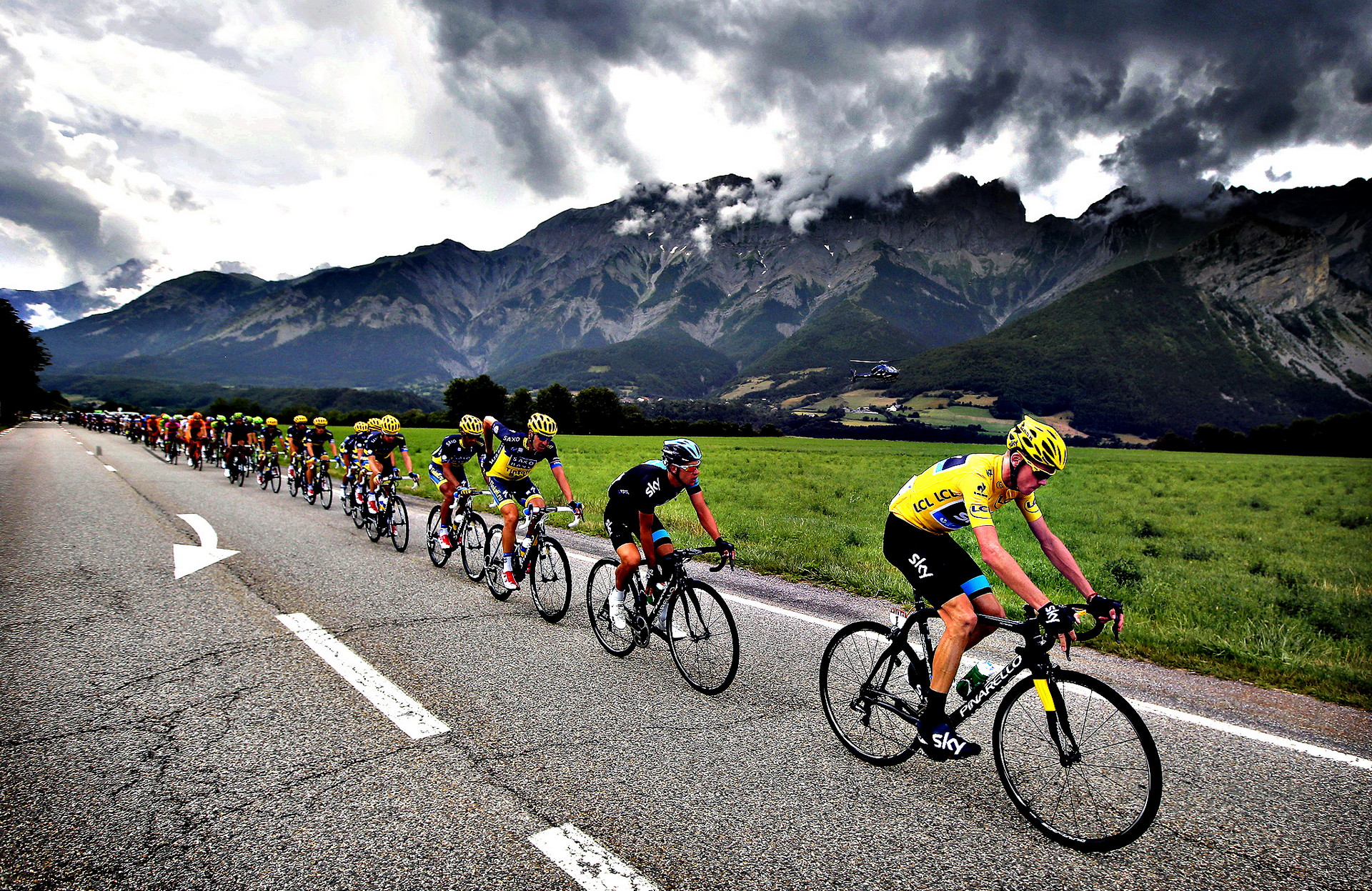
As bicycle design diversified, so did the formats of cycle sport. Road races, contested individually and by teams, encompass everything from intense one-day events and criteriums to precise time trials and the grueling multi-stage Grand Tours. Track cycling, utilizing specialized track bicycles, thrives in velodromes, showcasing raw power and tactical precision. For those who relish unpredictable terrain, cyclo-cross races challenge riders across varied outdoor landscapes of pavement, grass, and mud, featuring human-made barriers that demand agility, whether through bunny hops or quick dismounts. Mountain bike racing, a relatively recent entrant, has soared to international popularity, even earning its place as an Olympic sport, highlighting the continuous evolution of competitive cycling.
Professional racing organizations, such as the Union Cycliste Internationale (UCI), the sport’s international governing body, meticulously regulate equipment to ensure fair competition and rider safety. For instance, the UCI introduced rules in the late 1990s prohibiting race bicycles from weighing less than 6.8 kilograms (14.96 pounds), a regulation that cleverly balances performance with a baseline of structural integrity. Furthermore, specific rules, like those effectively banning recumbent bicycles by requiring a traditional double-triangle frame structure, shape the technological trajectory of competitive cycling, pushing innovation within defined parameters while preserving the spirit of human-powered sport.
12. **Cycling as Activism: Pedaling for Change**Cycling isn’t merely a mode of transport or a recreational pursuit; it’s a powerful platform for activism, inspiring broad and correlated themes that drive social change. One primary focus is advocating for the bicycle as a viable, sustainable alternative to motorized transport, championing its potential for energy conservation, resource efficiency, and the undeniable health benefits it confers. Simultaneously, activists work tirelessly to create conditions that permit and encourage bicycle use for both utility and recreation, pushing for systemic changes that transform urban environments.
While there’s broad agreement that improved local and inter-city rail services, along with better provision for cycle carriage on mass transit, significantly boost bicycle use, the debate over specific cycling infrastructure remains lively. Some activists passionately champion the construction of dedicated bike paths, cycle tracks, and bike lanes, pointing to their proven success in enhancing safety and encouraging more people to cycle. Others, often aligned with the “vehicular cycling” philosophy, approach such segregated facilities with skepticism, advocating instead for a holistic “4 ‘E’s” approach: education, encouragement, enforcement, and engineering, all aimed at integrating cyclists safely and equally with other road users.
Manifesting this collective spirit, events like Critical Mass, typically held on the last Friday of every month in cities worldwide, see bicyclists taking to the streets en masse. Founded to highlight how unfriendly cities often are to cyclists, Critical Mass, with its leaderless structure, operates as a powerful direct action: meeting at a set location and time and traveling as a group through city streets to assert cyclists’ presence and rights. Another perennial topic that ignites fervent discussion among activists is the cycle helmet debate, particularly the contentious issue of compulsory helmet use, underscoring the diverse perspectives within the cycling community.
Paradoxically, while cycling is on the rise in many developed countries, it faces a decline in numerous developing nations as motorbikes and cars replace bicycles. Within Western societies, the demographic of cyclists is often not representative of the broader population, with research in London suggesting cyclists are typically “white, under 40, male, with medium to high household income,” and German studies showing a correlation with higher education levels. This disparity has fueled activism focused on diversifying the cycling community. Organizations like Street Riders NYC, inspired by the Black Lives Matter movement, use bicycles to protest systemic racism and police brutality, inadvertently exposing inequities in safe bicycling infrastructure by neighborhood, which is interpreted as a form of classism. Historically, the bicycle itself has served as a pivotal means for women’s liberation, forging strong links to feminism by offering unprecedented mobility and independence.
Read more about: 14 Wild Ways Cycling Is More Than Just a Ride (Plus, How You Can Join the Fun!)
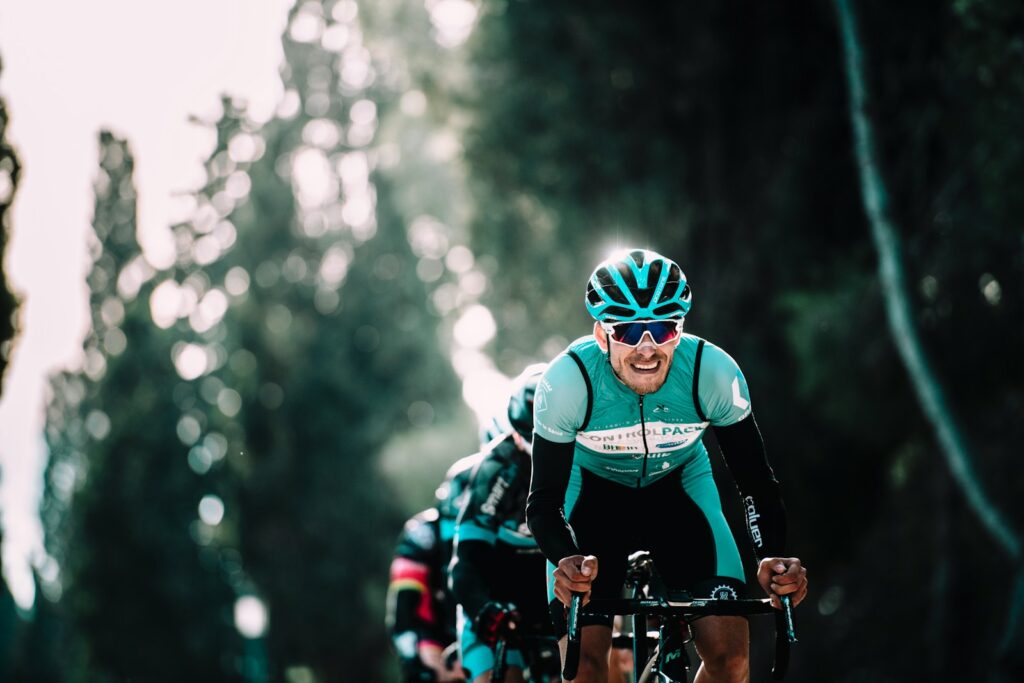
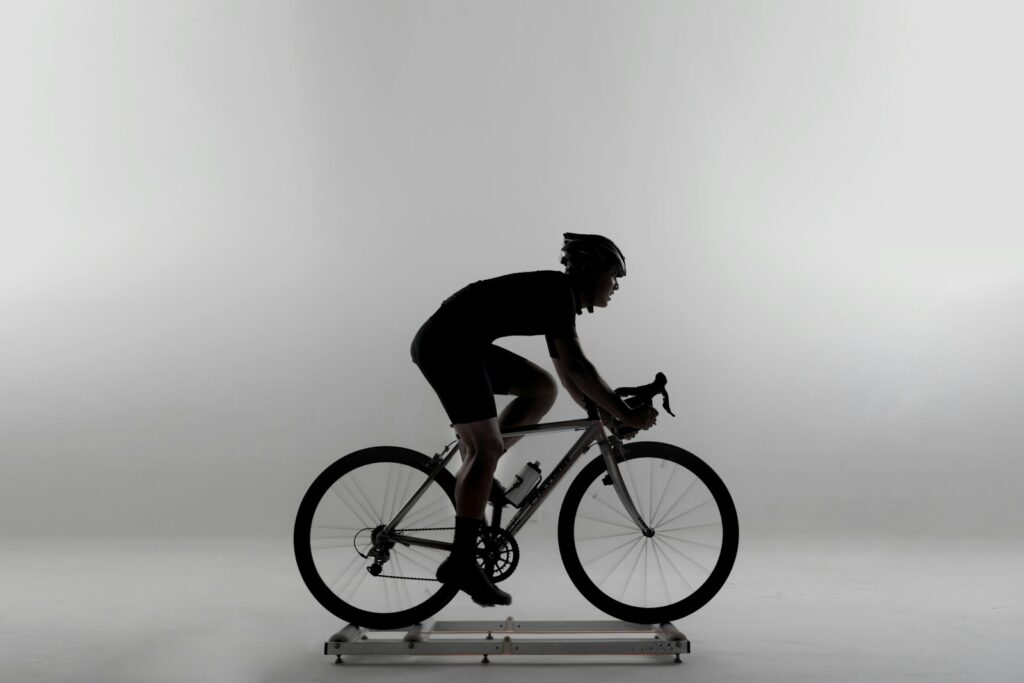
13. **Health on Wheels: The Profound Physical Benefits of Cycling**Cycling stands as a powerful beacon of well-being, delivering a spectrum of profound health benefits that extend far beyond mere physical exertion. Engaging in regular cycling dramatically reduces the risk of prevalent sedentary lifestyle diseases, including various cancers, heart disease, and diabetes. It also serves as a crucial component in rehabilitation, particularly for lower limb injuries; stationary bikes are frequently integrated into recovery protocols, such as after hip surgery, to facilitate soft-tissue healing, manage pain, and restore range of motion with minimal impact. Furthermore, even glimpses of mental health improvement are reported by regular cyclists, hinting at the broader holistic impact of this activity.
The overwhelming consensus is that the health benefits of cycling significantly outweigh its associated risks when compared to a sedentary lifestyle. A compelling Dutch study revealed that cycling could extend lifespans by up to 14 months, while the risks equated to a mere 40 days or less of reduced lifespan. This translates to an estimated 6,500 deaths prevented by cycling, with mortality rate reduction directly correlated to the average time spent cycling. Broader analyses consistently show that the benefits of cycling or walking surpass risks by ratios ranging from 9:1 to an astounding 96:1 when measured against a lack of exercise, encompassing a wide array of physical and mental outcomes.
Recognized by the World Health Organization (WHO) as a public health “best buy” and a “highly suitable activity,” increasing physical activity through cycling directly combats physical inactivity, which ranks second only to tobacco smoking as a health risk in developed countries. This inactivity is linked to a 20-30% increased risk of various chronic diseases and billions in healthcare costs. Investments in cycling infrastructure, as reported by the charity Sustrans, can yield an exceptional 20:1 return in health and other benefits, with estimates suggesting approximately 20 life-years gained from the health benefits of road bicycling for every life-year potentially lost through injury.
As a form of cardiovascular exercise, cycling invigorates blood circulation and powerfully engages multiple muscle groups throughout the body. Recent studies highlight its efficacy in reducing the risk of cardiovascular outcomes by 11%, with a slightly greater reduction observed in women. Crucially, cycling offers a low-impact exercise option, making it particularly beneficial for individuals with arthritis in the lower limbs who may find high-impact sports prohibitive. Its dual purpose as transportation often removes the need for self-discipline, seamlessly integrating exercise into daily routines. While seated cycling is non-weight bearing and does little for bone density, cycling out of the saddle offers better results by transferring more body weight to the legs, though excessive standing can lead to knee damage. The promotion of Active Travel, advocating walking and cycling as alternatives to motorized transport, is a global response to rising sedentary lifestyles and obesity, exemplified by Illinois designating cycling as its official state exercise in 2007.
Read more about: Behind Closed Doors: A Definitive Guide to Los Angeles’s Most Coveted Memberships and High-Octane Car Clubs
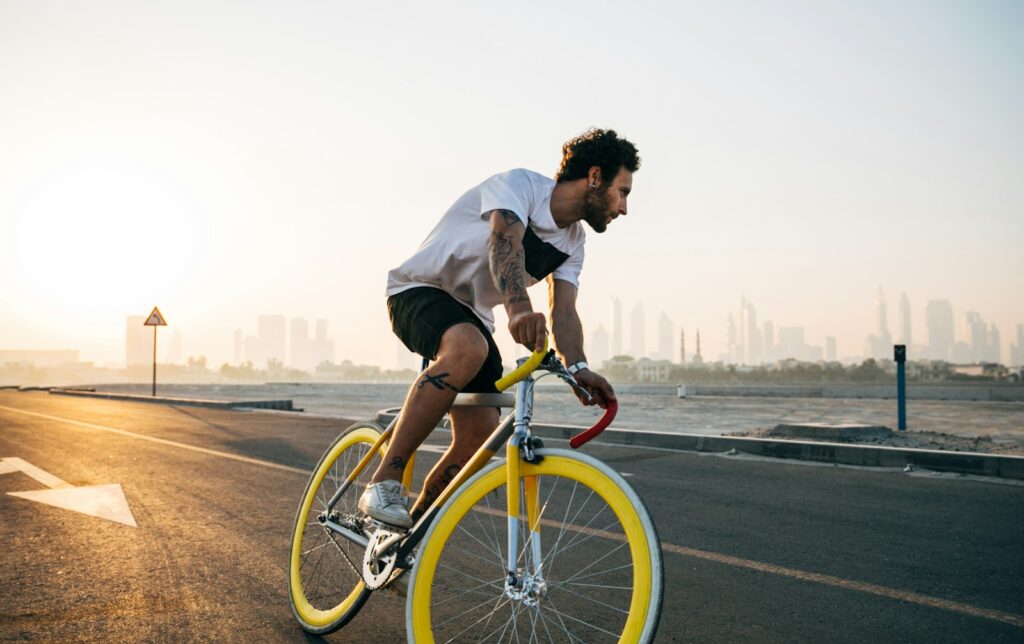
14. **Mind Over Matter: Cycling’s Impact on Mental Well-being and Safety Considerations**The profound impact of cycling extends far beyond the physical, deeply influencing mental health and overall well-being. A European study spanning seven cities reported overwhelmingly favorable self-perceived health among bicycle users, who reported significantly less perceived stress, better mental health, enhanced vitality, and reduced loneliness. These positive outcomes were attributed to potential economic benefits, a heightened sense of independence, and the strong identity fostered within a vibrant cyclist community. An English study on non-cyclist older adults found that both conventional pedal bike and electrically assisted e-bike groups experienced improved executive function and well-being when cycling outdoors, with e-bike users showing even greater gains, suggesting that non-physical factors like independence, outdoor engagement, and mobility play a significant role in boosting mental health.
Further reinforcing these findings, a 15-month randomized controlled trial in the U.S. explored the effects of self-paced cycling on institutionalized older adults without cognitive impairment. The research impressively demonstrated that consistent long-term cycling, for at least 15 minutes per day, had a protective effect on both cognition and attention. These compelling results highlight cycling’s potential not only as a preventative measure but also as an effective adjunct therapy for certain mental health conditions, offering a natural and engaging pathway to improved psychological well-being.
Despite the undeniable benefits, cycling often grapples with a perception of unsafety. This perception, however, is not always fully supported by quantitative data, largely due to the underreporting of crashes and a scarcity of comprehensive bicycle use statistics, making it challenging to accurately assess and monitor risks. In the UK, fatality rates per mile or kilometer for cycling are actually slightly lower than those for walking, although per hour of travel, they are just over double. In the US, bicycling fatality rates are less than two-thirds of those walking the same distance, challenging common misconceptions about cycling’s inherent dangers. Moreover, studies, like a Danish one from 2000, show that cyclists often have a lower overall mortality rate compared to sedentary individuals, even after adjusting for other risk factors, with non-cyclists experiencing a 39% higher mortality rate.
Understanding injuries is crucial for enhancing safety, categorizing them into acute physical trauma and overuse (intrinsic) injuries. Most cycle fatalities tragically result from collisions with motor vehicles, particularly cars or heavy goods vehicles, with drivers identified as at fault in the majority of these incidents. This stark reality underscores the critical need for safer road environments. Encouragingly, segregated cycling infrastructure has been proven to significantly reduce the rate of crashes between bicycles and motor vehicles, offering a tangible solution to improve cyclist safety and foster a more harmonious and secure coexistence on our roads, ensuring that the joys and benefits of cycling can be embraced by all with greater peace of mind.