The dream of owning a car that lasts forever isn’t just a fantasy anymore. While hitting the 400,000-mile mark might seem impossible for most vehicles, a select group of cars has repeatedly proven their capability to achieve this impressive milestone. These exceptional machines stand out not merely for their raw durability, but for their consistent ability to perform smoothly, year after year, with the right approach to care and maintenance.
At the heart of these ultra-high-mileage champions lies a common set of traits: robust build quality, time-tested engineering, and mechanical systems specifically designed to resist the relentless wear and tear of hundreds of thousands of miles. This isn’t about luck; it’s about manufacturers prioritizing long-term reliability over fleeting trends. Many of these enduring vehicles remain available today, offering discerning buyers a unique opportunity to invest in a car that could potentially serve them for decades.
Achieving such remarkable longevity is a testament to both ingenious automotive design and dedicated ownership. It requires understanding that even the most robust vehicles demand proper care, consistent maintenance, and suitable driving conditions to truly unlock their full potential. This article will delve into some of the most prominent examples of these automotive titans, beginning with seven models that have definitively demonstrated their capability to surpass the 400,000-mile barrier.

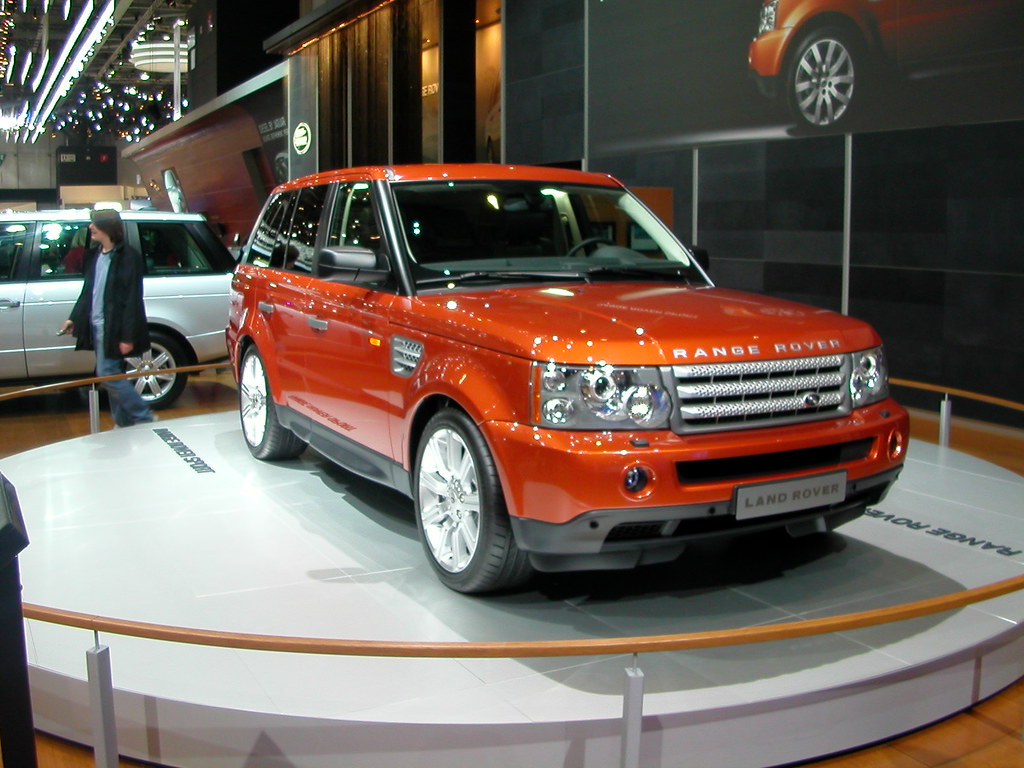
1. Toyota Land Cruiser
The Toyota Land Cruiser stands as an unparalleled symbol of durability and toughness in the automotive world. Renowned as Toyota’s most durable vehicle, it regularly hits the 400,000-mile mark without requiring major repairs. Its robust body-on-frame design, a hallmark of serious off-road capability, incorporates overbuilt mechanical components engineered to handle extreme conditions year after year, forming the bedrock of its legendary lifespan.
The engineering philosophy behind the Land Cruiser has consistently focused on simplicity and unwavering durability, rather than solely on cutting-edge performance or luxury features. Its engines and transmissions, particularly in the venerated 100 and 200 series models, are famous for running smoothly and reliably even after decades of continuous use. It is not uncommon to find numerous examples worldwide that have surpassed 500,000 miles, all while retaining their core reliability and formidable off-road prowess.
While the Land Cruiser is undeniably built to last, consistent and proper maintenance is a non-negotiable factor in achieving these extraordinary mileage figures. Regular oil changes, timely replacement of filters, and meticulous inspections of suspension and drivetrain components are crucial. Owners who adhere to these practices tend to unlock the vehicle’s full potential, ensuring that even when minor issues arise, the Land Cruiser’s rugged nature means they are often manageable and repairable, rather than leading to catastrophic failures. This blend of inherent durability and conscientious upkeep guarantees the vehicle remains functional far beyond what many cars consider their operational lifespan.
Beyond its mechanical fortitude, the Land Cruiser’s versatility contributes significantly to its long life. It seamlessly transitions from a reliable daily driver to a capable family vehicle, a sturdy workhorse, or an adventurous off-road beast. This adaptability across diverse use cases often inspires owners to treat it with exceptional care and value, reinforcing its roadworthiness for the long haul. The Land Cruiser truly embodies a vehicle that becomes an enduring part of one’s life.
Car Model Information: 2023 BMW X3 xDrive30i
Name: Toyota Land Cruiser
Caption: 2021 Toyota Land Cruiser ZX (VJA300, Colombia)
Manufacturer: Toyota
Production: 1951–present
Class: unbulleted list
Layout: Front-engine, four-wheel-drive
Categories: 1960s cars, 1970s cars, 1980s cars, 1990s cars, 2000s cars
Summary: The Toyota Land Cruiser (Japanese: トヨタ・ランドクルーザー, Hepburn: Toyota Rando-Kurūzā), also sometimes spelt as LandCruiser, is a series of four-wheel drive vehicles produced by the Japanese automobile manufacturer Toyota. It is Toyota’s longest running series of models. As of 2019, the sales of the Land Cruiser totalled more than 10 million units worldwide.
Production of the first generation of the Land Cruiser began in 1951. The Land Cruiser has been produced in convertible, hardtop, station wagon and cab chassis body styles. The Land Cruiser’s reliability and longevity have led to huge popularity, especially in Australia, where it is the best-selling body-on-frame, four-wheel drive vehicle. Toyota also extensively tests the Land Cruiser in the Australian outback – considered to be one of the toughest operating environments in both temperature and terrain. In Japan, the Land Cruiser was once exclusive to Toyota Japanese dealerships called Toyota Store.
Since 1990, the smaller variation of the Land Cruiser has been marketed as the Land Cruiser Prado. Described as a ‘light-duty’ version of the Land Cruiser by Toyota, it features a different design compared to the full-size model and, up until 2023, it remains the only comfort-oriented Land Cruiser available with a short-wheelbase 3-door version.
As of 2023, the full-size Land Cruiser was available in many markets. Exceptions include the United States (since 2021 where the smaller Land Cruiser Prado has been sold under the Land Cruiser name since 2024), Canada (since 1996), Malaysia (which receives the Lexus LX instead), Hong Kong, Macau, South Korea, Brazil, and most of Europe. In Europe, the only countries where the full-size Land Cruiser is officially sold are Gibraltar, Moldova, Russia, Belarus, and Ukraine. The Land Cruiser is hugely popular in the Middle East, Russia, Australia, India, Bangladesh, Pakistan, New Caledonia, and Africa. It is used by farmers, the construction industry, non-governmental and humanitarian organizations, the United Nations, national armies (often the pickup version), and irregular armed groups who turn them into “technicals” by mounting machine guns in the rear. In August 2019, cumulative global sales of the Land Cruiser family surpassed 10 million units.
Get more information about: Toyota Land Cruiser
Buying a high-performing used car >>>
Brand: Toyota Model: Land Cruiser
Price: $34,646 Mileage: 29,133 mi.
Read more about: Consumer’s Essential Guide: 14 Dealer Add-Ons and Fees to Approach with Caution (or Avoid Entirely)
2. Honda Civic
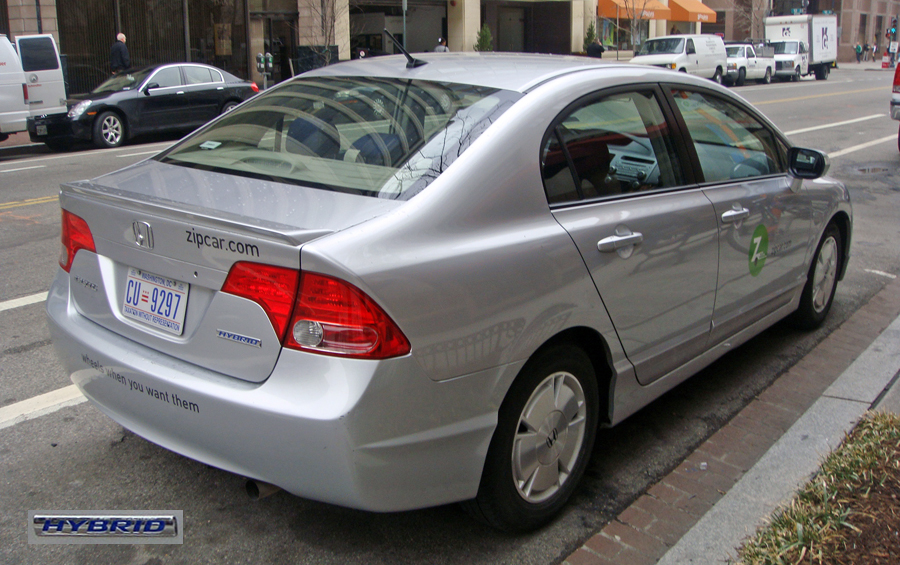
Honda’s engineering prowess is brilliantly showcased in the Civic, a compact car that routinely crosses the 400,000-mile threshold. Its foundation lies in well-built four-cylinder engines, which have consistently proven their mettle over decades of use. The Civic’s design prioritizes mechanical simplicity, translating into fewer complex parts that could potentially fail, a characteristic particularly evident in robust models from the 1990s and early 2000s.
The key to the Civic’s impressive longevity often boils down to diligent, basic maintenance. Regular oil changes and adherence to fundamental service schedules can keep these cars running reliably for decades. This straightforward approach minimizes complex and costly repairs, making the Civic an economical choice for owners committed to long-term vehicle retention. It demonstrates that advanced engineering doesn’t always mean excessive complexity.
Even at exceedingly high mileage, the Civic’s fuel efficiency remains remarkably consistent, a significant advantage for owners who continue to drive their vehicles for hundreds of thousands of miles. This enduring efficiency further enhances its appeal as an economical and practical choice throughout its extended lifespan. It’s a testament to Honda’s commitment to building vehicles that not only last but remain cost-effective to operate over their entire operational journey.
Read more about: The Single Most Important Question to Ask When Buying a Used Electric Car: A Comprehensive Guide for Savvy Consumers
3. Lexus RX 350
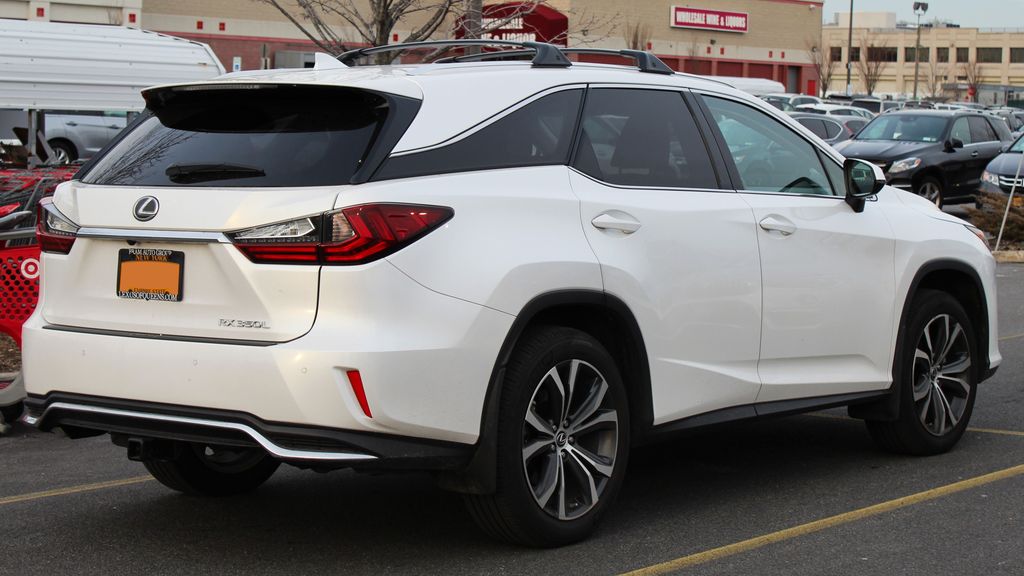
The Lexus RX 350 masterfully blends premium comfort with Toyota’s legendary reliability, resulting in a luxury crossover that frequently reaches the 400,000-mile mark with remarkably minimal issues. This combination makes it a standout choice for those seeking both an upscale experience and long-term dependability. Its robust construction and refined components are designed to withstand extensive use while maintaining a high standard of quality.
The RX 350’s V6 engine is particularly noteworthy for its resilience against wear, especially when meticulously maintained according to the manufacturer’s schedule. This engine, a testament to Toyota’s precise engineering, is a critical component in the vehicle’s ability to achieve such high mileage milestones. It delivers smooth, consistent power without sacrificing durability, making it a reliable performer over the long haul.
Owners consistently report that their RX 350s maintain their smooth ride quality and comfortable interior features even after extensive use, a rare feat for any vehicle, let alone a luxury crossover. Many original owners specifically highlight that their vehicles require only routine maintenance, such as oil changes and fluid checks, to successfully reach impressive high-mileage milestones, proving its inherent robustness and design integrity.
Car Model Information: 2023 BMW X3 xDrive30i
Name: Lexus RX
Caption: Lexus RX 500h F Sport Performance (TALH17, Germany)
Manufacturer: Toyota
Aka: Toyota Harrier
Production: December 1997 – present
ModelYears: 1998–present
Class: unbulleted list
BodyStyle: SUV
Layout: unbulleted list
Chassis: Unibody
Successor: unbulleted list
Categories: 2000s cars, 2010s cars, 2020s cars, All-wheel-drive vehicles, All Wikipedia articles written in American English
Summary: The Lexus RX (Japanese: レクサス・RX, Hepburn: Rekusasu RX) is a luxury crossover SUV sold since 1998 by Lexus, a luxury division of Toyota. Originally released in its home market of Japan in late 1997 as the Toyota Harrier, export sales began in March 1998 as the Lexus RX.
Considered as the first luxury crossover SUV by many sources, five generations of the RX have been produced to date, the first being compact in size, and the latter classified as mid-size. Both front- and four-wheel drive configurations have been used on the RX series, and several gasoline powertrain options, including V6 engines and hybrid systems, have been offered. In the Lexus model lineup, the RX sits below the larger Lexus LX (marketed as the Toyota Land Cruiser body-on-frame SUVs outside North America, respectively), and below the body-on-frame, but also mid-size GX SUV. The name “RX” stands for “Radiant Crossover”. It has also been labelled as “Recreational Cross Country” in some markets. The RX’s current Toyota counterpart is the Highlander/Kluger; past counterparts included the Harrier and Venza.
The first-generation RX 300, fitted with a 3.0-liter V6 engine, began sales in 1998. The Japanese market Harrier released in 1997 also offered a 2.2-liter inline-four, later uprated to 2.4 liters. The second-generation RX 300 (3.0-liter V6) and RX 330 (3.3-liter V6) models went on sale in 2003, with both variants supplanted by the more powerful RX 350 (3.5-liter V6) in 2006. Like the previous series, a 2.4-liter inline-four engine was sold alongside the 3.0-liter V6 in the Japanese market Harrier. In 2005, a hybridized gasoline-electric version of the 3.3-liter second-generation model was made available as the RX 400h in export markets and as the Harrier Hybrid in Japan. For the third generation released in 2009, both RX 350 (3.5-liter V6) and RX 450h (3.5-liter V6 hybrid) models were initially offered, with an entry-level RX 270 (2.7-liter inline-four) offered by Lexus in some Asian markets, including in Japan, since 2010. Since the release of the third generation, Japanese sales have occurred under the RX name as opposed to Harrier as had been the case previously. In the fourth generation, a turbocharged (2.0-liter inline-four) RX 200t/300 model was introduced to replace the previous 2.7-liter unit.
The RX has been assembled at Toyota Motor Kyushu since launch. The RX and RX Hybrid were the first Lexus models to be built outside Japan, with North American market versions produced at the Toyota Motor Manufacturing Canada plant in Cambridge, Ontario beginning 2003 (RX) and expanded in 2014 (RX Hybrid). Hybrid transaxles are built at the Kokura plant in Kitakyushu, Fukuoka since 2009.
Get more information about: Lexus RX
Buying a high-performing used car >>>
Brand: Lexus Model: RX 350
Price: $34,646 Mileage: 29,133 mi.
Read more about: Behind Closed Doors: A Definitive Guide to Los Angeles’s Most Coveted Memberships and High-Octane Car Clubs
4. Toyota Camry
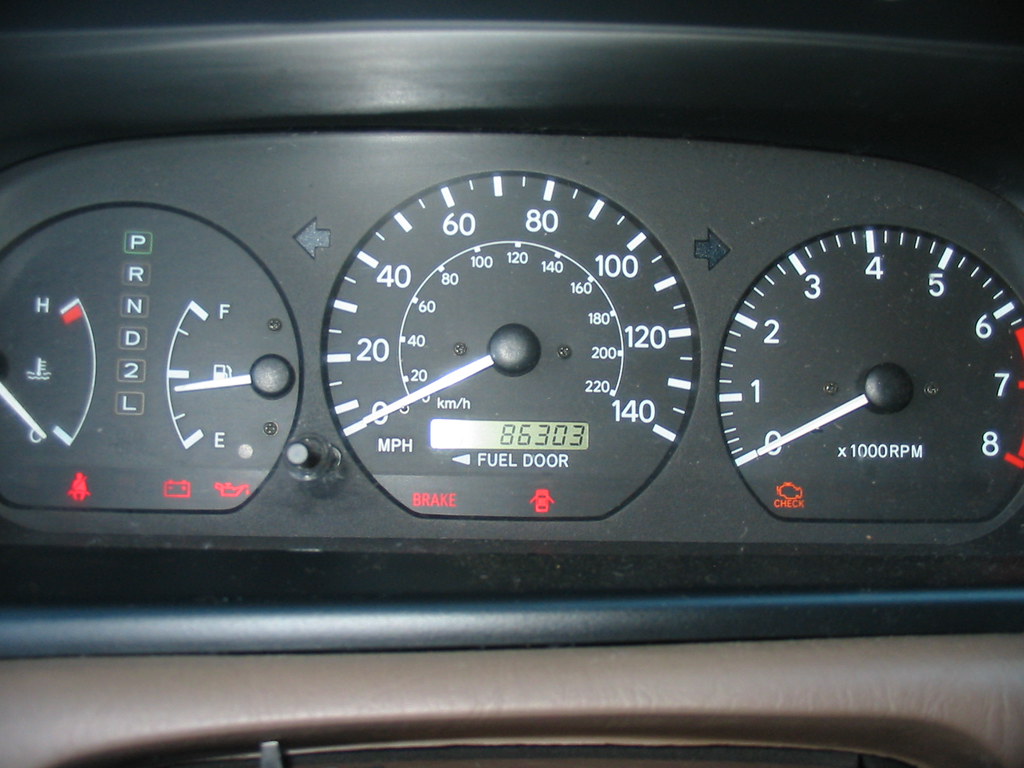
The Toyota Camry has forged an almost unparalleled reputation for longevity, largely thanks to its proven four-cylinder and V6 engines, which regularly exceed 400,000 miles. This unwavering reliability has made the Camry a trusted nameplate for generations of drivers. Its engineering prioritizes robust performance and consistent operation, designed to endure the demands of daily driving over many years.
Beyond the powertrain, the Camry’s electrical systems and interior components consistently demonstrate exceptional durability when compared to many competitors in its class. This attention to detail in every aspect of its construction means that not only the mechanicals but also the user experience components hold up remarkably well. Features like power windows, infotainment systems, and climate controls continue to function reliably, resisting common failures found in other vehicles.
Even high-mileage examples of the Camry maintain commendable fuel efficiency and a comfortable ride quality, provided they receive basic maintenance. These sedans frequently serve as dependable family cars for multiple generations, a powerful testament to their lasting value and enduring design. The Camry truly embodies the notion of a practical, long-term automotive investment, delivering consistent performance and comfort well into its extended lifespan.
Car Model Information: 2023 Toyota Camry TRD
Name: Toyota Camry
Caption: 2018 Toyota Camry Ascent (ASV70, Australia)
Manufacturer: Toyota
Production: March 1982 – present
Aka: ubl
Class: ubl
Layout: ubl
Predecessor: ubl
Successor: Toyota Avensis (T250)
Categories: 1990s cars, 2000s cars, 2010s cars, 2020s cars, All-wheel-drive vehicles
Summary: The Toyota Camry (; Japanese: トヨタ・カムリ Toyota Kamuri) is an automobile sold internationally by the Japanese auto manufacturer Toyota since 1982, spanning multiple generations. Originally compact in size (narrow-body), the Camry has grown since the 1990s to fit the mid-size classification (wide-body)—although the two widths co-existed in that decade. Since the release of the wide-bodied versions, Camry has been extolled by Toyota as the firm’s second “world car” after the Corolla. As of 2022, the Camry is positioned above the Corolla and below the Avalon or Crown in several markets.
In Japan, the Camry was once exclusive to Toyota Corolla Store retail dealerships. Narrow-body cars also spawned a rebadged sibling in Japan, the Toyota Vista (トヨタ・ビスタ)—also introduced in 1982 and sold at Toyota Vista Store locations. Diesel fuel versions have previously retailed at Toyota Diesel Store. The Vista Ardeo was a wagon version of the Vista V50.
Get more information about: Toyota Camry
Buying a high-performing used car >>>
Brand: Toyota Model: Camry
Price: $36,000 Mileage: 34,847 mi.
Read more about: Behind the Badge: 8 Unexpected Car Pairings That Secretly Share Engine Technology
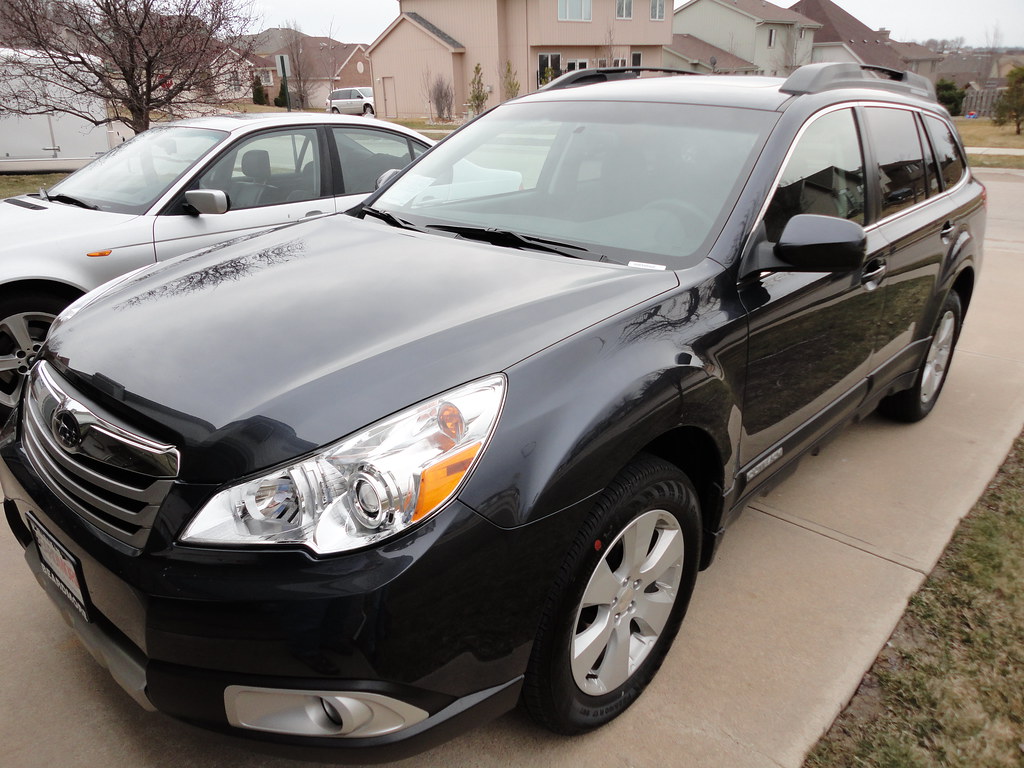
5. Subaru Outback
The Subaru Outback has carved a distinct niche for itself, recognized for its unique boxer engine design and robust all-wheel-drive system, both of which consistently contribute to achieving impressive high mileage milestones. This distinctive engineering approach provides a lower center of gravity and superior balance, elements that inherently reduce stress on various suspension components and contribute to the vehicle’s overall longevity. Many Outback owners have proudly reported their vehicles surpassing 400,000 miles, all while retaining their distinctive off-road capability and reliable handling characteristics.
Subaru’s commitment to durability extends to the Outback’s body style. The wagon configuration proves remarkably resistant to structural wear, a crucial advantage, particularly for vehicles operating in harsh environments like those with severe winter conditions or rough terrain. This inherent structural integrity means the car’s fundamental framework remains sound and reliable over many years of diverse use, resisting the common degradations seen in less robust designs.
While the boxer engine contributes significantly to the Outback’s resilience, certain maintenance practices are especially vital. Regular head gasket maintenance, particularly in older models, plays a critical role in helping these vehicles achieve their exceptional longevity. Proactive attention to these specific areas, alongside routine oil changes and general servicing, ensures the engine performs optimally and reliably for hundreds of thousands of miles.
Furthermore, the Outback’s symmetrical all-wheel-drive system is not only celebrated for its performance in adverse conditions but also for its remarkable durability. Designed to distribute power efficiently and consistently, this system requires minimal intervention beyond routine fluid changes. Its robust nature enhances the vehicle’s lifespan by reducing strain on individual drivetrain components, promoting a safer and more reliable driving experience over time.
Car Model Information: 2013 Subaru Outback 2.5i Limited
Name: Subaru ,
Caption: 2023 Subaru Outback Premium
Manufacturer: Subaru
Production: 1994–present
ModelYears: 1995–present
Assembly: Ota, Gunma
Aka: Subaru Legacy
Class: Mid-size car
BodyStyle: station wagon
Categories: All Wikipedia articles written in American English, All articles with unsourced statements, Articles containing Japanese-language text, Articles with short description, Articles with unsourced statements from April 2012
Summary: The Subaru Outback is an automotive nameplate used by the Japanese automaker Subaru for two different themed vehicles: a Legacy-derived station wagon, the Outback (1994–present, also sold as Legacy Outback (Japanese: スバル・レガシィアウトバック, Hepburn: Subaru Regashi Autobakku) in some markets), and an Impreza-derived off-road themed hatchback, the Outback Sport (1994–2011).
Most versions of the Outback wagon and Outback Sport have had all-wheel drive as standard equipment.
Get more information about: Subaru Outback
Buying a high-performing used car >>>
Brand: Subaru Model: Outback
Price: $7,995 Mileage: 175,533 mi.
Read more about: Six-Figure Dreams: 14 Iconic 1990s Cars That Are Now Worth a Fortune
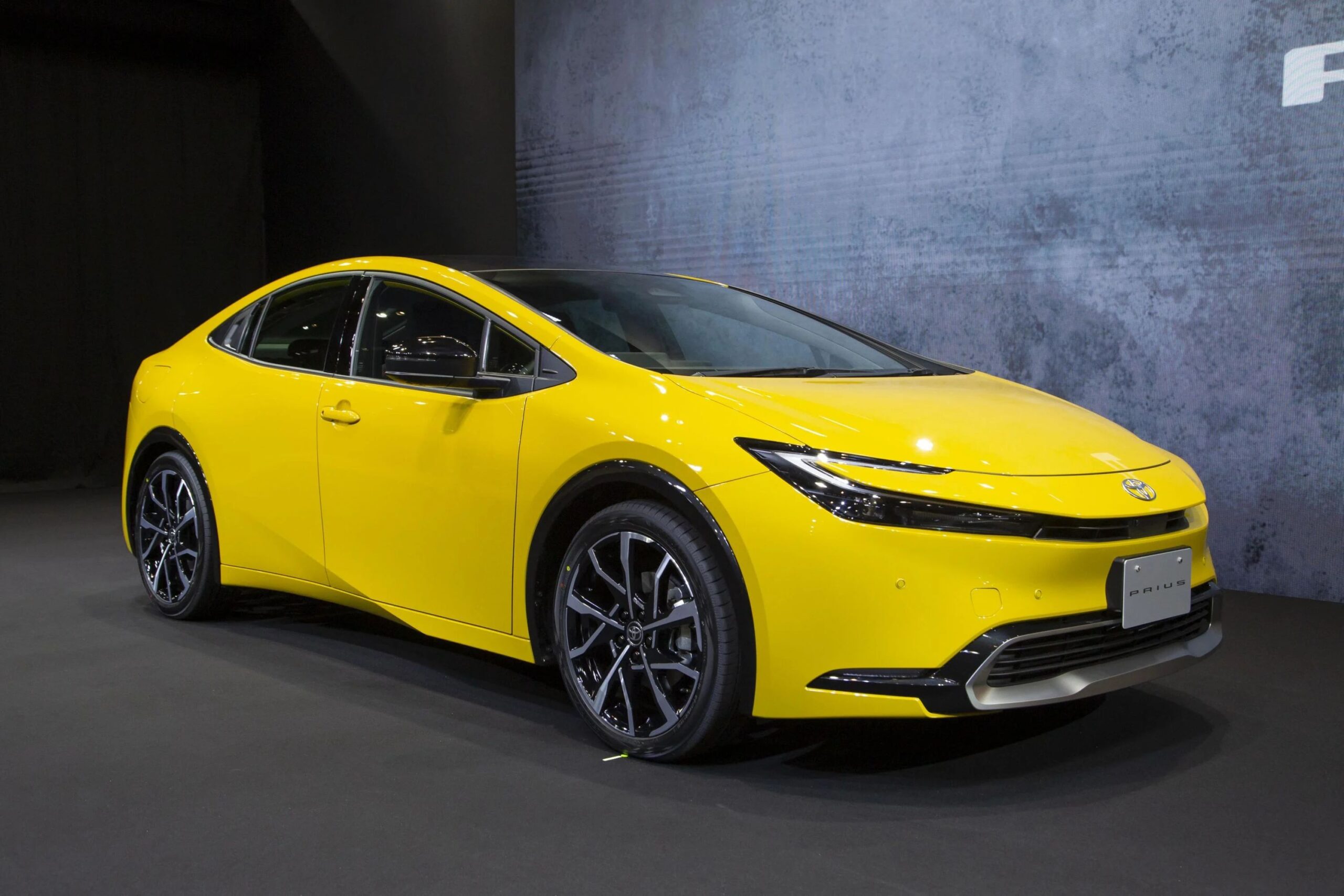
6. Toyota Prius
The Toyota Prius defied initial skepticism regarding hybrid longevity, with a multitude of models now boasting over 400,000 miles, many still operating on their original battery packs. This remarkable achievement underscores the sophisticated engineering behind its hybrid powertrain. The innovative combination of an electric motor and a gasoline engine inherently creates less strain on individual components, as the workload is shared and optimized, significantly extending their collective lifespan.
The real-world proof of the Prius’s endurance comes from its widespread adoption by taxi fleets across the globe. These vehicles are subjected to constant, demanding use—heavy urban traffic, frequent starts and stops, and extensive daily mileage. Their ability to maintain efficiency and reliability under such strenuous conditions unequivocally demonstrates the Prius’s capacity to handle prolonged operation while remaining economical to run, a testament to its robust design and component integration.
An often-overlooked yet critical contributor to the Prius’s long-term cost savings and longevity is its regenerative braking system. This system actively recovers energy during deceleration, simultaneously reducing wear on traditional brake components. This translates directly into lower maintenance costs over time, as brake pads and rotors require less frequent replacement. The clever design minimizes mechanical stress, illustrating how integrated systems can work synergistically to enhance overall vehicle lifespan.
Car Model Information: 2025 Toyota Prius L
Name: Toyota Prius
Caption: Fifth generation Prius (XW60)
Manufacturer: Toyota
Production: December 1997 – present
ModelYears: 2001–present (US)
Class: ubl
BodyStyle: unbulleted list
Layout: unbulleted list
Sp: uk
Categories: 2000s cars, 2010s cars, 2020s cars, All-wheel-drive vehicles, All Wikipedia articles in need of updating
Summary: The Toyota Prius ( PREE-əss) (Japanese: トヨタ・プリウス, Hepburn: Toyota Puriusu) is a compact/small family liftback (supermini/subcompact sedan until 2003) produced by Toyota. The Prius has a hybrid drivetrain, which combines an internal combustion engine and an electric motor. Initially offered as a four-door sedan, it has been produced only as a five-door liftback since 2003.
The Prius was developed by Toyota to be the “car for the 21st century”; it was the first mass-produced hybrid vehicle, first going on sale in Japan in 1997 at all four Toyota Japan dealership chains, and subsequently introduced worldwide in 2000.
In 2011, Toyota expanded the Prius family to include the Prius v, an MPV, and the Prius c, a subcompact hatchback. The production version of the Prius plug-in hybrid was released in 2012. The second generation of the plug-in variant, the Prius Prime, was released in the U.S. in November 2016. The Prius family totaled global cumulative sales of 6.1 million units in January 2017, representing 61% of the 10 million hybrids sold worldwide by Toyota since 1997. Toyota sells the Prius in over 90 markets, with Japan and the United States being its largest markets.
Get more information about: Toyota Prius
Buying a high-performing used car >>>
Brand: Toyota Model: Prius
Price: $35,581 Mileage: 4,291 mi.
Read more about: Think Twice: 11 SUVs Financial Analysts Advise Against Leasing in 2024
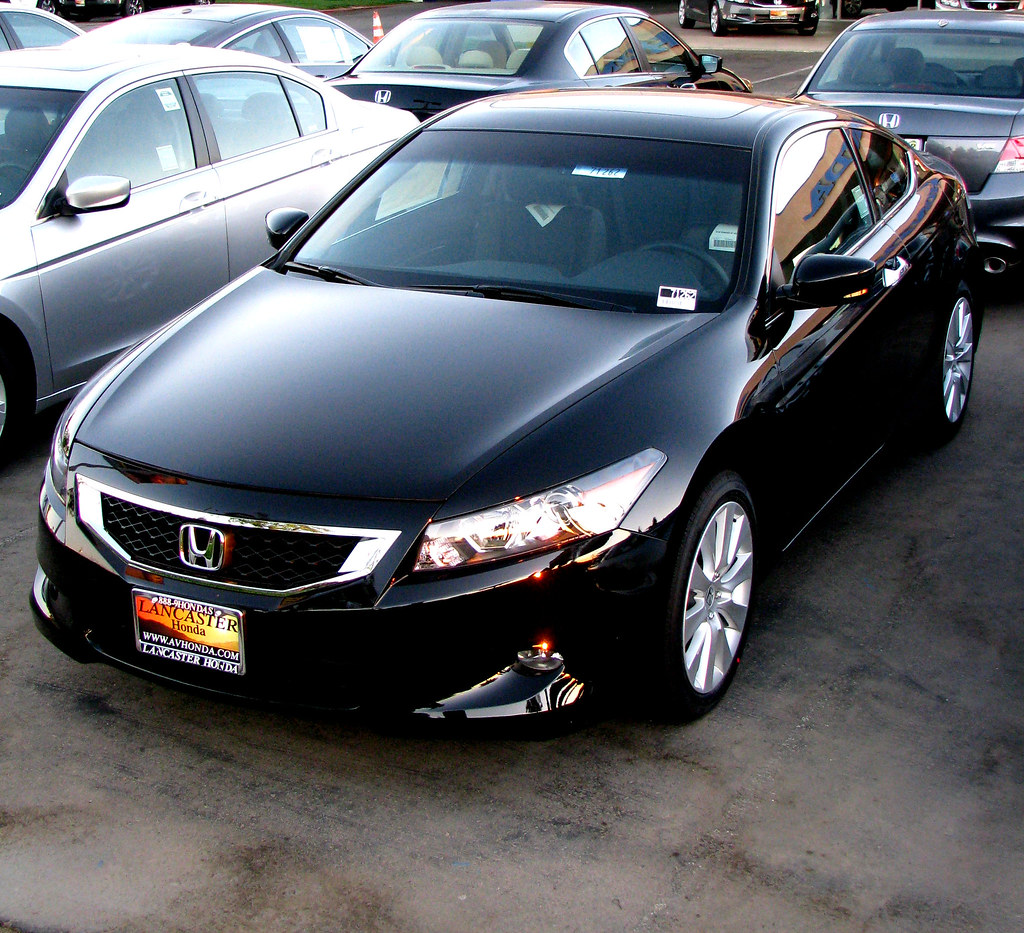
7. Honda Accord
The Honda Accord has long served as a standard-bearer for reliability and longevity within the mid-sized sedan segment, consistently demonstrating exceptional build quality and engineering excellence. Across multiple generations, this vehicle regularly exceeds 400,000 miles, making it a perennial favorite for drivers seeking a dependable and enduring car. Its impressive track record is particularly notable given its frequent role as a daily commuter, often enduring the rigors of varied driving conditions and stop-and-go traffic.
The durability of the Accord’s powertrain is a cornerstone of its long life. Both its four-cylinder and V6 models have repeatedly demonstrated exceptional resilience when properly maintained. Honda’s meticulous engineering ensures that these engines are designed to balance power output with fuel efficiency and, crucially, long-term reliability. Quality components and a proactive approach to preventing premature wear allow these powertrains to operate reliably for hundreds of thousands of miles, often requiring only routine servicing to remain in peak condition.
Crucially, the Accord’s transmission, frequently a weak point in many other vehicles, shows remarkable longevity across various models. Both automatic and manual transmissions have garnered praise for their robust construction and ability to endure extensive use. This strength in a component that often determines a car’s ultimate lifespan is a significant factor in the Accord’s high-mileage achievements. Honda’s commitment to quality also extends beyond the drivetrain to the suspension and braking systems, which maintain their responsiveness and effectiveness even after years of operation.
Furthermore, the Accord’s structural integrity is a testament to Honda’s material choices and design foresight. The use of corrosion-resistant materials and well-thought-out manufacturing processes has helped these vehicles remain structurally sound even in less forgiving climates where road salt and harsh weather are common. Owners of high-mileage Accords often share stories of their cars performing reliably across multiple decades, affirming that with consistent care, an Accord can truly be a vehicle for life. The widespread availability of parts and affordable maintenance costs further bolsters the appeal of keeping an Accord on the road long after many other cars would have been retired.
Building upon the foundation of durability and meticulous care established in our first section, we now turn our attention to eight more automotive legends that consistently defy expectations, reaching and surpassing the remarkable 400,000-mile mark. These vehicles further exemplify how thoughtful engineering, specific design advantages, and committed ownership can converge to create machines that truly stand the test of time, offering unparalleled long-term value and reliability.
These additional champions showcase a diverse range of approaches to achieving extreme longevity, from luxury sedans to heavy-duty trucks and rugged wagons. Each model brings its unique strengths to the table, whether it’s an overbuilt engine, a resilient frame, or a suite of components designed for maximum stress resistance. Understanding these individual characteristics is key to appreciating why these vehicles don’t just endure, but thrive for hundreds of thousands of miles.
Car Model Information: 2022 Honda Accord Sport 1.5T
Name: Honda Accord
Caption: 2023 Honda Accord LX (US)
Alt: Front three-quarter view of a front-engined four-door car.
Manufacturer: Honda
Production: 1976–present
Class: Compact car
BodyStyle: hatchback
Layout: Front-engine, front-wheel-drive layout
Predecessor: Honda 1300
Categories: 1980s cars, 1990s cars, 2000s cars, 2010s cars, 2020s cars
Summary: The Honda Accord (Japanese: ホンダ・アコード, Hepburn: Honda Akōdo; ), also known as the Honda Inspire (Japanese: ホンダ・インスパイア, Hepburn: Honda Insupaia) in Japan and China for certain generations, is a series of automobiles manufactured by Honda since 1976, best known for its four-door sedan variant, which has been one of the best-selling cars in the United States since 1989. The Accord nameplate has been applied to a variety of vehicles worldwide, including coupes, station wagons, hatchbacks and a Honda Crosstour crossover.
Get more information about: Honda Accord
Buying a high-performing used car >>>
Brand: Honda Model: Accord
Price: $25,961 Mileage: 50,981 mi.
Read more about: The Single Most Important Question to Ask When Buying a Used Electric Car: A Comprehensive Guide for Savvy Consumers
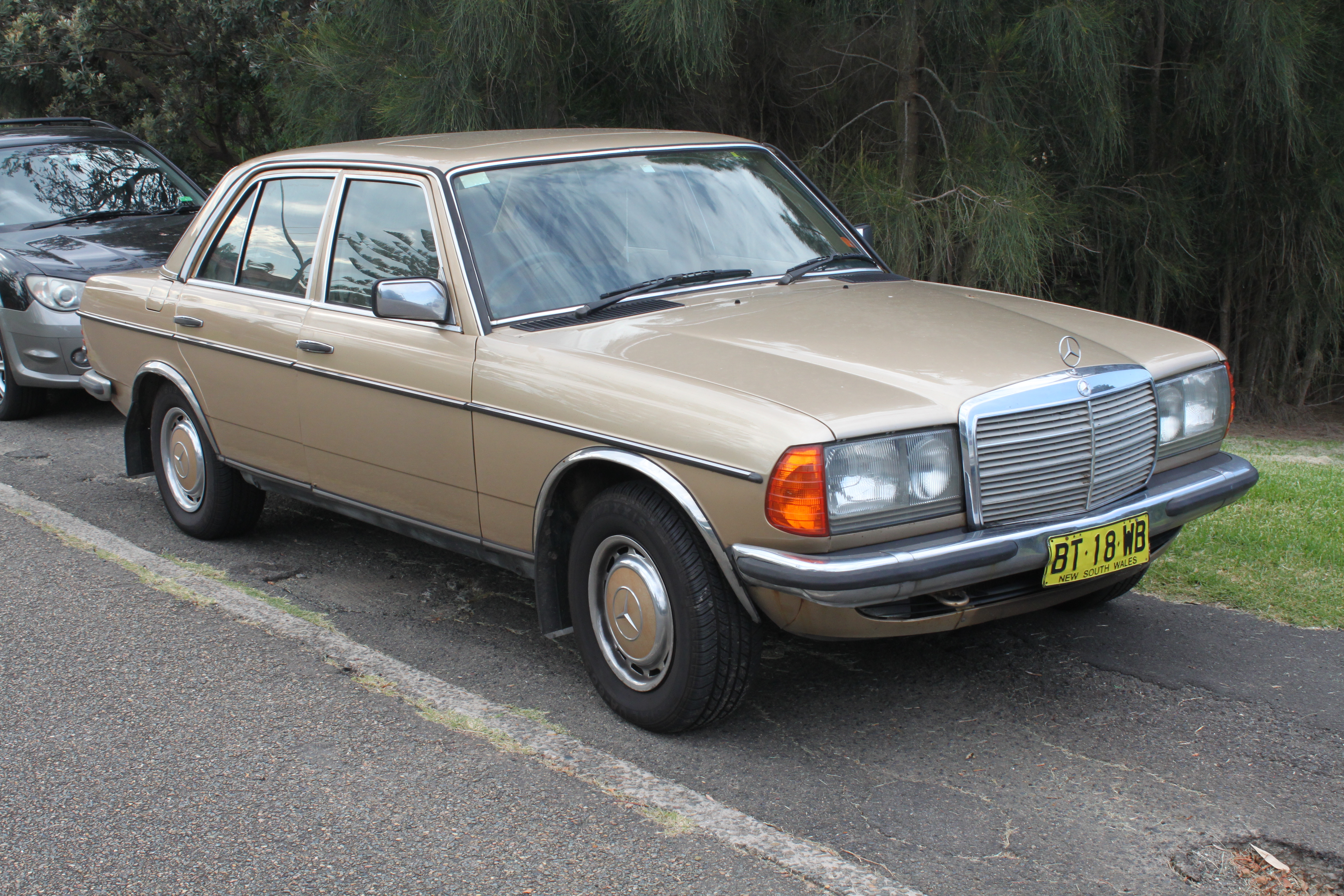
8. Mercedes-Benz W123
The Mercedes-Benz W123 series holds a classic status, having earned an ironclad reputation for exceptional durability and longevity. Manufactured from the late 1970s through the early 1990s, the W123 was engineered with an unwavering focus on solid construction and mechanical reliability. This commitment has enabled countless examples of these cars to continue operating well past the 400,000-mile mark, solidifying their place in automotive history.
A significant factor in the W123’s enduring lifespan is its meticulously designed engines, particularly the celebrated diesel variants. These powerplants are renowned for their remarkable longevity, with numerous instances of them running smoothly for hundreds of thousands of miles without requiring significant overhauls. Built to withstand high compression and operational stresses, their components are also notably easy to service and repair, encouraging the consistent maintenance vital for extended life.
The W123’s build quality is a monumental contributor to its impressive endurance. The body panels, crafted from thick steel, offer superior resistance to rust and general damage, ensuring that the vehicle’s structural integrity remains robust for decades. Early safety innovations, including reinforced frames and crumple zones, not only enhanced occupant protection but also added to the vehicle’s overall inherent toughness, allowing it to withstand the rigors of long-term use.
Owners of high-mileage W123s frequently commend the car’s unwavering comfort and reliability, even when subjected to harsh climates and demanding driving conditions. Its consistent performance, requiring minimal expensive repairs, has cultivated a devoted global following. The W123 stands as a true symbol of old-school automotive resilience, boasting a legacy of longevity that few other cars can genuinely rival.
Read more about: Precision and Pitfalls: 14 Critical Restoration Mistakes Every Vintage Car Enthusiast Must Navigate
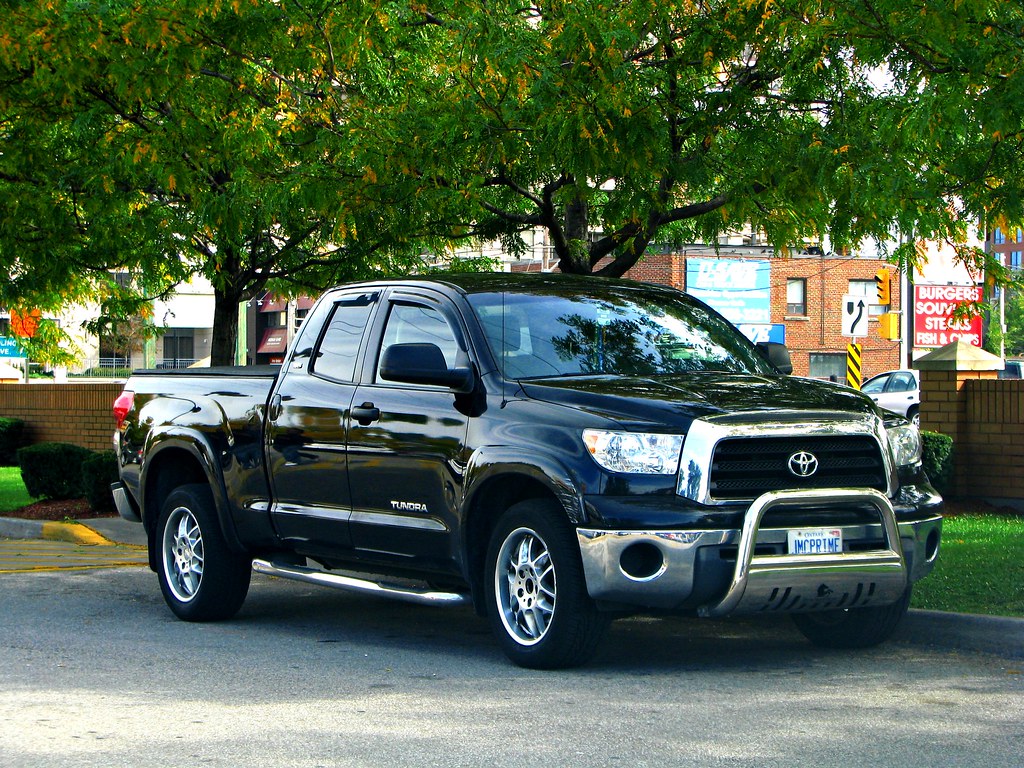
9. Toyota Tundra
The Toyota Tundra has carved out a formidable reputation as a full-size pickup truck engineered for uncompromising power and exceptional reliability. Its consistent capability to reach and surpass the 400,000-mile mark is a testament to Toyota’s dedication to robust automotive design, particularly evident in its legendary V8 engine. This powertrain maintains its formidable strength and smooth operation even after accumulating vast mileage, making it a preferred choice for those demanding long-term performance from their trucks.
A critical element of the Tundra’s enduring appeal is its heavily fortified frame and suspension components. Designed to endure the harshest conditions, from heavy hauling to demanding off-road excursions, these structural elements resist fatigue and degradation remarkably well. Owners consistently praise the Tundra’s ability to maintain its integrity and performance under the stresses of daily work and recreational use, setting it apart in a competitive segment.
For many Tundra owners, the journey to 400,000 miles is characterized by remarkably minimal unscheduled repairs. Beyond the routine maintenance every vehicle requires, such as oil changes and tire rotations, major mechanical interventions are surprisingly infrequent. This low total cost of ownership over an extended period underscores the inherent quality and thoughtful engineering embedded within every Tundra, providing reliable service for decades.
Furthermore, the Tundra’s transmission system stands out for its exceptional robustness, often proving more resilient than those found in comparable full-size trucks. This critical component, frequently a weak link in high-mileage vehicles, is engineered to handle the truck’s substantial power and torque output without faltering. Its consistent performance ensures that the Tundra can continue to tow and haul effectively for hundreds of thousands of miles, securing its place as a true workhorse.
Car Model Information: 2024 Toyota Tundra Hybrid Capstone
Name: Toyota Tundra
Manufacturer: Toyota
Production: May 1999 – present
ModelYears: 2000–present
Assembly: San Antonio,Texas
Class: Pickup truck#Full-size pickup truck
Layout: unbulleted list
Related: Toyota Sequoia
Predecessor: Toyota T100
Caption: 2022 Toyota Tundra Limited
Categories: 2000s cars, 2010s cars, 2020s cars, All-wheel-drive vehicles, All Wikipedia articles written in American English
Summary: The Toyota Tundra is a full-size pickup truck manufactured in the United States by the Japanese manufacturer Toyota since May 1999. The Tundra was the second full-size pickup to be built by a Japanese manufacturer (the first was the Toyota T100), but the Tundra was the first full-size pickup from a Japanese manufacturer to be built in North America. The Tundra was nominated for the North American Truck of the Year award and was Motor Trend magazine’s Truck of the Year in 2000 and 2008. Initially built in a new Toyota plant in Princeton, Indiana, production was consolidated in 2008 to Toyota’s San Antonio, Texas, factory.
Get more information about: Toyota Tundra
Buying a high-performing used car >>>
Brand: Toyota Model: Tundra
Price: $149,500 Mileage: 4,613 mi.
Read more about: Avoid the Debt: 9 Trucks You Absolutely Should Not Finance in 2026 According to Resale Data
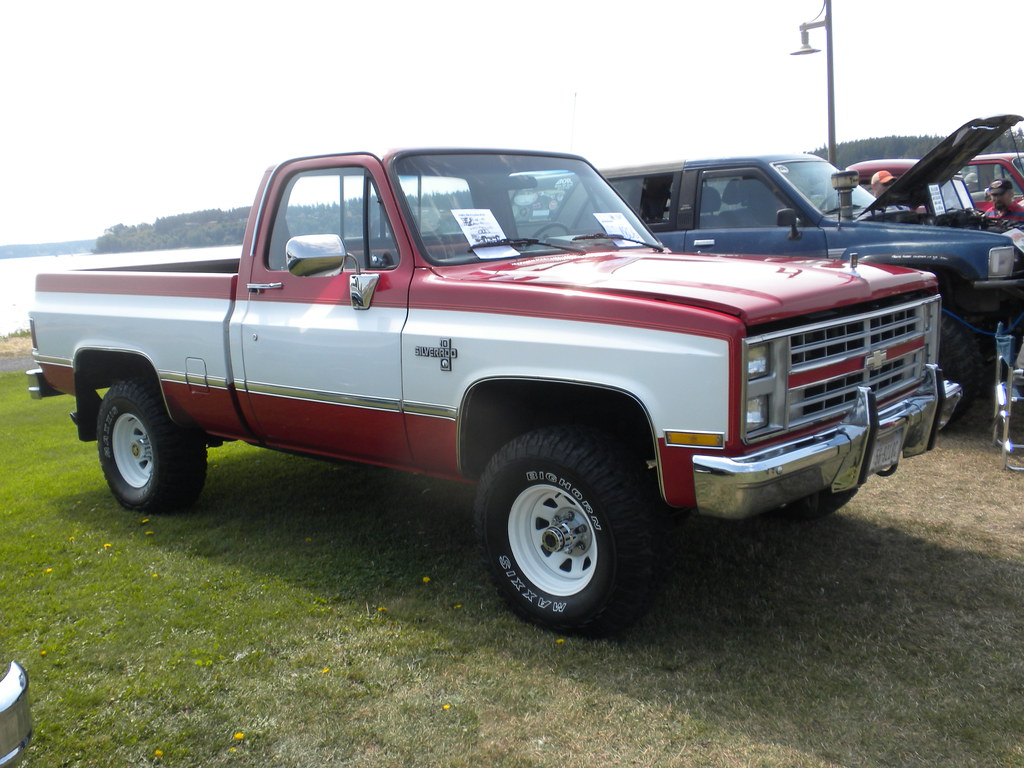
10. Chevrolet Silverado
The Chevrolet Silverado, a long-standing titan in the pickup truck market, has consistently demonstrated its capability to achieve the 400,000-mile benchmark, particularly when paired with its acclaimed 5.3L V8 engine. This workhorse powerplant, a cornerstone of GM’s truck lineup, is celebrated for its blend of dependable power and impressive longevity. Drivers who meticulously adhere to maintenance schedules can expect this V8 to deliver reliable performance for hundreds of thousands of miles, making it a smart investment for the long haul.
A key aspect of the Silverado’s enduring appeal lies in its straightforward and practical mechanical design. This engineering philosophy simplifies routine maintenance and, crucially, makes more significant repairs less complex and costly when they eventually arise. Unlike vehicles with overly intricate systems, the Silverado’s design empowers owners and mechanics to keep it running efficiently without unnecessary complications, contributing significantly to its extended lifespan.
Even with substantial mileage accumulated, Silverados are known for retaining their crucial operational capabilities, specifically their towing capacity and payload ratings. This sustained performance is vital for owners who rely on their trucks for demanding tasks, proving that high mileage doesn’t necessarily equate to diminished utility. The robust design ensures that the Silverado continues to meet the rigorous demands placed upon it, year after year, reinforcing its utility.
Beyond its mechanical fortitude, the Silverado’s body and frame exhibit remarkable resilience against common adversaries like rust and structural fatigue. Constructed with durable materials and protective coatings, the truck’s foundational integrity holds up impressively, even in challenging climates or under constant exposure to road salts and harsh elements. This structural resilience ensures that the Silverado remains safe and sound, contributing to its overall longevity and appeal as a long-term vehicle.
Car Model Information: 2018 Chevrolet Silverado 1500 LTZ
Name: Chevrolet Silverado/GMC Sierra
Caption: 2022 Silverado 2500HD High Country
Manufacturer: General Motors
Aka: unbulleted list
Production: 1998–present
Assembly: unbulleted list
Class: unbulleted list
BodyStyle: unbulleted list
Layout: unbulleted list
Predecessor: unbulleted list
Categories: 2000s cars, 2010s cars, 2020s cars, All-wheel-drive vehicles, All Wikipedia articles written in American English
Summary: The Chevrolet Silverado is a range of trucks manufactured by General Motors under the Chevrolet brand. Introduced for the 1999 model year, the Silverado is the successor to the long-running Chevrolet C/K model line. Taking its name from the top trim level from the Chevrolet C/K series, the Silverado is offered as a series of full-size pickup trucks, chassis cab trucks, and medium-duty trucks. The fourth generation of the model line was introduced for the 2019 model year.
The Chevrolet Silverado shares mechanical commonality with the identically related GMC Sierra; GMC ended the use of the C/K nomenclature a model generation prior to Chevrolet. In Mexico, high-trim level versions of the Silverado use the Chevrolet Cheyenne name (not to be confused with the 2003 concept). Competing against the Ford F-Series, Ram pickup, Toyota Tundra, and Nissan Titan, the Silverado is among the best-selling vehicles in the United States, having sold over 12 million trucks since its introduction in 1998 as a 1999 model year.
Get more information about: Chevrolet Silverado
Buying a high-performing used car >>>
Brand: Chevrolet Model: Silverado
Price: $29,950 Mileage: 70,084 mi.
Read more about: The Unseen Toll: Navigating the Complex Environmental Costs of Electric Vehicle Batteries
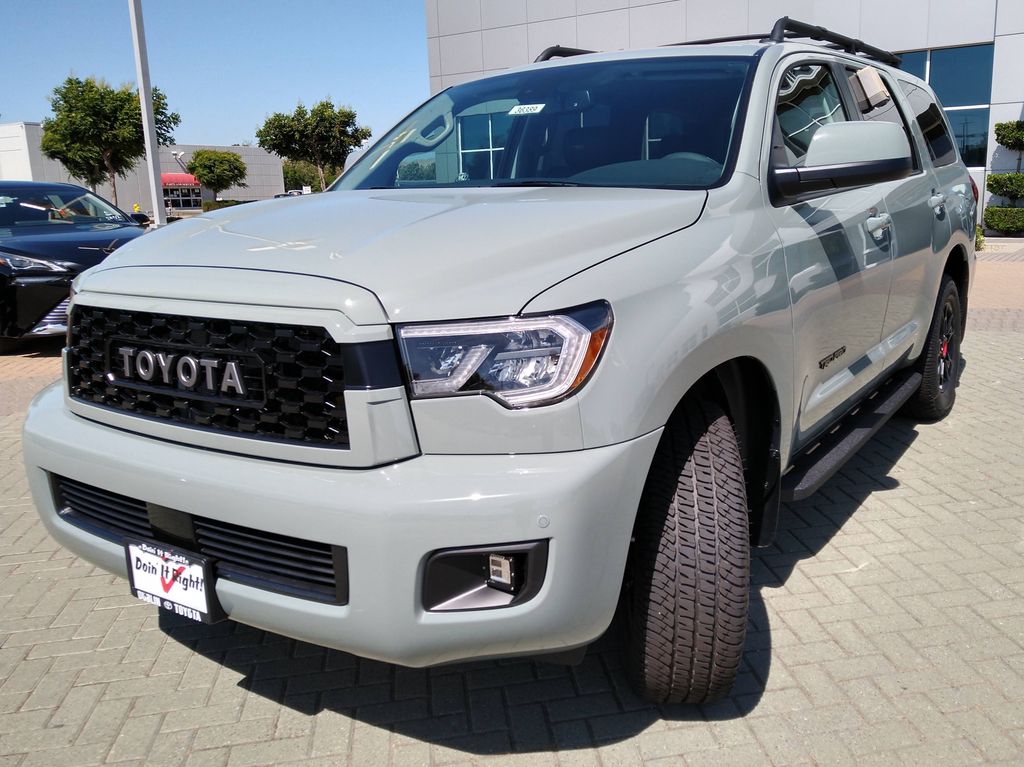
11. Toyota Sequoia
The Toyota Sequoia, a full-size SUV, confidently joins its sibling, the Land Cruiser, in achieving impressive 400,000-mile milestones, thanks to its shared foundation of robust engineering. Built on a similar heavy-duty platform, the Sequoia is designed from the ground up to endure, providing exceptional durability and a long service life. This inherent strength makes it an ideal choice for families and individuals needing a spacious vehicle that can reliably tackle extensive travel and varied conditions.
At the heart of the Sequoia’s remarkable longevity is its exceptionally reliable V8 engine. This powerplant, a staple of Toyota’s durable large vehicles, is a prime example of engineering focused on sustained performance rather than fleeting trends. Owners consistently find that this V8 requires little more than diligent routine maintenance—such as oil changes and fluid checks—to deliver smooth, consistent power for hundreds of thousands of miles, solidifying its reputation for dependability.
The Sequoia’s suspension system is another key contributor to its extended lifespan and enduring comfort. Engineered to handle significant loads and extensive use, it maintains excellent ride quality and stability even after years of demanding family duties or heavy cargo. This consistent performance ensures that the vehicle remains comfortable and predictable on the road, reducing stress on components and enhancing the overall ownership experience for the long haul.
A testament to its robust design, many Sequoia owners frequently report their vehicles capably managing heavy loads and substantial towing duties without experiencing significant mechanical strain. This resilience under pressure highlights the SUV’s overbuilt nature and its capacity to perform strenuous tasks reliably, mile after mile. For those seeking an SUV that combines generous space with unyielding durability, the Sequoia stands as a paragon of long-term utility.
Car Model Information: 2024 Toyota Sequoia Platinum
Name: Toyota Sequoia
Manufacturer: Toyota
Production: September 2000 – present
ModelYears: 2001–present
Class: Full-size SUV
BodyStyle: SUV
Layout: unbulleted list
Related: unbulleted list
Sp: us
Categories: 2010s cars, 2020s cars, All-wheel-drive vehicles, All Wikipedia articles written in American English, All articles containing potentially dated statements
Summary: The Toyota Sequoia is a full-size SUV manufactured by Toyota mainly for the North American market since 2000 for the 2001 model year, being derived from the Tundra pickup truck. It is the second largest SUV ever produced under the Toyota brand, after the Japan-exclusive, military-focused Mega Cruiser.
Previously manufactured at Toyota Motor Manufacturing Indiana in Princeton, Indiana between 2000 and 2021, and then in Toyota Motor Manufacturing Texas in San Antonio, Texas since 2022, the Sequoia is the first vehicle from a Japanese marque in the popular mainstream full-sized SUV class in North America, and initial planning done by first-generation Sequoia chief engineer Kaoru Hosokawa aimed the Sequoia directly at the Ford Expedition, Chevrolet Tahoe/GMC Yukon, and other full-size SUVs.
Up until the 2021 model year, the Sequoia was slotted between the mid-size 4Runner and the premium Land Cruiser in the North American Toyota SUV lineup. With the discontinuation of North American sales of the Land Cruiser from the 2022 model year onward, the Sequoia became the flagship SUV in Toyota’s North America lineup.
As of 2021, the Sequoia is sold in the United States, Canada, Mexico, and Costa Rica. It is offered in left-hand drive only.
The Sequoia is named after the Giant Sequoia, a species of tall redwood trees native to California.
Get more information about: Toyota Sequoia
Buying a high-performing used car >>>
Brand: Toyota Model: Sequoia
Price: $72,985 Mileage: 12,565 mi.
Read more about: Avoid the Debt: 9 Trucks You Absolutely Should Not Finance in 2026 According to Resale Data

12. Volvo XC70
The Volvo XC70 has earned its stripes as a rugged and reliable wagon, known for its exceptional longevity, particularly attributed to its robust inline-five and six-cylinder engines. These powertrains, hallmarks of Volvo engineering, are meticulously designed for endurance and sustained performance. With consistent and proper maintenance, it’s not uncommon to find XC70s confidently cruising past the 400,000-mile mark, a testament to their inherent durability.
Beyond just mechanical fortitude, the XC70 excels in maintaining its core attributes, including its renowned safety features and structural integrity, even after decades of use. This commitment to safety and solid construction means owners can rely on their high-mileage wagons to continue providing a secure and stable platform. The vehicle’s enduring build quality ensures that all essential systems remain functional, contributing to a safe driving experience over its extended lifespan.
For drivers in challenging climates, the XC70’s all-wheel-drive system proves to be an invaluable asset, demonstrating remarkable durability and performance in harsh winter conditions. This robust system is engineered to provide reliable traction and stability, reducing strain on other drivetrain components and enhancing the vehicle’s overall longevity. Its ability to perform consistently in adverse weather solidifies its reputation as a dependable long-term companion.
A critical factor in the XC70 achieving such impressive mileage is diligent timing belt maintenance. For models equipped with a timing belt, adherence to the manufacturer’s recommended replacement intervals is paramount. Proactive attention to this specific service item can prevent catastrophic engine damage, thereby ensuring that these vehicles reach exceptional mileage figures without encountering major, costly mechanical issues.
Car Model Information: 2004 Volvo XC70 XC70 2.5L Turbo AWD
Categories: All article disambiguation pages, All disambiguation pages, Disambiguation pages, Short description is different from Wikidata
Summary: Volvo XC70 may refer to:
Volvo XC70 (2025)
Volvo V70/XC70, 2003 to 2016
Get more information about: Volvo XC70
Buying a high-performing used car >>>
Brand: Volvo Model: XC70
Price: $5,995 Mileage: 135,203 mi.
Read more about: Beyond the Usual Suspects: 14 Forgotten Automotive Icons That Were Cooler Than You Think
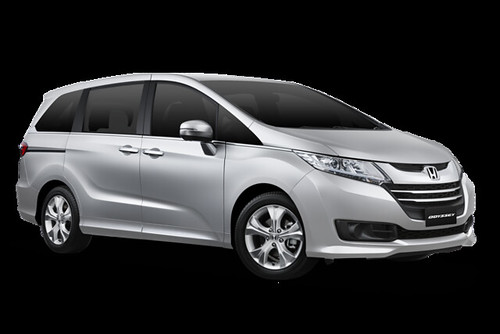
13. Honda Odyssey
The Honda Odyssey stands as a testament to minivan durability, with its powerful V6 engine and robust chassis consistently proving capable of surpassing the 400,000-mile threshold. Designed to meet the strenuous demands of family life, this minivan offers a compelling blend of spaciousness, practicality, and an impressive capacity for long-term reliability. Its ability to endure years of daily commutes, road trips, and heavy passenger loads is a hallmark of Honda’s thoughtful engineering.
A significant improvement in the Odyssey’s long-term reliability came with enhanced transmission durability in models produced after 2006. This crucial upgrade addressed a common concern in earlier generations, solidifying the minivan’s reputation for enduring performance. When properly maintained with regular fluid changes, these transmissions contribute significantly to the Odyssey’s overall longevity, allowing its V6 engine to continue powering families for hundreds of thousands of miles.
Even after years of intensive family use, the Honda Odyssey is remarkable for how well it maintains its essential safety systems and comfort features. From airbags and braking systems to climate control and infotainment, these components are designed to withstand the test of time, ensuring occupants remain secure and comfortable throughout the vehicle’s extended lifespan. This sustained functionality adds substantial value to the Odyssey as a long-term investment.
Numerous examples of the Honda Odyssey have not only served one family faithfully but have gone on to reliably transport multiple families over the course of their operational lives. This widespread phenomenon underscores the minivan’s inherent robustness, often requiring little more than standard maintenance items—such as oil changes, tire rotations, and brake servicing—to continue its dependable service. The Odyssey truly embodies a vehicle built for the long haul of family adventures.
Car Model Information: 2020 Honda Odyssey EX-L
Name: Honda Odyssey
Caption: 2018 Honda Odyssey EX-L
Manufacturer: Honda
Production: 1994–present
ModelYears: 1995–present
Class: Minivan
BodyStyle: minivan
Layout: Front-engine, front-wheel-drive layout
Categories: 2000s cars, 2010s cars, 2020s cars, All Wikipedia articles written in American English, All articles with dead external links
Summary: The Honda Odyssey is a minivan manufactured by Japanese automaker Honda and marketed for the North American market, introduced in 1994.
The Odyssey was conceived and engineered in Japan after the country’s economic crisis of the 1990s, which constrained the vehicle’s size and concept and dictated its manufacture in an existing facility with minimal modification. The result was a smaller minivan, in the compact MPV class, that was well received in the Japanese domestic market, but less well received in North America. The first-generation Odyssey was marketed in Europe as the Honda Shuttle.
Subsequent generations diverged to reflect market variations, and Honda built a plant in Lincoln, Alabama, United States, that could manufacture larger models. Since 1998, Honda has marketed a larger (large MPV-class) Odyssey in North America and a smaller Odyssey in Japan and other markets. Until 2005, the North American Odyssey was also sold in Japan as the LaGreat (ラグレイト, Ragureito). Both versions of the Odyssey were sold in Japan at Honda Clio dealership locations. Both versions of the Odyssey are sold in the Middle East.
Get more information about: Honda Odyssey (North America)
Buying a high-performing used car >>>
Brand: Honda Model: Odyssey
Price: $28,966 Mileage: 53,401 mi.
Read more about: Beyond the Script: Deconstructing the Singular Imperative Steven Spielberg Instills in His Actors for Unparalleled On-Screen Authenticity

14. Toyota 4Runner
The Toyota 4Runner has carved out a legendary status for rugged durability and unwavering reliability, making it a consistent champion in the 400,000-mile club. Its foundational strength lies in its classic body-on-frame construction, a design choice that prioritizes toughness and longevity, particularly for vehicles destined for demanding use. Paired with its famously reliable V6 engine, the 4Runner offers a powertrain that is built to endure, year after challenging year.
A standout feature of the 4Runner is the exceptional durability of its suspension components, which prove remarkably resilient even when subjected to the rigors of frequent off-road use. This robust design allows the SUV to maintain its formidable capability and comfortable ride quality, absorbing bumps and impacts without premature wear. For adventurers and daily drivers alike, this translates to consistent performance and fewer costly repairs over its extended lifespan.
The key to unlocking the 4Runner’s full longevity potential often hinges on adherence to basic, yet consistent, maintenance schedules. Regular oil changes, fluid checks, and timely filter replacements are typically all that’s required to keep these SUVs operating at peak performance for hundreds of thousands of miles. This straightforward approach to upkeep makes the 4Runner an exceptionally practical choice for long-term ownership, minimizing complex and expensive interventions.
The enduring reliability and capability of the Toyota 4Runner are reflected in its remarkably strong resale values, even for high-mileage examples. This market confidence is a direct result of its proven longevity and the trust owners place in its ability to continue performing dependably. Investing in a 4Runner means not only acquiring a vehicle for life but also one that retains significant value, making it a truly wise automotive choice.
Car Model Information: 2019 Toyota 4Runner SR5
Name: Toyota 4Runner
Caption: 2025 Toyota 4Runner, TRD Sport trim
Manufacturer: Toyota
Aka: Toyota Hilux Surf (Japan, 1983–2009)
Production: October 1983 – present
ModelYears: 1984–present (US)
Class: unbulleted list
Layout: unbulleted list
Chassis: Body-on-frame
Successor: unbulleted list
Categories: 1990s cars, 2000s cars, 2010s cars, 2020s cars, All-wheel-drive vehicles
Summary: The Toyota 4Runner is an SUV manufactured by the Japanese automaker Toyota and marketed globally since 1984, across six generations. In Japan, it was marketed as the Toyota Hilux Surf (Japanese: トヨタ・ハイラックスサーフ, Hepburn: Toyota Hairakkususāfu) and was withdrawn from the market in 2009. The original 4Runner was a compact SUV and little more than a Toyota Hilux pickup truck with a fiberglass shell over the bed, but the model has since undergone significant independent development into a cross between a compact and a mid-size SUV. All 4Runners have been built in Japan at Toyota’s plant in Tahara, Aichi, or at the Hino Motors (a Toyota subsidiary) plant in Hamura.
The name “4Runner” was created by copywriter Robert Nathan with the Saatchi & Saatchi advertising company as a play on the term “forerunner”. The agency held contests to invent new names for Toyota’s forthcoming vehicles. According to Toyota, the “4” described the vehicle’s 4-wheel drive system while “Runner” was a reference to its all-terrain capabilities and how it could “run” off-road.
For some markets, the Hilux Surf was replaced in 2005 by the lower cost but similar Fortuner, which is based on the Hilux platform.
As of 2021, the 4Runner is marketed in the Bahamas, Bolivia, Canada, Chile, Colombia, Costa Rica, El Salvador, Guatemala, Panama, Peru, the United States and Venezuela. Many markets that did not receive the 4Runner, such as Europe and the Middle East, instead received the similarly designed Land Cruiser Prado, another SUV that shared many of the same components.
The 4Runner came in at number five in a 2019 study by iSeeCars.com ranking the longest-lasting vehicles in the US. The 4Runner had 3.9 percent of vehicles over 200,000 miles (320,000 km), according to the study.
Get more information about: Toyota 4Runner
Buying a high-performing used car >>>
Brand: Toyota Model: 4Runner
Price: $33,981 Mileage: 78,445 mi.
Read more about: Built to Last: 15 SUVs That Deliver Enduring Value and Outperform Expectations

15. Lexus LS 400/430
The Lexus LS series, particularly the venerated LS 400 and LS 430 models, stands as a testament to luxury vehicle longevity, consistently exceeding the 400,000-mile mark with diligent care. These flagship sedans redefined expectations upon their introduction, proving that opulence and exceptional reliability could coexist seamlessly. Their enduring performance and refined driving experience remain largely intact, even after decades of continuous operation.
At the core of the LS models’ impressive endurance is their meticulously engineered V8 engine. These powerplants are renowned for their remarkable smoothness and quiet operation, qualities that persist even after accumulating hundreds of thousands of miles. Built with precision and high-quality materials, the V8s are designed for long-term durability, delivering consistent performance that belies their age and extensive use, requiring only proper maintenance to thrive.
A distinguishing characteristic of the LS series is the exceptional durability of its interior materials and sophisticated electronics, outperforming many luxury competitors. From supple leather seating to intricate infotainment systems, these components resist the wear and tear of time remarkably well. This attention to detail in every aspect of the vehicle ensures that the luxury experience remains palpable and functional for multiple owners, long into its operational life.
The ability of the Lexus LS 400/430 to maintain its premium ride quality and a full suite of luxury features while accumulating vast mileage is truly remarkable. These vehicles frequently pass through multiple owners, each benefiting from the inherent quality and lasting design. This sustained level of comfort and functionality underscores Lexus’s commitment to building vehicles that not only impress when new but continue to deliver a superior experience for years and miles to come.
Car Model Information: 2023 BMW X3 xDrive30i
Name: Lexus LS
Caption: 2019 Lexus LS 500 AWD (VXFA55, US)
Manufacturer: Toyota
Aka: Toyota Celsior (Japan, 1989–2006)
Production: May 1989 – present
ModelYears: 1990–present
Assembly: Tahara, Aichi
Class: Full-size,luxury car
BodyStyle: Sedan (automobile)
Layout: unbulleted list
Categories: 1990s cars, 2000s cars, 2010s cars, 2020s cars, All-wheel-drive vehicles
Summary: The Lexus LS (Japanese: レクサス・LS, Hepburn: Rekusasu LS) is a series of full-size luxury sedans that have served as the flagship model of Lexus, the luxury division of Toyota, since 1989. For the first four generations, all LS models featured V8 engines and were predominantly rear-wheel-drive. In the fourth generation, Lexus offered all-wheel-drive, hybrid, and long-wheelbase variants. The fifth generation changed to using a V6 engine with no V8 option, and only one length was offered.
As the first model developed by Lexus, the LS 400 debuted in January 1989 with the second generation debuting in November 1994. The LS 430 debuted in January 2000 and the LS 460/LS 460 L series in 2006. A domestic-market version of the LS 400 and LS 430, badged as the Toyota Celsior (Japanese: トヨタ・セルシオ, Hepburn: Toyota Serushio), was sold in Japan until the Lexus marque was introduced there in 2006. In 2006 (for the 2007 model year), the fourth generation LS 460 debuted the first production eight-speed automatic transmission and an automatic parking system. In 2007, V8 hybrid powertrains were introduced on the LS 600h/LS 600h L sedans.
Development of the LS began in 1983 as the F1 project, the code name for a secret flagship sedan. At the time, Toyota’s two existing flagship models were the Crown and Century models – both of which catered exclusively for the Japanese market and had little global appeal that could compete with international luxury brands such as Mercedes-Benz, BMW and Jaguar. The resulting sedan followed an extended five-year design process at a cost of over US$1 billion and premiered with a new V8 engine and numerous luxury features. The Lexus LS was intended from its inception for export markets, and the Lexus division was formed to market and service the vehicle internationally. The original LS 400 debuted to strong sales and was largely responsible for the successful launch of the Lexus marque.
Since the start of production, each generation of the Lexus LS has been manufactured in the Japanese city of Tahara, Aichi. The name “LS” stands for “Luxury Sedan”, although some Lexus importers have preferred to define it as “Luxury Saloon”. The name “Celsior” is taken from Latin word “celsus”, meaning “lofty” or “elevated”.
Get more information about: Lexus LS
Buying a high-performing used car >>>
Brand: Lexus Model: LS 400/430
Price: $34,646 Mileage: 29,133 mi.
As we conclude our journey through the world of ultra-high-mileage vehicles, a clear pattern emerges: the secret to a car lasting over 400,000 miles is a harmonious blend of superior engineering and dedicated ownership. While some vehicles are inherently designed with greater resilience, none can achieve such extraordinary longevity without consistent, proactive maintenance and mindful driving habits. These automotive champions serve as powerful reminders that investing in quality and committing to proper care can lead to decades of reliable transportation. Choosing one of these enduring models means investing not just in a vehicle, but in a long-term partnership on the road, offering peace of mind and substantial value for countless miles to come.