As new car prices continue their relentless climb and inflation tightens its grip on household budgets, the quest for a dependable used car under $10,000 in 2025 might feel like searching for a needle in a haystack. Yet, for the discerning buyer, it’s not just possible—it’s definitely doable. The key lies in understanding which models have consistently demonstrated a stellar track record for reliability and maintaining low long-term ownership costs.
This isn’t about compromising on quality; it’s about smart shopping. Whether you’re a student needing reliable transportation, a daily commuter looking for efficiency, or simply seeking a solid backup vehicle, certain models punch well above their weight in today’s used market. They offer a potent combination of strong value, straightforward maintenance, and decent availability, all within that crucial $10,000 budget—provided you know where to look and what to prioritize.
We’ve scoured the market insights to bring you a comprehensive guide to vehicles that stand out for their endurance and affordability. These are the unsung heroes of the used car world, ready to serve for many more miles without demanding a king’s ransom in repairs. Let’s delve into the top contenders that promise a worry-free ownership experience without breaking the bank.
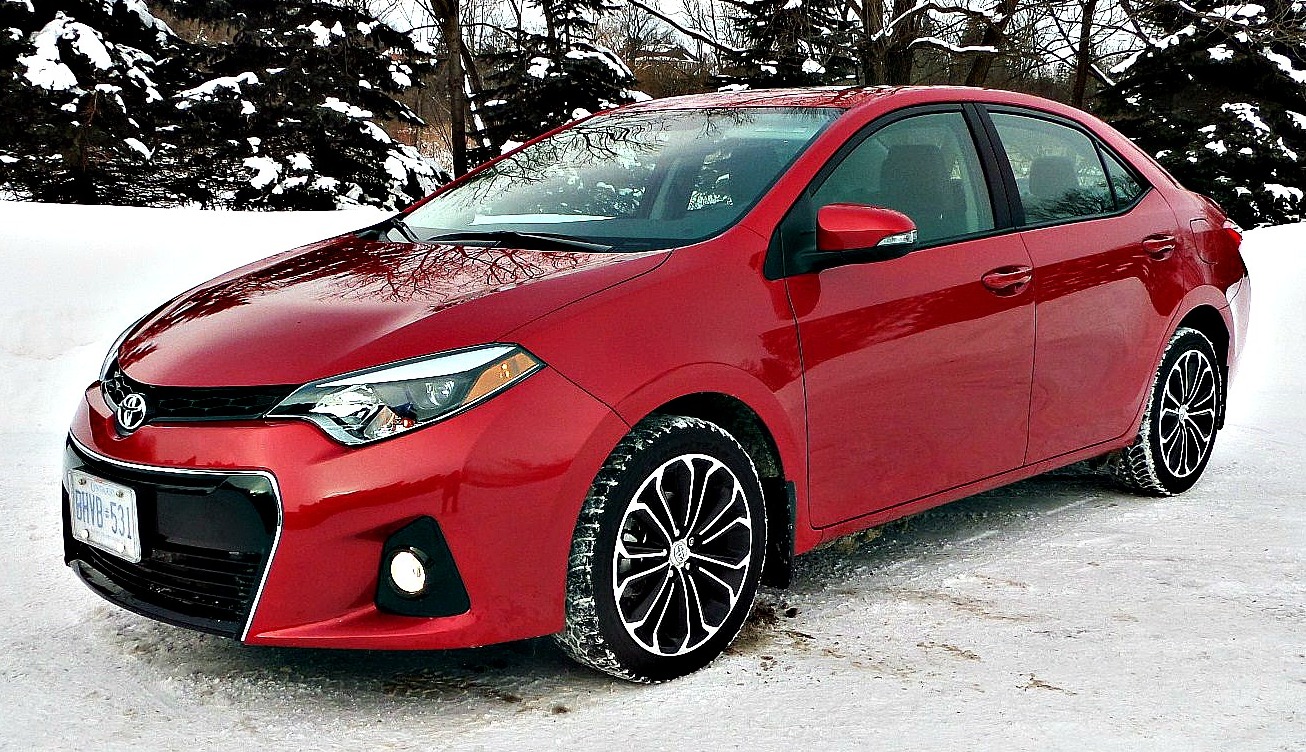
1. **2012–2014 Toyota Corolla**The Toyota Corolla has long been synonymous with automotive reliability, earning its reputation as the ultimate no-drama car. Its consistent performance, rock-solid dependability, and impressive fuel efficiency make this model an exceptionally smart buy for anyone prioritizing a worry-free daily driver. It’s a vehicle designed to simply get you from point A to point B, year after year, with minimal fuss.
Beyond its core reliability, the Corolla is also celebrated for its practical ownership aspects. Parts are readily available and typically inexpensive, while maintenance is straightforward, contributing to lower overall running costs. A massive support network of mechanics is intimately familiar with these cars, making service and repairs easy to manage. Models from 2012 to 2014, in particular, are considered especially strong, exhibiting minimal common issues and offering excellent long-term value. Within the under $10,000 budget, you can generally expect to find well-maintained examples with mileages ranging from 90,000 to 130,000.
The 2012 Toyota Corolla, often found in its popular LE 4-door sedan trim, exemplified this blend of efficiency and affordability from its initial release. When new, this trim had a starting MSRP of $17,910, but its value has appreciated significantly over time in the used market. Powered by a 1.8-liter inline 4-cylinder gas engine, it is paired with a 4-speed shiftable automatic transmission and features front-wheel drive, ensuring a balanced and efficient ride. This model delivers a combined 29 MPG, with EPA ratings of 26 MPG in the city and 34 MPG on the highway, running efficiently on regular unleaded fuel, leading to modest estimated monthly fuel costs of $131.
In terms of practicality, the Corolla comfortably seats up to five passengers and offers a cargo capacity of 12.3 cubic feet, sufficient for daily needs. It has a curb weight of 2,800 lbs and was backed by a basic warranty of 3 years or 36,000 miles. Depending on the specific unit, its final assembly could have been in Canada, Japan, or the United States, reflecting Toyota’s global manufacturing footprint. For those with light utility needs, the vehicle also supports a maximum towing capacity of 1,500 lbs, adequate for small trailers or utility carriers. Today, used 2012 Toyota Corolla LE sedans are accessible, with listings showing prices like $11,999, $7,900, and $6,900, solidifying its status as a compelling option for reliability and value under $10,000.
Car Model Information: 2021 Toyota Corolla LE
Name: Toyota Corolla
Caption: Twelfth generation model (2020, hatchback)
Manufacturer: Toyota
Aka: unbulleted list
Production: November 1966 – present
Class: unbulleted list
Predecessor: Toyota Publica
Categories: 1970s cars, 1980s cars, 1990s cars, 2000s cars, 2010s cars
Summary: The Toyota Corolla (Japanese: トヨタ・カローラ, Hepburn: Toyota Karōra) is a series of compact cars (formerly subcompact) manufactured and marketed globally by the Japanese automaker Toyota Motor Corporation. Introduced in 1966, the Corolla was the best-selling car worldwide by 1974 and was one of the best-selling cars in the world until 1997, when it surpassed the Volkswagen Beetle as the world’s best-selling automobile of all time. Toyota reached the milestone of 50 million Corollas sold over twelve generations in 2021.
The name Corolla is part of Toyota’s naming tradition of using names derived from the Toyota Crown for sedans, with “corolla” Latin for “small crown”. The Corolla has always been exclusive in Japan to Toyota Corolla Store locations, and manufactured in Japan with a twin, called the Toyota Sprinter until 2000. From 2006 to 2018 in Japan and much of the world, and from 2018 to 2020 in Taiwan, the hatchback companion had been called the Toyota Auris.
Early models were mostly rear-wheel drive, while later models have been front-wheel drive. Four-wheel drive versions have also been produced, and it has undergone several major redesigns. The Corolla’s traditional competitors have been the Nissan Sunny, introduced the same year as the Corolla in Japan and the later Nissan Sentra, Subaru Leone, Honda Civic and Mitsubishi Lancer. The Corolla’s chassis designation code is “E”, as described in Toyota’s chassis and engine codes.
Get more information about: Toyota Corolla
Buying a high-performing used car >>>
Brand: Toyota Model: Corolla
Price: $18,462 Mileage: 62,773 mi.
Read more about: Smart Buys for Budget-Minded Drivers: 12 Top-Rated Reliable Cars Under $10,000

2. **2010–2013 Honda Civic**The Honda Civic consistently ranks as a go-to choice in the compact car segment, and for very good reason. It’s celebrated for its exceptional fuel efficiency, its genuinely fun-to-drive nature, and its near-immortal durability—provided you adhere to a consistent schedule of oil changes and routine maintenance. These particular models strike an excellent balance between steadfast reliability and a more engaging driving experience than many other economy cars in their class, offering drivers a compelling package that combines practicality with enjoyment.
However, potential buyers should approach the used market for Civics with a degree of caution. Many examples, particularly older models, may have been modified or subjected to harsh driving conditions. It is generally advisable to avoid vehicles with extensive aftermarket parts unless you possess a deep understanding of automotive mechanics and can thoroughly vet any alterations. That said, well-maintained Civics from this era, typically ranging from 100,000 to 140,000 miles, remain relatively easy to find and represent a strong value proposition within the $10,000 budget, offering dependable service for years to come.
The 2013 Honda Civic stands as a testament to Honda’s commitment to customer satisfaction and responsive engineering. Following a complete redesign in the prior year that drew criticism for being too conservative in the fiercely competitive compact car segment, Honda swiftly implemented a series of targeted improvements. These updates directly addressed the shortcomings of the previous model, demonstrating the automaker’s dedication to refining its product. The most immediately noticeable changes included exterior styling updates, giving the Civic a more athletic and distinctive appearance that helped it stand out, alongside significant interior upgrades, where many of the criticized low-grade plastics were replaced with higher-quality materials, enhancing the cabin’s upscale feel, although the overall design remained familiar.
Adding substantial value for budget-conscious shoppers, the 2013 Civic saw a notable expansion of its standard features list. New equipment included essential modern conveniences like Bluetooth connectivity, a rearview camera for enhanced safety, text message functionality, an iPod interface, and Pandora compatibility, features often found as optional extras in rival vehicles. Complementing these cabin enhancements were several mechanical upgrades aimed at improving the driving experience. Honda retuned both the suspension and steering systems to deliver sharper handling responsiveness, while additional sound-deadening materials were incorporated to reduce road noise, resulting in a quieter and more refined ride quality. In terms of safety, the 2013 Civic featured an updated body structure for enhanced frontal impact protection, revised front-seat side airbags, and for the Civic Hybrid, advanced optional forward collision warning and lane departure warning systems, a rarity in its price range.
The 2013 Honda Civic with front-wheel drive offers a range of efficient and capable powertrains. The primary engine is a 1.8-liter four-cylinder, generating a solid 140 horsepower and 128 pound-feet of torque. This engine is paired with either a five-speed manual transmission or an available five-speed automatic, which is standard on the HF and EX trims. For those prioritizing ultimate fuel efficiency, the Civic Hybrid integrates a 1.5-liter gasoline four-cylinder engine with an electric motor, providing a combined 110 hp and 127 lb-ft of torque through a continuously variable automatic transmission (CVT), impressively achieving an EPA-rated 44/44/44 mpg. Meanwhile, the performance-oriented Civic Si boasts a more spirited engine, producing 201 hp and 170 lb-ft of torque, exclusively mated to a precise six-speed manual transmission, with EPA estimates of 22 mpg city, 31 mpg highway, and 25 mpg combined. This diverse range of options ensures there’s a Civic to suit various driving preferences and needs, reinforcing its strong position in the compact sedan and coupe market.
Car Model Information: 2017 Honda Civic Si
Caption: 2024 Honda Civic liftback
Manufacturer: Honda
Aka: ubl
Production: 1972–present
Class: Subcompact car
BodyStyle: fastback,Sedan (automobile)
Layout: Front-engine, front-wheel-drive layout,Front-engine, four-wheel-drive layout
Predecessor: Honda N600,Honda Z600
Categories: 1980s cars, 1990s cars, 2000s cars, 2010s cars, 2020s cars
Summary: The Honda Civic (Japanese: ホンダ・シビック, Hepburn: Honda Shibikku) is a series of automobiles manufactured by Honda since 1972. As of 2023, the Civic is positioned between the Honda Fit/City and Honda Accord in Honda’s global passenger car line-up. It is one of the best-selling automobiles in history, with over 27 million units sold through 2021.
The first-generation Civic was introduced in July 1972 as a two-door fastback sedan, followed by a three-door hatchback that September. With a 1,169 cc transverse engine and front-wheel drive, the car provided good interior space despite its small overall dimensions. Initially gaining a reputation for being fuel-efficient, reliable and environmentally friendly, later iterations have become known for performance and sportiness, especially the Civic Si, SiR, and Type R versions. It is currently in its eleventh generation, which has been produced since 2021.
The Civic has often been rebadged for international markets, and it served as the basis for the Honda CR-X, the Honda CR-X del Sol, the Concerto, the first generation Prelude, the Civic Shuttle (which later became the Orthia) and the CR-V (which in turn was used as the basis for the Honda FR-V).
Get more information about: Honda Civic
Buying a high-performing used car >>>
Brand: Honda Model: Civic
Price: $20,265 Mileage: 52,299 mi.
Read more about: Smart Buys for Budget-Minded Drivers: 12 Top-Rated Reliable Cars Under $10,000

3. **2011–2014 Mazda3**For drivers who seek the perfect blend of reliability and an engaging driving experience, the Mazda3 from 2011 to 2014 stands out as an exceptional option. These cars are consistently praised for being fun, nimble, and built to last, particularly models equipped with the 2.0L engine. The Mazda3 offers a more spirited ride than many of its compact counterparts without compromising on the long-term dependability that budget-conscious buyers demand, making it a truly rewarding vehicle to own and operate.
However, like any used car, there are specific considerations to keep in mind. Earlier models of the Mazda3, especially those that have spent their lives in northern climates, are known for potential rust issues, which is a key area to inspect during pre-purchase checks. Additionally, some wear on suspension components can be common given their age and mileage. Despite these points, finding a clean example with 90,000 to 130,000 miles that has a well-documented service history represents excellent value for money. A thorough inspection can easily identify and address these potential concerns, allowing buyers to capitalize on the Mazda3’s inherent strengths.
The 2014 Mazda3 received a complete redesign, marking a significant overhaul for one of the most highly regarded compact cars on the market. This refresh brought with it bold, modern styling that immediately set it apart, along with an impressive suite of infotainment and technological upgrades. The updated powertrains also contributed to a more refined and efficient driving experience, showcasing Mazda’s commitment to continuous improvement. Available in both sedan and versatile four-door hatchback body styles, the Mazda3 catered to a wide range of consumer preferences, combining sleek aesthetics with practical functionality.
Under the hood, the base engine for the 2014 Mazda3 is a capable 2.0-liter inline-four, which produces a respectable 155 horsepower and 150 lb-ft of torque. For those desiring more vigorous acceleration and improved passing power, an optional 2.5-liter inline-four engine is available, boosting output to 184 horsepower and 185 lb-ft of torque. Both of these efficient engine options can be paired with either a precise six-speed manual transmission for an engaging driving feel or a smooth six-speed automatic transmission for effortless cruising. In terms of fuel efficiency, the 2014 Mazda3 sedan equipped with the 2.0-liter engine achieved impressive ratings of 29 mpg city and 41 mpg highway with the manual transmission, while the automatic variant delivered 30/41 mpg city/highway. For the 2014 model year, the high-performance Mazdaspeed3 hot hatch carried over unchanged from the previous generation, maintaining its powerful 2.3-liter turbocharged inline-four engine that produces 263 horsepower, ensuring it remained the top-tier performance variant in the lineup.
Car Model Information: 2015 Mazda Mazda3 i Sport
Name: Mazda3
Manufacturer: Mazda
Aka: Mazda Axela (Japan and China, 2003–2019)
Production: 2003–present
Class: Compact car
BodyStyle: Sedan (automobile),hatchback
Layout: Front-engine, front-wheel-drive layout,Front-engine, four-wheel-drive layout
Predecessor: Mazda Familia
Categories: 2010s cars, 2020s cars, All Wikipedia articles written in British English, All articles needing rewrite, All articles with dead external links
Summary: The Mazda3 (known as the Mazda Axela (Japanese: マツダ・アクセラ, Hepburn: Matsuda Akusera) in China and Japan (first three generations until 2019), a combination of “accelerate” and “excellent”) is a compact car manufactured by Mazda, available as a 5-door hatchback and 4-door sedan across all generations. It was first introduced in 2003 as a 2004 model, replacing the Familia/323/Protegé in the C-segment.
The second-generation Mazda3 for the 2009 model year was unveiled in late 2008, with the sedan premiering at the Los Angeles Auto Show and the hatchback at the Bologna Motor Show. For the 2012 model year, Mazda began offering the Mazda3 with their newly developed Skyactiv technology, including a more rigid body, a new direct-injection engine, and a new 6-speed transmission.
The third generation was introduced in mid-2013 as a 2014 model year. The third-generation model is the first Mazda3 to adopt the “Kodo” design language and a more complete Skyactiv range of technologies and the first to be made by Mazda independently.
The fourth-generation Mazda3 for the 2019 model year was unveiled in November 2018 at the Los Angeles Auto Show. For the 2019 model, the all-new Mazda3 is equipped with the updated Skyactiv technologies, including a spark-controlled compression ignition engine marketed as the Skyactiv-X.
A performance-oriented version of the Mazda3 was marketed until 2013 as the Mazdaspeed3 in North America, Mazdaspeed Axela in Japan, and the Mazda3 MPS in Europe and Australia.
The Mazda3 became one of Mazda’s fastest-selling vehicles, with cumulative sales in January 2019 of over 6 million units.
Get more information about: Mazda3
Buying a high-performing used car >>>
Brand: Mazda Model: Mazda3
Price: $9,825 Mileage: 135,009 mi.
Read more about: Smart Buys for Budget-Minded Drivers: 12 Top-Rated Reliable Cars Under $10,000

4. **2010–2012 Toyota Camry**The Toyota Camry has long been the quintessential midsize sedan, a vehicle that quite literally defines the segment for many drivers. Revered for its consistently smooth ride and an ultra-durable 4-cylinder engine, models from 2010 to 2012 have been perennial top picks for years, maintaining a strong reputation for reliability and comfort. The Camry consistently delivers on its promise of a dependable, no-fuss daily commute, making it a favorite among those who prioritize peace of mind and enduring quality in their vehicle.
While a V6 version of the Camry from this era offers more power, the 4-cylinder engine is generally the more pragmatic choice for most buyers. It is not only easier and cheaper to maintain over the long run but also provides ample power for everyday driving needs. Many Camrys from this period will naturally have accumulated 100,000 to 150,000 miles, but this mileage is perfectly acceptable and indicative of their robust engineering, provided the vehicle has been maintained properly throughout its life. A diligent service history check is paramount to ensuring its continued reliability.
For the 2010 model year, the Toyota Camry presented a compelling package, featuring a strong lineup of engines, a consistently smooth and composed ride, and a remarkably spacious interior. These attributes collectively made it a highly practical choice within the competitive midsize sedan segment. However, it’s worth noting that its driving dynamics were often characterized as less engaging compared to some rivals, and the interior materials, while durable, were sometimes considered unremarkable, preventing it from climbing higher in overall midsize car rankings despite its many strengths.
The primary advantages of the 2010 Camry were its “spacious interior” and a “comfy, smooth ride,” aspects that contributed significantly to its appeal as a family-friendly sedan. On the flip side, common drawbacks highlighted by reviewers included a “not the most exciting ride” and a somewhat “bland cabin styling.” Several key updates were introduced for the 2010 model year, further enhancing its value proposition. These included the standardization of electronic stability control, an updated four-cylinder engine designed to provide both increased power and improved fuel efficiency, and the integration of new six-speed manual and automatic transmissions, which replaced the older five-speed units for better performance and economy.
Seating five passengers comfortably, the 2010 Toyota Camry exclusively offered front-wheel drive, and its horsepower output ranged from 169 to 268, depending on the chosen engine configuration. Fuel economy figures varied between 19-22 mpg in the city and 28-33 mpg on the highway, reflecting its efficient powertrain options. For those interested in a visual tour, a comprehensive gallery of 25 photos was made available, showcasing various exterior angles such as the angular front and rear, dashboard, front and rear seating, and side profile views, offering a detailed look at its design. Based on nearly 290 listings, the 2010 Toyota Camry typically ranges in price from approximately $6,300 to $12,200 on the used market, with an average listing price of about $8,900. Final pricing, of course, varies based on the vehicle’s specific condition, mileage, trim level, included features, and geographic location, providing ample opportunities for buyers to find a suitable option within the $10,000 budget.
When considering ownership costs, the 2010 Camry shines, offering a remarkably economical long-term outlook. The estimated five-year total for fuel, insurance, maintenance, and repairs comes to approximately $23,350, translating to about $4,670 per year. These ownership expenses are notably lower than what many competitors in the midsize segment typically require, underscoring its reputation for affordability. While a fully redesigned 2018 Toyota Camry, starting at $23,645, offered numerous enhancements such as standard advanced safety technology—including a pre-collision warning system and adaptive cruise control—along with more powerful engines, sharper handling, and improved fuel efficiency, the question of value remains. If these newer upgrades don’t justify the significantly higher price tag for your specific needs, opting for the more affordable and still highly reliable 2010 Camry may indeed be the smarter financial decision, delivering substantial value without the premium cost.
Car Model Information: 2024 Toyota Camry SE
Name: Toyota Camry
Caption: 2018 Toyota Camry Ascent (ASV70, Australia)
Manufacturer: Toyota
Production: March 1982 – present
Aka: ubl
Class: ubl
Layout: ubl
Predecessor: ubl
Successor: Toyota Avensis (T250)
Categories: 1990s cars, 2000s cars, 2010s cars, 2020s cars, All-wheel-drive vehicles
Summary: The Toyota Camry (; Japanese: トヨタ・カムリ Toyota Kamuri) is an automobile sold internationally by the Japanese auto manufacturer Toyota since 1982, spanning multiple generations. Originally compact in size (narrow-body), the Camry has grown since the 1990s to fit the mid-size classification (wide-body)—although the two widths co-existed in that decade. Since the release of the wide-bodied versions, Camry has been extolled by Toyota as the firm’s second “world car” after the Corolla. As of 2022, the Camry is positioned above the Corolla and below the Avalon or Crown in several markets.
In Japan, the Camry was once exclusive to Toyota Corolla Store retail dealerships. Narrow-body cars also spawned a rebadged sibling in Japan, the Toyota Vista (トヨタ・ビスタ)—also introduced in 1982 and sold at Toyota Vista Store locations. Diesel fuel versions have previously retailed at Toyota Diesel Store. The Vista Ardeo was a wagon version of the Vista V50.
Get more information about: Toyota Camry
Buying a high-performing used car >>>
Brand: Toyota Model: Camry
Price: $26,798 Mileage: 42,858 mi.
Read more about: Smart Buys for Budget-Minded Drivers: 12 Top-Rated Reliable Cars Under $10,000

5. **2011–2013 Hyundai Elantra**During the 2011–2013 model years, Hyundai engineered a significant leap in quality and appeal with the Elantra, making it a standout in the compact car segment. Boasting stylish design, impressive fuel efficiency, and often being somewhat underappreciated in the used market, it represents a fantastic bargain for buyers. When you find an Elantra from this period that has been meticulously cared for, it truly offers a robust and economical ownership experience, proving that reliability doesn’t have to come with a hefty price tag. Its blend of modern aesthetics and practical performance makes it a compelling choice for those seeking value.
However, as with any used vehicle, a careful evaluation is essential. Prospective buyers should be particularly vigilant for reports of sluggish transmission behavior during test drives, as this was an occasional point of feedback. A thorough test drive is, therefore, a crucial step to ensure the vehicle performs to your expectations. Despite these minor considerations, well-maintained examples with mileages typically ranging from 70,000 to 120,000 miles are readily available on the market and can be secured for comfortably under $10,000, presenting a strong case for its inclusion in this list of reliable, budget-friendly cars.
Hyundai’s commitment to innovation was clearly demonstrated with the Elantra during this era. Instead of merely giving the fourth-generation Elantra, which debuted in 2006, a standard facelift, the company made the bold decision to accelerate the release of its successor. The fifth generation of the nameplate was introduced in April 2010, marking a significant advancement. This move to launch an entirely new model, rather than a refreshed version, was particularly noteworthy as it occurred against the backdrop of the global financial crisis, a period that had severely crippled many other automakers and made such ambitious undertakings rare.
During this challenging economic period, Hyundai managed not only to survive but to thrive, largely due to a well-executed strategy built on smart pricing and a diversified product lineup. This approach allowed the company to appeal to a broad customer base, offering compelling options across various segments. Furthermore, the brand benefited immensely from the introduction of a new, distinctive design language, which resonated strongly with consumers and helped Hyundai gain significant traction in several key global markets, solidifying its identity and attracting new buyers who appreciated its fresh aesthetic.
This strategic foresight and design prowess were particularly evident in the United States market, where Hyundai’s market share experienced impressive growth, rising from 2.8% in 2006 to 4.6% by 2010. This substantial increase in market penetration ultimately propelled the company—alongside its affiliate Kia—to become the sixth-largest car manufacturer in the world. The Elantra played a pivotal role in this success, embodying Hyundai’s renewed commitment to quality, design, and value, which collectively contributed to its growing reputation for building reliable and desirable vehicles, even amidst a challenging economic landscape. This strong foundation ensures that even older models offer a trustworthy ownership experience.
Car Model Information: 2022 Hyundai ELANTRA SEL
Name: Hyundai Elantra/Avante
Manufacturer: Hyundai Motor Company
Aka: Hyundai Avante,Hyundai Lantra (1990–2000, Australia and Europe),Hyundai i30 Sedan (2020–present, Australia)
Production: 1990–present
Class: Compact car
Layout: Front-engine, front-wheel-drive layout
Predecessor: Hyundai Stellar
Categories: 2000s cars, 2010s cars, 2020s cars, All Wikipedia articles written in British English, All articles with bare URLs for citations
Summary: The Hyundai Elantra (Korean: 현대 엘란트라), also known as the Hyundai Avante (Korean: 현대 아반떼), is a compact car produced by the South Korean manufacturer Hyundai since 1990.
In Australia and some European markets, the Elantra was initially marketed as the Lantra during its first two generations, due to the similarly named “Elante” trim for the Mitsubishi Magna in the former market, and the Lotus Elan in the latter. After Mitsubishi Motors Australia Limited (MMAL) dropped the “Elante” trim from the Magna range, and Lotus ceased production of the Elan in 1995, Hyundai standardized the “Elantra” name for both Australian and European markets following the introduction of the third-generation in 2001. The first-generation model was also sold as the Bimantara Nenggala in Indonesia between 1995 and 1998.
Its home market name, Avante was first appeared starting from the second generation in 1995. The “Avante” name is not used in most export markets due to its similarity with Audi’s “Avant” designation, used for their station wagon models. As of 2018, Singapore is the only export market outside South Korea to utilize the “Avante” name.
Since the seventh-generation, the “Elantra” name was retired in Australia, when Hyundai intergrated it into the i30 range, badging it as the i30 Sedan.
Get more information about: Hyundai Elantra
Buying a high-performing used car >>>
Brand: Hyundai Model: Elantra
Price: $18,961 Mileage: 48,433 mi.
Read more about: Your Garage, Your Rules: 13 Ridiculously Easy Cars to Maintain and Repair Yourself for the DIY Enthusiast

6. **2012–2014 Ford Fusion**The Ford Fusion from 2012 to 2014 consistently punches above its weight in the midsize sedan category, offering a compelling blend of comfort, technology, and respectable performance. For budget-conscious buyers aiming for maximum reliability and lower running costs within the sub-$10,000 range, we typically recommend focusing on models equipped with the naturally aspirated 4-cylinder engine. While EcoBoost and V6 variants certainly offer more power, they often come with a higher potential for more complex, and thus more expensive, upkeep as they age.
These particular model years benefit from a well-calibrated vehicle architecture that skillfully balances ride comfort with responsive handling—a difficult feat for many competitors to achieve without significant compromise. Inside the cabin, although the interior design might not be the most visually striking, the Fusion boasts solid construction quality and utilizes good materials throughout, creating a reassuring feel. Practicality is also a strong suit, with all the standard features expected in the segment, complemented by a selection of advanced tech options that further enhance its appeal to modern drivers, even if the climate controls are positioned a bit too low for optimal ease of use.
Under the hood, the powertrain choices distinguish the Fusion. The base engine, a 175-horsepower four-cylinder, offers adequate power for daily driving and is generally the most straightforward to maintain. For those desiring more vigorous acceleration, the Fusion uniquely offered two V6 options in this era. The standard 3.0-liter V6, producing 240 horsepower, provides a modest boost. However, the more robust 263-horsepower V6 found in the Fusion Sport variant is the one to seek out if V6 power is a priority, as it delivers significantly stronger performance with minimal sacrifice in fuel efficiency compared to its smaller V6 sibling.
For environmentally conscious buyers or those prioritizing exceptional fuel economy, the 2012 Ford Fusion Hybrid stands out. It combines a 2.5-liter four-cylinder gasoline engine with an electric motor, generating a combined 191 horsepower. The EPA estimated its fuel economy at an impressive 41 mpg in the city and 36 mpg on the highway, making it highly competitive within the midsize hybrid sedan segment. A key advantage of the Fusion Hybrid is its remarkably natural driving feel, which closely mimics that of a conventional Fusion, avoiding the often-criticized quirks of some hybrid systems. Within the $10,000 budget, you can typically find well-maintained examples of these Fusions with mileages ranging from 90,000 to 130,000, and with routine basic maintenance, they are known to provide many more years of dependable service.
Car Model Information: 2013 Ford Fusion Hybrid SE Hybrid
Name: Ford Fusion
Manufacturer: Ford Motor Company
Class: Mid-size car
Production: August 2005 – July 2020
ModelYears: 2006–2020
Predecessor: Ford Contour
BodyStyle: sedan (automobile)
Layout: Front-engine, front-wheel-drive
Caption: Ford Fusion Titanium Energi
Aka: Ford Mondeo
Categories: 2010s cars, 2020s cars, All-wheel-drive vehicles, All articles with dead external links, Articles with dead external links from August 2019
Summary: The Ford Fusion is a mid-size car that was manufactured and marketed by the Ford Motor Company. From the 2006 through 2020 model years, two generations of the Fusion have been produced in gasoline, gas/electric hybrid, and gas/plug-in electric hybrid variants. The Fusion was manufactured at Ford’s Hermosillo Stamping and Assembly plant in Sonora, Mexico, alongside the Lincoln MKZ, and formerly the Mercury Milan, both of which share its CD3 platform.
Production on the first Fusions began on August 1, 2005. The Fusion replaced the Mondeo for the Latin American markets, except in Argentina (where the current European Mondeo is available); in the United States and Canada it superseded the then mid-size Taurus and the compact Contour. The Fusion is positioned between the compact Ford Focus and the full-size Ford Taurus. In the Middle East, this model is sold alongside the Mondeo. Versions sold there are available only with the 2.5-liter engine. Unlike in the United States, Canada, and Latin America, no V6 engine is available in that region. The same is true in South Korea, where only the 2.5-liter engines (including those for the hybrid model) are available as of the 2012 model year.
The second generation line-up includes a gasoline engine option, an EcoBoost engine option, a next-generation hybrid model, and a plug-in hybrid version, the Ford Fusion Energi, making the Ford Fusion the first production sedan to offer these four options. Sales of the gasoline-powered and hybrid versions began in the U.S. in October 2012 under the 2013 model. Sales in Europe and Asia as Ford Mondeo began in 2015, along with South Africa, where the Fusion name was used. Deliveries of the Fusion Energi began in the U.S. in February 2013. The entire 2013 Fusion line-up was awarded with the 2013 Green Car of the Year at the 2012 Los Angeles Auto Show. In 2019, the Fusion was the seventh-best selling car in the United States.
Get more information about: Ford Fusion (Americas)
Buying a high-performing used car >>>
Brand: Ford Model: Fusion
Price: $9,745 Mileage: 126,953 mi.
Read more about: Smart Buys for Budget-Minded Drivers: 12 Top-Rated Reliable Cars Under $10,000

7. **2010–2012 Honda Accord**The Honda Accord, consistently celebrated as a benchmark in the midsize sedan class, from 2010 to 2012 offers a compelling package for used car buyers seeking both comfort and unwavering dependability. Positioned as a larger, more spacious alternative to the ever-popular Civic, these Accord models are renowned for their robust build quality and the longevity of their engines. Similar to many vehicles of this era, the 4-cylinder engine variants are generally the more pragmatic and safer long-term choice for most owners, typically proving easier and more economical to maintain than their V6 counterparts.
These Accords are characterized by agile handling that makes them more engaging to drive than many competitors, alongside a spacious and meticulously built interior that exudes a refined feel. However, despite these strong attributes, the Accord sometimes found itself in the middle of competitive midsize car rankings, largely due to its safety and reliability ratings, which, while commendable, did not always reach the absolute pinnacle of its class leaders. The cabin’s optional navigation system was sometimes noted for being confusing to operate, and the center stack could appear cluttered, detracting slightly from the overall user experience, while its trunk space was comparatively smaller than some rivals.
For the 2010 model year, the Honda Accord underwent a complete redesign, offering seating for five passengers and exclusively featuring front-wheel drive. The available powertrain options allowed for horsepower outputs ranging from 177 to 271, providing a spectrum of performance to suit different driving preferences. Fuel economy estimates for these models typically fell between 17-22 mpg in the city and 25-31 mpg on the highway, varying based on the specific engine and transmission configuration. For buyers seeking a comprehensive understanding, detailed specifications and a full gallery of 25 photos showcasing both interior and exterior views—including angular front and rear, dashboard, and seating arrangements—were made available.
Indeed, the Accord from this period stands out, particularly with one of the most polished interiors in its segment, achieved through a combination of sleek design and the use of high-quality materials. It consistently delivers a more nimble handling experience than many competitors, contributing to a more engaging drive on winding roads. Despite its undeniable strengths, prospective buyers should remain aware of its minor drawbacks, such as the slightly smaller trunk for a midsize sedan and the potentially frustrating operation of the control knob for the optional navigation system. With proper care and a diligent service history, an Accord from this period with 100,000 to 140,000 miles is often just beginning to demonstrate its long-term potential, making it a sound investment.
Car Model Information: 2022 Honda Accord Sport 1.5T
Name: Honda Accord
Caption: 2023 Honda Accord LX (US)
Alt: Front three-quarter view of a front-engined four-door car.
Manufacturer: Honda
Production: 1976–present
Class: Compact car
BodyStyle: hatchback
Layout: Front-engine, front-wheel-drive layout
Predecessor: Honda 1300
Categories: 1980s cars, 1990s cars, 2000s cars, 2010s cars, 2020s cars
Summary: The Honda Accord (Japanese: ホンダ・アコード, Hepburn: Honda Akōdo; ), also known as the Honda Inspire (Japanese: ホンダ・インスパイア, Hepburn: Honda Insupaia) in Japan and China for certain generations, is a series of automobiles manufactured by Honda since 1976, best known for its four-door sedan variant, which has been one of the best-selling cars in the United States since 1989. The Accord nameplate has been applied to a variety of vehicles worldwide, including coupes, station wagons, hatchbacks and a Honda Crosstour crossover.
Get more information about: Honda Accord
Buying a high-performing used car >>>
Brand: Honda Model: Accord
Price: $25,961 Mileage: 50,981 mi.
Read more about: Smart Buys for Budget-Minded Drivers: 12 Top-Rated Reliable Cars Under $10,000

8. **2011–2013 Subaru Impreza (Manual)**For buyers prioritizing all-weather capability and a confident driving experience, the 2011–2013 Subaru Impreza holds a unique position on this list. Its standard all-wheel-drive system is a distinct advantage that sets it apart from nearly all its compact car competitors within the under-$10,000 segment. This compact and practical vehicle excels in adverse weather conditions, providing enhanced traction and stability, making it an ideal choice for regions experiencing significant rain or snow. However, a crucial buying tip for these models is to specifically target examples equipped with a manual transmission. Subaru’s continuously variable transmissions (CVTs) from this era have historically been a known weak point for long-term durability and costly repairs, making the manual variant a far more reliable and economical choice.
Beyond its distinctive all-wheel-drive, the Impreza is powered by a capable 2.5-liter four-cylinder engine that delivers 170 horsepower across all trim levels. Many automotive reviewers of the time noted that this engine provided sufficient power for most daily driving scenarios, offering adequate acceleration and highway cruising ability. For those with a more spirited driving style who demand higher performance, Subaru also offered the WRX and WRX STI variants. These models came with significantly enhanced driving dynamics and more powerful engines, alongside excellent safety ratings, catering to enthusiasts looking for a compact car that could truly excite.
However, the benefit of standard all-wheel drive in the Impreza does come with a notable trade-off, primarily in fuel economy. The EPA estimates for these models typically reached only around 20 mpg in the city and 26–27 mpg on the highway. These figures were generally lower than what many front-wheel-drive rivals in the compact class were achieving, which is an important consideration for buyers with a strong focus on minimizing fuel costs. Inside, the Impreza features a relatively spacious cabin, with particular commendation for good rear-seat room, making it comfortable for passengers. The hatchback body style, in particular, offers generous and versatile cargo space, making it a more practical choice than the sedan, which has a more limited trunk capacity, aligning well with its utilitarian strengths.
While the base models of the 2011 Impreza were noted for having a somewhat minimalistic interior, standard features included essential amenities like a stereo system and air conditioning. To access more modern conveniences such as Bluetooth connectivity, a USB port for media, or an integrated navigation system, buyers typically needed to opt for higher trim levels. For the 2011 model year, Subaru added a TomTom navigation system as an optional feature, and upper trims gained standard Bluetooth and USB connectivity, bringing them more in line with contemporary expectations. Safety remained a strong suit for the Impreza, which consistently earned high safety scores and featured a solid list of standard safety equipment, further contributing to its appeal for families and safety-conscious drivers. When searching within the $10,000 budget, examples with 90,000 to 130,000 miles are common, but it is absolutely essential to ensure a clean service history, with particular attention to records concerning head gasket maintenance, which can be a point of concern in some older Subaru engines.
Car Model Information: 2019 Subaru Impreza 2.0i Sport
Name: Subaru Impreza
Caption: 2024 Subaru Impreza hatchback (GU)
Manufacturer: Subaru
Production: 1992–present
Predecessor: Subaru Leone
Successor: Subaru WRX
Class: Compact car
BodyStyle: coupe
Layout: Front-engine, front-wheel drive layout
Categories: 2000s cars, 2010s cars, 2020s cars, All-wheel-drive vehicles, All Wikipedia articles written in American English
Summary: The Subaru Impreza (Japanese: スバル・インプレッサ, Hepburn: Subaru Inpuressa) is a compact car that has been manufactured by the Japanese automaker Subaru since 1992. It was introduced as a replacement for the Leone, with the predecessor’s EA series engines replaced by the new EJ series. It is now in its sixth generation.
Subaru has offered a 5-door hatchback body variant since 2008. The firm also offered a coupé from 1995 until 2001, a 4-door sedan up to the fifth generation, and a 5-door wagon from the Impreza’s introduction which was replaced by a hatchback with the third generation in 2008. Mainstream versions have received “boxer” flat-four engines ranging from 1.5- to 2.5-liters, with the performance-oriented Impreza WRX and WRX STI models upgraded with the addition of turbochargers. Since the third generation series, some markets have adopted the abbreviated Subaru WRX name for these high-performance variants. The first three generations of Impreza were also available with an off-road appearance non-SUV package called the Outback Sport, exclusive to the North American market. For the fourth generation, this appearance package was raised up to be subcompact crossover SUV and renamed the XV (Crosstrek in North America), and is sold internationally. Colloquially, the car is sometimes referred to as Scooby.
Subaru has offered front- and all-wheel drive layouts for the Impreza. Since the late-1990s, some markets have restricted sales to the all-wheel drive model, putting the Impreza in a unique selling proposition in the global compact class, which is usually characterized by front-wheel drive. Japanese models remain available in both configurations.
A 2019 iSeeCars study named the Impreza as the lowest-depreciating sedan in the United States after five years.
Get more information about: Subaru Impreza
Buying a high-performing used car >>>
Brand: Subaru Model: Impreza
Price: $14,999 Mileage: 111,512 mi.
Read more about: Smart Buys for Budget-Minded Drivers: 12 Top-Rated Reliable Cars Under $10,000

9. **2012–2015 Chevrolet Cruze**The 2012–2015 Chevrolet Cruze marked a significant shift in the compact car segment, offering a compelling alternative to established recommendations like the Honda Civic or Mazda3. Debuting as an all-new model the year prior, the Cruze quickly earned its place through strong sales figures and positive critical acclaim, proving that Chevrolet could deliver a truly high-quality vehicle in this competitive class. It offers a noteworthy combination of good fuel economy and a quiet, comfortable ride, appealing to buyers who prioritize a serene daily commute without breaking the bank. While it might not be the absolute toughest contender on this list in terms of sheer ruggedness, a Cruze with a clean bill of health represents a decent value proposition.
One of the immediate standout features of the Cruze is its appealing design, both inside and out. The vehicle’s craftsmanship is evident in small details, such as the reassuring “thunk” sound when closing the door, indicating a solid build quality that was not always a given in previous American compact cars. Furthermore, the Cruze integrated modern features that set it apart from its predecessors, notably the Cobalt. Options like hard-drive-based navigation and keyless ignition and entry were clear signals that Chevrolet was seriously committed to elevating its compact car offering, providing a level of sophistication and convenience typically associated with higher segments.
On the road, the 2012 Chevrolet Cruze provides competent handling characteristics and a remarkably quiet ride, contributing to a more refined driving experience than many of its rivals. Buyers could choose from two primary engine options. The base LS trim was equipped with a 1.8-liter four-cylinder engine, producing 136 horsepower, which was adequate for most daily driving needs. However, the majority of other Cruze models featured a smaller, turbocharged 1.4-liter engine. While this turbo engine only slightly increased horsepower to 138, it delivered a significant boost in torque, resulting in noticeably better low-speed acceleration and a more energetic feel in everyday driving scenarios. This same efficient turbocharged engine also powered the Cruze Eco model, which, thanks to strategic aerodynamic improvements and other enhancements, achieved an impressive EPA highway rating of 42 mpg, making it a standout for fuel efficiency in its class.
For those considering a used Cruze, it’s important to exercise caution, particularly with turbo models, and keep an eye on potential cooling system and boost-related issues, which can sometimes arise in higher-mileage forced-induction engines. A thorough pre-purchase inspection is always advised to ensure the vehicle’s overall health. That said, careful shoppers can often find examples of the 2012–2015 Chevrolet Cruze with mileages ranging from 80,000 to 120,000 miles in solid condition and comfortably within the $10,000 budget. Its appealing design, quiet ride, and impressive fuel economy make it a strong contender for those seeking reliable and comfortable transportation. While other compact cars from this era, such as the Ford Focus, Hyundai Elantra, and Mazda 3, also offer compelling value, the Cruze’s distinct blend of features and ride quality ensures it remains a viable and attractive option for the savvy used car buyer.
Car Model Information: 2018 Chevrolet Cruze LS
Name: Chevrolet Cruze
Caption: 2017 Chevrolet Cruze LT sedan
Manufacturer: General Motors
Aka: unbulleted list
Production: unbulleted list
ModelYears: 2011–2019 (North America),2026 (Middle East)
Class: Compact car
Layout: Front-engine, front-wheel drive
Predecessor: unbulleted list
Successor: unbulleted list
Categories: 2010s cars, 2020s cars, ANCAP small family cars, All articles containing potentially dated statements, All articles with dead external links
Summary: The Chevrolet Cruze is a compact car produced by General Motors from 2008 through 2023. It was designated as a globally developed, designed, and manufactured four-door compact sedan, complemented by a five-door hatchback body variant from 2011, and a station wagon in 2012. The Cruze replaced several compact models, including the Chevrolet Optra which was sold internationally under various names, the Chevrolet Cobalt sold exclusively in North America, and the Australasian-market Holden Astra.
The Cruze was released in 2008 for the South Korean market as the Daewoo Lacetti Premiere prior to the adoption of its international name in 2011, when the Daewoo brand was discontinued. In Australasia, the model was sold between 2009 and 2016 as the Holden Cruze. In 2016, the Cruze sedan was restyled and renamed for the Australasian market as the Holden Astra Sedan, as a sedan complement to the Holden Astra family.
Due to the market shift towards SUVs and decreasing sales, the Cruze has been gradually phased out. Production of the Cruze in South Korea ended in 2018 as part of restructuring of GM Korea, which in turn ceased supply of the Holden Astra Sedan to Australasia. In the United States and Mexico, production ended in 2019, while production in China ended in 2020. Production continued in Argentina until 2023. It was replaced by the Monza in China, which is known as the Cavalier in Mexico.
In 2025, the Cruze was revived as a rebadged Chevrolet Monza for the Middle East.
Previously, the nameplate has been used for a version of a subcompact hatchback car produced under a joint venture with Suzuki from 2001 to 2007, and was based on the Suzuki Ignis.
Get more information about: Chevrolet Cruze
Buying a high-performing used car >>>
Brand: Chevrolet Model: Cruze
Price: $14,988 Mileage: 23,227 mi.
Read more about: Behind the Grease and Grime: 12 Cars That Make Mechanics Secretly Cheer (Or Curse) When You Roll In
Securing a reliable used car for under $10,000 in today’s market may require diligence, but as this comprehensive guide demonstrates, it is undeniably achievable. Each of these nine models—from the steadfast Toyota Corolla and Camry, through the engaging Honda Civic and Mazda3, to the value-packed Hyundai Elantra, the comfortable Ford Fusion, the robust Honda Accord, the all-weather capable Subaru Impreza, and the refined Chevrolet Cruze—offers a unique combination of dependability, efficiency, and driving character. By understanding their specific strengths and potential considerations, buyers can navigate the used car landscape with confidence, ensuring they drive away with a vehicle that truly delivers worry-free ownership without stretching their budget. These are not just cars; they are smart investments in long-term, affordable transportation, proving that value and reliability can still be found in the accessible corners of the automotive world.