
Okay, buckle up, movie buffs, because we’re about to take a wild ride through some of the most unforgettable cinematic moments! We all love a good hero’s journey, right? That classic tale where the good guy triumphs against all odds, saves the day, and rides off into the sunset. It’s comforting, it’s inspiring, and it’s what we’ve come to expect from our trips to the multiplex or our cozy nights in. But let’s be real, sometimes life just isn’t like that, and neither are some of the most brilliant movies ever made!
There’s a special kind of storytelling magic that happens when a film dares to flip the script, leaving us utterly shocked, maybe a little devastated, but undeniably hooked. These are the stories that refuse to tie up neatly with a bow, where the forces of evil, the cunning antagonist, or even just plain old cruel fate, ultimately prevail. It’s a bold move, a narrative risk that, when executed perfectly, carves a permanent spot in our pop culture consciousness and sparks endless debates around water coolers and online forums. Seriously, these endings just live rent-free in our heads!
So, get ready for some serious plot twists and a few gut punches, because we’re diving headfirst into a list of films that had the audacity to let the bad guy win. We’ve scoured the cinematic landscape to bring you 11 mind-blowing movies that defy expectation and leave you questioning everything. Be warned: major spoilers are ahead, because, well, you can’t talk about a villain winning without spilling some serious tea! Let’s kick things off with our first batch of unforgettable, unsettling, and absolutely brilliant films!
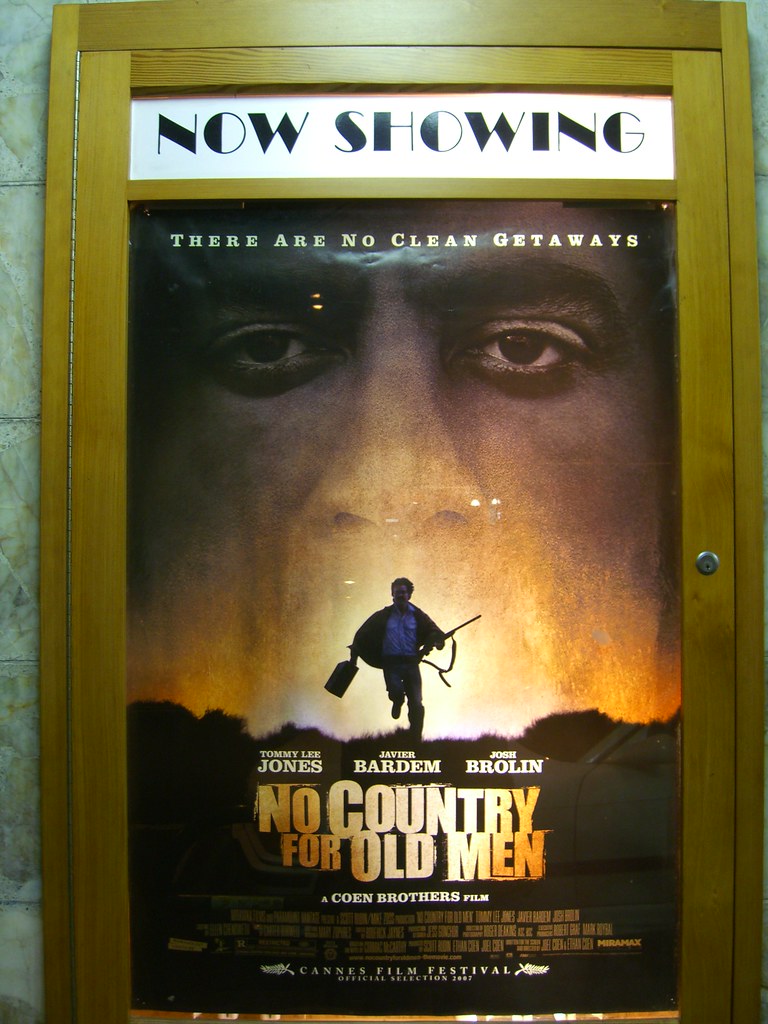
1. **No Country for Old Men**If you’re looking for a film that epitomizes the “bad guy wins” trope, look no further than the Coen Brothers’ chilling masterpiece, *No Country for Old Men*. This isn’t just a movie; it’s an experience, a relentless cat-and-mouse game set against the stark, unforgiving landscape of West Texas. It’s a story that drags you in with the promise of a hero’s struggle, only to pull the rug out from under you in the most brutal way possible, leaving you in a state of stunned silence.
The film’s antagonist, Anton Chigurh (played by a truly terrifying Javier Bardem), isn’t just a killer; he’s an almost supernatural force of nature, a harbinger of indiscriminate violence. Our reluctant hero, Llewelyn Moss, stumbles onto a briefcase full of cash from a deal gone bad by the Mexican Cartel and finds himself on the run. Despite his resourcefulness, “his mother’s mistake leads to Moss getting killed and losing the money while his wife (Kelly Macdonald) is (probably) murdered by Chigurh.”
What makes Chigurh’s victory so profound is its cold, unfeeling nature. There’s no grand monologue or triumphant roar; just the quiet, inevitable progression of his murderous path. The film’s ending isn’t about justice being served or a moral lesson learned; it’s about chaos and the unstoppable force of evil in a world that often makes no sense. It leaves audiences feeling hollow, reflective, and deeply unsettled, perfectly encapsulating the film’s nihilistic themes.
Read more about: Riding Those Entry-Level Road Bikes? Here’s What Lycra Enthusiasts Secretly Think About You (And 15 Epic Bikes That Prove Them Wrong!)
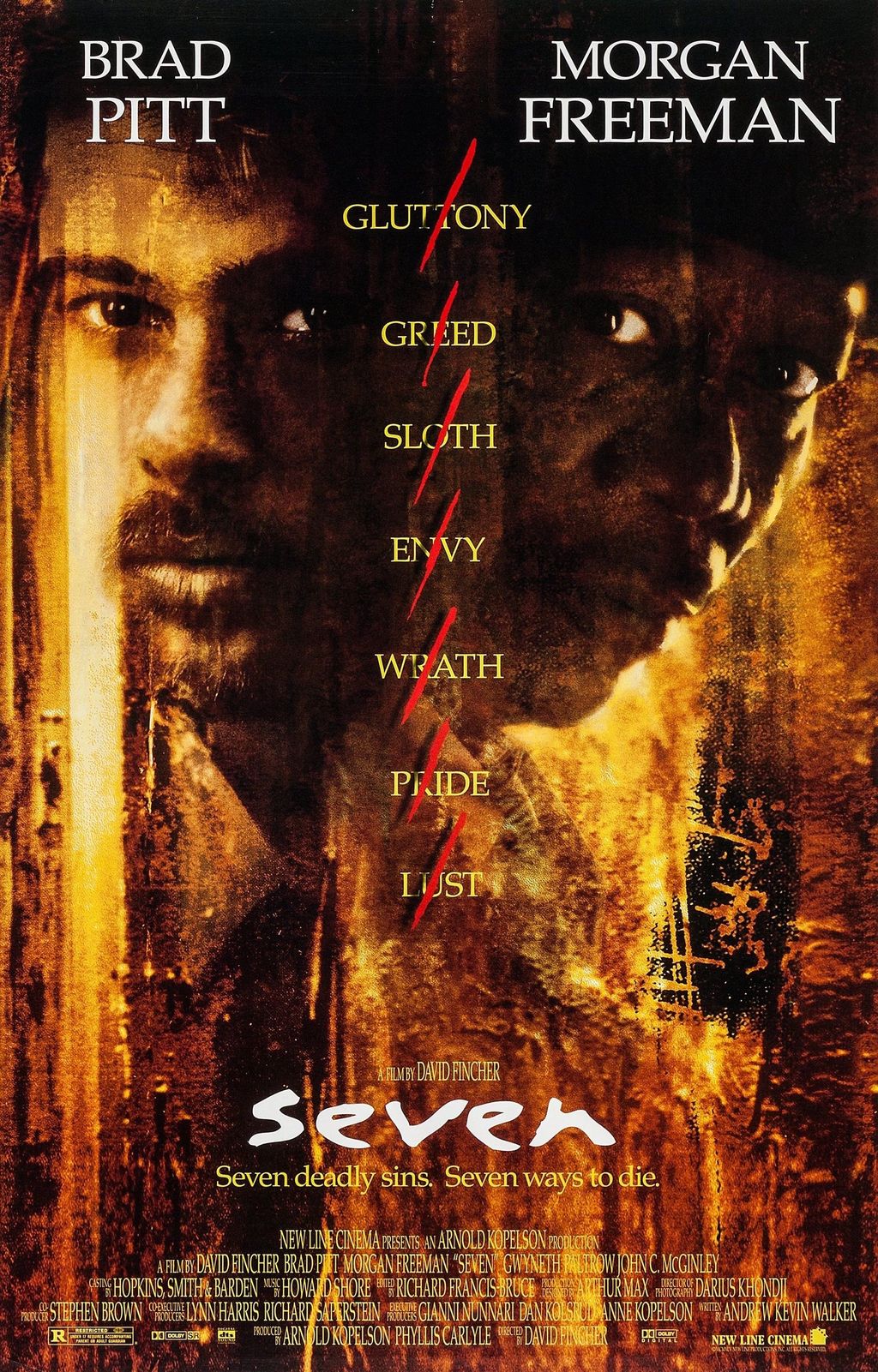
2. **Se7en**Get ready to talk about one of the most iconic and stomach-churning endings in cinematic history! David Fincher’s *Se7en* isn’t just a crime thriller; it’s a descent into a psychological abyss, a dark exploration of morality, justice, and the sheer depravity of a truly wicked mind. And when it comes to villains who get exactly what they want, Kevin Spacey’s John Doe stands in a league of his own, orchestrating a finale that still sends shivers down our spines decades later.
John Doe, as the context so accurately describes, is “one of the most evil villains in cinema history,” and his genius lies in his ability to turn the very tools meant to stop him into instruments of his ultimate triumph. His meticulously planned murders represent the seven deadly sins, and the climax of the film sees him needing just one more. He masterfully goads Detective David Mills (Brad Pitt) into killing him, making Mills embody the sin of “rage.”
So, while Doe ends up dead, the context explicitly states, “he still wins.” He successfully manipulates his pursuers into becoming part of his horrific art piece, proving his chilling point about humanity’s inherent flaws. The image of Mills’s breakdown, fueled by rage and grief, as Doe’s plan clicks perfectly into place, is one of the most devastating and unforgettable moments in film. This ending is a masterclass in narrative subversion, proving evil doesn’t need to survive to conquer.
Read more about: Don’t Trust Rotten Tomatoes: 15 Underrated Movies Critics Got Wrong

3. **Star Wars Episode V: The Empire Strikes Back**Oh, *Star Wars*. The saga that taught us about hope, destiny, and good triumphing over evil, right? Well, mostly. Because nestled right in the middle of the original trilogy is *The Empire Strikes Back*, a film that famously decided to hit us with a dose of cold, hard reality and remind us that sometimes, even in a galaxy far, far away, the bad guys can seriously kick butt. It’s an ending that changed everything we thought we knew about blockbuster storytelling.
After the thrilling Hoth battle and the nail-biting chase through the asteroid field, our heroes find themselves in a dire predicament on Bespin. Darth Vader, the ultimate cinematic villain, systematically dismantles the Rebel Alliance’s hopes. Han Solo is betrayed, brutally frozen in carbonite, and taken away by Boba Fett. Then, in arguably the most famous twist in movie history, Luke Skywalker faces Vader in a lightsaber duel, only to lose his hand and learn the devastating truth: Vader is his father.
The context perfectly captures the bleakness: “Luke, handless, dangles from a tower as Darth Vader tells him about his lineage after Han Solo is carted away, frozen in carbonite. It’s bleak.” The Empire doesn’t just win a battle; it delivers a crushing psychological blow to Luke, capturing or incapacitating key members of the rebellion, and leaving the audience with a sense of utter defeat. This bold, unexpected cliffhanger redefined what a sequel could be, proving a villain’s triumph could be the most thrilling part of a story.
Read more about: Ready for Liftoff? We’re Ranking 13 Of The Best Space Movies Ever – How Many Have You Actually Seen?
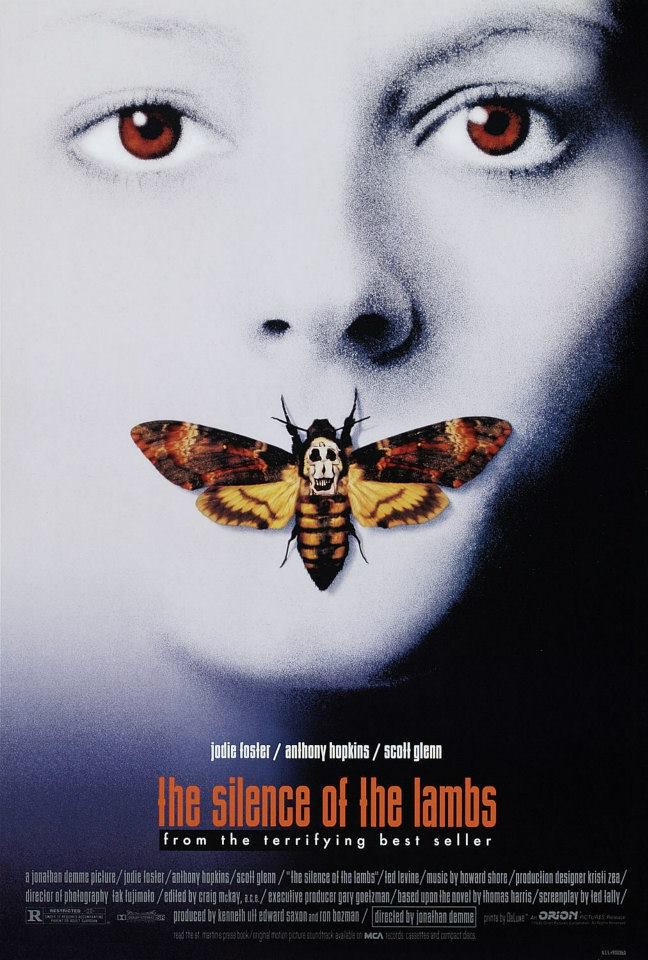
4. **Silence Of The Lambs**Next up, let’s talk about a psychological horror film that introduced us to one of the most captivating and terrifying villains of all time: *The Silence of the Lambs*. While rookie FBI agent Clarice Starling bravely confronts and defeats the grotesque serial killer Buffalo Bill, the film’s true antagonist, Dr. Hannibal Lecter, pulls off a far more insidious and memorable victory. It’s a chilling reminder that some evils are simply too intelligent and too slippery to be contained.
The primary storyline sees Clarice Starling (Jodie Foster) successfully tracking down and dispatching Buffalo Bill (Ted Levine), fulfilling her mission. But, as the context highlights, “another villain, Hannibal Lecter (Anthony Hopkins) gets away and hunts his nemesis down on an unnamed tropical island.” Lecter’s escape is a masterclass in psychological manipulation, using his sharp intellect and Clarice’s urgent need for information to orchestrate a daring exit, leaving a trail of gruesome bodies.
His final scene, where he enigmatically follows his former captor, Dr. Chilton, to an “unnamed tropical island” for a potentially gruesome meal, cements his victory. The context even clarifies, “Some may call Lecter an anti-hero here, but he’s pure bad guy in reality.” This ending leaves audiences with a profound sense of unease. Clarice’s personal triumph feels bittersweet, overshadowed by the terrifying realization that one of cinema’s most dangerous psychopaths is now free.
Read more about: Beyond the Shadows: Unearthing the Obscure Sci-Fi and Fantasy Novels Destined to Be the Next Big Action Franchise

5. **Avengers: Infinity War**Okay, Marvel fans, prepare for a trip down memory lane to a time when our collective jaws hit the floor and we all stared blankly at the screen, asking, “Wait, did that *really* just happen?” *Avengers: Infinity War* wasn’t just a superhero movie; it was a seismic event that completely rewrote the rulebook for what a blockbuster could do, especially when it came to the villain’s ultimate goal. This movie dared to deliver an ending that left us all reeling!
For years, we watched the Avengers assemble, overcome impossible odds, and always find a way to win. But then came Thanos, the Mad Titan, with a singular, terrifying goal: to collect all the Infinity Stones and wipe out half of all life in the universe. Our heroes, despite their incredible powers and combined might, fought valiantly, sacrificing much, but ultimately, it wasn’t enough to stop him.
The context perfectly encapsulates the audacity: “It was the snap heard ’round the universe after Thanos collected all the Infinity Stones and in a millisecond wiped out half of the population everywhere.” This wasn’t a minor setback; it was a total, unmitigated triumph for the villain. “Marvel is not where audiences ever expect to see a movie end with the villain winning, but Avengers: Infinity War changed everything and it’s brilliant,” the context states. Thanos achieved his objective, retreated peacefully, leaving heroes in despair.
Read more about: Unpacking the ‘Black Widow’ Lawsuit: Why Scarlett Johansson Took On Disney and What It Means for Hollywood

6. **Chinatown**Let’s transport ourselves back to the sun-drenched, morally murky streets of 1930s Los Angeles for a true masterpiece of neo-noir, *Chinatown*. This film isn’t just visually stunning; it’s a meticulously crafted narrative that slowly tightens its grip, leading to an ending that is both profoundly shocking and utterly heartbreaking. It’s a classic for a reason, and that reason includes one of the most gut-wrenching villain victories you’ll ever witness.
Jake Gittes (Jack Nicholson), a private investigator, believes he’s untangling a simple marital infidelity case, but quickly finds himself embroiled in a vast conspiracy involving water rights, corruption, and unspeakable family secrets. He’s smart, persistent, and determined to uncover the truth and protect the enigmatic Evelyn Mulwray. You root for him, truly believing he’s going to crack the case and bring justice.
However, the film, renowned for having “one of the greatest scripts ever written,” pulls a twist ending no one sees coming. As the context reveals, “Jake… has just worked out all the ins and outs of the scam he’s been trying to uncover… when he’s caught by Cross (John Huston) and forced to help Cross complete his plan.” The architect of the evil, Noah Cross, not only gets away with his horrific crimes but also seizes full control and claims his granddaughter. The iconic line, “Forget it, Jake, it’s Chinatown,” solidifies the villain’s undeniable win.
Okay, are you still with us? Because if the first six entries didn’t make your jaw drop, then buckle up, buttercup, because we’re diving into another batch of films where the villains aren’t just playing games – they’re winning them! We’ve already seen some seriously dark and twisted tales, but trust us, there are plenty more shocking endings where the forces of evil pull off the ultimate mic drop.
These next six films continue to challenge our expectations, proving that sometimes, the most memorable stories are the ones that refuse to give us that easy, feel-good ending. Get ready for more villains who achieve their twisted goals, leaving us stunned, perplexed, and perhaps even a little impressed by their sheer audacity. Let’s keep this wild ride going and uncover more cinematic moments where the bad guys truly shine!
Read more about: Behind the Camera: 15 Hollywood Feuds from Golden Age Films That Were Brushed Aside During Filming
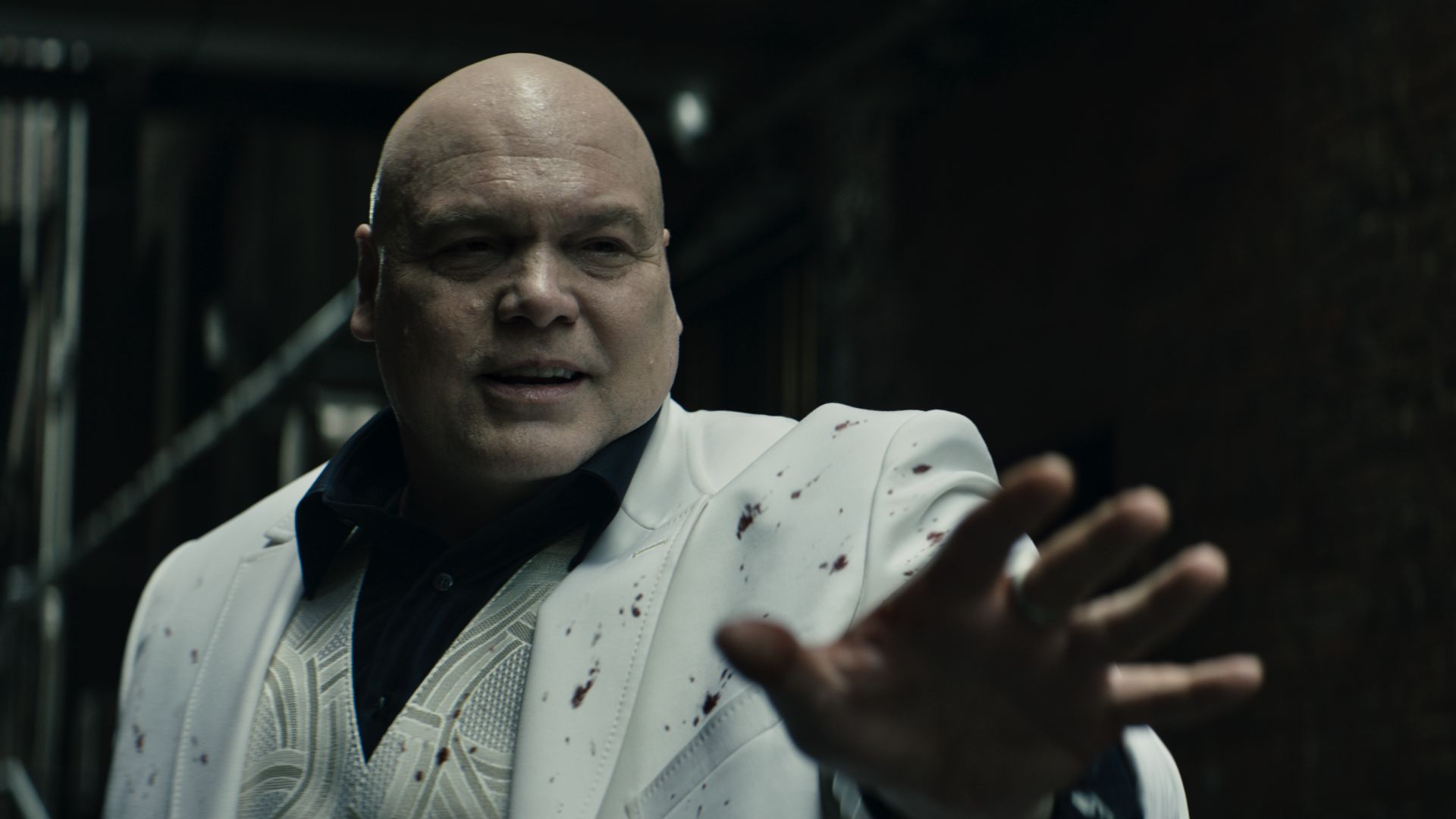
7. **Kingpin**Now, we know what you might be thinking: *Kingpin*? A movie about bowling? How on earth does the bad guy win in a sports comedy? Well, prepare to have your expectations delightfully subverted, because this Farrelly Brothers classic, while certainly lighter in tone than our previous entries, delivers a villainous victory that’s just as effective in its own hilarious, soul-crushing way. The stakes might be lower, but the heartbreak for our protagonist is real!
The film follows Roy Munson, a once-promising bowler whose career (and hand!) is tragically cut short. Years later, he finds a protege in Ishmael, a naive Amish bowler, and hopes to guide him to victory. Standing in their way is the supremely smug, endlessly irritating, and undeniably talented Ernie McCracken. Bill Murray absolutely slays as this smarmy antagonist, making him one of cinema’s most delightfully hateable characters. You know you want Roy to win, you *really* do.
But here’s the rub: as the context so perfectly puts it, “the villain, in this case bowler Ernie McCracken (Bill Murray) defeats Roy Munson (Woody Harrelson) in the final match of the movie.” It’s a gut punch for Roy, who, despite all his efforts and struggles, just can’t catch a break. His long-awaited shot at redemption is snatched away by the arrogant McCracken, who bowls his way to victory with a smug grin.
So, while there’s no world domination or apocalyptic event, the bad guy absolutely, unequivocally wins in *Kingpin*. Ernie McCracken gets the trophy, the glory, and the satisfaction of crushing Roy’s dreams one last time. It’s a hilarious, yet undeniably dark, twist on the sports movie formula, proving that even in comedies, sometimes the jerks get to gloat.
Read more about: The Unseen Archives: Decoding Hollywood’s Most Mysterious & Legendary Unreleased Movies and TV Shows

8. **The Usual Suspects**Talk about a mind-bending, reality-shattering twist ending that cemented its place in cinematic history! *The Usual Suspects* isn’t just a crime thriller; it’s a masterclass in deception, misdirection, and pure villainous genius. If you haven’t seen this one, stop reading immediately, go watch it, and then come back, because we’re about to spill *all* the tea on one of cinema’s greatest puppet masters. You think you know, but you have no idea!
The film expertly weaves a complex narrative through the interrogation of Roger “Verbal” Kint, a seemingly meek con artist. He recounts a tale of five criminals brought together for a police lineup, leading them into the orbit of the legendary, mythical crime lord, Keyser Soze. As Verbal spins his intricate yarn, we, the audience, are led down a labyrinthine path of suspicion, conspiracy, and ever-increasing intrigue, desperately trying to piece together the puzzle alongside the detectives.
But then, BAM! The rug is pulled out from under everyone – the characters in the film, and especially us, the viewers. The context nails it: “The greatest trick the devil ever pulled was convincing the world he didn’t exist and the greatest trick The Usual Suspects pulls is having Keyser Soze (Kevin Spacey) escape right out from under the noses of the authorities.” It’s a moment that makes you re-evaluate every single scene you just watched.
The genius of *The Usual Suspects* lies in how “all the clues are right there for audiences to see,” yet we’re all so brilliantly fooled by the narrative’s construction and Verbal’s performance. “The mysterious Soze completes his plan and gets away,” leaving a trail of destruction and a legacy of fear, having outsmarted everyone. It’s a chilling reminder that sometimes, the most dangerous villains are the ones you never see coming, or the ones you dismiss entirely. Keyser Soze’s victory isn’t just an escape; it’s a total domination of perception itself.
Read more about: Buyer Beware: Mechanics’ Reports Unmask the 12 Motorcycle Brands and Types You Might Want to Reconsider Before Your 2025 Ride

9. **One Flew Over The Cuckoo’s Nest**Prepare for a heavy hitter, folks, because *One Flew Over The Cuckoo’s Nest* isn’t just a movie where the bad guy wins; it’s a story where an entire oppressive system crushes the spirit of a vibrant, rebellious individual. This film is a profound exploration of freedom versus conformity, and it introduces us to one of cinema’s most iconic anti-heroes, R.P. McMurphy, and one of its most chillingly effective villains, Nurse Ratched.
Jack Nicholson delivers an unforgettable performance as Randall P. McMurphy, a free-spirited, mischievous criminal who feigns insanity to escape prison labor, only to find himself in a mental institution. He quickly becomes a beacon of rebellion and hope for his fellow patients, challenging the rigid, dehumanizing authority of the ward. You can’t help but root for his spirited defiance, his laughter, and his unwavering belief in individual freedom.
However, standing as an unyielding force of institutional control is Nurse Mildred Ratched, played with terrifying coldness by Louise Fletcher. She represents the oppressive system, using her power not for healing, but for control and conformity. Their conflict is a battle for the very souls of the patients, a clash between life-affirming chaos and soul-crushing order. It’s a struggle that resonates deeply, making us desperately hope for McMurphy’s triumph.
But, as the context starkly reminds us, “R.P. McMurphy… is one of the greatest anti-heroes in literary and cinema history, but that doesn’t mean he gets to win.” In a truly tragic turn, “it’s one of cinema’s greatest villains, Nurse Ratched… and the system that wins leaving McMurphy lobotomized.” His spirit is extinguished, a devastating blow to both the characters and the audience, solidifying the system’s brutal victory.
While McMurphy’s physical presence is ultimately subdued, the film does offer a flicker of hope through Chief Bromden’s escape, a direct result of McMurphy’s influence. Yet, the central conflict ends with the chilling reality that the insidious power of the institution, personified by Nurse Ratched, ultimately prevails over individual rebellion. It’s a stark, unforgettable ending that leaves an indelible mark.
Read more about: From Hidden Gems to Iconic Ensembles: 15 Movies Where the Cast Made All the Difference
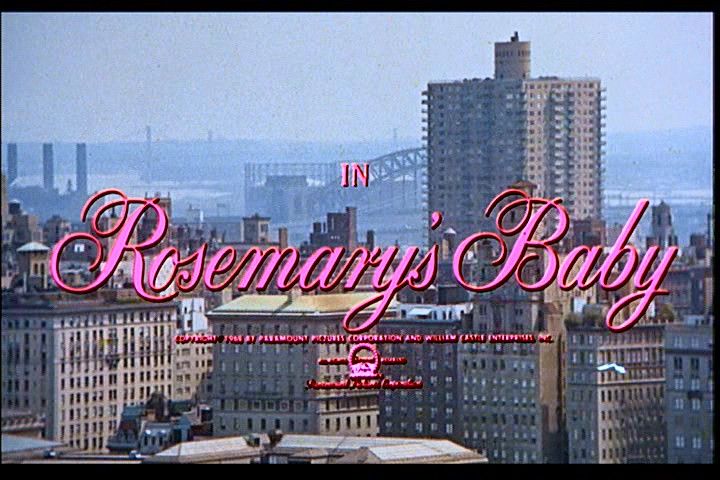
10. **Rosemary’s Baby**If you’re looking for a film that will crawl under your skin and stay there, then *Rosemary’s Baby* is your jam. This psychological horror masterpiece isn’t about jump scares; it’s about a creeping sense of dread, paranoia, and the horrifying realization that evil can hide in plain sight, even among your seemingly friendly neighbors. And let us tell you, the bad guys here don’t just win; they absolutely dominate in the most unsettling way possible.
Rosemary Woodhouse, played by the brilliant Mia Farrow, moves into a new apartment with her ambitious husband, Guy. Soon, she’s surrounded by odd, overly friendly elderly neighbors and experiences strange occurrences. As her pregnancy progresses, Rosemary becomes increasingly isolated and suspicious, convinced that something sinister is happening to her and her unborn child. The audience is right there with her, questioning everything and everyone.
The brilliance of this film lies in how it makes you doubt Rosemary’s sanity, blurring the lines between reality and delusion. Is she just paranoid, or is there a terrifying conspiracy unfolding around her? You desperately want her to figure it out, to escape, to protect herself and her baby from whatever dark forces are at play. It’s a tension that builds to an unbearable crescendo.
Then comes the gut-wrenching reveal, confirming Rosemary’s worst fears. As the context spells out, “just when you think Rosemary (Mia Farrow) might figure out what is going on with the weirdos in her apartment building, the coven wins, and Rosemary births Satan’s child.” It’s not just a plot twist; it’s a complete and utter triumph for the forces of evil, a victory so profound it leaves you gasping.
And if that wasn’t unsettling enough, the film delivers one last, chilling blow: “What’s worse is that Rosemary gives in and decides to raise the child.” This isn’t just about the coven winning; it’s about the complete subjugation of Rosemary, forced to accept her terrifying new reality. It’s a haunting ending that solidifies *Rosemary’s Baby* as one of the most effective and terrifying examples of the bad guy winning.
Read more about: The 15 Scariest Classic Horror Films of All Time

11. **Saltburn**And for our grand finale, let’s talk about one of the most talked-about films of recent memory, *Saltburn*! This darkly comedic thriller took social media by storm in 2023, leaving audiences utterly captivated and more than a little disturbed. If you thought you knew what was happening, think again, because this movie plays its cards close to its chest, ultimately revealing a villainous win that’s as shocking as it is utterly audacious.
The film introduces us to Oliver Quick (Barry Keoghan), a seemingly awkward and socially anxious Oxford student who becomes infatuated with the charismatic, wealthy Felix Catton. Invited to spend the summer at Felix’s sprawling family estate, Saltburn, Oliver quickly integrates himself into the eccentric, aristocratic world of the Catton family. We watch as Oliver navigates this strange new environment, a fish out of water, seemingly just trying to fit in.
But don’t let that innocent facade fool you for a second! As the context ominously hints, “Oliver Quick’s (Barry Keoghan) is a bit of a mystery until he reveals that he is pretty evil.” What begins as an innocent infatuation slowly morphs into something far more sinister. Oliver isn’t just observing; he’s meticulously planning, manipulating, and eliminating every obstacle in his path with chilling precision and an almost theatrical flair.
His ultimate goal, as the context reveals, is to get “what he wants, which is apparently to dance…um…freely, through the Saltburn estate.” This seemingly simple desire is achieved through a shockingly elaborate and brutal scheme that sees him systematically destroying the Catton family and inheriting their entire fortune. The final, iconic scene of Oliver dancing through the estate is not just memorable; it’s a triumphant, albeit deranged, celebration of his complete and utter victory.
Oliver Quick’s win in *Saltburn* is a masterclass in slow-burn villainy, proving that sometimes, the quietest manipulators are the most dangerous. He achieves his twisted version of the ultimate fantasy, leaving a trail of devastation and the audience in a state of delighted, horrified disbelief. It’s a bold, unforgettable ending that truly solidifies its place on our list of movies where the bad guy absolutely wins!
And there you have it, folks! Twelve wild rides into the darkest corners of cinema, where the rules were broken, and the bad guys totally owned the screen. These aren’t just movies; they’re conversation starters, head-scratchers, and sometimes, total gut-punches that stay with you long after the credits roll. They remind us that storytelling isn’t always about comfort, but sometimes about challenging what we expect and making us think.
Read more about: When Hollywood Stars Hit Their Limit: The Most Jaw-Dropping Interview Walkouts You Won’t Believe
Whether it’s a cold-blooded killer, a manipulative genius, or an entire corrupt system, these films prove that a villain’s victory can be just as compelling – if not more so – than any heroic triumph. They’re daring, they’re dark, and they’re undeniably brilliant. So, which of these epic villain wins left *you* absolutely speechless? Grab your popcorn, maybe a comfort blanket, and let us know your thoughts in the comments! And seriously, go rewatch some of these, you won’t regret diving back into the glorious chaos.