
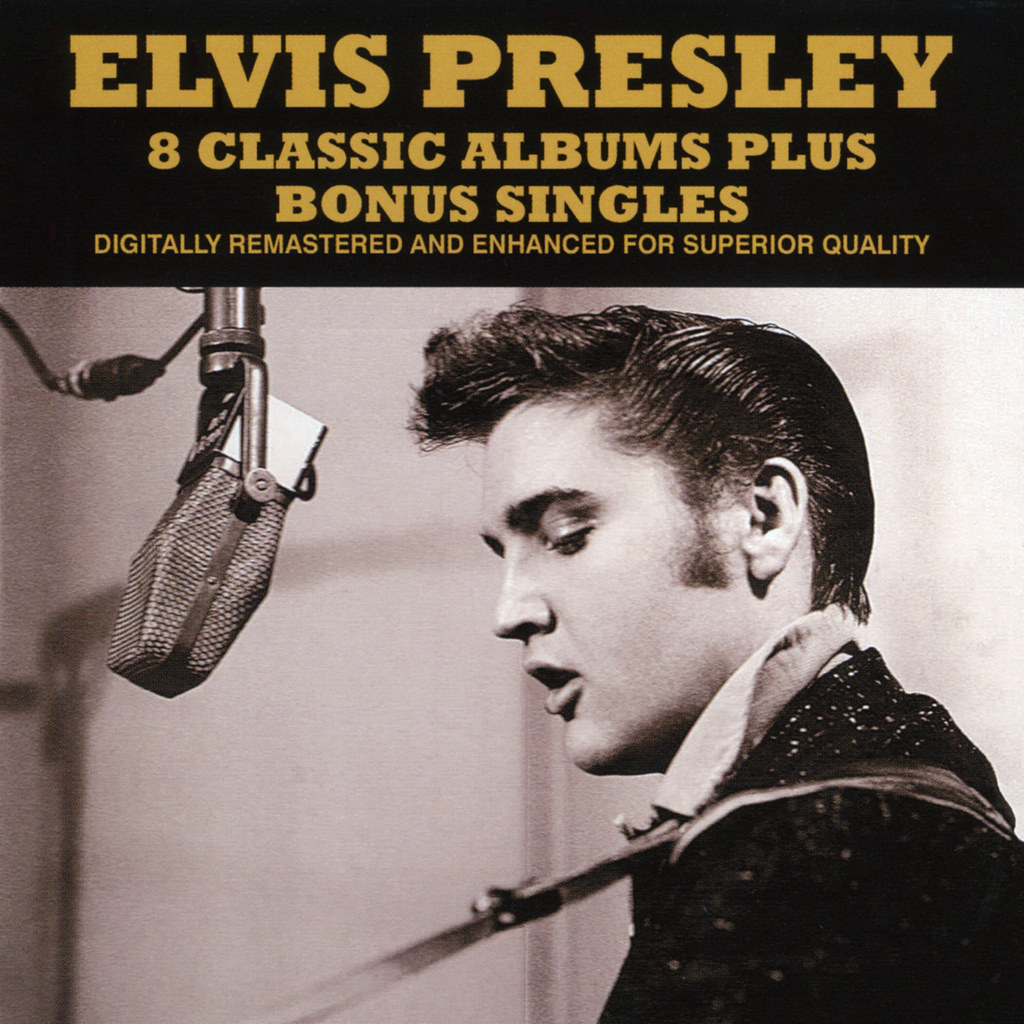
In the annals of American popular culture, few figures loom as large or cast as long a shadow as Elvis Presley. Widely celebrated as the “King of Rock and Roll,” his story is far more intricate than a simple tale of musical triumph. It is a compelling narrative of immense talent, relentless ambition, profound personal struggles, and an impact that transcended music, reshaping the very fabric of an era.
From his incendiary stage presence to his surprisingly affable off-stage demeanor, Elvis embodied a dazzling array of contradictions that captivated millions. He wasn’t merely a performer; he was a phenomenon, a cultural catalyst who, with every hip sway and every soulful note, challenged conventions and ignited a generational fervor. This is the story of how a dirt-poor boy from Mississippi transformed into a global icon, a journey marked by groundbreaking music, unprecedented fame, and the complex figures who shaped his destiny.
To understand the enduring power of Elvis, we must delve beyond the headlines and into the formative experiences and pivotal moments that defined his extraordinary life. We explore the roots of his revolutionary sound, the shrewd (and often manipulative) management that propelled him to stratospheric heights, and the societal shifts he both influenced and mirrored. Join us as we uncover the layers of a legend whose reign continues to resonate decades after he left the building.

1. **Birth and Early Life in Tupelo, Mississippi**
Elvis Aaron Presley entered the world on January 8, 1935, in Tupelo, Mississippi, a setting that would deeply inform his musical sensibilities and his understanding of hardship. His beginnings were anything but glamorous, rooted firmly in the working-class struggles of the American South. The context describes his family as “dirt-poor,” a descriptor that underscores the economic realities that shaped his formative years.
The family’s financial fragility was such that, after relocating to Memphis as a teenager, they were “off welfare for only a few weeks” when opportunity finally called. This backdrop of poverty is crucial to appreciating the raw ambition and drive that would later define his quest for success. It speaks to a profound yearning for stability and a better life, a dream that music would ultimately help him realize in ways unimaginable.
His early environment in Tupelo, and later Memphis, exposed him to a rich tapestry of musical influences. Though not explicitly detailed here, the context of being “dirt-poor” implies a deep connection to the regional sounds of the South—blues, country, and gospel—which would become the bedrock of his revolutionary artistic expression. It was from these humble origins that a legend began to stir, a testament to the transformative power of talent born of adversity.
Read more about: Maestros Beyond the Melody: Unpacking the Diverse Legacies of America’s Most Influential Musicians

2. **Discovery by Sam Phillips at Sun Records and the Birth of Rockabilly**
The pivotal moment in Elvis Presley’s burgeoning career arrived through a fateful audition tape, which caught the ear of producer Sam Phillips at Sun Records in Memphis. Sun Records, a local blues label, was a crucible for new sounds, and Phillips possessed a unique vision for what popular music could become. His response to Presley’s tape wasn’t immediate stardom, but a phone call that set in motion a series of recording sessions that would forever alter the course of music history.
These initial sessions saw Presley collaborating with guitarist Scotty Moore and bassist Bill Black, a trio that would lay the groundwork for a new genre. Their repertoire was a vibrant mosaic of sounds that Presley was already familiar with: “blues and country songs, Tin Pan Alley ballads, and gospel hymns.” This eclectic blend was nurtured by his exposure to radio, his parents’ Pentecostal church, group sings at the Rev. H.W. Brewster’s Black Memphis church, and the Beale Street blues clubs he frequented as a teenager.
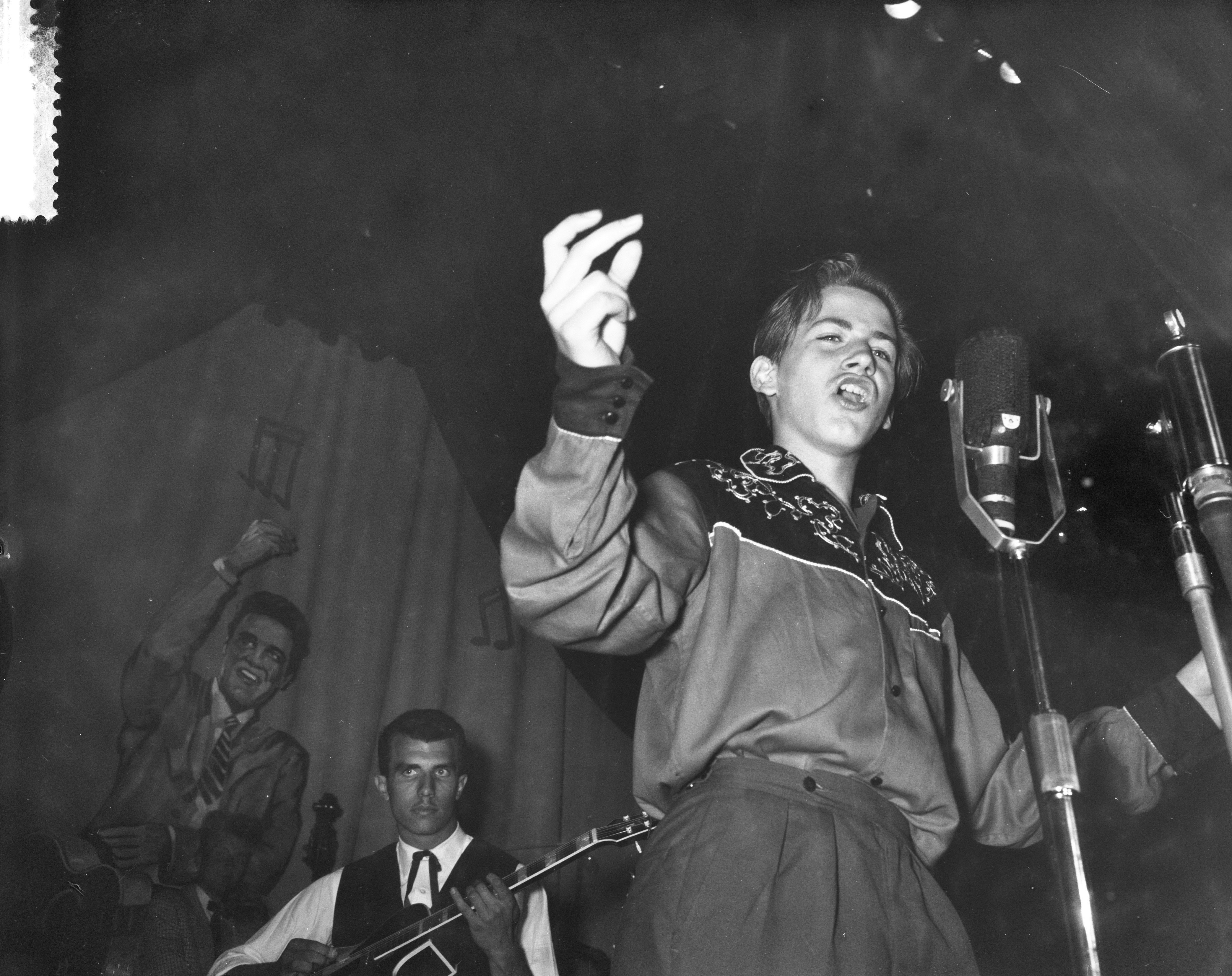
While Presley already possessed a flamboyant persona—described as having “relatively long greased-back hair and wild-colored clothing combinations”—his full musical identity truly crystallized in July 1954. It was when he and the band began improvising with blues singer Arthur (“Big Boy”) Crudup’s song “That’s All Right Mama” that they forged a “startling synthesis, eventually dubbed rockabilly.” This new sound, retaining blues inflections but infused with Presley’s high tenor and a more supple rhythm, became the hallmark of his initial five singles on Sun Records.
3. **Colonel Tom Parker’s Management and National Breakthrough with RCA**
Elvis Presley’s journey from regional sensation to national phenomenon was meticulously orchestrated by Colonel Tom Parker, a shrewd country music promoter. Parker, who had a track record of elevating artists like Eddy Arnold and Hank Snow, recognized the unprecedented potential in Presley. His arrival marked a significant turning point, fundamentally reshaping the trajectory of Elvis’s career and, arguably, his life.
Parker’s strategy involved a monumental financial transaction: he arranged for the sale of Presley’s song catalog and recording contract to major New York City-based enterprises, Hill and Range and RCA Victor. This deal was a massive step towards national exposure, but one that highlighted the nascent music industry’s complex power dynamics. Sun Records, the label that discovered him, received $35,000, while Elvis himself received a comparatively modest $5,000.
Under RCA Victor, recording at their Nashville studios with his core band members Moore, Black, and Fontana, Presley’s career exploded. He swiftly became a “national sensation with a series of hits,” including classics like “Heartbreak Hotel,” “Don’t Be Cruel,” and “Love Me Tender” (all 1956), and “All Shook Up” (1957). From 1956 through 1958, Elvis Presley didn’t just top the charts; he “completely dominated the pop music charts and ushered in the age of rock and roll,” irrevocably opening doors for both white and Black rock artists and cementing his status as an unparalleled force in music.
Read more about: The King’s Highway: Charting Elvis Presley’s Revolutionary Ride Through Music History

4. **Cultural Impact and Controversy: “Elvis the Pelvis”**
Elvis Presley’s arrival on the national stage was nothing short of a cultural earthquake, eliciting fervent adoration from millions while simultaneously sparking outrage and condemnation from others. His television appearances, particularly on Ed Sullivan’s Sunday night variety show, shattered viewership records, cementing his status as a captivating performer. Even his films, often described as “slight vehicles,” became box office juggernauts, underscoring his immense appeal.
As the “teen idol of his decade,” Elvis was met everywhere by “screaming hordes of young women,” a phenomenon that underscored his unparalleled connection with a burgeoning youth culture. He served as the “great cultural catalyst of his period,” inspiring countless musicians, from his rockabilly peers like Jerry Lee Lewis and Carl Perkins to later icons such as John Lennon, Bruce Springsteen, Bob Dylan, and Prince, all of whom owed an explicit debt to his groundbreaking artistry.
Beyond musicians, Elvis inspired an entire generation to define their “sense of personal style and ambition” in terms he first personified, embracing a vision of being “free and uninhibited and yet still a part of the everyday.” Yet, this adoration was far from universal. Many found him “despicable,” with preachers and pundits denouncing his “Pentecostally derived hip-swinging stage style and breathy vocal asides” as obscene. He was even “pronounced responsible for all teenage hooliganism and juvenile delinquency.” Racists attacked him for “mingling Black music with white,” though Elvis was always scrupulous in crediting his Black sources, setting him apart from many contemporaries. Despite the on-stage provocations that earned him the moniker “Elvis the Pelvis,” off-stage, he presented as “affable, polite, and soft-spoken, almost shy,” revealing a compelling dichotomy at the heart of his public persona.
5. **Military Service in West Germany and Meeting Priscilla**
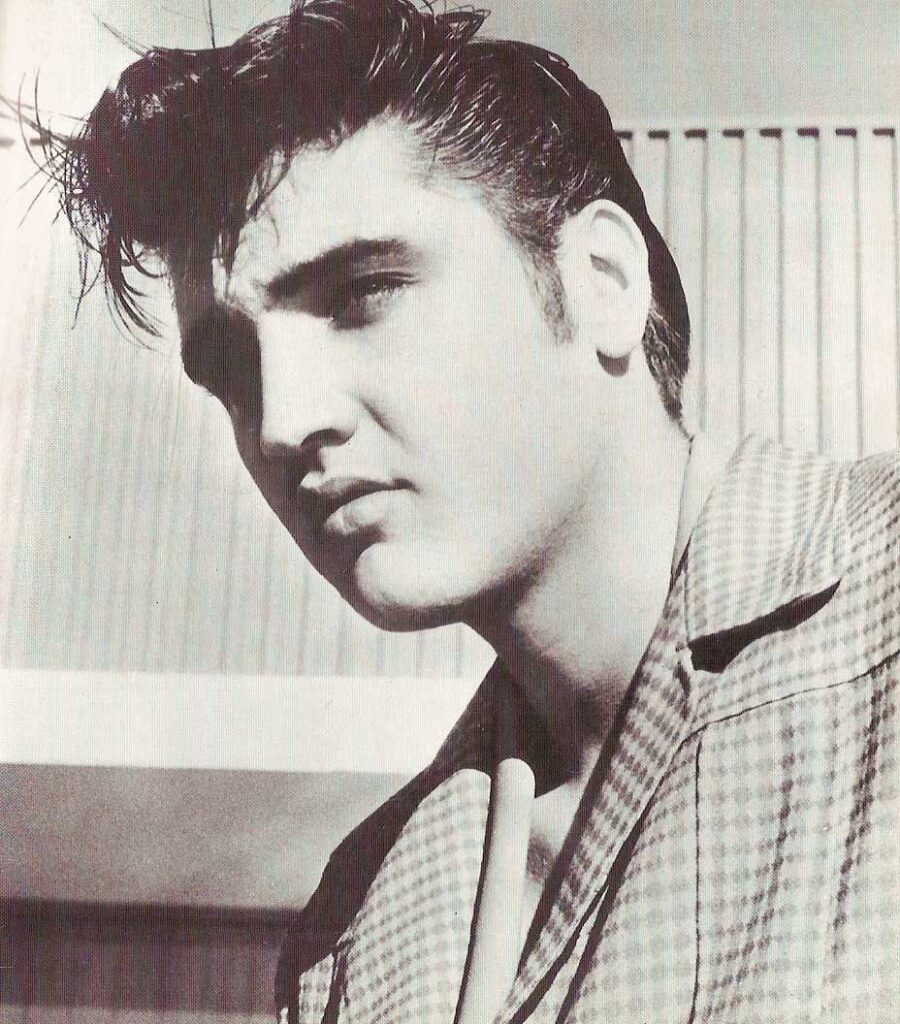
The height of Elvis Presley’s initial explosive fame was interrupted by a mandate that brought a rare moment of “true grief” to his devoted fanbase: his drafting into the U.S. Army in early 1958. This military service represented a significant pause in his meteoric career, yet it would prove to be a period of profound personal development, leading to one of the most significant relationships of his life.
Rather than opting for a position within the Special Services entertainment division, Elvis chose to serve as a regular soldier, demonstrating a commitment to duty that further endeared him to many. While stationed in West Germany in 1959, he met Priscilla Beaulieu, a pivotal encounter that would shape his personal world for years to come. At the time of their meeting, Priscilla was just 14 years old, while Elvis was 24, a detail that has long been a subject of discussion surrounding their relationship.
Their romantic involvement began during this period in Germany and continued after Elvis returned to the United States in 1960. This chapter of his life, marked by his military service and the genesis of his relationship with Priscilla, offered a glimpse into the man behind the superstar. It was a time of transition, both professionally and personally, setting the stage for his subsequent return to the entertainment industry and the complex personal life that would unfold.
Read more about: Priscilla Presley’s Unveiling: The Emotional Truth Behind Discovering Her Real Father and Crafting an Enduring Legacy
6. **Hollywood Years and Mainstreaming**
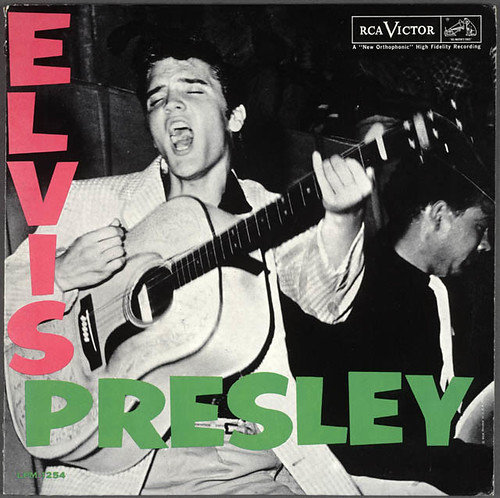
Upon his return from the army in 1960, many detractors anticipated Elvis Presley’s star would fade, dismissed as mere “commercial hype without talent.” However, he quickly proved them wrong, buoyed by a trove of recordings stockpiled before his enlistment. He picked up his career almost seamlessly, embarking on a prolific and commercially successful, though artistically constrained, period in Hollywood.
Over the next eight years, Elvis starred in a remarkable series of “more than 30 movies,” from *Blue Hawaii* (1961) to *Change of Habit* (1969). These films largely conformed to a distinct “Elvis movie” genre: light comedic romances liberally interspersed with musical interludes. While these features, along with their accompanying soundtrack albums, made him “a rich man,” the context critically notes that they “nearly ruined him as any kind of artist,” suggesting a creative compromise for commercial gain.
During this era, Presley’s most compelling musical contributions were often found in singles “either unconnected to the films or only marginally stuck into them,” such as “It’s Now or Never (‘O Sole Mio’)” (1960), “Are You Lonesome Tonight?” (1961), and “Viva Las Vegas” (1964). By this point, Elvis had transitioned from a controversial firebrand to “one more predictable mass entertainer.” He had become “a personage of virtually no interest to the rock audience that had expanded so much with the advent of the new sounds of the Beatles, the Rolling Stones, and Bob Dylan,” indicating a mainstreaming that, while lucrative, distanced him from the cutting edge of contemporary rock music.
7. **The 1968 ‘Comeback Special’ and Return to Live Performance**
By 1968, the once-unassailable reign of Elvis Presley had shown significant signs of erosion. The musical landscape had drastically changed, largely propelled by the British Invasion and the burgeoning folk-rock movement, leaving Elvis seeming somewhat out of step. Both his movie grosses and record sales had experienced a noticeable decline, signaling a crucial moment for his career. It was against this backdrop that a pivotal opportunity arose, one that would dramatically re-establish his credibility and artistic relevance.
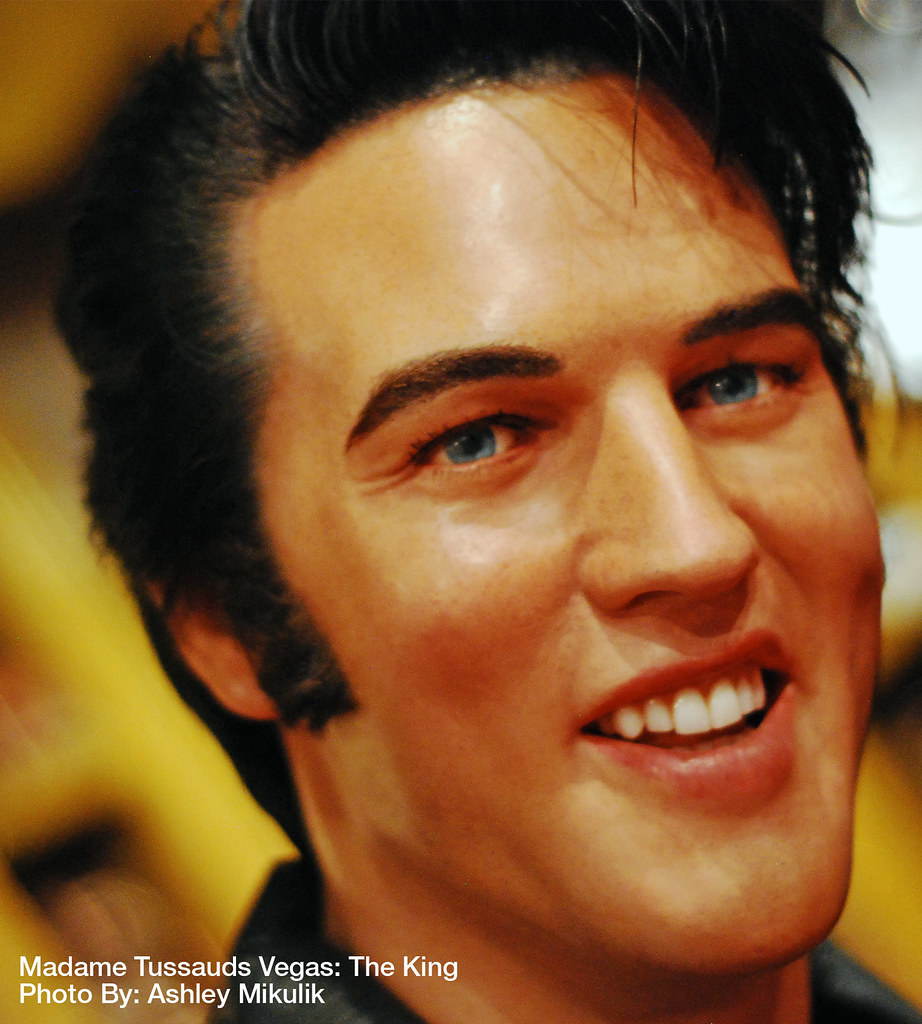
In December of that year, a one-man Christmas TV special aired, a tour de force that proved to be a masterclass in rock and roll and rhythm and blues. This event, now famously known as the ‘Comeback Special,’ served as a powerful declaration of his enduring talent and raw stage presence. It successfully “restored much of his dissipated credibility,” reminding both old fans and new generations of his unparalleled charisma and musical power.
Following the special’s resounding success, 1969 brought another triumph with the release of “Suspicious Minds,” a single entirely unconnected to his film commitments, which soared to number one. This commercial success, coupled with the critical acclaim of the special, emboldened Elvis to return to live concert performances. He quickly “won back a sizable following,” though it was a distinct audience, primarily “Southern and Midwestern, working-class, and overwhelmingly female,” differing from the universal appeal of his 1950s heyday. Nevertheless, for much of the next decade, Elvis was once again “one of the top live attractions in the United States,” cementing a powerful, if geographically limited, return to the stage.”
Following his artistic resurgence with the 1968 ‘Comeback Special,’ Elvis Presley embarked on a new chapter of his career, one characterized by a distinct shift in his musical trajectory and performance style. This era saw him fully embrace the role of a mainstream American entertainer, commanding stages with a grandeur that redefined the concert experience. While his raw, rebellious edge of the 1950s had evolved, it was replaced by a polished showmanship that resonated deeply with a dedicated, primarily Southern and Midwestern, working-class, and overwhelmingly female audience.
Read more about: Beyond the Headlines: Unpacking Ford’s Enduring Legacy of Innovation, Resilience, and Global Impact
8. **Broad Musical Evolution and the Vegas Residency**
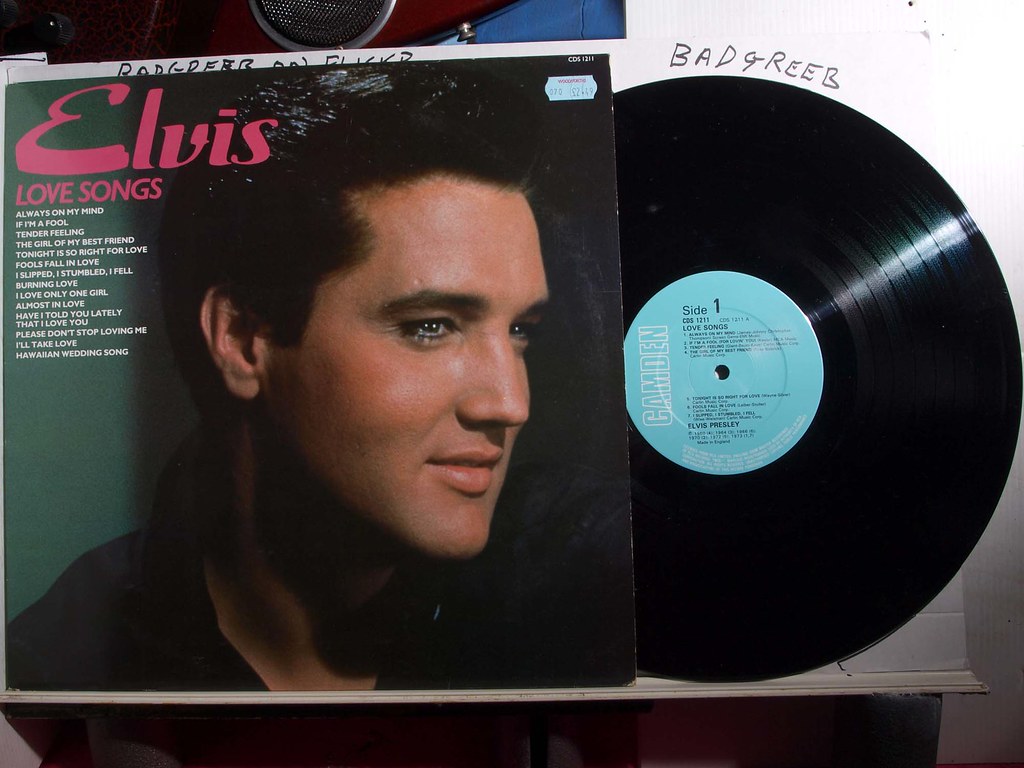
After the triumph of his comeback special, Elvis re-established himself as one of the top live attractions in the United States, yet his musical output saw a shift. His recordings from this period were of uneven quality, though each album often featured a song or two that managed to capture his earlier focus and energy. However, the consistent chart-topping hits of his youth became harder to come by, with ‘Suspicious Minds’ being his last number one, and ‘Burning Love’ in 1972 marking his final Top Ten entry, signaling a change in his recording momentum.
Despite the fluctuations in his studio work, Elvis remained a formidable financial force, largely thanks to his spectacular concert performances. Critic Jon Landau aptly described these shows as an ‘apotheosis of American musical comedy,’ showcasing a performer who was, ‘unrelentingly himself.’ This new iteration of Elvis was not a relic attempting to keep pace with changing trends like the Beatles or Bob Dylan; he was an icon, a singular presence whose stage charisma remained undiminished, even if his sound had evolved from the raw edge of rockabilly.
A significant aspect of this era was his engagement in Las Vegas, headlining at the International Hotel’s largest showroom and resuming extensive concert tours. However, his manager, Colonel Tom Parker, began to exert an even tighter control over Elvis’s career. Parker notably refused Elvis’s aspiration for a world tour, a decision many fans and critics attributed to Parker’s own lack of a U.S. passport and fear of deportation, given he was a Dutch-born illegal immigrant. Some biographers also suggested Parker was concerned about Presley’s possession of drugs and guns complicating international travel.
Driven by his escalating gambling debts, Parker further manipulated Elvis into signing a lucrative but restrictive contract for a five-year Las Vegas casino residency. This commitment anchored Elvis to a demanding performance schedule, effectively limiting his artistic freedom and trapping him in a cycle of repeated engagements in one location. This era solidified his status as a major mainstream entertainer, but at the cost of broader musical exploration and global reach, a decision that would later prove to have significant ramifications for his personal and professional life.
Read more about: Beyond the Purple Rain: Unpacking the Enduring Legacy of Prince Rogers Nelson
9. **The Complexities of His Marriage and Divorce**
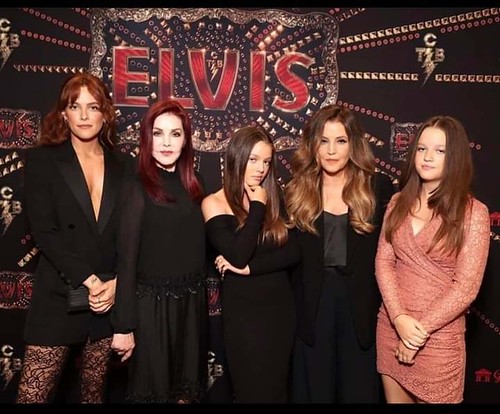
Amidst his revitalized career, Elvis Presley also embarked on a significant personal milestone: marriage. In 1967, without much public furor, he wed Priscilla Beaulieu, the young woman he had met during his military service in West Germany. The union, which followed a courtship that began when Priscilla was just 14, brought an element of domestic stability to the superstar’s tumultuous life, marking a new phase for the King of Rock and Roll.
The following year, on February 1, 1968, Elvis and Priscilla became parents with the birth of their only child, a daughter named Lisa Marie Presley. This addition to his family provided Elvis with a profound personal connection, but the demands of his career and his increasingly complex lifestyle put immense strain on the marriage. Priscilla Ann Beaulieu, who had become famous simply by marrying the king of rock and roll, found herself navigating the unique challenges of life with an international icon.
Despite the initial happiness and the arrival of their daughter, Elvis and Priscilla eventually grew apart. The pressures of his fame, his prolonged absences on tour, and the beginnings of his problematic behaviors contributed to an irreparable rift in their relationship. They officially separated in 1972, with their divorce finalized the following year, in 1973. This personal separation marked a deeply emotional period for Elvis, as a despondent Priscilla moved forward, taking their young daughter Lisa Marie with her.
Read more about: Unveiling the Layers: The Profound Meanings Woven into Kim Kardashian’s Iconic Public Persona
10. **His Retreat to Graceland and Subsequent Decline**
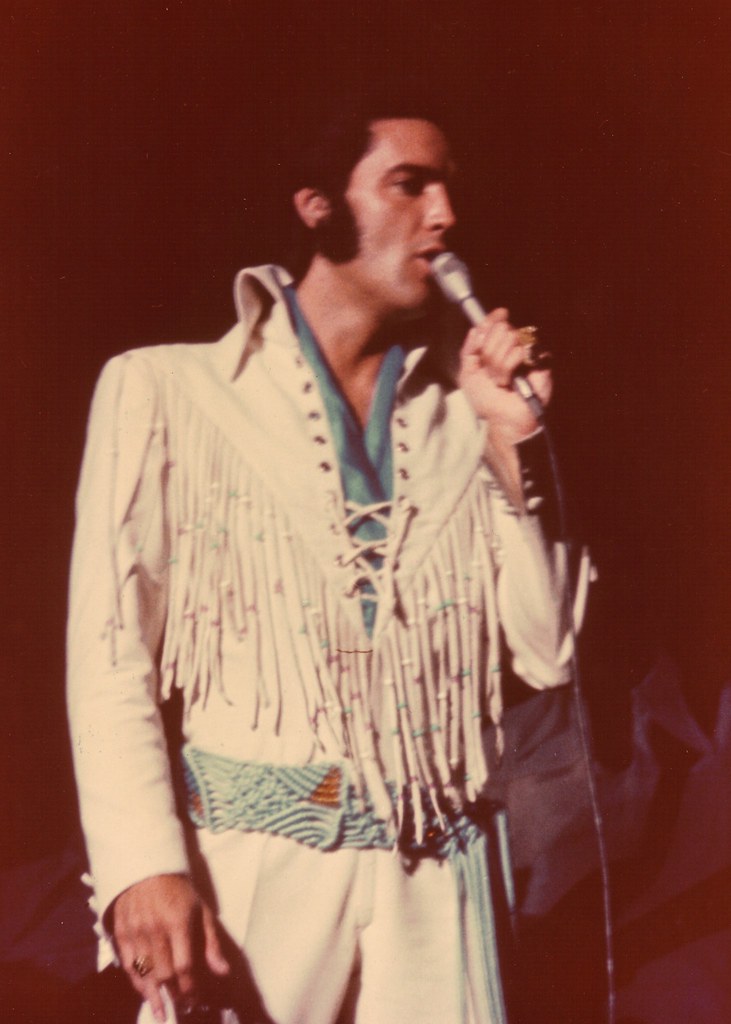
As his career continued through the 1970s, Elvis Presley’s personal life took a darker turn, characterized by a lethal lifestyle and an increasing reclusion at his Memphis estate, Graceland. When he wasn’t on the road performing, Elvis spent almost all his time at home, adopting a nocturnal existence. He surrounded himself with a cadre of sycophants and indulged in greasy foods, a stark contrast to the dynamic performer millions adored.
More alarmingly, this period saw the severe escalation of his reliance on a variety of prescription drugs. This addiction began to take a devastating toll on his health and professional capabilities. The man who had once embodied raw energy and uninhibited freedom now lived under “the lockstep regimen of an addict and recluse,” losing the very ambition and power that had defined his early work.
His once-legendary live shows, which had seen a powerful comeback, began to deteriorate significantly in the final two years of his life. Concurrently, his recording career, which had produced uneven quality in the early 70s, came to a virtual standstill, reflecting his declining physical and mental state. The vibrant performer who had risked everything to achieve success now found himself immobilized, battling personal demons behind the gilded gates of Graceland.
Read more about: The King’s Fading Echo: An In-Depth Look at Elvis Presley’s Tumultuous Final Year Before His Untimely Death
11. **The Tragic Circumstances of His Death**
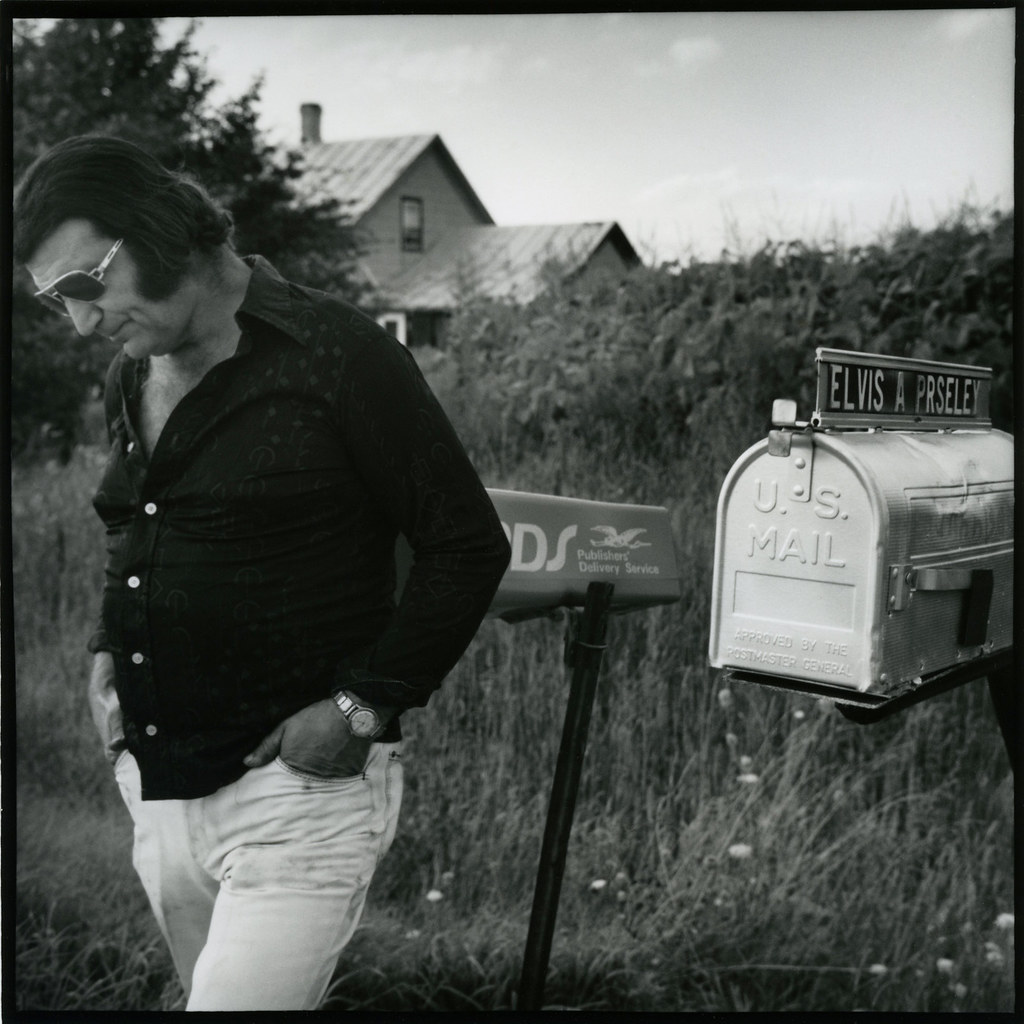
The downward spiral of Elvis Presley’s health tragically culminated in the summer of 1977. On August 16, 1977, the night before he was scheduled to embark on yet another concert tour, the world was stunned by the news of his passing. He died in Memphis, Tennessee, at the age of 42. His death was officially attributed to a heart attack, brought on largely by extensive drug abuse, confirming the devastating impact of his lethal lifestyle.
Earlier that year, on June 21, 1977, a visibly unwell Elvis had performed in Rapid City, South Dakota, where he was described as “obese, pale, and weak” before singing ‘Unchained Melody’ to thunderous applause. This final public performance offered a poignant glimpse into his failing health, a stark contrast to the vibrant, energetic performer of his prime. The news of his death sparked an immediate and profound outpouring of grief from around the globe.
His passing at such a young age cemented his status as a tragic figure, a star whose light burned out too soon under the weight of his own struggles and the pressures of unimaginable fame. Elvis Aaron Presley, born January 8, 1935, had left an indelible mark on music and culture, but his life ended in circumstances that underscored the profound personal cost of his extraordinary journey. He is buried at Graceland alongside several of his family members, including his parents, daughter, and grandson, making the estate a hallowed ground for his devoted followers.
Read more about: Unraveling the Intertwined Fates: A Scientific Examination of Conjoined Twin Mortality and Survival

12. **His Undying Posthumous Fame**
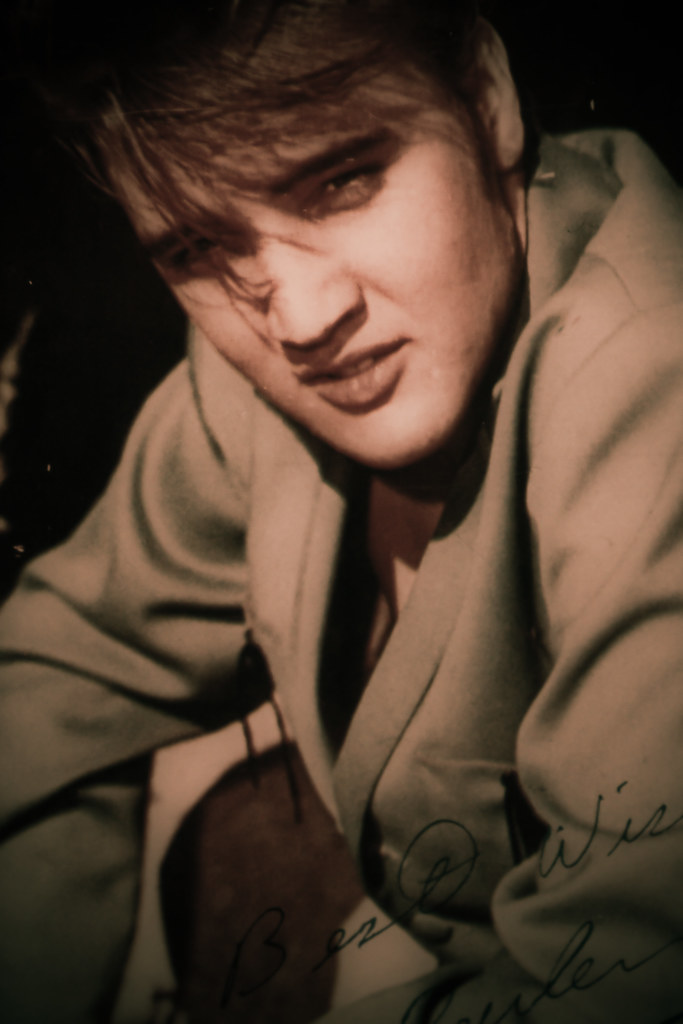
The moment the world learned of Elvis Presley’s death, a wave of collective mourning swept across the globe. Almost immediately, mourners began to gather at Graceland, his iconic Memphis estate, to pay their final respects to the ‘poor boy who had lived out the American dream.’ This spontaneous outpouring of grief marked the beginning of a posthumous fame that, in many ways, has never ceased.
Decades after his passing, Elvis remains an unparalleled cultural force. His albums and other artifacts continue to sell briskly, a testament to his enduring appeal and the timeless quality of his music. He holds the distinction of being the ‘best-selling solo artist in history,’ beloved by millions worldwide, proving that his impact transcends generations and musical trends.
His image and music are ubiquitous, continually rediscovered by new fans while cherished by those who remember his vibrant reign. This unyielding popularity solidifies his position not just as a historical figure, but as an active and vital presence in the cultural consciousness, a true testament to his unique artistry and magnetic persona that continues to captivate and inspire.
Read more about: Gone Too Soon: 10 Heartbreaking Young Star Deaths That Still Make Us Emotional
13. **Graceland’s Enduring Allure**
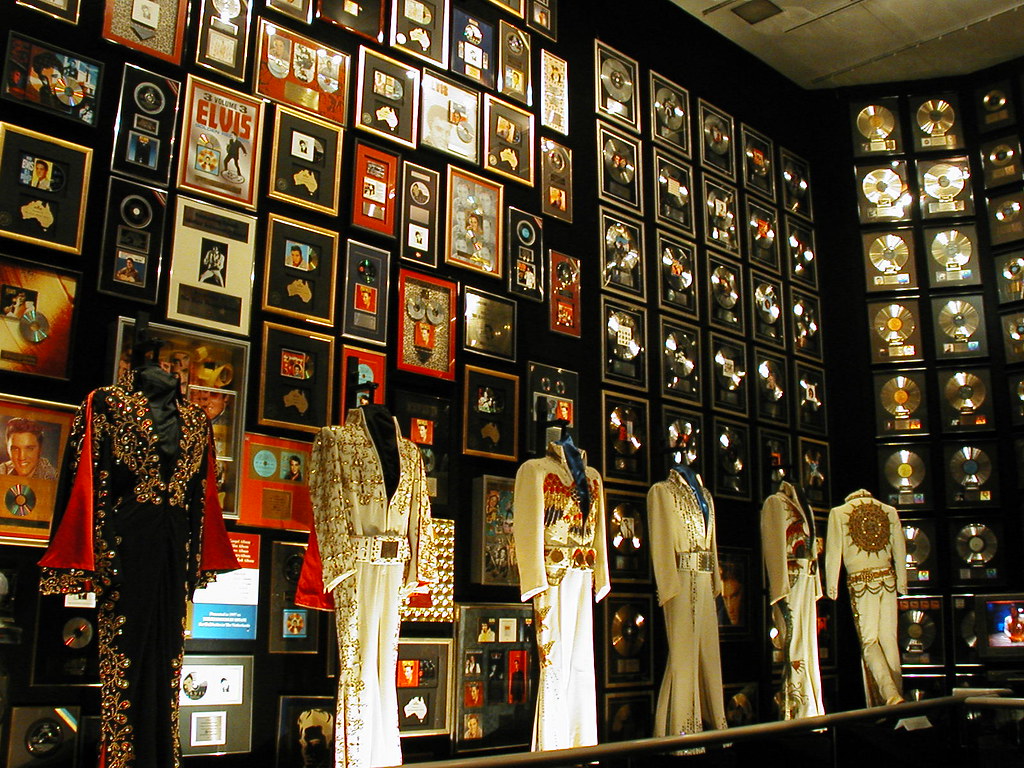
Graceland, Elvis Presley’s revered estate in Memphis, Tennessee, stands as a monumental symbol of his legacy and a testament to his enduring fame. Far from becoming a forgotten relic, it has flourished into one of the top tourist attractions in the United States, drawing hundreds of thousands of visitors annually. Its iconic status was further cemented in 1991 when it was added to the National Register of Historic Places, recognizing its profound cultural significance.
The transformation of Graceland into a public attraction was spearheaded by Priscilla Presley, who, under her direction, first opened the estate to the public in 1982. This strategic move allowed fans to step into the world of the King, offering an intimate glimpse into his private life and the spaces he cherished. Today, its worth is estimated to be between $400 million and $500 million as of 2020, highlighting its incredible value not just as a historical site but as a thriving enterprise.
Each August, particularly around the anniversary of his death, crowds continue to flock to Graceland to honor Elvis. This tradition of remembrance underscores the deep connection fans feel to the artist, making the estate a pilgrimage site for devoted followers. Furthermore, Graceland serves as the final resting place for Elvis and several of his family members, including his parents, daughter, and grandson, adding a poignant layer of significance to its enduring allure.
Read more about: Beyond Chrome and Curves: Unearthing the Enduring Legacy of Elvis Presley’s Legendary Cadillacs
14. **The Phenomenon of Impersonators**
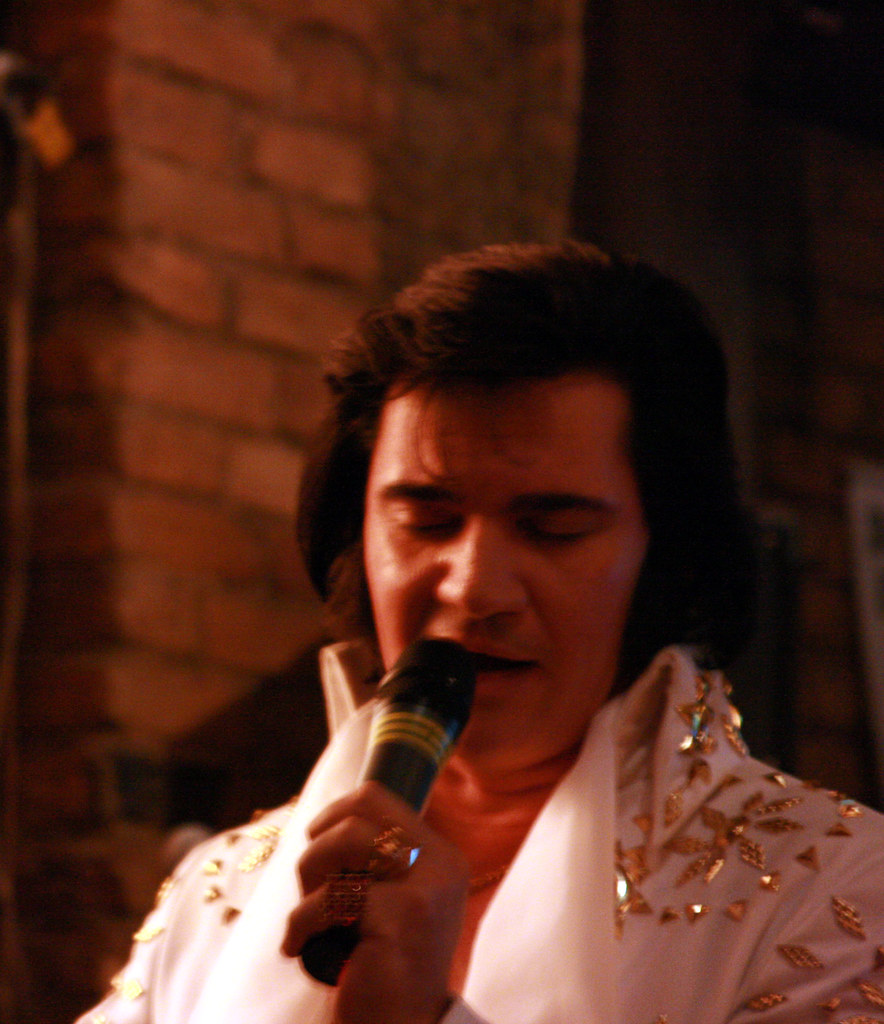
The profound impact of Elvis Presley’s life and career extends far beyond his recorded music and the physical confines of Graceland, manifesting in a truly unique cultural phenomenon: the legion of Elvis impersonators. These dedicated performers, many of whom have honed their craft to an astonishing degree, keep his spirit alive on stages worldwide, ensuring that the King’s iconic movements, voice, and charisma continue to entertain new audiences.
The existence of such a widespread impersonator community also feeds into the persistent rumors that occasionally crop up, suggesting that Elvis did not truly die, but rather faked his death to escape the intense glare of fame. While these theories remain unsupported, they speak to the depth of his fans’ devotion and the almost mythical status he achieved. For many, the idea of Elvis still being “out there” is a comforting thought, a refusal to let the legend truly fade.
His “biggest fans,” often described as “working-class white women,” have played a crucial role in perpetuating his legacy, passing their fervent fanaticism on to their children. This generational transfer of adoration ensures that new cohorts are introduced to his music and persona. The phrase, ‘Elvis has left the building,’ famously declared at the end of his concerts, became a signal for the audience to disperse, but for his enduring fanbase and the legions of impersonators, the party, and the dream, have continued on regardless, embodying a triumph that, while shadowed by his tragic end, remains powerful.
Read more about: Sam Moore, Vocal Dynamo of Soul Duo Sam & Dave, Dies at 89; His Tenor Defined an Era and Endured for Decades
15. **The Controversial Legacy of Colonel Tom Parker**
No discussion of Elvis Presley’s life and career would be complete without a thorough examination of Colonel Tom Parker, his manager, whose legacy remains profoundly controversial. A Dutch-born show business promoter, Parker managed Elvis from 1955 until the singer’s death in 1977, a period during which he meticulously orchestrated Presley’s rise to unparalleled stardom but also, arguably, constrained his artistic and personal freedom.
Parker’s methods were often questioned, particularly after Elvis’s death when the singer’s family members sued him for fraud and mismanagement. A key point of contention was Parker’s status as a stateless illegal immigrant, which many fans and critics believe was the real reason Elvis never toured outside the United States despite his global popularity. While Parker claimed concerns about Presley’s drugs and guns complicating international travel, his inability to obtain a U.S. passport due to having entered the country illegally as a stowaway remained a significant cloud over his management decisions.
The film adaptation of Elvis’s life further highlighted Parker’s controversial dealings, depicting how he manipulated Elvis into a restrictive five-year Las Vegas casino residency due to his own gambling debts, and how his control tightened by refusing Elvis’s request for a world tour. It even dramatized the moment Elvis discovered Parker’s stateless status and attempted to fire him, only for Parker to counter with a staggering $8,549,761.09 debt claimed since 1955, effectively cementing their “symbiotic relationship” despite their eventual distance.
A series of lawsuits in the 1980s ultimately exposed Parker’s extensive financial abuse of Elvis. He eventually settled out of court, cutting his ties to the Presley estate after failing to claim immunity as a stateless person, losing the battles that exposed his predatory practices. Having gambled away much of his ill-gotten fortune, Parker eventually became impoverished, dying in Las Vegas in 1997. His story serves as a stark reminder of the complex and often exploitative power dynamics at play in the entertainment industry, casting a long shadow over the King’s meteoric rise.
Elvis Presley’s journey, from the dirt roads of Tupelo to the dazzling lights of Las Vegas, remains an unparalleled saga in American culture. His life was a symphony of groundbreaking music, seismic cultural impact, and profound personal struggles, a narrative so compelling it continues to resonate with new generations. Even in the modern era, his story is being retold and reinterpreted, ensuring his enduring presence. The critically acclaimed 2022 biographical drama ‘Elvis,’ directed by Baz Luhrmann and starring Austin Butler, brought his complex relationship with Colonel Tom Parker to the big screen, achieving commercial success and widespread critical acclaim for Butler’s portrayal. Luhrmann himself stated the film was less about Elvis and ‘really about America in the fifties, sixties, and seventies,’ underscoring the King’s integral role in shaping the nation’s cultural fabric. With a stage adaptation in development and unseen footage set to form the basis of a 2025 documentary, ‘EPiC: Elvis Presley in Concert,’ it is clear that the fascination with Elvis Presley is far from over. His influence continues to ripple through music, fashion, and performance, solidifying his status as an eternal icon whose reign, decades after his untimely departure, shows no signs of relinquishing its crown.”
Read more about: The King’s Highway: Charting Elvis Presley’s Revolutionary Ride Through Music History